Former UK chancellor appointed as the new health secretary.
Health secretary Matt Hancock resigned Saturday after admitting that he broke the Covid-19 social distancing guidelines during alleged affair with his aide, which reportedly caused an outrage in the country.
Former British Chancellor of the Exchequer Sajid Javid has been appointed health secretary after the resignation of Matt Hancock on Saturday, Downing Street said. Javid previously served as home secretary from 2018 to 2019 and then as chancellor of the exchequer until February last year, when he was succeeded by Rishi Sunak. Hancock resigned Saturday after admitting that he broke the COVID-19 social distancing guidelines during alleged affair with his aide, which reportedly caused an outrage in the country. Former UK chancellor appointed as the new health secretary.
In his resignation letter to British Prime Minister Boris Johnson, Hancock said that “we owe it to people who have sacrificed so much in this pandemic to be honest when we have let them down as I have done by breaching the guidance.” “The last thing I would want is for my private life to distract attention from the single-minded focus that is leading us out of this crisis,” he said. Hancock also posted a video on his Twitter account, in which he said “those of us who make these rules have got to stick by them, and that’s why I have got to resign.” Hancock has been under increasing pressure to quit after The Sun newspaper on Friday published pictures of him and his aid Gina Coladangelo kissing at the British Department of Health’s London HQ reportedly during office hours in May. Hancock’s resignation came after embarrassing footage emerged of the health secretary in a clinch with his aide Coladangelo on May 6, when the public were still being advised not to hug people outside their household, the Guardian newspaper reported. Former UK chancellor appointed as the new health secretary.
Southeast Asia sees steep jump in new Covid-19 cases
Asean countries logged 40,222 new Covid-19 cases on Saturday, the highest on a single day in months, collated data showed.
Saturday’s total was higher than Friday’s 37,037, however the number of deaths was lower at 605 compared to 689 on Friday.
More than half the cases — 21,095 — are in Indonesia, which has seen a big jump in new cases over the last week
Total Covid-19 patients in the region rose to 4,734,117, while the death toll is now at 91,656.
Cambodia reported 745 new patients and 14 deaths on Saturday, bringing cumulative cases in the country to 46,810 with 523 deaths.
Phnom Penh government agencies vowed to conduct a vaccination drive until July 8 this year, but citizens complained that existing vaccination centres were facing vaccine shortage and were being closed.
Vietnam reported 738 new patients on Saturday, bringing cumulative cases in the country to 15,275 with 74 deaths.
Meanwhile, 6,137 patients had recovered and been discharged.
The Vietnam government planned to reopen Quảng Ninh province to foreign tourists who had already received two doses of vaccine.
Vaccinated tourists who test negative before departure can travel in the province after seven days of quarantine.
Southeast Asia sees steep jump in new Covid-19 cases
COVID vaccine walk-in centers open across England amid resurge of cases.
Britain reported 35,204 new cases of the Delta COVID variant in the latest week, a 46 percent increase, Public Health England (PHE) said Friday, adding that the Delta variant now comprises 95 percent of all sequenced cases.
Adults in England will be able to get a COVID-19 vaccine without an appointment at hundreds of walk-in sites across the region this weekend amid a resurge of coronavirus cases, local media reported Saturday. In the “grab a jab” campaign, those aged 18 and over can turn up at the National Health Service (NHS) drop-in sites, including football stadiums, theaters, supermarket car parks and shopping centers, The Guardian newspaper reported. The vaccine hubs are open to people having their first dose but can also provide second jabs for the over-40s who had their first at least eight weeks ago, or at least 12 weeks ago for the under-40s, according to the report. Britain has reported another 15,810 coronavirus cases in the 24-hour period, bringing the total in the country to 4,699,868, according to the latest official figures released Friday. The country also recorded another 18 coronavirus-related death. The total number of coronavirus-related deaths in Britain now stands at 128,066. These figures only include the deaths of people who died within 28 days of their first positive test. COVID vaccine walk-in centers open across England amid resurge of cases.
A sign of COVID-19 vaccine center is seen in Brent, northwest London, Britain, June 19, 2021.(Photo by Ray Tang/Xinhua) More than 43.8 million people have been given the first coronavirus vaccine jab while more than 32 million people have been fully vaccinated, according to the latest official figures. British Prime Minister Boris Johnson has announced a four-week delay to the final step of England’s roadmap out of COVID-19 restrictions until July 19, amid a surge in cases of the Delta variant first identified in India. Britain reported 35,204 new cases of the Delta COVID variant in the latest week, a 46 percent increase, Public Health England (PHE) said Friday, adding that the Delta variant now comprises 95 percent of all sequenced cases. Experts have warned that coronavirus may continue to evolve for years to come, and eventually it is likely current vaccines will fail to protect against transmission, infection, or even against disease caused by newer variants. COVID vaccine walk-in centers open across England amid resurge of cases.
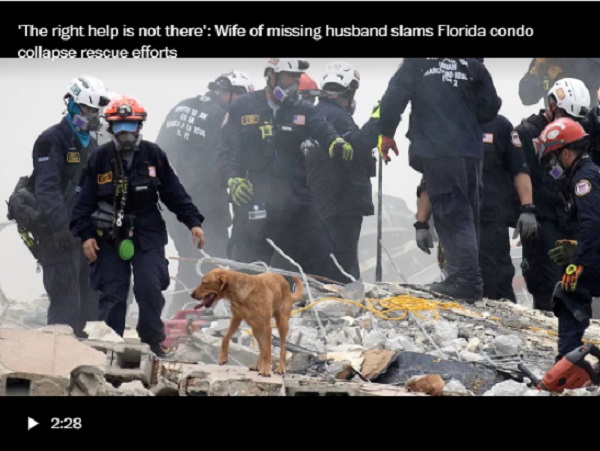
Engineer warned of major structural damage years before Florida condo collapsed
An engineer warned in October 2018 that he had discovered “major structural damage” to a concrete slab below the pool deck in the section of the Champlain Tower South condominium building that collapsed Thursday, killing at least four and leaving scores trapped, according to records released by local authorities late Friday.
The engineer, Frank P. Morabito, said in a structural survey report that waterproofing had failed below the pool deck and entrance drive, allowing damaging leaks.
“Failure to replace the waterproofing in the near future will cause the extent of the concrete deterioration to expand exponentially,” Morabito wrote. He said a “major error” had been made in the construction of the building, when waterproofing was laid on a flat slab rather than a sloped surface, to allow water to run off.
Morabito also found “abundant cracking” and deterioration in the concrete columns, beams and walls supporting the parking garage under the pool deck, along with damaged and exposed rebar.
Morabito said in his report that necessary repair work, which he said would be aimed at “maintaining the structural integrity” of the building, would be “extremely expensive” and create significant disruption for residents.
He also wrote that some previous repairs to the slab supporting the pool above the garage, including the patching of cracks, had been done “less than satisfactorily” and needed to be completed again.
Morabito’s report detailed other problems including “significant cracking” in the stucco facade of the building, along with flooding in some apartments due to failed seals on doors and windows, and damaged balconies.
It was not clear from the records released whether any repairs were completed, but a separate 84-page draft plan drawn up by Morabito for extensive repair work, dated April 27 this year, was also released by Surfside authorities.
The plan was aimed at ensuring that the building, which was completed in 1981, passed a mandated 40-year recertification process. Morabito did not respond to requests for comment.
A separate inspection report on the building by Morabito, completed around the same time as the structural survey report, was also released by Surfside, along with a note that said the town had only received it from Morabito at 5:26 p.m. Thursday, after the building had collapsed.
“This report was not formally submitted or authorized” by the condominium association as required by the county code, the note said. An attorney for the association, Kenneth Direktor, did not respond to a request for comment.
A former member of the Champlain Towers South condo board, Max Friedman, said that the damage identified in the 2018 report had prompted a $15 million construction project to make repairs.
“It was an expensive project,” Friedman said. Some condo owners “have paid up front and some were going to pay over a period of time.”
He also said the condo association had taken out a line of credit for the project. The repairs on the roof that were taking place before the building collapsed were an early part of this larger repair effort, he said.
Friedman said he has owned his condo for about a decade and he served on the board for several years but does not now.
He said there was occasional water in the basement garage that would “come and go depending on the season.”
“I think before the catastrophe it was quite dry,” he said. “When it rains there is water in the garage. That was part of the project also, to put more water-proofing in and fix the columns.”
Friedman lives in New York City and he was down in Surfside a few weeks ago visiting the condo.
“Our apartment was completely destroyed,” he said. “It’s gone.”
Investigators will review Morabito’s reports as they search for signs of why the building collapsed catastrophically early on Thursday. Surfside Mayor Charles W. Burkett told reporters Friday that authorities have “no idea” what had caused its destruction.
John Pistorino, a veteran engineer who helped write the Miami-Dade County code that requires buildings to be inspected and recertified once they are 40 years old, said he had been hired to look into the collapse.
As a young engineer, Pistorino discovered that the area’s salty and humid climate had contributed to the erosion of a building that collapsed in downtown Miami in 1974, killing seven people.
Investigators will probe whether salt, humidity and other environmental conditions could also have weakened the Champlain structure or if other problems such as a sinkhole-like collapse in the ground underneath the building led to the disaster.
“We got to get to the bottom of this. This is such an unusual and mystifying type of collapse,” Pistorino said. “Something very unique has happened here.”
Some local officials and others interviewed said that the 40-year review process should be made more rigorous and more frequent. They noted that the checklist does not include an examination of the ground under buildings such as the Champlain tower.
“It’s not just what’s happening above ground – it’s what happening below ground that counts,” James McGuinness, the town’s building official told reporters. Accordingto McGuinness, the review is strictly focused on the structural load-bearing elements of the building and its electrical systems.
Surfside Town Commissioner Eliana Salzhauer told reporters Friday that commissioners believed the process should be adjusted to include underground checks.
“They look for cracks in the concrete, but they really have no clue what’s going on beneath the ground,” said attorney David Haber, who specializes in construction and condominium law. “Who knows what it looks like below grade? That’s something that I think we are going to have to look at changing in South Florida, with the rising water table.”
Haber said policymakers should consider requiring the recertification process to begin after 30 or 35 years because of the corrosive effects of the ocean air.
Salzhauer agreed and called on state lawmakers to begin updating the guidelines.
“Why are we are we waiting 40 years to do recertification, especially on the beach?” Salzhauer said in an interview.
In recent months, a much larger building was constructed next to The Champlain Towers in Miami Beach. During construction, Salzhauer said some Champlain Towers residents had complained that the vibrations had damaged their property, including some cracks in the building.
“Some of those things may have been factors, but this is an investigation, and we don’t know where it’s going to lead,” Salzhauer said.
But Salzhauer said Surfside, like communities throughout South Florida, has been battling erosion. Many buildings have been constructed on reclaimed marshland.
“Remember the water just doesn’t go where we see it,” Salzhauer said. “The water is underneath. Miami Beach has water underneath. There is water below us, and the water is above us. And we have to live in that precarious balance of having to build on what is essentially a big puddle of water.’
Last year, the Army Corps of Engineers did a full replenishment of Surfside’s beaches, Salzhauer said. Much of the sand for that project was initially stored directly in front of Champlain Towers, she added.
“We trucked in thousands and thousands of tons of sand, and it was dumped right in front of that location,” Salzhauer said. “And I don’t know if that weight of all of that schlepping of sand contributed to anything. But I don’t think its going to be any one factor. I think its going to be a cumulative effect of many different things.”
Jason Borden, a Fort Lauderdale-based engineer, said that he had examined the building during a January 2020 walk-through as his firm prepared an unsuccessful bid for the contract to conduct the 40-year inspection.
Borden told The Post that he had noticed deterioration of the building’s stucco cladding; deterioration of concrete on some balconies; deformation or damage of balcony guardrails; and cracks in the ceiling of the garage along with calcification and rust that indicated a water leak through waterproofing.
But Borden, a regional director at O&S Associates, said these issues were typical and not alarming. “I certainly didn’t see anything requiring evacuation or any indication of imminent collapse,” he said.
Attorney Donna DiMaggio Berger, a colleague of Direktor whose law firm represents the Champlain condominium association, said the replacement of the building’s roof had been flagged as a top priority as hurricane season approached.
McGuinness, the town building official, said he had been on the building’s roof only 14 hours before the collapse. He said he did not see an inordinate amount of materials or equipment that he believed could have led to the disaster.
DiMaggio Berger said that a “subsurface, structural issue” likely caused the collapse. “This building was on pilings buffeted by the Atlantic Ocean and the Intracoastal Waterway,” she said. “We’ve got water coming at this thing from both sides.”
In recordings of emergency responder radio traffic from early Thursday, around 1:20 a.m. an unidentified person is heard saying that an alarm was ringing at Champlain Towers. The kind of alarm was not specified.
Around 1:31 a.m., another unidentified person said over the radio that county authorities reported there was “a collapse inside the building” and a fire, before amending their comments to say there was no fire, “just a straight-up collapse.”
The radio traffic was posted on Broadcastify, a website that compiles such recordings.
The day before the collapse, one of missing residents told her son that the building was making “loud creaking noises,” CNN reported. Pablo Rodriguez, whose mother and grandmother are among those missing, told CNN the creaking was “loud enough to wake her.”
The 12-story Champlain Towers South building was completed in 1981, according to county records. It stood alongside two similar towers named East and North.
The properties were developed by a real estate partnership including the Polish-born Canadian Nathan Reiber, who died in 2014.
Faced in 1979 with a moratorium on construction in Surfside due to problems with the sewer system, the developers agreed to pay half the $400,000 bill for upgrades, according to reports at the time. Rival developers with stalled projects complained that the deal secured Champlain preferential treatment for permits.
The following year, the Champlain developers asked two members of the town council to return campaign contributions that they had made, after the company was accused of trying to buy favor from local officials.
On Friday, as officials and attorneys called for greater scrutiny of the ground underneath residential structures, The Washington Post found that research indicating that the site of the Champlain building had been sinking was made public at least three and a half years ago, earlier than was previously known.
An academic study published in April 2020, which found that the building appeared to have been sinking during the 1990s, was first reported by USA Today on Thursday, after the tower collapsed.
But findings in that study previously appeared in a 2017 doctoral thesis by one of the authors, a copy reviewed by The Post shows. The thesis included satellite imagery in which apparent subsidence in the area around the building was highlighted.
The thesis, by Italian researcher Simone Fiaschi, was submitted in January 2017 and subsequently published on the website of the University of Padua in Italy, where it remains available to download. The thesis was online by December 14, 2017, archives of the site show.
Fiaschi’s co-author, Professor Shimon Wdowinski of Miami’s Florida International University, told The Post that he had presented research in the past to Miami-Dade officials as part of a regional task force seeking to tackle climate change, but could not recall whether the subsidence in the area of Champlain Tower South had been discussed.
Leaders of the task force and a senior Miami-Dade official who participates on it declined to comment when asked if they had been aware of the findings.
Wdowinski said that he did not believe Surfside town officials were aware of his work. Town Manager Andy Hyatt told reporters Friday that he had not been made aware of the research, which was published several months before he took his position in November 2020.
Fiaschi stressed in an email to The Post that the reason for the collapse of Champlain Tower was unclear, saying it was “not possible to understand which are the causes of the collapse, or if the subsidence we detected have some sort of contribution to the failure of the building.”
As the Champlain Towers South Condo collapsed, it left behind parts of rooms and furnishings. MUST CREDIT: photo for The Washington Post by Saul Martinez.
ADVERTISEMENT
In the studies, Fiaschi and Wdowinski detected sinking by comparing images of the Earth’s surface taken over time by microwave beams emitted from a satellite.
While the April 2020 study was limited to images of the Champlain site captured between 1993 and 1999, Fiaschi’s doctoral thesis used imagery taken more recently, in 2005. Both studies indicated that the Champlain site sank at a rate of around two millimeters per year, but the thesis highlighted in red additional hot spots of possible quicker subsidence – more than three millimeters per year – in the area immediately to the north of the condominium building.
Fiaschi told The Post that the 2005 images contained higher possible error rates, making the data less reliable. “I can’t say that the subsidence accelerated based on our previous results,” he said.
Other analysts on Friday said focus should remain on the building’s structural integrity.
Kit Miyamoto, a veteran Los Angeles-based structural engineer who specializes in structural resilience, said that a pillar or column supporting the building appeared to have failed. Corrosion by the salty air or a “differential settlement,” meaning differences between how sides of the building were sitting on the land, could have caused a pillar to collapse, he said.
“This is truly a classic failure of a column,” said Miyamoto, chief executive of Miyamoto International, a global earthquake and structural engineering firm. “It was supporting many stories and that’s why it happened very suddenly.”
Miyamoto, who has studied building collapses around the world, added that it would be difficult to pinpoint the exact location of the degraded pillar because of the near-total destruction of the building. “It requires a forensic investigation, like peeling off the skin of an onion, one by one,” he said.
Peter Dyga, president of Associated Builders and Contractors Florida East Coast Chapter, an industry trade group, said that Miami-Dade’s building code was one of the strongest in the nation but added “of course, you can always do more.” He said that there would be obvious cracks in the building if there were deficiencies underneath.
“The process is already very extensive,” he said. “Also, you don’t have to wait 40 years to take action on something that’s visible.”
Investigators are likely to examine whether necessary repairs were carried out promptly. A relative of two missing residents told The Washington Post that there had been some disagreement among members of the condominium board about funding for necessary improvements to the building.
“They knew they had to do something, but they were fighting over the cost of having to address this issue,” said the relative, who spoke on the condition of anonymity to discuss matters that are already the subject of a lawsuit.
Direktor did not respond to a request for comment on the relative’s claim.
An attorney who sued the condominium association in 2015 said Friday that if the building collapsed due to neglected structural problems, it would be consistent with past unwillingness to address such issues in his client’s case.
The attorney, Daniel Wagner, said corrosion had contributed to water damage caused inside his client’s first-floor unit. In that case, resident Matilde Fainstein said damage to her home was caused by water seeping in through an exterior wall.
Wagner said an inspection of the unit and its surroundings showed signs of corrosion. He sent a letter to the board, he said. A confidential settlement was reached.
Wagner said the collapse should serve as “a wake-up call” to other condominium boards, some of which fall short in fixing problems in the interest in saving money and to avoid raising maintenance fees. Condominium boards and unit owners prefer to keep maintenance low and avoid charging special assessments “presumably to attract buyers and keep market values up, all to the detriment of those same unit owners,” he said.
“Associations sometimes opt to forgo necessary maintenance repairs and to take the risk,” he said. “All this does is pass the buck to future generations.”
The interior of the Champlain Towers South building left exposed after the residential building partially collapsed. MUST CREDIT: photo for The Washington Post by Zack Wittman.
Published : June 27, 2021
By : The Washington Post · Jon Swaine, Joshua Partlow, Beth Reinhard, Antonio Olivo
Cities are making covid-era street changes permanent. Some are facing pushback.
Paris barred most cars from the majestic road that goes past the Louvre Museum, then months later announced it would keep it that way. New York followed suit, making permanent a program that clears space on public roads for walking, biking and, in the case of 34th Avenue in Queens, Mexican folk dance classes.
In San Francisco, officials are weighing whether to keep part of John F. Kennedy Drive in Golden Gate Park closed to cars, prompting a tussle among drivers, pedestrians, bicyclists and a fine arts museum that lost easy public access to its facilities.
Leaders in other cities are pushing to do the same, seeing an opportunity to cement progress in making streets safer, more enjoyable and less polluting. The moves have also roiled long-running debates about the role of the automobile and the purpose of public streets.
In Washington, the D.C. Council in June appealed to the National Park Service to keep cars off a scenic stretch of Beach Drive in Rock Creek Park, a move also supported by Democratic Mayor Muriel Bowser. But one initial supporter of the idea, Del. Eleanor Holmes Norton, D-D.C., tapped the brakes after opposition emerged, showing the complexities of limiting car travel, even in a city where local and federal officials have sought to emphasize other modes of transportation.
President Joe Biden is pushing an infrastructure overhaul that prioritizes climate change, pedestrian safety and equity. Transportation Secretary Pete Buttigieg is advocating for “complete streets” designed for more than cars. And Norton, as chairwoman of the House Transportation Subcommittee on Highways and Transit, has championed a major transportation bill that seeks to curtail the primacy of the automobile.
But when it comes to the idea of permanently ejecting cars from a creek-side stretch of road in her district – which she requested from the National Park Service in a letter last month – Norton was surprised by the pushback.
“I must have been wrong . . . The community appears much more divided than I thought,” Norton said in an interview. She planned a public meeting on June 29 to hear from residents ahead of a second session on July 8 organized by the Park Service.
From left, Spiro Tsianakas, Theoni Tsinonis, Nektarios Tsinonis, and Anastasia Kontos stroll along Woodmont Avenue in Bethesda, Md., in June. MUST CREDIT: Washington Post photo by Toni L. Sandys,
Acting with unusual swiftness, hundreds of cities changed the way their roads were used early in the pandemic, often using paint, plastic posts, temporary barriers or signs asking for compliance. Some adjustments were popular, creating what supporters saw as urban oases. Others provoked drivers’ ire.
Efforts to make pop-up infrastructure permanent offer a preview of bigger battles to come amid changing priorities in Washington, with safety and environmental advocates saying cities must become more nimble and responsive to community concerns if they are to tackle climate change or reduce the death toll on U.S. roads, which topped 38,000 last year.
“The nature of the emergency was that things happened fast. But the nature of democracy is that the things that last are the things that people talk over and agree to,” said Philippe Crist, adviser on innovation and foresight at the Paris-based International Transport Forum.
Transportation chiefs from 63 countries, including Buttigieg, jointly called in May for seizing on a surge in walking and biking during the pandemic to accelerate a move toward more “accessible and resilient” transportation infrastructure. Milan, Brussels, Rome, Bogota and Lima are among cities making much of their pop-up pedestrian and cycling changes permanent, the group said.
In the United States, the National Association of City Transportation Officials tracked the trend and offered grants to cities that repurposed streets in neighborhoods hit disproportionately hard by the pandemic.
Detroit temporarily closed streets near schools for community groups to create outdoor learning spaces and provide child care. Philadelphia worked with restaurant owners in communities of color who were underrepresented in the city’s pandemic-era program to convert streets to dining spaces.
“Our streets are physical manifestations of our policy and funding choices,” said Zabe Bent, the transportation association group’s design director. “Cities are taking a moment to say, ‘Where are we now? What are the needs now?'”
Some cities, including Philadelphia, plan to continue their program at least through this year, Bent said. Kevin Lessard, a Philadelphia city spokesman, said officials are working with businesses and residents to figure out what to roll back while also considering “a permanent program that can be implemented in a safe, responsible and equitable way.”
Others are working on similar efforts to repurpose streets.
In San Francisco, officials created a five-step process to gauge which “slow streets” that restricted cars during the pandemic are worth keeping. It includes multilingual outreach and design improvements before the installation of more durable traffic barriers.
Transportation officials in Pittsburgh, where brutal winters can upset plans for outdoor dining and recreation, are looking to keep several closures at least seasonally, said Karina Ricks, director of the city’s Department of Mobility and Infrastructure.
“We remain focused on small business recovery, safety, climate and job creation, and these street adaptations are vital contributors to that,” Ricks said in an email.
A new law in New York requires city transportation officials to operate an “open streets” program that gives space to pedestrians, bike riders and others for up to 24 hours a day.
A community group in the Jackson Heights neighborhood in Queens has been honing a popular closure along 34th Avenue, installing tennis balls under traffic barriers so they don’t annoy neighbors when dragged into place each morning. Discord has bubbled up, with an objector in Brooklyn hurling barricades into a nearby creek. City transportation officials have been pushing further changes, and recently began replacing a traffic lane on the iconic Brooklyn Bridge with a two-way, protected bike lane.
In Paris, the pandemic broadened the ambition of changes that had started along Rue de Rivoli, a major east-west thoroughfare that runs past the Louvre Museum to the square that once held the Bastille prison. The city had set aside one traffic lane for bikes in 2018, then last year created a multilane boulevard for cycling. Space is reserved for buses, taxis, residents and deliveries.
The move, part of a broad expansion of bike lanes during the coronavirus pandemic, has proved popular with many Parisians, less so for some on the outskirts of the city who drive in, said the International Transport Forum’s Crist, who lives in France and grew up in Tennessee.
“Cities bear the marks of past pandemics,” Crist said, pointing to green spaces laid out in London over the course of successive plagues. “We are starting to realize our allocation of space had maybe gone too far one way” – toward the automobile, he said.
A push to permanently shift the balance away from commuters on a stretch of road through Rock Creek Park in the U.S. capital shows the cleavages that can open around such efforts.
On weekdays, people jog with their dogs, bike and roll strollers down the middle of curved, car-free traffic lanes, including over the historic Boulder Bridge, which was fitted with large stones in 1902 to blend with a picturesque part of the park that drew repeated visits by president Theodore Roosevelt.
For some, it has provided relief. Sherry Marts rides her bike on the closed stretch to offices downtown from her home in the Shepherd Park neighborhood. “Being able to ride without having to play dodge-car is such a delight!” she said.
Cyclists in Washington D.C. enjoy a stretch of Beach Drive that is closed to vehicle traffic. MUST CREDIT: Washington Post photo by Toni L. Sandys.
ADVERTISEMENT
Priyanka Banerjee-Guenette used the space to build back her strength, balance and confidence after brain surgery last year, she said, and loves “the wind on my face.”
But some neighbors say they fear longer commutes and rerouted traffic.
Frances Burke, one of thousands of people who signed dueling petitions over the proposed permanent closure, argued the number of cars zooming past “will skyrocket,” worsening existing speeding problems through her Hawthorne neighborhood. “I have four children and do not want their lives risked every time they walk out the front door,” she wrote.
D.C. Council member Mary Cheh, whose district includes some of the communities beside the national parkland, said she’s seen no evidence of added safety risks in neighborhoods stemming from the closure, a move she supports.
“Covid, as bad as it was, has allowed us to reimagine a lot of things,” Cheh said. “One of the things is how we use public space.”
Published : June 27, 2021
By : The Washington Post · Michael Laris, Luz Lazo
Turkish police break up Pride parade with tear gas
ISTANBUL – Riot police in Istanbul used tear gas and rubber bullets to disrupt the annual Pride parade, intensifying a crackdown on the march at a time of rising government hostility toward LGBTQ individuals in Turkey, advocacy groups say. At least 20 people were detained, local media reported.
The Istanbul governor’s office had refused to grant a permit for the parade, which has been held since 2003 but banned for the last seven years. Even so, hundreds of people, many waving rainbow flags, marched Saturday in the city’s historic Beyoglu district, playing cat and mouse in back alleys with battalions of police officers who tried to prevent them from congregating on Istiklal Avenue, a hub for shopping and tourism.
“Rainbow is not a crime, discrimination is,” the marchers chanted.
The latest crackdown came during a withering year for gay and transgender people in Turkey, marked by increasingly strident official discrimination, advocacy groups said. Some of the loudest government denunciations came in February, when officials, including President Recep Tayyip Erdogan and Turkey’s interior minister, seized on student protests at a prominent Istanbul university to attack LGBTQ individuals.
“There is no such thing as LGBT. This country is national, spiritual and walking toward the future with these values,” Erdogan said during an address to members of his party that month, in comments that drew criticism from the Biden administration.
Earlier this year, the government also withdrew from the Istanbul Convention, a European Union treaty aimed at preventing violence against women, justifying the withdrawal in part by claiming that the agreement was “normalizing” homosexuality.
Erdogan, who spoke in favor of gay rights nearly two decades ago as his Islamist party was coming to power, has used far more divisive rhetoric against minority groups of late, as his party’s popularity is waning, and he is seeking to rally conservative and nationalist voters, analysts say.
“Anti-LGBT speeches and social media posts by top government officials have become common,” Human Rights Watch wrote in a report in March criticizing what it said was the government’s assault on rights and democracy.
In past years, Turkey has cited security concerns as the ostensible reason for banning LGBTQ celebrations. More recently, the government has also pointed to coronavirus-related safety protocols. But advocates say that those justifications ignore what is effectively a targeted crackdown against minority groups.
ADVERTISEMENT
Videos posted on social media Saturday showed police officers with riot shields breaking up the event and pushing rainbow-clad Pride march attendees out of their way. Those detained Saturday included Bulent Kilic, a photographer for Agence France-Presse, according to Reporters Without Borders.
A video of Kilic being forcefully pinned to the ground by at least three officers was widely circulated on social media. A lawyer representing Kilic told the BBC that the photographer was later released.
Published : June 27, 2021
By : The Washington Post · Kareem Fahim, Antonia Noori Farzan
4 dead, 1 in critical condition after hot-air balloon crash in New Mexico
Five people are dead after a hot-air balloon crashed Saturday morning in Albuquerque, N.M., police said.
Four died at the scene and one man was taken to the hospital with critical injuries, police said. Officials announced Saturday afternoon that the man died of his injuries.
The Albuquerque Police Department tweeted that the balloon appeared to have hit a power line.
The initial four deceased appeared to range in age from 40 to 60, police spokesman Gilbert Gallegos said at a Saturday morning news conference, according to the Albuquerque Journal. The age of the man who died at the hospital and the identities of any victims have not been released.
Gallegos said the balloon’s pilot was among those killed in the crash.
PNM, an electricity provider, tweeted that the crash caused power outages for more than 13,000 customers in the area.
Officials said the Federal Aviation Administration and National Transportation Safety Board will take over the investigation of the incident.
Delta variant Covid-19 infections on sharp rise in The U.S.
The proportion of the Delta variant infections for the two-week period ending June 19 was predicted to increase to 20.6 percent nationally and be higher in some regions, according to the CDC.
The Delta variant infection cases in the United States have increased rapidly recently, accounting for one fifth of the newly diagnosed COVID-19 cases, according to the U.S. Centers for Disease Control and Prevention (CDC). The proportion of the Delta variant infections for the two-week period ending June 19 was predicted to increase to 20.6 percent nationally and be higher in some regions, according to a report updated by the CDC on Friday. The proportion of Delta variant infections was only 2.8 percent in the two-week frame ending May 22, and increased to 9.5 percent in the two-week frame ending June 5, CDC data showed. The variant, which first emerged in India, has quickly swept across the globe. It has been reported in 77 countries and has become the main variant in COVID-19 cases in the United Kingdom, according to the CDC. On June 15, the Delta variant was classified by the CDC as a variant of concern (VOC) as it spreads from person to person more easily than other variants and may cause more severe disease. So far six variants have been classified as VOC in the United States. Delta variant Covid-19 infections on sharp rise in The U.S.
White House chief medical advisor Anthony Fauci said earlier this week the Delta variant would be the dominant variant in the United States in weeks. A recent CDC study found that the circulation of SARS-CoV-2 variants in the United States changed rapidly from December 2020 to May 2021, demonstrating how quickly a new variant can emerge, spread, and become the dominant strain. Calling the Delta variant “hyper” transmissible, CDC Director Rochelle Walensky repeatedly urged Americans to get vaccinated as soon as possible. Recent studies have shown that the vaccines available in the United States are effective against variants currently circulating, including the Delta variant. “Vaccines interrupt the ability of the virus that causes COVID-19 to move between people and mutate, so it is important for everyone to get vaccinated as soon as they’re eligible,” said the CDC.
UK reports another 15,810 coronavirus cases,mostly the Delta variant.
Britain has reported another 15,810 coronavirus cases in the latest 24-hour.The Delta variant now comprises 95 percent of all sequenced cases, the Public Health England (PHE) added. Last week, it made up 99 percent of new COVID-19 cases across Britain.
Britain has reported another 15,810 coronavirus cases in the latest 24-hour period, bringing the total number of coronavirus cases in the country to 4,699,868, according to official figures released Friday. The country also recorded another 18 coronavirus-related death. The total number of coronavirus-related deaths in Britain now stands at 128,066. These figures only include the deaths of people who died within 28 days of their first positive test. England’s coronavirus reproduction number, also known as the R number, has stayed the same at between 1.2 and 1.4, latest estimates showed. It means that, on average, every 10 people infected will infect between 12 and 14 other people. When the figure is above one, an outbreak can grow exponentially.
More than 43.8 million people have been given the first jab of the coronavirus vaccine while more than 32 million people have been fully vaccinated with a second dose, according to the latest official figures. British Prime Minister Boris Johnson has announced a four-week delay to the final step of England’s roadmap out of COVID-19 restrictions until July 19, amid a surge in cases of the Delta variant first identified in India. The Delta variant now comprises 95 percent of all sequenced cases, the PHE added. Last week, it made up 99 percent of new COVID-19 cases across Britain. Experts have warned that coronavirus may continue to evolve for years to come, and eventually it is likely current vaccines will fail to protect against transmission, infection, or even against disease caused by newer variants. To bring life back to normal, countries such as Britain, China, Russia, the United States as well as the European Union have been racing against time to roll out coronavirus vaccines.
Construction progress of China-Laos Railway on schedule despite pandemic.
There is a Chinese saying “to get rich, build roads first.” The Lao people hoped the country, with the Laos-China railway, will become prosperous soon, and become a transportation hub in Southeast Asia to drive the development in the region.
Despite the impact from the COVID-19 pandemic, both Chinese and Lao engineers are striving to complete the construction of the China-Laos Railway and put it on operation in the coming December as scheduled. “It will be on December 2 when we are to complete the railway construction and make it ready for full operation,” Xiao Qianwen, general manager of the Laos-China Railway Co., Ltd., a joint venture based in Lao capital Vientiane for the construction and operation of the first modern railway in the country, told Xinhua on Friday. “We are not changing the timetable and we are striving for that goal, with over 90 percent of the engineering work done, and our preparation for the operation is well on the way.” In the southern end of the railway in Vientiane, the China Railway No. 5 Engineering Group (CREC-5) has completed the construction of the main structure of the longest bridge along the China-Laos Railway, the Phonethong super major bridge with a length of 7,528.56 meters and 231 piers. In the northern end of the railway, the China Railway Construction Engineering Group (CRCEG) roofed the Lao border gate station in Boten On June 15, while the same Chinese company ceiled the top of the first railway station in Nateuy, some 360 km north of Lao capital Vientiane, nine months ago on Sept. 16, 2020. By May 15, the construction of all 67 communication towers along the China-Laos railway had completed, while the China-Laos railway tracks had been extended from Vientiane to the northern end of Boten. Construction progress of China-Laos Railway on schedule despite pandemic.
Workers are seen at the construction site of the Ban Phoukeu Tunnel in Muang Nga of Oudomxay Province, Laos, Sept. 21, 2020. (Photo by Pan Longzhu/Xinhua) “We will install all the tracks by mid-August,” Lei Chao, a China Railway No. 2 Engineering Group (CREC-2) railing base project manager, told Xinhua on Friday in Vientiane. Lei said the CREC-2 teams are carrying out strict precaution measures against the COVID-19 pandemic to achieve uninterrupted construction of the project with zero infection case. The company kicked off the track laying on March 27, 2020. According to Xiao Qianwen, most of the construction sites are located in tropical mountainous areas, with complex geographical conditions and poor traffic conditions, resulting in difficulties for the construction. Especially during the rainy season, the machinery can not get access to the construction sites and sometimes the Chinese engineering teams even have to turn to the piggyback transportation to carry large amounts of the needed materials and equipment. The China-Laos Railway’s construction has been confronted with huge challenges and difficulties during the pandemic, but the construction progress in an orderly and balanced manner has boosted the confidence in the timely completion of the railway in this December, Bounthong Chitmany, vice president of Laos, said when talking to Xiao Qianwen in the Lao presidential palace on June 15. On June 10, when inspecting the Vientiane railway station’s construction, Lao Deputy Prime Minister Sonexay Siphandone praised the Chinese engineering company there which hired some 700 local employees, hoping the railway will offer more jobs to local communities. The deputy prime minister, on behalf of the Lao government, hailed and progresses and achievements of the China-Laos Railway construction amid the epidemic, saying that the railway is a landmark project of the friendship between Laos and China and its completion coincides with the 60th anniversary of the establishment of diplomatic relations between China and Laos, which is of great significance. Both sides must cooperate to efficiently advance the remaining work, complete the construction and start the operation on schedule, and live up to the ardent expectations of the two parties and the two peoples, said Sonexay. Construction progress of China-Laos Railway on schedule despite pandemic.
“The COVID-19 pandemic has brought many difficulties to the Lao people, and thus, I especially expect the railway to be open to traffic this year, which is something the Lao people have been dreaming for a long time,” said Somphone Inleuangsy, aged 24, from Luang Namtha, a mountainous province in northern Laos that borders China. He is currently receiving training at the CREC-2 railing base on the northern outskirts of Vientiane. She told Xinhua “There is a Chinese saying ‘to get rich, build roads first,’ and I hope Laos, with the Laos-China railway, will become prosperous soon. I also hope Laos will become a transportation hub in Southeast Asia to drive the development in the region.” “As a female, among all over 600 trainees of the China-Laos Railway, I feel very honored and proud. I hope that I can become a formal railway employee after the training, and I hope my parents can see how I drive a train,” Somphone said. “I also hope that with the opening of the China-Laos railway, more Chinese friends can come to help the development here.” At present, a total of 636 Lao youngsters are trained for the future operation of China-Laos Railway, working as train drivers, equipment and infrastructure maintenance personnel. “In the past two years, the cooperation between Laos and China has been outstanding. Especially, the first modern Vientiane-Vangvieng Expressway in Laos has been put into operation through cooperation, and the high-speed Laos-China Railway will be completed by the end of this year,” said Valy Vetsaphong, Lao Prime Minister’s advisor and vice president of the Lao National Chamber of Commerce and Industry. “This is due to the policy coordination between the two countries, and the dovetail between Laos’ strategy to convert from a landlocked country to a land-linked hub and China’s Belt and Road Initiative.” Valy told Xinhua “The Laos-China Railway will lay a new foundation for the introduction of foreign investment, and Laos will surely take the advantage to participate in the regional and global industrial chain. In other words, the China-Laos Railway will not only promote bilateral trade, investment and people-to-people exchanges, but also benefit the countries to be connected. I believe that the completion and operation of the Laos-China railway will promote the post-pandemic recovery of neighboring countries and the whole region.” The over 400 km railway will run from Boten border gate in northern Laos bordering China to Vientiane with an operating speed of 160 km per hour. The electrified passenger and cargo railway is built with the full application of the Chinese management and technical standards. The construction of the project started in December 2016 and is scheduled to be completed and open to traffic in December 2021. ■ Construction progress of China-Laos Railway on schedule despite pandemic.

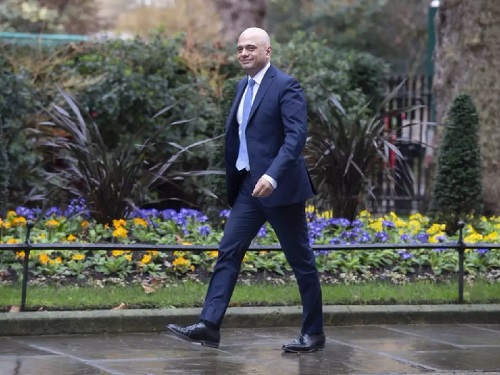
 Former UK chancellor appointed as the new health secretary.
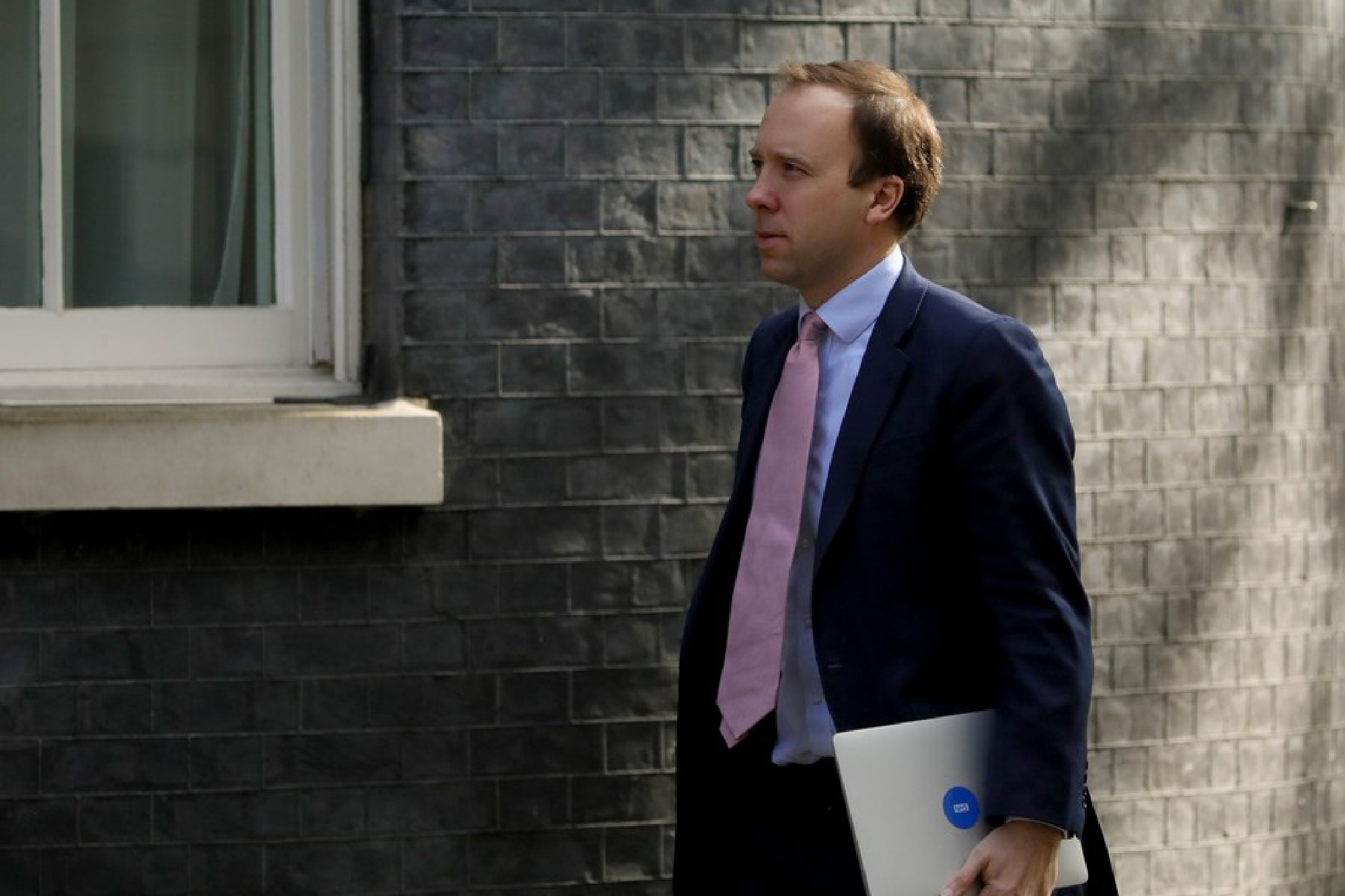 Former UK chancellor appointed as the new health secretary.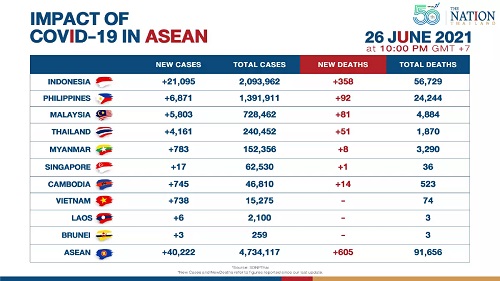
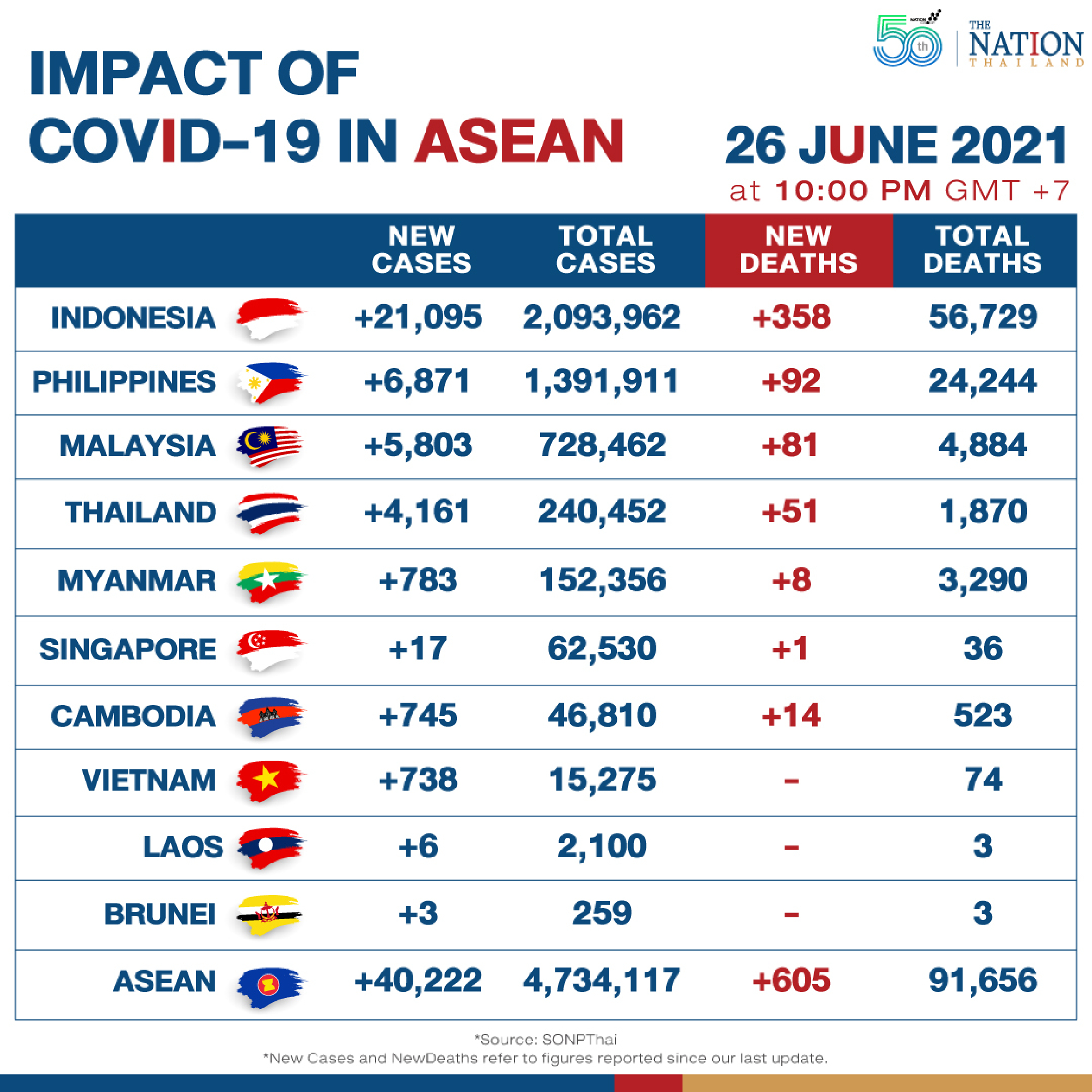 Southeast Asia sees steep jump in new Covid-19 cases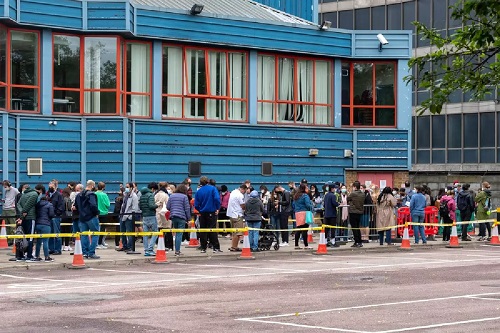
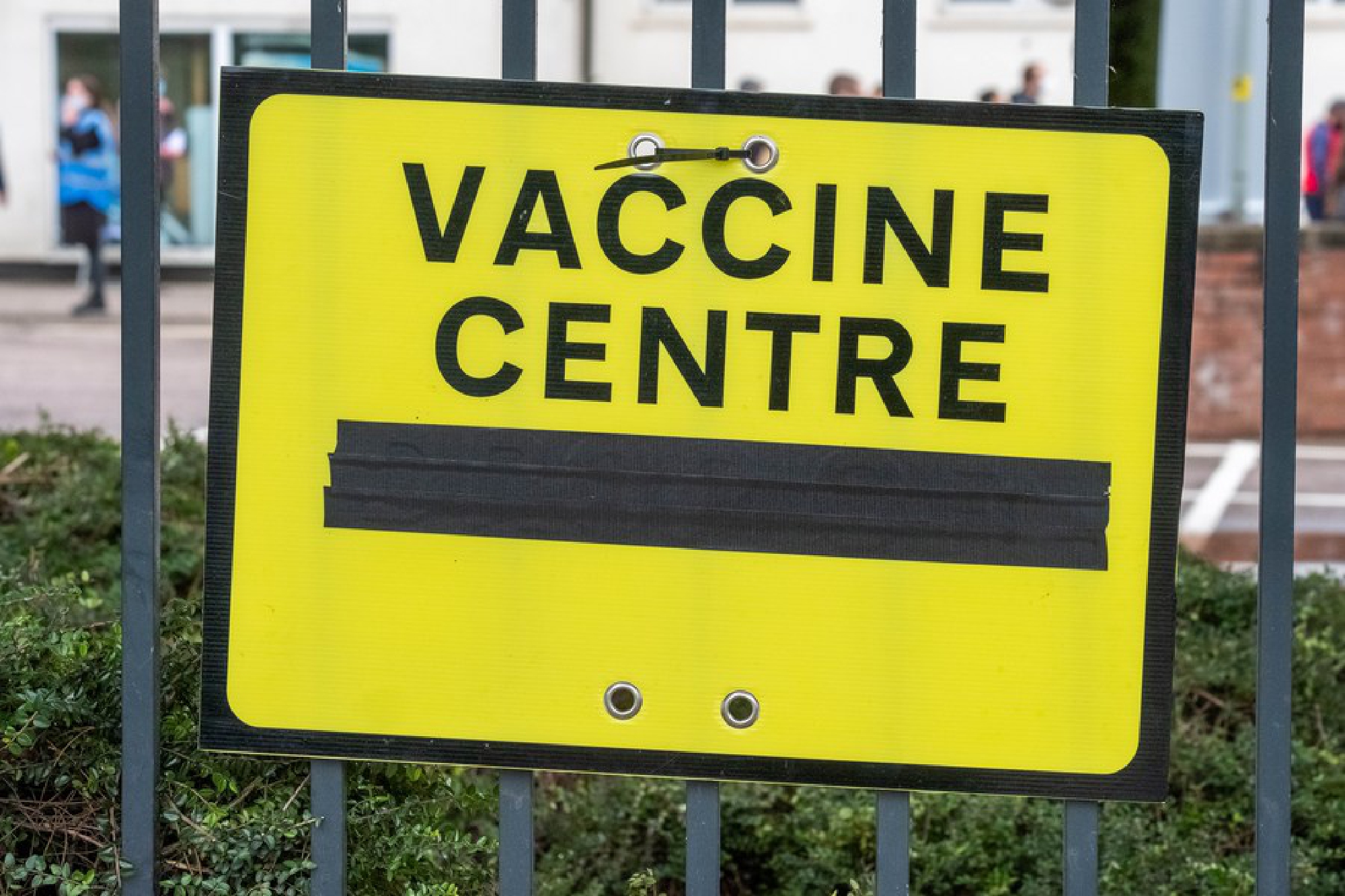 COVID vaccine walk-in centers open across England amid resurge of cases.
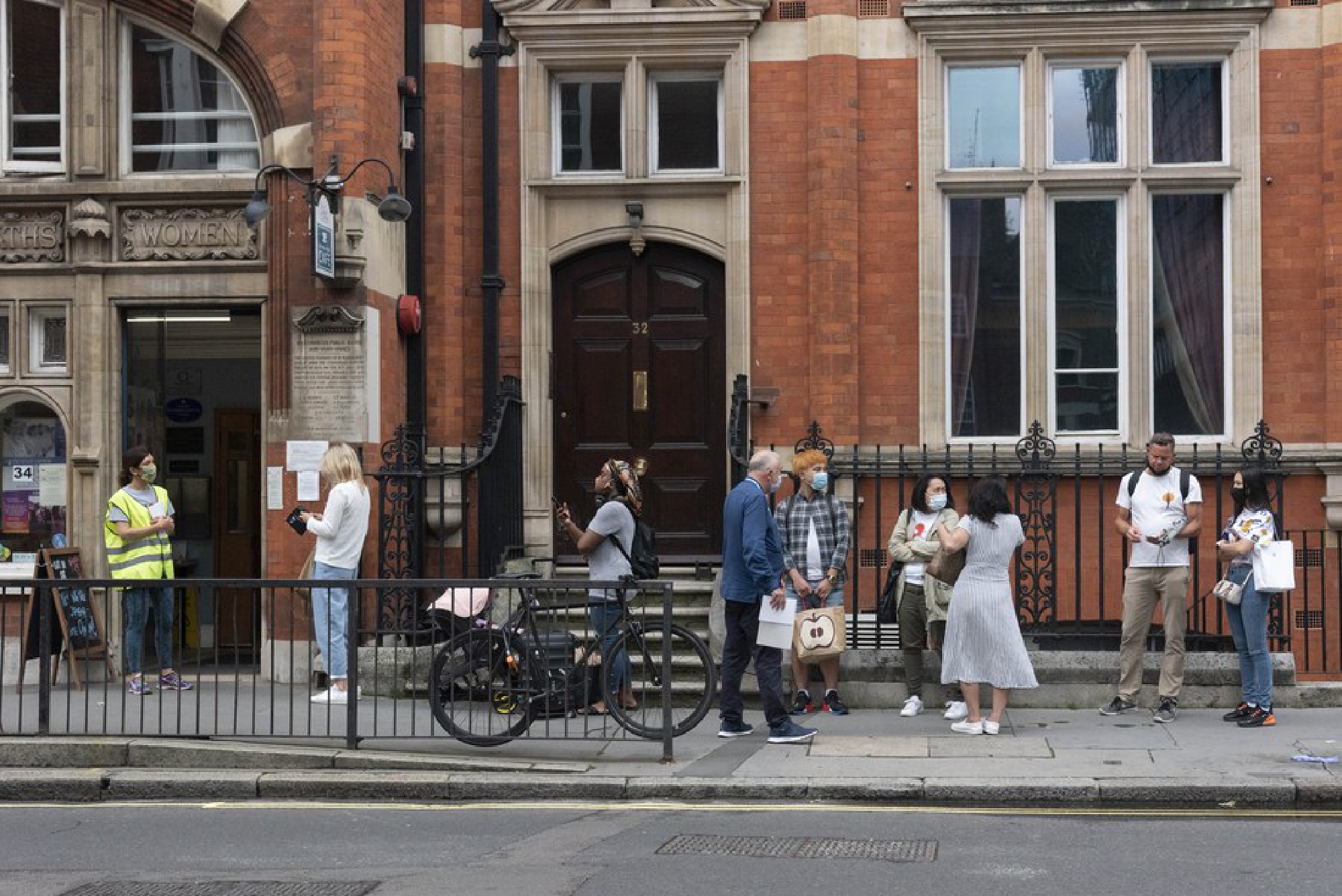 COVID vaccine walk-in centers open across England amid resurge of cases.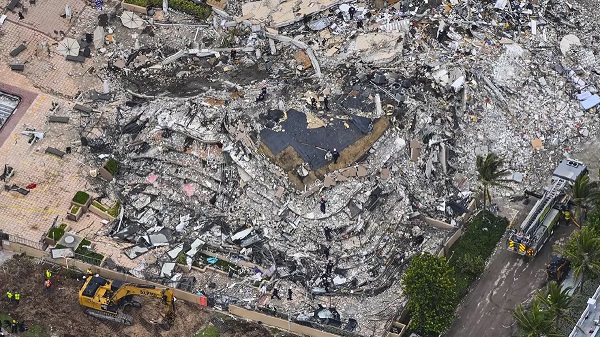
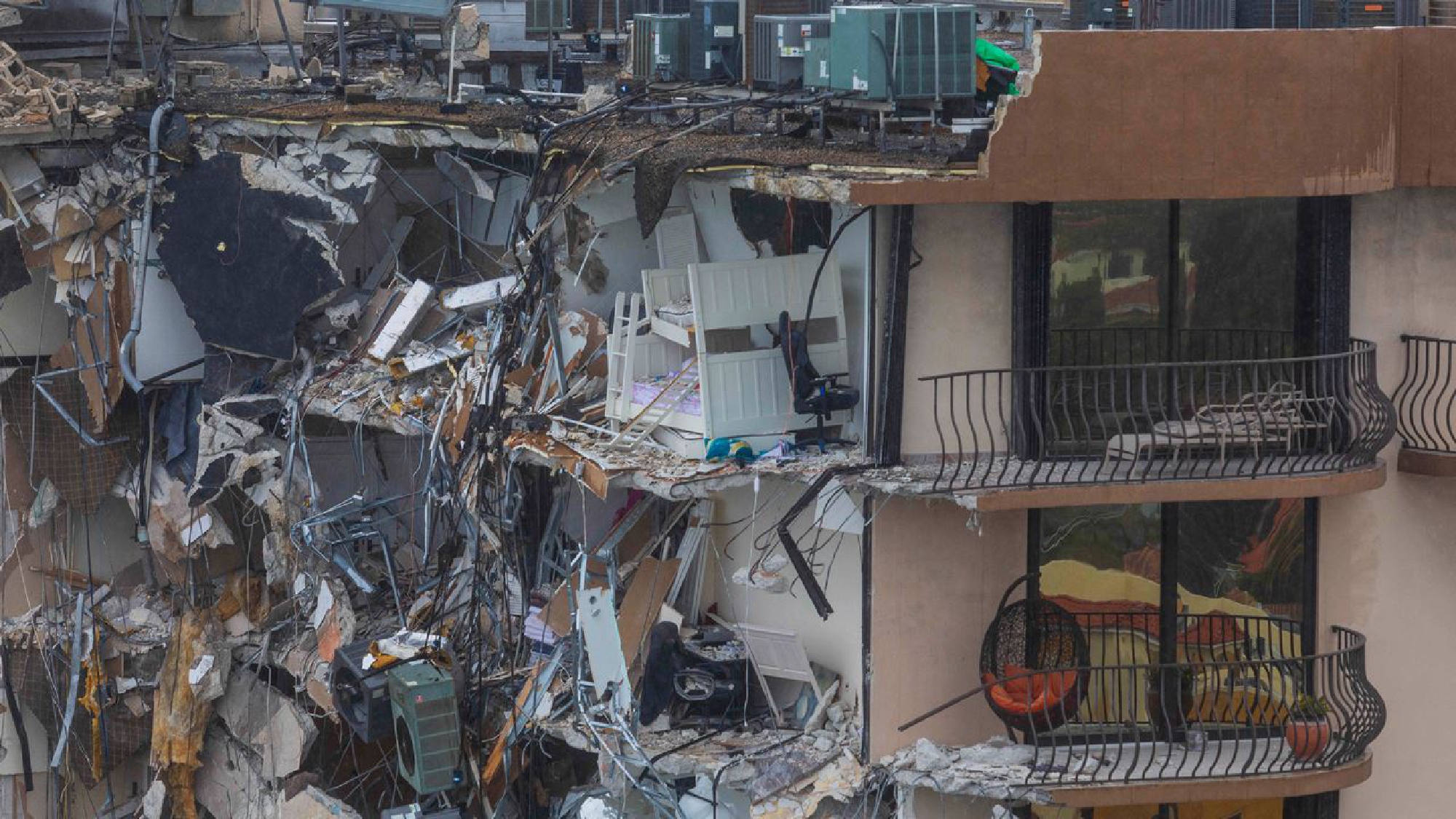 As the Champlain Towers South Condo collapsed, it left behind parts of rooms and furnishings. MUST CREDIT: photo for The Washington Post by Saul Martinez.
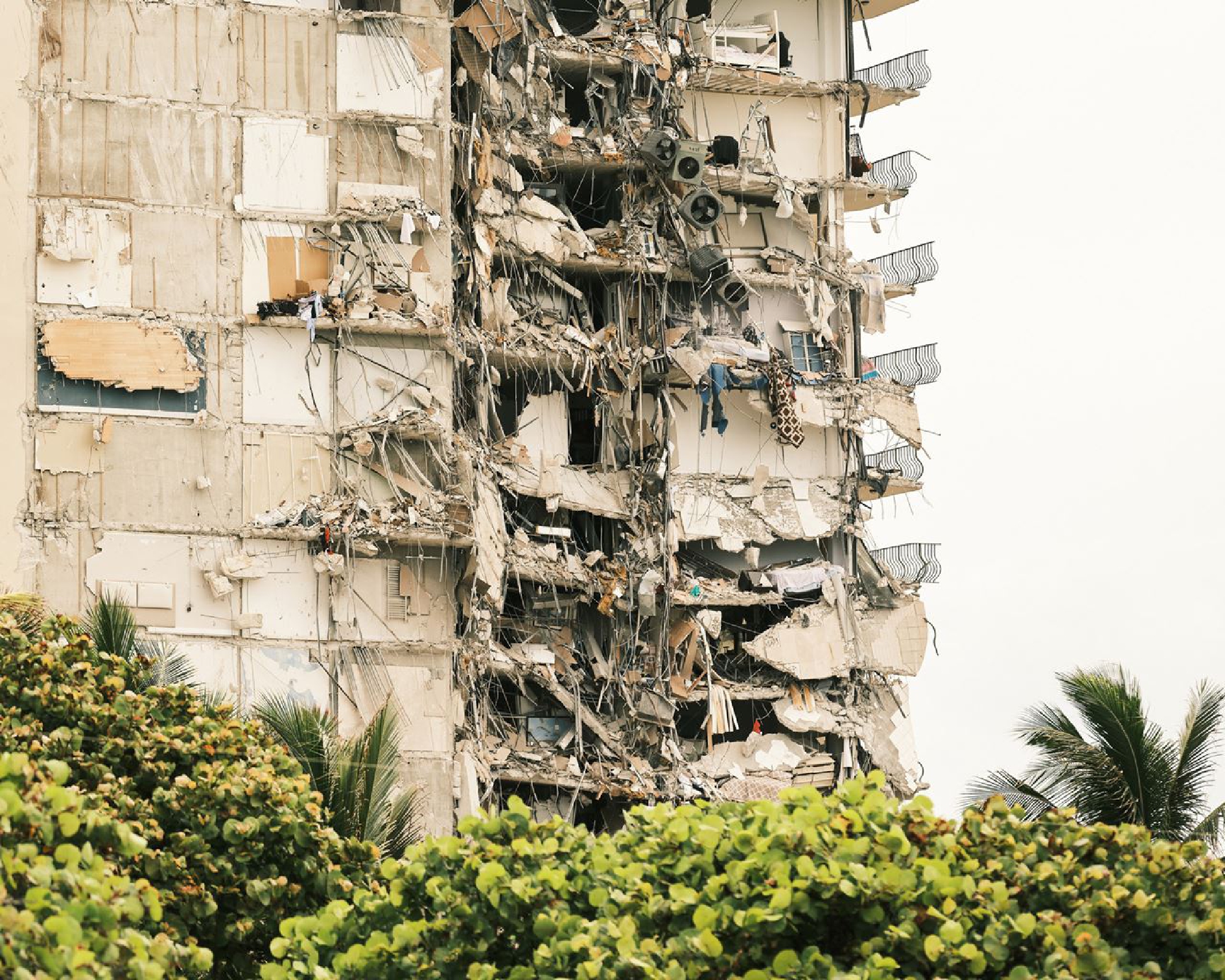 The interior of the Champlain Towers South building left exposed after the residential building partially collapsed. MUST CREDIT: photo for The Washington Post by Zack Wittman.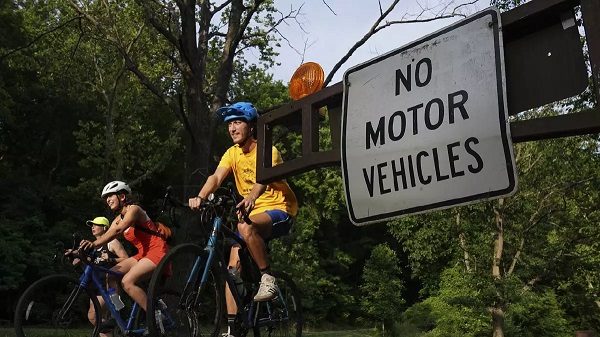
 From left, Spiro Tsianakas, Theoni Tsinonis, Nektarios Tsinonis, and Anastasia Kontos stroll along Woodmont Avenue in Bethesda, Md., in June. MUST CREDIT: Washington Post photo by Toni L. Sandys,
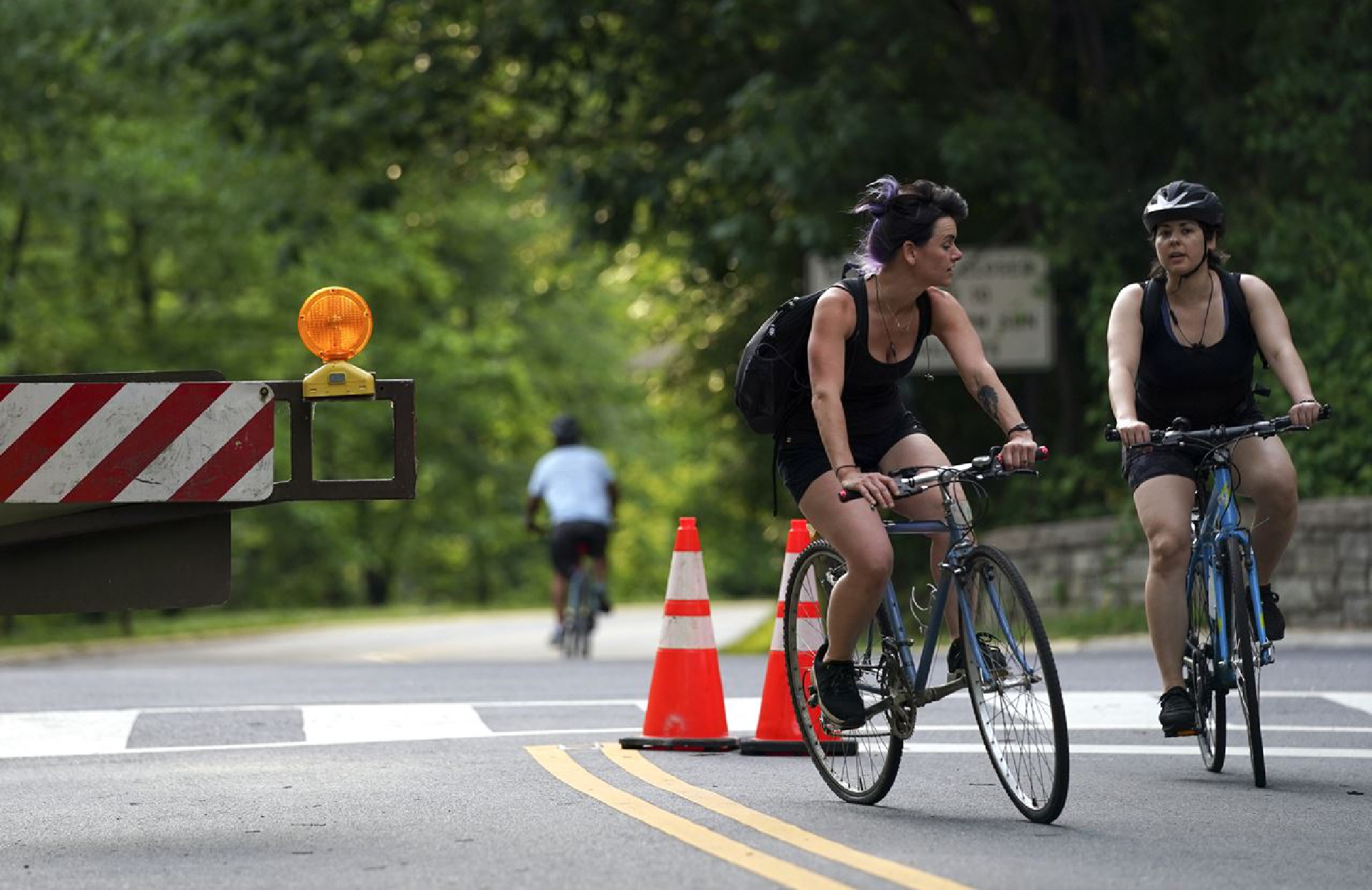 Cyclists in Washington D.C. enjoy a stretch of Beach Drive that is closed to vehicle traffic. MUST CREDIT: Washington Post photo by Toni L. Sandys.

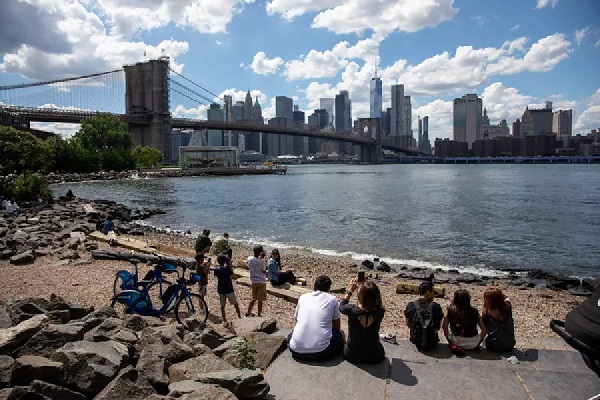
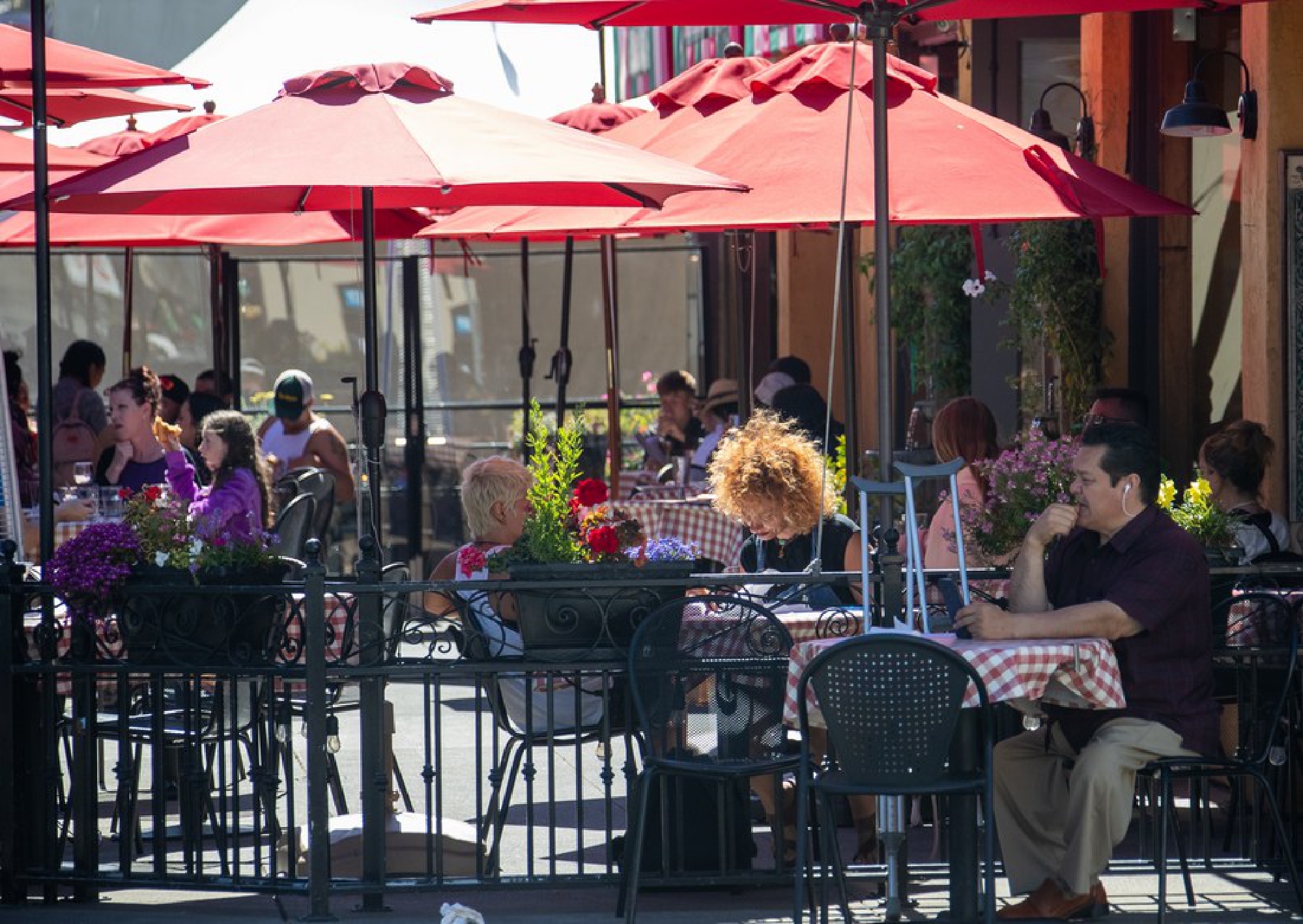 Delta variant Covid-19 infections on sharp rise in The U.S.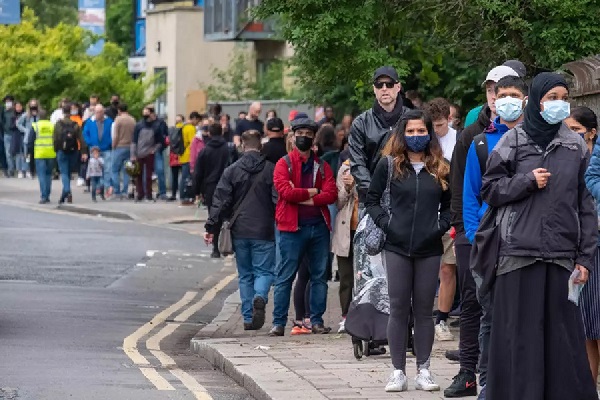

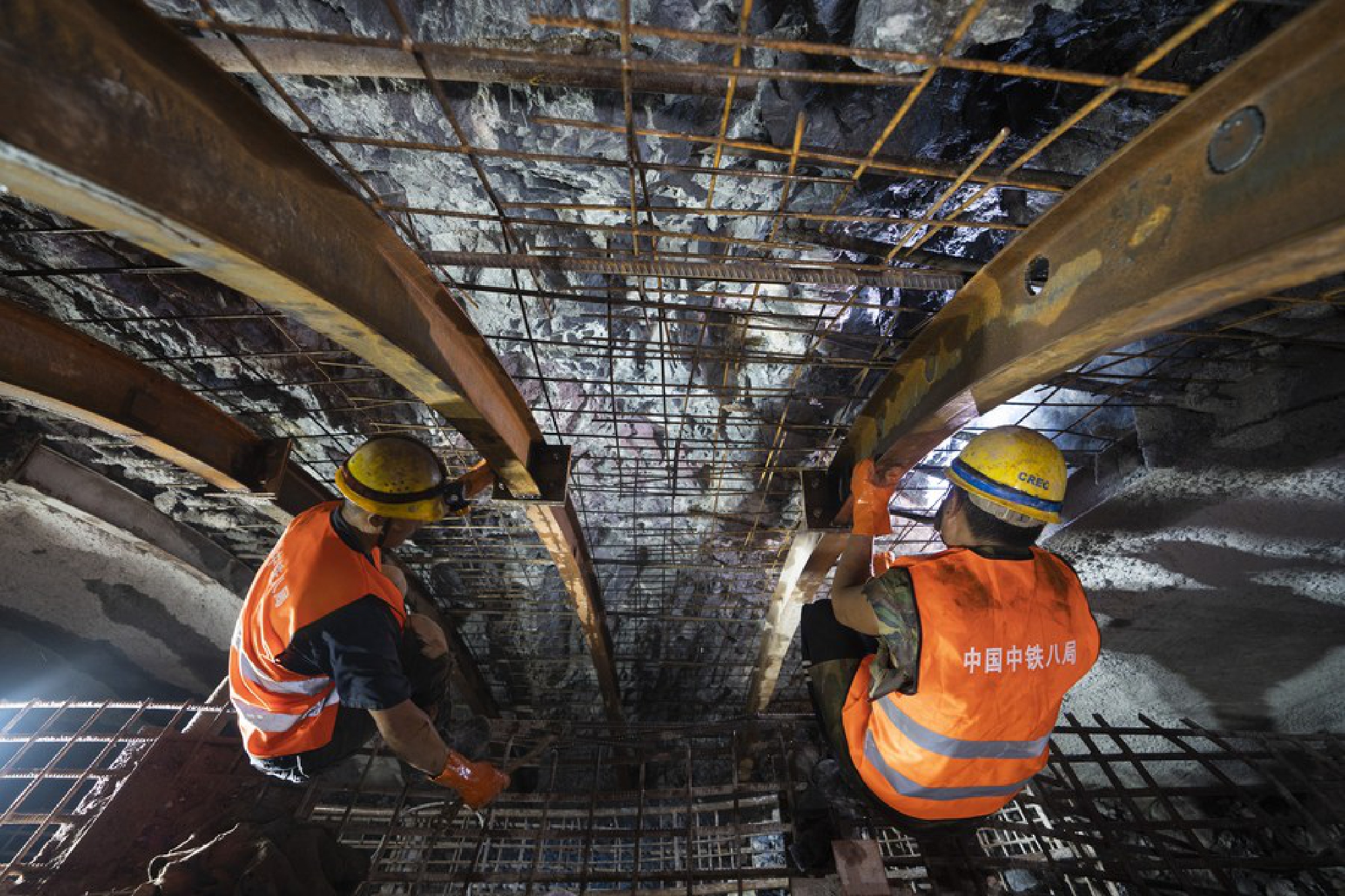 Construction progress of China-Laos Railway on schedule despite pandemic.
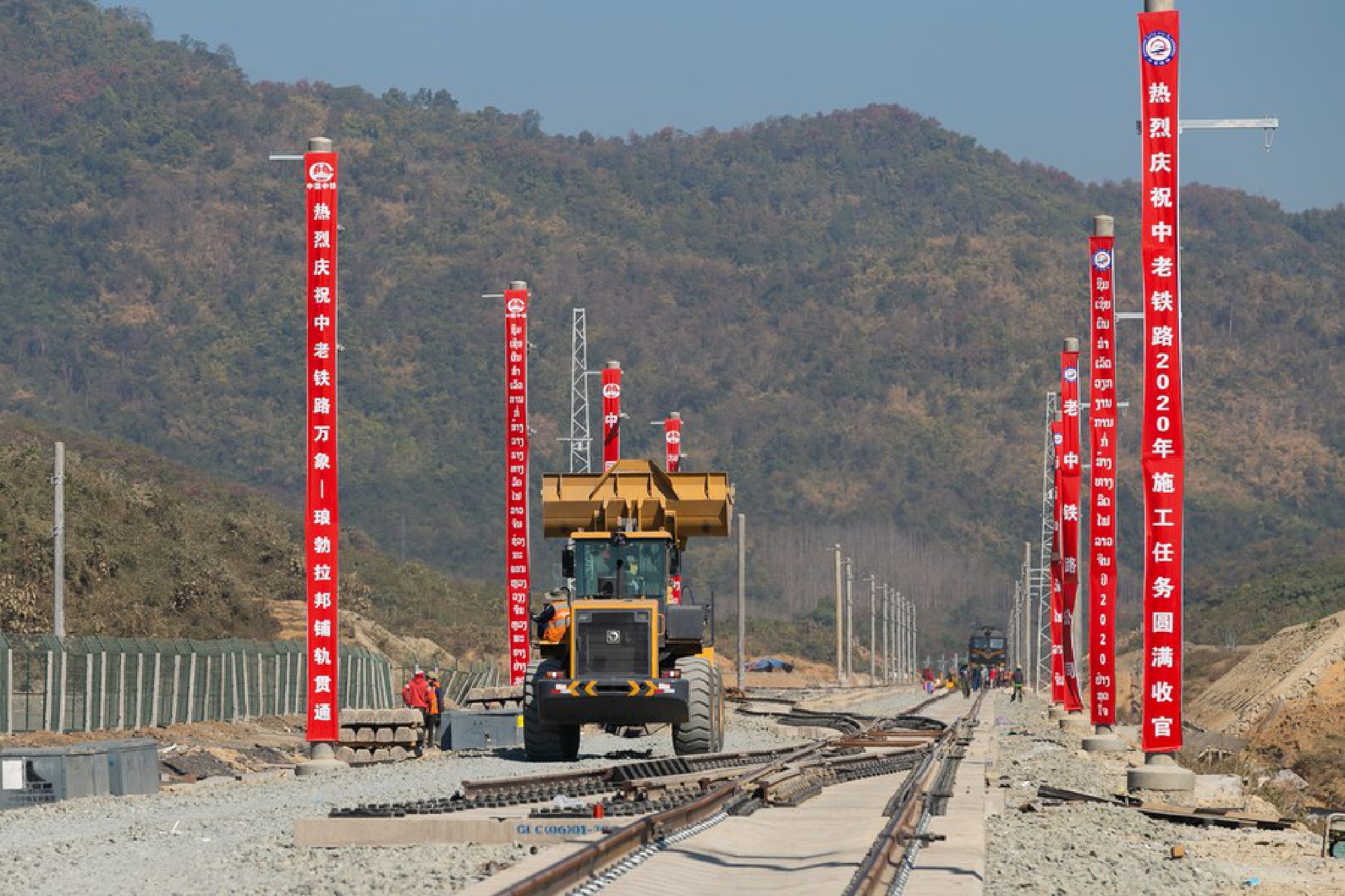 Construction progress of China-Laos Railway on schedule despite pandemic.
 Construction progress of China-Laos Railway on schedule despite pandemic.
