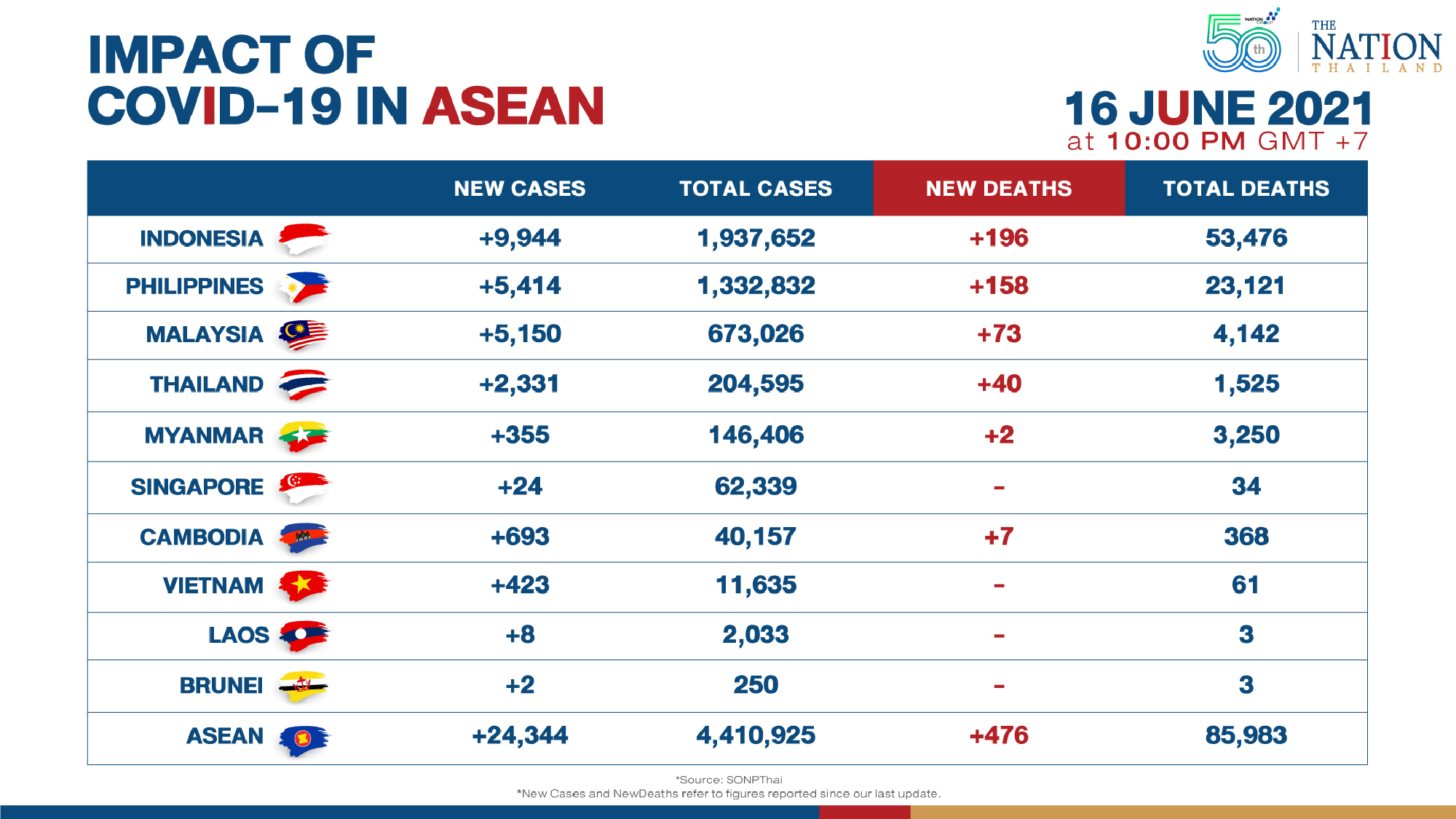
The number of Covid-19 cases across Southeast Asia went past 4.41 million, with 24,344 new cases reported on Wednesday, higher than Tuesday’s tally of 23,120, while new deaths were 476, increasing from Tuesday’s 415 and taking total Covid-19 deaths in Asean to 85,983 so far.
Singapore reported 24 new cases on Wednesday, driving the cumulative cases in the city-state to 62,339. Of these, 61,931 people have been cured and discharged.
The country’s 24 private clinics have been allowed by the Public Health Ministry to provide Sinovac as an alternative vaccine. People who choose Sinovac will need to pay a medical fee ranging in equivalent from THB230-535 depending on each clinic’s rate, while the vaccine cost has been covered.
Laos reported eight new cases on Wednesday, taking the cumulative cases in the neighbouring country to 2,033 patients. So far 1,910 people have recovered and been discharged.
The Department of Health announced that expatriates residing in Laos can apply to get inoculated free of charge, but they cannot choose the brand of the vaccine.
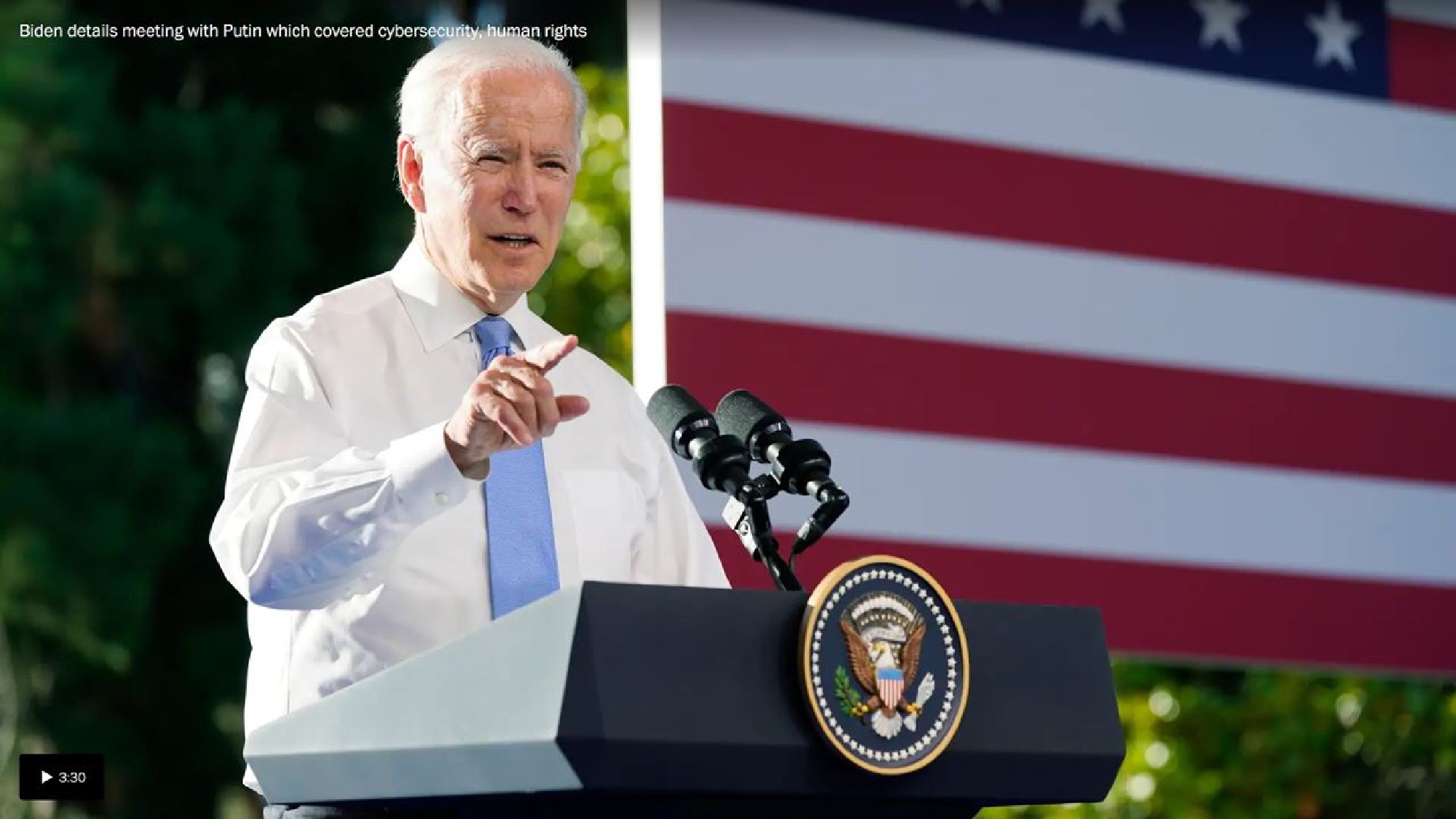
Three years after President Donald Trump and Russian President Vladimir Putin held a summit that made administration officials cringe – as Trump continued to downplay Russias 2016 election interference and otherwise kept his own government out of the loop – Putin and President Joe Biden held their own summit Wednesday in Geneva.
Unlike 2018, the two men did not appear next to each other at a news conference, instead holding separate ones, with Putin going first.
Here are a few takeaways.
– – –
1. A contrast to Trump, while avoiding direct threats
For basically the entirety of the Trump administration, Trump bent over backward to see the best in Putin. Perhaps the most significant example was Trump signaling he believed Putin’s denials about 2016 interference. “I have President Putin; he just said it’s not Russia,” Trump said, as he stood next to Putin in Helsinki. “I don’t see any reason why it would be.”
Trump claimed the next day that he had misspoken and that he meant to say, “I don’t see any reason why it wouldn’t be.” But he had repeatedly cast doubt on Russia’s culpability, and his course reversal was highly suspect.
Biden, perhaps not surprisingly, sought to strike a different tone. It was one that, somewhat similar to Trump’s, emphasized the importance of working together rather than pitching Russia as an irredeemable adversary. But unlike Trump’s, it also sought repeatedly to emphasize human rights and foreign interference like cyberattacks – albeit with relatively little specificity about consequences.
“Human rights is going to always be on the table,” Biden said. “It’s not about just going after Russia when they violate human rights. It’s about who we are. How could I be the president of the United States of America and not speak out against the violation of human rights?”
Biden pitched the consequences as being less about the United States, and more about Russia sacrificing its role in the world.
“Understand when you run a country that does not abide by international norms, and yet you need those international norms to be somehow managed so that you can participate in the benefits that flow from them, it hurts you,” he said.
Biden said he made no direct threats to Putin in their conversations, but he did talk generally about consequences if Russian opposition leader Alexei Navalny died in prison. Those consequences generally involved Russia marginalizing itself with the international community.
“I made it clear to him that I believe the consequences of that would be devastating for Russia,” Biden said.
Biden also declined to lay out specifics when it came to penalties for Russia engaging in another cyber attack on infrastructure, similar to the Colonial Pipeline.
“I pointed out to him, we have significant cyber capability. He knows it — he doesn’t know exactly what it is, but it’s significant. If in fact, they violate these basic norms, we will respond. Cyber. He knows.”
Biden acknowledged that his broad comments about human rights – rather than more directly calling out Russia and making threats – might not satisfy everyone.
“That’s not a satisfying answer: ‘Biden said he’d invade Russia’ — you know, by the way, that was a joke. That’s not true,” Biden said. “But my generic point is it is more complicated than that.”
– – –
A terse exchange
By the end of the news conference, Biden engaged in a terse exchange with a CNN reporter who pressed him, as he walked away, on whether he was tough enough with Putin. The reporter asked “Why are you so confident he’ll change his behavior, Mr. President?”
Biden bristled and disputed the premise.
“I’m not confident,” Biden said, turning back toward the gathered press. “I said what will change their behavior is if the rest of the world reacts to them and it diminishes their standing in the world. I’m not confident of anything. I’m just stating the facts.”
Biden indeed hadn’t necessarily predicted success, instead saying, “We’ll find out within the next six months to a year whether or not we actually have a strategic dialogue that matters.”
The reporter noted that Putin had earlier continued to dispute Russia’s role in cyberattacks and human rights abuses, including on Navalny, even after meeting with Biden.
“If you don’t understand that, you’re in the wrong business,” Biden shot back.
Biden later made a point to apologize, telling reporters before boarding a flight home, “I owe my last questioner an apology. I shouldn’t have been such a wise guy with the last answer I gave.”
Biden repeatedly downplayed the idea of a new “Cold War” between the United States and Russia, saying this wasn’t his or – he believed – Putin’s goal.
“I think that the last thing he wants now is a Cold War,” Biden said. “But I’m not quoting him, which I don’t think is appropriate.”
Biden again emphasized diplomacy rather than conflict.
“This is not a kumbaya moment, as we used to say back in the ’60s in the United States – like, let’s hug, love each other,” Biden said, while adding of Putin not wanting another Cold War: “I truly believe he thinks that. He understands that.”
– – –
4. Biden on Putin’s ‘ridiculous’ use of Jan. 6 to deflect
This was a key point of contention between the two news conferences.
The pro-Trump mob attack on the Capitol on Jan. 6 was hardly a proud moment for the United States. Rioters violently trying to overturn an election was the kind of scene you see in other, less-developed countries, but Americans liked to think it wouldn’t ever happen here.
Putin on Wednesday sought to again use the attack and its aftermath to call into question the United States’ moral high ground. He used it to deflect from questions about Russia’s human rights record, including the poisoning of Navalny.
“As for who is killing whom or are throwing whom in jail, people came to the U.S. Congress with political demands,” Putin said. “Over 400 people had criminal charges placed on them. They face prison sentences. . . . They’re being called domestic terrorists.”
Putin specifically cited Ashli Babbitt, a rioter who was fatally shot by police while trying to break into an area close to lawmakers.
“One person was simply shot on the spot by the police, although they were not threatening the police with any weapons. In many countries, the same thing happens that happens in our country,” Putin said. “I’d like to stress once more that we sympathize with what happened in the United States, but we have no desire to allow the same thing to happen in our country.”
Putin’s comments come after Russian Foreign Minister Sergei Lavrov recently accused the United States of “persecuting” the Jan. 6 Capitol rioters. Putin later echoed those comments, speaking of the Capitol riots as if they merely had “political requests” and likening them to political prisoners by saying they were being “detained.”
Biden later called it a “ridiculous comparison.”
ADVERTISEMENT
“It’s one thing for literally criminals to break through cordon, go into the Capitol, kill a police officer and be held accountable,” Biden said, contrasting that to “people objectively marching on the capital and saying, ‘You are not allowing me to speak freely. You’re not allowing me to do A, B, C, D.’ “
Chinas migrating elephants travel slightly northwest about 500 km from home
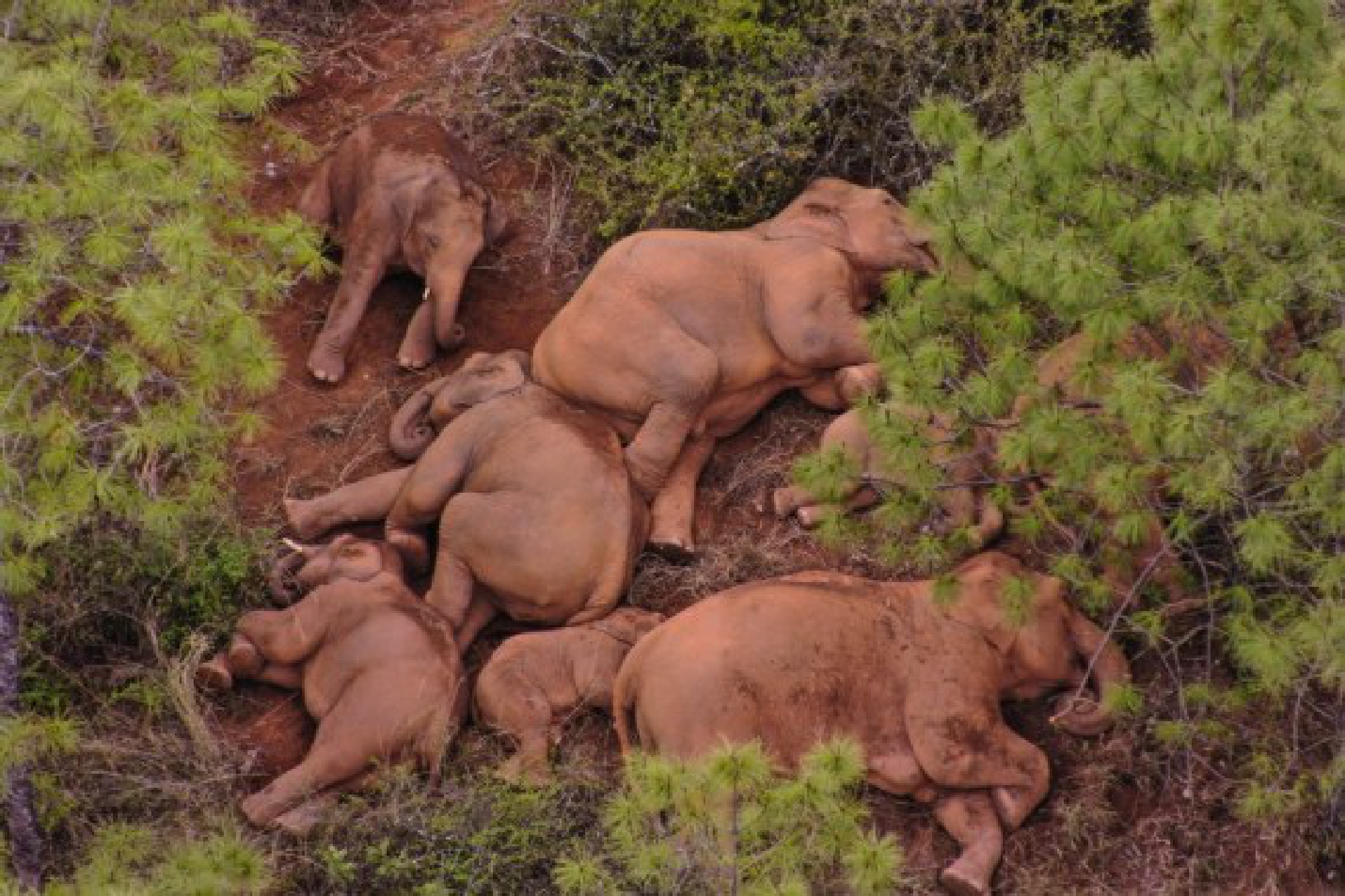
The wandering wild Aelephant herd that has caught global attention has headed 1.3 km northwest in Shijie Township in the city of Yuxi, in southwest Chinas Yunnan Province. and all the 15 elephants are safe and sound
Amale elephant, which strayed 10 days ago, is now about 19.1 km away from the herd, and all the 15 elephants are safe and sound, according to the headquarters in charge of monitoring their migration.
The animals have entered forests after taking food from farmland, complicating the efforts to guide and monitor them and take safety precautions.
The herd traveled about 500 km from their forest home in the Xishuangbanna Dai Autonomous Prefecture before reaching Kunming, the provincial capital, late on June 2.
For over a month, authorities have sent police to escort the herd, evacuated roads to facilitate their passage, and used food to distract them from entering densely populated areas.
Asian elephants, which are mostly found in Yunnan, are under A-level state protection in China. Thanks to enhanced protection efforts, the wild elephant population in the province has grown to about 300, up from 193 in the 1980s.
EU, U.S. agree to five-year truce in Boeing-Airbus trade dispute
The U.S. and the European Union agreed to extend a tariff truce for five years, parking a dispute over aircraft subsidies given to Airbus and Boeing that saw the allies impose duties on $11.5 billion of each others exports.
U.S. Trade Representative Katherine Tai, speaking to reporters in Brussels on Tuesday, said the tariffs would remain suspended as long as the terms of the agreement are upheld and while they work on addressing issues including outstanding subsidies already paid.
The accord turns the page on a key conflict in former President Donald Trump’s trade war and sets the stage for a new era of transatlantic cooperation over state aid at a time when China is vying to displace the Boeing-Airbus civil aircraft duopoly.
“Today’s announcement resolves a long standing trade irritant in the U.S.-EU relationship,” Tai said. “We have also with the EU agreed to clear statements on acceptable support for large civil aircraft producers and a cooperative process to address that support between our two parties.”
The European Commission spent Monday night discussing the accord with member states to get the deal over the line before an EU-U.S. summit in Brussels with President Joe Biden, according to EU officials familiar with the deliberations. The allies will also vow to end a separate dispute over steel and aluminum, in a sign of progress in resetting the relationship.
Under the Airbus-Boeing deal, all future passenger aircraft will be required to be developed without subsidies, the officials said.
The agreement was driven, in part, by a growing awareness among policymakers in Brussels and Washington that China’s state-sponsored aerospace manufacturer Commercial Aircraft Corp. of China, or Comac, is on track to become a legitimate rival in global planemaking by the end of the decade.
“This really opens a new chapter in our relationship because we move from litigation to cooperation on aircraft,” European Commission President Ursula von der Leyen said in a statement. “Today we have delivered.”
Airbus and Boeing declined to comment.
Shares of Airbus, based in Toulouse, France, advanced 0.9% as of 12:43 p.m. in Paris, bringing this year’s gain to 27%. Chicago-based Boeing shares were up 0.7% ahead of regular U.S. trading. They have risen 15% year-to-date.
The feud dates back to 2004, when the U.S. lodged a legal case at the World Trade Organization against the EU over member-state support to Airbus for commercial aircraft development. A parallel case opened by the bloc argued that Boeing benefited from U.S. subsidies as well as space and military contracts, which defrayed the cost of civilian aircraft development.
In 2019, the World Trade Organization authorized the U.S. to level tariffs against $7.5 billion of EU exports annually over government support for Airbus. The EU then won permission to hit back with levies on $4 billion of U.S. goods.
While the dispute escalated during the Trump administration, the levies, which extend beyond aircraft parts to items like tractors, wine and cheese, were suspended by both sides in March as negotiators worked toward an agreement. The U.K. unilaterally suspended its tariffs with the U.S. in December as it broke from the EU.
Airbus has likely reimbursed or moved to commercial rates all launch-related financing that was deemed illegal, and any further adaptations required are likely to be immaterial, said Sandy Morris, an analyst with Jefferies in London.
“I understand why the U.S. might have felt aggrieved in the first place,” Morris said. But he said that it has long looked like there were mutual infractions, and “seeking to bolt the stable door long after the Airbus horse had left was futile.”
The EU and U.S. will also commit at the summit to remove tariffs related to a steel and aluminum dispute, according to a draft of the meeting’s conclusions. In 2018, the U.S. imposed levies on metals exports from Europe on national-security grounds.
This one is trickier and there has been back-and-forth over the exact language in the drafts of the joint communique, but both sides seem to agree on pushing for a deadline by the end of the year, said the officials, who asked not to be identified because the talks are private.
The EU retaliated against the U.S. steel and aluminum measures by targeting 2.8 billion euros ($3.4 billion) of American imports with tariffs on a range of big-brand products, including Harley-Davidson Inc. motorcycles, Levi Strauss & Co. jeans and bourbon whiskey.
ADVERTISEMENT
Published : June 16, 2021
By : Syndication Washington Post, Bloomberg · Alberto Nardelli, Nikos Chrysoloras, Jennifer Jacobs
History-making Ronaldo at the double after Portugal make hard work of Hungary
History-making Cristiano Ronaldo scored twice as Portugal produced a late show to kick off the defense of their European Championship title with a 3-0 win against Hungary in Budapest.
The game looked to be heading for a draw as the Portuguese struggled to break down a dogged Hungarian defense but after Rafael Guerreiro opened the scoring in the 84th minute, Ronaldo was able to assure the win with two further goals.
As expected, the pre-game attention was on the Juventus forward, who became the first player in history to dispute five European Championship final phases, but Portugal fielded a wealth of attacking talent with Diogo Jota, Bernardo Silva and Bruno Fernandes also in the starting 11.
The Hungarian plan was clearly one of containment with five men strung across the back behind a three-man midfield, but even so the Portuguese created plenty of chances in the first half.
Hungarian keeper, Peter Gulacsi was his side’s hero with saves from Jota and Pepe and although the home side were putting in some meaty challenges, Portugal were still creating chances, with Gulacsi next denying Ronaldo and Jota as the game was played in the Hungarian half.
Ronaldo wasted the best chance of the game just before halftime, inexplicably firing over the bar from five meters after a low cross from Fernandes.
At the other end Hungary’s only chance was a header from big striker Adam Szalai following a free kick.
Although the second half kicked off with Gulacsi at full stretch again to parry Ronaldo’s header from another Portuguese corner, Portugal found it increasingly difficult to find space among the massed ranks of Hungarian defenders until Fernandes tried his luck from distance in the 67th minute only for the keeper to respond once again.
ADVERTISEMENT
With the Portuguese being drawn forward, Hungary worked a break in the 72nd minute forcing Rui Patricio to scramble the ball clear from Szalai.
Another break saw Hungary substitute Szabolcs Schon have the ball in the Portuguese net after cutting inside and firing home a left foot shot only for the flag to go up for offside and minutes later Rafael Guerreiro scored the first of the game.
The ball was worked out right and the full back had a big stroke of luck as his shot took a big deflection to wrong-foot Gulacsi in the 84th minute.
Hungary had looked comfortable before the goal, but two minutes later they were 2-0 down when Rafa Silva was bundled over in the area, with Ronaldo decisively scoring the penalty and there was still time for him to net his second of the game by finishing off a team move to round Gulacsi and make it 3-0, which had looked unlikely just eight minutes earlier.
Putins scheme to save strongmen won him a seat at Bidens table
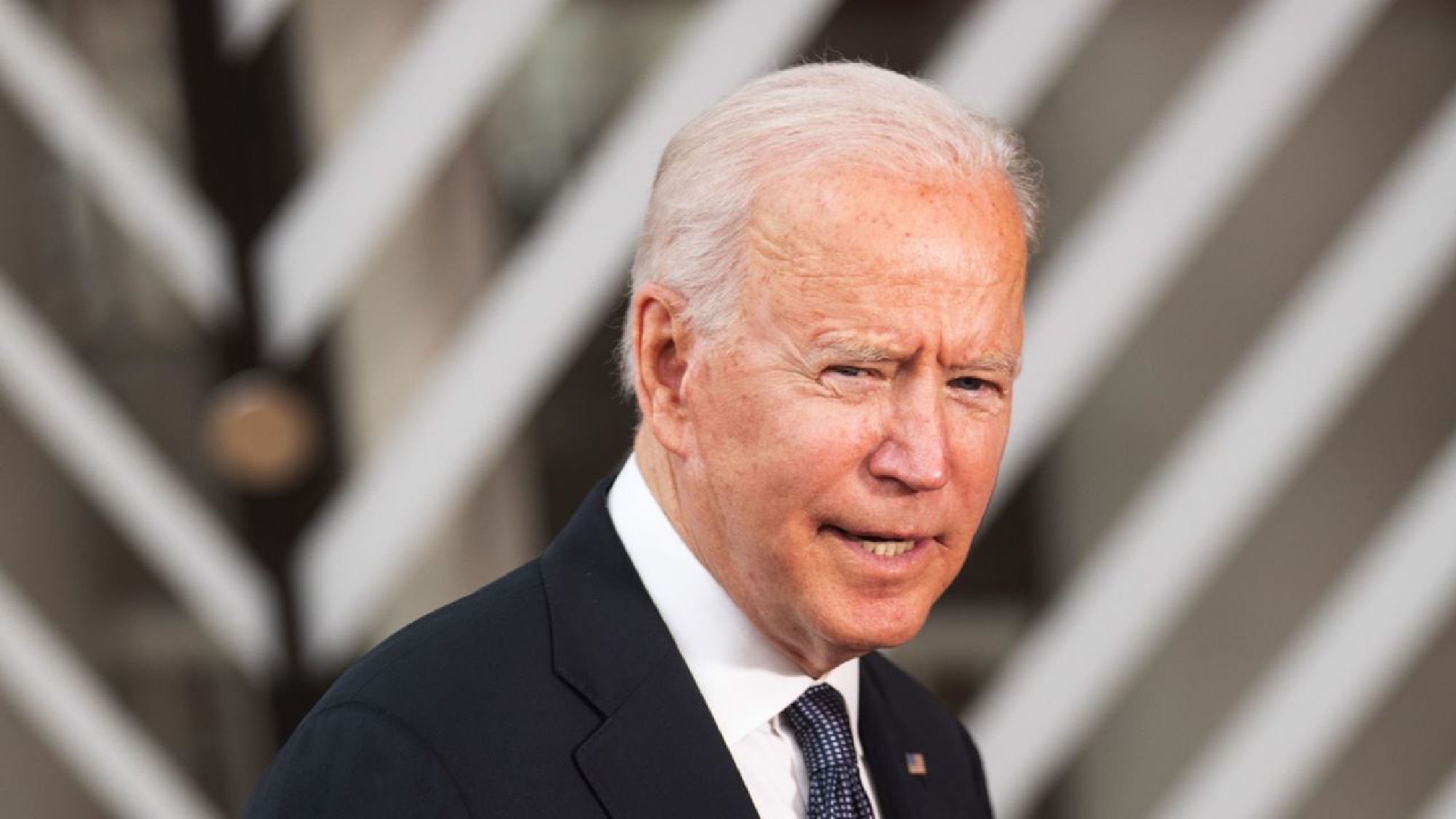
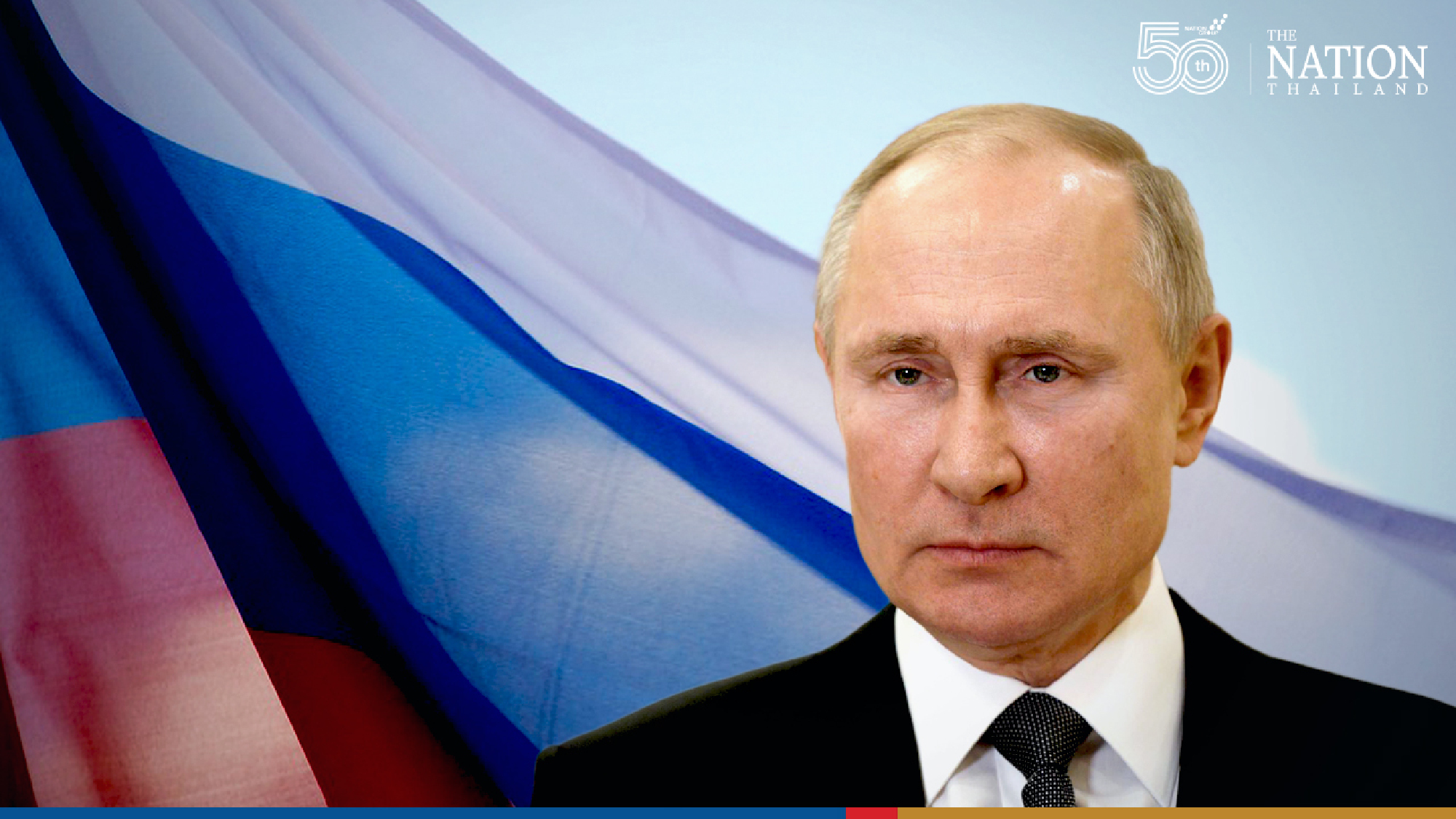
President Joe Biden warned U.S. allies this week theyre in a contest with “autocrats” around the world. Its one of the few things he and Russian President Vladimir Putin are likely to agree on when they meet on Wednesday.
From Syria to Venezuela, Russia has intervened to save authoritarian leaders accused of refusing or stealing democratic elections, thwarting what the Kremlin portrays as Washington’s attempts at regime change. The interference is part of a wider policy of confrontation with the West that forced Biden to pay attention, resulting in Putin’s seat at the table in Geneva.
For Putin, the immediate upsides are clear, even if Moscow’s stance is potentially damaging to Russia’s longer term economic prospects. By deliberately rattling the U.S. and the European Union since returning to office as president in 2012, he has produced strategic gains that helped end what many Russians see as a period of national humiliation. In doing so, he forced the U.S. to treat Moscow as a peer once more, if a hostile one.
“We are going to prove them wrong,” Biden said of autocracies, addressing reporters at NATO headquarters in Brussels on Monday.
Yet far from being defensive about supporting often brutal and unpopular leaders – something the U.S. also practiced during the Cold War, after all – Russia portrays its position as a principled defense against destabilizing Western policies.
“We don’t have the messianic zeal with which our Western colleagues try to spread their values around the globe,” Foreign Minister Sergei Lavrov told a foreign policy conference in Moscow last week.
In 2015, Russian jets and troops saved Syria’s President Bashar Assad from almost certain defeat at the hands of rebel militias. In 2019, Moscow sent military support to President Nicolas Maduro in Venezuela at a time when he too seemed unlikely to survive. More recently, Putin backed Belarus strongman Alexander Lukashenko as he crushed peaceful pro-democracy protests and forced a European airliner to land so he could arrest an opposition journalist. All three are still in power, for all the U.S. and EU’s protestations.
Seen from Putin’s side of the table, sanctions are an acceptable price of great-power rivalry. His steadfast support for Assad is regarded by the region’s mostly unelected leaders in stark contrast to the U.S. abandonment of Egyptian President Hosni Mubarak during the 2011 Arab uprisings, said Alexander Aksenyonok, a former senior diplomat with decades of experience in the Middle East.
“This is all part of a big game with the West,” said Aksenyonok, now vice-president of the Russian International Affairs Council, a think-tank established by the Kremlin.
Until recently, it was a lopsided contest. Russia opposed NATO’s 1999 bombing of Serbia over Kosovo, but could do nothing to stop it nor the subsequent toppling of Serbian President Slobodan Milosevic. In 2011, Putin could only cry foul when a NATO intervention provided air cover for rebels to defeat Libyan President Moammar Gadhafi. Twice, in 2004 and 2014, Russia failed to secure power for Viktor Yanukovych in Ukraine, despite spending billions of dollars on influence operations.
Turning that around to go toe-to-toe with the U.S. in select theaters has proved cheap in fiscal terms, according to Sergei Guriev, a Russian economist who fled to Paris in 2013 and served as chief economist at the European Bank for Reconstruction and Development.
Estimates for Russia’s military spending in Syria run to about $2 billion, a sum that pales next to the total of more than $2 trillion the U.S. spent in Afghanistan. The Syria campaign also enabled combat-testing of troops and equipment developed in a rapid military modernization program.
Russian interventions abroad have probably cost less than 1% of annual economic output, a price the Kremlin was happy to pay, said Guriev. “In a way after 2012-13 they reached a new social contract” with Russian citizens, he said of Putin and his entourage. “Previously it was: ‘we provide economic growth’; now it’s ‘we produce the feeling of a superpower’.”
Yet longer term, the policy has made Russia “toxic” to the foreign investment it needs to grow, according to Guriev. The national pride that soared after Putin’s 2014 annexation of Crimea has subsided, with discontent rising as spending on health, education and pensions are squeezed. The Kremlin has responded by cracking down on political opponents.
Whether Putin has the means to sustain the reprieves he won for unpopular leaders abroad is also unclear.
In Syria, Russia has had neither the funds nor allies to begin the nation’s reconstruction. The victory Putin’s air force won for Assad remains fragile. A Feb. 4 Facebook post by the vocally pro-Assad businessman Fares Shehabi complained Syrians were going hungry, despite the fact that “the Russian ally is the largest producer of wheat in the world.”
In Venezuela, Russia’s support has come to be seen as largely self-interested and transactional. Moscow-based Rosneft PJSC sold its Venezuelan businesses to the Russian government last year, to protect against U.S. sanctions on the Maduro regime. Few details have emerged of a 10-year cooperation agreement that was signed in March.
“They’re interested in Venezuela not just because it’s been an antagonist to the U.S. and is much bigger than Cuba, but it’s a very cheap option for Russia to maintain a presence in the region,” opposition lawmaker Angel Alvarado said from Caracas.
Putin has shown a dislike for some of the leaders rescued, including Lukashenko, whom Russia tried to undermine in elections in 2010, according to Kataryna Wolczuk, a Russia specialist at Chatham House, a London think tank. Putin’s personal preference became irrelevant once street protests began, something he was not going to allow to succeed so close to home as Belarus.
ADVERTISEMENT
“It is not about liking autocrats per se, it’s about countries being loyal to Russia,” Wolczuk said.
Still, while Putin can’t offer anything like the vast financial and military resources that Washington controls, the Kremlin can provide embattled rulers limited, but at times decisive, battlefield support, global diplomatic and propaganda cover, some protection from U.S. sanctions through Russian state financial and other operations – and always a safe refuge in Russia if things go south.
More than that, saving leaders under pressure is a principled position for Putin, said Alexander Dynkin, president of the Institute of World Economy and International Relations of the Russian Academy of Sciences in Moscow, which advises the Kremlin.
“Media support, advisers, doctors, bodyguards and a safe haven in Sochi rather than Miami are inexpensive and effective” tools for Putin to deploy, Dynkin said. “He copies the U.S.A. in this, but does it more efficiently.”
Published : June 16, 2021
By : Syndication Washington Post, Bloomberg · Marc Champion, Henry Meyer
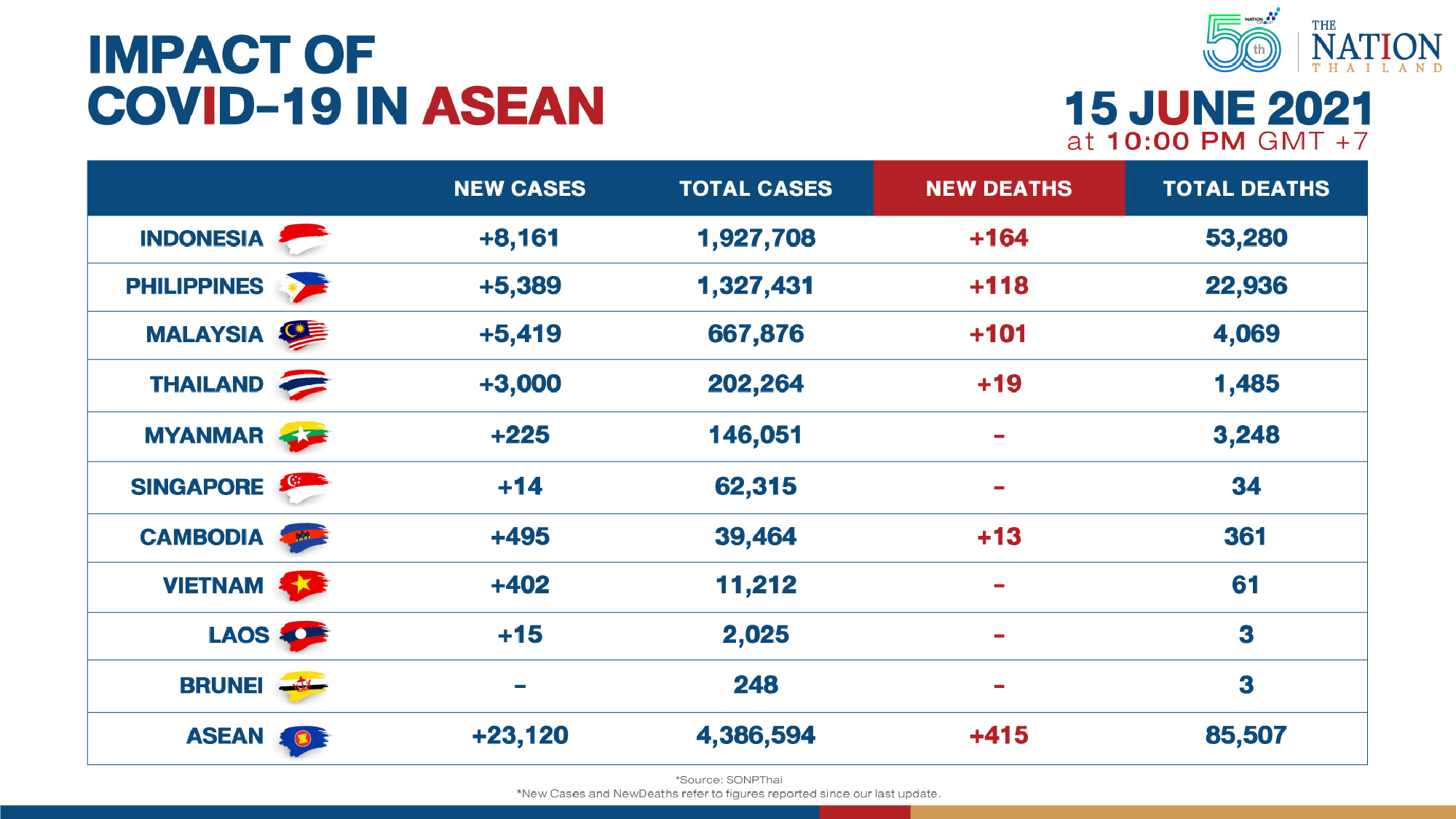
The number of Covid-19 cases in Southeast Asia crossed 4.38 million with 23,120 new cases reported on Tuesday, lower than Monday’s tally of 23,995.
New deaths meanwhile were 415, increasing from Monday’s 390 and taking the total deaths in Asean to 85,507 so far.
Malaysia reported 5,419 new cases and 101 more deaths on Tuesday, driving the cumulative cases in the neighbouring country to 667,876 patients and a total of 4,069 deaths.
The country’s prime minister announced a 4-phase rehabilitation plan starting with the easing of lockdown measures when daily infections decline to less than 4,000 and at least 10 per cent of the population is vaccinated.
Meanwhile, Vietnam reported 402 new cases, taking the cumulative cases in that country to 11,212 patients and a total of 61 deaths.
The government is preparing to ease disease control measures in Hanoi after the infection rate in the city began decreasing, but entertainment venues are still ordered shut.
Anger and backlash in Britain as government confirms four more weeks of coronavirus restrictions
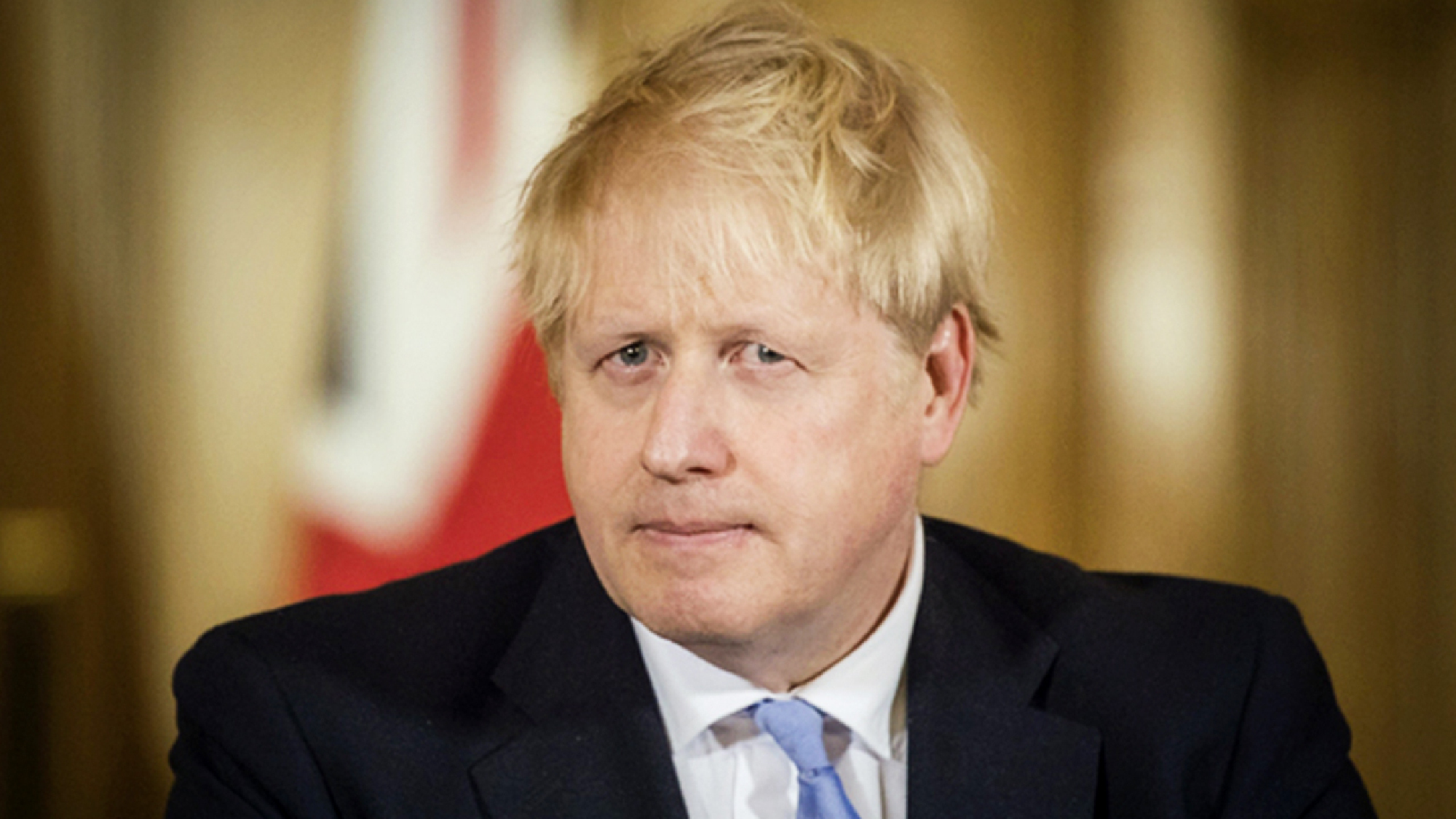
LONDON – Anger bubbled over in Britain in the wake of Prime Minister Boris Johnson decision to delay Englands final stage of coronavirus restriction rollbacks, in the face of rising cases and the spread of the highly transmissible delta variant.
The news dominated tabloid headlines. Tuesday’s Daily Mail front page branded the government’s decision a “bitter blow to millions,” while the Sun asked, “Will we ever be free?”
Footage emerged of prominent BBC journalist Nick Watt being chased and verbally abused at an anti-shutdown protest outside Downing Street just hours before Johnson spoke on Monday. The group surrounded him, yelling “traitor” and “shame on you” into his face as he ran toward police in an effort to seek safety. Some demonstrators accused the BBC of “lying” about the legality of lockdown measures.
The video, which was circulated widely on Twitter, highlighted the distrust and divisions that remain over rules and restrictions sparked by the coronavirus pandemic, and the risks faced by reporters and front line workers.
“Disgraceful to see the hounding of Nick Watt doing his job,” Johnson tweeted following the incident.
“This behavior is completely unacceptable. All journalists should be able to carry out their work without intimidation or impediment,” a BBC spokesperson said in response to the video.
Human rights campaigner Rebecca Vincent referred to the scene as “appalling” and called on Britain to “do better.”
“This isn’t protest; it’s harassment & possibly assault (given Covid risk). Journalists must be able to do their jobs safely,” she tweeted.
Anti-shutdown protesters marching through the city ahead of Johnson’s briefing on Monday held signs that read “Freedom is not negotiable” and “Open the UK for business now,” while the opposition Labour Party blamed “incompetence” and “slow decision-making” from the conservative government for the delay.
Although the government acknowledged that people would probably be frustrated by the decision, Johnson expressed hope that pushing the deadline to ease all restrictions back by an additional four weeks would allow millions more people to receive their second dose of vaccine before people attempt to resume life as normal.
Critics say Johnson should have added India, where the delta variant was first identified, to the official red travel list earlier and implemented more-stringent border-control measures. India was not added to the red list until April 23.
“Our borders were as secure as a sieve,” Labour lawmaker Jonathan Ashworth said on Monday, noting that at least 20,000 people had entered the country from India during that time. “The prime minister’s complacency allowed this variant to reach our shores.”
Others expressed concern that the new July date for the lifting of restrictions – widely nicknamed freedom day – would again be changed.
Speaking to “BBC Breakfast” on Tuesday, Michael Gove, the cabinet office minister, denied that Johnson would ever “put the health of the country at risk” and said that only a “bizarre and unprecedented” event could prevent the new date of July 19 from changing.
At least 128,000 people in Britain have died of covid-19, the disease caused by the coronavirus.
Malaysia expects to fully reopen its economy from end-October
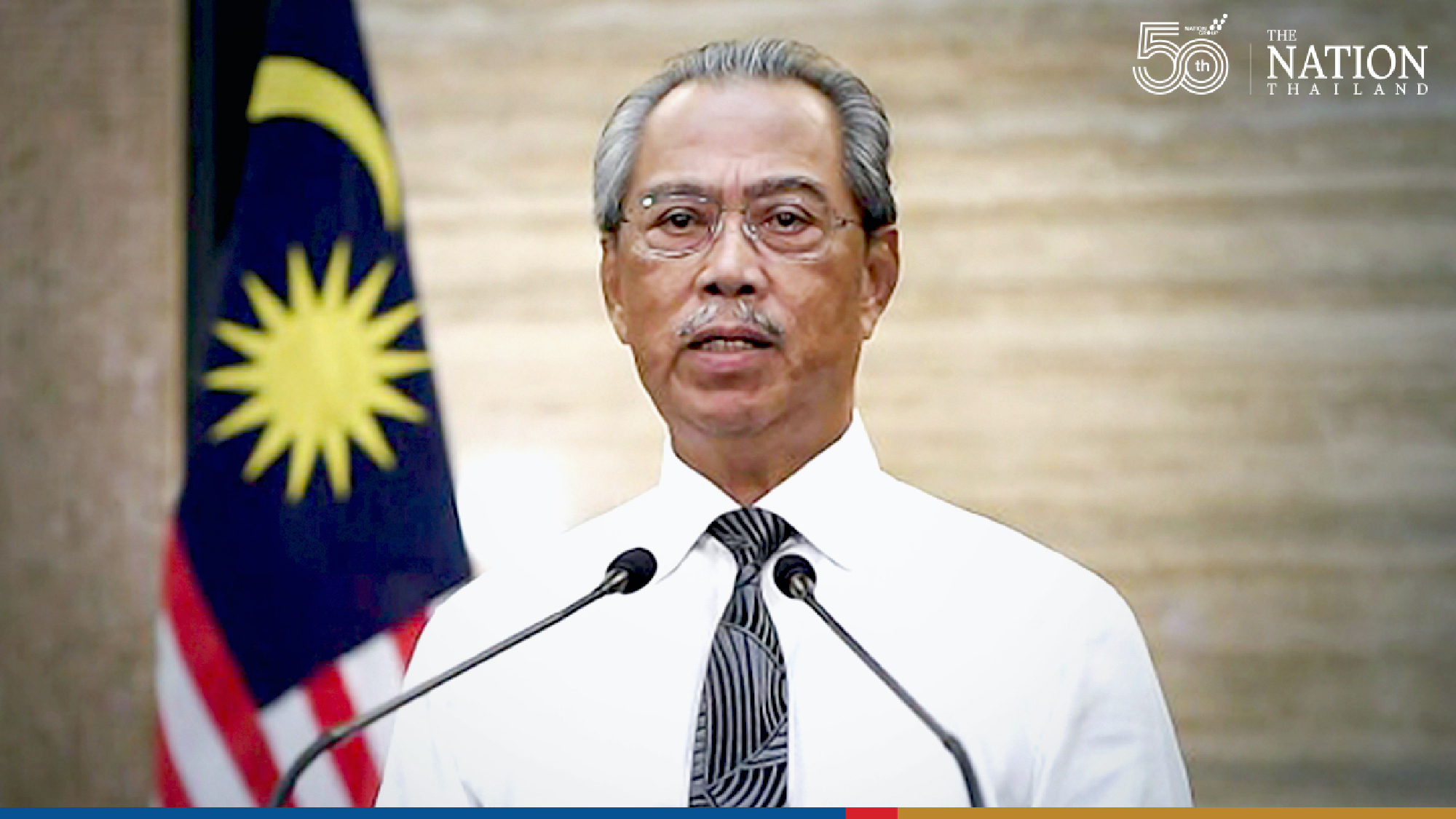
Malaysia expects to fully reopen its economy and lift a ban on interstate travel beginning end-October at the earliest if new covid cases average below 500 a day, said Prime Minister Muhyiddin Yassin.
The current phase of the national lockdown is costing the economy 1 billion ringgit ($242 million) a day as most businesses remain shut, Muhyiddin said in a televised address Tuesday. The government expects to begin easing the curbs in steps starting July, he said.
The second phase that’s expected in July will begin once daily cases drop below below 4,000 and 10% of the population is fully vaccinated, he said, while outlining a recovery plan that contains four phases based on three indicators: average daily infections, ICU bed capacity and the percentage of the population that’s inoculated.
“If everything goes well, we should expect a more convincing recovery in the final quarter of this year,” said Mohd Afzanizam Abdul Rashid, chief economist for Bank Islam Malaysia. “It is about meeting the timeline and thresholds.”
The lockdown is already showing results, the prime minister said. The nation’s covid-19 curve has begun flattening, and the health care system is able to handle new cases amid rising recovery rates.
Malaysia went into a lockdown June 1 after daily covid cases crossed the 9,000 mark, placing the health-care system under tremendous pressure. The curbs were extended Friday by two weeks to June 28. New cases stood at 5,419 on Tuesday.
There’s “light at the end of the tunnel” as the pace of vaccination increases, he said.
Malaysia injected 197,963 shots on Monday, the highest daily tally of inoculations and close to the government’s target of 200,000 doses per day, according to Health Minister Adham Baba. The government aims to achieve herd immunity by year-end.
Muhyiddin last month unveiled 40 billion ringgit in relief measures ahead of the lockdown, including 5 billion ringgit in direct fiscal injection.
“I am cautiously optimistic that with proper planning, execution and support from all Malaysians, we can emerge victorious and stronger from this crisis,” he said Tuesday.
Highlights of the premier’s address include:
– Malaysia will enter phase three of its recovery plan once daily cases fall below 2,000 and 40% of the population is fully vaccinated. This is expected to occur end-August, and will see all economic activities reopen with the exception of those on the negative list. Social activities will be permitted in phases during this period while all economic activities will be allowed, except for those with high risk of transmission, such as pubs, spas and salons. Malaysia may allow parliament to reconvene in this phase, around September or October
– In the final phase that may happen by end-October at the earliest, Malaysia will reopen the economy, allow more social activities and domestic travel.
Published : June 16, 2021
By : Syndication Washington Post, Bloomberg · Anisah Shukry, Yantoultra Ngui
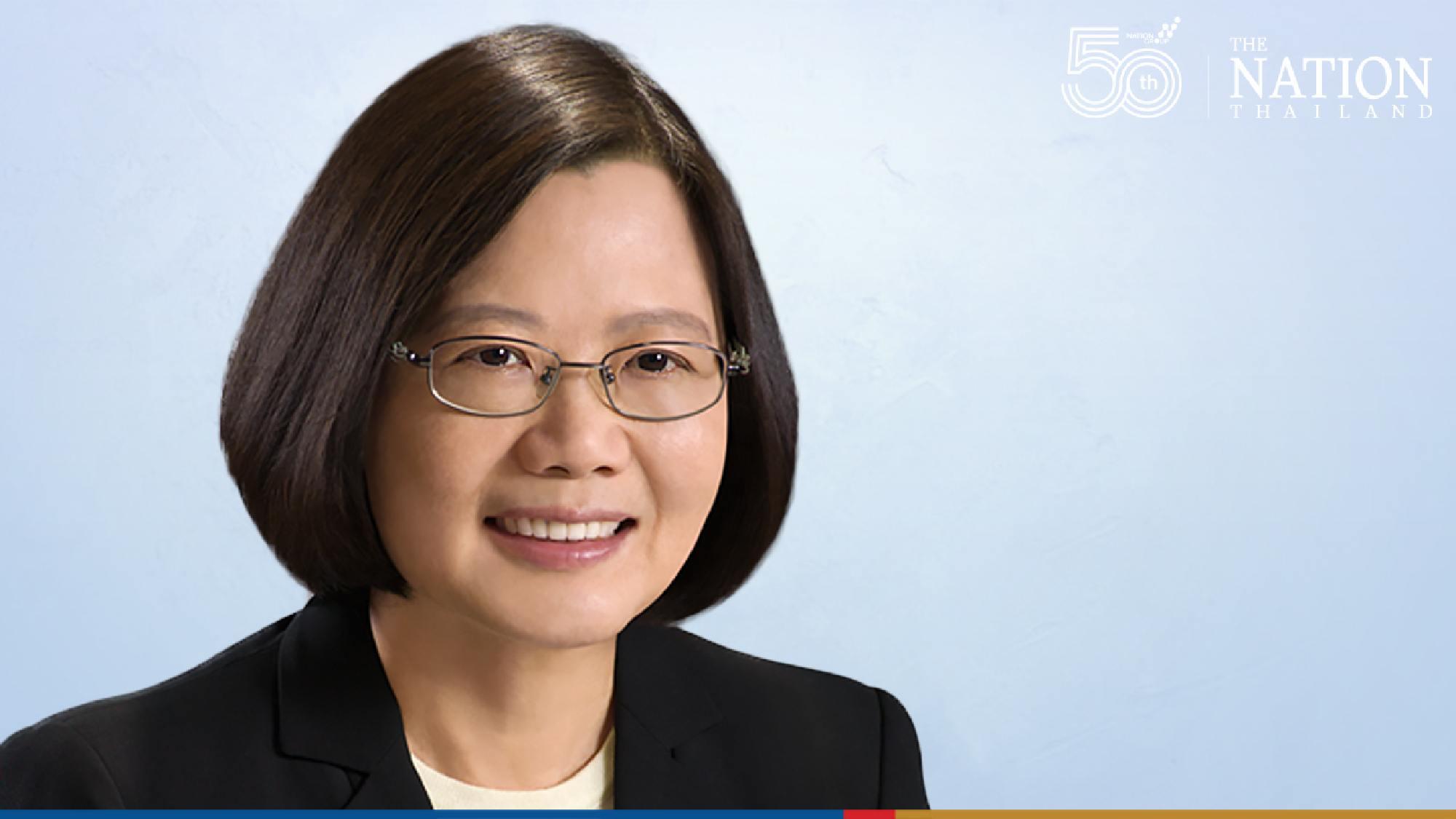
Taiwanese mission in Thailand clarifies President Tsai’s remark
The Taipei Economic and Cultural Office in Thailand issued a statement on Tuesday explaining that President Tsai Ing-wen was not targeting Thailand over the lack of vaccine supplies.
Last Friday, Tsai had said that Thailand was “prioritising” locally produced AstraZeneca vaccines for its own use due to the spike in infections. Thailand’s caseload as of Tuesday had crossed the 200,000 mark.
“The problem is that goods that were supposed to have arrived in June have not,” Tsai had told a local radio station on Friday. Taiwan has ordered 10 million doses of AstraZeneca, which is being produced in Thailand.
She also said there will be a delay in Taiwan’s vaccine rollout due to an imbalance in global supply and demand but said manufacturers are speeding up production to satisfy the rising global demands.
In its statement, the Taipei Economic and Cultural Office pointed out that Tsai had not said Thailand was “blocking” the export of AstraZeneca vaccines.
The statement said both Thailand and Taiwan effectively controlled the outbreak last year and now the entire world is dealing with a surge in infections.
It added that Taiwan and Thailand will continue to jointly fight against Covid-19 and promote health and well-being for their people. It also said Taiwan hopes supplies become stable soon so people’s hardships from Covid-19 can be alleviated.