Higher death rate in Asean despite decline in Covid-19 cases
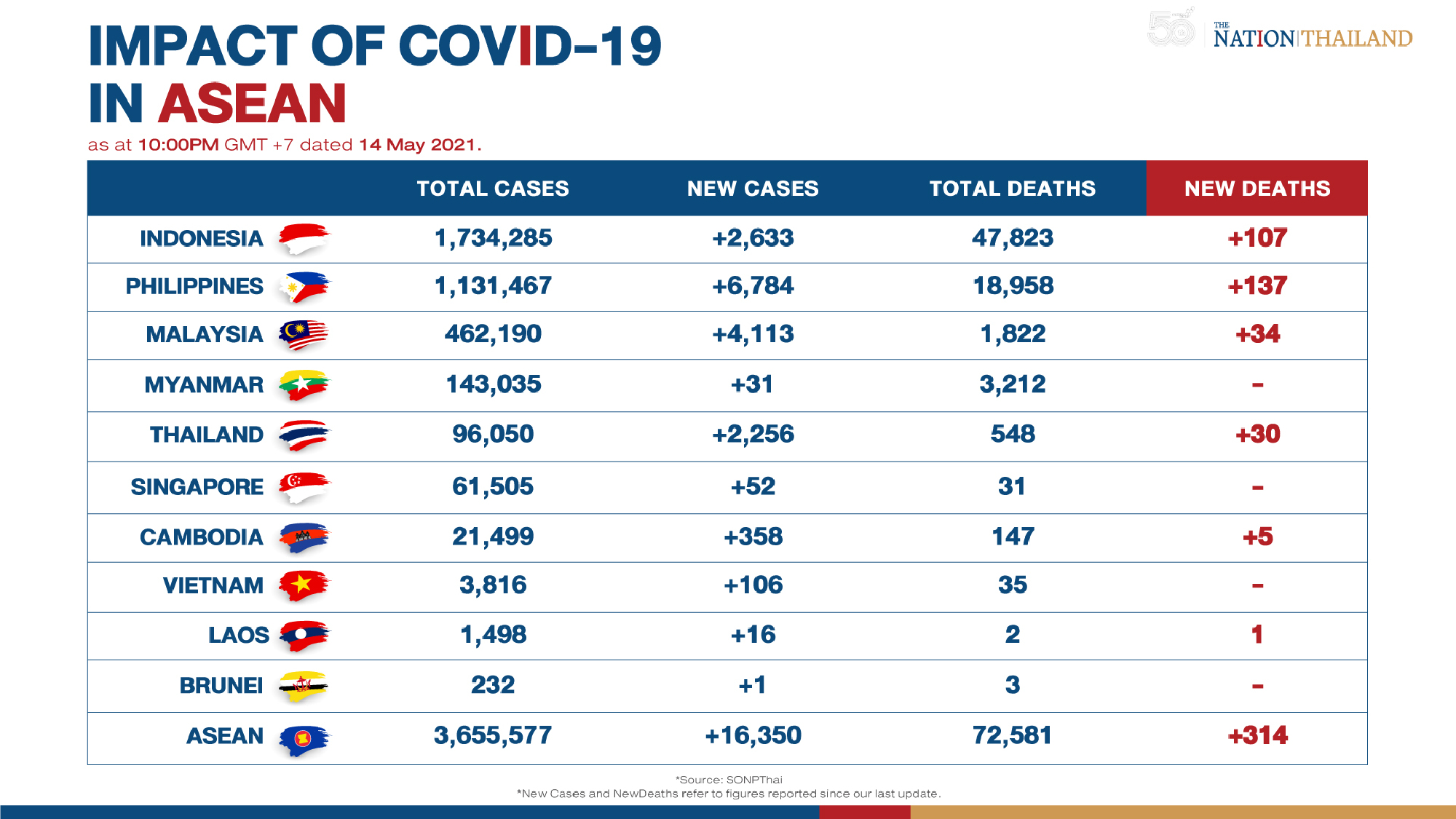
With 16,350 new cases on Friday, the number of Covid-19 patients since the outbreak crossed 3.65 million across Southeast Asia. The number was however a big improvement over the previous day when 20,213 cases were reported.
However, with 314 new deaths, from fewer cases, the situation was worse than the 272 fatalities on Thursday.
Total deaths from Covid-19 in Asean rose to 72,581.
Singapore reported 52 cases from local clusters, bringing cumulative cases in the country to 61,505. This prompted the government to increase lockdown measures: from May 16 to June 13, dining in at restaurants will be banned while public assembly of more than two people will be prohibited.
Vietnam reported 106 new patients, bringing cumulative cases to 3,816. Of these, 2,657 have been cured and discharged. The Vietnamese government received another 2.5 million doses of vaccine from the World Health Organization on Thursday and will distribute them to its people in addition to 960,000 doses that have been given since January.
Laos reported one death and 16 new infections, bringing cumulative cases in the country to 1,496 with two deaths, while 515 people have been cured and discharged. The second fatality was a 29-year-old Vientiane man who had diabetes and high blood pressure before he contracted the coronavirus. The government confirmed that the strain found spreading in the country was a UK one.
Israeli forces hit Hamas tunnels in Gaza as all-out war looms; more rockets rain down
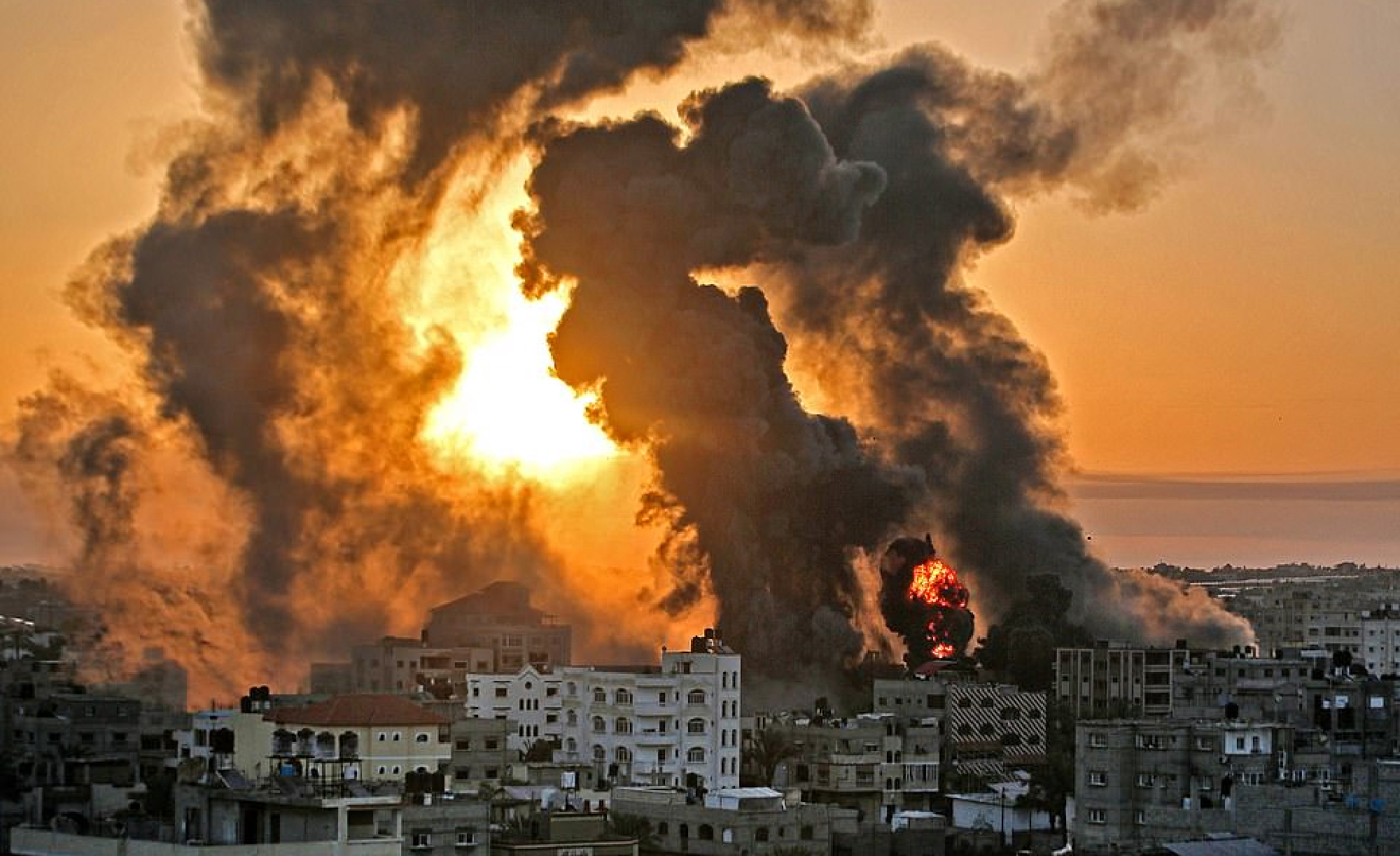
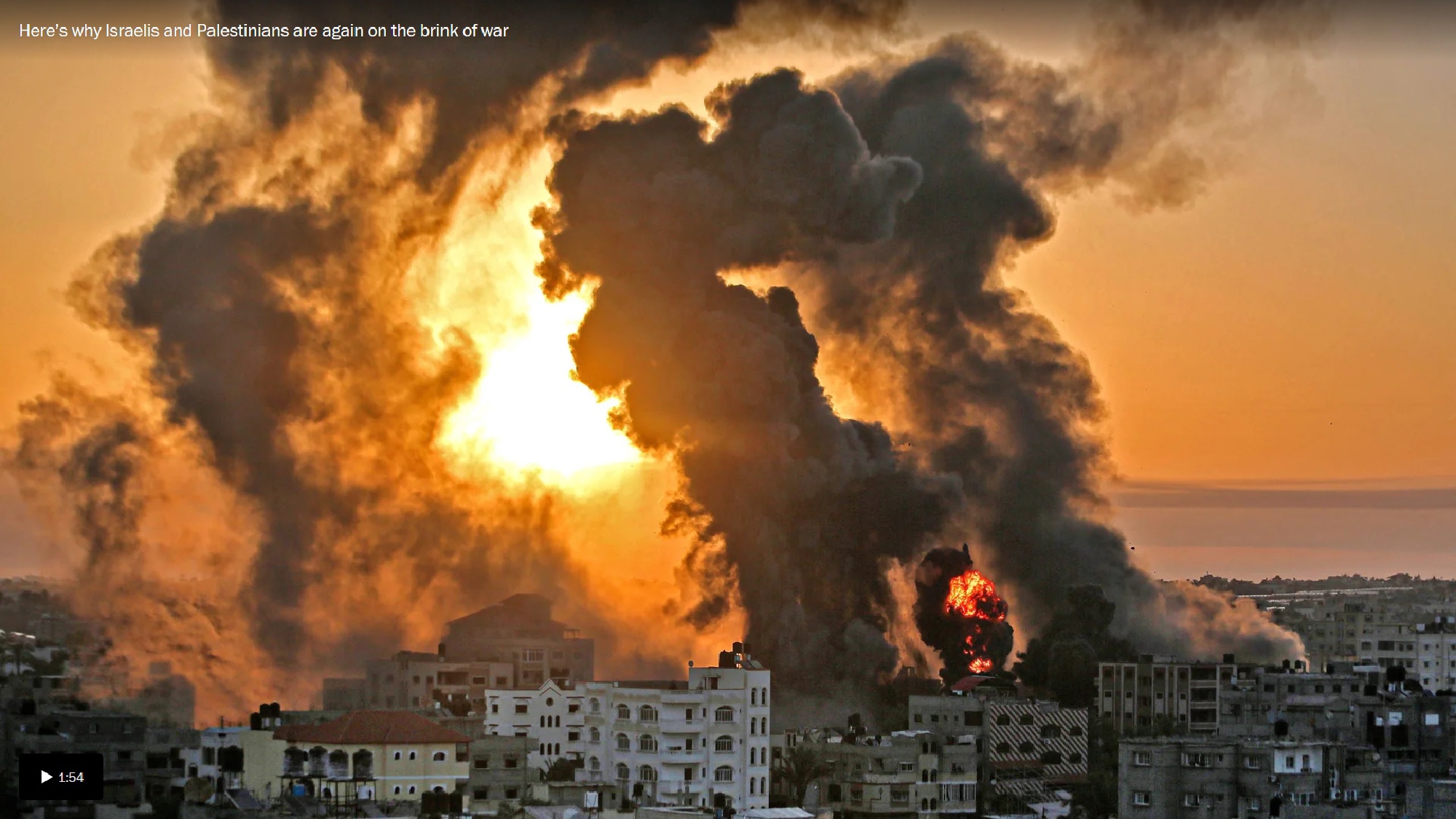
JERUSALEM – Israel continued to press its air campaign against the Gaza Strip on Friday after a devastating overnight assault by artillery and war planes aimed at destroying an extensive system of tunnels built by the militant Hamas group to move fighters, rockets and other weapons.
Israeli airstrikes and Hamas rocket attacks on Israel both raged into Friday evening with no sign of abating. The reciprocal bombardment has resulted in the deaths of 126 in Gaza and nine in Israel, health and emergency officials say, with hundreds more injured over five days of fighting.
Violence between Jewish and Arab citizens of Israel also continued in cities across the country, while new clashes erupted in the occupied West Bank, which had been relatively calm in recent days, with skirmishes in Ramallah, Nablus, Tulkarem and other cities. Eleven Palestinians were killed in West Bank confrontations with security forces, according to health officials.
By sunset, unrest flared in several Arab neighborhoods of East Jerusalem, where Palestinians throwing stones and firebombs battled police wielding stun grenades and tear gas, and protesters set cars and trees afire. The Israeli human rights group B’Tselem reported that Israeli settlers had set fire to swaths of Palestinian farmland in the West Bank.
Dozens of pro-Palestinian protesters from Lebanon, meantime, broke through a border fence, crossed into Israeli territory and set a fire in an open field near the northern town of Metula. Soldiers shot at them, and they returned to Lebanese territory, according to the Israeli military. One of the demonstrators, a 21-year-old Lebanese man who was shot after rushing the border, died later from his wounds, according to Al-Manar, Hezbollah’s official TV channel.
The overnight assault on Gaza involved 160 Israeli warplanes and three brigades of ground forces, including tanks, according to a spokesman for the Israeli military. Although ground forces participated, they did not enter the Gaza Strip, said Israeli military spokesman Lt. Col. Jonathan Conricus, contradicting a statement the night before that a ground assault on the enclave was underway. The Israeli military said its operation targeted a sprawling system of tunnels that Hamas has spent years building underneath Gaza’s streets.
“The aim of that joint activity of air and ground forces was to deliver a severe blow to Hamas’s underground tunnel system, which we refer to as the ‘metro,’ which is essentially a city beneath the city of Gaza,” Conricus said. “It is a strategic asset that Hamas has invested many years of effort and time and significant resources to construct.”
It was too soon to say how much of the tunnel system was destroyed, he said, but he added that “quite a lot of enemy combatants” were killed in the operation.
“Unlike our very elaborate efforts to clear civilian areas before we strike high-rises or large buildings inside Gaza, that wasn’t feasible this time,” Conricus said, adding that the operation targeted Hamas tunnels and infrastructure with “precision-guided munitions.”
The barrage came around midnight and lasted uninterrupted for about 40 minutes, forcing hundreds of residents of the northern Gaza Strip to flee their homes. A Palestinian humanitarian group said at least 10 civilians had been killed in the attack.
Abed Nofal, 35, was on the phone in his home in Gaza’s Jabaliya neighborhood, located next to farmland that he considered an unlikely target, when he saw a rocket contrail streaking his way. He had begun running to the far side of the apartment when an explosion tore through the building. In the shattering confusion, he helped his sobbing wife, who is expecting their first child, to her feet, and they ran for a shelter down the road.
“I feel like life is losing its meaning,” Nofal, a driver for humanitarian groups, said in a telephone interview. “It’s like every time I’m working hard to achieve something. Then in one second everything is not there.”
Civilians on the Israeli side of the border also spent another night under threat as Hamas continued to launch rockets almost continuously into the southern part of the country. The Israeli military said more than 2,000 rockets had been fired from Gaza since the fighting began Monday, with about 400 of them falling short and landing in Gaza itself.
Nine residents of Israel, including one soldier and an Indian guest worker, have been killed by rockets that struck homes, cars and a bus. A 50-year-old woman died Friday morning during an air raid from injuries she sustained running for shelter. Air raids have been a daily, often hourly trial for millions of Israelis.
Israel has also grown increasingly alarmed by the surge in sectarian clashes between Jewish and Arab Israelis, which saw police arrest more than 100 people Thursday night in towns across the country. With brawls breaking out in cities such as Haifa and Acre, long hailed as models of Arab-Jewish coexistence, many Israelis feared that the seeds of prolonged civil strife were being planted.
In the coastal city of Netanya, police arrested nine Jewish Israelis who were “walking around looking . . . to beat people up,” said police spokesman Micky Rosenfeld. In Beersheba in the south, 13 local Arab residents were arrested. In the Arab city of Umm al-Fahm, police arrested 11 who “threw petrol bombs and attacked police officers,” Rosenfeld said. In Tel Aviv, two men carrying iron bars were detained, according to a police statement.
Police also arrested 43 people overnight in the central city of Lod, the scene of some of the worst communal violence and riots, for throwing gasoline bombs and rocks and attacking police officers, according to Rosenfeld.
Arab citizens of Israel have long accused the Israeli police of one-sided enforcement and not responding to incidents in their neighborhoods. In recent days, many have lodged the same complaint against Border Police units – paramilitary troops who normally patrol the West Bank and neighborhoods in East Jerusalem – that have been deployed throughout Israel to help quell the rioting. Arabs say the officers have turned out in force against Arab protesters but have been largely absent when Jewish violence occurs.
“The Border Police are responding to every incident that takes place on the ground,” Rosenfeld said in response, including incidents where “innocent civilians are under life-threatening situations.”
In a nationally televised speech, Netanyahu warned that the civil unrest put Israel in the position of fighting “a campaign on two fronts,” one of which was Gaza. “The second front: Israel’s cities,” he said, repeating his vow from a day earlier to deploy the military to prevent the “anarchy” of mob violence seen in several cities this week.
“I again call on the citizens of Israel not to take the law into their own hands; whoever does so will be punished severely,” he said. “We will act with full force against enemies from without and lawbreakers from within to restore calm to the state of Israel.”
As diplomats from the Middle East, Europe and the United States tried to broker a cease-fire before the conflict spiraled even further, U.N. Secretary General António Guterres called for calm, citing the Muslim holiday of Eid al-Fitr, which began Thursday.
“Out of respect for the spirit of Eid, I appeal for an immediate de-escalation and cessation of hostilities in Gaza and Israel,” he tweeted. “Too many innocent civilians have already died. This conflict can only increase radicalization and extremism in the whole region.”
The current conflict was triggered after clashes earlier this month in Jerusalem among Palestinians, Israeli police and right-wing Jews. Tensions have been running high, in part, because of efforts by Israeli settlers to evict several Palestinian families from their homes in the Sheikh Jarrah neighborhood of East Jerusalem.
Those tensions boiled over on Monday, when clashes between Israeli police and Arab protesters near Jerusalem’s al-Aqsa Mosque left more than 300 Palestinians injured.
Israeli officials anticipated additional clashes at the mosque on Friday.
Published : May 15, 2021
By : The Washington Post · Steve Hendrix, Michael E. Miller, Shira Rubin
Italy is reopening to American travelers – on Delta
Delta Air Lines announced Friday that it will offer flights to Italy to all U.S. travelers regardless of vaccination or eligibility status, beginning Sunday. Travelers must undergo coronavirus tests before and after taking the designated flights.
In November, Delta announced a similar program with quarantine-free flights from Atlanta to Rome for travelers who tested negative for the coronavirus and were eligible to enter the European Union despite existing travel restrictions. American Airlines also has a program. However, Friday’s announcement applies beyond essential workers to leisure travelers.
Italy is set to lift mandatory quarantine restrictions on travelers from the EU, United Kingdom and Israel on Sunday.
“It is encouraging that the Italian government has taken this step forward to reopen the country to leisure travelers from the U.S. on our dedicated protocol flights and further supporting economic recovery from the global pandemic,” Delta’s president-international, Alain Bellemare, said in a statement Friday.
Before boarding flights to Italy, all U.S. Delta customers must complete mandatory testing before and on arrival. Once travelers produce a negative coronavirus test in Italy, they can bypass a mandatory quarantine.
To return to the United States, travelers must show airlines a negative test result taken within three days of departure or show proof they’ve recovered from covid-19 in the past 90 days – regardless of vaccination status.
Scott Keyes, founder of Scott’s Cheap Flights and author of “Take More Vacations,” says the announcement is huge news for American tourists who hope to visit Europe this summer.
“Each previous time a European country has announced its reopening date – from Iceland to Croatia to Greece – it’s been followed immediately by a surge in flight searches from Americans excited for a big first post-vaccination trip,” Keyes said in an email. “I’d expect the exact same cycle to play out with today’s Italy news.”
Delta, in partnership with Alitalia, has multiple departure options for its nonstop services to Italy. The airline is offering daily services between John F. Kennedy International Airport and Milan Malpensa Airport, five-times-per-week services between Atlanta and Rome (increasing to daily services May 26) and three-times-per-week services from JFK to Rome (increasing to daily services July 1). This summer, the airline will release three more nonstop routes from JFK to Venice, Atlanta to Venice and Boston to Rome.
Bryan Del Monte, president of the Aviation Agency, says he doesn’t expect Delta’s quarantine-free flight program to emerge as the dominant format for restoring international travel.
“The way forward would appear to be a vaccination for travelers,” Del Monte said in an email. “While I think travelers could expect to be tested, and that may be what some countries want to restore normal travel, in a short period of time, it’s more likely that countries will require proof of vaccination for entry.”
Del Monte recommends everyone hoping to visit Italy or other international destinations should get vaccinated.
“Everyone is going to require [vaccinations] until it’s universally everywhere in high doses,” he said.
According to data from the travel management company TripActions, the top booked Italian travel destinations this summer are Rome, Naples and Florence. Its chief travel officer, Danny Finkel, says he believes Delta’s announcement will create a domino effect of reopenings across Europe. Additionally, he believes that after a year without travel, Americans may have more discretionary savings available for booking international vacations.
“With COVID restrictions changing daily, staying on top of the latest information can be overwhelming, so it’s important you go into your trip with all the information and tools you need to make the best decisions for your return to travel,” he advised travelers in an email.
With the addition of Italy, Delta will have four European travel destinations for leisure travelers later this summer, along with Iceland, Greece and Croatia. At the publishing of this story, flights with coronavirus tests from JFK to Milan on Sunday start at $599 for a one-week trip on basic economy (however, flight prices can vary wildly before takeoff).
The Delta announcement said service start dates are subject to change pending evolving travel restrictions and demand.
Federal trial for former officers charged in George Floyds killing set for August
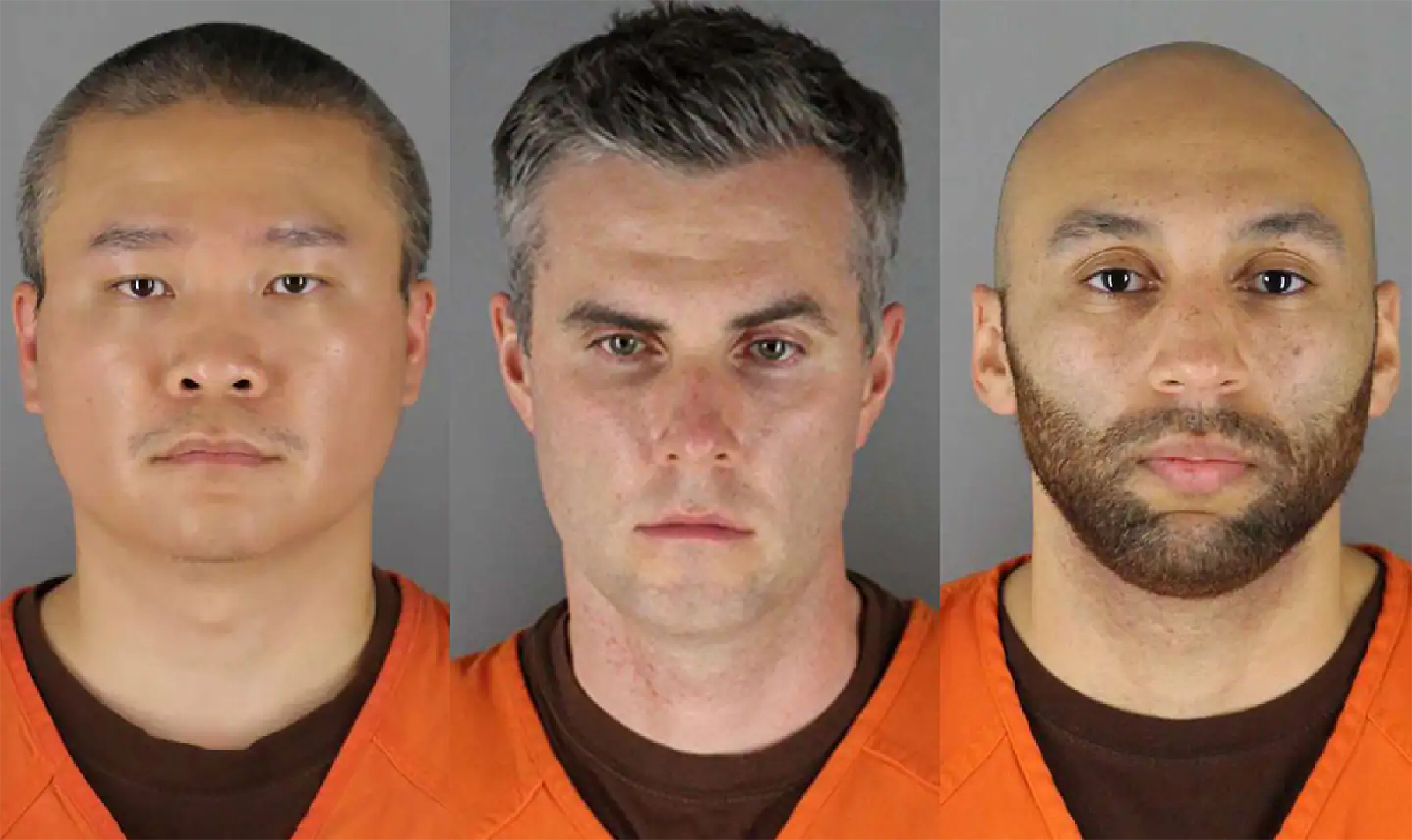
MINNEAPOLIS – Three former Minneapolis police officers charged with violating George Floyds civil rights during an arrest that turned fatal last May are scheduled to go on federal trial in August.
Ascheduling order issued late Friday by U.S. District Magistrate Judge Tony Leung said former officers Alexander Kueng, Thomas Lane and Tou Thao will be arraigned on federal civil rights charges July 14 in Minneapolis, followed by an Aug. 2 trial to be held at the federal courthouse in St. Paul.
The decision comes one day after Hennepin County District Judge Peter Cahill postponed the former officers’ August trial on state charges of aiding and abetting murder and manslaughter in Floyd’s death until March, paving the way for the federal case to take place first.
A federal grand jury indicted Kueng, Lane and Thao along with former officer Derek Chauvin last week on charges they violated Floyd’s constitutional rights during a May 25, 2020 arrest, when he was restrained, handcuffed and face down on a Minneapolis street as he begged for breath before losing consciousness. Chauvin was also indicted on a second federal charge alleging he violated the civil rights of a 14-year-old by hitting him with a flashlight and kneeling on him during a 2017 arrest.
Chauvin, who pressed his knees into Floyd’s neck and back for nine minutes and 29 seconds, was convicted last month of second-degree unintentional murder, third-degree murder and second-degree manslaughter in Floyd’s death. Chauvin is scheduled to be sentenced in that case on June 25.
Though all four officers are cited in a joint complaint, Chauvin’s case is not mentioned in Leung’s scheduling order. Chauvin, who is being held in solitary confinement at a Minnesota prison as he awaits sentencing in the state case, has yet to make a formal appearance in the federal case.
It was not immediately clear if Chauvin would be tried separately on the federal charges. His attorney, Eric Nelson, did not immediately respond to a request for comment.
Thomas Plunkett, an attorney for Kueng, declined to comment. Attorneys for Lane and Thao did not respond to requests for comment.
The federal indictment alleges Chauvin violated Floyd’s right to be free from unreasonable seizure and from unreasonable force by a police officer. Kueng and Thao were charged with violating Floyd’s right to be free from unreasonable seizure by not intervening as Chauvin pressed his knees into Floyd’s neck and back. All four officers were charged with failing to render medical aid to Floyd.
“Specifically, the defendants saw George Floyd lying on the ground in clear need of medical care and willfully failed to aid Floyd, thereby acting with deliberate indifference to a substantial risk of harm to Floyd,” the indictment read.
Kueng, Lane and Thao appeared during a virtual hearing last week on the charges and were released on bond. Their state trial is scheduled to begin March 7, 2022.
Tesla Autopilot system was on during fatal California crash, adding to self-driving safety concerns
A Tesla Model 3 electric car that was part of a fatal Southern California crash last week had the companys Autopilot system activated when it careened into an overturned truck in the middle of the night, the Associated Press reported Friday.
The May 5 crash near Los Angeles is the latest of several incidents playing into safety concerns for Tesla’s self-driving cars. It was the fourth U.S. death involving the Autopilot self-driving car system, the newswire wrote. And it is sure to further complicate Tesla’s already-troubled relationship with transportation safety regulators.
Public affairs staff from the National Highway Traffic Safety Administration and the California Highway Patrol did not respond to requests for further information Friday afternoon. Tesla did not immediately respond to an emailed request for comment.
The investigation into the May 5 crash marks the 29th investigation the National Highway Traffic Safety Administration has initiated into crashes involving Tesla vehicles, according to information previously disclosed by the agency.
The investigation is likely to complicate Tesla’s attempts to gain broader market acceptance for its self-driving vehicles. There are concerns that the automated driving system ― which relies on an advanced array of cameras and radar sensors placed on the outside of the vehicles ― is not ready yet.
A coalition of competing automakers criticized Tesla’s vehicles as not truly autonomous because they still require an active driver. Tesla’s vehicles rely on an elaborate array of cameras and radar sensors to remain aware of the vehicles surroundings, as opposed to the lidar sensors employed by some other electric vehicles.
Tesla’s website and safety manuals do not describe Autopilot as a fully-autonomous system, and emphasize that drivers must be paying attention and ready to intervene.
The car is supposed to sense whether there is a person in the driver’s seat and act accordingly. But there have been several recent instances in which people have been caught allowing the car to drive completely on its own. On Tuesday the California Highway Patrol arrested a man who was sitting in the back seat of his Tesla as it drove down the highway, according to the San Francisco Chronicle.
There have been numerous instances in which apparently distracted drivers failed to control the vehicle at a critical moment. In a 2018 incident, the driver of a Tesla model X SUV died in a crash near Mountain View, Calif., after accessing a video game on his phone. In another case a Tesla’s sensing cameras failed to identify a truck’s white side against a brightly lit sky.
In one incident in mid-April, a Tesla crashed into a tree in a suburb outside of Houston and it took firefighters four hours to put out the flames, at which point they concluded that neither of the car’s two occupants had been in the driver’s seat at the time of the crash. A Tesla executive later broke with that official account and claimed there was a person in the driver’s seat. A National Transportation Safety Board spokesman later said Tesla was “working with” investigators but is “not a party” to it, marking a break with typical procedure that suggests a strained relationship between Tesla and regulators.
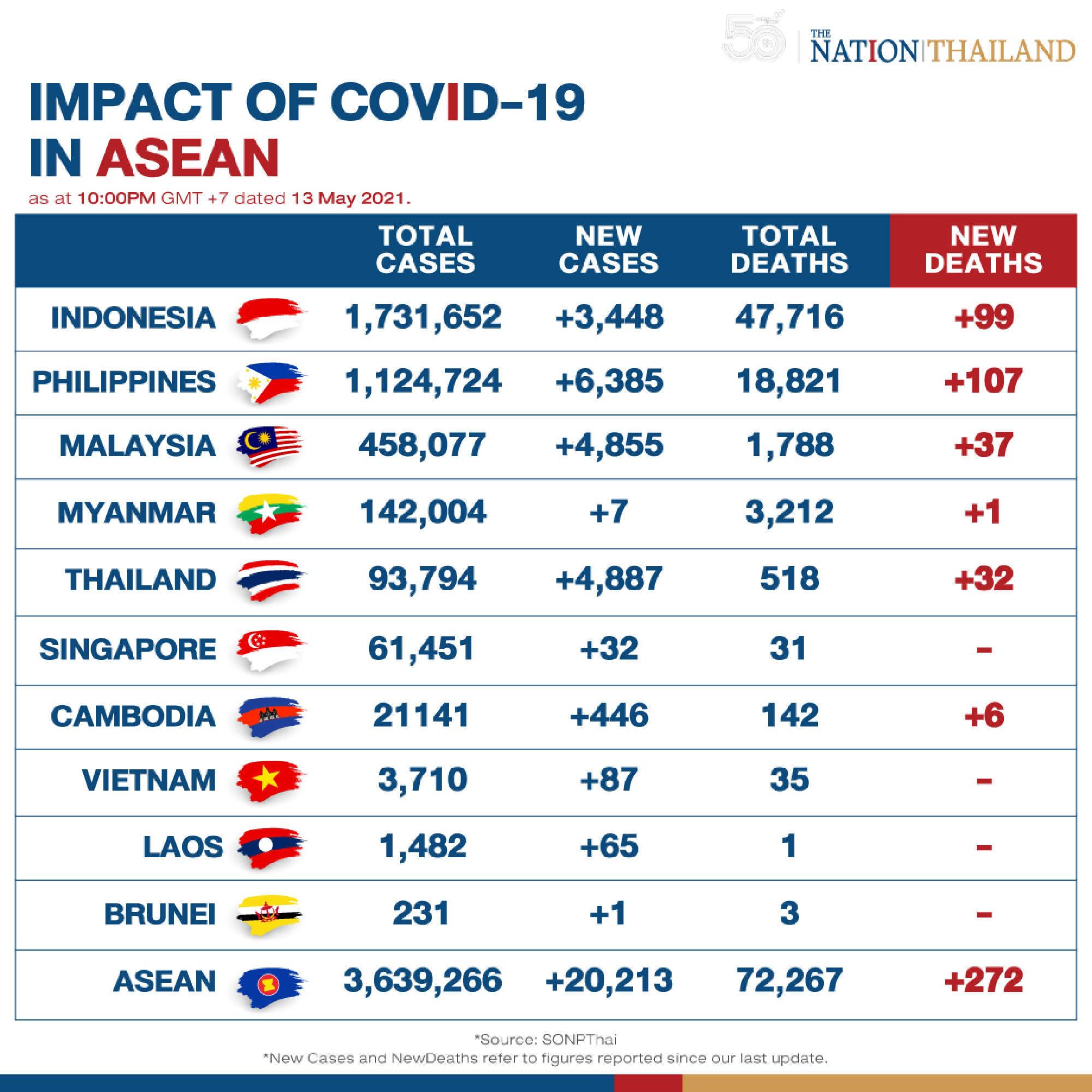
The number of Covid-19 cases crossed 3.63 million across Southeast Asia, shooting up by 20,213 on Thursday with 272 deaths, compared to 16,861 cases on Wednesday.
Total Covid-19 deaths in Asean since the outbreak last year have risen to 72,267.
Indonesia recorded another day of lower than 4,000 new cases with 3,448 testing positive, while 99 people died on Thursday, taking the national death toll to 47,716. More than 1.5 million Indonesians have been cured and discharged. The Indonesian government has warned people against lowering their guard despite declining infections.
Philippines logged 6,385 new cases, a slight increase from Wednesday, driving cumulative cases in the country to 1,124,724.
The death toll in the Philippines on Thursday was 107, while total fatalities rose to 18,821 and 1,050,643 have been discharged after cure.
The Philippine government announced on Thursday an easing of lockdown measures in Manila and its perimeter effective from May 15-31.
Colonial Pipeline paid hackers nearly $5 million in ransom
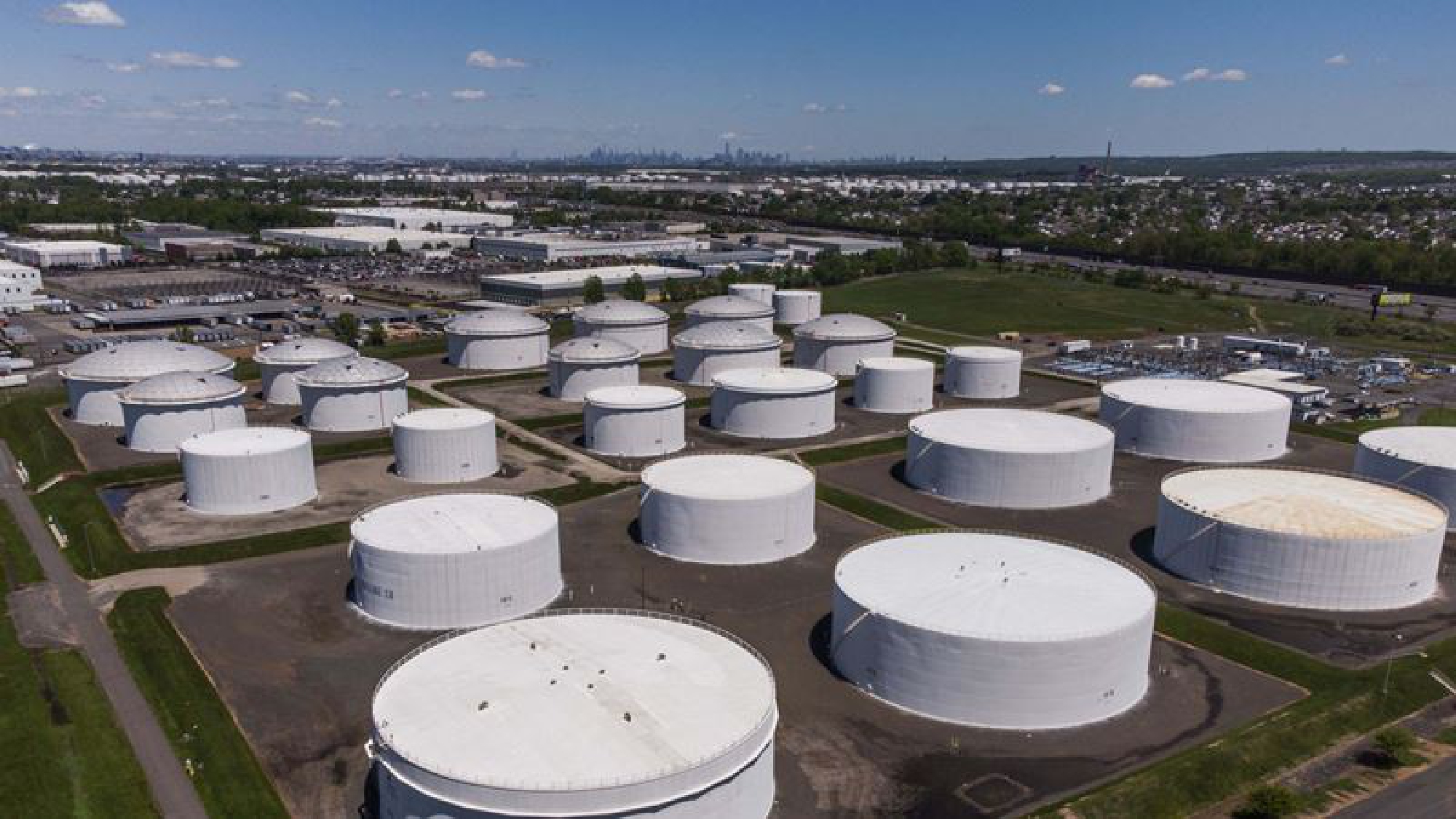
Colonial Pipeline Co. paid nearly $5 million to Eastern European hackers on Friday, contradicting reports earlier this week that the company had no intention of paying an extortion fee to help restore the countrys largest fuel pipeline, according to two people familiar with the transaction.
The company paid the hefty ransom in difficult-to-trace cryptocurrency within hours after the attack, underscoring the immense pressure faced by the Georgia-based operator to get gasoline and jet fuel flowing again to major cities along the Eastern Seaboard, those people said. A third person familiar with the situation said U.S. government officials are aware that Colonial made the payment.
Once they received the payment, the hackers provided the operator with a decrypting tool to restore its disabled computer network. The tool was so slow that the company continued using its own backups to help restore the system, one of the people familiar with the company’s efforts said.
A representative from Colonial declined to comment, as did a spokesperson for the National Security Council. Colonial said it began to resume fuel shipments around 5 p.m. Eastern time Wednesday.
The hackers, which the FBI said are linked to a group called DarkSide, specialize in digital extortion and are believed to be located in Russia or Eastern Europe.
On Wednesday, media outlets including the Washington Post and Reuters, also based on anonymous sources, reported that the company had no immediate intention of paying the ransom.
Ransomware is a type of malware that locks up a victim’s files, which the attackers promise to unlock for a payment. More recently, some ransomware groups have also stolen victims’ data and threatened to release it unless paid — a kind of double extortion.
The FBI discourages organizations from paying ransom to hackers, saying there is no guarantee they will follow through on promises to unlock files. It also provides incentive to other would-be hackers, the agency says.
However, Anne Neuberger, the White House’s top cybersecurity official, pointedly declined to say whether companies should pay cyber ransoms at a briefing earlier this week. “We recognize, though, that companies are often in a difficult position if their data is encrypted and they do not have backups and cannot recover the data,” she told reporters Monday.
Such guidance provides a quandary for victims who have to weigh the risks of not paying with the costs of lost or exposed records. The reality is that many choose to pay, in part because the costs may be covered if they have cyber-insurance policies.
“They had to pay,” said Ondrej Krehel, chief executive officer and founder of digital forensics firm LIFARS and a former cyber expert at Loews Corp., which owns Boardwalk Pipeline. “This is a cyber cancer. You want to die or you want to live? It’s not a situation where you can wait.”
Krehel said a $5 million ransom for a pipeline was “very low.” “Ransom is usually around $25 million to $35 million for such a company. I think the threat actor realized they stepped on the wrong company and triggered a massive government response,” he said.
A report released last month by a ransomware task force said the amount paid by victims increased by 311% in 2020, reaching about $350 million in cryptocurrency. The average ransom paid by organizations in 2020 was $312,493, according to report.
Colonial, which operates the largest fuel pipeline in the U.S., became aware of the hack around May 7 and shut down its operations, which led to fuel shortages and lines at gas stations along the East Coast.
Published : May 14, 2021
By : Syndication Washington Post, Bloomberg · William Turton, Michael Riley
More than 1.9 million people could see severe cuts in unemployment aid as Republicans seek to curb assistance
WASHINGTON – More than 1.9 million Americans in Alabama, Mississippi and 14 other Republican-led states are set to have their unemployment checks slashed significantly starting in June, as GOP governors seek to restrict jobless assistance in an effort to force more people to return to work.
The cuts are likely to fall hardest on roughly 1.4 million people who benefit from stimulus programs that Congress adopted at the height of the coronavirus pandemic, including one targeting those who either are self-employed or work on behalf of gig-economy companies such as Uber. Beginning next month, many of these workers are likely to receive no aid at all.
The looming cliff reflects an emerging campaign on the part of GOP leaders to combat what they consider a national worker shortage. Arizona and Ohio became the latest states on Thursday to announce plans to scale back benefits out of a belief that the generous federal payments parceled out over the past year have deterred people from returning to their old positions now that the public-health crisis is waning.
The reality is more complicated, labor experts say. The slowdown in hiring may instead reflect workers’ concern about their safety and difficulty obtaining child care, or their trouble finding suitable positions in hard-hit industries such as tourism on top of mounting frustration about wages they consider too low. That means the loss of unemployment benefits over the next month threatens to inflict new financial harm on those who say they’re already struggling.
At least 16 GOP-led states have announced plans to cut benefits: Alabama, Arkansas, Arizona, Georgia, Idaho, Iowa, Montana, Mississippi, Missouri, North Dakota, Ohio, South Carolina, South Dakota, Tennessee, Utah and Wyoming.
Starting next month, more than 557,000 unemployed people in these states are expected to have their payments decrease by $300 each week, according to a Washington Post analysis of federal claims data released Thursday. Millions of Americans have received the extra allotment as a result of a federal stimulus program Congress passed earlier this year. In these 16 GOP-led states, however, out-of-work residents soon will be able to collect only as much as their unemployment insurance programs allowed before the pandemic, which in some parts of the country is well below poverty-level wages.
For a second group of about 863,000 workers, their governors’ cuts mean they stand to lose all of their benefits outright. This includes out-of-work Uber drivers and others who are self employed. These workers had obtained aid for the first time under a second stimulus initiative, known as Pandemic Unemployment Assistance (PUA), but their states are ending participation in the effort.
A final group of about 513,000 workers who collect traditional unemployment benefits each week similarly may have their assistance reduced to zero. These Americans rely on a federal program that pays them extra weeks of jobless support even if they have exhausted their states’ annual allotments. Republican governors are cutting their participation in this effort as well, leaving workers who have been unemployed for prolonged periods with potentially no more options to obtain aid.
For unemployed workers such as Stephanie Pannell, a 53-year-old single mother in Harrison, Ark., the Republicans’ efforts threatened to deliver another massive financial blow in what already has been a grueling year. The pandemic aid has been a financial lifeline for her and her 14-year-old son, providing $419 a week after taxes – just enough to cover her $700 rent and take care of other living expenses but little else.
On Friday, though, Arkansas Gov. Asa Hutchinson announced that the state plans to cut recipients off the program at the end of June. “For us to lose this is going to be catastrophic, because this is how we’ve made it,” said Pannell, who receives money through the PUA program. “People are like, ‘You don’t want to work.’ Are you crazy? I want to work because I can make a lot more than this pittance. But because of my son’s health, I cannot risk it. . . . They’re acting like they’re giving us gold bullion.”
More governors are expected to follow the lead of Arkansas and other GOP-governed states, which – combined with a recent decline in Americans newly seeking unemployment – could change the number of Americans affected. On Thursday, the Labor Department said that 473,000 Americans had filed new unemployment insurance claims last week, marking another pandemic low.
The state cuts follow a week after the U.S. government reported slower-than-anticipated hiring in April. Even as the country ramped up its efforts to vaccinate millions of Americans – and states began to lift their business restrictions – the economy added only 266,000 jobs last month.
The dour data prompted Republican lawmakers and lobbying groups including the U.S. Chamber of Commerce to call on Washington to rescind its recent unemployment aid. They took aim at the most recent congressional relief package, the American Rescue Plan, claiming that its heightened weekly payments and other benefits had made it prohibitively difficult for employers to fill their open slots.
The White House has maintained that unemployment aid has not contributed to a worker shortage. But President Joe Biden did appear to extend an early concession to his GOP critics this week, promising to “make it clear” that Americans must take a job if they are offered one that is suitable – or risk losing their benefits. States long have maintained such a policy anyway.
Biden’s public comments ultimately did not assuage congressional Republicans, who held a news conference at the Capitol on Thursday where they called on Congress to adopt legislation that would phase out the stimulus programs before they are set to expire this fall. Sen. Marco Rubio, R-Fla., said he had heard from businesses in his state that say they are struggling to find applicants because jobless benefits are “creating an incentive for people not to return to work.”
“We have a labor crisis in this country,” Rubio said.
With Democrats in control of the House and the Senate, however, the Republicans’ proposal is unlikely to advance. In the meantime, Sen. Mike Braun, R-Ind., on Thursday encouraged states to act in Washington’s place – stressing that they should “pull the plug so that we don’t need to legislate.”
A slew of Republican-led states have started to trim unemployment insurance on their own, announcing in recent days that they will stop participating in a series of federally funded programs that provide aid to residents still out of a job. The expirations are set to occur throughout June and July, months before Congress had intended, as the GOP governors aim to lessen or eliminate families’ weekly payments to catalyze a local hiring burst.
“Alabama is giving the federal government our 30-day notice that it’s time to get back to work,” Gov. Kay Ivey said in a statement announcing her state’s changes this week.
Some of the Republican-led states that plan to reduce benefits actually have few people collecting such aid and lower unemployment rates than the national average. That includes Wyoming, for example, where Gov. Mark Gordon on Wednesday said that plussed-up federal aid is “hindering the pace of our recovery” and contributing to a local worker shortage.
Wyoming’s unemployment rate has remained relatively low in recent months, reaching 5.3%, according to the most recent federal data released last month. Only about 10,000 workers were collecting unemployment aid by mid-April, the Labor Department data show.
Some legal experts think that the Biden administration may be able to continue providing federal benefits despite the GOP’s opposition. The National Employment Law Project (NELP), a worker advocacy legal center and think tank in Washington, wrote a letter to Labor Secretary Marty Walsh on Wednesday outlining some legal options it thinks are feasible to keep federal aid flowing to families in need.
One possibility, the lawyers wrote, is for the Labor Department to require states to continue paying PUA benefits to gig workers and others who are self-employed, arguing that the Cares Act does not allow states to opt out of the program. Without the intervention, NELP advocates warned, people of color and other underrepresented workers would feel a “disparate economic sting,” because they already suffer from higher rates of unemployment.
“We will be stalling the recovery if we cut benefits now, earlier than what Congress intended,” said Nicole Marquez, a director at NELP and one of the authors of the report.
The idea also picked up early traction this week on Capitol Hill, where Senate Finance Committee Chairman Ron Wyden, D-Ore., said the Labor Department “needs to look at all options to keep these workers from losing their income.” On Thursday, Sen. Bernie Sanders, I-Vt., the chairman of the Budget Committee, similarly called on the agency to take action.
“Punishing unemployed workers who lost their jobs during a pandemic through no fault of their own by taking away their unemployment benefits will not improve the economy. It will only make a bad situation even worse,” Sanders said in a statement.
The Labor Department said it was reviewing the letter from NELP.
For some Democrats, the Republican governors’ actions illustrated anew the deficiencies in an unemployment system that allows the states great latitude – sometimes resulting in unsustainable benefits, significant application hiccups and other obstacles to aid. With the economy improving, some party leaders fear that GOP-led states are only just beginning, opening the door for the same sort of massive reductions nationwide that followed the last recession, in 2009.
“This is more of the same in terms of what we saw after the 2009 recession, when you saw states like Florida hollow out [unemployment] benefits, cutting them to the bone,” Wyden said. “This is a far-right Republican governor-led strategy to rip new holes in the safety net.”
Published : May 14, 2021
By : The Washington Post · Tony Romm, Eli Rosenberg
Markets wrap: Stocks climb amid rotation to value; oil declines
Stocks halted a three-day slide, with investors migrating to value from growth companies as signs of a strengthening labor market tempered inflation worries.
Industrial and financial shares led gains in the S&P 500, while energy producers joined a slump in oil. The tech-heavy Nasdaq 100 underperformed major equity benchmarks as Tesla Inc. slipped after Chief Executive Officer Elon Musk said the electric-car maker is suspending purchases using Bitcoin. In late trading, Coinbase Global Inc. sank as the biggest U.S. cryptocurrency exchange reported revenue below Wall Street estimates.
“We’ve been on cyclical value and small cap for the better part of the last year,” said Brent Schutte, chief investment strategist at Northwestern Mutual Wealth Management. “Our forecast has been that you would have these cyclical upswings that would lead to a broadening market, and that is exactly what you’ve seen. We haven’t wavered one bit in our conviction that is going to continue.”
Confidence on an economic revival that’s reigned supreme amid continued Federal Reserve stimulus has been recently jolted. Data Thursday showed producer prices rose by more than forecast in April, and jobless claims fell. While some investors insist the surge in inflation is a one-off reopening burst, the broader markets are hedging against the possibility it may persist and force the central bank to take action.
Officials have been trying to drive home the message that they see inflation spikes this year as transitory, in contrast with heightened Wall Street concern about runaway prices. Increases above the central bank’s 2% goal should be temporary, but may last through 2022, said Fed Governor Christopher Waller.
“Taking a step back from inflation, the fact that jobless claims hit another pandemic-era low suggests we’re inching even closer to full reopening, which is no doubt a good thing,” said Mike Loewengart, managing director of investment strategy at E*Trade Financial.
The Fed tweaked its plans for buying Treasuries, keeping the monthly pace at about $80 billion but focusing more attention on securities maturing in seven years or longer.
These are some of the main moves in markets:
– – –
– The S&P 500 rose 1.2% as of 4 p.m. New York time
– The Nasdaq 100 rose 0.8%
– The Dow Jones Industrial Average rose 1.3%
– The MSCI World index rose 0.3%
– – –
– The Bloomberg Dollar Spot Index fell 0.2%
– The euro was little changed at $1.2084
– The British pound was unchanged at $1.4054
– The Japanese yen rose 0.2% to 109.44 per dollar
– – –
– The yield on 10-year Treasuries declined four basis points to 1.65%
– Germany’s 10-year yield was little changed at -0.12%
– Britain’s 10-year yield advanced one basis point to 0.90%
– – –
– West Texas Intermediate crude fell 3.5% to $64 a barrel
– Gold futures rose 0.3% to $1,828 an ounce
Published : May 14, 2021
By : Syndication Washington Post, Bloomberg · Vildana Hajric, Kamaron Leach
Israeli troops enter Gaza strip in presage of ground invasion
JERUSALEM – Israeli troops have crossed into the Gaza Strip, the Israeli military said early Friday, as artillery, tanks and war planes joined in a withering assault on the Palestinian enclave, and the Israeli military readied at least three brigades of troops for action, raising the prospect of an all-out ground invasion.
Shortly after midnight, the Israeli military announced that air and ground forces had joined in an attack on Gaza, but a military spokeswoman did not detail the number or type of troops that had crossed the border.
For most of Thursday, the air war between Israelis and Palestinians had raged unabated with casualties continuing to climb on both sides amid rocket fire and airstrikes.
Violence also continued to spread within Israel as officials braced for a fourth night of street unrest that has seen Arab Israelis and right-wing Jewish Israelis fight one another in towns across the country. Israeli politicians from across the ideological spectrum condemned attacks by “vigilantes” from both sides, and commentators warned that the communal upheaval may be harder to stop than the military conflict between Israel and the Hamas militant group, which governs Gaza.
Soon after sunset Thursday, clashes between Jewish and Arab Israelis had resumed in several cities.
The reciprocal bombardment has taken a mounting toll on transportation and other infrastructure in Israel and Gaza. Under a rain of more than 1,700 rockets fired from Gaza, Israel’s Ben Gurion Airport, the country’s main link to the outside world, closed indefinitely to incoming flights. Israeli media reported that rockets struck Israel’s secondary Ramon Airport, where flights had been diverted.
In Gaza, damage to power lines cut daily electricity in some parts of the enclave to around three hours. Residents awoke on the normally joyous Eid al-Fitr holiday to pillars of smoke rising from sites bombed by the Israeli military. In the midst of the worst attacks in seven years, streets that would normally bustle with families going to pay holiday visits were quiet.
Gaza’s Health Ministry said 109 Palestinians, including 28 children, had been killed by Thursday night. It said 621 people have been wounded.
On some blocks, displaced residents picked through the rubble of destroyed homes. In northern Gaza City on Thursday morning, Zaher Sbieh pulled two stuffed sheep from what had been a five-story apartment building. They would be a nice surprise for his four children, who are now staying with family in Jabaliya.
The building was demolished by an airstrike Wednesday afternoon, 90 minutes after Sbieh’s brother, who lived in an apartment next door, got an urgent call: Get out now. The call was from an Israeli military officer, Sbieh said. The officer said the building next door was a target. The brothers and their families joined the panicked rush down the stairs as the building emptied. When he returned later that evening, it was gone.
“I lost everything, my clothing, books, laptops, photo albums,” said Sbieh, 48, who runs a youth and community advocacy group. “I evacuated with the clothes I’m wearing.”
Mohammad Qadada, 31, said that the Israeli demolition of the 13-story Hanadi building, which houses his IT company’s offices, has caused him, for the first time, to consider leaving the Gaza Strip.
“I always said, ‘I can’t leave my country, I can’t leave my country.” But now, I can’t be in my country,” said Qadada, who plans to try obtaining Swedish citizenship through his Swedish-born wife.
“We lived through the first war in Gaza in 2008; it was the worst one. But, for me, the past two days are worse than ever because I have a family. When you look at your son who is crying from the bombing, my wife’s tears, my mother’s tears, it is exhausting,” he said.
In Israel, where seven people – six civilians and one soldier – have been killed since the rocketing began on Monday, families were also counting their losses. The slain civilians include a teenage girl and a young boy who died Wednesday evening from an earlier rocket strike on the family’s bomb shelter in Sderot near the border with Gaza, local media reported.
Late Thursday, Lebanese media reported rockets being fired from southern Lebanon toward Israel. Israel’s military said three rockets had landed in the Mediterranean Sea. A media liaison for the Lebanese militant group Hezbollah, which has repeatedly battled Israeli forces, declined to comment on the attack, and Israeli media reported that the rockets had been fired by Palestinians in Lebanon.
The prospect of even fiercer fighting seemed to grow Thursday as two Israeli infantry brigades and an armored one readied for ground operations, according to Israeli military spokesman Lt. Col. Jonathan Conricus. No orders to invade Gaza have been given, he added, but the troops are preparing for the possibility. Israeli troops last entered Gaza en masse during a two-month war in 2014, when more than 2,200 Gazans were killed.
The Palestinians were also talking tough. “We have much more to give,” a Hamas spokesman known as Abu Obaida said in a televised statement. “The decision to hit Tel Aviv, Dimona and Jerusalem is easier for us than drinking water. Your technology and assassinations don’t scare us.”
Diplomats from the Middle East, Europe and the United States scrambled to broker a cease-fire before the conflict took another devastating turn. Arabic media reported that an Egyptian delegation arrived in Tel Aviv on Thursday. Hady Amr, the U.S. deputy assistant secretary of state for Israel and Palestinian affairs, was also on his way, the State Department said.
In remarks, Secretary of State Antony Blinken made clear that he places more blame on Hamas, saying there is a “fundamental difference between a terrorist organization in Hamas that is indiscriminately targeting civilians and Israel, which is defending itself.” Blinken and President Joe Biden’s refrain that Israel has a right to defend itself has come under criticism from several liberal American lawmakers.
Even as Israeli troops were readied for action in Gaza, Prime Minister Benjamin Netanyahu announced that he would separately deploy the military in restive Israeli towns to quell the “anarchy.” He said he has ordered police to adopt “emergency powers” and intends to “bring in military forces according to the existing law, and we will pass an additional law if necessary.”
“What is happening in Israel’s cities over the past few days is unacceptable,” Netanyahu said on Twitter of the worst Jewish-Arab violence inside Israel in decades. “We have seen Arab rioters set fire to synagogues and vehicles and attack police officers. They are attacking peaceful and innocent citizens.”
The prime minister also alluded to video footage of a group of Jewish nationalists dragging a man whom they believed to be Arab out of his car and beating him in the central city of Bat Yam. “Nothing justifies this and I will tell you that nothing justifies the lynching of Jews by Arabs and nothing justifies the lynching of Arabs by Jews.”
Not long after he spoke, police reported two people injured in a shooting in the central city of Lod, according to The Associated Press. The mixed Arab-Jewish town has become a center of unrest after the fatal shooting of an Arab Israeli man this week, and it remains under heavy police patrol and nighttime lockdown.
About 400 people were arrested overnight Wednesday in riots throughout the country, according to Israel police spokesman Micky Rosenfeld. He said 36 officers were injured. Officials said they expected the clashes to continue into Friday, when thousands of Muslim worshipers are expected at Jerusalem’s al-Aqsa Mosque.
The conflict was triggered after clashes earlier this month in Jerusalem among Palestinians, Israeli police and right-wing Jews. Tensions have been running high, in part, because of efforts by Israeli settlers to evict several Palestinian families from their homes in the Sheikh Jarrah neighborhood of East Jerusalem.
Published : May 14, 2021
By : The Washington Post · Steve Hendrix, Shira Rubin, Michael E. Miller