Covid forecasters warn India deaths may double in coming weeks #SootinClaimon.Com

#SootinClaimon.Com : ขอบคุณแหล่งข้อมูล : หนังสือพิมพ์ The Nation.

https://www.nationthailand.com/international/40000566

Covid forecasters warn India deaths may double in coming weeks


The coronavirus wave that plunged India into the worlds biggest health crisis has the potential to worsen in the coming weeks, with some research models projecting that the death toll could more than double from current levels.
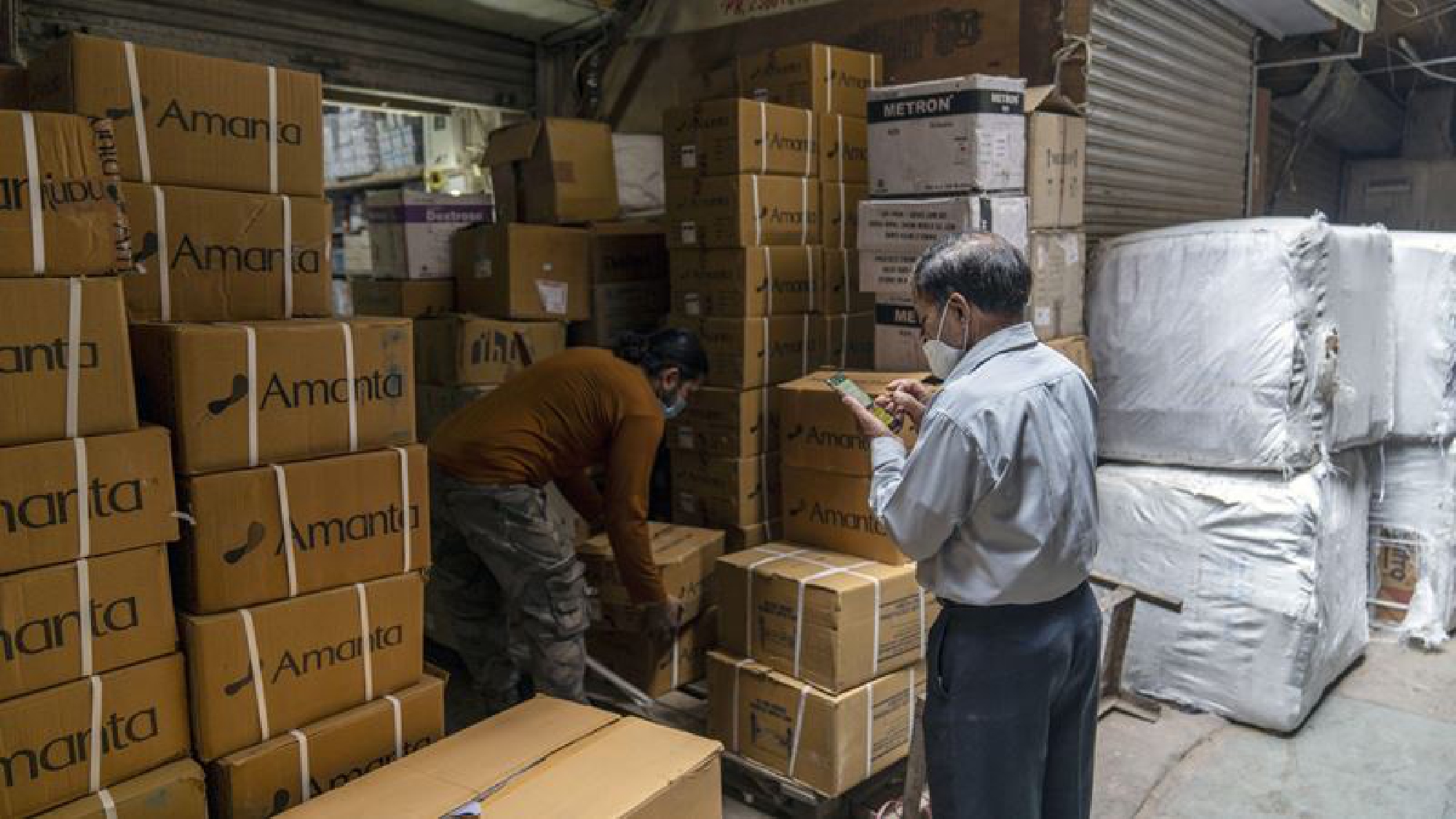
Covid forecasters warn India deaths may double in coming weeks

Ateam at the Indian Institute of Science in Bangalore used a mathematical model to predict about 404,000 deaths will occur by June 11 if current trends continue. A model from the Institute for Health Metrics and Evaluation at the University of Washington forecast 1,018,879 deaths by the end of July.

While coronavirus cases can be hard to predict, particularly in a sprawling nation like India, the forecasts reflect the urgent need for India to step up public health measures like testing and social distancing. Even if the worst estimates are avoided, India could suffer the world’s biggest covid-19 death toll. The U.S currently has the largest number of fatalities at around 578,000.

India reported a record 3,780 deaths on Wednesday for an overall toll of 226,188, along with 382,315 new cases, taking its outbreak past 20.6 million infections. In recent weeks, the scenes on the ground, with long lines outside crematoriums and hospitals turning away ambulances, have painted a picture of a nation overwhelmed by the crisis.

“The next four to six weeks are going to be very, very difficult for India,” said Ashish Jha, the dean of Brown University School of Public Health. “The challenge is going to be to do things now that will make sure it is four weeks, not six or eight, and that we minimize how bad things will get. But in no way is India anywhere near out of the woods.”

A spokesperson for the health ministry couldn’t immediately be reached. The ministry said on Monday that in about a dozen states, including Delhi, Chhattisgarh and Maharashtra, there are early signs that the number of daily new infections are starting to plateau.

The Indian rupee has declined about 1% this quarter in Asia’s worst performance as investors turned cautious ahead of an unscheduled speech by India’s central bank governor Wednesday. The benchmark S&P BSE Sensex Index is down about 2% as foreign funds sold about $1.7 billion of the nation’s stocks.

A prolonged crisis has the potential to dent the popularity of Prime Minister Narendra Modi as well as slow or reverse India’s recovery from last year’s economic recession. Bloomberg Economics lowered its growth projection for the year ending March 2022 to 10.7% from 12.6%, and even these numbers are flattered by a low base as activity ground to a halt due to a strict lockdown last year.

India’s central bank, meanwhile, has announced new loan-relief measures for small businesses and promised to inject 500 billion rupees ($6.8 billion) of liquidity to support the economy.

For public health researchers, a key concern is the relative dearth of coronavirus testing, which many scientists believe is causing a sharp undercounting of cases.

“It could honestly get a lot worse, which is hard to imagine given how staggering the impacts have already been when you see 400,000 new cases each day and you know that that’s probably an underestimation,” said Jennifer Nuzzo, a senior scholar at the Johns Hopkins Center for Health Security in Baltimore, Maryland.

The main metric that officials are watching is the test positivity rate, which is the percentage of people with positive test results. The overall positivity rate is 20% in India now, and in some parts of the country it tops 40%, a shockingly high number that indicates as many as three-fourths of infections are being missed, said Jha.

The World Health Organization considers anything above 5% too high, saying that governments should implement social distancing measures until positivity rates are below that level for at least two weeks.

“Despite scaling up testing considerably, it’s still not enough to capture all the infected people,” said Soumya Swaminathan, chief scientist at the World Health Organization, speaking on Bloomberg TV. “So the numbers, while very high, are likely an underestimate of the true numbers of infections,” she said. “It’s a grim situation.”

The goal is to run enough tests that a large number of infected people aren’t going undiagnosed. If only the sickest patients are tested, many people with milder disease or no symptoms at all may continue to unwittingly spread the disease.

“There are reports of tests being considerably delayed and of patients delaying having to go to hospital as much as they can, given the stresses on the health system,” said Gautam Menon, a professor of physics and biology at Ashoka University, who also works on modeling outbreaks. “We don’t know enough about COVID-19 spread away from the major cities, in the rural heartland of India, although reports from there suggest that the situation is dire.”

The U.S. government, as part of a package of supplies for India, pledged last week to send one million rapid tests to India. There are several other things that could be done quickly to try to help staunch the outbreak. High on the list is wearing masks, a crucial element for disease control, said Catherine Blish, an infectious disease specialist and global health expert at Stanford Medicine in California.

Major cities in India already require people to wear masks, but such rules can be harder to implement in crowded slums and rural areas. Several states have introduced lockdowns, although Modi has resisted a national effort after one imposed by him last year fueled a humanitarian crisis with migrant workers fleeing the cities on foot and in some cases bringing the virus with them.

The Indian Institute of Science has estimated that with a 15-day lockdown deaths could be lower at 300,000, falling to 285,000 with a 30-day lockdown. IMHE estimates a lower death toll of around 940,000 by the end of July with universal mask wearing.

Vaccines will be the big way to remove risks, although it will take time to get there, public health experts say.

It takes several weeks for immunity to build after someone has been vaccinated. The process is even longer with those that require two shots, stretching the process out to six weeks to two months.

“The vaccines are working,” said Kim Mulholland, an Australian pediatrician and leader of the infection and immunity group at the Murdoch Children’s Research Institute in Melbourne. “They just haven’t got the capacity.”

Ultimately, cases will come down, it’s just a matter of when, said Michael Osterholm, director of the Center for Infectious Disease Research and Policy at the University of Minnesota, and an adviser to U.S. President Joe Biden. Scientists still don’t have a good understanding of why covid-19 comes in sudden, roller-coaster-like changes, he said.

“It will eventually burn itself through the population,” Osterholm said. “Within several weeks to a month and a half, you will see this peak come back down, and it’s likely to come down quickly.”

Published : May 06, 2021

By : Syndication Washington Post, Bloomberg · Jeanette Rodrigues, Michelle Fay Cortez
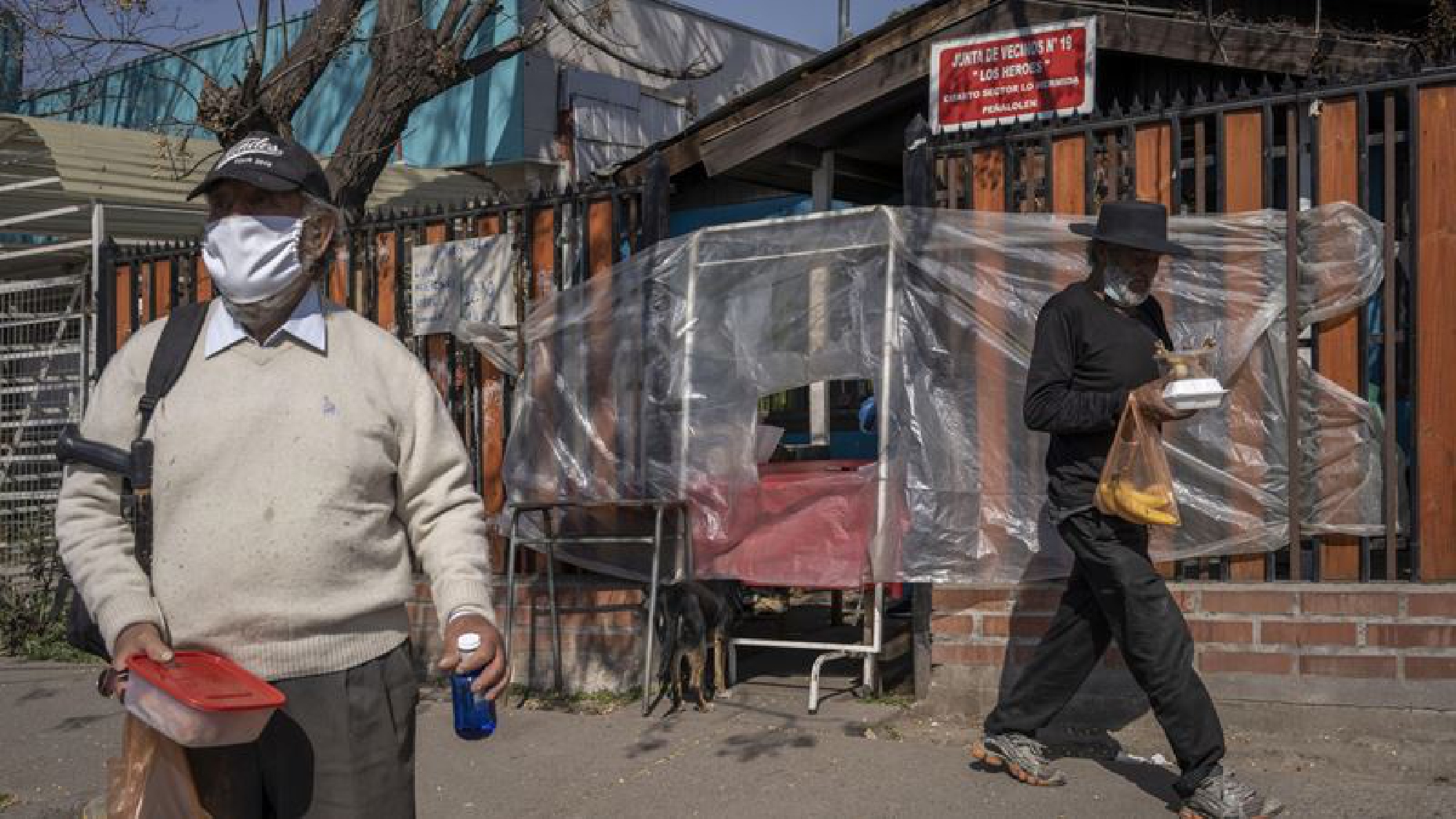
Global hunger hits highest in years after pandemic hurts incomes #SootinClaimon.Com

#SootinClaimon.Com : ขอบคุณแหล่งข้อมูล : หนังสือพิมพ์ The Nation.

https://www.nationthailand.com/international/40000565

Global hunger hits highest in years after pandemic hurts incomes


The world faced its worst hunger problem in at least five years in 2020 on the back of the coronavirus crisis, and the outlook remains grim again this year.

Global hunger hits highest in years after pandemic hurts incomes

Some 155 million people across 55 countries — more than the population of Russia — suffered from issues ranging from a food crisis to famine, according to a report with data from more than a dozen agencies. That’s up 20 million from 2019, with economic shocks overtaking extreme weather as the No. 2 cause.

The worsening situation highlights how the pandemic has exacerbated food inequalities around the world, on top of extreme weather and political conflicts that are stifling access to key staples. Consumers are now also contending with rising food costs as rampant Chinese demand stretches global crop supplies.

“Covid-19 has been exacerbating fragilities,” said Dominique Burgeon, director of emergencies and resilience at the UN’s Food and Agriculture Organization. “Its restrictions, for example, on the movement of goods and people, has resulted in widespread income losses, especially for those people who rely on informal work in urban households.”

Conflict and insecurity remain the largest causes of hunger, responsible for almost two-thirds of those facing food crises, according to the report created with help from agencies including the European Commission and United Nations’ World Food Programme. The Democratic Republic of Congo, Yemen and Afghanistan are some of the most-affected nations.

The number of people facing hunger primarily from economic shocks, including those related to the pandemic that cut jobs and incomes, jumped nearly 70% last year to 40.5 million.

Supply chain disruptions also caused spikes in food prices, while higher inflation or weaker currencies in import-dependent nations made food less affordable, according to the report. Women have been particularly hard hit, as they’ve been more vulnerable to losing jobs.

Global hunger is expected to hold above pre-pandemic levels this year, affecting more than 142 million across 40 countries, the report showed. Conflicts remain a problem and economic hardship could intensify due to the coronavirus crisis, the agencies said.

Last year, about 28 million people were in an “emergency” state of food insecurity, or worse.

“We are extremely concerned,” Burgeon said. “When we look at the early data we have from 2021, we see that this number has already increased.”

Published : May 06, 2021

By : Syndication Washington Post, Bloomberg · Megan Durisin

White House grapples with reports of labor shortage, inflation as recovery picks up steam #SootinClaimon.Com

#SootinClaimon.Com : ขอบคุณแหล่งข้อมูล : หนังสือพิมพ์ The Nation.

https://www.nationthailand.com/international/40000563

White House grapples with reports of labor shortage, inflation as recovery picks up steam


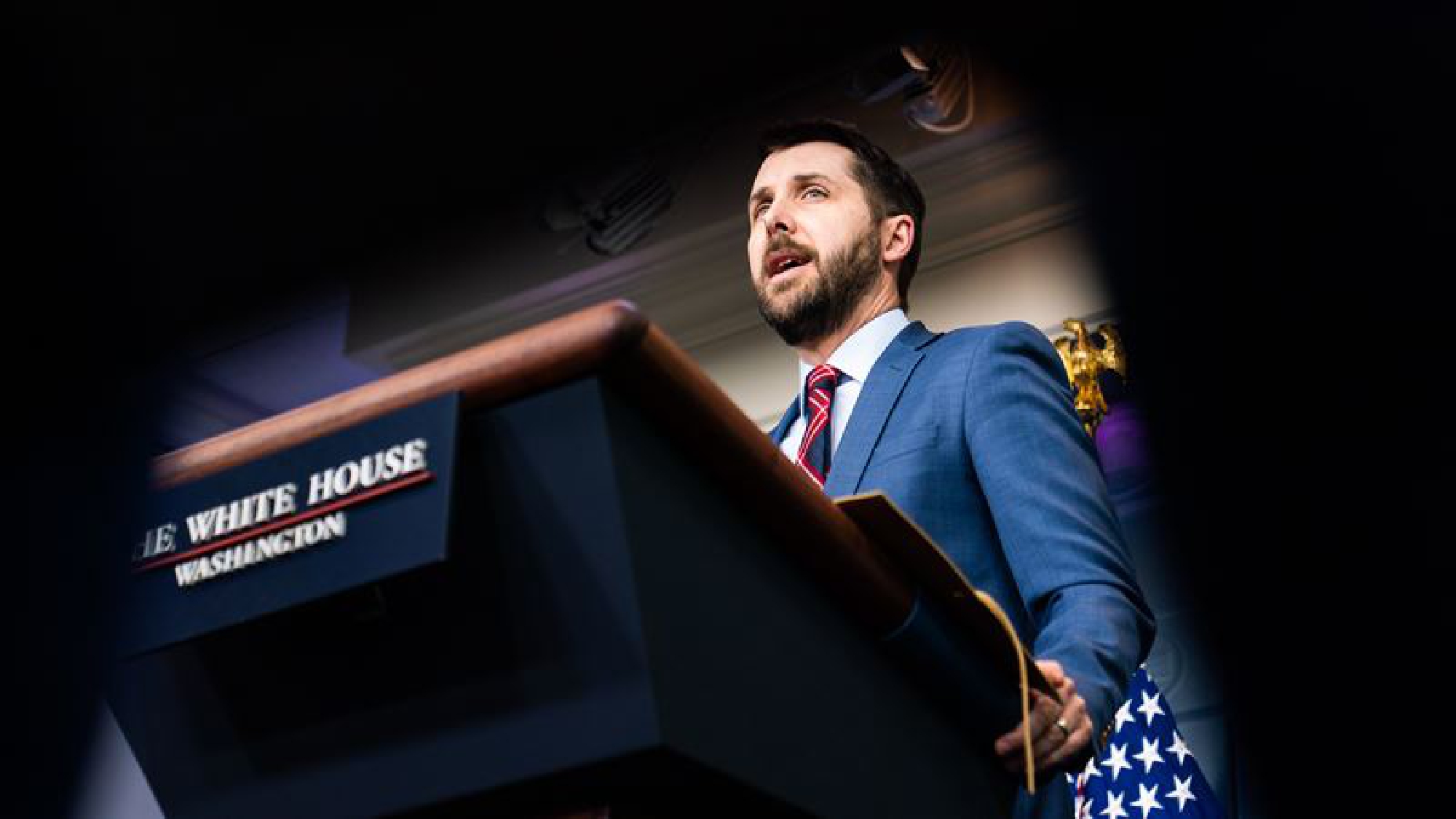
WASHINGTON – Senior Biden economic officials have in recent weeks been peppered by complaints from restaurant groups, the construction industry, and other businesses about their inability to find enough workers as the U.S. economy begins to cover from the pandemic.

White House grapples with reports of labor shortage, inflation as recovery picks up steam

Brian Deese, director of the White House National Economic Council, has highlighted the matter as a potential area for concern in internal conversations with the president’s economic brain-trust, two people aware of internal discussions said.

Treasury Secretary Janet Yellen has cautioned privately against overreacting to anecdotes of worker shortages, arguing more data and time is needed before assuming they reflect a genuine problem in the American economy, according to the two people, who spoke on the condition of anonymity to discuss the sensitive matter.

The discussions reflect how senior White House officials are grappling with the new challenges facing the U.S. economy as it tries to to recover from the pandemic. Biden officials are caught in the awkward position of maintaining that inflation and worker shortages do not represent major problems, while also recognizing they pose a potential threat.

Yellen has received briefings and memos on claims about worker shortages from administration economists. Biden administration officials have reviewed statistics such as applications per job, the number of unemployed workers per job opening, and online job postings, people familiar with the matter said. Typically, tight labor markets would correspond with wage growth at the bottom end of the income distribution as firms compete for workers. But economists and administration officials are yet to see that jump in wages at the bottom of the income distribution, suggesting to them that it is not a major problem.

“We are pouring over the data as well as the anecdotes to evaluate this,” said Jared Bernstein, a member of the White House Council of Economic Advisers, in an interview. “We certainly don’t see a level of wage pressures that would be consistent with a very deep supply constraint. But, that said, we expect there to be some wage pressure as the labor market tightens up – that’s an important attribute of a tighter job market.”

White House officials are carefully monitoring inflationary risks amid a flurry of concerns on Wall Street, particularly as news reports point to rising prices across sectors. Deese has shown a keen interest in how White House officials are talking about inflation, worried about sending any signals the administration is overly concerned about it. The White House has sent talking points to administration officials to stress that any signs of inflation are “transitory” as part of the rapid economic recovery from the pandemic, mirroring their public position on the matter.

To some, Yellen appeared to break with those talking points on Tuesday, suggesting President Joe Biden’s spending proposals could lead to an overheating of the economy down the road that might require the central bank to raise interest rates. The view reflected the realities of monetary policy — the Federal Reserve would raise rates if inflation spiked — but led to a brief panic in the stock market because it seemed to raise the possibility that the administration believes the recovery may need to be slowed down. A Treasury official said Yellen’s remarks had been taken out of context.

“It may be that interest rates will have to rise somewhat to make sure our economy does not overheat, even though the additional spending is relatively small relative to the size of the economy,” Yellen said at an event hosted by The Atlantic.

Yellen clarified the matter later on Tuesday, telling the Wall Street Journal: “I don’t think there’s going to be an inflationary problem.”

Critics such as former Democratic treasury secretary Larry Summers argue the administration is wrong to downplay inflationary increases as transient. Summers warned in March about the impact of the stimulus package on overheating the economy, leading to a public disagreement with many of his former colleagues inside the administration.

“The data flow has tended to bare out inflation fears. Relative to a couple of months ago there is much clearer evidence of labor shortage, there are more and more pervasive supply bottlenecks commodities and future commodities prices are rising,” Summers said in an interview Tuesday. “Housing is on fire and market inflation expectations are trending upwards. None of these inherently transitory factors so to my mind grounds for concern are increasing.”

The first quarter report on economic growth, released by the Bureau of Economic Analysis last week, said that prices grew at a 3.5% annualized rate in the first quarter and are up 1.7% from a year earlier. For now, inflation has primarily spiked only in specific sectors, such as the housing and lumber markets, as suppliers struggle to catch up with a surge in consumer demand. The most commonly measured metric for aggregate inflation has remained in check, at least up to this point, although that could change. Slowing economic growth prematurely could backfire on the administration.

“When you don’t see wages growing … you can be fairly certain that labor shortages, though possibly happening in some places, are not a driving feature of the labor market. And right now, wages are not growing at a rapid pace,” said Heidi Shierholz, senior economist and director of policy at the Economic Policy Institute, a left-leaning think-tank. Shierholz said on twitter that there are 80% more unemployed workers than job openings in the leisure and hospitality sector.

The Federal Reserve has for months dismissed fears of out-of-control inflation. Fed Chair Jerome Powell consistently sends the message that as the economy reopens, price bumps will be temporary and won’t pulse through the entire economy.

Inflation may tick up in the near-term, he says, as supply chain bottlenecks force businesses to raise prices. But Powell is urging patience so that the labor market — which is down at least 8 million jobs from February 2020 — has time to heal.

“If we see inflation moving materially above 2% in a persistent way … then we will use our tools to guide inflation and expectations back down,” Powell said last week. “This is not what we expect, but no one should doubt that in the event, we would be prepared to use our tools.”

Congressional Republicans and some economists have heavily criticized the $300-per-week supplemental unemployment benefit that Democrats’ stimulus extended through September. Several GOP lawmakers have begun posting on social media accounts of fast food chains that had to temporarily close while citing their inability to hire adequate workers. Reports that restaurants cannot find adequate staffing have emerged throughout the country. The construction industry has said it faces a shortage of 200,000 workers. Trucking industry groups say they also face major shortages.

Many economists say worker fears about the ongoing pandemic, the lack of available childcare, or other short-term factors may be just as responsible for the struggles some firms are facing. John Lettieri, president and CEO of the Economic Innovation Group, which represents small businesses, said it is too soon to say whether the unemployment benefits will impact the recovery.

“Expanded unemployment benefits have not been a problem up until this point, but could become an issue as the number of job openings catches up with the number of unemployed workers and demand surges,” Lettieri said. “There’s a lot we don’t know. But it’s something to take seriously.”

The White House and Federal Reserve also run major risks if they prove too reactive to complaints about economic overheating. Major firms complained also complained loudly about worker shortages as the economy came out of the Great Recession, but the labor market expanded until the pandemic as millions of Americans came back into the workforce through expansionary fiscal and monetary policies. As chair of the Federal Reserve, Yellen raised interest rates amid concerns inflation could rise rapidly. Yellen later said she may have “misjudged the strength of the labor market,” and many economists now believe prematurely responding to inflation led to weaker wage growth than necessary for millions of workers. Those tepid economic conditions may have also cost Democrats at the ballot box.

“These concerns are overblown. The signs are unemployment still remains high, particularly among black people, and wages still remain flat,” said Darrick Hamilton, an economist at The New School.

Published : May 06, 2021

By : The Washington Post · Jeff Stein, Tyler Pager

Consider lockdown: Top court to Centre, states #SootinClaimon.Com

#SootinClaimon.Com : ขอบคุณแหล่งข้อมูล : หนังสือพิมพ์ The Nation.

https://www.nationthailand.com/international/40000543

Consider lockdown: Top court to Centre, states


The Supreme Court has directed the Centre and states to inform their chief secretaries and police chiefs that any clampdown on information on social media or harassment to individuals seeking help on any platform in relation to Covid-19 would result in coercive action.

Consider lockdown: Top court to Centre, states

Concerned over surge in Covid-19 cases in the country, the Supreme Court said the Centre and state governments may consider imposing a lockdown to curb the virus in the second wave in the interest of public welfare.

However, the apex court put a caveat before them saying if they decide to go for lockdown then arrangements must be made beforehand to cater to the needs of the poor people.

A bench headed by Justice D Y Chandrachud, in its order passed in the suo motu case for ensuring essential supplies and services during the Covid-19 pandemic, also asked the Centre and state governments to put on record the efforts taken and to be taken by them in future to ensure the virus does not spread further.

In a 64-page order uploaded on the apex court’s website late Sunday night, the bench, also comprising justices L Nagesara Rao and S Ravindra Bhat, said, “In light of the continuing surge of infections in the second wave of the pandemic, we direct the Central Government and State Governments to put on record the efforts taken to curb the spread of the virus and the measures that they plan on taking in the near future.

At the same time, we would seriously urge the Central and State Governments to consider imposing a ban on mass gatherings and super spreader events.

They may also consider imposing a lockdown to curb the virus in the second wave in the interest of public welfare, Justice Chandrachud, writing the order for the bench, said.

The apex court said that it was cognizant of the socio-economic impact of a lockdown, specifically, on the marginalized communities.

Thus, in case the measure of a lockdown is imposed, arrangements must be made beforehand to cater to the needs of these communities, it said.

The bench on 22 April had taken note of the pandemic situation due to sudden surge in Covid cases and said it expected the Centre to come out with a national plan to deal with the distribution of essential services and supplies.

Published : May 05, 2021

By : The Statesman/ANN

Markets wrap: Tech sell-off sweeps across stocks; dollar climbs #SootinClaimon.Com

#SootinClaimon.Com : ขอบคุณแหล่งข้อมูล : หนังสือพิมพ์ The Nation.

https://www.nationthailand.com/international/40000536

Markets wrap: Tech sell-off sweeps across stocks; dollar climbs


Volatility gripped financial markets as a sell-off in some of the worlds largest technology companies dragged down stocks.

Markets wrap: Tech sell-off sweeps across stocks; dollar climbs

Megacaps such Apple Inc., Tesla Inc. and Amazon sent the Nasdaq 100 slumping, while the S&P 500 pared losses amid a rebound in commodity, financial and industrial shares. The dollar advanced after Treasury Secretary Janet Yellen said interest rates may have to rise modestly at one point to prevent the economy from overheating.

Her remarks added to the debate on whether government spending could boost inflation at a time when stock valuations hovered near the highest in two decades. Hedge funds have been bailing from equities at a pace not seen since the financial crisis, while shares have struggled to gain traction despite stellar earnings. The mere suggestion the Federal Reserve may have to lift rates was enough for investors to head for the exits after the latest rally sparked speculation of a bubble.

“We’ve had this spectacular run-up, and I think we’ve seen momentum just run out of steam,” said Fiona Cincotta, senior financial markets analyst at City Index. “Despite earnings being encouraging, they haven’t managed to push those indices higher. Moving out of growth and into cyclicals is the place we’re going to have more movement.”

Earlier Tuesday, a sharp drop in equity futures left traders scrambling for an explanation. Some of them speculated on military tensions between China and Taiwan, Singapore’s tougher coronavirus restrictions and Ferrari NV’s decision to postpone financial targets.

Investors also monitored the latest economic readings, with the U.S. trade deficit widening to a new record in March. Meanwhile, a senior White House economic aide demurred on the question of whether President Joe Biden will nominate Fed Chair Jerome Powell for a second four-year term, saying the decision on selecting the next central bank chief will come after a thorough “process.”

Here are some key events to watch this week:

– U.S. ADP employment change is due Wednesday

– Chicago Fed President Charles Evans gives a virtual speech at an event hosted by Bard College on Wednesday. Cleveland Fed President Loretta Mester gives a virtual speech to the Boston Economic Club

– Bank of England rate decision Thursday

– The April U.S. employment report is released on Friday

These are some of the main moves in markets:

– – –

– The S&P 500 fell 0.7% as of 4 p.m. New York time

– The Nasdaq 100 fell 1.85%

– The Dow Jones industrial average was little changed

– The MSCI World index fell 0.8%

– – –

– The Bloomberg Dollar Spot Index rose 0.3%

– The euro fell 0.4% to $1.2016

– The British pound fell 0.2% to $1.3890

– The Japanese yen fell 0.2% to 109.28 per dollar

– – –

– The yield on 10-year Treasuries was little changed at 1.59%

– Germany’s 10-year yield declined three basis points to -0.24%

– Britain’s 10-year yield declined five basis points to 0.79%

– – –

– West Texas Intermediate crude rose 2% to $66 a barrel

– Gold futures fell 0.8% to $1,778 an ounce

Published : May 05, 2021

By : Syndication Washington Post, Bloomberg · Rita Nazareth, Claire Ballentine

NYCs reopening depends on a mayor who can revive jobs, tourism #SootinClaimon.Com

#SootinClaimon.Com : ขอบคุณแหล่งข้อมูล : หนังสือพิมพ์ The Nation.

https://www.nationthailand.com/international/40000535

NYCs reopening depends on a mayor who can revive jobs, tourism


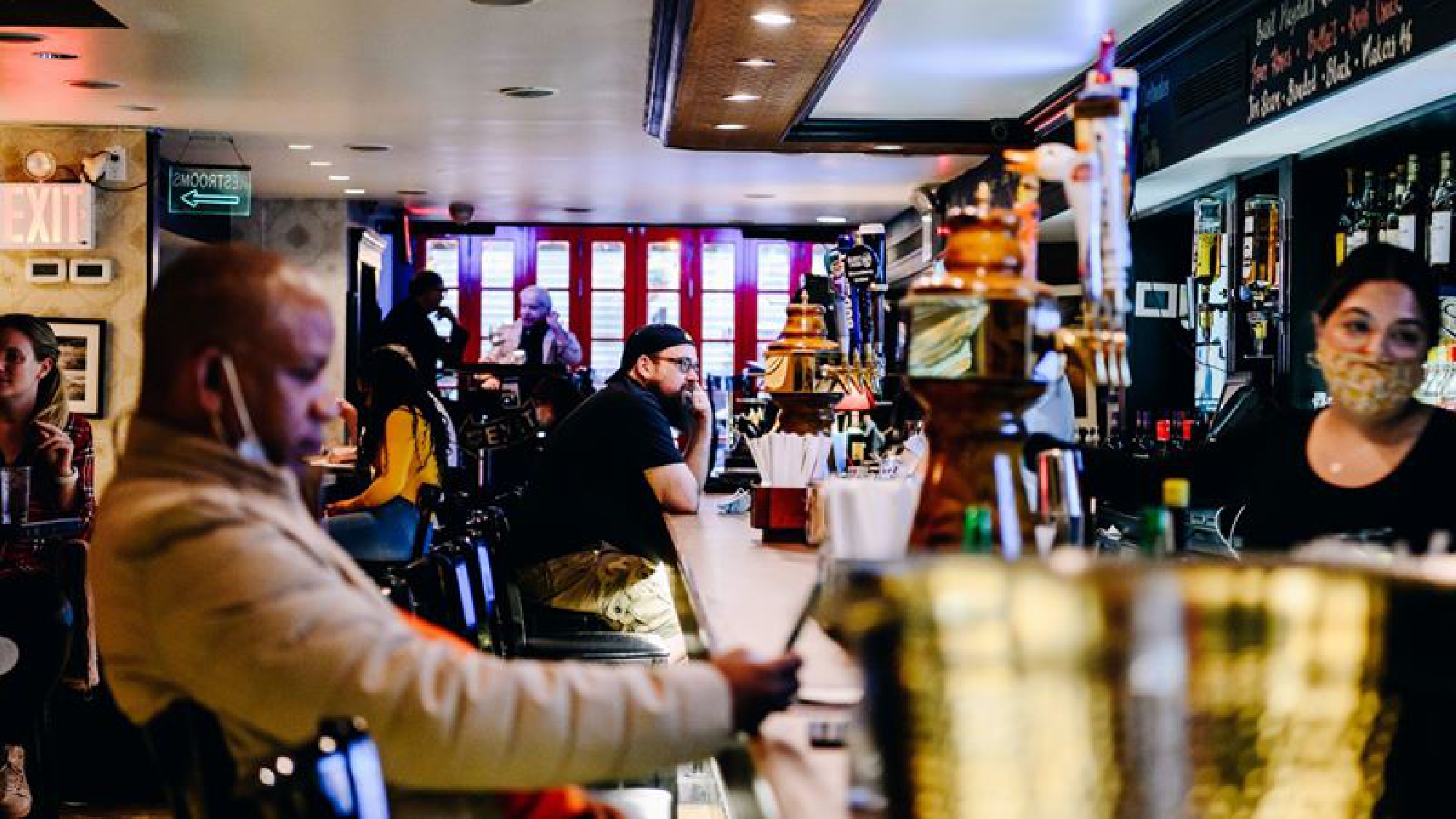
New York City will be free from pandemic restrictions in two weeks. Now it must contend with an unemployment rate thats nearly double the national average, a jobs shortfall of half a million people, and a tourism industry decimated by months-long shutdowns.

NYCs reopening depends on a mayor who can revive jobs, tourism

While Mayor Bill de Blasio has implemented a number of plans to revive the city, he is stepping down next year because of term limits. The task of leading the city out of a pandemic-ravaged labor market– and bring back lost jobs– will largely fall to his successor, who will likely be decided at the June 22 Democratic primary.

“This city is falling apart,” said Victor Rallo, co-owner of Esca, a seafood restaurant in Manhattan’s theater district that closed permanently in March after 20 years. “These guys have to grab a hold of this, otherwise the greatest city in the world is going to just implode.”

More than a year into the pandemic, New York City’s jobs recovery lags behind the rest of the U.S. A big reason is that the city’s success is inextricably tied to the restaurants, hotels, museums and shows that helped draw a record 67 million tourists in 2019. That number plunged by two-thirds in 2020.

Signs of recovery are percolating in the city — ballparks have reopened, curfews are being lifted and capacity at indoor venues and restaurants is increasing. More than 40% of all New Yorkers have already gotten at least one Covid-19 vaccine, and de Blasio on Monday welcomed 80,000 city workers back to their offices.

Even so, permanent business closures and still-vacant office buildings are keeping the economy from bouncing back swiftly. As of April 28, only about 16% of office workers in the New York metro area were back at their desks, according to data from security company Kastle Systems. Many commuters remain at home.

Many of the jobs that existed before the pandemic have vanished. As of March 2021, the city was 585,000 jobs short of pre-pandemic levels. The city’s labor market is still worse off than it was in the immediate aftermath of the Sept. 11, 2001 terrorist attacks, which saw a steep drop-off in tourist arrivals and took years to recover.

It’s likely to get worse before it gets better. The eviction moratorium on commercial properties that was put in place last March expired on May 1, meaning businesses that have been staying afloat by skipping rent payments could struggle to make it through the spring.

President Joe Biden’s stimulus bill, signed in March, included nearly $13 billion in direct aid for New York State, with billions for New York City. Mayoral candidate Scott Stringer, currently New York City’s comptroller, proposes using some of those federal funds to provide grants of as much as $100,000 to small businesses.

“We know that the majority of jobs lost this year have come from small businesses like local restaurants and retail shops, so we need a recovery focused on helping small- and medium-sized businesses rehire and meet payroll,” Stringer said in an emailed statement.

Other candidates, including former city sanitation commissioner Kathryn Garcia, Brooklyn Borough president Eric Adams and former city housing commissioner Shaun Donovan, support tax breaks for small businesses and landlords. They also want to create new jobs in industries like green infrastructure and affordable housing.

Ray McGuire, the former Citigroup banker, pledged to bring back 500,000 jobs with small business stimulus and $2.5 billion of borrowing for infrastructure projects. He also plans to direct support to artists and launch a festival to get tourists to visit cultural institutions in every borough.

Frontrunner Andrew Yang’s economic agenda includes local business vouchers to stimulate community spending and a low- or no-interest loan program for small businesses. He also said his plan to provide cash relief — known as universal basic income — to 500,000 New Yorkers in poverty also has the potential to help.

Returning to full employment in New York City, however, will rely on restoring tourism. The city plans to launch a $30 million marketing campaign in June to lure back visitors. It hopes to bring back Broadway, which has been dark since March 2020, by September.

“We need to find a way for Broadway to safely return,” said Tom Harris, acting president and chief operating officer of the Times Square Alliance. “Times Square is not going to fully recover until Broadway is back, and New York City won’t fully recover until Times Square recovers.”

The shutdown of performing arts venues last March caused widespread layoffs among performers and stagehands, but also ravaged the many hotels, restaurants and bars that generate revenue from concert and theater-goers.

Rallo, the restaurant owner, said that 87% of business at Esca came from the entertainment industry. His landlord wanted to start collecting rent again on March 1, but Rallo and his partner said that even if theaters started operating at 50% soon, Esca still wouldn’t have been a viable business.

“We were called ‘the darling of the theater district,'” Rallo said. “When Covid hit and there was no theater, it was impossible.”

Unlike major venues like Madison Square Garden and Citi Field that can sell tickets at limited capacity and still operate, Broadway can’t afford to put on shows unless venues sell 100% of tickets, said Kate Shindle, a New York City actor and president of the Actors’ Equity Association. Even if the Broadway League meets its goal of a September reopening, that doesn’t mean all shows will be in full swing, she said.

That means many Broadway venues will need government support to shore up outdated ventilation systems, invest in employee and audience safety and help cover payroll costs.

“We have a bad habit of talking about the arts as a luxury item and forgetting about all the middle-class jobs that are made possible by a successful arts sector,” Shindle said. “If we want to bring back New York City’s economy, I cannot imagine doing it without investing in the recovery of the arts.”

Mayoral candidates including Adams and Stringer say they plan to provide financial support to theaters by investing in subsidized tickets for essential workers and other local communities. Donovan aims to help arts and culture landlords through rent subsidies or tax forgiveness, and Adams has said he will extend the eviction and mortgage moratorium for cultural institutions and secure grants to help studios upgrade air filtration systems and pay rent.

But Pete Donovan, an acoustic bassist who was working on the musical “Mrs. Doubtfire” when the pandemic shuttered Broadway last year, said a recovery will depend on whether audiences from home and abroad will show up.

“It’s going to take years I think to get to how things used to look,” Donovan said. “Everybody’s gone. Broadway and the arts in general are dependent on tourism, and I don’t know how people feel about New York now.”

Published : May 05, 2021

By : Syndication Washington Post, Bloomberg · Olivia Rockeman, Julia Fanzeres

Its not just India. New virus waves hit developing nations. #SootinClaimon.Com

#SootinClaimon.Com : ขอบคุณแหล่งข้อมูล : หนังสือพิมพ์ The Nation.

https://www.nationthailand.com/international/40000534

Its not just India. New virus waves hit developing nations.


Its not just India. Fierce new covid-19 waves are enveloping other developing countries across the world, placing severe strain on their health-care systems and prompting appeals for help.

Its not just India. New virus waves hit developing nations.

Nations ranging from Laos to Thailand in Southeast Asia, and those bordering India such as Bhutan and Nepal, have been reporting significant surges in infections in the past few weeks. The increase is mainly because of more contagious virus variants, though complacency and lack of resources to contain the spread have also been cited as reasons.

In Laos last week, the health minister sought medical equipment, supplies and treatment, as cases jumped more than 200-fold in a month. Nepal is seeing hospitals quickly filling up and running out of oxygen supplies. Health facilities are under pressure in Thailand, where 98% of new cases are from a more infectious strain of the pathogen, while some island nations in the Pacific Ocean are facing their first covid waves.

Although nowhere close to India’s population or flare-up in scope, the reported spikes in these handful of nations have been far steeper, signaling the potential dangers of an uncontrolled spread. The resurgence — and first-time outbreaks in some places that largely avoided the scourge last year — heightens the urgency of delivering vaccine supplies to poorer, less influential countries and averting a protracted pandemic.

“It’s very important to realize that the situation in India can happen anywhere,” said Hans Kluge, the regional director at the World Health Organization for Europe, during a briefing last week. “This is still a huge challenge.”

Ranked by the change in newly recorded infections in the past month over the previous month, Laos came first with a 22,000% increase, followed by Nepal and Thailand, both of which saw fresh caseload skyrocketing more than 1,000% on a month-over-month basis.

Also on top of the list are Bhutan, Trinidad and Tobago, Suriname, Cambodia and Fiji, as they witnessed the epidemic erupt at a high triple-digit pace.

“All countries are at risk,” said David Heymann, a professor of infectious disease epidemiology at the London School of Hygiene & Tropical Medicine. “The disease appears to be becoming endemic and will therefore likely remain a risk to all countries for the foreseeable future.”

On May 1, India reported a record 401,993 new cases in the prior 24 hours, while deaths touched a new high of 3,689 the following day. The nation’s hospitals and crematoriums are working overtime to cope with the sick and the surging number of deaths. Compounding the crisis, health-care facilities are also facing a shortage of medical oxygen, unable to treat distressed patients with coronavirus-infected lungs gasping for air at their doorsteps.

The abrupt outbreak in Laos — a place that only recorded 60 cases since the start of the pandemic through April 20 and no death to date — shows the challenges facing some of the landlocked nations. Porous borders make it harder to clamp down on illegal crossings though entry is technically banned.

Communist-ruled Laos has ordered lockdowns in its capital Vientiane and banned travel between the capital and provinces. The health minister reached out to neighbors like Vietnam for assistance on life-saving resources. Nepal and Bhutan have seen cases erupt, in part due to returning nationals. Nepal, which has identified cases of the new Indian variant, has limited resources to combat the virus. The Himalayan nation said it’s suspending most flights and turning major hospitals into covid care facilities.

The situation is “very serious,” according to Ali Mokdad, Chief Strategy Officer for Population Health at the University of Washington. “New variants will require a new vaccine and a booster for those already vaccinated — they will delay the control of the pandemic.”

Mokdad said the economic hardship of poorer countries make the battle even tougher.

Thailand, which had been seeking to revive its ailing tourism industry, just reintroduced a two-week mandatory quarantine for all visitors. A government forecast for 2021 tourism revenue was cut to 170 billion baht ($5.5 billion), from January’s expectations for 260 billion baht. With the country’s public health system under pressure, authorities are trying to set up field hospitals to accommodate a flood of patients.

About 98% of cases in Thailand are of the variant first identified in the U.K. based on a sample of 500 people, according to Yong Poovorawan, chief of the Center of Excellence in Clinical Virology at Chulalongkorn University.

In Cambodia, since the beginning of the current outbreak, more than 10,000 locally acquired cases have been detected in more than 20 provinces. The Cambodian capital Phnom Penh is now a “red zone,” or a high-risk outbreak area. In Sri Lanka, the island-nation at the southern tip of India, authorities have isolated areas, banned weddings and meetings and closed cinemas and pubs to cap a record spike following last month’s local New Year festivities. The government says the situation is under control.

Across the oceans in the Caribbean, Trinidad and Tobago announced a partial lockdown after the country’s daily cases hit a record high, closing restaurants, malls and cinemas until late May. The case count in the latest month is about 700% more than the previous month.

That high level of increase is also seen in Suriname, on the northeastern coast of South America. Cases in April rose over 600% from that in March.

After staying relatively covid-free thanks to strict border controls, some of the Pacific island-nations are now seeing their first wave. Cities in the tourist hot spot of Fiji have gone into lockdown after the wider community contracted the virus from the military.

“The recent rise in recorded cases throughout the Pacific reveals how critical it is to not just rely on strong borders but to actually get vaccines into these countries,” said Jonathan Pryke, who heads research on the Pacific region for the Lowy Institute, a Sydney-based think tank. “India is a shocking warning to this part of the world about how quickly this pandemic can spiral out of control.”

There’s a duty for developed countries, recovering from the pandemic thanks to rapid inoculations, to contribute to a more equitable global distribution of vaccines, diagnostic tests and therapeutic agents including oxygen, according to Heymann, the professor at the London School of Hygiene & Tropical Medicine.

The world hasn’t seen a concerted global response yet, and that is a concern, said Jennifer Nuzzo, a senior scholar at the Johns Hopkins Center for Health Security in Baltimore.

Getting back to pre-2020 normalcy “really depends on helping countries gain control of this virus as much as possible,” she said. “I really hope countries can look within themselves and figure out what they can do to help.”

Published : May 05, 2021

By : Syndication Washington Post, Bloomberg · Jinshan Hong, Randy Thanthong-Knight, Jason Scott

Johnson predicts lockdown ending June 21 as he seeks votes. #SootinClaimon.Com

#SootinClaimon.Com : ขอบคุณแหล่งข้อมูล : หนังสือพิมพ์ The Nation.

https://www.nationthailand.com/international/40000533

Johnson predicts lockdown ending June 21 as he seeks votes.


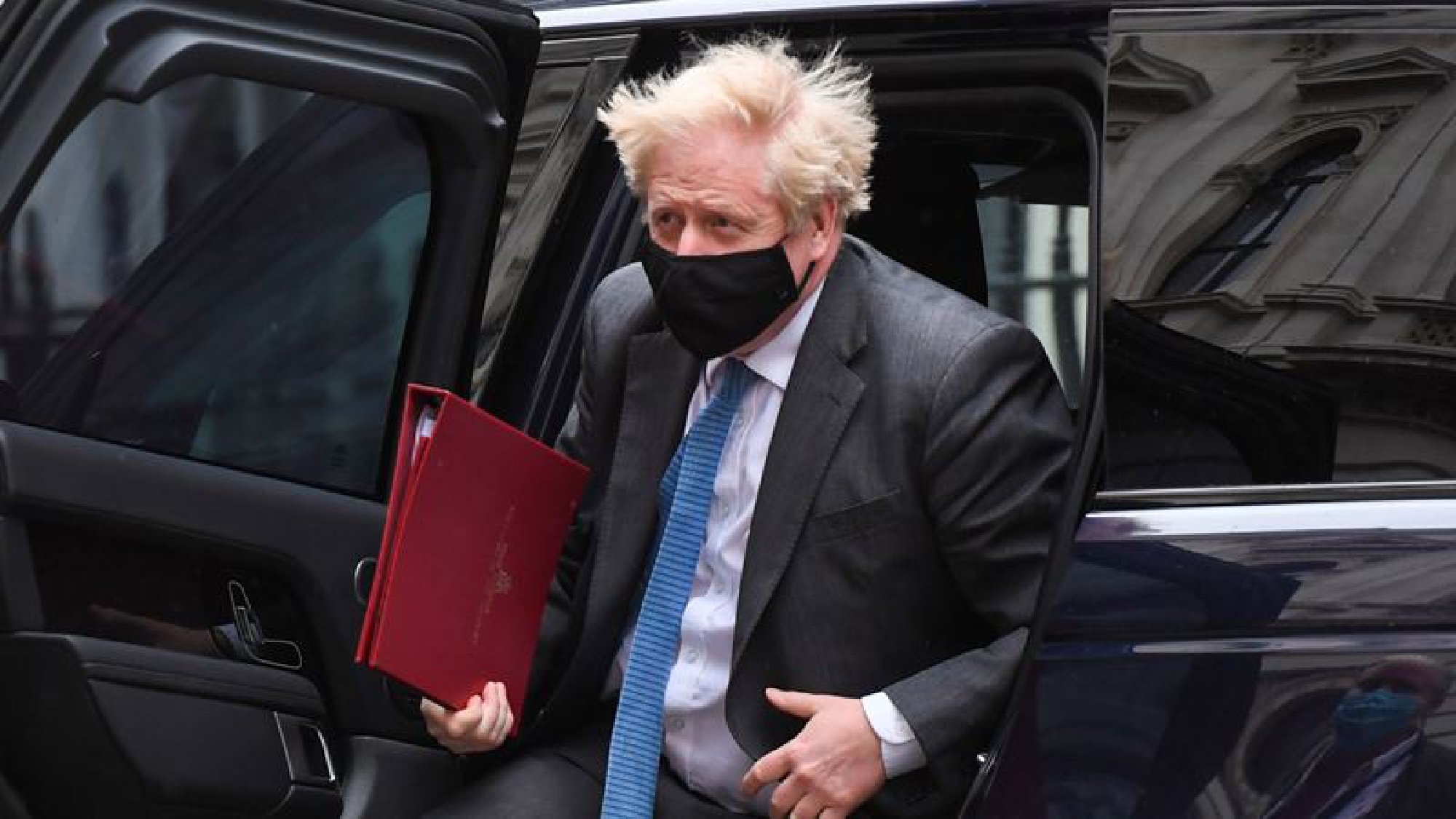
British Prime Minister Boris Johnson said coronavirus lockdown rules are set to be scrapped in seven weeks time, as he hailed the U.K.s successful vaccine rollout ahead of key elections this week.

Johnson predicts lockdown ending June 21 as he seeks votes.

On the campaign trail, Johnson said the pandemic data was likely to allow people in England to stay overnight with friends or relations, with indoor hospitality able to reopen from May 17.

Remaining social distancing rules are also likely to be canceled from June 21, he added, although he warned that international travel will need to be carefully monitored after May 17 to avoid reimporting the virus again.

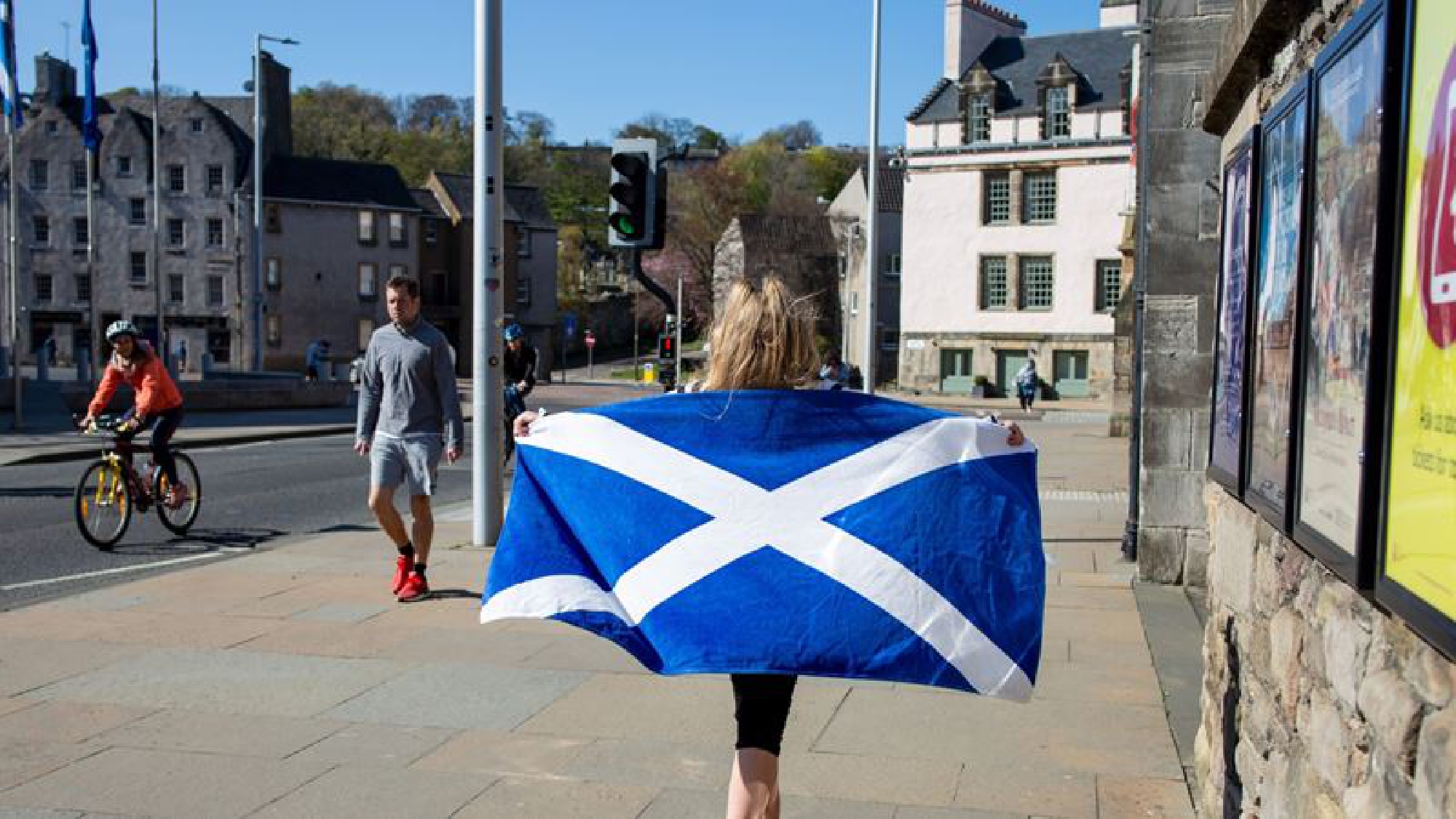
The prime minister is making his case to millions of voters in England, Wales and Scotland who are taking part in elections on May 6. At stake is who gets to govern London and Scotland, as well as more than 140 local English districts. In Scotland, the prospect of a new referendum on independence from the rest of the U.K. hangs in the balance, depending on the result.

After a year on the back foot defending a pandemic strategy that delivered the worst death toll in Europe, Johnson has spent much of 2021 championing his government’s success at rolling out vaccines faster than most other wealthy nations.

“With the vaccine rollout going the way that it is – we have done 50 million jabs as I speak to you today, quarter of the adult population, one in four, have had two jabs,” the premier said on a visit to Hartlepool in northeastern England Monday. “You are seeing the results of that really starting to show up.”

He said the next stage in the government’s plan to gradually ease lockdown on May 17 was on track. “But it also looks to me as though we’ll be able to say social distancing as we currently have to do it, the one-meter plus, I think we have got a good chance of being able to dispense with the one-meter plus from June 21.”

Currently under “one-meter plus” guidelines, people are advised to maintain a distance of at least a meter from each other indoors, while wearing a face covering or taking other protective measures. Removing the rule could allow businesses and citizens to return to something closer to pre-pandemic normality.

But speaking on Tuesday, Trade Secretary Liz Truss urged people to hold off booking overseas holidays until the so-called travel task force issues its findings. The government has previously said non-essential travel will be allowed from May 17 at the earliest.

“The really important thing is that we don’t move too fast and jeopardize the progress we’ve made, so people will have to wait a bit longer, I’m afraid, to be able to hear the news on exactly what’s happening on the travel front,” Truss told Sky News. “We need to be cautious and we need to make sure that we’re not simply importing the virus after we’ve successfully dealt with it in Britain.”

Thursday’s elections take place against a difficult backdrop for Johnson. He’s beset by questions over whether he broke rules in the way he funded the refurbishment of his official apartment, following weeks of negative headlines about his conduct and the actions of some of his senior ministers. On Sunday, a senior Tory said the premier would have to resign if he’d broken the rules.

“I know that people want to focus on trivia, but I’m focusing on the issues that matter,” Johnson said Monday.

Published : May 05, 2021

By : Syndication Washington Post, Bloomberg · Tim Ross

Worse than Brexit: Scottish independence weighs on U.K. assets #SootinClaimon.Com

#SootinClaimon.Com : ขอบคุณแหล่งข้อมูล : หนังสือพิมพ์ The Nation.

https://www.nationthailand.com/international/40000532

Worse than Brexit: Scottish independence weighs on U.K. assets


A week that could set in motion the eventual collapse of the 314-year union between England and Scotland is concentrating City trading desks on market disasters ahead.

Worse than Brexit: Scottish independence weighs on U.K. assets

As Scots enter a May 6 vote pitched on whether there should be a second independence referendum, fund managers and sell-side strategists see potential for massive chaos across the U.K.’s economic landscape in the years to come. Yet in an echo of the early days of the Brexit poll, few are hedging for this disruptive prospect.

While the stakes could hardly be higher, it’s not clear the U.K. government will agree to another referendum, even if pro-independence parties win a majority on Thursday. But with the vote stirring uneasy memories of Britain’s split from the European Union, fund managers are dusting off old playbooks for how to trade a binary risk event where timing is everything.

“You’d have massive uncertainty, financial chaos and recession,” and a 10% devaluation of the pound, said Mark Nash, a money manager at Jupiter Investment Management.

Nash isn’t hedging such a scenario yet — and neither is the market. The median of forecasts in a Bloomberg survey has the pound holding at $1.39 through June.

Still, a handful of investment analysts have ventured forth bearish calls.

–Strategists at Credit Agricole recommend shorting the pound versus the dollar, with political risk over Scottish independence among the reasons.

–Barclays abandoned a call to go long on the pound versus the euro on the potential for pre-election volatility.

–UBS Group credit strategists cut their outlook on a select group of U.K. bank bonds to neutral from overweight, warning that the “long U.K. trade” in credit could unravel on referendum risk.

One thing is for certain: if things escalate, money managers will need to move fast. Odds show a repeat of the 2014 referendum, where Scotland voted to remain, would be too close to call.

“Markets ignore things and ignore things and ignore and then suddenly panic. I have a feeling that is quite likely to happen with the Scottish independence issue,” said Jane Foley, head of currency strategy at Rabobank. “What I’m telling our clients is to be aware that even though this may not impact the pound right now, it’d be foolhardy to ignore it because it might suddenly come into the market’s agenda.”

Consequences of secession would be huge. Negotiations would be necessary over what currency an independent Scotland would use, whether it would take a share of the British national debt, and what trade arrangements it would have with the remainder of the U.K. The Scottish National Party also harbors ambitions to bring Scotland into the EU, a situation that would create huge border and trade tensions, if the problem of ring-fencing Northern Ireland in Brexit is any example.

“I wonder whether markets have actually considered the full ramifications of this election,” said Julian Howard, director of multi-asset solutions at GAM Investments, whose portfolios are strategically positioned for a decline in sterling. “It would be a lot worse than Brexit as Scotland is much more closely stitched to the U.K. than Britain was into Europe. We’re talking since the 1700s rather than the 1970s.”

The domicile of financial institutions could also be contested. If they were to remain based on Edinburgh, Scottish banks would miss out on the support of the Bank of England’s quantitative easing program and become less creditworthy, according to Charlie Parker, managing director at boutique investment manager Albemarle Street Partners.

It’s the kind of tail-risk event that makes careers, for those with enough foresight to get it right.

At Nomura Holdings, strategist Jordan Rochester was part of a team that developed a money-spinning model to help the bank call the 2014 referendum result early. His political analysis on the split from the EU then led him to be nicknamed Mr. Brexit. Now he says the pound could fall up to 6% if Scotland voted to leave, depending on how priced it was prior to the result.

But even he isn’t worried about the election on Thursday itself, and says the pound could even be in line for gains if the SNP fails to win more than half of the seats, as some polls suggest. Still, the independence cause could prevail once Green votes are counted, and an actual referendum date could trigger heavy hedging.

“The market will look at polling in a new referendum and treat it much more like a tighter vote than 2014 — when it was only last-minute scares, not months in advance,” Rochester said.

Westminster would likely mount resistance to any plans to seek an independence vote, refusing to grant the Scottish parliament the permission to make it legally watertight. That leaves the potential for a lengthy constitutional quagmire over whether the Scottish parliament can call a legitimate referendum on its own.

Even though the prospect of an invigorated Scottish break-away movement is scary for traders, derivatives markets remain relatively calm. The term structure of sterling’s implied volatility has become inverted, signaling angst over events on Thursday — though the cost of insuring swings is still below its 12-month average. Over the longer-term, five-year risk reversals in cable trade near their average since Bloomberg began compiling data in 2005.

“The difficulty with assessing the impact of these events on markets is that even if we know they are on the horizon, we don’t know when markets will react and if in the end the status quo will prevail,” said Sheena Shah, currency strategist at Morgan Stanley. Her firm sees a 30% chance of a referendum by the end of 2024. “There are so many unknowns and follow-up hurdles.”

Published : May 05, 2021

By : Syndication Washington Post, Bloomberg · Greg Ritchie, William Shaw

Hong Kong reviews mandatory vaccination for domestic workers #SootinClaimon.Com

#SootinClaimon.Com : ขอบคุณแหล่งข้อมูล : หนังสือพิมพ์ The Nation.

https://www.nationthailand.com/international/40000531

Hong Kong reviews mandatory vaccination for domestic workers


Hong Kong is reviewing a decision to make Covid-19 vaccinations mandatory for foreign domestic workers after the decision set off a wave of criticism in the Asian financial hub.

Hong Kong reviews mandatory vaccination for domestic workers

Although officials have been concerned about several local cases involving virus variants, Hong Kong Chief Executive Carrie Lam said they were currently reexamining the policy after complaints.

“It is something we have not done before,” Lam told reporters on Tuesday. “So after listening to voices in the society, I have requested the Labour and Welfare Bureau to review the justification, feasibility, and discuss with experts including consulates of relevant countries where the foreign domestic helpers mainly come from.”

The Philippine consulate in Hong Kong thanked Lam and her government for their “understanding and magnanimity” in a statement about the review. It encouraged all Philippine nationals in the city to get vaccinated.

City officials announced last week they would require foreign domestic workers, many of whom come from the Philippines and Indonesia, to undergo Covid-19 tests — and also get vaccinated if they wanted to renew their contracts. The announcement came after finding the first locally acquired case of a Covid-19 variant in a 39-year-old domestic worker living in the Tung Chung neighborhood.

Cynthia Tellez, the general manager for the Mission for Migrant Workers in Hong Kong, called the policy “very discriminatory.”

“First and foremost, having to be tested and to be vaccinated is very important for us — I think it is very good, except that when you make it mandatory,” Tellez said. “It sounds like this group of people are the carriers.”

Covid-19 tests in Hong Kong hit a daily record on Saturday. The city tested more than 113,000 people on Saturday, 52,000 of which were foreign domestic workers, the government said. No tests came back preliminarily positive by Sunday evening.

Hong Kong has mostly suppressed the virus, with low or zero daily case counts, but has struggled to overcome vaccine hesitancy in the broader population of 7.5 million people.

The decision had led to earlier outcry from the Philippine consulate and even prompted a response from the country’s foreign secretary, Teodoro Locsin, who wrote on Twitter that Hong Kong “can do better than that.”

“It is a good thing HK is vaccinating domestic workers but our consul is right,” Locsin tweeted on Sunday. “Though the effect is good and saving, still marking them out smacks of discrimination and if it is a special favor, it is unfair to other nationalities.”

Published : May 05, 2021

By : Syndication Washington Post, Bloomberg · Chloe Lo, Felix Tam