After the death toll from flooding in Afghanistan hit 192 this month, the Taliban administration on Saturday appealed for help from the international community.
Thousands of livestock had been killed and 1.7 million fruit trees destroyed, raising concerns over how families would feed themselves going into the cooler months while the country deals with an economic crisis, authorities said.
“More than one million families need urgent aid from foreign countries, such as clothes, tents, and food,” Sharafudden Muslim, the deputy director of Afghanistan’s disaster ministry, told the media.
Afghanistan has been reeling from natural disasters this year, including drought and an earthquake that killed more than 1,000 people in June.
The nation has been largely cut off from the international financial system since the Taliban took over a year ago.
The US space agency said on Saturday that they plan to land astronauts on the moon by 2025 and have enough infrastructure to keep them there for extended stays -a plan they believe will smooth the way for an eventual Mars expedition.
“This first mission is our first test of our deep space transportation systems before we put crew on them,” James Free, the head of exploration systems development for the National Aeronautics and Space Administration (Nasa) said at a news conference just days before the launch of Artemis 1.
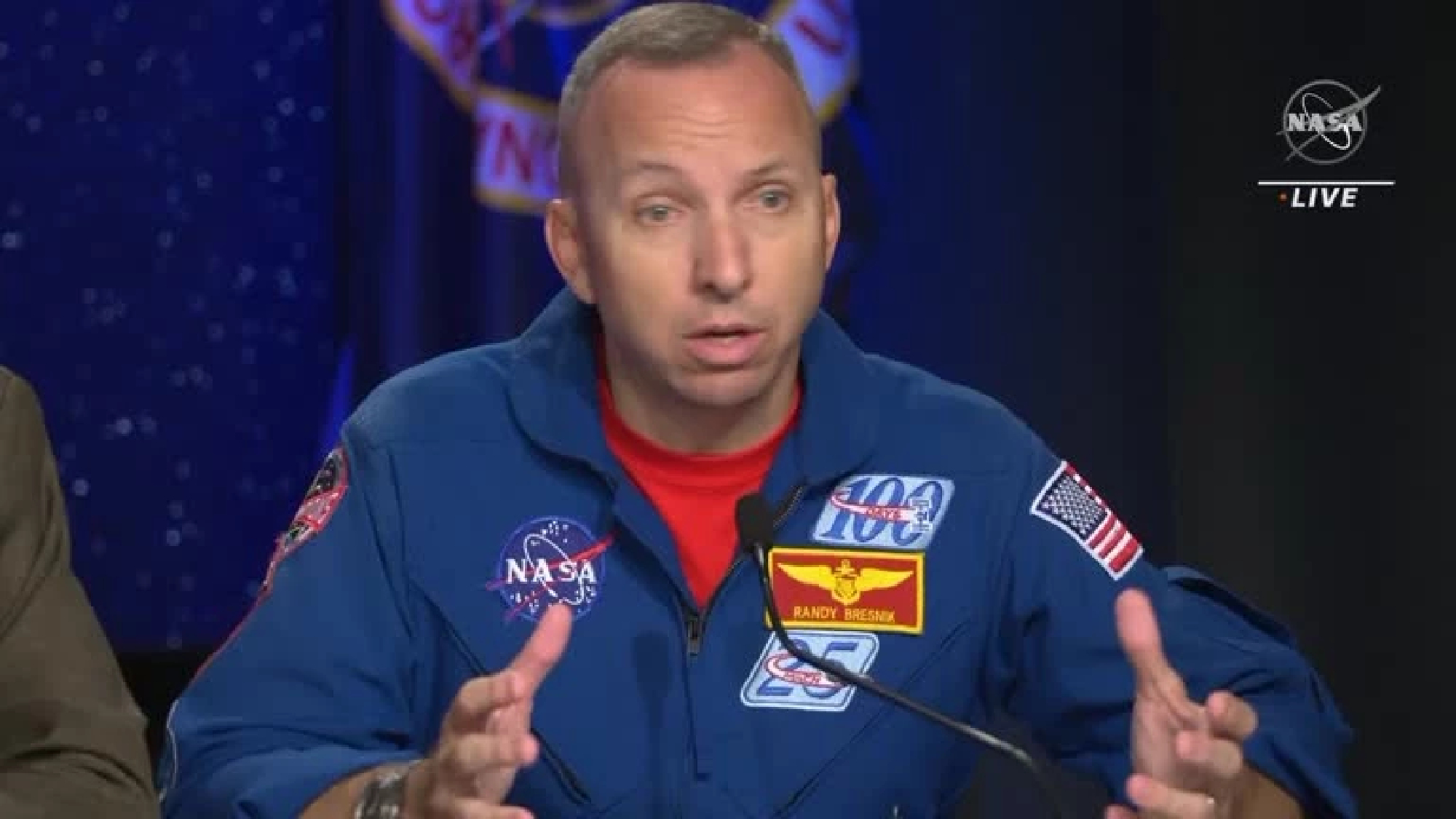
“Is 2025 realistic? We’re working as if it is. We have to, otherwise, it ends up being an open-ended question,” astronaut Randy Bresnik said.
Nasa’s eventual goal of setting up a colony on the moon could offer key information about the challenges that could come with a future expedition to Mars.
Nasa will launch a next-generation mega-rocket, the Space Launch System (SLS) and the Orion crew capsule it is designed to carry, on Monday, sending the uncrewed capsule around the moon and back to Earth on a six-week test.
The journey is intended to put the SLS vehicle, considered the world’s most complex and powerful rocket ship, through a rigorous stress test of its systems during an actual flight before it is deemed ready to carry astronauts.
Nasa aims to take a giant leap in its renewed lunar ambitions with the debut launch set for next Monday (August 29) in Florida of its next-generation mega-rocket, the Space Launch System (SLS) and the Orion crew capsule it is designed to carry.
The SLS-Orion spacecraft is due for blastoff from the Kennedy Space Center in Cape Canaveral, sending the uncrewed capsule around the Moon and back to Earth on a six-week test flight called Artemis I.
The Nasa team preparing for the historic launch said on Saturday they are prepared and focused.
Launch Director Charlie Blackwell-Thompson said her team will conduct final checks and providing there are “favourable” results, she plans a lift-off at 0833ET/1233GMT on Monday.
The journey is intended to put the SLS vehicle, considered the world’s most complex and powerful rocketship, through a rigorous stress test of its systems during an actual flight before it is deemed ready to carry astronauts.
The SLS represents the biggest new vertical launch system Nasa has built since the Saturn V rockets flown during its Apollo moon program of the 1960s and 1970s.
More than a decade in development with years of delays and billions of dollars in cost overruns, the SLS-Orion spacecraft so far has cost Nasa at least $37 billion, including design, construction, testing and ground facilities.
Nasa’s Artemis program, named for the goddess who was Apollo’s twin sister in ancient Greek mythology, aims to return astronauts to the moon as early as 2025 and establish a long-term lunar colony as a steppingstone to even-more-ambitious future voyages sending people to Mars.
If successful, Artemis I would pave the way for the first crewed SLS-Orion mission, an out-and-back flight around the moon designated Artemis II, as early as 2024, followed a year or more later by an Artemis III trip to the lunar surface.
Thousands of followers of Argentina’s former president and current Vice President Cristina Fernandez de Kirchner took to the streets in her defence Saturday, days after two prosecutors called for a 12-year prison sentence and a ban on public office for alleged corruption during her government.
Prosecutors accused Fernandez de Kirchner on Monday of defrauding the state and involvement in a scheme to divert public funds while president between 2007 and 2015.
Saturday’s largest demonstration took place outside the vice president’s home in the elegant Buenos Aires neighbourhood of Recoleta, where in the early morning hours police set up fences in an effort to prevent a large gathering.
In the afternoon, the demonstrators, who claim that Fernandez de Kirchner is the victim of judicial persecution and that the fences were erected by Buenos Aires’ opposition mayor as a provocation, tore down the barriers and clashed with police. Hydrant trucks tried to disperse the crowds with water.
According to local media, five police officers were injured and four protesters were arrested.
“Today I woke up with the corner of my house literally besieged (…) They want to ban demonstrations of love and support that are absolutely peaceful and joyful, which are taking place in the face of the judiciary’s already undeniable persecution,” Fernandez de Kirchner said in a tweet.
In a sign of support, President Alberto Fernandez shared the message on his own Twitter account.
Fernandez de Kirchner leads the most hardline wing of the centre-left Peronist coalition that has governed Argentina since the end of 2019.
The verdict and potential sentence will be decided by a judge, which could take months, though Fernandez de Kirchner could appeal any decision, possibly delaying the final verdict for years.
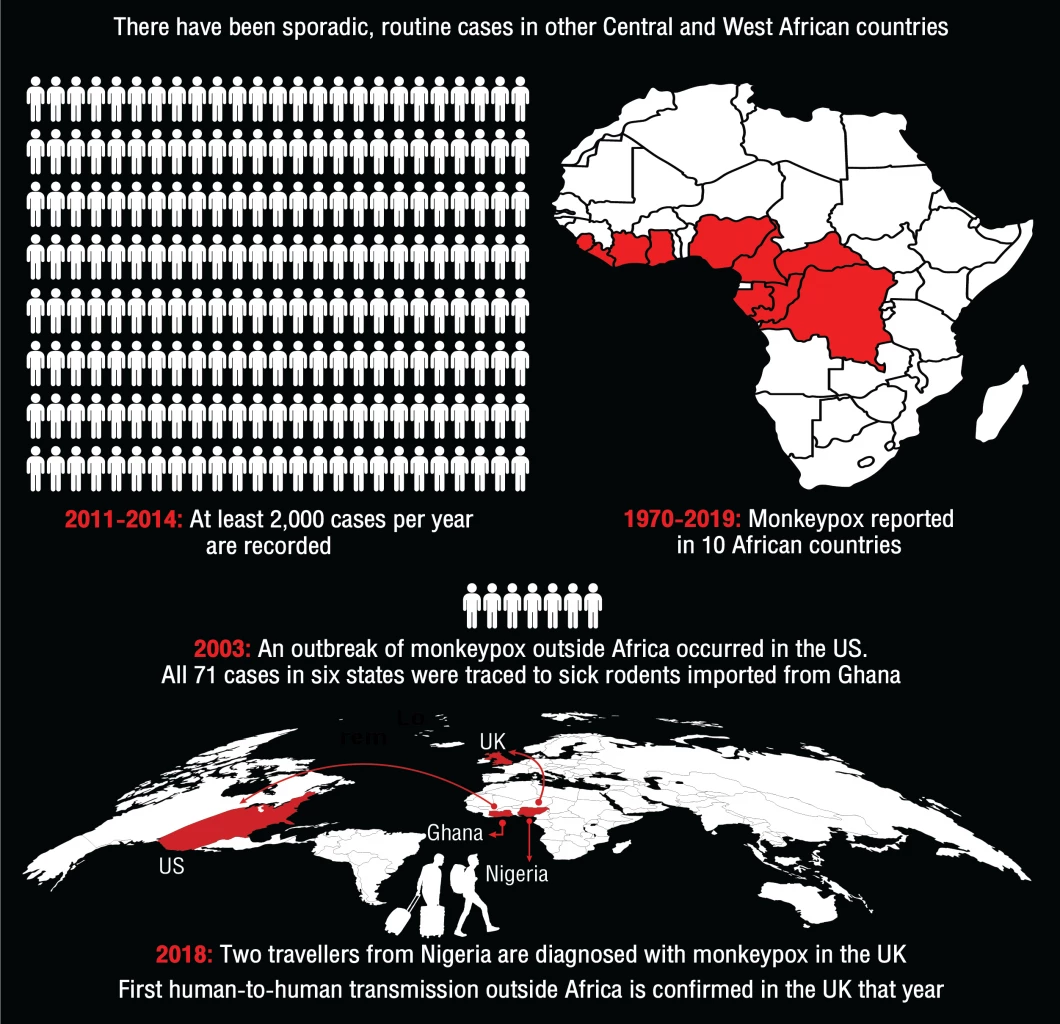
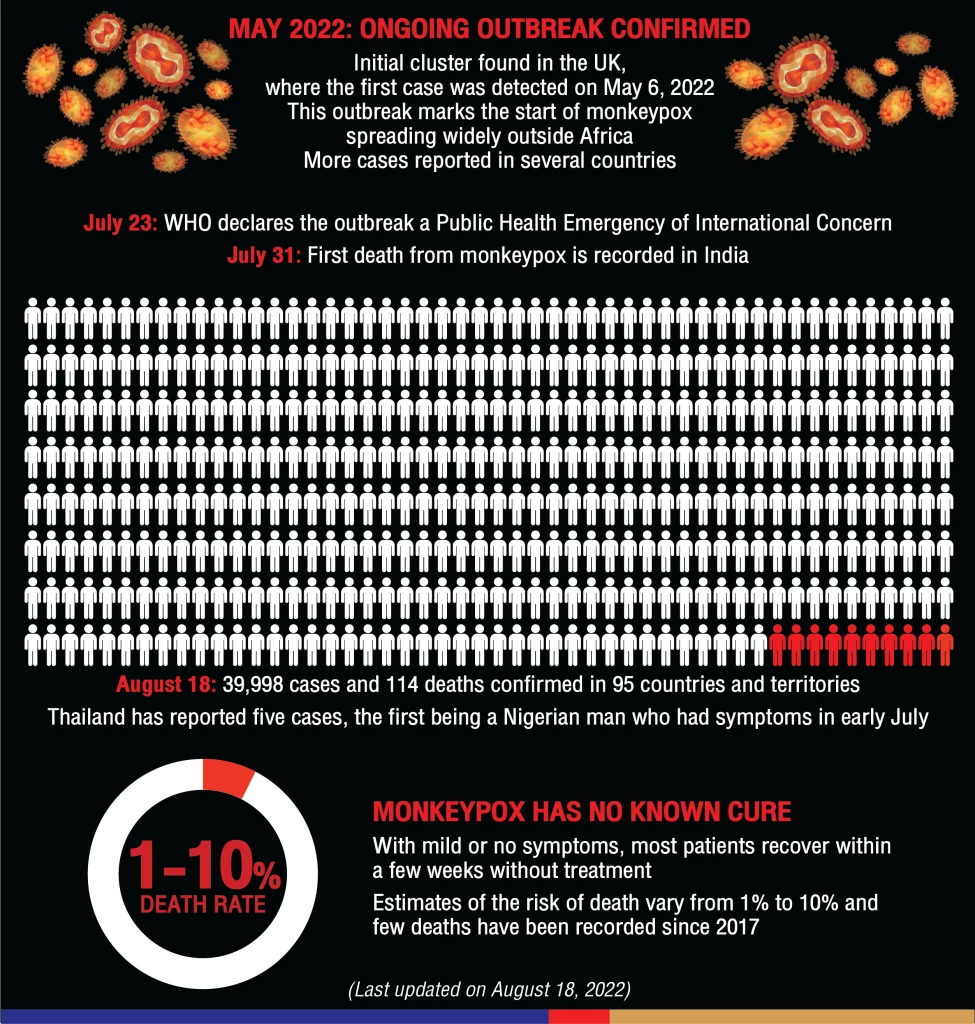
While Covid-19 continues to infect the world, monkeypox, which has been known in Africa since 1970, has spread beyond the continent. Monkeypox cases are being detected all over the world. This is the path of its proliferation.
Australian police said on Friday it had seized some A$1.6 billion ($1.1 billion) worth of crystal meth, also known as ‘ice’, concealed within marble stones in several sea freight containers, in what it said was the biggest ever haul of the drug in the country.
More than 1,800 kg (3,968 lbs) of methylamphetamine were found in containers arriving in Sydney port over recent weeks hidden in marble stone slabs, New South Wales (NSW) state police said in a statement. Just over 1,000 kg of methylamphetamine were found in the latest seizure, police said on Friday after about 750 kg of ice were confiscated last week.
“The capability that this syndicate has demonstrated to us, in terms of volume and size is enormous. These figures are staggering,” NSW Detective Chief Superintendent John Watson said during a media briefing.
All shipments originated in the Middle East region with the consignment details of both drug seizures identical, Watson said. No charges have been made in relation to the latest seizure but police arrested three men over the drugs found last week.
The Central Committee of Karen National Union (KNU) on Wednesday announced that flash fighting between the Tatmadaw[military] and the KNU took place in KNU Brigade 6 area of Dupalaya district in the KNU-controlled area of Kawthulay has forced up to over 90,000 villagers to flee their homes.
The announcement said that 33 clashes between Karen National Liberation Army (KNLA), the unite under KNU’s brigade-6 and coalition forces and security forces and the Border Guard Force took place in Kawthulay, an area controlled by KNU starting from August 1st to 20th.
Fighting mostly occurred in Brigade 18 and Brigade 27 areas in Kawkayeik Township, Kayin State. The fighting was intensifying in the areas being stationed in Cobra Column under the KNU’s Brigade-27, according to the KNU’s statement.
The KNU central committee said that due to air strikes and artillery shells used during the fighting in KNU Brigade 6 area of Dupalaya district in the KNU-controlled area of Kawthulay, a local died and then there have been 904,291 internally displaced people and unrecorded IDPs.
Asia News Network: The Nation (Thailand), The Korea Herald, The Straits Times (Singapore), China Daily, Jakarta Post, The Star and Sin Chew Daily (Malaysia), The Statesman (India), Philippine Daily Inquirer, Yomiuri Shimbun and The Japan News, Gogo Mongolia, Dawn (Pakistan), The Island (Sri Lanka), Kuensel (Bhutan), Kathmandu Post (Nepal), Daily Star (Bangladesh), Eleven Media (Myanmar), The Phnom Penh Post and Rasmei Kampuchea (Cambodia), The Borneo Bulletin (Brunei), Vietnam News, and Vientiane Times (Laos).
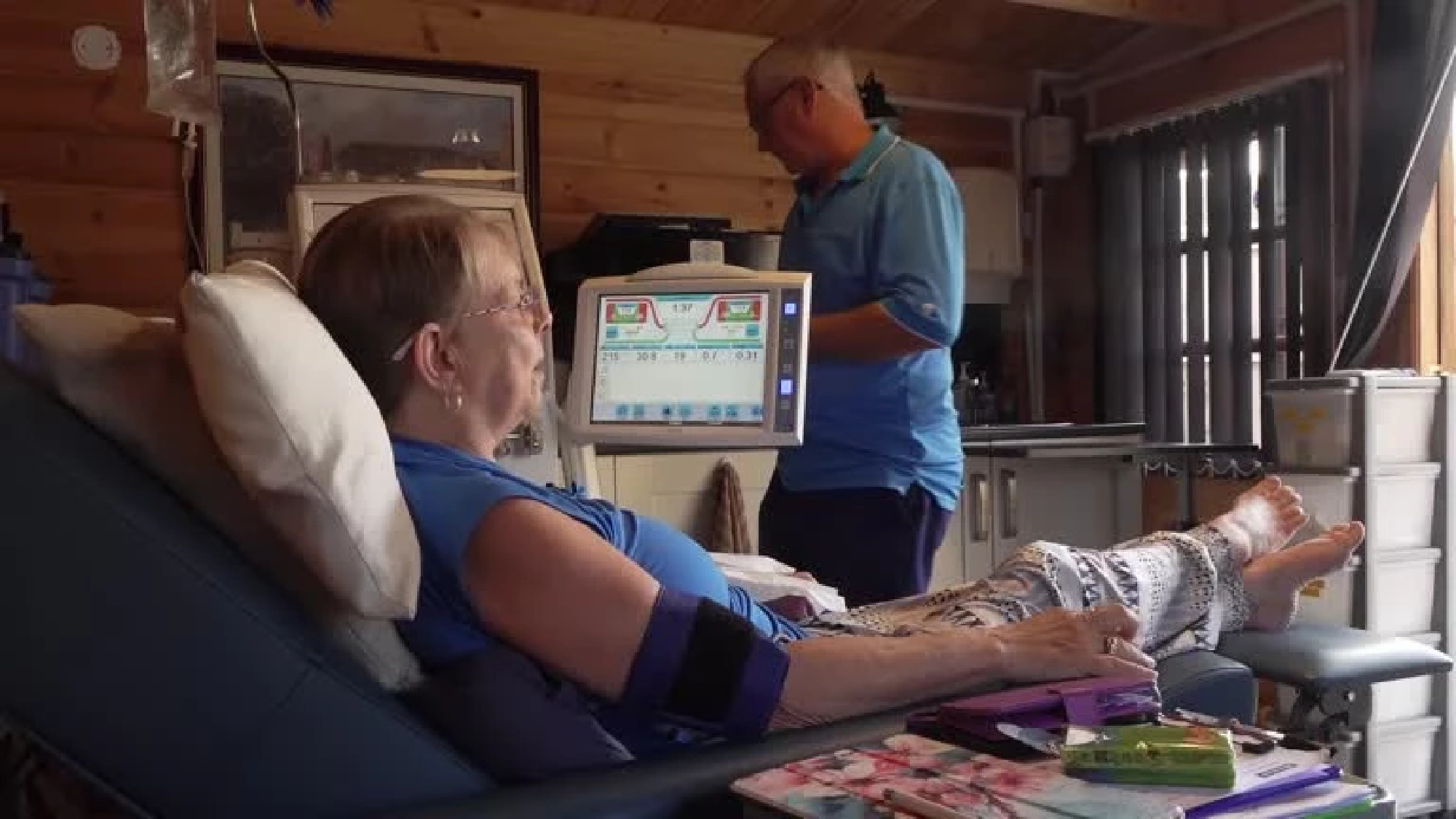
Sitting next to her dialysis machine for four hours each day, Dawn White says she fears Britain’s spiralling energy costs mean she will no longer be able to afford the life-saving treatment.
She uses the machine five days a week to pump clean blood around her body, replacing the work her kidneys would normally do.
Speaking in a purpose-built cabin in the garden of her home in southeast England, 59-year-old Dawn told Reuters that her condition would be fatal without intensive use of the machine.
White, who has renal failure, is one of 5,000 people who dialyse at home, out of 30,000 people on dialysis around the country, according to the patient advocacy group Kidney Care UK.
Britain will raise its energy price cap on Friday (August 26), meaning average annual bills for gas and electricity will jump markedly from October, with further hikes set for January and April.
The government has promised action to help those facing the predicament, saying on Monday that about 6 million disabled people in Britain would receive a one-off 150 pound Cost of Living payment next month on top of other financial help with rising energy bills.
For Dawn and Paul, her husband of 36 years, there is fear about what the next few months will bring.
If the couple cannot keep up with the higher charges, Dawn will have to receive treatment at the local hospital, which only has the capacity to treat her for 12 hours a week.
She said that would leave her feeling less well, reduce her independence and potentially make her less viable for a potentially life-changing transplant should her condition deteriorate.
Dawn estimates the machine already costs 200 pounds to run per month at current prices, and electricity bills are only set to go up.
Paul cares for Dawn full time and no longer works himself, so the couple’s income is limited to a carers allowance and government disability payments.
They have already cut back on energy use and are preparing to reduce the use of their central heating to try and save money.
Speaking during an uncharacteristically hot summer and with prices set to climb far higher, Paul, 61, said the couple “can’t do anymore” than they already have.
For Dawn, the looming winter months are a cause for concern, during which an electric heater uses power around the clock to maintain the equipment’s efficiency by keeping the temperature above 17 Celsius.
Kidney Care UK director Fiona Loud told Reuters that, without intervention from the government or the National Health Service (NHS), ever-rising energy costs will cause a crisis.
Loud explained that guidance from NHS England says hospital trusts should be reimbursing patients for the cost of at-home treatment, but that many people, like Dawn, have not yet received any funds.
While she is trying not to think about the price hikes, Dawn said she remains anxious about the coming months and hopeful that a future organ transplant may provide respite both medically and financially.
U.S wireless carrier T-Mobile will use Elon Musk-owned SpaceX’s Starlink satellites to provide mobile users with network access in parts of the United States, the companies announced on Thursday, outlining plans to connect users’ mobile phones directly to satellites in orbit.
Users will be able to send texts and images where cell coverage does not currently exist, key for emergency situations in remote areas, Musk said at a flashy event on Thursday at his company’s south Texas rocket facility.
“The thing that I think is really profound about what we’re announcing today is that it will save lives and we will no longer read about these tragedies that happened where people got lost, and if only they could have called for help, they’d be okay,” Musk said.
Starlink’s satellites will use T-Mobile’s mid-band spectrum to create a new network. Most phones used by the company’s customers will be compatible with the new service, which will start with texting services in a beta phase beginning by the end of next year.
SpaceX has launched nearly 3,000 low-Earth-orbiting Starlink satellites since 2019, handily outpacing rivals OneWeb and Amazon.com Inc’s Project Kuiper.
SpaceX’s next-generation Starlink satellites, the first of which are planned to launch on SpaceX’s next-generation Starship rocket whenever it is fully developed, will have larger antennae that will allow connectivity directly to mobile phones on the T-mobile network, Musk said.
“We are constructing special antenna. … They are actually very big antenna that is extremely advanced,” he said. “The important thing is you will not need to get a new phone. The phone you currently have will work.”
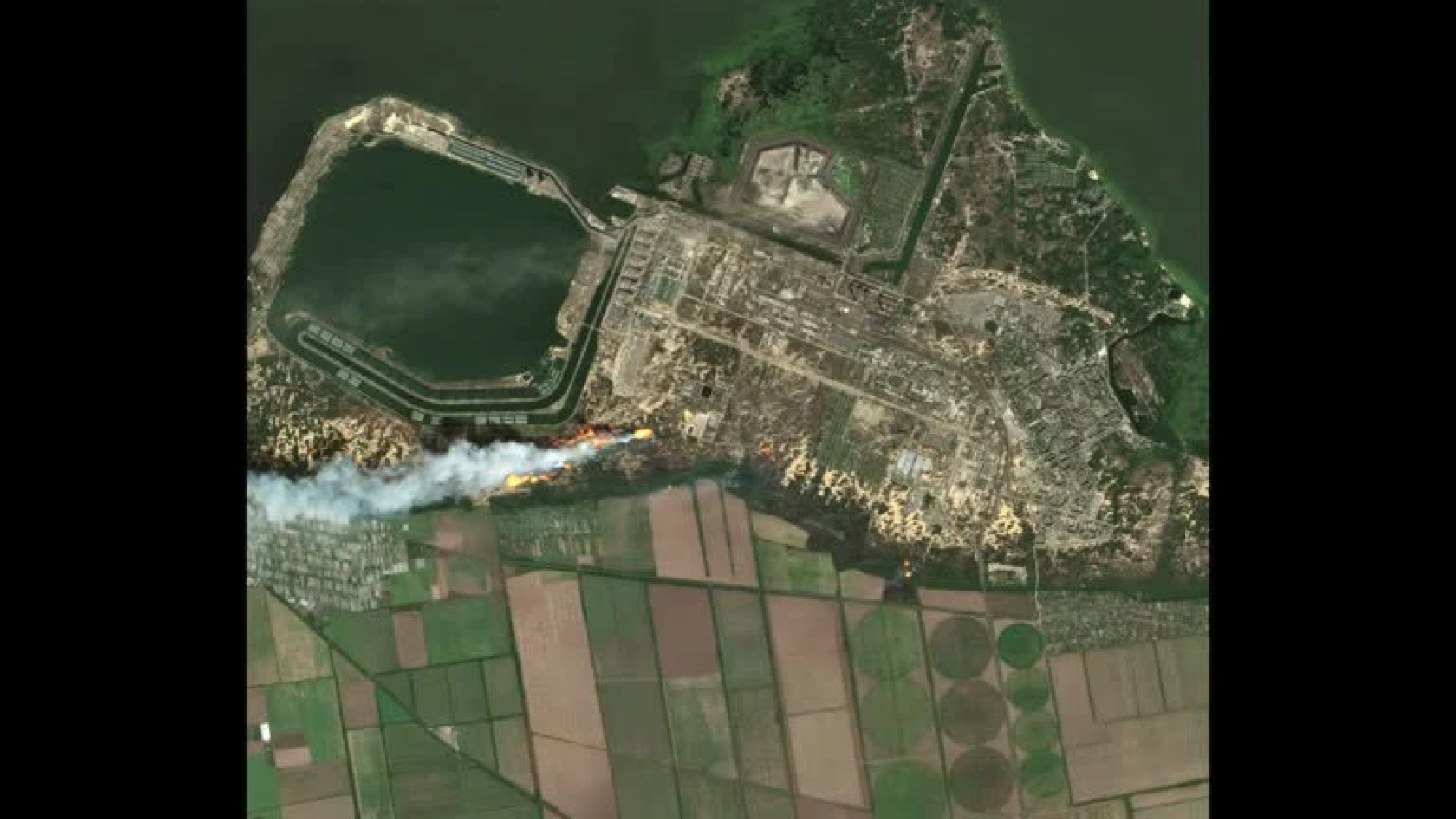
Ukrainian President Volodymyr Zelenskiy said the world narrowly avoided a radiation disaster as electricity to Ukraine’s Zaporizhzhia nuclear power plant was cut for hours due to Russian shelling in the area, allegations that Moscow denied.
Zelenskiy said Russian shelling on Thursday (August 25) sparked fires in the ash pits of a nearby coal power station that disconnected the reactor complex, Europe’s largest such facility, from the power grid.
Back-up diesel generators ensured power supply that is vital for cooling and safety systems at the plant, he said, praising the Ukrainian technicians who operate the plant under the gaze of the Russian military.
“If our station staff had not reacted after the blackout, then we would have already been forced to overcome the consequences of a radiation accident,” he said in an evening address.
“Russia has put Ukraine and all Europeans in a situation one step away from a radiation disaster.”
Vladimir Rogov, a Russian-appointed official in the occupied town of Enerhodar near the plant, blamed Ukraine’s armed forces for a fire in a forest near the plant. He said towns in the area lost power for several hours on Thursday
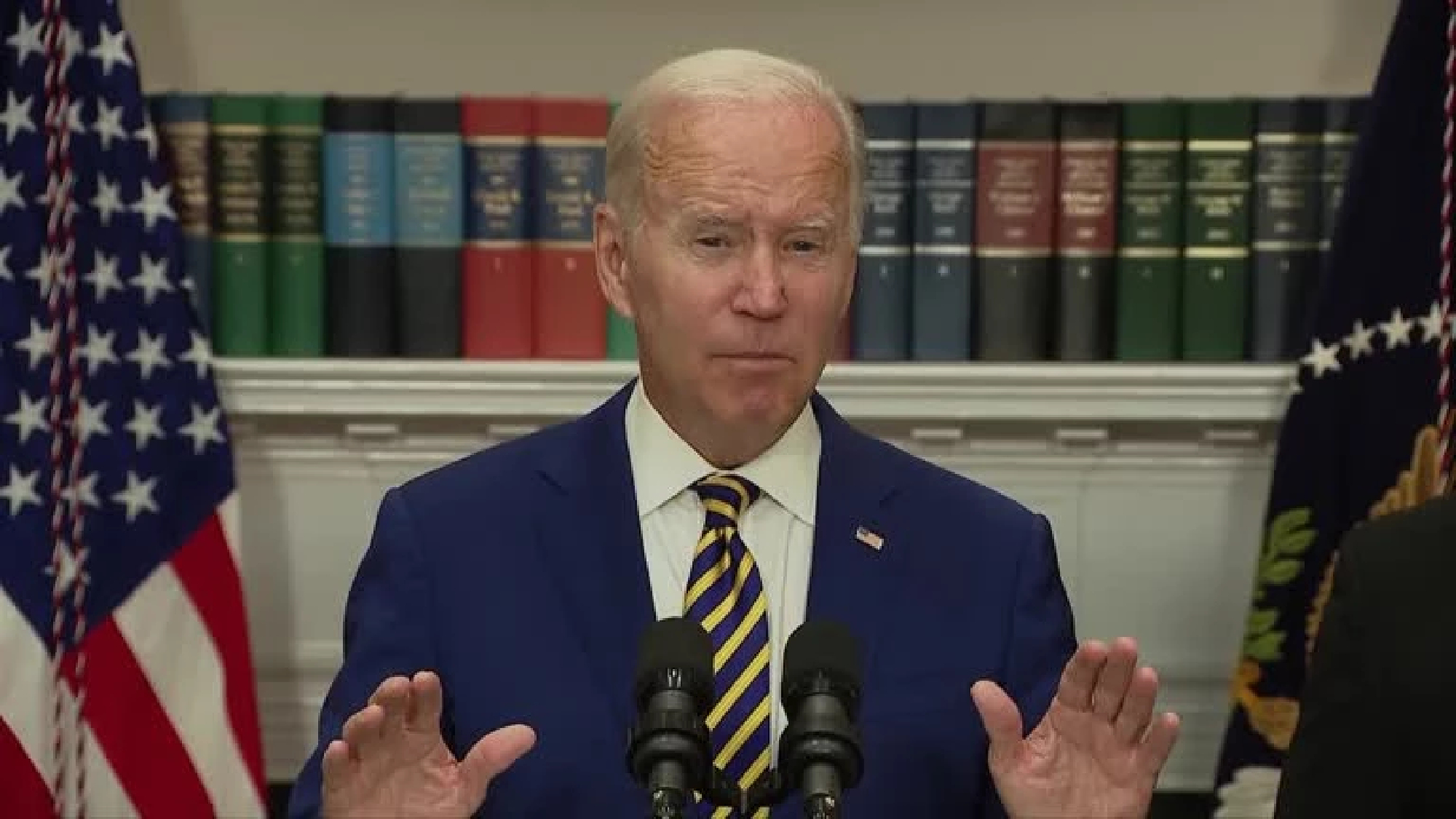
US President Joe Biden said on Wednesday the U.S. government will forgive $10,000 in student loans for many debt-saddled college graduates, a move that could boost support for his fellow Democrats in the November congressional elections but also may fuel inflation.
Cancelling the debt will free up hundreds of billions of dollars for new consumer spending that could be aimed at homebuying, according to economists who said this would add a new wrinkle to the country’s inflation fight.
“By resuming student loan payments at the same time as we provide targeted relief, we’re taking an economically responsible course. As a consequence, about 50 billion dollars a year will start coming back into the Treasury because of the resumption of debt. Independent experts agree that these actions taken together will provide real benefits for families without meaningful effect on inflation,” Biden said as he announced the measures at the White House.
Many Democrats had pushed for Biden to forgive as much as $50,000 per borrower but cheered his action.
Republicans, seeking to regain control of Congress in November, oppose the move, arguing it is unfair because it will disproportionately help people earning higher incomes.
U.S. consumers carry a massive $1.75 trillion in student loan debt, most of it held by the federal government, the result of university tuition fees substantially higher than in most other rich countries.
Biden’s administration will extend a Covid-19 pandemic-linked pause on student loan repayment to the end of the year while forgiving $10,000 in student debt for borrowers whose income falls below $125,000 a year, or $250,000 for a married couple, the White House said. The forgiveness could impact 8 million borrowers automatically, the Department of Education said, while others would need to apply for forgiveness.
The government is also forgiving up to $20,000 in debt for recipients of federal Pell Grants, some 6 million students from low-income families, and is proposing a new rule that protects some income from repayment plans and forgives some loan balances after 10 years of repayment, the Education Department said.
Cutting $10,000 in federal debt for every student would amount to $321 billion of federal student loans and eliminate the entire balance for 11.8 million borrowers, or 31% of them, a New York Federal Reserve study shows.
Borrower balances have been frozen since the beginning of the Covid-19 outbreak, with no payments required on most federal student loans since March 2020.
Students from across the U.S. welcomed the announcement from Biden to cancel billions of dollars in student debt.
A psychology major at Howard University, Moniest Cardell, said the weight was lifted off her shoulders as the $20,000 of erased debt would mean relief for her whole family.
James Gore, 20, a media and film major from North Carolina, told Reuters he supported the measure even though he didn’t have any pending loans, being a scholarship athlete.
Given the stress debt can cause in many people, the measure means a little bit of breathing room’ according to the computer science major Jie Reid.
Madeleine “Maddy” Clifford, 35, a writer and musician in Oakland, California, went to undergrad at the University of Washington before going to graduate school at Mills College in Oakland for her master’s in fine arts. She now has roughly $100,000 in student loan debt.
She said Biden’s announcement made her feel both underwhelmed and excited, calling the $10,000 a step in the right direction while adding more can be done.
“Biden’s announcement means that we need to continue to apply pressure because it’s great that he made that decision, but also we don’t have to accept crumbs,” Clifford said.
Clifford currently volunteers for the Debt Collective, a national organization that pushes for full student loan debt cancellation. She believes full cancellation is not too much to ask.
“I’m asking to be back at zero. I’m asking for a fair chance to actually build wealth,” she said. “Two years ago, $10K was a ridiculous thing to ask for and now we’ve just won it. So what that tells us and what that shows us is that we have to keep fighting.”