Germany faces the “bitter reality” that Russia will not restore gas supplies to the country, the German economy minister said on Monday ahead of the planned stoppage by state energy giant Gazprom of exports to Europe via the Nord Stream 1 pipeline.
“It won’t come back … It is the bitter reality,” Robert Habeck said in a panel with European Commission President Ursula von der Leyen.
Russia will halt natural gas supplies to Europe for three days at the end of the month for unscheduled maintenance to the Nord Stream pipeline, Gazprom said on Friday, piling pressure on the region as it seeks to refuel ahead of winter.
Russia has currently only been supplying 20% of the usual capacity of the Nord Stream 1 link from Russia to Germany.
It was not immediately possible to clarify whether Habeck meant the outage would be permanent or just that full supplies would not resume.
At the same event, EU Commission President Ursula von der Leyen said a reform of the European electricity market would happen at the beginning of next year.
Before that, however, in view of the recent price jumps, emergency instruments were needed that would have to take effect quickly and gas and electricity prices would have to be decoupled from each other, she said.
“These are no longer real prices. They are just speculation,” von der Leyen added.
An engine-cooling problem forced Nasa on Monday to postpone for at least four days the debut test launch of the colossal new rocket ship it plans to use for future astronaut flights back to the moon, more than 50 years after Apollo’s last lunar mission.
Senior Nasa officials declined to set a precise time frame for retrying a launch of the mission, dubbed Artemis I. But at a news briefing hours after the aborted countdown, they said a second launch attempt was still possible as early as Friday, depending on the outcome of further data review.
If engineers can resolve the issue on the launch pad in the next 48 to 72 hours, “Friday is definitely in play,” Michael Sarafin, Nasa’s Artemis mission manager told reporters.
The mission calls for a six-week, uncrewed test flight of the Orion capsule around the moon and back to Earth for a splashdown in the Pacific.
The planned journey will mark the kickoff of Nasa’s highly vaunted moon-to-Mars Artemis program, the successor to the Apollo lunar missions of the 1960s and ’70s.
The countdown was halted about 40 minutes before launch time as the 32-story-tall, two-stage Space Launch System (SLS) rocket and its Orion crew capsule awaited liftoff from the Kennedy Space Center in Cape Canaveral, Florida.
Disappointed spectators who had gathered around the site promptly packed up their chairs, as U.S. Vice President Kamala Harris – who had arrived shortly ahead of the scheduled launch – greeted members of the Nasa team.
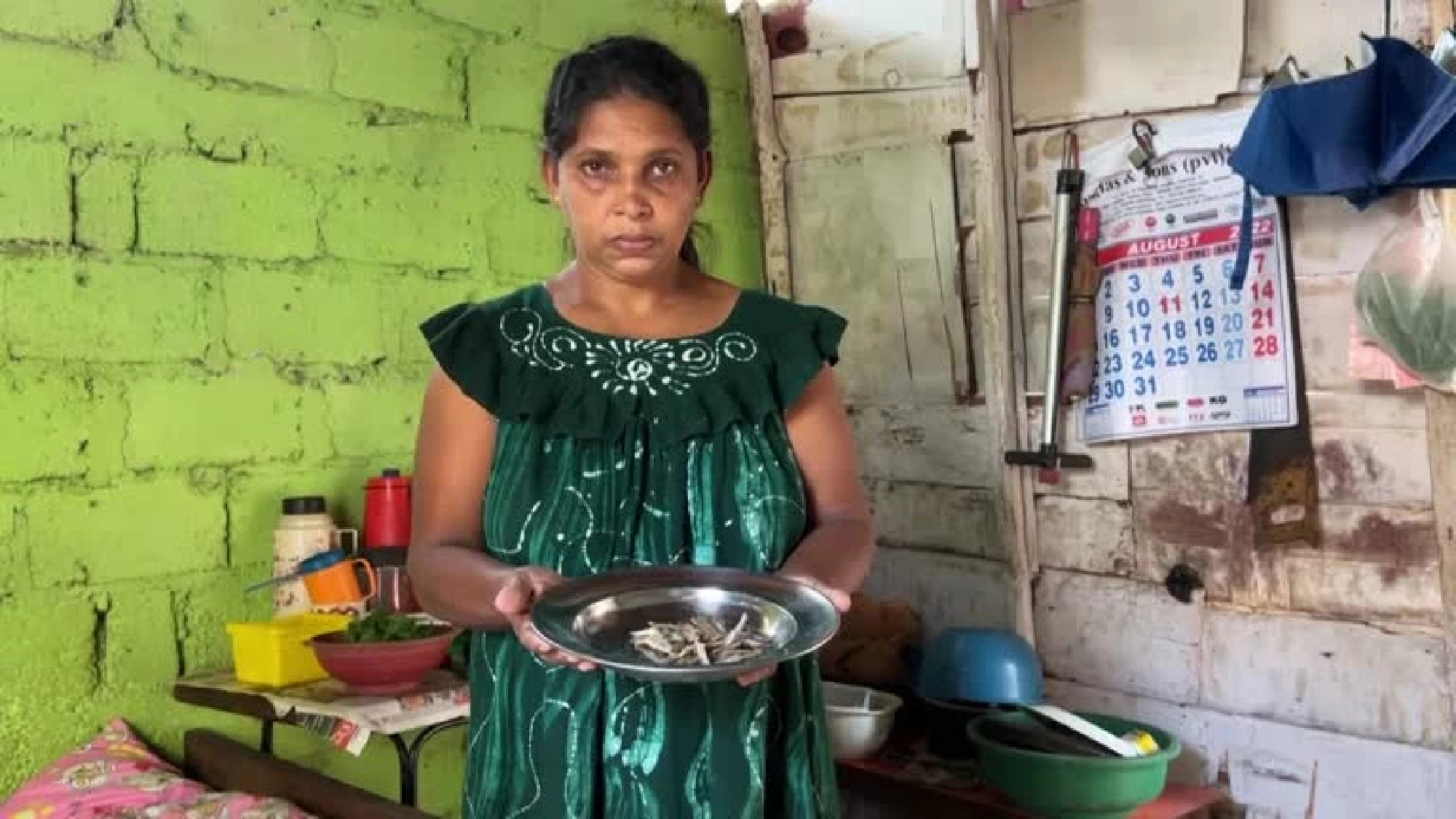
In her outstretched palms one morning, 49-year-old Nilanthi Gunasekera holds her family’s last remaining handful of dried fish – a reminder of Sri Lanka’s worst economic crisis in decades.
She is just one of the millions of Sri Lankans battling a calamitous decline in living standards, as they find themselves forced to skip meals, ration out medicines and turn to firewood in place of cooking gas.
“We had an alms giving a session on the 25th of last month. That day (was the last occasion) we had a good meal (with meat),” Gunasekera said, grasping the shards of fish.
Hit hard by the COVID-19 pandemic, rising oil prices and economic mismanagement under previous governments, the island nation is in the throes of its starkest crisis since independence from Britain in 1948.
Rampant inflation, snaking fuel queues and shortages of essentials such as food and medicine have driven many Sri Lankans into poverty, while months of street protests ousted the previous president, Gotabaya Rajapaksa, in July.
More than a quarter of the population of 22 million is now struggling to secure adequate, nutritious food, the United Nations says.
Exacerbating the situation, thieves broke into Gunasekera’s home a few months ago, stealing the cooker and gas cylinder. Her family couldn’t afford a new one. “We cook with firewood now,” she said.
Her biggest concern though is the education of her children. The crisis has left her family unable to even afford exercise books, and her husband has to rely on the charity of employers for money to buy them, she added.
Nearby, at a food kiosk, 42-year-old Chandra Thushari Peiris’s palms are holding up crockery she just washed in the afternoon. They were covered in dust and cobwebs after months of disuse, following the closure of her business.
Peiris never worried about food previously, as her family would finish leftovers they couldn’t sell. However, with inflation driving the prices of raw materials like oil and sugar up, people were left with little disposable income to indulge in treats like rolls and roti from their kiosks.
That in essence shuttered the business, and in turn, their income dried up. Peiris said she and her husband, an autorickshaw driver who has also lost his income, are determined to not let their children starve, but they are missing out on meals themselves as a result.
“Today, we decided that we should reopen this shop. My daughter is also at home, without a job. If we do something we will earn some money. We have been just waiting for something but nothing has happened,” said Peiris.
As dusk approaches, 58-year-old road sweeper W. M. Irangani’s palms cradle a lit coconut oil lamp in a small, cramped room that she shares with her two unemployed sisters and son.
She places the lamp before a small figurine of Buddha, clasps her hands together and mutters a prayer.
Irangani had spent the morning working on an empty stomach. She has to work, otherwise, she would risk losing her job, given the number of unemployed people ready to fill her position.
She had a portion of rice when she returned, with that being her only sustenance for the day. She has no plans for dinner.
“We only have a little sugar, no other food. If we borrow money from someone we have to pay it. I am scared to borrow because I have no way of paying it back.”
Irangani heads out to collect petals used as religious offerings, telling Reuters she had simply prayed earlier for a better future, one where her family would have enough food to eat.
As desperation grows, the government of President Ranil Wickremesinghe is seeking a multi-billion-dollar bailout in talks with the International Monetary Fund and is tapping major allies, from India and Japan to the United States.
But major financial assistance is still months away, making tough austerity measures likely, so few Sri Lankans are expecting to see the light at the end of the tunnel soon.
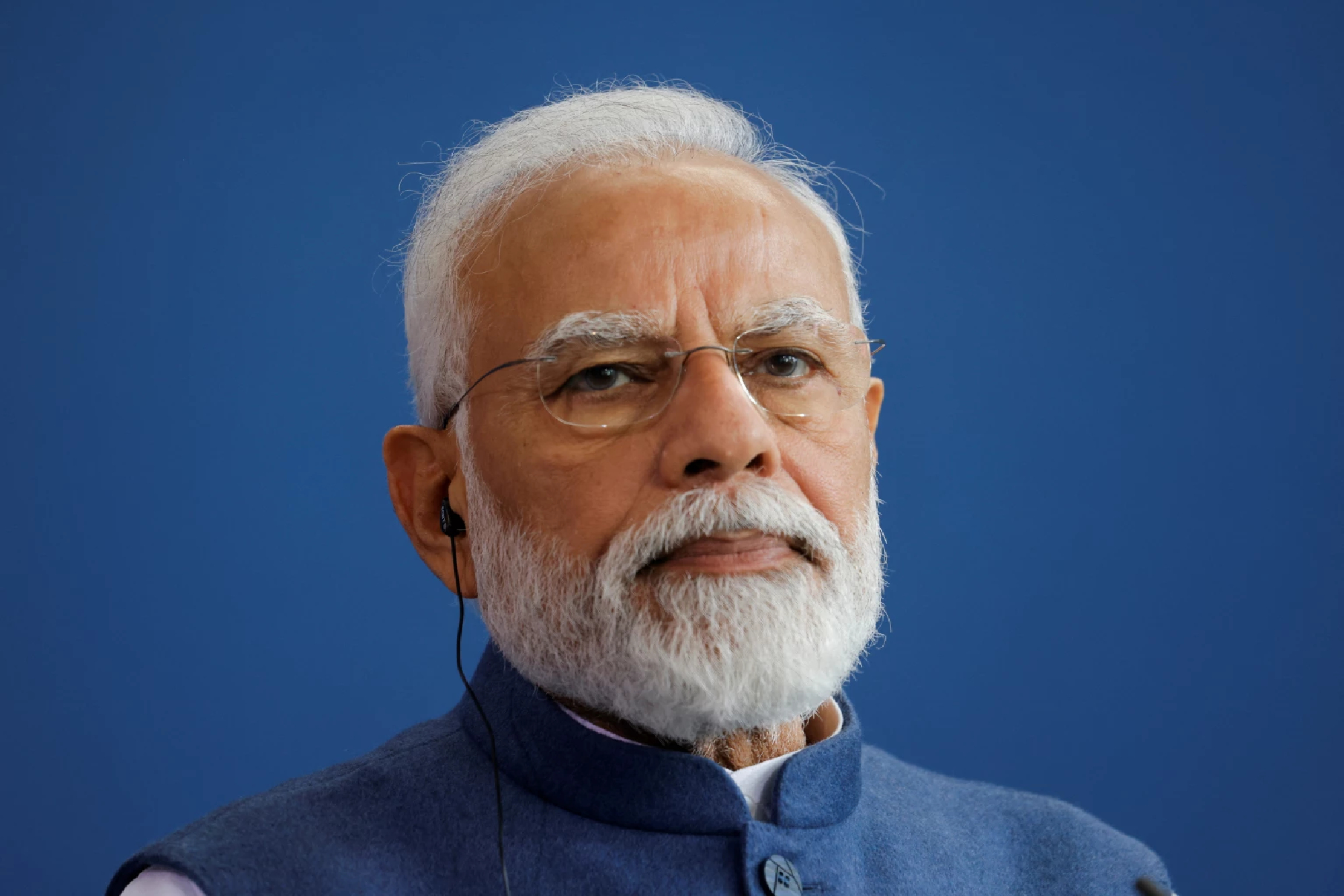
Indian Prime Minister Narendra Modi on Sunday reassured the world that by 2030, 50 per cent of India’s energy production will be met by non-fossil fuel, and by 2070 it plans to be “net zero”.
Modi was addressing a public rally on the completion of 40 years of Japan’s Suzuki Motor Corp at Gandhinagar in Gujarat on Sunday.
He said that a silent revolution was taking shape in India with rising demand for electric vehicles (EV). The state and central governments have extended incentives and subsidies for the EV sector.
Remembering the first interaction with Suzuki’s chairman 13 years ago, Modi added, “When the Suzuki chairman showed interest in setting up a plant in Gujarat, I was confident that with each passing year the company will come to know how much Gujarat is committed to development.”
The prime minister said, “I wanted to create a mini-Japan in Gujarat, to some extent the Japanese have been provided their experience of home. Now the state has many golf courses, Japanese restaurants and even locals have started learning Japanese. Even Japan has a special love for Gujarat and as many as 125 Japanese companies are functioning in the state. It looks like a mini-Japan.”
Acknowledging Japan’s “kaizen” management concept, Modi brought kaizen-related experiences to the Prime Minister’s Office and other Central government departments.
The Statesman
Asia News Network
Asia News Network: The Nation (Thailand), The Korea Herald, The Straits Times (Singapore), China Daily, Jakarta Post, The Star and Sin Chew Daily (Malaysia), The Statesman (India), Philippine Daily Inquirer, Yomiuri Shimbun and The Japan News, Gogo Mongolia, Dawn (Pakistan), The Island (Sri Lanka), Kuensel (Bhutan), Kathmandu Post (Nepal), Daily Star (Bangladesh), Eleven Media (Myanmar), The Phnom Penh Post and Rasmei Kampuchea (Cambodia), The Borneo Bulletin (Brunei), Vietnam News, and Vientiane Times (Laos).
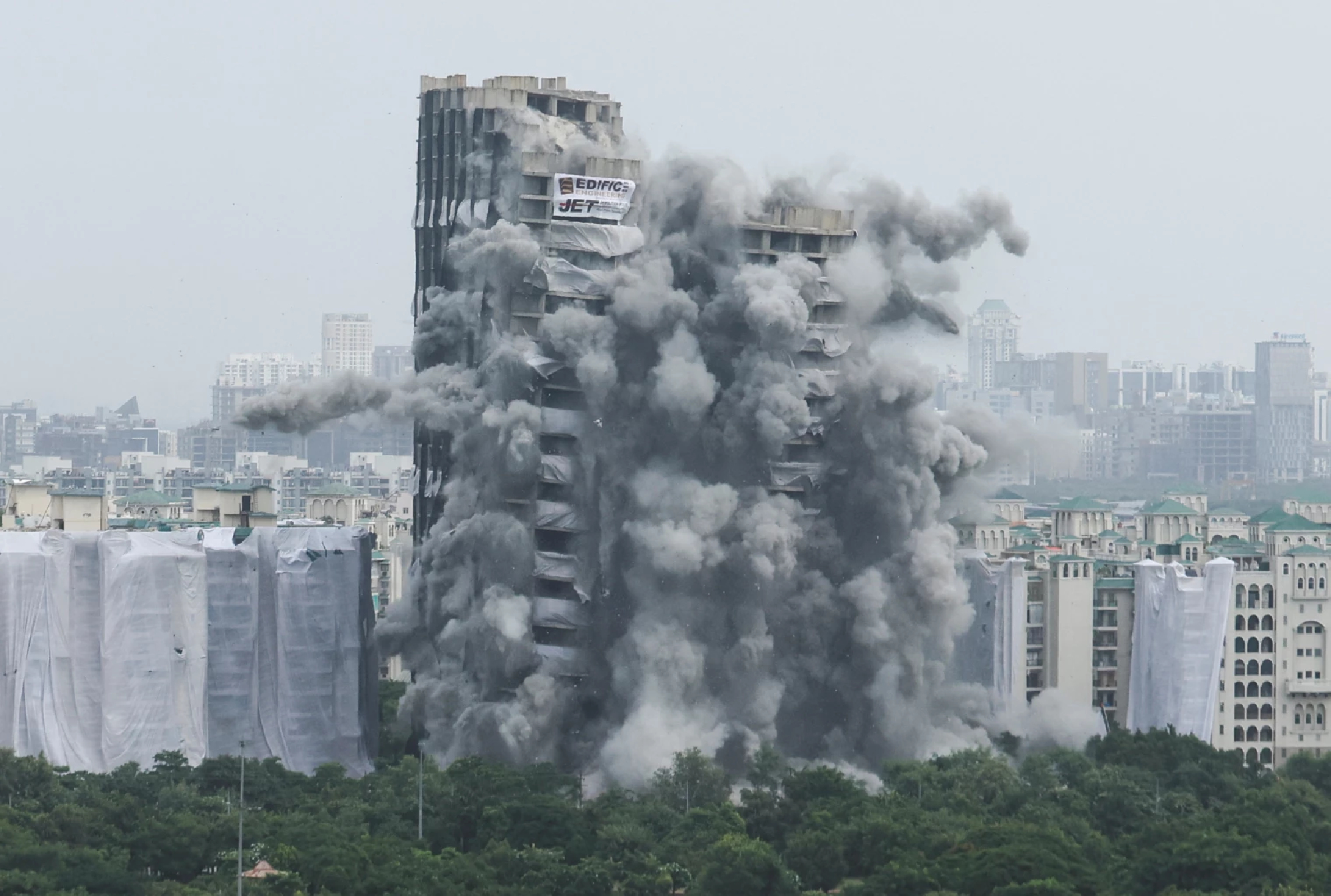
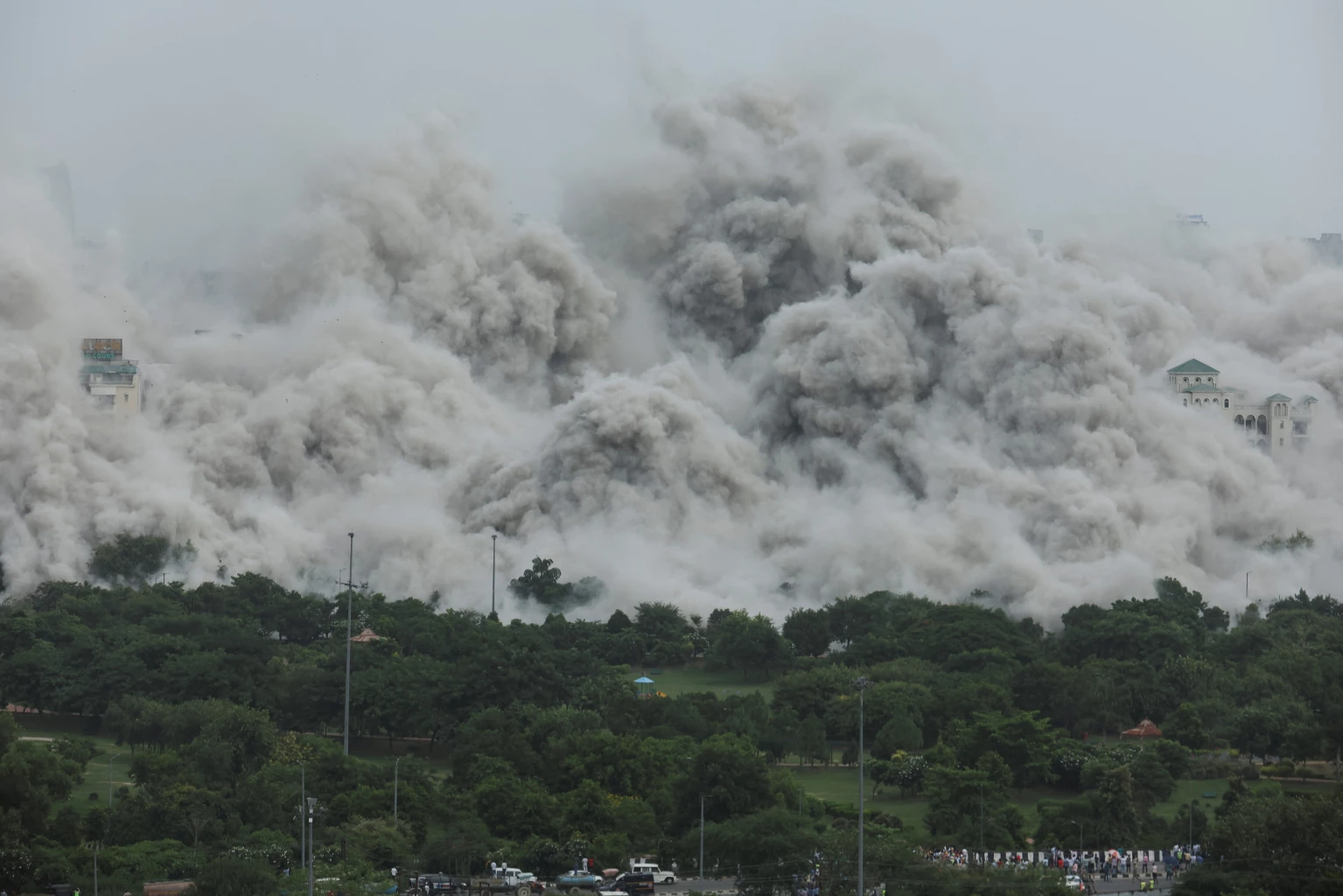
The demolition of the twin towers near Delhi on Sunday was widely hailed by the Indian society, particularly those engaged in the realty sector, which said it was a stern message to the builders who violated laws while carrying out illegal constructions.
The current market value of over 900 apartments located in the twin towers was estimated at over 7 billion Indian Rupees (87.53 million U.S. dollars).
The twin towers of nearly 100 meters in height belonged to the realty firm Supertech Limited and were situated in Noida, a residential town adjacent to Delhi.
Hailing the move of demolishing the twin towers, Forum for People’s Collective Efforts (FPCE) president Abhay Upadhyay said that it was a “huge victory” for the flat owners, reported the online edition of The Tribune newspaper.
Referring to it as the demolition of the “ego of builders and development authorities”, he said that the responsibility of development authorities should have been fixed in this case.
Confederation of Real Estate Developers Associations of India (CREDAI) president Harsh Vardhan Patodia was quoted as saying that the decision is “symbolic of the New India that we are living in”, which is all about best practices, governance and following the law. “We stand by the authorities and Supreme Court in this decision,” Patodia said.
According to him, most of the organized developers were adhering to all guidelines laid down by the authorities and this will act as a good reminder for those who do not.
CEO of REA India Dhruv Agarwala said, “This will set a good precedent for the housing sector. It will serve as a deterrent for developers to violate building norms and laws.”
Meanwhile, Supertech Limited’s chairman R.K. Arora said that his company had incurred an estimated loss of nearly 5 billion Indian Rupees (62.52 million U.S. dollars) because of the demolition of its twin towers.
Following complaints regarding illegalities involved in the twin towers’ construction, the Supreme Court of India had last year ordered their demolition.
Reports of illegal constructions by the builder lobby are galore in India, even as questions are often raised about the construction quality of high-rise residential apartments or flats.
Often the nexus between the builder lobby and the local authorities are blamed for the illegal constructions carried out in the country.
More than 3,700 kilograms of explosives were used in the demolition of the twin towers. The demolition work was carried out efficiently with no damage reported from the residential units situated next to the twin towers. As a precautionary measure, all nearby residential units were vacated by the local authorities on Sunday morning.
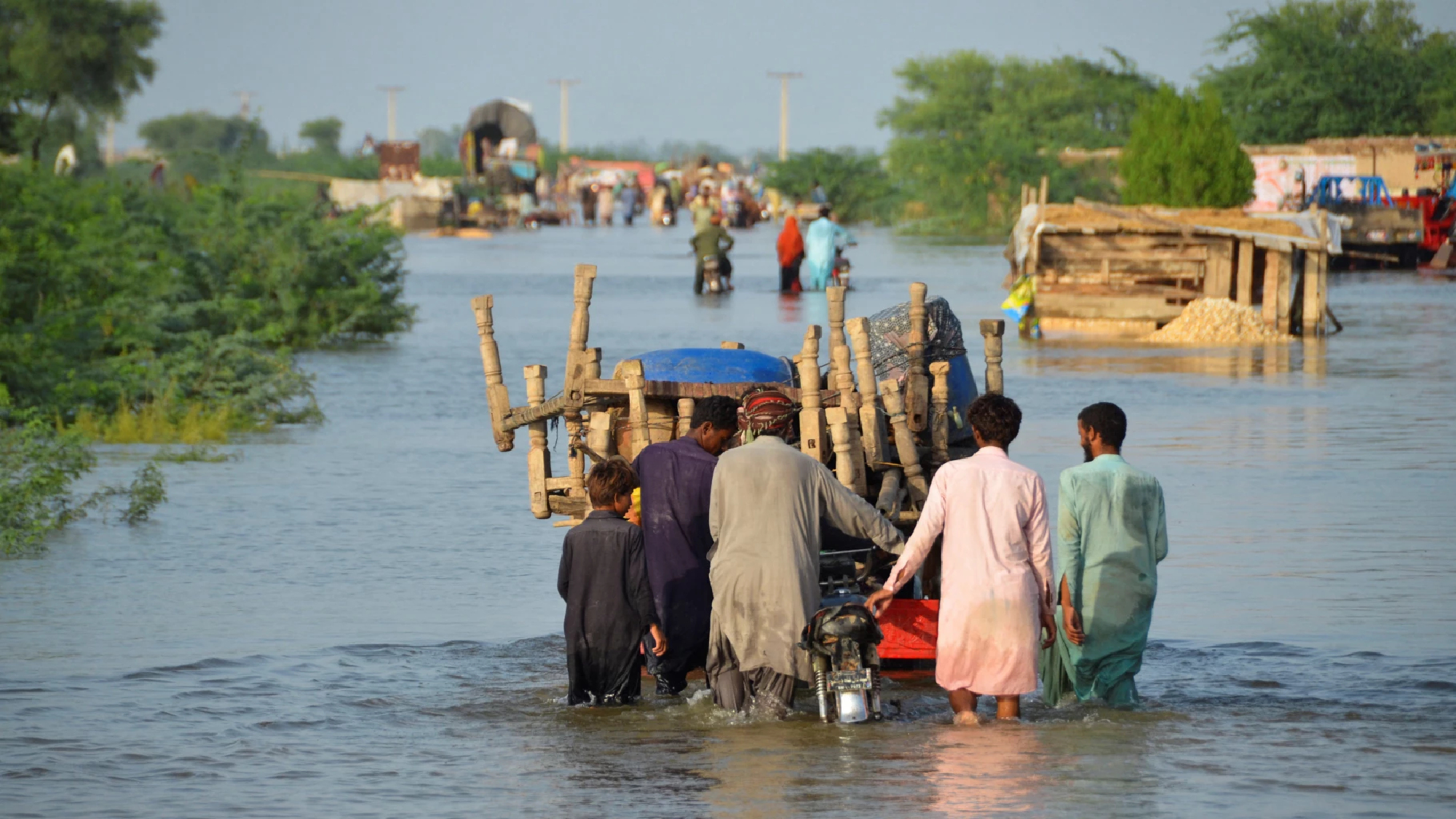
Pakistan needs financial help to deal with “devastating” floods, its foreign minister said on Sunday, adding that he hoped financial institutions such as the International Monetary Fund would take the economic fallout into account.
Weighty monsoon rains have caused devastating floods in both the north and south of the country, affecting more than 30 million people and killing more than 1,000.
“I haven’t seen the destruction of this scale, I find it very difficult to put into words,” said Pakistan’s Foreign Minister Bilawal Bhutto-Zardari in an interview with Reuters, adding many crops that provided much of the population’s livelihoods had been wiped out.
Pakistan would this week launch an appeal asking United Nations member states to contribute to relief efforts, Bhutto-Zardari said, and the country needed to look at how it would handle the longer-term impacts of climate change.
Bhutto-Zardari said after relief efforts, the country would have to look at how to develop infrastructure that was more resistant to both floods and droughts and address the huge changes faced by the agriculture sector.
The foreign minister said that although Pakistan contributes “negligible amounts to the overall carbon footprint … we are devastated by climate disasters such as these time and time again, and we have to adapt within our limited resources, in whatever way we can, to live in this new environment.”
The South Asian nation was already in an economic crisis, facing high inflation, a depreciating currency, and a current account deficit.
The IMF board will decide this week on whether to release $1.2 billion as part of the seventh and eighth tranches of Pakistan’s bailout program, which it entered in 2019.
Bhutto-Zardari said the board was expected to approve the release given an agreement between Pakistani officials and IMF staff had already been reached. He hoped in the coming months the IMF would recognize the impact of the floods.
Bhutto-Zardari, the son of assassinated former Prime Minister Benazir Bhutto, said the economic impact was still being assessed, but that some estimates had put it at $4 billion. Given the impact on infrastructure and people’s livelihoods, he said he expected the total figure would be much higher.
Hundreds of Pakistanis were airlifted out of flood-ravaged regions on Sunday (August 28) as the military joined national rescue and recovery efforts, following a devastating deluge of rain and floods which had left over 1,000 dead in the past month.
Crowds were seen surrounding helicopters deployed to evacuate stranded residents. Military-filmed footage showed relief packages being flung from aircraft. Boats also continued to transport people across vast areas of floodwater resembling lakes.
Pakistan’s army chief on Saturday (August 27) visited the southern province of Balochistan, which has been hit heavily by torrential rain. In the northern province of Khyber Pakhtunkhwa, flash floods swept away a large bridge overnight, cutting off some districts from road access.
Historic monsoon rains and flooding in Pakistan have affected more than 30 million people over the last few weeks, the country’s climate change minister said, calling the situation a “climate-induced humanitarian disaster of epic proportions.”
Falconers from around the world are set to attend the fourth annual International Saudi Falcons & Hunting Exhibition in Riyadh.
The event has already attracted global attention from local and international falconers ahead of the launch of the International Falcon Breeders Auction, organized by the Saudi Falcons Club in conjunction with the exhibition’s activities, especially with record numbers recorded in the first edition of the international auction.
The world’s most expensive falcon “Gyr Qarmousha” (Falco Rusticolus) was sold for 1.75 million SAR ($466,000), which was owned by the American falcon breeding center, Pacific Northwest Falcons, widely regarded as one of the best falcon farms in the world.
Saudi Arabia prides itself on its position as a global destination for heritage tourism in the field of falconry, as well as in the field of preserving the cultural and civilizational heritage of the region.
The event is expected to record a 30% increase in the number of participants and will take place in the Saudi capital, Riyadh, on August 25th featuring falcon breeding centres from around the world, including the United States, France, Spain, Poland, Germany, Denmark, Belgium and the Czech Republic.
In addition to their world-class falcons, Gulf and Saudi Arabian companies will showcase their various products through the exhibition’s 25 pavilions.
Saudi Arabia has succeeded in integrating the financial transactions services for the products of the exhibition within the electronic payments program, where all purchases of weapons, ammunition and accessories are made only through the electronic platform of the Saudi Falcons Club, where the value of commercial transactions during the exhibition is expected to increase by 25% compared to last year’s figures.
In its fourth edition, the exhibition will run for 10 days and is expected to see a strong presence of elite falcons and hunting weapons presented for the first time, in addition to the customized 4×4 vehicles exhibit.
A special pavilion has been allocated for modified and rare four-wheel drive cars, as well as for four-wheel bikes to meet the different climatic and environmental conditions facing hunting and outdoor travel enthusiasts.
It’s expected that the exhibition will also see the entry of new exhibitors of customized 4×4 vehicles from around the world.
Slovakia signed a deal on Saturday under which fellow Nato states the Czech Republic and Poland will police its skies as Bratislava withdraws its Soviet-made MiG-29s from service, potentially freeing up the old jets to send to Ukraine.
Slovakia has said it is ready to send the 11 MiG fighters to Ukraine, whose military has long relied on Soviet-era equipment and which has appealed for more supplies from Nato nations to boost its ability to battle invading Russian forces.
Slovak Defence Minister Jaroslav told reporters at an air show on Saturday that Bratislava remained ready to send the planes to neighbouring Ukraine but no deal had yet been reached.
“There is a political will, and it makes sense, to help those who need help,” Nad said. “The possibility is on the table, and once there is an agreement we will inform you.”
Under Saturday’s deal with Slovakia’s neighbours, the Czech Republic and Poland will police its skies from September while Slovakia awaits delivery of 14 new, US-made F-16 fighters. The F-16 deal was signed in 2018 and the jets are due for delivery in 2024.
Slovakia, with a population of 5.4 million, has already donated an S-300 air defence system, Mi-series military helicopters, self-propelled howitzers and Grad multiple-rocket launcher rockets. This week it said it would send 30 tracked infantry fighting BVP-1 vehicles.
Western nations and their allies have been boosting military aid to Ukraine with cash, equipment and training in the more than six-month-old conflict with Russia.
Pakistan’s Prime Minister Muhammad Shehbaz Sharif on Saturday visited a flood-hit region of his country and appealed to the rich to help the victims in poor areas.
Historic monsoon rains and flooding in Pakistan have killed more than 900 people and affected more than 30 million people over the last few weeks, the country’s climate change minister said this week, calling the situation a “climate-induced humanitarian disaster of epic proportions”.
During a visit to review rescue and relief operations in flood-hit areas of villages in Sujawal, Sindh province, the prime minister was given a detailed briefing on the situation and the relief efforts.
Elsewhere in Sindh province, in Khairpur, people complained of not getting any help from the government after their houses were destroyed by the floods.
“There is no administration here. The DC (deputy commissioner) is doing nothing. Houses are collapsing and water is standing here. It has been raining for more than a week rather than ten days. You can see there, my house has collapsed – a total loss — and I could not save anything from it,” said an unidentified local resident.
Pakistani leaders have appealed to the international community for help and plan to launch an international appeal fund.
The military has joined the country’s national and provincial authorities in responding to the floods and the country’s army chief on Saturday visited the southern province of Balochistan, which has been hit heavily by the rains.