A New Zealand family told Reuters on Sunday they were surprised to find a seal had broken into their house, scaring away the family’s cat and lounging on the couch.
When Jenn Ross returned home on Wednesday morning, she initially thought the buckets tipped astray in the garage were the work of the family cat, Coco. She was not expecting the fur seal that was in the hallway instead.
“I hear this flippity-flop along the hallway and it’s like, ‘oh, that would be a seal, I cannot believe that would’ve come in through there,” she told Reuters.
After waking up her children with the news that there was a seal, which they nicknamed ‘Oscar’, downstairs, she called her husband, Phil Ross, who was at work at the time.
Mr Ross, who works as a marine biologist, said it was ironic that he was not at home when the seal showed up.
“I try and make attempts to bring my family out to some cool places I get to work, but on this occasion, work came home,” he said.
The family believes the seal followed their family cat, Coco, through two cat flaps into the house as she “made a dash to safety”. Coco was later found sheltering at their neighbour’s house and is still reluctant to go downstairs where the seal was.
They said that whilst it’s not uncommon for them to see seals around the area, as they only live a couple of hundred metres away from the shore, this was the first time they had heard of one entering a house.
The Department of Conservation ranger that captured the seal said he already had a busy morning with seal-related call outs, suspecting it was a result of recent bad weather in the country.
At least 12 people were killed when al Qaeda-linked militants attacked a hotel in Somalia’s capital Mogadishu, seizing hostages who authorities were still battling to free 24 hours later, an intelligence officer said on Saturday.
Gunfire could be heard on Saturday evening in Reuters footage, while small explosions were visible in the built-up areas surrounding the hotel.
The attackers blasted their way into the Hayat Hotel on Friday evening with two car bombs before opening fire. Somalia’s al Shabaab insurgents claimed responsibility.
“So far we have confirmed 12 people, mostly civilians, died,” Mohammed, an intelligence officer who only gave one name, told Reuters.
The gunmen were holding an unknown number of hostages on the second floor of the building, Mohammed said, preventing authorities from using heavy weapons.
They had also bombed out the stairs to make it harder to access certain floors, he said.
As the siege entered its second day on Saturday evening, authorities had secured 95% of the building, the state broadcaster Somali National Television said. The broadcaster did not give an updated number of casualties.
Those battling the militants inside the hotel include Gaashan, a paramilitary force specializing in counter-insurgency, a former security official familiar with the force told Reuters.
The al Qaeda-linked al Shabaab group claimed responsibility for the attack, according to a translation by the SITE Intelligence Group, which monitors jihadist group statements.
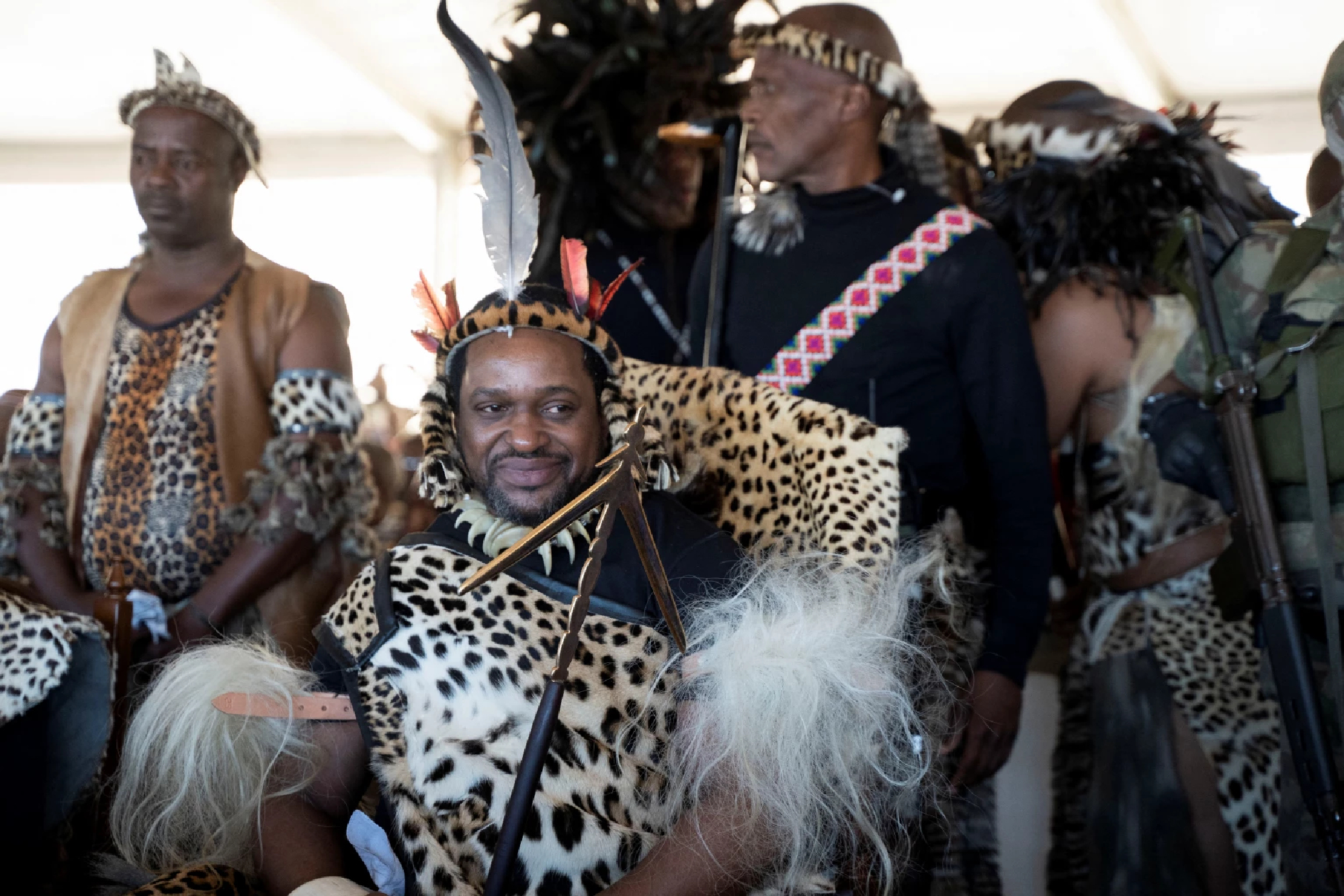
Thousands of traditionally dressed Zulu warriors and maidens descended upon KwaKhangelamankengane royal palace in KwaNongoma, to celebrate the traditional coronation of newly crowned Zulu king Misuzulu ka Zwelithini on Saturday.
The king was briskly swept into a private ceremony before meeting the chanting Amabutho warriors.
As he entered the cattle-pen, he was acknowledged by the Zulu nation as its new ruler.
Notable dignitaries including envoys from Swaziland, Zambia and South Africa attended the event.
The Zulu kingdom was thrown into disarray following the death of Goodwill Zwelithini, resulting in various succession battles and urgent court interdicts to halt the traditional coronation.
The ceremony marked Misuzulu ka Zwelithini’s acceptance by the kingdom as its new monarch.
A state ceremony is expected to take place at Moses Mabhida stadium later in the year.
A truck ploughed into a crowd near a filling station in the Derik district of Mardin in Turkey on Saturday, killing at least 20 people and injuring 29.
The accident happened as emergency services were attending the scene of another accident, according to video obtained by Reuters, which showed the green semi-trailer crashing into vehicles and pedestrians at high speed.
Turkish Health Minister Fahrettin Koca said eight of the wounded were in critical condition.
According to local reports, first respondents were attending to another accident when the truck lost control and drove into the site.
In another incident in the country, a further 16 people – including emergency workers and journalists – died when a bus crashed into an earlier accident site, regional governor Davut Gul from southeastern province of Gaziantep said. Another 20 people were wounded and received treatment.
Finland’s prime minister had good reason to go out and celebrate because her country is joining Nato, her Polish counterpart said on Friday, backing Sanna Marin’s party attendance as she faces a storm of criticism at home over leaked videos of the night out.
Video clips of the 36-year-old Marin partying with well-known Finnish influencers and artists began circulating in social media this week and were later published by media outlets in Finland and abroad.
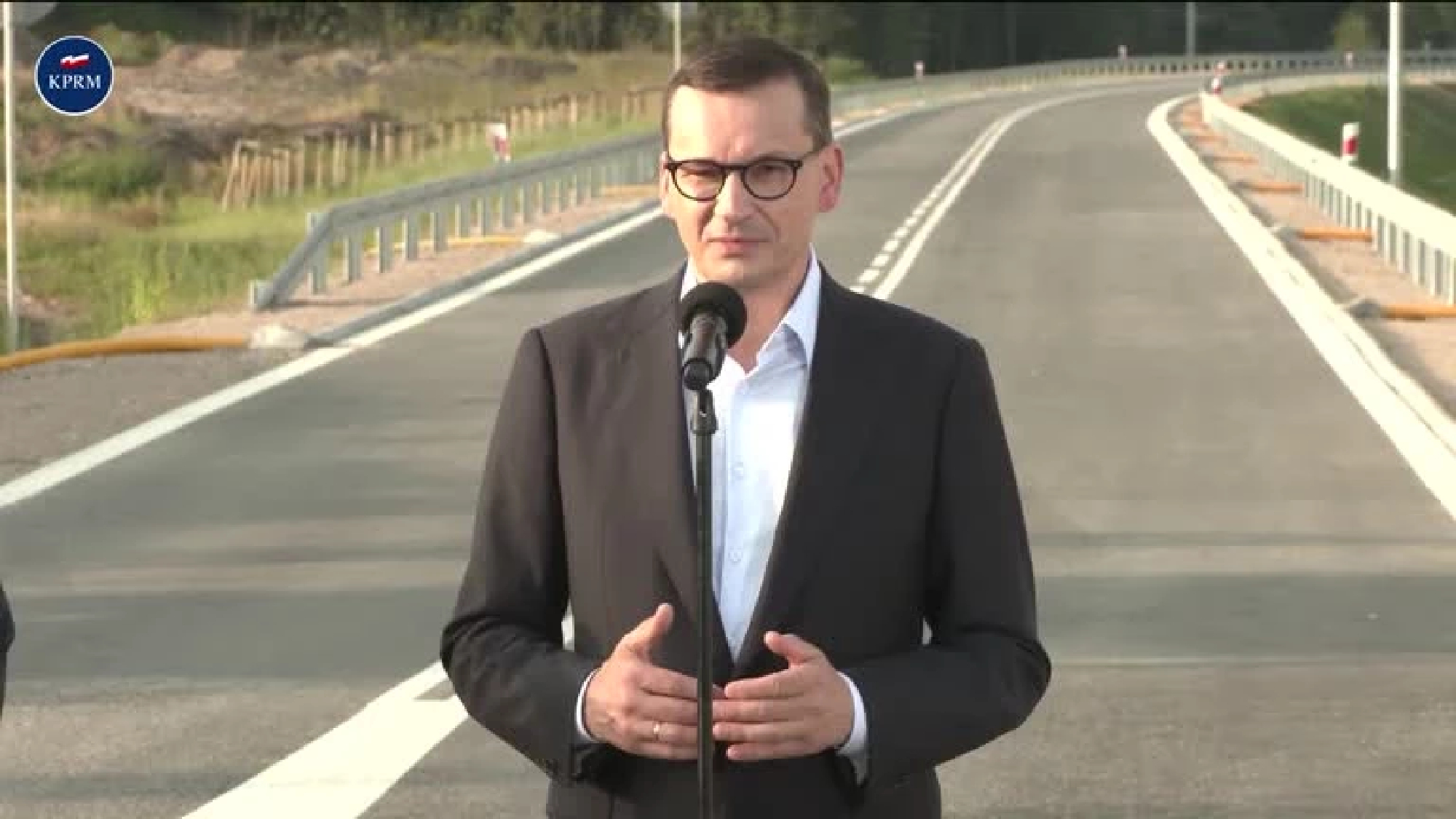
“The prime minister has a reason to be happy because Finland joined Nato,” Polish Prime Minister Mateusz Morawiecki told a news conference when asked about the videos.
“So if on this occasion the prime minister of Finland drank a little more Finlandia (a vodka brand) and because of this danced, there is nothing terrible in that,” he added.
Marin said on Friday she had taken a drugs test following the publication of video footage this week that showed her partying with friends. She vowed she had never used illegal drugs and said her ability to perform her official duties had remained unimpaired on the Saturday night in question.
Nato’s 30 allies signed the accession protocol for Sweden and Finland last month, allowing them to join the nuclear-armed alliance once all member states ratify the decision.
Poland has strongly supported Finland’s membership in the alliance.
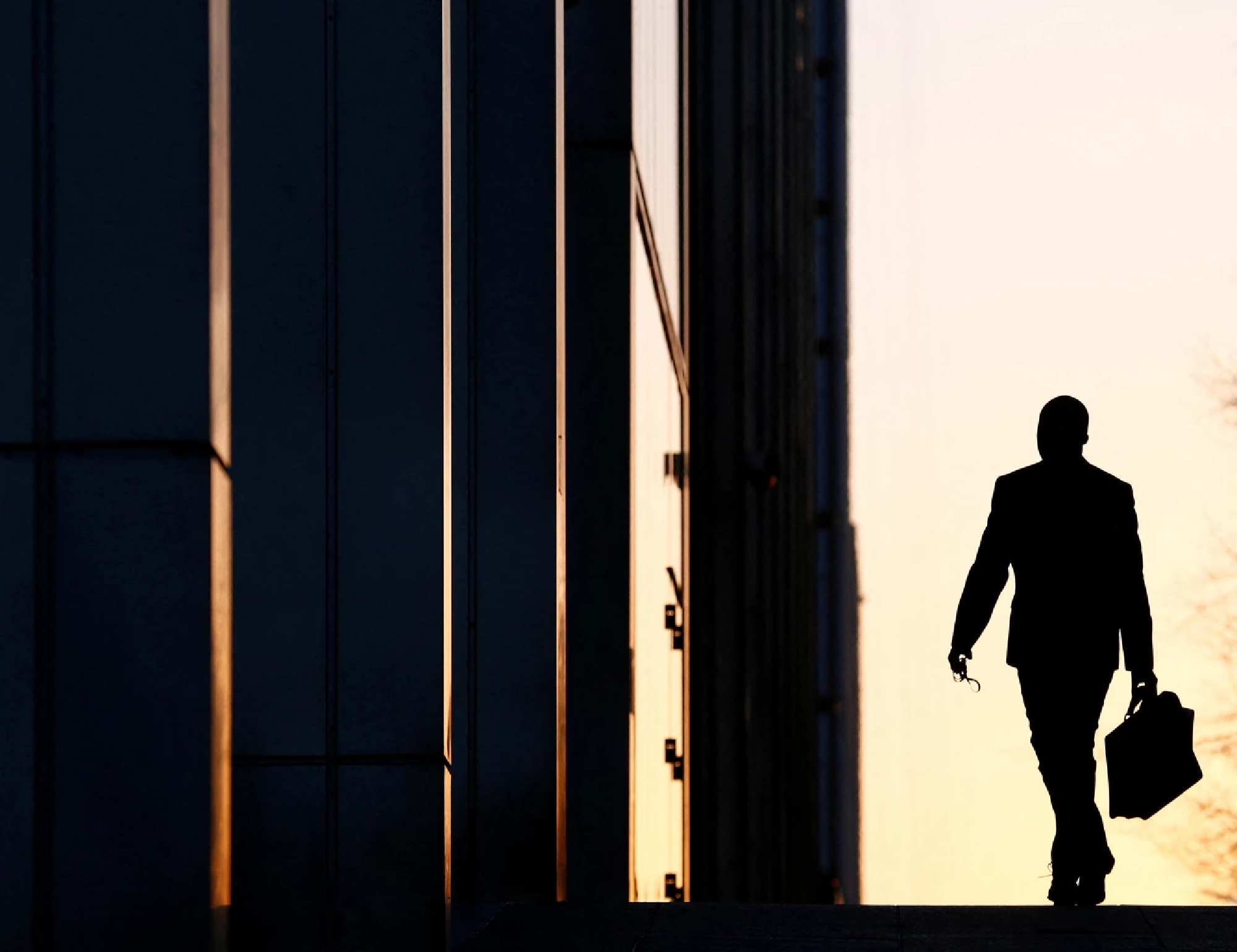
Nearly 18,000 Asia Pacific-based employees participated in PwC’s “Asia Pacific Workforce Hopes & Fears Survey 2022: Time for a rethink?”. Only 57% of employees across the region are satisfied with their job.
In the next 12 months, around one-third of employees surveyed plan to ask for a raise and the same proportion say they are likely to ask for a promotion. One in five intend to switch to a new employer.
These results should be a wake-up call for companies across the region, many of whom have already been grappling with a skill and talent shortage for years.
Raymund Chao, PwC Asia Pacific and China Chairman, commented, “People play a significant part in shaping the long-term strategic success of businesses. As the world continues to be disrupted, employees across Asia Pacific are rethinking their lifestyles, and work is topping the list.”
The dynamics of the workforce are changing at a rate not seen before, with demand for different ways of working continuing to evolve.
To address skills shortages, businesses need to invest in upskilling their people for the longer term that are mutually beneficial.
” Employees are also looking to their employers for more support in ethical decision-making and minimising their impact on the environment. By bringing the best of people and technology together, we can continue to build trust and deliver sustained outcomes,” Chao added.
Money matters, but so does meaning. With employees more empowered than ever, simply offering more pay is not the answer. In the current tight labour market, some sectors are offering hiring premiums of 20-40%.
This is not sustainable. 68% of workers want to be rewarded fairly, but they also value other things. 64% want work that provides a sense of fulfilment and meaning, and 62% want to be able to bring their authentic selves to work.
These priorities are the same regardless of whether employees work remotely, hybrid or always in-person.
When it comes to retaining talent, our survey shows that there is room for significant improvement for Asia Pacific-based organisations:
• Only 36% of employees surveyed say their employer supports workers with their physical and mental well-being.
• 66% of employees surveyed feel they lack support for ethical decision making.
• 73% of employees surveyed feel they lack support for minimising their company’s impact on the environment.
Upskilling needs to be mutually beneficial
According to our survey, less than half (45%) of employers are upskilling their workers. Too often, companies see upskilling as a short-term fix for plugging immediate skills gaps rather than a way to develop a strategically competitive workforce.
One-third say that their territory lacks people with the skills to do their job. Leaders need to think about upskilling in a more holistic way. This means considering the needs of both employees and the company over the longer term, as well as the changes in the wider market.
Norah Seddon, People & Organisation Leader, PwC Asia Pacific and Australia, commented, “While all stakeholders are important, the voices of employees are particularly critical. A company cannot be truly successful over the long term if its core purpose is not aligned with the values of the people that work for it.”
” An organisation’s stance is becoming increasingly important for attracting and retaining top talent. People are voting with their heads and hearts, and ultimately, their feet,” Seddon added.
Hybrid work is here to stay The survey has revealed that hybrid work is here to stay. 68% of Asia Pacific respondents think their employer will expect hybrid working in the next 12 months, and this is the preference for around the same proportion of employees. Across the region, only 10% of workers would prefer to work in person 12 months from now.
Although the majority of employees prefer hybrid work, companies need to be careful not to overlook those who work completely remotely or completely in person.
The 38% of workers who can’t work remotely are less likely to find their job fulfilling. At the other end of the scale, employees who work completely remotely are twice as concerned about being passed over for a promotion and are more likely to change jobs.
Chanchai Chaiprasit, CEO for PwC Thailand, added that supporting diversity and inclusion in the workplace is among the top agendas that Thai employees demand their employer’s support.
Indeed, 43% of those surveyed want their employers to accept differing opinions to create a work environment where everyone collaborates effectively.
According to the report, which also surveyed 1,000 Thai employees, 73% expect their employers to deploy a hybrid working model in the next 12 months, and only 4% prefer in-person work at the office. “Many organisations are gradually calling their employees back to the office as the COVID-19 situation begins to subside,” Chanchai said.
“But business leaders must also consider which working model suits their business and employees’ preferences in shaping their jobs. Today we must accept that employees want and expect their employers to implement workplace flexibility in the office due to the new normal that changes how we work. Without flexibility, it will cause employees to challenge the organisation’s policies and eventually lead to talent leaving the company, making this a sensitive issue,” he said.
Chanchai concluded that no matter which workplace model an organisation chooses, employees must be involved in sharing their opinions before implementing new company policies.
To further facilitate the new normal of work from anywhere, investment in new technologies will remain critical for organisations in the future.
A member of an Islamic State cell involved in a hostage-taking plot that led to the beheadings of American journalists and aid workers was sentenced to life in prison by a US federal court on Friday.
U.S. District Court Judge T.S. Ellis sentenced El Shafee Elsheikh, 33, during a hearing in a federal courtroom in Alexandria, Virginia, in a ruling the families and friends of his victims said provided “a bit of justice.”
Four months ago a jury found the former British citizen guilty of charges that included lethal hostage-taking and conspiracy to commit murder. He was found guilty in April.
After a six-week trial in April and hours of deliberation, the jury concluded that Elsheikh was part of an Islamic State cell, nicknamed “The Beatles” for their English accents, that beheaded American hostages in Iraq and Syria.
Elsheikh, who was born in Sudan and raised in London, was accused of conspiring to kill four American hostages: James Foley, Steven Sotloff, Peter Kassig and Kayla Mueller.
Foley and Sotloff, both journalists, and Kassig, an aid worker, were killed in videotaped beheadings. Mueller was raped repeatedly by the group’s leader at the time, Abu Bakr al-Baghdadi, before her death in Syria, U.S. officials have said.
The deaths of Foley, Sotloff and Kassig were confirmed in 2014; Mueller’s death was confirmed in early 2015.
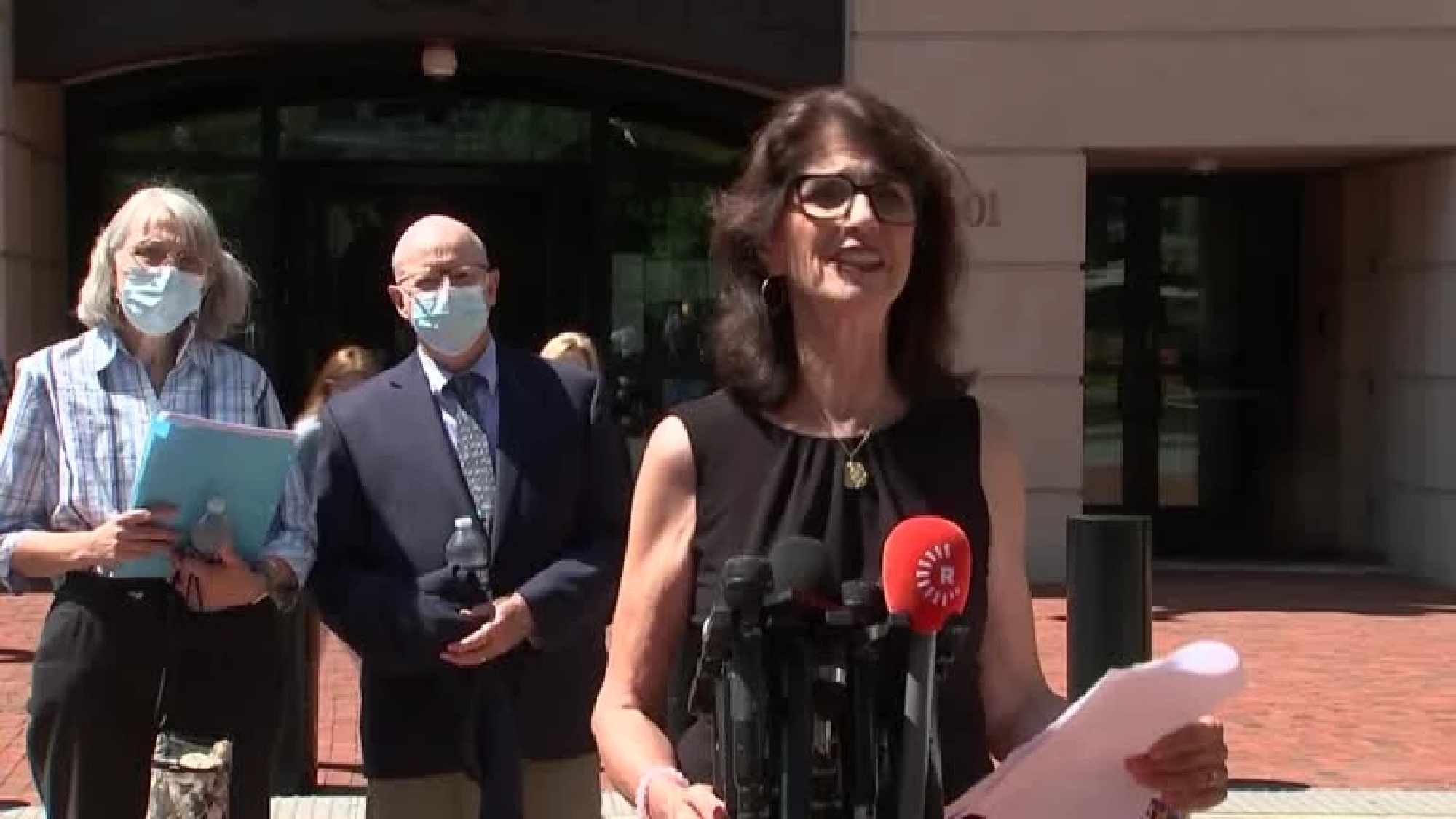
Speaking with reporters following the sentencing, Foley’s mother, Diane, said: “But as grateful as I am for this sentence, it is a hollow victory. Our country has lost four of its very best citizens. We families lost our loved ones forever. And now El Sheikh and Cody have lost their freedom, country and families. It’s a tragic cycle of violence and heartbreak for all involved.”
The charges against Elsheikh, whose British citizenship was withdrawn in 2018, carried a potential death sentence, but U.S. prosecutors had previously advised British officials that they would not seek the death penalty.
Prosecutors argued that a life sentence was needed to prevent Elsheikh from causing future harm and to set a precedent that such crimes will get strict punishment.
Another cell member, Alexanda Kotey, was sentenced to life in prison by a U.S. judge earlier this year. Kotey was held in Iraq by the U.S. military before being flown to the United States to face trial. He pleaded guilty last September to the murders of Foley, Sotloff, Kassig and Mueller.
A third member of the group, Mohammed Emwazi, died in a U.S.-British missile strike in Syria in 2015.
Russia’s state communications regulator said on Friday it was taking punitive measures against five foreign IT companies for violating online content laws, which could require search engines to include a disclaimer about the violations.
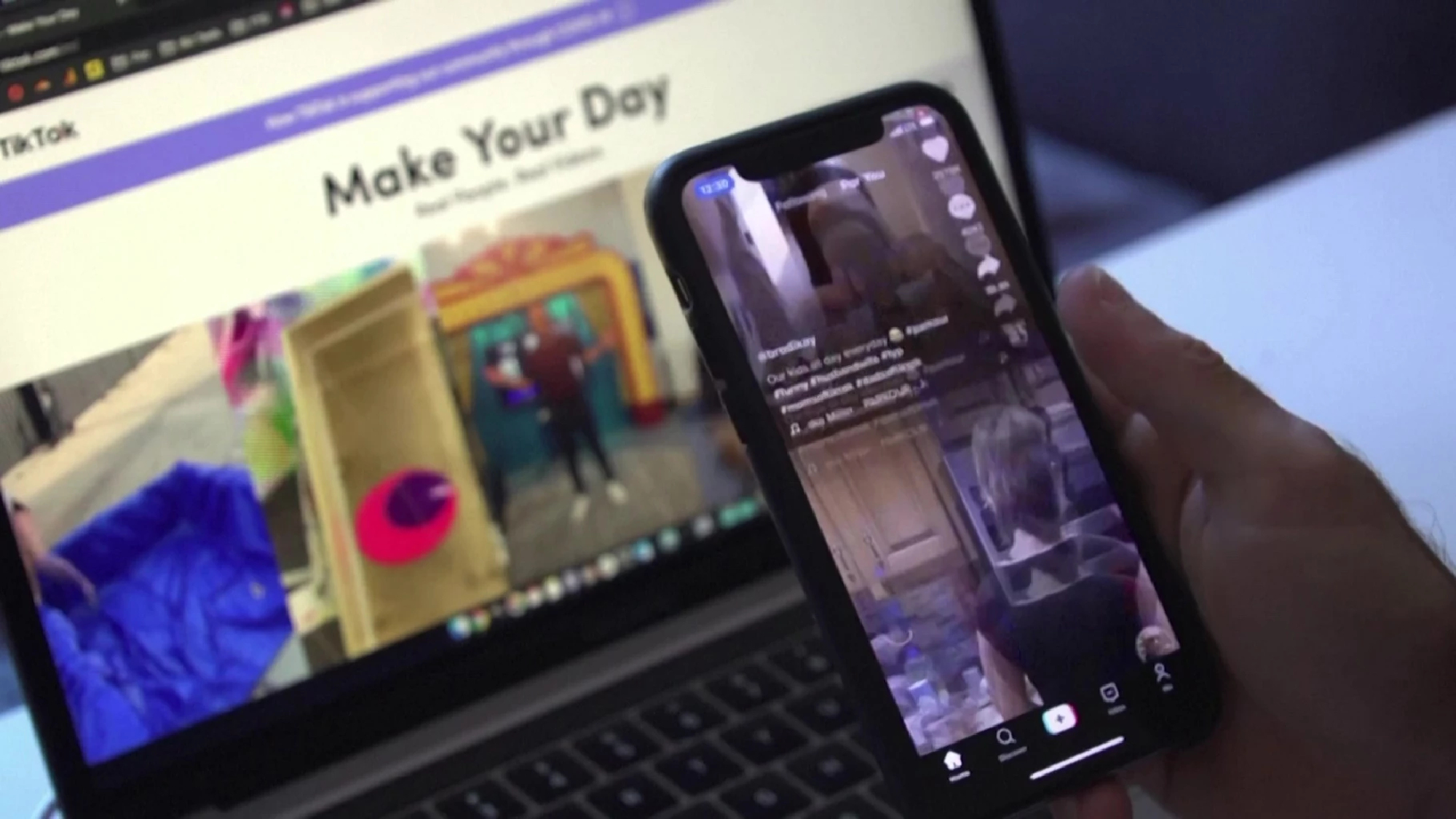
The regulator, Roskomnadzor, said it was imposing measures against ByteDance’s TikTok, Telegram messaging service, Zoom Video Communications ZM.O, chat tool Discord and Pinterest PINS.N.
In a statement, Roskomnadzor said that the measures were in response to the companies’ failure to remove content that it had flagged as illegal, and would remain in place until they complied.
None of the companies immediately responded to written requests for comment.
Roskomnadzor did not specify precisely what measures would be taken. Russia’s dominant Yandex YNDX.O search engine already carries a disclaimer for some other websites that reads: “Roskomnadzor: website violates Russian law.”
“Roskomnadzor has decided to apply enforcement measures … in the form of internet users being informed by search engines about the companies’ violations of Russian legislation,” the regulator said.
Russia has fined several, mostly foreign tech firms for not deleting content it deems illegal. It has also warned sites against violating a law passed in early March that prohibits “discrediting” the armed forces, with a sentence of up to 15 years.
On Tuesday, Russian courts fined Amazon’s AMZN.O live streaming unit Twitch 2 million roubles ($33,900) and Telegram 11 million roubles for hosting content that Moscow said contained “fake” information concerning events in Ukraine.
Russian lawmakers in July approved a bill providing for stricter penalties for foreign internet companies, including the search engine disclaimer.
The first 78 Chilean lawmakers to be submitted to drug tests were chosen this week through a lottery in accordance to a regulation approved on July regarding the use of illicit drugs.
In an attempt to bring more transparency to congress, every six months members of the Chamber of Deputies will be chosen randomly to go through a hair analysis to determine if they have used drugs.
For right-wing lawmaker Juan Antonio Coloma this will be a way to show the people that lawmakers legislate without external pressure from drug dealers.
Others have spoken out against it. For left-wing lawmaker Tomas de Rementeria the measure is ‘just a spectacle’ as there will be no accountability for anyone who tests positive.
According to the regulation, the results will be public and if a lawmaker tests positive their bank account information could also be made public.
The Chamber of Deputies has 155 members and the aim of the test is that each lawmaker is examined twice during their four-year term.
Anyone who refuses can be referred to the chamber’s ethics committee.
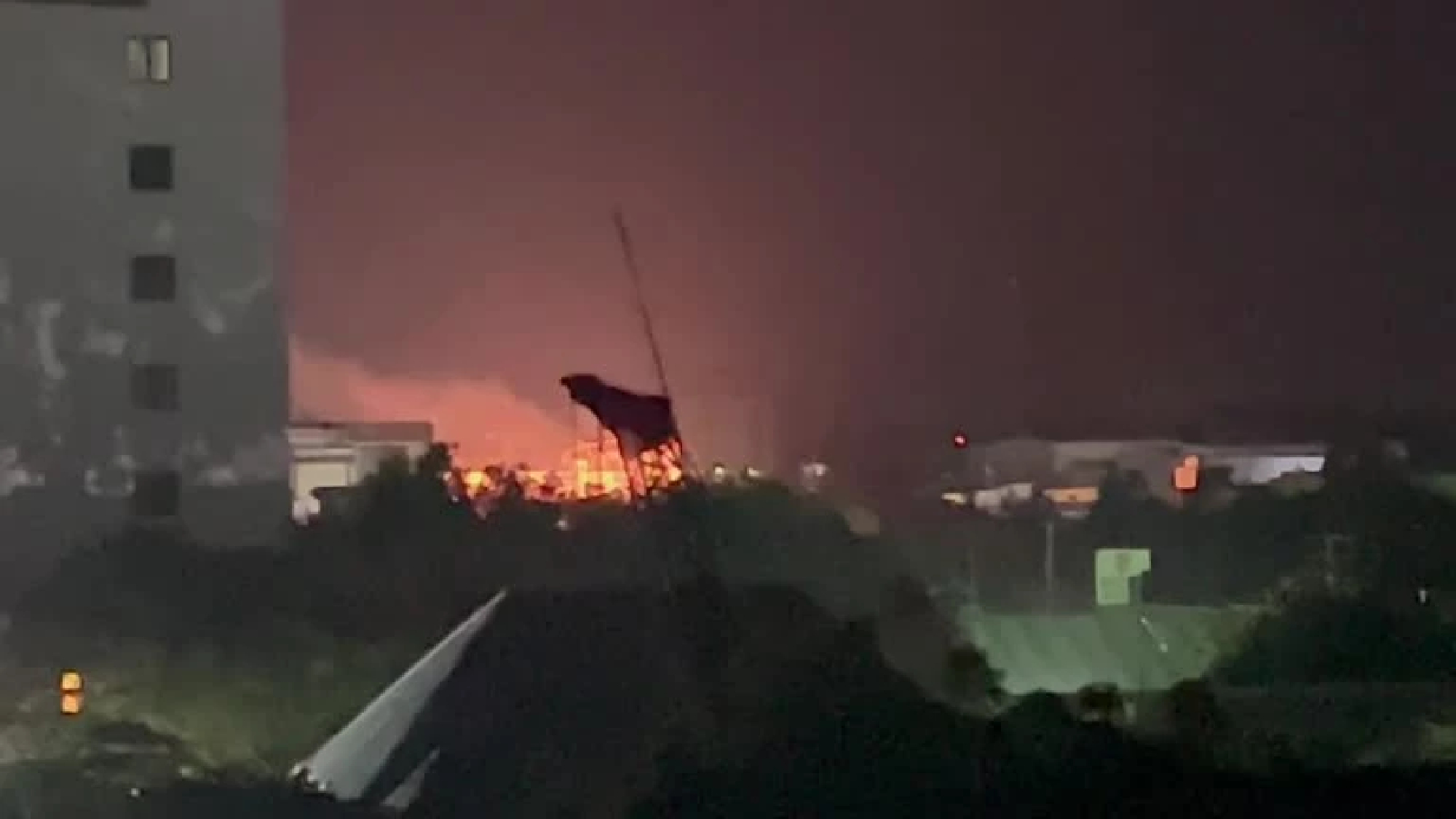
Europe’s worst drought in years has pushed the mighty river Danube to one of its lowest levels in almost a century, exposing the hulks of dozens of explosives-laden German warships sunk during World War Two near Serbia’s river port town of Prahovo.
The vessels were among hundreds scuttled along the Danube by Nazi Germany’s Black Sea fleet in 1944 as they retreated from advancing Soviet forces, and still hamper river traffic during low water levels.
However, this year’s drought – viewed by scientists as a consequence of global warming – has exposed more than 20 hulks on a stretch of the Danube near Prahovo in eastern Serbia, many of which still contain tonnes of ammunition and explosives and pose a danger to shipping.
“The German flotilla has left behind a big ecological disaster that threatens us, people of Prahovo,” said Velimir Trajilovic, 74, a pensioner from Prahovo who wrote a book about the German ships.
Strewn across the riverbed, some of the ships still boast turrets, command bridges, broken masts and twisted hulls, while others lie mostly submerged under sand banks.
By Prahovo, some of the hulks have narrowed the navigable section on this stretch of the Danube to just 100 meters (330 feet) from 180 meters.
In March, the Serbian government invited a tender for the salvage of the hulks and removal of ammunition and explosives. The cost of the operation was estimated at 29 million euros ($30 million).