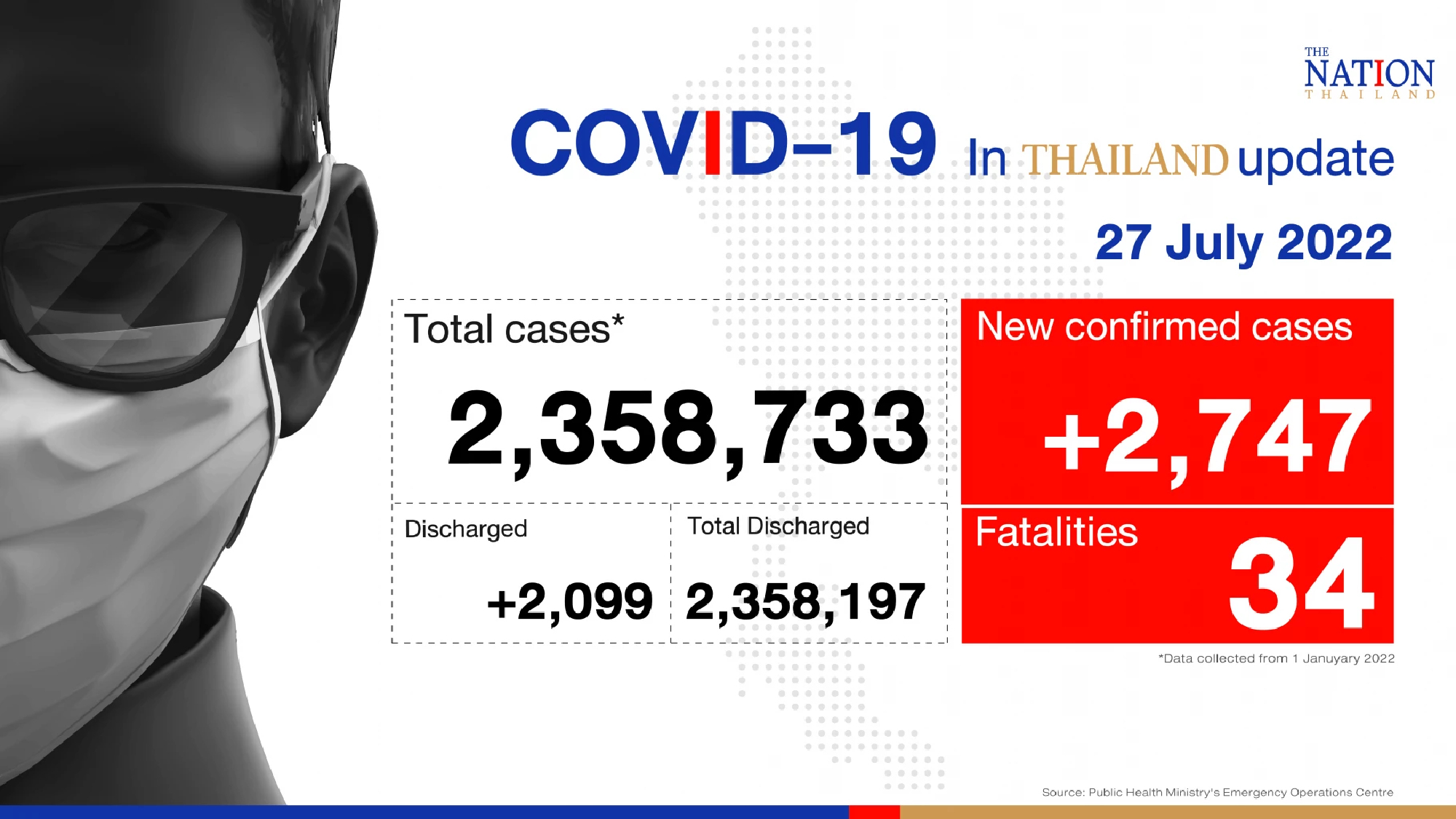
The Public Health Ministry reported on Wednesday (July 27) that over the past 24 hours, 2,747 Covid-19 patients have been admitted to hospitals.
The death toll has risen by 34, while 2,099 patients have recovered and discharged from hospitals.
The number of cumulative cases in the country since January 1, 2022, stands at 2,358,733 with 9,560 deaths.
The country’s total caseload from Covid-19 stands at 4,582,168 – 4,526,691 of whom have recovered, 24,219 are still in hospitals and 31,258 have died.
Separately, another 7,359 people were given their first Covid-19 shot in the last 24 hours, 14,614 their second shot and 54,930 a booster, bringing the total number of Covid-19 vaccine doses administered nationwide to 141,344,843.
According to Worldometer, confirmed cases globally had risen to 577.37 million on Wednesday, 547.2 million of whom have recovered, 23.77 million are active cases (41,663 in severe condition) and 6.41 million have died (up by 1,848).
Thailand ranks 27th in the global list of most cases, which is topped by the US with 92.49 million, followed by India with 43.94 million, Brazil with 33.66 million, France with 33.63 million and Germany with 30.6 million.
Two beaches in Thailand feature in a list of the world’s most beautiful beaches published by a UK news outlet this month, government spokesman Thanakorn Wangboonkongchana said on Tuesday.
The UK’s Daily Star newspaper analysed Instagram posts and Google articles on beaches containing the word “beautiful” to reveal the top 20 most beautiful beaches in the world.
Satun’s Sunrise Beach and Krabi’s Maya Bay were ranked 6th and 12th, respectively.
The top three beaches on the list were Venice Beach (Los Angeles), Australia’s Byron Bay and the Philippines’ El Nido.
“The premier [Prayut Chan-o-cha] is pleased with the results, which demonstrate the confidence, popularity and impact of Thailand’s natural attractions,” Thanakorn said.
He said the government was focused on its tourism stimulus plan to boost foreign arrivals this year.
The Tourism Authority of Thailand expects to see the current level of 1 million foreign travellers per month rise to 1.5 million from October to December. It forecasts total arrivals this year of 10 million, bringing tourism revenue of 1.5 trillion baht.
British Airways (BA) has announced that it will suspend flights to Bangkok until next year due to low tourist traffic.
The airline was initially scheduled to resume London-Bangkok flights in November after suspending flights since December last year due to low demand.
Tourism operators were hoping the airline would resume flights to Bangkok during the high season, but travel news agency TTG Media said Thailand is not high on BA’s list for flight resumption. This is because this route yields low tourist traffic and there is tight price competition from Middle East carriers.
“We regularly keep our extensive global network under review and have taken the decision to extend the suspension of our Bangkok service,” BA was quoted by TTG Media as saying.
“We’re in contact with affected customers to apologise, advise them of their consumer rights and offer them alternative options, including a refund or rebooking,” the airline added.
BA is now offering flights to Bangkok in collaboration with Qatar Airways, with passengers changing flights in Doha.
Apart from BA, Bangkok is losing another flight from the United Kingdom. The budget airline Scoot has announced that it will suspend its newly launched Gatwick-Bangkok-Singapore route from August 21. However, Scoot said it may reinstate the flights at the end of October, in time for the high season.
Currently, only Thai Airways and EVA Air offer direct flights from London’s Heathrow to Bangkok.
The Cabinet on Tuesday approved the fifth phase of the “Khon La Khrueng” (Let’s Go Halves) co-shopping subsidy scheme, which will run from September 1 to October 31.
Under the scheme, the government covers 50 per cent of bills for food and basic necessities when paid via the Pao Tang app at participating shops. The subsidy is capped at 150 baht per day at a total of 800 baht per person, down from 1,200 baht in the previous phase that ran from February to April this year.
The government expects 26.5 million people to register for the fifth phase, which will cost the country close to 21.2 billion baht. The scheme will be funded by what is left from the 500 billion baht borrowed by the Finance Ministry to tackle the Covid-19 crisis.
Finance Minister Arkhom Termpittayapaisith said earlier that the new phase will be carefully considered and adjusted to suit the current situation and available funds.
The fourth phase recorded the spending of 61.83 billion baht, of which 31.49 billion baht came from the 26.27 million registrants and 30.34 billion baht from the government.
The “Khon La Khrueng” scheme was introduced in October 2020 to stimulate spending after Covid-19 lockdowns hit the economy. The first phase capped the spending per person at 3,000 baht. Only Thai nationals aged 18 and above who are not holders of a state welfare card are eligible for the scheme.
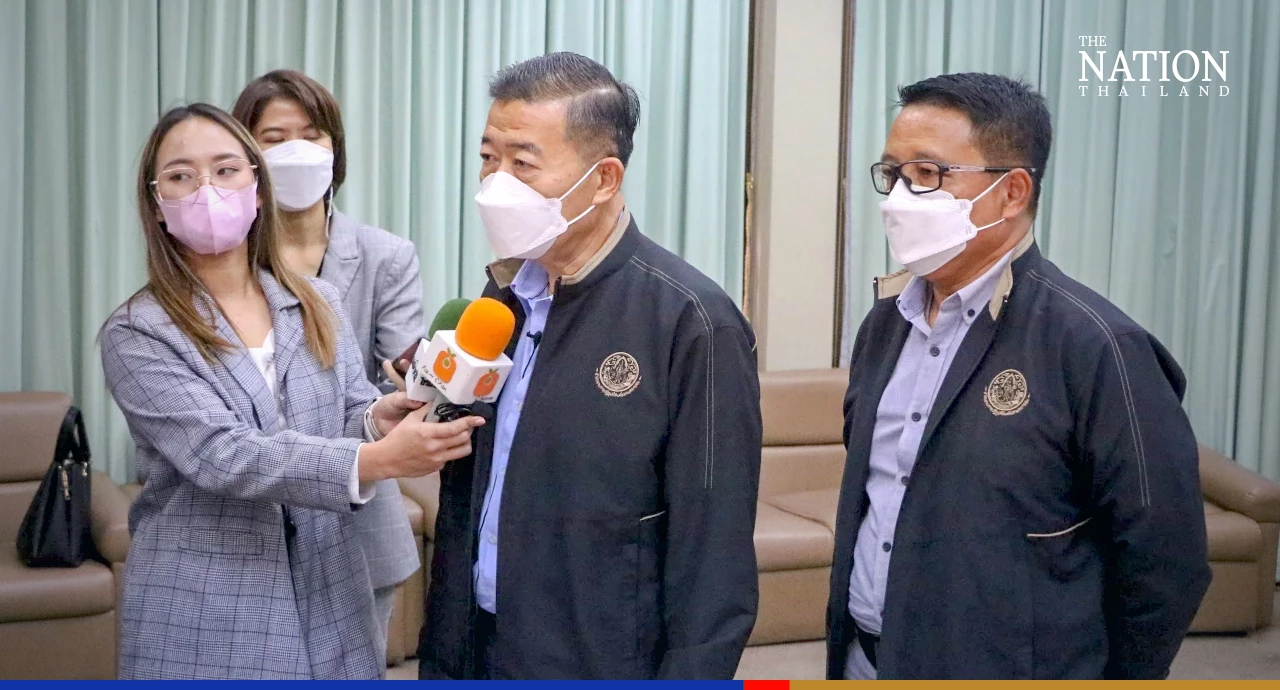
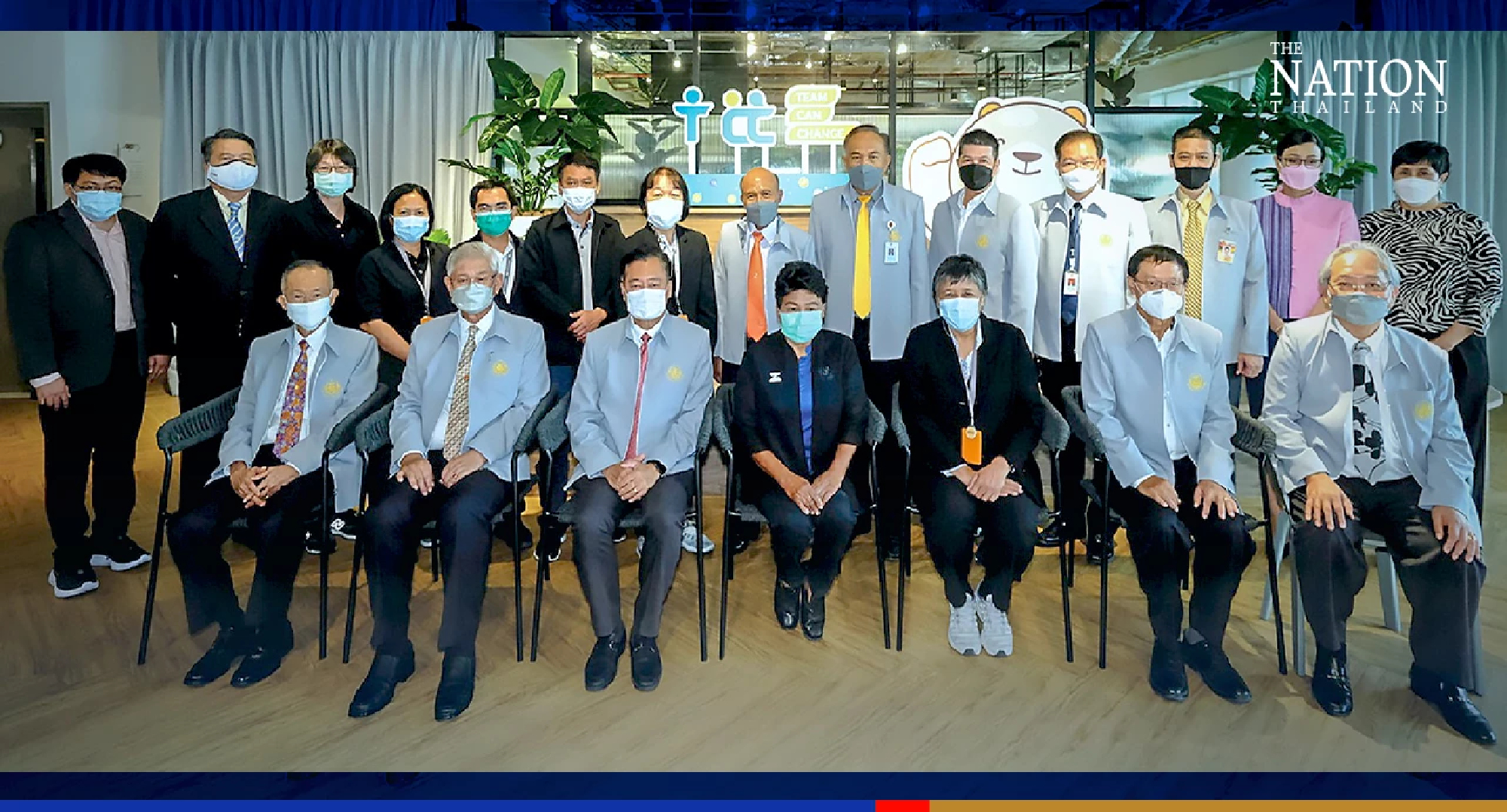
The Thailand Consumers Council (TCC) has asked the Senate for help in tackling eight everyday issues that disrupt life in Thailand for consumers.
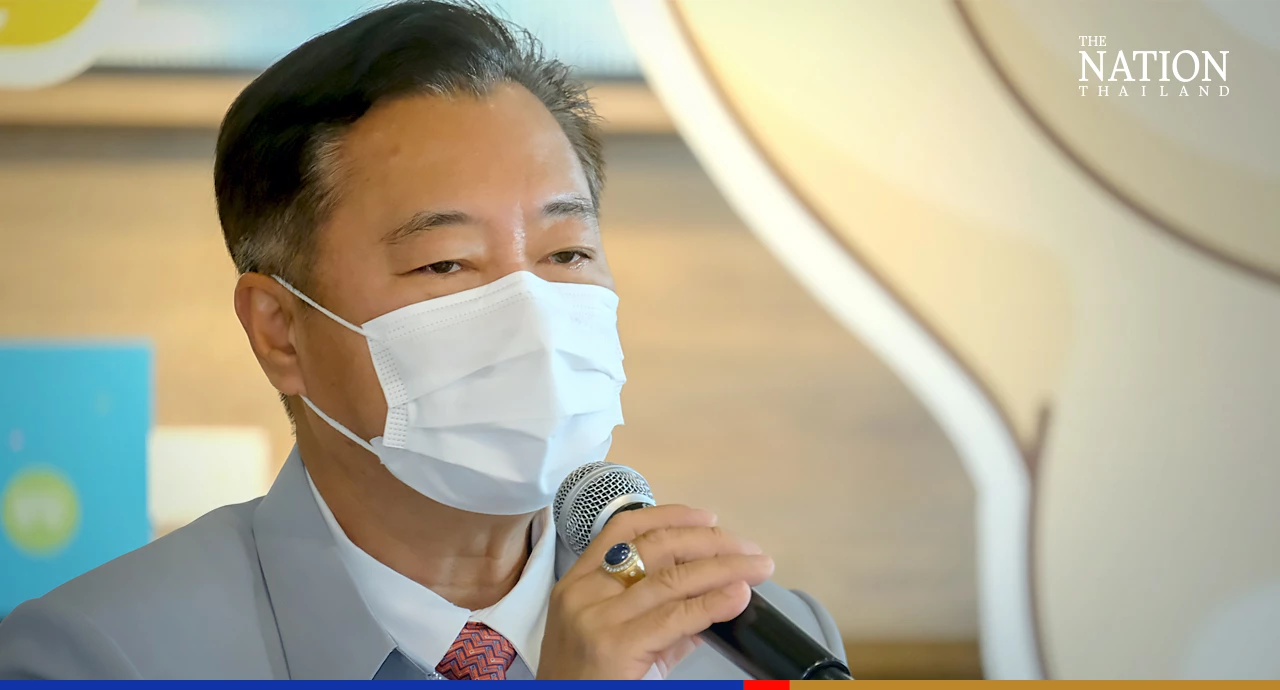
The TCC raised the issues on Monday in talks with the Senate committee on human rights, rights and liberty, and consumers protection, led by Somchai Sawangkarn.
The issues covered health, finance, telecommunications, transport, property and accommodation, medicine, goods and services, public utilities and the environment.
According to Somchai, the eight issues discussed at the TCC were:
– The high cost of public transportation
– Being cheated by sellers of defective goods
– High cost of services at private hospitals
– Being taken advantage of by public service operators
– Abuse of marijuana as a recreational herb and food ingredient
– Bureaucratic obstacles to installing household solar-panel systems
– Scammers sending SMS messages, and calls from call-centre gangs
– Being taken advantage of by property developers
The TCC asked the Senate panel to press the Cabinet to cap the cost of travel by public transport at 10 per cent of the minimum wage.
It also sought their cooperation in halting recreational marijuana use and clearing red tape for household installation of solar panels to save on electricity costs.
The TCC urged the senators support its proposal that private hospitals adopt National Health Security Office (NHSO) standard prices for treatment in emergency cases. It explained that emergency patients had gone bankrupt after being admitted to private hospitals because their prices were too high.
Somchai said the TCC also asked the Senate to push for a bill requiring sellers and manufacturers to take responsibility for goods found to be defective.
Meanwhile, the consumer watchdog wanted the Senate to prod the government for tighter measures to combat call-centre scammers.
TCC also sought help in preventing property developers from seizing deposit payments for houses or condo units when buyers cannot get a bank loan.
Somchai advised the TCC to coordinate and share information with the Office of the Consumer Protection Board to improve protection of consumers across the eight aspects of public life.
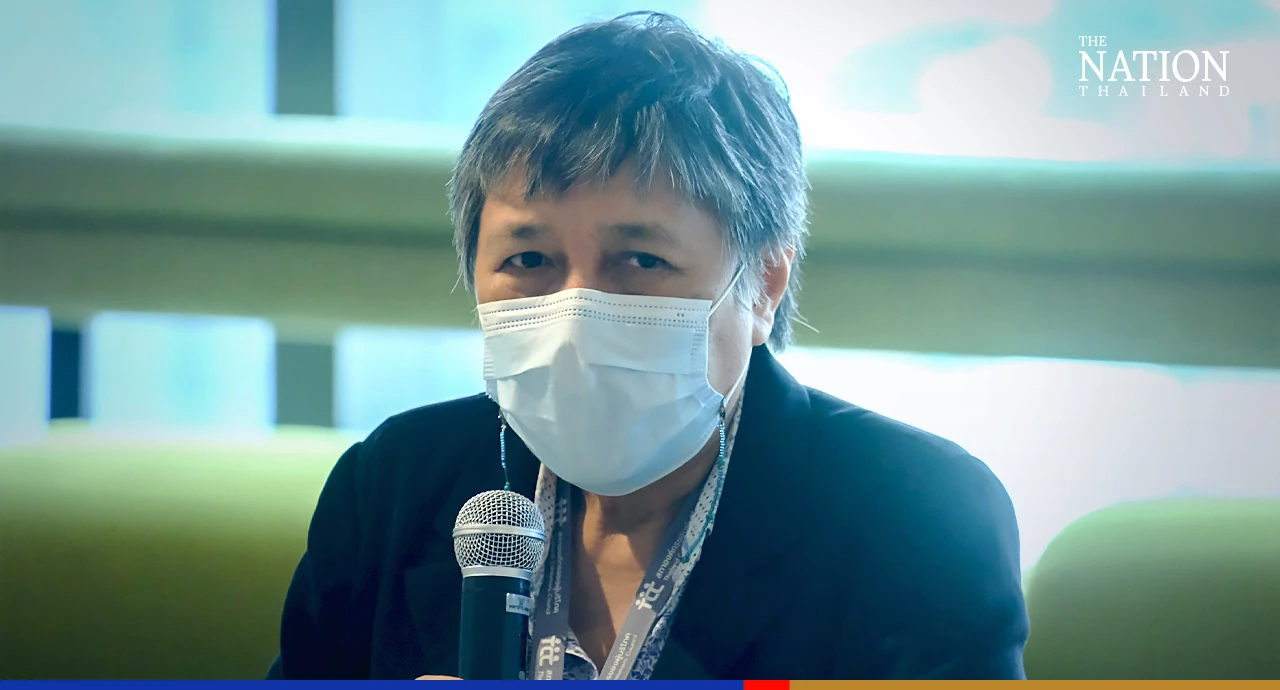
Senate panel secretary Thanad Manaphanniyom said the TCC should also respond to consumer complaints by inviting the businesses in question for negotiations – and file civil lawsuits if talks failed.
Thanad said medical service costs in private hospitals were set by the Medical Council of Thailand. TCC’s Saree countered that they were still too high because the medical council set salaries of doctors far too high, resulting in bankruptcies for many patients admitted in case of emergency. He said the TCC is urging the Internal Trade Department to push private hospitals to use NHSO prices for emergency cases.
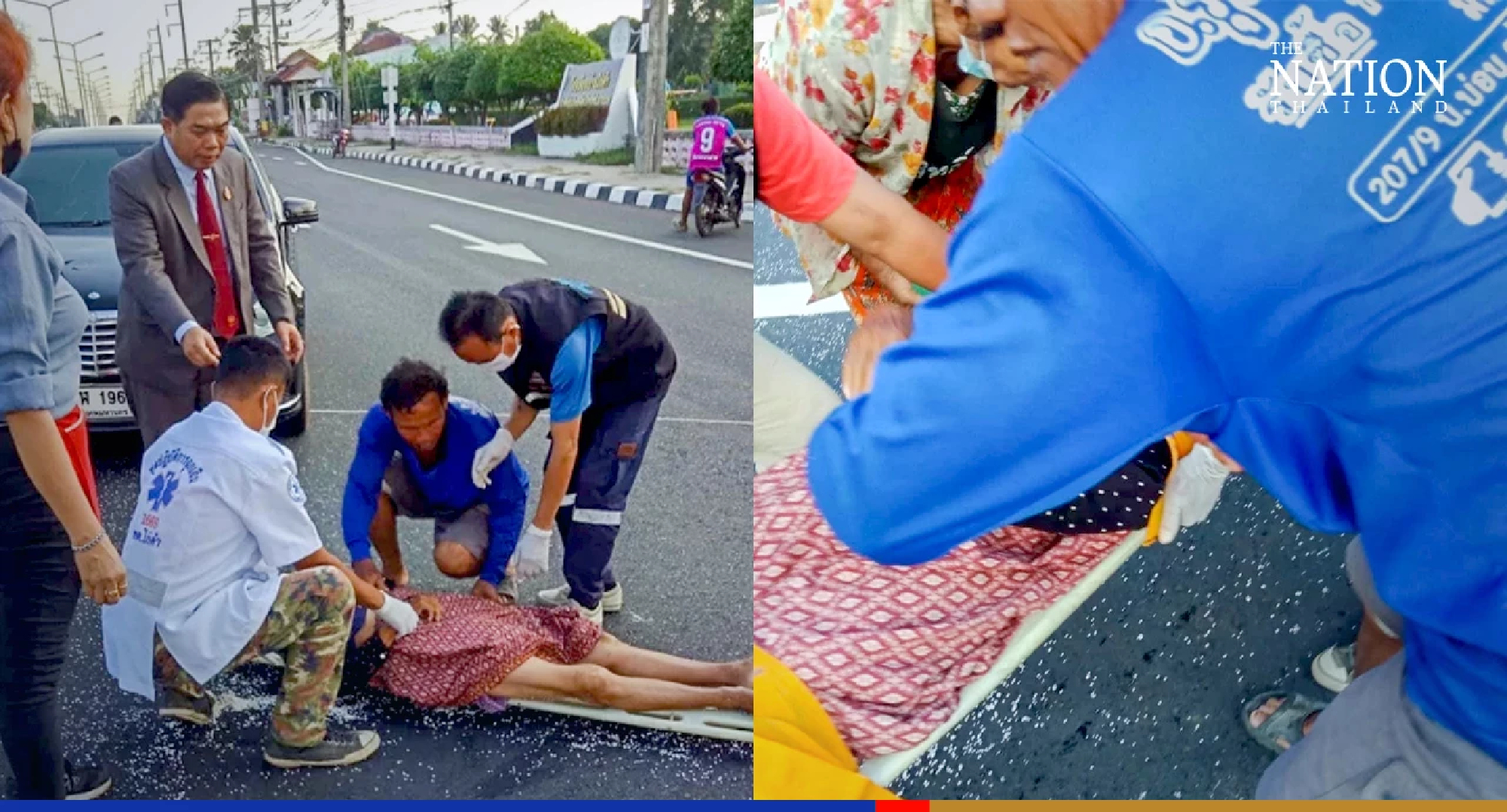
A car carrying Pheu Chart Thai party leader and MP Khathathep Tejadejruangkul hit and fatally injured a 77-year-old woman in Amnat Charoen on Tuesday morning.
The victim, identified as Pua Pholthanee, was run over while she was crossing a road in Muang district. She was rushed to hospital but succumbed to her injuries soon after.
Khathathep said he did not flee the scene as reported by some online media, but waited at the scene until the woman was taken to hospital.
The MP was rushing to Ubon Ratchathani Airport, so he could catch his flight to Bangkok, where he was scheduled to attend a House meeting. He said after he was dropped off at the airport, he instructed his driver to visit the victim in hospital, but she has died by the time he got there.
The MP explained that the accident took place because the road had a sharp turn and the driver was unable to brake in time when the woman suddenly decided to cross. He said the driver has been taken into police custody for interrogation.
Khathathep added that he had heard the woman was usually helped across the road, but she decided to tackle the crossing on her own on Tuesday.
He added that once the House meeting is wrapped up on Tuesday, he will return to Amnat Charoen to attend the funeral and provide all necessary aid to the woman’s relatives.
The MP said he has yet to hear what charges his driver will face.
Pheu Chart Thai is a micro party that is part of the ruling coalition.
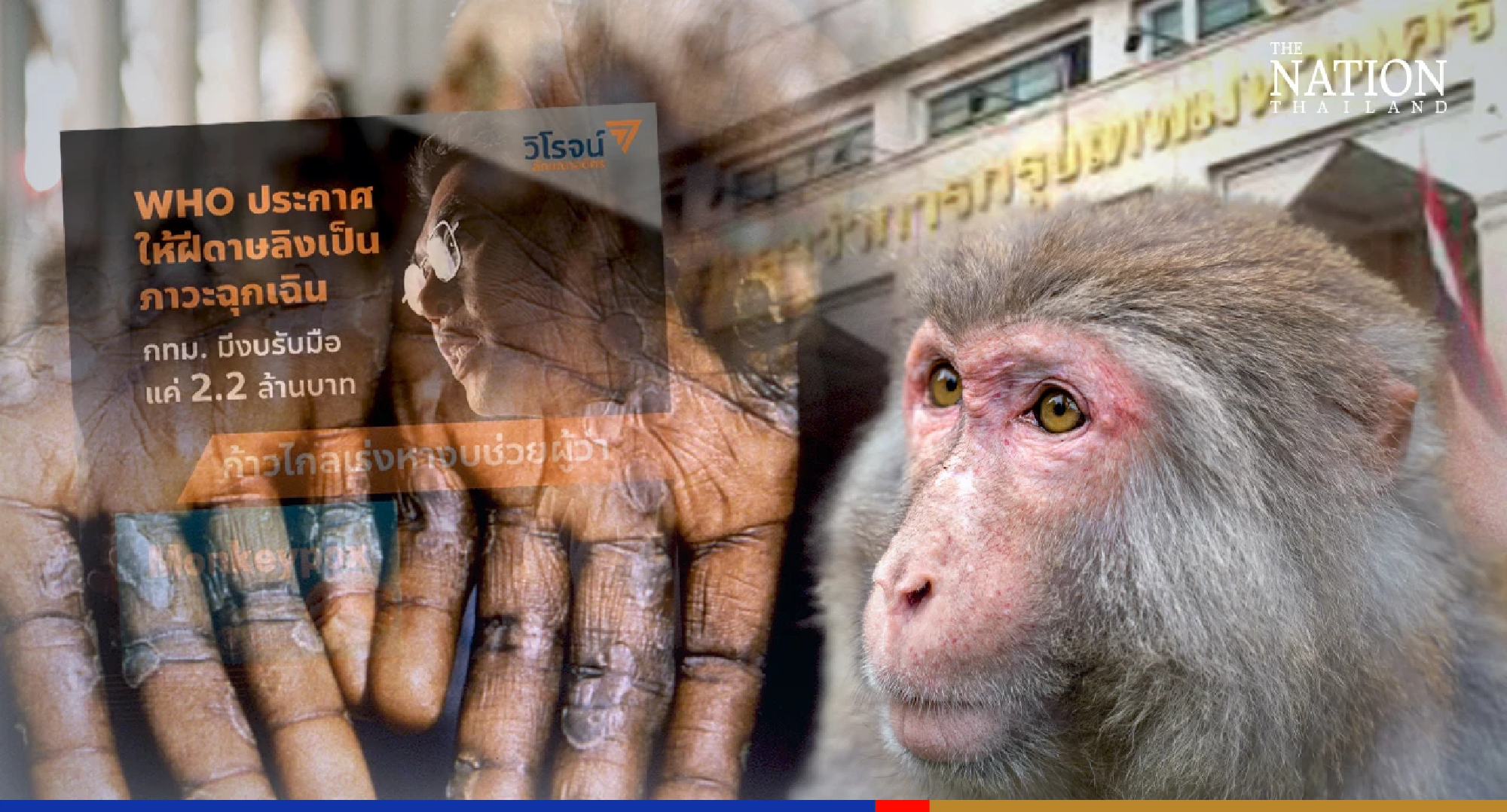
The Bangkok Metropolitan Administration (BMA) has only allocated 2.18 million baht to tackle outbreaks during the 2023 fiscal year, a former gubernatorial candidate claimed recently.
In a Facebook post, former Move Forward candidate Wiroj Lakkhanaadisorn also said that BMA has only earmarked 500 million for emergencies.
“This proves that the BMA did not use the Covid-19 pandemic as a lesson when seeking funds to tackle outbreaks,” he said.
He added that his party’s representatives who are part of the Bangkok Metropolitan Council will push to reduce unnecessary expenses, so more funds are available for dealing with monkeypox.
Wiroj said that even though monkeypox symptoms are not worrisome, the spread of the disease will cause fear among people and have an impact on economic recovery.
To prevent this, he said, the Public Health Ministry should put in place measures in which travellers from countries at risk of monkeypox are screened. He also advised the ministry to create awareness among people and prepare a health system to contain the spread of the disease.
“I believe the Public Health Ministry will use the Covid-19 pandemic as a lesson and will not allow monkeypox to get out of hand so it affects the economy and people’s lives,” he said.
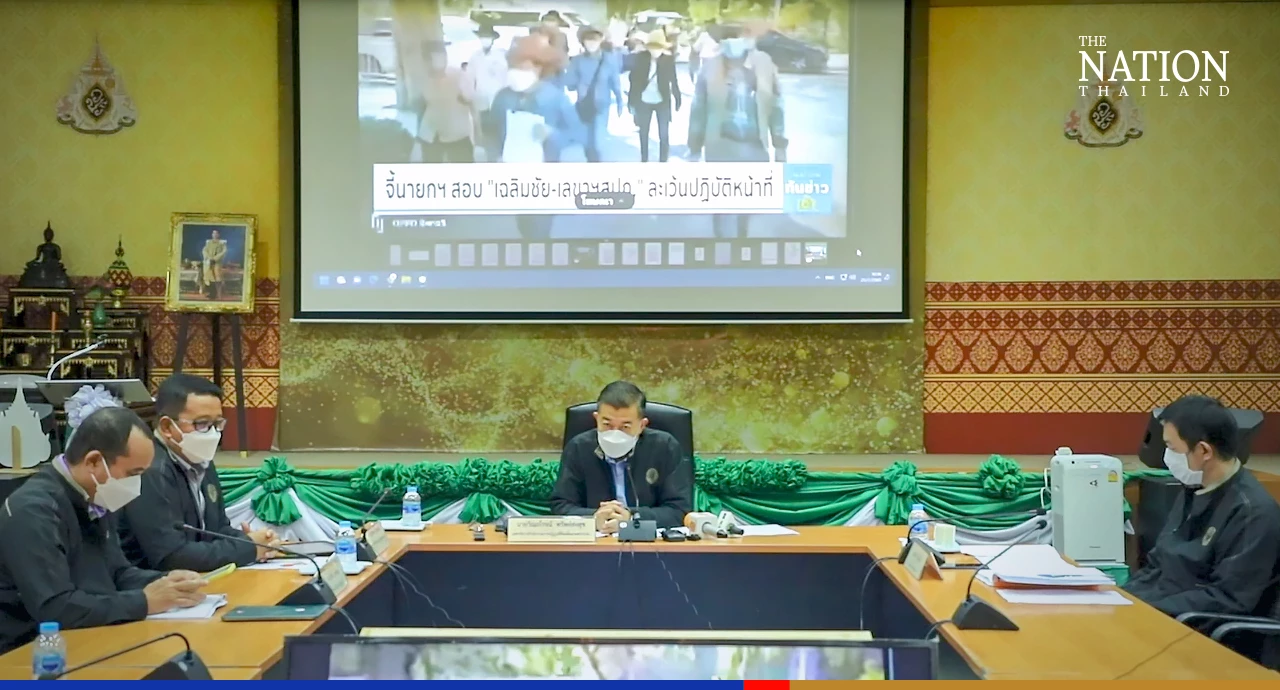
The Agricultural Land Reform Office (ALRO) never allowed Akara Resources to explore or mine gold, the office’s top official said on Monday.
Secretary-general Vinaroj Supsongsuk made the remark after an organisation, Civil Society to Reform the Resources and Gold, urged the government to investigate Forest Act enforcement on residential lands where the multinational gold mining firm has licence to mine gold in five provinces — Phitsanulok, Phetchabun, Phichit, Lopburi and Saraburi.
Vinaroj stressed that anyone who wants to explore or mine gold in the area must first request permission from the ALRO.
In the case of Forest Act enforcement on ALRO’s 150,000 rai land in Lopburi, he said the land belongs to the Royal Forest Department.
He added that the forest department will allocate the aforementioned land to residents under the land allocation project for communities in accordance with the government policy.
Vinaroj added that the ALRO and leaders of Civil Society to Reform the Resources and Gold will set up a working team to tackle various issues related to land in the five provinces.
He added that Land Reform Operation Bureau and Legal Affairs Bureau directors will survey lands in Saraburi and Phetchabun provinces to investigate the case as soon as possible.
“ALRO will accelerate the investigation to relieve uncertainties among people,” he said.
He added that the office will report this issue to Agriculture and Cooperatives Minister Chalermchai Sreeon as well.
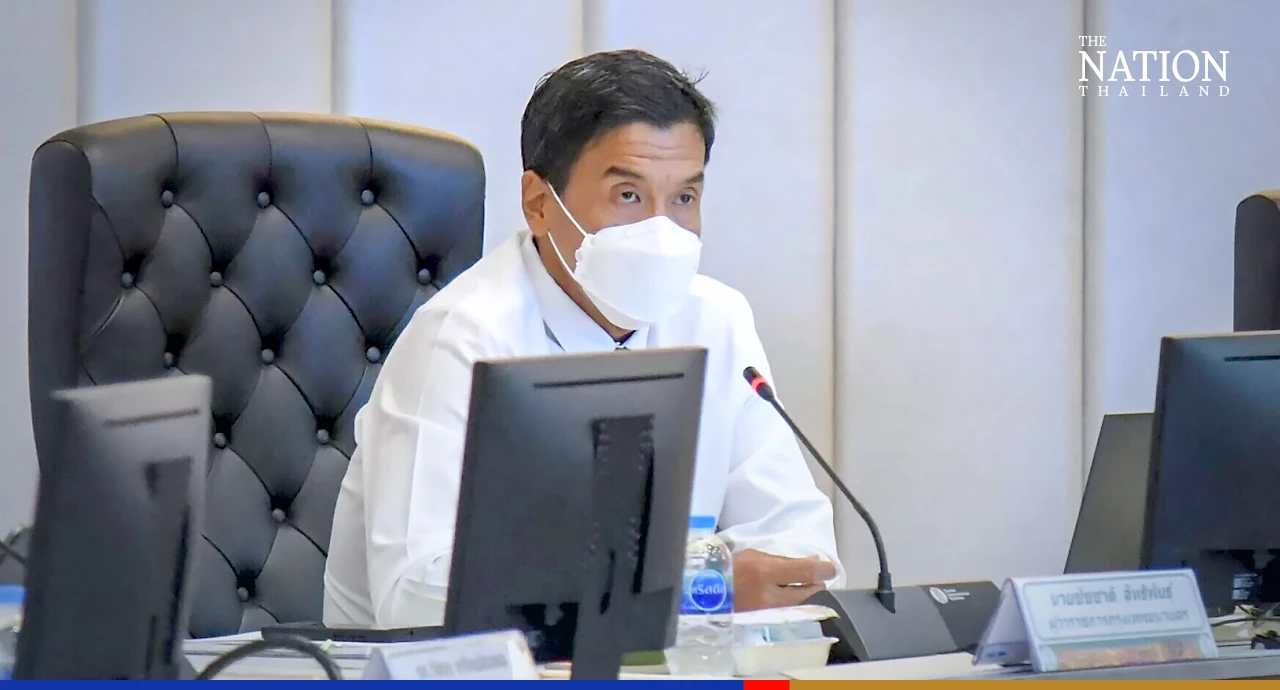
City Hall has come up with a 16-point action plan to tackle Bangkok’s battle with air pollution.
Bangkok Governor Chadchart Sittipunt met representatives from the Natural Resources and Environment Ministry on Monday to establish a joint task force.
The 16-point action plan is as follows:
1. Researching the causes of PM2.5
2. Launching a “dust detective” project
3. Providing protective gear to people in vulnerable groups
4. Checking all factories in Bangkok for pollution
5. Using CCTV to track vehicles emitting black smoke
6. Banning builders from using vehicles that cause pollution
7. Developing an accurate PM2.5 forecasting and warning platform
8. Promoting the Traffy Fondue app as a central platform to receive complaints related to air pollution and providing progress updates
9. Monitoring activities that can create dust, such as cremation, burning of incense
10. Developing an open data platform to provide comprehensive information on PM2.5
11. Working with related agencies to inspect vehicles emitting black smoke in city areas
12. Promoting the use of electric vehicles among Bangkok Metropolitan Administration (BMA) agencies
13. Inspecting all construction sites for pollution
14. Inspecting all BMA service vehicles for emission
15. Increasing the number of PM2.5 monitoring stations in Bangkok from 70 to 1,000
16. Setting a “BKK Clean Air Area” where activities that may cause air pollution will be restricted
Chadchart said some of these measures have already been implemented because BMA has been dealing with the PM2.5 problem for several years now. He believes that with cooperation from related agencies, including the police and the Department of Land Transport, Bangkok should see a significant drop in PM2.5 levels by the end of 2023.
PM2.5 refers to dust particles that are 2.5 micrometres or smaller in diameter and can be easily inhaled. Long-term exposure to such fine particles has been linked to many chronic diseases, including acute lung and heart problems.
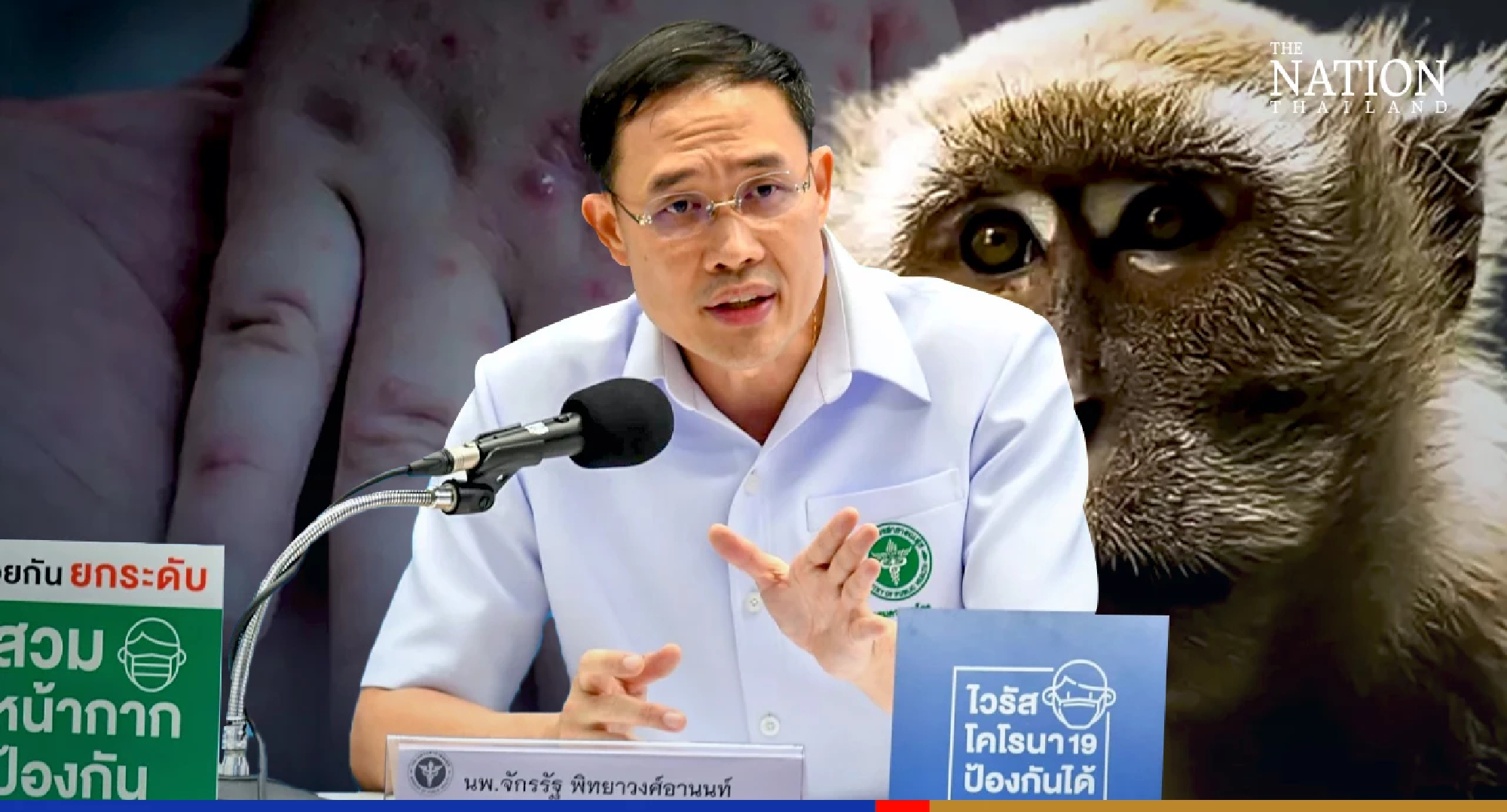
Monkeypox will be considered a “communicable disease under surveillance” for now, the Public Health Ministry said, adding it sees no need to upgrade it to “dangerous communicable disease” yet.
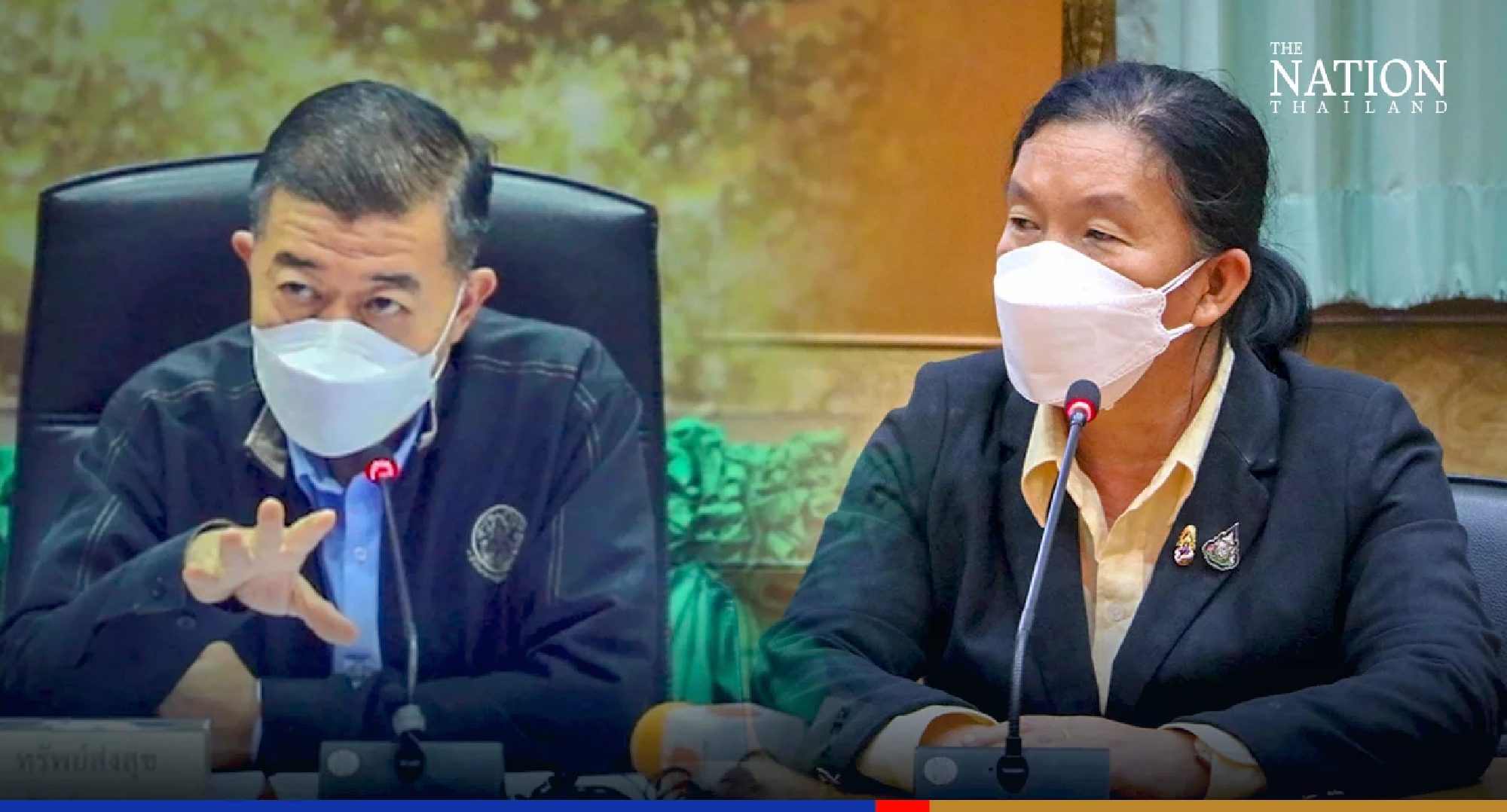
Dr Jakrat Phittayawong-anon, chief of the Department of Disease Control (DDC)’s Epidemiology Bureau, said on Monday that DDC’s Communicable Disease Committee believes the current alert level is fine as the country’s public health system can handle the spread of the disease.
“As per the 2015 Communicable Disease Act, a dangerous communicable disease is defined as one that causes severe symptoms and can be transmitted easily over a short period. Monkeypox does not fit this description yet,” Jakrat said.
“For patients, DDC is coordinating with the Department of Medical Services to issue a standard treatment plan for monkeypox to be followed by all medical units. It is also getting a plan ready in case more patients are found in the country.”
The committee also agreed to upgrade emergency operation centres nationwide to make surveillance and screening of high-risk groups more efficient.
Thailand recorded its first confirmed monkeypox case in Phuket last week. The patient, a 27-year-old Nigerian man, fled to Cambodia and is being treated at a hospital in Phnom Penh.
In Thailand, health authorities are tracing the patient’s close contacts in Phuket, where he stayed for the past month. So far, 27 people who had come in contact with the man have tested negative.
The World Health Organisation declared a global health emergency on Saturday morning after monkeypox was detected in 75 countries.



 The TCC asked the Senate panel to press the Cabinet to cap the cost of travel by public transport at 10 per cent of the minimum wage.
 Senate panel secretary Thanad Manaphanniyom said the TCC should also respond to consumer complaints by inviting the businesses in question for negotiations – and file civil lawsuits if talks failed.