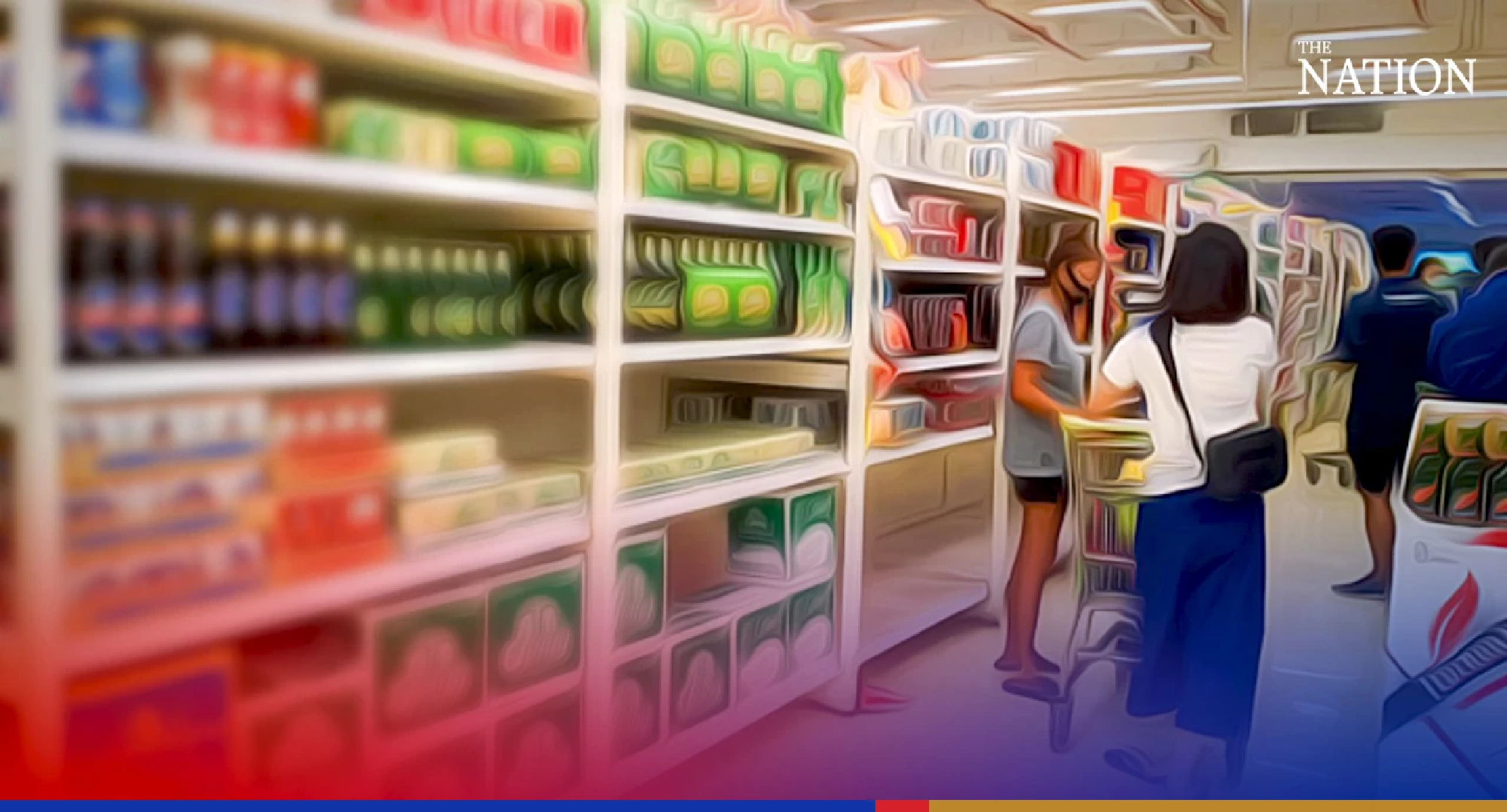
Labourers in Thailand are feeling the heat from rising prices of alcoholic and energy drinks.
Since February, the price of Ruang Khao white liquor has risen from Bt120 to Bt130 (large bottle) and from Bt60 to Bt70 for a small bottle.
Meanwhile, a large bottle of Chang or Leo has risen Bt3 to Bt58 and Bt61 respectively while Heineken is up Bt4 to Bt76.
Also, the price of energy drinks has risen to Bt30-40 per box. For instance, the price of M-150 has risen from Bt10 to Bt12 per bottle.
A large wholesaler in Bangkok’s Bang Kapi district said prices of condensed milk, UHT milk and palm oil have also risen.
He added that retailers would raise the price of condensed milk, UHT milk, palm oil and instant noodles by Bt1-4 in line with rising wholesale prices.
“Everybody knows that production costs have risen, especially fuel and transportation, so we must sell products at the adjusted prices,” he said, adding that shops would make the decision on whether to raise the retail price or not.
A two-year-old female elephant named Thap Salao at Doi Pha Mueang Wildlife Sanctuary in Lampang is proving a big hit with netizens.
The elephant has become popular after straying from its herd in Uthai Thani two years ago, favouring instead the company of sanctuary officials and netizens.
However, officials are encouraging Thap Salao to learn behaviour from a stepmother elephant named “Mae Valentine” so she can forage for food and return to the forest.
Bodin Chanthasrikham, founder of “Save the Wildlife” Facebook group, said releasing wild elephants into the forest can be difficult because of the distances they must walk to gather food.
He said elephants are at risk from both natural and man-made dangers, citing the case of Fah Sai, a three-month-old female wild elephant who suffered severe leg injuries and succumbed to acute diarrhoea on December 30 last year.
He also advised people to refrain from feeding, consuming, hunting and adopting wild animals in a bid to preserve them in the long term.
The government has declared March 13 as Thai National Elephant Day to encourage Thais to pay attention to conserving the living symbol of the nation.
Thanyaburi Mini Zoo, located on a 300-rai plot in Rangsit, Phatum Thani, opened to visitors on Sunday.
The zoo will serve as a foundation for the relocation of Bangkok’s famous old Dusit Zoo, which shut down in August 2018 after 80 years in operation.
Animals from Dusit Zoo have been relocated to six other zoos nationwide under the Zoological Park Organisation.
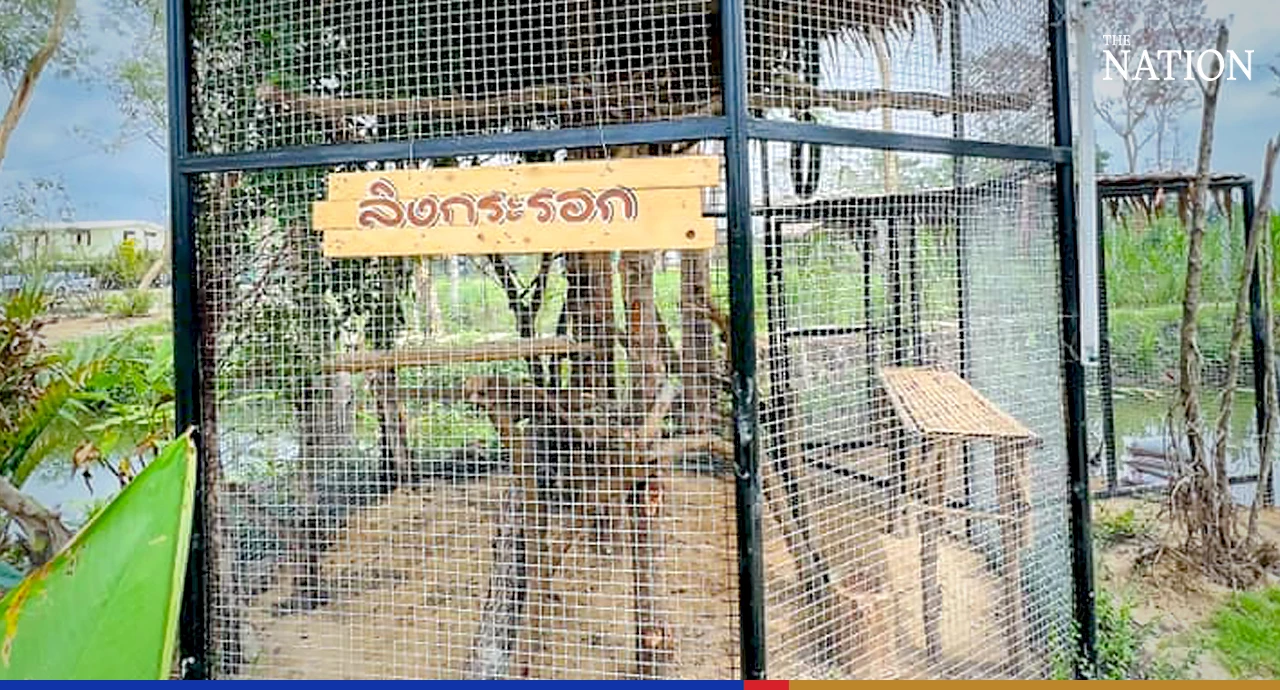
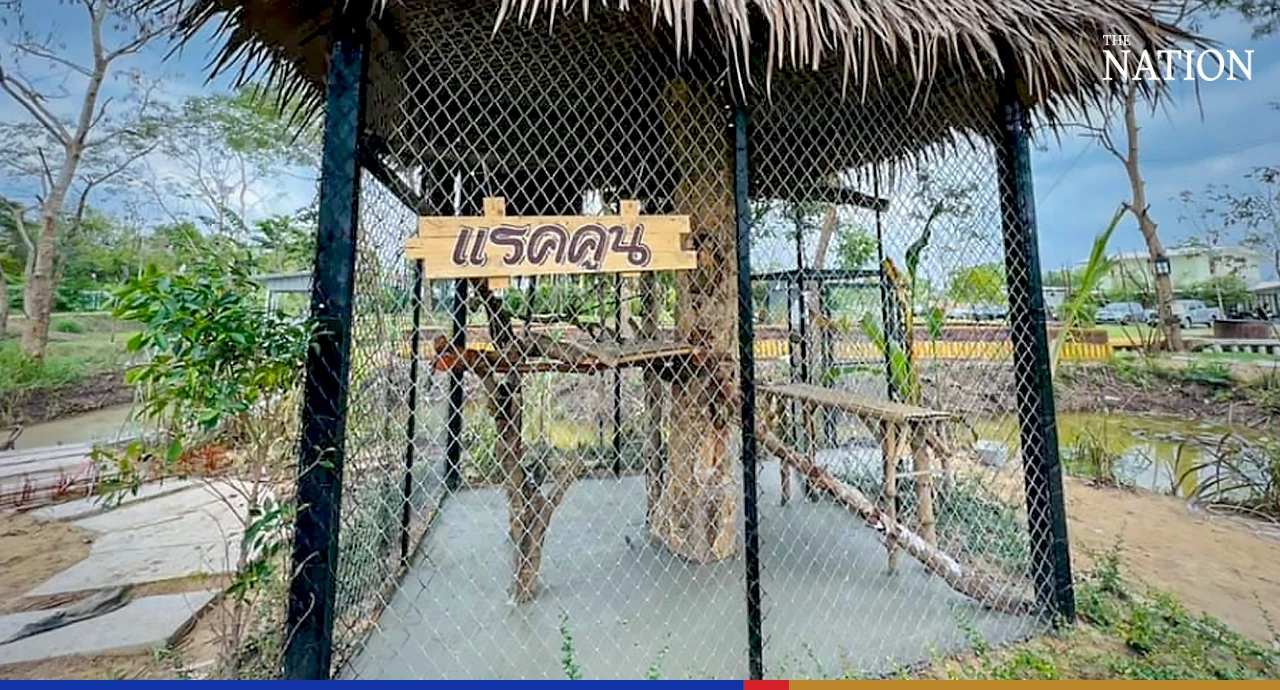
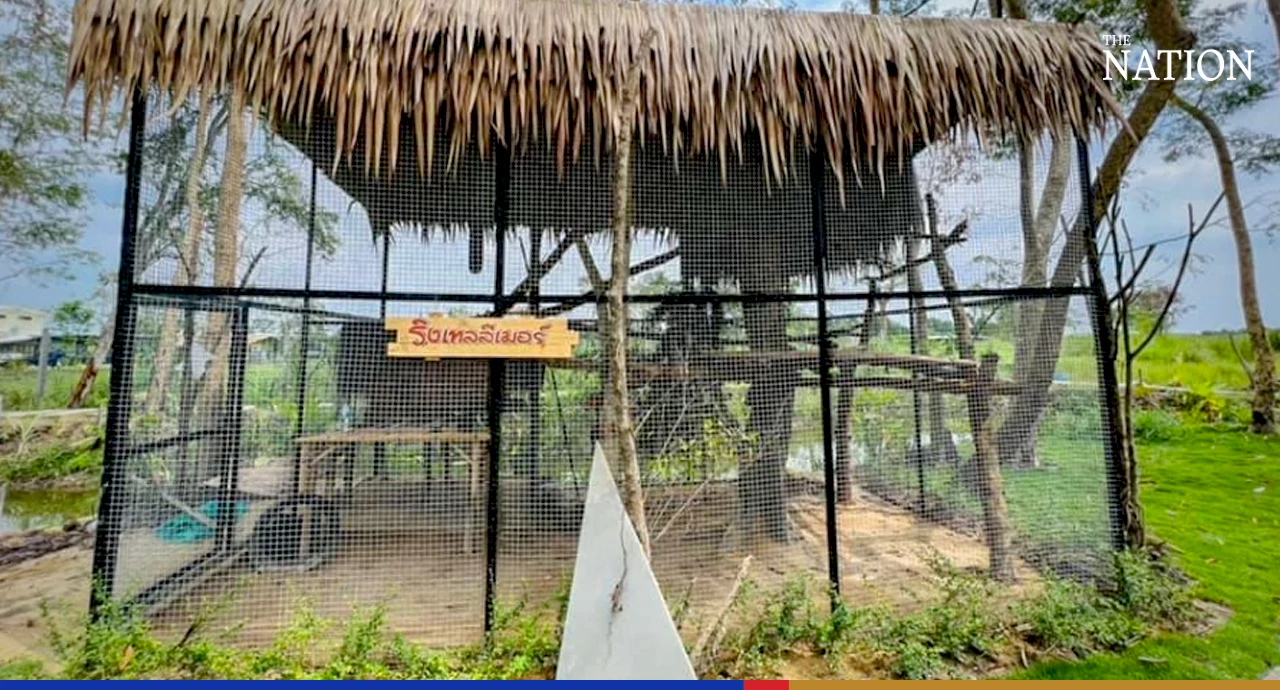
The new zoo features several animal displays, including Thai cranes, sulcata tortoises, yellow-headed temple turtles, raccoons, ring-tailed lemurs, squirrel monkeys, and capibaras.
The zoo also has a tree market to stimulate the economy of nearby communities and a learning centre to exhibit pictures of Dusit Zoo’s replacement, due to open in 2025.
Thanyaburi Mini Zoo is open daily from 9.30am to 4.30pm on weekdays and from 8.30am to 5.30pm on weekends and holidays. Admission is free.
Visitors must show evidence they have received at least one Covid-19 jab or a negative ATK test taken in the past 72 hours.
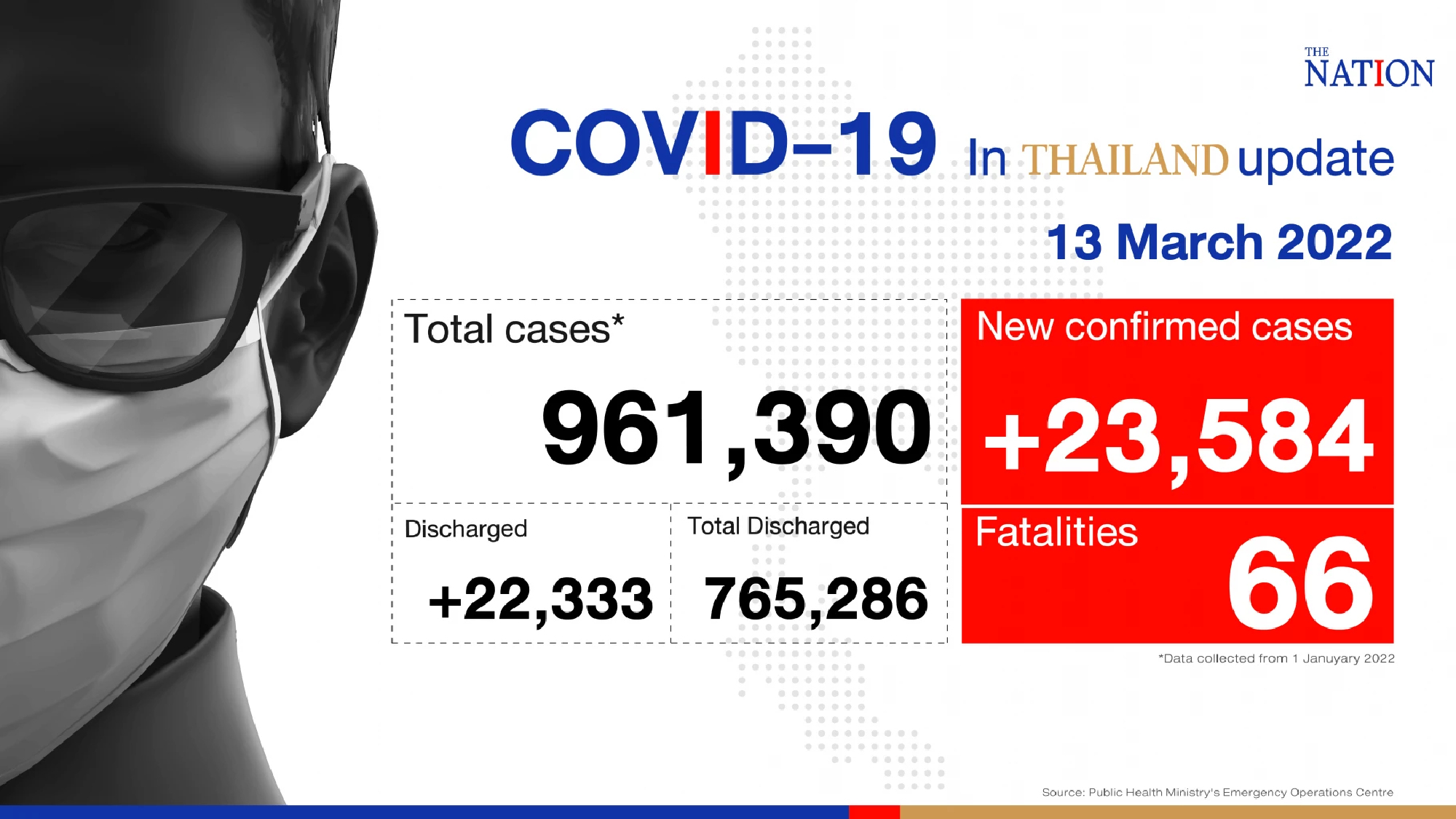
Public Health Ministry reported on Sunday (March 13) morning that in the past 24 hours there are 23,584 new patients who tested positive for Covid-19, 67 of whom are foreign travellers.
Death toll increased by 66, while 22,333 patients were cured and allowed to leave hospitals.
Cumulative cases in the country since January 1, 2022 are at 961,390.
Prime Minister Prayut Chan-o-cha has instructed relevant state agencies to ensure that all Covid-19 patients get free treatment based on their rights once the so-called UCEP Plus scheme is implemented next Wednesday (March 16).
The UCEP Plus scheme, proposed by the Public Health Ministry, was endorsed by the Cabinet on Tuesday. Under UCEP or the Universal Coverage for Emergency Patients, Covid-19 cases in the “yellow” category or with moderate symptoms and those in the “red” category or critical condition are entitled to free treatment at any hospital.
Those in the “green” category or with mild or no symptoms will only get free treatment at hospitals under the jurisdiction of relative healthcare schemes, such as “gold card”, social security or scheme for public officials.
If the condition of patients in the green group worsens, then they can seek free treatment at the nearest hospitals under the UCEP Plus scheme.
Meanwhile, the Internal Security Operations Command has sent several volunteers to help the National Health Security Office (NHSO) deal with calls from new Covid-19 patients.
The NHSO’s 1330 hotline and Line chatroom are flooded daily with thousands of calls and messages from new Covid-19 patients wanting to register – the first step required for treatment or medical support during home or community isolation.
The NHSO has a huge backlog of registrations now that there has been a spike in infections.
With infections from the highly transmissible Omicron variant surging in Thailand, steps should be taken to stop the crisis from getting out of hand as it has done in Europe, a medical expert warned on Saturday.
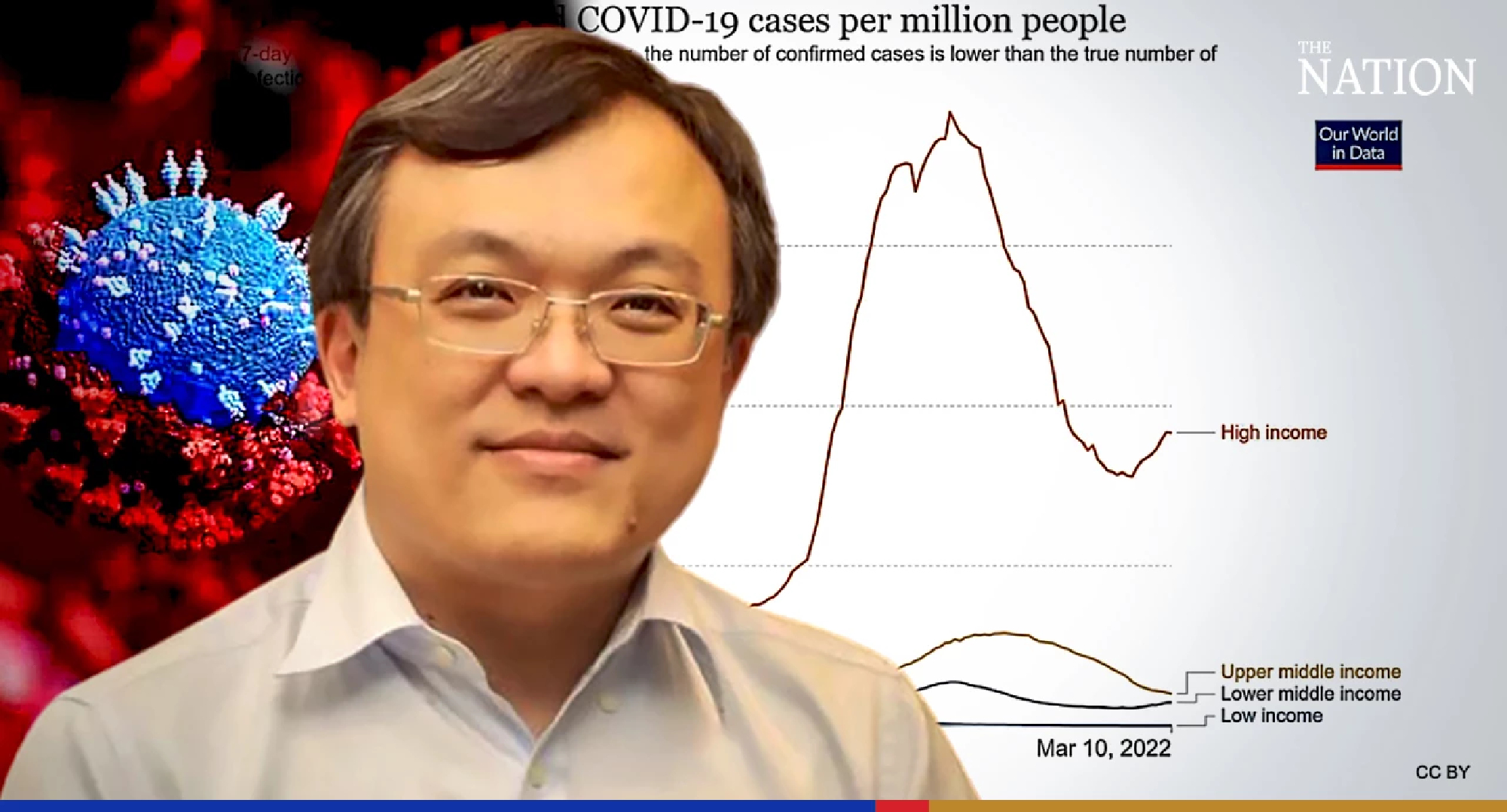
Assoc Prof Dr Thira Woratanarat, from Chulalongkorn University’s Faculty of Medicine, said in a Facebook post that more than 455 million people across the world have contracted Covid-19 and over 6 million have succumbed to the virus.
The countries with the highest number of infections on Saturday were South Korea, Germany, Vietnam, the United Kingdom and France, he wrote. Of the top 10 countries with the highest number of infections, nine are in Europe and Asia, he pointed out.
The professor also noted that Asia, Europe and the Americas account for 96 per cent of global Covid cases and almost 98 per cent of total deaths.
Europe alone accounts for 47 per cent of total cases and 37 per cent of all casualties.
On Friday, Thailand was on the 12th rank worldwide and fourth in Asia for the number of new Covid-19 infections and held the 22nd spot in the world for Covid-related deaths.
The doctor warned that the Thai economy was not as strong as that of high-income European countries, so an outbreak of their magnitude would bring the Kingdom’s healthcare system to its knees.
“Our outbreak will worsen, given the currently high rate of infection,” he warned. “With fewer economic resources than the wealthy countries, the impact of the outbreak will be too tough to handle.”
In the two years since Covid-19 began spreading across the world, more than 20 medical journals from the Chulalongkorn University’s Centre of Excellence in Clinical Virology have been published on the global medical database PubMed.
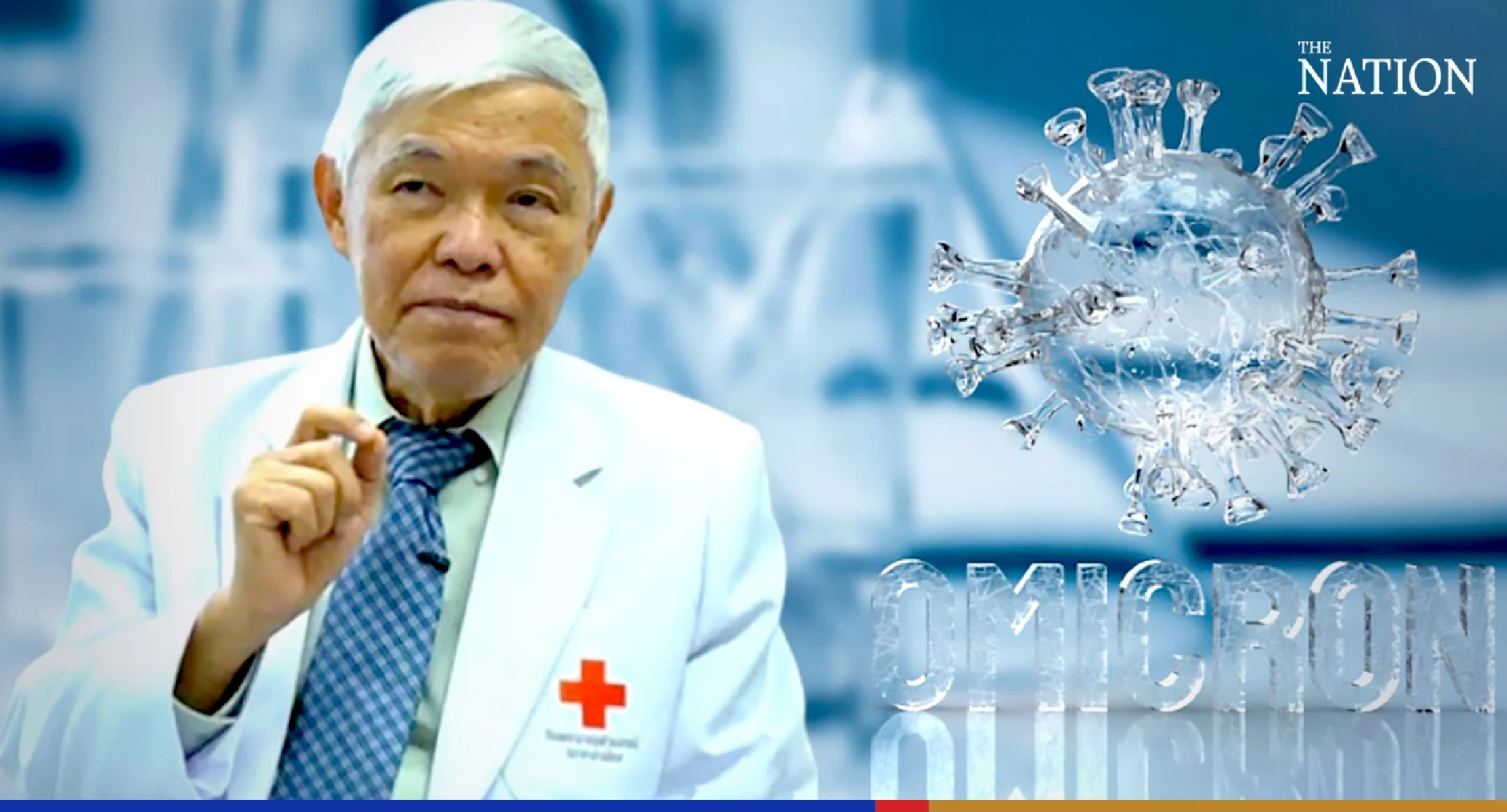
In a Facebook post on Saturday, leading virologist Dr Yong Poovrawan said global health authorities and researchers often use these journals for reference, such as in the use of vaccine cocktails and their results on different groups of Covid-19 patients.
“Another 10 journals are being considered for publishing in the Journal of Infectious Disease [JID],” said Yong. “The latest Thai study published on JID is entitled ‘Neutralising Activities against the Omicron Variant after a Heterologous Booster in Healthy Adults Receiving Two Doses of CoronaVac Vaccination’,” he said.
“As the head of the Centre [of Excellence in Clinical Virology], I would like to thank the government and private partners who have provided funding and resources, as well as volunteers who participated in medical research, which has helped us discover better, safer and more efficient ways of handling the Covid-19 pandemic,” Yong said.
“The centre will continue researching Covid-19 as a long-term study on several aspects is still required. We are committed to finding the best cure and ways to live with the virus in the years to come,” he added.
Animal feed manufacturers have urged authorities to inspect grain wholesalers for signs of hoarding as they are unable to buy corn anywhere despite soaring prices, a news source revealed on Friday.
The price of animal-feed corn is at Bt13 per kilo, the highest in several decades, and about 30 per cent higher than the 2021 price of Bt10.05, said the source.
Manufacturers are prepared to pay that price but cannot find sellers with available stock anywhere. Farmers also told them that they had already sold their harvest to buyers earlier this year, the source added.
“Manufacturers now suspect that these buyers are hoarding corn and waiting for the price to go even higher due to the impact of the Russian-Ukraine war, which has driven up prices of several crops, including corn, wheat and tapioca,” said the source.
“The Commerce Ministry should inspect corn buyers’ stocks and take legal action against any merchants found to be profiteering while supplies of animal-feed raw materials remain at a critical level,” it added.
The government has set the floor price of corn at Bt8.5 per kilo as part of its price guarantee scheme for farmers. But it has not set a ceiling price, meaning the price of corn can soar and thereby increase costs for animal-feed manufacturers. However, the manufacturers cannot raise prices because animal feed is a controlled item.
“If the Russia-Ukraine war persists and the grain prices continue to rise, animal feed manufacturers may have to consider temporarily halting production to prevent losses,” said the source.
The diesel price will be capped at Bt30 per litre until the end of May while households using less than 300 units (Bt1,200) per month will continue to get help with electricity bills, according to the government.
Energy Minister Supattanapong Punmeechaow confirmed on Friday that the diesel cap would remain despite soaring world energy prices since war broke out between Ukraine and Russia last month.
He said the oil fund could subsidise the Bt30 cap until the end of May if the price of crude oil does not exceed US$115 per barrel on average. Brent crude soared above $139 per barrel last Monday but had fallen below $113 as of Saturday (March 12).
The oil fund has taken a loan of Bt40 billion to extend the diesel subsidy until May-end. However, the National Energy Policy Committee lifted the oil fund’s loan limit on Wednesday amid pressure from soaring oil prices.
The government announced it will also raise Thailand’s crude oil reserve from 4 to 5 per cent and finished oil reserve from 1 to 2 per cent. Meanwhile it ordered Thai oil companies to extend the stockpiling of reserves from 60 to 70 days.
The Energy and Commerce ministries are also considering capping the price of B100 formula biodiesel and discussing measures to cut costs of benzene for 13.5 million welfare card holders.
The measures will focus on Thailand’s 21 million motorcycle users.
Supattanapong said the price of a 15-kilo cylinder of liquefied petroleum gas (LPG) will rise from to Bt333 from April 1. The price is currently fixed at Bt318.
The government would retain the Bt45 discount on cooking gas for welfare card holders and may even increase it to Bt100 from April, he added.
Meanwhile the electricity tariff of 16 satang per unit will rise from May, though the government maintain the subsidy for households that use less than 300 units or Bt1,200 per month.
With Covid-19 no longer considered an emergency condition, the Social Security Office (SSO) has come up with guidelines to help SSO members who have contracted Covid-19.
Boonsong Thapchaiyut, SSO secretary-general, said though the condition has been taken off the list of emergency conditions, the number of patients is rising. Hence, the SSO has been instructed to remind hospitals under its jurisdiction that they will be reimbursed for treating Covid-19 patients according to the Public Health Ministry’s regulations.
SSO has also been instructed to raise awareness and issue guidelines for people to protect themselves from contracting the disease.
Guidelines for SSO members
Those who have tested positive using ATK, but have mild or no symptoms can go into:
Home Isolation
To enter home isolation they must contact the hospital they are registered at or a nearby hospital so medication and necessary equipment can be delivered to them. Doctors will also monitor their symptoms remotely.
Patients can enter the SSO home isolation scheme by:
If SSO members want to enter community isolation, they can contact their registered hospital or a nearby hospital to get an RT-PCR test or call SSO hotline 1506 press 4 and 7.
Treatment at a hospitel
To get treated at a hospitel, patients must first undergo an RT-PCR test at their registered hospital or one nearby.
If the test is positive, then the hospital will find a hospitel for the patient.
Those with a positive ATK test result who have moderate to severe symptoms can undergo an RT-PCR test and enter the treatment process according to the ministry’s guidelines.
Those who have tested negative on ATK tests, but:
Have fever, cough, runny nose, sore throat, shortness of breath have red eyes, skin rash and/or diarrhoea, are advised to undergo an RT-PCR test at their registered or nearby hospital.
If the RT-PCR test is negative but the patient is at high risk, then they should monitor themselves and undergo ATK tests every three days. Those not at risk do not have to quarantine.
If the RT-PCR test is positive, then the patient should be admitted right away.
Patients whose medical history does not indicate high risk must pay for the RT-PCR test.
Boonsong added that the SSO has a method of providing treatment for SSO beneficiaries if they are unable to contact their registered hospital or are rejected by the hospital.
In such cases, patients can contact SSO from 8am to 6pm daily via its 1506 hotline then press 6 and 7*.