Thailand suffers setback as Indonesia force a draw in World Cup qualifiers
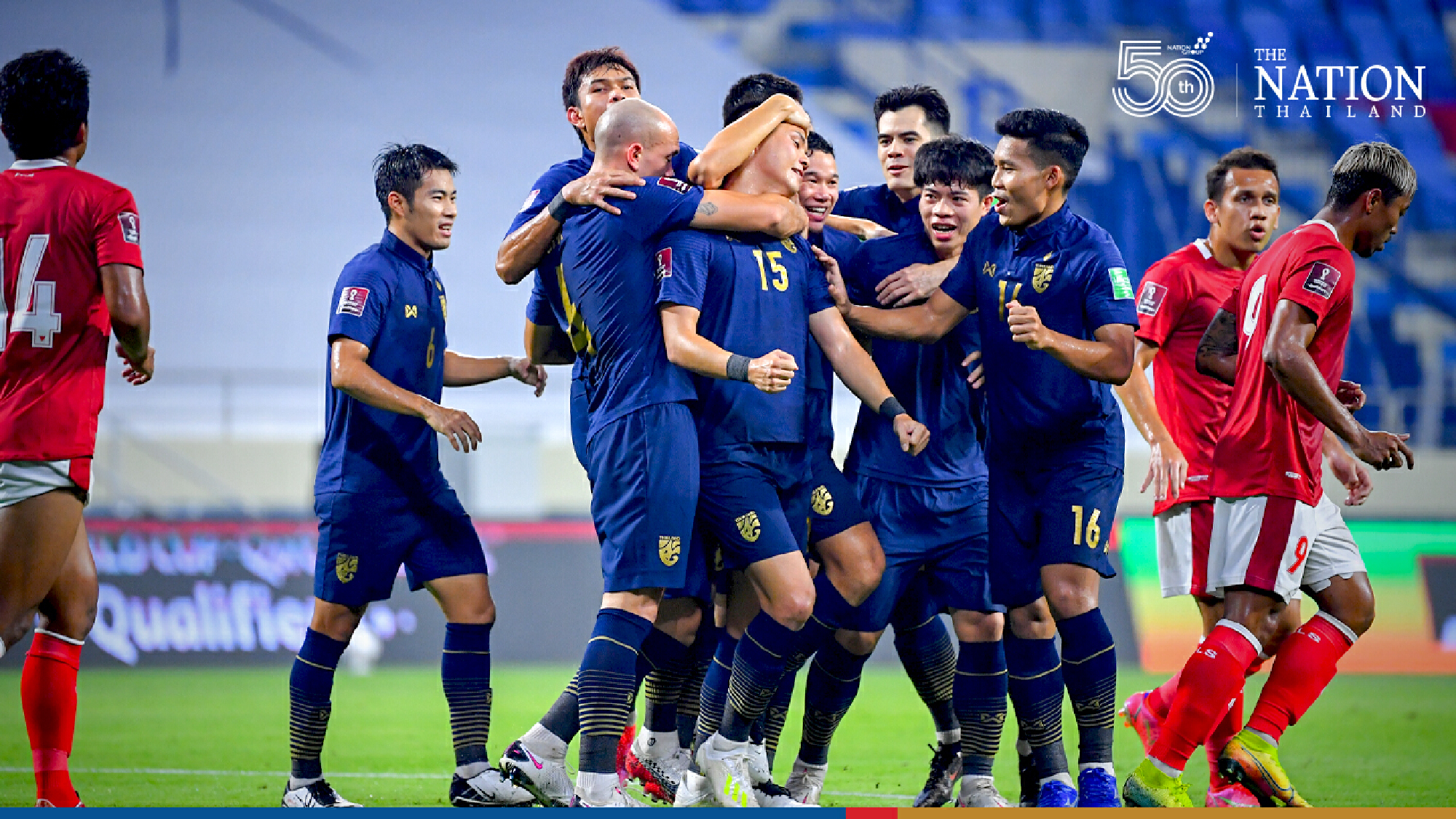
Thailand had to settle for a 2-2 draw with Indonesia in their opening Group G World Cup qualifying match at the Al Maktoum Stadium in Dubai after twice taking the lead.
The Thai team had expected full points from the match against Indonesia in a tough group that also has hosts UAE, Malaysia and Vietnam.
Thailand kicked off on the right note, going ahead in the fifth minute through Narubodin Weerawatnodom. However, Indonesia who entered the game as underdogs, levelled scores in the 39th minute through Kadek Agung.
Thailand edged ahead again five minutes into the second half through Adisak Kraisorn, but gritty Indonesia, who are at the bottom of the group, once again tied scores in the 60th minute through Evan Dimas.
Thailand will play the UAE on June 7.
Thailand suffers setback as Indonesia force a draw in World Cup qualifiersThailand suffers setback as Indonesia force a draw in World Cup qualifiers
‘She didn’t mean it’ – Serbian volleyball player’s racist gesture explained
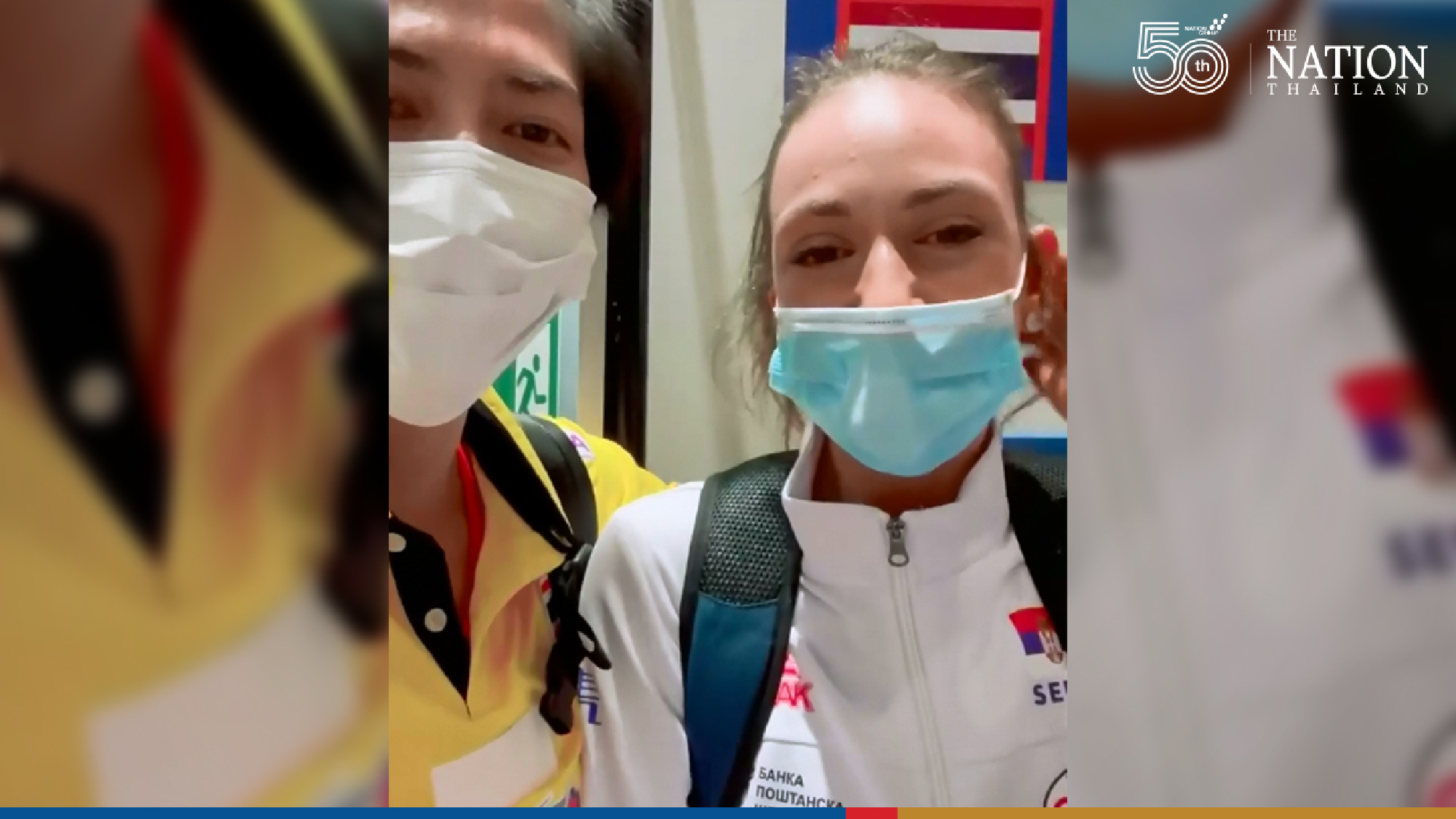
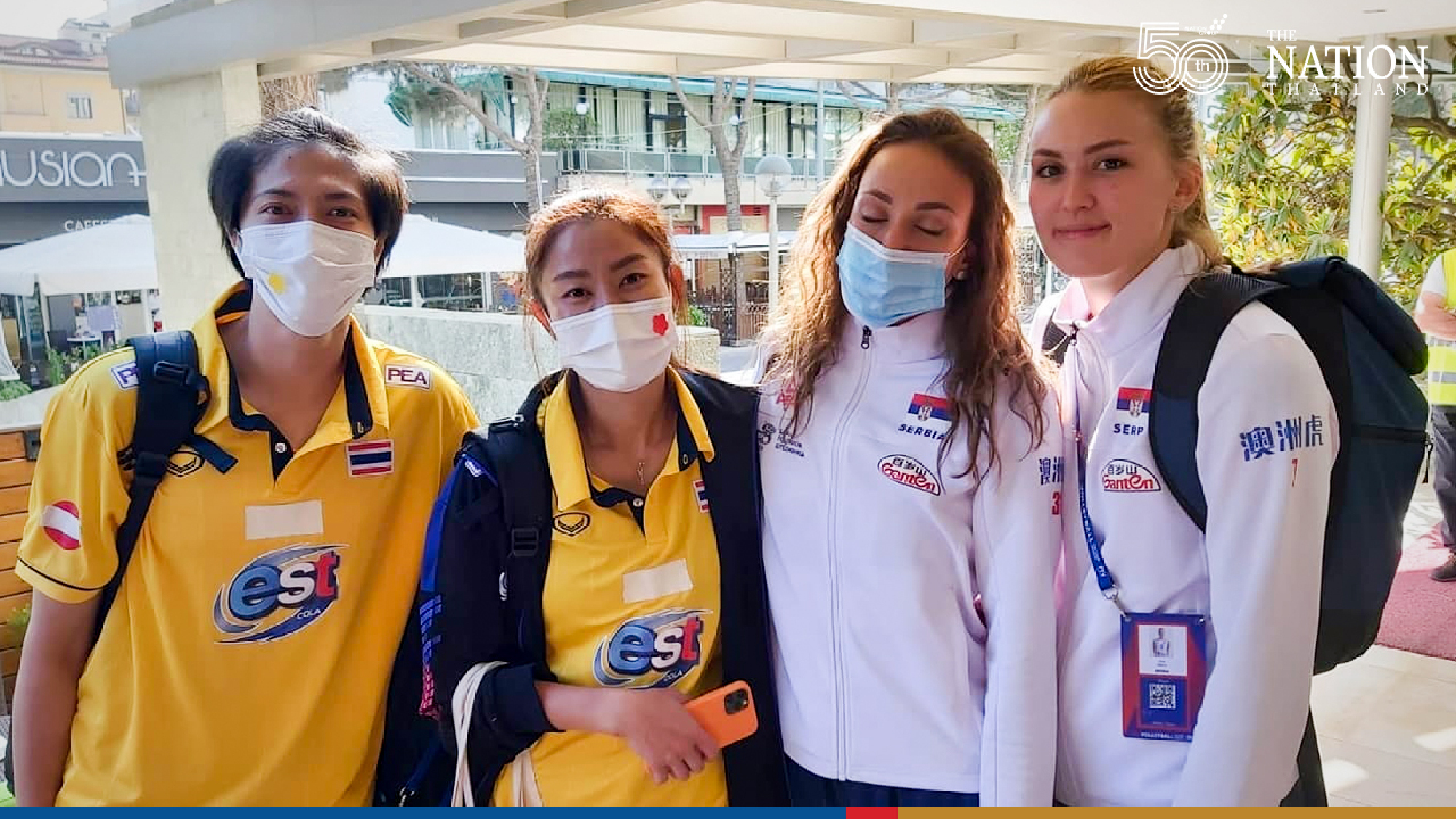
Images of a Serbian volleyball player making a racist gesture against Thai players went viral on Tuesday, triggering a stream of angry comments from most netizens.
However, Thai volleyball star Pleumjit Thinkaow came to the rescue of player Sanja Djurdjevic, saying she did not mean to insult Asian people.
The incident took place during the Volleyball Women’s Nations League 2021 match in Italy, in which Thailand lost to Serbia 0-3.
“Sanja was very happy that she was able to perform a long rally like Asian people,” Pleumjit said.
The Serbian Volleyball Association has also apologised for Djurdjevic’s “slant-eye” gesture.
‘She didn’t mean it’ – Serbian volleyball player’s racist gesture explained
Separately, the Fédération Internationale de Volleyball (FIVB) slapped the Russian national team’s assistant coach, Sergio Busato, with a three-game ban for a similar gesture during women’s volleyball qualifiers for the 2020 Olympic Games in South Korea.
‘She didn’t mean it’ – Serbian volleyball player’s racist gesture explainedColombian footballer Edwin Cardona was similarly punished for making the same gesture during a friendly match against South Korea in November 2017.
UAE to allow Asian footy fans into stadiums for qualifying World Cup matches under strict health rules
The United Arab Emirates Football Association has agreed to the Asian Football Confederation suggestion to allow audiences to watch qualifying World Cup 2022 matches in UAE stadiums under stringent health measures.
According to the organisations, football fans will be permitted to occupy only 30 per cent of the total seats in stadiums.
The proportion of UAE national team fans will be 10 per cent maximum of the total when the team takes the field in competition with other countries.
In case a match does not include the host team, the proportion of fans will be 50:50.
Spectators will need to take a PCR test for Covid-19 within 48 hours of matches, and all fans are required to go through check points and wear face masks all the time.
Those attending matches must also be 18 years or older and only fans who have received two doses of Covid-19 vaccine will be allowed to enter the stadiums.
This month, Thailand’s national team will spring into action in three qualifying matches – on the 3rd, 7th and 15th – against Indonesia, the UAE and Malaysia, respectively.
Minister promises jabs for all boxing personnel soon
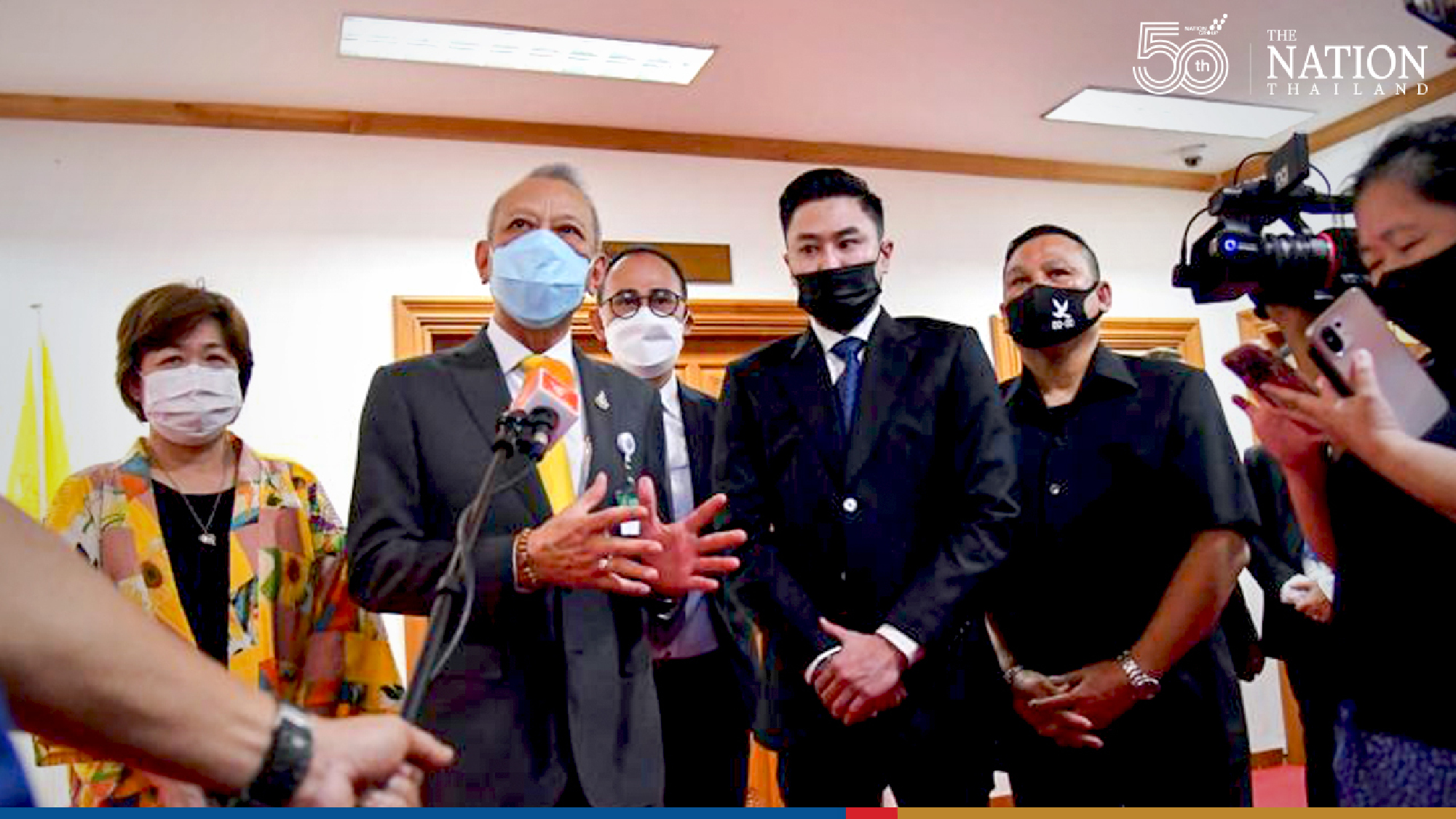
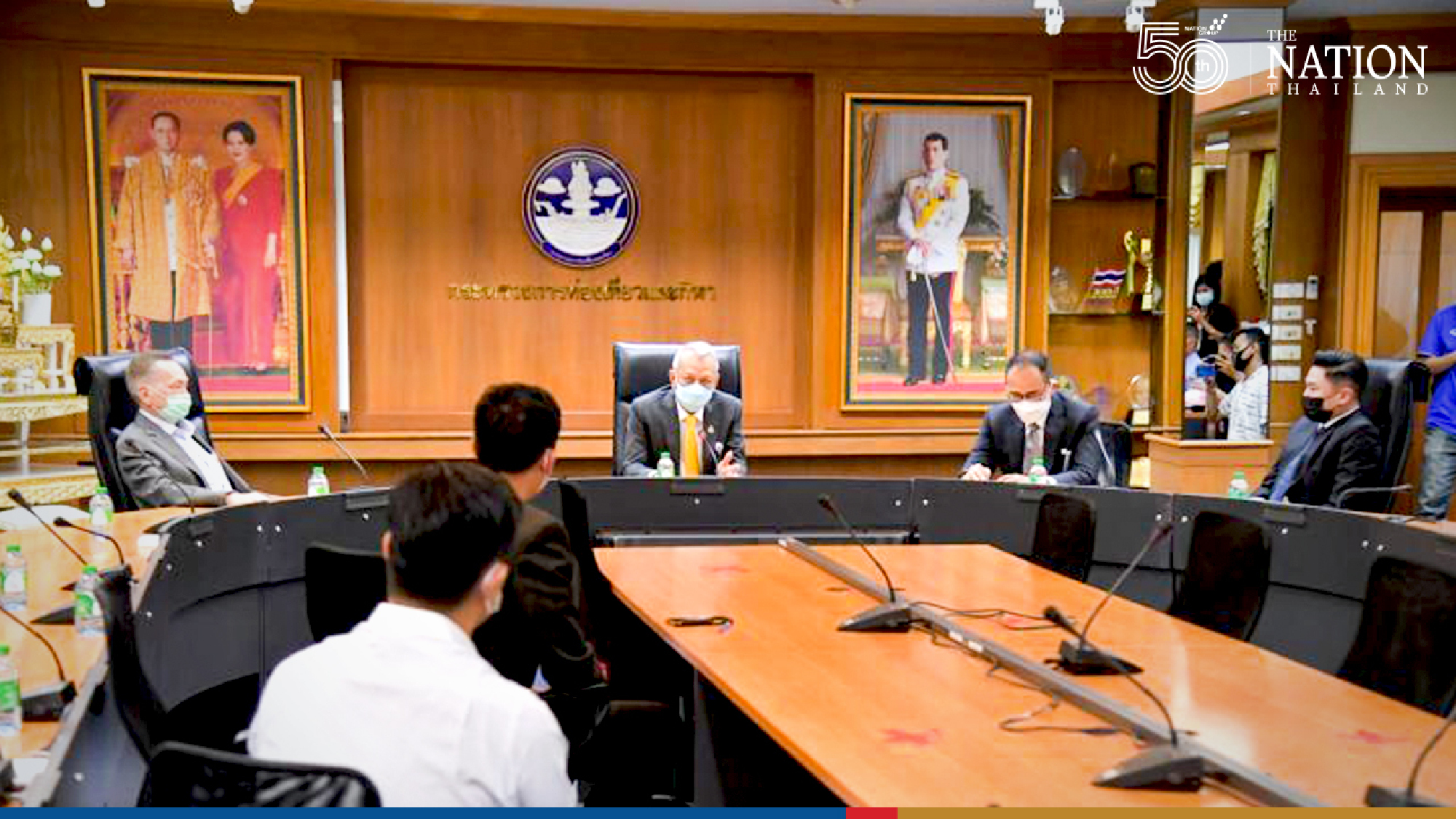
After meeting with boxing professionals on Monday, Tourism and Sports Minister Phiphat Ratchakitprakarn announced that all staff in the boxing industry will get their Covid-19 jabs soon.
He said a vaccine station will be set up at the Sports Authority of Thailand.
“Provincial sports authorities have been asked to submit a list of boxing staff members, so the ministry can coordinate with the Public Health Ministry for inoculation,” he said.
Minister promises jabs for all boxing personnel soon
He added that boxing tournaments can be held in different provinces, provided there are no spectators. However, he said, the final decision is with provincial authorities.
“Boxing tournaments without spectators will be held in Bangkok from August onwards because the situation in the capital is severe at present. The government aims to vaccinate most people by July,” he said.
Minister promises jabs for all boxing personnel soon
Ariya pockets over 3m baht prize money as rival concedes match
Thai golfing ace Ariya Jutanugarn pocketed $102,942.38 (about 3.22 million baht) on Sunday after her opponent forfeited their third-place playoff at the Bank of Hope LPGA Match-Play in Las Vegas.
After losing her semi-final to Ally Ewing of the US, Ariya was due to play China’s Shanshan Feng for the lucrative consolation prize. However, Feng conceded the match, citing the hot Las Vegas conditions and the need to conserve her energy for US Women’s Open on June 3-6. Feng took home $79,633.97 for fourth, $23,308.41 less than Ariya’s purse.
Ewing went on to claim a 2:1 victory over Germany’s Sophia Popov for her second career LPGA Tour title.
Chelsea beats Manchester City, 1-0, to win Champions League for first time since 2012
In an all-English final, the UEFA Champions League trophy will go to London, not Manchester; to the men in royal blue, not sky blue; and to the club employing a young attacker from Hershey, Pa., who, with his second-half appearance, made U.S. soccer history.
On a night of high drama in a seaside Portuguese city, Kai Havertz, a 21-year-old German forward, scored late in the first half Saturday as Chelsea upset Manchester City, 1-0, to win its second European championship and deny its Premier League rivals their first.
The Porto setting also provided a stage for Christian Pulisic, who became the first U.S. men’s national team player to appear in club soccer’s biggest game. Manchester City goalkeeper Zack Steffen, Pulisic’s U.S. teammate, did not play.
Pulisic, 22, entered in the 66th minute and almost scored moments later.
“I’m just so proud to be here,” Pulisic said after being joined on the field by his parents, Mark and Kelley, former soccer players at George Mason University, to pose with the trophy. “I couldn’t imagine winning the Champions League ever in my life, and now I’m here.”
Chelsea relived the glory of winning the 2012 title and stymied a Manchester City team in the final for the first time after a 10-year ascent. Although Manchester City had claimed the Premier League crown this month, Chelsea drew confidence from winning the previous two meetings.
Thomas Tuchel, who was appointed Chelsea’s manager in January amid a sluggish campaign, said the message to the team was this: “We need a top performance and we need to be at our best level, but we don’t need a miracle. We don’t need a miracle! We can do it. It’s not like we need crazy things to happen.”
The match came six weeks after European club soccer – and the sport as a whole – was rocked by 12 major clubs, including Chelsea and Manchester City, announcing they intended to abandon the Champions League and form their own closed competition.
The blowback was like nothing else seen in sports. From fans protesting outside stadiums to heads of state chiming in, the backlash sent most of the rebel clubs scurrying back to their traditional circles and groveling for forgiveness.
With Super League plans placed on the back burner, attention pivoted back to the Champions League, a competition with 66 years of tradition that is the aspiration of clubs big and small across the continent. This year’s final was scheduled for Istanbul, but because of pandemic-related issues, the venue shifted to a 50,000-seat stadium at reduced capacity.
Tuchel had used Pulisic as a starter and a sub over the past five months, and he decided to leave him in reserve Saturday. There was less drama around Steffen, a former University of Maryland and Columbus Crew standout. He has been a season-long understudy to the Brazilian starter, Ederson.
Before Saturday, a U.S. citizen had appeared in the final once: Neven Subotic, a former U.S. youth national team defender who represented Serbia on the senior level, started for Borussia Dortmund against Bayern Munich in 2013. U.S. forward Jovan Kirovski won a Champions League title with Dortmund in 1997, but he wasn’t in uniform for the final against Juventus.
With Pulisic and Steffen watching, teams on familiar terms attacked without hesitation. The tempo was high and rarely subsided.
Tuchel’s success at Chelsea stemmed from his team’s ability to defend, but on this day, the Blues pressed for an early breakthrough. Manchester City showed more bite in the attack. Phil Foden’s dangerous threat was extinguished at the last instant by Antonio Rüdiger.
Chelsea created genuine opportunities, but inefficiency cost the Blues as Havertz and Timo Werner faltered in the box – misses that raised questions about Tuchel’s decision to pass over Pulisic. And Tuchel’s defensive plans required adjustment late in the half when 36-year-old center back Thiago Silva was lost to injury.
In the 42nd minute, however, Chelsea struck. It started with goalkeeper Edouard Mendy finding Ben Chilwell along the sideline. Chilwell’s superb, one-touch pass to Mason Mount created possibilities.
Downfield, Havertz made a terrific run to get inside of left back Oleksandr Zinchenko. From just inside Chelsea’s end, Mount had time to turn and deliver a sumptuous long ball that connected with Havertz in stride.
Ederson’s charge was too late. Havertz touched it past him at the top of the box, leaving nothing between the German forward and the welcoming target. His finish from 12 yards was his first goal in 12 Champions League appearances with Chelsea this season and 20 overall with the Blues and the Bundesliga’s Bayer Leverkusen.
“I’ve waited a long time,” Havertz said, “and now I’ve done it.”
Manchester City’s hopes were dented early in the second half when superstar Kevin De Bruyne departed with a head injury following Rüdiger’s challenge. The Belgian midfielder left in tears, consoled by Manager Pep Guardiola and assisted to the dressing room.
Pulisic’s entrance injected fresh legs, energy and a counterattacking threat as Manchester City sought an equalizer. He had a golden opportunity to stretch the lead in the 73rd, narrowly missing wide after Ederson forced him to adjust his attempt.
Manchester City turned up the pressure, but Chelsea defended with resolve, diffusing trouble in the box and riding the leadership and steel of defensive midfielder N’Golo Kanté.
“We overcome some difficult moments and some very dangerous moments with fantastic attitude [toward] defending,” Tuchel said. “We were brave even in moments where it was hard to escape the pressure.”
Seven minutes of stoppage time came and went, ending with Riyad Mahrez’s tying bid whizzing past the top right corner.
“We deserve to score one goal. We could not do it,” Guardiola said. “Congratulations, Chelsea.”
Chelsea – and its special American player – is on top of European soccer.
“It’s just incredible,” Pulisic said. “I’m just so proud of this team.”
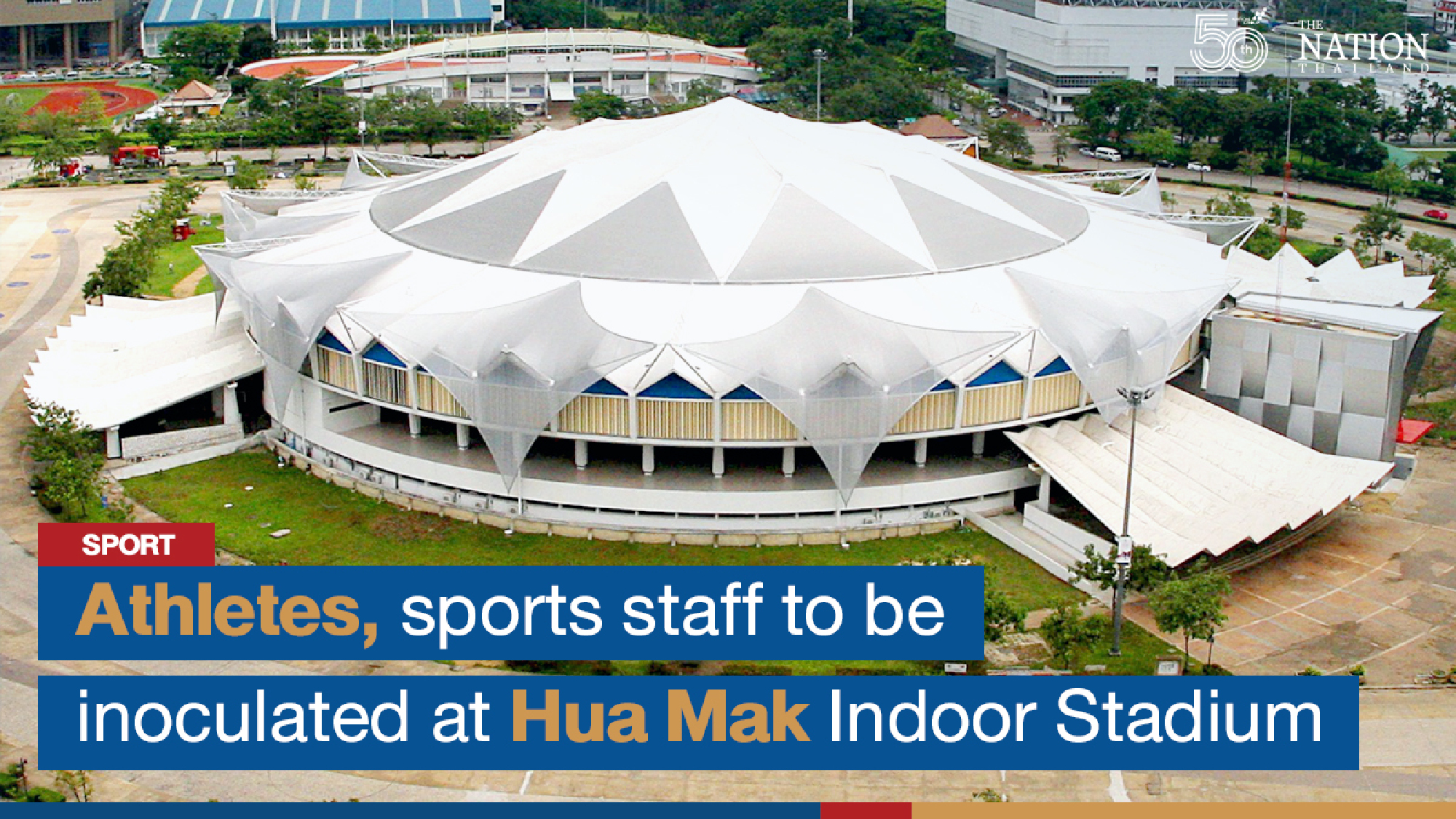
Athletes, sports staff to be inoculated at Hua Mak Indoor Stadium
The Hua Mak Indoor Stadium would serve as a vaccination centre in Bangkok for athletes and staff from June 7, the Sports Authority of Thailand (SAT) said on Saturday.
The Ministry of Public Health has already approved this plan and granted 10,000 doses of Covid-19 vaccine, while Samitivej Srinakarin Hospital will be in charge of inoculation.
In addition, the SAT said that it had paid THB15,000 each to 1,185 boxers and related persons affected by the Covid-19 crisis. Covid-19 vaccine will also be procured for some of them.
Saemapetch Fairtex blows up meteorite Kulabdam in ONE first-round action
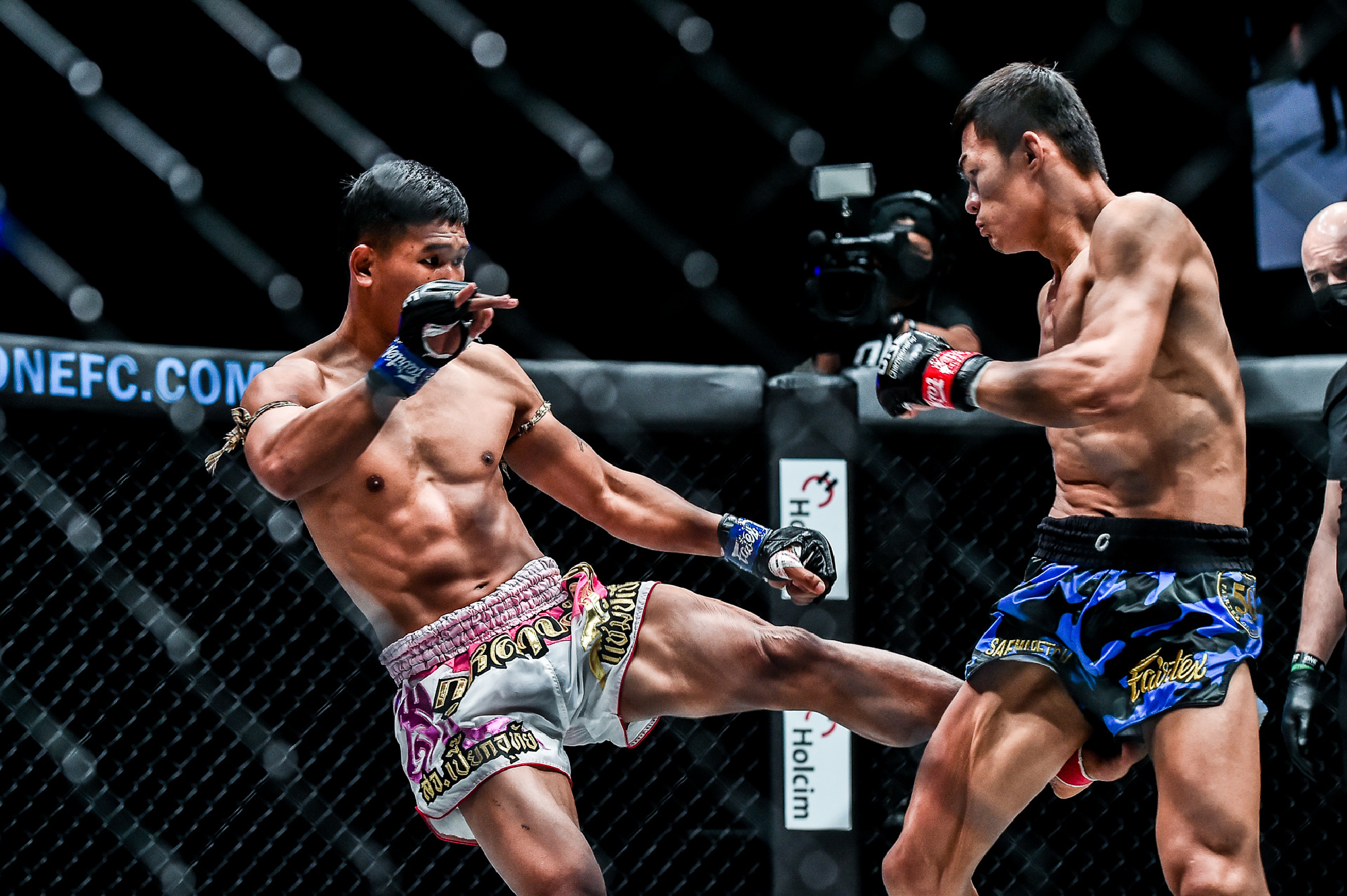
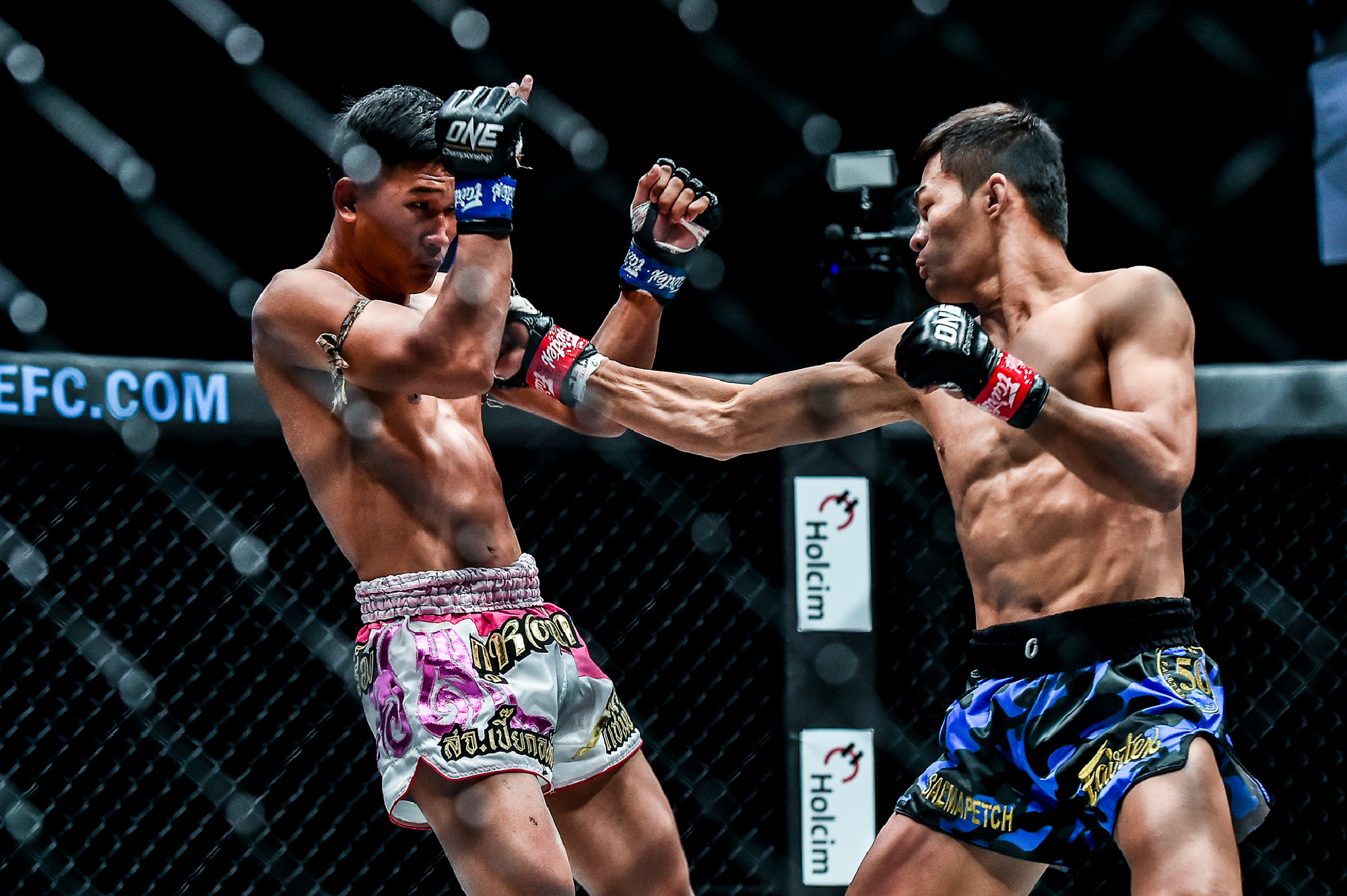
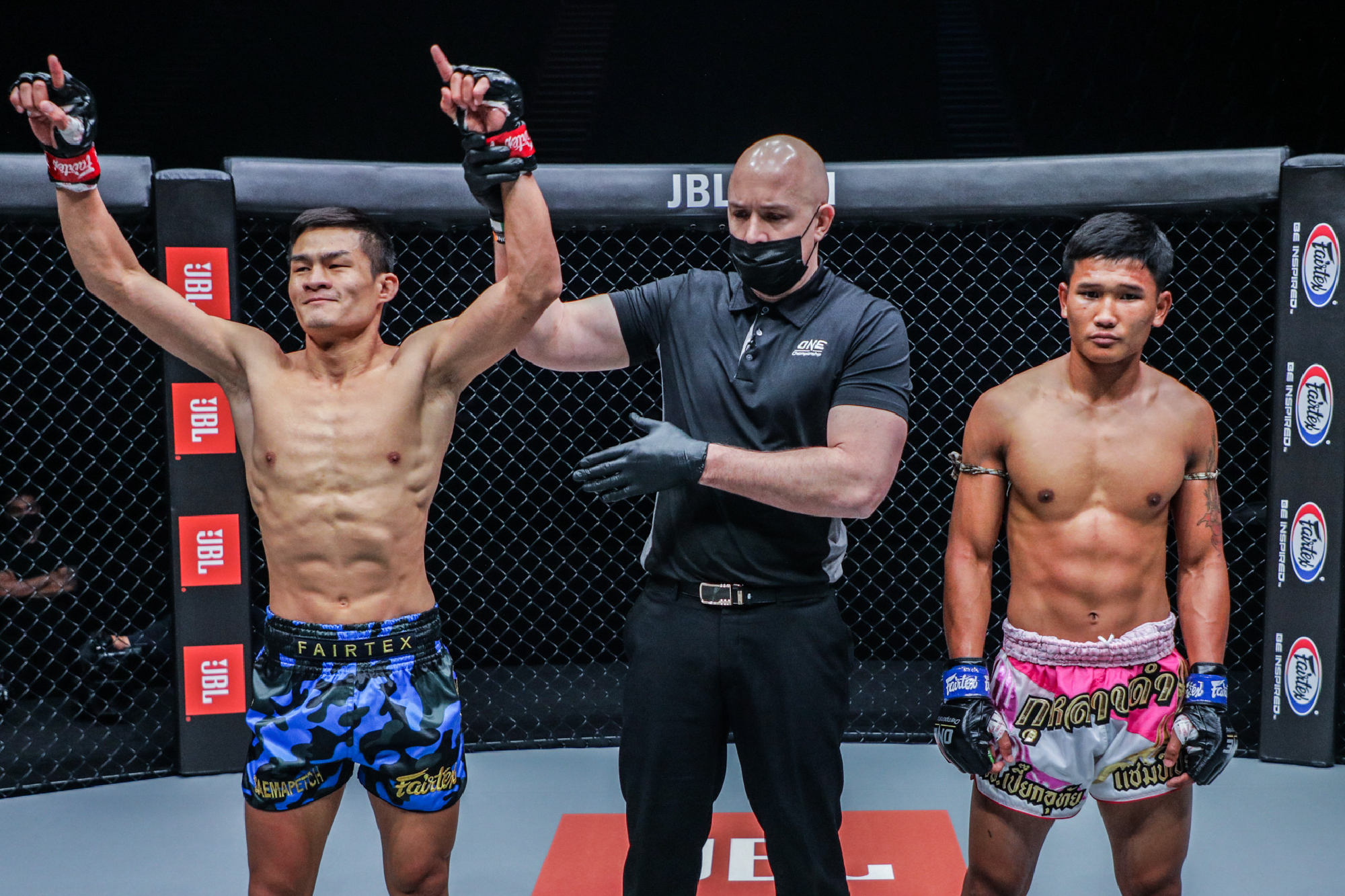
Former ONE world title challenger and No. 1-ranked bantamweight Muay Thai contender Saemapetch Fairtex stopped No. 3-ranked contender “Left Meteorite” Kulabdam Sor JorPiek Uthai with a crushing body shot to win a first-round knockout in the main event as the ONE Championship (ONE) returned to action in Singapore on Friday.
The “ONE: Full Blast”, a tape-delayed event from the Singapore Indoor Stadium, featured a ONE Super Series main event between top-ranked Muay Thai contenders, a welterweight kickboxing battle, and three mixed martial arts contests.
Saemapetch and Kulabdam were calculated to start the contest, carefully gauging each other’s strengths while looking to capitalise on openings.
Saemapetch Fairtex blows up meteorite Kulabdam in ONE first-round action
After checking a kick from Kulabdam, the Fairtex star retaliated with a left cross to the liver that crumpled his Thai compatriot. With less than a minute to go in the round, Kulabdam could not continue, and Saemapetch was awarded the stoppage victory.
In the co-main event, rising Chinese mixed martial arts star “The Hunter” Xie Wei put together a dominant performance against promotional newcomer Kantharaj Agasa “Kannadiga” to win by a technical knockout.
Xie attacked his foe relentlessly from the opening bell, showcasing a diverse array of striking combinations. Agasa tried to take matters to the ground but failed on multiple occasions. Following the second round, the Indian grappler could no longer take the punishment and quit on his stool.
Saemapetch Fairtex blows up meteorite Kulabdam in ONE first-round action
In a spirited battle between welterweight kickboxers, Miles “The Punisher” Simson came away with a close unanimous decision victory over Santino Verbeek.
Team Lakay veteran Edward “The Ferocious” Kelly narrowly survived a second-round submission attempt and bounced back to beat Ahmed “The Prince” Faress by split decision.
In his main roster debut, ONE Warrior Series graduate Anthony “The Antidote” Do used an impressive triangle choke to score a second-round submission victory over “The Little Monster” Liang Hui.
Saemapetch Fairtex blows up meteorite Kulabdam in ONE first-round action
Official results of ONE: Full Blast
Muay Thai – bantamweight: Saemapetch Fairtex bt Kulabdam Sor Jor Piek Uthai via knockout at 2:07 of round 1
Mixed Martial Arts – flyweight: Xie Wei bt Kantharaj Agasa via technical knockout at 5:00 of round 2
Kickboxing – welterweight: Miles Simson bt Santino Verbeek via unanimous decision
Mixed Martial Arts – featherweight: Edward Kelly bt Ahmed Faress via split decision
Mixed Martial Arts – catchweight (57.7kg): Anthony Do bt Liang Hui via submission (triangle choke) at 3:55 of round 2
Forget next-gen consoles. The biggest gaming platform is already in your pocket.
When the first smartphones debuted in the early 2000s, mobile gaming consisted of simplistic titles such as “Snake,” where the player leads a snakelike chain of pixels around the screen to eat other pixels and grow longer.
Soon the market expanded into word games, like 2009′s “Words with Friends” and three-in-a-row matching games like “Candy Crush Saga” in 2012, both primarily played by people whittling away time on public transportation or in a doctor’s waiting room.
Today, over three billion people have smartphones and over two billion of them play games on those phones. Some of those mobile titles now even rival the quality of games traditionally enjoyed on consoles and expensive PCs.
A decade ago, mobile gaming was underestimated and considered “casual” by both gamers and developers, compared to its more sophisticated siblings, like PCs, PlayStations and Xboxes. But the mobile gaming sector is so big now, it can’t be ignored: In 2019, player spending in mobile gaming surpassed console and PC gaming combined, according to Matt Piscatella of The NPD Group, a market research company. And though the pandemic dented mobile game spending in 2020, in part due to higher unemployment, it was still significantly larger than consoles or PCs, according to a variety of market analysis firms.
Mobile gaming brought in an estimated nearly $80 billion in 2020 revenue, compared with PC making almost $37 billion, and consoles – such as the Nintendo Switch, Sony’s PlayStation and Microsoft’s Xbox – totaling $45 billion, according to gaming analytics company Newzoo.
Massive game publishing companies like Activision Blizzard and tech giants like Apple have awaked to the opportunity of investing in mobile gaming. As new, lucrative business models have sprung up – such as free-to-play titles with in-game purchase options – companies have generated more revenue by building out elaborate and complex games on mobile.
The growth has been rapid. In 2015, Apple and Google, who control the two primary mobile app download markets, saw almost $27 billion gross revenue from games globally. That figure jumped by almost 300% over the next five years, according to Craig Chapple, mobile insights strategist at Sensor Tower.
The mobile gaming boom has changed the way people play games, how games are built and our expectations for what’s available on mobile platforms. This month, two companies that have both grown rich from mobile gaming – Apple and Epic Games – fought in court over whether the Apple App Store has become a monopoly. It is a case that could change how the App Store operates and whether Epic’s game, “Fortnite,” a title that has generated over $1 billion through the App Store, will ever make a return on the iPhone.
The belief among mobile game developers over a decade ago was that people would open their phones for a few seconds to kills some idle time and then put them away.
“A few years ago, anybody would have laughed you out of the room if you’re a 17-minute . . . game on a phone,” said Michael Chow, who helped create “Words with Friends,” which launched in 2009. Chow worked on that game when he was at Newtoy, a company he founded with two cousins and later sold to social and mobile game company Zynga. Multiplayer games like “Words with Friends” were designed to open in less than three seconds and allow for a few minutes of gameplay (spelling a word to play on a board), as people took their turns asynchronously.
“That was our target and that was the right target actually, for that era of the industry and that era of our players,” Chow said. “Now, I mean, if you look at the top 10 global games, none of them meet either of those bars at all.”
Chow is now the executive producer of Riots Games’ new mobile title, “League of Legends: Wild Rift,” which can take roughly 15 to 30 minutes per round while players act in real-time.
Advancements in smartphone technology have opened up more room for expansive mobile gaming experiences, but developing games for iPhones with basic hardware a decade ago was a different story.
“As beautiful as the original iPhone was, it’s a much smaller screen,” said Humam Sakhnini, president at King, which makes the “Candy Crush” franchise. Sakhnini took over as president after the company was purchased by Activision Blizzard in 2016. ″The touch [was] very different . . . the processing was different, the battery life was different.”
Back then, “games will come and go in a quarter,” Sakhnini, said. But titles like “Candy Crush” have thrived for nearly a decade. That endurance helped change expectations and attract more developers to mobile gaming.
Mobile gaming’s ability to find successful business models early on has also fostered that attraction. The free-to-play model has worked well for many games, encouraging downloads at no cost to users while driving revenue through in-app purchases or the inclusion of in-game advertisements. “Candy Crush,” for instance, sells players virtual gold bars in exchange for real money. The gold bars can be used to buy candy that helps with matching combos and solving levels, and they can also be used to buy extra lives and continue playing.
Mobile games have explored various ways to monetize, from gacha systems – where players can spend currency for a chance to win precious in-game loot – to battle passes in games like “Fortnite” and “Call of Duty: Mobile” – which, after an upfront payment, unlock more rewards for users as they spend more time playing. Brand sponsorships with retailers and licensing popular properties, like Marvel and Star Wars, for in-game characters and items is another way mobile developers have gotten fans to pay.
“Fortnite,” which has incorporated dozens of brand sponsorships, has generated almost $1.2 billion in player spending on Apple’s App Store, from its 2018 release to its 2020 removal. Apple made over $100 million from “Fortnite” revenue commissions during the last 11 months the game was in the App Store, Apple executive Michael Schmid estimated in court testimony during its trial with Epic last week.
Mobile gaming has traditionally pulled in a more diverse audience, as just about anyone can have a smartphone. About 45% of “Candy Crush Saga” iPhone players in the U.S. last month were over the age of 45, according to Ted Krantz, CEO of App Annie, a company that measures apps. About half of mobile gamers are women, according to the Entertainment Software Association. Krantz said that mobile is “democratizing gaming to the masses by putting a portable gaming experience in the pocket of every smartphone owner globally.”
In developing countries, people often game on their phone rather than any other device.
“I’ve been living in Southeast Asia now since 2012,” said Mighty Bear Games CEO Simon Davis. Mighty Bear developed the multiplayer battle royale game “Butter Royale” for Apple Arcade, Apple’s gaming subscription service that costs $5 a month after a free trial. “This part of the world is just mobile first, but there’s no snobbishness around mobile because mobile is just the default gaming platform for close to a billion people here.”
Console and PC developers have taken notice of that broad user base and used mobile to tap into that wider audience, with titles like “Call of Duty: Mobile” and “Crash Bandicoot: On the Run!”
“Over the years, there have been a number of significant deals by Triple-A console companies to get a foot in the mobile market,” Sensor Tower’s Chapple said. “Far from just offering small, casual titles, the mobile games market now caters for all tastes with titles that are regularly updated to keep players engaged for years.”
One of the biggest moves into mobile by a major game publisher focused on consoles and PCs came in 2016 when Activision Blizzard acquired King for $18 in cash per share, or a total equity value of $5.9 billion. The deal drew attention in the gaming industry, as did the success of other mobile titles like “Angry Birds” (2009), “Clash of Clans” (2012) and “Pokémon Go” (2016).
King’s Sakhnini, who previously worked as Chief Strategy and Talent Officer at Activision Blizzard, described being part of the company’s decision to acquire King.
“I’m a lifetime gamer and I love games, and you could tell that there’s something there [in the mobile space],” Sakhnini said of his first time playing “Candy Crush” in 2012. “We saw the hallmarks of what we’re seeing in console and PC, which is that this could be a very long-lived franchise, which it turned out to be.”
It has also helped that technology has continued to advance so developers can build more complex games on phones.
“The chipset in a phone is better than the PlayStation 2,” said Michael Pachter, an analyst at private financial services firm Wedbush who covers gaming. “The screen size is obviously tiny, but you can really have stunning games on mobile now.”
Games developed for mobile today now have big ambitions. “Runescape Mobile,” a mobile version of the 2001 multiplayer title slated for a June release, will be a live service game – like many free titles on PC and console – and will be updated with more content over time.
“It just became an opportunity that we couldn’t possibly ignore,” said Dave Osbourne, lead game designer for “Runescape” at Jagex. “Our players are finding that they have less and less time for an MMO [Massively Multiplayer Online Game]. But yet they do have time for mobile.”
Ryan Ward, executive producer of “Runescape” at Jagex said that the plan is to launch “Runescape’s” mobile version to start, receive player feedback and continue to support and update the game.
“Our first job was getting it all kind of ported there,” Ward said. “And we’d see if having a large-scale MMO [on mobile] is actually doable.”
“Runescape” on mobile will have transparent walls so users can see their scenery at a glance and navigate the massive maps more easily, and it features other tweaks to make the game playable on a smaller screen.
Tech giants like Apple, Google, Microsoft and Amazon are also experimenting with different approaches to mobile gaming. Apple uses the subscription service strategy with Arcade, introduced in 2019, that offers access to a curated collection of over 180 games that don’t run ads or microtransactions.
As more gaming studios invest in mobile, that could shift how games are designed, as they deal with the constraints of people’s free time, attention spans and the hardware limits of smaller screens, cellular data and more.
“The future is actually to develop mobile first, and then do slightly modified or upscale versions on desktop platforms,” said Davis, the Mighty Bear Games CEO. “Because if you can really nail the mobile experience, it will play beautifully on everything else. You design with the greatest number of limitations, that always gives you the most innovative solutions . . . and over time, you’ll probably see more and more developers taking that same approach.”
There’s another mobile-related possibility that could port popular PC and console games to mobile devices via streaming. Google and Amazon have both launched cloud gaming platforms that allow users to play complete versions of premium console and PC games on their mobile devices. Though cloud gaming has been slow to catch on, it could shake up mobile gaming as it currently stands.
Microsoft’s own cloud gaming service is currently available to Xbox Game Pass subscribers in a testing phase but hasn’t been allowed to run on the Apple App Store due to the platform’s strict guidelines. But if Apple loses its court case against Epic, it could be forced to open up its App Store and allow cloud gaming apps like Microsoft’s on the iPhone. It remains to be seen if the more experimental methods will take off.
“Ultimately, we’ll be able to receive the game on our phone and play it on our television,” said Wedbush analyst Pachter. “That’s where technology is today. And everybody now knows they need to be in this business.”
Toon Bodyslam rocks flag on last leg of Thailand’s 4,606km Olympic relay
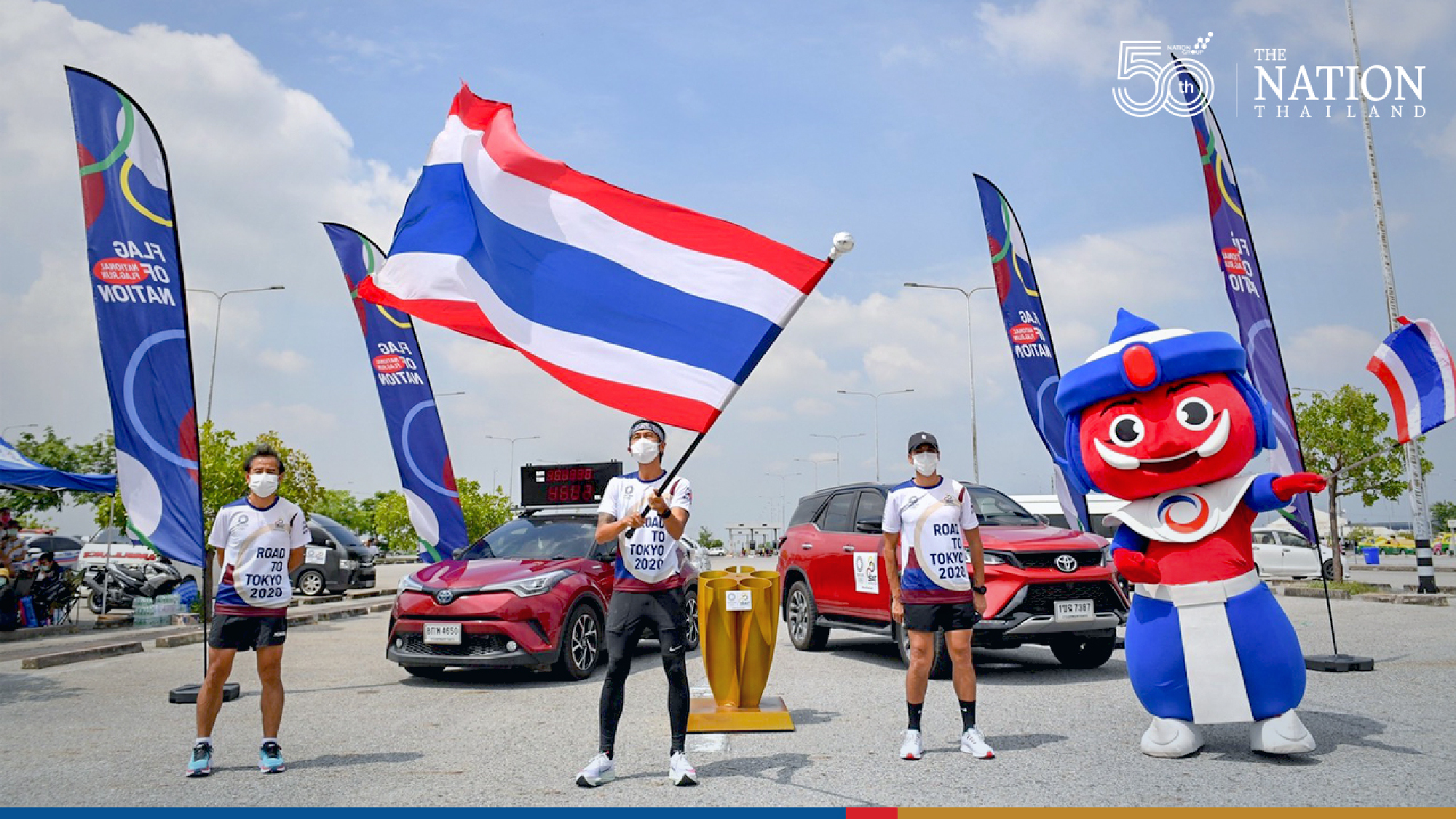
Thailand’s “Flag of the Nation” relay event for the Tokyo Olympics reached the end of the road on Thursday after a 60-day journey across the country.
Runners set out from Samut Prakan Provincial Stadium on the 61st leg of the event, jogging 30 kilometres north to reach the finish line at Suvarnabhumi Airport.
Fittingly, the honour of being the last flag-bearer went to rock star Artiwara Kongmalai, better known as Toon Bodyslam. Toon undertook an epic, 55-day run across the country in 2019, raising over THB1.2 billion for cash-strapped public hospitals.
Toon Bodyslam rocks flag on last leg of Thailand’s 4,606km Olympic relayToon Bodyslam rocks flag on last leg of Thailand’s 4,606km Olympic relay
The Flag of the Nation relay traversed 35 provinces and 4,606 kilometres – the distance between Bangkok and Tokyo – to encourage Thai athletes taking part in the Tokyo Olympics from July 23 to August 8.
Toon Bodyslam rocks flag on last leg of Thailand’s 4,606km Olympic relayToon Bodyslam rocks flag on last leg of Thailand’s 4,606km Olympic relay

 Thailand suffers setback as Indonesia force a draw in World Cup qualifiers
 Thailand suffers setback as Indonesia force a draw in World Cup qualifiers
 ‘She didn’t mean it’ – Serbian volleyball player’s racist gesture explained
 ‘She didn’t mean it’ – Serbian volleyball player’s racist gesture explainedColombian footballer Edwin Cardona was similarly punished for making the same gesture during a friendly match against South Korea in November 2017.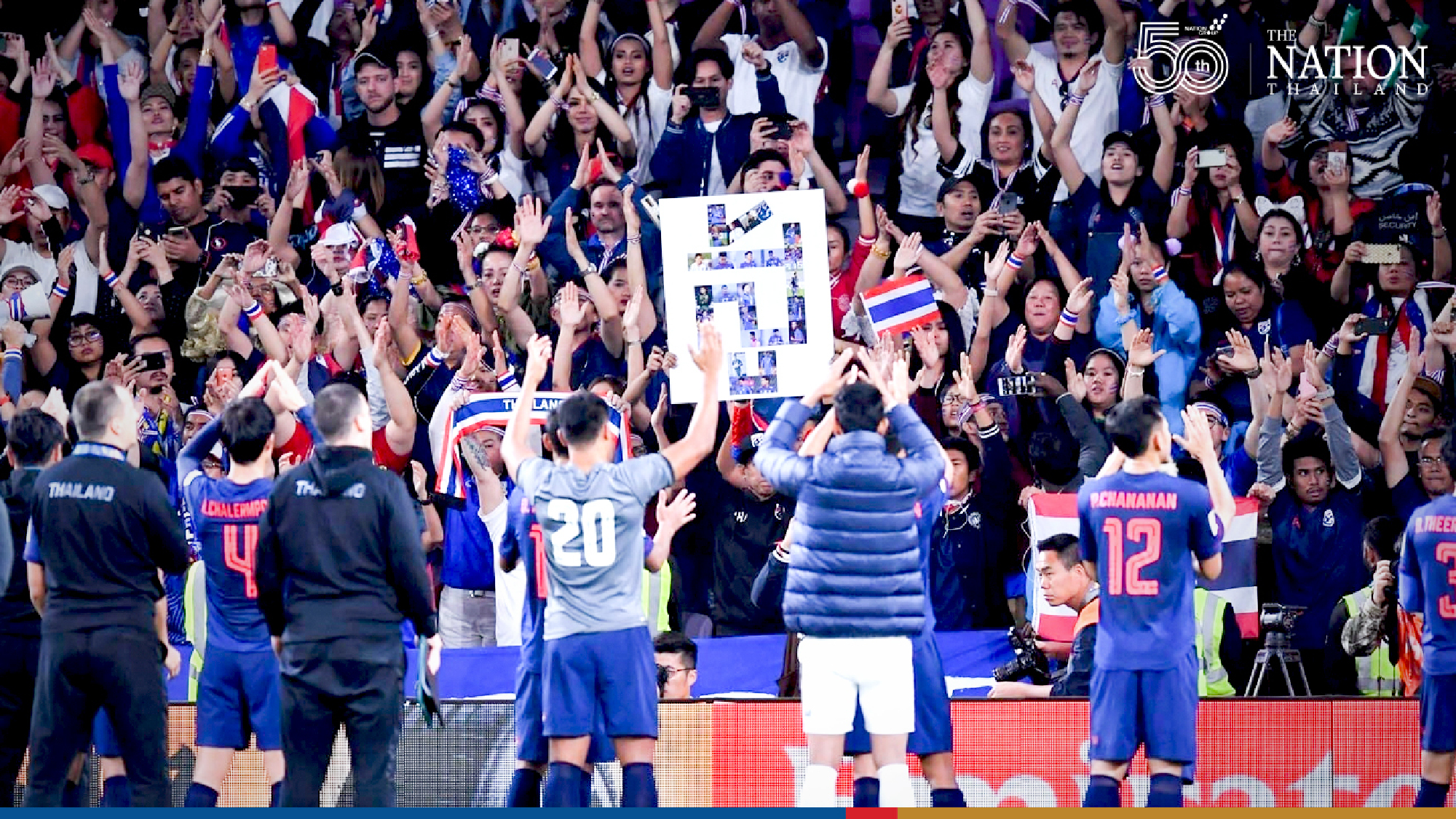

 Minister promises jabs for all boxing personnel soon
 Minister promises jabs for all boxing personnel soon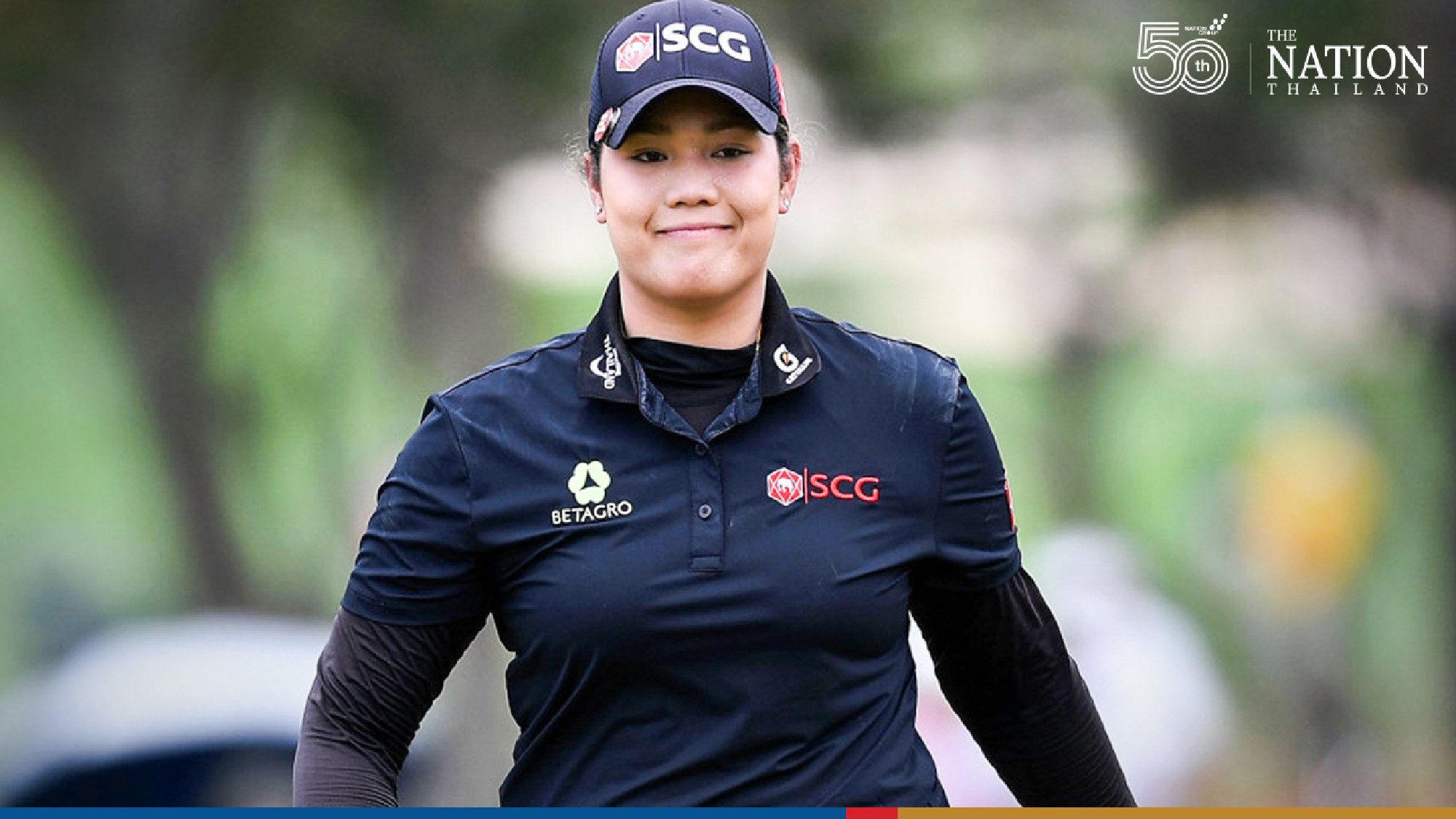


 Saemapetch Fairtex blows up meteorite Kulabdam in ONE first-round action
 Saemapetch Fairtex blows up meteorite Kulabdam in ONE first-round action
 Saemapetch Fairtex blows up meteorite Kulabdam in ONE first-round action

 Toon Bodyslam rocks flag on last leg of Thailand’s 4,606km Olympic relay
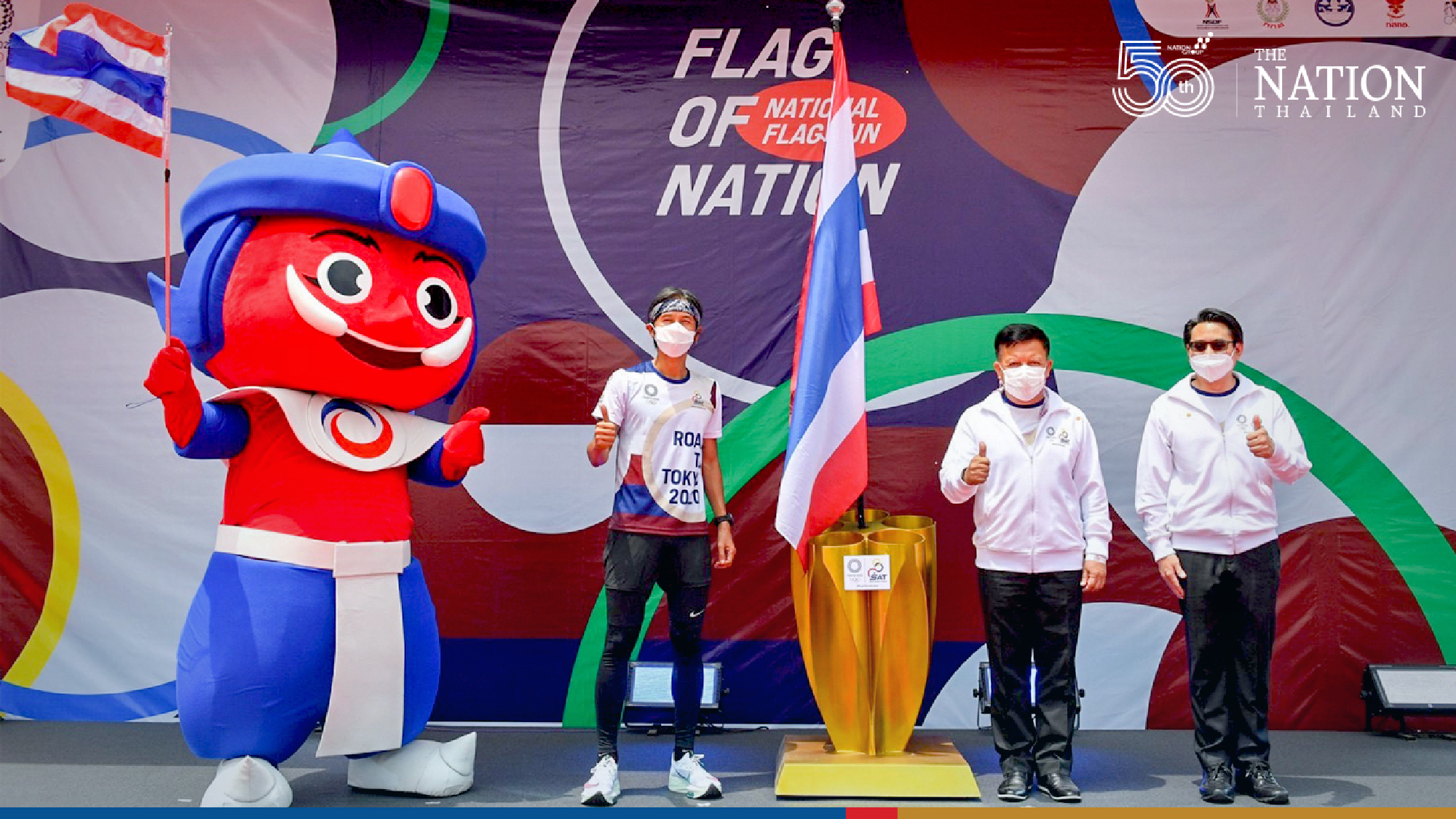 Toon Bodyslam rocks flag on last leg of Thailand’s 4,606km Olympic relay
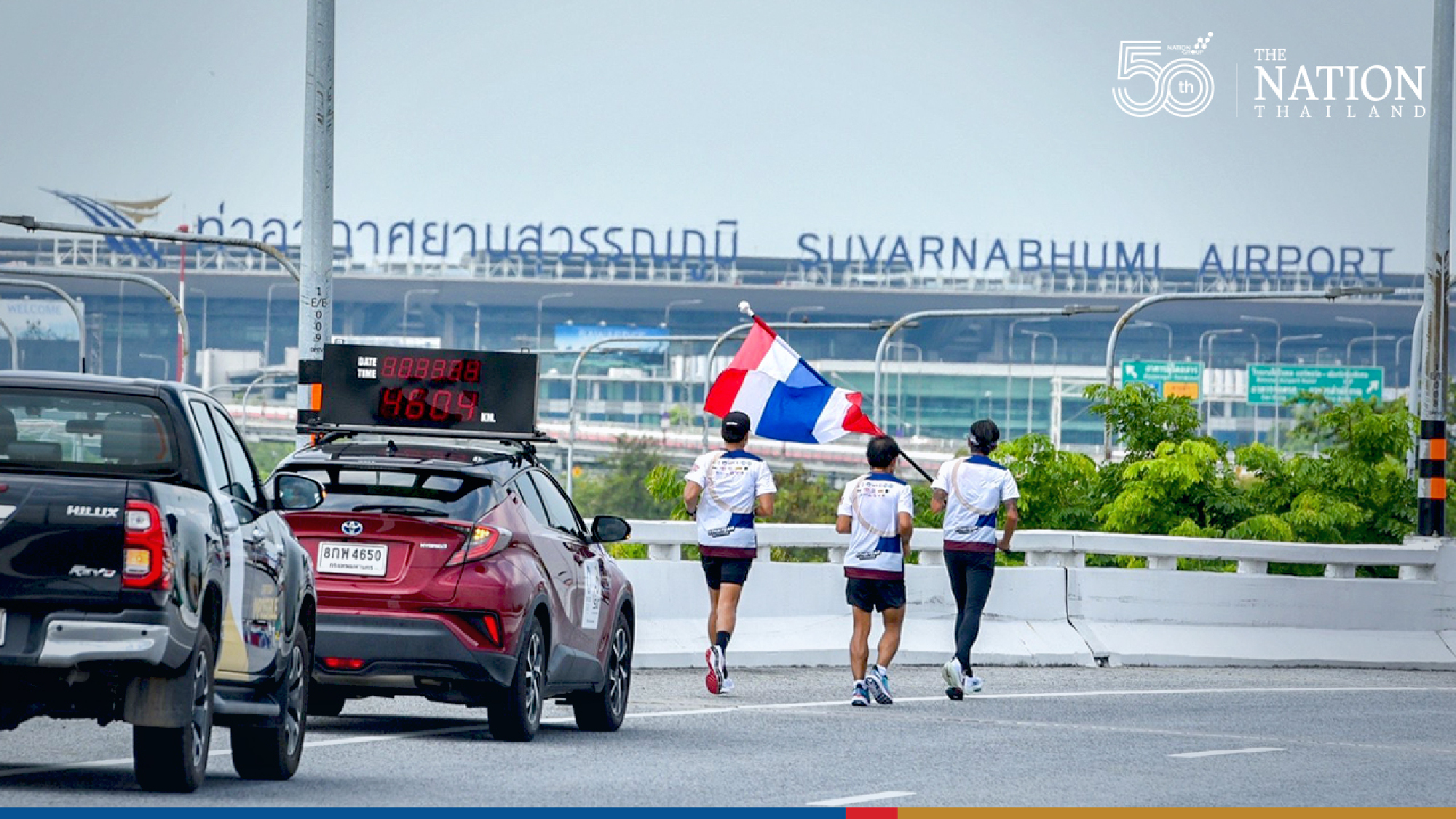 Toon Bodyslam rocks flag on last leg of Thailand’s 4,606km Olympic relay
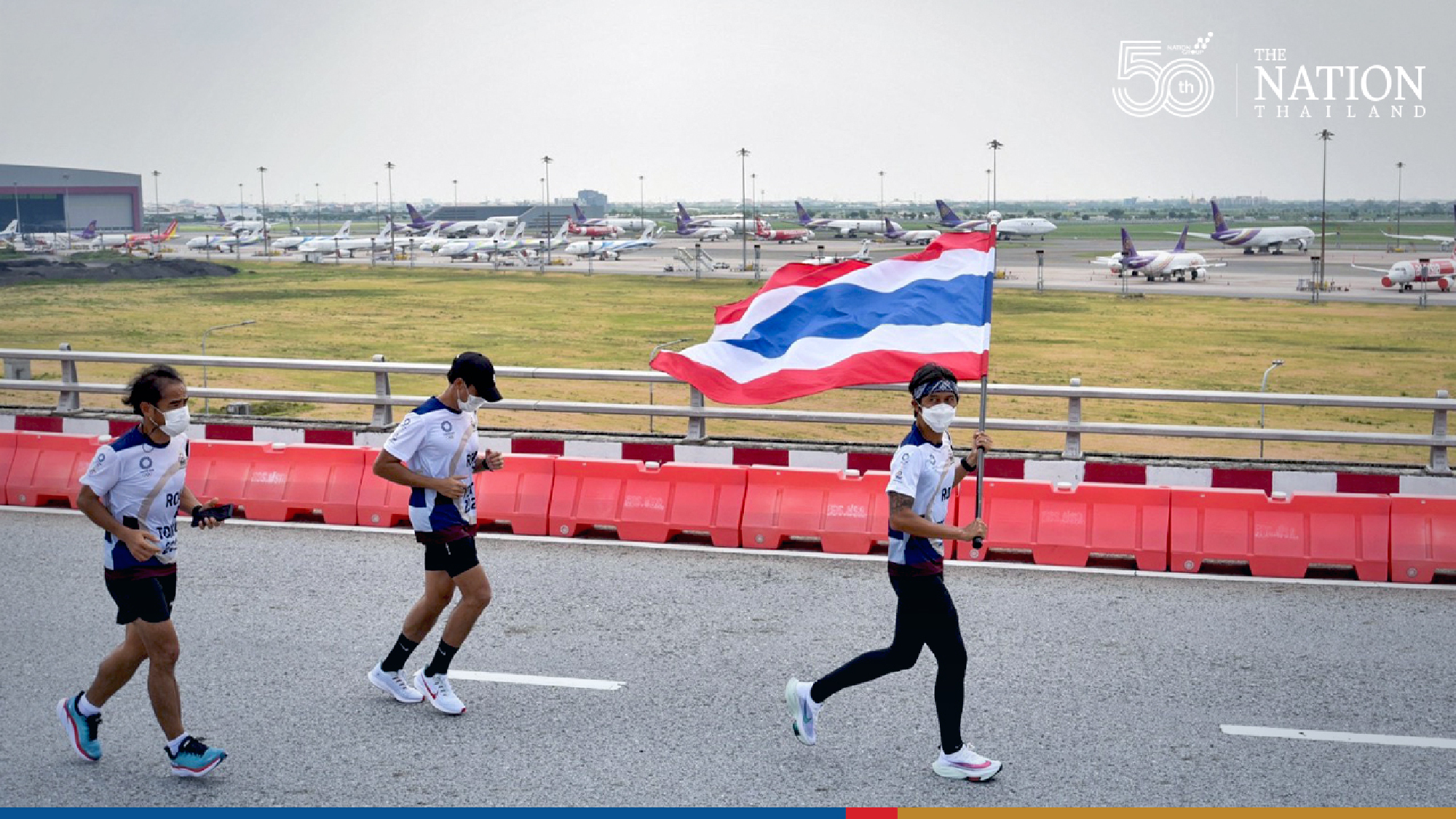 Toon Bodyslam rocks flag on last leg of Thailand’s 4,606km Olympic relay
