A trip to Thailand’s silk route #ศาสตร์เกษตรดินปุ๋ย

#ศาสตร์เกษตรดินปุ๋ย : ขอบคุณแหล่งข้อมูล : หนังสือพิมพ์ The Nation

https://www.nationthailand.com/travel/30379968?utm_source=category&utm_medium=internal_referral

A trip to Thailand’s silk route
Dec 29. 2019
By The Nation

Fashion fabrics may come and go, but “Thai traditional fabric” has an enduring quality about it.

It looks chic on its own, irrespective of whether it is mixed and matched with another fabric. With changing times, the design and cutting of Thai clothes have also been modernised to suit the tastes of teenagers and working people. In olden days, the northern cities were famous for weaving and there was weaving by tribes living on mountain tops. Today, northeastern-style woven fabrics are equally trendy too.

When did Thai people learn to weave?

There is no clear evidence of the origins of weaving in Thailand. It could be said that “weaving” is one of the oldest of arts and crafts that ancient humans seem to have had from prehistoric times.

Going back about 7,000-8,000 years in the prehistoric era, it was found that the ancient humans had decorated terracotta pots with rope marks and gauze marks at Ban Chiang in Udon Thani province. Therefore, it is assumed that humans must have known how to make ropes and nets by using fibrous plants to slit into ropes and then tied the ropes or knitted them into a net, which possibly developed into a simple technique of weaving: a rope is tied to the wood or is held up as a standing thread, then another rope is dashed against the thread of the warp until it becomes a rough sackcloth.

Another important archaeological evidence in the Ban Chiang area is the bronze bracelets. They are rusty but show evidence of a piece of cloth stuck to the rust stains. Scientists explain that rust is a corrosive metal but fabric has preservation qualities. A spindle whorl, a simple spinning device with an engraved roller, for making patterns are also seen. Therefore, it can be assumed that humans who lived in Ban Chiang around 5,000 years ago knew thread spinning, weaving, dyeing and printing patterns on the fabric as well.

Woven fabrics during the Rama VI era

Thai people traditionally knew the art of weaving cloth for making clothes at home by using simple weaving tools using the most natural technique in the world — tying a warp thread to one finger and then using the other hand knitted with other thread; some may use a needle or bone to help. This method is called finger weaving, which produces a narrow and long fabric, such as a sash that can be sewn into clothing.

Looms are found to have been used by Thai people only during the reign of King Rama VI. Chinese people who lived in the Sampeng region imported them into Thailand in order to weave more quantities for sale to the townspeople. However, many are still weaving with looms.

Later, in 1935, the Ministry of Defence established a textile factory for military use, known as the “Siam Cotton Factory”, to produce clothing and cotton wool for the military. Orders were placed with foreign suppliers for textile and cotton machinery, marking the beginning of the weaving industry. The machine produced a large quantity of fabric without patterns in traditional fabric and the textile weaving industry in Thailand expanded greatly. Thailand was able to export a large number of machine-made textiles every year, but at the same time the patterns and methods of weaving using Thai wisdom gradually faded away.

“Hand-woven fabrics” and Indigo-dyed fabrics, northeastern style

The present era is a flourishing phase for “Thai fabric”, both hand-woven cotton and hand-woven silk due to the revival of the hand-weaving method. Thai fabric patterns of the olden days have come back to life to meet the lifestyles of people of the modern people who are valuing Thai fabrics, especially in the northeastern region, where many agencies have helped to spotlight the northeastern woven fabric. People who love and admire “Thai fabric”, should not miss seeing the northeastern-style handwoven fabric that is a result of traditional wisdom and skill. Moreover, these are handmade products at almost every step, whether it be raising silk, making silk threads, dyeing them, and selling it at a good price, which can generate additional income for the villagers.

There are three places on the Khon Kaen-Udon Thani travel route we would like to recommend on the “Isaan Weaving” trail:
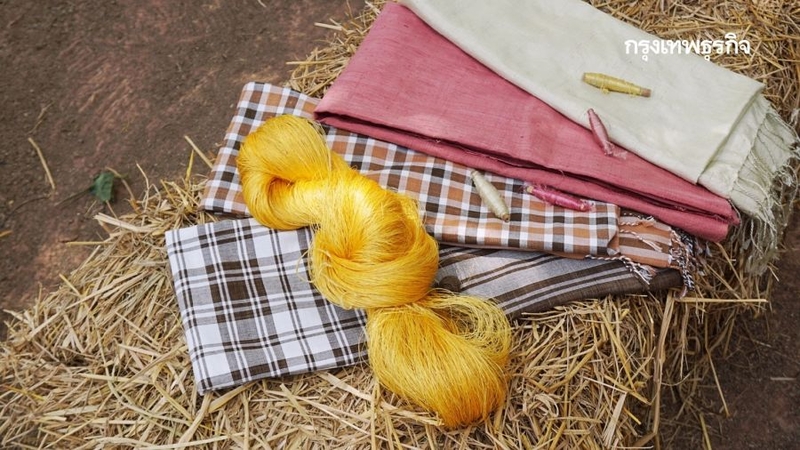
Natural-colour silk in Khon Kaen

Begin the trip at “Pure Silk Thread at Mae Tho”, Ban Na ham, in Ban Meng subdistrict, Nong Ruea district.

These are groups of villagers who engage in silk-weaving by hand, which is sold on a pre-order basis. Suthat Saen-Ong-ard said that the silkworm weaving was founded in 2015. There are 28 members and the name Mai Tah Tee Mae Tho [Pure silk of Mother Weaving] was chosen to indicate pride in the older generation who taught them to make silk. The traditional silk-mulberry cultivation methods and the high quality are still maintained.

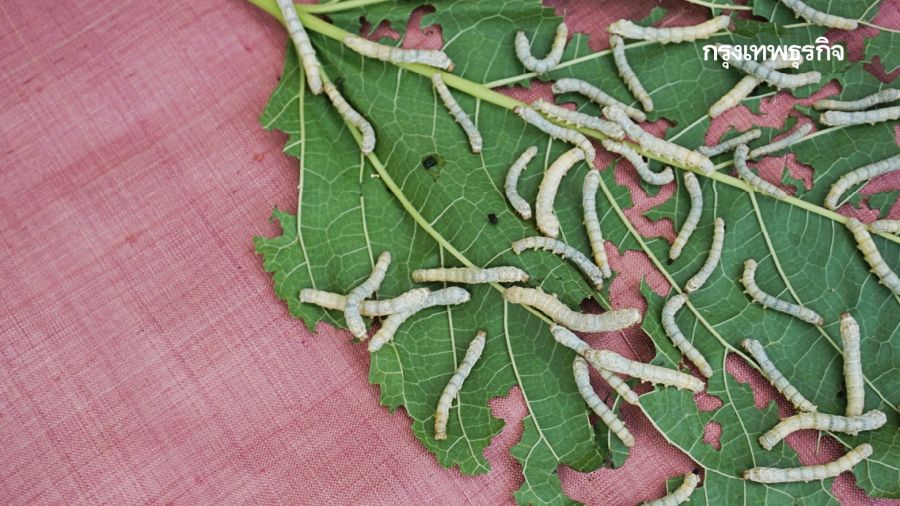
Silk threads are produced from silkworms, which raise themselves, and can have a 100 per cent natural dyeing from fruit peels and leaves such as ebony, neem, eucalyptus, and shellac, cultivated in homes and within the community. Aside from seeing the pure silk that the villagers make, they also make silk threads, dye their own colours and weave. Tourists can walk around to see how different kinds of plants are chosen for different colours by the villagers for dyeing the silk threads as well as learn the way of folk wisdom.

This group focuses on natural plain silk. Each colour is different and depends on nature. Sometimes, even though the same bark is used for dyeing, it may acquire a different shade — the only colour of silk in the world. The unique colour of the silk here is a “sugarcane leaf” shade, which produces a light greenish-yellow colour.

Indigo-dyed woven fabric at Ban Chiang

Next, take a trip to the Ban Chiang community, located in the Ban Daeng subdistrict in the Phibun Rak district of Udon Thani province. The people in this area are of Tai Phuan descent, an ethnic group that wears unique and distinct clothing, who bring the wisdom of their ancestors to continue to create valuable workpieces. With the creation of patterns from prehistoric pottery, there are many other ancient patterns. Tai Phuan fabric patterns are different from other local tribal tapestries.

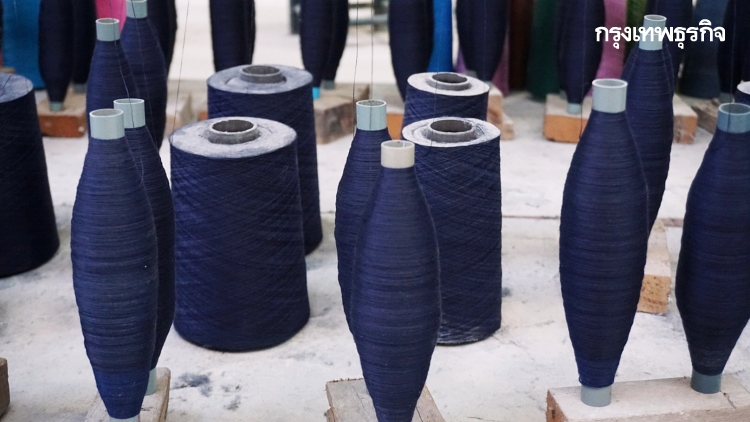
A group of Ban Chiang native women have been engaged in weaving since 1971. Some 30-50 women inherited the ancient weaving loom but changed to use modern weaving loops, which makes weaving faster and more convenient. Cotton thread is used for weaving, which is dyed in indigo to give it a bright blue colour. In the village, there are indigo dyeing workshops and a shop for selling products.

In the past, the villagers made indigo dyeing cotton clothes only to be worn within the village. Later they began to learn to make patterns with the process of Mudmee, or Ikat Fabric, in various designs using their imagination. Indigo-dyed cotton made in Ban Chiang is widely popular in Thailand, creating jobs, income and careers for villagers and also Ban Chiang’s reputation for weaving.
Lotus petals dyed woven fabric at Ban Nong Kok

Witness and shop for beautiful northeastern-woven clothes in Udon Thani province, especially the “Ban Non Kok Ancient Weaving Group [Dyed red lotus petals]” at Nong Na Kham subdistrict in Muang Udon Thani. They have their own weaving shop and dyeing factory. There is also a tourist area spacious enough to accommodate visitors and buyers of lotus-petal-dyed woven fabrics of the villagers. Travellers can sit and rest comfortably amid cool breeze.

This weaving group was established in 2013 by Apichat Poolbuakai, or Teacher Ton, a descendant of Ban Non Kok who wrote a thesis on the careers of the villagers. The weaving uses traditional wisdom of the Non Kok villagers. The village began to weave with naturally dyed threads, using local material and got more feedback from customers. Thus the idea emerged to establish a weaving group to expand the weaving work and create jobs and income for the community.

Inside the weaving shop, there is a demonstration of dyeing or silk threads with red lotus petals. The colour obtained from the red lotus flower is 100 per cent natural, without any chemical colouring as lotus petals can be boiled in water straight away. In addition, the colour works well and the quality meets required standards
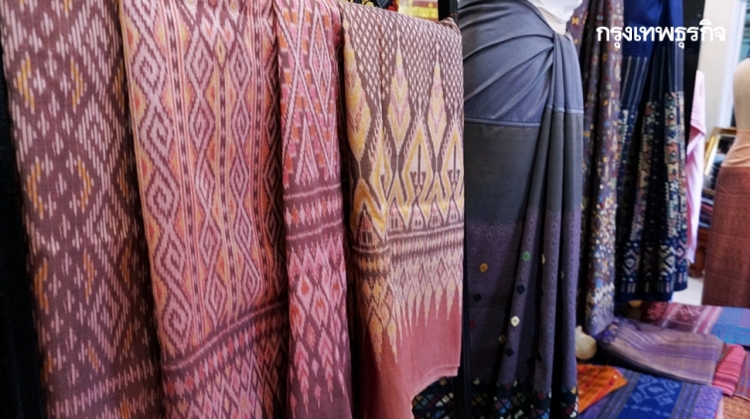
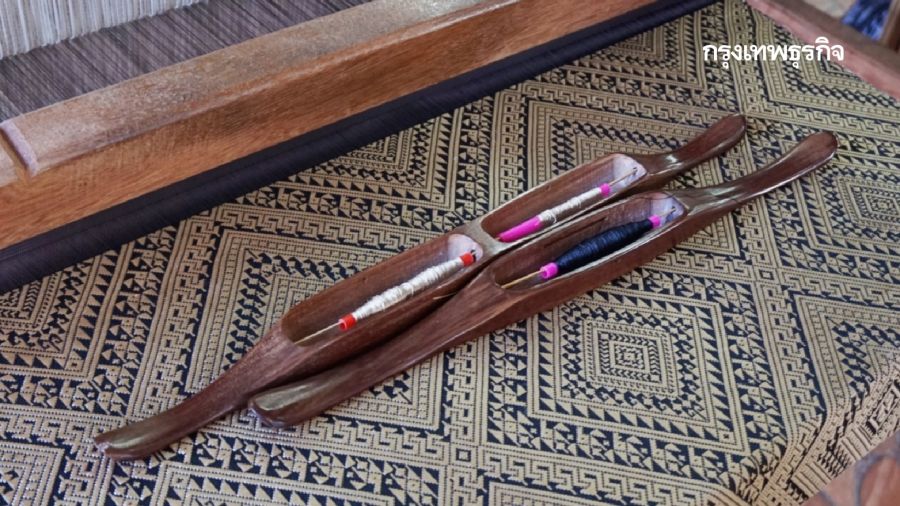
There are many types of dyeing and many colours are available. For example, when fresh lotus petals are used to dye with cold technique, you get a light pale pink and purple. When dried lotus petals are boiled and dyed using hot technique, the fabric gets a golden colour. Dried lotus stems when boiled and dyed in hot water, yield grey. All three colours produce unique woven fabrics, especially as the pattern of the fabric is unique as well. Some hand-made silk fabrics are worth up to Bt140,000.
Samut Sakhon community offers rare eco-tourist attraction #ศาสตร์เกษตรดินปุ๋ย

#ศาสตร์เกษตรดินปุ๋ย : ขอบคุณแหล่งข้อมูล : หนังสือพิมพ์ The Nation

https://www.nationthailand.com/travel/30379956?utm_source=category&utm_medium=internal_referral

Samut Sakhon community offers rare eco-tourist attraction

Dec 28. 2019
By THE NATION

At merely an hour’s journey from Bangkok lies the Bang Ya Phrak community, an eco-tourist attraction in Samut Sakhon province.

This community is located near Tha Chin River, which flows through the province. Most people in this community are fishermen, earning revenue from catching aquatic animals in the river. It is a common sight to see people gathering to repair their fishing nets on holidays.

The starting point of travel to this community is Suttiwat Wararam temple. Travellers can take a boat here to travel along Ao (bay) Maha Chai, taking in the sights of a mangrove forest where white mangroves grow abundantly.

Presently, this mangrove forest is preserved and cared for by Charoen Pokphand Foods, the local people, and civil society.

If travellers visit the mangrove forest during October and November, migratory birds will be visible. Those birds, namely, are the great sandpiper, the common red-necked seabird, the small-headed sandpiper, and the black-backed bird.

In addition, those who visit this community can learn to make Thai traditional desserts at Ban Na Chaba, as well as have memorable meals from the local menu, such as fried mangrove leaves.

There are outstanding handicraft items made in the Bang Ya Phrak community such as models of fishing boats, by a former fisherman named Chatchawal Chowsamut. Meanwhile, Prannee Homthong’s salt field allows tourists to visit and see the processing procedure in making

salt.

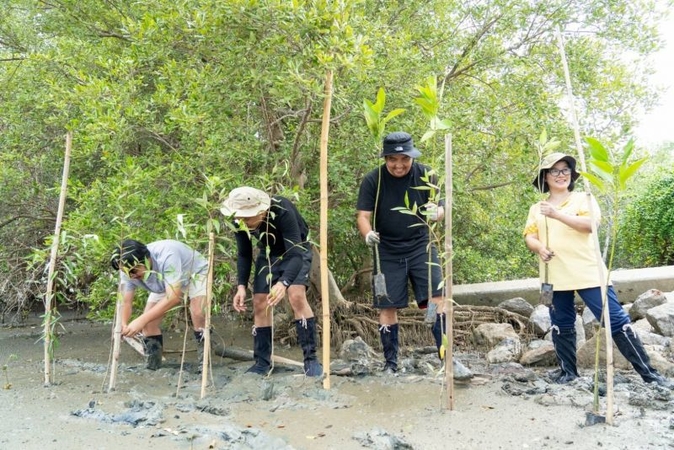
Lastly, to end this trip memorably, travellers can participate in mangrove forest planting and garbage collection activities at Ao Mahachai Mangrove Forest Natural Education Centre. These activities allow participants to see the beautiful landscape of the forest.

Malaysia: E-registration for China, India tourists isn’t for those who overstay #ศาสตร์เกษตรดินปุ๋ย

#ศาสตร์เกษตรดินปุ๋ย : ขอบคุณแหล่งข้อมูล : หนังสือพิมพ์ The Nation

https://www.nationthailand.com/travel/30379976?utm_source=category&utm_medium=internal_referral

Malaysia: E-registration for China, India tourists isn’t for those who overstay

Dec 29. 2019
In a statement, the ministry said the 45-day rule was considered a cooling-off period aimed at preventing any abuse of the visa-free requirement.

In a statement, the ministry said the 45-day rule was considered a cooling-off period aimed at preventing any abuse of the visa-free requirement.
By The Star/ANN

PETALING JAYA: Tourists from China and India can only reapply to enter Malaysia via the visa-free Electronic Travel Registration and Information (eNTRI) system 45 days after they leave the country, says the Home Ministry.

In a statement, the ministry said the 45-day rule was considered a cooling-off period aimed at preventing any abuse of the visa-free requirement.

The ministry said it was aware of a Federal Gazette dated Dec 23 on the visa-free requirement, which went viral on social media recently with some parties linking the requirement with tourists from China who overstay.

“The Immigration Department, under the ministry, has consistently conducted operations to nab illegal immigrants, including tourists who overstay.

“Stern action are taken against foreigners who break the law,” the ministry added.

“Entering the country via eNTRI is an improvement of the Visa on Arrival (VOA) mechanism, where security element is part of eNTRI’s processes and controlled fully by the Immigration Department.

“The main objective is to strengthen the country’s tourism industry with the visa-free requirement for tourists who want to visit Malaysia,” the ministry said.

It added that the ministry and the department had and would always ensure that the nation’s safety was a priority.

“We will not compromise against any parties who threaten public order and safety,” the ministry added.

It was reported on Saturday (Dec 28) that tourists from China and India would be able to visit Malaysia without a tourist visa next year.

Throughout 2020, they will be able to enter the country for up to 15 days by using the electronic travel registration and information system – either individually or through travel agencies in their respective countries.

However, the tourists must enter and exit Malaysia only through authorised airports or entry points.

Upon arrival, they must produce proof of sufficient cash for expenses, credit card or bank card, and produce their travel itinerary in Malaysia. They should also have a valid return ticket.

According to a statement from the government, these tourists would be able to travel to Malaysia three months after registration.

In addition, the 15-day period cannot be extended and these tourists cannot apply for any other passes under the Immigration Regulations 1963.

The statement was signed by Prime Minister Tun Dr Mahathir Mohamad, exercising the functions of the Home Minister.

It was reported that Malaysia aims to attract 30 million international tourist arrivals for the Visit Malaysia 2020 campaign – bringing in total tourist receipts of RM100bil.

Dining out on longans #ศาสตร์เกษตรดินปุ๋ย

#ศาสตร์เกษตรดินปุ๋ย : ขอบคุณแหล่งข้อมูล : หนังสือพิมพ์ The Nation

https://www.nationthailand.com/travel/30379906?utm_source=category&utm_medium=internal_referral

Dining out on longans

Dec 27. 2019
By The Nation

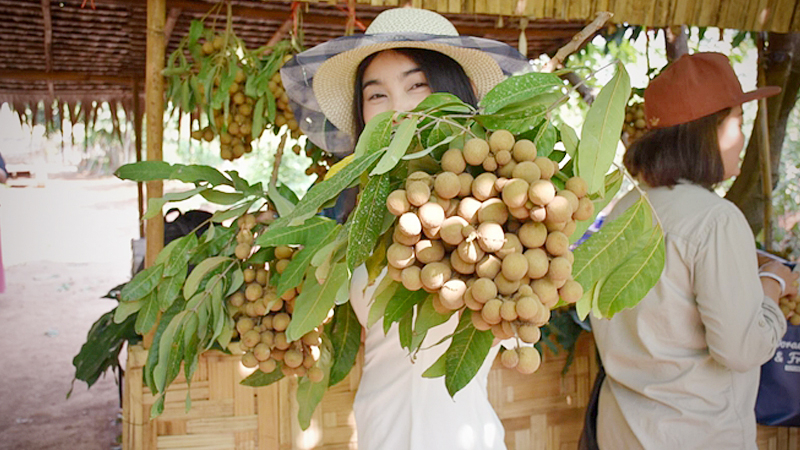
Tourists who cannot resist sweet and juicy fruits have a good reason to head to Kanchanaburi province over the next couple of weeks as Maple Gardens, located on the 323 road (Kanchanaburi – Sai Yok), near Ban Kao Intersection, a short drive from Kanchanaburi Rajabhat University, is hosting a longan buffet in its flower gardens until January 12. Most of the longans grown in Thailand are exported, so this is indeed a rare treat for anyone who likes them.

San, the owner of the Maple Gardens, is inviting all comers to munch on as much fruit as they can stomach while walking around the beautiful gardens filled with flowers in all their cool season finery. A range of agricultural products including ornamental flowers and various fruits are on sale. Admission to the garden complete with the longan buffet is Bt99 per adults with kids under 12 allowed of free. Pets are welcome but must be kept under control and on a leash at all times.

Sparkling lights honour the King and usher in 2020 in Khon Kaen #ศาสตร์เกษตรดินปุ๋ย

#ศาสตร์เกษตรดินปุ๋ย : ขอบคุณแหล่งข้อมูล : หนังสือพิมพ์ The Nation

https://www.nationthailand.com/travel/30379872?utm_source=category&utm_medium=internal_referral

Sparkling lights honour the King and usher in 2020 in Khon Kaen

Dec 26. 2019
By The Nation

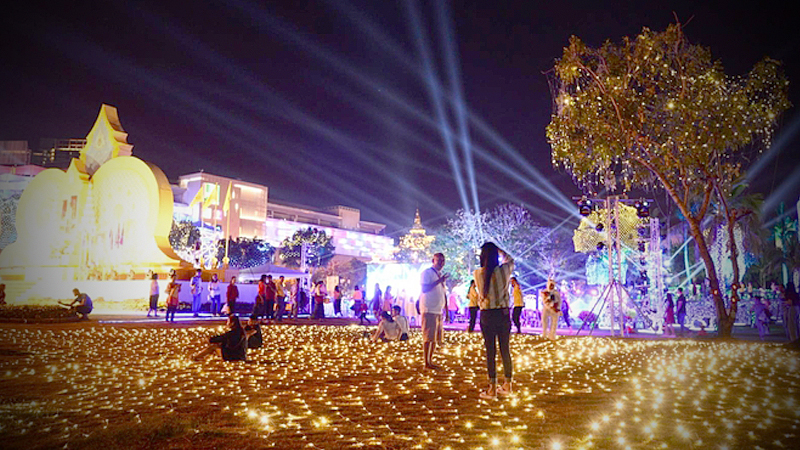
Khon Kaen governor Somsak Jungtrakul officially opened an illuminated garden honouring His Majesty King Rama X on Wednesday evening (December 25) at the Khon Kaen city gate park along with Theerasak Thikayuphan, Mayor of Khon Kaen and Sittikul Phukhamwong, Vice President of Khon Kaen Provincial Administrative Organization.

Mini Krathongs, candles and incense sticks have been set out for those wanting to pay their respects to the Monarch in front of his royal image and visitors can also enjoy a performance telling the story of Phra Suthon Manora .

The illuminations will be on every night through December 31. More than a million sparkling lights are spread over 5 zones: Thepdanthip [God in the heaven]; Thaloengsok Amnuay Chai [blessing for the new beginning]; Chalerm Chat Sanosorn [All glory to the king]; Russamee Dara Shai [Radius of starlight]; and Pok Kset Pracha [The protector of people]; with lighting design shows in three colours of 30-minutes duration taking place at 7.30, 8.30 and 9.30 pm. Visitors can also feast on food and drinks and shop for DIY products and hand-made items.

On New Year’s Eve, all are invited to join the Khon Kaen Countdown 2020 on the theme “Celebrating 222 Years of Khon Kaen” featuring concerts by Big Ass, Lomosonic, Tattoo Color, Greasy Cafe, DCNXTR, along with folk songs, and art performances at the central stage at Srichan Road. The celebrations will end with an alms giving ceremony on January 1 at the Khon Kaen City Pillar Shrine.

Feathered creatures great and small #ศาสตร์เกษตรดินปุ๋ย

#ศาสตร์เกษตรดินปุ๋ย : ขอบคุณแหล่งข้อมูล : หนังสือพิมพ์ The Nation

https://www.nationthailand.com/travel/30379871?utm_source=category&utm_medium=internal_referral

Feathered creatures great and small

Dec 26. 2019
By The Nation

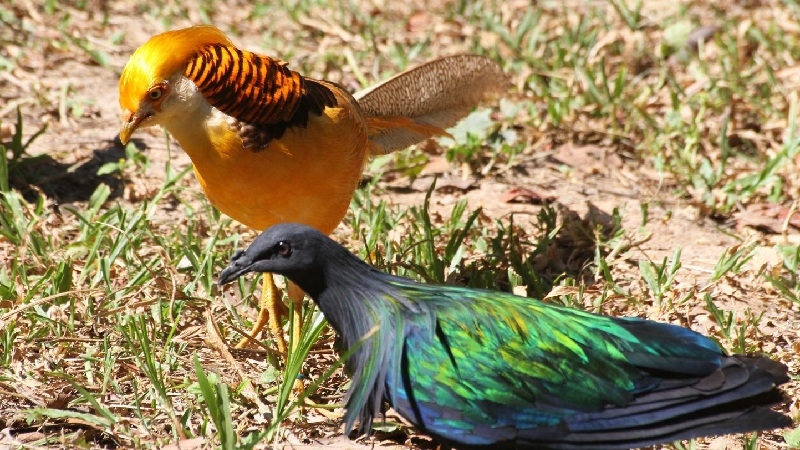
The director of Ubon Zoo in Ubon Ratchathani has invited journalists and students to visit the Bird Park, which is open to 200 birds from various species such as the pied imperial pigeon, Nicobar dove, hornbills, red-billed blue magpie, alexandrine parrot and white peafowl.

Visitors can appreciate birds singing inside the Bird Park, which is spread over 6-rai area filled with trees and an artificial waterfall and covered by netting 40 metres high.

The entrance fee is discounted by Bt99 until February 29 to welcome Ubon Ratchathani residents who return to their hometown during the New Year holiday.

Phuket in joint venture to beautify Promthep Cape #ศาสตร์เกษตรดินปุ๋ย

#ศาสตร์เกษตรดินปุ๋ย : ขอบคุณแหล่งข้อมูล : หนังสือพิมพ์ The Nation

https://www.nationthailand.com/travel/30379858?utm_source=category&utm_medium=internal_referral

Phuket in joint venture to beautify Promthep Cape

Dec 26. 2019
By The Nation

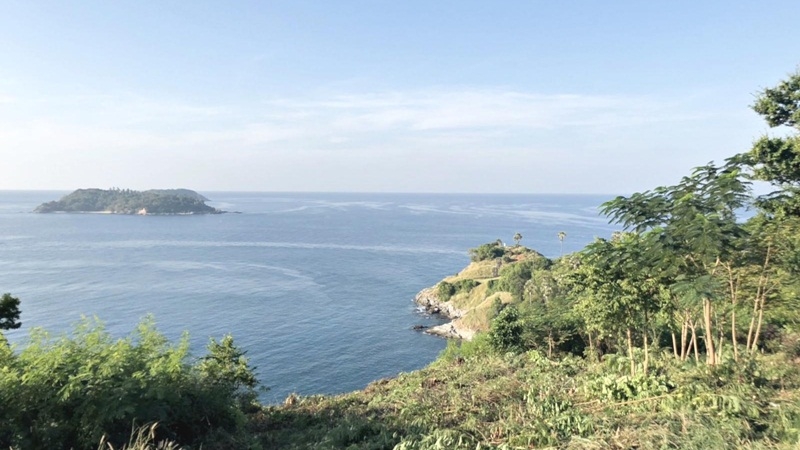
The Phuket governor’s office is working with the Rawai subdistrict municipality and Nongnooch Garden Pattaya to improve the scenery in Promthep Cape.

Phuket Governor Phakphong Thaviphat said that Promthep Cape is one of the tourist attractions under the Tourism Authority of Thailand’s campaign to attract tourists to visit Thailand and stimulate the country’s economy.

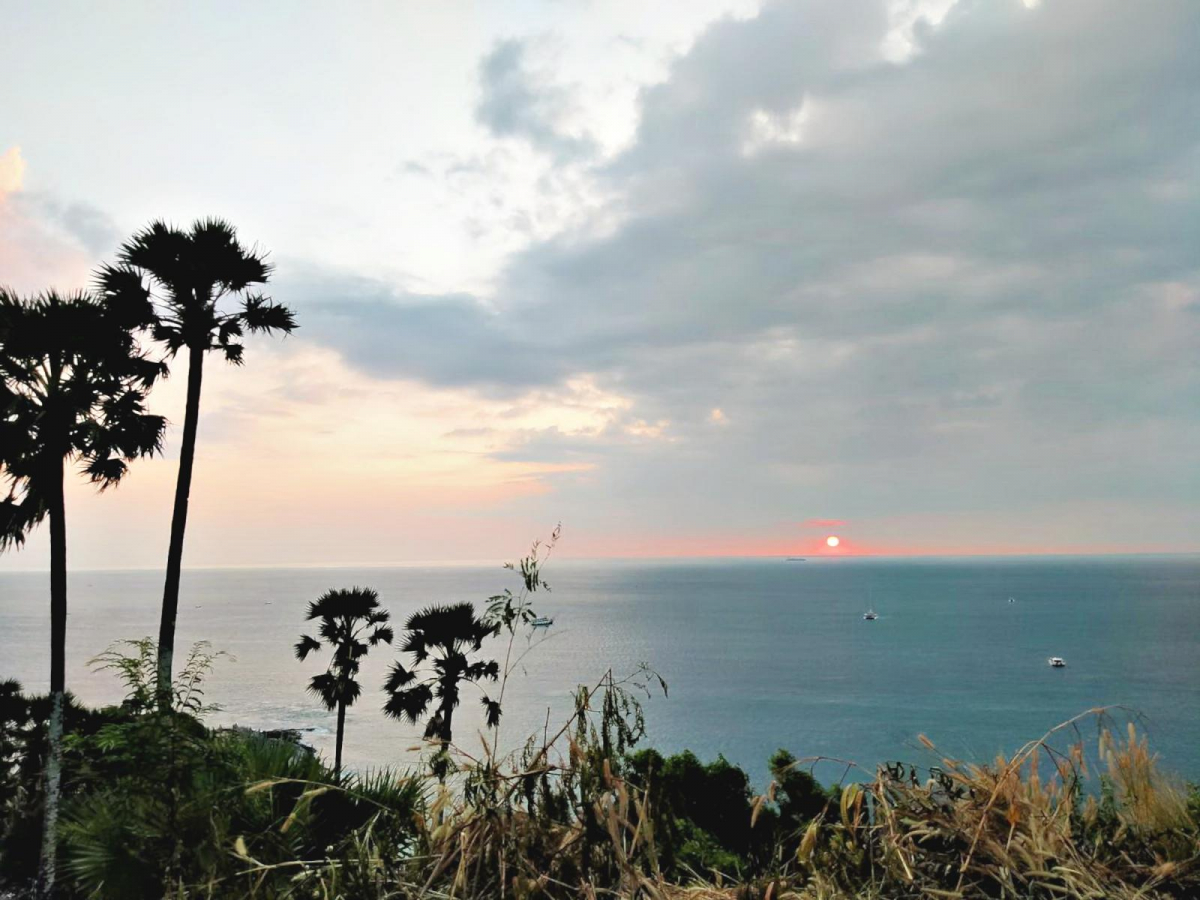
“The highlight of this attraction is visitors can enjoy the beautiful views of the sunset, and also visit Kanchanaphisek Lighthouse,” he said. “Recently, we found that sugar palm trees, which are a unique characteristics of this cape, were decreasing in number.”

The director of Nongnooch Garden Pattaya, Kampol Tansajja, said that after discussions with the governor, they will improve the landscape of this cape by planting more than 70 sugar palm trees from December 27 to 28 to encourage tourists to take photos and post them on social media.

“We want to develop tourist attractions and make Phuket more beautiful to provide a New Year’s gift to tourists who visit Thailand during the New Year Festival,” he said.

Cosmos flowers draw tourists to Chai Nat #ศาสตร์เกษตรดินปุ๋ย

#ศาสตร์เกษตรดินปุ๋ย : ขอบคุณแหล่งข้อมูล : หนังสือพิมพ์ The Nation

https://www.nationthailand.com/travel/30379823?utm_source=category&utm_medium=internal_referral

Cosmos flowers draw tourists to Chai Nat

Dec 25. 2019
By The Nation

1,792 Viewed

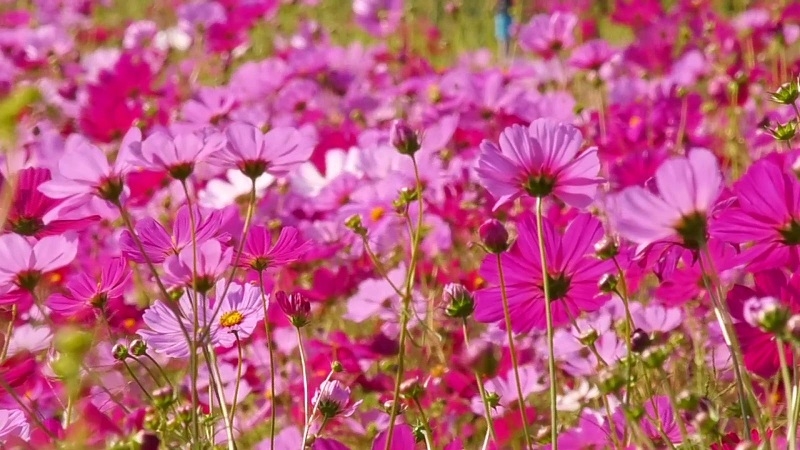
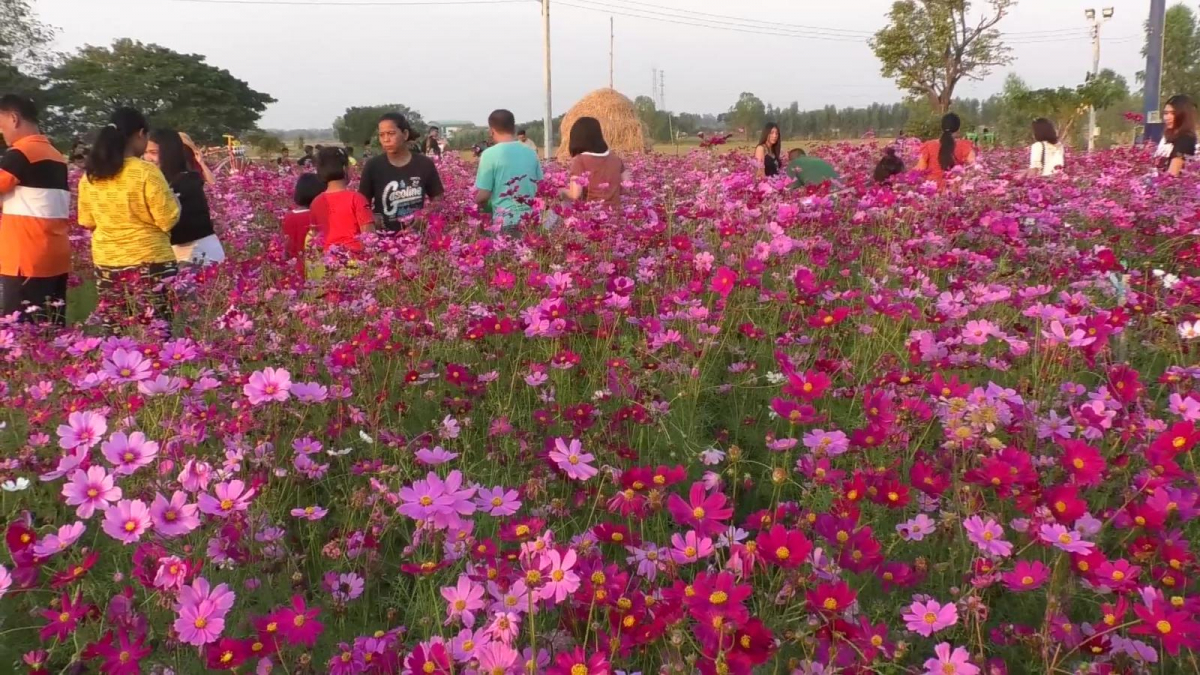
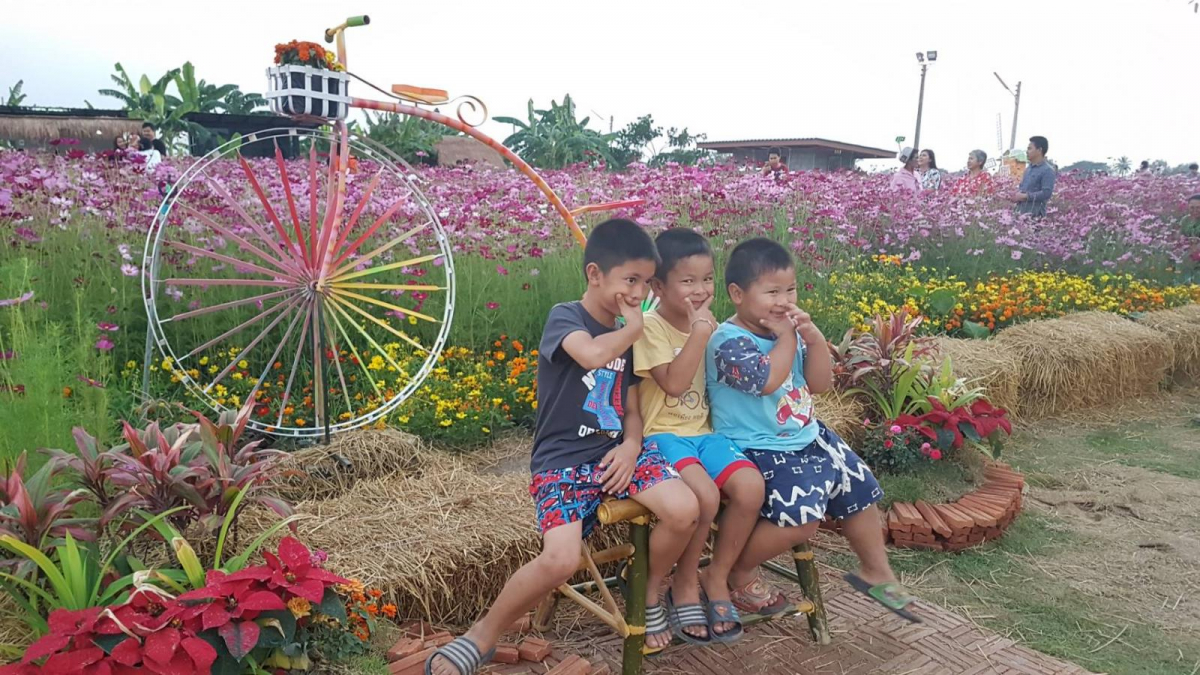
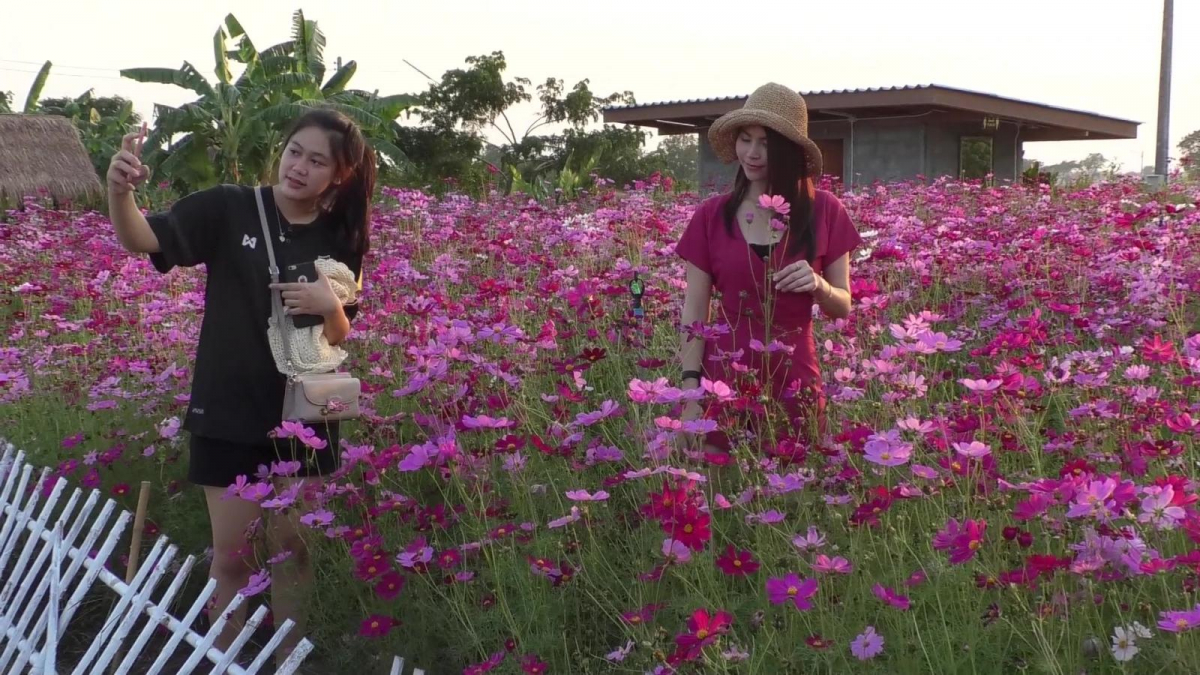
People in Chai Nat and nearby provinces are making a beeline to the cosmos flower field, a new tourist attraction in Chai Nat.

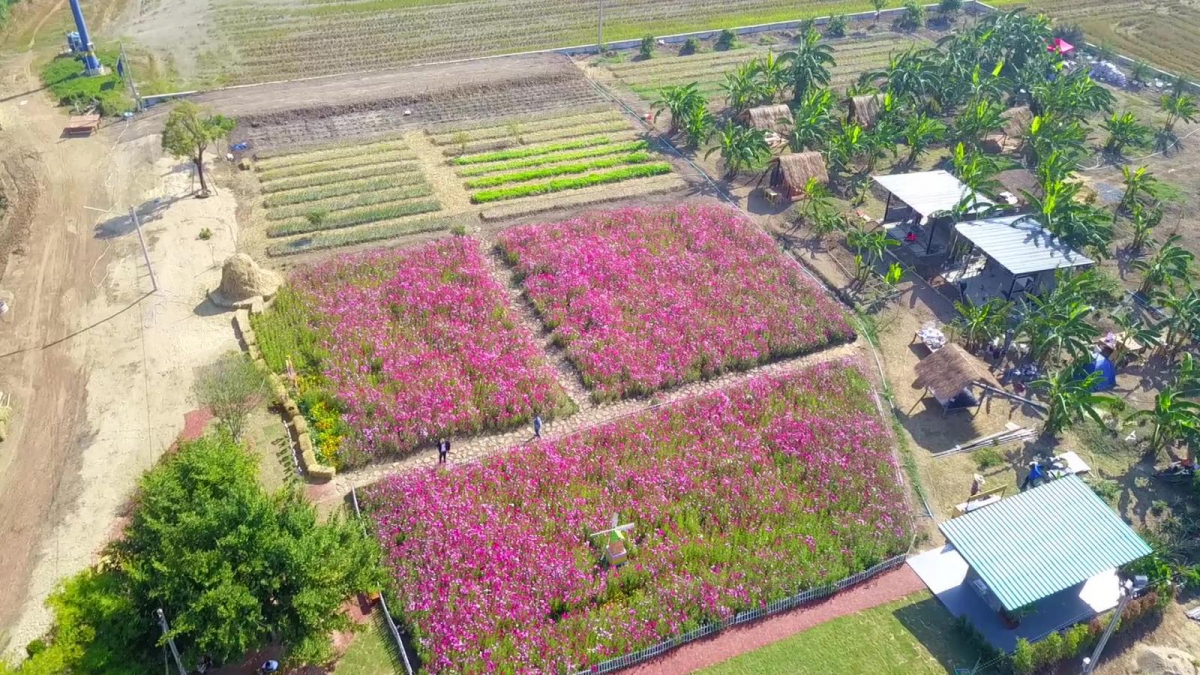
The mayor of Pho Nang Dam Tok subdistrict, Nitirut Mukchalermwong, and his wife, Nalinthon Ampornviraphat, the owner of the cosmos field in Nalinthon Agricultural Park, revealed that they had switched from cultivating rice on 4 rai of their land to growing fruits and vegetables, of which one rai has been devoted exclusively to the cosmos flower.

“My wife loved the flowers, so we grew them to see its beauty and take pictures of it,” the mayor said. “We sowed the seeds for these flowers on October 27 this year and they bloomed at the beginning of December. There are three colours: fuchsia pink, light pink and white.”

When the flowers bloomed, the villagers took photos and posted them on social media. The posts were shared widely and drew the attention of people both in Chai Nat and nearby provinces.

“Now, we have to make arrangements for the numerous visitors by providing photography spots, seats and restrooms,” they said. “Also, we have foods, such as noodles and papaya salads for sale at an affordable price, and we allow them to bring their foods, if they want to have a picnic.”

They added that they planned to develop this field as a tourist attraction in Chai Nat, especially during the New Year Festival this year.

“Once the current cosmos flowers dry up, we will grow another batch,” they added. “Also, we will grow sunn hemp to improve the quality of the soil during the dry season in April.”

Magical sunset through the clerestory of Kham Yat Palace #ศาสตร์เกษตรดินปุ๋ย

#ศาสตร์เกษตรดินปุ๋ย : ขอบคุณแหล่งข้อมูล : หนังสือพิมพ์ The Nation

https://www.nationthailand.com/travel/30379785?utm_source=category&utm_medium=internal_referral

Magical sunset through the clerestory of Kham Yat Palace

Dec 24. 2019
By The Nation

1,762 Viewed

On Monday (December 23) at 5pm, hundreds of Ang Thong residents went to see the sun set behind the clerestory of Kham Yat Palace, creating a beam of light shining into the ancient ruins that date back to the Ayutthaya era.

The phenomenon only occurs on December during the winter solstice, the shortest day of the year. As the sun goes down, the light will shine through the small window above the door onto the red wall of the royal pavilion reflecting the building, thought sadly the colour of the wall has now faded.

This Palace, built in the reign of King Boromakot, was used to be the abode of King Uthumphon, the 33rd and penultimate monarch of the Ayutthaya Kingdom, while he was ordained as a monk. He stayed for a period of time before returning to Wat Pradu Songtham. The Royal Chronicles of Ayutthaya mention that King Uthumphon was asked to leave the monkhood and take over government to help fight the Burmese incursion.

At present only the four walls of an elevated one-floor royal residence remain. These are made of brick and mortar and measuring 20 meters long by 10 meters wide. The roof is in ancient architectural style, very rarely seen nowadays. It located in the area of abandoned temple, Wat Pho Thong.

The Fine Arts Department renovated and listed the palace as an ancient monument on 8 March 1935.

The phenomenon can also be seen today (December 24) at 5 pm.

Let those shoes do the walking as pedestrian streets launched nationwide #ศาสตร์เกษตรดินปุ๋ย

#ศาสตร์เกษตรดินปุ๋ย : ขอบคุณแหล่งข้อมูล : หนังสือพิมพ์ The Nation

https://www.nationthailand.com/travel/30379781?utm_source=category&utm_medium=internal_referral

Let those shoes do the walking as pedestrian streets launched nationwide

Dec 24. 2019
By The Nation

2,271 Viewed

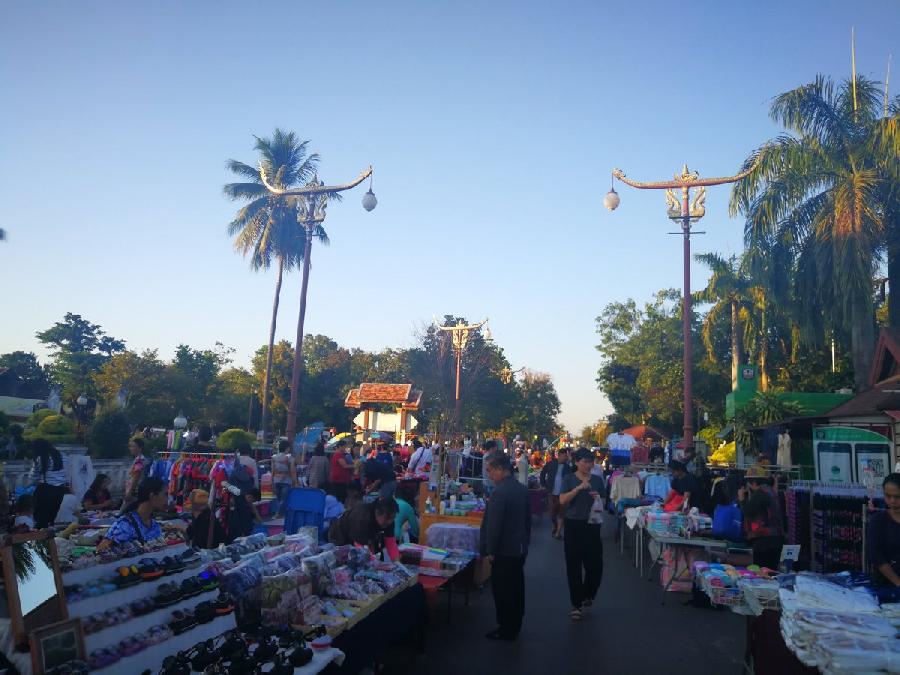
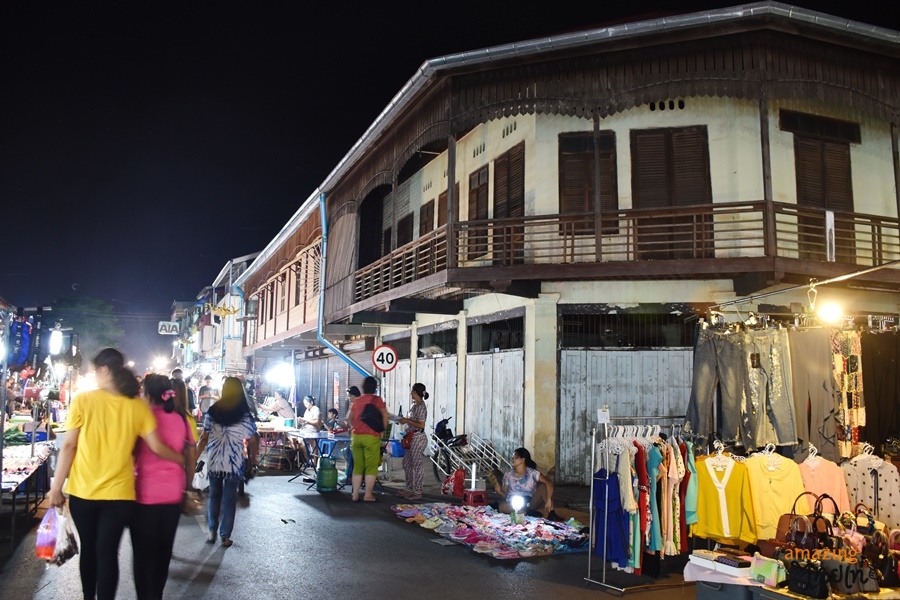
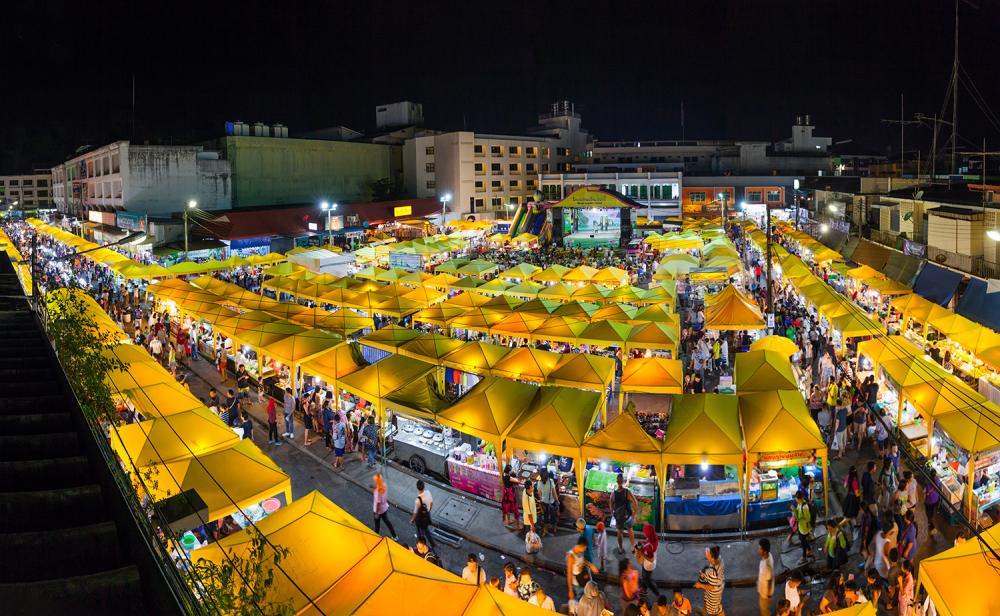
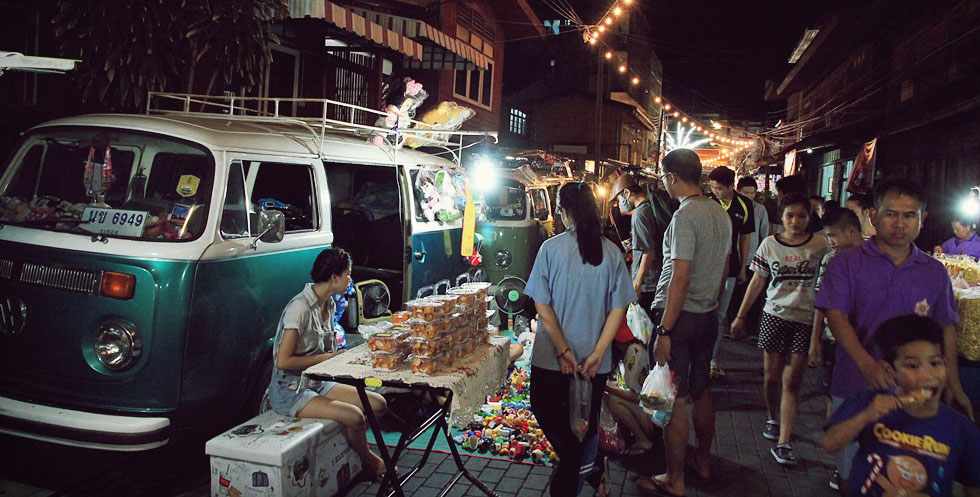
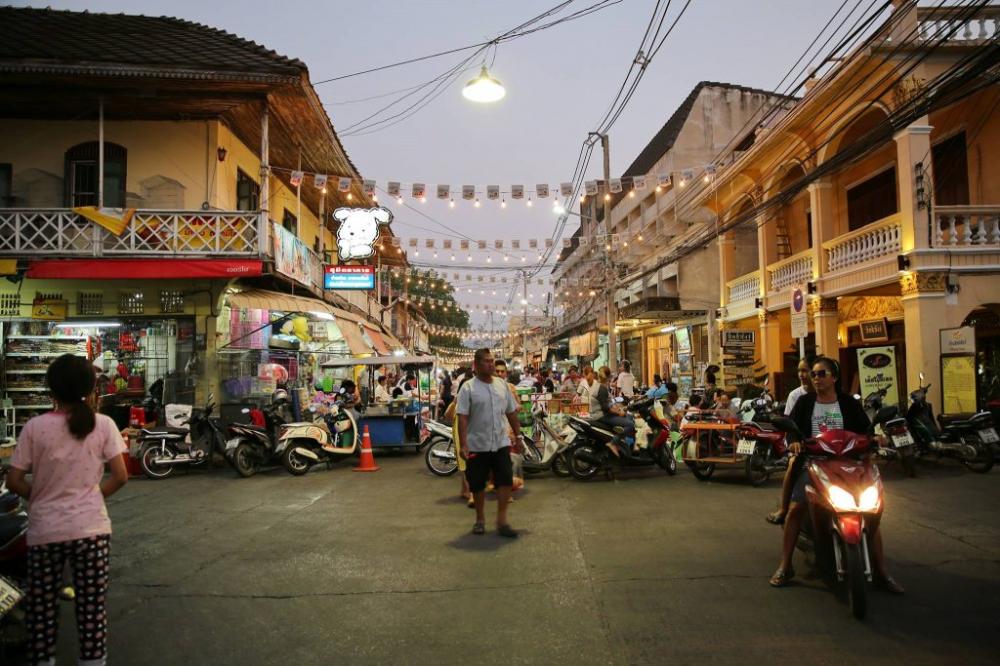
The government is continuing with its policy to open walking streets nationwide to stimulate the economy and promote tourism.

Prime Minister, General Prayut Chan-o-cha launched the first of the pedestrian passages on December 15 in Bangkok, namely at SilomYaowarat, and Khao San, with other walking streets outside the capital officially opening on December 22.

Prime Minister, General Prayut Chan-o-cha

Prime Minister, General Prayut Chan-o-cha

The Walking Street@Silom is open Sunday from midday to midnight for the next year and features into six zones, from Silom on the Rama IV side to the Nararom intersection

1. The art street will feature various activities, such as street music, street performances, hip-hop dance, graffiti art, contemporary art, craftsmanship, and street art.

2. The must-eat street will feature traditional foods and famous Thai desserts.

3. The must-see street will feature local products, such as products from various villages and markets, street food, fresh seafood, Geographical Indication (GI) products, and products under the Blue Flag scheme.

4. The old generation street will feature music and entertainment activities, as well as performances.

5. The must-walk street will feature outstanding products in Bangkok that are for sale.

6. The citizen street will feature various food stands manned by popular restaurant in Bangkok, I including Michelin Star eateries and popular restaurants in the centre of the city.

Walking Street@Silom, Bangkok

Walking Street@Silom, Bangkok

Below is the list of walking streets by region that people can enjoy every Sunday throughout the next year.

Kuang Mueng Nan walking street (Photo Credit: Ministry of Tourism and Sports)

Kuang Mueng Nan walking street (Photo Credit: Ministry of Tourism and Sports)

The northern region

1. Siri Chit Road in Kamphaeng Phet

2. Chiang Rai Night Bazaar in Chiang Rai

3. Three Kings Monument in Chiang Mai

4. Sawan Withi and Kad Nang Yong Roads in Tak

5. Tonnam Chao Phraya Road in Nakhon Sawan

6. Kuang Mueng Nan Walking Street in Nan

7. Chai-Kwan Road in Phayao

8. Saphan Ruam Chai Road in Phichit

9. Phutthabucha Road in Phitsanulok

10. Phetchabun, Khao Kho, and Thailom Walking Streets in Phetchabun

11. Phrae Walking Street and Khamlue Road in Phrae

12. Pai Walking Street in Mae Hong Son

13. the road along the Wang River in Lampang

14. Rob Muang Nai Road in front of Wat Phra That Hariphunchai Temple in Lamphun

15. Plern Thani Walking Street in Sukhothai

16. Pratuchai Road at Phraya Phichai Dab Hak Sport Stadium in Uttaradit

17. Farmer’s Market Baanrai Organic Walking Street in Uthai Thani

Nakhon Phanom walking street (Photo Credit: Tourism Authority of Thailand)

Nakhon Phanom walking street (Photo Credit: Tourism Authority of Thailand)

The northeastern region 

1. Phra That Yaku Archaeological Site in Kalasin

2. Rob Bueng Thung Sang Road in Khon Kaen

3. Chaiyaphum Walking Street beside Chaiyaphum Municipality Youth Centre in Chaiyaphum

4. Nakhon Phanom Walking Street in Nakhon Phanom

5. Suan Mak Night Bazaar in Nakhon Ratchasima

6. Khao Mao Rim Khong Road in Bueng Kan

7. Rom Buri Road in front of Old Buri Ram Provincial Governor House in Buri Ram

8. Maha Sarakham Night Bazaar in Maha Sarakham

9. Mook Muang Mai Road in Mukdahan

10. Phaya Thaen Public Park in Yasothon

11. Ratchuprakan Road in Roi Et

12. Chiang Khan Walking Street in Loei

13. Marie-Nong Kaen Road in Si Sa Ket

14. Phu Phan Museum in Sakon Nakhon

15. Kotchasarn Road in Surin

16. Kaem Kong Road in Nong Khai

17. Nakhon Khuean Khan Road in Nong Bua Lam Phu

18. Amnat Charoen Walking Street at Ming Mongkol Park in Amnat Charoen

19. Udon Thani Walking Street in Udon Thani

20. Sri Narong Walking Street in Ubon Ratchathani

Krabi walking street (Photo Credit: Ministry of Tourism and Sports)

Krabi walking street (Photo Credit: Ministry of Tourism and Sports)

The southern region

1. Krabi Walking Street in Krabi

2. Poraminmanka Road at the multipurpose yard in front of Chumphon Municipality Office in Chumphon

3. Ruenrom Road in Trang

4. Chai Chumphon Road in Nakhon Si Thammarat

5. Takua Pa Road in Phangnga

6. Phatthalung Municipality Office in Phatthalung

7. Lard Yai Walking Street in Phuket

8. Ban Ngao Walking Street in Ranong

9. Niphat Uthit 3 Road in Songkhla

10. Bypass Road in Satun

11. Ban Don Floating Market in Surat Thani

12. Phu Pha Phakdi Road in Narathiwat

13. The Walking Street along the Pattani River in Pattani

14. Ban Khlong Sai Nai Walking Street in Yala

Yomjinda walking street, Rayong (Photo Credit: Ministry of Tourism and Sports)

Yomjinda walking street, Rayong (Photo Credit: Ministry of Tourism and Sports)

The eastern region

1. Tha Chang Market in Chanthaburi

2. Suan Somdet Road in Chachoengsao

3. Bang Saen Sai 2 Road in Chon Buri

4. Rhak Muang and Thana Chareon Roads in Trat

5. Thongchai Road at Chaloem Prakiarti Rama 9 Park in Nakhon Nayok

6. Namuang Road in Prachin Buri

7. Yomjinda Walking Street and Rayong Province Stadium in Rayong

8. Bamrung Rat Road in Sa Kaeo

Pak Phraek walking street, Kanchanaburi (Photo Credit: Ministry of Tourism and Sports)

Pak Phraek walking street, Kanchanaburi (Photo Credit: Ministry of Tourism and Sports)

The central region

1. Pak Phraek Road in Kanchanaburi

2. Prom Prasert Road in Chai Nat

3. Dvaravati Sri Nakhon Pathom Walking Street in Nakhon Pathom

4. Nonthaburi Pier in Nonthaburi

5. Pathum Thani Square Walking Street in Pathum Thani

6. The beach road along Prachuap Khiri Khan Bay in Prachuap Khiri Khan

7. Bang Ian Road in Phra Nakhon Si Ayutthaya

8. Phetchaburi Walking Street beside Phetchaburi Provincial Governor House in Phetchaburi

9. Rat Pracha Pattana Dam in Ratchaburi

10. Thepsatri Road in Lop Buri

11. The road along Bang Nam Phueng Canal in Samut Prakan

12. Samut Songkhram City Hall and the road along the Mae Klong River in Samut Songkhram

13. Samut Sakhon Walking Street in Samut Sakhon

14. Train Market in Saraburi

15. R.E. 130 Walking Street in Sing Buri

16. Athiwara Road in Suphan Buri

17. San Chao Rong Thong Market in Ang Thong