Birdwatching is back in vogue in Bueng Boraphet #ศาสตร์เกษตรดินปุ๋ย

#ศาสตร์เกษตรดินปุ๋ย : ขอบคุณแหล่งข้อมูล : หนังสือพิมพ์ The Nation

https://www.nationthailand.com/travel/30379726?utm_source=category&utm_medium=internal_referral

Birdwatching is back in vogue in Bueng Boraphet

Dec 22. 2019
By Arthid Nima
Special to The Nation

3,106 Viewed

Bueng Boraphet, a semi-natural lake in Nakhon Sawan province, is now crowded with several species of migratory birds, especially diving ducks, that have flown in from the Himalaya mountains.

Bueng Boraphet, or Boraphet Marsh, is the largest freshwater swamp and lake in Thailand. It is spread over more than 200 square kilometres in Nakhon Sawan province and is home to almost 200 species of wild animals, birds and plants.

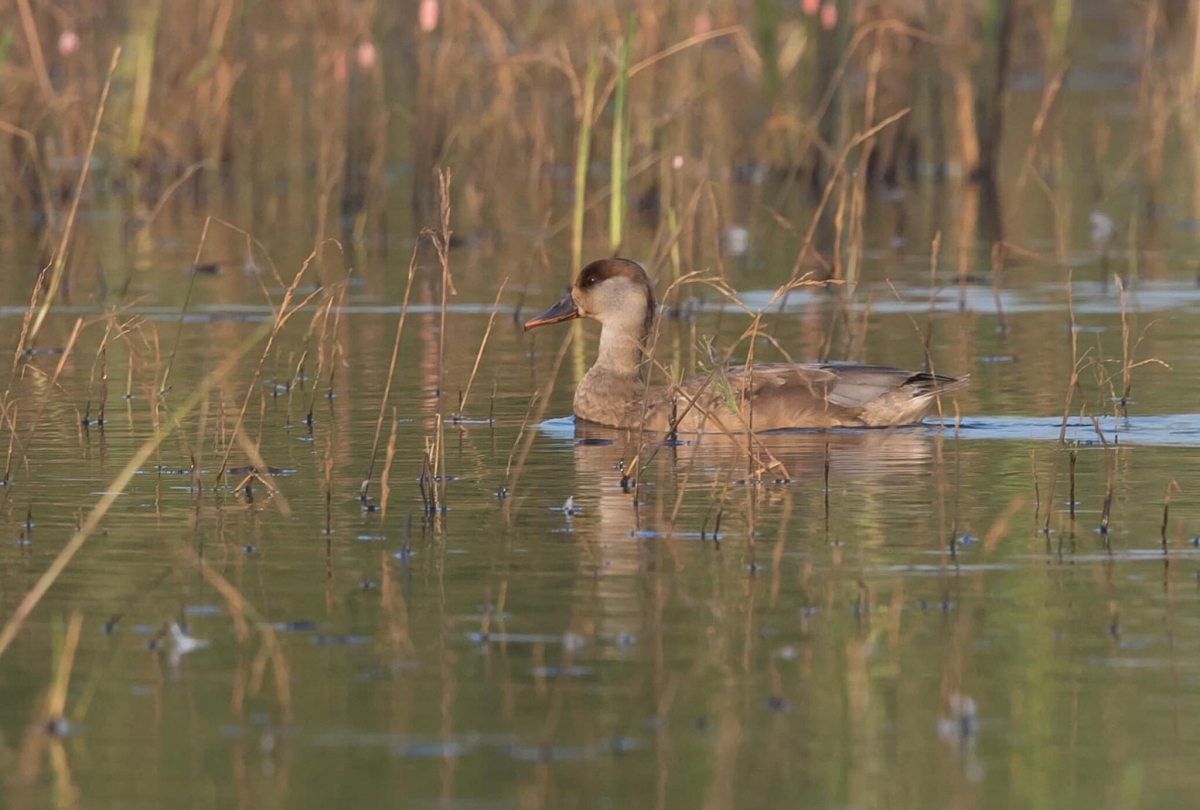
Red crested Pochard

Red crested Pochard

Red crested Pochard

Red crested Pochard

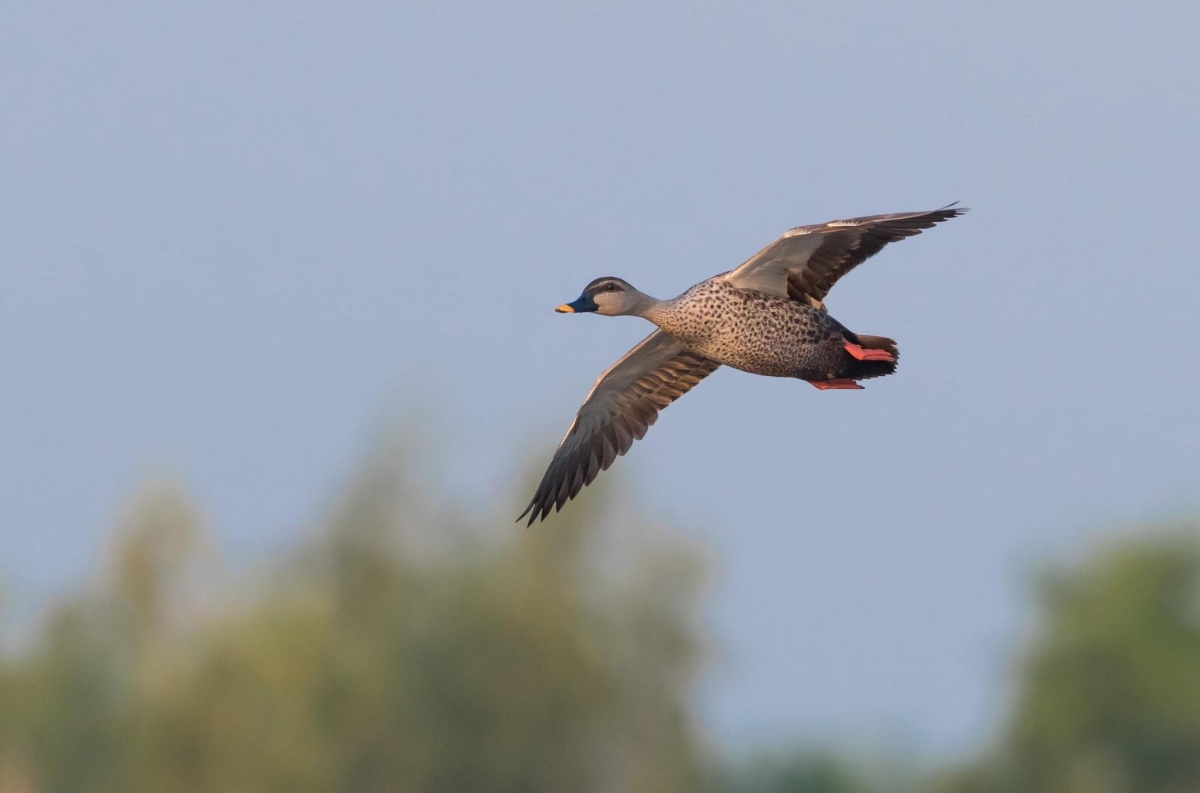
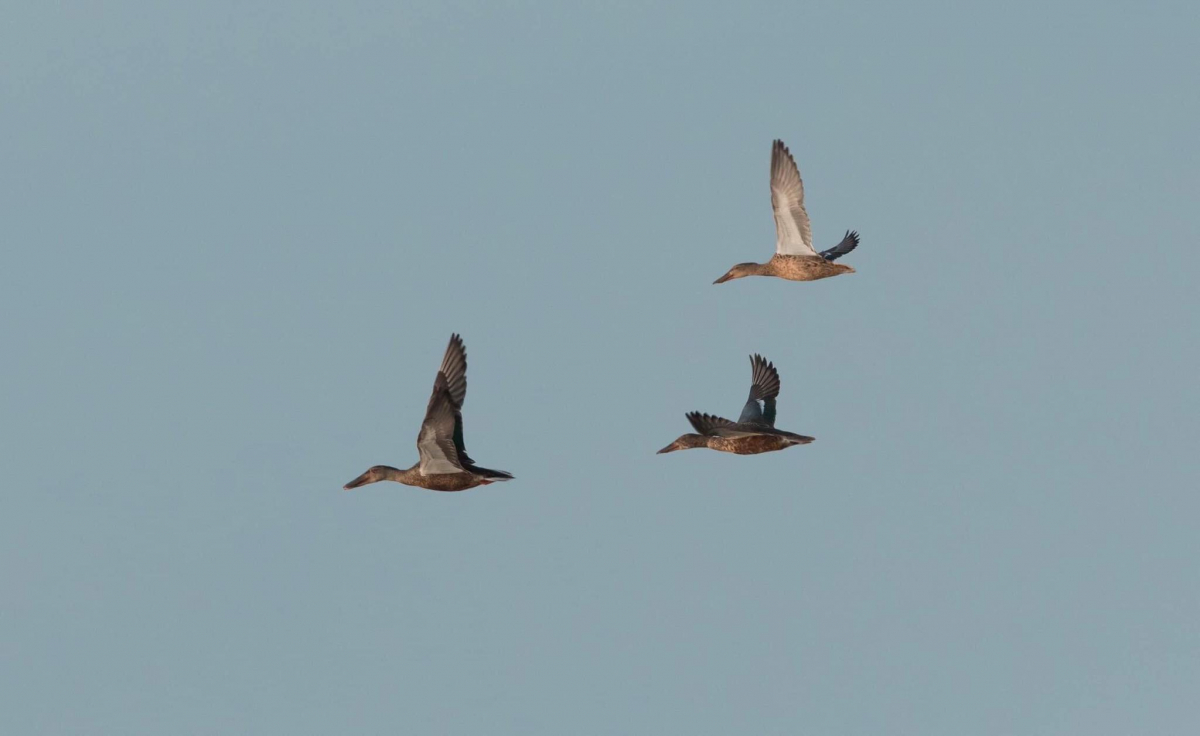
Waterbirds are obviously the main reason for bird-watchers to visit Bueng Boraphet, as they are making a comeback in Thailand. Now the spotlight is on the flock of many foreign ducks such as the rare red-crested Pochard, large Indian spot-billed duck, Northern Shoveler, etc. All the photos were taken on December 20-21.

lndian Spot billed Duck

lndian Spot billed Duck

With the cold weather in the North of Thailand drawing thousands of migratory birds, this is a great time of the year for birdwatching.

Those interested in birdwatching can rent a boat, which can accommodate 10 people, for Bt500 per hour. It is best to head to the birdwatching park area. Viewers should use a birdwatching telescope and keep 500 metres away from the birds, as they are sensitive and easily scared.

Northern Shoveler

Northern Shoveler

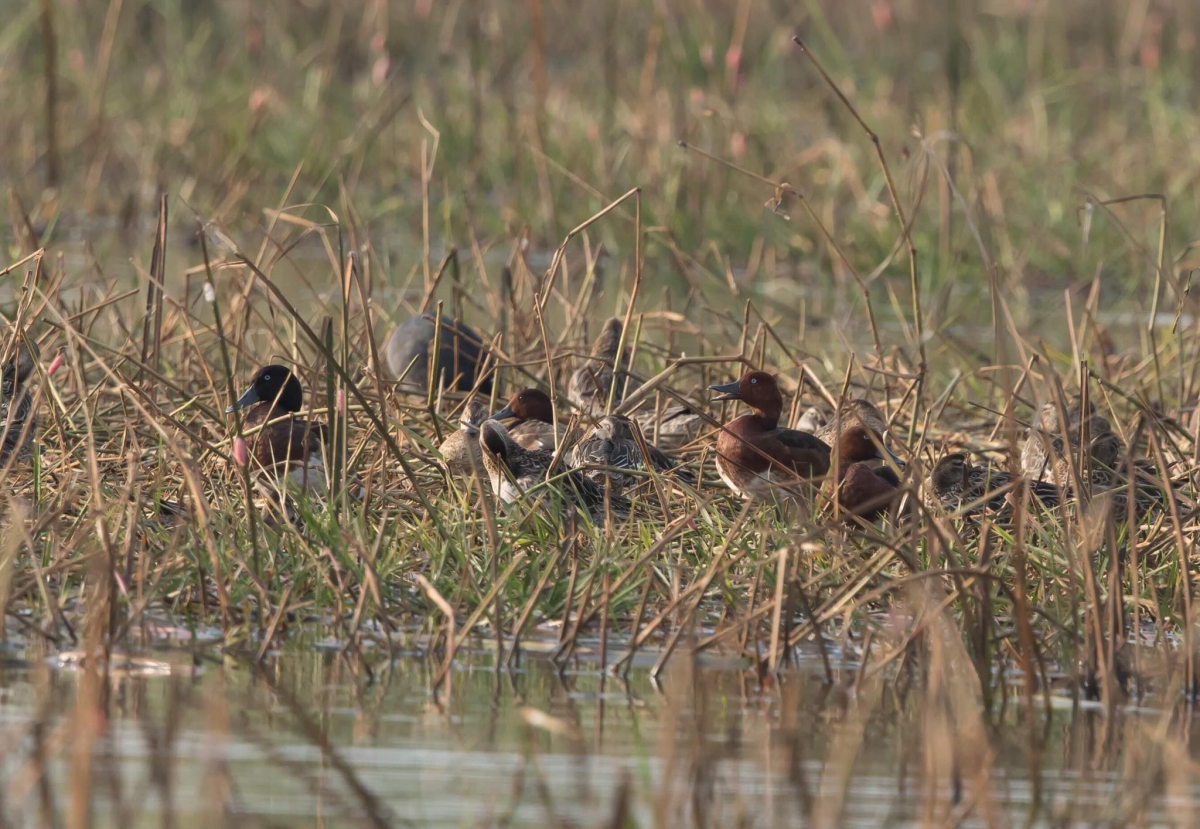
Ferruginous Pochard

Ferruginous Pochard

Krabi’s salt spring a natural wonder of the world #ศาสตร์เกษตรดินปุ๋ย

#ศาสตร์เกษตรดินปุ๋ย : ขอบคุณแหล่งข้อมูล : หนังสือพิมพ์ The Nation

https://www.nationthailand.com/travel/30379723?utm_source=category&utm_medium=internal_referral

Krabi’s salt spring a natural wonder of the world

Dec 22. 2019
By The Nation

2,284 Viewed

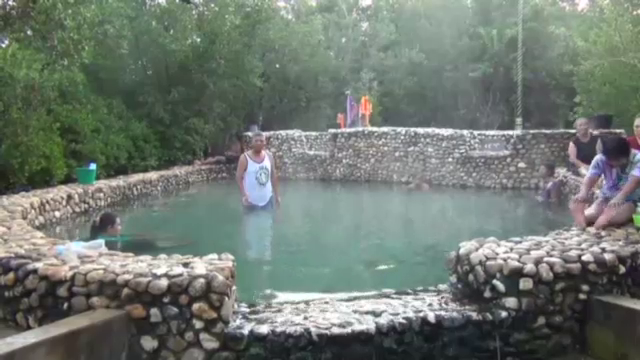
Hundreds of tourists are flocking to a salt spring in the Khlong Thom district of Krabi to enjoy its warmth amid the cool atmosphere. Some 300-500 people every day visit the Khlong Thom salt spring, a famous tourist attraction Krabi province, one of only two in the world.

Some people come to get rid of fatigue, while some with more serious problems like paralysis undergo physical therapy by submerged in the water for several days. The exercise reportedly helps the nerves to relax.

The salt spring in Khlong Thom is a natural phenomenon caused by the combination of hot water and seawater being pushed to the soil surface. There are only two such places in the world: in the Khlong Thom district of Krabi province and another in the Czech Republic. More than 1,000 tourists come every day during long holidays or festivals. Originally, the salt pond of this spring was located amid a forest. Villagers in the area came to soak in the hot water for treatment. About five years ago, the district administration improved the area to make it more convenient for people and began collecting a fee for the development of the district area.

There is a spring pond called Boa Mae [Mother pond], a source of hot springs, with temperature at around 47 degrees Celsius. However, visitors are not allowed to dip themselves in the water. They are only allowed to take the water with a ladle or cup.

Villagers believe that the salt infusion spring helps treat skin diseases, cures knee pain, joint pain and even paralysis. Regular soaking slowly tackles the symptoms. Villagers believe the mother pond is a sacred well for drinking and bathing and helps recover from disease. In the past, those who recovered from a disease used to come to offer their respects by tying a seven-coloured cloth on the tree or released a number of local chickens to keep a promise.

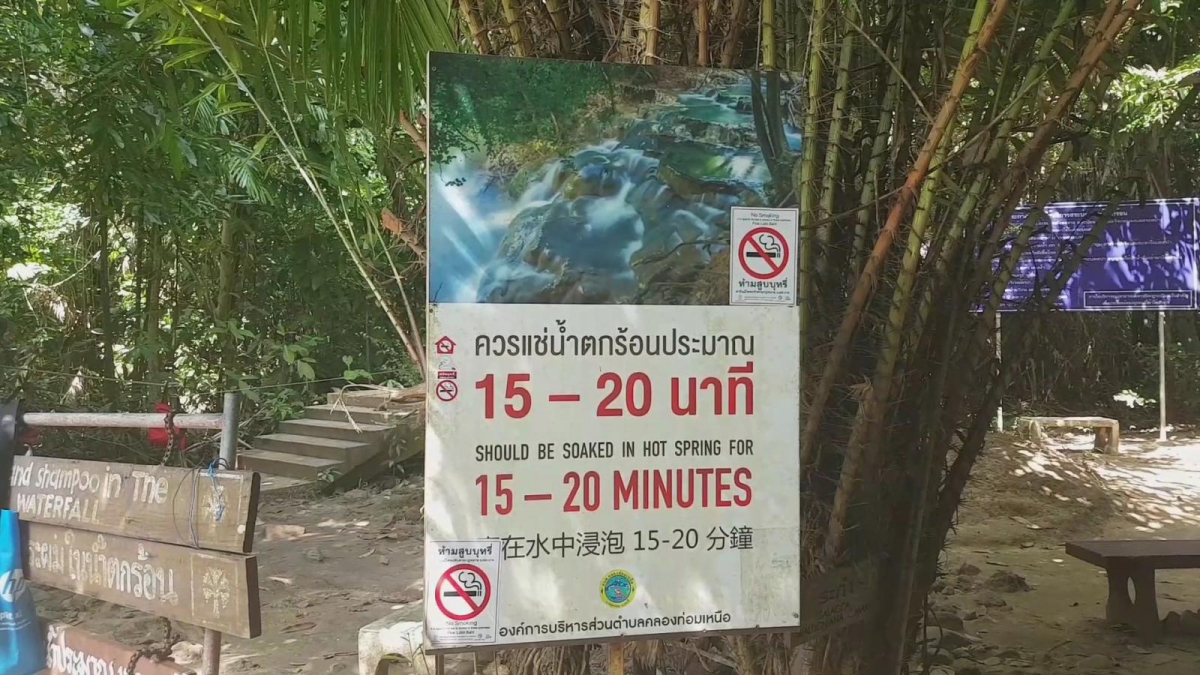
Before entering the salt spring, one must wash one’s body at a shower available around the pond. The soaking time should not be more than 5-10 minutes, and those with chronic illnesses like blood pressure should consult a doctor.

After soaking, shower again in freshwater. The spring opens from 5am to 8pm every day. Thai people are charged Bt20 for adults and Bt10 for children while foreigners pay Bt100.

[Travel Bits] Festivals and sights across Korea #ศาสตร์เกษตรดินปุ๋ย

#ศาสตร์เกษตรดินปุ๋ย : ขอบคุณแหล่งข้อมูล : หนังสือพิมพ์ The Nation

https://www.nationthailand.com/travel/30379697?utm_source=category&utm_medium=internal_referral

[Travel Bits] Festivals and sights across Korea

Dec 21. 2019
By By Yoon Min-sik
The Korea Herald

2,874 Viewed

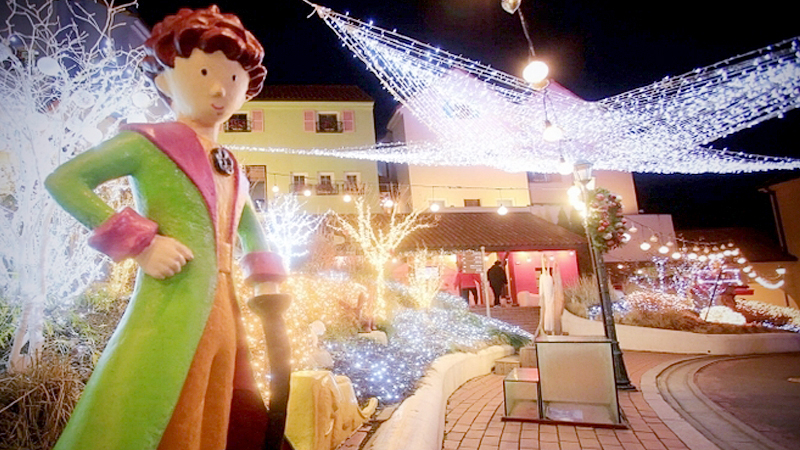
Little Prince Starlight Festival of Petite France (1) The sixth Little Prince Starlight Festival of Petite France will be held at the Petite France Park in Gapyeong, Gyeonggi Province, until Feb. 29.

The annual festival is inspired by the southern French town of Montpellier. In addition to beautiful lighting at night, another highlight is the 30-meter light tunnel installed next to a round structure modeled after asteroid B 612, home of the Little Prince from Antoine de Saint-Exupery’s book.

There will also be other events, such as marionette performances.

Tickets cost 10,000 won for adults, 8,000 won for teenagers and 6,000 won for children.

For more information in Korean, English or Chinese, visit http://www.pfcamp.com.

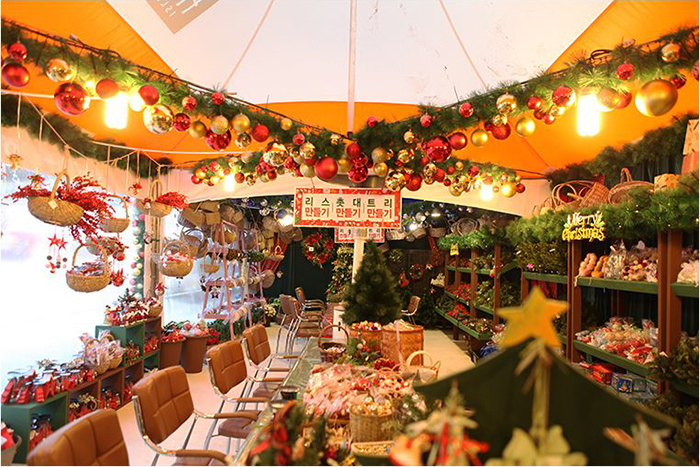
Busan Christmas Tree Festival (2)

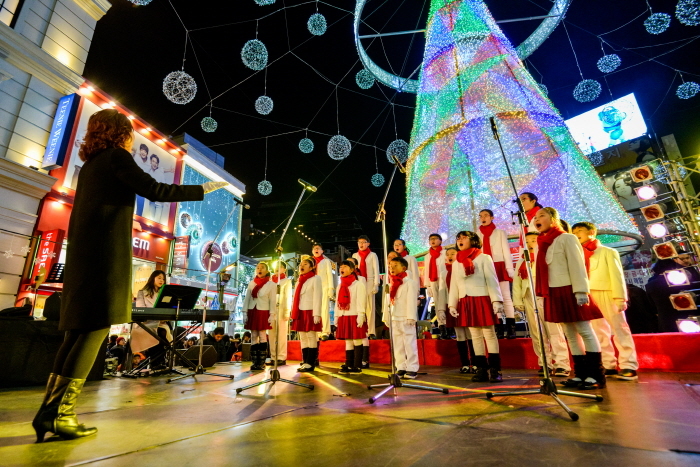
The annual Busan Christmas Tree Festival is being held along the streets of Gwangbok-ro in Jung-gu, Busan, through Jan. 5, 2020.

Lights, concerts, a giant Christmas tree, street performances and other events create a festive mood.

Visitors of all ages are welcome, free of charge.

For more information in Korean, English, Japanese or Chinese, call the travel hotline at 1330. The homepage (bctf.kr) is only in Korean.

Lotte World Make a Miracle Winter Festival (3)

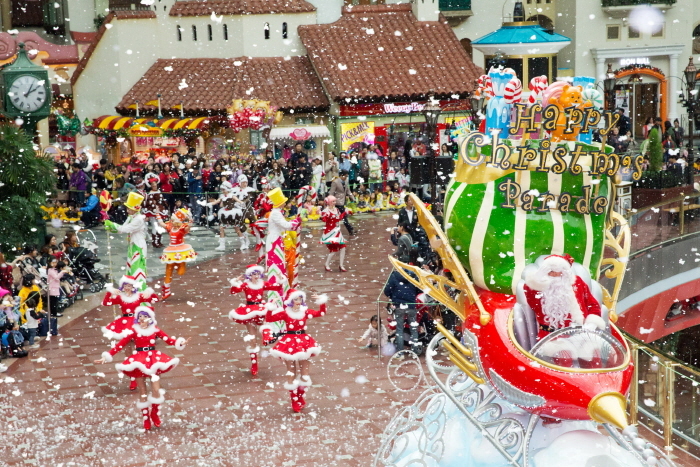
The annual Lotte Word Make a Miracle Winter Festival is currently underway and will continue until Dec. 31. Visitors can see Christmas decorations and experience attractions such as Santa’s Village and the Happy Christmas Parade.

For more information in Korean, English, Japanese or Chinese, visit the homepage at adventure.lotteworld.com.

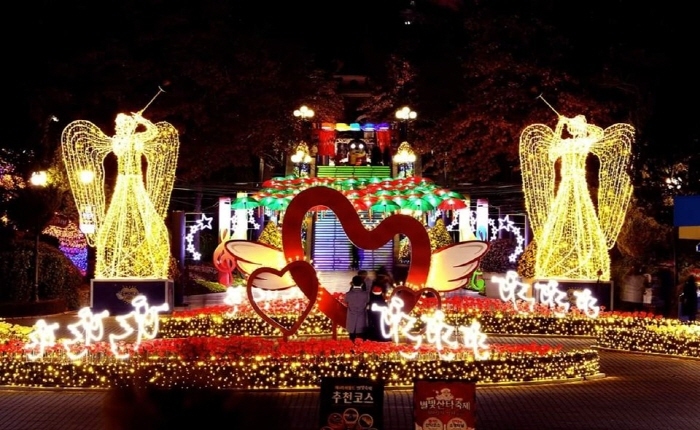
E-World Starlight Festival (4)

The E-World Starlight Festival in Daegu features 10 million lights in a large area around E-World and 83 Tower. Hot air balloons, illuminated roses and mask light decorations are all part of this carnival-like festival.

Large trees are decorated along the 200-meter Light Road, as well as the Umbrella Road, Carnival Road and a photo zone with 1,000 lights. Some 10,000 light-emitting diode roses cover the “proposal stairs.”

The festival runs until March 1.

For more information in Korean, English, Japanese or Chinese, call the travel hotline at 1330. The homepage (www.eworld.kr) is only in Korean.

Herb Island Light Festival (5)

The Herb Island Lighting Festival creates a romantic ambiance with beautiful lighting displays. Visitors can enjoy the pink wish tunnel, sparkling buildings, Santa Village, photo zone and other twinkling places.

It is open to visitors of all ages, and tickets cost 9,000 won. It is held until April 30, 2020. Children, senior citizens, people with disabilities and groups of 20 or more get in for 7,000 won per person.

For more information in Korean, English or Chinese, visit http://www.herbisland.co.kr.

TAT event takes you back in time to the era of King Narai #ศาสตร์เกษตรดินปุ๋ย

#ศาสตร์เกษตรดินปุ๋ย : ขอบคุณแหล่งข้อมูล : หนังสือพิมพ์ The Nation

https://www.nationthailand.com/travel/30379720?utm_source=category&utm_medium=internal_referral

TAT event takes you back in time to the era of King Narai

Dec 22. 2019
By The Nation

152 Viewed

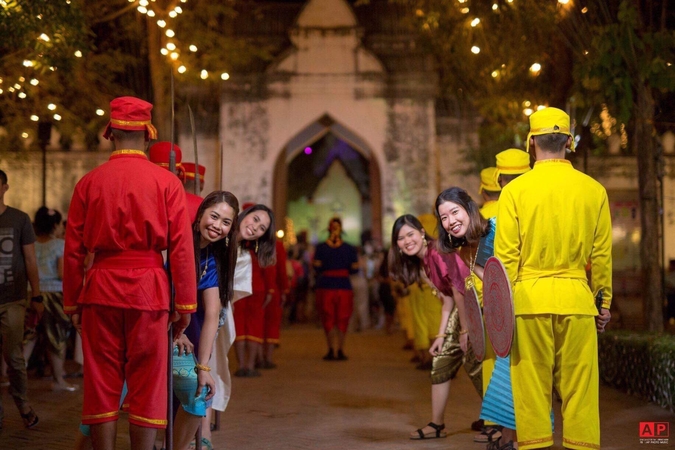
The Tourism Authority of Thailand (TAT) Lopburi Office is inviting tourists to travel back in time and “experience the glorious era of King Narai the Great” at the 33rd King Narai Reign Fair. Also referred to as the Ayutthaya Period, King Narai the Great ruled the kingdom more than 300 years ago.

The highlight of the 10-day event, which begins on February 14, 2020 will be a parade through the town to pay homage to King Narai the Great along with a light-and-sound presentation as well as cultural displays and traditional dances. Performances start at 3pm. The opening ceremony will be at 6.30pm at King Narai’s Palace.

A traditional market will provide a variety of traditional food and beverages, including simulated ancient Thai “bullet money”.

The event ends on February 23.

A sea of yellow awaits visitors in Phayao #ศาสตร์เกษตรดินปุ๋ย

#ศาสตร์เกษตรดินปุ๋ย : ขอบคุณแหล่งข้อมูล : หนังสือพิมพ์ The Nation

https://www.nationthailand.com/travel/30379685?utm_source=category&utm_medium=internal_referral

A sea of yellow awaits visitors in Phayao

Dec 21. 2019
By The Nation

1,050 Viewed

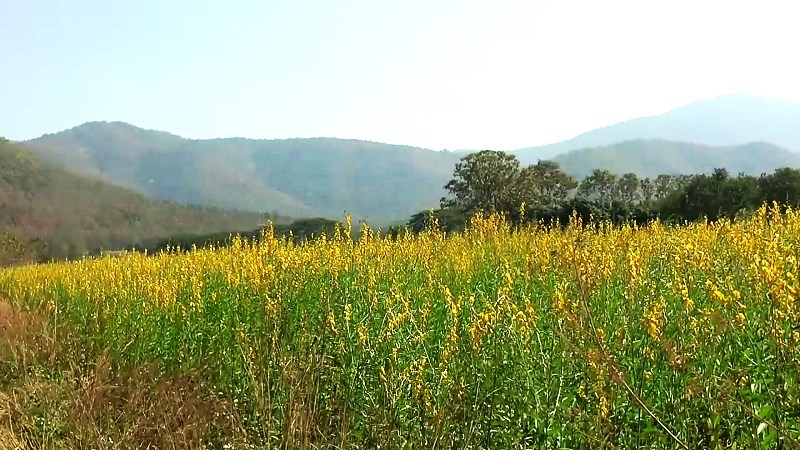
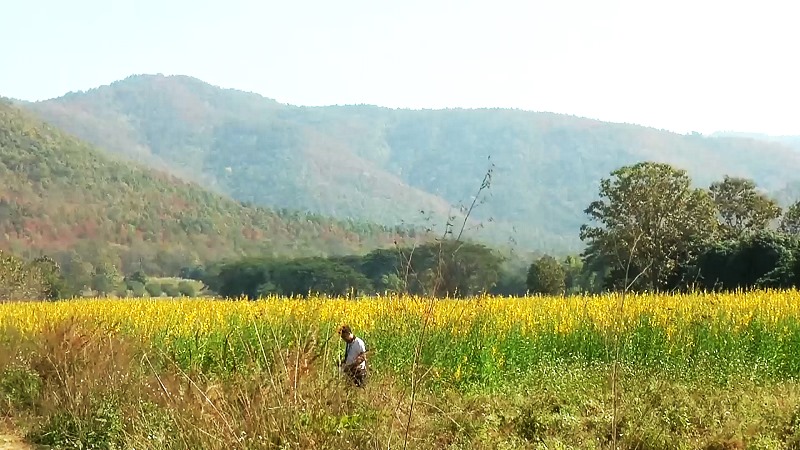
Lush blossoms of sunn hemp on a 100-rai field in the Dok Khamtai district of Phayao province have been a treat for tourists coming from all over the country to experience its seasonal beauty.

A sea of bright yellow flowers greets the visitors with the hills in the distance serving as a backdrop.

The locals had planted the sunn hemp to help improve the quality of the soil and to sell the seeds.

The hemp is entering its blooming period and will bloom again before the seeds are ripe to be collected.

The field is easy to access, encouraging hundreds of tourists every day to visit one of the most beautiful spots in Phayao until the end of the year.

How the 2010s shaped the way we travel #ศาสตร์เกษตรดินปุ๋ย

#ศาสตร์เกษตรดินปุ๋ย : ขอบคุณแหล่งข้อมูล : หนังสือพิมพ์ The Nation

https://www.nationthailand.com/travel/30379605?utm_source=category&utm_medium=internal_referral

How the 2010s shaped the way we travel

Dec 19. 2019
Photo Credit: Airbnb

Photo Credit: Airbnb
By The Washington Post · Hannah Sampson, Natalie B. Compton

2,169 Viewed

This was the decade when more of us traveled than ever before.

Low-cost airlines and Airbnb made it affordable; Instagram made it look good. We aspired to live like a local, whatever that means, even as locals seethed at the influx of tourists.

This was also the decade when we started to ask hard questions about travel: Is flying hurting the planet? Should we do less of it? Is Airbnb hurting communities? Will my bucket list create a burden? Should wild animals in captivity be part of tourist attractions?

Read on for the trends that revolutionized travel over the past 10 years – and promise to carry over into the next.

-It became more popular to fly less.

As the world traveled more, concerns about the environmental effects of all those trips grew – and so did calls to cut back on flying. While air transport accounts for about 2 percent of man-made carbon emissions, according to an airline trade group, flying can make up an outsize amount of an individual’s own carbon footprint.

That has led some climate scientists and other academics to swear off flying altogether or significantly reduce their air travel in recent years. Swedish teenager Greta Thunberg captured public attention when she crossed the Atlantic in a sailing yacht to plead for action at a United Nations climate summit. Even Coldplay, the band, announced that it would not tour for its latest album due to environmental concerns. Aviation-industry leaders have worried publicly about the future of their business due to the phenomenon that has become known as “flight-shaming.” A survey of 6,000 travelers in the United States, U.K., Germany and France by investment bank UBS suggested there could be a reason: 21 percent had cut back on flying because of worries about the climate. But perhaps most surprising was a campaign by an actual airline, KLM, which urged its customers to fly responsibly by, in some cases, not flying at all. “Do you always have to meet face-to-face?” the airline asked in an ad. “Could you take the train instead?”

In the next decade, it’s a question that travelers are likely to keep asking.

-Airline fees sparked battles over the overhead bin.

What started with a single checked-bag fee, on American Airlines in 2008, has escalated into a free-for-all for overhead-bin space on planes – not to mention a continued cash grab. “They created a monster,” says Henry Harteveldt, a travel-industry analyst at Atmosphere Research Group.

Don’t feel like paying $30 or more to check your small bag? Fine, carry it on. Want to make sure there will be space for it in the bin? There are all kinds of fees for that. Carriers have placed a premium on boarding order, selling early access to your seat with the promise, or at least the suggestion, of better luck finding a home for that carry-on. Delta even introduced an annual subscription for $59 that includes eight drink vouchers but, more important, the chance to “board sooner and find the perfect overhead bin space.” (No guarantees, of course.) Because, in an era of heated competition from ultra-low-cost rivals like Spirit and Frontier, they can’t get away with just adding fees, airlines have started offering stripped-down fares called “basic economy.” Those cheaper flights don’t let passengers on the plane until the very end of the boarding process – which means, of course, surrendering that bin space to everyone willing to pay more.

-Emotional-support animals became a blessing and a curse.

Once upon a time, support animals looked like a certain kind of dog with a certain kind of harness. The 2010s ushered in the age of the emotional-support animal, which not only includes dogs, but also horses, pigs and ferrets, among other creatures. According to Google Trends, online searches for emotional-support animals was next to nothing before 2009. But in 2013, the curiosity took off.

With that rise in popularity came a rise in pet-related conflict, as more of the flying public started to abuse the service originally intended to support travelers with emotional disabilities. Unlike service animals or animal-assisted therapy creatures, emotional-support animals (which is a technical term) are there for comfort exclusively and require no training at all, giving travelers an easy opportunity to take advantage of the system. John Howe, president of the American Veterinary Medical Association, has heard of travelers going online and finding professionals willing to write up certifications for about $75. Airlines say fraudulent ESAs cause issues on planes, and now states are enacting laws to tackle the issue.

Travelers will probably be asked to show more proof of authenticity in the next decade if they want to bring their emotional-support [insert just about any animal of your choosing, really] onboard.

-Overtourism became a scourge.

By 2018, the number of international-visitor arrivals to new countries reached a record high: an estimated 1.4 billion. Unfortunately, some days, it seemed like every one of those tourists was standing in line at the Louvre to see the Mona Lisa.

For destinations all over the world – from world-famous cities to once-unknown poppy fields – a surge of visitors became too much of a good thing. Many travelers behaved terribly: trampling wildflowers in California, driving off the road in Iceland, becoming ill in Amsterdam’s picturesque flower boxes. Locals in Venice, Barcelona and other Spanish cities took their gripes public, protesting the negative effects of cruise ships or other forms of tourism. Cities enacted new taxes or laws to address the issue, which is why tourists can now get fined for sitting on the famed Spanish Steps in Rome. Many destinations started campaigns urging visitors to come at less-popular times of year, or visit more than just the obvious attractions. And some have started asking visitors to pledge that they will be on their best behavior.

Will fewer people visit the world’s hot spots in the 2020s? Probably not. But will tourists, cities and locals work out a better balance? It could happen.

-Public shaming became a tool to vent complaints.

If something bothered you during your travels before the 2010s, your options for seeking redemption, compensation or revenge were limited. You could call your airline to complain about a canceled flight or tell your friends about unfortunate things you saw on your cruise. In the past decade, though, social media enabled us to publicly shame everyone for everything. With a camera and a public platform lying in wait in your smartphone at all times, there’s never been a more effective way to air your grievances. Travelers can now hold airlines accountable for their bad behavior, demand action from cruise lines when trip schedules go haywire and embarrass fellow travelers for indiscretions.

Results from public shaming may vary. An airline might throw a few thousand miles your way in response to your angry tweet. A viral Facebook post about a travel tragedy could lead to substantial action. On the other end of the spectrum, a passenger who used their feet to control the in-flight entertainment system may never change if they didn’t see the post that made their behavior infamous. Whether public shaming is an ethical way to go about enacting change is another story. For now, shaming culture shows no sign of slowing down in the world of travel.

-Airbnb ushered in a new way to stay.

Airbnb was founded before this decade, but the peer-to-peer lodging-rental service became a global powerhouse in the 2010s. In its early days, Airbnb grew with little regulation, “blurring the line between the housing market and the hotel industry.” It provided home- (and apartment-, and Airstream, and sheep-wagon) owners a way to earn some extra money while giving travelers an alternative to hostels and hotels. It was a particularly strong sell for people usually in the market for cheaper accommodations. The tech giant has since exploded, now hosting 7 million listings. The growth has been a blessing and a curse. It’s never been easier for travelers to find a place to stay on their trip, but the company has had trouble with trust and verifying listings, leading to fraud and tragedy.

-Influencers set the stage for a new travel style.

Social-media influencers are such a new concept that the word “influencer” still shows up as a typo on most digital word processors (it was added into Merriam-Webster’s dictionary in 2019). The rise of the travel influencer was responsible for creating a new type of job, making and breaking destinations, establishing new widespread styles for photos, irritating the hospitality industry and making headlines for bad behavior. These folks gave the world a glimpse into theirs, which was often heavily Photoshopped or extremely luxurious, and sometimes ethically fraught. In a decade long past Woodstock, influencers transformed festivals into aspirational travel opportunities. Burning Man and Coachella entered the mainstream. Fyre exited the mainstream in flames.

-Animal attractions got less attractive.

Captive animals just aren’t the draw they used to be. Riding an elephant, petting a tiger or swimming with a dolphin might have been bucket-list items at one point, but increasingly, travelers – and travel companies – are turning away from animal-based entertainment. In 2019, Canada even banned the practice of keeping whales, dolphins and porpoises in captivity.

The backlash has roots in the 2013 documentary “Blackfish,” which was critical of SeaWorld’s treatments of its killer whales. The theme park company’s business flailed for years, even after leaders pledged to no longer breed captive orcas or use them in the type of shows that made the brand famous. In 2016, TripAdvisor said it would no longer book experiences that involved contact with captive wild animals or endangered species, including elephant rides or tiger interaction. This year, the company said it would stop selling tickets to attractions that breed, import or capture whales or dolphins. British Airways Holidays went further, even cutting off zoos. And other tour companies, including Richard Branson’s Virgin Holidays, have said they will no longer bring travelers to attractions that keep whales and dolphins confined. “Many no longer consider whale and dolphin shows and ‘swim withs’ to be appropriate,” Branson wrote in a blog post. “And most would rather enjoy these magnificent creatures in their natural environment.”

-Cruising became all about the ship.

People had sailed on pretty big cruise ships before Oasis of the Seas debuted at the end of 2009. But never this big, with space for 5,400 passengers at two people to a room, or this packed with restaurants, bars, activities and entertainment. There was even an entire park with trees and plants and flowers and dirt. On a cruise ship!

“That ship was a groundbreaking ship, and I think it shifted the industry a lot, in that Oasis of the Seas made the ship a destination unto itself,” says Colleen McDaniel, executive editor of the news and review site Cruise Critic. “I think since its debut, that really has permeated at least the mainstream cruise market.” The company that built the vessel, Royal Caribbean International, has introduced three more like it, as well as four others that are smaller but also stuffed with activities like skydiving at sea, bumper cars and robot bartenders. And competitors, especially lines that appeal to mass markets, have taken a cue, adding a roller coaster, go-kart racetrack, Imax movie theater and towering water parks.

The cruise industry dealt with some major blows over the past 10 years – the fatal shipwreck of the Costa Concordia in Italy; Carnival’s infamous “poop cruise” in the Gulf of Mexico. But the damage didn’t stick: By 2019, a record 30 million people were expected to take a cruise, up from 19.1 million in 2010.

-Photography and social media turned travel into social currency.

If you went on a trip and didn’t post about it, did it even happen? With better smartphone cameras, more accessible Internet, and the advent of Instagram came new social expectations. Before the 2010s, travelers visiting Paris would snap photos of the Eiffel Tower, of course. But the way we share those same photos is different.

Instead of waiting to get your film roll developed, then showing your friends and family a printed photo album from your vacation, you share your travel experiences in real time on social media. When the Notre Dame caught on fire, everyone felt the need to share their photo in front of it. The smartphone changed how we documented our adventures, too. While the self-portrait dates to 1433, the term “selfie” really took off in 2012. Travel selfies are now the norm at world wonders, which some argue detracts from the magic of many destinations.

-Our thirst for “authenticity” inspired us to travel “like a local.”

In the 2010s, travelers sought out experiences that looked more “authentic” than the well-worn vacation cliches of the past. At the top of the decade, the movie adaptation of “Eat Pray Love” debuted with one Julia Roberts traveling solo around the world trying to find herself, post-divorce. She lived like a local in Italy, underwent silent meditation in India and had a spiritual journey in Bali.

The film was a signpost for the years to come. We stopped wanting to be tourists and instead wanted to be travelers, ditching obvious maps for more subtle smartphone navigation, and sought out off-the-beaten-path destinations, restaurants and experiences. We wanted the Bourdain experience, not the TripAdvisor one. The hunt for authenticity became an obsession, and then we reexamined what the word “authentic” even meant.

Phitsanulok sees red #ศาสตร์เกษตรดินปุ๋ย

#ศาสตร์เกษตรดินปุ๋ย : ขอบคุณแหล่งข้อมูล : หนังสือพิมพ์ The Nation

https://www.nationthailand.com/travel/30379631?utm_source=category&utm_medium=internal_referral

Phitsanulok sees red

Dec 19. 2019
By The Nation

2,868 Viewed

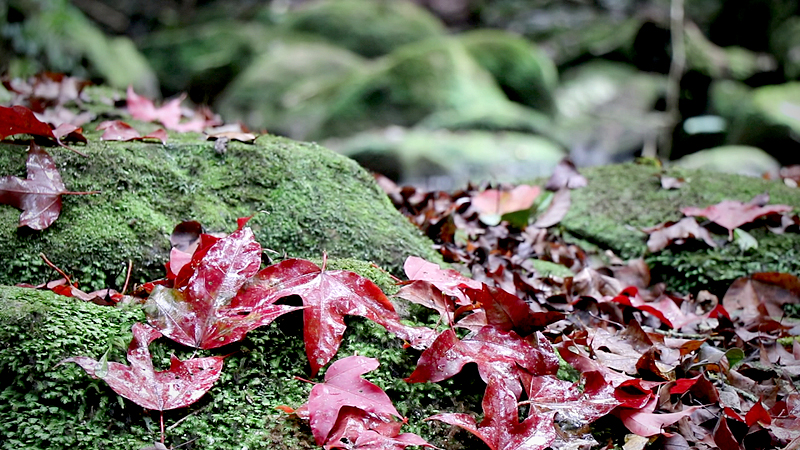
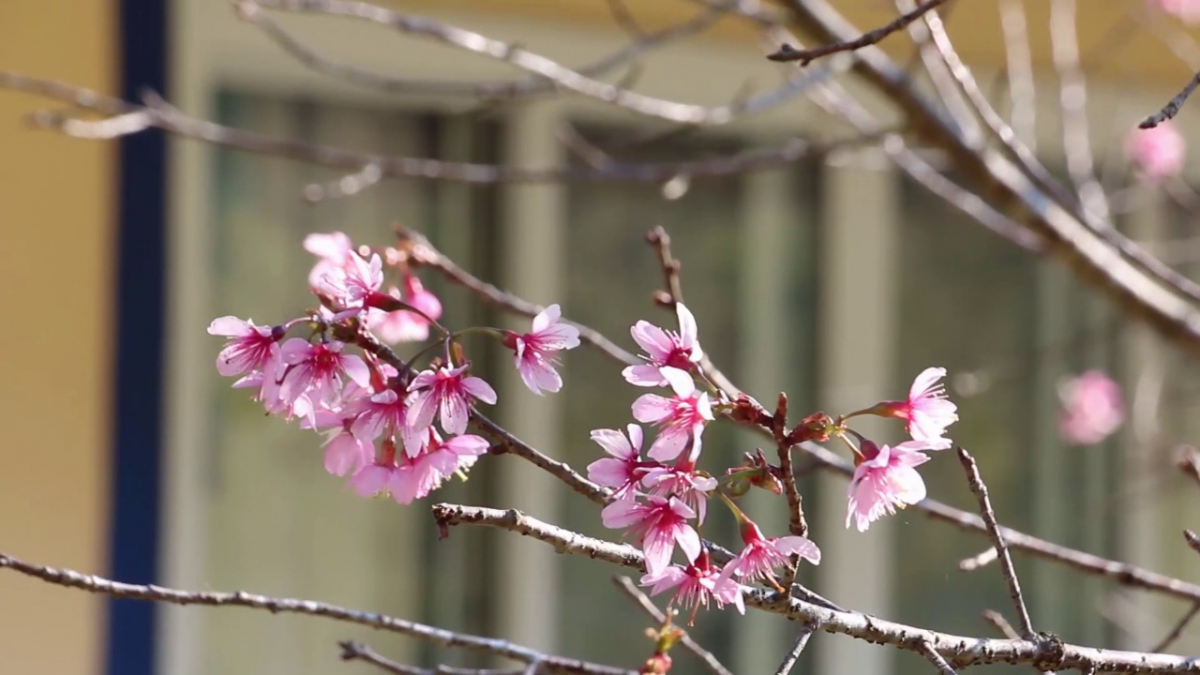
Phitsanulok, the historic city in lower northern Thailand, is all done up in shades of red from falling maple leaves and the pinkish tints of Nang Phaya Sua Krong or Thai Sakura (Prunus ceramides D. Don). That makes it a great place to experience Mother Nature at her best in the cool weather enveloping Phu Hin Rong Kla National Park.

Visitors can admire the sight of maple leaves changing from green to yellow, orange and red creating a landscape of contrast at Phu Hin Rong Kla National Park Office, Political and Military School – a historic location was used for training and education of the Communist Doctrines during the Cold War — at and Wat Pa Phu Hin Rong Kla temple.

Another tourist attraction is the Royal Forest Development Project at Phu Hin Rong Kla from where visitors can enjoy the sight of blooming amaranth, aster, and strawflower fields surrounded by lush green mountains or head to the nearby strawberry farm to pick and eat Pharachatan 80 strawberries – a species under the patronage of His Majesty the late King Rama IX the Great.

Two kilometres away in Ban Rong Kla village the Nang Phaya Sua Krong, aka Thai Sakura, is in full bloom and will continue to blossom until January 20.

There are around registered 170 buses and local guides offering tour services at the Phu Hin Rong Kla National Park.

Xilingol League shows its true colours

#ศาสตร์เกษตรดินปุ๋ย : ขอบคุณแหล่งข้อมูล : หนังสือพิมพ์ The Nation

https://www.nationthailand.com/travel/30379624?utm_source=category&utm_medium=internal_referral

Xilingol League shows its true colours

Dec 19. 2019
By The Nation

297 Viewed

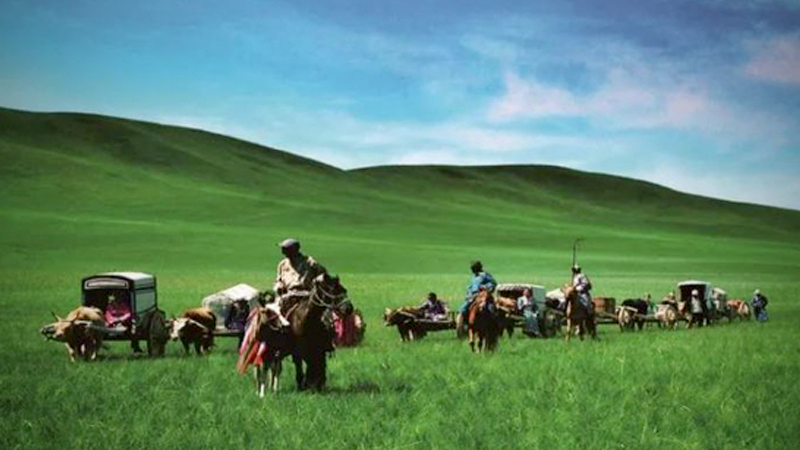
Xilingol League in Northern China is home to the rich Inner Mongolian grasslands of Hebei, a pure land with Mongolian regional characteristics and culture. Its name is made up of two terms meaning mountain and river respectively in the local dialect and the mingling between mountain and river conjures up the most beautiful vast Xilingol grassland.

Spring in Xilingol is a season when everything grows. Although the grassland still has some unmelted snow, the tender vegetation buds breaking through the snow offer a with dreamy aesthetics. When the mountain flowers bloom, the season is quiet and clear.

Summer in Xilingol is a season of green fields and cool breeze. The vast grassland is infinitely green and in contrast to the blue waters of the fast-flowing river. With the blue sky covered with soft white clouds, flocks of cattle and sheep can be seen leisurely foraging and running.

Autumn in Xilingol is a season much sought after by shutterbugs. The prairie in autumn has no brilliant wild flowers, but withered and yellow grass. It looks like a large carpet, offering a steady and thick feeling when walking on it, while winter brings the grand gathering known as Nadam Fair to the frozen grassland. It’s a great time to visit and admire the colourful ethnic costumes of the riders as their horses gallop across the snowy plains.

Saraburi added to Airbnb ‘Beyond Big Cities’ tourism campaign

#ศาสตร์เกษตรดินปุ๋ย : ขอบคุณแหล่งข้อมูล : หนังสือพิมพ์ The Nation

https://www.nationthailand.com/travel/30379582?utm_source=category&utm_medium=internal_referral

Saraburi added to Airbnb ‘Beyond Big Cities’ tourism campaign

Dec 18. 2019
By THE NATION

2,499 Viewed

Saraburi is the latest destination to be added to Airbnb’s “Beyond Big Cities” global campaign that encourages visitors to travel beyond beyond major tourist centres and have a positive economic impact on the local communities they stay in.

The move enjoys the support of the Ministry of Interior’s Department of Local Administration (DLA) and Community Development Department (CDD).

Airbnb had added Buriram as the first Thai destination to its campaign earlier this year.

Airbnb will showcase the beauty of Saraburi with the launch of a community-led destination marketing video that highlights its rural beauty, local culture and diverse neighbourhoods, along with the warmth with which Saraburi hosts are welcoming domestic and international travellers into their homes and communities.

In addition to the video, which can be viewed by Airbnb travellers globally, Airbnb has also launched a dedicated Saraburi page at http://www.airbnb.com/saraburi.

The page, which features hyper-local information for travellers in Thai and English, includes local insights as well as links to Airbnb Stays and Experiences in Saraburi and surrounding areas.

In 2018, more than 1.9 million guests stayed in an Airbnb in Thailand, with inbound guest arrivals to Saraburi growing at an estimated 115 per cent year on year from 2018, based on Airbnb internal data from January and July 2019.

Due to its close proximity to Bangkok, as it can be reached within less than two hours with easy road and rail access, Thailand’s capital city is a key feeder market for Saraburi.

Meanwhile, the top six countries where inbound travellers to Saraburi come from are: 1 Thailand, 2 US, 3 Malaysia, 4 Japan, 5 Singapore, 6 Great Britain.

Based on internal Airbnb data, an estimated 70 per cent of all hosts in Saraburi received Airbnb’s maximum 5-star review rating, and local hosts rated their guests an average guest rating of 5 out of 5.

“Airbnb remains committed to investing in efforts to spread the benefits of tourism beyond big cities, in line with the Royal Thai Government’s policies. We are thrilled to unveil Saraburi as an emerging destination for Airbnb travellers, as it is easily accessible from Bangkok and offers a wealth of local culture and hosts who are passionate to share their homes and way of life,” Mich Goh, head of public policy for Southeast Asia, Airbnb, said.

“We are looking forward to continuing our collaboration with government and industry stakeholders across Thailand in promoting the country’s emerging destinations.”

Samniang Simmawan, director of the Social, Economic and Quality of Life Development Subdivision of the Ministry of Interior’s Department of Local Administration, added, “Through this collaboration with Airbnb, we are helping Thai homestays – homes that have a maximum of four rooms or can welcome visitors not exceeding 20 – better understand the need of international travellers, as we encourage them to provide travellers with a truly authentic Thai experience. We want to see more Thais start their own homestay businesses and benefit from tourism, and with the support of Airbnb these Thai homestays can now reach millions globally.”

Saraburi and its surrounding areas offer a wealth of interesting options. Some of these include: Baan Baan homestay, Baan Klang Suan Clean Farm, Ban Thida Ruan Thai Rim Nam, Ban Suan Bua Yoo Pranom Chai, Duang Yee Whaa homestay.

A cool place to warm up

#ศาสตร์เกษตรดินปุ๋ย : ขอบคุณแหล่งข้อมูล : หนังสือพิมพ์ The Nation

https://www.nationthailand.com/travel/30379578?utm_source=category&utm_medium=internal_referral

A cool place to warm up

Dec 18. 2019
By The Nation

2,381 Viewed

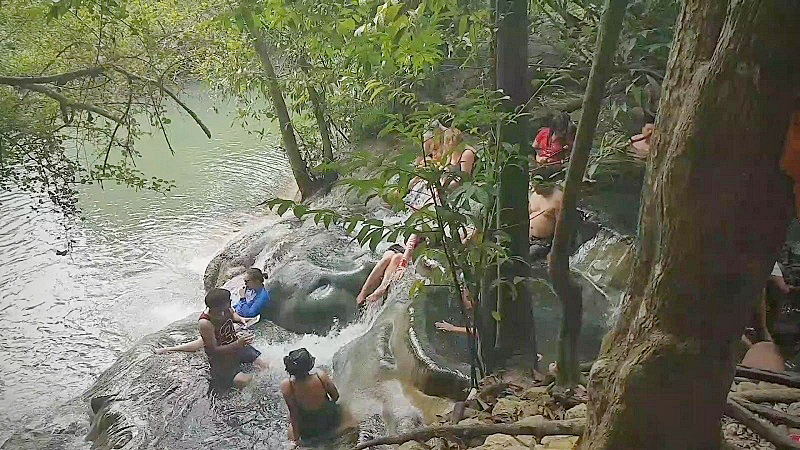
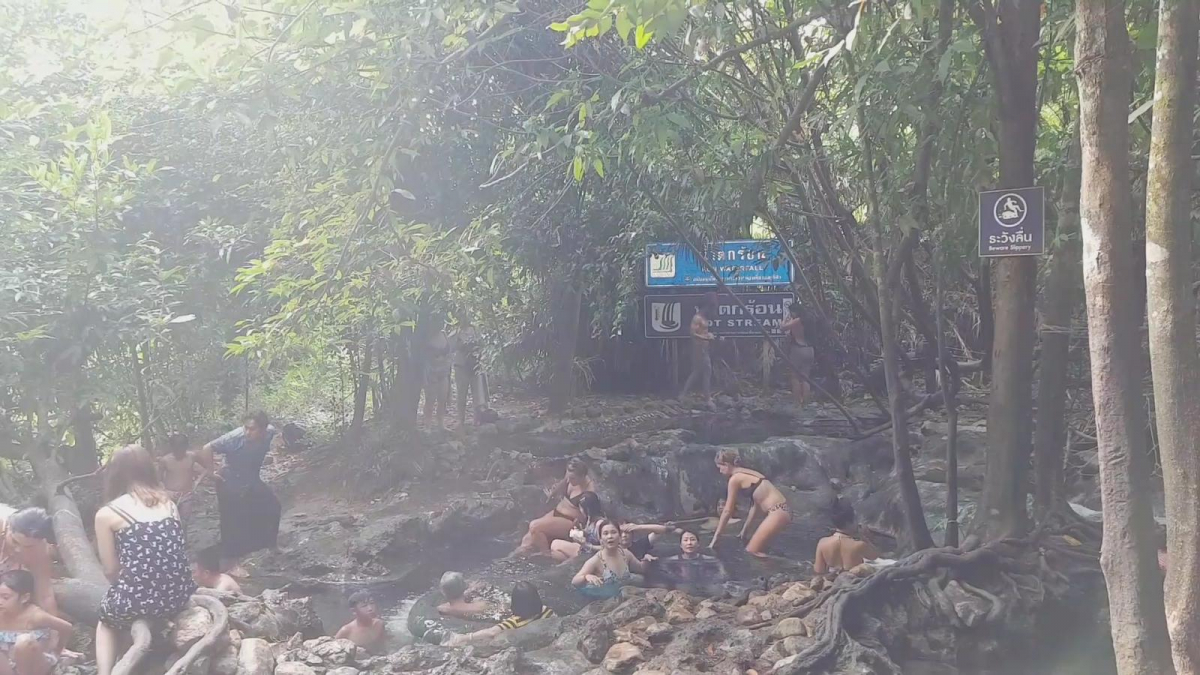
Thai and foreign tourists flocked to bathe in the warm waters of a hot spring on Tuesday (December 17) in Krabi’s Khlong Thom Nuea subdistrict.

The spring is one of tourist attractions in the area and is being promoted as an ideal spot for medical tourism. The area also features two large spa pools and playground where the kids can have fun while mum and dad take a dip.

The hot springs rise into small basins with a water temperature of around 40-50 degrees Celsius, and are said to contain various minerals that help body to relax. Many believe that the spring can cure disease. Staff are on hand to provide services and ensue safety while also maintaining the level of hygiene. The springs are open to the public daily from 8am to 5pm.