Datong emerges as cultural destination in China’s north

ศาสตร์เกษตรดินปุ๋ย : ขอบคุณแหล่งข้อมูล : หนังสือพิมพ์ The Nation

https://www.nationthailand.com/travel/30373630

Datong emerges as cultural destination in China’s north

Jul 25. 2019
By The Nation

142 Viewed

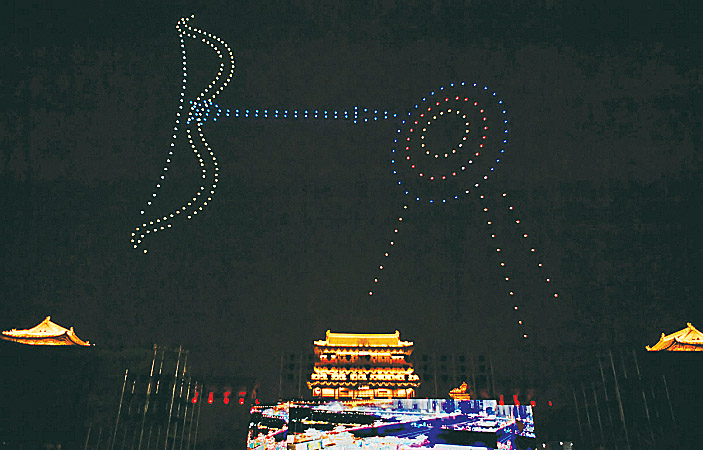
Datong in north China’s Shanxi province recently kicked off its classical Datong Yungang culture and tourism series, showcasing for the world the profound historical and cultural vitality of this ancient Chinese capital.

The series also honours the 70th anniversary of the founding of the People’s Republic of China (PRC).

Locals as well as tourists will this year enjoy highlight activities that include Jackie Chan International Action Film Week which is now running and will end on July 27, the second Youth Games of China from August 8-18, Datong Cycle Classic in August, Datong International Marathon in September, Shanxi Chess Championship, and China (Datong) International Photography Culture Exhibition of 2019, among others.

The Datong Yungang culture and tourism series has been held for 20 consecutive years since 2000, increasing Datong’s reputation as a historical and cultural city, national new energy demonstration city, national garden city as well as Chinese sculpture capital.

“Datong has been putting its focus on culture and tourism for the resource-based city’s transformation towards high-quality development,” said the city’s mayor, Wu Hongwen.

New breakthroughs have been achieved in policy guidance, project development, business innovation and brand building, Wu noted.

The efforts brought Datong over 33 million domestic tourists in the first half of 2019, up nearly 23 per cent over the previous year, and with tourism revenue totalling over 28 billion yuan (Bt126 billion), up more than 25 per cent on year.

The China Datong Tourism Development Index, developed by the Datong and China Economic Information Service, demonstrates the growth of Datong tourism in recent years with tourist volume, consumption level and attention potential rising by over 15 per cent, 10 per cent and 73 per cent year on year respectively, in the first half of this year.

Wallowing in the mud

ศาสตร์เกษตรดินปุ๋ย : ขอบคุณแหล่งข้อมูล : หนังสือพิมพ์ The Nation

https://www.nationthailand.com/travel/30373628

Wallowing in the mud

Jul 25. 2019
By The Nation

152 Viewed

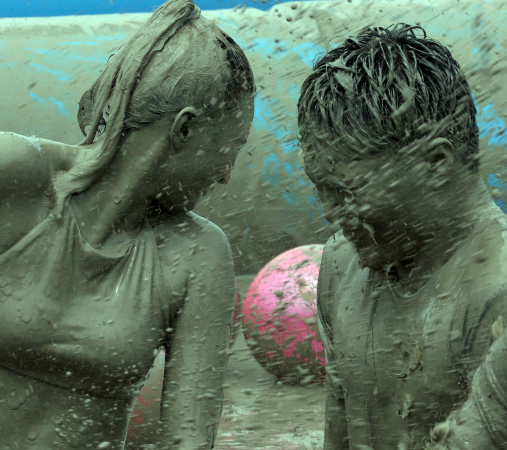
One of South Korea’s most celebrated summer events, the Boryeong Mud Festival is now in full swing and invites everyone to enjoy the fun until Sunday (July 28).

The 22nd version of the 10-day festival, hosted by the Boryeong municipality at the mud flats of this city on South Korea’s west coast draws revellers from Korea and abroad to Daecheon Beach.

Boryeong is famous for its wide mudflats and high-quality mud that is rich in minerals and known to help prevent ageing. Since 1998, the South Korean city has held the mud festival as part of efforts to promote the natural resources in the region.

This year’s festival carries the slogan “Go Boryeong, Play Mud” and invites visitors to experience mud sliding, mud wrestling, mud baths and everything muddy in the mud flats, as well as to make mud-based cosmetics, ride on yachts and perform in a flash mob featuring mud, music, dance and swimming.

Other programme include an obstacle race in mud, called the Mud Run, which was introduced for the first time last year and there’s also a global food zone is in the streets around the beach offers hungry souls a variety of cuisines.

The terraced fields on mountains in NW China

ศาสตร์เกษตรดินปุ๋ย : ขอบคุณแหล่งข้อมูล : หนังสือพิมพ์ The Nation

https://www.nationthailand.com/travel/30373612

The terraced fields on mountains in NW China

Jul 25. 2019
The dry land terraced fields on the mountains in Guyuan, Ningxia Hui autonomous region, have been transformed into rich colors of trees, grass and flowers. (Photo provided for chinadaily.com.cn)

The dry land terraced fields on the mountains in Guyuan, Ningxia Hui autonomous region, have been transformed into rich colors of trees, grass and flowers. (Photo provided for chinadaily.com.cn)
By China Daily
Asia News Network

213 Viewed

The terraced fields on the mountains of Guyuan, Ningxia, have formed an exquisite multicolored landscape covered with trees, grass, and flowers, showing the local people’s pursuit for a beautiful ecological environment.

The dry land terraced fields on the mountains in Guyuan, Ningxia Hui autonomous region, have been transformed into rich colors of trees, grass and flowers. (Photo provided for chinadaily.com.cn)

The dry land terraced fields on the mountains in Guyuan, Ningxia Hui autonomous region, have been transformed into rich colors of trees, grass and flowers. (Photo provided for chinadaily.com.cn)

The fields, covering an area of 3 million mu (2,000 sq km), are part of the Xihaigu Region in Ningxia, a place once known as the “most unsuitable for human inhabitation”. Its ecological environment was very fragile, with drought, bare mountains and no crops growing on the ground.But now it is regarded as “China’s most beautiful dry land terraced fields”.

Guyuan city has gradually improved its environmental quality by vigorously implementing ecological measures, such as returning farmland to forestry and grasslands, afforestation, ecological migration and pollution reduction. Many birds and animals that had not been seen for many years have returned.

Off to the spa with Mum

ศาสตร์เกษตรดินปุ๋ย : ขอบคุณแหล่งข้อมูล : หนังสือพิมพ์ The Nation

https://www.nationthailand.com/travel/30373413

Off to the spa with Mum

Jul 22. 2019
By The Nation

394 Viewed

Are you seeking the fresh ideas to surprise your mum apart from giving a jasmine garland and taking her out for dinner on Mother’s Day?

Perfect for family gathering on this special day, Expedia Thailand is introducing a list of 10 interesting holiday destinations, where you can treat your beloved mum as a princess.


Amatara Wellness Resort, Phuket

Overlooking the turquoise waters of the Andaman Sea, this wellness-oriented sanctuary provides the all-inclusive holistic wellness retreat programmes designed to rebalance the body, mind and soul.

Far away from chaos, vacationers can enjoy luxury accommodation, delicious nutritious food and beverages at the Retreat, along with personal training and healthy activities. There are several pampering spa treatments, rebalancing physiotherapies and mindful holistic treatments, but the highlight is “the Thai Hammam Experience”, a mixture of traditional Turkish and Moroccan bathing with gentle Thai spa therapies.

Staycation: From Bt4,111-plus per night

Spa treatments: From Bt1,800-plus

Anantara Siam, Bangkok

This five-star resort in the concrete jungle is home to the luxury Anantara Spa, where guests can unwind with exotic Thai wellness traditions and trusted ancient Asian therapies. Pamper your mum with treatments that harness advanced Western spa wisdom, including a range of facials by Biologique Recherche designed to detoxify, oxygenate, sculpt and lift.

Staycation: From Bt4,700 to Bt134,000-plus per night

Spa treatments: From Bt2,200-plus

Anantara Chiang Mai Resort

Mesmerising Chiang Mai spa journeys in soothing surrounds, this resort is designed to resemble a sanctum and guests can experience the 90-minute “Lanna Ritual” that combines Thai, Burmese and Chinese techniques and the 90-minute “Anantara Signature Massage” using Eastern and Western massage techniques to stimulate the circulation, relax muscles and free energy blockages.

Staycation: From Bt6,360-plus per night

Spa treatments: From Bt1,999-plus

Evason Hua Hin

Six Senses Spas at Evason Hua Hin offer a layered approach that unites a pioneering spirit with treatments that go beyond ordinary. You will find an intuitive mix of science and human awareness, where the hi-tech and high-touch approach defines a service that is crafted around the individual.

The spa has recently introduced a family-orientated series of wellness classes designed to be carried out together. A family can start the day with a yoga lesson, learning to stretch and support each other while having fun and getting fit.

After breakfast, you can ride a bike to the morning market and explore the local area. Then, return to the resort and register for the Alchemy Bar session to create your own body scrub, followed by a 75-minute scrub and massage. The day ends with a massage workshop and a reconnecting family meditation.

Staycation: From Bt2,284-plus per night

Spa treatments: From Bt1,950-plus

Millennium Hilton Bangkok

Eforea spa at Millennium Hilton Bangkok offers a wide range of facial, full body treatments, hydrotherapy and beauty treatments.

You can satisfy your mum with a manicure or pedicure in our full-service nail salon and get her some quality skincare products to recreate the salon experience at home. Other family members can head to the fitness centre and take advantage of cardiovascular and weight training equipment and yoga sessions.

Staycation: From Bt3,570-plus per night

Spa treatments: From Bt1,750-plus

Burasari Phuket Resort & Spa

Steps away from the happening Patong Centre, the award-winning Spa Burasari has a blend of Eastern and Western culture. The treatment menu includes steam treatments, singing bowl ritual and massages to provide pure relaxation.

Staycation: From Bt2,200-plus per night

Spa treatments: From Bt1,200-plus

Phulay Bay, a Ritz Carlton Reserve

Surrounded with a tropical jungle and the limestone hills, The Spa at Phulay Bay gives you a realm of traditionally inspired Thai, Asian and European treatment experiences.

It has aromatherapy steam rooms, outdoor vitality pool and the terrace sauna for healing pleasure. Vacationers can enjoy the Signature Phulay Bay Scrub using a unique blend of peeling ingredients rich in nutrients. The body is gently exfoliated to remove dead cells and stimulate blood circulation, while homegrown lemongrass gives the long-lasting radiance on skin and its tangy fragrance refreshes the mind.

Staycation: From Bt10,500-plus per night

Spa treatments: From Bt3,500-plus

Pullman Pattaya

Set between pristine lotus ponds and spanned by natural wooden walkways, Aisawan Spa boasts the striking treatment rooms and the idyllic outdoor spa villas that allow guests to experience the essence of nature.

Revel in the fresh, clean air as it flows in from the ocean, guest can enjoy the perfect touch of a soothing massage and the spa products are made with natural ingredients.

Staycation: From Bt2,400-plus per night

Spa treatments: From Bt350-plus

Divalux Resort & Spa Bangkok

The Divalux Resort & Spa is famous for its Praan Spa, a centre of ultimate relaxation and healing.

It’s the epitome of Thai culture and heritage, with its interiors emphasising Thai luxury and royalty. The Praan provides a multitude of services, some of which include spa, facial massage, Thai massage, foot massage, aroma massage, Onsen and steam.

The spa also has a shopping corner offering lotions, shower gels, shampoos and conditioners in four scents, namely Siamwood, Homsuvarn, Gincitro and Coval.

Staycation: From Bt2,800-plus per night

Spa treatments: From Bt2,800-plus

Melati Beach Resort & Spa

Melati Spa reflects the exotic beauty of Thai tradition through its incorporating contemporary designs and provides an extensive array of wraps, scrubs, massages and facial treatments.

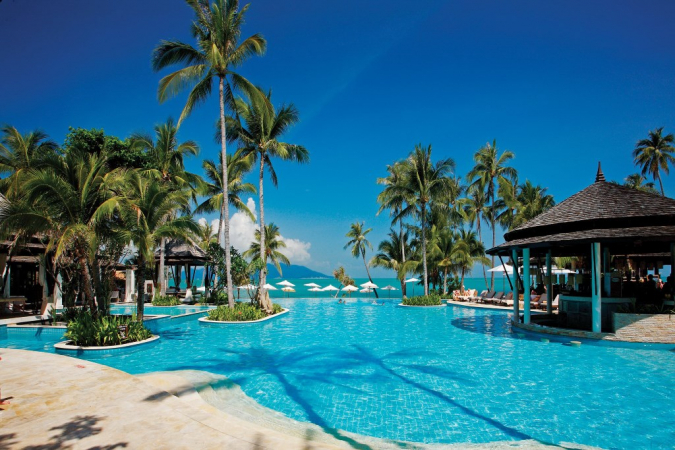
Its award-winning “Indigenous Coconut Experience” treatment has used natural ingredients and traditional herbs as well as modern massage techniques to create a totally unique form of relaxation. The spa also features a manicure and pedicure salon, yoga sala, beauty sala, waxing studio, private treatment room with shower and children’s spa room.

Staycation: From Bt6,372-plus per night

Spa treatments: From Bt900-plus

Find out more at the Expedia Thailand Travel Blog.

Tibet making ticket reservations more efficient

ศาสตร์เกษตรดินปุ๋ย : ขอบคุณแหล่งข้อมูล : หนังสือพิมพ์ The Nation

https://www.nationthailand.com/travel/30373430

Tibet making ticket reservations more efficient

Jul 23. 2019
A view of Potala Palace, Aug 23, 2011. [Photo/chinadaily.com.cn]

A view of Potala Palace, Aug 23, 2011. [Photo/chinadaily.com.cn]
By  China Daily
Asia News Network

170 Viewed

Potala Palace, a UNESCO World Heritage Site, opened its online ticket reservation service on Sunday to help manage the number of visits during peak tourism season, the palace’s management office said.

Visitors to the palace in Lhasa, capital of the Tibet autonomous region, are now required to make reservations on its website or at a ticket window to ensure entry to the site.

Visitors can reserve tickets one day in advance at ticket windows while online reservations are available up to seven days in advance, the office said.

Each visitor can reserve a maximum of five tickets online.

The reservation window is open daily from 8 am until tickets for the following day are sold out.

Xiaoyu, a tourist from Shandong province, said this would be his first time touring Lhasa, and he was excited about visiting Potala Palace. “I prefer buying tickets online, as lining up under the hot sun is not easy. Online reservations are efficient and fast,” he said.

Tian Kuigang, a sales manager at a local travel agency, said the ticket reservation system helps avoid overcrowding at popular sites.

“During the peak season, it’s necessary. Otherwise, all the tourists will be crowded together at ticket windows,” Tian said.

The palace was added to the UNESCO World Heritage List in 1994.

Another major tourist attraction in the region, Jokhang Temple, has also begun on-site ticket reservation services, with reservations taken daily between 3 pm and 7 pm.

Architectural preservation is a concern, and the ticket reservation periods are timed so as to prevent overcrowding and stress on structures, Tibet Daily reported.

The region’s peak tourism period is from May to October. In off-peak periods, the region’s tourism authorities began offering bargains on hotels, flights and tickets to scenic spots in February 2018 as a way of attracting more tourists.

The region saw more than 13 million visitors in the first half of 2019, up 20 percent year-on-year, according to the region’s tourism development department.

The region raked in 14.93 billion yuan ($2.17 billion) in tourism revenue in the same period, up 19.8 percent year-on-year, according to the department.

Ignore the myths and just get to Nepal

ศาสตร์เกษตรดินปุ๋ย : ขอบคุณแหล่งข้อมูล : หนังสือพิมพ์ The Nation

https://www.nationthailand.com/travel/30373422

Ignore the myths and just get to Nepal

Jul 23. 2019
By The Nation

417 Viewed

With so many people around the world keen to experience the wonders of Nepal, the multitude of myths about the country that keep others away is perhaps a blessing.

But be smart, advise trip guide Traveloka: “Avoid the myths and just go. You will love it!”

Here are some of the myths about Nepal that need shattering.

Nepal is too dangerous for trekking

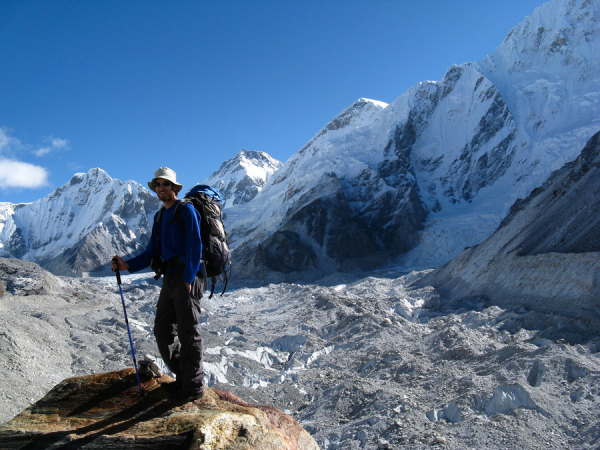
Only a few groups handle trekking (or “mountaineering”) in Nepal. The two most popular treks – Everest Base Camp and the Jomsom Trek, both in eastern Nepal, are not really mountaineering expeditions in the usual sense but more aptly described as “teahouse treks”.

On the trek from Pokhara to Jomsom, a four- to five-day trip, you “hike” (a walk in the park compared to a real trek). You don’t really exert yourself. You can rest at numerous outposts between villages, enjoy delicious home cooking and relax with other travellers and at countless guesthouses.

One couple “trekking” near Ghorapani, north of Pokhara, hired a team of guides to escort them on the same hike.

The Maoist insurgency

The Maoist insurgency actually ended in 2006. It was a decade-long tragedy in which thousands were killed, but even during that time, the direct impact on the safety and security of travellers in cities and the countryside was marginal.

If a hiker met a Maoist guerrilla during this period, it would involve not weapons or violence but a “thank-you” cash demand, usually around Bt300, for which an actual receipt would be offered. The peace deal was signed and the war ended 13 years ago.

Nepal is too risky for women

Actually, women of all ages, nationalities and ethnicities are welcomed and treated respectfully and compassionately. This equally applies to solo female travellers.

Nepalese are inherently soft-spoken, modest, gentle and very receptive to diversity in numbers, regardless of your faith or country of origin. They treat all people as equals without any prejudice or disdain.

Travellers to Nepal are welcomed as visitors – in homes, villages, mountain passes, day and night – and even around-the-clock in the larger, more densely populated urban areas.

Nepal is dirty and unhygienic  

Nepal is undeveloped as measured by GDP per capita and among the poorest countries in South Asia. However, it has taken huge and important steps in its development over the years with thousands lifted out of poverty in the process.

Clean bottled water is readily available everywhere and food storage, refrigeration and preparation standards have greatly improved.

The number and geographic spread of higher-class health facilities are improving. Perhaps the most common illness encountered by tourists is among those who aspire to climb too high, too fast.

For first-time travellers to Nepal, it’s important to know about acclimatisation, which is a process of slowly adjusting your body and reduced oxygen flows to your brain at high altitudes. Acute mountain sickness (AMS) can set in above 2,500 metres.

Your body can adapt, or acclimatise, but too often impatient travellers-trekkers just don’t get it. Remember, a gradual approach is best. AMS has nothing to with cleanliness or hygiene or land or seaborne diseases. It is sadly all about the impatience of so many travellers to achieve too much too quickly. Go slow and stay healthy if you do decide to climb above these heights.

The shopping is terrible

Nepal is not home to heavy industry or high-end luxury goods. Buyers in the market for premium cars or chic, brand-name clothing, handbags or perfumes should probably give this agrarian country a miss. The same would apply to your last-minute opportunity at airport duty-free shops, which are no match for those in developed countries around the world. People who spend US$100,000 in Nepal are probably not shopping but joining an excursion to ascend Mount Everest – yes, that is the going rate.

And yet, Nepal is a different shopper’s paradise even among those who never thought of buying a thing there in advance of the trip.

The emphasis with most purchases of choice is clearly not AI-supported machine output or 4.0 technologies and systems, but rather cottage industries that consistently showcase handmade work that is stunningly beautiful, durable and refined.

Some of the finest Pashimina shawls and scarves in Asia are made by hundreds of skilled designers in Nepal. Richly textured, rainbow-coloured paper dolls and masks, stone and bead jewellery remain immensely popular among shoppers. Locally produced coffees, teas and exotics spices are found in most restaurants and cafes and consistently rank among Nepal’s highest export earners.

So, while few travellers would say without teasing that they went to Nepal “to shop”, most would pick up some of these and many other treasures for themselves or as very well-received gifts.

“For anyone travelling in Asia, we would certainly recommend exploring the many wonders of Nepal – all so easily accessible for outdoors lovers of all ages and physical well-being,” says Tee Chayakul, Traveloka’s country manager for Thailand.

“You don’t have to take even one step to see and feel at close range the stunning immensity and splendour of the Himalayas. The unrivalled scenery, eager and welcome hosts, rich cultural heritage and passively inviting religions and cuisines all prove winners in tourist diaries. There are very few one-time-only visitors to Nepal, and with good reason.

“Nepal is an under-the-radar location for most Thais despite its close proximity – just three hours and 20 minutes – so it’s ripe for discovery. And nothing is better than going to a new destination with hardly any expectations and coming away hugely impressed. Thais will be pleased to discover the warmth and friendliness of the Nepalese people in addition to the many temples, shrines, great food and of course the stunning natural beauty.”

Check out www.traveloka.com/en-my.

Bangka Belitung eyes sports tourism to lure foreign tourists

ศาสตร์เกษตรดินปุ๋ย : ขอบคุณแหล่งข้อมูล : หนังสือพิมพ์ The Nation

https://www.nationthailand.com/travel/30373341

Bangka Belitung eyes sports tourism to lure foreign tourists

Jul 22. 2019
Picturesque Tanjung Kerasak Beach in South Bangka, Bangka Belitung Island regency (Shutterstock/Sony Herdiana)

Picturesque Tanjung Kerasak Beach in South Bangka, Bangka Belitung Island regency (Shutterstock/Sony Herdiana)
By THE JAKARTA POST
Asia News Network

160 Viewed

The annual Toboali City On Fire tourism festival in South Bangka regency, Bangka Belitung Islands, is set to return on July 25 to 28 with a variety of programs combining culture, tourism and sports.

The festival is among Bangka Belitung’s three highlighted tourism events included in this year’s 100 Calendar of Events. The other two are the Bangka Cultural Wave Festival in Sungai Liat and Tanjung Kelayang Festival in Belitung.

Among the activities planned are the Bikepacker Tour de Habang, Toboali Fashion Carnival, Toboali Photo Competition, Regional Dance Festival, painting contest, Toboali Mural Festival, Habang Band Festival, kite festival, Telok Serujo Festival, culinary festival, Buang Jung ritual, motorcycle community tour, micro, small and medium enterprises (MSME) exhibition, fishing competition, photography competition, photo exhibition, fish cooking contest and Toboali Food Street Festival.

Bangka Belitung Governor Erzaldi Rosman said sports tourism was among ways the administration would focus on to increase foreign tourist arrivals.

As quoted by tempo.co on Thursday, he added that related to the sports tourism plan, discussion was ongoing with the Tourism Ministry to make Bangka Belitung a venue for the Formula 1 Powerboat World Championship, also known as H2O Racing or F1H2O.

“While Lombok [Mandalika] hosts F1 on the land, we’ll host F1H2O on the water,” Erzaldi said. (dmy/kes)

Shanghai, in a parallel universe

ศาสตร์เกษตรดินปุ๋ย : ขอบคุณแหล่งข้อมูล : หนังสือพิมพ์ The Nation

https://www.nationthailand.com/travel/30373306

Shanghai, in a parallel universe

Jul 20. 2019
Mark Siegemund's photo: Lights On shows buildings in Lujiazui during the National Day holiday.[Photo provided to China Daily]

Mark Siegemund’s photo: Lights On shows buildings in Lujiazui during the National Day holiday.[Photo provided to China Daily]
By China Daily
Asia News Network  

264 Viewed

German architect and photographer Mark Siegemund turns his adopted city into a land of fantasy through his creative visual works that aim to stir the imagination, Alywin Chew reports.

Mark Siegemund’s photo: Anticipation, a photo taken in one of the busiest streets in Yuyuan Garden Malls at night.[Photo provided to China Daily]

In early May, Shanghai was transformed into a frozen landscape. The Huangpu River was frozen over, the buildings caked in snow and a towering wall of ice could be seen rising above the ground in the Lujiazui financial area.

A man with a long sword ambled toward the edge of a cliff located across the river in Puxi. As he surveyed the desolate landscape, three dragons emerged from behind the Shanghai Tower, their screeches reverberating through the city.

This was, of course, nothing more than a fantasy, Game of Thrones-inspired world that only existed in an image created by rising Instagram star Mark Siegemund. The 34-year-old German, who has been living and working in Shanghai since 2012, has also caught the attention of Chinese netizens in recent months. His works have been shared on Chinese social networking platforms, with many people praising his creative renditions of the city.

In his other works, Shanghai is transformed into Gotham City, the fictional place where the comic character Batman resides. Sun Wukong, also known as the Monkey King, can be found standing atop a temple.

Mark Siegemund's photo: One Thousand and One Nights, an image of the Shanghai World Financial Center seen from above the clouds at night.[Photo provided to China Daily]

Mark Siegemund’s photo: One Thousand and One Nights, an image of the Shanghai World Financial Center seen from above the clouds at night.[Photo provided to China Daily]

“My photography is not just about showing reality. It’s about art. It’s about showing a fantasy world. It’s about an escape from reality,” says Siegemund, the designing director at Ete Lee and Associated Urban Architects, in Shanghai.

“For me, a photo truly becomes a work of art when I do the editing. Everyone can take photos. Some can take good photos. But it is the editing process that helps you to stand out from others because it allows you to input your personal voice.”

Despite his talent for photography, the German insists that he is still very much an architect at heart.

Born in Leipzig, Siegemund says that he has been fascinated by architecture since he was a child. The fact that his father was an engineer who would gladly entertain his questions about how buildings worked also flamed his interest in the field. Such was his interest that Siegemund would secretly draw blueprints for planes and buildings during lessons. He also frequently followed his father to construction sites.

“I was in awe every time I entered a building. I would be examining all the details of the space. I just could not understand why others did not feel the same way,” he quips. “I knew that I wanted to study architecture when I was 16.”

Siegemund first arrived in Shanghai in 2011 when he was an architecture student at the Bauhaus University Weimar. During his time in the city, he participated in an exchange program with the China Academy of Art which also included a short stint with an architecture firm called Spark.

Mark Siegemund's photo: Center Piece, Huxinting Teahouse at Yuyuan Garden in autumn.[Photo provided to China Daily]

Mark Siegemund’s photo: Center Piece, Huxinting Teahouse at Yuyuan Garden in autumn.[Photo provided to China Daily]

He still vividly remembers how amazed he was at the city when he first laid eyes on it, saying that the reality was nothing like what he expected.

“I was surprised that the city was so modern. My impression of China before I came was that it was this ‘romanticized’ land that was filled with rickshaws and traditional Chinese things. Many people in Germany still think that China is like that today,” he laughs.

“In Germany, there’s more uniformity in the style of the buildings located along the same street,” he adds.

“Here in Shanghai, the landscape is just so dense, and the buildings differ so much from one another. Things are a little messy but it is also this mess that makes the scene so vibrant. There’s a charm to this organized chaos.”

Mark Siegemund's photo: Rising Dragon, the Yan'an Elevated Road with its famous "dragon pillar".[Photo provided to China Daily]

Mark Siegemund’s photo: Rising Dragon, the Yan’an Elevated Road with its famous “dragon pillar”.[Photo provided to China Daily]

Captivated by the vibrant nature of the city, he returned to Shanghai in 2012 after graduating, starting his career at an architecture firm that allowed him to travel around China to places like Dalian in Liaoning province, Guilin in Guangxi Zhuang autonomous region and Haikou in Hainan province. Back then, photography was just a means of helping him to document the unique architecture of Shanghai.

It wasn’t until three years ago that he started an Instagram account and took his photography to another level by adding a touch of flair through editing software. Slowly but surely, his works won him a legion of fans on Instagram-he currently has about 45,000 followers.

His photos also caught the eye of design firms that later commissioned him to do interior and architecture photography. Even major labels such as luxury fashion house Burberry have hired him to shoot a brand campaign. One of the memorable assignments he has undertaken was documenting a new car transport vessel that was berthed in Shanghai.

When asked to name one of his favorite photos of Shanghai, Siegemund singled out the image which features a section of the Yan’an Elevated Road. Shot at night, the image depicts a series of roads criss-crossing one another, with skyscrapers set against a backdrop of an illuminated sky.

The urban legend behind this section of the Yan’an Elevated Road, he explains, was what compelled him to shoot the photo.

According to the urban legend, engineers once faced a problem installing a new concrete pillar along the expressway because they could not drill to the required depth. A monk who was invited to perform religious rites at the location said that the drilling attempts were unsuccessful because the site was where the city’s guardian dragon rested. He then told the construction company that the pillar must be adorned with nine dragons before it could be installed.

The engineers were able to install the required pillars in the location after following the monk’s instructions. When the monk died a few days later, many people attributed the cause of death to him revealing the secret location of the dragon’s abode.

“I hope that my photos can stir people’s imagination. The thing about Instagram is that people view your photo for only a second before swiping to the next one on their feed. I want my photos to be those where people can stop and wonder. I think my best pictures have this quality,” he says, referring to the image.

While dramatic night shots like this particular image of the highway account for a considerable portion of his works, Siegemund says that night shoots take place out of necessity.

“If you look at the trend of shooting night urban images, it’s really because most of the photographers have day jobs. They can only shoot at night after work,” he says.

“Photography is still more like a hobby to me. I like being behind a desk doing architecture work. I like being able to choose what photography projects I want to embark on.”

Siegemund adds that he expects himself to be working in the architecture field for the foreseeable future. Shanghai, too, will also remain his home for the coming decade.

“I can imagine staying here for another eight to 10 years. The problem with Europe is that people deliberate too much. Things move so slowly. To decide on something takes such a long time that so many things already pass,” he explains.

Mark Siegemund's photo: Anticipation, a photo taken in one of the busiest streets in Yuyuan Garden Malls at night.[Photo provided to China Daily]

Mark Siegemund’s photo: Anticipation, a photo taken in one of the busiest streets in Yuyuan Garden Malls at night.[Photo provided to China Daily]

“Here in Shanghai, something new is always happening. Things are always changing. I also like how the Chinese learn by mistakes. They dare to try and fail. This kind of attitude is good and will help the country forge a better future. You can build your dreams here.”

Palaces, fortress and historic sites at night

ศาสตร์เกษตรดินปุ๋ย : ขอบคุณแหล่งข้อมูล : หนังสือพิมพ์ The Nation

https://www.nationthailand.com/travel/30373301

Palaces, fortress and historic sites at night

Jul 20. 2019
Gyeongbokgung’s magnificent main hall, Geunjeongjeon, is lit up to welcome nighttime visitors to the palace. (Cultural Heritage Administration) 

Gyeongbokgung’s magnificent main hall, Geunjeongjeon, is lit up to welcome nighttime visitors to the palace. (Cultural Heritage Administration)
By The Korea Herald
Asia News Network

258 Viewed

Seoul’s royal palaces are beautiful by day but they are even more stunning by night.

On top of the beauty of centuries-old architecture majestically illuminated in darkness, the serene atmosphere in contrast to the modern skyscrapers beyond the palace walls offers a surreal experience.

Nighttime visits are only allowed on selected dates and for a limited number of people at some of Seoul’s five palaces from the Joseon era (1392-1910).

Gyeongbokgung, the most popular of the five, will remain open until 10 p.m. for two weeks starting Monday. A total of 4,500 visitors are allowed per day, with tickets at 3,000 won each.

Admission is free for people dressed in hanbok — Korean traditional costume — but under new rules, they must reserve free passes online and meet guidelines on their attire. Five hundred tickets are reserved onsite for foreign visitors. For more information, visit http://www.royalpalace.go.kr/.

The most popular nighttime program, Changdeokgung’s Moonlight Tour, will resume Aug. 22 and continue through October. Tickets go on sale Aug. 7 and are likely to sell out fast, as previous editions sold out in minutes. Only 100 visitors are allowed for each guided two-hour tour.

For those who do not want the hassle of booking in advance, Deoksugung and Changgyeonggung light up their paths till 9 p.m. every day, except Mondays. Admission is 1,000 won, and no reservations are needed.

On July 31, there will be a free, one-hour classical music concert at Deoksugung’s Western-style building Seokjojeon. Reservations are recommended.

The first 100 visitors at Changgyeonggung during the extended hours are provided with traditional handheld lanterns that have to be returned at the end of the stroll.

Meanwhile, BaekInje’s House in Seoul’s picturesque Bukchon area remains open until 9 p.m. on Wednesdays and Saturdays — extended opening hours for summer. A well-preserved example of modern hanok built during the Japanese colonial era (1910-1945), the house, now a museum, has been featured in a number of Korean historic films. Call 02) 724-0200 for more information.

Outside Seoul, Suwon, a city in Gyeonggi Province, will hold a three-day festival from Aug. 9-11 around Suwon Hwaseong Fortress, designated as a UNESCO World Heritage site.

Built in the late 18th century, the stonewall fortress and the king’s temporary palace will be illuminated, with the facade adorned with media art. They will remain open until 11 p.m. during the festival.

A variety of events are also planned for the surrounding area, including a helium balloon ride over the fortress and cultural performances. Nighttime viewing of the fortress and palace and a docent tour are free of charge, but require booking.

The “Flying Suwon” balloon ride costs 18,000 won for adults and 12,000 won for children. For more information on the Suwon festival, visit http://www.swcf.or.kr/english/?p=66.

Tokyo DisneySea unveils new attraction

ศาสตร์เกษตรดินปุ๋ย : ขอบคุณแหล่งข้อมูล : หนังสือพิมพ์ The Nation

https://www.nationthailand.com/travel/30373297

Tokyo DisneySea unveils new attraction

Jul 19. 2019
Tokyo DisneySea is a 176-acre (71.22 ha) theme park at the Tokyo Disney Resort located in Urayasu, Chiba, Japan, just outside Tokyo (Shutterstock/Andreas H)

Tokyo DisneySea is a 176-acre (71.22 ha) theme park at the Tokyo Disney Resort located in Urayasu, Chiba, Japan, just outside Tokyo (Shutterstock/Andreas H)
By THE JAPAN NEWS
ASIA NEWS NETWORK

222 Viewed

The Tokyo DisneySea theme park will open on Tuesday its new motion-simulator attraction “Soaring: Fantastic Flight,” in which guests feel as if they are traveling in the air.

It unveiled the attraction to the press on Wednesday.

The ride lasts about five minutes. Guests can see images of the pyramids in Egypt, the Great Wall of China and the savannah in Kenya on a large hemispherical screen. Winds blow and smells change along with the scenery. Guests feel as if they are actually flying through the sky through the images and movements of the ride.

Oriental Land Co., which operates Tokyo DisneySea, invested about ¥18 billion in the new attraction. “We want everyone from children to adults to enjoy it,” a company official said.

Guests must be at least 1.02 meters or taller to experience “Soaring.”