A walk through Siam’s history

ศาสตร์เกษตรดินปุ๋ย : ขอบคุณแหล่งข้อมูล : หนังสือพิมพ์ The Nation

http://www.nationmultimedia.com/detail/thailand/30353051

A walk through Siam’s history

Thailand August 27, 2018 14:05

By The Nation

4,446 Viewed

A new attraction in Pattaya, the Legend Siam is scheduled to open at the end of this year and is promoting itself as the first Thai cultural theme park.

Costing around Bt4 billion, the park has been created by Nusasiri Company and brings together Thai history, arts and culture and shopping experience under one roof.

“Our park aims to represent the pride of Thailand and to support Thailand’s tourism industry and economic growth,” explains Visanu Thepcharoen, chief executive officer of Nusasiri.

Legend Siam is spread over 10,000 square metres and features three zones: Siam Vilize showcases civilization of Siam, Araya Thai representing Thai traditions and culture, and Bhumi Pan Din wisdom portrays the pride of Thailand.

Visitors can enjoy a special show titled “The Echoes of Legend Siam”, a music and art performance presented through the vision of Manop Meejamrat, a Silapathorn Artist. Other performances include Miss Grand Thailand’s “Legend Siam Culture Fashion Show”.

“This mega project will create a different image for tourism on the East Coast of Thailand. We will see the private and industrial sectors working with community. In the past, people focused on beach and outdoor activities when talked about Pattaya. From now on, people will be attracted by its coastal beauty and cultural traditions that will showcase Thailand as the Land of Smiles,” said Weerasak Kowsurat, the minister of Tourism and Sports.

The new park will dazzle visitors from the first step with the magnificent arch at the entrance, where five-storey tall Tossakan and Sahasdecha act as the guardians. Inside, several attractive displays showcase the glorious days of Rattanakosin era, the ways of life, and Siam of the past, with mesmerising architecture.

“Legendary Royal Elephants” tells the story of ancient Thai ceremonies while Araya Thai presents a temple fair, mythical creatures from Thai literature, and Wat Phra Si San Phet from the Ayutthaya era which has been brought back to life.

Visitors can experience the innovative 3D performance and enjoy shopping at the floating market and traditional market. The Bhumi Pan Din zone, meanwhile, presents the legend of Bang Rajan warriors who sacrificed their lives for the country.

Find out more at http://www.LegendSiam.com.

The many joys of Ueno Park

ศาสตร์เกษตรดินปุ๋ย : ขอบคุณแหล่งข้อมูล : หนังสือพิมพ์ The Nation

http://www.nationmultimedia.com/detail/world/30353358

  • Food stalls ring Ueno Park for the summer festival.
  • Shinobazu Pond in Tokyo’s Ueno Park is double delightful each summer as the lotus flowers come into bloom, their pink hue contrasting with the red and green of Bentendo Temple.
  • In front of Kiyomizu Kannon-dou Temple is the eyecatching “Pine Tree of the Moon” (Tsuki no Matsu).
  • Kimono-clad Japanese girls in Ueno Park find a foreign cellist worth a snapshot.
  • The park is filled with museums, most of them dedicated to art, with which many Japanese people share a fascination.
  • Visitors to the Tokyo Metropolitan Art Museum can learn about bento as a means of communication.

The many joys of Ueno Park

World August 31, 2018 01:00

By Kitchana Lersakvanitchakul
THE NATION

As if the green surrounds of this Tokyo oasis weren’t enough, its museums teem with knowledge

When travelling in Japan, I always make it a point to visit Ueno Park, a relaxing green paradise in the heart of Tokyo.

This spacious public park is replete with sights to see all four seasons of the year. At the end of March you have the fleeting beauty of the cherry tree blossoms, an inspiring experience made all the more fun by the crowds of locals who come out to picnic among them. It’s a vibrant and lively atmosphere.


This month I was marvelling at the expanse of magnificent lotus flowers blooming all across Shinobazu Pond in the park. The Japanese lotus has bigger leaves than its Thai cousin, and rounder petals.

Helping make this spot one of the most beautiful and photogenic in Tokyo is the Japanese people, who don kimonos for the annual summer festival.


The cherry pink of the lotus blossoms on Shinobazu no Ike, to use its Japanese name, contrasts delightfully with the colours of nearby Bentendo Temple, which has a red exterior and green roof. And it’s all bathed in blue at night thanks to decorative illumination.

Shinobazu Pond is large enough to be divided into three sections. In one segment people row about in rented boats. In another they pedal little vessels that look like swans and cormorants. And the third is a preserve for several dozen species of migratory and resident birds.


In addition to hosting constantly changing events, Ueno Park is also home to a great number of museums and galleries. These include the Shitamachi and Ueno Royal museums, the national museums of Western Art and Nature and Science, and the Tokyo National Museum and Tokyo Metropolitan Art Museum.


Not only are the displays in these places interesting and educational, but it’s a constant source of charm seeing Japanese people, with kids in tow or in groups of friends, making the rounds. There always seems to be a sense of joy among them when they’re on outings like this.


I was tempted on my visit this month to go see “Michelangelo and the Ideal Body” at the National Museum of Western Art, but opted instead for the Tokyo Metropolitan Art Museum. It had a pair of appealing shows – a Leonard Tsuguharu Foujita retrospective commemorating the 50th anniversary of his death and an exhibition about bento as a “Design for Eating, Gathering and Communicating”.

Both shows continue through October 8.


Foujita is less known that most of the European artists he chummed with and worked among in Paris early in the 20th century, but he’s a hot commodity at the auction houses today.

The retrospective misses nothing in the career of this prolific painter, draughtsman and designer. You get to see his landscapes, portraits, religious paintings and nudes (including “Milky White Nudes”), which sounds rather irreligious.


The four zones bellow their titles – “A Grand Retrospective of the Largest Scale”, “Foujita Masterpieces from Major Western Art Museum Collections!” and “Leonard Foujita Returns to Ueno!” The final section explains that the artist studied at the Tokyo Fine Arts School (now Tokyo University of the Arts).


The bento exhibition is more than box lunches and segmented food platters, seeking to “rethink the relationship between the arts and everyday life”. Most Thais know what bento is, but few will know about its history and culture.

The bento is regarded as an integral part of the Japanese way of life. Some are lovingly prepared for family members as “gifts” and by their design link the maker to the recipient. And families often eat bento together. In this way it becomes a form of communication, bringing people together.


On display are bento boxes from the Edo period (1603-1868), many inventive bento-theme ideas from past and present and East and West, compelling videos and installations and contemporary artworks that require the visitor’s participation.

Artist Marije Vogelzang spotlights aspects of bento that cannot be seen or touched, extracting the human connections, memories and hopes for the future. She does this by creating a space large enough to enter – a giant bento box that can be explored as you listen to a story told by “the Spirit of Bento”.


The title of Jun Kitazawa’s “Osusowake Passage” refers to the practice of sharing food in small portions, usually while eating bento with others. Toru Koyamada and Yasuhiro Moriuchi delve into communication design involving eating and its future possibilities.

Koyamada shows a record of his family’s day-to-day bento-making routine, demonstrating how such a process can create connections and offer rich learning opportunities. Moriuchi conducts workshops for elementary-school pupils to prepare their own bento from scratch and make a documentary video at the same time. The videos are then shared to tell the tale of each student’s bento.

The writer travelled with NokScoot Airlines.


IF YOU GO

The fastest way to reach Ueno Park is by train to Ueno Station, either the JR Line or Keisei Line.

The park can also be reached from Nazu Station on the Tokyo Metro Chiyoda Line or from Ueno-Okachimachi Station on the Oedo Subway Line.

Double the experience, double the fun

ศาสตร์เกษตรดินปุ๋ย : ขอบคุณแหล่งข้อมูล : หนังสือพิมพ์ The Nation

http://www.nationmultimedia.com/detail/world/30353248

Double the experience, double the fun

World August 29, 2018 15:16

By The Nation

2,001 Viewed

Travelling to a new place can be fun and exciting, but travelling to a destination where you can be in two places at the same time can double the experience.

Research from Booking.com shows that more than half of global travellers want to tick more destinations off their bucket list in 2018. Here are some destinations where you can be in two places at once.


France and Switzerland

If you’re dreaming of staying in two countries at the same time, Arbez Franco Suisse is the place to make those dreams come true. Located right on the borders of France and Switzerland, this charming chalet hotel offers guests the opportunity to sleep with their feet in France and head in Switzerland. The hotel’s kitchen, dining room and some of the guest rooms are divided by the line separating the two countries. Guests can wake up in France and enjoy their meals in Switzerland without even leaving the accommodation.

Belgium and the Netherlands

Combining two countries and cultures, the unique municipality of Baarle is probably one of the most complicated towns in the world. Split between the Netherlands and Belgium, it’s not simply divided into two parts with one border – it’s actually full of separate pieces of land and a network of intricate enclaves of Belgium within counter-enclaves of the Netherlands. The nationality of the town’s citizens is usually determined by the location of their home.

Where to stay: The charming Hotel Brasserie Den Engel is situated in the centre of Baarle-Nassau, the Dutch side of the municipality, and offers a brasserie with a welcoming terrace to relax and enjoy the sun. If you want to rest your head in Baarle-Hertog, the Belgian side, book a stay at the Brownies&downieS Baarle, a cosy property with a Belgian restaurant and terrace that’s perfect for looking over the town to try and get a better understanding of the complex lay of the land.

Northern Hemisphere and Southern Hemisphere – Ecuador

Located right on the Equator, Quito is the Ecuador’s capital and one of the largest equatorial cities. High in the Andes, Quito is one of the first Unesco World Heritage Cities in the world and its stunning historic centre is home to various monasteries, baroque churches, and charming cobblestone streets. Located just outside the city is the Ciudad Mitad del Mundo or Middle of the World City, a museum park and monument which highlights the exact location of the Equator.

Where to stay: El Crater is set against the panoramic backdrop of the active Pululahua Volcano with private balconies offering views of the nearby Equator Monument. It features ethnic Ecuadorian architecture designed from hand-crafted stone, contemporary interiors and an art gallery that features an extensive collection from renowned Ecuadorian artists. El Crater’s restaurant offers 360-degree views of both the northern and southern hemispheres and serves Ecuadorian cuisine, exotic cocktails and canapes.

Atlantic and Indian Ocean – South Africa

Cape Agulhas is the southernmost point of Africa and is said to be the official dividing line between the Indian and Atlantic Oceans. Imagine having one foot in the Atlantic and the other in the Indian Ocean. Also on this special cape you’ll spot The Cape Agulhas Lighthouse. Built in 1848 it’s the second oldest working lighthouse in South Africa. Climb to the top and admire the breathtaking views of the two mighty oceans meeting along the rocky coastline.

Where to stay: Located in the coastal town of Agulhas, just a short walk from the Cape Agulhas Lighthouse, the Agulhas Best View offers cosy and self-catering cottages with stunning ocean views as far as the eye can see.

Nevada and Arizona – Hoover Dam, USA

Set on the border between the US states of Nevada and Arizona, the stunning Hoover Dam gives you the option not only to be in two places at once , but also two time zones (Mountain and Pacific). This engineering marvel is recognised as a National Civil Engineering Landmark and guests should book a tour to learn and appreciate its history and importance.

Where to stay: Set only a short drive from the Hoover Dam in one direction and Boulder City in the other, the Hoover Dam Lodge features spacious rooms with mountain and lake views, as well as a seasonal outdoor pool. In addition to visiting the Hoover Dam, guests can also enjoy a variety of outdoor activities in the area including paddle boarding, hiking and biking.

North American and Eurasian Tectonic Plates – ?ingvellir National Park, Iceland

Straddling the border of two states or countries to be in two places at once can be exciting, but what about straddling two continents? If this interests you, then take your bucket list to Iceland, the only inhabited island in the world where tectonic plates and ocean ridge are visible on land, allowing travellers the unique opportunity to walk between two continents at once.

Where to stay: Hotel Grimsborgir Luxury Rooms and Apartments offers comfortable suites and apartments just a short drive from the Unesco-listed ?ingvellir National Park, the best place to view and walking along the joining of the North American and Eurasian tectonic plates. Guests can admire the sky and surrounding mountains from the room’s balcony, terrace or from one of 14 outdoor hot tubs.

Underwater and on the surface – the Maldives

Huvafen Fushi is a luxurious resort located in the North Male Atoll in the Maldives and offers both overwater and underwater facilities. Guests can enjoy relaxing treatments at the underwater Lime Spa or practice yoga in the yoga pavilion, while the hotel’s overwater restaurant features an open kitchen and fresh seafood dishes.

In the air but connected to the earth – India

Travellers who are looking for a unique stay in nature between air and land can spend the night in a tree house. Set amidst the abundant forests of Syari Valley, The Tree House Resort is an eco-friendly property overlooking the Aravalli mountain range. Perched atop the trees, the resort offers wooden accommodation with tree branches coming through between the furnishings. Wake up to the sound of the birds and spend some peaceful time by the outdoor pool before savouring Indian delicacies at the resort’s Machaan restaurant.

Thais top list for family travel

ศาสตร์เกษตรดินปุ๋ย : ขอบคุณแหล่งข้อมูล : หนังสือพิมพ์ The Nation

http://www.nationmultimedia.com/detail/world/30353052

Thais top list for family travel

World August 27, 2018 14:19

By The Nation

6,668 Viewed

Asian travellers engage in more multi-generation and extended family trips, with 77 per cent of Thais had five or more family breaks in the past year, according to online travel agent Agoda.

Its survey also revealed that seven out of 10 families globally take at least two family vacations a year, with Asian travellers taking more than twice as many family trips as their Western peers.

Agoda’s Family Travel Trends 2018 survey, conducted by YouGov, found that just 18 per cent of travellers globally take only one family holiday a year, while over 34 per cent have taken more than five family trips in the past year.

Asia dominates this multi-holiday trend with a remarkable 77 per cent of travellers from Thailand and 62 per cent from the Philippines claiming to have taken five or more family breaks in the past year.

Conversely, only 7 per cent of British travellers took more than five family trips, with the UK also most likely (34 per cent) to take only one.

While family travel is growing globally, details of who with and for how long families take vacations varies across the globe.

A four- to seven-night stay is the most popular duration for family holidays globally but there are large variances across markets. In the UK, the four- to seven-night stay made up 41 per cent of family travel in the past year, compared to only 20 per cent of family travel for Thais.

Instead, family vacations of more than 14 nights are taken by almost a third of Thais, but only 11 per cent of Malaysians. Vietnamese, Malaysian and Chinese families are most likely of all travellers to take one- to three-night vacations.

The survey also looked into who was included in family vacations. It found that, while 35 per cent of global travellers have taken a holiday with grandparents, travellers from the UK and Australia are the least likely to have done so, with only 13 per cent and 20 per cent of travellers embarking on them respectively.

Thais (66 per cent) and Indonesians (54 per cent) were most likely to have included grandparents in their holiday plans. This trend is also reflected when looking at extended family members, with Thais and Indonesians most likely to include siblings, cousins, aunts and uncles in their vacation plans.

Americans, British, Australians and Chinese are also the least likely to go away with other groups of friends, with only 22 per cent of Americans, 23 per cent of Brits, 26 per cent of Australians and 27 per cent of Chinese having done so in the past year.

Meanwhile, almost half of travellers from the Philippines tie up with a group of friends for some of their vacations, closely followed by Vietnamese and Malaysian family travellers.

Giant ‘Buddha’s palm’ appears in Inner Mongolia

ศาสตร์เกษตรดินปุ๋ย : ขอบคุณแหล่งข้อมูล : หนังสือพิมพ์ The Nation

http://www.nationmultimedia.com/detail/world/30352761

Giant ‘Buddha’s palm’ appears in Inner Mongolia

World August 23, 2018 06:55

By China Daily Com
Asia News Network
Mongolia

2,912 Viewed

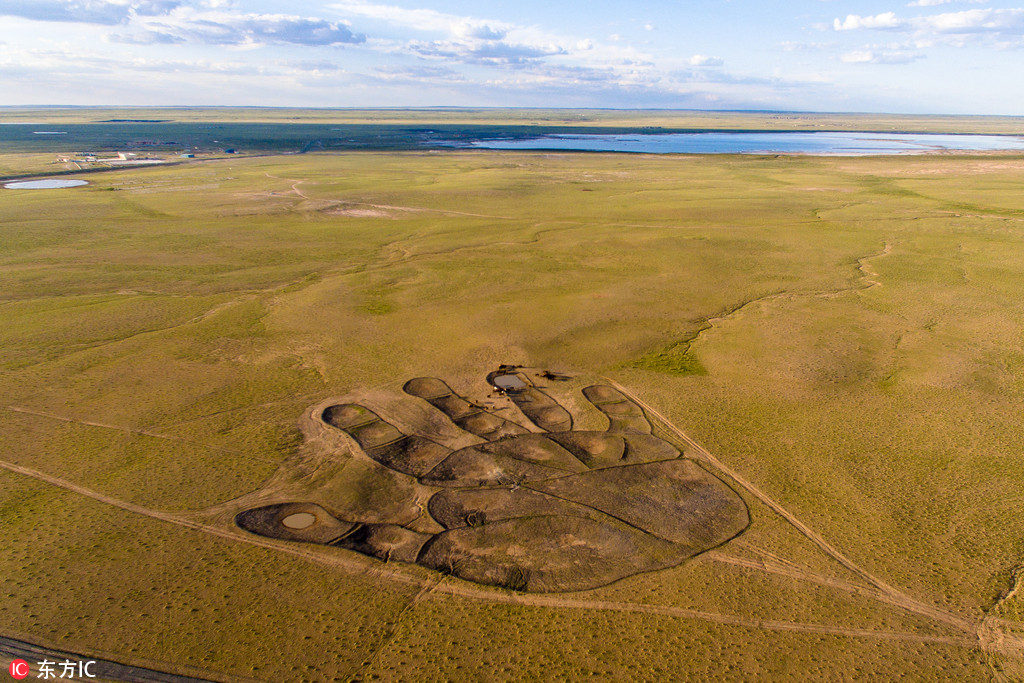
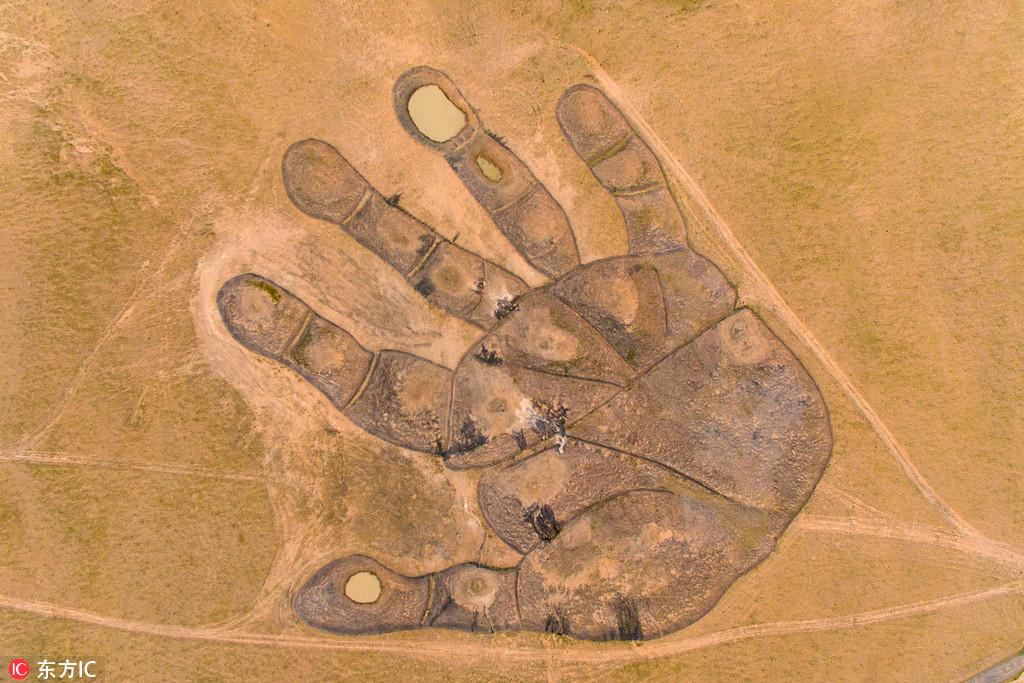
A massive “Buddha’s palm”, which is a piece of earth art, has been made on the grassland near Erenhot city in North China’s Inner Mongolia autonomous region. The palm occupies an area of 40,000 square meters, equaling six soccer fields.

An aerial view of a massive “Buddha’s palm”. [Photo/IC]

An aerial view of a massive “Buddha’s palm”. [Photo/IC]

An aerial view of a massive “Buddha’s palm”. [Photo/IC]

An aerial view of a massive “Buddha’s palm”. [Photo/IC]

On top of the world

ศาสตร์เกษตรดินปุ๋ย : ขอบคุณแหล่งข้อมูล : หนังสือพิมพ์ The Nation

http://www.nationmultimedia.com/detail/thailand/30352921

  • The splendid rooftop is the best place to enjoy a spectacular view of Bangkok.
  • The open kitchen and the chefs in action
  • Yellow Fin Tuna Tartar
  • Some of the savoury salad dishes
  • The Grand Bar offers drinks and desserts.

On top of the world

Thailand August 25, 2018 01:00

By Kupluthai Punkkanon
The Nation Weekend

Spend Sundays with friends in luxury surroundings with the Park Hyatt Bangkok’s #Mypenhousesundays

EVER IMAGINED yourself welcoming friends to your luxury pad for a slap-up meal? Well, you can now do exactly that thanks to #Mypenthousesundays, an initiative of the Park Hyatt Bangkok’s Penthouse Bar and Grill, which allows you to bring your pals along to a Sunday brunch featuring terrific food, drinks, music and games in an ambience so private that it feels like your own home.

 Luxury vintage leather club chairs dot the main sitting area

Located on level 34 of the hotel, Penthouse Bar and Grill is a three-floor entertainment complex featuring a restaurant, bars and lounges, namely The Grill, Chef’s Table, the Cocktail Bar, the Whisky Room, the Mezzanine, and the Rooftop Terrace. Guests can wander around freely and explore.

The food is carefully crafted from the very best organic ingredients and guests can choose whether to pile their plates at the buffet or have lunch served at their table or booth.

Conceived and designed as a private penthouse, the venue acts as a permanent open house for those who share a passion for life with their irrepressible host. The Penthouse Bar and Grill offer the best views in the building and features such exclusive amenities such as private elevators and rooftop gardens. Natural light pours in through windows that offer a spectacular view of downtown Bangkok.

 Fresh oysters for the taking 

Lavish elements such as antiques, artworks, toys, opulent custom-designed furniture, velvet and leather upholstery and asymmetrical brass structures add to the feeling of luxury and the dining tables made of marble and chestnut woods can be rearranged according to the way the space is being used. The main sitting areas are furnished with vintage leather club chairs perfect for chilling over a drink and the modern open kitchens add a touch of theatre to the proceedings.

After a welcome glass of punch, guests have the run of the grill for the meat and seafood starters and mains, sides and salads for which Penthouse Bar and Grill is renowned.

The finest selections of grilled beef include Prime Tenderloin from USA, Ranger’s Valley Ribeye from Australia and Wagyu Beef Tomahawk while BBQ Braised Wagyu short rib and Chicken Viennoise are also up for the taking. Seafood choices cover salmon, jumbo prawns, and Hokkaido scallops. There’s plenty of pasta too as well as perennial kids favourite Mushroom Mac and Cheese, mashed potatoes, sweet potato wedges, French fries, onion rings, creamed spinach, sauteed mushroom, corn on the cob, asparagus and cauliflower gratin.

 Grilled Hokkaido scallops

Other stations offer different kinds of egg dishes as well as pizzas. Cheeses lovers will sure to enjoy the Cold Cuts zone, which has a wide selection of goat’s cheese, Truffle Gouda, Brie de Meaux Comte and Fourme d’Ambert plus Parma ham, chorizo, pork rillettes, Pate Grand-Mere and more.

Another area is home to starters, fresh green salads and a superb oyster bar. The Caesar Salad is a generous mix of Parmigiano-Reggiano cheese and bacon while the Cobb Salad offers chicken breast, blue cheese, cherry tomato, bacon, avocado, poached egg and a cider dressing. The Heirloom Tomato Salad, meanwhile, features Burrata cheese, basil, red onion and pesto and the Red salad lives up to its name with sweet beetroot, roasted pepper, cabbage, tomato, radish and pomegranate. Both the prawn cocktail and smoked salmon salads are great but the winner is the Yellow Fin Tuna Tartar, which is served with wasabi peanuts, pickled ginger, sesame, and ponzu.

Diners can choose from a wide selection of wines and champagne, beers, cocktails, and juices.

And the kids will go wild for the special chocolate and vanilla soft serve ice cream.

Delicious cold cut

Sunday brunch doesn’t end with the food though. Up in the Grand Bar, you’ll find delicious desserts and drinks served from various specialist stations, from Frozinis to DIY G&Ts to red, white and sparkling wines, and surprise shots.

Kids and teenagers can linger in their personal playground and watch some TV, play Nintendo and other video games, kick a football around or play darts and various board games.

And while they’re occupied, the adults can chill to the sounds being spun by the Sunday vibe DJ specialist who may even get you up and dancing.

What a way to spend a Sunday!


THE SKY’S THE LIMIT

>> Brunch is available every Sunday from 12 noon to 4pm

>> The food and soft drinks only package is priced a Bt1,990-plus. To include the beverage package, add another Bt1,000-plus.

>> A Chef’s Table can be organised on request.

>> Book a table by calling (02) 011 7480 or pop off an email to bkkph.penthouse.reservation@hyatt.com.

A heritage revived

ศาสตร์เกษตรดินปุ๋ย : ขอบคุณแหล่งข้อมูล : หนังสือพิมพ์ The Nation

http://www.nationmultimedia.com/detail/thailand/30352916

  • Khanom Tabod, Khanom Khuen, Kanom Jeen in spicy gravy and fried shrimps mixed with herbs are the best sellers at the Chian Yai Riverside Market.
  • The Old Market in front of Wat Phra That features traditional performances, workshops and local street food.
  • Food stalls line the colourful Chian Yai Riverside Market every Saturday.
  • The Wisdom Village showcases all sorts of local handicraft products and hosts cultural performances by students.
  • The Old Market in front of Wat Phra That features traditional performances, workshops and local street food.
  • Khanom Tabod, Khanom Khuen, Kanom Jeen in spicy gravy and fried shrimps mixed with herbs are the best sellers at the Chian Yai Riverside Market.

A heritage revived

Thailand August 25, 2018 01:00

By Pattarawadee Saengmanee
The Nation Weekend

The Southern province of Nakhon Si Thammarat relies on its traditions to draw tourists

FORMERLY KNOWN as the Kingdom of Ligor, Nakhon Si Thammarat is one of the most ancient cities in Thailand with a history that can be traced back more than 1,800 years. Located some 600 kilometres from Bangkok but easily accessed by air, the town is promoting itself as a new weekend escape for people of all ages.

With a good selection of homestay accommodation and plenty of old markets scattered in and around town, this southern province is a great place to unwind and revel in the charms of the good old days.

Nakhon Si Thammarat is the hometown of veteran artisan Nikom Nok-aksorn and his students from the Nakhon Crafts club. In 2004, Ajarn Nikom turned his house opposite Wat Phra Mahathat Woramahawihan into the Nakhon Nielloware Learning Centre from where he happily demonstrates the art of making elaborate niello jewellery and household items.

Master Nikom Nokaksorn and his students show off their skills in crating elaborate gold nielloware.

In 2012, he was selected as a Master Artisan of Thailand by the Support Arts and Crafts International Centre of Thailand (Sacict) and is best known for the exquisite one-of-kind gold-lacquered amulet case crafted especially for Her Royal Highness Princess Maha Chakri Sirindhorn.

“Nakhon Si Thammarat has been famous for nielloware for centuries. Our ancestors formulated a perfect mixture of sulphur, lead, tin and silver with five per cent copper to ensure the durability and maintain the beautiful shape of niello. It’s a skill that has been passed down through the generations,” says Nikom, who graduated in art and crafts from Poh-Chang Academy of Arts and studied nielloware at Nakhon Si Thammarat Art & Craft College.

“Nielloware can be divided into three categories: silver-lacquered, gold-lacquered and gold-painted. Different skills are required for the painting, carving and moulding.”

Inspired by local leaves, flowers and plants, Nakhon Si Thammarat’s original nielloware is carved by hand to create sharp, long-lasting designs, different from the nielloware produced in Thailand’s central region for which acid is used.

Visitors to the centre can admire striking gold-lacquered clutches and camera cases, silver-lacquered glasses, bracelets and bowls as well as gold-painted niello clutches, ranging in price from Bt8,000 to Bt90,000.

After joining a handicraft workshop, we head to Chian Yai district and board the Choomai Riverside Resort’s ferry. Our private cruise along the Chian Yai River takes an hour and rewards us with striking views of lush jungle, fishing villages and temples.

On the way we stop at Baan Yai Homestay, where former teacher Wilai Srirordpet, 63, greets us with refreshing herbal drinks and home-made Thai sweets. Seven years ago, Wilai and her architect son transformed their 100-year-old house into a small boutique resort on the theme “when was the last time you cuddled your grandma?”

Shaded by towering trees, this lovely compound accommodates three comfortable cottages modified from the original rice granary and kitchen. The prices are ultra reasonable: Bt200 for a mattress and Bt300 for a bed.

There’s no air-conditioning and the decor is simple but the cottages boast TVs and fans and the shared bathrooms are spotless and kitted out with all amenities. A pavilion on the bank is designed as both a living room and open-air spa where during the day guests can enjoy a herbal compress massage and footbath given by the villagers.

“Guests can also go fishing or paddle a boat along the river. My house is surrounded with banana plantations and rice fields so I’m planning to create some creative activities like a mud slide for children,” Wilai says.

Baan Yai Homestay offers accommodations in an adapted rice barn and kitchen. 

The boat drops us off at the popular Chian Yai Riverside Market that is packed with booths and stalls every Saturday. A group of students performs cultural dances on the stage and the market presents a wide range of local desserts, rare Southern delicacies and OTOP merchandise at reasonable prices.

Well worth sampling are the khao yum (spicy rice salad with vegetables), khanom jeen namya koei (rice-flour noodles in a shrimp gravy), khanom ta bod made from sticky rice flour and topped with residue of coconut oil and khanom khuen (nipa palm cake). All the food and drinks are served in eco-friendly banana leaf floats, bamboo glasses and wickerwork.

“Nakhon Si Thammarat is rich in nature and culture. We’ve set up street markets to help communities generate more income while also conserving our traditions. The markets combine OTOP products and handicrafts, which make great souvenirs,” says Khajornkiet Rakpanichmanee, vice governor of Nakhon Si Thammarat.

 Food stalls line the colourful Chian Yai Riverside Market every Saturday. 

Back in downtown Nakhon Si Thammarat, the one-kilometre road in front of Wat Phra Mahathat Worawihan is converted into a colourful market every Saturday night. Operated by the local Chamber of Commerce, this iconic walking street was set up last year as a new tourist attraction.

“It’s a collaboration between the community, provincial officials and the private sector. We want tourists to stay in our province for an extended period rather than just passing through. We added arts and culture to the market to represent the unique lifestyle of Nakhon Si Thammarat,” says Kiattikorn Charoenpanich, the Chamber’s deputy secretary.

“Currently the market is generating some Bt3 million a week and has been named as one of the

top 10 Cultural Street Markets by the Culture Ministry.”

The Old Market in front of  Wat Phra That features traditional performances, workshops and local street food.

The market is divided into three zones. The Art and Culture section offers Do-It-Yourself workshops on batik, shadow puppets and textile dyeing. The OTOP corner combines all kinds of local handicrafts including refined Yan Lipao bags in different designs and gold niello jewellery from Nakhon Crafts.

Local vendors dressed in period costumes man the 300 stalls, many serving tempting dishes and sweets in banana leaves, paper bags and coconut shells. The lively entertainment zone is popular with young visitors, with classical cultural performances by

veteran and new-wave artists of manorah, likay hulu, rong-ngeng and shadow puppets.

The Wisdom Village showcases all sorts of local handicraft products and hosts cultural performances by students. 

A little out of town, the Wisdom Village in Tha Ruea district is open every Sunday. It belongs to Ajarn Thawee Plaiduang and features more than 30 fashion boutiques, souvenir shops and food pavilions plus a mini shadow puppet theatre.

“This green market combines culture and local wisdom under one roof. We have more than 40 members selling food made without MSG along with handicrafts and agricultural products,” Thawee says.

“I’m developing 100 courses in arts and crafts so we can turn this market into a lifestyle learning centre. I’m also working with other local craftsmen to develop new designs of lipao and krajood bags and nielloware inspired by shadow puppets.”

Hemmed in by lush gardens, guests can spend a few hours checking out the latest collection of colourful batik fashions, krajood bags and mats, bamboo wickerwork and home decorative items. And in addition to the many snacks and herbal beverages on sale, there’s a mini super market packed with vegetables and fruits from local farms.

The Pak Phanang Old Market is packed with vendors dressed in Thai period costumes selling signature local dishes and desserts. 

In Pak Phanang district, Bang Chalang Canal is home to the first old market in Nakhon Si Thammarat and boasts some 50 pavilions with nipa leaf roofs and more than 300 street stalls.

Every Sunday evening local vendors dressed in period costumes offer a rare selection of Pak Phanang signature desserts and specialities including traditional red fried rice, nine-filling sticky rice dumplings, khanom patung (coconut-filled soft waffle made from Nam Hom coconut juice, duck eggs and butter), and khanom krok (soft coconut crepe roll made from rice flour, eggs, coconut milk and shallots).

“Pak Phanang district was a marine trade hub before the U Tok Vibhaja Prasid Barrage in the Pak Phanang River Basin Royal Development Project was constructed in 1996. Three years ago, the mayor set up this traditional market to help villagers earn more income and promote tourism. The fee to rent space is just Bt10 so the vendors are able to keep their own prices low. We adhere to the sufficiency economy philosophy and use local natural materials like lotus, banana, nipa palm leaves and paper bags that are friendly to the environment and save money,” says Nattanun Juntaratip, deputy mayor, Municipality of Pak Phanang.

The Pak Phanang Old Market is packed with vendors dressed in Thai period costumes selling signature local dishes and desserts. 

Also on offer is a collection of innovative handicrafts made with coconut shells, handmade Chinese-style bamboo hats known as muak piew and baskets and accessories made from nipa leaves. Members of the local club for the elderly keep the entertainment going with folk songs and cultural dances.

“Visitors can also take a 90-minute river cruise that allows them to learn about the mangrove forest and experience the lifestyle of fishing villages in the Pak Phanang basin. We recently received a Bt63 million grant to develop our landscapes and security system. We are also opening a new vintage-themed night market that will run from 8pm to midnight,” Nattanun adds.


IF YOU GO

>> Nakhon Nielloware Learning Centre is on Sarieng Road, Muang District. Call (075) 346 391.

>> A private cruise along Chian Yai River is priced at Bt2,000. Visit the Choomai Riverside Resort Facebook page or call (061) 750 2224.

>> The Chian Yai Riverside Market is open every Saturday from 3 to 9pm.

>> The Old Market in front of Phra That is open every Saturday from 5 to 9pm.

>> The Wisdom Village is in Tha Ruea district and open every Sunday from 9am to 6pm.

>> The Pak Phanang Old Market is next to Pak Phanang Prison and open every Sunday from 3 to 8pm.
Luxury on the rails

ศาสตร์เกษตรดินปุ๋ย : ขอบคุณแหล่งข้อมูล : หนังสือพิมพ์ The Nation

http://www.nationmultimedia.com/detail/thailand/30352378

  • The master bedroom has an en-suite bathroom.
  • Passengers on the exclusive SRT Prestige train ride disembark at the seaside town of Hua Hin.
  • The SRT Prestige meeting room carriage is equipped with all the facilities for a mobile conference room.
  • The hot kitchen compartment is like a moving dining room, with passengers able to make their own catering arrangements.
  • The first-class sleeper is fitted with a five-foot bed, a TV screen and en-suite bathroom.

Luxury on the rails

Thailand August 18, 2018 01:00

By Khetsirin Pholdhampalit
The Nation Weekend

5,201 Viewed

You can now take a slow trip to your favourite destination with one of the State Railway of Thailand’s private luxury carriages

WHILE LOW-COST airlines make travel both easy and cheap, there’s something truly rewarding about winding back and looking at the countrywide go past from a train carriage so luxurious that you’d forgiven for thinking you were back in the days before commercial air travel.

Most Thais will know about the State Railway of Thailand (SRT)’s projects to construct a dual track railway and high-speed train system but far fewer are aware that it offers private and luxury carriages for rent as a premium alternative option whether for a board meeting and business conference or a family vacation.

Four different types of exclusive and luxury  SRT Prestige carriages are available for private rental.

In operation since 2016, the carriages called SRT Prestige are refurbished from old compartments given by JR West of Japan. The exteriors are painted in blue and gold and the interiors have undergone a sophisticated facelift with wood predominating and warm lighting giving off a classic grandeur. Comfortable five-and-three foot beds, bunk beds, sofas, a meeting room, a kitchen, a mini bar, TVs and an audio system change the perception of a railroad journey.

“The SRT Prestige carriages are a good choice for people who have no time constraints but like modern comforts and privacy. The carriages can be attached to commuter trains on your choice of routes nationwide for both one-way and return trips,” says Supat Worrawatnutai, the deputy director of SRT’s Freight Service Department.

The first-class sleeper is fitted with a five-foot bed, a TV screen and en-suite bathroom.

“The most popular route is latching on to the full-day train trip to Kanchanaburi that stops at such points of interests as Phra Pathom Chedi, River Kwai Bridge, Death Railway Bridge and Sai Yok Noi Waterfall.

“Each month, there are about 10 groups from both the government and private sectors renting these luxurious compartments. Tour operators are interested in operating private train trips for their customers. Our next booking is a police group boarding from Bangkok to Chiang Mai.”

The medium-size bedroom has a three-foot bed, a TV screen and a wardrobe.

SRT Prestige has four different types of carriages from which guests can choose. The first-class sleeper offers one room with a five-foot bed, TV screen and en-suite bathroom, another with a single bed and two rooms with bunk beds. The front and rear areas are furnished with comfy six-seat sofas – perfect for chatting and reclining.

The meeting room compartment is designed as mobile conference room with 20 to 50 seats, a 10-metre-long meeting table, microphones, TV screen, a compact karaoke room, and a dining room with a six-seat sofa.

The SRT Prestige meeting room carriage is equipped with all the facilities for a mobile conference room.

Keeping guests watered and fed is not forgotten either with a hot kitchen carriage offering tables with either two or four seats, a counter bar with stools, a kitchen to cook your meals and audio systems – ideal for hosting a banquet on the way to your destination. It can accommodate about 22 people and the catering must be arranged by customers.

The last type is the cold kitchen carriage that is suitable for hosting a cocktail reception for more than 30 people as it offers a 530-cm-long mini bar with stools, sofas as well as two and four-seat dining tables.

The hot kitchen compartment is like a moving dining room, with passengers able to make their own catering arrangements. 

“Customers can rent the cold and hot kitchen carriages individually. But if they want to rent the meeting room compartment or the sleeper, they have to rent either the cold or hot kitchen carriage to generate electric power,” adds Supat.

The rental fees for the first-class sleeper range from Bt37,000 to Bt57,000 for a one-way trip, and Bt74,000 to Bt114,000 for a roundtrip. The prices for the hot or cold kitchen carriage range from Bt17,000 to Bt27,000 for one-way and Bt34,000 to Bt54,000 for roundtrip.

“If you want to arrange the routes on your own and don’t have the carriages attached to commuter trains that will stop at multiple stations, a minimum rental of 10 SRT Prestige carriages is required,” he says.

A barista from Arabitia Coffee prepares drip coffees for passengers.

In order to help SRT to promote these luxury carriages, Favori Media International and Fond Publishing International – the publishers of The Thailanders and Numero magazines – recently hosted the SRT Prestige trip from Bangkok to the seaside town of Hua Hin for some 100 guests and media to sample the unusual railway approach.

Seven SRT Prestige compartments of four different types were attached to the rapid train running from Hua Lamphong Railway Station to the Southern border town Su-ngai Kolok in Narathiwat.

Two bedrooms with bunks make up the rest of the accommodation in the first-class sleeper.

“I like travelling by train. It’s more relaxing than sitting in a car. You can sit back and enjoy scenery that’s unlike anything we see from the highway,” says Amornsiri Boonyasit, group editor-in-chief of the publishers.

“I only just found out that SRT has these exclusive and luxury carriages for private rental. Travelling in the privacy of your very own train carriage, you and your group will have the freedom to work or play as much as you like, without any interruptions. This can be a travel option for people who favour a slow journey mixed with nostalgia and pampering.”

With the cold kitchen carriage, renters can arrange their own drinks and snacks.

The aromatic fragrances of Jo Malone diffusers greet us as we board. The hot kitchen compartment served grilled duck over rice while the baristas from Arabitia Coffee by CP Retaillink in the cold kitchen carriage prepare coffees and drinks as well as sweet treats.

Guests can also relax with a hand and neck spa massage or sample the make up from Korean herbal cosmetic brand Sulwhasoo. Another compartment allows us to try out the Huawai P20 Pro smartphone ourselves or have our pictures taken by a professional lensman.

Activities on board include a hand-and-neck massage treatment.

“I want to visualise how we can customise diverse activities to make the journey even more fun. As the ever-changing scenery flashes past the windows, you can be pampered with a neck and hand massage or enjoy a cup of aromatic coffee and sweet delights while taking selfie, courtesy of Sulwhasoo, CP Retaillink and Huawai,” says Amornsiri. “The SRT Prestige is a good service but the volume of use is still low. To me, the rental fee is affordable compared to those offered in foreign countries for similar services. I want to promote the culture of classic train travel.”

Sulwhasoo offers makeup for passengers.

“This journey brings back childhood memory,” says Pensupa Gajaseni, one of the guests. “Twenty years ago, my grandfather Thanom Kittikachorn (the late prime minister) rented a simple carriage to attach to a train travelling to Pa Sak Jolasid Dam in Lop Buri for a family outing. It was a fun and memorable experience but I have never boarded a local train since.”

The Eastern & Oriental Express is the train that comes to Pensupa’s when thinking about luxury railway journeys in Southeast Asia. She, too, had never heard of the SRT Prestige.

“I think there’s an enormous potential for SRT to develop these comfort carriages for full-service day-trips to popular destinations such as Hua Hin without stopping at many stations,” she says.

Chetniphit Rueangnitiwit tells The Nation Weekend that he has never even considered travelling by train in the country. Saving time and an affordable price are his first priorities.

“Car and plane are my choices,” says the 22-year-old student. “This is the first time I have travelled on a train and I’m only here because I’m accompanying my mother. I’ve always thought of trains as old, slow and subject to delays. But even though the SRT Prestige carriage is much more luxurious than I would have thought, rail travel is not for me.”

As it marks 122 years since the first railroad route from Bangkok to Ayutthaya was inaugurated by King Chulalongkorn (Rama V) in 1896, SRT is implementing new projects designed to bring a bright future to the railway system and attract people like Chetniphit who refuses to travel by train. The first phase of the dual-track railway is expected to be finished by 2023 while the Sino-Thai high-speed railway from Bangkok to Nong Khai has been under construction since last December.

Passengers on the exclusive SRT Prestige train ride disembark at the seaside town of Hua Hin.

The SRT Prestige took about four hours from Bangkok to Hua Hin where guests later proceeded to Holiday Inn Vana Nava via luxury coaches supported by True Leasing.

For information on the SRT Prestige, call 1690 or (02) 621 8701 or visit http://www.Railway.co.th.

On Thai island, hotel guests check out of plastic waste

ศาสตร์เกษตรดินปุ๋ย : ขอบคุณแหล่งข้อมูล : หนังสือพิมพ์ The Nation

http://www.nationmultimedia.com/detail/thailand/30352357

Volunteers from Trash Hero, an environmental NGO, clean up a beach on the island of Bali, Indonesia. Thomson Reuters Foundation/handout - Trash Hero Indonesia/Wayan Aksara (AFP/Wayan Aksara)
Volunteers from Trash Hero, an environmental NGO, clean up a beach on the island of Bali, Indonesia. Thomson Reuters Foundation/handout – Trash Hero Indonesia/Wayan Aksara (AFP/Wayan Aksara)

On Thai island, hotel guests check out of plastic waste

Thailand August 17, 2018 11:35

By Agence France-Presse
Phuket

4,512 Viewed

For the millions of sun seekers who head to Thailand’s resort island of Phuket each year in search of stunning beaches and clear waters, cutting down on waste may not be a top priority.

But the island’s hotel association is hoping to change that with a series of initiatives aimed at reducing the use of plastic, tackling the garbage that washes up on its shores, and educating staff, local communities and tourists alike.

“Hotels unchecked are huge consumers and users of single-use plastics,” said Anthony Lark, president of the Phuket Hotels Association and managing director of the Trisara resort.

“Every resort in Southeast Asia has a plastic problem. Until we all make a change, it’s going to get worse and worse,” he told the Thomson Reuters Foundation.

Established in 2016 and with about 70 members – including all Phuket’s five-star hotels – the association has put tackling environmental issues high on its to-do list.

Last year the group surveyed members’ plastics use and then began looking at ways to shrink their plastics footprint.

As part of this, three months ago the association’s hotels committed to phase out, or put plans in place to stop using plastic water bottles and plastic drinking straws by 2019.

About five years ago, Lark’s own resort with about 40 villas used to dump into landfill about 250,000 plastic water bottles annually. It has now switched to reusable glass bottles.

The hotel association also teamed up with the documentary makers of “A Plastic Ocean”, and now show an edited version with Thai subtitles for staff training.

Meanwhile hotel employees and local school children take part in regular beach clean-ups.

“The association is involved in good and inclusive community-based action, rather than just hotel general managers getting together for a drink,” Lark said.

CREATORS AND VICTIMS

Phuket, like Bali in Indonesia and Boracay in the Philippines, has become a top holiday destination in Southeast Asia – and faces similar challenges.

Of a similar size to Singapore and at the geographical heart of Southeast Asia, Phuket is easily accessible to tourists from China, India, Malaysia and Australia.

With its white sandy beaches and infamous nightlife, Phuket attracts about 10 million visitors each year, media reports say, helping make the Thai tourism industry one of the few bright spots in an otherwise lacklustre economy.

Popular with holiday makers and retirees, Phuket – like many other Southeast Asian resorts – must contend with traffic congestion, poor water management and patchy waste collection services.

Despite these persistent problems, hotels in the region need to follow Phuket’s lead and step up action to cut their dependence on plastics, said Susan Ruffo, a managing director at the U.S.-based non-profit group Ocean Conservancy.

Worldwide, between 8 million and 15 million tonnes of plastic are dumped in the ocean every year, killing marine life and entering the human food chain, UN Environment says.

Five Asian countries – China, Indonesia, the Philippines, Vietnam and Thailand – account for up to 60 percent of plastic waste leaking into the seas, an Ocean Conservancy study found.

“As both creators and ‘victims’ of waste, the hotel industry has a lot to gain by making efforts to control their own waste and helping their guests do the same,” Ruffo said.

“We are seeing more and more resorts and chains start to take action, but there is a lot more to be done, particularly in the area of ensuring that hotel waste is properly collected and recycled,” she added.

CHANGING MINDS, CUTTING COSTS

Data on how much plastic is used by hotels and the hospitality industry is hard to find. But packaging accounts for up to 40 percent of an establishment’s waste stream, according to a 2011 study by The Travel Foundation, a UK-based charity.

Water bottles, shampoo bottles, toothbrushes and even food delivered by room service all tend to use throw-away plastics.

In the past, the hospitality industry has looked at how to use less water and energy, said Von Hernandez, global coordinator at the “Break Free From Plastic” movement in Manila.

Now hotels are turning their attention to single-use plastics amid growing public awareness about damage to oceans.

“A lot of hotels are doing good work around plastics”, adopting measures to eliminate or shrink their footprint, said Hernandez.

But hotels in Southeast Asia often have to contend with poor waste management and crumbling infrastructure.

“I’ve seen resorts in Bali that pay staff to rake the beach every morning to get rid of plastic, but then they either dig a hole, and bury it or burn it on the beach,” said Ruffo. “Those are not effective solutions, and can lead to other issues.”

Hotels should look at providing reusable water containers and refill stations, giving guests metal or bamboo drinking straws and bamboo toothbrushes, and replacing single-use soap and shampoo containers with refillable dispensers, experts said.

“Over time, this could actually lower their operational costs – it could give them savings,” said Hernandez. “It could help change mindsets of people, so that when they go back to their usual lives, they have a little bit of education.”

Back in Phuket, the hotel association is exploring ways to cut plastic waste further, and will host its first regional forum on environmental awareness next month.

The hope is that what the group has learned over the last two years can be implemented at other Southeast Asian resorts and across the wider community.

“If the 20,000 staff in our hotels go home and educate mum and dad about recycling or reusing, it’s going to make a big difference,” said Lark.

Joyrides of Java

ศาสตร์เกษตรดินปุ๋ย : ขอบคุณแหล่งข้อมูล : หนังสือพิมพ์ The Nation

http://www.nationmultimedia.com/detail/world/30352315

  • In Bandung, the hues of dragonflies and butterflies dazzle visitors to a guesthouse garden.
  • Joyriding in Jogya by illuminated bicycle car. It’s family fun as residents gather in Yogyakarta’s Southern Square to scoot about in pedalpowered roadsters decorated to look like Doraemon or Pikachu, with pop songs blaring.

Joyrides of Java

World August 18, 2018 01:00

By Carleton Cole
Special to The Nation Weekend

Journeys by train, illuminated bicycle-car and in the mind lend Indonesia’s cultural gems all the more sparkle

MOUNT PATHUA is the “old man” of western Java, its name taken from pak tua in the local dialect. One of its dormant twin cones is enshrouded in forest and inaccessible, the other dressed in strange colours and emitting pungent smells.

On top of the cone you can visit is Kawah Putih (White Crater), with a surreally gorgeous, sulphuric lake that’s usually an eerily bright pale blue, even under grey skies.

A meandering road to almost lifeless Kawah Putih from the town of Bandung, where the air is mountain-fresh, passes fertile fields and tea plantations. You next navigate dense fog, catching glimpses of a canopy of soaring foliage that protects the coffee plants nestled on the forest floor.

Lake eerie: A blue lake on a grey day can mystify visitors at the volcano Kawah Putih (“White Crater”). Its neighbouring cone, Tangkuban Perahu, is still smoking.

Signs at the crater warn visitors not to stay more than 15 minutes, lest what lies within the kaleidoscopic pastel lake leave them gasping for oxygen. The wildlife wisely gives the toxic stink a wide berth.

Two years after the Asean Economic Community was born, the great majority of tourists to Indonesia still eschew the country’s cultural heartland of Java in favour of Jakarta, Bandung, Yogyakarta and the mostly Hindu enclave of Bali.

Yet Java, the world’s most populous island, offers a wealth of places worth getting lost in.

Western Java delights for its vivid, verdant topography, its mix of Hindu and Islamic cultural elements, and moments that defy easy description. You can hail a Grab ride around the cities and up the adjacent mountains, and cross the island aboard comfortable trains.

Named for the national hero who defied Portugal’s colonial ambitions in Indonesia, Fatahillah Square bustles with vendors, magicians and domestic tourists.

In between, meaningful moments pepper the experience, more so than what you’re apt to find in the better-visited countries of mainland Southeast Asian, including Malaysia, which is Indonesia’s cultural cousin but receives far more visitors, only in part because English is more commonly used there.

Bandung comes as a lovely higher-altitude surprise, sleepier yet more posh than Jakarta – which, for the capital of the world’s fourth-largest country, seems amazingly under-visited.

Rather pedestrian-unfriendly, lacking the appeal of most Southeast Asian metropolises, and with much of its Dutch colonial architecture replaced by faceless modernity, Jakarta, the “City of Victory”, is still a convenient launch pad for a Javanese adventure.

And, to its enduring credit, it has Fatahillah Square, a bustling public plaza named for a warrior who helped chase off the Portuguese imperialists.

The Dutch, determined to benefit from the lucrative spice trade, would prove much harder to expel. Before Indonesia gained its independence following World War II, the Netherlands ruled the archipelago largely from this square. Today it bustles with domestic tourists on brightly painted bicycles, artists and magicians and cafes with peaked roofs that would look at home in The Hague.

Cafe Batavia, a quaint spot ideal for escapism into earlier times, features a dim interior where hundreds of photos are displayed, edgily artistic or historically significant. Franklin Roosevelt is among the 20th-century politicians portrayed on the wall, along with screen actors and other personalities, and his stern British wartime counterpart holds place of pride over the Churchill Bar, shouldered by current Dutch royalty.

The British sparred with the Dutch over the spice trade in the 1700s across this fascinating archipelago that seems so isolated from mainland Southeast Asia. While the Dutch largely won the battle for cloves, nutmeg and other spices, the Brits briefly extended their empire to Java in the early 1800s.

The train is the best way to travel among destinations, affording a rapid way of seeing and feeling the landscape without the confinement of buses or planes.

Three hours beyond Bandung lies Yogyakarta – typically referred to Jogya – gateway to the stunning temple complexes of Borobudur and Prambakan.

Most visitors to Borobudur, the world’s largest Buddhist monument, are Muslim tourists. Elsewhere is the Pramnakan temple complex, testifying to lingering Hindu strains in the world’s largest Muslim country.

Built over a millennium ago, Borobudur, the world’s largest Buddhist monument, is a place of beautiful sunsets and moments for reflecting on impermanence.

Rediscovered in the sliver of time when the British under Stamford Raffles administered Java, the mountain-shaped structure is reminiscent of a mandala. It is elegantly situated on a hill and still radiates with its original sense of purpose. The Dutch, who oversaw the site much longer than the English who rediscovered it under volcanic ash and jungle growth, deserve ample credit for its present grand state.

Joyriding in Jogya by illuminated bicycle car. It’s family fun as residents gather in Yogyakarta’s Southern Square to scoot about in pedalpowered roadsters decorated to look like Doraemon or Pikachu, with pop songs blaring.

The elegant truism that roads are for journeys, not destinations, becomes self-evident in Yogya’s Southern Square, where locals choose among colourful, pedal-powered roadsters that are decorated to look like Doraemon or Pikachu, pop songs blasting from their sound systems. The low-key, family-oriented entertainment is a charming way to end a day spent soaking up the culture with, for example, a tour of the palace of Yogya’s nominal sultan.

Shadow puppetry can be viewed as originally intended, away from the puppeteers and musicians on the other side of the screen.

At the nearby Sonobudoyo Museum, a suspension of disbelief is useful when watching a shadow-puppet performance. The secrets of the art form are laid bare right at the front entrance as the puppets are manipulated in synch to the sounds of a classical orchestra.

But the magic and mystery are eternally there to be enjoyed on the other side of the screen, the theatrics still enthralling children and firing the imagination.