The long miaow

ศาสตร์เกษตรดินปุ๋ย : ขอบคุณแหล่งข้อมูล : หนังสือพิมพ์ The Nation

http://www.nationmultimedia.com/detail/world/30352314

Tokyo's Gotokuji temple has long attracted visitors with its thousands of figurines of beckoning white cats, thought to bring good luck. But of late it has brought in another breed: Instagrammers. / AFP
Tokyo’s Gotokuji temple has long attracted visitors with its thousands of figurines of beckoning white cats, thought to bring good luck. But of late it has brought in another breed: Instagrammers. / AFP

The long miaow

World August 18, 2018 01:00

By Agence France-Presse
Tokyo

2,151 Viewed

Tokyo’s “lucky cat” temple draws Instagrammers

TOKYO’S GOTOKUJI temple has long attracted spiritual visitors with its thousands of figurines of beckoning white cats, thought to bring good luck. But of late it has brought in another breed: Instagrammers.

Around 10,000 figurines of white cats seated with one paw raised are stacked and strewn around the temple, providing tempting fodder for social media mavens from Japan and abroad.

“I actually Googled ‘Instagram spots Tokyo’,” says Emily Lin, a 25-year-old tourist from Hong Kong.

“This was named one of the most ‘Instagrammable spots.’”

“These cats are like a symbol of luck in the Japanese culture,” she adds, looking for new angles to capture the copious cats.

Cat figurines called “maneki-neko” at the Gotokuji temple in Tokyo /AFP


Ying-Chi Hsueh, 31, a photography student from Taiwan, also says he’s been drawn to the temple by the photogenic felines.

“I saw a picture on Instagram and I came here using Google Maps,” he says.

The two were among dozens of visitors at the temple the week before Wednesday’s International Cat Day, snapping shots of the temple’s “maneki-neko” or “beckoning cat” figurines.

AFP

Temple lore says the popularity of the figures was inspired by an event at Gotokuji in the 15th century.

The priest at the time kept a cat called Tama, which according to legend one day strolled out of the temple and raised its right paw to beckon a powerful samurai lord inside – moments before a thunderstorm stuck.

Impressed by the cat who had helped him escape the storm, the lord became a patron of the temple.

Tama the cat has been immortalised as a stylised white cat figure considered a symbol of good luck in Japan and across Asia, usually depicted sitting on his back legs with one paw raised. The figurines are often spotted in businesses and some versions feature a paw that moves back and forth.

“The maneki-neko gives you the chance to appreciate what you have, the people you meet,” says Gotokuji’s deputy priest Tessai Kasukawa.

“The feeling of appreciation will bring you good luck.”

And the feline figurines have certainly brought luck to the temple, which says it is seeing a growing number of visitors.

“Now with the Tokyo Olympics coming up (in 2020), we receive many international visitors. They spread the word about the temple, making this place globally famous,” Kasukawa says.

Sun, snow, sea and la dolce vita

ศาสตร์เกษตรดินปุ๋ย : ขอบคุณแหล่งข้อมูล : หนังสือพิมพ์ The Nation

http://www.nationmultimedia.com/detail/world/30352122

Sun, snow, sea and la dolce vita

World August 14, 2018 15:34

By The Nation

Small Luxury Hotels of the World (SLH) has expanded its portfolio by introducing five new members in Thailand, Norway, Switzerland and Italy to ensure a luxury holiday experience.

Crans Ambassador, Crans-Montana, Switzerland

This 54-room opulent hotel serves spectacular views of snow-capped mountains in winter and sun-drenched landscapes in summer. Plenty of natural wood and warm fabrics offer an understated, modern take on the chalet style featuring large windows and private terraces overlooking the forest or the valley.

In the Deluxe Suite, you can enjoy the outdoor hot tub and stop off at the hotel snow-sports shop and then make for the nearby ski lift during the day. When the snow has melted, go in search of adventure, with everything from rock climbing and trail-running to a leisurely round of golf nearby. Guests can end a day at La Table Restaurant, where rustic Alpine dishes are paired with an ample choice of wine.

SLH Insider Tip: Wellbeing and indulgence are the focus here. The hotel spa features a gym with personal trainers on-hand to help achieve your goals, and a Performance Lab to pick up tips on improving your golf form. There’s also a heated indoor pool overlooking the valley and a number of private spa treatment rooms.

The room rates start from EUR248 (Bt9,420) per night inclusive of breakfast. Online booking can be made at http://www.Slh.com/cransambassador.

Cape Fahn Hotel, Koh Samui, Thailand

The 22 all-villa resort is set on a private island, separated from Koh Samui by a small, walkable shallow channel caressed by the tropical sun. Across the bay, people gather on popular Choeng Mon Beach, but at Cape Fahn you have the sheltered shores almost to yourself.

Influenced by traditional Thai architecture, each villa has a large plunge pool complete with private sun deck and is decorated with plenty of natural wood complemented by a sea-inspired colour palette. Spend the day relaxing at your villa, sampling local and international dishes from the room service menu or hop on a boat or paddleboard and go exploring. Then enjoy an evening of fine dining at the Cape Fahn Hotel restaurant, followed by a drink or two under a canopy of stars.

SLH Insider Tip: The Reading Room offers the perfect location to shrug off the cares of the world with a cooling drink and a good book, exclusively for guests.

The hotel is expected open in September 15 and the room rates start from Bt17,000 per night. Check out the early-bird promotion at http://www.Slh.com/capefahn.

Opus XVI, Bergen, Norway

Crafted by descendants of Bergan composer Edvard Grieg and named after his famed concerto, this 65-room hotel offers guests a modern feel while immersing them in the city’s rich musical heritage. Every element of this luxury city centre hotel plays a part in telling Grieg’s story, with original features including marble columns and polished granite walls alongside Scandi-chic design.

Individually styled rooms pair block colour palettes of natural tones with subtle details such as gold-accented furniture, soft upholstery or statement lighting. Named for Grieg’s masterpiece, the Classic room or the Peer Gynt suite is as comfortable as it is contemporary.

With its location on Vagsallmenningen plaza, guests can take in the views from Mount Floyen and the KODE art galleries or learn more about Edvard Grieg at the Opus XVI library exhibition.

SLH Insider Tip: One of the architects behind the building, which was once Bergen’s grandest bank, was the composer’s cousin. Many of the rooms and suites are named after Grieg’s masterworks, and during summer months, lunchtime piano and opera concerts bring his works to life.

The room rates start from EUR228 (Bt8,660) per night inclusive of breakfast. Find out more details at http://www.slh.com/opus.

The Liming Bequia, St Vincent & the Grenadines

Doing nothing is an art form in Bequia (Bek-way) and is the philosophy at The Liming. Channel pure escapism in one of the nine spacious, stylish villas including one five-bedroom mansion house, each offering exquisite vistas while retaining the privacy afforded by an exclusive Caribbean island.

Spend days lounging beside your private infinity pool or the refreshingly peaceful beach. Those with a thirst for adventure could board a hand-built schooner for a day trip to Mustique, or head into Port Elizabeth, with its colourful wooden houses and bustling produce markets. Then as the sun sets, return to your contemporary villa to watch the sky fill up with stars.

SLH Insider Tip: If you’ve opted for the Gingerlily five-bedroom mansion house, you’ll have your own gardens as well as a kitchen for cooking up Caribbean feasts.

The hotel accommodates 14 elegant rooms and is expected to welcome the first guests on November 1. The room rates range from US$550 (Bt18,350) per night inclusive of breakfast. Find out more details at http://www.Slh.com/liming.

Villa Neri Resort & Spa, Linguaglossa, Italy

Hidden among the olive groves and fragrant pine trees of Etna Regional Park, this luxurious 24-room boutique resort hotel takes elements of traditional Sicilian living and turns them into something fresh and contemporary.

White walls and clean lines turn the spotlight onto individual details, from classic tiling to wooden flooring. Many suites have views of Etna, with extra luxuries such as in-room hot tubs, wine cabinets and fireplaces.

The Petra Spa offers massages and beauty therapies that draw on plant essences and natural ingredients from the surrounding landscape, complemented by a sauna, Turkish bath, plunge pools and relaxation area.

SLH Insider Tip: Named after the 12 fountains dotted around the outdoor dining area, Le Dodici Fontane offers a sensory journey through the flavours and cooking traditions of Sicily. In summer, dine outside with the fragrance from the herb gardens and olive groves drifting on the air.

The room rates start from EUR230 (Bt8,737) per night inclusive of breakfast. Book your stay at http://www.Slh.com/neri.

Accommodation for the tech obsessed

ศาสตร์เกษตรดินปุ๋ย : ขอบคุณแหล่งข้อมูล : หนังสือพิมพ์ The Nation

http://www.nationmultimedia.com/detail/world/30352039

Accommodation for the tech obsessed

World August 13, 2018 13:48

By The Nation

2,176 Viewed

Forty per cent of global travellers worry about not being able to connect to Wi-Fi when travelling, according to research commissioned by Booking.com.

Clearly a strong Wi-Fi signal is crucial for a comfortable stay, especially with the rise of tech-orientated travel activities such as taking the ultimate picture for social media, checking restaurant reviews online and listening to the ultimate holiday playlist.

Booking.com delved into its more than 27 million properties in over 120,000 destinations around the world to present eight high tech hotels that cater to the contemporary tech-savvy traveller and offer so much more than just fast Wi-Fi.

citizenM Amsterdam, The Netherlands

This affordable boutique chain with hotels in New York, London, Glasgow, Amsterdam, Paris and Taipei, breathes technology. Upon arrival, travellers are greeted by self-check-in computers and each room is equipped with MoonPad, a tablet that allows guests to control the blinds, adjust the climate control and the (coloured) lighting and set a mood-enhanced wake-up call. The MoonPad also provides information about the hotel and functions as an entertainment device.

Virgin Hotels, Chicago, USA

This funky hotel has a clear focus on technology. With the Virgin Hotels mobile app named Lucy, you can ask for anything without having to talk to anyone. With the app you can check-in and out, customise your mini-bar, adjust the temperature of your room and eMeet and chat with other hotel guests. Additionally, the Tesla Model S house-car can drop you off anywhere within a two mile radius while out and about exploring the city.

Hotel Blow Up Hall 5050, Poznan, Poland

Entering Hotel Blow Up Hall 5050, known for its impressive collection of art, guests may feel as if they have time travelled into the future. Digital art installations monitor guests entering the hotel and projects the image back in a series of surveillance shots. Your room key is an iPhone that will navigate you to the correct room by means of IT recognition technology and will also serve as a way to communicate with hotel staff during your stay. Each room is individually designed and is equipped with a LCD satellite TV.

W Singapore, Sentosa Cove, Singapore

The hotel offers high-tech amenities like underwater speakers in the pool and, in case you fancy a party and a WOW Suite with its own private DJ booth. You can unlock your room with your smartphone or Apple Watch and guests can enjoy the complimentary use of a smartphone with unlimited Wi-Fi and local calls.

The Peninsula Tokyo, Japan

Of course no high tech list would be complete without a property in a city as tech advanced as Tokyo. In The Peninsula Hotel all guestrooms have unlimited internet radio with more than 3,000 stations, large flat-screen TVs, customisable mood lighting and a nail polish dryer. You can discover Tokyo in a BMW 750s, Tesla Model S or a Rolls-Royce Phantom that are waiting for guests outside the door.

Loews Hotel 1000, Seattle, USA

At Hotel 1000, guests won’t be disturbed by housekeeping as every room is equipped with heat-detecting sensors that alert staff when a room is occupied. Guests can also choose their room temperature, artwork and music all using smart technology. For golf fanatics, there’s a virtual Golf Club where you can play golf with real clubs and balls at one of the 50 world’s best golf courses of your choice.

Eccleston Square Hotel, London, UK

This boutique hotel in London might be one of the most technologically advanced hotels in the world. Almost everything in the rooms is controlled by sensitive keypads, from the music and lighting to the shower walls that turn from transparent to frosted with the touch of a button. Guests don’t have to worry about getting a good rest and relaxation during their stay, handmade and adjustable Swedish Hastens beds come in each of the rooms.

Mama Shelter Paris, France

Located in the 20th district in central Paris, this stylish hotel was designed by Philippe Starck. It offers ultramodern guestrooms with an iMac computer with an Airplay function, free movies on demand, a photo booth and of course, complementary Wi-Fi access. Guests can also relax at Mama Shelter’s amusement area with table football and a gift shop.

After dark in the ‘jungle zone’

ศาสตร์เกษตรดินปุ๋ย : ขอบคุณแหล่งข้อมูล : หนังสือพิมพ์ The Nation

http://www.nationmultimedia.com/detail/world/30351922

After dark in the ‘jungle zone’

World August 11, 2018 01:00

By Agence France-Presse
The Hague

Amsterdam moots new measures to tame red light crowds

AMSTERDAM IS taking new measures to ease tourist pressure on its popular red-light district including compulsory clean-up breaks in streets and monitoring of crowds, the council said Tuesday.

The announcement comes days after the city’s ombudsman warned its bustling centre was turning into a “lawless jungle” at night with police powerless to intervene against crime and violence.

“Apart from existing measures, Amsterdam will now take extra action to reduce pressure on the city centre and to improve access to the ‘Wallen’,” the city council said in a statement.

The “Wallen” (Dutch for “canal banks”), is the inner city’s seedy red light district and includes its infamous red-framed windows where prostitutes ply their trade.

“A lot of rubbish gets thrown in the streets. Therefore ‘mop-up pauses’ are being introduced for certain streets,” the city said.

“Parts of the Wallen will then be closed off to the public in order to properly rid streets,” of waste and vomit, it said.

Amsterdam also monitors visitor numbers, coded from green to orange to red, depending on numbers.

“If a code red is called, so-called ‘hosts’ will be deployed and if necessary, streets will be closed off,” the city said.

“Hosts” are council workers specially employed to direct visitors to less busy areas and to address bad behaviour if necessary.

Law enforcers are also now being issued with a mobile pin machine which will enable them to issue spot fines to tourists and get immediate payment.

“Access to the city’s famous canals are also being closely monitored,” the city said.

Some 18 million tourists flock to Amsterdam every year – more than the entire population of the Netherlands.

Over the past year, the city has sought to take major steps to push back against unruly visitors instituting stiff fines and penalties for breaking public disturbance laws.

But enticed by cheap travel, groups mostly of young men – mainly from elsewhere in the Netherlands or Britain – frequently roam the inner city’s canal-lined streets at weekends, on pub crawls or to celebrate stag parties drawn by easy access to drugs and the notorious Wallen district.

Things came to a head when Amsterdam’s official ombudsman Arre Zuurmond warned late last month that the capital’s “city centre becomes an urban jungle at night”.

Pedal to the metal as Hammer comes to Hong Kong

ศาสตร์เกษตรดินปุ๋ย : ขอบคุณแหล่งข้อมูล : หนังสือพิมพ์ The Nation

http://www.nationmultimedia.com/detail/world/30351782

Pedal to the metal as Hammer comes to Hong Kong

World August 09, 2018 07:06

By The Nation

Cycling enthusiasts, book your tickets now! The Asian leg of the revolutionary international professional Hammer Series is coming to Hong Kong on October 14 as part of the annual Sun Hung Kai Properties Hong Kong Cyclothon.

The Hammer Series 2018, which kicked off in Stavanger, Norway in May and continued in Limburg, Netherlands in June, will have its finale at Hammer Hong Kong, a Union Cycliste Internationale (UCI) Asia Tour Class 1.1 Road Race, with 11 UCI WorldTour teams (an unprecedented number) converging on Hong Kong’s shores, putting the international spotlight squarely on the city.

The Hammer Series is different from other professional races, as only a team can win, not an individual rider, and Hammer Hong Kong is designed to allow fans to see some of the world’s best teams take part in two races. The first race is the Hammer Sprint – a fast and furious race over a 4.3-km circuit in Tsim Sha Tsui, along the picturesque Victoria Harbour. The teams, consisting of five cyclists each, will compete head to head over 10 strenuous laps (43km in total). The other is the Hammer Chase that will set off in two separate groups, according to the points won in the sprint race. The “runner-up” and “finalist” groups will battle separately over five laps (21.5km in total) along the same course. The team in the “finalist” group whose fourth rider crosses the finish line first wins Hammer Hong Kong.

The team that accumulates the most points in total from Stavanger, Limburg and Hong Kong will be crowned Hammer Series 2018 champion.

“Every day the whole team is working towards winning the series, not just winning a stage,” said cyclist Caleb Ewan of team Mitchelton-SCOTT, explaining how the Hammer Series stands out from other international cycling competitions.

Graham Bartlett, chief executive of Velon, organiser of the Hammer Series, added, “We’re so excited to bring the Series finale of Hammer to Hong Kong. The teams will be racing all out to win the Series, and Hammer Hong Kong will be a fantastic place to crown the winning team.”

In addition to the professional Hammer Series, amateur cyclists from around the world can put their speed and endurance to the test by participating in the equally exciting 30km or 50km rides. Participants can cycle through the diverse cityscape against Hong Kong’s world-famous skyline, from Tsim Sha Tsui to Tsing Yi, Ma Wan and back to Tsim Sha Tsui. The 50-km riders will also streak through three tunnels and enjoy the fantastic view from three spectacular Hong Kong landmarks – Tsing Ma Bridge, Ting Kau Bridge and Stonecutters Bridge. This ride is a “must-do” for cycling lovers and professionals alike.

The 30km and 50km rides are open to all passionate cyclists and online registration can be made at register.hongkongcyclothon.com.

Cat snap: Tokyo ‘lucky cat’ temple draws Instagrammers

ศาสตร์เกษตรดินปุ๋ย : ขอบคุณแหล่งข้อมูล : หนังสือพิมพ์ The Nation

http://www.nationmultimedia.com/detail/world/30351639

This photo taken on August 6, 2018 shows cat figurines called "maneki-neko" at the Gotokuji temple in Tokyo./AFP
This photo taken on August 6, 2018 shows cat figurines called “maneki-neko” at the Gotokuji temple in Tokyo./AFP

Cat snap: Tokyo ‘lucky cat’ temple draws Instagrammers

World August 07, 2018 14:52

By Agence France-Presse

2,441 Viewed

Tokyo’s Gotokuji temple has long attracted spiritual visitors with its thousands of figurines of beckoning white cats, thought to bring good luck. But of late it has brought in another breed: Instagrammers.

Around 10,000 figurines of white cats seated with one paw raised are stacked and strewn around the temple, providing tempting fodder for social media mavens from Japan and abroad.

“I actually Googled ‘Instagram spots Tokyo’,” said Emily Lin, a 25-year-old tourist from Hong Kong.

“This was named one of the most ‘Instagrammable spots.'”

“These cats are like a symbol of luck in the Japanese culture,” she added, looking for for new angles to capture the copious cats.

Ying-Chi Hsueh, 31, a photography student from Taiwan, also said he had been drawn to the temple by the photogenic felines.

“I saw a picture on Instagram and I came here using Google Maps,” he said.

They were among dozens of visitors there the week before Wednesday’s International Cat Day, snapping shots of the temple’s “maneki-neko” or “beckoning cat” figurines.

Temple lore says the popularity of the figures was inspired by an event at Gotokuji in the 15th century.

The priest at the time kept a cat called Tama, which according to legend one day strolled out of the temple and raised its right paw to beckon a powerful samurai lord inside — moments before a thunderstorm stuck.

Impressed by the cat who had helped him escape the storm, the lord became a patron of the temple.

Tama the cat has been immortalised as a stylised white cat figure considered a symbol of good luck in Japan and across Asia, usually depicted sitting on his back legs with one paw raised.

The figurines are often spotted in businesses and some versions feature a paw that moves back and forth.

“The maneki-neko gives you the chance to appreciate what you have, the people you meet,” Gotokuji’s deputy priest Tessai Kasukawa told AFP.

“The feeling of appreciation will bring you good luck.”

And the feline figurines have certainly brought luck to the temple, which says it is seeing a growing number of visitors.

“Now with the Tokyo Olympics coming up (in 2020), we receive many international visitors. They spread the word about the temple, making this place globally famous,” Kasukawa said.

Beijing promotes ‘toilet revolution’ in 5,000 restaurants

ศาสตร์เกษตรดินปุ๋ย : ขอบคุณแหล่งข้อมูล : หนังสือพิมพ์ The Nation

http://www.nationmultimedia.com/detail/world/30351508

x

Beijing promotes ‘toilet revolution’ in 5,000 restaurants

World August 06, 2018 06:54

By China Daily
Asia News Network
Beijing

3,765 Viewed

Beijing has issued a guideline for restaurant toilets, to improve sanitary conditions of the city’s 5,000 restaurants this year, Beijing Youth Daily reported Friday.

Released by the municipal food and drug administration Thursday, the guideline has more than 40 regulations on the environment, facilities, cleaning and disinfection.

Restaurant staff must check sanitary conditions every hour, and every 15 minutes at meal time. All toilets should be disinfected at least once a day, and other facilities such as faucets, sinks, handrails, hand dryers and air vents should be disinfected at least four times a day.

The guideline prohibits restaurants to use personalized toilet signs that are difficult to identify. Restaurant toilets should also have partitions, mirrors and disposable toilet seat covers.

“The guideline marks the beginning of a ‘toilet revolution’ in Beijing restaurants,” said Duan Zhiyong, an official with the administration.

In 2015, China launched a toilet revolution nationwide to make public toilets cleaner and more regulated. Chinese leaders called for continued efforts to upgrade the country’s toilets.

According to Duan, the guideline will be promoted in Beijing’s public food service sector, with 5,000 restaurants expected to improve their toilet environment and services by the end of the year.

Top 10 most popular overseas destinations of Chinese travelers

ศาสตร์เกษตรดินปุ๋ย : ขอบคุณแหล่งข้อมูล : หนังสือพิมพ์ The Nation

http://www.nationmultimedia.com/detail/world/30351431

Top 10 most popular overseas destinations of Chinese travelers

World August 04, 2018 09:49

By China Daily
Asia News Network

This summer, Ctrip, China’s largest online travel agency, saw bookings for overseas luxury hotels surge nearly 50 percent year-on-year, according to its Ctrip Hotel College Data Research Center.

Tokyo tops the list of the most popular overseas destinations, with the number of bookings for hotel rooms in the city expanding by nearly 100 percent over the same period last year, according to Ctrip.

Meanwhile, customer bookings for rooms at child-friendly hotels witnessed significant growth as young families are traveling more, Ctrip found.

Let’s take a look at the top 10 overseas destinations that received the largest number of hotel bookings from outbound travelers from the Chinese mainland this summer.

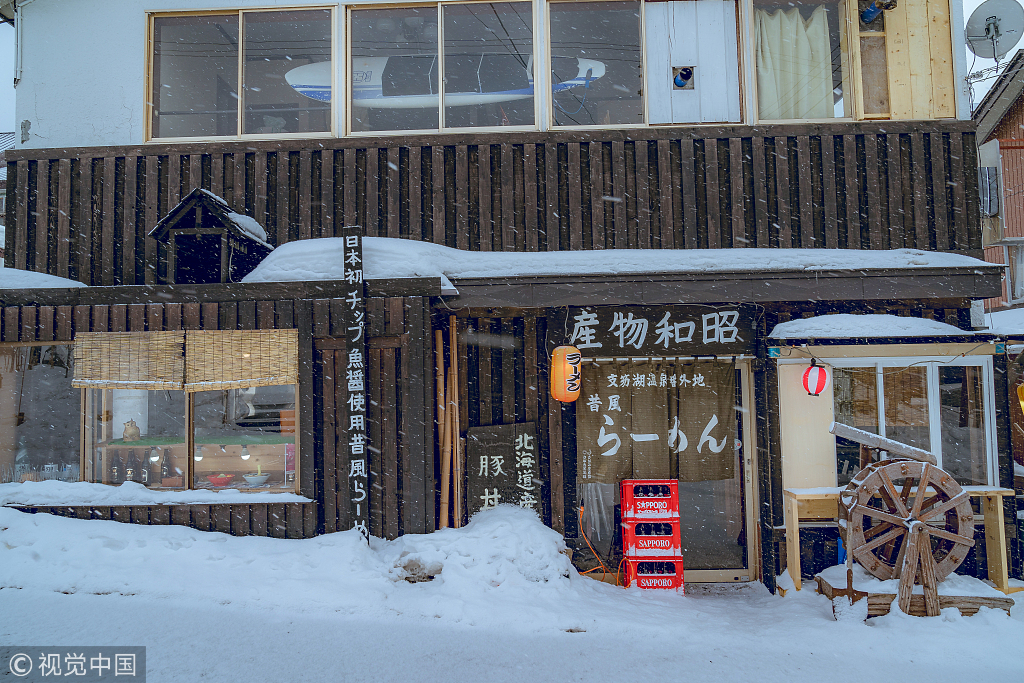
No 10 Sapporo, Japan

A Japanese noodle shop in Sapporo on Japan’s northernmost main island of Hokkaido on Feb 25, 2018. [Photo/VCG]

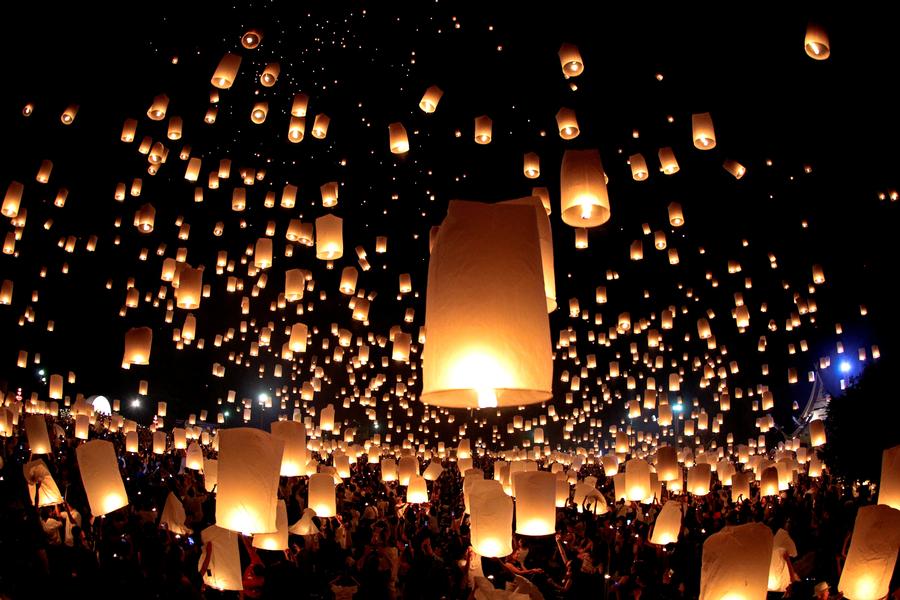
No 9 Chiang Mai, Thailand

People release floating lanterns during the festival of Yee Peng in the northern capital of Chiang Mai, Thailand, Nov 14, 2016. [Photo/Agencies]

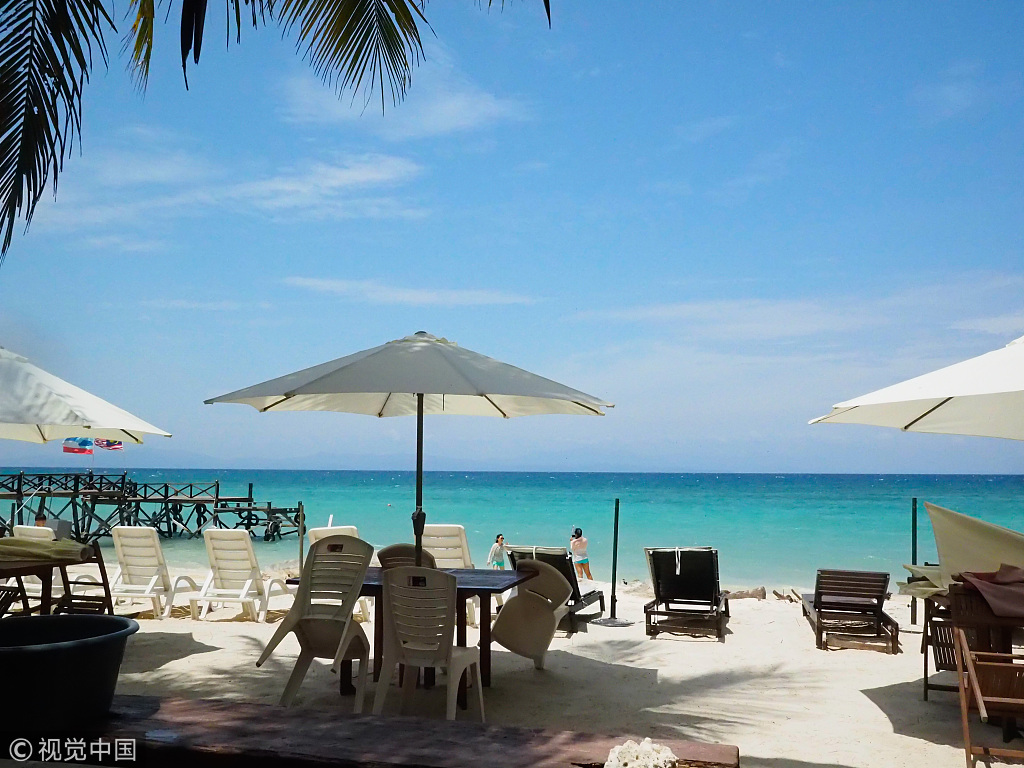
No 8 Kota Kinabalu, Malaysia

Mantanani island, Kota Kinabalu, Sabah, Malaysia. [Photo/VCG]

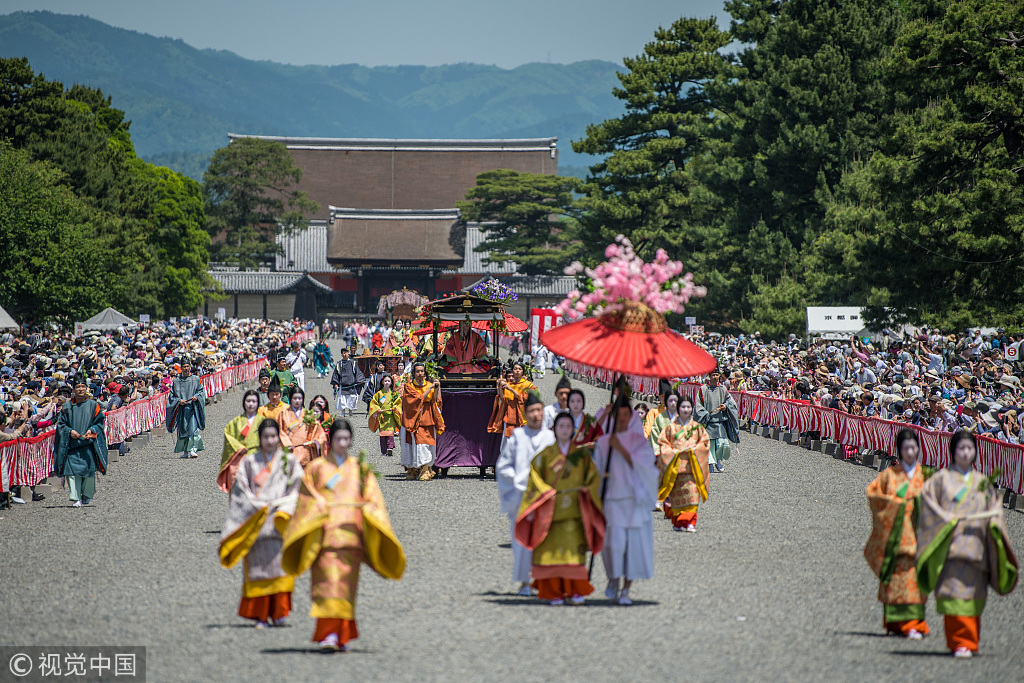
No 7 Kyoto, Japan

Participants in Heian period dress parade through the grounds of Kyoto Imperial Palace during the Aoi Festival on May 15, 2018 in Kyoto, Japan. [Photo/VCG]

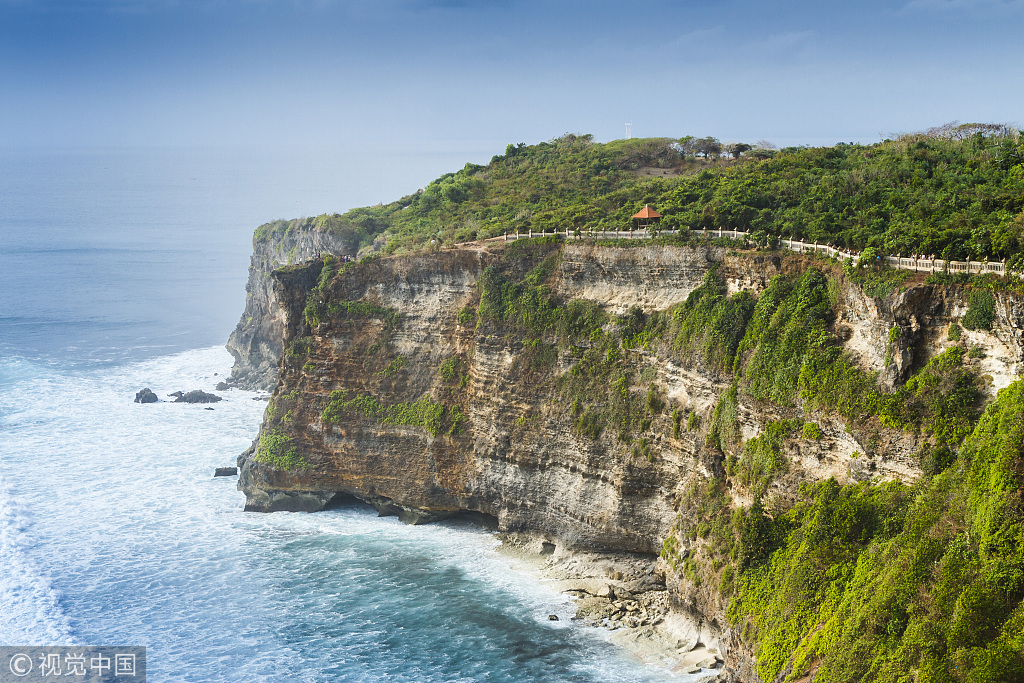
No 6 Bali island, Indonesia

Uluwatu cliffs, Bali island, Indonesia. [Photo/VCG]

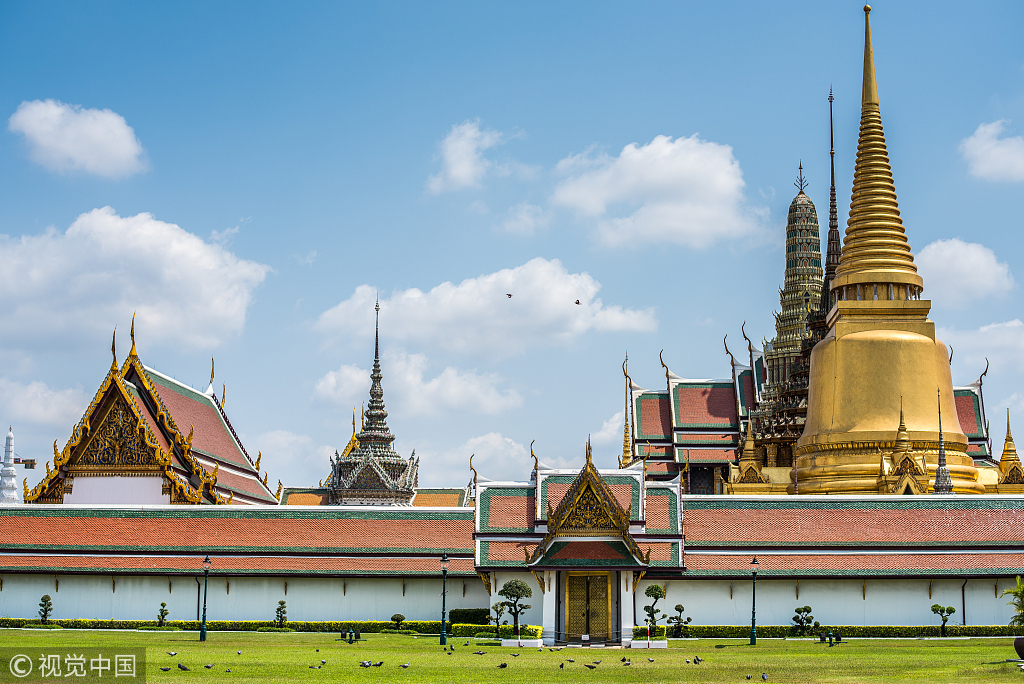
No 5 Bangkok, Thailand

Grand Palace in Bangkok, Thailand, Feb 21, 2018. [Photo/VCG]

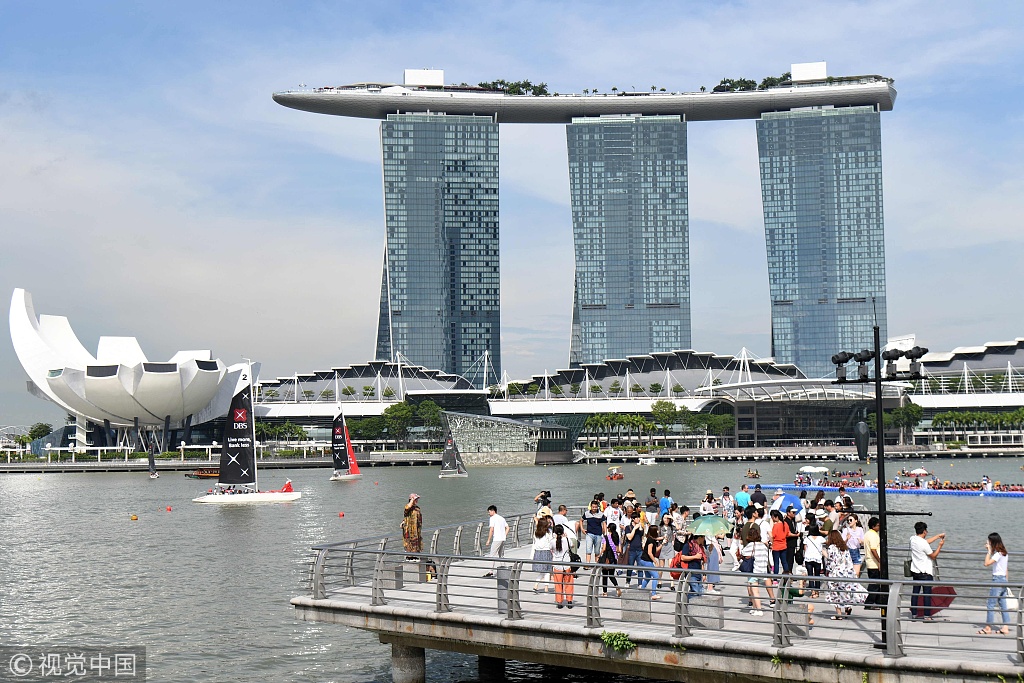
No 4 Singapore

This photograph taken on May 27, 2018 shows people viewing the Marina Bay Sands hotel and resort from the Merlion Park in Singapore. [Photo/VCG]

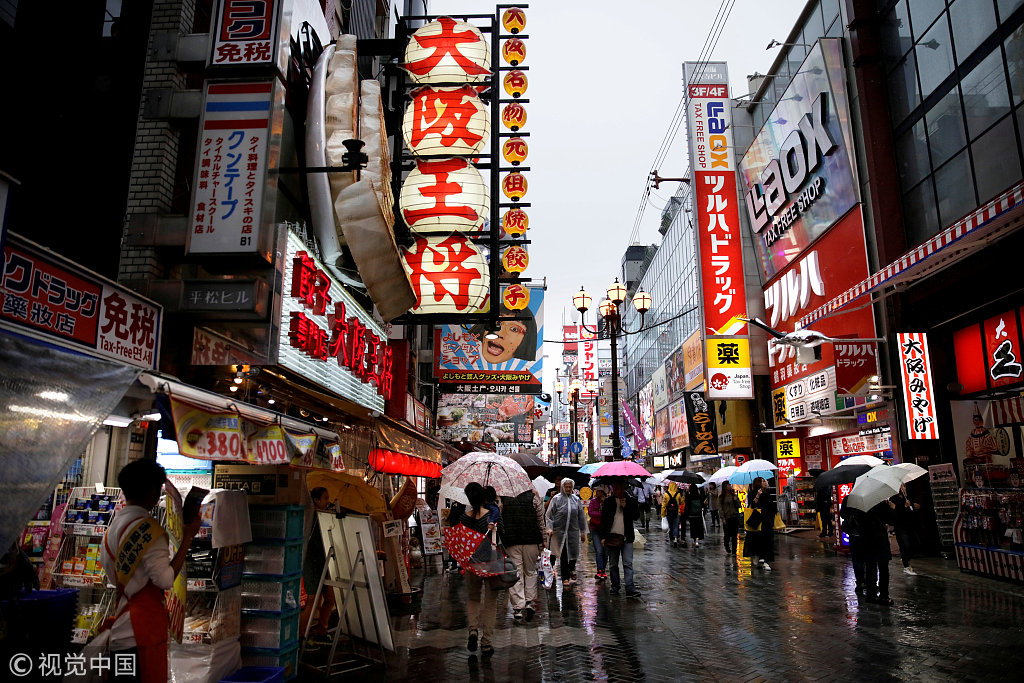
No 3 Osaka, Japan

People walk through a shopping district in Osaka, western Japan October 22, 2017. [Photo/VCG]

No 2 Phuket island, Thailand

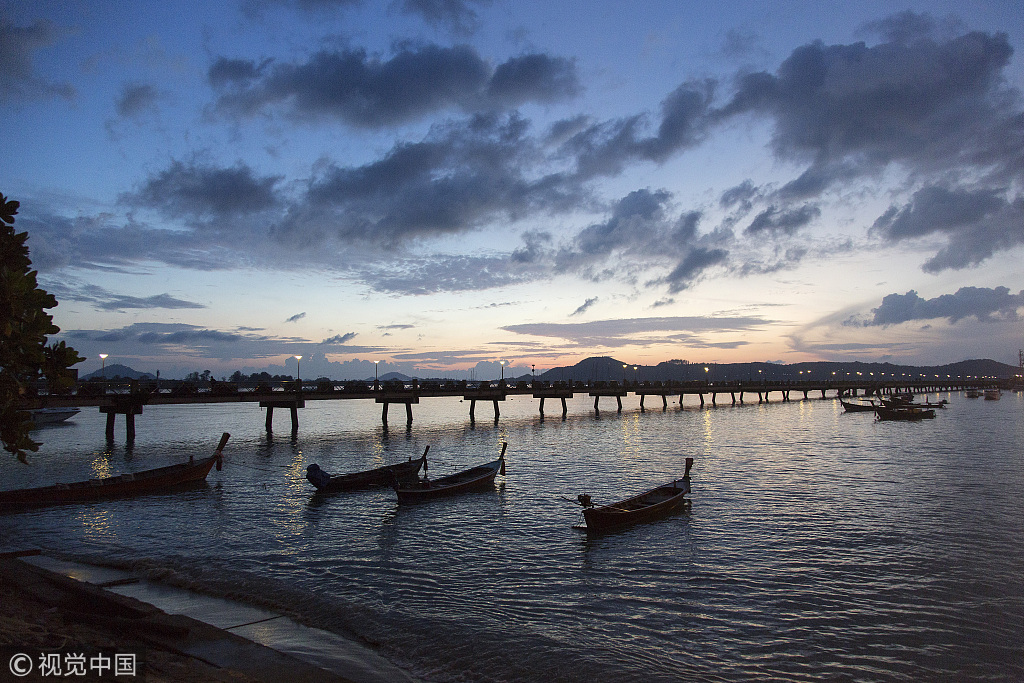
The sun rises over Chalong Pier, in Phuket, Thailand, on July 8, 2018. [Photo/VCG]

No 1 Tokyo, Japan

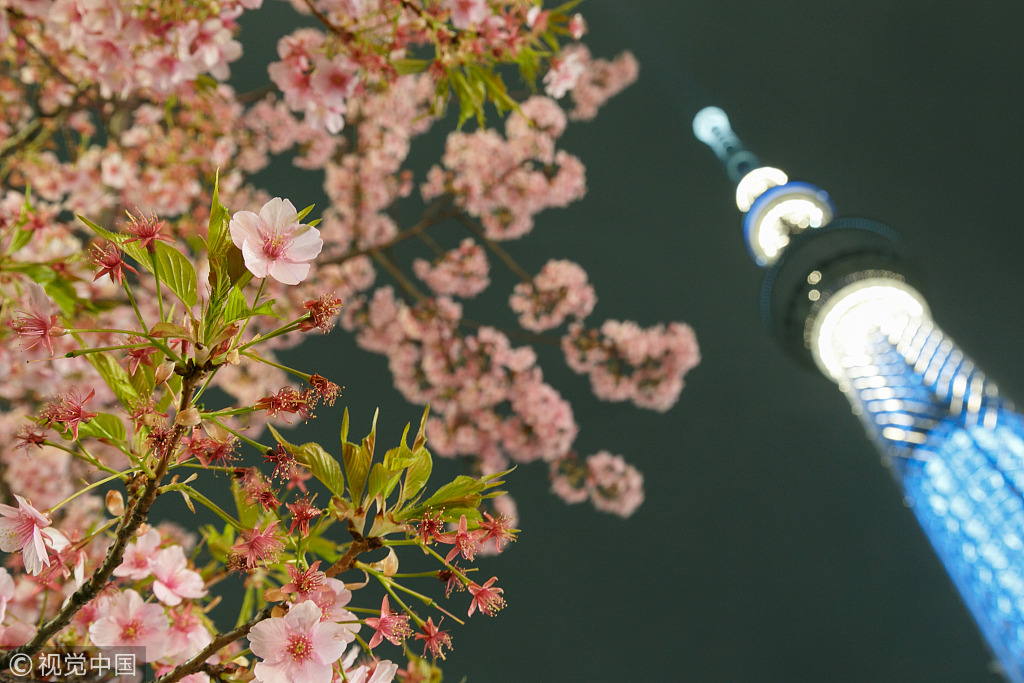
Kawazu-zakura cherry blossoms in bloom with Tokyo Skytree behind on Feb 22, 2017, in Tokyo, Japan. [Photo/VCG]

Jakpost guide to 2018 Asian Games: Palembang

ศาสตร์เกษตรดินปุ๋ย : ขอบคุณแหล่งข้อมูล : หนังสือพิมพ์ The Nation

http://www.nationmultimedia.com/detail/world/30351420

A wall climbing arena in Jakabaring Sport City (JSC), Palembang, South Sumatra. (JP/Jessicha Valentina)

Jakpost guide to 2018 Asian Games: Palembang

World August 04, 2018 07:10

By Jakarta Post
Asia News Network
Palembang

2,190 Viewed

With the 2018 Asian Games just around the corner, all eyes are on the Gelora Bung Karno sports complex in Jakarta and Jakabaring Sport City (JSC) in Palembang, South Sumatra.

Once a quiet area, Jakabaring has been busy gearing up for the largest multisport event in Asia, which will run from Aug. 18 to Sept. 2.

The stadium, also known as Gelora Sriwijaya, will host various competitions, such as climbing, soft tennis, beach volleyball, rowing, women’s football, as well as roller sports such as skateboarding and much more.

However, the modern sports complex does not only provide sporting facilities, but also some interesting tourist attractions. Here’s our guide for both domestic and foreign tourists looking to stay in Palembang for the 2018 Asian Games.

Accommodations

The Wyndham Opi Hotel Palembang is a 15-minute walk from Jakabaring Sport City, making it convenient for those who want to watch the Asian Games.

Alternatively, visitors can also stay at Palembang’s city center, locally known as Seberang Ilir.

Budget travelers can book a room at All Nite and Day Hotel on Jl. Veteran, a newly opened hotel surrounded by restaurants and food stalls, located only a 15-minute drive from Jakabaring.

Meanwhile, the Arista Hotel Palembang on Jl. Kapten A Rivai is also available for those wanting to be surrounded by five-star facilities.

Food

Pempek or mpek-mpek (fish cake served with sour and spicy sauce) is Palembang’s most popular traditional dish. Tourists can find a myriad of pempek sellers across the city, offering different takes on the dish, such as kulit (skin fishcake), kapal selam (fish cake with egg), adaan (ball-shaped fishcake) and lenjer (long cylindrical fishcake), starting at only Rp 4,000 (28 US cents) per piece.

Pempek Vico, Pempek Beringin, Pempek Nony, Pempek Tince and Pempek Candy are among the city’s most popular pempek sellers. Tourists can easily find their outlets at the Palembang city center.

'Pindang patin' at Riverside Restaurant in Palembang, South Sumatra.‘Pindang patin’ at Riverside Restaurant in Palembang, South Sumatra. (JP/Jessicha Valentina)

In addition to pempek, pindang patin and brengkes patin tempoyak are among the must-try fish-based dishes. The former is cooked with pineapple, creating a refreshing sour flavor. As for the latter, the fish is wrapped in banana leaves with various spices, including durian, creating sweet and spicy flavors.

Try pindang patin and brengkes patin tempoyak at Riverside Restaurant and Sarinande. Riverside restaurant is located on the Musi riverside and is popular for group dining. Meanwhile, Sarinande is situated on Jl. Mayor Ruslan. Founded in 1957, Sarinande is known as a go-to eatery for traditional Palembang cuisine.

If you’re looking for non-halal food, drop by Bakmi 888 and Bakmi Aloi. The former serves lomie (noodles with sticky gravy) with generous toppings of pork, prawns and mushrooms. Meanwhile, Bakmi Aloi is a legendary noodle sellers in Palembang and is usually crowded during breakfast.

If you happen to be a foodie, you might want to try noodles at Terang Bulan. The restaurant is known for its strict owner who would not hesitate to ask you to leave if you cannot wait. Terang Bulan is located on Jl. Mesjid Lama and opens from 4:30 p.m. to 8 p.m.

Meanwhile, halal noodles are available and a must-try at Sari Rasa Bakmi Ayam. Located on Jl. T. P. Rustam Effendi, the noodles are topped with slices of chicken.

Read also: Jakpost guide to Ancol

Nearby tourist attractions

Palembang is separated by Musi River. To reach Jakabaring City Stadium, you’ll need to cross Ampera Bridge. The city area is called Seberang Ilir. Meanwhile, Jakabaring is situated in Seberang Ulu.

Most of the city’s tourist attractions are located in the Ilir area, such as Benteng Kuto Besak, Monpera and the newly built Goedang Boencit, famous for its various murals.

However, if you chose to stay in the Seberang Ulu are, fret not as the city administrations has developed several tourist attractions, namely Kampung Kapitan, Kampung Arab and Cheng Hoo Mosque.

Kampung Kapitan and Kampung Arab are located near Musi River. The former was once a residential area for people of Chinese descent and visitors can learn about the community’s history in Palembang at two heritage houses. The entrance fee is Rp 5,000 per person.

Meanwhile, Kampung Arab is still a residential area for communities of Arabic descent. Here, visitors can see the influences of Arab architecture in the houses.

Both Kampungs are hidden inside the Ulu area, hence, it is suggested to rent a car or local guide for your visit.

Meanwhile, Cheng Hoo Mosque was built to honor Admiral Zheng He, a Muslim of Chinese descent. The mosque boasts a Chinese architectural design that is unique and worth viewing.

Tourists can feed birds at the Palembang Bird Park in Palembang, South Sumatra.Tourists can feed birds at the Palembang Bird Park in Palembang, South Sumatra. (JP/Jessicha Valentina)

Meanwhile, Palembang Bird Park is located near the Opi Mall. It may be considered small for a petting zoo, but it is still worth the visit. An entrance fee of Rp 50,000 per person allows visitors to feed the park’s birds and iguanas.

Shopping centers

There are many shopping centers in Seberang Ilir, such as Palembang Square (PS) and Palembang Indah Mall (PIM).

However, the two closest to Jakabaring Stadium are Lippo Plaza Jakabaring and OPI Mall.

Lippo Plaza Jakabaring is located right in front of the sport complex. It has a supermarket, making it convenient for last-minute grocery shopping. Meanwhile, Opi Mall is a 15-minute walk from Jakabaring Sport City and boasts restaurants, a convention center, futsal stadium and a water park.

Read also: Asian Games torch arrives in Lombok, promotes Mandalika economic zone

Landmarks

Ampera Bridge connects Palembang's Ulu and Ilir areas.Ampera Bridge connects Palembang’s Ulu and Ilir areas. (JP/jessicha Valentina)

Ampera Bridge that connects Ulu and Ilir is the main landmark of Palembang. Those who want to go to Jakabaring Stadium will need to cross the bridge.

Hospitals and 24-hour clinics

The big hospitals, such as Siloam Hospital, Charitas Hospital and Hermina, are located near the city center.

A 24-hour Gleneagles Clinic is now open next to Lippo Mall in Jakabaring City Stadium.

Transportation

The light rail transit (LRT) system is set to be operational in time for the Asian Games. Visitors can take an LRT train from Sultan Mahmud Badaruddin II Airport to Jakabaring Station.

The city plans to sell LRT tickets at between Rp 5,000 and Rp 10,000.

However, it is suggested to download ride-hailing apps, such as Go-Jek and Grab, to explore every nook and cranny of Palembang by ojek(motorcycle taxi).

Money changer

It is quite a task to find a money changer in Palembang. Those who bring foreign currency are recommended to go to Remaja Money Changer on Jl. Jenderal Sudirman, which is open from 9 a.m. to 4 p.m.

24-hour convenience store

For security reasons, 24-hour convenience stores are only located in the city center. A 24-hour Indomaret can be found on Jl. Jenderal Sudirman.

Emergency numbers

Palembang has various emergency numbers, including 110 for the police, 113 for fire emergencies and 0711-354088 for ambulance services.

Mobile service

Tourists can purchase SIM cards at the arrival hall of Sultan Mahmud Badaruddin II Airport. Airport staff will help foreign tourists register their number and purchase an internet plan. (wng)

Tips:

    • The weather is hot. It is recommended to wear sunscreen and a hat while exploring Palembang.
    • Do not drink the tap water.
    • If you are traveling without the aid of a travel agent, it is recommended to download ride-hailing apps, such as Go-Jek and Grab, as the city’s public transportation is quite limited.
    • Similar to other parts of Indonesia, Palembang uses European-style, two-pin round plugs.

Death of the ‘minpaku’

ศาสตร์เกษตรดินปุ๋ย : ขอบคุณแหล่งข้อมูล : หนังสือพิมพ์ The Nation

http://www.nationmultimedia.com/detail/world/30351406

Travellers from Hong Kong arrive at a private lodging facility in Sumida Ward, Tokyo. Photo/The Japan NewsYomiuri

Death of the ‘minpaku’

World August 04, 2018 01:00

By Japan News-Yomiuri
Asia News Network

Illegal private lodgings are vanishing in Japan after enactment of a new law

ILLEGAL PRIVATE lodging facilities have decreased in number in Japan while the price of legal rentals has risen due to the scarcity of available rooms after the Private Lodging Business Law came into force on June 15.

The law establishes rules for offering private lodgings – known as minpaku in Japanese – in which visitors pay to stay in private homes, requiring operators to register with relevant municipalities.

As of July 6, the number of registered minpaku operators stood at 5,397 – falling from about 60,000 operators that were posted on intermediary websites in the spring.

On Sunday, foreign tourists carrying luggage left a minpaku accommodation operated by a company affiliated with Tobu Railway Co near Tokyo Skytree in Sumida Ward.

The guests, a 23-year-old British man and a 25-year-old Chinese woman, said they selected the facility because of its convenient location.

Travellers from Hong Kong arrive at a private lodging facility in Sumida Ward, Tokyo. 

Photo/The Japan NewsYomiuri

The room was clean and comfortable but slightly expensive, they said. They paid about 30,000 yen (Bt9,000) per night.

After the law came into force, many illegal minpaku operators pulled out of the market. However, demand remained strong among foreign visitors.

The decline in the supply has hiked room rates by 50 per cent in Tokyo, according to Kurumi Ishii, a certified administrative-procedures legal specialist who has written a book about private lodgings.

In one case, a lodging that cost 20,000 yen per night before the law’s enactment has since soared to 30,000 yen, she said.

Many operators who had previously registered with intermediary websites have pulled out of the business because of the increased burden. Under the new law, operators can only rent accommodations for a maximum of 180 days a year, which makes it difficult to turn a profit. The law also requires operators to maintain a guest registry.

Some municipal governments impose tougher rules. For instance, operators in Kyoto are urged to consult with city authorities prior to registration – a requirement not stipulated in the new law or any city ordinance. Meanwhile, websites have taken measures to exclude unregistered operators.

In light of such circumstances, some operators have begun shifting to other businesses.

Since the law came into force, Residence Tokyo, a Tokyo-based real estate firm that develops and operates condominiums for short-term rentals, has received about 200 inquiries from people who are believed to have operated illegal minpaku businesses before the enactment. Some called for help, saying they now had no customers, according to the firm.

Some operators plan to lease the properties that were previously offered as minpaku rentals as regular apartment rentals.

And yet some operators still continue to operate illegally.

Major private lodging website operator Airbnb requires operators to add the registration numbers provided by local governments to post properties on its site. Even so, the company has found certain operators using fake numbers.

“It takes some time to confirm whether operators have completed proper procedures, making it hard to completely eliminate unlawful operators,” said an Airbnb staff member in charge of the matter.