In the early days of the pandemic, the U.S. government turned down an offer to manufacture millions of N95 masks in America #ศาสตร์เกษตรดินปุ๋ย

#ศาสตร์เกษตรดินปุ๋ย : ขอบคุณแหล่งข้อมูล : หนังสือพิมพ์ The Nation.

https://www.nationthailand.com/lifestyle/30387597?utm_source=category&utm_medium=internal_referral

In the early days of the pandemic, the U.S. government turned down an offer to manufacture millions of N95 masks in America

May 10. 2020
Mike Bowen, Vice President of Prestige Ameritech, stands with a truck load of masks to be sent to MD Anderson Cancer Center. MUST CREDIT: contributed by Elizabeth Givens.

Mike Bowen, Vice President of Prestige Ameritech, stands with a truck load of masks to be sent to MD Anderson Cancer Center. MUST CREDIT: contributed by Elizabeth Givens.
By The Washington Post · Aaron C. Davis · NATIONAL, HEALTH 

It was Jan. 22, a day after the first case of covid-19 was detected in the United States, and orders were pouring into Michael Bowen’s company outside Fort Worth, some from as far away as Hong Kong.

Bowen’s medical supply company, Prestige Ameritech, could ramp up production to make an additional 1.7 million N95 masks a week. He viewed the shrinking domestic production of medical masks as a national security issue, though, and he wanted to give the federal government first dibs.

“We still have four like-new N95 manufacturing lines,” Bowen wrote that day in an email to top administrators in the Department of Health and Human Services. “Reactivating these machines would be very difficult and very expensive but could be achieved in a dire situation.”

But communications over several days with senior agency officials – including Robert Kadlec, the assistant secretary for preparedness and emergency response – left Bowen with the clear impression that there was little immediate interest in his offer.

“I don’t believe we as an government are anywhere near answering those questions for you yet,” Laura Wolf, director of the agency’s Division of Critical Infrastructure Protection, responded that same day.

Bowen persisted.

“We are the last major domestic mask company,” he wrote on Jan. 23. “My phones are ringing now, so I don’t ‘need’ government business. I’m just letting you know that I can help you preserve our infrastructure if things ever get really bad. I’m a patriot first, businessman second.”

In the end, the government did not take Bowen up on his offer. Even today, production lines that could be making more than 7 million masks a month sit dormant.

Bowen’s overture was described briefly in an 89-page whistleblower complaint filed this week by Rick Bright, former director of the Biomedical Advanced Research and Development Authority. Bright alleges he was retaliated against by Kadlec and other officials – including being reassigned to a lesser post – because he tried to “prioritize science and safety over political expediency.” HHS has disputed his allegations.

Emails show Bright pressed Kadlec and other agency leaders on the issue of mask shortages – and Bowen’s proposal specifically – to no avail. On Jan. 26, Bright wrote to a deputy that Bowen’s warnings “seem to be falling on deaf ears.”

That day, Bowen sent Bright a more direct warning.

“U.S. mask supply is at imminent risk,” he wrote. “Rick, I think we’re in deep s—,” he wrote a day later.

The story of Bowen’s offer illustrates a missed opportunity in the early days of the pandemic, one laid out in Bright’s whistleblower complaint, interviews with Bowen and emails provided by both men.

Within weeks, a shortage of masks was endangering health-care workers in hard-hit areas across the country, and the Trump administration was scrambling to buy more masks – sometimes placing bulk orders with third-party distributors for many times the standard price. President Donald Trump came under pressure to use extraordinary government powers to force private industry to ramp up production.

In a statement, White House economic adviser and coronavirus task force member Peter Navarro said: “The company was just extremely difficult to work and communicate with. This was in sharp contrast to groups like the National Council of Textile Organizations and companies like Honeywell and Parkdale Mills, which have helped America very rapidly build up cost effective domestic mask capacity measuring in the hundreds of millions.”

Carol Danko, an HHS spokeswoman, declined to comment on the offer by Bowen and other allegations raised in the whistleblower complaint. Wolf also declined to comment on the whistleblower complaint.

A senior U.S. government official with knowledge of the offer said Bowen, 62, has a “legitimate beef.”

“He was prescient, really,” the official said, speaking on the condition of anonymity to describe internal deliberations. “But the reality is [HHS] didn’t have the money to do it at that time.”

Another HHS official, also speaking on the condition of anonymity, said: “There is a process for putting out contracts. It wasn’t as fast as anyone wanted it to be.”

– – –

Two decades ago, the low-slung factory in Texas was part of a supply conglomerate that produced almost 9 in 10 medical and surgical masks used in the United States.

Bowen was a new product specialist at the plant back then, and he watched as industry consolidations and outsourcing shifted control of the plant from Tecnol Medical Products to Kimberly-Clark and then shuttered it altogether. In less than a decade, almost 90 percent of all U.S. mask production had moved out of the country, according to government reports at the time.

Bowen and Dan Reese, a former executive at Tecnol, went into business together in 2005 and eventually bought the plant, believing a market remained for a dedicated domestic manufacturer of protective gear.

In wake of the terrorist attacks of Sept. 11, 2001, Congress appropriated $6 billion to buy antidotes to bioweapons and the medical supplies the country would need in public health disasters. An obscure new government organization called the Biomedical Advanced Research and Development Authority, or BARDA, was among the agencies purchasing material for what would become the Strategic National Stockpile.

Bowen began studying BARDA, attending its industry conferences and searching for a way in to press his case.

In the parlance of BARDA, Bowen was seeking a “warm base” contract. The government would pay a premium to have masks manufactured domestically, but his company would keep its extra factory lines in working order, meaning production could be ramped up in an emergency.

Bowen said he soon concluded that BARDA’s focus was trained elsewhere, on billion-dollar deals to induce manufacturing of vaccines for the most exotic disasters, such as weaponized attacks with anthrax or smallpox.

Still, as Bowen moved down the supply chain, appealing directly to hospitals to buy his domestic-made masks, his sales pitch often ended with a plea to call BARDA.

Bowen often carried PowerPoint slides from a 2007 presentation by BARDA and its parent division at HHS, the Office of the Assistant Secretary for Preparedness and Response. One had a table showing that, in the event of a pandemic, the country would need 5.3 billion N95 respirator masks, 50 times more than the number in the stockpile. The presentation concluded: “Industrial surge capacity of [respiratory protection devices] will not be able to meet need and supplies will be short during a pandemic.”

Bowen said he felt like a voice in the wilderness.

“The world just looked at me as a mask salesman who was saying the sky was falling,” he said, “and they would say, ‘Your competitors aren’t saying that in China.’ ”

After Trump’s election, Bowen hoped the new president’s America-first mentality might trickle down to operations like his. He wrote a letter to Trump and addressed it to 1600 Pennsylvania Avenue: “90% of the United States protective mask supply is currently FOREIGN MADE!” it began.

“I didn’t think Trump would read it, but I thought someone would and take note,” Bowen said.

He also called Bright, who had been appointed to lead BARDA just before Trump took office. “In 14 years of doing this, there have been maybe four people in government who I felt like really understood this issue,” Bowen said. “Rick was one of them.”

In Trump’s first year, however, Bowen grew newly disillusioned. During a week that the White House touted its “Buy American, Hire American” initiative, Bowen lost a military contract worth up to $1 million, to a supplier that would make many of the masks in Mexico, he said.

“Shame on the Department of Defense! One of these days the US military will need America’s manufacturers to help win another war or fight another pandemic – and they will not exist,” Bowen wrote on Aug. 17, 2017, to Maj. Gen. Jeffrey Clark, a senior official with the Pentagon’s Defense Health Agency.

Clark, who retired last year, did not respond to a message seeking comment.

– – –

For Bowen, the first signs of trouble came in mid-January. Online orders through his company’s website, typically totaling maybe $2,000 a year and accounting for only a fraction of his business, suddenly skyrocketed to almost $700,000 in a few days.

On Jan. 20, Bowen also fielded a call from the Department of Homeland Security, urgently seeking masks for airport screeners. Bowen said he did not have masks in stock to fill the order, but the call led him to contact Bright to tell him about the surge in demand for masks. “Is this virus going to be problematic?” Bowen wrote.

Inside HHS, Bright quickly passed Bowen’s on-the-ground observations to a group that included Wolf, the director of the agency’s Division of Critical Infrastructure Protection.

“Can you please reach out to Mike Bowen below? He is a great partner and a really good source for helpful information,” Bright wrote on Jan. 21.

“Thanks Rick,” she replied. “We are tracking and have begun to coordinate with fda, niosh, and manufacturers today. More to follow tomorrow. Thinking about masks, gowns (inc those in shortage), gloves, and eye protection.”

Within a day, Bowen sent an email to Wolf laying out what Prestige could do. The company’s four mothballed manufacturing lines could be restarted with large noncancelable orders, he wrote.

“This is NOT something we would ever wish to do and have NO plans to do it on our own,” he wrote. “I’m simply letting you know that in a dire situation, it could be done.”

Over the next three days, Bowen kept HHS officials informed as orders for a million masks came in from intermediaries for buyers in China and Hong Kong. On Jan. 26, he sent the email warning that the U.S. mask supply was at “imminent risk.”

Bright forwarded it that day to Kadlec and others, urging action: “We have been watching and receiving warnings on this for over a week,” he wrote.

The next day, Bright wrote to his deputy asking him to explore whether BARDA could divert money earmarked for vaccines and other biodefense measures to instead buy masks.

From his end, Bowen said his proposal seemed to be going nowhere. “No one at HHS ever did get back to me in a substantive way,” Bowen said.

The senior U.S. official said Bowen’s idea was considered, but funding could not easily be obtained without diverting it from other projects.

Bowen started talking to reporters about the mask shortage in general terms. He was soon invited to appear on former Trump adviser Stephen K. Bannon’s podcast: “War Room: Pandemic.”

On the Feb. 12 podcast, the two commiserated over the beleaguered state of U.S. manufacturing. “What I’ve been saying since 2007 is, ‘Guys, I’m warning you, here’s what is going to happen, let’s prepare,’ ” Bowen said on the program. “Because if you call me after it starts, I can’t help everybody.”

Bowen said Bannon put him in touch with Navarro, the White House economic adviser.

Navarro was quick to see the problem, Bowen said. After talking with Navarro, Bowen wrote to Bright that he should soon expect a call from the White House, “I’m pretty sure that my mask supply message will be heard by President Trump this week,” Bowen wrote. “Trump insider reading yesterday’s Wired.com article, the ball is screaming toward your court.”

According to Bright’s complaint, he soon began attending White House meetings and helping Navarro write memos describing the supply of masks as a top issue. Emails and memos attached to the complaint show Bright reporting back to Kadlec and others about his work with Navarro.

None of it turned the tide for Bowen.

Nearly a month after his emailed offer, Bowen received his first formal communication about possibly helping to bolster the U.S. supply. The five-page form letter from the Food and Drug Administration – one Bowen said he suspected was sent to many manufacturers – asked how his company could help with what was by then a “national emergency response” to the shortage of protective gear.

Bowen responded on Feb. 16, by firing off a terse email to FDA and HHS officials. He directed the agencies to a U.S. government website listing approved foreign manufacturers of medical masks. “There you’ll find a long list of . . . approved Chinese respirator companies,” he wrote. “Please send your long list of questions to them.”

In March, Bowen submitted a bid to supply masks to the Federal Emergency Management Agency, which by then had taken over purchasing.

The government soon spent over $600 million on contracts involving masks. Big companies like Honeywell and 3M were each awarded contracts totaling for over $170 million for protective gear. One distributor of tactical gear – a company with no history of procuring medical equipment – was awarded a $55 million deal to provide masks for as much as $5.50 a piece, eight times what the government was paying months earlier.

On April 7, FEMA awarded Prestige a $9.5 million contract to provide a million N95 masks a month for one year, an order the company could fulfill without activating its dormant manufacturing lines. For the masks, Prestige charged the government 79 cents a piece.

Eat to boost immunity, protect lungs, says doctor #ศาสตร์เกษตรดินปุ๋ย

#ศาสตร์เกษตรดินปุ๋ย : ขอบคุณแหล่งข้อมูล : หนังสือพิมพ์ The Nation.

https://www.nationthailand.com/lifestyle/30387526?utm_source=category&utm_medium=internal_referral

Eat to boost immunity, protect lungs, says doctor

May 08. 2020
By The Nation

With the Covid-19 outbreak still not under complete control, people are being advised to start consuming fruits and vegetables that are packed with antioxidants to boost their immunity.

Dr Sanphong Ritthaksa, deputy director-general of the Department of Thai Traditional and Alternative Medicine, said people should now “eat like Thais in the new normal”.

According to him, vegetables and fruits can be divided into three categories – those that boost the immunity, offer antioxidants and those that protect the body from respiratory infections.

He said the best vegetable for boosting immunity is the mushroom, which can be added to many dishes, such as tom yum, or turned into separate dishes like salad or stir fry. The best mushrooms are straw, shiitake, lingzhi and orychi.

Vegetables that are packed full of antioxidants include kale, Liang leaves, basil and gourd, which can be added to curries and stir-fries.

Meanwhile, veggies that strengthen the respiratory system are those that contain quercetin, which helps fight free radicals and reduces inflammation, such as shallots, turmeric, galangal and lemongrass, which can be added to anything from omelettes to curries.

The doctor also advised the consumption of fruits that are high in vitamin C, such as orange, lemon, guava, apple or mango. He also said tea from butterfly pea as well as the juice of orange and lime are good vitamin C sources.

He also advised people to opt for traditional medicines as well as work on easing their stress by saying prayers, meditating or exercising. The department has released the “Thai to Happiness” YouTube video offering lessons in traditional physical and breathing exercises.

He also advised people to grow vegetables at home, especially those that take up less space and are easy to take care of, as this will also help cut down on food bills.

CRISPR tool test approved by FDA #ศาสตร์เกษตรดินปุ๋ย

#ศาสตร์เกษตรดินปุ๋ย : ขอบคุณแหล่งข้อมูล : หนังสือพิมพ์ The Nation.

https://www.nationthailand.com/lifestyle/30387478?utm_source=category&utm_medium=internal_referral

CRISPR tool test approved by FDA

May 08. 2020
Molecular biologist Feng Zhang is co-inventor of CRISPR, a gene-editing system its inventors say can determine in an hour if someone is infected with the coronavirus. MUST CREDIT: Washington Post photo by Joel Achenbach

Molecular biologist Feng Zhang is co-inventor of CRISPR, a gene-editing system its inventors say can determine in an hour if someone is infected with the coronavirus. MUST CREDIT: Washington Post photo by Joel Achenbach
By The Washington Post · Joel Achenbach, Laurie McGinley · NATIONAL, BUSINESS, TECHNOLOGY, HEALTH, SCIENCE-ENVIRONMENT 

WASHINGTON – The Food and Drug Administration on Thursday approved a new diagnostic tool that employs the revolutionary CRISPR gene-editing technology to determine in just one hour if someone is infected with the novel coronavirus.

The FDA’s emergency use authorization allows only “high-complexity” laboratories to use the test kit, developed by researchers at the Massachusetts Institute of Technology, Harvard University, the Ragon Institute and the Howard Hughes Medical Institute and marketed by Sherlock Biosciences of Cambridge, Mass. The inventors and marketers of the test describe it as highly accurate and easy to use.

“We think this has a lot of potential. The test doesn’t require any complicated or expensive equipment,” said Feng Zhang, a leader of the research team.

Zhang, an internationally renowned molecular biologist, is affiliated with the Broad Institute and the McGovern Institute at MIT and is a co-founder of Sherlock Biosciences. He’s a co-inventor of CRISPR, a gene-editing system that exploits a natural immune response system used by bacteria to fight off viruses.

CRISPR – for Clustered Regularly Interspaced Short Palindromic Repeats – is not the first or only technology for manipulating genes, but it is prized for its relative simplicity and versatility. It has also generated soul-searching and protracted debate in the scientific community because of potential misapplications of the technology.

Sherlock Biosciences said the kit works by using a CRISPR-engineered molecule to detect the genetic signature of the SARS-CoV-2 virus. When the signature is located, the company explained in a news release, “the CRISPR enzyme is activated and releases a detectable signal.”

Zhang and his colleagues have yet to gain approval for point-of-care use of the new test kit. They hope it eventually can be widely distributed and used even by nonprofessionals for rapid diagnosis. For example, it could be deployed in an office building to screen employees, Zhang said.

“You can imagine a makeshift lab in a nursing home or an office or a drive-through testing station,” he said.

The FDA issues emergency use authorizations for deployment of unapproved medical products on a temporary basis during public health emergencies. In the current pandemic, the agency has granted hundreds of authorizations, including for diagnostic tests to detect the virus; antibody tests to check whether a person has been exposed to the virus and developed antibodies; medical devices such as swabs and ventilators; and for an antiviral drug called remdesivir from Gilead Sciences.

The new CRISPR-based test has already been rolled out in Thailand, using an earlier formulation. The authorization for use in the United States comes as testing for the coronavirus has improved but remains far short of what public health officials desire. They say many states and localities still are not doing enough testing, in part because of shortages of important chemicals, laboratory staff and equipment.

“We want the quickest diagnosis, closest to the patient,” said Scott Becker, chief executive of the Association of Public Health Laboratories. “Right now, there’s limited point-of-care [testing], and anything to expand lab capacity that’s good quality testing is going to be welcome.”

He added: “There has to be availability of the test. I don’t want a new test out on the market that’s only going to cover 1,000 people a day.”

Sherlock Biosciences, founded only a year ago, was already working on a diagnostic test kit for dengue and Zika, two other infectious diseases, when the coronavirus outbreak began late last year in China. The company realized the technology could be deployed to combat the new virus and would be particularly helpful in places with limited laboratory equipment or medical infrastructure, such as in the developing world.

Jonathan Gootenberg, one of the inventors, said the researchers asked themselves, “How do we make the simplest test possible – something that could be done at point-of-care, as we say – without any complex equipment or experimental procedures?”

They are trying to prove that the technology could be used not only on samples from the upper respiratory tract and the lungs but also on saliva. That would potentially make the test less invasive and uncomfortable than the nasal swabs used in the most common tests.

Trump vows complete end of Obamacare law despite pandemic #ศาสตร์เกษตรดินปุ๋ย

#ศาสตร์เกษตรดินปุ๋ย : ขอบคุณแหล่งข้อมูล : หนังสือพิมพ์ The Nation.

https://www.nationthailand.com/lifestyle/30387414?utm_source=category&utm_medium=internal_referral

Trump vows complete end of Obamacare law despite pandemic

May 07. 2020
President Trump/File photo

President Trump/File photo
By The Washington Post · Devlin Barrett · NATIONAL, WHITEHOUSE 

WASHINGTON – President Donald Trump said Wednesday that he will continue trying to toss out all of the Affordable Care Act, even as some in his administration, including Attorney General William Barr, have privately argued that parts of the law should be preserved amid a pandemic.

“We want to terminate health care under Obamacare,” Trump told reporters Wednesday, the last day for his administration to change its position in a Supreme Court case challenging the law. “Obamacare, we run it really well. . . . But running it great, it’s still lousy health care.”

While the president has said he will preserve some of the Affordable Care Act’s most popular provisions, including guaranteed coverage for preexisting medical conditions, he has not offered a plan to do so, and his administration’s legal position seeks to end all parts of the law, including those provisions.

Democrats, who view the fight over Obamacare as a winning election issue for them, denounced the president’s decision.

House Speaker Nancy Pelosi, D-Calif., said, “the president’s insistence on doubling down on his senseless and cruel argument in court to destroy the ACA and every last one of its benefits and protections is unconscionable, particularly in the middle of a pandemic.”

Trump’s declaration caps months of debate within his administration about the best course of action, in which the stakes have become greater now that the nation’s health-care system is struggling to deal with the spread of covid-19, the disease caused by the novel coronavirus, which has killed more than 70,000 Americans.

On Monday, Barr attended a meeting of senior officials in which he argued that the administration should temper its opposition to Obamacare, leaving some parts of the law intact, according to people familiar with the discussion who spoke on the condition of anonymity because the conversation was private.

The case before the court was brought by a group of Republican states, and as part of that case, the Trump administration is seeking to invalidate the entire Affordable Care Act, which passed in 2010 and became one of President Barack Obama’s most significant legislative victories.

Barr and others in the administration have argued that killing Obamacare completely could be politically damaging to Republicans in an election year, particularly at a time when there is a national health crisis. In two previous case, the Supreme Court upheld the law, but if the high court were to strike it down, millions of people could find themselves without affordable health care.

The high court plans to hear arguments in the case this year, and a decision may not come until 2021, well after the November election.

The latest ACA suit was organized by Republican attorneys general in Texas and other Republican-led states. When the Trump administration declined to defend the law, a coalition of Democratic-led states entered.

The case began after the Republican-led Congress in 2017, unable to secure the votes to abolish the law, reduced to zero the penalty for a person not buying health insurance. Lawyers for the state of Texas argued that in doing so, Congress had removed the essential tax element that the Supreme Court had previously ruled made the program constitutional.

A district judge in Texas agreed and said the entire law must fall. Eventually the Trump administration agreed with that assessment.

Pfizer starts U.S. trials of experimental coronavirus vaccine #ศาสตร์เกษตรดินปุ๋ย

#ศาสตร์เกษตรดินปุ๋ย : ขอบคุณแหล่งข้อมูล : หนังสือพิมพ์ The Nation.

https://www.nationthailand.com/lifestyle/30387365?utm_source=category&utm_medium=internal_referral

Pfizer starts U.S. trials of experimental coronavirus vaccine

May 06. 2020
The Pfizer logo on the lab coat of an employee at the company's research and development facility in Cambridge, Massachusetts. MUST CREDIT: Bloomberg photo by Scott Eisen

The Pfizer logo on the lab coat of an employee at the company’s research and development facility in Cambridge, Massachusetts. MUST CREDIT: Bloomberg photo by Scott Eisen
By Syndication Washington Post, Bloomberg · Cynthia Koons · NATIONAL, BUSINESS, HEALTH 

Pfizer has administered the first U.S. patients with its experimental vaccines to fight the disease caused by the novel coronavirus, part of a bid to shave years off of the typical time it takes to develop a new inoculation.

The trials are being conducted at the NYU Grossman School of Medicine and the University of Maryland’s school of medicine, the drugmaker said Tuesday.

“The short, less than four-month time-frame in which we’ve been able to move from preclinical studies to human testing is extraordinary,” Chief Executive Officer Albert Bourla said in a statement.

Preclinical studies are what companies do in animals or in the lab before they test vaccines in humans. Drugmakers have been working with regulators to compress development times to stop the spread of the virus, which has infected more than 3.5 million people globally and killed more than 250,000.

Pfizer shares rose 2.2% to $38.44 in morning trading in New York. They are down 2% this year.

New York-based Pfizer is working with BioNTech of Germany. The companies started testing the inoculations in patients in Germany in late April. Vaccine trials normally start by looking at safety, but in order to hasten the development of a vaccine for Covid-19, the disease caused by the novel coronavirus, the drugmakers are looking at both safety and the immune-system response from the experimental shots.

Pfizer and BioNTech are in a race with companies including Johnson & Johnson, Moderna and dozens of other biopharmaceutical outfits and academic groups to come up with a safe and effective vaccine against the illness within the next year to 18 months. Several are in human trials already, including Moderna’s and ones from CanSino Biologics, the Beijing Institute of Biotechnology and Inovio Pharmaceuticals.

Pfizer’s U.S. trial will involve 360 patients in two age groups: 18 to 55, and 65 to 85, though trials in the older population will start only after safety and immune response are established in the younger group. The University of Rochester Medical Center/Rochester Regional Health and Cincinnati Children’s Hospital Medical Center will eventually provide testing sites for the vaccines.

“In an early vaccine trial, you actually monitor for a lot of potential reactions, you cast a very wide net, you actually ask the people to report to you everything they’re feeling,” said Pfizer’s Phil Dormitzer, chief scientific officer for viral vaccines. “You don’t know for sure until you’ve looked at a very large number.”

Given what has happened with the development of other vaccines in the past, there is a risk that the new inoculation could actually make patients more susceptible to severe illness.

“Knowing there’s a potential risk, we’re going to proceed as though that’s a real risk,” Dormitzer said. “If it were to happen, we’ll detect it as soon as possible”

– – –

Pfizer and BioNTech are looking at four shots – and at a variety of doses and schedules – and will decide as the trials proceed which is the most effective. The aim is to have a shot ready for emergency use by the fall. The companies are also sharing data with regulators in real time, instead of analyzing it themselves before submitting it and applying for approval from regulators.

Pfizer and BioNTech’s potential vaccine harnesses a new type of RNA technology. After being injected into the body, the RNA slips into human cells and tells them to produce the viral proteins that then cause the body to develop protective antibodies. It’s not technology that has been approved for use yet. The advantage is that RNA technology can move faster into trials because it doesn’t involve brewing batches of protein or inactivated viral particles in living cells, which can take months.

Moderna is pursuing a similar approach, and started testing its vaccine on patients in March.

One of the major challenges, beyond finding a safe and effective vaccine, will be in increasing production quickly enough to meet the world’s needs. Pfizer says it should be able to make millions of doses this year and hundreds of millions in 2021, were it to succeed with one of its vaccine candidates.

The RNA method is “actually a more natural mimic of what happens with a natural immune response to an invader,” said Mark Mulligan, director of NYU Langone Vaccine Center, where the trials are taking place. “There certainly are things that I think are favorable in terms of the speed with which they can be produced and this idea that this is a natural type of vaccination.”

New York City has been an epicenter for Covid-19 in the U.S. The boroughs of Queens, Brooklyn and the Bronx rank as the three highest counties for deaths in the nation, according to Johns Hopkins University data. At NYU, screening began last week, with the first 10 to 15 people who volunteered. The first person was vaccinated Monday.

“We’ve had a tremendous response of people interested,” Mulligan said. “I think that it speaks highly of the desire of New Yorkers to fight back.”

Wearing a mask while running ‘very harmful’ #ศาสตร์เกษตรดินปุ๋ย

#ศาสตร์เกษตรดินปุ๋ย : ขอบคุณแหล่งข้อมูล : หนังสือพิมพ์ The Nation.

https://www.nationthailand.com/lifestyle/30387328?utm_source=category&utm_medium=internal_referral

Wearing a mask while running ‘very harmful’

May 05. 2020
By The Nation

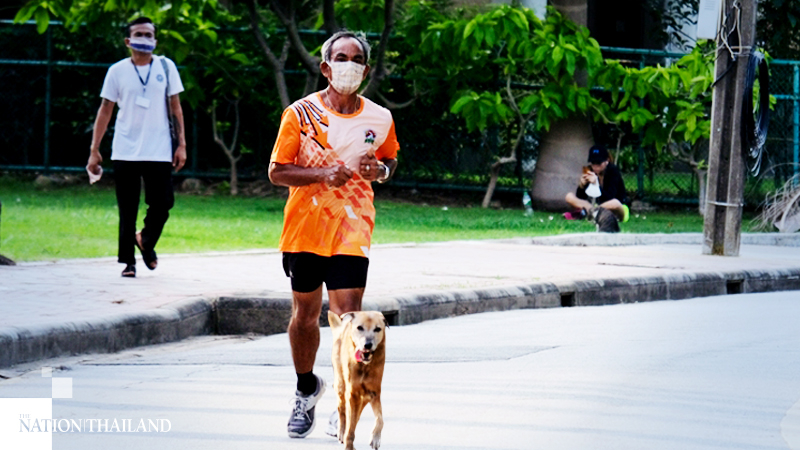
The Department of Health has said that people should not wear a mask while running or exercising as that will cut down on their access to oxygen, but warned that masks need to be worn if there are other people close by. The department has also ordered that all exercise sites should be sanitised.

Department chief Panpimol Wipulakorn said now that the government has loosened some measures, many people have returned to running and exercising in public parks and stadiums. However, she said, it will be injurious to health if people wear masks when exerting themselves.

She also said that runners should maintain distances and only wear a mask when coming in close contact with others. She also warned people to avoid unnecessarily touching surfaces in public places.

FDA steps up scrutiny of coronavirus antibody tests to ensure accuracy #ศาสตร์เกษตรดินปุ๋ย

#ศาสตร์เกษตรดินปุ๋ย : ขอบคุณแหล่งข้อมูล : หนังสือพิมพ์ The Nation.

https://www.nationthailand.com/lifestyle/30387289?utm_source=category&utm_medium=internal_referral

FDA steps up scrutiny of coronavirus antibody tests to ensure accuracy

May 05. 2020

Photo credit: Jcomp

Photo credit: Jcomp
By The Washington Post · Laurie McGinley · NATIONAL, HEALTH 
WASHINGTON – The Food and Drug Administration, under fire for allowing more than 100 commercial coronavirus antibody tests on the market without review, moved Monday to assert oversight, saying the tests will have to pass agency muster, including meeting standards for quality and accuracy.

https://www.washingtonpost.com/video/c/embed/6c9dd052-a8a6-4445-b891-cbf466ad582c

Officials said “unscrupulous actors” have been “marketing fraudulent test kits and using the pandemic as an opportunity to take advantage of Americans’ anxiety.”

The action was the latest about-face in the administration’s coronavirus response as it seeks to fix a testing response that has been criticized as either too restrictive or too lenient. Earlier this year, the FDA agency was hammered for the speed at which it moved to allow academic medical centers and others to develop diagnostic tests for the virus that might have made them more widely available. Then, critics say, it swung too far in the other direction in allowing the antibody tests to go unvetted.

The result, they complained, was a flood of products of dubious quality that confused hospitals, doctors and consumers – “a wild, wild West” environment, said Scott Becker, chief executive officer of the Association of Public Health Laboratories, which represents state and local public laboratories.

The tougher requirements will make it harder to buy questionable tests, but officials say there should still be enough reliable options for hospitals, doctors and consumers. The agency already has authorized 12 antibody tests for emergency use, including one by Roche. And it is working with companies on authorizations for an additional 200 serology tests.

Antibody, or serology, tests are designed to identify people who may have overcome covid-19, the disease caused by the novel coronavirus, including those who had no symptoms, and developed an immune response. They are not designed to detect active infections. Some officials tout the blood tests as a way to identify people who have developed immunity and can safely return to work. But many scientists say that even for good tests evidence is lacking that the tests can prove someone has immunity from the coronavirus or for how long. And the situation is made worse by shoddy tests that may give false results.

FDA Commissioner Stephen Hahn emphasized those uncertainties in a Monday call with reporters. “Whether a test should be a “ticket for someone to go back to work as the sole item, my opinion on that would be no, because there are a lot of unanswered questions,” he said.

Inaccurate tests can have serious consequences, experts warn. Incorrect results could indicate people have immunity against the virus when they don’t, potentially resulting in behavior that would endanger them and those around them. Such issues are taking on special importance as federal and state officials debate strategies, including using serological testing, to help determine when they can end state and local lockdowns. Antibody tests also are considered a way to determine whether people who have recovered from covid-19 can donate blood that can be used to manufacture “convalescent plasma,” which is being tried as a potential treatment.

Under the new rules, companies already marketing tests will be required to file applications for FDA emergency-use authorizations, including data on their tests, within 10 business days. Makers of new tests will have to file such applications within 10 days of notifying the agency of their plans to go to market. Under such authorizations, the FDA allows unapproved medical products to be used in a public health emergency without being subjected to a full-fledged review.

If commercial test-makers don’t submit applications for authorizations within the 10-day time limit, the agency plans to make that information public and consider enforcement action to take the products off the market.

FDA officials said their previous policy was appropriate because antibody tests are not used to diagnose covid-19 and that allowing the tests on the market early provided information about the prevalence of covid-19 in some populations and whether antibodies confer immunity to the virus.

“However, flexibility never meant we would allow fraud,” Anand Shah, deputy FDA commissioner for medical and scientific affairs, and Jeff Shuren, director of the agency’s Center for Devices and Radiological Health, said in a statement. “We unfortunately see unscrupulous actors marketing fraudulent test kits and using the pandemic as an opportunity to take advantage of Americans’ anxiety.”

They noted some test makers have wrongly said their products have been approved or authorized by the FDA or could be used to diagnose covid-19. In addition, they said, independent evaluations by the National Cancer Institute have showed some performed poorly. The agency is stopping some tests at the border. Many of the imported tests are from China.

The agency said it knows of about 160 serology tests being marketed in the United States that have not received authorization; of those, about two dozen are laboratory-developed tests that must be performed in special laboratories certified to do high-complexity testing. Those tests, many of which are being used at academic medical centers, won’t be required to have emergency-use authorizations, although the agency said it encourages it.

Overall, the agency has authorized 12 antibody tests for emergency use, including one by Roche. The FDA said it is working with companies on authorizations for an additional 250 serology tests and is taking steps to streamline the process. If commercial test makers don’t submit applications for authorizations within the 10-day time limit, the agency plans to make that information public and consider enforcement action to take the products off the market.

The FDA also said it expects all antibody tests – those made by both commercial manufacturers and laboratories – to meet certain standards on sensitivity (the tests’ ability to detect antibodies) and specificity (the ability to distinguish people who are infected from those who are not).

The agency received praise for the change. “The Food and Drug Administration made the right decision by walking back its policy on serology testing for covid-19,” said Becker of the public health labs group. “We’ve long been concerned that allowing tests on the market that have not been approved and authorized for use is a recipe for disaster. This revised policy makes a lot of sense and should have been in place over the last six weeks.”

The FDA’s initial hands-off policy also drew criticism from some congressional Democrats. Rep. Raja Krishnamoorthi, D-Ill., chairman of the House Oversight Committee’s economic and consumer policy subcommittee, recently conducted an investigation of the policy and concluded it had allowed scores of flawed tests onto the market. In a statement, Krishnamoorthi called on the agency to move quickly to “clear the market of tests that don’t work or aren’t submitted for review, so that consumers can take confidence that testing services they receive are reliable and trustworthy.”

As part of its program to assess the quality of antibody tests, the National Cancer Institute has validated 13 kits, according to FDA officials who said they will make the results available after reviewing them.

Even high-quality tests have limits and can result in errors, experts warn. An antibody test used in areas without many cases of covid-19 may produce as many or more false results as true results because the likelihood of finding someone who has been infected is very small. In those situations, it may be necessary for some people to have two antibody tests to get reliable results, the FDA said.

Coronavirus pandemic is pushing America into a mental health crisis #ศาสตร์เกษตรดินปุ๋ย

#ศาสตร์เกษตรดินปุ๋ย : ขอบคุณแหล่งข้อมูล : หนังสือพิมพ์ The Nation.

https://www.nationthailand.com/lifestyle/30387276?utm_source=category&utm_medium=internal_referral

Coronavirus pandemic is pushing America into a mental health crisis

May 04. 2020
Isolation and economic upheaval caused by the coronavirus pandemic are already resulting in a sharp spike in people seeking mental health help. MUST CREDIT: Photo for The Washington Post by Amanda Andrade-Rhoades

Isolation and economic upheaval caused by the coronavirus pandemic are already resulting in a sharp spike in people seeking mental health help. MUST CREDIT: Photo for The Washington Post by Amanda Andrade-Rhoades
By The Washington Post · William Wan · NATIONAL, HEALTH

WASHINGTON – Three months into the coronavirus pandemic, America is on the verge of another health crisis, with daily doses of death, isolation and fear generating widespread psychological trauma.

Federal agencies and experts warn that a historic wave of mental health problems is approaching: depression, substance abuse, post-traumatic stress disorder and suicide.

Just as the initial coronavirus outbreak caught hospitals unprepared, the country’s mental health system – vastly underfunded, fragmented and difficult to access before the pandemic – is even less prepared to handle this coming surge.

“That’s what is keeping me up at night,” said Susan Borja, who leads the traumatic stress research program at the National Institute of Mental Health. “I worry about the people the system just won’t absorb or won’t reach. I worry about the suffering that’s going to go untreated on such a large scale.”

Data show depression and anxiety are already roiling the nation.

Nearly half of Americans report the coronavirus crisis is harming their mental health, according to a Kaiser Family Foundation poll. A federal emergency hotline for people in emotional distress registered an 891% increase in March compared with the same time last year. Calls and messages to the Substance Abuse and Mental Health Services Administration’s hotline grew 338% in March from a month earlier, before state lockdowns began.

Online therapy company Talkspace reported a 65% jump in clients since mid-February. Text messages and transcribed therapy sessions collected anonymously by the company show coronavirus-related anxiety dominating patients’ concerns.

“People are really afraid,” Talkspace co-founder and CEO Oren Frank said. The increasing demand for services, he said, follows almost exactly the geographic march of the virus across the United States. “What’s shocking to me is how little leaders are talking about this. There are no White House briefings about it. There is no plan.”

The suicides of two New York health-care workers highlight the risks, especially to those combating the pandemic. Lorna Breen, a top New York emergency room doctor, had spent weeks contending with coronavirus patients flooding her hospital and sometimes dying before they could be removed from ambulances. She had no history of mental illness, her relatives have said in interviews, but struggled increasingly with the emotional weight of the outbreak before she died. Days later, reports emerged that a Bronx EMT also killed himself.

Researchers have created models – based on data collected after natural disasters, terrorist attacks and economic downturns – that show a likely increase in suicides, overdose deaths and substance use disorders.

And yet, out of the trillions of dollars Congress passed in emergency coronavirus funding, only a tiny portion is allocated for mental health. At the same time, therapists have struggled to bring their practices online and to reach vulnerable groups because of restrictions on licensing and reimbursement. Community behavioral health centers – which treat populations most at risk – are struggling to stay financially solvent and have begun closing programs.

“If we don’t do something about it now, people are going to be suffering from these mental health impacts for years to come,” said Paul Gionfriddo, president of the advocacy group Mental Health America. That could further harm the economy as stress and anxiety become debilitating among workers and strain the medical system as people flock to emergency rooms with panic attacks, overdoses and depression, he said.

Just as the country took drastic steps to prevent hospitals from being overwhelmed by infections, experts say, it needs to brace for the coming wave of behavioral health needs by providing widespread mental health screenings, better access to services through telehealth, and a sizable infusion of federal dollars.

– – –

When diseases strike, experts say, they cast a shadow pandemic of psychological and societal injuries. The shadow often trails the disease by weeks, months, even years. And it receives scant attention compared with the physical symptoms, even though it, too, wreaks carnage, devastates families, harms and kills.

Mental health experts are especially worried about the ongoing economic devastation. Research has established a strong link between economic upheaval and suicide and substance use. A study of the Great Recession that began in late 2007 found that for every percentage point increase in the unemployment rate, there was about a 1.6% increase in the suicide rate.

Using such estimations, a Texas nonprofit – Meadows Mental Health Policy Institute – created models that suggest if unemployment amid the coronavirus pandemic ends up rising 5 percentage points to a level similar to the Great Recession, an additional 4,000 people could die from suicide and an additional 5,500 from drug overdoses.

But if unemployment rises by 20 percentage points – to levels recorded during the 1930s Great Depression – suicides could increase by 18,000 and overdose deaths by more than 22,000, according to Meadows.

“These projections are not intended to question the necessity of virus mitigation efforts,” cautioned authors of the Meadows report, “but rather to inform health system planning.”

Suicide experts and prevention groups have deliberately refrained from discussing too widely death projections such as those from the Meadows Institute. Research has shown reporting excessively or sensationally on suicide can lead to increases in suicide attempts, an effect known as contagion. And the factors involved in any suicide are often complex, they point out.

“Could the numbers go up? Yes, but it isn’t inevitable. We know suicide is preventable,” said Christine Moutier, chief medical officer for the American Foundation for Suicide Prevention.

Research has shown interventions make a marked difference, such as limiting access to guns and lethal drugs, screening patients for suicidal thoughts, treating underlying mental conditions and ensuring access to therapy and crisis lines to call and text. “That’s why we need to act now,” Moutier said.

On Wednesday, a coalition representing more than 250 mental health groups announced it was convening a national response to the problem of pandemic suicide – an effort that will include at least one federal agency, the National Institute for Mental Health.

– – –

Front-line workers – health-care providers, grocery store workers, delivery people – are especially vulnerable to the coming storm of mental health problems.

“We’re used to dealing with sick people and seeing terrible things, but what’s devastating with covid is the sheer volume. It’s like drinking from a poisonous fire hydrant,” said Flavia Nobay, an emergency room doctor.

With infections soaring in March in New York, Nobay took leave from her duties at the University of Rochester Medical Center to volunteer as an ER doctor in Queens.

Weeks later, the experience haunts her: Watching families crumple in the ambulance bay knowing they may never see relatives again. Hearing the relentless alerts every few minutes of crashing patients and respiratory arrest. Sending patients home because they weren’t quite sick enough, knowing they may be coming right back. Or even worse, the chance they may not make it back.

“It chips away at your soul,” Nobay said. “You have to hold on to the positive and how you’re helping in the ways you can. That hope is like medicine. It’s as important and tangible as Tylenol.”

A study of 1,257 doctors and nurses in China during that country’s coronavirus peak found that half reported depression, 45% anxiety and 34% insomnia.

Pre-pandemic, doctors and nurses were already prone to burnout, research shows, because of the workload, pressure, chaos and increasingly dysfunctional health-care system.

“We’re now hitting a period of uncertainty where a lot of people are asking themselves how long they can keep it up,” said Liselotte Dyrbye, a Mayo Clinic doctor and leading researcher on burnout. “The teapot can only boil for so long.”

– – –

This approaching wave of mental injuries will be met in coming months by a severely broken system.

In the United States, 1 in 5 adults endure the consequences of mental illness each year. Yet less than half receive treatment, federal statistics show. As suicide rates have fallen globally, the rate in the United States has climbed every year since 1999, increasing 33% in the past two decades.

Part of the problem, experts say, is the markedly different way the United States treats mental illness compared with physical illness.

In normal times, a heart attack patient rarely has trouble securing a cardiologist, operating table and hospital bed. But patients in mental crisis, studies show, struggle to get their insurance to pay for care. Even with insurance, they struggle to find therapists and psychiatrists willing to take that payment. Those who can afford it often end up paying out of pocket.

Experts warn that such parity and access problems may only worsen with the pandemic, which has upended the functions of hospitals, insurance companies and mental health centers.

In a joint letter Wednesday, leaders in mental health and substance abuse treatment pleaded for the Trump administration’s help. The letter – signed by the American Psychological Association, the American Psychiatric Association, the National Alliance on Mental Illness and 12 other organizations – asked federal officials to save community mental health centers facing financial collapse.

The letter also asked the government to lift reimbursement restrictions that have prevented therapists from using phone calls to treat patients. On Thursday, the Trump administration indicated it would do so.

A survey of local mental health and drug addiction centers showed the pandemic has left many on the brink of financial collapse, preventing them from providing services that generate much of their reimbursement revenue. More than 60% said they would run out of funding in less than three months and had already closed some programs.

In a letter to Congress in early April, mental health organizations estimated that $38.5 billion is needed to save treatment providers and centers and that $10 billion more is needed to respond to the coronavirus pandemic. On Friday, the federal substance abuse and mental health agency said it had received less than 1% of the amount advocated by mental health groups – $425 million in emergency funding – and has awarded $375 million to states and local organizations.

While Congress recently authorized $100 billion in emergency funds for hospitals and medical providers, very little will reach mental health and addiction service providers because they mainly receive funding through Medicaid. Most of the emergency money provided by Congress is being distributed through Medicare.

“We are facing the loss of mental health centers and programs at a time when we are going to need them more than ever,” said Chuck Ingoglia, president of the National Council for Behavioral Health, which represents 3,326 treatment organizations.

– – –

There are glimmers of hope, experts say, amid the gloomy outlook.

The sudden push into telemedicine could make services more accessible in years to come. And the national mental health crisis could spark reforms and movement toward better treatment.

And while almost everyone is experiencing increased stress, the effect for many will be transient – trouble sleeping, shorter fuses.

The difficulty is identifying and treating those who develop deeper, worrisome mental problems such as post-traumatic stress disorder and severe depression.

“To control the virus, it’s all about testing, testing, testing. And for the mental health problems ahead, it’s gonna be all about screening, screening, screening,” said Gionfriddo of Mental Health America.

For years, Gionfriddo’s nonprofit has offered questionnaires on its website – widely used in medicine – to help people screen themselves for mental health problems. Since the pandemic began, those daily screenings have jumped 60 to 70%. And since February, the number of people screening positive for moderate to severe anxiety and depression has jumped by an additional 18,000 people compared with January.

Speaking from her parents’ home in Pittsburgh, Ananya Cleetus said she has felt the increased strain.

First came the closure of her school, the University of Illinois, bringing to an end her ambitious plans for the semester in computer engineering. Then came the loss of her therapist, forbidden by licensing rules from treating her across state lines. And social media didn’t help – all those posts of people baking bread, picking up hobbies and living their best #quarantinelife, making hers feel all the more pitiful.

It was getting harder to even get out of bed, said Cleetus, 23, who has a bipolar disorder and helps lead a student advocacy group.

“It took me a few weeks and talking to friends to finally realize this wasn’t just something wrong with me,” Cleetus said. Since then, she has poured her energies into creating a daily routine and an online guide for fellow students struggling with the pandemic and mental health.

“This virus is messing with everyone. The anxiety, isolation, uncertainty, lack of structure,” she said. “Everyone’s struggling with it in one way or another.”

Moisturizing tips on rashes and face masks #ศาสตร์เกษตรดินปุ๋ย

#ศาสตร์เกษตรดินปุ๋ย : ขอบคุณแหล่งข้อมูล : หนังสือพิมพ์ The Nation.

https://www.nationthailand.com/lifestyle/30387215?utm_source=category&utm_medium=internal_referral

Moisturizing tips on rashes and face masks

May 04. 2020
Photo credit: Pressfoto

Photo credit: Pressfoto
By Special To The Washington Post · Marlene Cimons · HEALTH 

Before the onset of the novel coronavirus pandemic, Adam Friedman, professor and interim chair of dermatology at George Washington University, rarely wore a face mask. Today, working full days at the GWU outpatient facility, he wears one up to eight hours a day. As a result, his face has become perennially inflamed with an angry red rash.

“I’m now a dermatologist and a patient at the same time,” he says.

While he isn’t seeing many patients in person – only urgent cases – he’s still around his co-workers all day, so the mask must stay on. “These masks are super uncomfortable,” he says.

Skin irritation from wearing personal protective equipment is a hazard already familiar to health-care providers working in settings where infection control is critical. Now it has also become familiar to many people wearing masks in public, and frequently washing their hands. (Even bandannas and cloth masks, different from medical masks, can cause reactions, depending on the cloth, dyes and the detergent used to clean them, experts say.)

Friedman applies moisturizer to his face several times a day to decrease friction between his skin and the mask, useful advice for everyone, he says.

“It’s all about the barrier,” he says. “We need to protect our biological armor. This means not overwashing, especially with soap, and applying a moisturizer, preferably a thicker lotion or cream, to damp skin to lock moisture in where it’s needed, and to add an extra layer of protection from all the nasty things out there.”

The Centers for Disease Control and Prevention recommends that everyone wear face masks or cloth coverings over the mouth and nose when in public, especially where social distancing may be difficult, so it’s probably wise to take steps to protect the skin to prevent or alleviate problems.

“I think we will be wearing masks for months to come, given the smoldering nature of this viral pandemic,” Friedman says. “These skin issues, without good preventive and treatment strategies – which we have – will likely persist and become more prevalent.”

Dawn Davis, a dermatologist with the Mayo Clinic, says the skin, which is the body’s largest organ, protects us from the environment but can become damaged when it cannot respond fast enough to stresses.

“The skin is a very active organ of the body, just like any other organ,” she says. “In contrast to many other organs, it continually regenerates and produces its own moisturization. Our skin is very busy on a day-to-day basis on a level we don’t think about. It’s a full-time job.”

She compares skin to beleaguered feet that end up in ill-fitting or too tight shoes.

“The skin compensates by creating calluses,” she says. “The difference between the foot and the hands and face is that the bottom surface of the foot is much thicker than the skin on the backs of hands and on the face, so it doesn’t have the natural mechanism to form a callus. Instead, you get irritation, dryness, friction and dermatitis.”

She suggests using hypoallergenic soaps and washing hands and face in warm – not scalding – water. Pat dry, using linen or cotton, less abrasive than a paper towel. For hands, if moisturizing with cream or lotion alone doesn’t work, she recommends covering the lotion layer with an ointment, like petroleum jelly, then putting cotton socks over the hands overnight.

And if that’s not enough, try what she calls the “skin burrito,” a technique that adds additional moisture. Wash your hands, pat them dry and apply two layers of hypoallergenic lotion or cream. Put a teaspoon of white vinegar into a glass or small bowl of warm water and soak two clean washcloths in the solution. Wring them out, wrap them around your hands and cover them with socks.

The advice is similar for the face. Wash, pat dry and apply hypoallergenic moisturizer – lotion or cream – twice, leaving a thick layer. The vinegar soak works here, too. Lay the wet cloths across the irritated parts of the face for about 15 minutes, three or four times a day.

Davis also likes zinc oxide – which fights inflammation – the same stuff lifeguards put on their noses to prevent sunburn, and parents put on babies’ bottoms to treat diaper rash. Put a thin layer in facial areas where the mask rubs.

It’s also important to remember that broken skin is a portal for infection, and that ignoring skin problems can cause long-lasting, although treatable, skin discoloration, or require prescription medications. Moreover, mask wearing can worsen existing primary skin diseases, such as seborrheic dermatitis, or red scaly skin, rosacea, or red patches and visible blood vessels, eczema, an itchy inflammation, and perioral dermatitis, an acnelike redness around the mouth.

“Many of the masks that people – and myself – have at home are these fairly hard cone masks that can be very irritating from the pressure,” says Brian Kim, a dermatologist and co-director of Center for the Study of Itch and Sensory Disorders at Washington University School of Medicine. “Usually these masks are used very transiently while people are doing housework that creates dust.

“However, during covid-19, people are wearing them all day,” Kim says. “My face had long pressure lines, with redness, soreness, and my face was also very flushed underneath. I also have some mild rosacea, which was getting exacerbated by the heat and humidity and causing my face to get unusually red.”

Karen Ousey, director of the Institute of Skin Integrity and Infection Prevention at the University of Huddersfield in England and the author of a recent paper describing the skin issues among health-care workers, urges them to ensure masks are fitted correctly and aren’t too tight.

Apply moisturizer at least 30 minutes before putting on the mask, to avoid an improper fit, she says. She also warns that paraffin products are flammable, so anyone using them should not smoke. Finally, “if possible and safe to do so,” she says, remove masks every two hours to relieve pressure.

Most of these problems are preventable and easily treated, Friedman says.

“In this unprecedented time, we all need to do our part to protect ourselves and those around us,” he said. “Face masks save lives. Moisturizers save skin. Apply both to your daily routine.”

Science tackles how immunities decline with age #ศาสตร์เกษตรดินปุ๋ย

#ศาสตร์เกษตรดินปุ๋ย : ขอบคุณแหล่งข้อมูล : หนังสือพิมพ์ The Nation.

https://www.nationthailand.com/lifestyle/30387214?utm_source=category&utm_medium=internal_referral

Science tackles how immunities decline with age

May 04. 2020
File photo

File photo
By Special To The Washington Post · Jonathan Wosen · HEALTH

As cases and deaths from the pandemic rise, one trend remains consistent: The virus is deadliest for older adults who are more likely to have existing medical conditions and weakened respiratory systems. Both are major risk factors for becoming severely ill from infection by the novel coronavirus that causes the disease covid-19.

But scientists believe that another factor in the observed heightened risk is probably the general decline in the immune system that happens with age. In medicine, it has long been known that older immune systems struggle to fight off infections.

The ebbing of resistance to infectious disease with age is particularly clear when looking at studies of vaccines. During 2018-2019, for example, the seasonal flu vaccine was effective for roughly 3 of 5 children 17 and younger, according to the Centers for Disease Control and Prevention. The same vaccine was effective for only about 1 of 4 adults 50 and older.

Scientists have rushed to start trials for a vaccine against coronavirus. But even when they succeed in developing an effective one, University of Pennsylvania immunologist Michael Cancro worries that any coronavirus vaccine may be less effective for older adults – just as current vaccines are for other diseases.

“I doubt it’ll be worse, I don’t think it will be any better,” says Cancro, who wrote about age-associated changes in the immune system in the most recent Annual Review of Immunology.

Scientists are working hard to understand how age changes the immune system so that they can better protect seniors against current and future infectious diseases. It’s a timely goal. By 2030, there will be more adults over 60 than children under 10, according to the United Nations. In addition to the current threat of covid-19, influenza poses a serious risk to this age group: Nearly 3 of 4 people who died of flu during the 2018-2019 season were 65 or older, according to the CDC.

Here’s some information about what researchers know so far.

– How do vaccines work?

Vaccines stimulate the immune system in much the same way as an actual infection – minus the risk of major, deadly symptoms – because they contain fragments of disease-causing microbes, or pathogens, for the immune system to recognize. A prime example is the seasonal flu shot, made of pieces of the influenza virus. Other vaccines, such as polio, use inactivated or weakened versions of the whole virus or bacterium.

“It’s more or less been: You slice and dice the pathogen, you see what works,” Cancro says.

A successful vaccine will activate two classes of immune cells: B cells and T cells. B cells inactivate pathogens or mark them for killing by coating them with Y-shaped molecules called antibodies. T cells kill infected cells and direct the activity of the rest of the immune system, including B cells.

Those T cells are alerted to potential threats by another immune player called the antigen-presenting cell. It engulfs chunks of the pathogens, chomps them into bits and displays those bits on its surface. Nearby T cells respond to this by dividing rapidly to increase about a thousand-fold; your doctor can feel this by checking for swollen lymph nodes in your neck.

Most of the activated B and T cells will die soon after encountering a microbe or vaccine. But some become memory cells, which can last years or even decades and protect against future infections of the same kind. Memory responses are the hallmark of a successful vaccine, and are especially valuable for those with the least prior exposure to pathogens: children.

– How do immune responses change with age?

Older adults struggle to respond to pathogens they haven’t already been exposed to. One example is yellow fever, a virus endemic to sub-Saharan Africa and Latin America. Studies show that older people from other regions, most of whom have never been exposed to the virus before, take longer to produce antibodies in response to yellow fever vaccine, and those antibodies tend to be less effective at stopping the virus.

Something similar may happen with a vaccine for coronavirus, Stanford immunologist Jörg Goronzy says. “It will be one of those events where we vaccinate older people for something they’ve never seen before.”

There are likely multiple reasons for a waning immune response with age. One is that B cells in older adults produce antibodies that are less fine-tuned. When a B cell activates and starts to divide, with each division it slightly tweaks – mutates – its antibody-producing genes. This creates a population of cells with slightly differing versions of the same antibody, a bit like musical variations on a theme.

Some antibody versions will latch onto a pathogen better than others. B cells producing the most efficient forms get signals from neighboring T cells to continue dividing, while the remaining cells die off. But the genes regulating mutations in antibody-producing genes become less active with age, maybe helping to explain the sometimes-lackluster antibody responses in older adults.

And while older adults do retain immune cell memory, they can also struggle to respond to new versions of a pathogen that have shifted a bit since the person’s last encounter with it.

Scientists have long known that, when confronted with a new strain of a pathogen, the immune system will respond less strongly to it than to the first strain. That happens because memory cells from the first exposure gear into action and drown out a more tailored response to the newer strain.

“We still don’t exactly understand why the heck that is, but it’s a fact,” Cancro says.

Immunologists call this phenomenon original antigenic sin. Original antigenic sin makes it harder to mount effective antibody responses to rapidly mutating pathogens, such as influenza. The H1N1 flu strain, for example, has been with us ever since its emergence in the 1918 flu pandemic and during that time has acquired about 14 new mutations a year.

Older adults also have fewer T cells that can respond to new infections or vaccinations. After around age 20, we mostly stop making new T cells and rely on keeping existing cells alive, says Goronzy, who studies aging’s effects on T cells. He likens this change to a city losing skilled laborers.

T cells that do survive behave differently from those in youth. Work from Goronzy’s team and colleagues has shown that T cells in older adults are less likely to assist B cells or become long-lived memory cells. Instead, older adults tend to produce T cells that die after short bursts of activity – a necessary part of any immune response, but not one that leads to lasting protection.

– How are researchers improving vaccines for older adults?

One success story that researchers hope to learn from is Shingrix, a vaccine for the varicella zoster virus, which causes chickenpox and shingles. Shingrix was approved by the Food and Drug Administration in 2017 and is recommended by the CDC for adults 50 and over.

Studies show that the vaccine is about 90 percent effective in preventing shingles among adults 70 to 79, and equally effective for those over 80. One strength of the vaccine is its ability to boost immune memory; older adults vaccinated with Shingrix had stronger memory T cell responses than adults vaccinated with Zostavax, an older shingles vaccine that is only about 50 percent effective. Unlike Zostavax, Shingrix was designed to include molecules that stimulate antigen-presenting cells through the same pathways that activate these cells when they encounter bacteria.

“We’re seeing more imagination in the way we formulate vaccines,” Cancro says, “either in terms of mimicking what a pathogen looks like or providing molecules that drive immune cells.”

Researchers are also looking to identify immune pathways affected by age and trying to reverse some of these changes. In a 2018 study, 264 adults ages 65 and older were treated with experimental drugs that inhibit a biochemical pathway that becomes more active with age. Those pretreated with the drugs had stronger flu vaccine antibody responses than those given the flu shot alone – suggesting that older adults may benefit from vaccines tailored to their biology.

– How can older people best protect themselves against infectious diseases such as the flu?

One option is to take a flu vaccine designed specifically for older adults. The CDC doesn’t specifically recommend any one version of the flu vaccine for them, but two in the United States are offered only to people 65 and older.

One of these, Fluzone High-Dose, contains four times the dose of a standard flu shot. A 2014 study reported that while 1.9 percent of older adults who received the typical vaccine got the flu, only 1.4 percent of those administered Fluzone became infected. The other choice, FLUAD, is a standard-dose vaccine that includes an additional ingredient to boost antibody and T-cell responses – a similar strategy to the Shingrix vaccine, although the specific ingredient is different.

Even a vaccine that isn’t 100 percent effective can reduce recovery time and symptom severity.

A CDC study reported that adults 50 and older who got the flu vaccine during 2010-2011 cut their risk of ending up in the hospital due to flu by more than half. Plus, getting vaccinated makes you less likely to infect family, friends and co-workers – some of whom might be immunosuppressed or unable to get certain vaccines.

“I get my flu vaccine every year,” Cancro says. “And I’m 70.”

– – –

This report was produced by Knowable Magazine and can be read in full at knowablemagazine.org.