Frost at 1C: Chiang Mai catches a chill #ศาสตร์เกษตรดินปุ๋ย

#ศาสตร์เกษตรดินปุ๋ย : ขอบคุณแหล่งข้อมูล : หนังสือพิมพ์ The Nation

https://www.nationthailand.com/travel/30380657?utm_source=category&utm_medium=internal_referral

Frost at 1C: Chiang Mai catches a chill

Jan 16. 2020
By The Nation

There’ve been chilly mornings in Chiang Mai since the weekend, with the temperature averaging 14-20 degrees Celsius and never rising beyond 36.

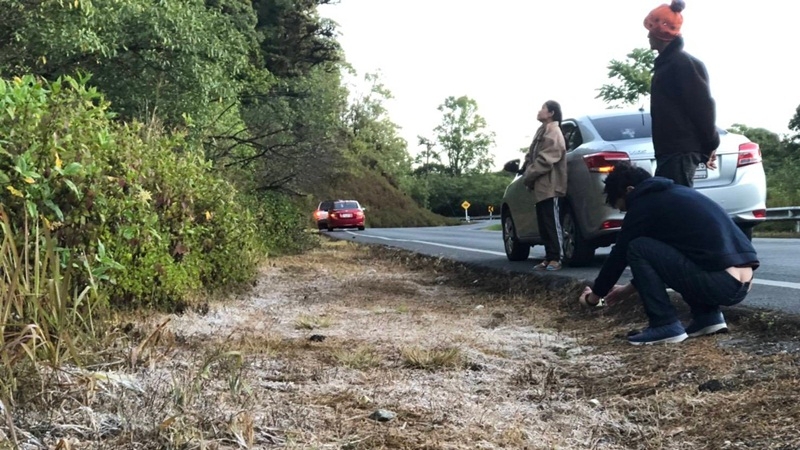
At the lofty Kew Mae Pan Viewpoint on Doi Inthanon, though, the early-morning temperature last Sunday was a mere 1C.

The result was a carpet of frost – the frozen dew known in the North as “mei kab”.

At the peak of the mountain it was a relatively balmy 5C.

Doi Inthanon National Park chief Kritsiam Kongsri said plenty of sightseers were revelling in the experience.

“We’re expecting a lot of campers and we hope they’ll make sure their cars are in good condition, because any breakdowns could cause traffic jams,” he said.

“They should also make sure they bring warm clothing – it’s been cold here for many days.”

Prime chance to see thrilling Kanchanaburi caves #ศาสตร์เกษตรดินปุ๋ย

#ศาสตร์เกษตรดินปุ๋ย : ขอบคุณแหล่งข้อมูล : หนังสือพิมพ์ The Nation

https://www.nationthailand.com/travel/30380602?utm_source=category&utm_medium=internal_referral

Prime chance to see thrilling Kanchanaburi caves

Jan 15. 2020
By THE NATION

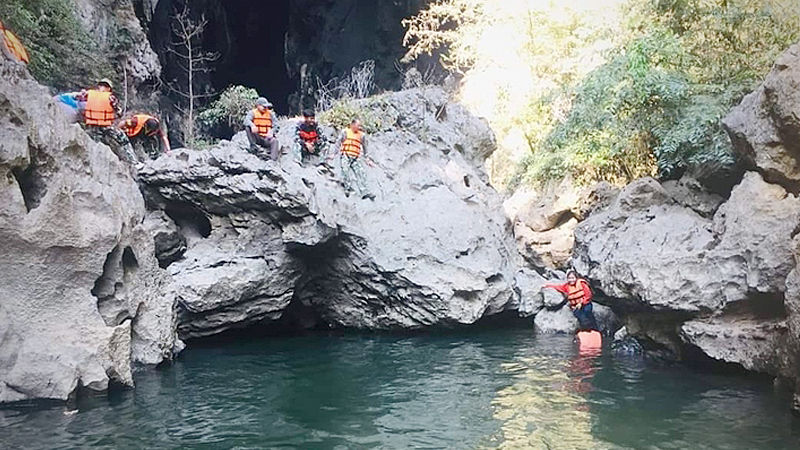
Two scenic caves in Kanchanaburi – one with colossal stalagmites – will be open to visitors from February 29 to May 4, but you need to register in advance by phone and be able to swim.

Lam Khlong Ngu National Park chief Satit Pinkul on Wednesday (January 15) announced the openings for Tham Sao Hin (Stone Pillar Cave) and Tham Nok Nang-aen (Swallow Cave).

Both are within the park in Kanchanaburi’s Thong Pha Phum district.

Advance registration for individual visitors up to groups of 10 is being accepted from February 3-7, daily from 1-3pm.

Visitors should be 15 to 60 years old and able to swim, since some areas of the caves are semi-submerged. They should be healthy, with no congenital disease or respiratory or blood-pressure issues.

Satit said this is the safest time of year to see the caves – Tham Sao Hin with stalagmites exceeding 62 metres in height and Tham Nok Nang-aen with its gorgeous subterranean vistas and thousands of nesting birds.

Pa Kia Highland becomes tourist draw #ศาสตร์เกษตรดินปุ๋ย

#ศาสตร์เกษตรดินปุ๋ย : ขอบคุณแหล่งข้อมูล : หนังสือพิมพ์ The Nation

https://www.nationthailand.com/travel/30380483?utm_source=category&utm_medium=internal_referral

Pa Kia Highland becomes tourist draw

Jan 13. 2020
By The NationSupachai Petchtewee
The Nation

Pa Kia Highland Agricultural Research Station under the Faculty of Agriculture, Chiang Mai University, has become increasingly popular among tourists to Doi Luang Chiang Dao, even though the site is located in remote land high up in the mountain.

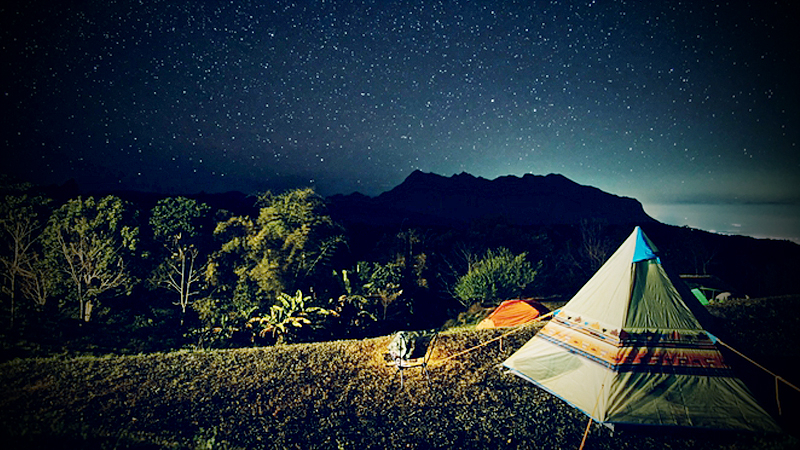
The station provides a camping area and facilities, but visitors have to bring their own tents and bedding. Cottages are also available at the station but in very limited number.

People have to travel by pick-up truck or powerful bikes through a laterite road and up high slopes of the rocky mountain.

Despite a challenging time travelling there, visitors say it was certainly worth the effort, with the beautiful scenario of nature at day, especially the wild Himalayan cherry trees during winter, and clear starry skies at night.

A look at the western Virginia town that raised a forward-thinking first lady #ศาสตร์เกษตรดินปุ๋ย

#ศาสตร์เกษตรดินปุ๋ย : ขอบคุณแหล่งข้อมูล : หนังสือพิมพ์ The Nation

https://www.nationthailand.com/travel/30380435?utm_source=category&utm_medium=internal_referral

A look at the western Virginia town that raised a forward-thinking first lady

Jan 12. 2020
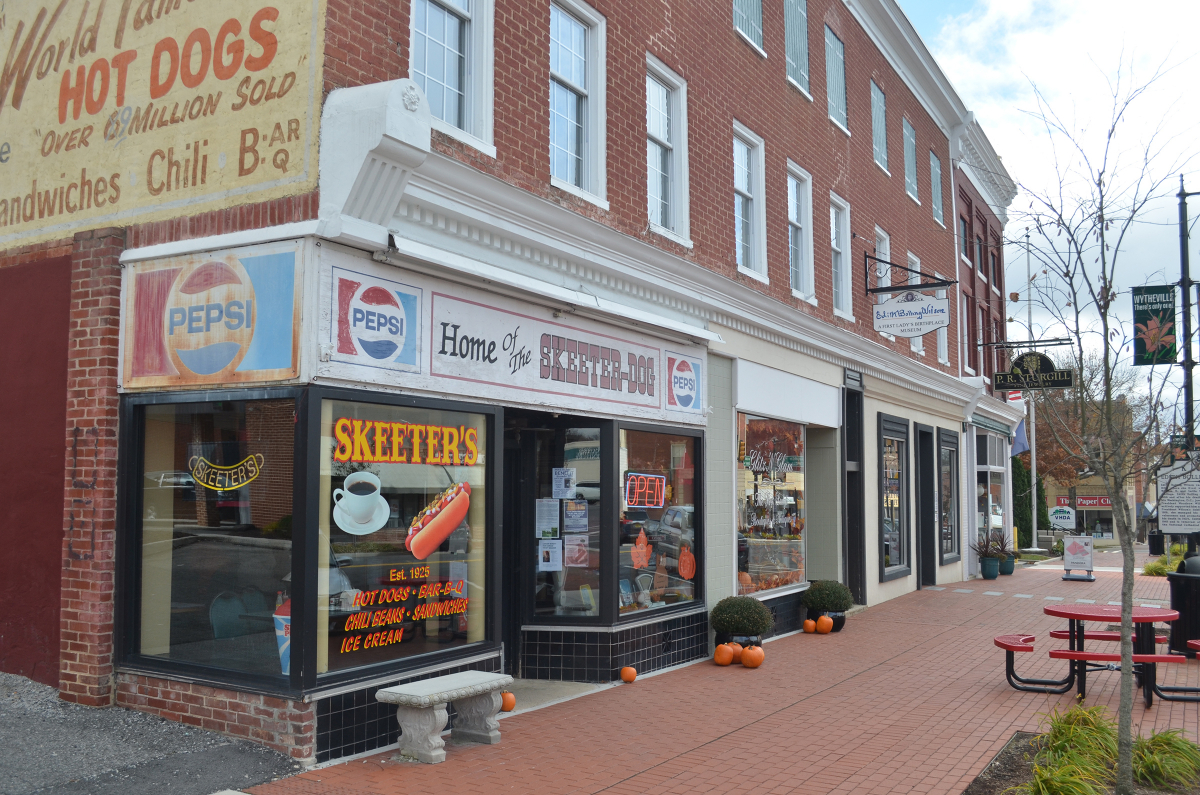
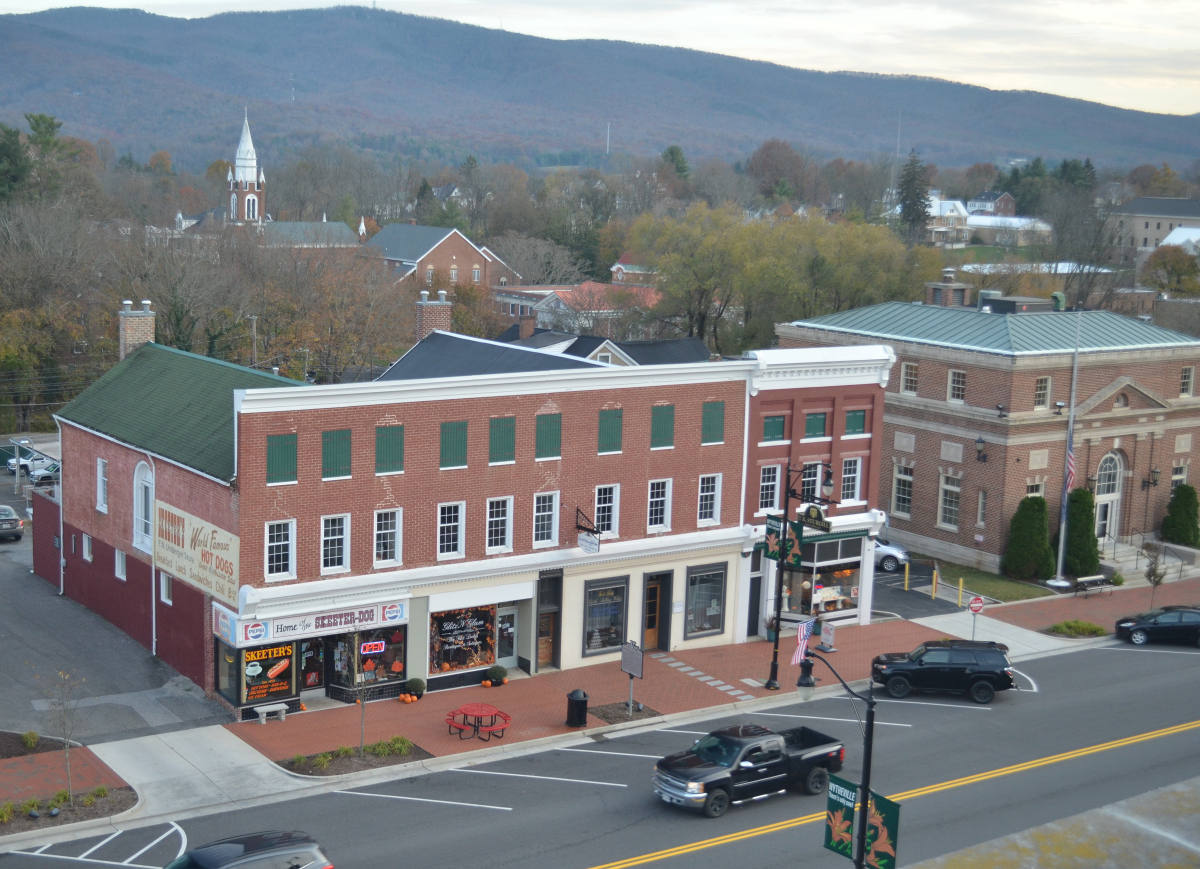
Skeeter's restaurant sits on the ground floor of the building where first lady Edith Bolling Wilson was born. A museum dedicated to her is located at the center of the block. MUST CREDIT: Photo for The Washington Post by James F. Lee

Skeeter’s restaurant sits on the ground floor of the building where first lady Edith Bolling Wilson was born. A museum dedicated to her is located at the center of the block. MUST CREDIT: Photo for The Washington Post by James F. Lee
By Special To The Washington Post · James F. Lee · FEATURES, TRAVEL 

A look at the western Virginia town that raised a forward-thinking first lady. I once heard Edith Bolling Wilson referred to as the “first female president” of the United States. I’ll admit I knew very little else about the former first lady and second wife of Woodrow Wilson until I traveled to Wytheville, Virginia, to visit her childhood home.

Skeeter's restaurant sits on the ground floor of the building where first lady Edith Bolling Wilson was born. A museum dedicated to her is located at the center of the block. MUST CREDIT: Photo for The Washington Post by James F. Lee

Skeeter’s restaurant sits on the ground floor of the building where first lady Edith Bolling Wilson was born. A museum dedicated to her is located at the center of the block. MUST CREDIT: Photo for The Washington Post by James F. Lee

+++

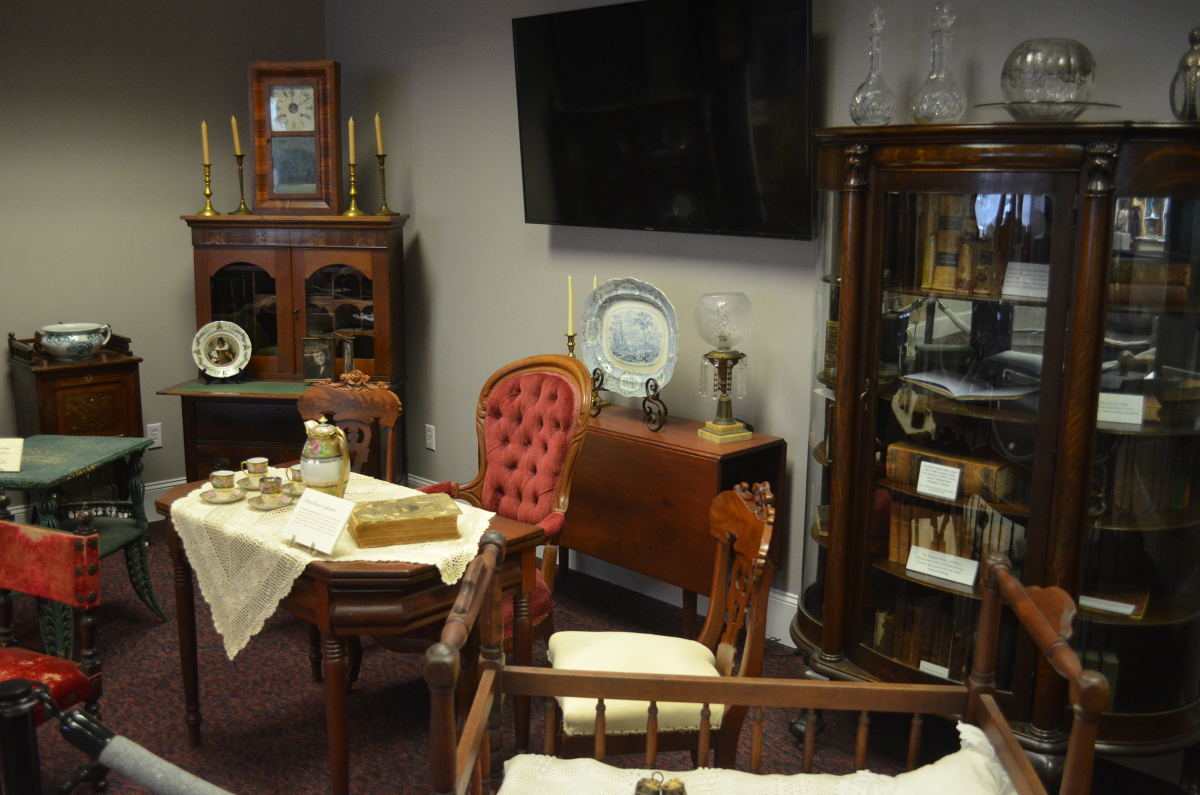
The Bolling family furnishings on display at the museum suggest a comfortable but not luxurious lifestyle. The household included 11 children as well as extended family. MUST CREDIT: Photo for The Washington Post by James F. Lee

The Bolling family furnishings on display at the museum suggest a comfortable but not luxurious lifestyle. The household included 11 children as well as extended family. MUST CREDIT: Photo for The Washington Post by James F. Lee

+++

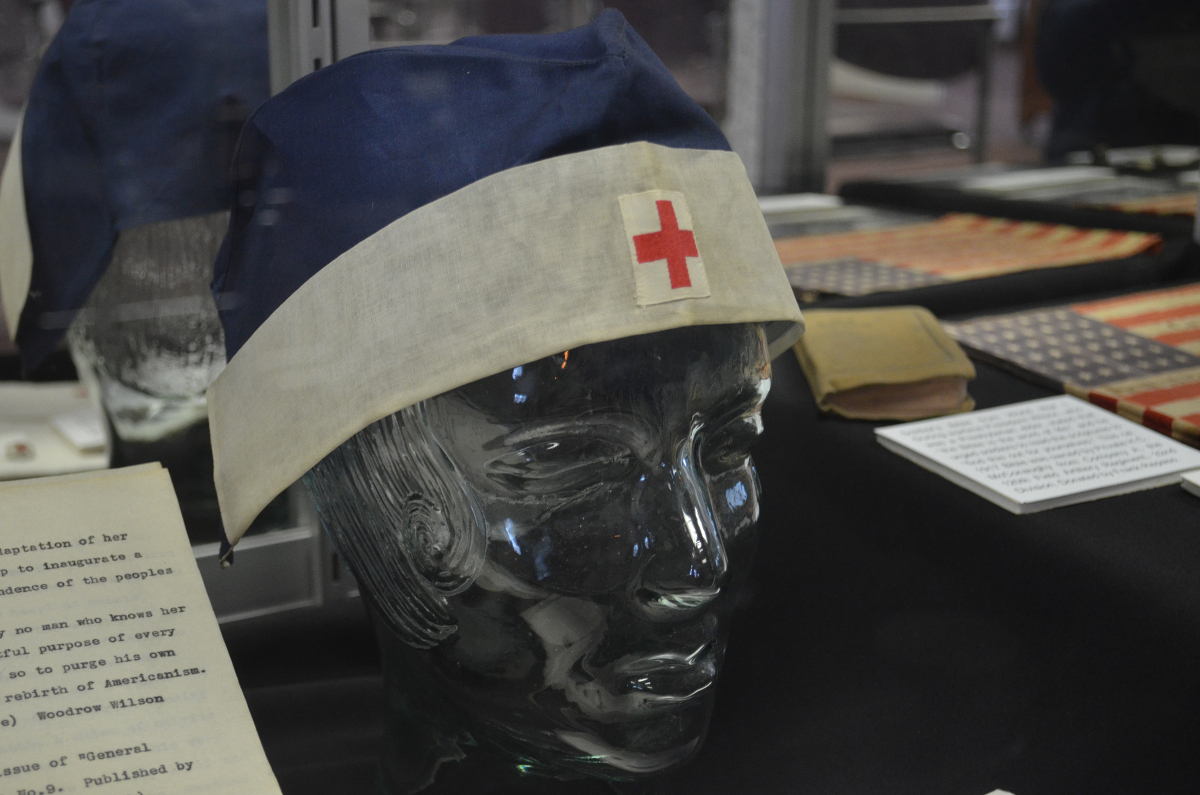
During World War I, Edith Wilson volunteered with the American Red Cross, serving meals to U.S. troops traveling through Union Station. Her cap is among the items on display at the museum. MUST CREDIT: Photo for The Washington Post by James F. Lee

During World War I, Edith Wilson volunteered with the American Red Cross, serving meals to U.S. troops traveling through Union Station. Her cap is among the items on display at the museum. MUST CREDIT: Photo for The Washington Post by James F. Lee

+++

Edith Bolling Wilson was born on the second floor of this commercial building in Wytheville, Va. The Edith Bolling Wilson Museum is located on the ground floor. MUST CREDIT: Photo for The Washington Post by James F. Lee

Edith Bolling Wilson was born on the second floor of this commercial building in Wytheville, Va. The Edith Bolling Wilson Museum is located on the ground floor. MUST CREDIT: Photo for The Washington Post by James F. Lee

+++

Edith Bolling Galt met Woodrow Wilson at the White House in March 1915, about seven months after the death of his first wife. They married on Dec. 18, 1915. Their whirlwind courtship and marriage shocked Washington, but Edith Wilson nonetheless threw herself into the demands of the White House. She was a very unconventional first lady for the time, young and fashionable and quite willing to be seen in public.

“She was kind of the Jackie Kennedy of her generation,” said Debbie Wilkerson, education coordinator at the Edith Bolling Wilson Birthplace Museum on Wytheville’s busy East Main Street.

Edith Wilson was born in Wytheville in 1872, in the upstairs apartment of what is to this day a commercial building. A restaurant, a boutique and the small museum where my wife, Carol, and I began our visit are on the ground floor. Upstairs, the Bolling family apartment is open for tours. Most of the artifacts and photographs in the museum were donated by the Bolling family and span Edith Wilson’s life from her childhood and first marriage through the White House years. The seventh child in a crowded household that included 11 children as well as parents, grandparents and myriad relatives, she received rigorous home schooling from her grandmother and parents, but only two years of formal education.

The Bolling family Bible notes family events, including Edith’s birth and her two marriages. Upholstered Victorian chairs, a tea set, a crib, and chinaware suggest a comfortable but not luxurious lifestyle. A photograph of somber, 3-year-old Edith wearing her brother’s hand-me-down pants reveals the family’s frugality.

Display items dating from the White House years include the watch worn by Woodrow Wilson during the Paris Peace Conference after World War I and the Red Cross cap she wore as a volunteer serving meals to U.S. troops at the Union Station canteen. On one of the family tables is a copy of her “White House Cook Book.”

In the second-floor lodgings where Edith Wilson was born, we heard an audio description of her childhood in the first lady’s own words. Today, the apartment shows years of neglect. The museum is undertaking a long-term restoration project that aims to re-create the apartment’s appearance at the turn of the century. Though it is mostly empty, we got a sense of the layout – a warren of rooms, some of which still have their original wallpaper and flooring.

During her childhood, Edith was caregiver to a demanding, invalid grandmother, Ann Bolling, tending to her throughout the day, even sleeping in her room at night. Every day she washed, starched and ironed a snow-white cap, an essential part of her grandmother’s attire. A family photograph on the back porch shows Grandmother Bolling wearing one of her caps, with Edith sitting dutifully at her feet.

Grandmother Bolling took great delight in the two dozen canaries kept in 16 bird cages on the upstairs back porch. The cages demanded daily cleaning, another of Edith’s chores, performed under the withering scrutiny of her grandmother. For Edith this was a most unpleasant task. A photograph of 13-year-old Edith sitting wistfully next to the cages perfectly captures her mood. She later wrote in her memoirs that she took an odd pleasure in conducting funerals when the little creatures passed away.

But life wasn’t all work. In the kitchen, Edith remembers her Grandmother Logwood’s Christmas coconut balls and her pralines with pecan nuts and brown sugar. Happy times were spent in the parlor where the family would play games or listen to her father read aloud from Shakespeare or Dickens.

Edith Bolling left Wytheville in 1890 at age 18 and married Norman Galt, a Washington jeweler, six years later. As a young woman, she blazed her own trail, traveling to Europe frequently, and becoming the first woman issued a license to drive an electric car in the District of Columbia. (Her 1904 license is now on display at the museum.) The Galts lived comfortably until his death 12 years after their marriage; the couple had no surviving children.

From the start, President Wilson shared everything with his new wife, including classified information and official secrets; he consulted her in matters political and governmental. She even encoded his private messages before they were dispatched. But it is the years after President Wilson’s debilitating stroke in October 1919 for which she is most remembered – and criticized. The president never fully recovered, becoming a virtual recluse and she his gatekeeper and caretaker, a role harking back to her years with Grandmother Bolling.

Rarely leaving his side, she determined which papers and other material received the president’s attention. She decreed who saw him, including the Cabinet. In her memoirs, she called this period the “stewardship” of the presidency, a stewardship that lasted until the end of Wilson’s term in March 1921 – 17 months! Edith Wilson said she didn’t make any decisions on policy. “The only decision that was mine was what was important and what was not,” she wrote in her memoirs.

Edith Wilson lived a long life, surviving Woodrow Wilson by 37 years at their post-presidential home at 2340 S St. NW. One year before her death in 1961, the former first lady, by then the sole survivor of her 10 siblings, made her final visit to Wytheville.

She had come to town to donate a stained-glass window to the St. John’s Episcopal Church where she was baptized, confirmed and first married. She stayed at the hotel across the street, which still stands (and where we, too, stayed the night before) and then ate at the restaurant that occupied the space that is now the museum. Before leaving Wytheville forever, she made a final tour of her childhood home.

We visited the church, lined on both walls with gorgeous stained glass. Edith’s gift, “Blessing the Children,” is still there in vivid color. The local girl made good, but didn’t forget her hometown.

With cues from a famed French critic, testing Lyon’s culinary eclat #ศาสตร์เกษตรดินปุ๋ย

#ศาสตร์เกษตรดินปุ๋ย : ขอบคุณแหล่งข้อมูล : หนังสือพิมพ์ The Nation

https://www.nationthailand.com/travel/30380434?utm_source=category&utm_medium=internal_referral

With cues from a famed French critic, testing Lyon’s culinary eclat

Jan 12. 2020
Léon de Lyon - founded in 1904 by Léon Déan, whom esteemed food critic Curnonsky called a king of cooks in his 1935 guidebook - features a casual bistro, a gastronomic restaurant and a cozy contemporary bar. MUST CREDIT: Washington Post photo by Sylvie Bigar

Léon de Lyon – founded in 1904 by Léon Déan, whom esteemed food critic Curnonsky called a king of cooks in his 1935 guidebook – features a casual bistro, a gastronomic restaurant and a cozy contemporary bar. MUST CREDIT: Washington Post photo by Sylvie Bigar
By Special To The Washington Post · Sylvie Bigar · FEATURES, EUROPE, FOOD, TRAVEL

With cues from a famed French critic, testing Lyon’s culinary eclat. Mention Lyon, France’s third-largest city, and Francophile food fans perk up. Thanks in part to its location at the heart of France’s agricultural larder, Lyon has always enjoyed a glowing reputation as a gastronomic hub.

The decor of Bouchon-Comptoir Brunet, a typical bistro, hasn't changed in decades and that's exactly what the owners prefer. MUST CREDIT: Washington Post photo by Sylvie Bigar

The decor of Bouchon-Comptoir Brunet, a typical bistro, hasn’t changed in decades and that’s exactly what the owners prefer. MUST CREDIT: Washington Post photo by Sylvie Bigar

+++
Red banquettes and art deco chandeliers adorn the elegant, historical dining room at Brasserie Georges. MUST CREDIT: Washington Post photo by Sylvie Bigar

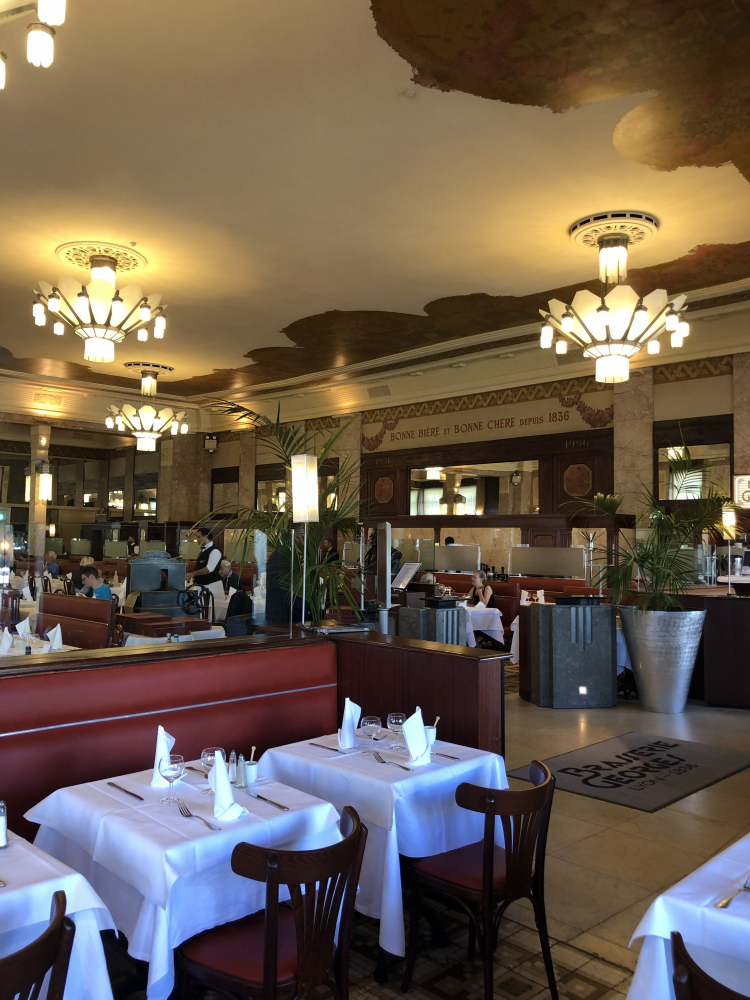
Red banquettes and art deco chandeliers adorn the elegant, historical dining room at Brasserie Georges. MUST CREDIT: Washington Post photo by Sylvie Bigar

+++

But things heated up in 1935 with the release of a guidebook titled “Lyon, Capitale Mondiale de la Gastronomie,” penned by esteemed food critic Curnonsky with writer Marcel-Etienne Grancher. As famous for his poetic culinary musings as for his colossal appetite, Curnonsky (alias the Prince of Gastronomes) was one of the first writers to espouse the concept of culinary tourism.
In the children's section of the Cité, a kid-size kitchen features interactive exhibits such as this one about how to follow a recipe. MUST CREDIT: Washington Post photo by Sylvie Bigar

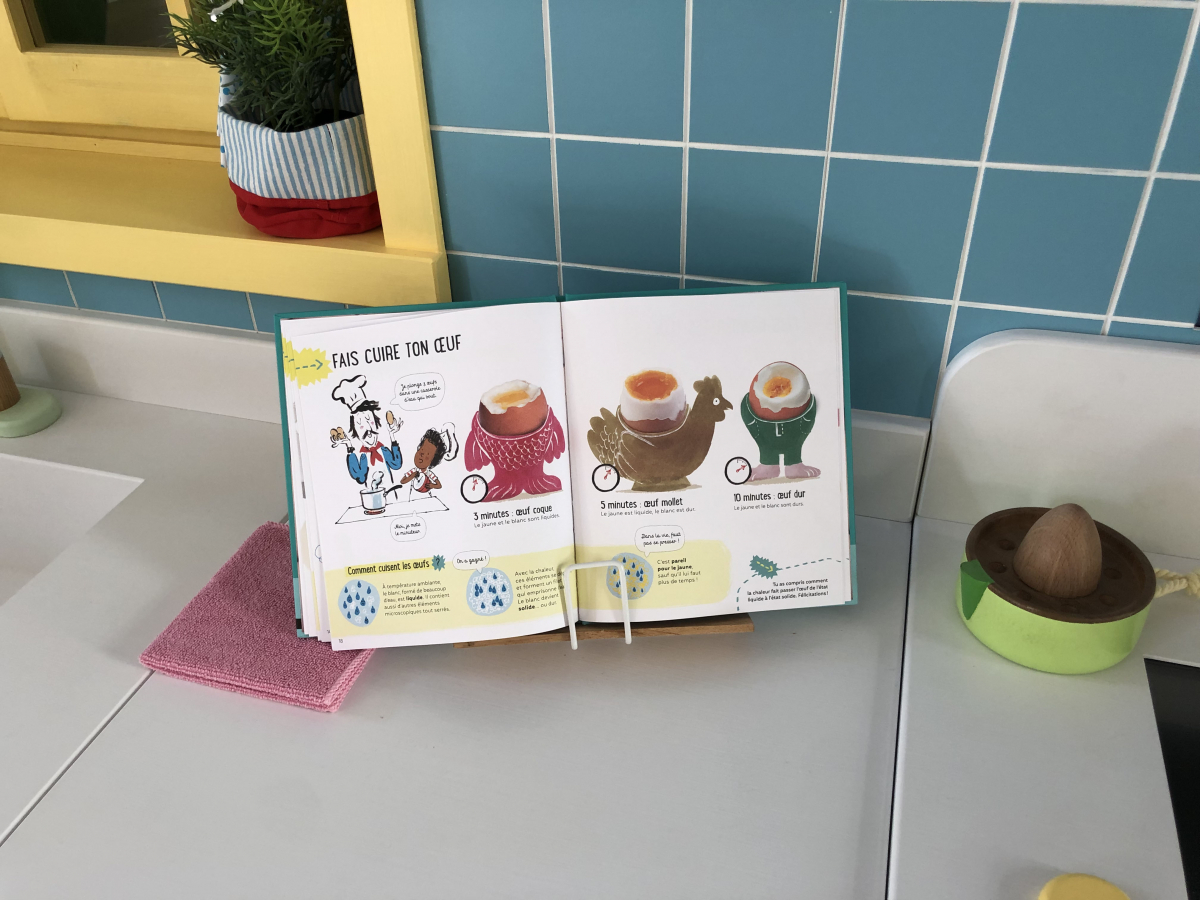
In the children’s section of the Cité, a kid-size kitchen features interactive exhibits such as this one about how to follow a recipe. MUST CREDIT: Washington Post photo by Sylvie Bigar

+++

A map locating Lyon, France Photo by: The Washington Post — The Washington Post

A map locating Lyon, France Photo by: The Washington Post — The Washington Post

+++

So when I heard last year that Lyon was opening a so-called Cité Internationale de la Gastronomie, I climbed the ladder of my home library to seek the old guidebook. Six restaurants remained; a visit felt timely. I would hit each spot, discover the new Cité and consult a food historian: Could Lyon circa 2019 still claim the title of World Capital of Gastronomy?

– Brasserie Georges

“Curnonsky?” asked the maitre d’. “Table six!”

No Muzak here, only the happy chimes of silverware as I cruised along the immense art deco dining room, zigzagging between red moleskin banquettes and long tables covered with starched white tablecloths. Above my head, steel-and-glass chandeliers heralded the stylized ceiling fresco. And there it was – his name engraved on a copper plaque at table six.

Taking my cues from Curnonsky’s guidebook, I ordered the Incomparable gratinée and a brown, fatty choucroute escorted by ham, sausages and boiled potatoes. The gratinée, an exquisite onion soup, was thickened at the table with an egg yolk stirred in Madeira wine. Lightly acidic, the sauerkraut balanced the sweetness of the soup, while the plump meats yielded salty deliciousness.

– La Mère Brazier

As Lyon’s silk industry collapsed in the 1900s, bourgeois laid off their cooks. Finding themselves jobless, several women founded their own eateries and became known as Les Mères (the Mothers). In 1933, La Mère Brazier was the first woman to be anointed by the Michelin guide: three Michelin stars for each of her two restaurants!

Since 2008, Chef Mathieu Viannay has led her downtown historical restaurant, and while she remains his inspiration, the authentic but modernized interior, as well as his inventive variations on her recipes – and his two stars – are clearly his own. Describing her cuisine, Curnonsky mentioned simple perfection. Dare I say that Viannay’s 12th version of her foie gras terrine and artichoke heart came close? How long until his third star?

– Bouchon-Comptoir Brunet

The Brunet family is long gone, but current owners Xavier Beyrieux and Benjamin Baldassini are passionate about Lyon’s culinary legacy.

“For us,” said Beyrieux, “acquiring a 1934 bistro only makes sense if we keep everything as close to the original as possible.”

They kept the name, the original checkered floor tiles, similar marble tables and wooden chairs. The old bar collapsed, but the new one is its honorable heir. The menu still features tripe, sauce gribiche and cow’s udder with garlic, but Curnonsky called the escargots “a splendor.” Indeed, snails bathed in bubbly caramelized parsley butter tasted splendid.

– Léon de Lyon

Standing proud since 1904 on a downtown street corner and named for its founder, Léon Déan – a king of cooks, wrote Curnonsky – this elegant wood-paneled space was recently revamped and now features a casual bistro, a gastronomic restaurant and a cozy contemporary bar. A collection of classic paintings depict kitchen scenes and set the stage for chef Olivier Bourrat’s Lyonnais cuisine.

I was dying to experience the sum of gastronomical pleasures described by Curnonsky, but it was too early for liquor souffle. Instead, I savored another local favorite, the earthy pâté en croûte, a mosaic of chicken, veal, sweetbreads, pork and foie gras encased in a savory crust as crumbly and buttery as a shortbread.

– Brasserie Le Nord

A model of good taste and practical sense, said my guidebook about the decor (red painted walls, stone arches and mosaic tiles still hold). This bustling brasserie, part of the late Paul Bocuse’s empire, still churns out famous Lyonnais specialties among a pell-mell menu featuring linguine with mussels and Serrano ham.

Curnonsky mentioned the famous choucroute du Nord, but I opted for the massive saucisson pistaché, two hefty slices of pinkish saucisson studded with pistachios and stuffed into a delicious brioche.

– Le Passage

“Curnonsky who?” asked the young chef of Le Passage, a gorgeous bistro hidden within a traboule, the typical Lyonnais covered passageway between two streets. My guidebook referred only to a smart wine list, but the young owners were thrilled to see their locale mentioned in a 1935 book. No history buff here, but a solid contemporary menu and a modern cocktail selection at the theatrical bar.

– Cité Internationale de la Gastronomie

Once UNESCO inscribed the French gastronomic meal on its intangible cultural heritage list in 2010, France was required to create ways to safeguard that concept. Several cities broached the idea of institutions dedicated to gastronomy. Four won the golden ticket, each with a specific theme, and Lyon is the first to open. Dijon, Tours and Paris-Rungis will follow.

“It’s not a museum nor a restaurant,” said director Florent Bonnetain. “It’s an interactive cultural space focused on food and health, for gourmands of all ages.”

The Cité, 43,000 square feet of exhibit space over four stories, is housed within the renovated 12th-century Hotel-Dieu – once a monumental hospital, today a stunning complex – comprising a five-star hotel, restaurants, offices and shops. Whether a visitor follows their nose directly to the working kitchen or digs into the culinary personalities who marked the city – Bocuse’s old stove-top is there, Mère Brazier’s towering pots and even a cardboard Curnonsky – the center celebrates culinary culture.

Everywhere I went in Lyon, people were eating. Besides the historical joints, the city brimmed with new eateries, sumptuous pastry shops and busy wine bars. Finally, I asked Bonnetain if Lyon could claim the world title.

“There are many gastronomies today,” he said. “Lyon may not be the world capital, but it remains a capital, a center of French, Lyonnais cuisine.”

“Does Curnonsky still matter?” I asked culinary historian Yves Rouèche.

“He put Lyon on the map in 1935,” he answered, “but it was Paul Bocuse who promoted Lyon internationally. Now that he’s gone, the question is: Who will pick up the baton?”

– – –

IF YOU GO:

WHERE TO STAY

– Le Royal Lyon Hotel

20 Place Bellecour

011-33-4-78-37-57-31

lyonhotel-leroyal.com/en/home.html

Facing Bellecour Square, one of the largest pedestrian squares in Europe, the Royal features regal luxury in the very center of town. Students from the Paul Bocuse Institute, a top hospitality school, spend time in each department as part of their internship and bring candid, friendly service. Rooms from about $200 per night.

– Collège Hotel

5 Place Saint-Paul

011-33-4-72-10-05-05

college-hotel.com

In the heart of old town, this fun property revisits with humor the theme of an old-fashioned French school. Comfortable and design-centric, the rooms are on the small side, though some feature balconies, and the library serves as a wonderful hangout. Rooms from about $133 per night.

WHERE TO EAT

– Brasserie Georges

30 Cours de Verdun

011-33-4-72-56-54-54

brasseriegeorges.com/en

Near the Perrache train station stands this epitome of a French brasserie, founded in 1899. Lyon has changed and grown around it, but the beer is still homemade and satisfying, the choucroute is still the best in town, and the room still packs celebrities, locals and travelers. Open weekdays 11:30 a.m. to 11 p.m. and weekends until 12:15 a.m. Entrees from about $21.

– La Mère Brazier

12 Rue Royale

011-33-4-78-23-17-20

lamerebrazier.fr

Chef Mathieu Viannay has revived the old haunt of La Mère Brazier, the first woman to receive three Michelin stars for each of her restaurants. Classics such as the artichoke and foie gras terrine or roasted venison are revisited and enhanced. This historical institution, a worthwhile splurge, has become my favorite table in Lyon. Open Monday to Friday noon to 1:15 p.m. for lunch, 7:45 to 9 p.m. for dinner. Entrees from about $62.

– Bouchon-Comptoir Brunet

23 Rue Claudia

011-33-4-78-37-44-31

bouchonlyonnaisbrunet.fr/en

The small, bustling bistro in downtown Lyon specializes in simple Lyonnais dishes including offal, stews and goat cheese beignet. The wine list features numerous options by the glass and offers great value for local crus. Open weekdays except Tuesday noon to 2 p.m. and 7 to 9:30 p.m.; weekends noon to 2:30 p.m. and 6:30 to 10 p.m. Entrees from about $17.

– Léon de Lyon

1 Rue Pleney

011-33-4-72-10-11-12

leondelyon.com/fr

A historical restaurant revisited by a young team, Léon now features a gastronomic dining room and a casual cafe and bar within the old space. From bubbling marrow bones to delicate roasted pollock served with cockles, traditional French specialties are the focus here. Open daily noon to 2:30 p.m. and 7 to 11 p.m. Entrees from about $18.

– Brasserie Le Nord

18 Rue Neuve

011-33-4-72-10-69-69

brasseries-bocuse.com/en

One of Paul Bocuse’s brasseries, this busy spot caters mostly to a business crowd in search of a solid, no-fuss menu. Traditional local dishes share the spotlight with fusion-style specialties including sashimi, jamon Iberico and classic pasta. Open daily noon to 2 p.m. and 7 to 10:30 p.m.; Fridays and Saturdays until 11 p.m. Entrees from about $18.

– Le Passage

8 Rue du Platre

011-33-4-78-28-11-16

le-passage.com

Hidden in a traboule, a typical Lyonnais passageway between two buildings, tThis hip establishment is divided into a fine-dining room, a bar and two private salons including a cigar lounge. On the menu: steak tartare, veal sweetbreads, fillets of bass and a lively cocktail list. Open Tuesday to Saturday noon to 1:30 p.m. and 7:30 to 9:30 p.m. Entrees from about $21.

WHAT TO DO

– Cité Internationale de la Gastronomie

4 Grand Cloitre du Grand Hotel-Dieu

citegastronomielyon.fr/en

Nestled within the monumental renovation of the 12th-century Hotel-Dieu, a former hospital, this interactive museum dedicated to food, gastronomy and health occupies four floors. Cooks and chefs work all day in the demo kitchen and produce interesting bites for tastings. The exhibits are open daily 10 a.m. to 7 p.m. and until 10 p.m. on Saturday. Tickets and tasting about $27, adult tickets about $13, ages 5 to 15 about $9, children under 5 free.

INFORMATION

– en.lyon-france.com

Off the beaten track — Chaiyaphum offers a different kind of tourism value #ศาสตร์เกษตรดินปุ๋ย

#ศาสตร์เกษตรดินปุ๋ย : ขอบคุณแหล่งข้อมูล : หนังสือพิมพ์ The Nation

https://www.nationthailand.com/travel/30380433?utm_source=category&utm_medium=internal_referral

Off the beaten track — Chaiyaphum offers a different kind of tourism value

Jan 12. 2020
By Natthapat Teekachotekunanon
Special to The Nation

Though never famous as a great tourist destination, Chaiyaphum has always been a province worthy of a visit, especially during the New Year holidays.

The primary aim of my trip to this northeastern province was to make merit and be blessed at the Nong Bua Khok temple in Chatturat district. It is an old temple whose Buddha statue — called “Luang Por Petch” — and a model of the Buddha’s footprint, are sacred to the locals.

Also, I participated in the off-season robes offering ceremony, together with the local people. The ceremony urges people to contribute money to the temple.

As the temple or village liaison prodded the people to offer more by announcing “there is still time left for contributions”, more people get up to make their offerings. Some old people contributed more than once with smiles on their faces.

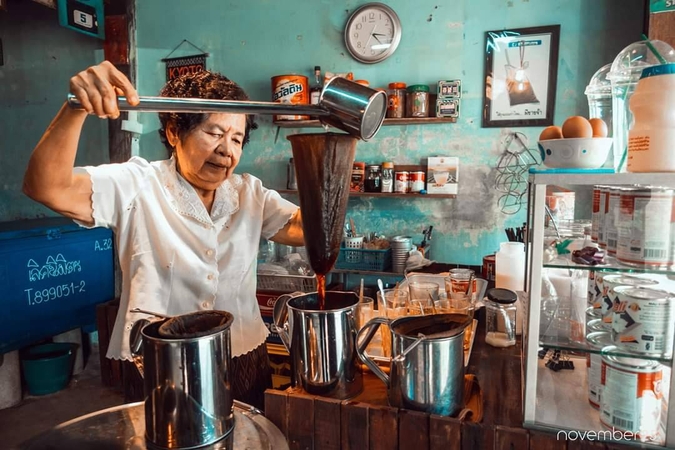
After the divine obeisance, I visited Par (aunt) Ti’s coffee shop, which was about half a kilometre distance from the Nong Bua Khok temple. The shop is a two-storey wooden house, and its owner, Aunt Ti, is 70 years old.

The owner told me and other customers that she had been selling coffee since 1969 — when the price of a cup was just Bt1.50. Today, she charges Bt20 per cup.

She likes to take photos with her customers, and asked me to take a photograph with her to show that I had visited her coffee shop.

Aunt Ti’s coffee is strong, sweet and creamy. But, if told, she can make coffee with different levels of sweetness.

From Aunt Ti’s, I headed towards Nong Dong temple. My aim in visiting the temple was to participate in “Fang Luuk Nimit”, or inauguration ceremony.

This ceremony is organised during the New Year, as workers come back from the city to spend time with their families.

The ceremony is organised to consecrate a Buddhist temple. A sacred marker sphere, or “Luuk Nimit”, has to be buried in the temple compound as a ritual.

Buddhist people believe that they should attend a temple inauguration ceremony at least once in a lifetime, because the participants will receive a lot of merit by taking part in this ceremony.

Several Buddhists from Chaiyaphum and nearby provinces flocked to attend this ceremony.

While the sphere is buried, devotees drop notebooks, pencils and threads in the sacred marker sphere’s hole in front of the “Ubosot”, or the temple’s main chapel. Dropping these items, it is believed, will make the person smart.

The participants cover the entire sacred marker sphere with gold leaves and make a wish for prosperity in life.

The last place I visited was the local community in Ban Phet sub-district. Its highlight is the almost 100-year-old wooden houses that are a great draw for tourists to take photos.

However, the number of houses with antique value are rapidly going down as most house owners have already renovated their houses with cement.

This community was located near the Bamnet Narong District Office with various shops and modern buildings to welcome tourists.

Hanoi cheapest city in Asia for backpackers, Bangkok offers cheapest meals #ศาสตร์เกษตรดินปุ๋ย

#ศาสตร์เกษตรดินปุ๋ย : ขอบคุณแหล่งข้อมูล : หนังสือพิมพ์ The Nation

https://www.nationthailand.com/travel/30380366?utm_source=category&utm_medium=internal_referral

Hanoi cheapest city in Asia for backpackers, Bangkok offers cheapest meals

Jan 10. 2020
By Vientiane Times
Asia News Network
Vientiane

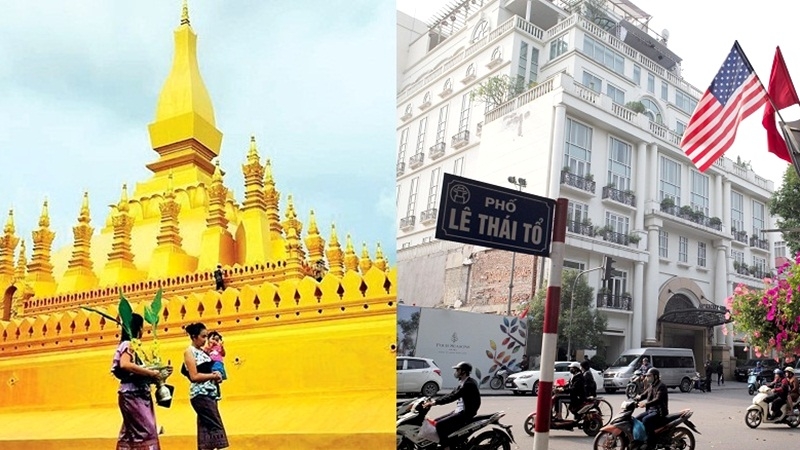
Hanoi and Vientiane are top two cheapest cities in Asia for backpackers to visit in 2020 while Bangkok offers the cheapest prices for a meal, a study conducted by UK-based Alpha Travel Insurance has revealed.

Hanoi, the capital of Vietnam, tops the list of 31 destinations listed on the company’s guide titled “Backpacker Index — the Cheapest Cities to Visit in Asia”.

Also in Vietnam, Ho Chi Minh City, and Hoi An in the central province of Quang Nam, feature on the list, coming in third and sixth respectively.

Alpha Travel Insurance surveyed popular backpacking destinations and assessed them based on the cost per day for a hotel, two transport rides, three budget meals, drinks, and the fee to visit one attraction in the city.

On average, a visitor spends US$18.66 (Bt560) a day in Hanoi, $19.30 in Vientiane and $19.86 in Ho Chi Minh City.

Yangon in Myanmar and Pokhara in Nepal come in fourth and fifth, with a backpacker spending $20.50 and $20.63 on average a day respectively.

Chiang Mai in Thailand comes in seventh followed by New Delhi in India, Phnom Penh in Cambodia and Colombo in Sri Lanka respectively. Luang Prabang, Laos’ most popular World Heritage Site, is ranked 13th.

Cost is likely to be a factor in decision-making when one is planning to go backpacking in Asian cities, Alpha Travel Insurance said on its website.

The price of each category is not always the cheapest in the best performing country on the list.

Bangkok offers the cheapest prices for a meal, while Siem Reap in Cambodia has the most reasonable accommodation price.

Japanese capital Tokyo is named the most expensive among the 31 cities, with a backpacker spending about $74 per day on average.

China’s Macau and Hong Kong are named the second and third most expensive cities with visitors spending $68.97 and $62.97 per day. Singapore is the fourth most expensive with backpackers likely to spend $56.92 per day on average.

TAT launches seasonal campaign for 60th anniversary #ศาสตร์เกษตรดินปุ๋ย

#ศาสตร์เกษตรดินปุ๋ย : ขอบคุณแหล่งข้อมูล : หนังสือพิมพ์ The Nation

https://www.nationthailand.com/travel/30380357?utm_source=category&utm_medium=internal_referral

TAT launches seasonal campaign for 60th anniversary

Jan 10. 2020
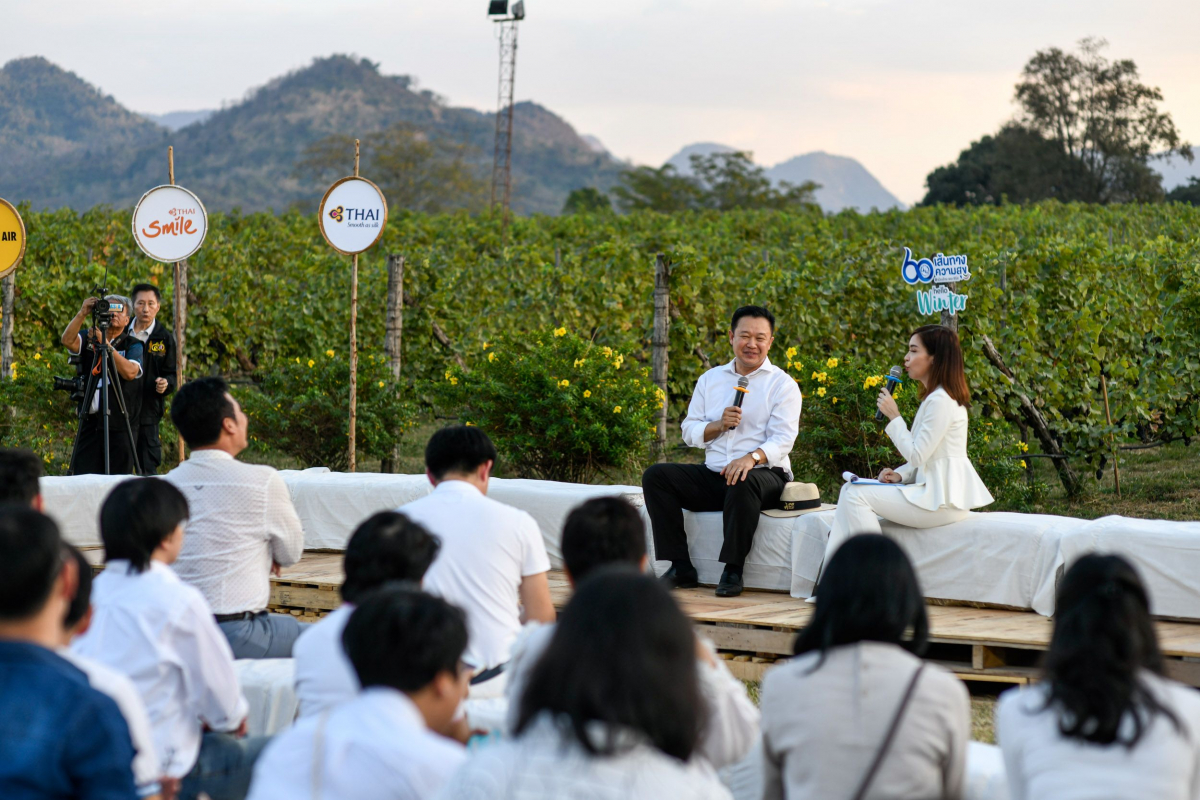
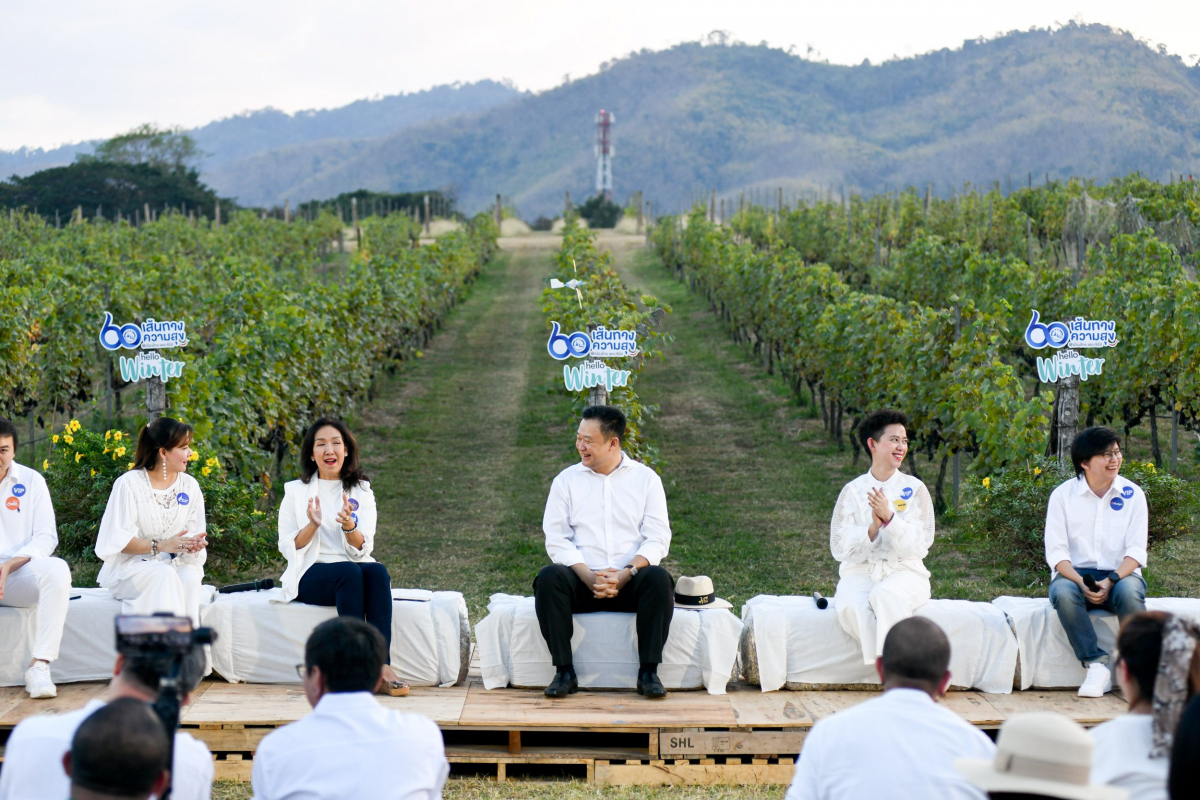
TAT governor, Yuthasak Supasorn (centre)

TAT governor, Yuthasak Supasorn (centre)
By Jarupong Krisanaraj

The Tourism Authority of Thailand (TAT), in collaboration with partners in the industry, has launched the “60 Happiness Routes @ Muang Thai the Series: Hello Winter” campaign, aimed at encouraging domestic tourism and celebrate its 60th anniversary.
Yuthasak Supasorn, governor of TAT, said: “This year marks the 60th anniversary of TAT. To celebrate this special occasion, TAT has launched a campaign to inform domestic travellers of the best places to visit, as voted by tourists.
The campaign will be held for each season of the year: winter, summer, and rainy season. Each season, TAT and its partners will recommend special destinations for Thai travellers under the slogan of “60 Happiness Routes”.

For this month, TAT will launch the first campaign, “60 Happiness Routes: Hello Winter” with special offers from its partners including flight tickets at special prices from Thai Airways, Bangkok Airways,Thai Smile, Nok Air, AirAsia

and special-price car rental deals from Grab, Budget and ASAP.

Others include Exclusive Romantic Dinner Cruise on “Saffron by Banyan Tree Bangkok” (Buy 1, Get 1 Free), special price hotel and hostel deals from traveligo.com and hellolocal.travel

TAT Governor added: “Travellers who are turning 60 years old this year will have a chance to buy a ticket at Bt60, provided they make reservations through http://www.60เส้นทาง​แห่ง​ความสุข.com on January 26. And this Valentine’s Day, TAT will offer an “Exclusive Romantic Dinner Cruise on Saffron by Banyan Tree Bangkok” to 60 pairs of lovers (Buy 1, Get 1 Free).”

“All travellers buying travel deals in the campaign will have a chance to win flight tickets, hotel gift cards, tour packages, every month throughout the campaign. And this September, TAT will draw the lucky winners for free tour packages along the ’60 Happiness Routes’ with a total value of Bt1,000,000.

Eat, learn and play amid nature at InDoi Festival #ศาสตร์เกษตรดินปุ๋ย

#ศาสตร์เกษตรดินปุ๋ย : ขอบคุณแหล่งข้อมูล : หนังสือพิมพ์ The Nation

https://www.nationthailand.com/travel/30380271?utm_source=category&utm_medium=internal_referral

Eat, learn and play amid nature at InDoi Festival

Jan 09. 2020
By The Nation

A whole world of fun and learning awaits children at the sixth InDoi Festival on January 11-12 in Chiang Rai province.

Organised at the Mae Fah Luang Foundation, there will be six zones of activities and free snacks.

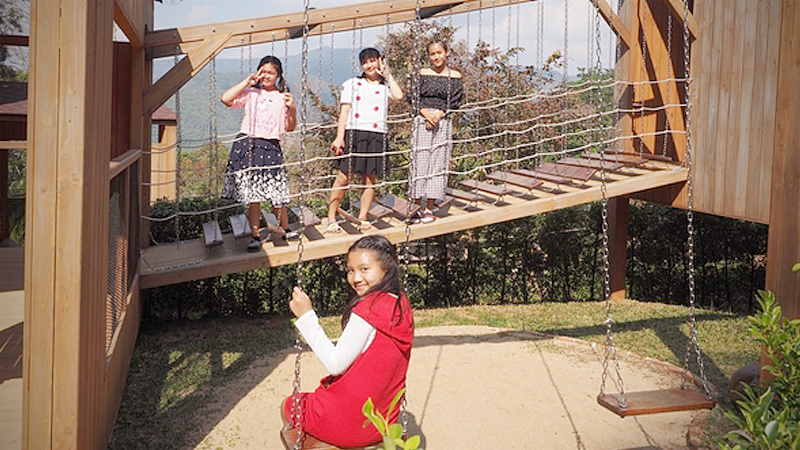
The DoiTung Playground zone was created to serve as more than a playground, but for physical and sensory development of children. There are many activities such as slider, mini zip line for kids, mini rock-climbing, and rope bridge setting amid the mountain views and flower garden of the foundation.

Nature-loving kids can walk on a treetop or ride the 297-metre long zip line, which is capable of carrying 100kg for free. For adventurous kids, there is a wooden cart formula racing; there are staff to guard and take care of equipment safety. On the special occasion, the racing will open two additional rounds.

Young artists can take part in handicraft workshops to unleash their imagination such as doll crafts with nipplefruit eggplant, do-it-yourself terrarium, fabric bag painting, ceramics hand-building, and banana leaf plant dish press, which could be brought back home.

While kids enjoy the activities, the adults and grown-ups can enjoy shopping the fabric craft by local students such as fabric bags, jackets, hair rubber bands, keychains, ear-rings, or wallets.

The Mae Fah Luang Arboretum at Doi Chang Moob is situated on the peak of Nang Non Range. The Chang Moob area is 1,500 metres above sea level, which is cool the year round. Once it was the largest opium-growing area and a major drug trafficking route in the region. It is now abloom with a variety of flowers such as Ardisia, Chamomile leaves, Azalea, Himalayan cherry trees, and Mona Lavender.

Doi Chang Mub, the highest viewpoint of Doi Tung, will teach the little ones more about nature while mums and dads can relax with a cup of coffee or tea at Faidee Café.

Rare ‘Pink Lady’ rice field draws visitors #ศาสตร์เกษตรดินปุ๋ย

#ศาสตร์เกษตรดินปุ๋ย : ขอบคุณแหล่งข้อมูล : หนังสือพิมพ์ The Nation

https://www.nationthailand.com/travel/30380254?utm_source=category&utm_medium=internal_referral

Rare ‘Pink Lady’ rice field draws visitors

Jan 08. 2020
By The Nation

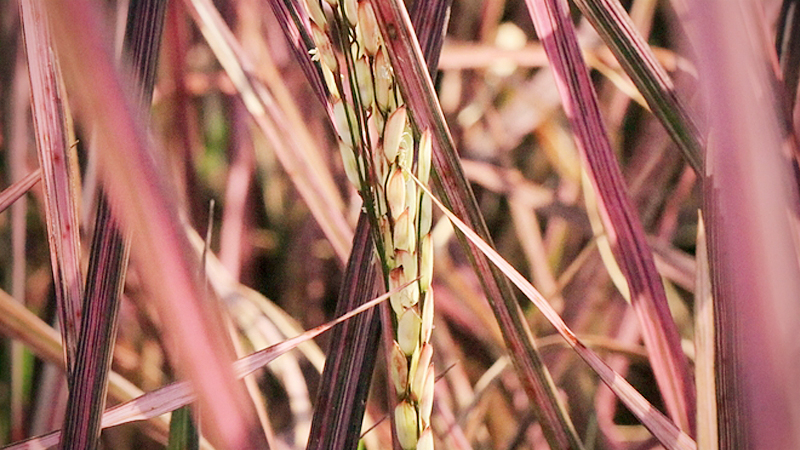
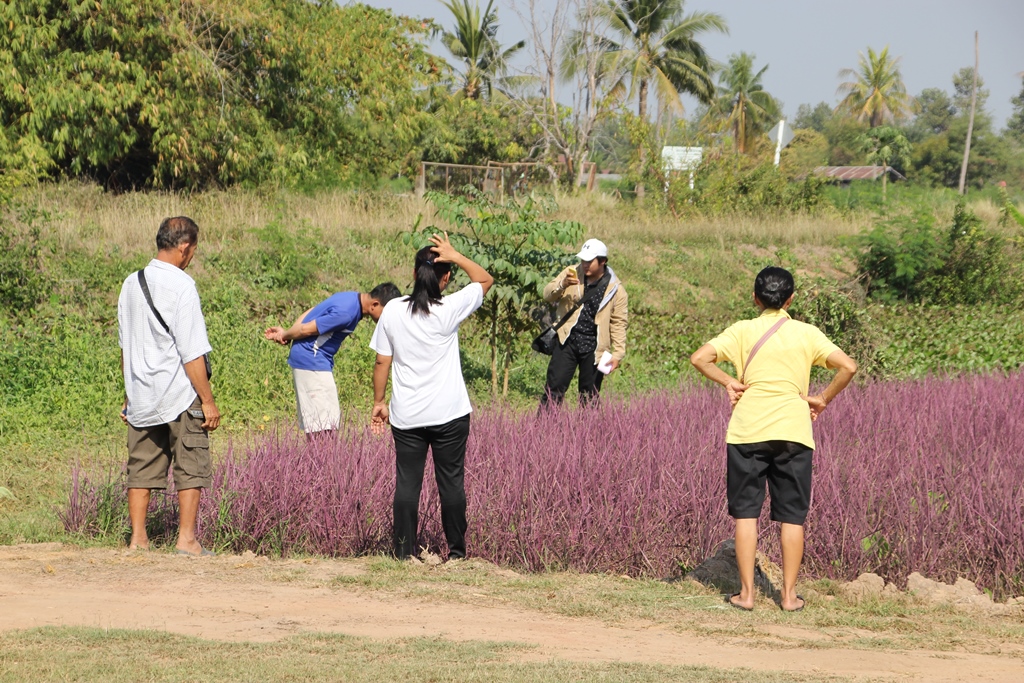
Netizens have widely shared a phenomenal photo of a pink rice field in Phitsanulok, wondering if it was for real. It certainly is.

The pink rice field is owned by Naresuan University alumnus Jaturong Chomphusa, who turned his back on an office job three years ago to become a farmer.

During harvesting, he found pink Riceberry rice in his field and conducted an experiment four times on the strain, resulting in a four-square-metre pink rice field. He named the variety Pink Lady.

After planting, Pink Lady took 120 days to be ready for harvesting.

The rice seeds are plump and short in length, similar to Japanese rice but plumper. Each kilogram fetches a price of Bt80.

Jaturong said Rice Research Centre staff came to inspect the quality of the rice and found that the grains mutated into an exciting colour. The staff took a picture and uploaded it to social media, which has drawn the attention of netizens.

Now people and even villagers are travelling to the rice field daily to catch a glimpse of the rare Pink Lady.