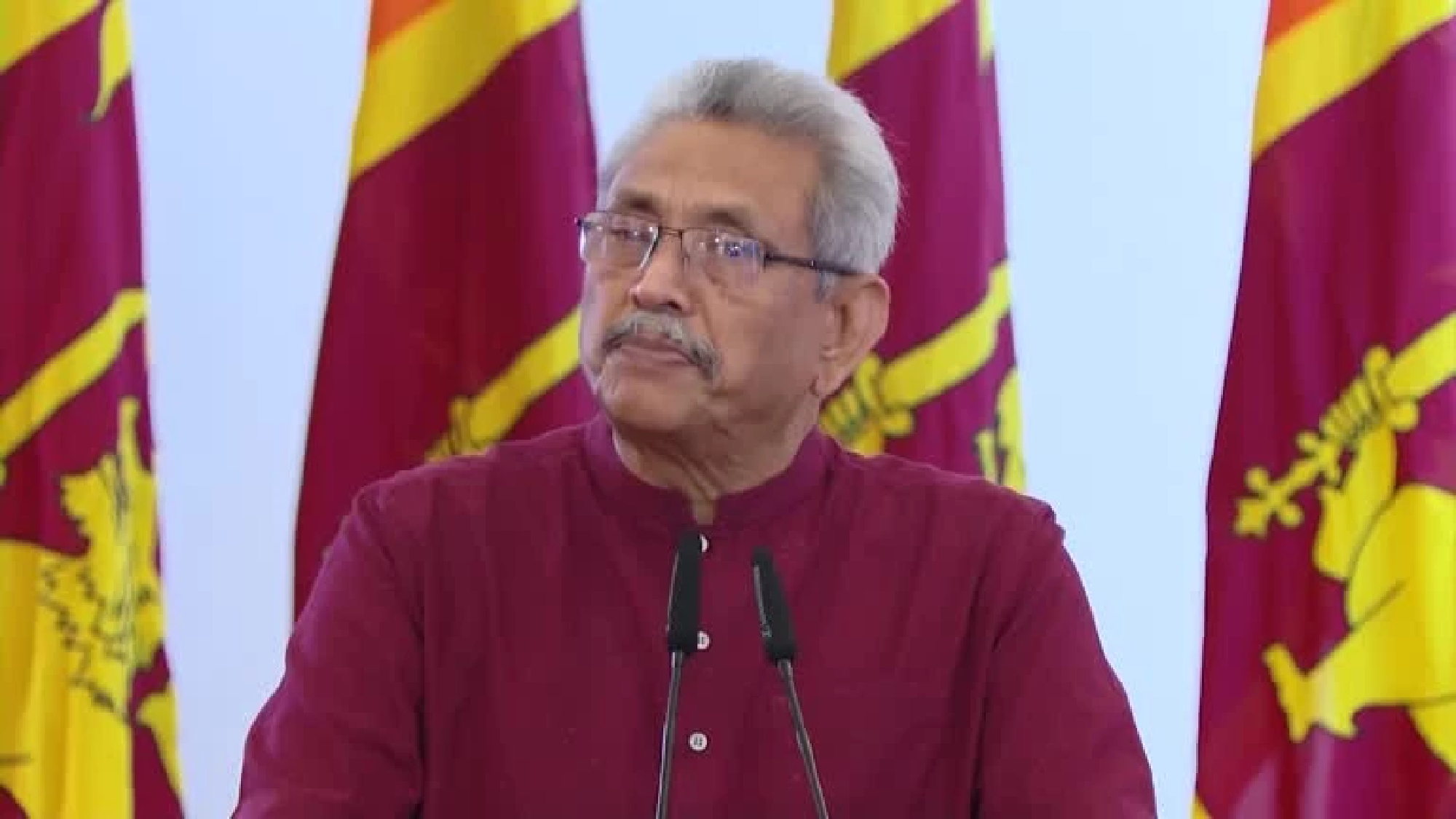
Sri Lankan President Gotabaya Rajapaksa fled the country early on Wednesday , hours before he was due to resign after widespread protests over his handling of a devastating economic crisis.
The president’s departure was first reported by the Associated Press. Rajapaksa, his wife and two bodyguards left aboard a Sri Lankan Air Force plane bound for the city of Male, the capital of the Maldives, the AP report added, citing the official.
The government source said Rajapaksa had left the country but did not give more details.
Rajapaksa was due to resign as president on Wednesday to make way for a unity government after thousands of protesters stormed his and the prime minister’s official residences on Saturday demanding their ouster.
The president has not been seen in public since Friday. Parliament will elect his replacement on July 20.
The Rajapaksa family, including former prime minister Mahinda Rajapaksa, has dominated the politics of the country of 22 million for years and most Sri Lankans blame them for current problems.
The tourism-dependent economy was hammered badly by the Covid pandemic and a fall in remittances from overseas Sri Lankans, while a ban on chemical fertilisers damaged farm output. The ban was later reversed.
The political chaos could complicate efforts to pull Sri Lanka out of its worst economic crisis in seven decades, triggered by a severe shortage of foreign currency that has stalled imports of essentials such as fuel, food and medicines.
The financial meltdown developed after the Covid pandemic hammered the tourism-reliant economy and slashed remittances from overseas workers. It has been compounded by large and growing government debt, rising oil prices and a seven-month ban on importing chemical fertilizers last year that devastated agriculture. Soaring inflation, at a record 54.6% in June and expected to hit 70% in the coming months, has heaped hardship on the population.
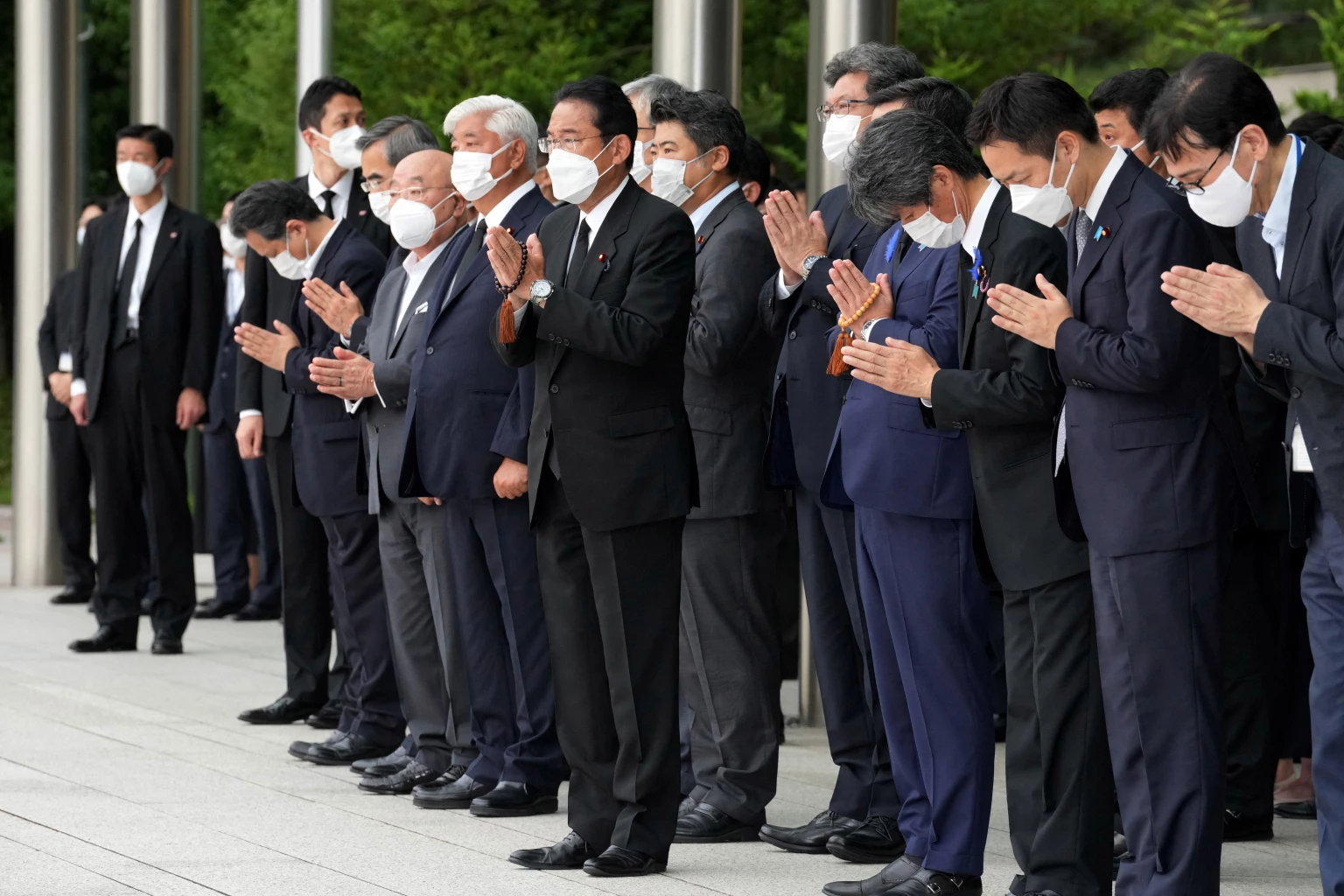
Many people in Japan are saying their goodbyes to former Prime Minister Abe Shinzo. He was shot dead during a campaign event last Friday just days before the Upper House election. A funeral was held in Tokyo Tuesday.
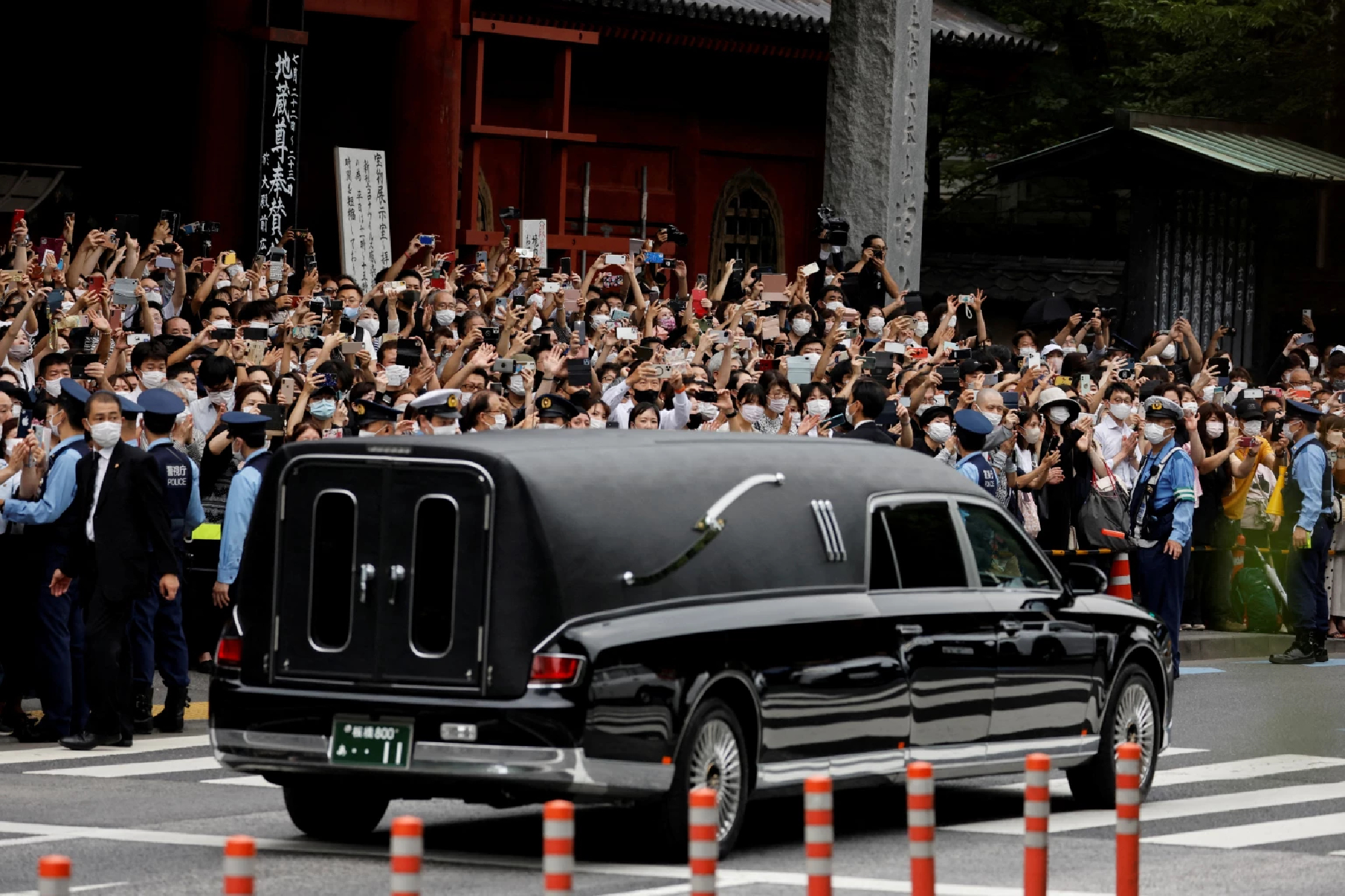
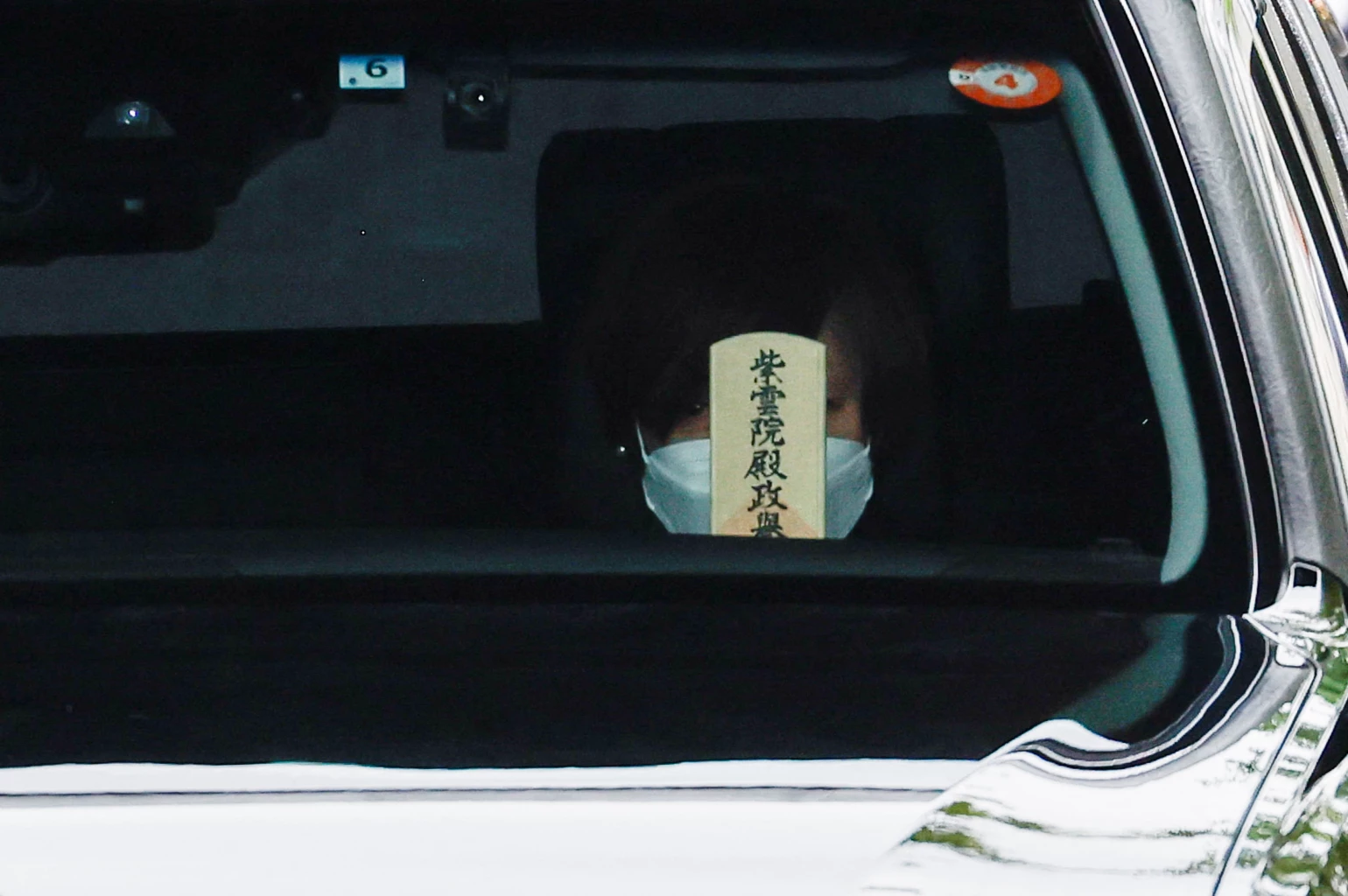
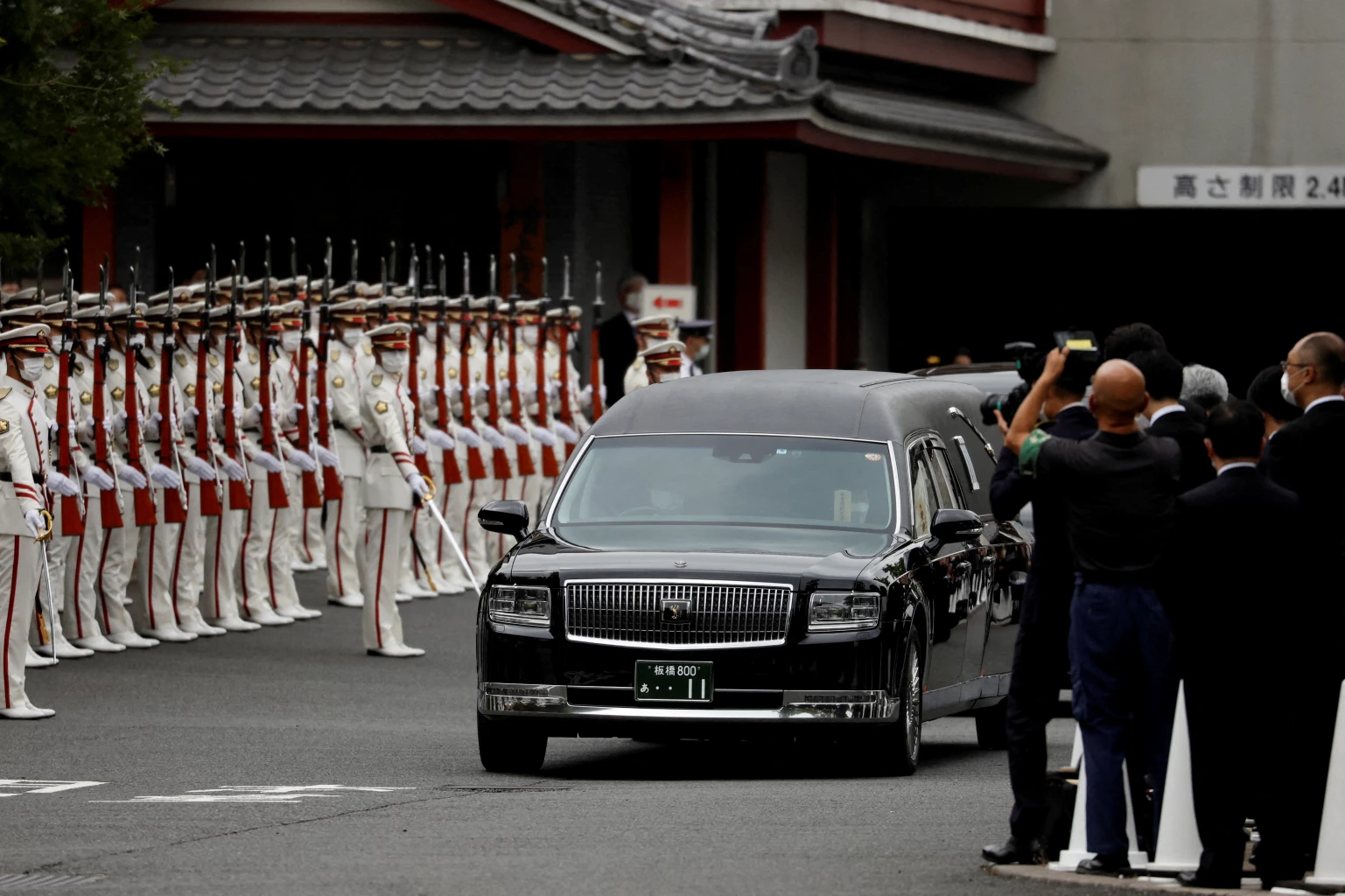
Afuneral hearse carried the body of slain former Japanese prime minister Shinzo Abe made its way through Tokyo on Tuesday, in a final farewell to the country’s longest-serving premier, who was gunned down at a campaign rally last week.
Crowds packed pavements lined with a heavy police presence as the hearse carrying Abe departed from a central Tokyo temple in early afternoon. People shouted, clapped and waved as it passed, with some holding flowers.
The funeral motorcade passed through the capital’s political heart of Nagatacho and landmarks such as the Prime Minister’s office and the parliament building Abe first entered as a young lawmaker in 1993 after the death of his politician father, and the office from which he led the nation in two stints as prime minister, the longer from 2012 to 2020.
Hundreds filed into the temple on Monday evening and Tuesday morning to pay their respects to Abe, who died aged 67. His killing on Friday by an unemployed man wielding a homemade gun stunned a nation where both gun crime and political violence are extremely rare.
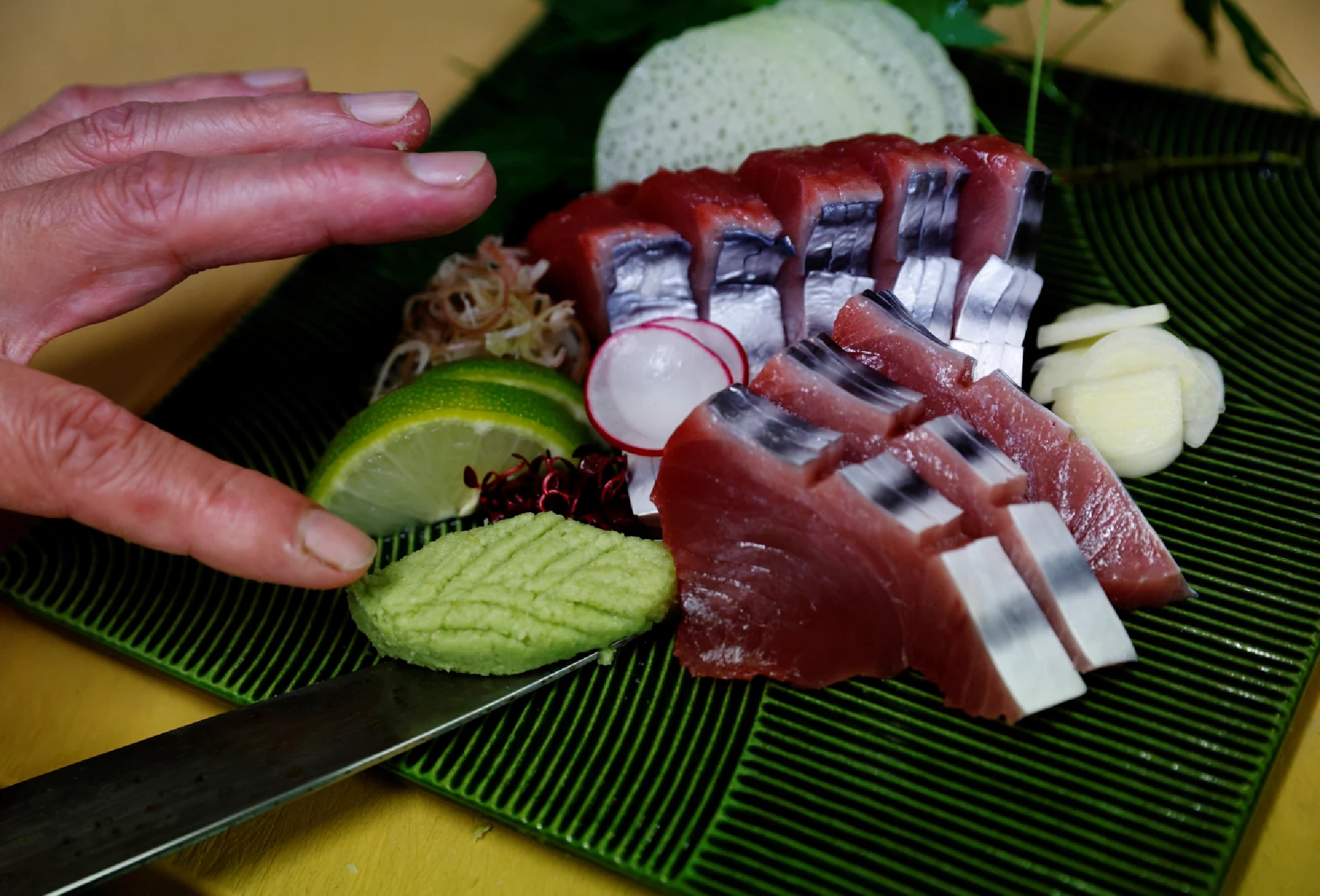
At a buckwheat soba noodle restaurant in Tokyo, the signature noodle dish is served with a piece of raw wasabi, for diners to grind little pieces into the dipping sauce. But due to dwindling supplies, the restaurant fears it may not be able to serve fresh wasabi in the future.
“In the past, we served all the cold soba noodles with a piece of raw wasabi, but now we can no longer do that… due to insufficient supply of wasabi, we had to change our menu (to make raw wasabi only available for certain dishes),” said Norihito Onishi, manager of soba noodle restaurant chain Sojibo.
While the supply of wasabi was relatively sufficient at the time when the restaurant opened 30 years ago, Onishi said during the past decade he has faced situations where he had difficulties securing a stable supply of raw wasabi, attributing the shortage partly to climate change.
At the other end of the supply chain, wasabi farmer Masahiro Hoshina agrees.
“Recently, the power of a typhoon feels totally different from before due to global warming. It’s getting stronger,” said the 70-year-old farmer, from Okutama, a mountainous area to the west of Tokyo.
Hoshina has started worrying about his wasabi plants ahead of each rainy season, since Typhoon Hagibis hit Japan in 2019, flushing away many crops belonging to his neighbours. The wasabi harvest in Okutama was slashed by nearly 70% the following year according to local official data.
It took the farmers three years to recover from that disaster as wasabi plants, that grow in clear flowing water, need careful cultivation and around 18 months to reach maturity, according to Hoshina, who is also the head of the local wasabi farmers’ association.
“Global warming can be considered as one of many factors that are affecting wasabi production. When the water temperature rises, the amount of oxygen decreases which affects the growth of wasabi. The decreasing snow cover indirectly results in animals creating more damage to wasabi fields, which also discourages farmers. In addition to that, damages from flooding (due to rainstorms) become more frequent and they hit farmers as well,” explained Kyoko Yamane, an Associate Professor of Applied Biological Sciences at Gifu University.
This comes as a rapidly ageing population is threatening the sustainability of many traditional livelihood practices in Japan, including wasabi cultivation.
“I’m also concerned that more farmers will quit as they are getting older, and fewer people will grow it,” said Hoshina.
Japan’s Ministry of Agriculture’s latest data in 2020 shows that the production of wasabi has declined dramatically by more than half, compared to levels in 2005.
“If this unstable supply of wasabi persists in the future…we will face a situation where we need to come up with other ways to overcome the problem so that we don’t end up not serving raw wasabi at all,” said Onishi.
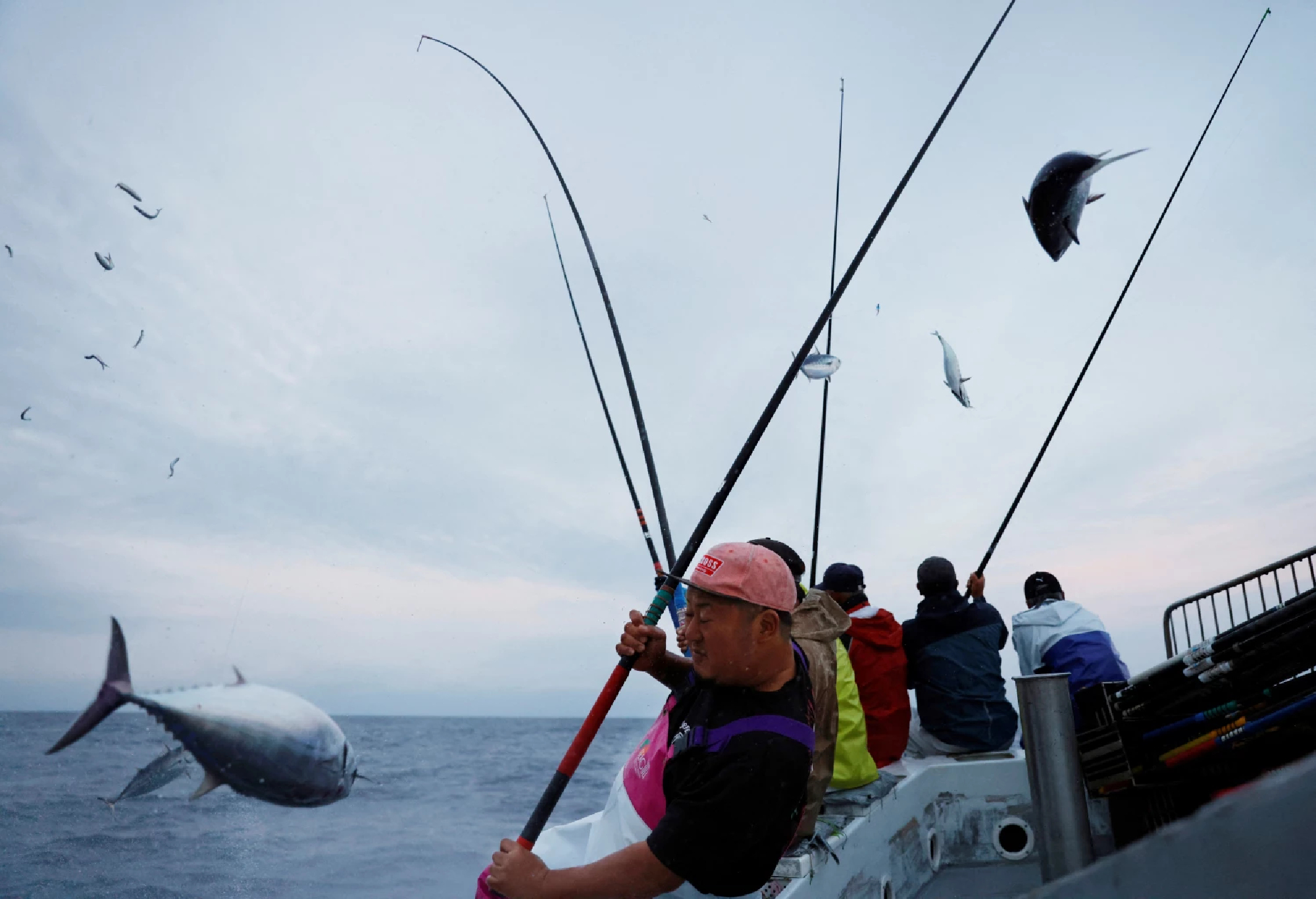
For half a century, Takeo Nakajo has been catching katsuo, or skipjack tuna — indispensable in Japanese cuisine. But he and other fishermen in Kure, in Kochi prefecture in southwest Japan, have seen something worrying recently – an unprecedented number of unusually fatty katsuo.
“Before, the fish were lean with no fat, but this year, the fish have changed, they are very fat,” said Nakajo, 70, who set sail from the port town of Kure.
While heavier katsuo means more money, locals and experts say it indicates climate change and a risk for katsuo numbers already under threat due to growing demand and overfishing.
Originally from tropical waters, some Pacific katsuo migrate northward on a warm ocean current every spring, making Kochi’s arc-shaped bay a fertile fishing ground.
The average surface temperature of the bay in winter has risen by 2 degrees Celsius in the four decades to 2015, local fisheries lab data shows, and the fatter katsuo may be due to ample prey in the warmer sea.
But longer-term, this warming may prevent mineral-rich water from rising to the surface, resulting in a drop in plankton and smaller fish to feed on, leading to fewer katsuo, said Hideyuki Ukeda, an agroscientist and vice president of Kochi University.
Overfishing has already hit catch numbers and dealt a blow to the fishermen in Kochi who have stuck to traditional single-pole fishing methods versus large-scale seine fishing across the western Pacific.
Government data shows catch numbers in Kochi are only at a quarter of their 1980s peak.
Production of katsuobushi, dried and fermented katsuo, often used as a shaved condiment over traditional Japanese dishes or as a broth base, is already suffering.
The number of katsuobushi manufacturers in Kochi has plunged from dozens some forty years ago to only a few, said Taichi Takeuchi, who runs one in the town of Usa.
That has added pain for a century-old restaurant “Tsukasa” in Kochi.
The restaurant serves katsuo only caught locally through the traditional single-pole fishing methods that keep the skin intact and ensure the best taste for sashimi or raw fish dishes.
“At the moment, we are not yet at a stage where we don’t have katsuo and cannot provide meals. But it is something that might likely happen in the near future. If we leave the situation as it is, we can anticipate that katsuo will disappear,” said restaurant manager Kosuke Kitamura.
US President Joe Biden and Nasa’s chief Bill Nelson released on Monday the debut photo from Nasa’s James Webb Space Telescope – an image of a galaxy cluster revealing the most detailed glimpse of the early universe ever seen.
The White House sneak peek of Webb’s first high-resolution, full-colour image came on the eve of a larger unveiling of photos and spectrographic data that Nasa plans to showcase on Tuesday at the Goddard Space Flight Center in suburban Maryland.
The image showcased by Biden and Nasa chief Bill Nelson showed the 4.6 billion-year-old galaxy cluster named SMACS 0723, whose combined mass acts as a “gravitational lens,” distorting space to greatly magnify the light coming from more distant galaxies behind it.
At least one of the faint, older specs of light appearing in the “background” of the photo – a composite of images of different wavelengths of light – dates back more than 13 billion years, Nelson said.
That makes it just 800 million years younger than the Big Bang, the theoretical flashpoint that set the expansion of the known universe in motion some 13.8 billion years ago.
The thousands of galaxies were captured in a tiny patch of the sky roughly the size of a grain of sand held at arm’s length by someone standing on Earth, Nelson said.
Webb was constructed under contract by aerospace giant Northrop Grumman Corp. It was launched to space for Nasa and its European and Canadian counterparts on Christmas Day 2021 from French Guiana, on the northeastern coast of South America.
The $9 billion Webb observatory, the largest and most powerful space science telescope ever launched, was designed to peer through the cosmos to the dawn of the known universe, ushering in a revolutionary era of astronomical discovery.
The highly anticipated release of its first imagery follows six months of remotely unfurling Webb’s various components, aligning its mirrors and calibrating instruments.
Texas’s power grid operator held off from imposing rolling blackouts on Monday, using voluntary cutbacks and appeals to conserve energy as scorching triple-digit temperatures hit much of the state.
The Electric Reliability Council of Texas (ERCOT) warned of a potential shortage in reserves “with no market solution available.” Its website showed the operator entered late afternoon with about 3,600 megawatts of operating reserves – which could power three-quarters of a million homes.
“We have approached all Texans and Texas businesses to conserve energy,” an ERCOT spokesperson said via email, adding the grid was not currently in emergency mode.
Unlike other U.S. states operated by two national power grids in the western and eastern regions of the country, Texas largely runs on its own independent power grid.
Michael Webber, professor in energy resources at University of Texas at Austin, said Texas’ isolation from other power grids has advantages for innovation but encounters problems when demand for electricity surges during the hotter and colder months of the year.
“The good news is we’ve been able to experiment with market design. We’ve been able to build a lot of things like transmission lines and power plants and wind farms and solar farms,” Webber said. “The bad news is when times are tough; we can’t lean on our neighbours for help. And when they’re having a tough time, we can’t help them out.”
In Houston, city officials said municipal buildings doubling as cooling centres are equipped with backup generators in case of blackouts. Houston Fire Department Chief Samuel Peña said his agency is prepared for the worst, from using backup power to even relocating to respond to emergencies.
“Worst case scenario is if we need to relocate, we will do what we need to do to ensure that we’re ready to deploy for the next 911 call,” Peña said.
ERCOT assured residents earlier this year that it had enough reserves to meet demand after millions of people suffered without power through a deep freeze in early 2021 for several days.
Since May, the state “has set and broken power demand records 26 times without any systemwide issues or disruptions,” said a spokesperson for Governor Greg Abbott. “Each time there is a call for conservation, Texans step up and do their part.”
High or dangerous heat levels were felt across much of the state on Monday, with temperatures in Austin hitting 103 degrees Fahrenheit (39 degrees Celsius) and Houston touching 100 Fahrenheit at 3 p.m., according to the U.S. National Weather Service (NWS).
ERCOT asked residents to conserve electricity between 2 p.m. and 8 p.m., saying demand could reach 79,934 megawatts (MW) on Monday and 80,104 MW on Tuesday, not far from Monday’s expected 80,200 MW of available reserves.
One megawatt can power about 200 homes on a hot summer day in Texas.
Texas last called for energy conservation in May, during an earlier heat wave that drove up prices to more than $4,000 a megawatt-hour after six generators tripped offline.
The state’s day-ahead market has several hours on Monday afternoon listed at more than $1,000 a megawatt-hour and one at over $2,000, which is more than twice the peak price on Sunday.
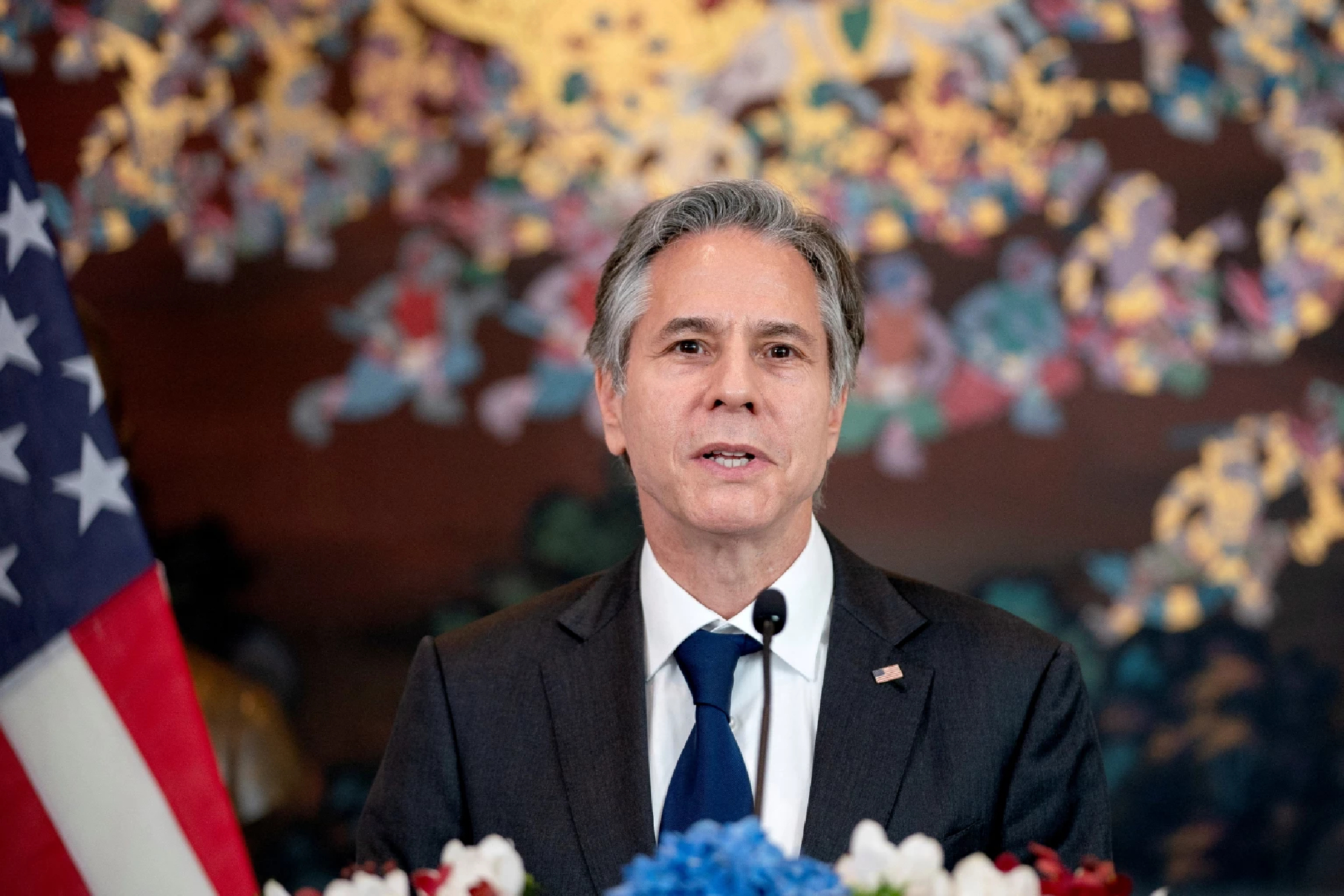
The U.S. Department of State issued a statement signed by Secretary of State Antony J. Blinken and Deputy Prime Minister and Foreign Minister Don Pramudwinai on Sunday (July 10) in Bangkok.
The two met on Sunday to discuss diplomatic relations between U.S. and Thailand which will reach 190th anniversary in 2023. Both parties said they are committed to reinforcing and enhancing strategic alliance and partnership, which encompasses economic revitalization; defense, security, and intelligence cooperation; public health advancement; people-to-people collaboration; and innovative environmental and sustainable solutions to reduce greenhouse gas emissions and adapt to the impacts of climate change.
“The long-term goals of the United States and Thailand are to expand and strengthen our strategic partnership to prevent conflict, preserve a peaceful security environment, promote free expression and civil and political rights, and achieve inclusive, sustainable, and balanced economic prosperity,” said the statement. “We pursue these goals as equals, for the benefit of the American and Thai people, as well as for the rest of the Indo-Pacific populations and the wider world. We seek to work together to ensure the resilience of critical supply chains, so that both our nations have access to the goods and resources required to preserve our safety, security, and prosperity.”
As part of our strategic alliance and partnership, the United States and Thailand seek to promote closer cooperation in the following areas:
Adhere to Core Principles: Promoting democratic development in an open and transparent way is essential to implementing our shared vision of an Indo-Pacific that is free, open, inclusive and sustainable. Strong democratic institutions, independent civil society, and free and fair elections are central to this vision, allowing our respective societies to reach their full potential.
Revitalize Our Economies: The United States and Thailand seek to build back from the impacts of the COVID-19 pandemic via increased commercial and economic cooperation to advance inclusive, sustainable, and balanced growth, including through the concepts outlined in the Bio-Circular-Green Economy Model and the Indo-Pacific Economic Framework.
Address the Threat of Climate Change: Recognizing the global risks posed by climate change, the United States and Thailand are committed to continuing to play leading roles in addressing environmental challenges as we raise our climate ambitions and strive to advance toward net-zero targets. We plan to work together to reduce emissions, enhance climate adaptation and resilience, and climate-related goals.
Advance Our Treaty Alliance: We reaffirm the foundations of the U.S.-Thai treaty alliance and our commitment to address 21st Century security challenges, as enunciated in the 2020 Joint Vision Statement for the U.S.-Thai Defense Alliance.
Expand and Reinforce Law Enforcement Cooperation: As part of our strategic alliance, we are committed to expanding our bilateral, sub-regional, and regional cooperation in law enforcement, including strengthening border security; fighting transnational crime, including drug smuggling and wildlife and timber trafficking; and combatting terrorism and money laundering.
Deepen Cybersecurity and Technology Collaboration: We plan to expand our existing cooperation on cybersecurity to ensure that our networks are secure, criminals are prosecuted, and Critical Information Infrastructure (CII) is protected.
Promote Regional Cooperation: The United States and Thailand recognize the significance of Southeast Asia to the security architecture and sustainable development of the entire region and beyond. We underscore our unwavering commitment to ensure a peaceful and stable regional environment that will contribute to socio-economic recovery, balanced growth and sustainable development in the sub-region and Southeast Asian region.
Advance Global Health: The United States and Thailand plan to continue our close and long-standing public health cooperation to mitigate emerging health challenges and promote commercial and investment engagement.
Promote People-to-People Ties: Our close and extensive people-to-people exchanges have long provided a strong foundation in our countries’ relations. Through American Spaces in Thailand and Thailand’s outreach across the United States, we plan to work together to help ensure that people in our respective countries understand one another and are positioned to carry our partnership into its third century.
Increase Our Diplomatic Capabilities: In recognition of our expanding relationship, the United States and Thailand are committed to further strengthening the alliance and partnership through enhanced coordination and regular exchange of official visits. We intend to renew and enhance our mutual support for our respective diplomatic missions to reflect our expanded relationship.
US Secretary of State Antony Blinken said on Sunday night that he still cannot confirm if President Joe Biden will attend the Asia-Pacific Economic Cooperation (Apec) Summit in November.
Blinken was speaking to reporters after meeting Prime Minister Prayut Chan-o-cha, who had indicated that he would like to see Biden at the summit. Prayut said he wanted to see the US president at the summit so that the Apec chairmanship can be handed over seamlessly. Also, China has recently confirmed that President Xi Jinping will be attending.
The Apec Summit will bring together world leaders on November 18-19, and if Biden attends then this will be the first time that the leaders of the two most powerful nations will come face to face in Thailand. This meeting will have added significance in light of growing tensions between the US and China.
Blinken flew into Thailand on Sunday morning after attending the G20 leaders’ summit in Bali and is scheduled to head to Tokyo on Monday to offer his condolences over the assassination of former PM Shinzo Abe.
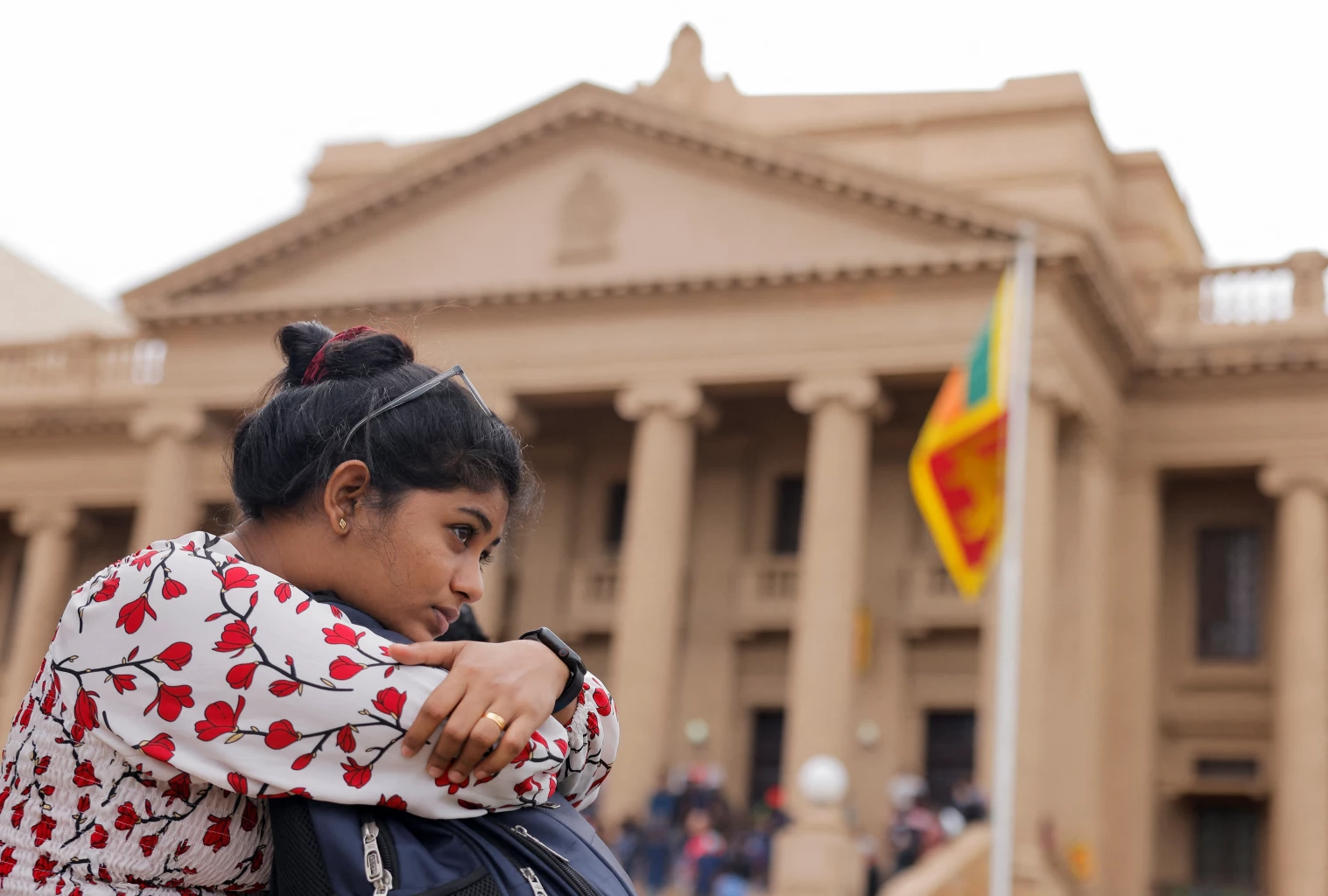
Leaders of Sri Lanka’s protest movement said on Sunday that they would occupy the residences of the president and prime minister until they finally quit office, the day after the two men agreed to resign leaving the country in political limbo.
Thousands of protesters stormed President Gotabaya Rajapaksa’s home and office and the prime minister’s official residence on Saturday, as demonstrations over their inability to overcome a devastating economic crisis erupted into violence.
Rajapaksa will quit on July 13, while Prime Minister Ranil Wickremesinghe also said he would step down to allow an all-party interim government to take over, according to the speaker of parliament.
“We will be here till 13th or 14th to see whether he will resign or not. Because we don’t trust him anymore, because he has already broken our trust, our country’s trust and he has already sold our country,” said a protester, Akushla Fernando.
Though calm had returned to the streets of Colombo on Sunday, throughout the day curious Sri Lankans roamed through the ransacked presidential palace and prime minister’s residence. Members of the security forces, some with assault rifles, stood outside the compound but did not stop people from going in.
Some protesters played the board game “Carrom” at the prime minister’s official residence called “Tree Temple” while others were seen lounging on plush sofas and beds.
Calling it a “serious matter”, Indian Foreign Minister Subrahmanyam Jaishankar said New Delhi’s current focus is on helping their neighbour.
“There is, of course, a bigger issue which is really how do you manage your finances, you know, and how do you have a prudent fiscal policy… so in many ways, there are issues relating to the management of the economy, but at the moment our focus is really on helping them,” Jaishankar told reporters in India’s southern Thiruvananthapuram city.
The political chaos could complicate efforts to pull Sri Lanka out of its worst economic crisis in seven decades, triggered by a severe shortage of foreign currency that has stalled imports of essentials such as fuel, food and medicines.
The financial meltdown developed after the COVID-19 pandemic hammered the tourism-reliant economy and slashed remittances from overseas workers.
It has been compounded by large and growing government debt, rising oil prices and a seven-month ban on importing chemical fertilisers last year that devastated agriculture.
Calm returned to the streets of Sri Lanka’s commercial capital Colombo on Sunday and protesters were jubilant as President Gotabaya Rajapaksa agreed to resign after his house was stormed amid outrage over the South Asia nation’s collapsing economy.
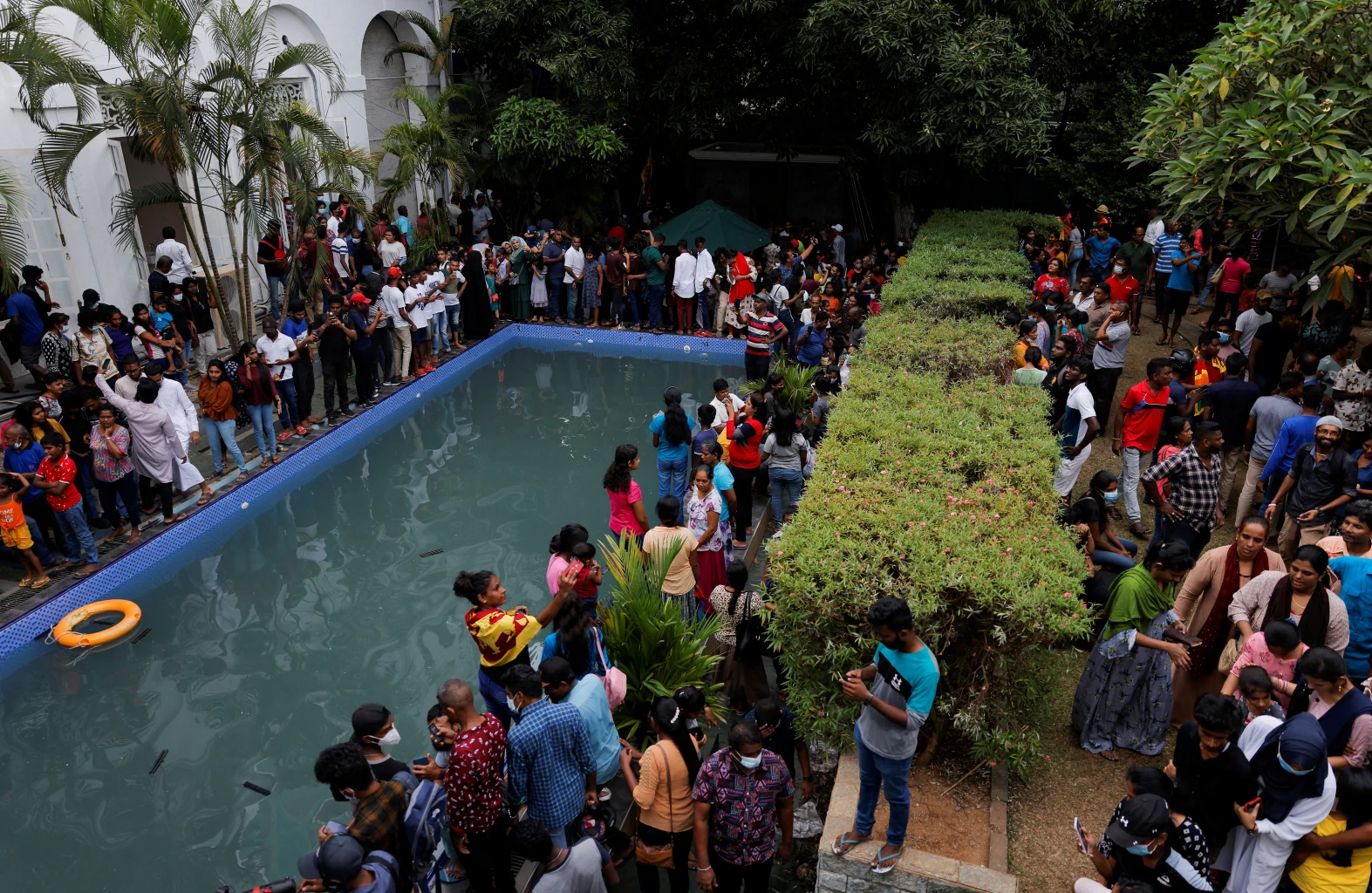
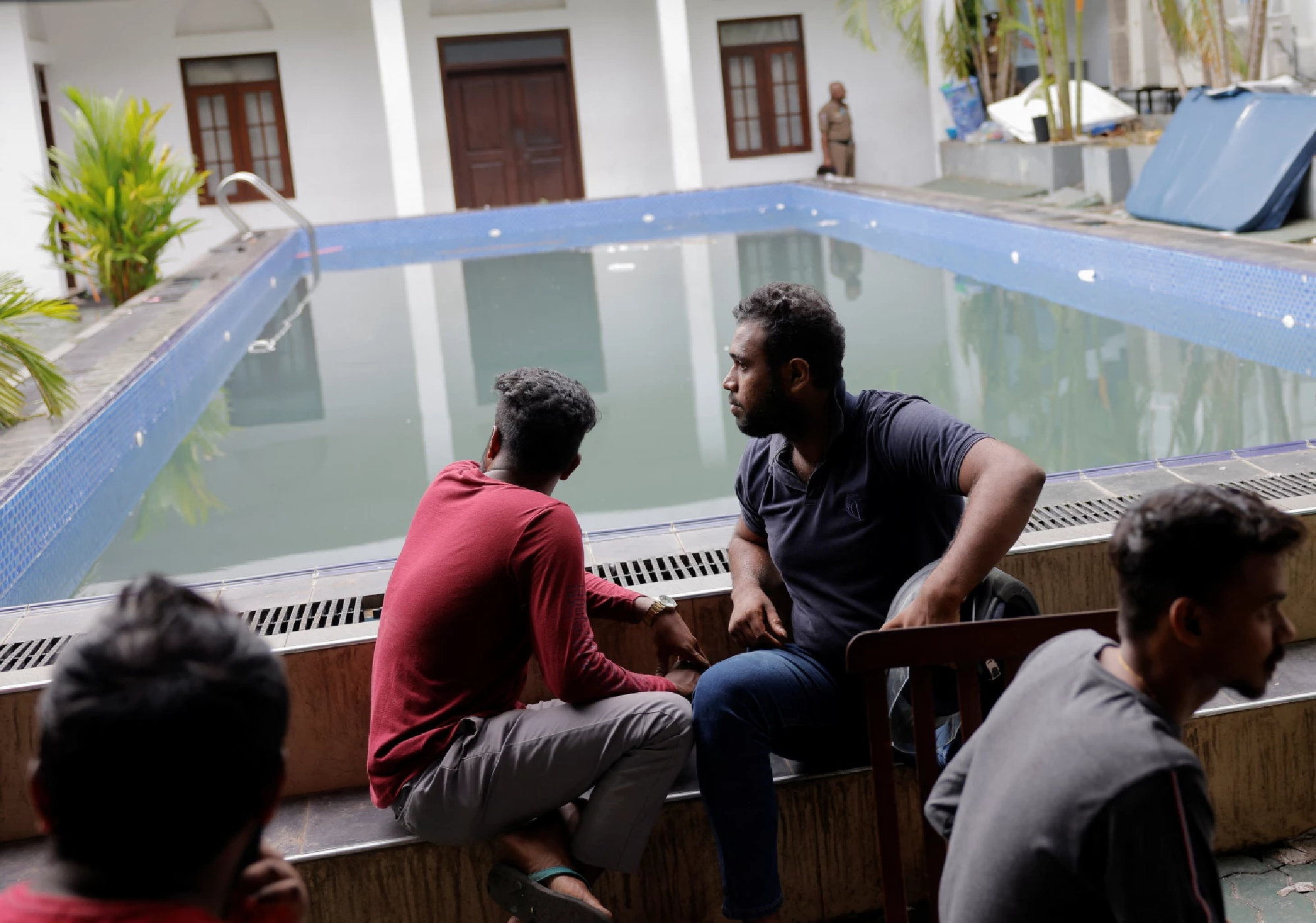
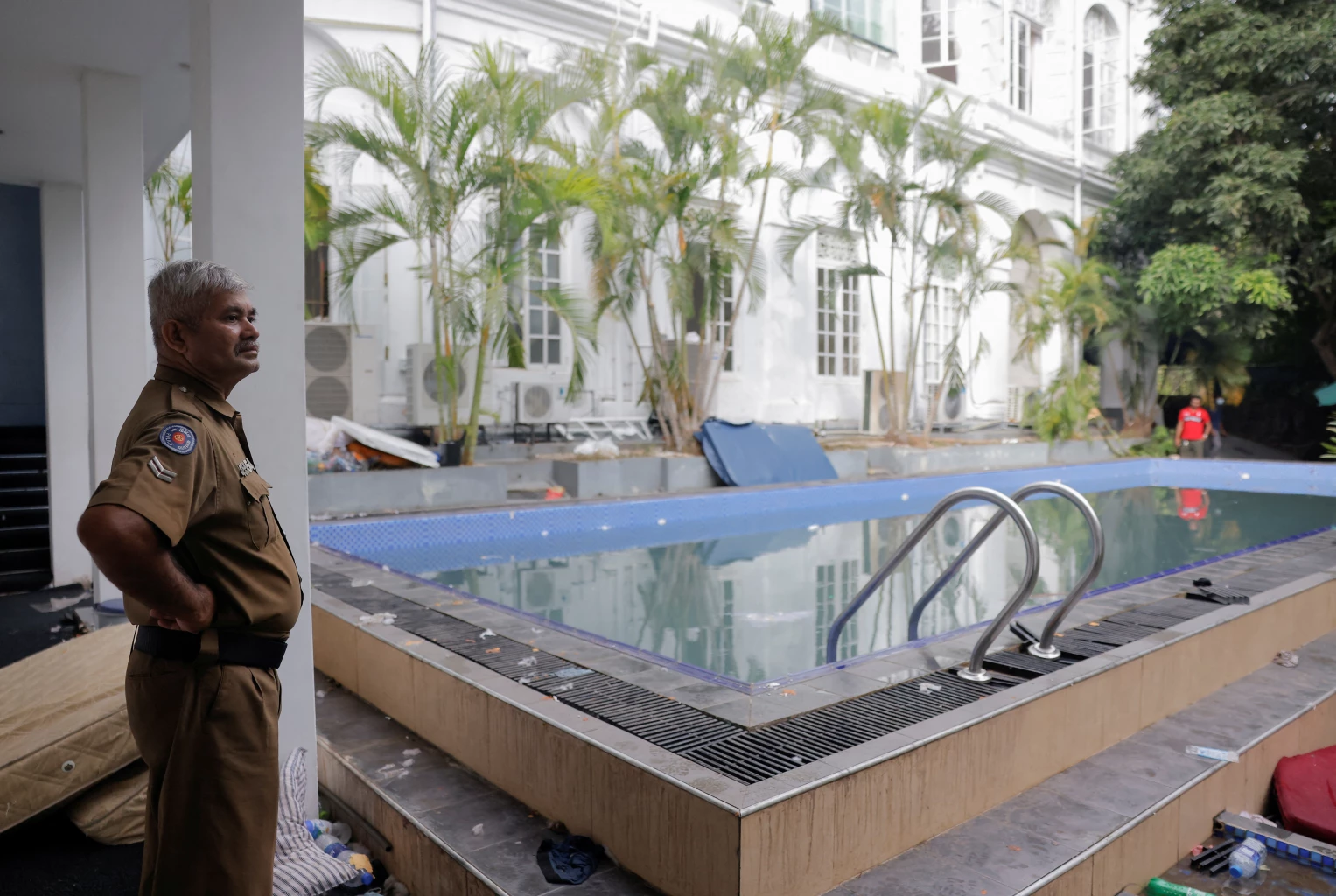
Protesters, many wrapped in the Sri Lanka flag, swarmed into his whitewashed colonial-era residence on Saturday, jumped into the swimming pool and sat on a four-poster bed. Others set fire to the private home of Prime Minister Ranil Wickremesinghe, who also agreed to resign to make way for an all-party government.
Rajapaksa, a hero of the quarter-century civil war against Tamil rebels, plans to resign on Wednesday, the parliament speaker said.
Thousands had descended on the seaside city demanding Rajapaksa resign after months of mismanaging the crisis, a dramatic escalation of largely peaceful anti-government protests on the island that sits near key shipping lanes.
On Sunday protesters were still milling about in the president’s residence, parts of which had been smashed.
Some took selfies of the polished interiors, a striking contrast to the misery many have endured. The nation of 22 million people is short of food and fuel, and inflation hit a record 54.6% in June.
Sri Lanka’s economic crisis developed after the COVID-19 pandemic hammered the tourism-reliant economy and slashed remittances from overseas workers.