ผู้ถือหุ้นเทสลาฟ้อง ‘อีลอน มัสก์’ ทวีตละเมิดข้อตกลงก.ล.ต. #SootinClaimon.Com

#SootinClaimon.Com : ขอบคุณแหล่งข้อมูล : หนังสือพิมพ์โพสต์ทูเดย์

https://www.posttoday.com/world/647804

วันที่ 13 มี.ค. 2564 เวลา 19:00 น.ผู้ถือหุ้นเทสลาฟ้อง 'อีลอน มัสก์' ทวีตละเมิดข้อตกลงก.ล.ต.อีลอน มัสก์ ถูกฟ้องทวีตปั่นละเมิดข้อตกลงสำนักงานคณะกรรมการกำกับหลักทรัพย์และตลาดหลักทรัพย์สหรัฐ

สำนักข่าวรอยเตอร์สรายงานว่าอีลอน มัสก์ ประธานเจ้าหน้าที่บริหารบริษัทเทสลาถูกฟ้องร้องโดยผู้ถือหุ้นรายหนึ่งโดยระบุว่าการใช้ทวิตเตอร์ของมัสก์ละเมิดข้อตกลงสำนักงานคณะกรรมการกำกับหลักทรัพย์และตลาดหลักทรัพย์ (ก.ล.ต.) ของสหรัฐปี 2018

โดยศาลสูงเดลาแวร์เผยว่าสาเหตุของการยื่นฟ้องคือการที่มัสก์ “เอาแน่เอานอนไม่ได้” (erratic) จากการโพสต์ข้อความบนทวิตเตอร์และคณะกรรมการของบริษัทเทสลาล้มเหลวตรวจสอบให้มัสก์ปฏิบัติตามข้อตกลงข้างต้นจนส่งผลให้มีผู้ถือหุ้นขาดทุนหลายพันล้านเหรียญสหรัฐ

ในคำร้องยังอ้างถึงข้อความบนทวิตเตอร์ของมัสก์เมื่อวันที่ 1 พ.ค. ปีที่แล้วซึ่งระบุว่า “ราคาหุ้นของเทสลาสูงเกินไป” ส่งผลให้มูลค่าการตลาดของเทสลาตกลงกว่า 13,000 ล้านเหรียญสหรัฐ

Tesla stock price is too high imo— Elon Musk (@elonmusk) May 1, 2020

เชส การ์ริตี โจทก์ในคดีนี้กล่าวว่าการกระทำของมัสก์และการเพิกเฉยของคณะกรรมการทำให้เกิดความเสียหายทางการเงินอย่างมาก

อย่างไรก็ตามทางเทสลายังไม่แสดงความคิดเห็นต่อกรณีดังกล่าว

ทั้งนี้ ในปี 2018 ก.ล.ต. สหรัฐเคยยื่นฟ้องมัสก์ในข้อหาฉ้อโกงหลักทรัพย์โดยการทวีตให้ข้อมูลเท็จ ซึ่งตอนนั้นมัสก์ทวีตถึงเงินทุนที่มากเกินไปกว่าความเป็นจริงซึ่งเข้าข่ายปั่นหุ้นจนทำให้นักลงทุนเข้าใจผิด

Am considering taking Tesla private at $420. Funding secured.— Elon Musk (@elonmusk) August 7, 2018

โดยผู้พิพากษาแห่งเมืองซานฟรานซิสโกกล่าวว่าทวีตในปี 2018 ของมัสก์ถือเป็นการหลอกลวงผู้ถือหุ้นโดยเจตนา ซึ่งคดีดังกล่าวยังอยู่ระหว่างการพิจารณา

Photo by Jim WATSON / AFP

ครูฮ่องกงดึง AI จับอารมณ์เด็กขณะเรียนออนไลน์ #SootinClaimon.Com

#SootinClaimon.Com : ขอบคุณแหล่งข้อมูล : หนังสือพิมพ์โพสต์ทูเดย์

https://www.posttoday.com/world/647799

วันที่ 13 มี.ค. 2564 เวลา 17:07 น.ครูฮ่องกงดึง AI จับอารมณ์เด็กขณะเรียนออนไลน์เมื่อการเรียนระยะไกลอาจทำให้ความเข้าใจระหว่างครูและนักเรียนเป็นไปได้ยากขึ้น การใช้ AI จึงเป็นทางออกที่ดี

ท่ามกลางการแพร่ระบาดของโควิด-19 หลายกิจกรรมต้องปรับสู่รูปแบบเสมือนจริงหรือออนไลน์เพื่อหลีกเลี่ยงการสัมผัสและแพร่ระบาดของไวรัส ซึ่งรวมถึงภาคการศึกษาที่ต้องปรับเข้าสู่รูปแบบการเรียนออนไลน์เช่นกัน

Ka Tim Chu รองอาจารย์ใหญ่จาก True Light College ในฮ่องกงเผยว่าก่อนที่จะเกิดการแพร่ระบาดของโควิด-19 เขาสามารถเช็คการตอบสนองของนักเรียนได้ด้วยการจับสังเกตสีหน้าและท่าทางของนักเรียนในชั้นเรียน แต่เมื่อการเรียนการสอนต้องปรับสู่รูปแบบออนไลน์การใช้ AI เพื่อตรวจจับสีหน้าของนักเรียนให้ทราบถึงอารมณ์และความรู้สึกของเด็กๆ ก็เป็นทางออกที่ดี

แอปพลิเคชั่น “4 Little Trees” พัฒนาขึ้นโดย Viola Lam จาก Find Solution AI บริษัทสตาร์ทอัพในฮ่องกง ซึ่งกล่าวว่าการมี AI ช่วยตรวจจับอารมณ์ของนักเรียนในโรงเรียนหรือแม้กระทั่งสถานที่อื่นๆ ที่เสี่ยงต่อการเกิดความเครียดสามารถทำให้ห้องเรียนเสมือนจริงดีเทียบเท่าหรือมากกว่าห้องเรียนจริงๆ ได้

โดย AI จะวัดจุดของกล้ามเนื้อบนใบหน้าผ่านกล้องบนคอมพิวเตอร์หรือแท็บแล็ตของนักเรียน และสามารถระบุอารมณ์ต่างๆ ที่เกิดขึ้นได้ไม่ว่าจะเป็นความสุข เศร้า โกรธ ประหลาดใจ หรือความกลัว ซึ่งแม่นยำถึง 85% แต่จะไม่บันทึกใบหน้าของนักเรียนจึงไม่ต้องกังวลเรื่องความปลอดภัยและความเป็นส่วนตัว

นอกจากนี้ในระหว่างการทำแบบทดสอบหรือทำการบ้านระบบจะสามารถตรวจสอบได้ด้วยว่านักเรียนคนนั้นๆ ใช้เวลาในการตอบคำถามนานแค่ไหน พร้อมรายงานจุดแข็ง จุดอ่อน ระดับแรงจูงใจ และคาดการณ์ผลการเรียนของนักเรียนได้อีกด้วย

Viola Lam เป็นอดีตครูเธอจึงค่อนข้างเข้าใจความรู้สึกและความต้องการของนักเรียน โดยออกแบบซอฟแวร์นี้มาให้มีโปรแกรมที่สามารถปรับให้เข้ากับเป้าหมายของนักเรียนแต่ละคนรวมไปถึงนำเสนอแบบทดสอบในรูปแบบเกมเพื่อให้นักเรียนสนุกไปกับการเรียน

ยิ่งไปกว่านั้นในช่วงที่มีการเรียนการสอนแบบระยะไกลเทคโนโลยีนี้จะเป็นประโยชน์อย่างยิ่งเพื่อช่วยให้คุณครูสามารถตรวจสอบอารมณ์ของนักเรียนได้แม้ว่าจะอยู่ไกลกันก็ตาม

ทั้งนี้ 4 Little Trees เกิดขึ้นมาตั้งแต่ปี 2017 ด้วยเงินทุน 5 ล้านเหรียญสหรัฐ โดยมีโรงเรียนที่ใช้บริการเพิ่มขึ้นจาก 34 แห่งเป็น 83 แห่งในปีที่ผ่านมาท่ามกลางการแพร่ระบาดของโควิด-19

ภาพโดย Find Solution AI

จำคุก 212 ปี พ่อแคลิฟอร์เนียฆ่าลูกออทิสติกฮุบเงินประกันเกือบ 8 ล้าน #SootinClaimon.Com

#SootinClaimon.Com : ขอบคุณแหล่งข้อมูล : หนังสือพิมพ์โพสต์ทูเดย์

https://www.posttoday.com/world/647789

วันที่ 13 มี.ค. 2564 เวลา 14:30 น.จำคุก 212 ปี พ่อแคลิฟอร์เนียฆ่าลูกออทิสติกฮุบเงินประกันเกือบ 8 ล้านศาลสหรัฐตัดสินจำคุกชายชาวแคลิฟอร์เนีย 212 ปีข้อหาฆาตกรรมลูกชายทั้ง 2 คนและพยายามฆ่าอดีตภรรยา

สำนักข่าวเอเอฟพีรายงานว่า เมื่อวันที่ 11 มี.ค. ที่ผ่านมานายอาลี เอลเมซาเยน (Ali Elmezayen) วัย 45 ปี ถูกศาลพิพากษาตัดสินจำคุก 212 ปีในข้อหาฆาตกรรมลูกชายทั้ง 2 คนและพยายามฆ่าอดีตภรรยาเพื่อหวังรับเงินประกันชีวิต

โดยในปี 2012 นายอาลีเริ่มซื้อประกันอุบัติหตุและประกันชีวิตจากหลายบริษัทรวมวงเงินคุ้มครอง 3 ล้านเหรียญสหรัฐหรือประมาณ 92 ล้านบาท

ต่อมาในปี 2015 นายอาลีขับรถไปกับอดีตภรรยาและลูกชาย 2 คนวัย 8 ปีและ 13 ปีไปยังบริเวณท่าเทียบเรือทางตอนใต้ของลอสแองเจลิสก่อนที่จะขับรถพุ่งลงน้ำ ด้านอดีตภรรยาได้รับความช่วยเหลือจากชาวประมงในพื้นที่แต่ลูกชายทั้ง 2 เสียชีวิต

ภายหลังการเสียชีวิตของลูกชายนายอาลีได้รับเงินประกันชีวิตไปกว่า 260,000 เหรียญสหรัฐหรือราว 7.98 ล้านบาท

จอห์น วอลเตอร์ ผู้พิพากษากล่าวว่าการกระทำของนายอาลีเป็นการก่ออาชญากรรมที่โหดเหี้ยม ความเสียใจเดียวที่จำเลยมีคือเสียใจที่เขาถูกจับได้

Photo by Sameer Al-DOUMY / AFP

ไบเดนออกโรงป้องชาวเอเชียไม่ควรถูกเหยียด #SootinClaimon.Com

#SootinClaimon.Com : ขอบคุณแหล่งข้อมูล : หนังสือพิมพ์โพสต์ทูเดย์

https://www.posttoday.com/world/647771

วันที่ 13 มี.ค. 2564 เวลา 12:00 น.ไบเดนออกโรงป้องชาวเอเชียไม่ควรถูกเหยียดโจ ไบเดนประณามการใช้ความรุนแรงต่อชาวเอเชียไม่ใช่วิสัยของคนอเมริกัน

ในแถลงการณ์แผนนโยบายบรรเทาผลกระทบจากการแพร่ระบาดของโรคโควิด-19 เมื่อวันที่ 12 มี.ค. ที่ผ่านมา ประธานาธิบดีโจ ไบเดน ของสหรัฐยังได้มีการกล่าวถึงประเด็นการเหยีดเชื้อชาติชาวเอเชียในสหรัฐซึ่งยังคงเกิดขึ้นอย่างต่อเนื่องโดยเฉพาะอย่างยิ่งในช่วงที่มีการแพร่ระบาดของโรคโควิด-19

โดยไบเดนพูดถึงกระแสความเกลียดชังต่อชาวเอเชียน-อเมริกันที่ตกเป็นเหยื่อของการโจมตี ข่มขู่คุกคามต่างๆ นานาในสหรัฐ ระบุว่าเป็นสิ่งที่ผิด ไม่ใช่วิสัยของชาวอเมริกัน และมันจะต้องยุติลง พร้อมกล่าวว่าชาวเอเชียน-อเมริกันหลายคนกำลังเป็นแนวหน้าต่อสู้กับโควิด-19 เพื่อช่วยชีวิตทุกคนถึงกระนั้นพวกเขายังต้องอยู่อย่างหวาดกลัวไปทั้งชีวิตเพียงแค่เดินไปตามถนนในอเมริกา

จากข้อมูลของ Stop AAPI Hate พบว่ามีกรณีดังกล่าวเกิดขึ้นมากกว่า 2,800 ครั้งนับตั้งแต่เดือนมีนาคมที่ผ่านมาไม่ว่าจะเป็นการโจมตีทางร่างกายหรือทางวาจาสิบเนื่องจากพฤติกรรมการเหยียดเชื้อชาติ

ตามรายงานของศูนย์ศึกษาความเกลียดชังและลัทธิหัวรุนแรงที่มหาวิทยาลัยในแคลิฟอร์เนียซึ่งตรวจสอบข้อมูลจากตำรวจใน 16 เมืองใหญ่พบว่าอาชญากรรมจากความเกลียดชังพุ่งเป้าไปที่ชาวอเมริกันเชื้อสายเอเชียเพิ่มขึ้น 150% ในปีที่ผ่านมา โดยมีรายงานอาชญากรรมเพิ่มขึ้นจาก 49 คดีเป็น 122 คดี

Biden on rise of hate crimes against Asians: “It’s wrong. It’s un-American. And it must stop.” pic.twitter.com/c9D2YGhyKq— Aaron Rupar (@atrupar) March 12, 2021

Photo by OLIVIER DOULIERY / AFP

อนามัยโลกแจงแล้วไม่จำเป็นต้องระงับแอสตราเซเนกา #SootinClaimon.Com

#SootinClaimon.Com : ขอบคุณแหล่งข้อมูล : หนังสือพิมพ์โพสต์ทูเดย์

https://www.posttoday.com/world/647765

วันที่ 13 มี.ค. 2564 เวลา 10:00 น.อนามัยโลกแจงแล้วไม่จำเป็นต้องระงับแอสตราเซเนกาองค์การอนามัยโลกเผยหากยังไม่พบหลักฐานว่าวัคซีนของแอสตราเซเนกาส่งผลให้เกิดอาการไม่พึงประสงค์รุนแรงก็ไม่มีความจำเป็นต้องระงับ

สำนักข่าวบลูมเบิร์กรายงานว่าองค์การอนามัยโลก (WHO) เรียกร้องให้นานาประเทศดำเนินการฉีดวัคซีนต้านโควิด-19 ของแอสตราเซเนกาตามเดิมหลังจากที่อย่างน้อย 10 ประเทศระงับวัคซีนดังกล่าวเนื่องจากข้อกังวลด้านความปลอดภัย

โดย Mariangela Simao ผู้ช่วยผู้อำนวยการด้านวัคซีนและเวชภัณฑ์ขององค์การอนามัยโลกแถลงว่าขณะนี้ผู้เชี่ยวชาญกำลังตรวจสอบรายงานภาวะการเกิดลิ่มเลือดหลังจากที่ได้รับวัคซีนของแอสตราเซเนกาซึ่งหากยังไม่พบความเชื่อมโยงที่ชัดเจนก็ยังไม่มีความจำเป็นที่จะต้องระงับวัคซีนดังกล่าว

เช่นเดียวกับ Margaret Harris โฆษกจากองค์การอนามัยโลกระบุว่าสามารถใช้วัคซีนของแอสตราเซเนกาต่อไปได้ตามปกติ

ซึ่งเป็นไปในทิศทางเดียวกับองค์การยาแห่งสหภาพยุโรป (EMA) ที่ระบุก่อนหน้านี้ว่าไม่พบข้อบ่งชี้ว่าวัคซีนต้านโควิด-19 ของแอสตราเซเนกาเชื่อมโยงกับการเกิดภาวะลิ่มเลือดอุดตันในผู้ที่ได้รับวัคซีน และยืนยันว่าวัคซีนดังกล่าวยังสามารถใช้งานต่อไปได้

โดยในบรรดาชาวยุโรปที่ได้รับการฉีดวัคซีนของแอสตราเซเนกาทั้งหมด 5 ล้านคน มีเพียง 30 คนเท่านั้นที่เกิดภาวะลิ่มเลือดอุดตัน

ทั้งนี้ องค์การอนามัยโลกพยายามสร้างความเชื่อมั่นให้แก่ผู้ได้รับวัคซีนหลังเกิดข้อกังวลด้านความปลอดภัยเมื่อช่วงสัปดาห์ที่ผ่านมาขณะที่หลายประเทศได้ระงับวัคซีนดังกล่าวหลังมีรายงานผู้เสียชีวิตและมีอาการไม่พึงประสงค์หลังได้รับวัคซีน โดยชี้ให้เห็นถึงภาวะการเกิดลิ่มเลือดที่อาจเชื่อมโยงกับวัคซีนของแอสตราเซเนกา

อย่างไรก็ตามวัคซีนที่ได้รับการอนุมัติแล้ว “ทุกยี่ห้อ” ได้รับการพิจารณาจากผู้เชี่ยวชาญเฉพาะด้านและขณะนี้ยังไม่มีการยืนยันอย่างเป็นทางการว่ามีวัคซีนยี่ห้อใดส่งผลให้เกิดอาการไม่พึงประสงค์รุนแรงถึงชีวิต

Photo by Martin BUREAU / AFP

ราชวงศ์อังกฤษกับกรณีเหยียดผิว ครั้งหนึ่งอาจมีราชินีเลือดผสมแอฟริกัน #SootinClaimon.Com

#SootinClaimon.Com : ขอบคุณแหล่งข้อมูล : หนังสือพิมพ์โพสต์ทูเดย์

https://www.posttoday.com/world/647548

วันที่ 12 มี.ค. 2564 เวลา 20:17 น.ราชวงศ์อังกฤษกับกรณีเหยียดผิว ครั้งหนึ่งอาจมีราชินีเลือดผสมแอฟริกันจากการสัมภาษณ์ที่เขย่าบัลลังก์ราชวงศ์อังกฤษของเจ้าชายแฮร์รี่กับเมแกนพระชายา

มีประเด็นหนึ่งที่ถูกพูดถึงเป็นพิเศษคือการที่เมแกนบอกว่ามีสมาชิกในราชวงศ์แสดงความกงัวลกับสีผิวของโอรสของทั้งสอง คือ อาร์ชี (เนื่องจากเมแกนเป็นลูกครึ่งผิวขาว/ผิวดำ)

ต่อมาโอปราห์ วินฟรีย์ ผู้ทำการสัมภาษณ์เผยว่าผู้ที่เอ่ยถึงเรื่องสีผิวของอาร์ชีไม่ใช่สมเด็จพระราชินีนาถเอลิซาเบธที่ 2 และไม่ใช่เจ้าชายฟิลิป ดยุกแห่งเอดินบะระ แทนที่จะทำให้โลกโซเชียลสงบลงมันกลับทำให้กระแสคาดเดายิ่งรุนแรงหนักขึ้น เพราะแต่ละคนก็อยารู้ว่าใครที่ยกประเด็นอ่อนไหวนี้ขึ้นมา

มันยังไม่จบแค่นั้น เมื่อพ่อชาวอเมริกันของเมแกนคือ โทมัส มาร์เคิลกล่าวว่าเขาไม่คิดว่าราชวงศ์อังกฤษเหยียดผิวและคาดว่ามันเป็นเพียงคำถามโง่ๆ เท่านั้น เขาบอกกับ ITV ว่า “ผมเคารพพระราชวงศ์มากและผมไม่คิดว่าราชวงศ์อังกฤษเหยียดผิวเลย ผมไม่คิดว่าคนอังกฤษเหยียดเชื้อชาติ ผมคิดว่าลอสแองเจลิที่ๆ คนเหยียดเชื้อชาติ ที่แคลิฟอร์เนียเป็นที่ของพวกเหยียดเชื้อชาติ แต่ผมไม่คิดว่าคนอังกฤษเป็น (คนเหยียดเชื้อชาติ)”

แต่ต้องตระหนักด้วยว่าพ่อของเมแกนอาจจะไม่ได้เข้าข้างลูกของตัวเอง เพราะทั้งคู่มีเรื่องระหองระแหงกัน

หลายคนคงจะสงสัยแล้วว่าราชวงศ์อังกฤษไม่ได้เหยียดเชื้อชาติหรือไม่? คำตอบที่ชัดเจนที่สุดคงจะมาจากคนที่พูดเรื่องสีผิวของอาร์ชีเท่านั้น แต่ก่อนจะได้คำตอบเราสามารถกลับไปค้นเหตุการณ์ในประวัติศาสตร์เพื่อตรวจสอบดูว่าราชวงศ์อังกฤษมีความอดทนกับความหลากหลายทางเชื้อชาติแค่ไหน?

เป็นที่ทราบกันดีว่า เมแกนมีเชื้อสายแอฟริกัน-อเมริกันจากแม่ และคอเคเซียนจากพ่อ ซึ่งเธอก็ภาคภูมิใจกับการเป็นคนเชื้อชาติผสม ด้วยความที่เธอมีเชื้อสายแอฟริกัน ทำให้มีกระแสกล่าวขวัญถึงกันว่าเธอจะเป็นว่าที่สมาชิกราชวงศ์อังกฤษคนแรกที่มีเชื้อสายคนผิวดำ

อย่างไรก็ตาม มีผู้ค้านว่าเมแกนอาจไม่ใช่เชื้อสายแอฟริกันคนแรกในราชวงศ์อังกฤษ เพราะนักประวัติศาสตร์หลายรายชี้ว่า สมเด็จพระราชินีชาร์ลอตต์ พระมเหสีในพระเจ้าจอร์จที่ 3 ซึ่งดำรงพระชนม์ชีพในช่วงปี 1744-1818 อาจทรงมีเชื้อสายชาวแอฟริกัน

ฮอเรซ วอลโพล นักเขียนและการเมืองอังกฤษร่วมสมัยของสมเด็จพระราชินีชาร์ลอตต์บอกว่าพระนางทรงมี “รูพระนาสิกกว้างเกินไป พระโอษฐ์ก็มีความผิดปกติเหมือนกัน”

นักเขียนชื่อดังในยุคนั้นคือ เซอร์ วอลเตอร์ สก็อต ถึงกับกล่าวอย่างเหยียดเชื้อชาติว่า ทรงมีพระฉวีสีเพี้ยน คือไม่ใช่ผิวขาว และครอบครัวของพระองค์เป็นคนผิวสีผิดเพี้ยน

แต่คำกล่าวอ้างนี้ถูกระบุต่อสาธารณชนครั้งแรกในหนังสือ Sex and Race: Volume I ของนักเขียนชาวจาเมกา – อเมริกันที่ชื่อ เจ เอ รอเจอร์ส ในปี 1940 ซึ่งเขาสรุปว่าสมเด็จพระราชินีชาร์ลอตต์ต้องมี “สายพันธุ์นิโกร” (Negro strain) โดยสังเกตว่า “รูพระนาสิกกว้างและริมพระโอษฐ์หนา “ดังที่ปรากฎในภาพพระฉายาลักษณ์ที่วาดขึ้นในปี 1761 โดยแอลลัน แรมซีย์

หนึ่งในผู้สนับสนุทฤษฎีนี้คือ มาริโอ เด บัลเดส อี โกกอม ผู้เชี่ยวชาญด้านประวัติศาสตร์การแพร่กระจายของชาวแอฟริกัน ซึ่งอ้างว่า สมเด็จพระราชินีชาร์ลอตต์ แม้ว่าจะประสูตรที่เยอรมนี แต่ทรงมีเชื้อสายของพระเจ้าอัลฟองโซที่ 3 แห่งโปรตุเกส กับพระสนมชาวมัวร์จากแอฟริกันชื่อ มาดรากานา ในสมัยศตวรรษที่ 13

บัลเดสระบุว่า พระเจ้าอัลฟองโซที่ 3 ทรงไปตีเมืองชื่อฟารีได้จากพวกมัวร์ (ชาวมุสลิมแอฟริกาเหนือ) และทรงได้บุตรีของเจ้าเมืองคือ มาดรากานามาเป็นพระสนมม และมีพระโอรสพระธิดาด้วยกัน 3 พระองค์ บัลเดสยังยืนยันว่า แม้ว่าช่วงเวลาระหว่างยุคของพระสนมมาดรากานากับสมเด็จพระราชินีชาร์ลอตต์จะห่างไกลกันมากโดยห่างกันถึง 15 รุ่น

แต่เมื่อพิจารณาจากการสืบสกุลหรือพงศาวลีแล้วกลับมีความใกล้ชิดกันอย่างน่าตกใจ เพราะในเวลาต่อมา พระโอรสของพระสนมมาดรากานา ชื่อว่า มาร์ติน อัลฟองโซ สมรสกับหญิงในตระกูลซูซา ซึ่งก็มีเชื้อสายแอฟริกันเช่นกัน ทั้งสองตระกูลนี้เป็นบรรพบุรุษของสมเด็จพระราชินีชาร์ลอตต์

ว่ากันว่า ในตอนแรกที่พระเจ้าจอร์จที่ 3 แห่งอังกฤษทรงได้ประสบพบพักตร์กับว่าที่พระมเหสี ถึงกับทรงตกตะลึงไปชั่วขณะ แต่ไม่เป็นที่แน่ชัดว่าทรงตะลึงในพระรูปโฉมหรือตกตะลึงกับลักษณะของพระนางที่แสดงความเป็นชาวแอฟริกันอย่างเห็นได้ชัด

อย่างไรก็ตาม ทฤษฎีเรื่องสมเด็จพระราชินีชาร์ลอตต์ทรงมีเชื้อสายคนผิวดำถูกคัดค้านอย่างหนักเหมือนกัน โดยเฉพาะในหมู่นักวิชาการเกือบทั้งหมดไม่ยอมรับทฤษฎีนี้เอาเลย แต่เรื่องแบบนี้ถูกใจคนทั่วไปเป็นอย่างมากและถูกพูดถึงอย่างมากอีกครั้งเมื่อเมแกนทำพิธีหมั่นและเสกสมรสกับเจ้าชายแฮร์รี่

เช่นเดียวกับเมแกนที่มีความสัมพันธ์ไม่ดีนักกับสมาชิกราชวงศ์ สมเด็จพระราชินีชาร์ลอตต์ก็ทรงมีความสัมพันธ์ที่ไม่ดีนักกับเจ้าหญิงเอากุสทา ซึ่งเป็นพระราชมารดาของพระสวามีซึ่งควบคุมพระองค์ด้วยกฎระเบียบอันเข้มงวดของราชสำนักและส่งคนใกล้ชิดไปรับใช้พระนางจนดูเหมือนจะคอยจับผิดอยู่ตลอดเวลา

เมแกนบอกในระหว่างการสัมภาษณ์กับโอปราห์ว่าต้องเผชิญกับแรงกดดันของการเป็นสมาชิกราชวงศ์จนเคยคิดฆ่าตัวตายมาแล้ว

Japan’s green future requires returning to its nuclear past #SootinClaimon.Com

#SootinClaimon.Com : ขอบคุณแหล่งข้อมูล : หนังสือพิมพ์ The Nation.

https://www.nationthailand.com/news/30403667

Japan’s green future requires returning to its nuclear past

InternationalMar 14. 2021Tokyo Electric Power Co.'s (Tepco) Fukushima Dai-Ichi nuclear power plant seen from Namie, Fukushima Prefecture, Japan, on March 8, 2021. MUST CREDIT: Bloomberg photo by Toru Hanai.Tokyo Electric Power Co.’s (Tepco) Fukushima Dai-Ichi nuclear power plant seen from Namie, Fukushima Prefecture, Japan, on March 8, 2021. MUST CREDIT: Bloomberg photo by Toru Hanai.

By Syndication Washington Post, Bloomberg · Tsuyoshi Inajima, Stephen Stapczynski, Shoko Oda

About once a month, the same group of two dozen Japanese government officials, company executives and professors file into a bland white and beige conference room at the nation’s economy, trade and industry ministry to plot its long-term energy future.

Each has a printed agenda, tablet computer and carton of green tea neatly laid out before them, and politely flips over a rectangular name card to request a turn to speak. Beneath the rigid formality, there’s an increasingly divisive debate: what’s the role of nuclear energy a decade after the Fukushima disaster.

Since Japan pledged in October to become carbon neutral by 2050, many among the advisory group have reached the same conclusion. To meet its global climate commitments, the country will need to restart almost every nuclear reactor it shuttered in the aftermath of the 2011 meltdowns, and then build more.

That’s a daunting technical challenge that will require the nation to rapidly accelerate the resumption of idled operations and find a permanent solution to the meddlesome problem of storing radioactive waste. Equally difficult for Prime Minister Yoshihide Suga’s government will be persuading wary regulators and a wide sweep of Japan’s public who harbor deep concerns over safety.

“We had better hurry and rebuild trust in nuclear power,” said Masakazu Toyoda, a member of the 24-strong government panel that’s devising new policies. “This is a matter of energy security.”

Japan must have 27 of its remaining 36 reactors online by 2030 to hit its obligations under the Paris climate accord, according to Toyoda. Other estimates put that figure at closer to 30. So far, only 9 units have been fired back up since a program of restarts began in 2015.

Nuclear now accounts for about 6% of Japan’s energy mix, down from roughly 30% of the Fukushima disaster. In the immediate aftermath, Japan closed all its 54 reactors, around a third of which were permanently scrapped.

More than 160,000 people were evacuated from the region surrounding the Fukushima Dai-Ichi plant after a magnitude 9 earthquake in March 2011, the biggest ever recorded to hit Japan, caused a massive tsunami that overwhelmed the facility, shut off power to cooling systems and led to meltdowns of three reactor cores.

The incident convinced some governments that nuclear power’s risks far outweighed its benefits, and prompted some including Germany and Taiwan to set deadlines to close down their fleets of plants. Mammoth costs of building new facilities, and frequent delays, have since served as other deterrents to the fuel’s revival.

Still, China plans to have 70 gigawatts of nuclear generation capacity by 2025 as it aims to zero out emissions by 2060. That’s the equivalent of adding about 20 new reactors.

Nuclear energy produces about 10% of the world’s electricity, down from a peak of 18% in the mid-1990s, and the construction of new plants lags far behind the pace of closures, according to the International Energy Agency.

On many fronts, nuclear power remains an almost perfect solution for a resource-poor island nation like Japan: it requires minimal overseas fuel, takes up little land-unlike solar and onshore wind-and produces carbon-free power around the clock. In fact, the government was targeting atomic energy to eventually be its main source of electricity right up until the Fukushima disaster.

Yet some 39% of Japanese people want all nuclear plants closed, according to a February survey. Many local, prefecture-level governments-which must sign off on reactor restart plans-have been reluctant to wave through approvals, while courts have supported requests to temporarily shut some operating reactors.

That opposition is problematic for a Japanese government that’s promised to lower emissions 26% by 2030 from 2013 levels under its Paris commitments, and is slated to review those targets this year and potentially make them stricter. “Japan will change its attitude toward nuclear builds somewhere on the road toward net-zero emissions,” said Frank Yu, an analyst at Wood Mackenzie.

Carbon dioxide intensity in Japan’s power sector surged in the years after the Fukushima incident as the nation turned to more polluting alternatives, according to IEA data. Today, fossil fuels such as liquefied natural gas and coal are used to generate most of Japan’s electricity.

Meeting the Paris goals alone will need Japan, the world’s fifth-largest greenhouse gas emitter, to hit an existing target for nuclear power to make up 20% to 22% of its energy mix by 2030. The more ambitious pledge for 2050 may require atomic power to claim an even greater share.

“Utilizing a certain amount of nuclear will be necessary for Japan to become carbon neutral,” Tomoaki Kobayakawa, president of Tokyo Electric Power Co. Holdings Inc., owner of the crippled Fukushima plant, said in an interview.

How far Japan should go in building out a large nuclear sector, and how feasible that would be, is a current source of disagreement among the government’s advisory group. It will recommend new targets this year.

“No one believes the 2030 goal is attainable,” said Takeo Kikkawa, a professor at International University of Japan and a member of the panel who’s skeptical on the prospects for nuclear energy. “The industry doesn’t believe it is possible, but they won’t admit it.” Nuclear is likely to account for 15% of Japan’s energy, at most, in 2030, he says.

So far, utilities have applied to restart 27 reactors-25 of which are operable, while 2 are currently under construction. Toyoda says that, at the very least, those 27 units must be online if there is a chance to hit the 2030 goal.

In December, the economy ministry said nuclear energy and thermal facilities with carbon capture and storage technology may represent 30% to 40% of combined power generation in 2050, without offering specific details.

It means that Japan should already be preparing to build new reactors over the next three decades, Akio Mimura, chairman of the Japan Chamber of Commerce and Industry, told the government panel last month. Based on a 60-year lifespan, Japan will have 23 reactors in 2050 and 8 by 2060, according to a government presentation in December.

“The government must clarify its position,” Mimura told the advisory group. “If we don’t start planning this now, we won’t have enough nuclear power capacity by 2050.”

At least 10 killed as Myanmar anti-coup protests escalate #SootinClaimon.Com

#SootinClaimon.Com : ขอบคุณแหล่งข้อมูล : หนังสือพิมพ์ The Nation.

https://www.nationthailand.com/news/30403666

At least 10 killed as Myanmar anti-coup protests escalate

InternationalMar 14. 2021

By Syndication Washington Post, Bloomberg

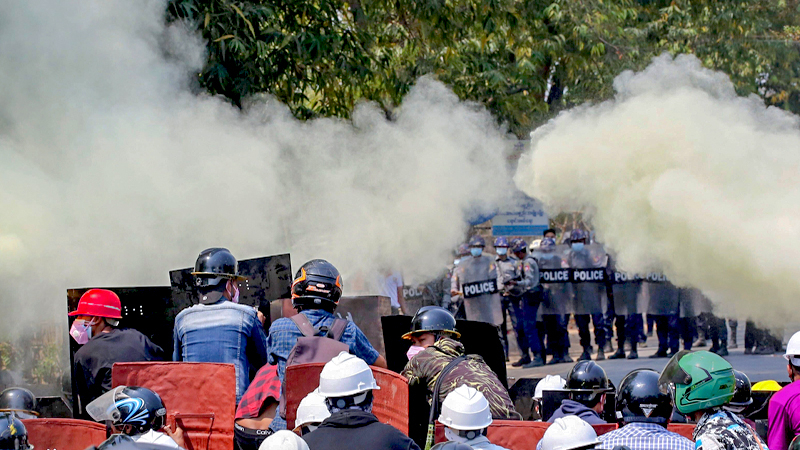
At least 10 people were killed in Myanmar after violent crackdowns on anti-coup protesters on Saturday, making it one of the deadliest days since the military regime took power last month.

Four protesters were killed, and 19 others were injured with nearly half of them in critical condition in Sein Pan ward of Mandalay, the nation’s second largest city, according to the Byamaso Emergency Clinic. Witnesses and local media outlets said three protesters were killed in Yangon overnight, two died in the Bago region and one protester was shot dead in the Magway region.

The death toll was 81 as of Friday, according to the UN Human Rights Office, with the latest fatalities yet to be tallied. On March 3, 21 protesters were killed, while 12 died in crackdowns on March 11.

Demonstrators continued to take to the streets in Mandalay on Saturday evening, with tens of thousands of engineers and engineering students chanting for an end to military dictatorship and the release of detained leaders including democracy icon Aung San Suu Kyi.

“Security forces are trying to scare us from joining street protests in the coming days,” said Aung Myo Nyunt, a 20-year-old student protester in Mandalay. “Their efforts will be in vain.”

Myanmar’s police detained 36 protesters in Mandalay on Saturday, according to state broadcaster MRTV. The television station accused Suu Kyi’s National League for Democracy of instigating protests and spurring unrest.

Soldiers and riot police have forced striking public servants and employees in certain sectors to return to work as the civil disobedience movement threatens a collapse in services including banking, healthcare, education and transportation. The junta asked all banks to reopen on Monday, and said actions would be taken if lenders fail to obey.

The junta’s lead spokesman, Zaw Min Tun, reiterated on Thursday that minimal force was used to disperse protesters, even as witnesses say live bullets continued to be utilized.

Zaw Min Tun said security forces will continue to enter some properties to search for protest instigators in some townships, which he added was “to ensure safety and the rule of law.”

Exporters take unusual steps to ease container shortage #SootinClaimon.Com

#SootinClaimon.Com : ขอบคุณแหล่งข้อมูล : หนังสือพิมพ์ The Nation.

https://www.nationthailand.com/news/30403665

Exporters take unusual steps to ease container shortage

InternationalMar 14. 2021Shipping containers next to gantry cranes at the Yangshan Deepwater Port in Shanghai on Jan, 11, 2021. MUST CREDIT: Bloomberg photo by Qilai Shen.Shipping containers next to gantry cranes at the Yangshan Deepwater Port in Shanghai on Jan, 11, 2021. MUST CREDIT: Bloomberg photo by Qilai Shen.

By Syndication Washington Post, Bloomberg · Ann Koh, Rajesh Kumar Singh

Some of the world’s biggest exporters in Asia are intervening to alleviate a shipping container shortage that jeopardizes their overseas trading.

Government-owned Indian Railways has moved empty boxes to inland depots like Delhi from seaports for free. South Korea has deployed an extra nine vessels on the Trans-Pacific route to help local manufacturers while China’s state-owned shipyard, Cosco Shipping Heavy Industry, has converted at least one freshly built paper-and-pulp carrier to transport the containers.

The state-backed companies and governments are working quickly to smooth disruptions on the supply side of global trade to avoid losing business, even as clogged ports like Los Angeles trigger import delays and freight costs remain high. Asian economies remain deeply reliant on exports to Europe and North America to line government coffers.

“The state has a far bigger role within shipping in Asia, with equity stakes in numerous shipping lines, shipyards and terminals,” said Simon Heaney, senior manager of container research at Drewry Shipping Consultants Ltd. “That influence is much less prevalent elsewhere in the world.”

Indian Railways is discussing if its current 25% discount for moving empty containers inland along some routes needs to be extended beyond March, according to Manoj Singh, executive director for freight traffic and transportation. The carrier offered free carriage at least twice last year and hasn’t ruled out waiving all charges again when it reviews the situation at the end of the month, he said.

Container Corp. of India Ltd., on whose board Singh sits, is also moving containers to neighboring countries such as Sri Lanka and Bangladesh to help ease the shortage, he said. Typically the company would only move the boxes to facilitate domestic shipments.

That coincided with a turnaround in India’s trade, with both exports and imports witnessing two consecutive months of growth since December after record declines last year due to the pandemic.

“Exporters and their industry groups are noisier and more active lobbyists on these types of issues,” said Daniel Richards, a senior analyst at Maritime Strategies International Ltd., a shipping consultancy. “When you add to that the importance of the export sector to most Asian economies you can see why these governments have at least made efforts to be seen to be proactive.”

But even countries less reliant on exports than powerhouses like China or South Korea are looking at ways to unclog global trade arteries.

The UTLC Eurasian Rail Alliance reduced tariffs last April for transporting empty containers via its Europe-China link. The company jointly formed by the state railways of Russia, Kazakhstan and Belarus said that this would help “avert the shortage of containers for loading in China.”

“There’s a lot of stress with container availability, costs, schedule reliability” in the market, said Ng Baoying, global managing editor for container shipping at S&P Global Platts. “This could persist through the first half of this year.”

To some extent, state intervention can run counter to steps corporations have taken in response to disruptions driven by the pandemic. For instance, Hapag-Lloyd is raising freight rates next month to ship boxes from Europe to India’s Nhava Sheva port, the company said this month.

Government role is limited and market forces will ultimately determine how things pan out, said Ajay Sahai, director general at the Federation of Indian Export Organisations.

“The best thing governments can do is ensure rapid and effective vaccination of their populations so that landside logistics labor capacity and productivity can be restored to pre-pandemic levels,” said Heaney. “That will do a lot to improve the circulation of containers.”

U.S. push for peace in Afghanistan has new ‘urgency.’ Some Afghans fear it could backfire. #SootinClaimon.Com

#SootinClaimon.Com : ขอบคุณแหล่งข้อมูล : หนังสือพิมพ์ The Nation.

https://www.nationthailand.com/news/30403664

U.S. push for peace in Afghanistan has new ‘urgency.’ Some Afghans fear it could backfire.

InternationalMar 14. 2021Forward Operating Base Lightning was a U.S. Army base in eastern Afghanistan. The base is now abandoned. MUST CREDIT: photo for The Washington Post by Lorenzo Tugnoli.Forward Operating Base Lightning was a U.S. Army base in eastern Afghanistan. The base is now abandoned. MUST CREDIT: photo for The Washington Post by Lorenzo Tugnoli.

By The Washington Post · Susannah George

DOHA, Qatar – The United States has launched its most aggressive push yet for a political settlement to end two decades of conflict in Afghanistan, but some Afghan officials are warning the campaign could backfire: deadlocking talks, undermining theelectedgovernment and plunging the country deeper into violence.

The approach – nicknamed “moonshot” by some U.S. officials referring to its lofty ambitions – is an attempt to reach a peace deal within weeks by applying unprecedented pressure to negotiating teams on both sides of the conflict, the Taliban and the Kabul government.

After the two sides met in Qatar’s capital, Doha, to begin historic peace talks last year, little progress has been made at the negotiating table. Meetings stalled for months while Afghanistan violence began to soar with the Taliban expanding its territorial influence and control.

The Trump administration’s focus was on the withdrawal of U.S. forces from Afghanistan. The Biden team is applying greater pressure on the diplomatic front. U.S.-Afghanistan policy is under review, and the U.S. special envoy, Zalmay Khalilzad, embarked on a regional tour last month to spearhead the new approach.

But Afghan officials fear the tight timeline and the threat of withdrawing all U.S. troops without a political settlement risks repeating the mistakes of the 1990s, when Afghanistan descended into civil war on the heels of the Soviet withdrawal. The sweeping battles for power helped giverise to the Taliban movement, which was driven from power by the U.S.-led invasion after the Sept. 11, 2001, attacks.

The Afghan officials, like others interviewed for this story, spoke on the condition of anonymity because they were not authorized to discuss the matter with journalists. The Afghan officials acknowledged that current levels of violence and the political stalemate in Doha are unacceptable, but disagreed with the Biden administration’s attempted reset.

“The consequences for us are the collapse of the state, sudden destruction and a very long and intense civil war,” said one Afghan official with knowledge of the talks, referring to the increased U.S. pressure.

“The fact that it has happened in the past once shows it could happen again,” he said.

A second official said “pushing the peace now with this new initiative very rapidly” risks undermining the country’s military. He said he fears “bringing back the old mujahideen at the expense of the Afghan security forces,” referring to the militia factions and irregular fighters who fought the Soviet forces, then turned on each other during the civil war.

The accelerated push is occurring amid growing indications that the United States is considering postponing the withdrawal of U.S. troops – a move aimed at pressuring the Taliban to reduce violence and comply with the terms of the deal it signed with the United States last year. But Biden administration officials have also said a final decision of the future of U.S. troops in Afghanistan has not yet been made.

During a regional tour involving meetings in Kabul; Doha; and Islamabad, Pakistan, Khalilzad delivered a draft peace plan to the Afghan government and Taliban leadership. Along with the draft proposal, Afghan President Ashraf Ghani received a letter from Secretary of State Antony Blinken pressing him to accelerate peace talks and reach an agreement with the militants.

“The United States has not ruled out any option,” the letter warned. “I am making this clear to you so that you understand the urgency of my tone.”

A spokesman for Ghani’s office rejected the suggestion that the president is under greater pressure now from Washington to reach a peace deal. ” If there is any pressure that we feel, it is the pressure from the Afghan people who have been terrorized” since the Soviet pullout in 1979, said Fatima Murchal, Ghani’s deputy spokesperson.

Taliban representatives in Doha also dismissed that the change in approach would have an effect on long-stalled talks.

“Pressure from the United States never works,” said Mohammad Naeem, the spokesman for the Taliban’s political office. “We know this because they have already tried all forms of pressure for 20 years.”

Naeem said the group does not expect the United States to walk away from the 2020 deal, but if it does, “there will be problems, and they will be responsible for that.”

U.S. officials say the potential risks of inaction outweigh an opportunity to accelerate the process.

The new approach of “moving at a faster pace toward a political agreement,” said one U.S. official, is “the best option for moving forward.”

“Given where we are, the alternative is more dangerous,” he said.

But for many officials in Kabul, the letter and the draft peace proposal – first made public by Afghanistan’s ToloNews network – came as a shock.

“It’s not what we have been promised,” said the Afghan official with knowledge of the talks, who described the tone of the leaked letter as “upsetting” and contrary to the more consultative approach Kabul was expecting from the Biden administration.

The Afghan government had called on the Biden administration to conduct a “full review” of the peace process and to apply more pressure on the Taliban before committing to the withdrawal of U.S. forces.

“They were hoping for a miracle,” said Fatima Gailani, referring to the members of Ghani’s government. Gailani, one of the lead negotiators, said Afghan leaders should not have been surprised by the U.S. pressure campaign, given President Biden’s past comments on his desire to end the war in Afghanistan.

Now, she said, the leaked document “brought reality out into the open” and could act as a wake-up call to unify Afghanistan’s political parties.

Rustam Shah Mohmand, a former Pakistani ambassador to Afghanistan, also supports the new approach from the United States, but warned that some of the specifics outlined in the U.S. draft peace deal – such as detailing the structure of the interim government – were a potential “distraction” that “could make matters more complicated.”

Reaction in Kabul already appears to be exposing widening political fault lines, rather than signaling moves toward consensus. Ghani’s main rival, Abdullah Abdullah, the chairman of the High Council for National Reconciliation, welcomed the new U.S. proposal.

“It is a positive starting point to boost the peace process and the peace talks,” said Abdullah spokesperson Mujib Rahman Rahimi. Abdullah and other political rivals of Ghani’s administration have the most to gain from the establishment of an interim government, one of the draft’s key elements.

“We do not consider the proposal a setback or a step to destabilize the country. Rather, it is a step forward,” Rahimi said.

Afghanistan is in one of the deadliest conflicts in the world. Last year, violence killed more than 3,000 civilians and wounded nearly 5,800, according to a United Nations annual report. Those numbers represented a drop in overall civilian casualties compared with the year prior, but U.N. data showed that, as the year wore on, deaths began reaching record levels.

“Ask anyone, and they will tell you a story about losing a son or a husband or a father,” said Ihsanullah Sediq, a peace activist in Ghazni province, one of the country’s most volatile. Sediq, also a member of a conservative, religious Afghan political party, said “from a humanitarian view, it’s not acceptable for this war to continue.”

“The only way to find an end to this war is to create a new political environment, whatever you want to call it,” he said. “And it must come with international pressure. Because without it, the leaders in Kabul will not tolerate each other for even just a single week.”