
This crypto kid had a $23,000-a-month condo. Then the Feds came. #SootinClaimon.Com

#SootinClaimon.Com : ขอบคุณแหล่งข้อมูล : หนังสือพิมพ์ The Nation.

This crypto kid had a $23,000-a-month condo. Then the Feds came.

InternationalFeb 14. 2021An engineer walks by mining rigs at the Evobits crypto farm in Cluj-Napoca, Romania, on Jan. 22, 2021. MUST CREDIT: Bloomberg photo by Akos Stiller.An engineer walks by mining rigs at the Evobits crypto farm in Cluj-Napoca, Romania, on Jan. 22, 2021. MUST CREDIT: Bloomberg photo by Akos Stiller.

By Syndication Washington Post, Bloomberg · Chris Dolmetsch

Stefan Qin was just 19 when he claimed to have the secret to cryptocurrency trading.

Buoyed with youthful confidence, Qin, a self-proclaimed math prodigy from Australia, dropped out of college in 2016 to start a hedge fund in New York he called Virgil Capital. He told potential clients he had developed an algorithm called Tenjin to monitor cryptocurrency exchanges around the world to seize on price fluctuations. A little more than a year after it started, he bragged the fund had returned 500%, a claim that produced a flurry of new money from investors.

He became so flush with cash, Qin signed a lease in September 2019 for a $23,000-a-month apartment in 50 West, a 64-story luxury condo building in the financial district with expansive views of lower Manhattan as well as a pool, sauna, steam room, hot tub and golf simulator.

In reality, federal prosecutors said, the operation was a lie, essentially a Ponzi scheme that stole about $90 million from more than 100 investors to help pay for Qin’s lavish lifestyle and personal investments in such high-risk bets as initial coin offerings. At one point, facing client demands for their money, he variously blamed “poor cash flow management” and “loan sharks in China” for his troubles. Qin, now 24 and expressing remorse, pleaded guilty in federal court in Manhattan on Feb. 4 to a single count of securities fraud.

“I knew that what I was doing was wrong and illegal,” he told U.S. District Judge Valerie E. Caproni, who could sentence him to more than 15 years in prison. “I deeply regret my actions and will spend the rest of my life atoning for what I did. I am profoundly sorry for the harm my selfish behavior has caused to my investors who trusted in me, my employees and my family.”

The case echoes similar cryptocurrency frauds, such as that of BitConnect, promising people double-and triple-digit returns and costing investors billions. Ponzi schemes like that show how investors eager to cash in on a hot market can easily be led astray by promises of large returns. Canadian exchange QuadrigaCX collapsed in 2019 as a result of fraud, causing at least $125 million in losses for 76,000 investors.

While regulatory oversight of the cryptocurrency industry is tightening, the sector is littered with inexperienced participants. A number of the 800 or so crypto funds worldwide are run by people with no knowledge of Wall Street or finance, including some college students and recent graduates who launched funds a few years ago.

Qin’s path started in college, too. He had been a math whiz who planned on becoming a physicist, he told a website, DigFin, in a profile published in December, just a week before regulators closed in on him. He described himself on his LinkedIn page as a “quant with a deep interest and understanding in blockchain technology.”

In 2016, he won acceptance into a program for high-potential entrepreneurs at the University of New South Wales in Sydney with a proposal to use blockchain technology to speed up foreign exchange transactions. He also attended the Minerva Schools, a mostly online college based in San Francisco, from August 2016 through December 2017, the school confirmed.

He got the crypto bug after an internship with a firm in China, he told DigFin. His task had been to build a platform between two venues, one in China and the other in the U.S., to allow the firm to arbitrage cryptocurrencies.

Convinced he had happened upon a business, Qin moved to New York to found Virgil Capital. His strategy, he told investors, would be to exploit the tendency of cryptocurrencies to trade at different prices at various exchanges. He would be “market-neutral,” meaning that the firm’s funds wouldn’t be exposed to price movements.

And unlike other hedge funds, he told DigFin, Virgil wouldn’t charge management fees, taking only fees based on the firm’s performance. “We never try to make easy money,” Qin said.

By his telling, Virgil got off to a fast start, claiming 500% returns in 2017, which brought in more investors eager to participate. A marketing brochure boasted of 10% monthly returns — or 2,811% over a three-year period ending in August 2019, legal filings show.

His assets got an extra jolt after the Wall Street Journal profiled him in a February 2018 story that touted his skill at arbitraging cryptocurrency. Virgil “experienced substantial growth as new investors flocked to the fund,” prosecutors said.

The first cracks appeared last summer. Some investors were becoming “increasingly upset” about missing assets and incomplete transfers, the former head of investor relations, Melissa Fox Murphy, said in a court declaration. (She left the firm in December.) The complaints grew.

“It is now MID DECEMBER and my MILLION DOLLARS IS NOWHERE TO BE SEEN,” wrote one investor, whose name was blacked out in court documents. “It’s a disgrace the way you guys are treating one of your earliest and largest investors.”

Around the same time, nine investors with $3.5 million in funds asked for redemptions from the firm’s flagship Virgil Sigma Fund LP, according to prosecutors. But there was no money to transfer. Qin had drained the Sigma Fund of its assets. The fund’s balances were fabricated.

Instead of trading at 39 exchanges around the world, as he had claimed, Qin spent investor money on personal expenses and to invest in other undisclosed high-risk investments, including initial coin offerings, prosecutors said.

So Qin tried to stall. He convinced investors instead to transfer their interests into his VQR Multistrategy Fund, another cryptocurrency fund he started in February 2020 that used a variety of trading strategies — and still had assets.

He also sought to withdraw $1.7 million from the VQR fund, but that aroused suspicions from the head trader, Antonio Hallak. In a phone call Hallak recorded in December, Qin said he needed the money to repay “loan sharks in China” that he had borrowed from to start his business, according to court filings in a lawsuit filed by the Securities and Exchange Commission. He said the loan sharks “might do anything to collect on the debt” and that he had a “liquidity issue” that prevented him from repaying them.

“I just had such poor cash flow management to be honest with you,” Qin told Hallak. “I don’t have money right now dude. It’s so sad.”

When the trader balked at the withdrawal, Qin attempted to take over the reins of VQR’s accounts. But by now the SEC was involved. It got cryptocurrency exchanges to put a hold on VQR’s remaining assets and, a week later, filed suit.

By the end, Qin had drained virtually all of the $90 million that was in the Sigma Fund. A court-appointed receiver who is overseeing the fund is looking to recover assets for investors, said Nicholas Biase, a spokesman for acting Manhattan U.S. Attorney Audrey Strauss. About $24 million in assets in the VQR fund was frozen and should be available to disperse, he said.

In South Korea when he learned of the probe, Qin agreed to fly back to the U.S., prosecutors said. He surrendered to authorities on Feb. 4, pleaded guilty the same day before Caproni, and was freed on a $50,000 bond pending his sentencing, scheduled for May 20. While the maximum statutory penalty calls for 20 years in prison, as part of a plea deal, prosecutors agreed that he should get 151 to 188 months behind bars under federal sentencing guidelines and a fine of up to $350,000.

That fate is a far cry from the career his parents had envisioned for him — a physicist, he had told DigFin. “They weren’t too happy when I told them I had quit uni to do this crypto thing. Who knows, maybe someday I’ll complete my degree. But what I really want to do is trade crypto.”

Virus variant first detected in the U.K. has been deadlier, study confirms #SootinClaimon.Com

#SootinClaimon.Com : ขอบคุณแหล่งข้อมูล : หนังสือพิมพ์ The Nation.

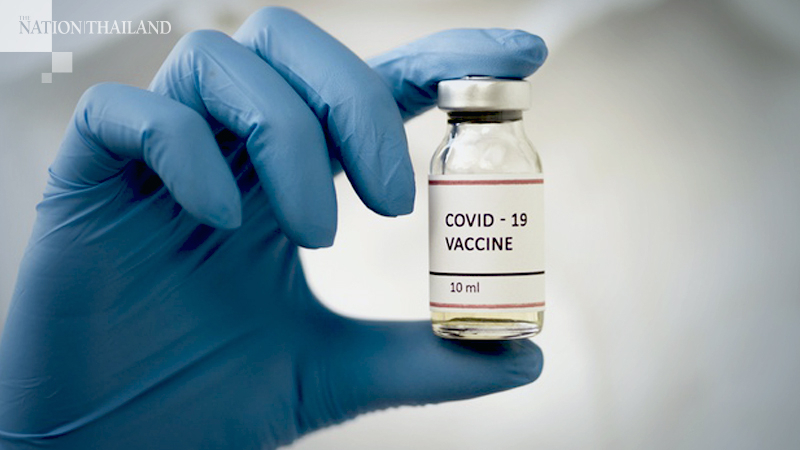
Virus variant first detected in the U.K. has been deadlier, study confirms

InternationalFeb 14. 2021

By The Washington Post · Miriam Berger

Scientists had already determined that the variant of the novel coronavirus first detected in November in the United Kingdom – known as B.1.1.7. because of its molecular makeup – was probably 30 to 70% more transmissible than the typical version of the virus causing covid-19.

They also knew, based on preliminary data, that the variant appeared relatively more deadly for the growing number of people catching it.

U.K. scientists now say its probably 30 to 70% more deadly based on a follow-up study by the government released Friday that assessed a larger sample size of covid-19 patients and also found a higher rate of hospitalization.

The variant is “associated with an increased risk of hospitalization and death compared to infection” with other forms of the virus, according to the study, which drew from multiple databases across England.

There are still many unknowns: The data available to study has noteworthy gaps among critical demographics, such as nursing homes, and provides an incomplete tally of infections, a problem persisting throughout the pandemic. But it does underscore how – even with efforts to fast-track fighting the virus – scientific data takes time to gather and access, despite the pressing need for information.

In the months since the variant was first reported – and the weeks since British Prime Minister Boris Johnson initially said it appeared to be deadlier – the highly-transmissible form of the virus has spread to more than 80 countries, including the United States, and become the dominant strain in some parts of England. It has led to overwhelmed hospitals, disrupted travel and business, and necessitated a return to lockdowns in cities across Europe, even as coronavirus vaccination programs roll out to inoculate millions of people. Scientists sequencing the virus have also detected several other highly-transmissible variants, such as one that was first documented in South Africa.

The rapid spread of variants led Britain in January to institute a comparatively longer and stricter lockdown than the country’s previous ones. As The Washington Post reported, other countries in Europe who first reported surges in cases this winter have recently seen declines in their rates of transmission after prolonged shutdowns were put in place to prevent further spread of the B.1.1.7 variant.

Alongside lockdowns, some countries in Europe also increased their face-mask requirements and recommendations in response to initial reports about the threat of the variants. On Wednesday, the U.S. Centers for Disease Control and Prevention issued new guidelines urging people to wear two cloth masks or medical grade masks, when available, to limit the chance of spreading or contracting the various forms of the virus in circulation.

So far, the makers of the Moderna and Pfizer-biotech coronavirus vaccines have said their products remain effective against the latest forms of the virus. Studies of these variants and the various vaccines under development or emergency use are ongoing.

Oxford-AstraZeneca begins a vaccine trial for children. It’s the youngest group yet to be tested. #SootinClaimon.Com

#SootinClaimon.Com : ขอบคุณแหล่งข้อมูล : หนังสือพิมพ์ The Nation.

Oxford-AstraZeneca begins a vaccine trial for children. It’s the youngest group yet to be tested.

InternationalFeb 14. 2021

By The Washington Post · Kim Bellware

Oxford University announced Friday it started testing its coronavirus vaccine in children as young as six in a move that expands coronavirus vaccine trials to the youngest age group yet.

The Oxford trial will include 300 child volunteers ages 6 to 17, with 240 of them receiving the vaccine co-developed with drugmaker AstraZeneca; the remaining participants will receive a control meningitis vaccine that has been proven safe in children but is expected to mimic similar side effects of a covid-19 shot, the university said in a statement.

Before the Oxford/AstraZeneca trial, testing had not included children younger than 12. Three other companies – Pfizer, Moderna and Janssen – have announced plans to start trials for younger children this spring.

Only the Pfizer-BioNTech and Moderna vaccines have been authorized in the United States thus far. Johnson & Johnson has a single-shot vaccine that could be authorized in March. U.S. regulators are still waiting for more trial data before approving the Oxford-AstraZeneca vaccine, which is already in use in the European Union.

Even with clinical trials for younger patients underway, children are not expected to widely receive the vaccine for months and may not until 2022. Richard Malley, a senior physician in the Division of Infectious Diseases at Boston Children’s Hospital said he does not expect vaccinations in children to start until next calendar year

“We really want to make sure they’re safe and well-tolerated in children, particularly when there’s a low risk-benefit ratio,” Malley told The Washington Post Saturday. Coronavirus has not shown itself to be as dangerous in most children as it is in older adults, making it less critical to race out testing for children.

“The risk-benefit calculus you have to do should lead you to want to do this only if it’s extraordinarily safe in pediatric populations,” he said.

The Oxford trial’s small sample size of 300 children who span a decade in age is meant to serve as a jumping-off point and not the final word on how the vaccine will be tolerated by young patients.

Malley said in a 300-person trial, the purpose is to determine what he called a “global response” and tell researchers at a high level if the vaccine is safe, well-tolerated and able to produce an immune response in children.

While the development and rollout of various coronavirus vaccine candidates has occurred at an unprecedented speed, clinical trials expanding now to younger children follow the standard pattern of all vaccine testing, Malley said.

“In any vaccine study, you’re generally starting with healthy adults and slowly move into different age categories going up or down to make sure it’s safe for other adults,” Malley said.

For some health experts, the timeline of expanding clinical trials to teenage and younger patients has been disappointingly slow, particularly given the strength of the safety data for adults who have taken the vaccine.

American Association of Pediatrics President Sally Goza wrote to federal leaders in September arguing pediatric trials were essential for curbing the pandemic, given the potential of older children to be vectors for the disease.

“While some studies have shown that children under the age of 10 may be less likely to become infected and less likely to spread the virus to others, more recent data suggest children older than 10 years may spread SARS-CoV-2 as efficiently as adults,” Goza wrote.

Malley, the Boston Children’s Hospital doctor, said even though children are roughly half as likely as an adult to transmit coronavirus, inoculating younger populations is crucial to achieving herd immunity.

“When you read that kids are less likely to transmit, it’s roughly by a factor of two – so it’s not zero,” he said, noting that the virus variants that have emerged may further change the equation.

Malley also points to the fact that while children broadly have not suffered severe or lingering illness from covid-19 the way adults have, some children have developed acute respiratory failure and multisystem inflammatory syndrome, or MIS-C – a rare but serious illness than be fatal or leave children with lasting heart damage.

So far in the United States, at least 11,000 children and teenagers have been hospitalized and at least 215have died, according to a Jan. 28 report from the American Academy of Pediatrics.

“Even though these are rare, they can be catastrophic,” Malley said. “If the vaccine is safe and can be tolerated, it can save lives.”

คนเอเชียถูกเหยียดเชื้อชาติมากขึ้นจนต้องลุกขึ้นมาปกป้องกันเอง #SootinClaimon.Com

#SootinClaimon.Com : ขอบคุณแหล่งข้อมูล : หนังสือพิมพ์โพสต์ทูเดย์

https://www.posttoday.com/world/645302

วันที่ 13 ก.พ. 2564 เวลา 18:30 น.คนเอเชียถูกเหยียดเชื้อชาติมากขึ้นจนต้องลุกขึ้นมาปกป้องกันเองเหตุการณ์ที่คนเอเชีย รวมทั้งคนไทยถูกทำร้ายร่างกายในสหรัฐในเวลาไล่เลี่ยกัน ทำให้ประเด็นเหยียดเชื้อชาติถูกพูดถึงอีกครั้ง

นอกจาก วิชา รัตนภักดี ชายไทยวัย 84 ปีที่อาศัยอยู่ในเมืองซานฟรานซิสโกของสหรัฐซึ่งเสียชีวิตหลังถูกทำร้ายร่างกายที่เชื่อว่ามีมูลเหตุมาจากพฤติกรรมการเหยียดเชื้อชาติชาวเอเชีย ในช่วงเวลาไล่เลี่ยกันยังมีอีกอย่างน้อย 3 คดีในย่านไชนาทาวน์ของเมืองโอคแลนด์คือ ชายวัย 91 ปีถูกผลักจนล้ม ชายวัย 60 ปี และหญิงวัย 55 ปี

โดยผู้ลงมือทั้ง 3 คดีหลังนี้เป็นคนคนเดียวกัน คือหนุ่มแอฟฟริกัน-อเมริกันวัย 28 ปี

นอกจากนี้ ยังมีหญิงชาวเวียดนามวัย 64 ปีที่ถูกทำร้ายและปล้นเงิน 1,000 เหรียญสหรัฐในเมืองซานโฮเซของรัฐแคลิฟอร์เนีย รวมทั้งชาวฟิลิปปินส์วัย 61 ปีที่ถูกทำร้ายร่างกายด้วยมีดคัตเตอร์ในรถไฟใต้ดินนิวยอร์กซิตี

เหตุการณ์ที่เกิดขึ้นทั้งหมดนี้ทำให้ประเด็นเรื่องการเหยียดเชื้อชาติชาวเอเชียเป็นที่พูดถึงอีกครั้งทั้งในบ้านเราและในสหรัฐ

ในฝั่งของสหรัฐนั้นทางการท้องถิ่นหลายเมืองเริ่มตื่นตัวมากขึ้น อาทิ เขตแอลลามีดาของรัฐแคลิฟอร์เนีย ที่ตั้งหน่วยรับมือพิเศษขึ้นมาโดยเฉพาะเพื่อเฝ้าจับตาการก่ออาชญากรรมกับชาวเอเชียโดยเฉพาะอย่างยิ่งผู้สูงอายุ ส่วนตำรวจนิวยอร์กตั้งหน่วยปฏิบัติการรับมืออาชญากรรมที่เกิดจากความเกลียดชังชาวเอเชีย

แม้จะยังไม่แน่ชัดว่าอุบัติเหตุทั้งหมดนี้เกี่ยวข้องกับการเหยียดเชื้อชาติหรือไม่ แต่นักเคลื่อนไหวพากันเรียกร้องให้ทางการจัดการกับปัญหาอาชญากรรมที่เกิดขึ้นกับคนเอเชียในสหรัฐมากกว่านี้

รัสเซลล์ เจิ้ง   หัวหน้าศูนย์เอเชีย-อเมริกันศึกษาของมหาวิทยาลัยซานฟรานซิสโกและผู้คิดค้น Stop AAPI Hate  ที่ใช้ติดตามการกอ่อาชญากรรมที่เกี่ยวข้องกับความเกลียดชังชาวเอเชียและชุมชนคนหมู่เกาะแปซิฟิก เผยกับสำนักข่าว USA Today ว่า การทำร้ายร่างกายชาวเอเชียเพิ่มขึ้นอย่างเห็นได้ชัดช่วงเดือน มี.ค.ปีที่แล้ว ซึ่ง Covid-19 เริ่มระบาดในสหรัฐ

เจิ้งมองว่า นักการเมืองบางคน รวมทั้งอดีตประธานาธิบดี โดนัลด์ ทรัมป์ มีส่วนทำให้ความเกลียดชังชาวเอเชียเพิ่มขึ้น เนื่องจากทรัมป์มักจะเรียกเชื้อโคโรนาไวรัสว่า “ไวรัสจีน” ซึ่งถ้อยคำโจมตีนี้นำมาสู่การก่ออาชญากรรมจากความเกลียดชัง

จากข้อมูลของ Stop AAPI Hate พบว่า ตั้งแต่วันที่ 19 มี.ค.-31 ธ.ค. ปีที่แล้ว มีชาวเอเชียถูกทำร้ายร่างกายหรือโจมตีด้วยคำพูด2,808  ครั้ง ขณะที่ข้อมูลของ Asian Americans Advancing Justice พบว่ามีการแจ้งเหตุการณ์ที่เกิดจากความเกลียดชังชาวเอเชียนับยตั้งแต่ปลายเดือน เม.ย. 2020 กว่า 3,000 ครั้ง

ทว่าจากข้อมูลของสำนักสถิติกระทรวงยุติธรรมพบว่า ตัวเลขนี้เป็นเพียงส่วนหนึ่งเท่านั้น เนื่องจากผู้เสียหายจากเหตุการณ์เหล่านี้แจ้งตำรวจไม่ถึงครึ่ง

นอกจากเจิ้ง ยังมีนักเคลื่อนไหวอีกคนหนึ่งที่ออกมาเรียกร้องในครั้งนี้ นั่นคือ อะแมนดา เหงียน ผู้ร่วมก่อตั้งองค์กร Rise ที่ช่วยเหลือผู้ถูกกระทำรุนแรงทางเพศ เธอตัดสินใจทำคลิปวิดีโอที่ชาวเอเชียถูกทำร้ายร่างกายซึ่งต่อมาถูกแชร์เป็นวงกว้าง เพราะรู้สึกโกรธที่เห็นชาวเอเชียด้วยกันถูกทำร้าย และยังโกรธที่คดีเหล่านี้ไม่ค่อยได้รับความสนใจจากสื่อมวลชน

“ตอนที่ฉันทำคลิปนั้นฉันรู้สึกทนไม่ไหวกับการต้องอยู่ด้วยความหวาดกลัว มันน่าหัวเราะมากที่ฉันต้องพูดว่า ‘หยุดฆ่าพวกเรา’ ” เหงียนเผยกับ USA Today

นอกจากนี้ ยังมี แดเนียล แด คิม และแดเนียล อู๋ นักแสดงเชื้อสายเอเชียอีก 2 คนที่ร่วมเคลื่อนไหวด้วยโดยการเสนอเงินรางวัล 25,000 เหรียญสหรัฐสำหรับข้อมูลที่นำไปสู่การจับกุมผู้กระทำผิดที่ก่อเหตุในย่านไชนาทาวน์เมืองโอคแลนด์ รวมทั้งบริจาคเงินสนับสนุนองค์กร Stop AAPI Hate

เจิ้งยังเผยอีกว่า นอกจากจะถูกทำร้ายร่างกายแล้ว ชาวเอเชียยังถูกละเมิดสิทธิ์หลายอย่าง อาทิ ร้านค้าปฏิเสธการให้บริการ ไม่ให้ร่วมแชร์รถยนต์ ถูกโจมตีด้วยคำพูดเหยียดเชื้อชาติ ถูกทำลายทรัพย์สิน

ขณะที่ผลวิจัยจากศูนย์วิจัยพิว (Pew) เมื่อปลายปีที่แล้วพบว่า ชาวเอเชีย 31% เคยถูกโจมตีด้วยคำพูดเหยียดเชื้อชาติหรือล้อลียนนับตั้งแต่ Covid-19 ระบาด และ 26% เผยว่า กลัวว่าจะถูกทำร้ายร่างกาย

เจิ้งทิ้งท้ายว่า แม้ว่าประธานาธิบดี  โจ ไบเดน จะลงนามในบันทึกข้อความประณามพฤติกรรมเหยียดเชื้อชาติและการทำร้ายร่างกายชาวเอเชีย ก็ยังไม่เพียงพอ โดยเสนอแนะให้สหรัฐจัดทำระบบช่วยเหลือผู้ถูกกระทำ รวมทั้งให้ความรู้กับผู้เห็นเหตุการณ์ให้เข้าระงับเหตุการณ์อย่างปลอดภัยด้วย

?? WARNING: this video is hard to watch. Another shocking attack in Oakland’s Chinatown. 8th and Harrison Streets. Outside the Asian Resource Center. 20+ robbery/assault incidents in the neighborhood according to the Chinatown Chamber president. https://t.co/9bo9PzuqiL pic.twitter.com/8h6dkNA1TG— Dion Lim (@DionLimTV) February 4, 2021

แบงก์เมียนมาสะดุดหลังพนักงานหยุดงานประท้วงรัฐประหาร #SootinClaimon.Com

#SootinClaimon.Com : ขอบคุณแหล่งข้อมูล : หนังสือพิมพ์โพสต์ทูเดย์

https://www.posttoday.com/world/645286

วันที่ 13 ก.พ. 2564 เวลา 16:00 น.แบงก์เมียนมาสะดุดหลังพนักงานหยุดงานประท้วงรัฐประหารธนาคารเมียนมาหลายแห่งเริ่มมีปัญหาการให้บริการ เนื่องจากพนักงานพากันหยุดงานประท้วงกองทัพ

สำนักข่าว Myanmar Times รายงานว่า ธนาคารเอกชนหลายแห่งในเมียนมาเริ่มประสบปัญหาการให้บริการลูกค้า เนื่องจากพนักงานพากันหยุดงานเพื่อออกไปประท้วงการทำรัฐประหาร

ธนาคารหลายแห่งในประเทศหยุดให้บริการหลังเกิดความวุ่นวายทางการเมือง โดยมีธนาคารอย่างน้อย 1 แห่งประกาศจะดำเนินการกับพนักงานที่หยุดงาน นั่นคือ ธนาคาร Nay Pyi Taw Development ที่ระบุว่าพนักงานจะได้รับเงินเดือนก็ต่อเมื่อมีการปฏิบัติหน้าที่ของตัวเอง และยังเตือนไม่ให้พนักงานยุ่งเกี่ยวกับความวุ่นวายทางการเมืองที่กำลังเกิดขึ้น

ขณะนี้มีธนาคารเอกชนเพียงไม่กี่แห่งที่ยังเปิดให้บริการ ส่งผลให้การทำธุรกรรมเกี่ยวกับการซื้อขายบางอย่างไม่สามารถทำได้

Photo by Sai Aung Main / AFP

อนามัยโลกเผยจีนไม่ยอมให้ข้อมูลสำคัญค้นต้นตอโควิด #SootinClaimon.Com

#SootinClaimon.Com : ขอบคุณแหล่งข้อมูล : หนังสือพิมพ์โพสต์ทูเดย์

https://www.posttoday.com/world/645281

วันที่ 13 ก.พ. 2564 เวลา 14:00 น.อนามัยโลกเผยจีนไม่ยอมให้ข้อมูลสำคัญค้นต้นตอโควิด นักวิทยาศาสตร์จีนไม่ยอมเปิดเผยข้อมูลดิบเกี่ยวกับการระบาดของ Covid-19

ทีมผู้เชี่ยวชาญขององค์การอนามัยโลก (WHO) ที่เดินทางไปสอบสวนต้นตอการแพร่ระบาดของ Covid-19 ที่จีนเผยว่า นักวิทยาศาสตร์จีนไม่ยอมเปิดเผยข้อมูลดิบ รวมทั้งข้อมูลเกี่ยวกับการแพร่ระบาดของเชื้อโคโรนาไวรัสตั้งแต่ช่วงแรกๆ ที่พบการระบาด ซึ่งจะช่วยให้ทั้งโลกเข้าใจต้นตอการระบาดของเชื้อ ทำให้ทีมของ WHO ไม่สามารถสืบค้นเบาะแสสำคัญที่จะช่วยหยุดยั้งการแพร่ระบาดของโรคอันตรายในอนาคตได้  

นอกจากนี้ ผู้เชี่ยวชาญของ WHO หลายรายยังเผยเป็นเสียงเดียวกันว่า เจ้าหน้าที่จีนยังขอให้ทีมของ WHO ยอมรับคำข้อมูลเกี่ยวกับต้นตอของเชื้อไวรัสจากทางรัฐบาลจีน รวมทั้งข้อมูลที่ยังไม่ได้รับการพิสูจน์ที่ว่าเชื้อโคโรนาไวรัสแพร่จากต่างประเทศเข้ามายังจีน

และเมื่อถูกถามว่า Covid-19 เริ่มระบาดตั้งแต่เมื่อใด ทีมจาก WHO เผยว่า ยังไม่พบหลักฐานว่ามีการระบาดก่อนที่ทางการจีนจะพบเคส แต่ทางทีมยังขาดรายละเอียดเกี่ยวกับประวัติคนไข้ทั้งจากในเคสที่ยืนยันเป็นเคสแรกๆ และเคสที่เกิดก่อนหน้า

อย่างไรก็ดี องค์การอนามัยโลกจะเปิดเผยรายงานฉบับเต็มในเร็วๆ นี้

โควิดพ่นพิษ เศรษฐกิจอังกฤษแย่สุดในรอบ 300 ปี #SootinClaimon.Com

#SootinClaimon.Com : ขอบคุณแหล่งข้อมูล : หนังสือพิมพ์โพสต์ทูเดย์

https://www.posttoday.com/world/645272

วันที่ 13 ก.พ. 2564 เวลา 12:01 น.โควิดพ่นพิษ เศรษฐกิจอังกฤษแย่สุดในรอบ 300 ปีเศรษฐกิจของอังกฤษทรุดตัวหนักสุดในรอบกว่า 300 ปีอันเนื่องมาจากการแพร่ระบาดของ Covid-19

ธนาคารกลางของอังกฤษเผยว่า ตลอดปี 2020 จีดีพีของอังกฤษหดตัวถึง 9.9% ซึ่งแม้ว่าจะดีกว่าที่คาดการณ์ไว้เป็นการหดตัวรายปีที่ต่ำที่สุดในรอบกว่า 300 ปี

นั่นหมายความว่า การแพร่ระบาดของ Covid-19 ทำลายการเติบโตของเศรษฐกิจในช่วง 7 ปีที่ผ่านมาไปทั้งหมด ส่งผลให้ขณะนี้เศรษฐกิจของอังกฤษถอยหลังกลับไปมีขนาดเท่ากับเศรษฐกิจของปี 2013

ริชี ซูนัค รัฐมนตรีกระทรวงการคลังของอังกฤษเผยว่า “ตัวเลขวันนี้แสดงให้เห็นว่าเศรษฐกิจได้รับผลกระทบอย่างหนักจากโรคระบาดซึ่งกระจายไปในหลายประเทศทั่วโลก แม้ว่าจะมีสัญญาณบวกของการฟื้นตัวในช่วงฤดูหนาว แต่เราก็รู้อยู่แล้วว่าการล็อกดาวน์จะส่งผลกระทบกับประชาชนและธุรกิจอีกมากมาย”

นอกจากนี้ หน่วยงานกำกับนโยบายด้านการเงิน (FCA) พบว่า การแพร่ระบาดของ Covid-19 ส่งผลให้ประชากรชาวอังกฤษในวัยผู้ใหญ่มีความเปราะบางทางการเงินกว่า 25% เนื่องจากมีหนี้มากเกินหรือมีเงินเก็บไม่เพียงพอรองรับสถานการณ์ไม่คาดฝัน อาทิ ชั่วโมงการทำงานลดลง หรือการเจ็บป่วย

และยังพบอีกว่าคนในวัยผู้ใหญ่เกือบ 40% มีปัญหาทางการเงินอันเนื่องมาจากโรคระบาด โดยคนทำงานวัยหนุ่มสาว คนผิวสี และผู้ประกอบอาชีพอิสระได้รับผลกระทบหนักที่สุด

เมียนมาจับหมอที่เป็นแกนนำทำอารยะขัดขืนต้านรัฐประหาร #SootinClaimon.Com

#SootinClaimon.Com : ขอบคุณแหล่งข้อมูล : หนังสือพิมพ์โพสต์ทูเดย์

https://www.posttoday.com/world/645246

วันที่ 13 ก.พ. 2564 เวลา 09:30 น.เมียนมาจับหมอที่เป็นแกนนำทำอารยะขัดขืนต้านรัฐประหารกองทัพเมียนมาเดินหน้าจับหมอหลายรายที่เป็นแกนนำชักชวนเจ้าหน้าที่หยุดงานทำอารยะขัดขืนต่อต้านรัฐประหาร
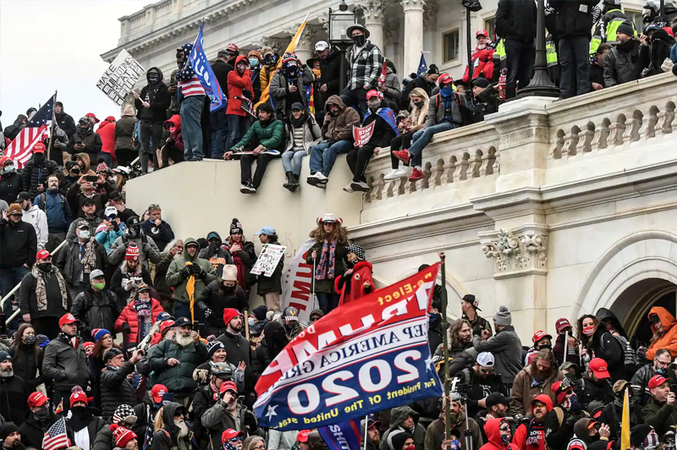
แพทย์และพยายาลหลายร้อยคนจากโรงพยาบาลรัฐในเมืองย่างกุ้ง มัณฑะเลย์ และเมืองอื่นๆ พากันออกมาแสดงพลังต่อต้านการทำรัฐประหารเมื่อวันที่ 3 ก.พ. 2 วันหลังจากทหารเข้ายึดอำนาจ หลังจากนั้นบรรดาเจ้าหน้าที่อีกหลายพันคนจากหน่วยงานรัฐและธุรกิจสำคัญๆ รวมทั้งธนาคารและรัฐวิสาหกิจที่กองทัพเป็นเจ้าของก็พากันออกมาสมทบ

ทว่า เมื่อช่วงเช้าวานนี้ (12 ก.พ.) ตำรวจมัณฑะเลย์บุกจับกุม Khin Maung Lwin อธิการบดีมหาวิทยาลัยการแพทย์มัณฑะเลย์ถึงที่บ้านพักในข้อหาสนุบสนุนการทำอารยะขัดขืนโดยไม่มีหมายจับ

ในเฟซบุ๊คไลฟ์ของบุตรสาวของอธิการบดีเผยวินาทีที่ตำรวจพยายามควบคุมตัว Khin Maung Lwin แต่สุดท้ายก็ต้องล่าถอย เนื่องจากชาวบ้านที่อยู่ใกล้เคียงเริ่มออกมารวมตัวกันที่ถนนแล้วช่วยกันเคาะหม้อและกระทะ

นอกจากนี้ เมื่อคืนวันพฤหัสบดี (11 ก.พ.) ตำรวจยังพยายามจับกุมผู้อำนวยการโรงพยาบาล Aunglan ในเขตมะเกวในข้อหาสนับสนุนให้เจ้าหน้าที่ของโรงพยาบาลออกมาทำอารยะขัดขืน แต่ชาวบ้านช่วยกันปกป้องผู้อำนวยการรายนี้ไม่ให้ถูกจับกุมตัว

ด้าน Lynn Letyar ศัลยแพทย์จากโรงพยาบาล Lashio ในรัฐฉานเผยกับสำนักข่าว The Irrawaddy ของเมียนมาว่า มีเจ้าหน้าที่นอกเครื่องแบบ 2 นายมาถามหาเขาที่บ้านหลังจากเจ้าตัวออกไปข้างนอกแล้ว

อีกรายหนึ่งเป็นแพทย์จากโรงพยาบาลจากเขตอิรวดีถูกตำรวจจับกุมตัวขณะกำลังรักษาคนไข้ที่คลินิกเอกชนแห่งหนึ่งที่เปิดรักษาโดยไม่คิดเงินในช่วงที่โรงพยาบาลรัฐปิด

ทั้งนี้ องค์การสหประชาชาติเผยว่า นับตั้งแต่เกิดรัฐประหหารเมื่อวันที่ 1 ก.พ.ที่ผ่านมา กองทัพเมียนมาจับกุมนักโทษทางการเมือง เจ้าหน้าที่รัฐ คณะกรรมการการเลือกตั้ง นักเคลื่อนไหวทางการเมือง พระ นักเขียนไปแล้วกว้า 350 คน

Photo by Ye Aung THU / AFP

Virginia man charged with helping plan Capitol attack will be jailed until trial #SootinClaimon.Com

#SootinClaimon.Com : ขอบคุณแหล่งข้อมูล : หนังสือพิมพ์ The Nation.

Virginia man charged with helping plan Capitol attack will be jailed until trial

InternationalFeb 13. 2021

By The Washington Post, Tom Jackman, Spencer S. Hsu and Rachel Weiner

WASHINGTON – A Virginia man accused of being a coordinator in the Jan. 6 attack on the Capitol was ordered held in jail until his trial, with a federal judge finding Friday that his messages to others discussing bringing weapons to Washington and future attacks on state capitols made him a danger “not just to the community but actually to the fundamental fabric of democracy we also cherish.”

Thomas Caldwell, 66, of Berryville, Va., is charged with conspiring with two Ohio members of the conservative Oath Keepers to obstruct the electoral vote count, destroy government property and enter a restricted area, though prosecutors acknowledge he didn’t enter the Capitol building. Caldwell spoke up three times as U.S. District Judge Amit Mehta in the District of Columbia explained his reasons for detaining the retired Navy commander and former FBI employee.

“Your honor, these things are taken out of context,” Caldwell said as Mehta quoted messages allegedly sent by Caldwell discussing a “Quick Response Team” on the Potomac River “with the heavy weapons standing by,” and one message after the Jan. 6 siege that read, “Lets storm the capitol in Ohio. Tell me when!”

“I didn’t send that,” Caldwell interjected. “My life hangs in the balance,” he also told the judge, who repeatedly advised him not to speak.

Mehta cited a series of communications Caldwell allegedly had since November, over Facebook and other media, to support his finding that Caldwell was a danger to the community and not eligible for release. He said Caldwell apparently joined with others “to plan a potential militarylike incursion on the Capitol on Jan. 6,” noting one message allegedly sent by Caldwell that said, “I believe we will have to get violent to stop this.”

The judge was also troubled by prosecutors’ contention that after the riot Caldwell deleted Facebook messages and photos he had posted of himself at the Capitol, which Mehta characterized as destroying evidence. Caldwell also allegedly invited co-defendants Jessica M. Watkins and Donovan Crowl, from Woodstock, Ohio, to stay at his house and store their military equipment with him. Both Watkins and Crowl appear in photos inside the Capitol.

Caldwell was arrested at his home on Jan. 19, and federal officials said a search turned up a document titled “Death List.” Mehta asked for specifics about the item, which prosecutors said named “an election official from another state.” Assistant U.S. Attorney Kathryn Rakoczy sent a photo of the list to the judge and Caldwell’s attorney, Thomas Plofchan Jr., during the hearing; she said it contained the name of one election official from another state who had been in the news, as well as a relative of the official.

Mehta and the lawyers did not name the official, and the judge said he did not consider it in his ruling.

Plofchan said Caldwell denies that he has any death list. “My client doesn’t even recall the words ‘death’ or ‘list’ being on a piece of paper in his house,” the lawyer said.

The judge said Caldwell’s use of undetectable electronic communications couldn’t be monitored round-the-clock. “Given the extensive planning” for Jan. 6, Mehta said, “given the extensive degree of communications, I don’t have any confidence that Mr. Caldwell won’t continue to engage in this kind of conduct and this behavior and planning with others if he were to be released.”

Caldwell is being held at the Central Virginia Regional Jail in Orange. Plofchan said after the hearing, “The government controls at this stage. As my client kept trying to say, context is everything. And a defense attorney can’t counter what we don’t know about.”

Plofchan said Caldwell was not a member of the Oath Keepers, had no history of violence and didn’t pose a threat to the community.

At least two other alleged participants in the Jan. 6 riot also appeared Friday before federal judges in Washington. Daniel Adams, an East Texas man accused of mobilizing rioters to push past police, also unsuccessfully sought his release.

Assistant U.S. Attorney Troy Edwards said Adams was one of the first people in the building and was so aggressive with police that they responded with force and left him with a head injury.

Defense attorney Gary Proctor said Adams was at most “middle management” in the assault and that his behavior at the Capitol was an “aberration.”

Judge Zia Faruqui agreed that Adams “was incited.” Without naming anyone, the judge said “Someone poured the gasoline around the capitol building,” and “all it took was one spark to light the bonfire.” But, Faruqui said, he couldn’t let Adams out of jail for fear he would be inflamed again: “We’re at a moment still that is a tense moment.”

An attorney for another defendant, Matt Bledsoe, asked U.S. District Judge Beryl A. Howell to remove his GPS monitoring, saying Bledsoe didn’t mean he himself intended to “execute them all” – as he texted after the Jan. 6 riot – but instead that, as a subscriber to the extremist ideology QAnon, he imagined that lawmakers would be executed by proper authorities in a Judgment Day apocalypse. Howell rejected that, saying “QAnon believers will confront facts and reality in court.”

“What happened January 6 is no fantasy for people inside the Capitol,” Howell said, “or for people in the country. The defendant is entitled to his beliefs. He can believe the QAnon theory. He can believe the earth is flat. He can believe what he wants, but he is not entitled to break the law, and his conduct was such a risk to others that keeping track of his whereabouts while pending trial is a wise decision.”

She said that in six months, if the case remains pending and Bledsoe abides by his release conditions without exception, his attorney could argue that he had shown his responsibility.

Manhattan man charged with threatening lawmakers, cable news personalities #SootinClaimon.Com

#SootinClaimon.Com : ขอบคุณแหล่งข้อมูล : หนังสือพิมพ์ The Nation.

Manhattan man charged with threatening lawmakers, cable news personalities

InternationalFeb 13. 2021

By The Washington Post, Shayna Jacobs

NEW YORK – A Manhattan man threatened to kill a governor, current and former members of Congress and several cable news personalities, targeting them via live Instagram videos and private Facebook messages, federal prosecutors said Friday.

Rickey Johnson, 47, who also goes by Nigel Dawn Defarren, was arrested Thursday night and made his initial court appearance Friday. He is charged with making threatening interstate communications and threatening United States officials. A judge ordered that he remain detained.

A criminal complaint detailing the allegations does not identify the lawmakers or their political affiliations, nor the news networks that employ the broadcasters. It refers to the victims only by job titles, including a former House-speaker, a sitting governor, and a current U.S. senator and U.S. representative. None holds office in New York, the complaint says.

A spokesman for the Manhattan U.S. attorney’s office declined to comment on the targets of Johnson’s alleged threats.

The arrest comes amid an alarming rise in politically charged threats aimed at public officials and members of the news media – and just weeks after a mob of rioters, many who’ve said they were inspired by then-President Donald Trump, breached the U.S. Capitol in a failed bid to block the certification of President Biden’s election victory. The attack resulted in five deaths, including that of a Capitol Police officer. Two other officers died by suicide after the assault, which left numerous law enforcement personnel seriously injured.

It was not clear from Johnson’s criminal complaint whether he is affiliated with a political party or another movement, although it says that in one Instagram video he asserted “Donald Trump supporters kill police officers.”

Johnson, according to the complaint, referred to his victims as “domestic terrorists” and, in addressing one of the broadcasters specifically, “an enemy to the American society.” He spoke of executing the governor “in the name of the United States Constitution,” the complaint says, noting too that, in a video made Feb. 4 and targeting one of the media personalities, Johnson allegedly said: “I want this white woman dead. . . . I am going to kill you with my bare hands.”

His court-appointed attorney Zawadi Baharanyi told the judge that Johnson is a military veteran, having served in the 1990s. Prosecutor Patrick Moroney said Johnson had been working as a food-delivery messenger and rode his bike around the city “including to the building where many of the victims work.”

In one of his Instagram videos, Johnson referred to the Lower Manhattan neighborhood where one of the broadcasters lives and described an encounter Johnson took to be a slight, though authorities did not say whether there is evidence such an encounter occurred. Johnson was seen “taking the subway with his bike to that downtown neighborhood and then riding around,” Moroney said.

“Law enforcement has been in touch with several of the victims and they’re scared,” he added.

Baharanyi said there was “no indication or reason for us to believe that he is intending to or would carry out these threats.”

U.S. Magistrate Judge Gabriel Gorenstein denied Johnson’s release citing his significant criminal record and what he called “very serious” threats.

Johnson previously spent five years in prison on drug charges, according to prosecutors, who told the court he has multiple prior arrests including for suspicion of burglary and stalking, plus open warrants in Alabama and Georgia.

The U.S. attorney’s office credited detectives with the New York Police Department’s Intelligence Bureau with helping to identify Johnson. In the complaint, officials said the NYPD was able to track the IP address used in making the posts to an address Johnson recently used.