Photo exhibition captures plight of a world caught in the grip of Covid-19
THURSDAY, NOVEMBER 17, 2022
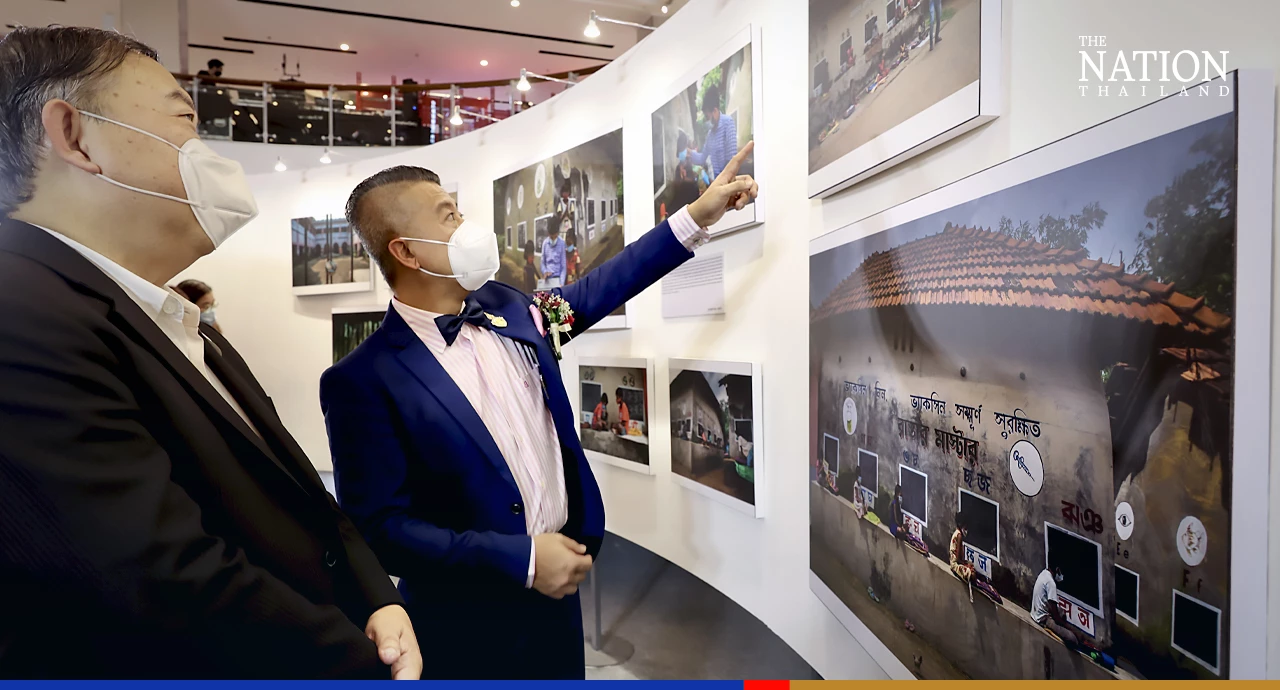
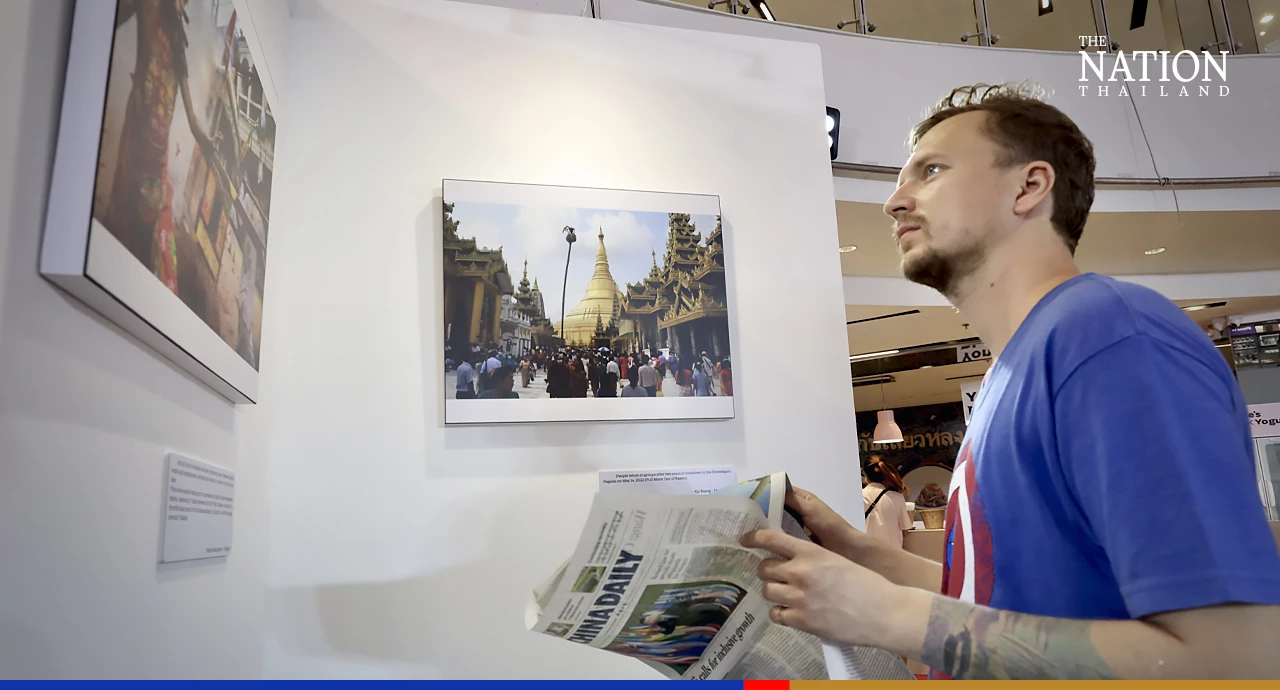
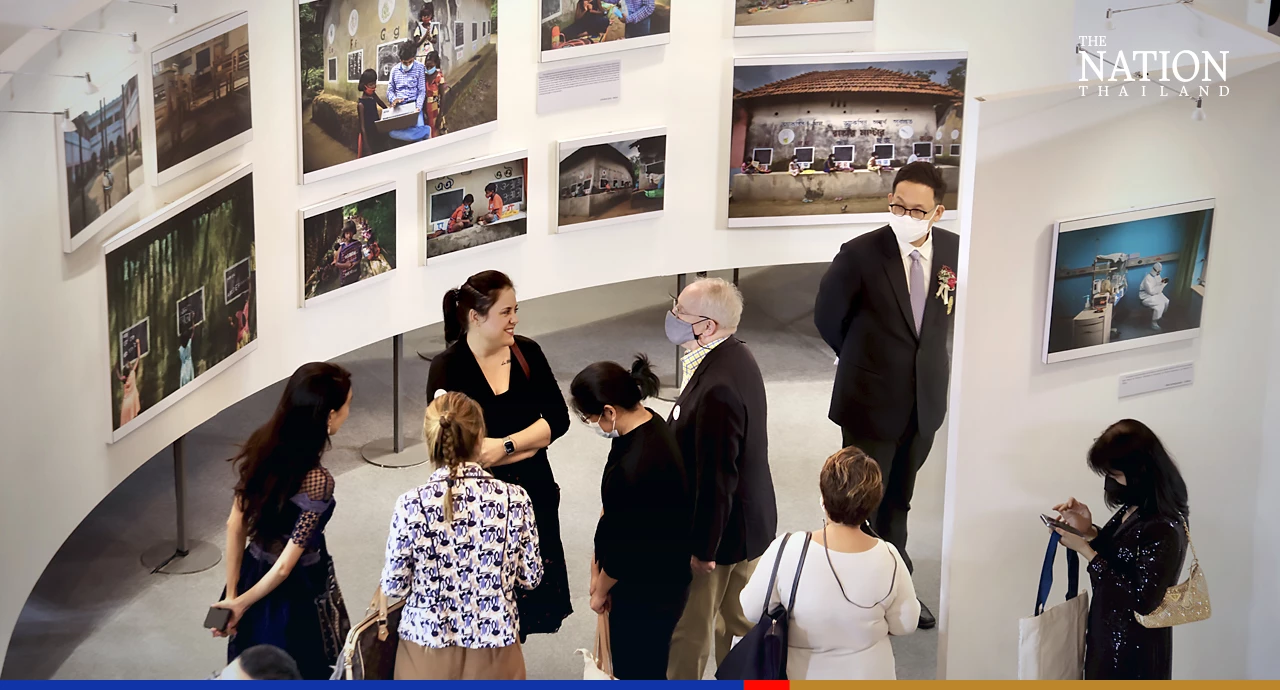
A photography exhibition on three years of the Covid-19 pandemic is being held in Bangkok until Sunday, coinciding with the Apec Summit.
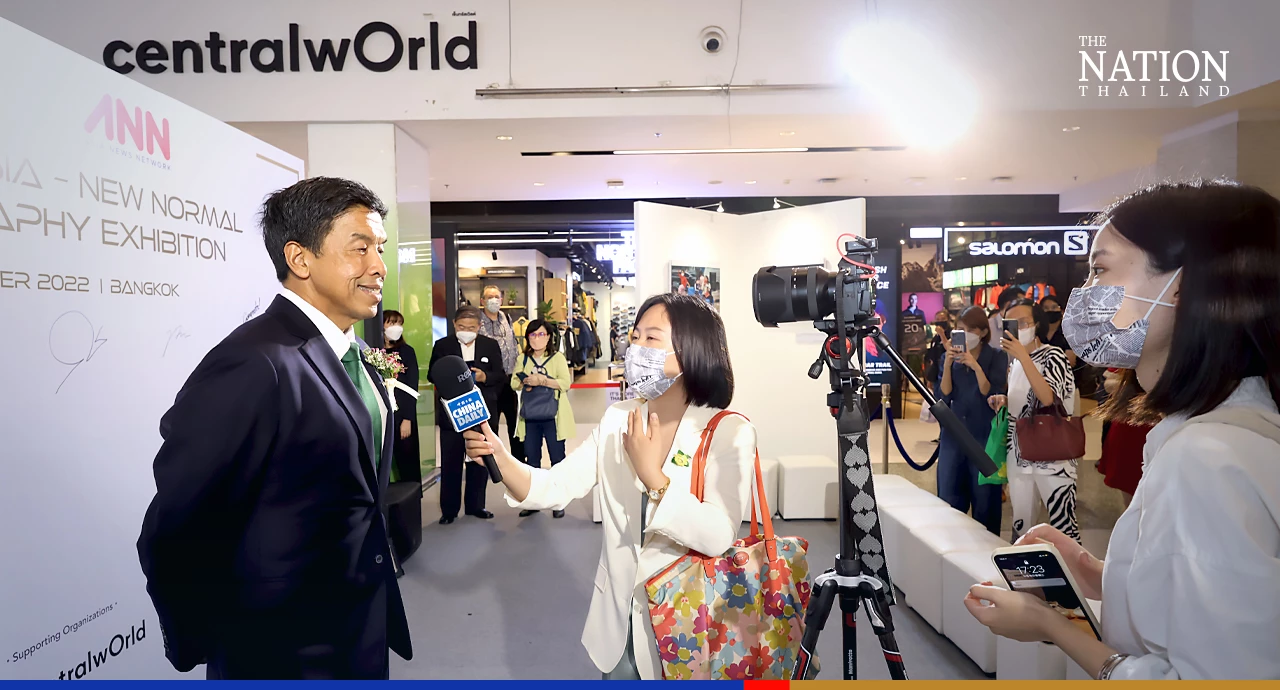
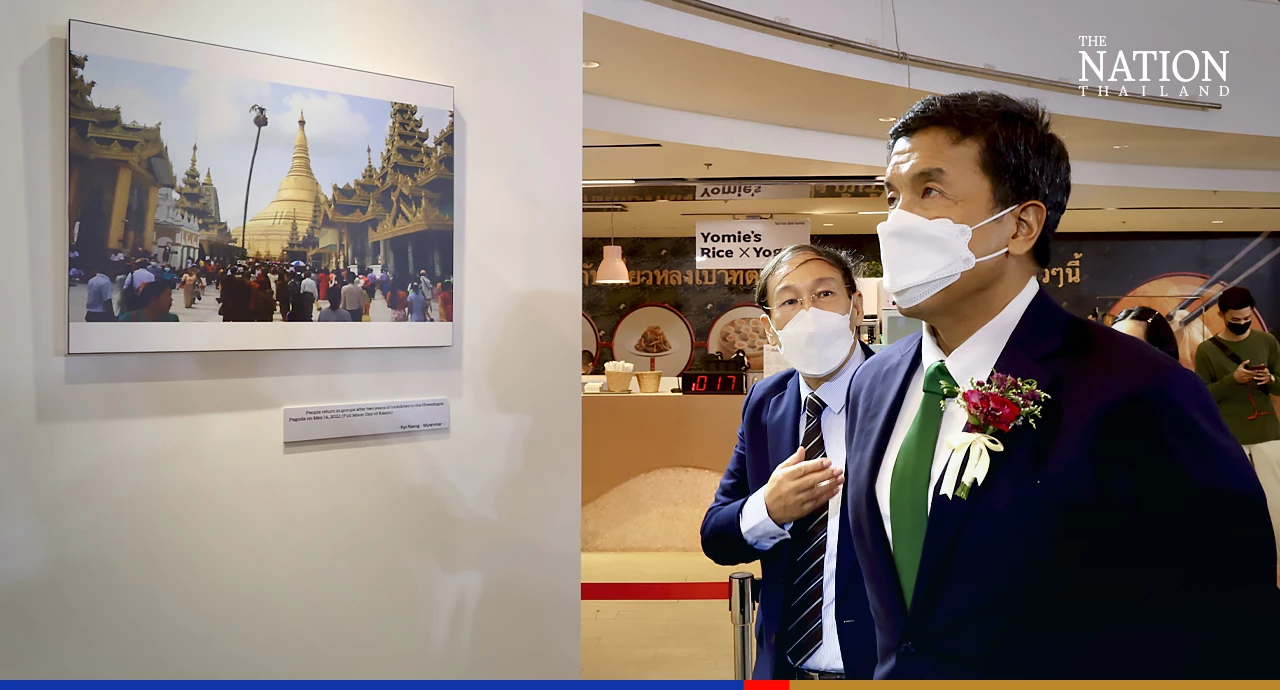
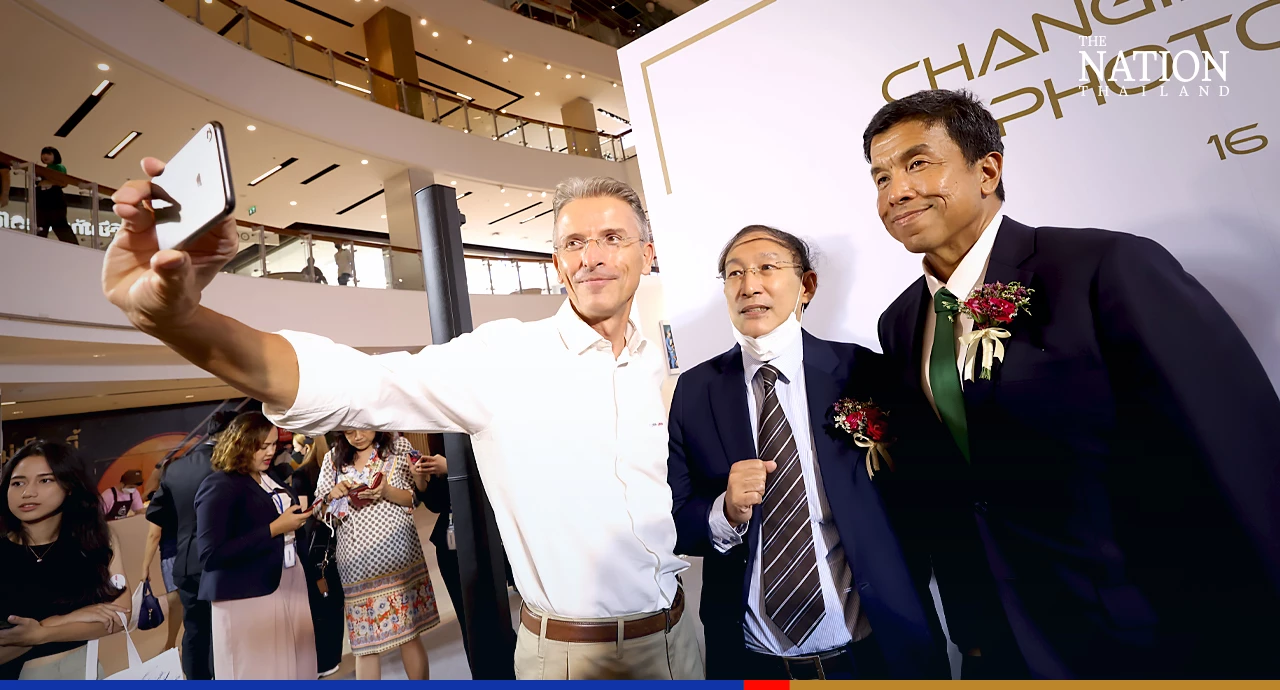
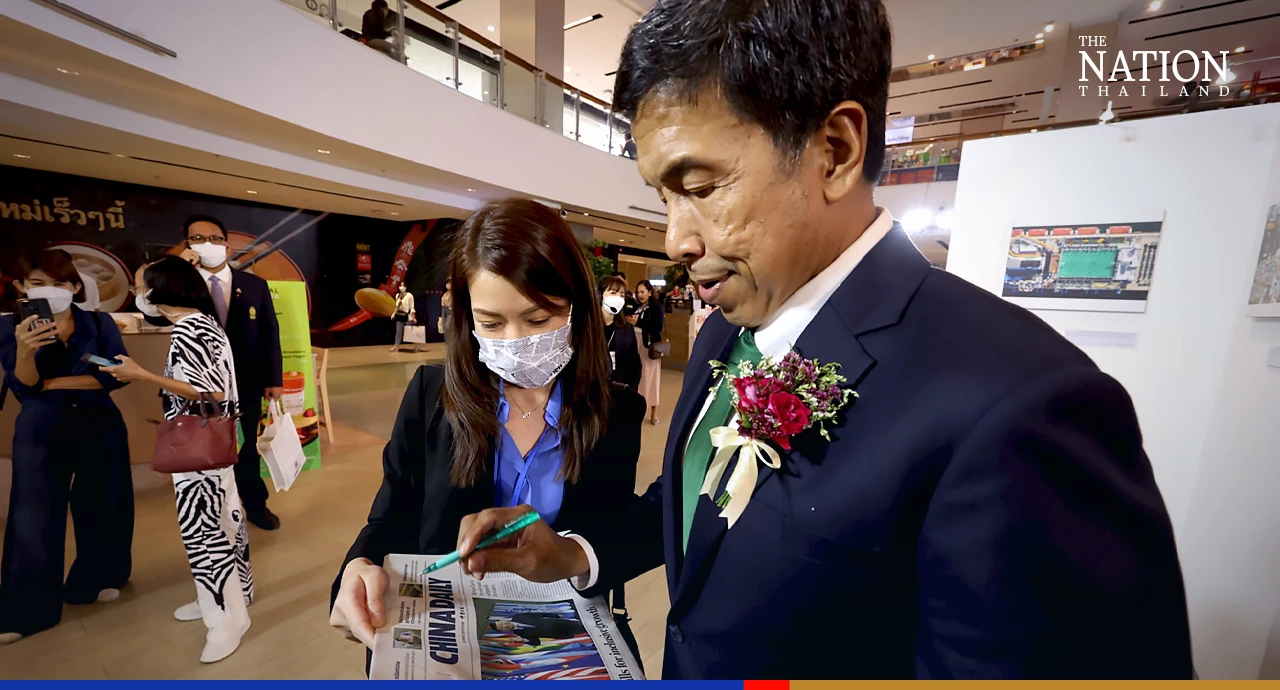
The opening ceremony of the “Changing Asia – New Normal” photography exhibition was held on Wednesday on the third floor of CentralWorld.
A total of 76 Images from photographers in Bangladesh, Bhutan, Cambodia, China, India, Indonesia, Iran, Laos, Malaysia, Myanmar, Palestine, the Philippines, Russia, South Korea, Thailand, Türkiye, the United Arab Emirates, and Vietnam were selected for this exhibition co-organised by China Daily and Asia News Network.
The images were chosen from 1,175 photos taken in the past three years and submitted by 179 photographers from 18 countries.
The event aims to review the changes in life during the Covid-19 pandemic and encourages people to move towards a new beginning, actively responding to the construction of a community with a shared future for mankind.
These photos captured Asians in their daily lives, including work and living, recreation, creative pursuits, health and beauty, animals, festivals, health, the arts, eateries, and education.
At the opening ceremony, Naphat Ratanasakdi, secretary-general of the Royal Photographic Society of Thailand, said, “The one special attribute of photography is, it is universal. It is like an international language.”
“You can understand and know what message the photographer wants to convey just by looking at the photos.”
Bangkok Governor Chadchart Sittipunt thanked the organisers for choosing to organise the event in Bangkok. He said it was good timing as it was held during the Apec Summit.
Talking about the exhibition, he said “It reflected the lives of the people.”
Chadchart quoted Vladimir Lenin “There are decades where nothing happens; and there are weeks where decades happen” to describe the pandemic.
He said, “I think in the last three years, many things happened and changed our lives”.
Thai culture ‘full immersion’ awaits Apec leaders at gala dinner
TUESDAY, NOVEMBER 15, 2022
World leaders and their spouses can expect a little more than the average tourism show when Thai cultural highlights are unveiled before them at the Apec gala dinner on Thursday evening.
Culture Minister Itthiphol Khunpluem has lined up an awe-inspiring showcase of Thai arts and traditions in the sumptuous surroundings of the riverside Royal Thai Navy Convention Hall.
Apec leaders will be treated to performances inspired by the “Open. Connect. Balance.” theme of this year’s summit. The evening’s programme of entertainment will be divided into three acts:
Act 1: “Open to All Opportunities”: A concert by the Royal Thai Army, Navy, Air Force, and police bands, plus a performance of contemporary Thai music with top local singers.
Act 2: “Connect in All Dimensions”: A contemporary fashion show of Thai silk creations by designers from all 21 Apec members.
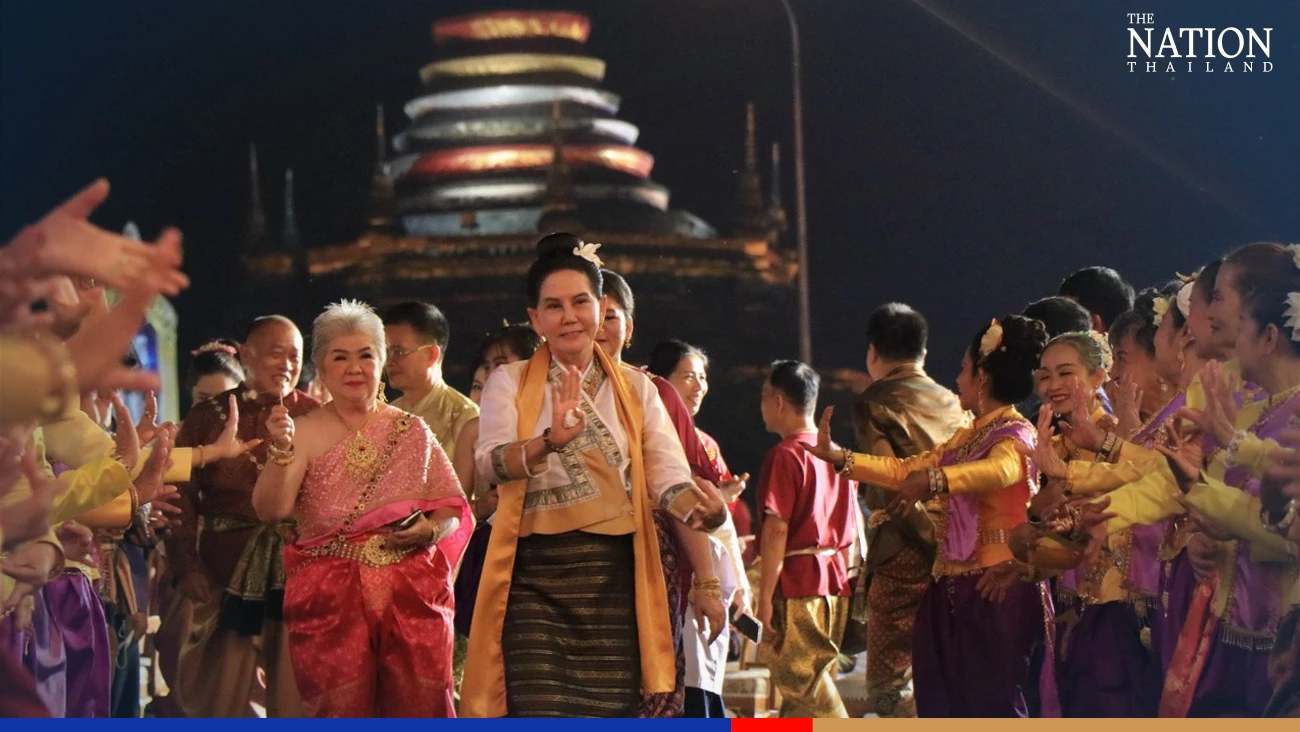
Act 3: “Balance in All Aspects”: An arts and culture performance showcasing the varied traditions of Thailand’s North, Northeast, South, and Central regions.
The show will end with a Loy Krathong celebration to immerse guests in the spirit of Thailand’s famed water festival.
Delayed for a year, the fourth edition of “Unfolding Kafka Festival” is as cutting-edge as ever and provide the audience with more hands-on learning experience than before
It’s the last two months of the year and, like it was pre-pandemic, Bangkok is full of arts festivals. Bangkok Art Biennale (BAB) is on until February and kicking off this weekend is Bangkok Theatre Festival (BTF).
Photo Credit: “PLI” by Vojtech Brtnicky; “Haptic Installation” by S20; James Bachelor by Andrew Sikorski
Already up and running with sheer vigor is the bilingual multidisciplinary Unfolding Kafka Festival which last weekend opened with a unique collaboration between French conductor Michaël Cousteau, Thai choreographer Jitti Chompee and his company 18 Monkeys Dance Theatre as well as PGVIM (Princess Galyani Vadhana Institute of Music) Baroque Ensemble, thanks the French Embassy’s support which also made possible two solo performances “Comme un Symbole” and “Quelques-uns le demeurent” by French dancer and choreographer Alexandre Fandard this Wednesday (November 9) and Thursday (November 10) at Lido Connect.
“This fourth edition was supposed to take place last year but it has been delayed because of the pandemic,” says Jitti, the founder and artistic director of the festival.
“I already planned it way back right after the 2019 edition and I spent the gap year working on a project on Khon with Department of Fine Arts, Ministry of Culture. At the moment I also have some ideas which works will be in the 2024 edition—which will be the last one before I start a dance conservatory—and then I plan to watch these works to see how complicated it is in terms of logistics. That’s how I’ve been curating the festival,” explains the artistic director who says that his curation is self-taught.
“For this edition, I focus on the choreography of the works and up and coming artists who’re mainly touring in Europe [instead of superstars]. I also make sure that the content of their works is somehow related to the festival’s keyword of ‘metamorphosis’.”
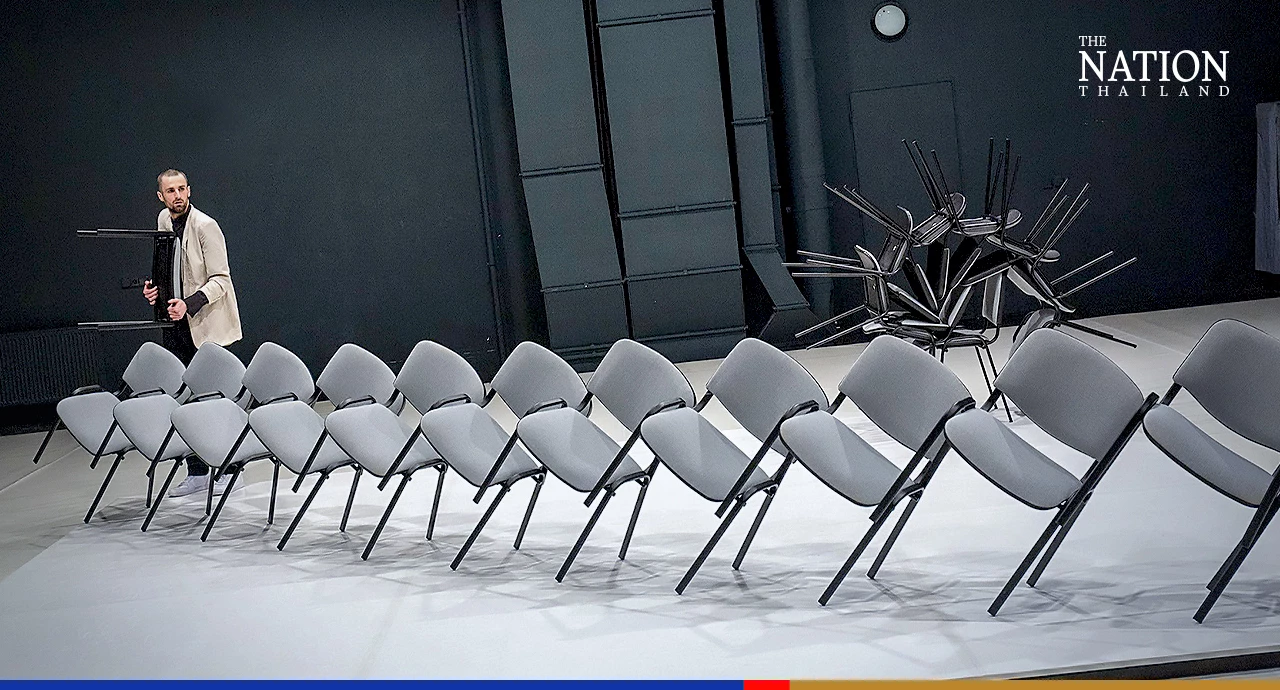
This Wednesday (November 9), the audience at Lido Connect was thrilled by Czech artist Viktor Cernicky’s “PLI” in which he arranges 22 identical conference chairs into various images beyond our imagination.
Tomorrow (November 12), the audience will have a chance to see him outdoors at the tennis court of Peninsula Hotel, listen to his talk and play with his chairs.
Jitti recalls, “Thanks to the European network Aerowaves I got to know about Cernicky for the first time in, I think, 2017. During the pandemic, a festival in Cambodia presented ‘PLI’ online. I watched it and was thrilled. Then I emailed him and traveled to watch it live in Barcelona where I also met his producer to discuss the logistics of how to bring it to Thailand.
“A challenge was how to transport these 22 conference chairs and in the end we had them made in China and shipped here, saving much cost, as well as to Hong Kong where the work will soon be staged [at Tai Kwun Center for Arts over the New Year holidays].
“Later I watched this work again in Prague to make sure we can handle all the technical requirements and to refer him to Bangkok International Children’s Theatre Festival (Bict Fest) as it was staged at The Place in London with workshops for young children.”
After the two performances, the chairs will be installed along with a brief introduction video by Cernicky at the Jim Thompson Art Center from November 19 to 27 when the visitors are welcomed to play and experiment with them, for self-education.
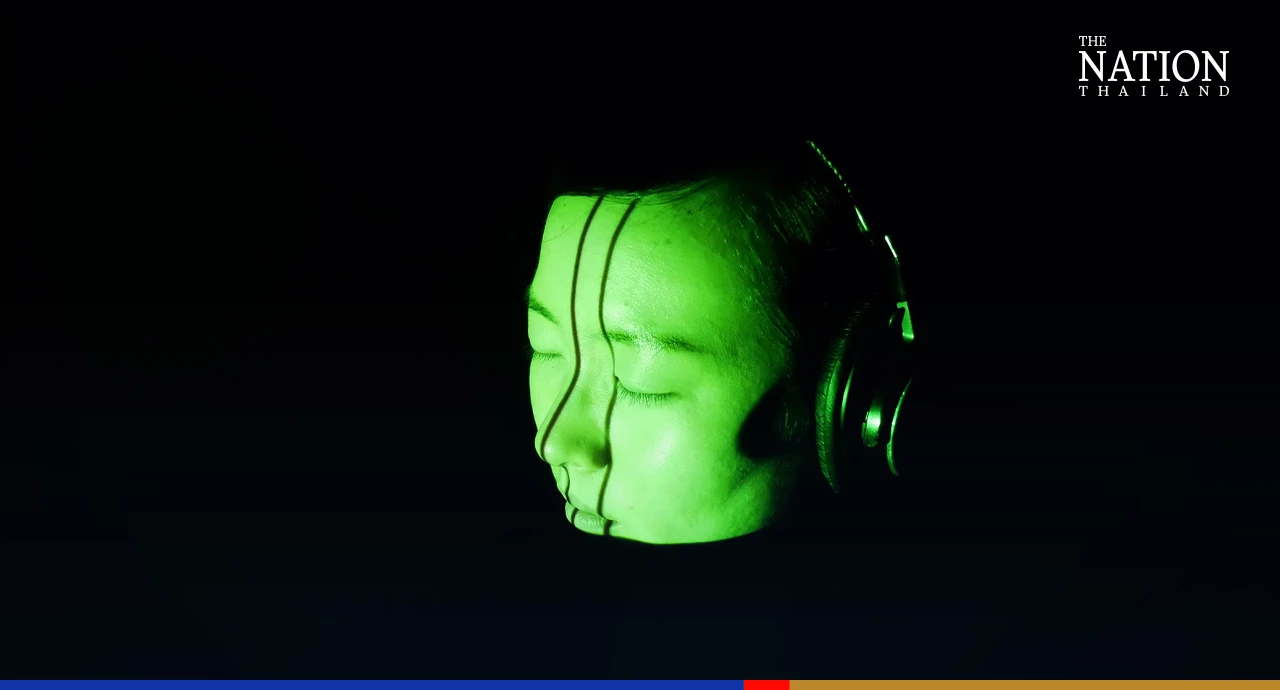
In the same venue from November 22 to 27 are the 2022 video installation work “Mold 1” and the 2010 one “Haptic Installation” by Japanese dancer and computer graphic wiz Hiroki Umeda, who will also give a lecture on his transdisciplinary works on November 23 thanks to the support by Japan Foundation, Bangkok.
Jitti adds, “The visitors are also welcomed to take a video of their creations inspired by these installations at the Jim Thompson Art Center, posting it with the hashtag ‘#UnfoldingKafkaFestival’ and stand a chance to win Bt 10,000 prize money. I myself tried stacking these chairs but I failed every time.”
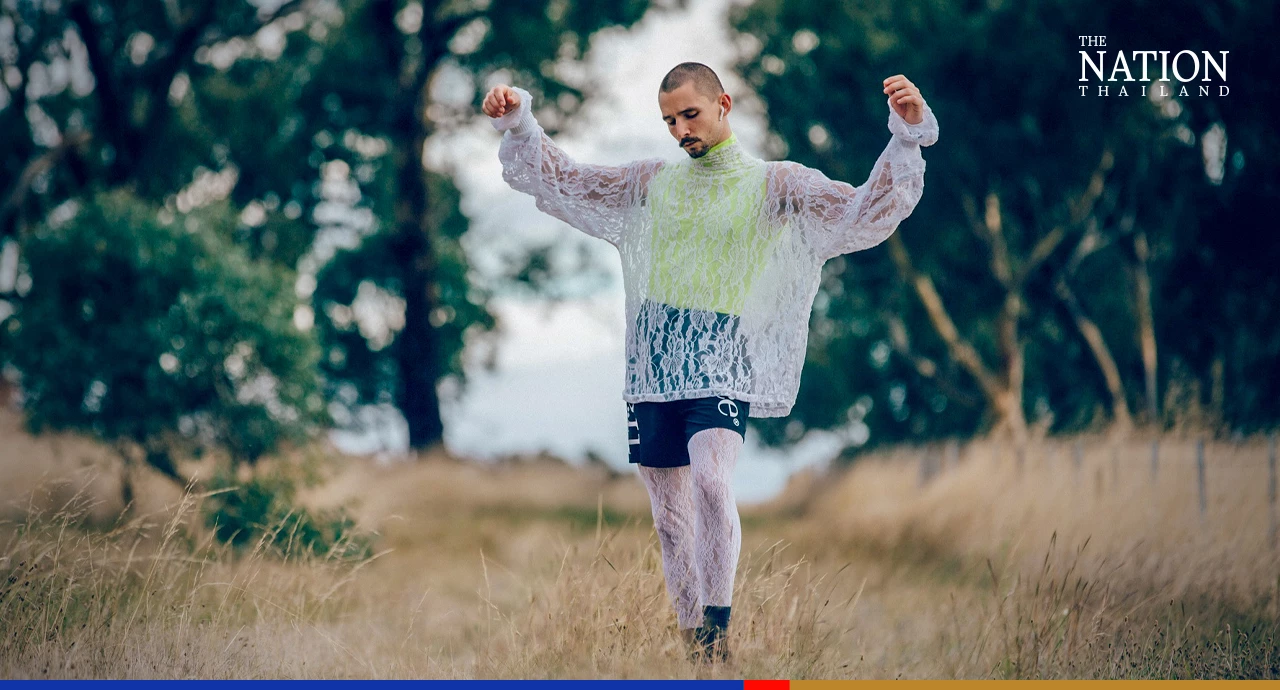
At the same venue, Australian choreographer James Bachelor, who has presented a few works here before the pandemic, will also present a new work “Shortcut to Familiar Places” and give a dance workshop.
Commemorating the 70th anniversary of the diplomatic relations between Australia and Thailand, Bachelor will work with his Thai counterpart Pakhamon Hemachandra in a homage to his teacher Ruth Osborne who was trained in the methods of modern dance pioneer Gertrud Bodenwieser.
Many people here are still unsure about attending live performances, as we become more familiar with their online counterparts and paranoid about the new and less severe variants of COVID-19. This festival, though, is a proof that, with a curatorial scheme that focuses on the audience’s understanding and appreciation of arts, it’s really worth our attendance.
“Unfolding Kafka Festival 2022” continues until November 27. For details on other works, visit www.UnfoldingKafkaFestival.com. For tickets, ticketmelon.com or email UnfoldingKafkaFestival@gmail.com
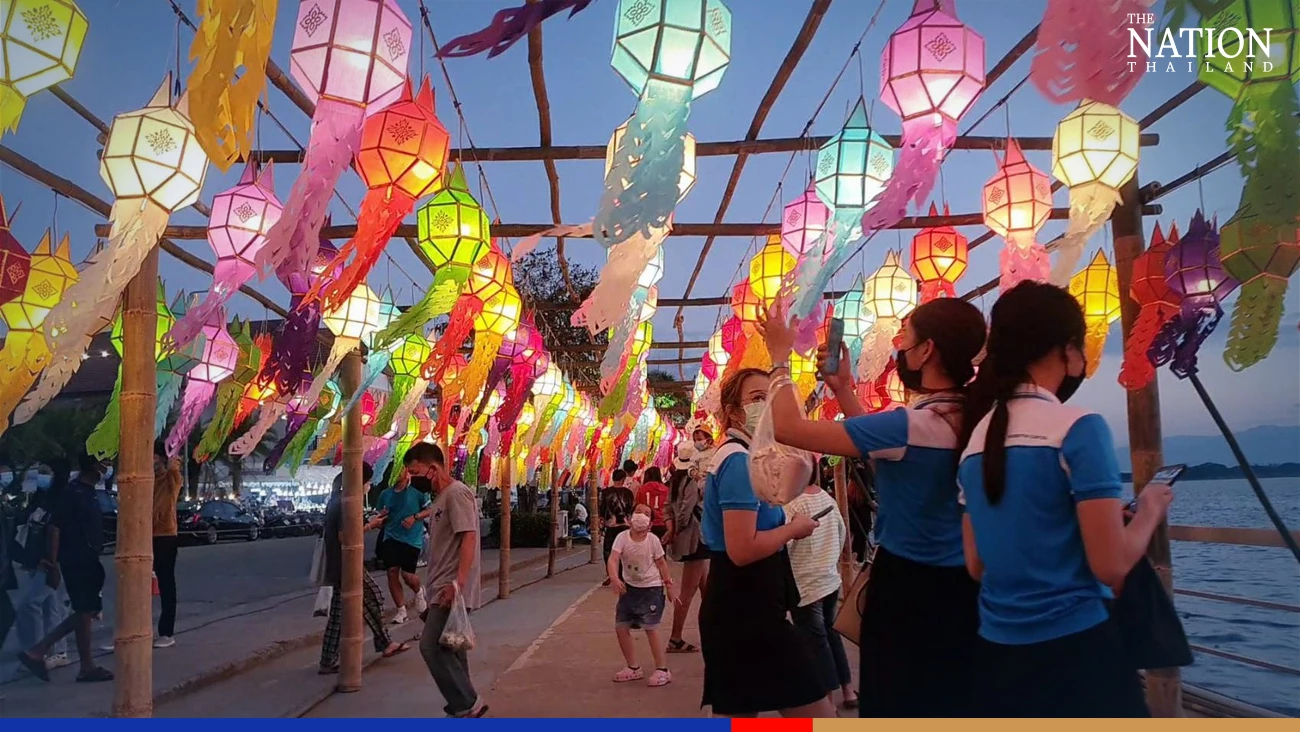
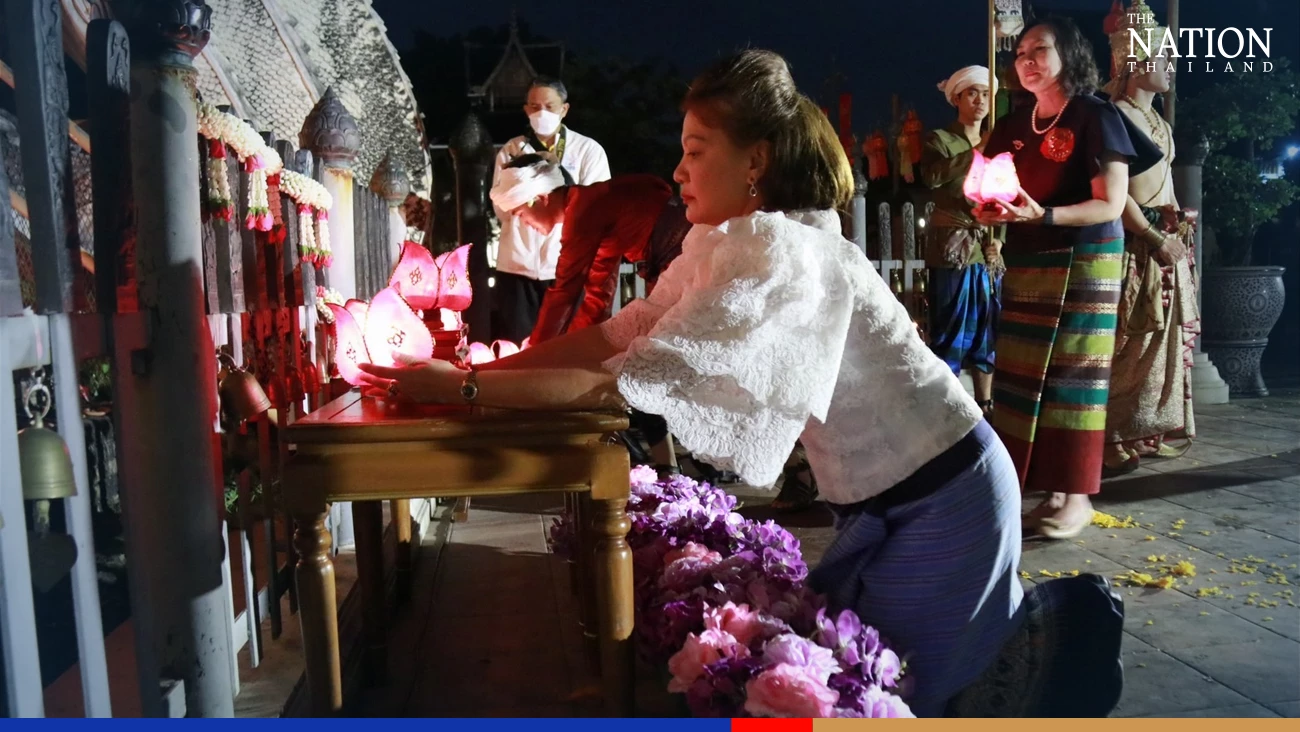
Getting to know Loy Krathong, Thailand’s festival of lights
TUESDAY, NOVEMBER 08, 2022
Thais will venture out to float their “krathong” in public waterways today (November 8) for the first time in three years, now that Covid-19 restrictions have been lifted.
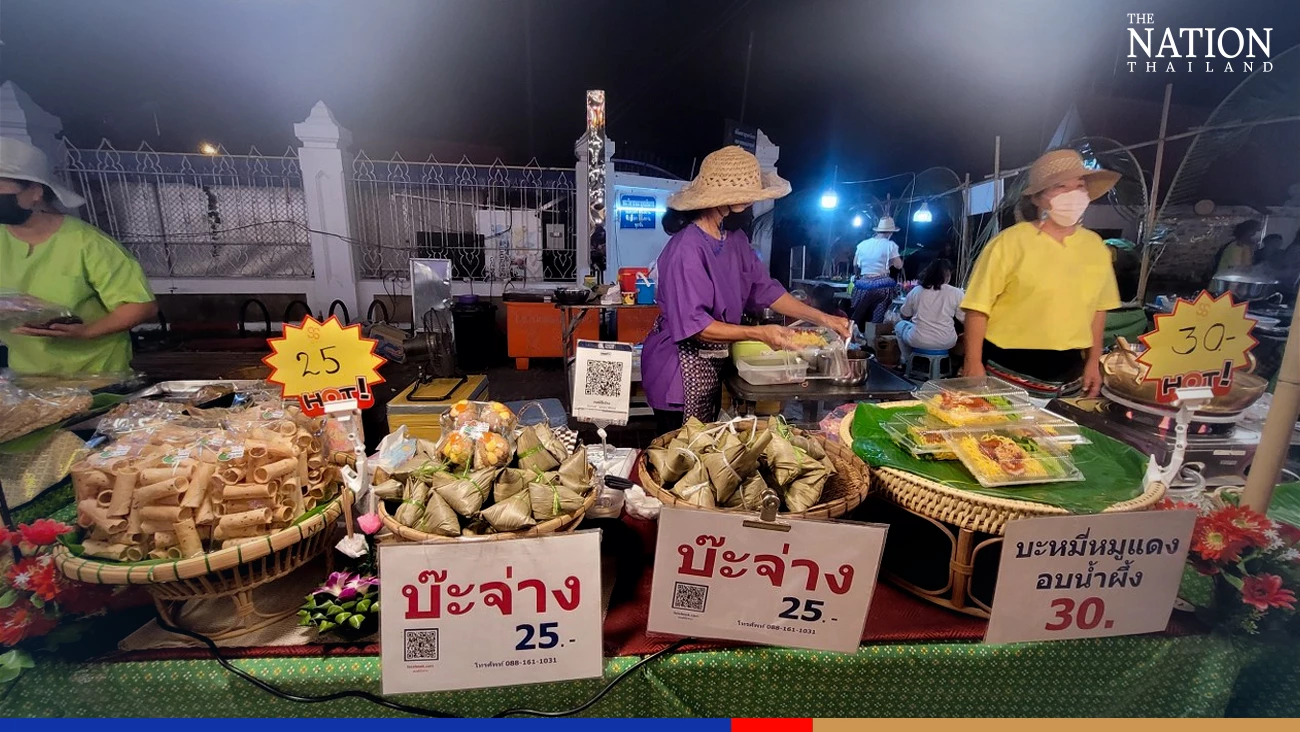
Loy Krathong fairs and festivities have also been given the green light in Bangkok and provinces, provided partygoers keep public safety in mind.
The Nation invites readers on a journey to explore the sacred origins of Thailand’s “festival of lights” and the place it holds in the hearts of millions of modern revellers.
Loy Krathong is observed in Thailand and several other nations on the full moon night of the 12th lunar month.
Outside Thailand, the festival is known by many different names. For instance, it’s “Tazaungdaing” in Myanmar, “Ill Full Moon Poya” in Sri Lanka, “Lantern Festival” in China and “Bon Om Touk” in Cambodia.
The festival was traditionally held to pay respects to Ganga, the Hindu goddess of forgiveness and purification personified from India’s Ganges River. In Thailand, she is Phra Mae Khongkha, the goddess of water.
There is no historical evidence indicating exactly when Loy Krathong began in Thailand, but several narratives suggest that the Sukhothai Kingdom adopted the festival during the reign of King Ramkhamhaeng the Great (1279-1298).
One legend says that Loy Krathong was started by a Sukhothai court lady called Nopphamat, who reportedly created the first krathong.
The name Nopphamat has also become synonymous with the Loy Krathong festival, with communities selecting their very own “Nopphamat Beauty Queen”.
According to an account written by King Rama IV in 1863, Loy Krathong was a Hindu festival adapted by devout Thais to honour both Buddha and the goddess of water.
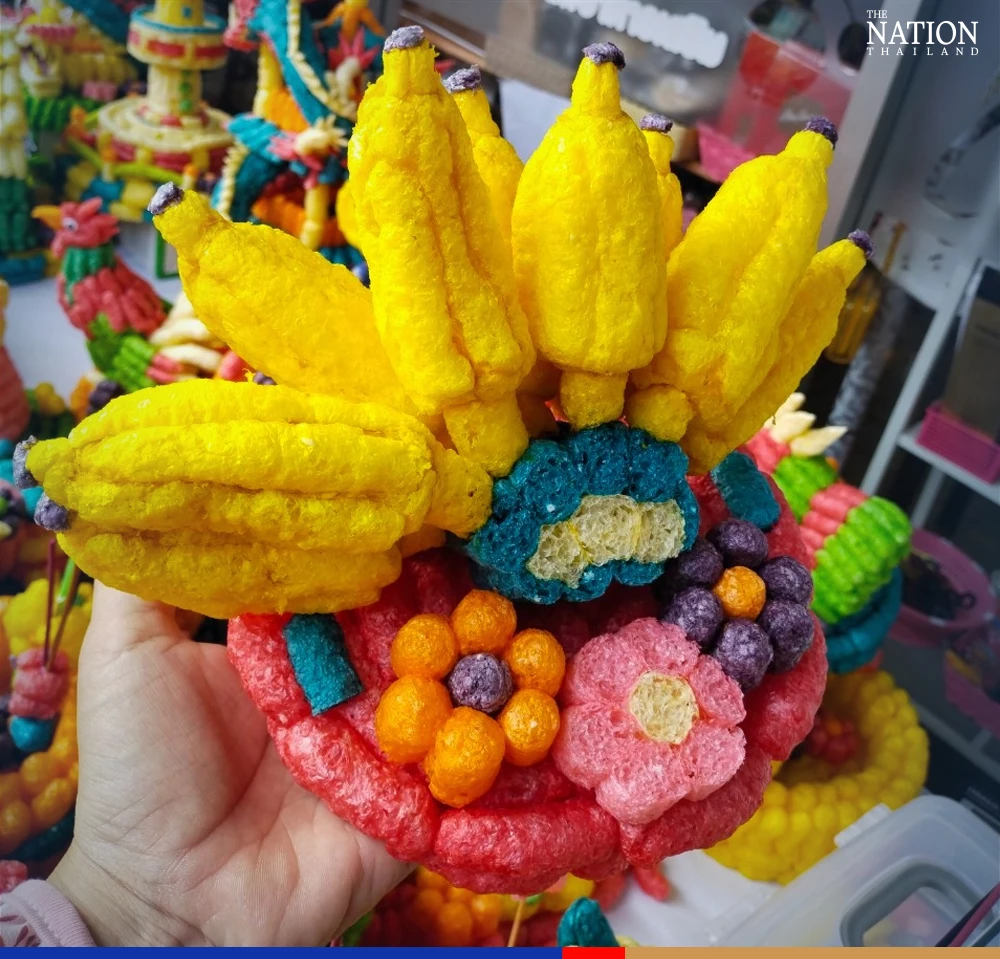
Traditionally, krathongs were made from a slice of a banana tree trunk or the base of a spider lily plant and decorated with banana leaves, flowers, incense sticks and a candle.
Modern krathongs, however, are often made of bread, paper or Styrofoam.
On Loy Krathong night, people head to river piers, canals or ponds to float their krathong with lit incense sticks and candles. Their belief is that this offering to Buddha and other venerable spirits will take away their worries, anger, hatred and other sins.
Some people even add their nail clippings or a small chunk of hair to symbolise letting go of past transgressions and negative thoughts. A coin is also included as an offering to the river spirits.
Loy Krathong celebrations in the North of Thailand, however, are very different, with northerners floating their krathongs in the air instead of in the water. The name of the festival is also different, referred to as “Yi Peng”, with “yi” meaning 2 and “peng” meaning full moon.
Apart from releasing their krathongs in the air and decorating their homes and streets with bright lanterns, northerners also mark Loy Krathong by visiting temples to make merit and listen to sermons.
Auction of artworks by Shrewsbury students raises THB300,000 for charities
THURSDAY, NOVEMBER 03, 2022
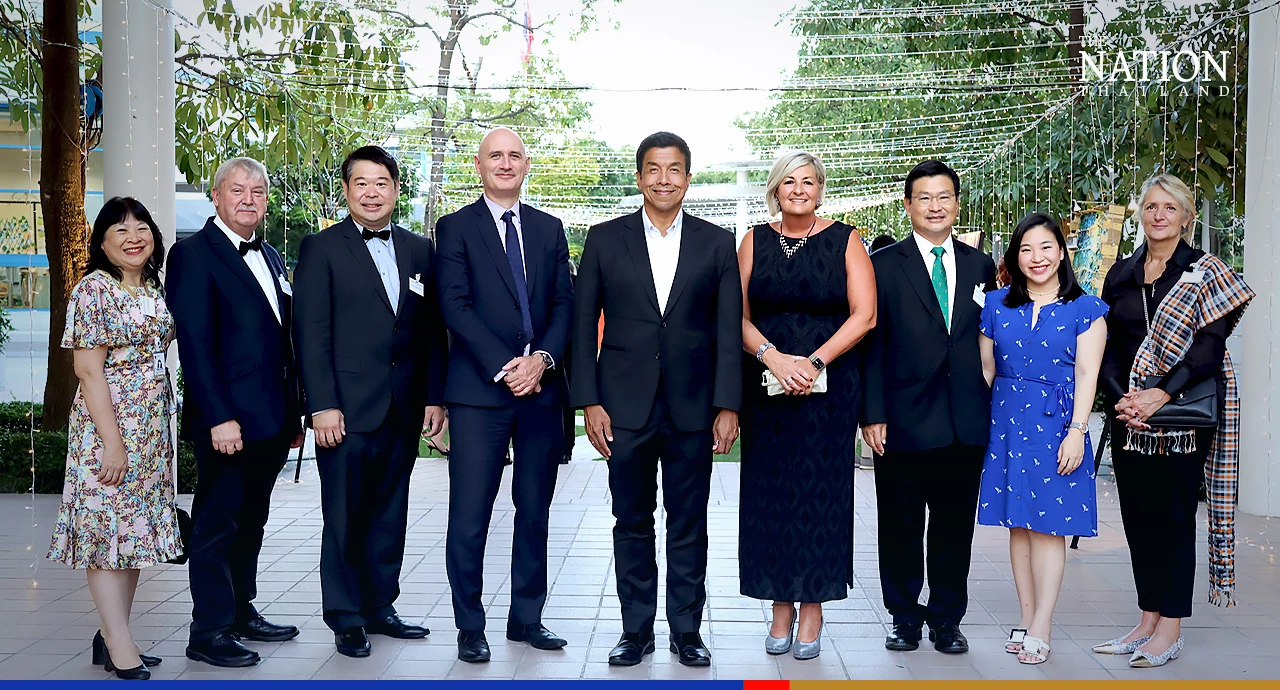
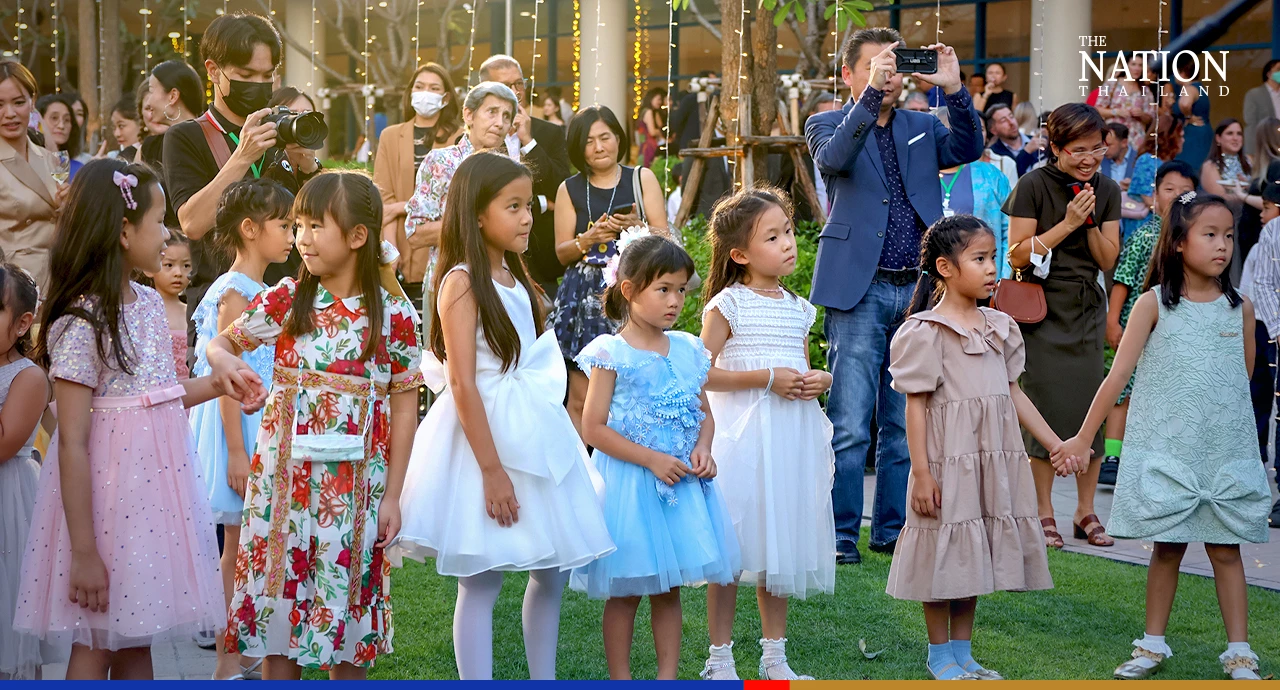
Almost 30 artworks by Shrewsbury International School students were auctioned for around 300,000 baht to raise funds for local charities.
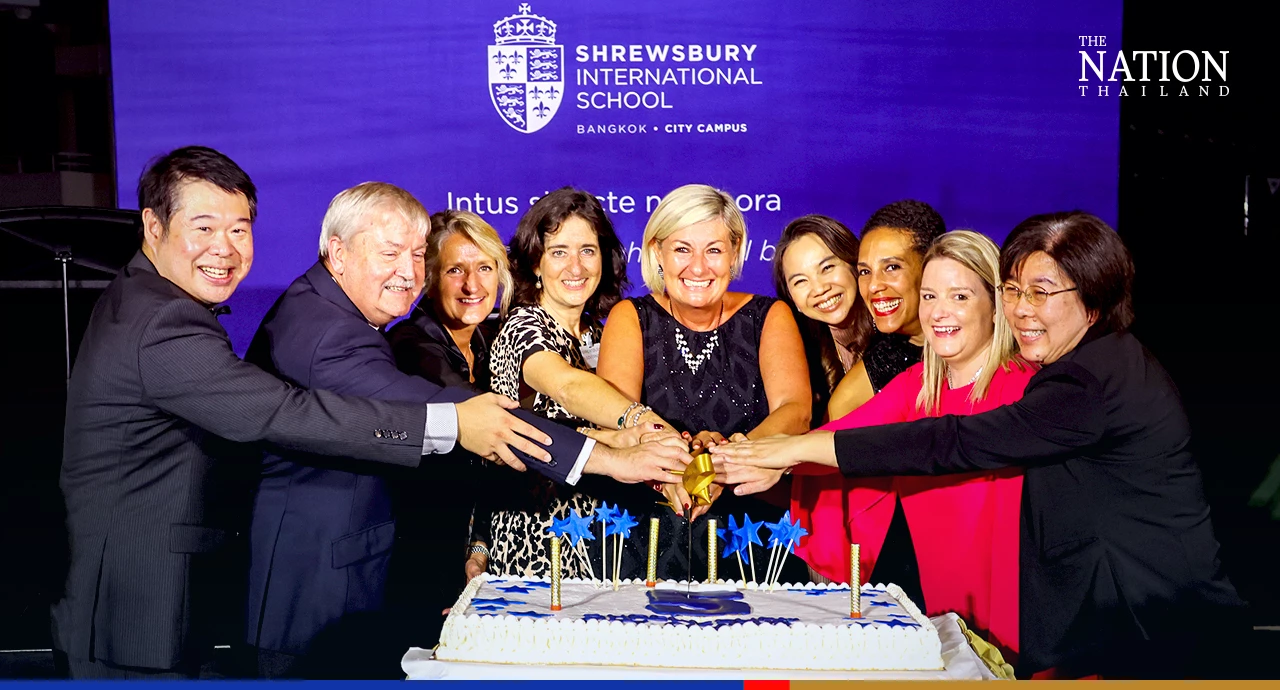
Shrewsbury International School Bangkok City Campus held an event “Sparkling Star Art Auction” on Wednesday to celebrate the campus’s fifth anniversary.
More than 450 guests attended this event including Chali Sophonpanich, school founder and chairman of Asia Plus Group Holdings, and Bangkok Governor Chadchart Sittipunt.
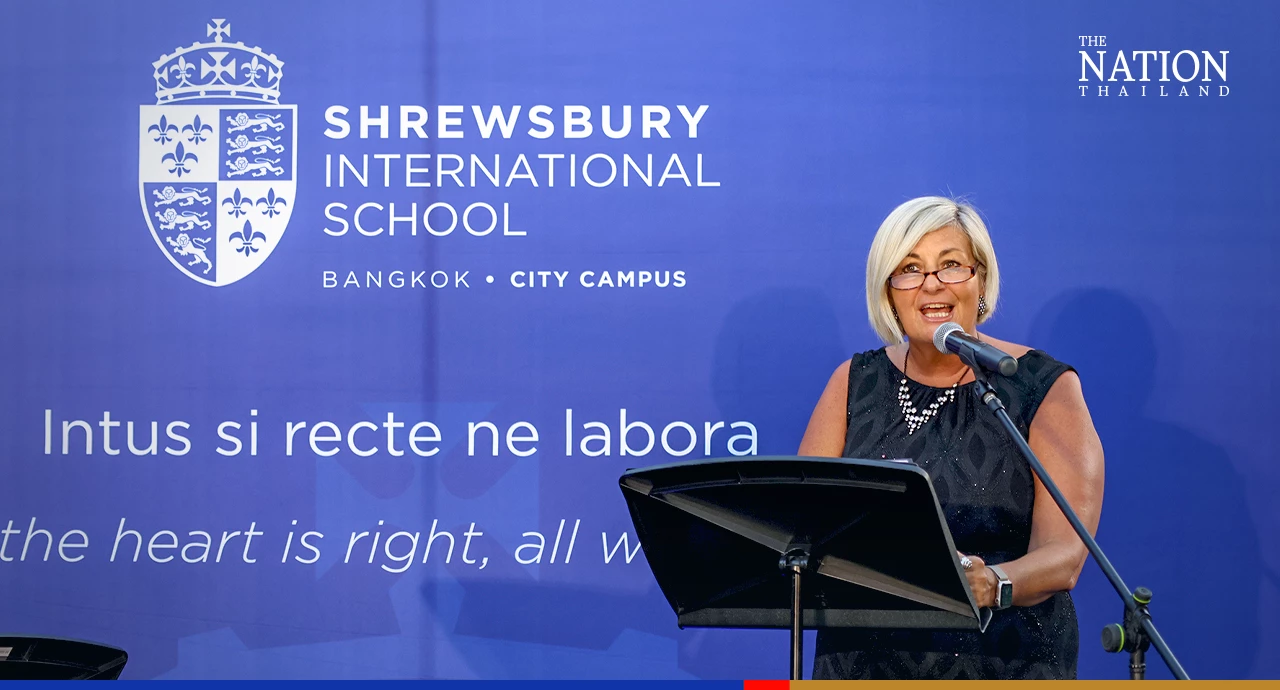
The campus principal, Amanda Dennison, said, “To celebrate our fifth year in operation, we decided on ‘Sparkling Star Art Auction’ because we also got a star named after in the sky that we’ve won as ‘Shrewsbury City Campus’.”
The school won the star after Dennison and her team won Fobisia senior leaders art competition.
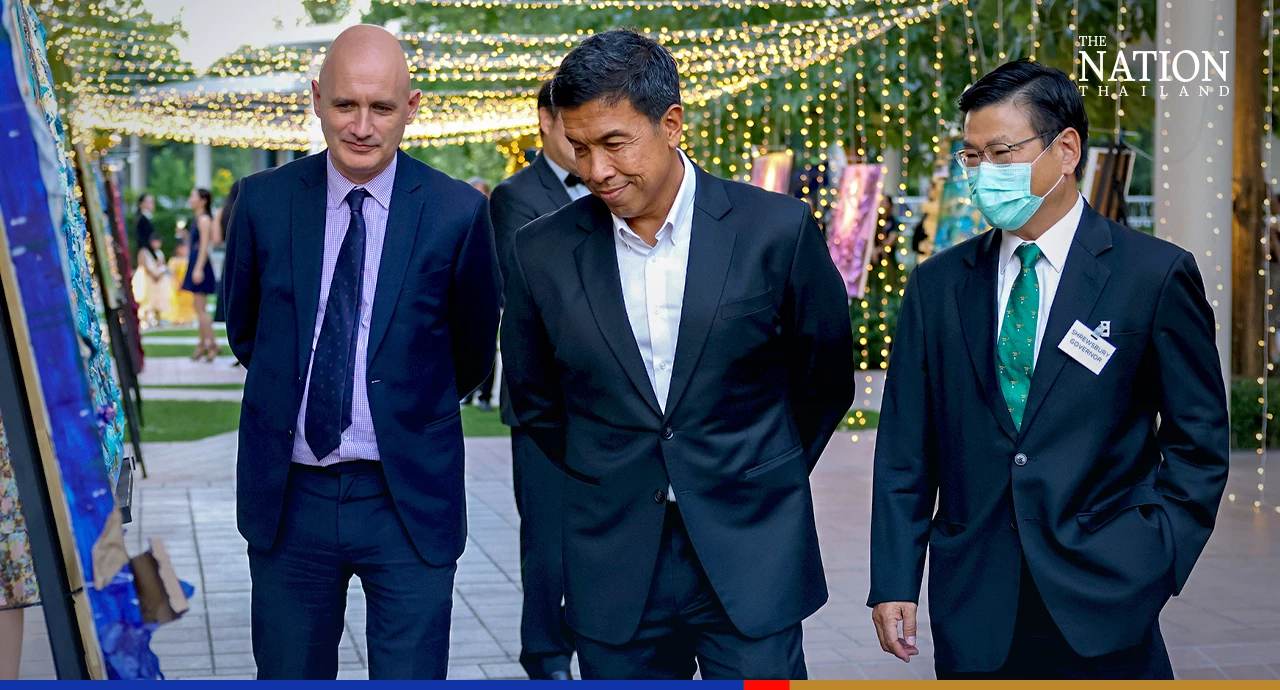
The highlight of the night was an art auction in which students created Process Art, a form of art that focuses on the process of thinking and expressing emotions. Around 300,000 baht were raised in the auction while the most expensive work fetched 60,000 baht.
Proceeds will be donated to charity organisations including Unicef Thailand, SOS Scholars of Sustenance Foundation Thailand, and Second Chance Bangkok.
Bangkok Governor Chadchart said, “Today’s art auction at Shrewsbury City Campus serves many purposes, including showcasing the creativity of the children and their ability to produce creative work, as well as raising money for charities that will help those in need. I think this kind of event is a great idea and could be expanded to other parts of Bangkok.”
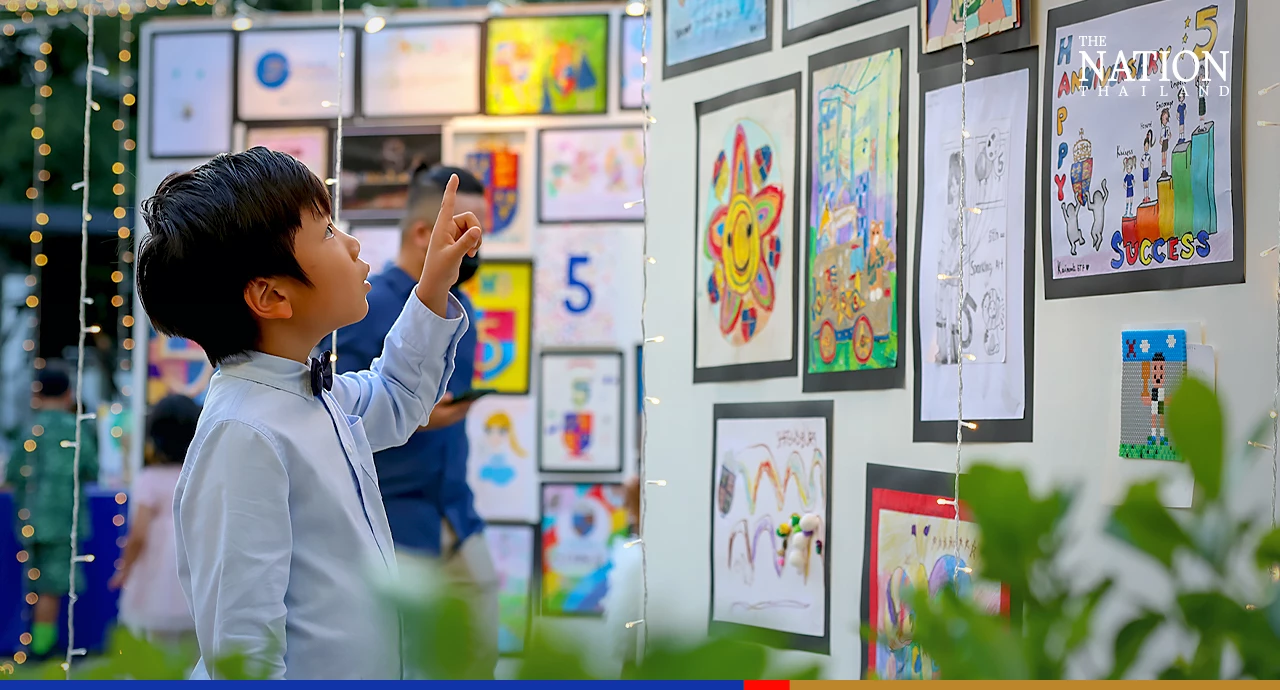
Apart from the auction, the campus also hosted an Individual Art Competition for students to showcase their artwork under the theme “5th Anniversary”.
Renowned US dance maestro Dana Lawton digs for gold in Thailand
SUNDAY, OCTOBER 30, 2022
Stephanie Adair
Renowned US contemporary dance teacher Dana Lawton returned to Thailand this week, bringing her latest production while casting a discerning eye over the Kingdom’s dance scene.
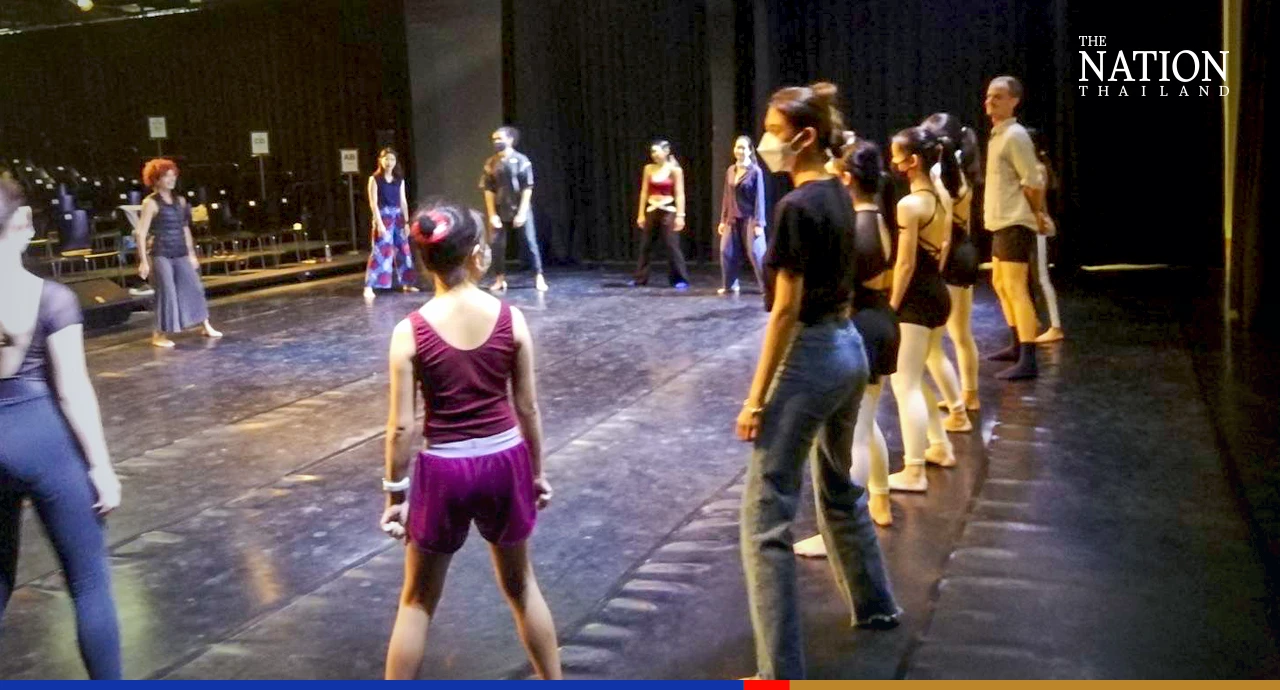
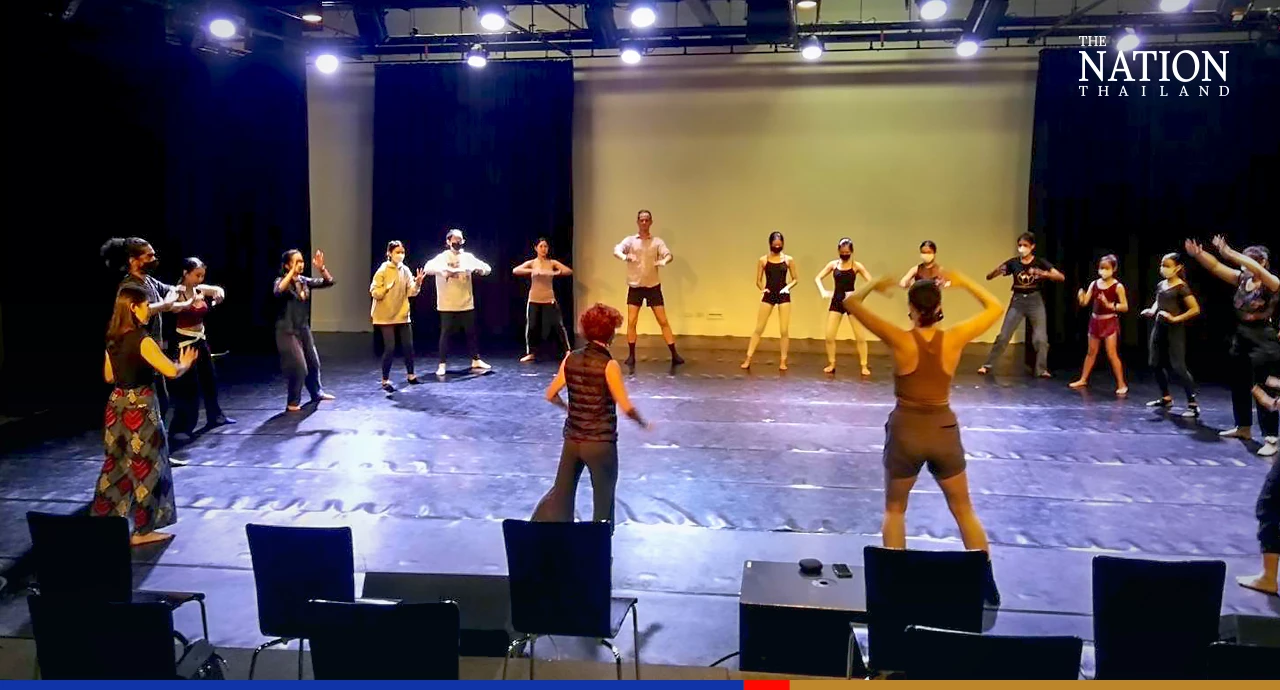
“Amazing” was her verdict, as the tenured professor led young talented Thai dancers through their paces in free workshops at the International School Bangkok from October 22-26.
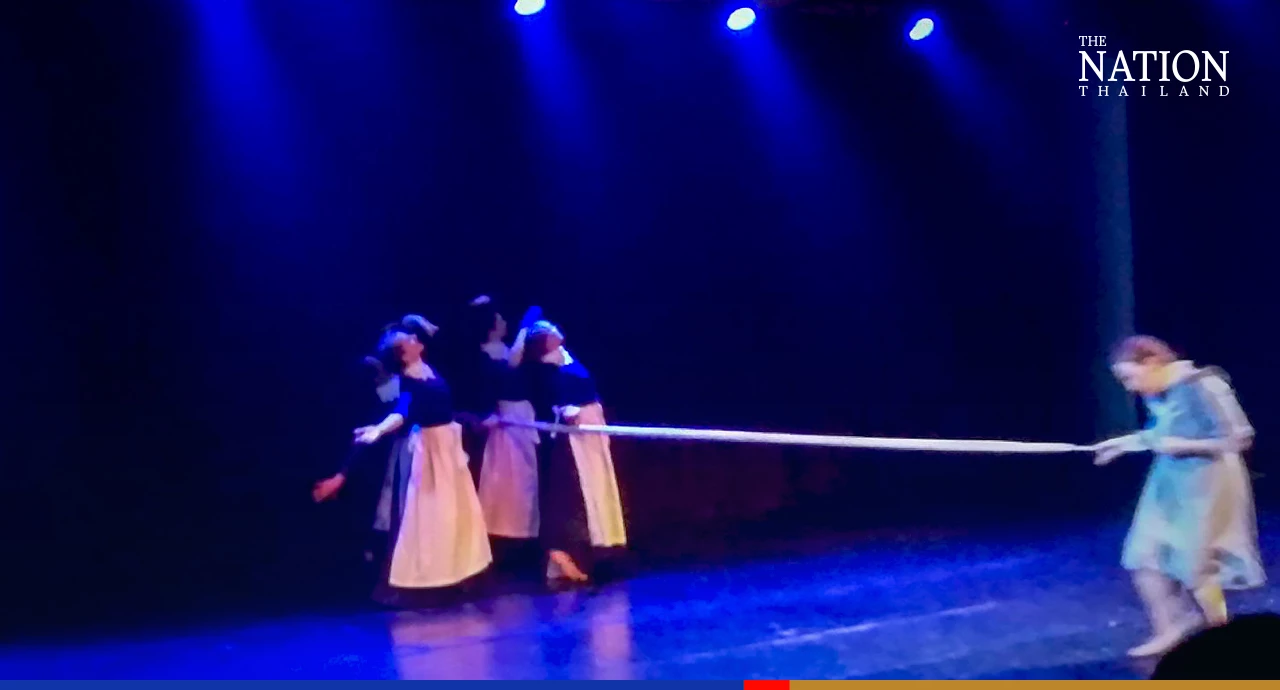
When she wasn’t teaching, Lawton and her company Dana Lawton Dances (DLD) were treating dance fans to their latest creation at the Bangkok Art and Culture Centre.
The new production mines a little-known episode of the 19th-century American gold rush.
“Farallonites is an evening-length dance drama based on the lighthouse keepers of the Farallonite Islands which are a set of islands 27 miles off the coast of San Francisco,” explained Lawton. “The lighthouse keepers were put there during the gold rush era so that they could have all the schooners and ships coming in the bay area so they could go and search for gold.”
But Lawton seemed even more enthusiastic about the dance talent she uncovered during her daytime teaching sessions in Bangkok.
“Incredible training and incredible hearts, beautiful technique,” she said of the students at workshops held by the Friends of The Arts Foundation (FOTAF), organiser of the annual International Dance Festival in Thailand.
“I think there’s an open-heartedness of these students and a willingness to put themselves out there, which I find incredibly refreshing and a joy to be around,” Lawton added.
“I think the dance scene in Thailand is amazing.”
FOTAF offers a scholarship programme divided into two categories: Solo Dance Competition and Young Choreographer. About 20 scholarships are given out each year to support students who are passionate about the art of dancing.
Chiang Rai-born artist Angkrit Ajchariyasophon’s new work for Singapore Biennale 2022 is a few decades in the making
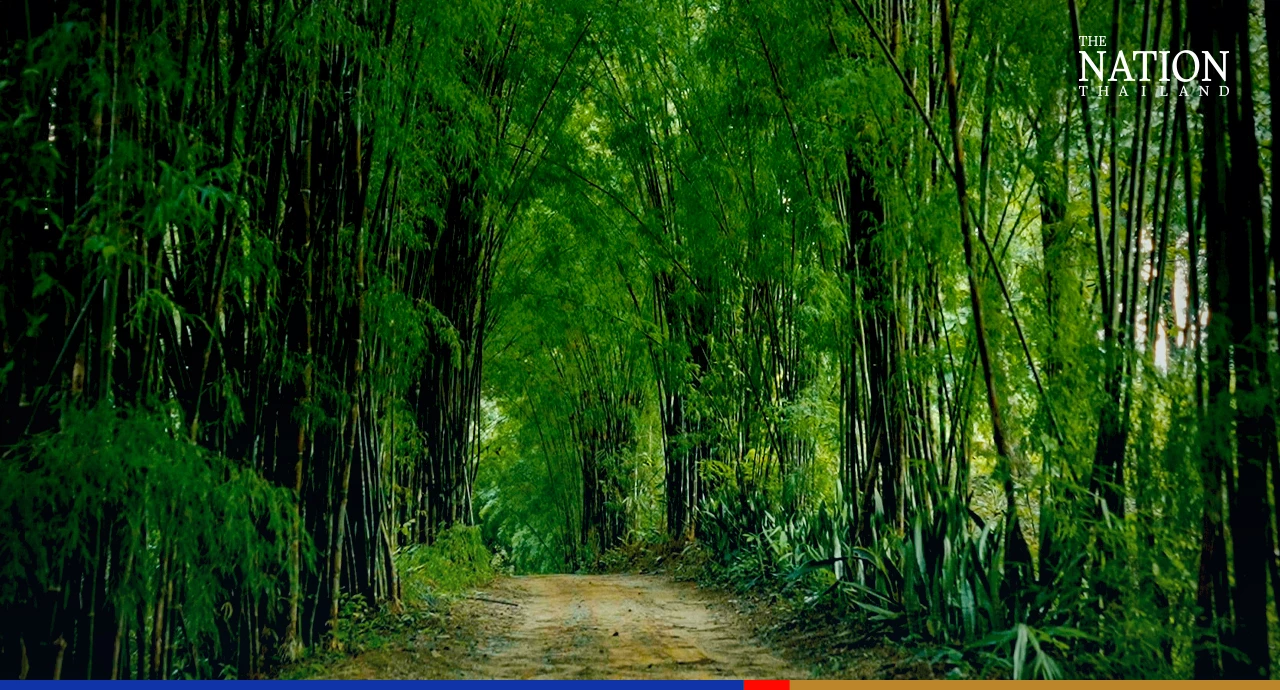
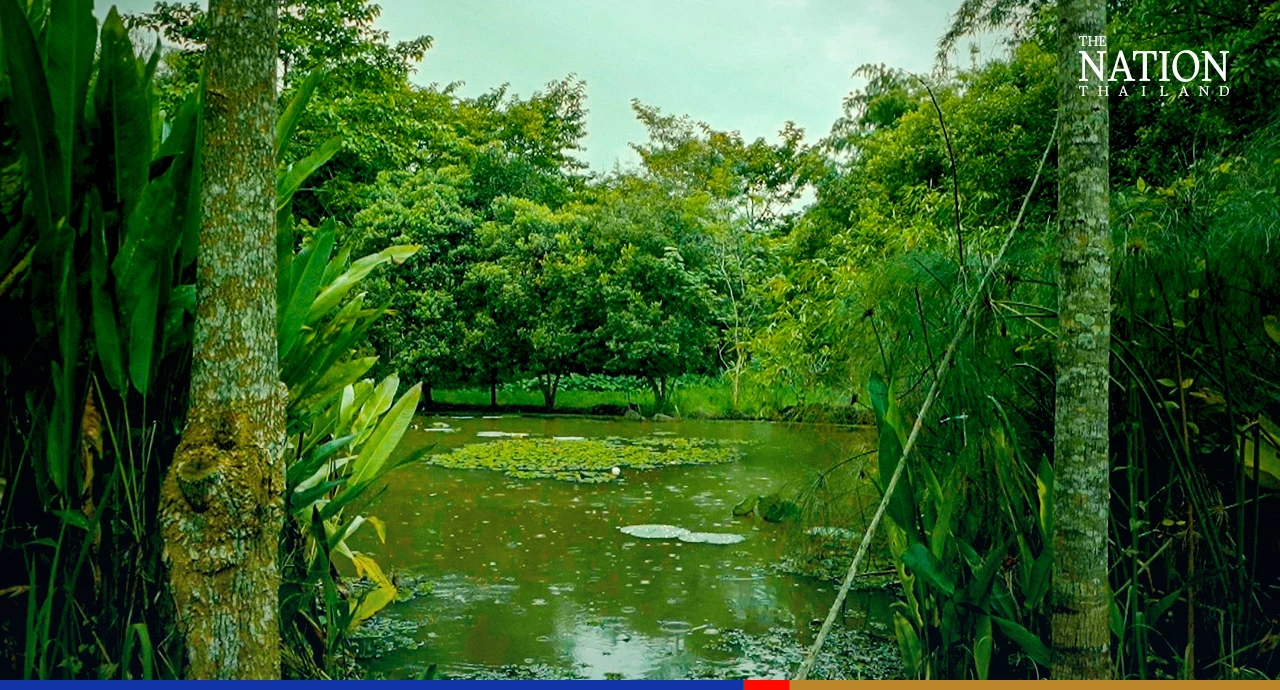
“The work [collectively called The Sanctuary (2022)] actually in two parts. One is my garden sanctuary in Chiang Rai and the other two videos [“The Sanctuary”, 27 minutes and 30 seconds; and “Rain”, 14 minutes and 23 seconds] about it that you can watch in the same room at a new venue Singapore Art Museum (SAM) at Tanjong Pagar Distripark. I told the curator [June Yap, one of the four co-artistic directors of Singapore Biennale 2022] that this work’s actually my gardening practice,” says Angkrit Ajchariyasophon, founder of Angkrit Gallery Chiang Rai and ARTIST+RUN in Bangkok.
The 46-year-old Chiang Rai native artist, curator and gallerist then explains the background of this 60-rai garden sanctuary, “My dad bought this plot of land around 1989. As you’d find out in the first video, he’s a Bangkok-born pharmacy salesman who about 50 years ago moved to Chiang Rai—where I was born—to open a drugstore. He dreamed of owning a plot of land there, having lived in rental places for most of his life. He loves gardening and agriculture. He started from 10 rai and kept buying: now it’s about 60 rai. I named it Anuson Garden after his name which also has a good meaning [Anuson means ‘memorial’]. He didn’t name it at first: our family had been calling it ‘Daddy’s Garden’. I used to come here to play with my friends in middle school. It wasn’t until two years after I graduated from Chiang Mai University, though, that I started planting trees and got serious with it.”
Angkrit credits his love of gardening to ex-senator Rosana Tositrakul’s Thai translation of Japanese philosopher Masanobu Fukuoka’s The One-Straw Revolution which he read in his last year of high school. The manifesto about farming, eating and limits of human knowledge was quite a contrast to the period when he was studying for the university entrance examination.
He says, “I came to realize that we humans could create our freedom. Fukuoka explained this through the do-nothing agriculture which struck the right chord with me. This book has played an important part in my artistic career.”
His gardening approach is quite different from his father’s as he, for example, plants more local trees.
“I’d like to make sure that the environment of this garden is convenient for other animals, not just humans. I’m not its owner; just one of its inhabitants and so I’m neither bringing in nor taking out anything.”
“Anyone could come in and some were herding animals there while others hunting in the forested parts and fishing in the large pond. As the nearby forests were gradually becoming farming areas, many wild animals fled to our area. Many years ago, I had an octagon pavilion built next to the pond. I recently put a Buddha image there and then held a ceremony to officially announce that it’s a khet aphaiyathan (“animal sanctuary”) which you see in the first video. An interesting fact is that most villagers in the area, including my main gardener Nui whom you see in the first video, are Christians,” says Angkrit with a smile.
“Knowing about this, some friends have bought cows from nearby cattle farms, saving them from the slaughterhouse and putting them in the garden. I also allow visitors to pick fruits, like bananas, or vegetables, like bamboo shoots, for their consumption, not for sale. Nearby villagers are also welcomed to plant vegetables or fruits here.”
The journey to the Singapore Biennale took more than a decade, as Angkrit explains, “11 years ago, my friend June Yap, who’s working at The Guggenheim at the time, visited this garden and became very interested in an artist’s sustainable practice of. I told her, ‘But there’s no art in it. It’s purely nature and I come here regularly because I love planting trees. That’s it.’ She also planted a Malabar ironwood tree. Earlier this year she came back to see how it’s already fully grown. Actually, any friends who’ve visited me here would plant a tree. June then invited me to join Singapore Biennale but then I said, ‘I don’t want to be making art [out of this garden]’ and then she responded, ‘It’s an idea of art, not making art, and this may reflect many other things.’ We then discussed what we’d actually exhibit. It’s the same time I was planning the aforementioned ceremony for the animal sanctuary. I was wondering whether she’d need to exhibit this Buddha image in Singapore but she said, ‘No!’ So we agreed to make videos instead: the actual work is here in Chiang Rai and planting trees in Singapore for me just doesn’t make sense.”
For the other video titled “Rain”, Angkrit has been working on its concept since 2008.
“On YouTube, I’ve been posting videos, with various lengths, of this garden taken by either my mobile phone or compact camera on a tripod. I sent June this collection and she commented that they’re very soothing. For Singapore Biennale, since I’m not a professional video artist, I asked my junior friend Sakan ‘Bomb’ Ayuraphong, also a Chiang Rai native, to create a similar video. You can see me in the video, sitting and doing nothing, like the way I do when I’m there, as opposed to the hyperactive me away from it.”
One of Angkrit’s takeaways from The Sanctuary experience is that “I’ve come to realize that the scope of contemporary art is really wide, wider than most of us think. It’s about our stories here and now and not ideals or imagination. Besides, art doesn’t belong to any particular person; anyone can be part of art in their own particular way.”
“As I grow older, gardening is more than a fun hobby. It has more benefits for others too. Spending time in this garden for 20 years has taught me many lessons and inspired me as much as when I look at art works.”
The ongoing Singapore Biennale 2022, named “Natasha”, is conceived as a series of spaces inviting the audience to come in and explore. Angkrit notes, “I think every art biennale strives to be different, either in its theme or concept. This is the fifth edition of Singapore Biennale and so they’re trying to introduce new concepts. For me, ‘Natasha’ reminds me of names of typhoons or hurricanes, like Noru and Katharina. It sounds friendlier and this biennale has four co-artistic directors—all female [the other three are Binna Choi, Nida Ghouse and Ala Younis]. It sounds more intimate when someone says ‘Let’s visit Natasha’, instead of ‘Let’s visit Singapore Biennale’, doesn’t it? I think they’re trying to convey certain concepts that are different from those we usually attach to art biennales. That’s intriguing.”
You can visit “Natasha” at many locations throughout the island state—including the famous Singapore Flyer, the lesser known Southern Islands as well as regional libraries—until March 19, 2023. For more details, visit https://www.singaporebiennale.org/
The writer wishes to thank Tate Anzur’s Natalie Sim for all kind assistance.
Horror genre: Thai ghosts who can give you the creeps
MONDAY, OCTOBER 24, 2022
It’s not only western characters like Dracula or werewolf who can send shivers down your spine. Thailand has its own share of ghosts.
In Thailand, some people transform themselves into Thai ghosts to participate in Halloween events, proving that the indigenous varieties could be as scary as their western counterparts.
Some of the popular Thai ghosts are:
Krasue
This female spirit, whose internal organs hang down from the neck, is well-known among Thai people due to many TV series and films about her.
Krasue leaves her body and flies in search of fish and dirty foods from evening to dawn. Its organs usually shine in red or green while hunting for food.
This kind of ghost usually escapes from humans who see it, but it can inflict injury or death if it is antagonised.
Krahang
This male spirit is said to haunt the same areas as Krasue, hence these two spirits are often mentioned or represented together.
Krahang can fly with the aid of two large round rice winnowing baskets called Kradong, and uses a wooden rice pounder as its tail, searching for fishy and dirty foods at night.
Mae Nak
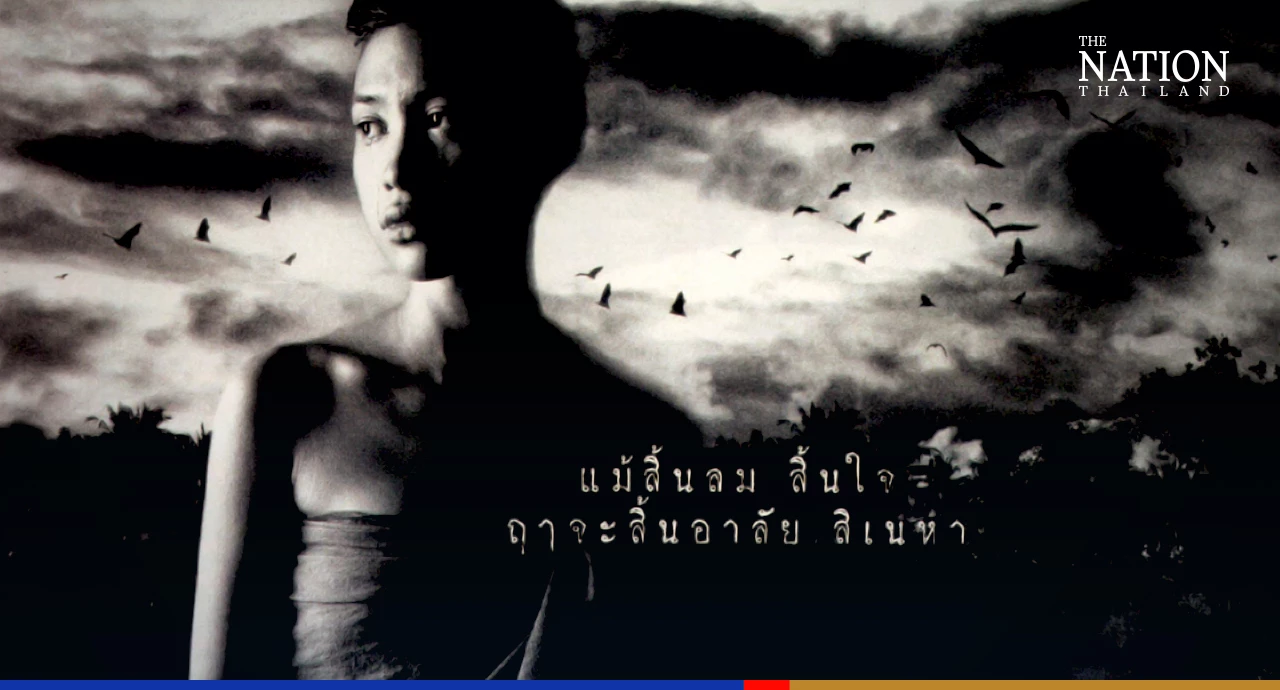
Mae Nak, also known as Mae Nak Phra Khanong, is a well-known Thai female ghost, popularised in many TV series, plays and films, especially Nang Nak, a 1999 Thai supernatural horror film starring Thai actress Intira “Sai” Jaroenpura as Nak.
The story of Mae Nak is based on local folklore that is believed to have taken place during the reign of King Rama IV. Both Nak and her child died during childbirth, but she retained an undying love for her husband, Mak.
A shrine dedicated to Mae Nak is at Wat Mahabut in Bangkok’s Suan Luang district.
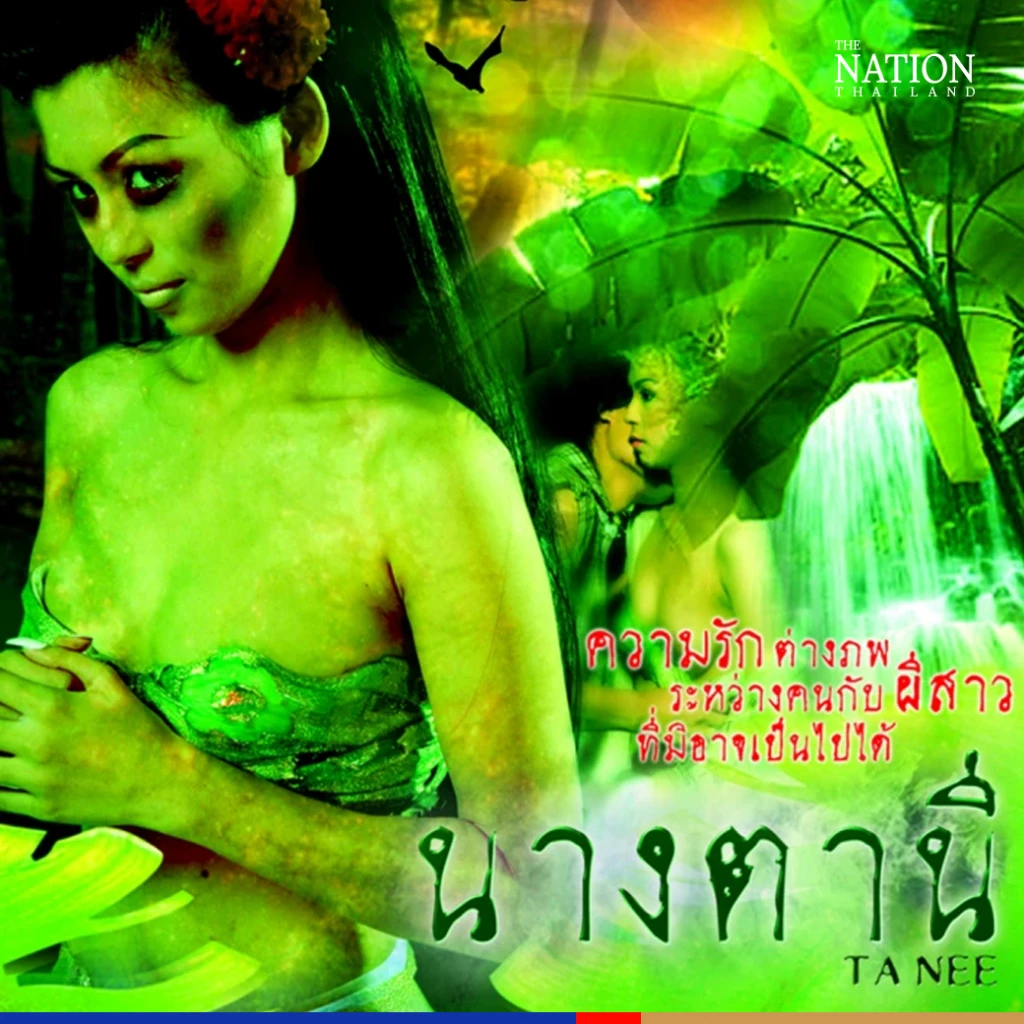
Nang Tani
This female spirit inhabits the clumps of wild banana trees, known in Thai language as Kluai Tani.
This ghost is popularly represented as a beautiful young woman wearing a green traditional Thai costume. She generally appears in a standing position and her feet don’t touch the ground.
Legends in Thai tradition say that this spirit could harm men, especially those who have wronged women, but she is mostly considered benevolent.
Pop
This non-existent ghost also has become well known among people due to many TV series and films, especially Ban Phi Pop (House of Pop), a horror-comedy film with up to 14 sequels created from 1989 to 2011.
Pop possesses men or women to consume their organs until the possessed victim dies. The possessed who are killed by Pop are identified as “Lai Tai” (die while sleeping).
People possessed by Pop become fierce and mournful and are unable to recognise family members or acquaintances.
Bangkok World Film Festival returns with a rich menu of 60+ flicks
FRIDAY, OCTOBER 21, 2022
THE NATION
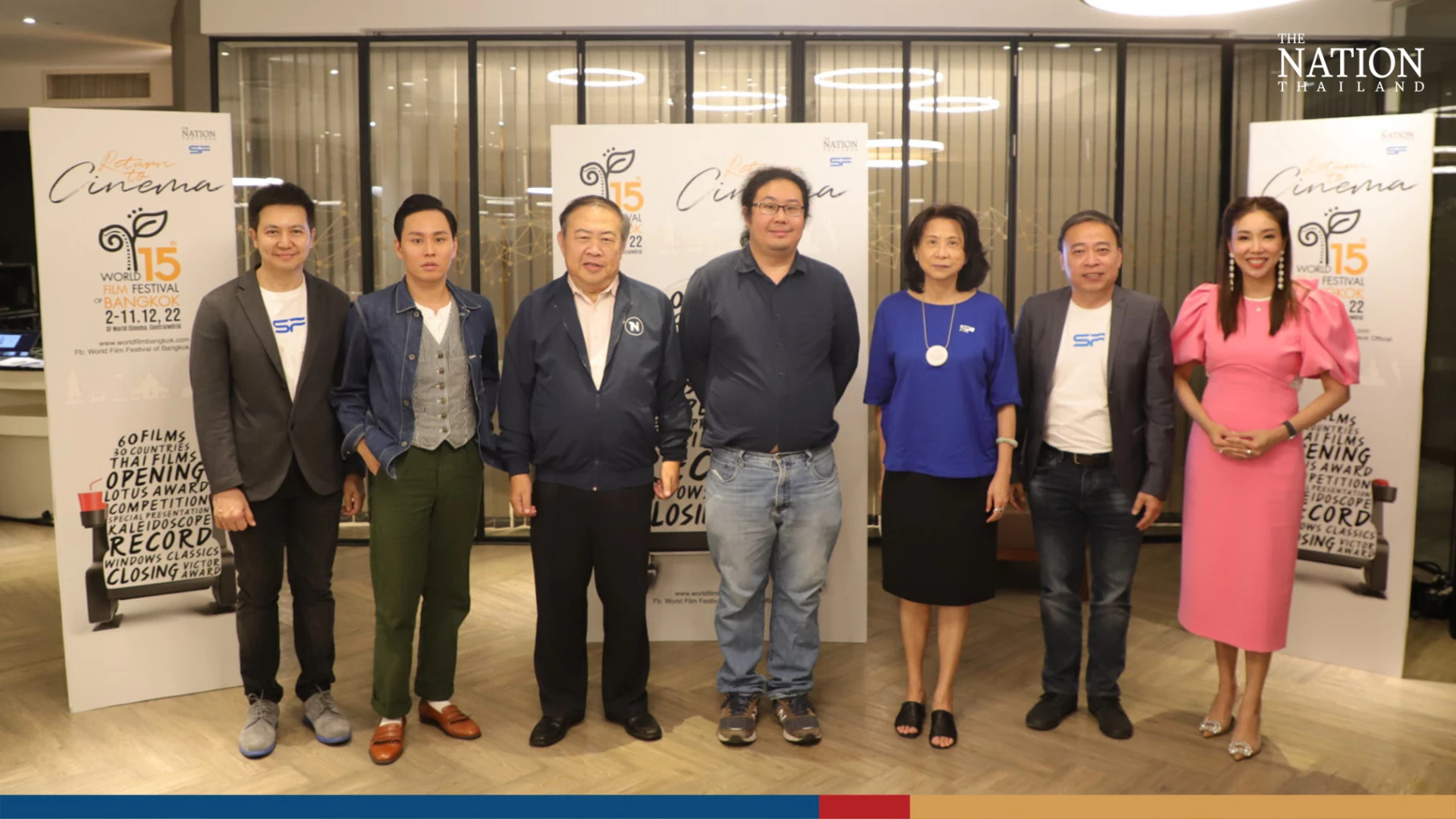
The 15th World Film Festival of Bangkok is set to showcase more than 60 award-winning films from 30 countries, making this the longest repertoire the fest has ever featured.
The concept of this year’s festival is “Return to Cinema” and the aim is to welcome film lovers back to theatres now that the Covid-19 pandemic has subsided.
The festival’s new director Donsaron Kovitvanitcha said the press conference on Thursday at SF World Cinema in Bangkok’s CentralWorld shopping centre won overwhelming interest from both Thai and foreign film buffs.
Donsaron, an internationally acclaimed independent film producer who took the baton from his predecessor and World Film Festival of Bangkok founder Kriengsak “Victor” Silakong, said the festival’s spirit lives on and all presentations will be nothing but “great”. Kriengsak succumbed to a heart attack earlier this year.
“Every film featured in the festival has been carefully selected to represent various issues from diverse origins and cultures,” Donsaron said.
“Some may like them, others may hate them, but I can guarantee that everyone will go home with some good thoughts about these films.
“The World Film Festival of Bangkok has been absent for five years. We have brought it back this time, so film lovers can return to the place they love, meet international directors, make new friends, as well as share ideas and views about the films,” he added.
At the press event, Donsaron highlighted 12 films that will be showcased at the fest, namely:
• Aftersun (UK and the US)
• Alcarràs (Spain)
• In Viaggio (Italy)
• EO (Poland and France)
• No Bears (Iran)
• A Man (Japan)
• Tori and Lokita (Belgium)
• A Hundred Flowers (Japan)
• Rule 34 (Brazil and France)
• Return to Seoul (several countries)
• Tchaikovsky’s Wife (Russia, France, Switzerland)
• Close (Belgium)
These films have already won international recognition and shown at film festivals in Cannes, Venice, Toronto and Busan.
Nirodha “Earth” Ruencharoen, a renowned film influencer and special guest in the press event said: “I am happy that the World Film Festival is returning to Bangkok, allowing us to witness international films and experience important issues from different cultures around the world.
“Diversity is the key that makes us open to new techniques in movie making and storytelling, preventing Thai films from becoming too monotonous.”
Also attending the press event on Thursday were representatives of the two key partners, Nation Group’s special adviser Adisak Limparungpattanakij and SF Corporation’s chief operation officer Suvannee Chinchiewchan, Assistant To Chief Executive Officer of SF Supat Ngamwongpaiboon, Marketing Department Manager of SF Arm Chareonsiri and host Varundusa Karunayadhaj.
The World Film Festival of Bangkok runs from December 2 to 11 at SF World Cinema, CentralWorld, Bangkok.
Bangkok World Film Festival returns with a rich menu of 60+ flicks
FRIDAY, OCTOBER 21, 2022
THE NATION
The 15th World Film Festival of Bangkok is set to showcase more than 60 award-winning films from 30 countries, making this the longest repertoire the fest has ever featured.
The concept of this year’s festival is “Return to Cinema” and the aim is to welcome film lovers back to theatres now that the Covid-19 pandemic has subsided.
The festival’s new director Donsaron Kovitvanitcha said the press conference on Thursday at SF World Cinema in Bangkok’s CentralWorld shopping centre won overwhelming interest from both Thai and foreign film buffs.
Donsaron, an internationally acclaimed independent film producer who took the baton from his predecessor and World Film Festival of Bangkok founder Kriengsak “Victor” Silakong, said the festival’s spirit lives on and all presentations will be nothing but “great”. Kriengsak succumbed to a heart attack earlier this year.
“Every film featured in the festival has been carefully selected to represent various issues from diverse origins and cultures,” Donsaron said.
“Some may like them, others may hate them, but I can guarantee that everyone will go home with some good thoughts about these films.
“The World Film Festival of Bangkok has been absent for five years. We have brought it back this time, so film lovers can return to the place they love, meet international directors, make new friends, as well as share ideas and views about the films,” he added.
At the press event, Donsaron highlighted 12 films that will be showcased at the fest, namely:
• Aftersun (UK and the US)
• Alcarràs (Spain)
• In Viaggio (Italy)
• EO (Poland and France)
• No Bears (Iran)
• A Man (Japan)
• Tori and Lokita (Belgium)
• A Hundred Flowers (Japan)
• Rule 34 (Brazil and France)
• Return to Seoul (several countries)
• Tchaikovsky’s Wife (Russia, France, Switzerland)
• Close (Belgium)
These films have already won international recognition and shown at film festivals in Cannes, Venice, Toronto and Busan.
Nirodha “Earth” Ruencharoen, a renowned film influencer and special guest in the press event said: “I am happy that the World Film Festival is returning to Bangkok, allowing us to witness international films and experience important issues from different cultures around the world.
“Diversity is the key that makes us open to new techniques in movie making and storytelling, preventing Thai films from becoming too monotonous.”
Also attending the press event on Thursday were representatives of the two key partners, Nation Group’s special adviser Adisak Limparungpattanakij and SF Corporation’s chief operation officer Suvannee Chinchiewchan.
The World Film Festival of Bangkok runs from December 2 to 11 at SF World Cinema, CentralWorld, Bangkok.






 The campus principal, Amanda Dennison, said, “To celebrate our fifth year in operation, we decided on ‘Sparkling Star Art Auction’ because we also got a star named after in the sky that we’ve won as ‘Shrewsbury City Campus’.”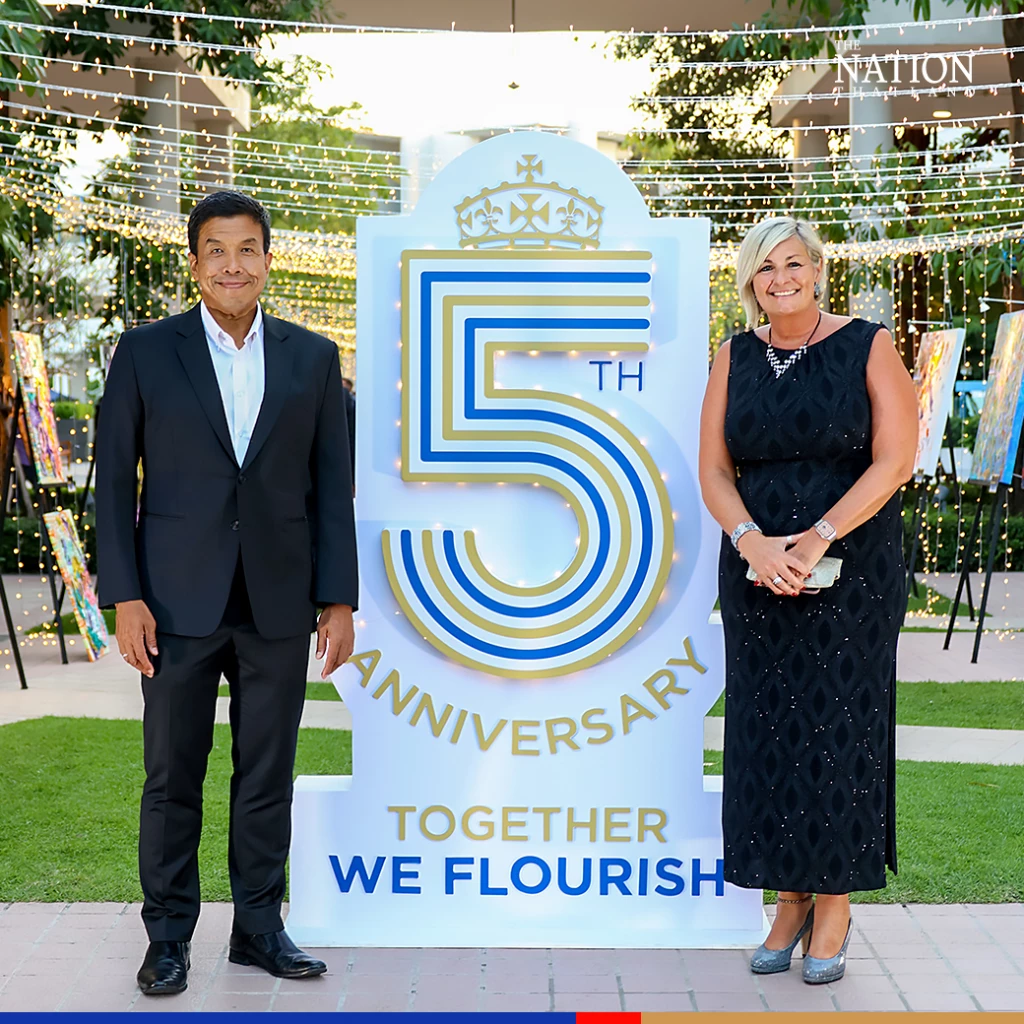
 Apart from the auction, the campus also hosted an Individual Art Competition for students to showcase their artwork under the theme “5th Anniversary”.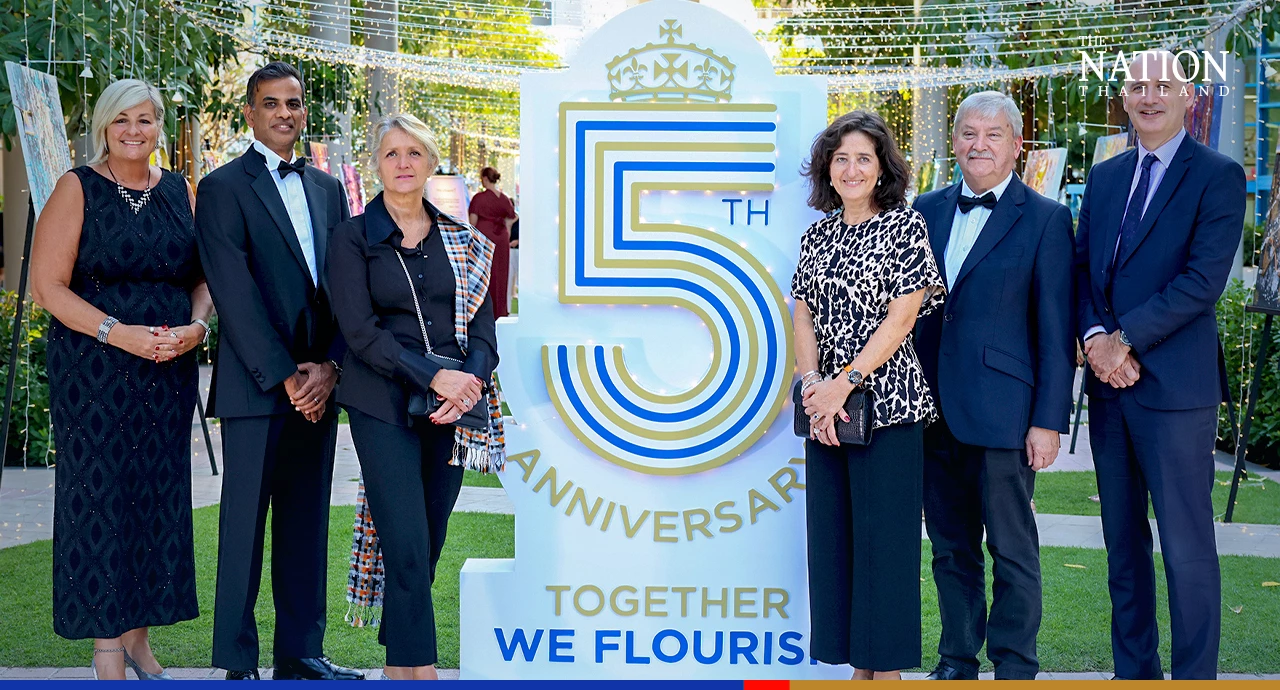
 Related stories






 SootinClaimon.Com