ข้อสังเกตชวนสงสัยว่าอาจเกิดการแพ้ยารุนแรง #ศาสตร์เกษตรดินปุ๋ย

#ศาสตร์เกษตรดินปุ๋ย : ขอบคุณแหล่งข้อมูล : หนังสือพิมพ์โพสต์ทูเดย์

https://www.posttoday.com/life/healthy/625464

วันที่ 08 มิ.ย. 2563 เวลา 08:15 น.

ข้อสังเกตชวนสงสัยว่าอาจเกิดการแพ้ยารุนแรง

แพทย์เตือนอันตรายจากการแพ้ยารุนแรง เสี่ยงพิการ อาจถึงขั้นอันตรายถึงแก่ชีวิตได้ รู้ทันปัจจัยเสี่ยงที่ส่งผลให้มีโอกาสแพ้ยาได้มากขึ้น และวิธีการสังเกตอาการแพ้ยาด้วยตัวเอง

กรมการแพทย์ โดยสถาบันโรคผิวหนัง เตือนอันตรายจากการแพ้ยา มีได้หลายแบบทั้งชนิดที่ไม่รุนแรงที่ไม่ก่อให้เกิดอันตรายถึงแก่ชีวิต และชนิดที่รุนแรงก่อให้เกิดความพิการ หรือถ้ารุนแรงมากอาจมีอันตรายถึงแก่ชีวิตได้ พร้อมแนะนำข้อสังเกตที่ทำให้สงสัยว่าอาจเกิดการแพ้ยาที่รุนแรง

นายแพทย์สมศักดิ์ อรรฆศิลป์ อธิบดีกรมการแพทย์  เผยกรณีการเสนอข่าวจากเฟซบุ๊กสาวเตือนอุทาหรณ์ปวดฟันคุด ซื้อยาไอบูโพรเฟนมากินเองจนเกิดอาการแพ้หนัก ผิวหนังไหม้ลอก นอนไอซียู พร้อมโพสต์ภาพผิวหนังลอกทั่วตัวนั้น ข้อมูลดังกล่าวพบว่าเป็นอาการของการแพ้ยา  โดยการแพ้ยาส่วนมากมักเกิดภายหลังการรับประทานยาในช่วง 7-21 วันหลังเริ่มทานยาครั้งแรก แต่ถ้าเคยได้รับยาชนิดนั้นๆ ที่แพ้มาก่อนแล้วอาจมีอาการได้รวดเร็วในเวลา 24-48 ชั่วโมงหลังทานยาได้ สำหรับกลุ่มลมพิษหรือมีปฏิกิริยาภูมิแพ้รุนแรงอย่างเฉียบพลัน (Anaphylaxis) อาการจะแสดงได้อย่างรวดเร็วหลังทานยาในเวลาเป็นนาทีถึงชั่วโมง

ปัจจัยเสี่ยงที่ส่งผลให้ผู้ป่วยมีโอกาสแพ้ยาได้มากขึ้น ได้แก่ ปัจจัยทางกรรมพันธุ์ เพศ ซึ่งมักพบการแพ้ยาในผู้หญิงมากกว่าผู้ชาย คนไข้ที่ติดเชื้อเอชไอวี (HIV) และคนที่มีประวัติเคยแพ้ยามาก่อน

แพทย์หญิงมิ่งขวัญ วิชัยดิษฐ ผู้อำนวยการสถาบันโรคผิวหนัง กรมการแพทย์ กล่าวเพิ่มเติมว่า ยาที่เป็นกลุ่มเสี่ยงที่มีโอกาสทำให้เกิดการแพ้ยาได้สูง ได้แก่ ยากันชัก ยากลุ่มต้านการอักเสบที่ไม่ใช่สเตียรอยด์ (NSAIDs : Nonsteroidal anti-inflammatory drugs) ยา allopurinol ยา dapsone ยาต้านรีโทรไวรัส (antiretroviral drugs) ยากลุ่มแก้อักเสบฆ่าเชื้อ เช่น กลุ่ม penicillin, cephalosporin, sulfonamides, β-lactam antibiotic, trimethoprim-sulfamethoxazole, minocycline เป็นต้น

ข้อสังเกตที่ทำให้สงสัยว่าอาจเกิดการแพ้ยาที่รุนแรงที่ต้องรีบมาพบแพทย์ ได้แก่

อาการแสดงทางผิวหนัง กรณีหลังรับประทานยาแล้วมีอาการดังต่อไปนี้ คือ

  • มีผื่นแดงทั้งตัว (Erythroderma)
  • มีหน้าบวมปากบวม
  • มีผื่นหรือแผลที่ปาก หรือเยื่อบุที่อื่นๆ
  • มีอาการแสบ กดเจ็บที่ผิวหนัง
  • มีตุ่มน้ำมีผิวหนังลอกหลุด
  • มีจุดจ้ำเลือดใต้ผิวหนัง
  • มีตุ่มหนองตามตัวอย่างรวดเร็ว

สำหรับอาการทางร่างกายอื่นๆ ที่มักพบร่วมด้วยในคนที่แพ้ยารุนแรง ได้แก่

  • มีไข้
  • ไอ
  • เจ็บคอ
  • ปวดเมื่อยตามตัวปวด ข้อ
  • ต่อมน้ำเหลืองโต

ดังนั้น ในกรณีที่คนไข้ได้รับประทานยาแล้วมีอาการดังกล่าวข้างต้นที่ทำให้สงสัยว่าอาจจะเป็นการแพ้ยาที่รุนแรงควรหยุดยาในทันทีรีบมาพบแพทย์เพื่อดำเนินการรักษาอย่างรวดเร็วและควรนำยาที่สงสัยว่าจะแพ้มาให้แพทย์ดูร่วมด้วยซึ่งโดยส่วนมากถ้าอาการเข้าได้กับการแพ้ยาที่รุนแรงมักจะได้รับการรักษาในโรงพยาบาลเพื่อติดตามอาการอย่างใกล้ชิดและต่อเนื่องจนกว่าอาการจะดีขึ้นต่อไป

สำหรับคำแนะนำเพิ่มเติมที่สำคัญคือ ในกรณีคนไข้เคยแพ้ยาชนิดใดชนิดหนึ่งแล้วนั้นจะแพ้ยาชนิดดังกล่าวไปตลอดชีวิต รวมถึงมีโอกาสเสี่ยงที่จะแพ้ยาตัวอื่นที่อยู่ในกลุ่มเดียวกันหรือกลุ่มที่ใกล้เคียงกับยาตัวเดิมที่แพ้ได้ และการได้รับยาที่เคยแพ้อยู่แล้วในครั้งถัดไป อาการที่เกิดจากการแพ้ยาในครั้งใหม่จะเกิดได้อย่างรวดเร็วขึ้นและอาจรุนแรงมากขึ้นด้วย ดังนั้น คนไข้ควรจดจำข้อมูลการแพ้ยาของตนเอง หรือเก็บบัตรแพ้ยาไว้กับตัวเสมอ และควรแจ้งให้แพทย์ทราบทุกครั้งก่อนการรักษาในครั้งถัดๆ ไป และระมัดระวังเรื่องการซื้อยาเพื่อรับประทานเอง เพื่อลดโอกาสเสี่ยงของการแพ้ยาที่อาจเกิดขึ้นใหม่ได้

D.C. region reports 1,058 new coronavirus cases; rates continue to fall #ศาสตร์เกษตรดินปุ๋ย

#ศาสตร์เกษตรดินปุ๋ย : ขอบคุณแหล่งข้อมูล : หนังสือพิมพ์ The Nation.

https://www.nationthailand.com/lifestyle/30389300?utm_source=category&utm_medium=internal_referral

D.C. region reports 1,058 new coronavirus cases; rates continue to fall

Jun 09. 2020
By The Washington Post · Dana Hedgpeth, Antonio Olivo · NATIONAL, HEALTH
WASHINGTON – The Washington region reported 34 additional covid-19 deaths Monday, though the rates of coronavirus infections and new hospitalizations continued to drop.

Last week, portions of Maryland and Virginia entered a second phase of their reopening plans, with restaurants allowed to offer dining indoors and group gatherings of up to 50 people permitted. At the same time, tens of thousands of people in Washington and elsewhere – some masked, some not – protested police brutality and the killing of George Floyd in Minneapolis police custody.

Local officials say they are watching virus-related data closely for signs of a resurgence – or for evidence that the pandemic may be receding in the region.

On Monday, Maryland Gov. Larry Hogan, a Republican, said hospitalizations for the virus had fallen below 1,000 for the first time since April 10, to 979. The rate of people testing positive dropped to a new low of 7.38%.

The tally of coronavirus infections in the District of Columbia, Maryland and Virginia reached 119,044 Monday, with officials reporting 1,058 new cases.

But with the total number of cases partly driven by increased testing, local officials have been focused more on rates of infection, daily hospital admissions and the capacity of area hospitals to absorb a spike in cases.

They have also worked to increase testing and contact tracing, while beefing up their supplies of personal protective equipment. As the number of tests has increased, the rate of people testing positive has declined significantly.

Officials say the spread of the virus has not yet slowed enough in D.C. and its closest suburbs to lift Phase 1 restrictions that, among other things, limit restaurants to outdoor dining and gyms and fitness centers to outdoor exercise classes.

D.C. reported two new covid-19 deaths Monday – both of them older residents – for a total of 491 fatalities. According to D.C. health officials, the city has had seven days of a “sustained decrease in community spread.” As of Saturday, D.C. had a 12% positivity rate. That marked four days of the city being at a less than 15% positivity rate.

Maryland reported 27 new deaths Monday, bringing the number of people who have died of covid-19, the disease caused by the novel coronavirus, in the state to 659.

Montgomery County had three new deaths, and Prince George’s County added four. The positivity rate in the two counties – which have been hit harder by the virus than anywhere else in Maryland – has dropped to 11.83% in Prince George’s and 10.26% in Montgomery.

Maryland also reported the coronavirus-related death of a corrections officer who worked at a Baltimore City facility. The employee, whom authorities did not identify, was in his or her 60s and had been a correctional officer for 20 years, according to the Maryland Department of Public Safety and Correctional Services.

AFSCME, the union that represents workers in Maryland’s prisons, said the officer was the first union member in the state to die as a result of being exposed to the virus on the job and called for more protections for employees.

Virginia reported five new deaths, for a total of 1,477. Its statewide positivity rate was 10% as of Thursday, down from a high of about 22% in mid-April. In northern Virginia, the positivity rate was 14.3%, compared with 35.9% in mid-April.

With unemployment rates having spiked amid the prolonged coronavirus shutdown, Virginia Gov. Ralph Northam, a Democrat, announced a moratorium on all evictions through June 28, ordered by Virginia Supreme Court Chief Justice Donald Lemons. Northam said he will spend the next three weeks implementing “a comprehensive rent relief program for the thousands of Virginians facing housing insecurity in the midst of this public health crisis.”

“Access to safe and stable housing is critically important, and this action will keep thousands of families in their homes as we work to get them the support they need,” he said.

New York City, once the U.S. epicenter of the coronavirus, begins to reopen #ศาสตร์เกษตรดินปุ๋ย

#ศาสตร์เกษตรดินปุ๋ย : ขอบคุณแหล่งข้อมูล : หนังสือพิมพ์ The Nation.

https://www.nationthailand.com/lifestyle/30389295?utm_source=category&utm_medium=internal_referral

New York City, once the U.S. epicenter of the coronavirus, begins to reopen

Jun 09. 2020
By The Washington Post · Ben Guarino, Shayna Jacobs · NATIONAL, HEALTH
NEW YORK – On Monday, 100 days after the first coronavirus case was confirmed in New York City, the city that was once the epicenter of America’s coronavirus pandemic began to reopen.

Gears of New York’s great economic machine that had gone idle for months began to turn as the city eased out of a stay-at-home order. Democratic Mayor Bill de Blasio estimated that between 200,000 to 400,000 workers returned to work throughout the city’s five boroughs.

“All New Yorkers should be proud you got us to this day,” de Blasio said at a news conference Monday morning at the Brooklyn Navy Yard, a manufacturing hub.

Monday marked the first, limited phase of a four-part reopening plan. Wholesale sellers and manufacturers were allowed to resume business and the construction industry made its noisy return. Workers in hard hats swarmed a site in south Queens, installing walls and machinery within the skeleton of a tower that had been mostly hollow since March.

Florists, clothing shops and other retail establishments that have been shuttered for weeks welcomed customers to pick up goods at the curb – with masks and social distancing required. The Brooklyn Grange, a 5.6-acre farm that grows herbs and vegetables on three large roofs in New York, will host its first rooftop farmers market of the season on Saturday and Sunday, said co-founder Anastasia Cole Plakias.

The gradual reopening of New York does not mean the city is returning to the way it was before the coronavirus, said New York City health commissioner Oxiris Barbot. She cautioned that people with weakened immune systems, the elderly and others who are at high risk for serious complications from the coronavirus should stay indoors as much as possible. She urged New Yorkers to wear face coverings outdoors, vigorously wash hands and use hand sanitizer.

“We’re still in what I would say is a moderate transmission phase,” Barbot said. “There are still, on a daily basis, hundreds of people that are newly diagnosed with covid-19. ”

More than 207,000 have tested positive for the coronavirus in New York City and more than 25,000 have died.

Many businesses remained closed. In Lower Manhattan, where City Hall and most city agencies are based, lunch spots were still closed or boarded up. Vehicle traffic was light and there was a fraction of the foot traffic that would normally clog sidewalks. In Foley Square, a few people sat on benches, enjoying the springtime weather.

The park, which is across the street from the headquarters of the New York City Police Department, state and federal courthouses and a major federal agency building, has been the site of protests over the death of George Floyd; one began Monday afternoon.

Transit riders appeared to show up on buses and subways in increased numbers Monday. Over the past three weeks, the system has seen ridership increase by 20,000 to 25,000 passengers per day, said Tim Minton, a spokesman for the Metropolitan Transportation Authority.

Ridership bottomed out at around 500,000 trips on April 9, Minton said; by the end of last week it had risen to 1.5 million across the subway and buses.

De Blasio announced a plan Monday to create 20 miles of new bus lanes by October, which the city estimated will serve 750,000 daily riders.

“More service equals less crowding equals more health and safety,” he said.

The agency did not have an official head count for Monday’s commute, though Minton and interim MTA president Sarah Feinberg said they anecdotally observed more people than in previous days.

Over the weekend, workers stuck decals and stenciled markings to subway car floors in six-foot increments to encourage social distancing. The city deployed 800 school safety agents to subway stations to distribute masks and hand sanitizer in tiny squirt bottles. The transportation agency plans to give 2 million masks to riders.

The subway will continue to shut down from 1 a.m. to 5 a.m. to disinfect and clean the train cars until the pandemic is over.

Among the masked riders who took the subway Monday morning was New York Democratic Gov. Andrew Cuomo. He greeted other straphangers with a wave or an elbow-bump.

“Reopening of New York City – we did it all based on data and facts,” Cuomo said at a news conference Monday.

He added: “We went from the worst situation in the nation – frankly, one of the worst situations on the globe – to not only flattening the curve, but to bending the curve.”

New York City is the last place in the state to start reopening. It must meet several thresholds to continue with the reopening plan, such as keeping the hospitalization rate below two per 100,000 residents. Testing – with rate of at minimum 30 per 1,000 residents – and tracing are two key metrics that allow restrictions to lift. Jackie Bray, the deputy executive director of New York City’s Test and Trace Corps, said that the city recently set a record by testing 33,000 New Yorkers in a single day. More than 3,000 tracers have been hired to follow up with possibly exposed contacts.

That tracing program, which launched Monday, made thousands of calls last week, said Test and Trace Corps Director Ted Long.

“We called 100% of every contact listed where we had a phone number,” he said.

Officials urged people who participated in protests against police brutality to get tested for the coronavirus and said they would be monitoring for a spike in infections over the next two weeks. There are more than 150 locations citywide where people can receive a free coronavirus test.

“We need you to get tested,” Bray said, “if you’ve been out in a protest. ”

Stay-at-home orders such as New York’s prevented 60 million coronavirus cases in the United States, per an estimate published Monday in the journal Nature.

“We got this far by hard work and discipline,” de Blasio said. “We’ve got to stick to it so we can get to the next phase and the next phase and the next phase. ”

In the second phase of reopening, retail and office work can resume; in the third, restaurants can seat customers; in the fourth, schools, arts, entertainment and recreation return. The city must remain in a phase for at least two weeks before it progresses to the next.

The reopening comes after months of suffering. The outbreak summoned legions of out-of-town medical workers, the National Guard and a Navy medical ship. White tents of a field hospital went up in Central Park. The intensive care unit was chaotic inside Manhattan’s Mount Sinai Hospital at the height of the pandemic, said 24-year-old nurse KP Mendoza.

Patients were doubled up in small rooms. “We’re trying to keep our I.V. pumps outside the doors,” Mendoza said, though nurses would step on the tubing by accident. “It’s messy, it’s hard.” As he went to sleep he lit lavender candles to erase the hospital’s deathly odor.

Hospitals ran out of rooms to treat patients and transformed lobbies and cafeterias into ICUs. Some ran out of space to store the dead. In April, police found dozens of bodies stacked in two moving trucks parked outside a Brooklyn funeral home.

When doctors opt out of Medicare, the change can be tough for patients #ศาสตร์เกษตรดินปุ๋ย

#ศาสตร์เกษตรดินปุ๋ย : ขอบคุณแหล่งข้อมูล : หนังสือพิมพ์ The Nation.

https://www.nationthailand.com/lifestyle/30389211?utm_source=category&utm_medium=internal_referral

When doctors opt out of Medicare, the change can be tough for patients

Jun 07. 2020
Illustration for HEALTH-MEDICARE by Jenn O'Connor. MUST CREDIT: Hannah Norman/KHN

Illustration for HEALTH-MEDICARE by Jenn O’Connor. MUST CREDIT: Hannah Norman/KHN
By Special To The Washington Post · Carmen Heredia Rodriguez · HEALTH 

Pneumonia. Heart problems. High cholesterol. Betsy Carrier, 71, and her husband, Don Resnikoff, 79, relied on their primary care doctor in Montgomery County, Md., for help managing their ailments.

But after seven years, the couple was surprised when the doctor informed them she was opting out of Medicare, the couple’s insurer.

“It’s a serious loss,” Resnikoff said of their doctor.

Patients can lose doctors for a variety of reasons, including a physician’s retirement or when either patient or doctor moves away. But economic forces are also at play. Many primary care doctors have long argued that Medicare, the federal health insurance program for seniors and people with disabilities, doesn’t reimburse them adequately and requires too much paperwork to get paid.

These frustrations have prompted some physicians to experiment with converting their practices to more lucrative payment models, such as concierge medicine, in which patients pay an annual fee upfront to retain the doctor. Patients who cannot afford that arrangement may have to search for a new physician.

The exact number of physicians with concierge practices is unknown, health-care experts said. One physician consulting company, Concierge Choice Physicians, estimates that roughly 10,000 doctors practice some form of membership medicine, although it may not strictly apply to Medicare patients.

Shawn Martin, senior vice president of the American Academy of Family Physicians, estimated that less than 3 percent of its 134,000 members use this model, but said the number is slowly growing.

The move to concierge medicine may be more prevalent in wealthier areas.

Travis Singleton, executive vice president for medical staffing company Merritt Hawkins, said doctors switching to other payment systems or those charging Medicare patients a higher price for care are likely “in more affluent, well-to-do areas where, frankly, they can get fees.”

It is far easier for physicians than hospitals to opt out of taking Medicare patients. Most hospitals have to accept them since they rely on Medicare payments to fund inpatient stays, doctor training and other functions.

The majority of physicians do still accept Medicare, and most people insured by the federal health insurance program have no problem finding another health-care provider. But that transition can be tough, particularly for older adults with multiple medical conditions.

“When transition of care happens, from one provider to another, that trust is often lost and it takes time to build that trust again,” said Fatima Sheikh, a geriatrician and the chief medical officer of FutureCare, which operates 15 rehabilitation and skilled nursing centers in Maryland.

Shuffling doctors also heightens the risk of mishaps.

A study of at least 2,200 older adults published in 2016 found that nearly 4 in 10 were taking at least five medications at the same time. Fifteen percent of them were at risk of drug-to-drug interaction. Primary care providers mitigate this risk by coordinating among doctors on behalf of the patient, said Kellie Flood, a geriatrician at the University of Alabama at Birmingham.

“You really need the primary care physicians to serve as the quarterback of the health-care team,” Flood said. “If that’s suddenly lost, there’s really not a written document that can sum all that up and just be sent” to the new doctor.

Finding a physician who accepts Medicare depends partly on workforce demographics. From 2010 to 2017, doctors providing primary care services to Medicare beneficiaries increased by 13 percent, according to the Medicare Payment Advisory Commission (MedPAC), a nonpartisan group that advises Congress.

But the swell of seniors who qualify for Medicare has outpaced the number of doctors available to treat them. Every day, an estimated 10,000 Americans turn 65 and become eligible for the government program, the Census Bureau reported.

The impact: In 2010, MedPAC reported, there were 3.8 primary care doctors for every 1,000 Medicare enrollees. In 2017, it was 3.5.

Authors of a MedPAC report out last June suggested that the number of available primary care providers could be an overestimate. Their calculation assumed all internal medicine doctors provided these services when, in reality, many specialize in certain medical conditions, or accept only a limited number of Medicare patients into their practices.

But MedPAC concluded seniors are not at a disadvantage finding a doctor.

“We found that beneficiaries have access to clinician services that is largely comparable with (or in some cases better) access for privately insured individuals, although a small number of beneficiaries report problems finding a new primary care doctor,” the MedPAC researchers wrote.

The outbreak of the novel coronavirus has complicated the ability for many Americans to access care, regardless of their insurer. But many older patients now have an opportunity to connect with their doctors virtually after the Centers for Medicare and Medicaid Services (CMS) broadened access to telemedicine services under Medicare.

Experts said the long-term effects of the coronavirus on doctors and Medicare remain unknown. But Martin said the shortage of cash that many doctors are experiencing because of the coronavirus epidemic has revealed the shortcomings of how primary care doctors are paid.

“The covid crisis really brought to life the challenges of fee for service,” Martin said.

Despite these challenges, the number of doctors choosing to opt out of Medicare has been on the decline, according to CMS data.

Singleton, of Merritt Hawkins, said concern about doctors leaving the Medicare system is part of larger workforce issues. Those include the need to recruit more medical students to concentrate on primary care.

One estimate predicts the nation will face a shortage of 23,600 primary care physicians by 2025. The majority of residents in internal medicine – those who care for adults – are choosing a subspecialty such as cardiac care or gastroenterology, MedPAC reported.

In 2017, MedPAC reported, the median compensation for all doctors was $300,000 a year. Among primary care doctors, it was $242,000.

Creative business models can make up that difference. Under the concierge model, the doctor charges patients an annual fee – akin to a gym membership – to access their practice. The provider still bills the insurer – including Medicare – for all patient care.

Another model, called direct primary care, charges the patient an annual fee for access and care; doctors do not bill health insurance plans.

Proponents say that the model enables them to take more time with their patients without dealing with the bureaucracy of getting paid by health insurers.

“I think what is most attractive to direct primary care is that they just practice medicine,” Martin said.

The size of a physician practice can also determine whether it accepts Medicare. Large practices can better offset the lower Medicare payment rates by leveraging their influence with private insurers to raise those reimbursements, said Paul Ginsburg, director of the USC-Brookings Schaeffer Initiative for Health Policy. But small, independent clinics may not have the same clout.

“If you’re a large primary care practice, private insurers are really going to want to have you in their network,” he said. “And they’re willing to pay more than they might pay an individual solo practitioner who they’re not as concerned (with) because it’s only one physician.”

In Carrier and Resnikoff’s case, after more than a dozen calls they found another primary care doctor. They said she accepts Medicare and impressed them during their meet-and-greet with her knowledge of their medical history. She also met their age and expertise criteria.

“At this point in our lives, I’d be eager to find somebody who’s young enough that they might be in practice for the next 10 years,” Carrier said.

– – –

This report is a product of Kaiser Health News, a nonprofit news service covering health issues. It is not affiliated with Kaiser Permanente.

I learned the impact of prolonged exposure to stress from my foster child #ศาสตร์เกษตรดินปุ๋ย

#ศาสตร์เกษตรดินปุ๋ย : ขอบคุณแหล่งข้อมูล : หนังสือพิมพ์ The Nation.

https://www.nationthailand.com/lifestyle/30389210?utm_source=category&utm_medium=internal_referral

I learned the impact of prolonged exposure to stress from my foster child

Jun 07. 2020
By Special to The Washington Post · Jenn O’Connor · FEATURES, HEALTH, PARENTING 

You know what stress is, right? You’re late for work, your car won’t start, gas costs more than you expected. We’ve all been there, and it’s not pleasant, that palm-sweating, heart-racing anxiety. Luckily, it’s not long-lasting – not toxic.

What is toxic stress? It’s prolonged adversity and/or abuse – not having enough to eat or being exposed to violence. It’s the kind of stress that puts you on edge and keeps you there, day after day after day.

If you’re familiar with the Centers for Disease Control and Prevention-Kaiser Permanente study from the 1990s, you know that factors such as divorce, domestic violence or having an incarcerated parent are called adverse childhood experiences (ACEs). Four or more ACEs can result in chronic health conditions such as heart disease or diabetes. In the long term, living with ACEs or other negative factors, such as poverty, can literally change your brain chemistry.

“Ms. Apple said that I have a traumatized brain,” my daughter, Cleo, said matter-of-factly after school one day. Her counselor had shown her a video and talked with her about why she reacts the way she does to certain triggers, such as someone blocking a door. Telling me this, Cleo sounded relieved, even empowered: It finally made sense to her.

As a director at a nonprofit group for preventing child abuse, I’ve known about ACEs for a long time. But it wasn’t until I brought a 12-year-old foster child into my life that I fully understood their impact. What does it look like for a young person to live with several ACEs and no supports? As custodial guardian to my daughter, now 16, I can only speak from my own observations.

For Cleo, it’s not being able to sleep without the light on. It’s eating even when she’s full. For a while, she was what the school called a “runner” – she left school whenever she was upset. For a while, this happened every day. She’d make it halfway across town before I caught up with her.

She was a cutter; she was suicidal. She had trouble forming appropriate friendships. She trashed her room several times; in one fight-or-flight moment, she climbed out of her window and tumbled one story to the snowy ground. She once jumped out of my car (which was, thankfully, not moving very fast). On several occasions, I had to restrain her by wrapping my arms around her shoulders or waist, using all my strength to keep her from leaving or hurting herself.

When she reacted in those ways, impulsively and without thought, I would tell her over and over, “Stop, calm down, I love you.” One day, when I raised my hand to motion toward something, she flinched. No, that’s not right – she ducked. And my heart broke for this young woman, who should know by now that I would never hit her.

I became a foster parent because I thought I had things to give – time and care and love – to kids who needed them. Initially, I was the person whom the county calls when a child is removed from a home and has nowhere else to go, or when a foster family needs a break. That’s what I signed up for: emergency respite.

Then I met Cleo.

She was all elbows and colt legs, a talented artist who had been in and out of the child-welfare system most of her life. That first weekend with her, I found out that we both like cute kitten videos and television shows about vampires. I saw a child who wanted to be happy but who, after a lifetime of abuse and neglect, didn’t know how.

There was something about this kid that moved me. She tried so hard. Emotionally, she was much younger than 12, but she was also more resilient than most adults I knew. She came to stay with me every weekend after that, until a couple of months later, when her foster family decided that they’d had enough (she was “challenging,” she was “too much”). They sent her to residential care.

Believing that she belonged in a home, I fought with the county social service agencies to bring her home with me. Another year later, I supported a reunification with her biological mother – but, when that didn’t work out, I agreed to share custody. Cleo came to live with me and our dog, Zelda. A host of friends and family cheered us on.

Cleo and I worked hard, both with therapists and on our own, to build her coping skills. We sat together for hours over her schoolwork. I got her an individualized education plan that allowed for smaller classes and more breaks when she needed them. She had near-perfect attendance for the first time ever and glowed when she brought home a good grade. We set aside one hour each night to cuddle on the couch and watch those vampire shows. We had structure. We had routine.

We’d liked each other right away, but trusting each other took time. I’ll never forget the first time she asked, “Can I hug you?”

It’s been four years now. We persevere. We’re in this together, and we are resilient. I’ve taken pains to build a fortress of protective factors around my girl. Protective factors are those things that most of us take for granted – a friend to call when we need advice; someone to help when that car I mentioned won’t start. Some of us are born with built-in protective factors (a supportive family, enough money); others need to collect them (a family made up of friends, perhaps).

For Cleo, protective factors include school supports – not just teachers and staff who are kind, but trauma-informed teachers and staff who understand how ACEs can be reflected in behavior. Her protective factors are as simple as my giving her a night-light, and as complex as my helping to facilitate her relationships with the aunts she hadn’t seen in years. Her biggest protective factor? A dog who shows her unconditional love.

There are so many young people like my daughter everywhere. National data shows that more than 20 percent of children up to age 17 have experienced two or more ACEs. I’ve given a lot of thought to the ways that we, as a society, could help to ease and hopefully heal trauma in children. Here are my ideas:

First, we need to acknowledge that brain toxicity exists. Yes, a child can have post-traumatic stress disorder; PTSD is not reserved for combat veterans. Or maybe it is – maybe we need to start seeing these children as refugees from a war zone. We need to educate ourselves about ACEs and look at all people through a trauma-informed lens. We need to admit that ACEs are not limited to low-income neighborhoods, and that the domestic violence and substance abuse that take place in higher income homes are just as toxic.

We need to stop asking “What’s wrong with you?” and ask, instead, “What happened to you?”

Second, we need to stop treating children who’ve been affected by trauma as if their behavior doesn’t make sense. We need to approach them with understanding and compassion, and give them tools to help them cope. In the state of New York, every April 30 is ACEs Awareness Day, and the state mandates trauma training for domestic-violence shelter workers and child-care providers. My wish list includes trauma training for child-protective services workers, family court and law enforcement personnel, and for physicians. We also need to increase mental-health supports, so that there are therapists and crisis-response teams to refer to.

Finally, we must not see these children as damaged or doomed. They’re only lost causes if we make them so by giving up on them or telling them they’re worthless. Treating them as if their trauma is their fault, or as if their reactions make no sense, doesn’t help anyone. We need to shore up (or perhaps create) a safety net: The child-welfare, mental-health and education systems must work together to serve the whole child, or kids will fall through the cracks.

When I look at my daughter, I see the way her whole face lights up when Zelda licks it. I see how proud she feels when someone praises her for a job well done. I see the baby steps we make every day (not lashing out, not running away) and call them progress – and they are. One night, this teenager who rarely made eye contact as a child went around the room after a party and hugged every adult there.

When I told her that I was writing this piece, she said that she wanted adults to know this: “Records only tell part of the story. Nobody takes into account what the kids are dealing with. You can’t treat kids with trauma like kids without trauma. You have to treat us differently – but don’t make us feel different. You can’t tell us how to feel, or drug us up with medication. You have to listen.”

Cleo is remarkably resilient. How do I know this? Because she gets up every morning and tries again.

She hasn’t given up. So I won’t give up on her. And I hope others don’t, either.

– – –

O’Connor is director of policy and advocacy at Prevent Child Abuse NY and director of the NYS Home Visiting Coordination Initiative. This essay originally appeared on Pulse – Voices From the Heart of Medicine, which publishes personal accounts of illness and healing.

Social media influencers put the coronavirus in the spotlight #ศาสตร์เกษตรดินปุ๋ย

#ศาสตร์เกษตรดินปุ๋ย : ขอบคุณแหล่งข้อมูล : หนังสือพิมพ์ The Nation.

https://www.nationthailand.com/lifestyle/30389176?utm_source=category&utm_medium=internal_referral

Social media influencers put the coronavirus in the spotlight

Jun 07. 2020
By The Washington Post · Frances Stead Sellers · NATIONAL, FEATURES, HEALTH 
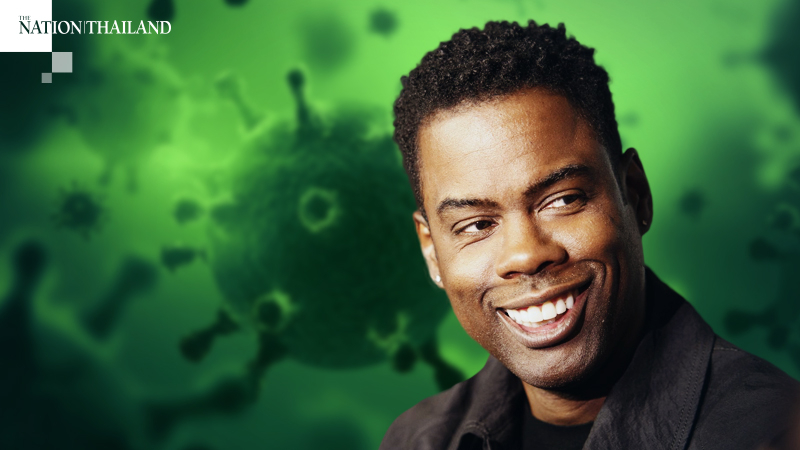
Just as the coronavirus was establishing its deadly grip on the United States and President Donald Trump once again revised his often-contradictory assessment of its risks, comedian Chris Rock posted a video for his 5.2 million Twitter followers. His message was brief and direct.

“During biblical times, Noah was the only one who took the rain serious. Everybody else died. The coronavirus is the rain,” the former “Saturday Night Live” cast member intoned in the late-March clip.

“We’re all in this together. But we’ve got to stay six feet apart,” Rock continued, with a quip about his uncut hair.

The one-minute, 10-second video was Rock’s creation, but it was inspired by an unusual nonpartisan coalition of experts who are repurposing new technologies to keep the most vulnerable populations safe by providing them with clear guidance. They are drawing on behavioral science, social media savvy, lessons from political campaigns and their own connections to persuade influencers such as Rock to spread their messages.

And they are acting against the backdrop of a rising communications crisis in public health – the failure of researchers to adapt to the rapidly changing media landscape combined with the current politicization of science that has sidelined experts, including officials from the Centers for Disease Control and Prevention.

“Public health’s greatest underused tool is educating the public,” said Alfred Sommer, former dean of the Johns Hopkins Bloomberg School of Public Health. “Now, it is playing catch-up during a pandemic and with an administration that uneducates the public and uses social media to mock facts, experts and expertise.”

Public health campaigns have historically relied on broad-based communications – from the televised antismoking advertisements that began in the late 1960s to the contemporary Click It or Ticket seat belt signs on highway billboards. In times of crisis, officials such as the National Institutes of Health’s Anthony Fauci have stood alongside presidents to present a united front.

The National Organizing Coalition On Virus Information Distribution – or NoCovid project – aims instead to meet people where they are, by determining which counties are most vulnerable and then enlisting celebrity messengers who have followers there along with trusted local leaders such as physicians, fire chiefs and fifth-grade teachers to spread the word.

“That’s a lot better than Dr. Fauci telling Johnny to wear a mask,” said James Carville, the Democratic political consultant who with his wife, longtime GOP strategist Mary Matalin, is at the heart of the operation. “People don’t know what the Hopkins Bloomberg school is,” he said. “But they do know their own doctors, teachers and civic leaders.”

The coalition has developed an online “tool kit” for local leaders with links to resources such as best practices, advice on tailoring messaging and how to find influencers to disseminate their messages.

Steve Azar, a music and cultural ambassador in Mississippi, was already working with the state when John Barry, best-selling author of “The Great Influenza” about the 1918 flu outbreak,contacted him.

“It just made sense,” Azar said. “Us entertainer types becoming a voice and vehicle.”

Former pro-football player and philanthropist Herman Moore felt his ability to reach across party lines and age groups would lend nonpartisan weight to his outreach.

“I’m for the people. Period,” he said. “I try and channel as best I can what is given to me as good information for safety of the people.”

Several of the influencers fit a long-standing risk-communication strategy – of personalizing messages, engaging with the audience and encouraging collective action.

Paralympic athlete Blake Leeper, who turned to the courts recently to fight for the right to compete against able-bodied runners in the Tokyo Olympics, said that when the coalition approached him, he felt his message of resilience would resonate “just because of the things I have been through.”

Twelve-year-old singer Angelica Hale described how her struggle with double pneumonia and a kidney transplant almost a decade ago would show young people that they are not bullet proof.

“I lived through it,” said Hale, who is trying to relay the message to her 2.4 million Facebook followers that exposure to the virus might pose a threat to people like her who are immunocompromised.

The NoCovid mission was launched in late March when Carville published an essay in the Chronicle of Philanthropy gently chiding Barry, his friend, for preaching to the choir when he published an op-ed in the New York Times about lessons from the 1918 flu. In the absence of White House leadership, Carville called on foundations to fund a unified patriotic response that would bridge the country’s political and socioeconomic divides – “a Dream Team made up of top leaders from Hollywood, technology, advertising, public relations, polling, and behavioral psychology,” he wrote, that would target “every micro-slice of the population.”

An initial day-long conference call included Carville, Matalin, Barry and Bryan Cunningham, a cybersecurity and privacy lawyer who acts as moderator, and representatives from Ogilvy, the marketing giant, and Palantir, the data-mining firm co-founded by PayPal’s Peter Thiel.

Rock’s apocalyptic message, posted a few days later, has been viewed more than 47,000 times. When the group’s early data suggested Newport News, Va., was in danger from the virus, comic actress Wanda Sykes went online to warn her hometown, “It’s not just New York, New Jersey, no. This bitch has an E-ZPass. The scientists and experts I trust are convinced the next hotspot will be area code 757.”

A videotaped exchange between Louisiana State University football coach Ed Orgeron and the team doctor was picked up by CBS Sports and ESPN and went viral. And in the weeks since its founding, the NoCovid coalition has grown from eight to about 60, including vaccine researchers and online audience experts who spend hours every week on calls, delving into thorny issues such as the threats to civil liberties and privacy posed by contact tracing.

“This isn’t looking to replace anything that public health is doing,” said Julie Schafer, chief technology officer for Flu Lab, a nonprofit dedicated to vanquishing influenza. Schafer began working on the need for coordination among all levels of government in pandemic preparedness 15 years ago. She described the pooling of such disparate skills as unlike any she had experienced in her career, which included supporting the federal vaccine and antiviral drug response during the H1N1 outbreak in 2009.

The need for localized messaging has become even clearer, she and other coalition members say, as states relax restrictions, often resulting in different regulations – as well as conflicting social and political pressures – on opposite sides of a county or state border. Add to that an administration often at odds with public health officials from Fauci on down.

Those competing forces fly in the face of what experts on public health messaging say is the key to success – to sustain advice and back it, when possible, with policy even when it is controversial and pits the needs of the community against personal behaviors such as the right to smoke in public buildings or not to wear a seat belt.

“If covid messages are not sustained, people will revert to old behaviors,” said Barbara Loken, an expert in brand management, health promotion and consumer psychology at the University of Minnesota who co-authored a 2010 paper in the Lancet medical journal on the use of mass media to change health behaviors.

The changes asked of people have to feel doable, particularly when risks and resources vary across geographic areas, said Renata Schiavo, a health communication expert at Columbia University’s Mailman School of Public Health: There’s little point in pushing a handwashing campaign in areas that lack hand-washing facilities.

“Communities are more willing to implement behavior when they feel it is feasible and the barriers to that behavior have been removed,” Schiavo said.

But many scholars agree that public health officials have been slow to recognize the rapid shifts to hyperlocal messaging and to platforms that attract younger generations.

“A leading example of what we don’t know how to do yet relates to covid-19,” said Jay Winsten, director of the Frank Stanton Center for Health Communication at the Harvard School of Public Health. Winsten popularized the designated driver concept through TV sitcoms such as “Cheers,” and has been working on a distracted driving campaign. “There isn’t a lot of smart thinking yet in terms of design of messaging so that it reflects where young people are coming from and whether or not there are alternative messaging concepts that might resonate in a stronger way,” he said.

Winsten suspended a course he used to teach on communication skills at Harvard because the cases were derived from the pre-social media world.

“No one has really fixed the model of health communications for the 21st century,” he said.

And while many health communications experts recognize they were lagging behind, none say they were ready for the current politicization of science – and for President Trump’s relentless questioning of scientific data.

“He repeatedly parades forth public health experts only to ignore and then belittle their advice to the public,” said Sommer, the former Johns Hopkins dean, using Trump not wearing a mask as an example.

At the same time, the CDC has lost its voice of authority.

“What they were really good at was foreshadowing: Here’s what we know; here’s what we don’t; and here’s what we are doing,” said coalition member Bruce Gellin, president of Global Immunization at the Sabin Vaccine Institute, who used to work at the CDC. “That’s what we don’t get from anybody now.”

As the states relax their regulations, complicating the simple stay-at-home message, the coalition is awaiting data on the effects of reopening strategies to inform new messaging, as well as examining ways to measure its impact by tracking comments and retweets with the #nocovid hashtag.

“Until there is some sort of post-mortem, you won’t know if you were really effective or contributing materials out of good will,” said Chris Graves, a coalition member and expert on behavior change at Ogilvy.

In the face of a deadly pandemic, he added, “We are prepared to do that.”

7+1 กลุ่มเสี่ยงที่รณรงค์เร่งให้ฉีดวัคซีนป้องกันไข้หวัดใหญ่ #ศาสตร์เกษตรดินปุ๋ย

#ศาสตร์เกษตรดินปุ๋ย : ขอบคุณแหล่งข้อมูล : หนังสือพิมพ์โพสต์ทูเดย์

https://www.posttoday.com/life/healthy/625159

วันที่ 04 มิ.ย. 2563 เวลา 07:07 น.

7+1 กลุ่มเสี่ยงที่รณรงค์เร่งให้ฉีดวัคซีนป้องกันไข้หวัดใหญ่

สาธารณสุขรณรงค์เร่งให้ฉีดวัคซีนป้องกันโรคไข้หวัดใหญ่เร็วขึ้น เพื่อช่วยให้ประชาชนกลุ่มเสี่ยงได้รับการสร้างเสริมภูมิคุ้มกันโรคไข้หวัดใหญ่ได้ทันต่อสถานการณ์ พร้อมแนะหลัก ‘ปิด ล้าง เลี่ยง หยุด’ ยุติโรคหน้าฝน

ในปีนี้กระทรวงสาธารณสุข โดยกรมควบคุมโรค ร่วมกับสำนักงานหลักประกันสุขภาพแห่งชาติ มีการรณรงค์เร่งให้ฉีดวัคซีนป้องกันโรคไข้หวัดใหญ่เร็วขึ้น เพื่อช่วยให้ประชาชนกลุ่มเสี่ยงได้รับการสร้างเสริมภูมิคุ้มกันโรคไข้หวัดใหญ่ได้ทันต่อสถานการณ์

สำหรับประชาชนกลุ่มเสี่ยง ได้แก่

  1. หญิงตั้งครรภ์ อายุครรภ์ 4 เดือนขึ้นไป
  2. เด็กอายุ 6 เดือน ถึง 2 ปี
  3. ผู้มีโรคเรื้อรัง (ปอดอุดกั้นเรื้อรัง หอบหืด หัวใจ หลอดเลือดสมอง ไตวาย ผู้ป่วยมะเร็งที่อยู่ระหว่างการได้รับเคมีบำบัด และเบาหวาน)
  4. บุคคลที่มีอายุ 65 ปีขึ้นไป
  5. ผู้พิการทางสมองที่ช่วยเหลือตนเองไม่ได้
  6. โรคธาลัสซีเมียและผู้ที่มีภูมิคุ้มกันบกพร่อง (รวมผู้ติดเชื้อ HIV ที่มีอาการ)
  7. โรคอ้วน (ผู้ที่มีน้ำหนัก>100 กิโลกรัม หรือ BMI >35 กิโลกรัมต่อตารางเมตร)

รวมทั้งกลุ่มบุคลากรการแพทย์

โดยสามารถขอรับบริการวัคซีนได้ที่สถานบริการสาธารณสุขของรัฐ และสถานพยาบาลเอกชนที่เข้าร่วมโครงการหลักประกันสุขภาพแห่งชาติ ตั้งแต่วันนี้จนถึง 31 สิงหาคม 2563 สอบถามข้อมูลเพิ่มเติมได้ที่สายด่วนกรมควบคุมโรค โทร.1422

นอกจากนี้ กรมควบคุมโรค กระทรวงสาธารณสุข ยังได้เตือนประชาชนให้ดูแลสุขภาพตนเองในช่วงอากาศเปลี่ยนแปลงจากฤดูร้อนเข้าสู่ฤดูฝน หากร่างกายปรับตัวไม่ทันอาจเจ็บป่วยได้ง่าย โดยเฉพาะโรคติดเชื้อระบบทางเดินหายใจ พร้อมแนะยึดหลัก “ปิด ล้าง เลี่ยง หยุด” ควรพกอุปกรณ์กันฝนติดตัวออกจากบ้านทุกครั้ง

โดย นายแพทย์สุวรรณชัย วัฒนายิ่งเจริญชัย อธิบดีกรมควบคุมโรค กล่าวว่า ในช่วงนี้ประเทศไทยเข้าสู่ฤดูฝนและสภาพอากาศที่เปลี่ยนแปลงจากฤดูร้อนเข้าสู่ฤดูฝน ทำให้มีฝนตก อากาศมีความชื้นสูงขึ้น เอื้อต่อการระบาดของเชื้อไวรัสและแบคทีเรีย อาจทำให้ผู้ที่มีสุขภาพไม่แข็งแรงหรือมีภูมิต้านทานน้อย เจ็บป่วยด้วยโรคติดเชื้อระบบทางเดินหายใจได้ง่าย โดยเฉพาะโรคไข้หวัดใหญ่ และกลุ่มเสี่ยงที่ต้องระมัดระวังเป็นพิเศษในช่วงนี้คือ เด็กเล็ก ผู้สูงอายุ และผู้มีโรคประจำตัว ซึ่งกลุ่มดังกล่าวหากป่วยจะมีอาการรุนแรงมากกว่ากลุ่มอื่นๆ

โรคไข้หวัดใหญ่ เป็นโรคจากการติดเชื้อไวรัส เกิดจากการติดเชื้อ Influenza Virus โดยการติดเชื้อที่พบในมนุษย์ คือ สายพันธุ์ A, B และ C ผู้ป่วยจะมีอาการไข้ ปวดศีรษะ ปวดเมื่อยตามตัว อ่อนเพลีย มักพบการระบาดได้ในสถานที่แออัดหรือในชุมชน สามารถพบผู้ป่วยได้ทุกช่วงกลุ่มอายุ การติดต่อเกิดจากการสัมผัสสารคัดหลั่งจากปากและการหายใจ ผู้ป่วยส่วนใหญ่สามารถหายเองได้ หรือบางรายที่เป็นกลุ่มเสี่ยง จะมีอาการรุนแรง ควรรีบไปพบแพทย์เพื่อรับการวินิจฉัยและรักษาโดยเร็ว

นายแพทย์สุวรรณชัย กล่าวต่อไปว่า โรคติดเชื้อระบบทางเดินหายใจสามารถป้องกันได้ โดยขอให้ประชาชนยึดหลัก “ปิด ล้าง เลี่ยง หยุด” ได้แก่

  • ปิด คือปิดปากและปิดจมูก เมื่อไอ จาม ต้องใช้หน้ากากอนามัย หน้ากากผ้า หรือกระดาษทิชชูปิดปากและจมูกทุกครั้ง
  • ล้าง คือล้างมือบ่อยๆ ด้วยน้ำและสบู่หรือแอลกอฮอล์เจล เมื่อสัมผัสสิ่งของ กลอนประตู ลูกบิด ราวบันได หรือราวบนรถโดยสาร
  • เลี่ยง คือหลีกเลี่ยงการคลุกคลีใกล้ชิดกับผู้ป่วย หรือเข้าไปในสถานที่แออัด ซึ่งมีคนอยู่จำนวนมาก
  • หยุด คือเมื่อป่วยควรหยุดเรียน หยุดงาน หยุดกิจกรรม แม้ผู้ป่วยจะมีอาการไม่มากก็ควรหยุดพักรักษาตัวอยู่ที่บ้านจนกว่าจะหายเป็นปกติ ในช่วงอากาศเปลี่ยนแปลง หากมีอาการให้รีบไปพบแพทย์เพื่อตรวจวินิจฉัยและรับการรักษาที่สถานพยาบาล

สำหรับในช่วงนี้ประชาชนส่วนใหญ่อยู่บ้านเพื่อลดการติดเชื้อโควิด 19 แต่หากจำเป็นต้องออกนอกบ้านหรือไปทำงาน นอกจากต้องใส่หน้ากากผ้าหรือหน้ากากอนามัยทุกครั้งแล้ว ควรมีหน้ากากสำรองไว้เปลี่ยนในกรณีเปียกฝน ควรเว้นระยะห่างระหว่างบุคคล และล้างมือบ่อยๆ เพื่อลดโอกาสเสี่ยงในการสัมผัสเชื้อและป้องกันการแพร่ระบาดของเชื้อในวงกว้าง ที่สำคัญในช่วงฤดูฝนนี้ควรพกร่มหรือเสื้อกันฝนติดตัวทุกครั้ง เพื่อป้องกันไม่ให้ร่างกายเปียกฝน ซึ่งจะสามารถลดการอับชื้นและลดการสะสมของเชื้อราอันเป็นสาเหตุของการไม่สบายตัวและนำไปสู่การเจ็บป่วยได้

เช็กลิสต์ญาติสายตรงเพื่อคัดกรองโรคมะเร็งกระเพาะอาหาร #ศาสตร์เกษตรดินปุ๋ย

#ศาสตร์เกษตรดินปุ๋ย : ขอบคุณแหล่งข้อมูล : หนังสือพิมพ์โพสต์ทูเดย์

https://www.posttoday.com/life/healthy/625158

วันที่ 04 มิ.ย. 2563 เวลา 06:40 น.

เช็กลิสต์ญาติสายตรงเพื่อคัดกรองโรคมะเร็งกระเพาะอาหาร

รู้ลึกถึงแก่นโรคมะเร็งกระเพาะอาหาร พร้อมเช็กลิสต์ญาติสายตรงที่อาจเป็นข้อบ่งชี้ของการเกิดโรคมะเร็งได้

โรคมะเร็งกระเพาะอาหาร ถ้าพูดถึงโรคกระเพาะอาหารหลายๆคนคงคิดว่าแค่กินยาสักอาทิตย์หรือปรับเปลี่ยนวิถีการใช้ชีวิตเช่นงดอาหารบางอย่างหรือกินอาหารให้ตรงเวลาก็จะทำให้อาการต่างๆ หายไปแต่ถ้าพูดถึงมะเร็งความคิดหรือความกังวลก็จะเกิดขึ้นมาทันทีแตกต่างจากการคิดถึงโรคกระเพาะทั่วๆ ไป

ข้อมูลโดย ผศ.นพ.ไชยรัตน์ ทรัพย์สมุทรชัย คณะแพทยศาสตร์โรงพยาบาลรามาธิบดี มหาวิทยาลัยมหิดล ระบุว่าในความเป็นจริงมะเร็งกระเพาะอาหารในประเทศไทยนั้นพบได้ไม่มากเมื่อเทียบกับมะเร็งชนิดอื่นๆเช่นมะเร็งเต้านมมะเร็งปอดมะเร็งตับมะเร็งลำไส้ใหญ่ปกติมะเร็งกระเพาะอาหารแบ่งได้หลายชนิดเช่นมะเร็งเยื่อบุผิวกระเพาะมะเร็งจีสเป็นต้นหากกล่าวขึ้นทั่วๆ ไปมักหมายถึงมะเร็งเยื่อบุกระเพาะอาหาร

หลายคนคิดว่าถ้ามะเร็งก็คงรักษาด้วยการผ่าตัด ฉายแสง หรือให้ยาเคมี แต่ในความจริงนั้นพบว่าค่อนข้างมีความยากลำบากในการรักษา เพราะไม่ว่าผู้ป่วยจะเป็นมะเร็งชนิดไหนหรือจะรักษาด้วยวิธีใดๆ ก็ตามสิ่งแรกที่จะมีผลต่อการรักษาก็คือความแข็งแรงของผู้ป่วยว่ามีความแข็งแรงมากพอที่จะทนต่อการรักษารูปแบบต่างๆ จนครบตลอดรอดฝั่งหรือไม่ ซึ่งกระเพาะเป็นอวัยวะที่รองรับอาหารอวัยวะแรกของร่างกายที่ย่อยอาหารส่งพลังงานไปยังส่วนต่างๆ นั่นก็คือถ้ากระเพาะเสียไปไม่สามารถทำงานได้ ผู้ป่วยก็จะขาดอาหาร ทำให้ไม่สามารถทนกับการรักษาแบบต่างๆ ได้จนครบ และทำให้ผลการรักษาแย่ลง  นอกจากนี้ ผู้ป่วยส่วนมากที่มาตรวจก็มักจะมาพบแพทย์ในตอนที่ตนเองมีอาการเยอะมากแล้ว นั่นคือ กินไม่ได้มีอาเจียนหลังกิน เป็นต้น

สาเหตุการเกิดมะเร็งกระเพาะอาหาร

สำหรับการเกิดมะเร็งกระเพาะ นั้นเกิดได้จากสองกระบวนการหลักๆ อย่างแรกคือ เกิดจากการเปลี่ยนแปลงตามกระบวนการอักเสบของกระเพาะอาหารแล้วเรื้อรังจนเยื่อบุกระเพาะกลายเป็นมะเร็ง ซึ่งกระบวนการนี้จะมีเชื้อแบคทีเรียตัวหนึ่งที่ชื่อว่า Helicobacter pylori (H. Pylori, เอชไพโลไร) เป็นตัวการสำคัญที่ทำให้กระบวนการอักเสบไม่หายและนำไปสู่การเป็นมะเร็งกระเพาะอาหารดังนั้นการรักษาการอักเสบเรื้อรังร่วมกับกำจัดเชื้อโรคตัวนี้จึงอาจมีผลป้องกันการเกิดมะเร็งกระเพาะอาหารได้ในอนาคต

อาหารที่กระตุ้นการเกิดมะเร็งกระเพาะอาหาร มีอาหารบางอย่างที่กระตุ้นให้เกิดการอักเสบเรื้อรังได้เช่นอาหารที่ถูกเก็บรักษาไว้ด้วยเกลือหรือเรียกให้เข้าใจง่ายๆว่าอาหารที่ดองเกลืออาหารที่ผ่านการรมควันเป็นต้นก็อาจจะเป็นตัวการที่กระตุ้นให้เกิดมะเร็งได้

ความผิดปกติทางพันธุกรรมกับมะเร็งกระเพาะอาหาร กลไกการเกิดอีกแบบคือ เกิดจากการที่ผู้ป่วยมีความผิดปกติทางพันธุกรรมตั้งแต่กำเนิดแล้วทำให้กระบวนการเกิดมะเร็งเกิดได้เร็วขึ้นกว่าปกติ ซึ่งแม้ว่าเป็นสิ่งที่เราไม่สามารถจะป้องกันได้ แต่เราก็สามารถจะเฝ้าระวังได้ มะเร็งกระเพาะอาหารจะพัฒนาและแพร่กระจายได้รวดเร็วกว่ามะเร็งลำไส้ใหญ่ ที่สำคัญการตอบสนองต่อยาเคมีไม่ค่อยดี ซึ่งถ้าตรวจพบผู้ป่วยในระยะท้ายๆ ผู้ป่วยอาจจะมีชีวิตอยู่ได้ไม่นานนักแม้ว่าจะได้รับการรักษาอย่างเต็มที่แล้วก็ตาม แต่ถ้าหากตรวจพบในระยะแรกการรักษาก็สามารถหวังผลให้หายขาดได้

ในประเทศที่พัฒนาแล้วบางประเทศที่พบมะเร็งกระเพาะอาหารมากจะแนะนำให้ประชาชนทุกคนเข้ารับการตรวจคัดกรองมะเร็งกระเพาะอาหารตั้งแต่อายุ 50 ปีขึ้นไป ไม่ว่าคนนั้นจะมีหรือไม่มีอาการทางกระเพาะอาหารก็ตาม ที่ผ่านมา แม้ว่าประเทศไทยไม่ได้พบมะเร็งชนิดนี้และผู้ป่วยส่วนมากมาตรวจตอนที่มีอาการแล้วทำให้ผลการรักษาไม่ดี ซึ่งโดยทั่วไปการตรวจทางเดินอาหารมักจะตรวจแค่เพื่อรักษาอาการของโรคแผลในกระเพาะเป็นหลัก ไม่ค่อยได้ให้ความสำคัญของการคัดกรองมะเร็งกระเพาะอาหาร

เช็กญาติสายตรงเป็นมะเร็งกระเพาะอาหาร

นอกเหนือจากข้อบ่งชี้ของการตรวจกระเพาะอาหารที่เป็นที่รู้กันอย่างกว้างขวางตามสื่อต่างๆ ทั่วไปแล้วสิ่งที่มักจะถูกมองข้ามคือ ต้องทำการตรวจในรายที่มีญาติสายตรงเป็นมะเร็งกระเพาะอาหารดังนี้ คือ

  • มีญาติสายตรงอย่างน้อย 1 คนเป็นตอนอายุน้อยกว่า 40 ปี
  • มีญาติสายตรงชั้นเดียวกันหรือชั้นรองอย่างน้อย 2 คน เป็นตอนอายุน้อยกว่า 50 ปี
  • มีญาติสายตรงชั้นเดียวกันหรือชั้นรองเป็น อย่างน้อย 3 คนไม่ว่าจะอายุเท่าไหร่ก็ตาม
  • มีญาติสายตรงชั้นเดียวกันหรือชั้นรองเป็น มะเร็งเต้านมและกระเพาะอาหารในคนเดียวกันตอนอายุน้อยกว่า 50 ปี
  • มีญาติสายตรงมะเร็งกระเพาะอาหาร และมีญาติสายตรงชั้นเดียวกันหรือชั้นรอง คนอื่นเป็นมะเร็งเต้านมที่อายุน้อยกว่า 50ปี
  • นอกจากนี้ ยังรวมถึงคนที่ตรวจพบว่ามีความผิดปกติของพันธุกรรมที่ก่อให้เกิดมะเร็งกระเพาะอาหารรวมถึงมะเร็งอื่นๆ ด้วย

การรักษาโรคมะเร็งกระเพาะอาหาร

โรคมะเร็งกระเพาะอาหารมีหลายรูปแบบ ทั้งการให้ยาเคมี การให้รังสีรักษา และ การผ่าตัดซึ่งจะแตกต่างกันในแต่ละบุคคล ขึ้นกับระยะของโรค ตำแหน่งของมะเร็งว่าอยู่ส่วนไหนของกระเพาะอาหาร ความแข็งแรงของผู้ป่วย โดยหลักการสำคัญจะมุ่งเน้นให้ผู้ป่วยมีอัตราการรอดชีวิตที่นานที่สุด โดยมีคุณภาพชีวิตที่ดี ดังนั้น ถ้าหากตรวจพบในระยะต้นที่ยังไม่มีการแพร่กระจายการรักษาจะหวังผลเพื่อให้หายขาดจากโรคยังคงต้องใช้การผ่าตัดเป็นหลัก

สำหรับการผ่าตัดรักษานอกจากจะต้องตัดเนื้อกระเพาะอาหารให้หมดจากมะเร็งแล้วยังจำเป็นต้องตัดต่อมน้ำเหลืองโดยรอบที่คาดว่ามะเร็งจะกระจายตัวออกไปทั้งหมดจึงจะได้ผลการรักษาที่ดีซึ่งวิธีการผ่าตัดจะมีรายละเอียดและความแตกต่างจากการตัดกระเพาะทั่วๆไปในโรคที่ไม่ใช่มะเร็งชัดเจนทั้งนี้จากที่กล่าวมาข้างต้นว่ามะเร็งของกระเพาะอาหารนั้นพบได้ไม่บ่อยนัก

ดังนั้น ศัลยแพทย์ที่จะทำการผ่าตัดมะเร็งกระเพาะอาหารให้ได้ผลรับที่ดีจะต้องเป็นผู้มีประสบการณ์สูงในการผ่าตัดรักษามะเร็งกระเพาะอาหารมาก่อน ซึ่งผลการรักษาที่ภาควิชาศัลยศาสตร์โรงพยาบาลรามาธิบดี พบว่าอัตราการอยู่รอดและผลการรักษาได้รายงาน ไว้โดย รศ.นพ. จักรพันธ์ เอื้อนรเศรษฐ์ ใน J Med Assoc Thai Vol. 90 No. 2 2007 ซึ่งมีอัตราการอยู่รอดที่ 5 ปีของมะเร็งกระเพาะอาหารที่ทำการผ่าตัดทุกระยะที่ยังไม่มีการแพร่กระจายอยู่ที่ 59% ซึ่งมากว่าทางประเทศตะวันตกที่ส่วนใหญ่จะเฉลี่ยแล้วอยู่ที่ประมาณ 14-37% แม้ว่ายังน้อยกว่าประเทศญี่ปุ่นที่เป็นต้นแบบของการผ่าตัดมะเร็งกระอาหารอยู่บ้างเล็กน้อยก็ตาม (อาจเนื่องจากมีการแบ่งระยะของโรคที่แตกต่างกันกับประเทศญี่ปุ่น) และมีภาวะแทรกซ้อนโดยรวมอยู่ที่17% ซึ่งหากตรวจพบมะเร็งชนิดนี้ควรได้รับการผ่าตัดจากศัลยแพทย์ที่ชำนาญด้านมะเร็งกระเพาะอาหาร

ทั้งนี้ ถ้าหากพบว่าเป็นมะเร็งระยะแรกๆ ก็จะสามารถทำการผ่าตัดแบบแผลเล็กหรือผ่าตัดผ่านกล้องได้อีกด้วย ซึ่งหลังจากการผ่าตัดรักษาบางคนจะไม่มีการเพาะบางคนก็อาจจะมีน้อยลง ก็คงต้องปรับตัวเรื่องการกินอาหาร เนื่องจากการที่ไม่มีกระเพาะจะทำให้การดูดซึมแร่ธาติและวิตามินบางชนิดแย่ลง จึงต้องได้รับคำแนะนำต่างๆ จากศัลยแพทย์ผู้ทำการผ่าตัดว่าควรจะปฏิบัติตัวหลังผ่าตัดอย่างไร และต้องได้รับการตรวจติดตามอย่างสม่ำเสมอ

ที่มา คณะแพทยศาสตร์โรงพยาบาลรามาธิบดี มหาวิทยาลัยมหิดล

‘Kawasaki Disease’ รู้จักกับโรคคาวาซากิ #ศาสตร์เกษตรดินปุ๋ย

#ศาสตร์เกษตรดินปุ๋ย : ขอบคุณแหล่งข้อมูล : หนังสือพิมพ์โพสต์ทูเดย์

https://www.posttoday.com/life/healthy/625092

วันที่ 03 มิ.ย. 2563 เวลา 08:40 น.

'Kawasaki Disease' รู้จักกับโรคคาวาซากิ

โรคคาวาซากิ อีกอันตรายที่รุนแรงจนสามารถทำให้เด็กเสียชีวิตเฉียบพลันได้

ช่วงนี้อากาศเปลี่ยนแปลงบ่อย  เด็กๆ อาจไม่สบายได้ ผู้ปกครองควรดูแลเอาใจใส่เป็นพิเศษ เนื่องจากมีหลายโรคที่มีอาการใกล้เคียงกันจนแทบจะแยกไม่ออก ซึ่งหนึ่งในนั้นคือ โรคคาวาซากิ ความรุนแรงของโรคสามารถทำให้เด็กเสียชีวิตเฉียบพลันได้ ถึงตอนนี้พ่อแม่ของเด็กทั้งหลายคงอยากทราบสาเหตุของโรคนี้เพื่อความปลอดภัยของลูกหลาน

รู้จักโรคคาวาซากิ

ข้อมูลโดย ศ.พญ.ดวงมณี เลาหประสิทธิพร คณะแพทยศาสตร์ศิริราชพยาบาล ระบุว่า โรคคาวาซากิ พบได้ทั้งเพศชายและเพศหญิง  แต่ส่วนใหญ่จะพบในเพศชายมากกว่า และพบบ่อยในเด็กอายุน้อยกว่า  5 ปี โดยเฉพาะในช่วงอายุ 1-2 ปี โรคนี้ตั้งชื่อตามนายแพทย์คาวาซากิ  ซึ่งเป็นแพทย์ชาวญี่ปุ่นที่ได้รวบรวมรายงานผู้ป่วยเป็นคนแรกของโลก

สาเหตุของโรค ยังไม่ทราบแน่ชัด เคยมีรายงานว่าเกี่ยวข้องกับการติดเชื้อบางชนิดทั้งแบคทีเรียและไวรัส  การใช้แชมพูซักพรม  หรือการอยู่ใกล้แหล่งน้ำ แต่ไม่สามารถสรุปสาเหตุที่แท้จริง  พบว่ามีการอักเสบเกิดขึ้นหลายแห่งในร่างกาย  ทำให้เกิดอาการแสดงต่างๆ ประมาณร้อยละ 25 ของผู้ป่วย เกิดการอักเสบของหลอดเลือดเลี้ยงกล้ามเนื้อหัวใจร่วมด้วย  หากให้การวินิจฉัยและรักษาได้ภายใน 10 วัน นับจากมีไข้ จะช่วยให้การอักเสบของหลอดเลือดลดลงประมาณร้อยละ 5

ลักษณะเด่นของโรคคาวาซากิ            

  • เด็กจะมีไข้สูงทุกคน โดยมากมักเป็นนานเกิน 5 วัน บางรายอาจนาน 3–4 สัปดาห์อาจมีผื่นขึ้นตามตัวและแขนขา            
  • ตาขาวจะแดง 2 ข้าง แต่ไม่มีขี้ตา           
  • ริมฝีปากแห้งแดง อาจแตกมีเลือดออก ลิ้นแดงเป็นตุ่มๆ คล้ายผิวสตรอเบอร์รี่            
  • ฝ่ามือและฝ่าเท้าบวมแดง ต่อมน้ำเหลืองที่ลำคอโต            

อาการทั้งหมดนี้จะเกิดภายในสัปดาห์แรก ในสัปดาห์ที่ 2 จะมีการลอกของผิวหนัง โดยเริ่มจากบริเวณปลายนิ้วมือ นิ้วเท้า และอาจลามไปที่ฝ่ามือ ฝ่าเท้า

อาการแสดงอื่น ๆ ที่อาจเกิดร่วม  ได้แก่  ข้ออักเสบโดยเฉพาะบริเวณนิ้วมือ เยื่อหุ้มสมองอักเสบ ท้องเสีย ซึ่งอาการดังกล่าวอาจหายได้เองแม้ไม่ได้รับการรักษา แต่ที่สำคัญคือ โรคนี้อาจทำให้เกิดการอักเสบของหัวใจและหลอดเลือดเลี้ยงกล้ามเนื้อหัวใจ ซึ่งอาจทำให้หลอดเลือดหัวใจมีลักษณะโป่งพอง ตีบหรือแคบได้ ในรายที่หลอดเลือดตีบแคบมาก อาจเกิดอาการกล้ามเนื้อหัวใจขาดเลือดเลี้ยงเหมือนที่พบในผู้ใหญ่ที่มีหลอดเลือดหัวใจตีบ ทำให้เสียชีวิตเฉียบพลันได้

เนื่องจากการวินิจฉัย  ต้องอาศัยอาการเป็นหลักร่วมกับการตรวจเลือด  ซึ่งอาการแสดงมักเกิดไม่พร้อมกัน  จึงทำให้เกิดความยากในการวินิจฉัยหากไม่ได้นึกถึงโรคนี้

ภาวะแทรกซ้อนที่พบ

ข้อมูลโดย ผู้ช่วยศาสตราจารย์แพทย์หญิง อิงคนิจ ชลไกรสุวัฒน์  กุมารเวชศาสตร์เฉพาะทาง ระบุว่า โรคหัวใจหลอดเลือดแดงที่เลี้ยงกล้ามเนื้อหัวใจอักเสบโป่งพอง (coronary aneurysm) กล้ามเนื้อหัวใจอักเสบ ลิ้นหัวใจอักเสบ หัวใจเต้นผิดจังหวะซึ่งภาวะแทรกซ้อนดังกล่าวเป็นสาเหตุให้เกิดการเสียชีวิตได้ โดยการตรวจพบภาวะแทรกซ้อนดังกล่าวต้องอาศัยการตรวจโดยใช้เครื่องตรวจคลื่นเสียงสะท้อนความถี่สูง (echocardiography)

การรักษา

การดูแลรักษาต้องอาศัยการดูแลร่วมกันระหว่างกุมารแพทย์ทั่วไปและกุมารแพทย์โรคหัวใจ โดยผู้ป่วยที่ให้การวินิจฉัยว่าเป็นโรคคาวาซากิควรได้รับ intravenous gammaglobulin (IVIG) ในขนาดสูงเพื่อลดโอกาสการเกิดหลอดเลือดแดงที่เลี้ยงกล้ามเนื้อหัวใจโป่งพอง ร่วมกับการให้ aspirin

การรักษา ในช่วงที่มีไข้ใน 10 วันแรก จะต้องตรวจหัวใจด้วยเครื่องอัลตราซาวน์ เพื่อดูลักษณะหลอดเลือดเลี้ยงหัวใจ และให้ยาลดการอักเสบคือยาแอสไพรินขนาดสูงให้รับประทานอย่างต่อเนื่องประมาณ 1–2 สัปดาห์ และให้โปรตีนชนิดหนึ่งเข้าหลอดเลือดดำ  พบว่าหลังให้ยาดังกล่าว ไข้มักจะลดลงภายใน 24 – 48 ชั่วโมง หลังจากไข้ลดจะต้องให้ยาแอสไพรินขนาดต่ำวันละ 1 ครั้ง รับประทานต่อเนื่อง 6–8 สัปดาห์ เพื่อป้องกันเกล็ดเลือดรวมกันเป็นก้อน ซึ่งอาจไปเพิ่มการอุดตันในหลอดเลือดที่ผิดปกติได้

หลังจากนั้นถ้าตรวจอัลตราซาวน์หัวใจซ้ำ พบว่า หลอดเลือดหัวใจปกติก็สามารถหยุดยาได้ และจากการติดตามผู้ป่วยที่มีหลอดเลือดผิดปกติหลัง 8 สัปดาห์นับตั้งแต่มีไข้ไปจนถึงเวลา 1 ปีหลังจากนั้น พบว่า 2 ใน 3 ของผู้ป่วยจะหายเป็นปกติ ที่เหลือ 1 ใน 3 ยังมีความผิดปกติอยู่ต้องติดตามเป็นระยะ และรับประทานยาแอสไพรินเป็นประจำไปตลอด

ทั้งนี้ โรคคาวาซากิเป็นโรคที่ยังไม่ทราบสาเหตุแน่ชัด อาการสำคัญคือไข้สูง ปากแดง ตาแดง มือเท้าบวมลอก ต่อมน้ำเหลืองที่คอโต และผื่นตามร่างกาย สามารถหายได้เองแต่ถ้าวินิจฉัยช้าหรือให้การรักษาไม่ถูกต้องจะทำให้เกิดภาวะแทรกซ้อนที่เป็นสาเหตุให้เกิดการเสียชีวิตได้ โดยภาวะแทรกซ้อนสำคัญ คือ การอักเสบของหลอดเลือดแดงเลี้ยงกล้ามเนื้อหัวใจโป่งพอง หรืออุดตัน ทำให้เกิดกล้ามเนื้อหัวใจขาดเลือดตามมา ดังนั้นเมื่อบุตรหลานของท่านมีอาการไข้สูงเป็นเวลาหลายวันร่วมกับมีอาการดังกล่าว ควรรีบพามาพบกุมารแพทย์โรคหัวใจเพื่อให้ได้รับตรวจวินิจฉัยเพิ่มเติม

.

ที่มา คณะแพทยศาสตร์ศิริราชพยาบาล / โรงพยาบาล WMC (เวิลด์เมดิคอล)

จับจุด ‘เห็ดพิษ’ พร้อมสังเกตอาการก่อนต้องอาเจียน #ศาสตร์เกษตรดินปุ๋ย

#ศาสตร์เกษตรดินปุ๋ย : ขอบคุณแหล่งข้อมูล : หนังสือพิมพ์โพสต์ทูเดย์

https://www.posttoday.com/life/healthy/625087

วันที่ 03 มิ.ย. 2563 เวลา 08:08 น.

จับจุด 'เห็ดพิษ' พร้อมสังเกตอาการก่อนต้องอาเจียน

หน้าฝนเห็ดป่าขึ้นเยอะ กรมควบคุมโรค เตือนระวังอันตรายจากการเก็บหรือซื้อเห็ดป่ามารับประทาน อาจเป็นเห็ดพิษ เสี่ยงเสียชีวิตได้

ในช่วงหน้าฝนแบบนี้ มักมีเห็ดป่าขึ้นเองตามธรรมชาติ ประชาชนจึงเริ่มเข้าป่าเพื่อเก็บเห็ดมาขายหรือนำมาปรุงอาหาร ซึ่งเห็ดที่เก็บมาอาจเป็นเห็ดพิษ เมื่อรับประทานเข้าไปอาจเป็นอันตรายและเสี่ยงเสียชีวิตได้ แนะหากไม่แน่ใจว่าเป็นเห็ดพิษหรือเป็นเห็ดที่รับประทานได้ ไม่ควรนำมาปรุงอาหาร

นายแพทย์อัษฎางค์ รวยอาจิณ รองอธิบดีและโฆษกกรมควบคุมโรค เผยช่วงนี้มีฝนตกในหลายพื้นที่ ซึ่งหลังจากฝนตกประมาณ 2 วัน จะมีการเจริญเติบโตของเห็ดป่าขึ้นเองตามธรรมชาติ ประชาชนมักนิยมเก็บเห็ดป่ามาขายหรือนำมาปรุงอาหาร ซึ่งในแต่ละปีจะพบผู้ป่วยจากการรับประทานเห็ดพิษเป็นประจำ เนื่องจากเห็ดป่ามีทั้งเห็ดที่รับประทานได้และเห็ดพิษ ซึ่งมีลักษณะใกล้เคียงกันมาก อาจทำให้ประชาชนเข้าใจผิดได้

ข้อมูลจากรายงานโรคในระบบเฝ้าระวังตั้งแต่วันที่ 1 มกราคม-25 พฤษภาคม 2563 พบผู้ป่วย 85 ราย ไม่มีผู้เสียชีวิต กลุ่มอายุที่พบมากที่สุด 3 กลุ่ม คือ

  • กลุ่มอายุที่พบมากที่สุด อายุ 45-54 ปี
  • รองลงมา กลุ่มอายุ 65 ปีขึ้นไป
  • และ 25-34 ปี ตามลำดับ

เห็ดพิษที่มักพบได้บ่อย

เห็ดพิษที่เป็นสาเหตุทำให้เสียชีวิตส่วนใหญ่ คือ เห็ดระโงกพิษ บางแห่งเรียกว่าเห็ดระโงกหิน เห็ดระงาก หรือเห็ดไข่ตายซาก ซึ่งเห็ดชนิดนี้คล้ายคลึงกับเห็ดระโงกขาว หรือไข่ห่าน ที่สามารถรับประทานได้ แต่แตกต่างกันคือ เห็ดระโงกพิษจะมีก้านสูง กลางดอกหมวกจะนูนเล็กน้อย มีกลิ่นค่อนข้างแรง

นอกจากนี้ ยังมีเห็ดป่าชนิดที่มีพิษรุนแรงคือ เห็ดเมือกไครเหลือง โดยประชาชนมักสับสนกับเห็ดขิง ซึ่งชนิดที่เป็นพิษจะมีเมือกปกคลุมและมีสีดอกเข้มกว่า ซึ่งยากแก่การสังเกตด้วยตาเปล่า

วิธีการสังเกตเห็ดพิษในเบื้องต้น

ภูมิปัญญาชาวบ้านที่ใช้ทดสอบความเป็นพิษของเห็ด เช่น การจุ่มช้อนเงินลงไปในหม้อต้มเห็ด การนำไปต้มกับข้าวสาร หรือใช้ปูนกินหมากป้าย ที่ดอกเห็ด ถ้าเป็นเห็ดพิษจะกลายเป็นสีดำ เป็นต้น วิธีเหล่านี้ยังไม่มีหลักฐานทางวิชาการอ้างอิงในการใช้ทดสอบพิษกับเห็ดกลุ่มนี้ได้ โดยเฉพาะเห็ดระโงกพิษที่มีสารที่ทนต่อความร้อน แม้จะปรุงให้สุกแล้ว เช่น ต้ม แกง ก็ไม่สามารถทำลายสารพิษนั้นได้

อาการที่ควรสังเกต

สำหรับอาการหลังจากกินเห็ดพิษแล้ว จะทำให้คลื่นไส้ อาเจียน ปวดท้อง หรือถ่ายอุจจาระเหลว ไม่ควรซื้อยากินเองหรือไปรักษากับหมอพื้นบ้าน จะต้องรีบไปพบแพทย์ และแจ้งประวัติการกินเห็ดโดยละเอียด พร้อมกับนำตัวอย่างเห็ดพิษไปด้วย (หากยังเหลืออยู่) และควรให้ผู้ป่วยนอนรักษาตัวในโรงพยาบาล หรือนัดติดตามอาการทุกวันจนกว่าจะหายเป็นปกติ เนื่องจากเห็ดพิษชนิดร้ายแรงจะทำให้ผู้ป่วยมีอาการคลื่นไส้ อาเจียนในช่วงวันแรก แต่หลังจากนั้นผู้ป่วยอาจมีอาการรุนแรงตามมาคือ การทำงานของตับและไตล้มเหลว อาจทำให้เสียชีวิตได้ สำหรับการช่วยเหลือผู้ป่วยที่กินเห็ดพิษเบื้องต้นให้ผู้ป่วยอาเจียนเอาเศษอาหารที่ตกค้างออกมาให้มากที่สุด โดยการล้วงคอ หรือกรอกไข่ขาว จากนั้นรีบนำผู้ป่วยไปพบแพทย์ทันที

ทั้งนี้ กรมควบคุมโรค ขอเตือนประชาชนหากไม่แน่ใจว่าเห็ดที่เก็บมาเป็นเห็ดพิษหรือเป็นเห็ดที่รับประทานได้ ไม่รู้จัก หรือสงสัยว่าเป็นเห็ดพิษ ไม่ควรเก็บหรือซื้อมาปรุงอาหารรับประทาน ควรเลือกรับประทานเห็ดที่มาจากการเพาะขยายพันธุ์ เช่น เห็ดนางฟ้า หรือเห็ดฟาง นอกจากนี้ ควรหลีกเลี่ยงการรับประทานเห็ดร่วมกับดื่มสุรา เพราะฤทธิ์จากแอลกอฮอล์จะทำให้พิษเห็ดแพร่กระจายไปอย่างรวดเร็ว และทำให้อาการรุนแรงขึ้นด้วย หากประชาชนมีข้อสงสัยสอบถามข้อมูลเพิ่มเติมได้ที่สายด่วนกรมควบคุมโรค โทร.1422