Supreme Court will once again consider fate of Affordable Care Act #ศาสตร์เกษตรดินปุ๋ย

#ศาสตร์เกษตรดินปุ๋ย : ขอบคุณแหล่งข้อมูล : หนังสือพิมพ์ The Nation

https://www.nationthailand.com/lifestyle/30383222?utm_source=category&utm_medium=internal_referral

Supreme Court will once again consider fate of Affordable Care Act

Mar 03. 2020
The United States Supreme Court. MUST CREDIT: Washington Post photo by Jonathan Newton

The United States Supreme Court. MUST CREDIT: Washington Post photo by Jonathan Newton
By The Washington Post · Robert Barnes · NATIONAL, HEALTH, POLITICS, COURTSLAW, CONGRESS

WASHINGTON — The Supreme Court on Monday said it will review the latest Republican efforts to doom the Affordable Care Act, guaranteeing that partisan battles over health care will remain at the forefront of public debate in the closing weeks of the presidential campaign.

The justices will review a federal appeals court decision that found part of the law unconstitutional and raised questions about whether the law in its entirety must fall. The Trump administration agreed with the lower court’s decision but said it was premature for the court to join the legal fight now.

Democrats seemed delighted that the court had decided to ignore that advice. They said the focus on health care will help their candidates, as polls show it did in 2018 when Democrats won back the House majority, and increase the importance of the Supreme Court with their voters.

“Today’s Supreme Court announcement ensures health care will remain front and center throughout 2020 and that House Republicans won’t be able to hide from their long history of attacking Americans with preexisting conditions,” said Robyn Patterson of the Democratic Congressional Campaign Committee.

Democratic presidential candidate Joe Biden, the vice president when President Barack Obama secured his most important domestic achievement, issued a statement: “This fall, Donald Trump will be trying to get the Supreme Court to strike down Obamacare — ripping health insurance away from 30 million Americans, ending protections for 100 million more with preexisting conditions, destroying families, and costing a million jobs. I’ll be fighting to end Donald Trump’s administration.”

Republican reaction was almost nonexistent, even though President Donald Trump has made abolishing the law a priority. While he has said he will preserve some of the program’s most popular provisions — such as guaranteed coverage for preexisting conditions — he has not put forward a plan.

The court’s review will come in the term that begins in the fall. It is one of the first cases accepted for that docket, and if the court follows its usual pattern, oral arguments would be in October. But the timing is up to the justices.

A decision would not be likely until the spring or summer of 2021. The law remains in effect during the legal challenges.

It will be the Supreme Court’s third consideration of the legal merits of the Affordable Care Act. And while the court has become more conservative with the addition of Trump’s two nominees, the majority of five justices who have sided with the ACA in the past remains intact.

In both cases, Chief Justice John Roberts has joined with the court’s liberals — Justices Ruth Bader Ginsburg, Stephen Breyer, Sonia Sotomayor and Elena Kagan — in voting against the challenges. Some Democrats were open in their hopes that the court take up the next challenge before there were any changes to that group.

The court had earlier turned down a request from Democratic-led states and the House of Representatives to hear the case this spring.

The latest ACA suit was organized by Republican attorneys general in Texas and other red states. When the Trump administration declined to defend the law, a coalition of Democratic-led blue states entered.

“As Texas and the Trump Administration fight to disrupt our health care system and the coverage that millions of people rely upon, we look forward to making our case in defense of the ACA,” California Attorney General Xavier Becerra, whose office had led the Democratic effort, said in a statement after the court’s announcement. “American lives depend upon it.”

Texas Attorney General Ken Paxton was one of the few Republicans commenting Monday on the court’s decision to take the case, and said he looks forward to defending the decision of the U.S. Court of Appeals for the 5th Circuit.

“Without the individual mandate, the entire law becomes unsupportable,” Paxton said in a statement. “The federal government cannot order private citizens to purchase subpar insurance that they don’t want, and I look forward to finally settling the matter before the U.S. Supreme Court.”

Paxton’s case began after the Republican-led Congress in 2017, unable to secure the votes to abolish Obamacare, reduced the penalty for a person not buying health insurance to zero. Paxton argued that in doing that, Congress had removed the essential tax element that the Supreme Court had found made the program constitutional.

A district judge in Texas agreed and said the entire law must fall.

The Trump administration eventually agreed with that assessment

On Monday, House Speaker Nancy Pelosi, D-Calif., chastised the administration for targeting the law while health officials throughout the United States race to contain the spread of a highly infectious respiratory disease that has caused more than 3,000 deaths globally.

“Even in the middle of the coronavirus crisis, the Trump Administration continues to ask the court to destroy protections for people with preexisting conditions and tear away health coverage from tens of millions of Americans,” she said in a statement, calling the law “even more critical during a dangerous epidemic.”

When the 5th Circuit considered the district judge’s decision, the panel split 2 to 1.

The two Republican-appointed judges on the panel — Kurt Engelhard and Jennifer Walker Elrod — said that because Americans are free to ignore the insurance requirement with no risk of penalty, the “attributes that saved the statute because it could be read as a tax no longer exist.”

They voted to send the case back to the district judge for a closer look at whether parts of the law could survive.

In her dissent, Judge Carolyn Dineen King, nominated by President Jimmy Carter, wrote that “questions about the legality of the individual ‘mandate’ are purely academic, and people can purchase insurance — or not — as they please.”

As for sending back to the lower court the question of whether the rest of the law remains intact, King wrote: “Answering that question should be easy, since Congress removed the coverage requirement’s only enforcement mechanism but left the rest of the Affordable Care Act in place.”

The Supreme Court’s decision essentially short-circuits the decision about the need for further lower court review, and the justices will make such decisions on their own.

In 2012, the court upheld the mandate that most Americans obtain insurance or pay a penalty, saying it fell under Congress’ taxing power. Roberts drew the lasting enmity of some conservatives when he said the court’s job was to save the work of Congress if there was a way to square it with the Constitution.

In 2015, Roberts and the court’s liberals were joined by Justice Anthony Kennedy, who is now retired, in upholding the law against another challenge. It involved tax subsidies.

The 10-speed cancer therapy: Bike exercise #ศาสตร์เกษตรดินปุ๋ย

#ศาสตร์เกษตรดินปุ๋ย : ขอบคุณแหล่งข้อมูล : หนังสือพิมพ์ The Nation

https://www.nationthailand.com/lifestyle/30383136?utm_source=category&utm_medium=internal_referral

The 10-speed cancer therapy: Bike exercise

Mar 01. 2020

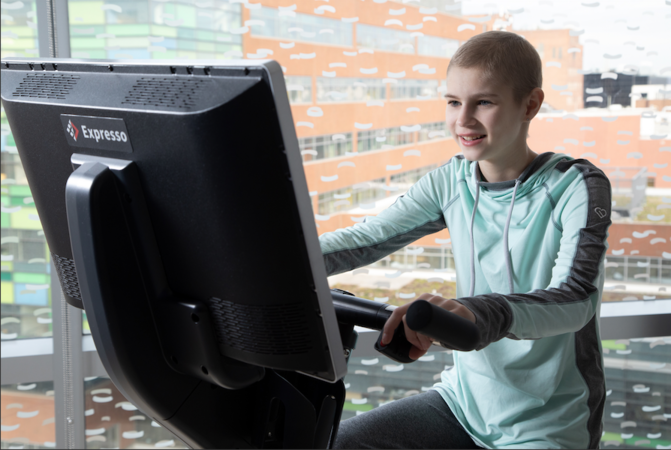
“It’s much better than walking laps around the unit,” says Bridget Diveley, who underwent treatment at Johns Hopkins and used the bicycles at the hospital. MUST CREDIT: Joe Rubino
By Special To The Washington Post · Ben Opipari · HEALTH

The day before Matthew Simon was to begin crew practice in 2015 as a sophomore at Walt Whitman High School in Bethesda, Maryland, he was diagnosed with leukemia.

Simon was a rower who worked out daily. His initial stay for treatment at Children’s Hospital was three weeks long, and the sedentary routine of chemotherapy was tough. “I got stir crazy,” Simon said. “Patients in a pediatric oncology unit are immunocompromised, so we couldn’t leave the floor. There’s not much to do but walk around.”

He walked laps around the unit when his strength permitted. But walking isn’t rowing, so the staff found an Expresso Go virtual reality bike and moved it into his room, where he rode it daily. After this initial round of treatment, Simon moved to Johns Hopkins, where he sometimes spent several days at a time as an inpatient. There was an exercise bike there too, which he rode often. It helped ward off some of the fatigue from the grueling chemotherapy and even elevated his mood. It was as if he were contributing to his own treatment plan.

“I felt like I was helping myself stay healthy,” he said.

Simon, now in his second year at the University of Virginia, discovered something seemingly counterintuitive: exercising during chemotherapy made him feel less fatigued. Yet as little as 20 years ago, medical experts prescribed bed rest to conserve energy for treatment. It wasn’t until 2010 that the American College of Sports Medicine established exercise guidelines for cancer survivors and patients. Its directive, updated in 2018, is simple: “avoid inactivity.” Exercise training, it said, “is generally safe for cancer survivors.”

Chemotherapy wreaks havoc on the body. It causes fatigue, muscle loss, nausea, pain and disrupted sleep. Patients can become depressed. But regular exercise can help minimize these side effects in cancer patients. Evidence has shown that a consistent exercise routine can reduce cancer-related anxiety and fatigue, and it can reduce depressive symptoms both during and after treatment. Doctors are spreading the word that exercise improves quality of life and that patients need to stay moving after their treatment concludes.

But getting kids to exercise isn’t always easy, which is why Simon two years ago started an organization, Bike to Fight, to raise money to place Expresso Go bikes on adolescent and young adult oncology floors in hospitals nationwide. The bikes are not cheap, retailing for about $7,000, although Interactive Fitness, the company that makes the Go, gives Simon’s group a discount. So far, the bikes are being used in five hospitals, including Johns Hopkins and Children’s Hospital. They feature 26-inch screens with interactive courses and games that riders play.

The bikes have been a huge hit, both with patients and their doctors.

The easy availability of exercise “is a way to normalize [young patients’] lives and a huge psychological benefit. It’s also a way to improve stamina,” says Pat Brown, director of the Pediatric Leukemia Program and associate professor of oncology at Johns Hopkins. The bike helps patients whose sleep cycle is disrupted by treatment.

“Sleep/wake cycles can be unpredictable in hospitals, and it’s discouraging to be awake at 3 a.m. in a hospital bed with nothing to do. The bike is always there for them,” Brown says.

On the virtual reality courses, patients compete against other patients and even against other Expresso Go users anywhere.

Bridget Diveley, 12, rode the bike while undergoing treatment at Hopkins.

“It’s much better than walking laps around the unit,” she says. Like many of the patients, Diveley’s favorite were the virtual reality courses where she raced other people. And while the bike did make her tired, “it also made me feel motivated.”

Another one of the bikes is at Massachusetts General Hospital, where psychologist Giselle Perez-Lougee, chair of the Adolescent and Young Adult (AYA) Oncology Task Force, says the exercise the bike provides is particularly important to this cancer patient population, which has “an elevated risk for adverse physical and emotional health outcomes. There are many health benefits of exercise during and after cancer treatment, but research suggests that AYAs are not meeting exercise guidelines.” (The National Cancer Institute defines the AYA population as ages 15 to 39.)

Besides potentially improving overall health, exercise can improve self-esteem and confidence and decrease fatigue, Perez-Lougee says.

At Comer Children’s Hospital in Chicago, where Simon placed a bike in the pediatric oncology unit, physical therapist Catherine Kennedy tells her young patients that opting out of exercise is not an option. “It’s a way to fight the tired feeling they can get from chemo,” she says. For those who need to be coaxed into exercising, Kennedy encourages short bursts of about 10 minutes throughout the day rather than one long session so that it’s less daunting. Any movement, Kennedy says, is better than no movement.

Doctors who treat these cancer patients hope that exercise will become a permanent lifestyle change for their patients – and for good reason: With advances in treatment, many cancer patients are living longer. There is evidence that exercise can lower the risk of several cancers and some recurrences.

At the same time, the increased survival rates are happening in part because of powerful chemotherapy drugs that also can cause lasting damage to the cardiovascular system, or cardiotoxicity.

Heart disease and other long-term cardiac issues are the biggest risk factors childhood cancer survivors face after intense chemotherapy, says Kathy Ruble, assistant professor of oncology and director of the Life Clinic and Leukemia Survivorship Program at Johns Hopkins.

“The cardiac mortality rate in cancer survivors is about 10 times greater compared to their healthy siblings and peers,” she says. “We see cardiotoxicity decades after treatment. But the good news is that we have decades to change it,” and lifestyle changes are an important part of that.

When her young patients finish cancer treatment, Ruble sits down with every family and stresses the importance of regular exercise.

“They’re already behind [with their health], so my job is to find the secret formula to get these kids moving again,” she says.

At the Lee Jones Lab at Memorial Sloan Kettering Hospital in New York, researchers are studying the long-term cardiovascular side effects of chemotherapy. They are also exploring the benefits of regular exercise on cancer treatment.

“We know the benefits of exercise on heart disease, so given the cardiotoxicity of chemotherapy [on the heart], we hope to apply it to cancer survivors as well,” exercise scientist Lee Jones says. He also is interested in looking at how patients may be able to use exercise to receive or help them tolerate stronger – and therefore possibly more effective – treatment. Jones hopes exercise will eventually be a regular adjunct to chemotherapy.

But what exercise aims to improve – energy, self-esteem, mood and mobility – is often what makes it difficult to get started: motivation can be low when cancer treatments sap your strength and make you depressed. Enticing patients to overcome those feelings often runs up against a mountain of misinformation.

“Patients are still hearing that they shouldn’t exercise,” says Allison Betof Warner, an oncologist at Memorial Sloan Kettering.

Warner’s goal is to prescribe exercise to make cancer therapy work better.

“There’s still this idea that you should save your energy to fight the cancer,” she says, even though it has been shown that in most cases exercise while undergoing treatment is safe.

Betsy O’Donnell, an oncologist at Mass General, says she would like to see Expresso Go bikes connected in hospitals across the country for all cancer patients.

“My dream is a nationwide social network of cancer patients who ride the bikes,” she says. “Then they could take that network home and let it inspire them. We could have programming just for cancer survivors, even maybe a class for just, say, breast cancer survivors.” That connection would effectively be one giant support group, helping to normalize the lives of patients who are living longer than ever before.

Simon, meanwhile, is back to his regular exercise routine.

At U-Va., he tries to make it to the gym five days a week. He sees a cardiologist twice a year to make sure he has not developed any heart complications from the chemotherapy he completed in 2018. So far, there are none.

“I exercise for the same reasons I did when I was undergoing treatment: to relieve stress and stay healthy,” Simon says. “And to ensure there are no residual side effects from my treatment.”

First coronavirus deaths confirmed in U.S., Australia and Thailand; health officials probe possible outbreak at Washington nursing home #ศาสตร์เกษตรดินปุ๋ย

#ศาสตร์เกษตรดินปุ๋ย : ขอบคุณแหล่งข้อมูล : หนังสือพิมพ์ The Nation

https://www.nationthailand.com/lifestyle/30383131?utm_source=category&utm_medium=internal_referral

First coronavirus deaths confirmed in U.S., Australia and Thailand; health officials probe possible outbreak at Washington nursing home

Mar 01. 2020
Health officials confirm first coronavirus death in Thailand on  Sunday/ NationPhotoby Korphuk Phromrekha

Health officials confirm first coronavirus death in Thailand on Sunday/ NationPhotoby Korphuk Phromrekha
By The Washington Post · Paul Schemm, Rick Noack, Katie Mettler, Alex Horton, Meryl Kornfield, Derek Hawkins ·NATIONAL, WORLD, HEALTH

The United States, Australia and Thailand each reported their first coronavirus-related deaths over the weekend, all in the span of about 12 hours, as the virus continued its rapid spread around the globe.

Covid-19 has now killed patients on four continents, with the global death toll climbing toward 3,000. Countries are tightening travel restrictions, canceling public events and urging people to take health precautions.

In Washington state, health officials said Saturday that a man in his 50s with underlying health conditions died at a hospital in Kirkland after testing positive for covid-19. The patient had no recent travel history or contact with people known to be infected, suggesting he may have been infected through person-to-person transmission, officials said. It was not immediately clear when he was admitted, when his symptoms first appeared or how long it took health officials to test him.

Officials in the Seattle area announced two cases related to a possible outbreak at a long-term nursing home, where people are considered to be especially vulnerable to infection. One patient is a female health care worker in her 40s who was in satisfactory condition, according to state health officials. The other, a female resident in her 70s, is in serious condition.

Jeffrey S. Duchin, the chief health officer for Seattle and King County, identified the nursing home as Life Care Center in Kirkland, and said he would not be surprised to find additional cases at the facility as an investigation continued. Of Life Care’s more than 108 residents and roughly 180 staffers, Duchin said 27 residents and 25 staff members have shown coronavirus symptoms.

The Centers for Disease Control and Prevention said it was sending a team of experts to Washington to support its investigation.

Earlier Saturday, the Trump administration outlined new travel restrictions affecting Iran, Italy and South Korea in response to the outbreak, and President Donald Trump said he was considering further restrictions across the southern border.

As cases mounted, the White House scrambled to gain control of a response defined by bureaucratic infighting, confusion and misinformation. “It’s complete chaos,” one senior administration official said.

The Food and Drug Administration expanded coronavirus testing by speeding up hospitals’ abilities to test, though some worried the changes fell short in reducing logistical burdens.

Misinformation about the disease is proving hard to contain. Roughly 2 million tweets peddled conspiracy theories about the coronavirus over the three-week period when the outbreak began to spread outside China, according to an unreleased report from an arm of the State Department.

In an early morning tweet Sunday, Trump said that people traveling from “high risk countries” will be screened for covid-19 both before they board their flight and once they land in the United States.

The CDC has issued Level 3 warnings and encouraged Americans to avoid nonessential travel to South Korea, Italy, China and Iran.

The announcement appears to be another change in travel protocol surrounding the novel virus outbreak, which is expanding in the U.S. by the day. At a news conference Saturday where Trump spoke on the nation’s first coronavirus death, the president announced other new travel restrictions.

They included an extension to the existing travel ban on Iran, which now applies to any foreign nationals who has been in that country over the past 14 days. Trump raised the warning level for travel to Italy and South Korea, recommending Americans not travel to regions where outbreaks are concentrated. Trump said he is also considering restrictions across the southern U.S. border, though Mexico’s Foreign Ministry later pointed out the country has fewer coronavirus cases than the United States.

Appearing on CNN early Sunday, Randi Weingarten, president of the American Federation of Teachers, criticized Trump and the administration’s response to the coronavirus, saying officials had “pretended this didn’t exist” and put schools at risk.

“We pushed very hard to get the Trump administration, you know, back in January and February to do something as opposed to pretending that this was not real,” she told host Christi Paul.

Weingarten further took shots at the administration over budget and staffing cuts at the Centers for Disease Control and Prevention, saying the White House should be guided by science.

“There are still – I mean, I know that the president basically got rid of all the pandemic experts in the White House – but there are still scientists at the CDC who really understand and know what they’re doing,” the union head said. “There are scientists around the country who know what they’re doing.”

The union has been working directly with officials on the cases in California and Oregon related to schools. Every school should have a plan in place for emergent cases, she said.

The director general of the World Health Organization urged Sunday for global markets to calm down in the face of fears of the spreading coronavirus, while admitting that countries should prepare for a pandemic.

Speaking from a humanitarian forum in Saudi Arabia, Tedros Adhanom Ghebreyesus told CNBC that global markets “should calm down and try to see the reality.” He urged everyone to not be irrational and to deal with facts.

“Based on the facts on the ground, containment is possible,” Tedros said, reiterating that “panic and fear” were the real enemies. The past week registered some of the worst global stock market results since the 2008 financial crisis, including a 12 percent drop in the Dow Jones industrial average.

Tedros has repeatedly praised China’s response to the virus and initially backed its assessment that the virus was under control – before it eventually spread to 60 countries and infected about 85,000 people.

The WHO chief has increasingly been striking a sober note about the spread of the virus, warning that developing nations, especially those in Africa with underdeveloped health sectors, could be badly hit. “The window of opportunity for containing it is narrowing. So we need to be preparing side by side for a pandemic,” he said.

Nike shuttered its enormous campus in Beaverton, Oregon, over the weekend after confirmation of presumptive coronavirus in Washington County.

“While we have no information indicating any exposure to Nike employees, out of an abundance of caution, we are conducting a deep cleaning of campus,” Nike said in a statement, according to local media. “All (world headquarter) buildings and facilities, including fitness centers, will be closed over the weekend.”

An employee of Forest Hills Elementary School in nearby Lake Oswego tested positive for coronavirus, which precipitated the decision by Nike, the company said.

The weekend closure is significant given the size and use of Nike’s world headquarters, which operates like a small town for its 12,000 employees. Staffers traverse miles of running trails, eat at restaurants and use child development centers on-site.

It is unclear whether other companies on the West Coast will follow suit and shut down to rid their facilities of virus remnants. Forest Hills Elementary will reopen Wednesday after an in-depth scrubbing.

The first presumptive positive case of coronavirus in Rhode Island was announced by the state’s Department of Health on Sunday.

The person is in their 40s and had traveled to Italy in mid-February, according to a statement sent to The Washington Post. The patient is being treated in a hospital.

The person had limited travel in Rhode Island since returning from Italy and had not returned to work since being abroad, according to the health department.

Other people who were in direct contact with the patient are quarantined and self-monitoring for symptoms for 14 days. Since the person’s symptoms first emerged, his or her family had been self-quarantined.

Presumptive positive cases must still be confirmed by the Centers for Disease Control and Prevention, but Rhode Island said that “might change in the coming days,” the statement said.

Rhode Island had expedited the final steps of implementation to run the test that identified this case, the state’s public health officials said.

“We fully anticipated having a first case of COVID-19,” Director of Health Nicole Alexander-Scott said in a statement. “We are not seeing widespread community transmission in Rhode Island, and the general level of risk for Rhode Islanders is still low. However, everyone in Rhode Island has a role to play in helping us prevent the spread of viruses, just like the flu.”

Governments across Europe were pushing ahead with plans to contain or slow down the spread of the coronavirus on Sunday, with British Health Secretary Matt Hancock and Germany’s Interior Minister Horst Seehofer both refusing to rule out more extreme measures.

Hancock told the BBC that no measures were “off the table.”

Among discussed measures, said Hancock, were road closures or a plea to recently-retired nurses and doctors to return to work.

Putting entire cities with large outbreaks under lockdown, said Hancock, would pose “a huge economic and social downside,” but he added that “we don’t take anything off the table at this stage.”

Germany’s interior minister similarly indicated that lockdowns could be considered, even though they “would be the last resort,” according to the Bild am Sonntag newspaper.

France on Saturday banned all public interior gatherings with over 5,000 individuals as well as some outside events, forcing the cancellation of numerous upcoming conferences and races, including a half marathon that was supposed to take place in Paris on Sunday.

As staff at the Louvre museum assembled for a coronavirus response meeting in Paris on Sunday, the museum temporarily shut its doors to visitors. It was expected to reopen later on, Reuters reported.

Iran announced another spike in coronavirus infections on Sunday with a total of 978 cases in the country, up from just under 600, and a rise in deaths to 54.

Iran has experienced one of the most rapid growths in the covid-19 disease, with no confirmed cases just 10 days ago and now by far most in the entire Middle East. The number of cases have been jumping by hundreds a day – including even the deputy health minister.

Health Ministry spokesman Kianoush Jahanpour said the cases were mostly concentrated in the city of Tehran and the holy city of Qom, a pilgrimage center, where it was first discovered.

Authorities are struggling to contain the rapid spread of the virus and have ordered all hospitals to admit virus patients and have expanded the number of facilities to carry out testing – which could also be behind the discovery of hundreds of new cases. There have also been efforts to disinfect and fumigate public places.

Iran’s foundation for veterans asked those suffering from the long term effects of exposure to chemical weapons to stay at home. Many Iranians were exposed to poisoned gas during the war with Iraq during the 1980s, which resulted in long-term health conditions.

While rarely fatal, the coronavirus is especially dangerous to the elderly and those with pre-existing respiratory conditions.

Cases from Iran have now been traced to several nearby countries, including Bahrain, Iraq, Kuwait, Lebanon and Oman, prompting several countries to halt flights.

As the number of coronavirus cases in Germany surged on Sunday, German Finance Minister Olaf Scholz suggested the possibility of an economic stimulus package “in case the situation demands it.”

Authorities confirmed 117 cases on Sunday, up from 53 on Friday morning. Most cases were reported in North Rhine-Westphalia, the country’s most populous federal state.

Speaking to the Welt am Sonntag newspaper, Scholz, who is also German vice chancellor, said the country was well prepared for the economic fallout of a wider outbreak, even as analysts warned it could slash growth significantly.

The European Union’s biggest economy is still recovering from a number of recent setbacks, including a weakening economic outlook partially due to Trump’s trade disputes with China and other countries that hit the export-dependent German economy.

Sunday’s suggestion of a stimulus package in Germany came as a top Italian official vowed billions of dollars to help country’s embattled economy, even though it remained unclear how or when that funding would become available.

German officials have said they believe the virus is likely to become an epidemic in the country. There are still far less confirmed cases in Germany than in virus-stricken Italy, where the case tally has crossed the 1,000 threshold. But Germany now has more cases than other major European nations, including France, where more than 100 infections were confirmed Sunday, and Spain with over 70 cases.

German authorities hope new measures could slow down the spreading of the virus.

A major travel trade show in Berlin, ITB, which was set to begin next week, was abruptly canceled. Airlines are now required to report the health status of all travelers from South Korea, Japan, Italy, China and Iran. Some companies have asked their employees to work from home until further notice.

The extent of China’s industrial shutdown in the midst of the coronavirus outbreak is clearly visible from the sky, with NASA and European Space Agency satellites showing pollution almost completely disappearing over China this month.

The images, comparing the periods of Jan. 1-20 and Feb. 10-25, show an astonishing drop in concentrations of nitrogen dioxide, a noxious gas emitted by motor vehicles, power plants, and industrial facilities.

Businesses were already closing down ahead of the Lunar New Year holiday, which officially began Jan. 24, when Chinese authorities began shutting down cities – starting with Wuhan, the epicenter of the outbreak – on Jan. 23.

The reduction in nitrogen dioxide pollution was first apparent near Wuhan, but soon spread across the country with the lockdowns.

“This is the first time I have seen such a dramatic drop-off over such a wide area for a specific event,” Fei Liu, an air quality researcher at NASA’s Goddard Space Flight Center, said in a statement.

The drop was much faster and much more enduring than during other periods of slowdown, like the 2008 economic recession and the Beijing Olympics in 2008, Liu said.

While lower emissions are expected during the holiday, when most businesses close for at least a week, it usually returns soon after. This year, it has not.

“This year, the reduction rate is more significant than in past years and it has lasted longer,” she said. “I am not surprised because many cities nationwide have taken measures to minimize spread of the virus.”

A massively scaled-back Tokyo marathon was held on Sunday on often empty streets, with spectators discouraged, viewing stands dismantled and only a few hundred elite runners allowed to take part.

Meanwhile, Japan’s spring sumo tournament in the western city of Osaka will be held in an empty area, the event’s organizers announced on Sunday. The Japan Sumo Association had been considering canceling the event outright but decided instead to go ahead without spectators, Japanese media reported.

The news underlines the sort of dilemmas that the International Olympic Committee may ultimately have to face over the Summer Games in Tokyo if the virus continues to spread.

Japan’s soccer and rugby leagues have postponed games in March, while two preseason baseball games involving the Yomiuri Giants were played in an empty Tokyo Dome this weekend, after the government asked organizers of mass events to postpone, cancel or scale them back.

Japan has confirmed 242 cases of the new coronavirus, including 14 people who were evacuated from China, but not including more than 700 cases among passengers and crew of the Diamond Princess. In all, 11 people have died, and 56 are in serious condition, according to a tally by public broadcaster NHK.

Ethiopia’s Birhanu Legese won the Tokyo Marathon for the second year in a row.

Members of a religious sect linked to a coronavirus cluster in South Korea visited the Chinese city of Wuhan, the epicenter of the virus outbreak, according to the Korea Centers for Disease Control and Prevention.

More than half of South Korea’s 3,526 coronavirus cases are linked to a branch of Shincheonji Church of Jesus in southern city of Daegu. After authorities identified the church as a hotbed of the coronavirus, Christian churches and Buddhist temples across the country called off meetings and held services online.

KCDC Vice Director Kwon Jun-wook told a briefing on Sunday that members of the church visited Wuhan in January. Kwon said it was unclear how many members traveled to Wuhan and the role of the trip in the outbreak at the South Korean church.

South China Morning Post, citing unnamed sources, reported last weekend that members of the church held meetings in Wuhan until December. Shincheonji said in a statement last month that its branch in Wuhan had been closed several years ago.

South Korean health authorities rolled out a plan to test more than 200,000 members of Shincheonji Church of Jesus, formally known as the Temple of the Tabernacle of the Testimony.

The church said on Sunday that its leader Lee Man-hee will be tested for the virus. Lee, who founded the church in 1984, is equated with second coming of Jesus by his followers.

The United Arab Emirates closed all children’s nurseries for two weeks starting Sunday as part of a raft of new measures to combat the spread of the coronavirus in this Middle East travel hub.

In a news conference on Saturday, Minister of Health Abdul Rahman Al Owais said there were now 21 cases of the virus in the country, including two Italian team members with the UAE Tour who came into contact with 612 people, all of whom are being tested. So far five of those infected with the virus have fully recovered.

The UAE tour has been canceled and 181 students involved in the biking event are being quarantined at home for 14 days.

The minister also said that two aircraft are being readied to evacuate UAE nationals from the Iranian capital of Tehran and the resort island of Qeshm. There have been an explosion of the virus in Iran, just across the Persian Gulf from the UAE, with more than 40 deaths out of nearly 600 cases.

The Education Ministry has also ordered all private schools to cancel field trips and any competitions or festivals involving multiple schools. There are currently no confirmed cases of the virus in the school system.

A fake tweet purporting to be from the education department saying all schools were closed Sunday was vigorously denied and condemned by the government. Reports of a case in a residential compound in the capital Abu Dhabi were also denied.

UAE, which is a travel hub and home to two major international airlines, Emirates and Ettihad, was the first Middle Eastern country to report cases of the virus – a tourist from China.

A 35-year-old Thai man has died of causes related to the coronavirus, becoming Thailand’s first fatality in the outbreak, the country’s health officials said Sunday.

The man, a retail worker, contracted dengue fever and the coronavirus at the same time and had been hospitalized for weeks, Thai health officials said at a briefing, according to Bloomberg.

He tested negative in mid-February, but “the damage was already done to his body,” said Tawee Chotpitayasunondh, adviser to the Department of Disease Control.

Thailand had more than 40 confirmed covid-19 cases as of Sunday.

Armenian authorities Sunday announced the first case of coronavirus in the former Soviet country.

The patient is a 29-year-old Armenian man who Friday returned from Iran with this wife, Armenian Prime Minister Nikol Pashinyan posted on Facebook.

Cases in other former Soviet countries close to Iran, Georgia and Azerbaijan, have also discovered cases in recent days related to the Iranian outbreak of the illness.
ผู้ชาย ‘เพศอ่อนแอกว่า’ ในเรื่องของภูมิต้านทานโรค #ศาสตร์เกษตรดินปุ๋ย

#ศาสตร์เกษตรดินปุ๋ย : ขอบคุณแหล่งข้อมูล : หนังสือพิมพ์โพสต์ทูเดย์

https://www.posttoday.com/life/healthy/616341

วันที่ 01 มี.ค. 2563 เวลา 12:40 น.

ผู้ชาย 'เพศอ่อนแอกว่า' ในเรื่องของภูมิต้านทานโรค

“ผู้หญิง” อ่อนหวานแต่ไม่อ่อนแอ รายแรกในไทยที่เสียชีวิตจากภัยโคโรนา “เป็นเพศชาย” สอดคล้องกับผลการวิเคราะห์ล่าสุดจากศูนย์ป้องกันและควบคุมโรค (CDC) ของจีน ที่ชี้ว่าอัตราการเสียชีวิตของจำนวนคนไข้ชายอยู่ที่ 2.8% ในขณะที่คนไข้หญิงเสียชีวิตเพียง 1.7%

วันที่ 1 มี.ค. 2563 ศ.นพ.ธีระวัฒน์ เหมะจุฑา ศาสตราจารย์สาขาประสาทวิทยา ภาควิชาอายุรศาสตร์ คณะแพทยศาสตร์ จุฬาลงกรณ์มหาวิทยาลัย โพสต์ข้อความผ่านเฟซบุ๊กระบุว่า

ผู้ป่วยชายไทย อายุ 35 ปี ทำงานขายสินค้าและติดไวรัส covid-19 เสียชีวิตเมื่อวันที่ 29 กุมภาพันธ์ 2563 เวลา 18.25 น.

ผู้ป่วยไม่มีโรคประจำตัวใดๆ ทั้งสิ้น และได้รับการรักษาตามมาตรฐานที่โรงพยาบาลบำราศนราดูลโดยมีผู้เชี่ยวชาญทางด้านวิกฤติหลายท่าน และได้รับ เครื่องช่วยให้ออกซิเจนในเลือด ECMO แต่เนื่องจากประเทศไทยได้รับยา favipiravir ในระยะหลังโดยผู้ป่วยมีอาการรุนแรงใส่เครื่องช่วยหายใจและถึงแม้ว่าจะทำให้เชื้อไวรัสหายไปหมดก็ตามแต่มีเนื้อปอดเสียหายมาก และในที่สุดผู้ป่วยเสียชีวิตอย่างสงบ

นี่เป็นตัวอย่างที่สำคัญว่าโรคนี้สามารถแพร่ได้ ในคนที่ไม่มีอาการหรือมีอาการน้อยเท่านั้นและแม้แต่ไม่มีโรคประจำตัวก็มีอาการวิกฤตได้

นอกจากนั้น การวินิจฉัยข้างต้นผลจากห้องปฏิบัติการออกมาเป็นไข้เลือดออกทำให้พยาบาลที่เข้าไปดูแลในวันแรกติดเชื่อไวรัสนี้ไปด้วยและมีปอดบวมรุนแรงทั้งสองข้างแต่ได้รับยาทัน และกลับบ้านไปแล้วแต่อย่างไรก็ตามมีเนื้อปอดที่เสียหายอยู่ระดับหนึ่ง

เพราะเหตุใด “ผู้ชายถึงป่วยและเสียชีวิตจากโรค Covid-19 มากกว่าผู้หญิง”

ผลการวิเคราะห์ล่าสุดจากศูนย์ป้องกันและควบคุมโรค (CDC) ของจีน ชี้ว่าแม้อัตราการติดเชื้อโรคโควิด-19 ระหว่างชายและหญิงจะไม่ต่างกันมากนัก แต่อัตราการเสียชีวิตนั้นทิ้งห่างกันอย่างมีนัยสำคัญ โดยมีจำนวนคนไข้ชายที่เสียชีวิต 2.8% ในขณะที่คนไข้หญิงเสียชีวิต 1.7%

ในการระบาดของเชื้อไวรัสก่อโรคทางเดินหายใจหลายครั้งที่ผ่านมา ผู้ชายมีอัตราการเสียชีวิตสูงกว่าผู้หญิงมากเช่นกัน ทั้งจากโรคซาร์ส (SARS) และโรคเมอร์ส (MERS) โดยวารสารการแพทย์ Annals of Internal Medicine รายงานเมื่อปี 2003 ว่าอัตราการเสียชีวิตด้วยโรคซาร์สของผู้ชายในฮ่องกงสูงกว่าผู้หญิงถึง 50% เลยทีเดียว

สาเหตุที่ทำให้เป็นเช่นนี้ สืบเนื่องมาจากการที่ผู้ชายเป็น “เพศอ่อนแอกว่า” ในเรื่องของภูมิต้านทานโรค แต่อย่างไรก็ตาม นักวิทยาศาสตร์ยังไม่ทราบชัดว่าเหตุใดผู้หญิงจึงแข็งแกร่งกว่าผู้ชายในแง่นี้ ทั้งยังสามารถพัฒนาภูมิคุ้มกันหลังได้รับวัคซีนให้ทำงานได้มีประสิทธิภาพดีกว่า และอยู่คงทนนานปีกว่าอีกด้วย

ดร.จานีน เคลย์ตัน ผู้อำนวยการแผนกวิจัยสุขภาพสตรี สถาบันสุขภาพแห่งชาติสหรัฐฯ บอกว่า “มีบางอย่างที่ทำให้ระบบภูมิคุ้มกันของผู้หญิงทรงพลังมากกว่า แต่บางทีสิ่งนี้ก็เป็นแรงขับเคลื่อนให้ภูมิคุ้มกันตื่นตัวและทำงานมากเกินไป จน 80% ของผู้ป่วยด้วยโรคภูมิคุ้มกันต่อต้านตนเองก็เป็นผู้หญิง”

มีข้อสันนิษฐานว่า ผู้หญิงมีภูมิคุ้มกันโรคสูงกว่าผู้ชาย เนื่องจากคุณสมบัตินี้จะช่วยเพิ่มโอกาสรอดชีวิตให้กับทารกแรกเกิด ซึ่งต้องรับสารแอนติบอดีต่อต้านเชื้อโรคจากน้ำนมมารดาโดยตรง ในระหว่างที่ภูมิคุ้มกันของทารกยังอ่อนแอและอยู่ในช่วงกำลังพัฒนา ฮอร์โมนเอสโตรเจนซึ่งเป็นฮอร์โมนเพศหญิง ยังมีบทบาทสำคัญในการทำงานของระบบภูมิคุ้มกันร่างกายด้วย ส่วนโครโมโซม X ซึ่งเพศหญิงมีอยู่ถึงสองตัว ก็มียีนที่เกี่ยวข้องกับระบบภูมิคุ้มกันอยู่จำนวนมากเช่นกัน ในขณะที่เพศชายมีโครโมโซม X เพียงตัวเดียวเท่านั้น

ในการทดสอบแพร่เชื้อไวรัสโรคซาร์สให้กับหนูทดลองจำนวนหนึ่ง ทีมนักวิจัยจากมหาวิทยาลัยไอโอวาของสหรัฐฯ พบว่า หนูตัวผู้ติดเชื้อได้ง่ายกว่าหนูตัวเมีย แม้ได้รับเชื้อในปริมาณน้อยกว่า โดยภูมิคุ้มกันร่างกายของหนูตัวผู้ตอบสนองต่อสิ่งแปลกปลอมและกำจัดไวรัสได้ช้ากว่า ทำให้ล้มป่วยและเกิดความเสียหายที่ปอดรุนแรงกว่าหนูตัวเมียมาก

เมื่อทีมผู้วิจัยทดลองฉีดยาสกัดกั้นการทำงานของฮอร์โมนเอสโตรเจนกับหนูตัวเมีย หรือทดลองผ่าตัดเอารังไข่ของพวกมันออก ปรากฏว่าหนูตัวเมียสามารถติดเชื้อไวรัสโรคซาร์สได้ง่ายขึ้นและมีอัตราการตายสูงขึ้น ในขณะที่การทดลองฉีดยายับยั้งฮอร์โมนเพศของหนูตัวผู้ ไม่มีผลกระทบต่อภูมิคุ้มกันเกิดขึ้นแต่อย่างใด

พฤติกรรมการดูแลสุขภาพที่แตกต่างกันระหว่างชายและหญิงในบางวัฒนธรรม ยังเป็นอีกปัจจัยหนึ่งที่ส่งผลให้ผู้ชายป่วยและเสียชีวิตจากโรคโควิด-19 ได้ง่ายกว่า ตัวอย่างเช่นประเทศจีนนั้นมีจำนวนผู้สูบบุหรี่สูงที่สุดในโลกถึง 316 ล้านคน ซึ่งในจำนวนนี้ส่วนใหญ่เป็นผู้ชาย แต่มีเพียง 2% ของประชากรหญิงจีนทั้งหมดเท่านั้นที่มีพฤติกรรมแบบเดียวกัน

นอกจากสุขภาพปอดที่ย่ำแย่แล้ว การที่ชายจีนมีภาวะความดันโลหิตสูงและโรคเบาหวานชนิดที่ 2 มากกว่าผู้หญิง ยังทำให้เกิดภาวะแทรกซ้อนเพิ่มขึ้นหากป่วยด้วยโรคโควิด-19 อีกด้วย ซึ่งจะนำไปสู่ความเสี่ยงเสียชีวิตในอัตราที่สูงกว่า

ศ.อะกิโกะ อิวาซากิ ผู้เชี่ยวชาญด้านภูมิคุ้มกันวิทยาจากมหาวิทยาลัยเยลของสหรัฐฯ บอกด้วยว่า ผู้ชายอาจมีความประมาทและมั่นใจว่าตนเองจะปลอดภัยจากโรคร้ายมากเกินไป โดยพบหลักฐานที่ยืนยันถึงทัศนคติแบบนี้ในการวิจัยล่าสุดของนักวิทยาศาสตร์จีนซึ่งชี้ว่า ผู้ชายอายุมากมีแนวโน้มจะมาเข้ารับการตรวจรักษาโรคโควิด-19 ที่โรงพยาบาลช้าเกินไป จนมักจะมีอาการอยู่ในขั้นรุนแรงแล้ว ซึ่งทำให้โอกาสรอดชีวิตลดน้อยลงอย่างมาก

แพทย์แนะ 10 วิธีปฏิบัติตัวหลังกลับจากประเทศเสี่ยง Covid-19 #ศาสตร์เกษตรดินปุ๋ย

#ศาสตร์เกษตรดินปุ๋ย : ขอบคุณแหล่งข้อมูล : หนังสือพิมพ์โพสต์ทูเดย์

https://www.posttoday.com/life/healthy/616333

วันที่ 01 มี.ค. 2563 เวลา 11:55 น.

แพทย์แนะ 10 วิธีปฏิบัติตัวหลังกลับจากประเทศเสี่ยง Covid-19

หากเพิ่งกลับจากประเทศที่กำลังเสี่ยงต่อการระบาดของไวรัสโคโรนาสายพันธุ์ใหม่ “Covid-19” ควรปฏิบัติตัวอย่างไร?

ศ.นพ.ธีระวัฒน์ เหมะจุฑา อาจารย์คณะแพทยศาสตร์ จุฬาลงกรณ์มหาวิทยาลัย และกรมควบคุมโรค กระทรวงสาธารณสุข แนะนำ 10 วิธีการปฏิบัติตัวหากเพิ่งกลับจากประเทศที่เสี่ยงต่อการระบาดของไวรัสโคโรนาสายพันธุ์ใหม่ หรือ Covid-19 ดังนี้

1.ระหว่างเดินทางจากสนามบินกลับถึงบ้าน ควรสวมหน้ากากอนามัยตลอดเวลา

2.การติดเชื้อไวรัสโควิด-19 จะมีระยะฟักตัว (เราได้รับเชื้อมาแล้วแต่ยังไม่แสดงอาการ) ยาวนานถึง 14 วัน (ล่าสุดอาจยาวได้มากถึง 27 วัน) ดังนั้นหลังกลับจากไทยจึงควรกักตัวเองอยู่แต่ในบ้าน ไม่ออกไปใช้ชีวิตข้างนอก (แม้ว่าจะไม่มีอาการไข้หวัดหรืออาการผิดปกติใดๆ เลยก็ตาม) ให้แน่ใจว่าไม่มีอาการคล้ายไข้หวัดใด ๆ เกิดขึ้น จึงค่อยกลับมาทำงาน หรือใช้ชีวิตปกติ

3.ระหว่างที่พักอยู่ที่บ้าน ควรหลีกเลี่ยงการชุมนุมสังสรรค์กับคนหมู่มาก ทั้งเครือญาติ หรือกลุ่มเพื่อนต่าง ๆ

4.อยู่คนเดียวปลอดภัยที่สุด แยกห้องนอน ห้องน้ำส่วนตัวไปเลยคนเดียว อยู่ห่างจากคนอื่นอย่างน้อย 1-2 เมตร 5.ถ้าจำเป็นต้องอยู่ร่วมกับสมาชิกในครอบครัว ควรระมัดระวังการใช้ชีวิตร่วมกันให้ปราศจากความเสี่ยงที่เชื้อไวรัสจะติดต่อถึงได้มากที่สุด เช่น

  • ไม่ใช้ช้อน ส้อม แก้วน้ำ และอุปกรณ์ในการกินอาหารร่วมกัน
  • ใช้ช้อนกลางเมื่อต้องนั่งร่วมโต๊ะอาหาร
  • ล้างมือบ่อยๆ ด้วยสบู่ หรือเจลล้างมือที่มีแอลกอฮอล์เข้มข้นไม่ต่ำกว่า 70% ครั้งละไม่ต่ำกว่า 20 วินาที
  • สวมหน้ากากอนามัยทุกครั้งที่อยู่ร่วมกับคนในบ้าน
  • เข้าใช้ห้องน้ำคนสุดท้าย และทำความสะอาดให้เรียบร้อยด้วยน้ำกับสบู่ ใช้น้ำยาฆ่าเชื้อกับอ่างน้ำ ก๊อกน้ำ ชักโครก ลูกบิดประตู เป็นต้น
  • ซักผ้าแยกต่างหาก ไม่ซักรวมกับคนอื่น
  • แยกของใช้ส่วนตัวทุกอย่าง เช่น ผ้าเช็ดตัว ผ้าเช็ดมือ ผ้าเช็ดหน้า ฯลฯ

6.อยู่ห่างจากคนที่มีโรคประจำตัว เช่น เบาหวาน โรคเรื้อรังต่างๆ รวมถึงเด็กเล็ก และผู้สูงอายุ

7.วางโทรศัพท์ไว้ข้างตัวเสมอ หากมีเหตุฉุกเฉินจะได้โทรเรียกคนอื่น หรือเรียกรถพยาบาลได้

8.วัดไข้ทุกวัน หากเกิน 37.5 องศาเซลเซียส มีอาการเจ็บคอ ไอ น้ำมูกไหล และหายใจลำบาก ควรพบแพทย์

9.หากมีอาการแล้วต้องไปตรวจร่างกายที่โรงพยาบาล ควรขับรถยนต์ส่วนตัว ขึ้นรถแท็กซี่ หรือเรียกรถพยาบาลมารับ แล้วแจ้งให้คนขับรถทราบด้วย ไม่ควรเดินทางด้วยรถหรือพาหนะสาธารณะ

10.เมื่อพบแพทย์ ระหว่างสอบถามประวัติต่างๆ ควรตอบตามความเป็นจริง ห้ามโกหกเด็ดขาด ว่าเดินทางไปที่ไหนมา กี่วัน ทำอะไรที่ไหนบ้าง มีอาการเป็นอย่างไร ฯลฯ เพื่อการวินิจฉัยอย่างแม่นยำ และถูกต้องที่สุด

ภาพ : AFP

“ไมเกรน” โรคที่สลัดไม่ขาด..จริงหรือ? #ศาสตร์เกษตรดินปุ๋ย

#ศาสตร์เกษตรดินปุ๋ย : ขอบคุณแหล่งข้อมูล : หนังสือพิมพ์โพสต์ทูเดย์

https://www.posttoday.com/life/healthy/615945

วันที่ 29 ก.พ. 2563 เวลา 07:00 น.

"ไมเกรน" โรคที่สลัดไม่ขาด..จริงหรือ?

นายแพทย์สุวัฒน์ ศรีสุวรรณานุกร สาขาประสาทวิทยา ภาควิชาอายุรศาสตร์ คณะแพทยศาสตร์วชิรพยาบาล มหาวิทยาลัยนวมินทราธิราช อธิบายให้เข้าใจโรคไมเกรน พร้อมแนะเพียงพบแพทย์ แชร์ความทรมาน แล้วแฮปปี้ไปด้วยกัน – Share suffering and happy together.

เนื่องจากปัจจุบันผู้ป่วยโรคไมเกรนมักนิยมซื้อยามารับประทานเอง บางรายทานยาทุกครั้งเมื่อรู้สึกปวด เมื่อทานซ้ำหลายครั้งมากเกินไปอาจทำให้ปวดเรื้อรังได้ และอาจมีผลข้างเคียงของยาเพิ่มขึ้น เช่น มือเท้าเย็น เส้นเลือดตรงปลายตีบ เป็นต้น ดังนั้นสาเหตุที่ผู้ป่วยควรไปพบแพทย์มากกว่าซื้อยารับประทานเอง ก็เพราะว่าโรงพยาบาลจะมีแพทย์เฉพาะทาง หรือบางโรงพยาบาลมีคลินิกโรคปวดศีรษะโดยเฉพาะ ซึ่งมีความพร้อมในการรักษาและจัดการกับโรคไมเกรนได้อย่างเป็นระบบและมีประสิทธิภาพ เช่น เครื่องมือ การวินิจฉัยโรคที่แม่นยำ รวมไปถึงคำแนะนำสำหรับผู้ป่วย

นายแพทย์สุวัฒน์ ศรีสุวรรณานุกร สาขาประสาทวิทยา ภาควิชาอายุรศาสตร์ คณะแพทยศาสตร์วชิรพยาบาล มหาวิทยาลัยนวมินทราธิราช กล่าวว่า “สิ่งแรกที่แพทย์จะคำนึงเมื่อทำการรักษาผู้ป่วย คือแพทย์ทุกท่านมีความตั้งใจดีในการรักษาให้ผู้ป่วยหาย ลำดับต่อไปคือแพทย์จะทำการวินิจฉัยและให้ผู้ป่วยใช้ยาเท่าที่จำเป็น ผลข้างเคียงของยาต่ำ หรือบางกรณีอาจต้องพึ่งยาในระยะยาว รวมถึงการให้ผู้ป่วยแชร์ความทุกข์ทรมานของอาการปวดไมเกรนเพื่อให้แพทย์หาทางรักษา เมื่อผู้ป่วยอาการดีขึ้น ทั้งผู้ป่วยและแพทย์เองก็จะมีความสุขไปด้วย ตามคติที่ว่า “Share suffering and happy together.”

รู้ได้อย่างไรว่าเป็นโรคไมเกรน

อาการของโรคไมเกรนมีหลายแบบ เช่น ปวดหัวอย่างเดียว ปวดหัวและมีอาการอื่นร่วมด้วย และบางรายอาจมีอาการตามมาด้วยอัมพฤกษ์หรืออัมพาตที่เป็นอยู่ชั่วขณะ ปกติโรคไมเกรนมักมีอาการปวด 4-72 ชั่วโมง โดยปวดซ้ำแบบเดิมอย่างน้อย 4-5 ครั้งต่อเดือน ซึ่งโรคไมเกรนเกิดจากหลากหลายสาเหตุ เช่น การเกิดพยาธิสภาพ และปัจจัยเสี่ยงต่างๆ ไม่ว่าจะเป็นสิ่งแวดล้อมหรือสิ่งกระตุ้นที่มักพบบ่อย อาทิ ช่วงมีรอบเดือนของเพศหญิง แสง เสียง อาหาร อากาศร้อน หรือแม้กระทั่งขณะท้องว่าง แต่สุดท้ายแล้วต้นทางของโรคไมเกรนอาจมาจากทางพันธุกรรมจึงทำให้โรคไมเกรนถือเป็นโรคที่ไม่สามารถหายขาดได้ จากผลสำรวจทั่วโลก จะมี 1 ใน 7 คน หรือคิดเป็นร้อยละ 14 ของทั้งโลกที่ป่วยเป็นโรคไมเกรน สำหรับประเทศไทยมีประชากรประมาณ 10 ล้านคนที่เป็นโรคไมเกรน

อาการปวดของโรคไมเกรน คือการเปลี่ยนแปลงหน้าที่ชั่วขณะของสมองที่ทำให้เกิดอาการปวด โดยเกิดจากหลากหลายตำแหน่งตั้งแต่บริเวณ ใต้สมอง, ก้านสมอง, เส้นประสาทสมองคู่ที่ 5, เยื่อหุ้มสมองและหลอดเลือด ซึ่งระยะของไมเกรนสามารถจำแนกได้ด้วย 4 ระดับความปวดศีรษะ ได้แก่ 1.ระยะนำ (Prodrome) หรือระยะก่อนเริ่มมีอาการปวดศีรษะ 2.ระยะอาการเตือน (Aura) หรือระยะการเตือนก่อนเกิดอาการปวดศีรษะ เช่น ชามือ ชาปาก หรือแขนขาอ่อนแรง 3.ระยะปวดศีรษะ (Headache) หรือระยะที่ผู้ป่วยมีอาการปวดศีรษะด้านใดด้านหนึ่ง 4.ระยะหลังจากปวดศีรษะ(Resolution) หรือระยะพัก

ดังนั้น เมื่อผู้ป่วยมีอาการปวดหัวตั้งแต่แรกเริ่ม ควรรีบไปพบแพทย์เพื่อวินิจฉัยให้แน่ชัดว่าเป็นโรคใดเพื่อป้องกันและรักษาได้อย่างตรงจุด โดยแพทย์จะซักประวัติคนไข้ให้ชัดเจน แล้วจึงตรวจร่างกายให้ละเอียด ไม่ว่าจะเป็นระบบประสาท ตรวจตา และบางรายอาจต้องทำการเอ็กซ์เรย์เมื่อจำเป็นหรือเมื่อแพทย์พบเจอสิ่งผิดปกติ เมื่อตรวจพบว่าผู้ป่วยเป็นโรคไมเกรนจึงจะทำการวางแผนร่วมกันระหว่างแพทย์และผู้ป่วย ในกรณีที่ผู้ป่วยโรคไมเกรนมาพบแพทย์ครั้งแรก แพทย์จะให้ทำการจดบันทึกไดอารี่ถึงลักษณะอาการและความสัมพันธ์ของสิ่งกระตุ้น ช่วงเวลาที่มีอาการปวดหัว อาการปวดหัวเมื่อเจอสิ่งกระตุ้นต่าง ๆ และเมื่อผู้ป่วยรู้สึกหายขาดมีอาการอย่างอื่นร่วมด้วยหรือไม่ เป็นต้น

โดยแพทย์จะแนะนำกลุ่มยาที่ให้พกติดตัวไว้ เพื่อกินระงับการปวด ซึ่งแบ่งออกเป็น 2 ระดับ ระดับแรกคือหากมีอาการปวดหัวไม่มากให้กินยาชนิดแรกก่อน ถ้าผ่านไป 1-2 ชั่วโมงแล้วอาการยังไม่ลดลงให้กินยาชนิดที่ 2 หรือถ้าหากผู้ป่วยปวดหัวไมเกรนในระดับที่มากตั้งแต่ครั้งแรก แพทย์จะแนะนำให้กินยาชนิดที่ 2 เลย แต่ควรทำการจดบันทึกอาการไว้ในไดอารี่ และควรอยู่ในที่ที่อากาศเย็นและถ่ายเท เสียงไม่ดัง และดื่มน้ำเปล่าเยอะๆ ซึ่งแพทย์ไม่แนะนำให้กินยาหลายครั้งติดกัน สำหรับผู้ป่วยบางรายที่ปวดหัวหนักมาก แพทย์อาจต้องใช้วิธีฉีดยาระงับปวด

หากพูดถึงนวัตกรรมของการรักษาโรคไมเกรนในปัจจุบันที่มีหลากหลายมากขึ้น เช่น ยากิน, ยาพ่นจมูก, ยาฉีด รวมถึงการกระตุ้นไฟฟ้าที่เส้นประสาทบริเวณคอหรือหัวคิ้ว เพื่อส่งสัญญาณไปที่ตำแหน่งของการปวดได้ง่ายขึ้น ซึ่งนวัตกรรมทั้งหลายนี้ถูกคิดค้นเพื่อช่วยให้ผู้ป่วยโรคไมเกรนสามารถปรับเข้าสู่ภาวะใกล้เคียงกับคนปกติให้ได้มากที่สุด โดยจะช่วยลดความถี่ของการปวดไมเกรน ไม่มีผลข้างเคียงที่เกิดจากยา ผู้ป่วยสามารถใช้ชีวิตประจำวันได้อย่างปกติ ไม่กระทบกับการทำงานหรือหยุดงานบ่อย ไม่กระทบกับครอบครัว ซึ่งทั้งหมดนี้จะทำให้สังคมดำเนินไปได้ด้วยดี

นอกจากนี้ การหลีกเลี่ยงสิ่งกระตุ้นที่อาจก่อให้เกิดอาการปวดไมเกรนก็สามารถช่วยได้เช่นกัน เช่น ลดอาหารที่เป็นตัวกระตุ้นให้เกิดไมเกรน อาทิ ผงชูรส เนย ชีส กาแฟ เป็นต้น รวมถึงไม่ควรนอนดึก อย่าปล่อยให้ท้องว่าง หลีกเลี่ยงการอยู่ในที่อากาศร้อนเป็นเวลานาน ๆ ไม่ทานอาหารรสจัดเกินไป ท้ายสุดนี้ ผมหวังว่านวัตกรรมในการรักษาโรคไมเกรนจะสามารถช่วยลดความรุนแรงของโรคไมเกรนได้ และที่สำคัญคือครอบครัวและตัวผู้ป่วยเองจะสามารถใช้ชีวิตอย่างมีความสุข อีกทั้งให้ผู้ป่วยสามารถเข้าถึงตัวยารักษาไมเกรนได้มากขึ้นไม่ว่าราคาถูกหรือแพง เพื่อให้ผู้ป่วยได้รับการดูแลที่ดี และสามารถดูแลตัวเองได้ รวมถึงดูแลคนอื่นได้เช่นกัน

อาการแบบไหนเข้าเกณฑ์เฝ้าระวังโรคติดเชื้อไวรัสโคโรนา 2019 #ศาสตร์เกษตรดินปุ๋ย

#ศาสตร์เกษตรดินปุ๋ย : ขอบคุณแหล่งข้อมูล : หนังสือพิมพ์โพสต์ทูเดย์

https://www.posttoday.com/life/healthy/616159

วันที่ 28 ก.พ. 2563 เวลา 09:10 น.

อาการแบบไหนเข้าเกณฑ์เฝ้าระวังโรคติดเชื้อไวรัสโคโรนา 2019

สปสช. ย้ำประชาชนสิทธิบัตรทอง หากมีอาการสงสัยป่วย COVID-19 ตามเกณฑ์ให้ไปโรงพยาบาลตามสิทธิ หรือเข้าโรงพยาบาลรัฐได้ ไม่เสียค่าใช้จ่าย พร้อมย้ำหากอาการไม่เข้าข่ายแต่อยากทราบว่าติดเชื้อหรือไม่ ไม่แนะนำให้ไปขอตรวจเอง จะเพิ่มความเสี่ยงรับเชื้อโดยไม่จำเป็น

นพ.ศักดิ์ชัย กาญจนวัฒนา เลขาธิการสำนักงานหลักประกันสุขภาพแห่งชาติ (สปสช.) กล่าวถึงการใช้สิทธิรักษาพยาบาลสำหรับผู้ป่วยสิทธิหลักประกันสุขภาพแห่งชาติหรือสิทธิบัตรทอง 30 บาท กรณีโรคติดเชื้อไวรัสโคโรนา 2019 หรือโรค COVID-19 ว่า หากประชาชนผู้มีสิทธิบัตรทอง 30 บาท มีอาการเข้าข่ายสงสัยเป็นโรค COVID-19 ให้ดำเนินการตามคำแนะนำของกระทรวงสาธารณสุข ซึ่งเป็นไปตามแนวทางเวชปฏิบัติ การวินิจฉัย ดูแลรักษา และป้องกันการติดเชื้อในโรงพยาบาล ในกรณีผู้ป่วยติดเชื้อไวรัสโคโรนา 2019 (COVID-19) โดยผู้เข้ารับบริการตามเกณฑ์ดังกล่าวนี้ ไม่เสียค่าใช้จ่าย รัฐบาลจะเป็นผู้จ่ายค่าตรวจโรคและค่าดูแลรักษา รวมทั้งจัดการนำผู้ป่วยเข้ารักษาในโรงพยาบาลให้ด้วย แต่ถ้าไม่เข้าหลักเกณฑ์ หรือเป็นผู้ป่วยที่อาจจะอยากทราบว่าตนเองติดเชื้อหรือไม่ โดยอาจไม่มีประวัติสัมผัสโรค ไม่แนะนำให้ไปขอตรวจเองที่โรงพยาบาล

โดยผู้ที่เข้าเกณฑ์การเฝ้าระวังโรคติดเชื้อไวรัสโคโรนา 2019 (COVID-19) นั้น ต้องมีอาการดังนี้

1.ผู้ป่วยที่มีประวัติไข้ หรือวัดอุณหภูมิได้ตั้งแต่ 37 องศาเซลเซียสขึ้นไป ร่วมกับอาการระบบทางเดินหายใจอย่างใดอย่างหนึ่ง (ไอ มีน้ำมูก เจ็บคอ หายใจเร็ว หรือหายใจเหนื่อย หรือหายใจลำบาก) และมีประวัติในช่วง 14 วัน ก่อนวันเริ่มมีอาการ ก.มีการเดินทางไปหรือมาจากประเทศ หรือ อาศัยอยู่ในพื้นที่ที่มีการรายงานการระบาดต่อเนื่องของโรคติดเชื้อไวรัสโคโรนา 2019 หรือ ข.เป็นผู้ประกอบอาชีพที่สัมผัสใกล้ชิดกับนักท่องเที่ยวที่มาจากพื้นที่ที่มีรายงานการระบาดต่อเนื่องของโรคติดเชื้อไวรัสโคโรนา 2019 หรือ ค.มีประวัติใกล้ชิดหรือสัมผัสกับผู้ป่วยที่ยืนยันการติดเชื้อไวรัสโคโรนา 2019

2.ผู้ป่วยโรคปอดอักเสบที่หาสาเหตุไม่ได้ และมีประวัติใกล้ชิดกับผู้ที่สงสัยติดเชื้อไวรัสโคโรนา 2019

3.ผู้ป่วยโรคปอดอักเสบที่หาสาเหตุไม่ได้ และเป็นบุคลากรทางการแพทย์

4.ผู้ป่วยโรคปอดอักเสบเฉียบพลันชนิดรุนแรงที่หาสาเหตุไม่ได้

นพ.ศักดิ์ชัย กล่าวต่อว่า ปัจจุบันพบว่ามีผู้ป่วยจำนวนหนึ่งที่หวาดกลัวแล้วต้องการไปขอรับการตรวจเชื้อจากโรงพยาบาล โดยที่ไม่มีอาการและประวัติการสัมผัสโรคและไม่เข้าเกณฑ์การเฝ้าระวังโรคอย่างที่กล่าวมาข้างต้น ซึ่งจะส่งผลให้โรงพยาบาลเกิดความแออัด และอาจทำให้ผู้ติดเชื้อตัวจริงเข้าไม่ถึงบริการ

ในกรณีนี้ สปสช.ขอแนะนำประชาชนให้ทำตามข้อแนะนำของกระทรวงสาธารณสุข ซึ่งกระทรวงสาธารณสุขไม่แนะนำให้ไปขอตรวจและขอใบรับรองแพทย์เนื่องจาก

1.การไปตรวจหาเชื้อในช่วงที่ไม่มีอาการ โอกาสพบเชื้อน้อยมาก หรือหากตรวจแล้วพบว่าเป็นลบก็ไม่ได้ยืนยันว่าจะไม่ป่วยจึงไม่มีความจำเป็นที่จะไปขอตรวจ ในขณะที่ไม่มีอาการ

2.การไปโรงพยาบาลโดยไม่มีความจำเป็น จะเป็นการเพิ่มโอกาสเสี่ยงในการได้รับเชื้อจากโรงพยาบาล และที่สำคัญอาจนำเชื้อต่าง ๆ ไปติดผู้ป่วยในโรงพยาบาลซึ่งมีร่างกายไม่แข็งแรงได้

3.เมื่อมีอาการตามคำแนะนำของกระทรวงสาธารณสุข โทรสายด่วนกรมควบคุมโรค 1422 หรือรีบไปตรวจที่โรงพยาบาลตามสิทธิของท่าน โดยต้องสวมหน้ากากอนามัย ล้างมือ แจ้งประวัติ ไม่ปกปิดข้อมูลใดๆ

7 เช็กลิสต์เอาตัวรอดในสถานการณ์โรคระบาด #ศาสตร์เกษตรดินปุ๋ย

#ศาสตร์เกษตรดินปุ๋ย : ขอบคุณแหล่งข้อมูล : หนังสือพิมพ์โพสต์ทูเดย์

https://www.posttoday.com/life/healthy/616158

วันที่ 28 ก.พ. 2563 เวลา 06:50 น.

7 เช็กลิสต์เอาตัวรอดในสถานการณ์โรคระบาด

“เราจะปกป้องตัวเองและคนในครอบครัวของเราจากโรคร้ายนี้อย่างไร” ลอว์รีย์ การ์เร็ทต์ ผู้สื่อข่าวด้านวิทยาศาสตร์ และนักเขียนเจ้าของรางวัล Pulizer สาขา Explanatory Journalism แชร์ 7 เช็กลิสต์ในการเอาตัวรอดกับสถานการณ์โรคระบาดในเวลานี้

ลอว์รีย์ การ์เร็ทต์ (Laurie Garrett) ผู้สื่อข่าวด้านวิทยาศาสตร์ และนักเขียนเจ้าของรางวัล Pulizer สาขา Explanatory Journalism ประจำปี 1998 ที่ถ่ายทอดเรื่องราวเกี่ยวกับการระบาดของอีโบลาในสาธารณรัฐประชาธิปไตยคองโก เผยประสบการณ์คลุกคลีกับการระบาดของโรคร้ายกว่า 30 ครั้ง พร้อมแชร์วิธีการเอาตัวรอดกับสถานการณ์โรคระบาดในเวลานี้ ซึ่งประกอบด้วย 7 ข้อที่สำคัญที่สุด ได้แก่

1. สวมถุงมือทุกครั้งที่ออกจากบ้าน จะเป็นถุงมือที่ใส่กันในฤดูหนาวหรือถุงมือสำหรับใส่นอกบ้านทั่วไปก็ได้ ควรใส่ไปทุกที่โดยเฉพาะเมื่อต้องใช้บริการขนส่งสาธารณะหรือพื้นที่สาธารณะอื่นๆ

2. อย่าใช้มือสัมผัสใบหน้าและดวงตา ถ้าอยู่ในสถานการณ์ที่ต้องถอดถุงมือ เช่น กินอาหารหรือทักทาย อย่าใช้มือสัมผัสใบหน้าหรือดวงตา ไม่ว่าจะรู้สึกคันแค่ไหนก็ตาม เอามือให้ห่างจากใบหน้า ก่อนที่จะสวมถุงมือกลับเข้าไปใหม่ ล้างมือให้สะอาดด้วยสบู่ น้ำอุ่น ถูนิ้ว แล้วค่อยใส่ถุงมือ

3. เปลี่ยนถุงมือทุกวัน ซักให้สะอาดเป็นประจำ และห้ามสวมถุงมือที่อับชื้นเด็ดขาด

4. ไม่สวมหน้ากากอนามัยซ้ำมากกว่าหนึ่งวัน  เพราะหน้ากากอนามัยจะเสื่อมคุณภาพทันทีเมื่อผ่านการใช้งานเพียง 1-2 ครั้ง จึงทำให้การสวมหน้ากากอนามัยไร้ประโยชน์ในการปกป้องเราจากเชื้อโรคทันทีที่ออกจากบ้าน และอาจจะไม่มีประโยชน์เท่าใดนักในการใช้งานภายในอาคารด้วยซ้ำ เพราะอนุภาคต่างๆ ที่ออกมาจากปากและจมูกของเราจะเคลือบอยู่ที่ผิวด้านในของหน้ากากอนามัย สังเกตได้จากกลิ่นเหม็นเมื่อสูดดม ซึ่งเป็นสิ่งที่แบคทีเรียชอบ

ตลอดการสัมผัสประสบการณ์ที่สถานการณ์โรคระบาดมากกว่า 30 ครั้งทั่วโลก ลอว์รีย์ชี้ว่าเธอสวมหน้ากากอนามัยน้อยมาก สิ่งที่เธอให้ความสำคัญที่สุดคือการอยู่ห่างจากฝูงชนเข้าไว้ อย่างน้อยที่สุดคือการอยู่ห่างจากคนรอบตัวอย่างน้อย 1.5 ฟุต หากพบว่ามีใครไอหรือจามเธอจะขอให้คนคนนั้นสวมหน้ากากอนามัยทันทีเพื่อป้องกันการแพร่กระจายของเชื่อโรคสู่คนอื่นผ่านน้ำลายและเสมหะ หากคนนั้นปฏิเสธ เธอจะเดินหนีทันทีและอยู่ห่างออกไปอย่างน้อยที่สุด 3 ฟุต หรือถ้าเป็นไปได้ก็ออกไปจากสถานที่นั้นทันที และต้องไม่จับมือหรือกอดผู้อื่นด้วย

5. ใส่ใจเรื่องของใช้ส่วนตัว โดยเฉพาะผ้าขนหนู เมื่ออยู่ภายในบ้านร่วมกับสมาชิกครอบครัว ห้ามวางผ้าเช็ดตัวหรือผ้าขนหนูใดๆ ไว้ในห้องน้ำและห้องครัวเป็นอันขาด เตือนทุกคนในบ้านให้ใช้ผ้าส่วนตัวของตัวเองเท่านั้น ห้ามใช้ผ้าร่วมกับผู้อื่น หากสามารถติดป้ายชื่อลงไปบนผ้าส่วนตัวของแต่ละคนได้ก็ควรทำเพื่อป้องกันการใช้ผิด ซักผ้าเช็ดตัวหรือผ้าขนหนูสัปดาห์ละ 2 ครั้ง เพราะผ้าที่ใช้แล้วและเปียกชื้นคือแหล่งเพาะเชื้อชั้นดีของแบคทีเรียและไวรัส

6. ระวังเรื่องการจับลูกบิดประตูให้มาก ควรใช้ข้อศอกหรือไหล่ในการเปิดประตูเท่านั้น สวมถุงมือก่อนการจับลูกบิด หากต้องจับลูกบิดประตูก็ต้องล้างมือให้สะอาดทันทีหลังการสัมผัส เช่นเดียวกับการจับสิ่งของต่างๆ รอบตัว ไม่ว่าจะเป็นโทรศัพท์ ราวบันได คอมพิวเตอร์ ของเล่น อุปกรณ์เครื่องใช้ในครัว หากเป็นสิ่งของส่วนตัวอาจไม่ต้องกังวลมาก แต่หากเป็นสิ่งของส่วนรวมต้องล้างมือทุกครั้งหลังใช้ และห้ามสัมผัสอวัยวะบนใบหน้าเด็ดขาด

7. ต้องใช้ช้อนกลาง เมื่อต้องรับประทานอาหารร่วมกับผู้อื่นต้องใช้ช้อนกลางเท่านั้น ห้ามใช้ช้อนส้อมหรือตะเกียบส่วนตัวตักหรือคีบลงไปในจานอาหารรวมเด็ดขาด นอกจากนั้นก็ต้องไม่ดื่มน้ำแก้วเดียวกับผู้อื่น และพยายามหลีกเลี่ยงการรับประทานอาหารในร้านที่สกปรก

อยู่อย่างไรในวันที่ COVID-19 เข้าสู่การแจ้งเตือนระดับ 3 #ศาสตร์เกษตรดินปุ๋ย

#ศาสตร์เกษตรดินปุ๋ย : ขอบคุณแหล่งข้อมูล : หนังสือพิมพ์โพสต์ทูเดย์

https://www.posttoday.com/life/healthy/616040

วันที่ 27 ก.พ. 2563 เวลา 07:44 น.

อยู่อย่างไรในวันที่ COVID-19 เข้าสู่การแจ้งเตือนระดับ 3

สถานการณ์ปัจจุบัน และความเสี่ยงสำหรับประเทศไทย กรณีโรคไวรัสโคโรนา 2019 (COVID-19) ศูนย์ปฏิบัติการภาวะฉุกเฉิน กรมควบคุมโรค กระทรวงสาธารณสุข ประกาศหลีกเลี่ยงการเดินทางที่ไม่จำเป็น หลังกำหนดให้ COVID-19 เข้าสู่การแจ้งเตือนระดับ 3 ประกาศให้เป็นโรคติดต่ออันตรายลำดับที่ 14

สรุปใจความสำคัญ

• การระบาดของโรคติดเชื้อไวรัสโคโรนาสายพันธุ์ใหม่ 2019 (COVID-19) เริ่มจากเมืองอู่ฮั่น ในประเทศจีน และต่อมาระบาดไปอีกหลายเมือง ปัจจุบันพบผู้ป่วยติดเชื้อในหลายประเทศ

• ขณะนี้แนะนำให้หลีกเลี่ยงการเดินทางไปประเทศจีนแผ่นดินใหญ่ ตามประกาศของสาธารณรัฐประชาชนจีนที่ระงับเที่ยวบินเข้าออกจากเมืองอู่ฮั่นตั้งแต่วันที่ 24 มกราคม 2563 และขยายเวลาถึงวันที่ 31 มีนาคม 2563 และเลื่อนการเดินทางที่ไม่จำเป็นไปพื้นที่ที่มีการระบาดอย่างต่อเนื่อง

• ภายใน 14 วัน หลังเดินทางกลับจากพื้นที่เสี่ยงหรือพื้นที่ที่มีการระบาด หากมีไข้ ร่วมกับอาการ ทางเดินหายใจอย่างใดอย่างหนึ่ง เช่น ไอ เจ็บคอ มีน้ำมูก หายใจเหนื่อยหอบ ควรรีบพบแพทย์ทันที พร้อมทั้งแจ้งประวัติการเดินทางให้เจ้าหน้าที่ทราบ

โรคติดเชื้อไวรัสโคโรนา 2019

• เป็นโรคที่เกิดจากเชื้อไวรัสกลุ่มโคโรนา ที่ทำให้มีไข้ และอาการระบบทางเดินหายใจ โดยส่วนใหญ่จะมีอาการ ไข้ ไอ เจ็บคอ หายใจหอบเหนื่อย และอาจรุนแรงถึงขั้นเสียชีวิตได้

• เชื้อสามารถติดต่อจากคนสู่คน ผ่านทางการสัมผัสใกล้ชิดผู้ป่วย และแพร่กระจายผ่านละอองเสมหะทางการไอจามของผู้ที่มีเชื้อ

สถานการณ์ปัจจุบัน 

• การระบาดของโรคติดเชื้อไวรัสโคโรนา 2019 เริ่มต้นที่ประเทศจีน ตั้งแต่วันที่ 30 ธันวาคม 2562 ต่อมาได้พบผู้ป่วยยืนยันในหลายประเทศทั่วโลก จำนวนผู้ป่วยยืนยันเพิ่มขึ้นอย่างรวดเร็ว เช่น ฮ่องกง มาเก๊า ไต้หวัน เกาหลีใต้ สิงคโปร์ และญี่ปุ่น โดยพบผู้ป่วยรายใหม่ทั่วโลกเพิ่มขึ้นวันละประมาณ 1,000 ราย มีผู้เสียชีวิตเพิ่มขึ้นวันละประมาณ 100 ราย และพบอัตราการเสียชีวิตจากโรคประมาณร้อยละ 2 ซึ่งร้อยละ 26.4 ของผู้เสียชีวิตเป็นผู้สูงอายุ และผู้ที่มีโรคประจำตัวมีโอกาสเสี่ยงที่จะเสียชีวิตเพิ่มขึ้น โดยผู้ที่เป็นโรคหัวใจมีอัตราการเสียชีวิตมากที่สุด ร้อยละ 10.5 รองลงมาคือ โรคเบาหวาน (ร้อยละ 7.3) และ โรคระบบทางเดินหายใจเรื้อรัง (ร้อยละ 6.3)

• ขณะนี้มีหลักฐานการติดต่อจากคนสู่คน และพบมีการระบาดภายในประเทศ (local transmission) เพิ่มขึ้นหลายพื้นที่ ข้อมูลองค์การอนามัยโลก ณ วันที่ 24 กุมภาพันธ์ 2563 พบมีรายงานการระบาดของโรครวม 35 ประเทศ 2 เขตบริหารพิเศษ ได้แก่ จีน ฮ่องกง มาเก๊า ไต้หวัน เกาหลีใต้ อิตาลี ญี่ปุ่น สิงคโปร์ อิหร่าน อเมริกา ไทย มาเลเซีย ออสเตรเลีย เวียดนาม เยอรมัน สหราชอาณาจักร สหรัฐอาหรับเอมิเรตส์ ฝรั่งเศส แคนาดา ฟิลิปปินส์ อินเดีย สเปน รัสเซีย อิสราเอล สวีเดน ศรีลังกา เนปาล เลบานอน อิรัก ฟินแลนด์ อียิปต์ กัมพูชา เบลเยี่ยม อัฟกานิสถาน บาห์เรน คูเวต และ โอมาน

• ข้อมูลตั้งแต่วันที่ 3 มกราคม ถึง 25 กุมภาพันธ์ 2563 พบผู้ป่วยยืนยันสะสมในประเทศไทย จำนวน 37 ราย มีอาการรุนแรง 2 ราย ยังไม่พบผู้เสียชีวิต

• กระทรวงสาธารณสุข โดยกรมควบคุมโรค ดำเนินการเฝ้าระวังคัดกรอง และป้องกันควบคุมโรค ดังนี้

1) ด่านควบคุมโรคติดต่อระหว่างประเทศดำเนินการคัดกรองผู้ที่เดินทางเข้าออกประเทศ ทั้งท่าอากาศยาน ท่าเรือ และพรมแดน รวม 46 แห่ง ประกอบด้วย ท่าอากาศยาน 6 แห่ง ได้แก่ ท่าอากาศยานสุวรรณภูมิ ดอนเมือง เชียงใหม่ เชียงราย ภูเก็ต และกระบี่ ท่าเรือ 6 แห่ง ได้แก่ กรุงเทพมหานคร แหลมฉบัง พาณิชย์เชียงแสน ภูเก็ต สมุย และกระบี่ และด่านพรมแดนทางบก 34 แห่ง

2) แจ้งให้สถานพยาบาลทำการคัดกรองผู้ป่วยที่มีอาการไข้ ร่วมกับมีอาการระบบทางเดินหายใจอย่างใดอย่างหนึ่ง เช่น ไอ เจ็บคอ มีน้ำมูก หายใจเหนื่อยหอบ และมีประวัติการเดินทางจากประเทศจีน มาเก๊า ฮ่องกง ไต้หวัน หรือพื้นที่ที่มีการระบาดต่อเนื่อง ภายใน 14 วัน หรือเป็นผู้ที่ประกอบอาชีพสัมผัสใกล้ชิดกับนักท่องเที่ยวที่มาจากพื้นที่ที่ระบาดอย่างต่อเนื่อง ตลอดจนบุคลากรทางการแพทย์และสาธารณสุขที่ สัมผัสกับผู้ป่วยตามเกณฑ์เฝ้าระวัง

3) การเฝ้าระวังในชุมชน โดยให้ความรู้ประชาชน เมื่อพบนักท่องเที่ยวที่เดินทางมาจากพื้นที่ระบาดของโรค มีอาการไข้ ร่วมกับมีอาการระบบทางเดินหายใจ เช่น ไอ เจ็บคอ มีน้ำมูก หายใจเหนื่อยหอบ ให้แจ้งบุคลากรสาธารณสุขในพื้นที่ หรือ สายด่วนกรมควบคุมโรค DDC Hotline 1422

ความเสี่ยงสำหรับประเทศไทย 

• เป็นที่ยอมรับกันว่า การคมนาคมที่สะดวกรวดเร็วทำให้คนนิยมเดินทางท่องเที่ยวมากขึ้นเรื่อยๆ ซึ่งการเดินทางท่องเที่ยวที่มากขึ้นเป็นปัจจัยสำคัญปัจจัยหนึ่งของการแพร่กระจายเชื้อจากพื้นที่หนึ่งสู่พื้นที่หนึ่งได้อย่างรวดเร็ว นอกจากนี้ปัจจัยด้านเชื้อก่อโรคที่ติดต่อจากคนสู่คนผ่านการหายใจเอาละอองน้ำมูกน้ำลายเข้าสู่ร่างกาย และการสัมผัสใกล้ชิด เป็นวิธีการแพร่เชื้อที่เกิดขึ้นได้ง่ายหากไม่ป้องกัน ดังนั้นจึงมีโอกาสที่จะเกิดการแพร่เชื้อทั้งจากคนต่างชาติที่เข้ามาและจากคนไทยที่อาจได้รับเชื้อขณะเดินทางท่องเที่ยวต่างประเทศแล้วเดินทางกลับเข้ามาในประเทศไทย ดังนั้นการปฏิบัติตนในการป้องกันโรคจึงมีความสำคัญมากเพื่อไม่ให้เกิดการติดเชื้อแล้วทำให้เกิดการระบาดภายในประเทศ

• ประเทศไทยเป็นจุดหมายปลายทางอันดับต้นของนักท่องเที่ยวทั่วโลก โดยพบว่านักท่องเที่ยวที่เข้ามาในประเทศไทยมากที่สุดคือนักท่องเที่ยวจีน ในปีที่ผ่านมามีนักท่องเที่ยวจีนเดินทางเข้าประเทศไทย ประมาณ 10 ล้านคน หรือ 3-4 หมื่นคนต่อวัน หลังจากที่มีข่าวการระบาดของโรคดังกล่าว ทางการจีนได้สั่งปิดเมืองและจำกัดการเดินทาง พร้อมทั้งห้ามบริษัททัวร์นำเที่ยวไปต่างประเทศ จึงทำให้ช่วงนี้นักท่องเที่ยวจีนที่มาประเทศไทยมีจำนวนลดลงมาก ปัจจัยด้านนักท่องเที่ยวไทยนั้นพบว่า คนไทยเดินทางไปเที่ยวต่างประเทศเพิ่มมากขึ้น ประมาณ 10 ล้านคนต่อปี ฤดูกาลท่องเที่ยวของคนไทยไปต่างประเทศมีอยู่ 2 ช่วง คือ เดือนมีนาคมถึงเดือนพฤษภาคม และช่วงเดือนตุลาคมถึงเดือนธันวาคมของทุกปี จุดหมายปลายทางท่องเที่ยวยอดนิยมของนักท่องเที่ยวไทย ในปี 2562 ส่วนใหญ่ยังคงเป็นการเดินทางท่องเที่ยวในภูมิภาคเอเชียตะวันออก โดยเฉพาะประเทศญี่ปุ่น จากรายงานขององค์การส่งเสริมการท่องเที่ยวของประเทศญี่ปุ่น พบว่า ในปีที่ผ่านมานักท่องเที่ยวไทยเดินทางไปเที่ยวญี่ปุ่น สูงถึง 1.13 ล้านคน สำหรับช่วงฤดูท่องเที่ยว (High Season) อยู่ระหว่างเดือนเมษายน ถึงพฤษภาคม ซึ่งดอกซากุระจะบานราวๆ ปลายเดือนมีนาคมถึงต้นเมษายน นอกจากนี้พบว่าคนไทยเดินทางไปประเทศจีนเฉลี่ยปีละ 6 แสนคน โดยไปกับบริษัททัวร์ประมาณ 2 แสนคน และท่องเที่ยวด้วยตนเองประมาณ 4 แสนคน

วิธีป้องกันตนเองของนักเดินทางณ วันที่ 30 มกราคม 2563 องค์การอนามัยโลกได้ประกาศว่าการระบาดของโรคติดเชื้อไวรัสโคโรนา 2019 เป็นภาวะฉุกเฉินด้านสาธารณสุขระหว่างประเทศ แต่ยังไม่มีประกาศจำกัดการเดินทาง ดังนั้น ควรปฏิบัติตามคำแนะนำ ดังนี้

 คำแนะนำประชาชน

• แนะนำประชาชนหลีกเลี่ยงการเดินทางไปประเทศจีนและประเทศที่พบการระบาดของโรค

• ระหว่างเดินทางในต่างประเทศขอให้หลีกเลี่ยงการอยู่ในสถานที่แออัด หรือมีมลภาวะ และไม่อยู่ใกล้ชิดผู้ป่วยไอจาม สวมใส่หน้ากากอนามัย

• หลีกเลี่ยงการไปโรงพยาบาลโดยไม่จำเป็น

• เลือกรับประทานอาหารที่สะอาด ปรุงสุก ทั้งเนื้อสัตว์ ไข่ และผัก

• หมั่นล้างมือให้สะอาดอยู่เสมอด้วยน้ำ และสบู่ หรือแอลกอฮอล์เจลล้างมือ ไม่นำมือมาสัมผัสตา จมูก ปาก โดยไม่จำเป็น

• ไม่ใช้ของส่วนตัวร่วมกับผู้อื่น (เช่น ผ้าเช็ดหน้า แก้วน้ำ ผ้าเช็ดตัว) เนื่องจากเชื้อก่อโรคทางระบบทางเดินหายใจสามารถเข้าสู่ร่างกายได้ทางการสัมผัสสารคัดหลั่งของผู้ติดเชื้อ

• รักษาร่างกายให้อบอุ่นอยู่เสมอและนอนหลับพักผ่อนให้เพียงพอ

• หลังเดินทางกลับถึงประเทศไทย ภายใน 14 วัน ถ้ามีอาการไข้ มีอาการระบบทางเดินหายใจ เช่น ไอ เจ็บคอ มีน้ำมูก หายใจเหนื่อยหอบ ให้สวมหน้ากากอนามัย แล้วล้างมือ และรีบไปพบแพทย์หรือเจ้าหน้าที่สาธารณสุขทันที พร้อมทั้งแจ้งประวัติการเดินทาง เนื่องจากมีโอกาสเกิดภาวะแทรกซ้อนปอดบวม และมีอาการรุนแรง ถึงขั้นเสียชีวิตได้

• หากมีข้อสงสัยเพิ่มเติม สอบถามได้ที่ สายด่วนกรมควบคุมโรค 1422

จัดทำโดย: ศูนย์ปฏิบัติการภาวะฉุกเฉิน กรณีโรคไวรัสโคโรนา 2019 (COVID-19) กรมควบคุมโรค กระทรวงสาธารณสุข

ภาพ : AFP

ที่มา : กรมควบคุมโรค 

คุณหมอชวนเช็กตัวเอง เราเป็น ‘ไมเกรน’ แบบไหน? #ศาสตร์เกษตรดินปุ๋ย

#ศาสตร์เกษตรดินปุ๋ย : ขอบคุณแหล่งข้อมูล : หนังสือพิมพ์โพสต์ทูเดย์

https://www.posttoday.com/life/healthy/615938

วันที่ 26 ก.พ. 2563 เวลา 13:05 น.

คุณหมอชวนเช็กตัวเอง เราเป็น 'ไมเกรน' แบบไหน?

จำแนกไมเกรนจาก 4 ระดับความปวดศีรษะ แพทย์ผู้เชี่ยวชาญด้านประสาทวิทยา ชวนมาทำความรู้จักโรคไมเกรน อาการปวดหัวเรื้อรังที่มนุษย์เงินเดือนเสี่ยงต้องเจอบ่อยที่สุด

ปัญหาสุขภาพที่คนวัยทำงานส่วนใหญ่ต้องเผชิญนั้นมีหลากหลาย แต่บางคนเลิกที่จะมองช้ามเพราะต้องเร่งสร้างความมั่นคงให้กับชีวิต จึงหักโหมทำงานอย่างหนักซึ่งอาจส่งผลเสียในระยะยาวให้กับสุขภาพได้

โดยเฉพาะโรคยอดฮิตอย่าง ไมเกรน โรคที่ไม่ใช่แค่อาการปวดศีรษะทั่วไป แต่เป็นโรคที่เกิดจากความผิดปกติของระบบประสาท สามารถเริ่มเป็นได้ตั้งแต่วัยเด็ก ซึ่งมักจะกำเริบเป็นครั้งคราวเมื่อเผชิญกับสิ่งเร้าต่างๆ เช่น สภาพอากาศที่ร้อนจัด แดดจ้า การอดหลับอดนอน ภาวะเครียดสะสม ดังนั้นการมีความรู้ที่เพียงพอ พร้อมกับรู้จักสังเกตตนเอง และบุคคลใกล้ชิด ก็เพื่อประโยชน์ต่อการรักษาตั้งแต่เริ่มต้นและเพื่อประโยชน์ในการดำเนินชีวิตได้อย่างมีความสุขมากที่สุด

เรืออากาศโท นายแพทย์กีรติกร ว่องไววาณิชย์ แพทย์ผู้เชี่ยวชาญด้านประสาทวิทยา โรงพยาบาลกรุงเทพ ให้ความรู้ว่า เมื่อปี พ.ศ. 2562 ทางองค์การอนามัยโลก หรือ WHO ได้เล็งเห็นถึงความสำคัญของโรคไมเกรน ซึ่งเป็นโรคที่ทำให้เกิดความทุพพลภาพ (disability) เป็นอันดับต้นๆ ของประชากรทั่วโลก

  • โดยเฉลี่ยพบผู้ป่วยไมเกรนมากถึงร้อยละ 15 หรือประมาณ 1 พันล้านคนทั่วโลก
  • ไมเเกรนพบบ่อยในช่วงอายุระหว่าง 25–30 ปี
  • พบในเพศหญิงมากกว่าเพศชายถึง 3 เท่า
  • โรคไมเกรนยังเป็นสาเหตุสำคัญที่ทำให้เกิดความสูญเสียคุณภาพชีวิตและสมรรถภาพในการทำงาน

ไมเกรนเป็นโรคที่เกิดจากความผิดปกติของระบบประสาทส่วนกลาง ทำให้มีการส่งสัญญาณความปวดผ่านเส้นประสาทสมองคู่ที่ 5 ทำให้เกิดอาการปวดที่บริเวณขมับ กระบอกตา และท้ายทอย อาการปวดมักจะเป็นลักษณะตุ้บๆ บริเวณขมับและท้ายทอย ระดับการปวดอาจรุนแรง ปานกลางไปจนถึงมาก และอาจส่งผลกระทบให้ไม่สามารถปฏิบัติกิจวัตรประจำวันได้ตามปกติ

โดยระยะของโรคนี้สามารถจำแนกได้ด้วยระดับความปวดศีรษะ ซึ่งจะแบ่งเป็น 4 ระยะ ประกอบด้วย 

  1. ระยะนำ (Prodrome)
  2. ระยะอาการเตือน (Aura)
  3. ระยะปวดศีรษะ (Headache)
  4. ระยะหลังจากปวดศีรษะ (Postdrome) 

อาการปวดสามารถแบ่งเป็นชนิดย่อยตามความถี่ของอาการปวดศีรษะได้อีก 2 กลุ่ม ได้แก่

  • กลุ่มไมเกรนแบบครั้งคราว คือมีอาการปวดน้อยกว่า 15 วันต่อเดือน
  • กลุ่มไมเกรนแบบเรื้อรัง คือมีอาการปวดมากกว่า 15 วันต่อเดือน ซึ่งควรต้องพบแพทย์เฉพาะทางเพื่อรับการวินิจฉัยและรักษาอย่างถูกต้อง

การรักษาในปัจจุบัน

ปัจจุบันทางการแพทย์ยังไม่สามารถรักษาให้หายขาดได้ และยังคงยกให้เป็นเรื่องที่จะต้องศึกษาค้นคว้ากันต่อไป ซึ่งจุดมุ่งหมายในการรักษาจึงอยู่ที่การรับมือกับอาการปวด ไม่ว่าจะเป็นการรักษาทั้งแบบใช้ยาและไม่ใช้ยา เพื่อเป็นการรักษาให้ผู้ป่วยมีคุณภาพชีวิตที่ดีขึ้น บรรเทาทุกข์ทรมานจากอาการปวดหัว และช่วยให้ผู้ป่วยสามารถประกอบกิจวัตรต่างๆ ได้ตามปกติ

ข้อแนะนำการปฏิบัติตัว

ผู้ป่วยควรหลีกเลี่ยงปัจจัยเสี่ยงที่อาจนำไปสู่อาการปวดเรื้อรัง ควรหมั่นสังเกตตัวเองให้ดี ออกกำลังกายอย่างสม่ำเสมอไม่น้อยกว่า 30 นาทีต่อครั้ง และหมั่นจดบันทึกรายละเอียดเกี่ยวกับความปวด อาทิ วัน เวลา ระยะเวลา ลักษณะอาการปวด อาหารที่รับประทาน รวมถึงความผิดปกติต่างๆ

อาการไมเกรนรุนแรง

หากผู้ป่วยมีอาการปวดหัวรุนแรงจนไม่สามารถรักษาได้ด้วยยาแก้ปวด เป็นบ่อยขึ้น (มากกว่า 4 ครั้งต่อเดือน) ทานยาแล้วไม่หาย ควรที่จะไปพบแพทย์เพื่อขอคำปรึกษาเกี่ยวกับอาการ ซึ่งปัจจุบันมีคลินิกปวดศีรษะที่รักษาเฉพาะทางเกี่ยวกับโรคปวดศีรษะโดยเฉพาะ โดยเริ่มจากวิธีการคัดกรองอาการปวดศีรษะประเภทต่างๆ ด้วยเทคโนโลยีการตรวจวินิจฉัยที่ทันสมัย ที่จะช่วยในการวิเคราะห์ปัญหาได้ตรงจุด ทำให้ผู้ป่วยได้รับการรักษาที่ถูกต้อง แม่นยำ และรวดเร็ว ทั้งนี้คลินิกปวดศีรษะยังมีวิธีการรักษา เพื่อบรรเทาอาการปวดศีรษะที่หลากหลายตามลำดับ ดังรายละเอียดด้านล่างนี้

เรื่องของยากับไมเกรน

การให้ยาแก้ปวดและยาป้องกันไมเกรนอย่างเหมาะสม ซึ่งมียาหลากหลายชนิดทั้งแบบชนิดรับประทานและชนิดฉีด การใช้ยาจะขึ้นกับอาการและความรุนแรงของผู้ป่วยแต่ละคน โดยยากลุ่มใหม่ที่ออกฤทธิ์ยับยั้งโปรตีนชนิดหนึ่งที่เรียกว่า Calcitonin gene-related peptide หรือ CGRP สามารถใช้ได้ดีในผู้ป่วยไมเกรนชนิดเรื้อรังหรือดื้อต่อการรักษาการรักษาโดยใช้ค็อกเทล หรือตัวยาหลายชนิดร่วมกันเพื่อช่วยรักษาอาการปวดศีรษะเฉียบพลัน ซึ่งวิธีนี้จะดีกว่าการฉีดยาเพื่อลดอาการปวดตามปกติ เพราะวิธีการนี้ไม่เพียงช่วยให้อาการปวดทุเลาลง แต่ยังช่วยลดการปวดศีรษะซ้ำภายใน 24 ชั่วโมงได้อีกด้วย

หัตถการทางการแพทย์

การทำหัตถการทางการแพทย์เพื่อลดอาการปวดศีรษะ เช่น การฉีดยาเข้าไปบริเวณเส้นประสาทหลังท้ายทอย (Occipital Nerve Block) หรือการฉีดโบทูลินัมท็อกซินการรักษาด้วยการกระตุ้นสมองด้วยไฟฟ้า (neurostimulation) โดยคลื่นแม่เหล็ก (Transcranial Magnetic Stimulation; TMS) หรือกระแสไฟฟ้าตรง (Transcranial Direct Current Stimulation : TDCS) โดยมีวัตถุประสงค์เพื่อเหนี่ยวนำให้เกิดการเปลี่ยนแปลงของระบบความปวดภายในสมอง จัดว่าเป็นวิธีการรักษาที่ปลอดภัยมีผลข้างเคียงน้อยเมื่อเทียบกับการรักษาด้วยวิธีการอื่นการรักษาแบบไบโอฟีดแบค (Biofeedback) เป็นเทคโนโลยีการรักษาที่ช่วยให้ผู้ป่วยผ่อนคลาย สามารถรับรู้สัญญาณการทำงานจากอวัยวะต่างๆ ในสถานการณ์เครียด โกรธ เจ็บปวด ผ่อนคลาย มีความสุข และนำการรับรู้ดังกล่าวมาปรับใช้ และควบคุมร่างกายตนเองให้ดีขึ้น

“สุดท้ายนี้แม้จะยังไม่ทราบสาเหตุที่แน่ชัดของอาการปวดไมเกรน แต่สิ่งที่สำคัญที่สุด คือการดูแลตัวเองอย่างเหมาะสม ซึ่งจะช่วยป้องกันตัวเองจากอาการปวดหัวได้ดีที่สุด ด้วยการหมั่นสำรวจและดูแลตนเอง พักผ่อนให้เพียงพอและตรงตามเวลาทุกวัน ไม่ควรซื้อยาแก้ปวดรับประทานเอง พร้อมทั้งปรับเปลี่ยนพฤติกรรมการใช้ชีวิตให้เลี่ยงปัจจัยเสี่ยงในการเกิดไมเกรนให้น้อยที่สุด และยังช่วยยับยั้งอีกสารพัดโรคที่อาจเกิดขึ้นตามมาได้อีกด้วย” เรืออากาศโท นายแพทย์กีรติกร กล่าว