A helicopter crash in the southern province of Songkhla on Friday left the 4th Army Region commander and his aide injured.
Lt-General Kriangkrai Srirak was travelling with six other military officers on the Army helicopter when a mechanical problem forced an emergency landing in a rubber plantation in the southern province’s Thepha district.
The 4th Army Region’s jurisdiction covers the southern provinces of Thailand.
Kriangkrai had minor injuries in his hip while his aide, Capt Wisan Chusangkit, suffered a broken arm and jaw, according to Maj-General Pramote Prom-in, deputy commander of the 4th Army Brigade.
Local residents and rescue volunteers managed to remove the seven occupants from the chopper, which was partly damaged, according to witnesses. The two injured passengers were rushed to hospital.
Bangkok Governor Chadchart Sittipunt on Friday warned community leaders in the Khlong Toei slums not to underestimate Covid-19 as a new virus wave rises.
The city’s largest low-income community has been hit by serious outbreaks during the pandemic as cramped living conditions make social distancing difficult.
“Most newly infected patients only have flu-like symptoms and recover in a few days, but we cannot be too relaxed as infections could still be rising,” Chadchart said on Friday.
“Family members must especially take extra precautions to stop the elderly and people with underlying health problems from being exposed to the virus.”
He added that local authorities must prepare medical supplies and hospital beds in case infections spike.
Chadchart was visiting the city-centre community to deliver footballs, basketballs and badminton racquets for children after hearing that the city had built a basketball/futsal court but not provided sports equipment. The equipment was donated by businesses.
The governor also heard that Khlong Toei families were suffering from the rising cost of living and had been unable to send their kids to school since May. The governor told community leaders to submit a list of affected families so that the city could provide appropriate support.
Thailand was included in 14 global rankings this year covering tourism, economy, quality of life and public health, the Foreign Ministry announced on Thursday.
Thailand won the following:
Tourism
• Koh Pha-ngan, Surat Thani: No 1 for workations by William Russell, a leading global insurance company providing health, life and income protection.
• Bangkok: No 1 in Asia-Pacific in votes from tourists collected by DestinAsian, a leading travel magazine.
• Koh Samui and Phuket: 3rd and 4th best islands for tourism in Asia-Pacific by DestinAsian.
• Thailand: 4th best tourist destination in the post-Covid era by Visa Global Travel Intentions Study.
• Thailand: 8th in highest travel safety by Berkshire Hathaway Travel Protection, an American travel insurance firm.
• Thailand: 14th country with highest visitors via Google Street View.
• Tom yam kung (spicy shrimp soup): 20th best soup in the world by CNN Travel.
Economy
• Bangkok: 9th best city for gastronomes by TripAdvisor, an American online travel company.
• Thailand: 71st most liveable country in the world by CS Global Partners, top government advisory and marketing firm.
• Thailand: 35th in using soft power in the 2022 Global Power Index set by Brand Finance, the world’s top brand valuation consultancy.
Quality of life
• Chulalongkorn University: 16th best university in the world for supporting the United Nations’ Sustainable Development Goals in the Impact Ranking 2022 by the Times Higher Education, a British higher-education related magazine.
• Thailand: 61st happiest country in the UN’s World Happiness Report 2022.
Public Health
• Thailand: No 1 in recovery and response to Covid-19 pandemic by Times Higher Education.
• Bumrungrad Hospital: 30th best in the world by Newsweek.
Tourists headed to the Grand Palace during the long weekend to admire the 100 or so stone statues unearthed recently from under the complex’s walls.
The statues were found by the Royal Household Bureau while it was performing road maintenance recently. Upon discovering the statues, the bureau contacted the Fine Arts Department to dig them up, restore them and put them on display in the courtyard of the Emerald Buddha Temple (Wat Phra Kaew).
Images of the statues were shared on the “Bangkok I Love You” Facebook page on Thursday, with the caption saying: “These statues served as ballast for junks used in trading with China in the early Rattanakosin era.
“Thai merchants loaded heavy products such as rice to China and carried lightweight products on their return trips such as silk and tealeaf. They would therefore need these statues in their junks to keep the vessels balanced while in the sea. When they arrived in Thailand, they usually just threw these statues away as they have no further use.”
The post added that the statues are in excellent condition since they were buried in mud for a century and suffered less erosion than stone statues out in the open, where they are hit by wind, sun and rain.
Similar stone ballast dolls were found earlier near Bangkok’s Wat Pho temple.
Devout Buddhists flocked to Wat Mahathat in Sukhothai’s Muang district to pray for health and wealth at the start of the Buddhist Lent on Thursday.
The temple located in the centre of the Sukhothai Historical Park was the largest and most important temple in the 13th-century Sukhothai Kingdom. The old walled town has been listed as a Unesco World Heritage site.
Photo credit: Charoon Thongnual
The park was buzzing with Thai and foreign tourists, who had come to visit the ruins during the long weekend, which wraps up on Sunday.
Photo credit: Charoon Thongnual
Wat Mahathat or the “Temple of the Great Relic” was built by the first Sukhothai king, Sri Indraditya in 1345 as his kingdom’s main temple.
Photo credit: Charoon Thongnual
The temple’s design is based on a mandala, representing the universe, with the main stupa enshrining Buddha’s relics in the centre and surrounded by smaller stupas in eight directions.
People should wear masks even at open-air events to prevent the spread of Covid-19, the Public Health Ministry announced on Thursday.
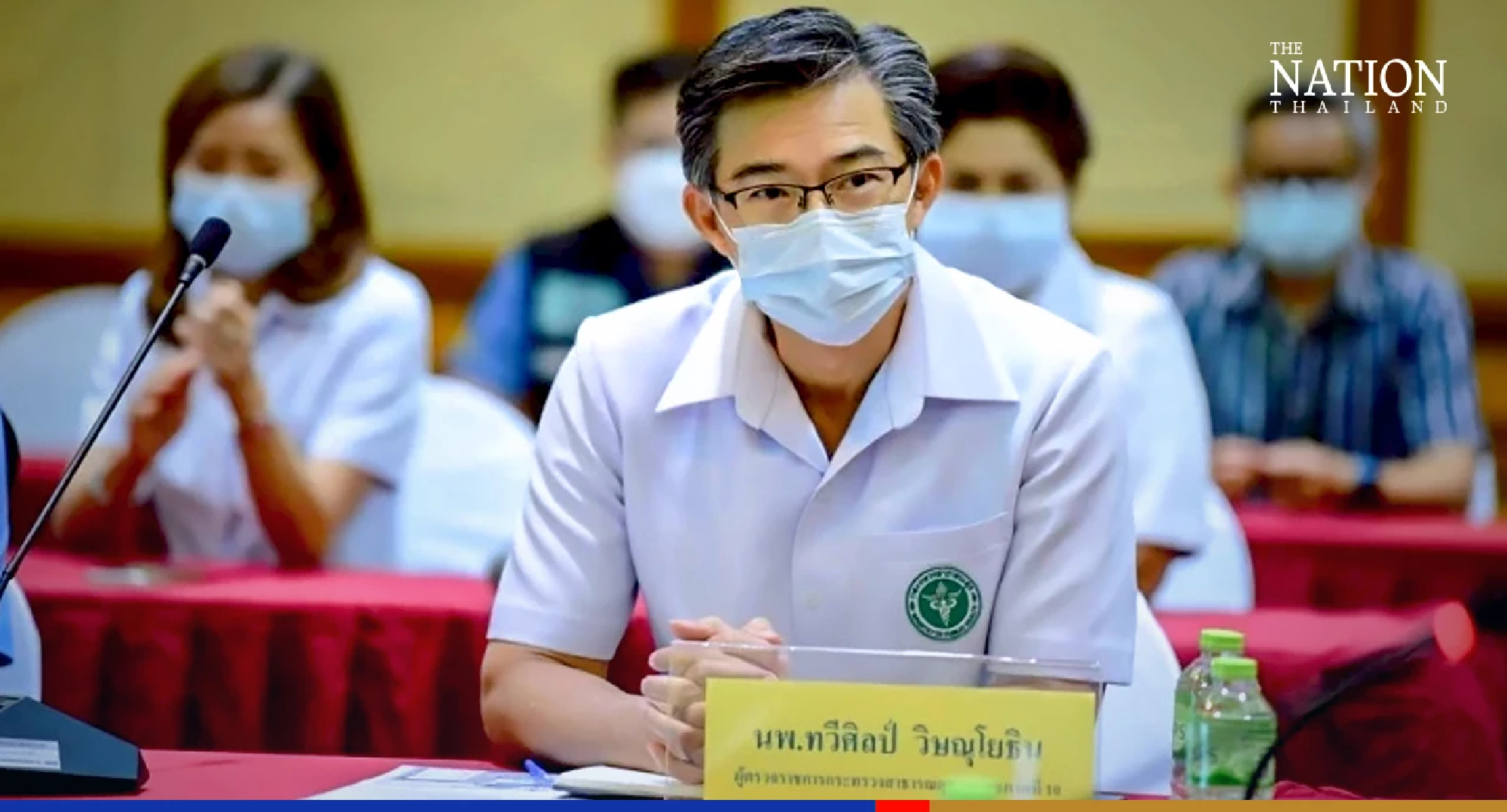
“Even though the Centre for Covid-19 Situation Administration [CCSA] has lifted the mask mandate in several locations since last month, infections are rising, especially in Greater Bangkok and tourism provinces,” CCSA spokesman Dr Taweesilp Visanuyothin said on Thursday in his capacity as Public Health Ministry spokesman.
“It is believed that infections can spread from big cities to other provinces during the long holidays, when people travel upcountry to visit their relatives or travel to crowded tourist attractions,” he added.
Taweesilp pointed out that it is only safe to remove the face mask at places that are properly ventilated and where social distancing can be maintained.
“People at risk, like seniors, pregnant women and persons who have not yet received a booster should wear a face mask at all times when with others or in areas with poor ventilation,” he said. “Masks don’t only protect you from Covid-19, but also prevent other respiratory diseases and pollutants.”
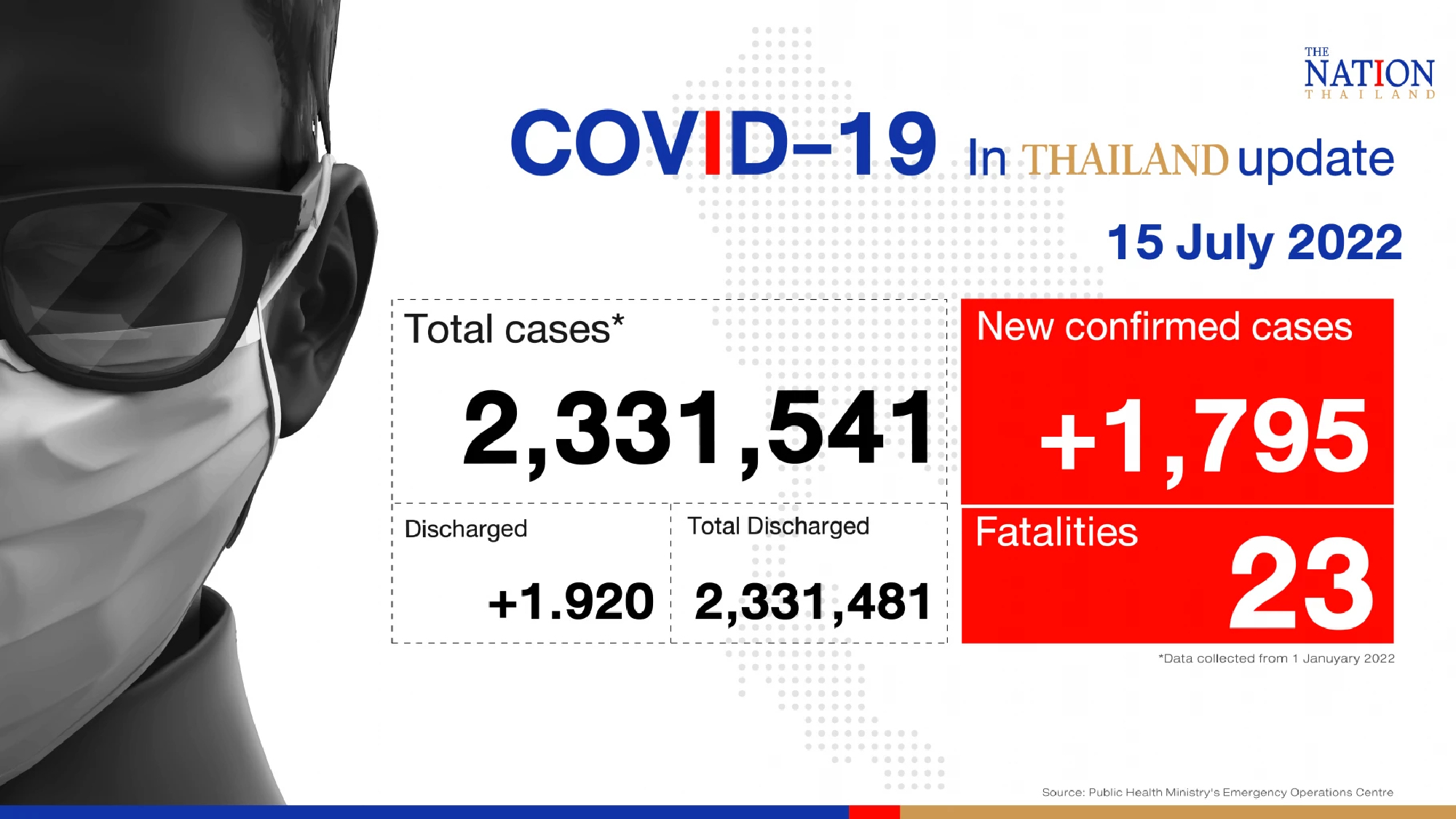
On Friday, Thailand recorded 1,795 confirmed Covid-19 cases and 23 deaths over 24 hours, while 1,920 patients have recovered and discharged from hospitals. The number of total cases in the country since the pandemic started in early 2020 stands at 4,554,976, including 2,331,541 since January 1 this year. The accumulated death toll from the virus stands at 30,958, including 9,260 this year.
The Public Health Ministry reported on Friday (July 15) that over the past 24 hours, 1,795 Covid-19 patients have been admitted to hospitals.
The death toll has risen by 23, while 1,920 patients have recovered and discharged from hospitals.
The number of cumulative cases in the country since January 1, 2022, stands at 2,331,541.
The country’s total caseload from Covid-19 stands at 4,554,976 – 4,499,975 of whom have recovered, 24,043 are still in hospitals and 30,958 have died.
Separately, another 1,854 people were given their first Covid-19 shot in the last 24 hours, 2,625 their second shot and 26,441 a booster, bringing the total number of Covid-19 vaccine doses administered nationwide to 140,651,239.
According to Worldometer, confirmed cases globally had risen to 565.58 million on Friday, 537.06 million of whom have recovered, 22.14 million are active cases (38,909 in severe condition) and 6.38 million have died (up by 1,408).
Thailand ranks 27th in the global list of most cases, which is topped by the US with 91.06 million, followed by India with 43.71 million, Brazil with 33.14 million, France with 32.8 million and Germany with 29.57 million.
Heat waves in many areas worldwide are a clear sign that greenhouse gas emissions must be reduced as soon as possible, or climate change would become much more severe and totally irreversible.
The World Meteorological Organisation has defined a heat wave as a condition when the daily maximum temperature exceeds 5 degrees Celsius for at least five consecutive days.
Earlier, Japanese agency Kyodo News reported that the temperature in Tokyo had risen to 35.3 ℃, breaking the record for the first time in 150 years.
Meanwhile, Lombardia, one of the twenty administrative regions of Italy, is set to announce an emergency situation as a heat wave has caused severe damage to agricultural crops and products.
Even though there are no reports of any heat waves in Thailand, the natural phenomenon usually occurs in other countries in Asia and Europe, with China, Pakistan, Bangladesh and India some of the worst-hit nations.
Apart from the impact on people, heat waves also affect animals and the environment to a large extent.
Meanwhile, the belief that “people who can tolerate the heat in Thailand can live anywhere” isn’t true anymore because Thailand, being a tropical climate of heat and humidity, cannot be compared to a stifling hot Japanese area or a hot and dry Africa.
The 26th United Nations Climate Change Conference in November was told that the average global temperature had risen by 1.1-1.2 ℃, while the average land and sea temperatures had risen by 1.59 ℃ and 0.88 ℃, respectively.
The conference also warned that the impact of the inclement weather on the Earth’s surface and the ocean would become severer as global temperatures rise.
According to a survey by the Climate Change Knowledge Portal, the African country of Mali was considered the hottest in the world with an average temperature of 28.7 ℃.
Mali was followed by Burkina Faso (28.6 ℃), Djibouti (28.3 ℃), Bahrain (28.2 ℃) and Senegal (28 ℃). Thailand had an all-year average temperature of 27.5 ℃.
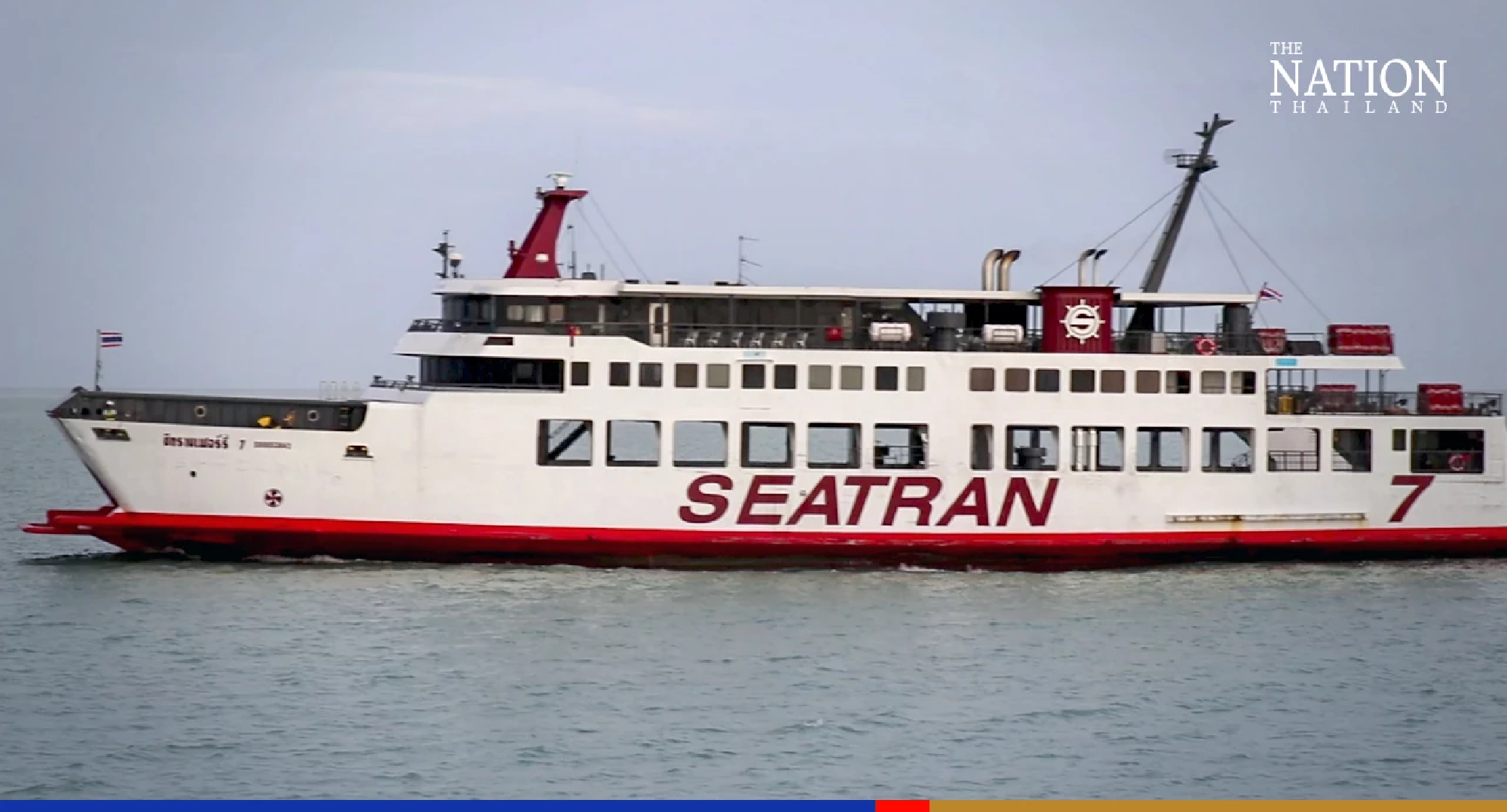
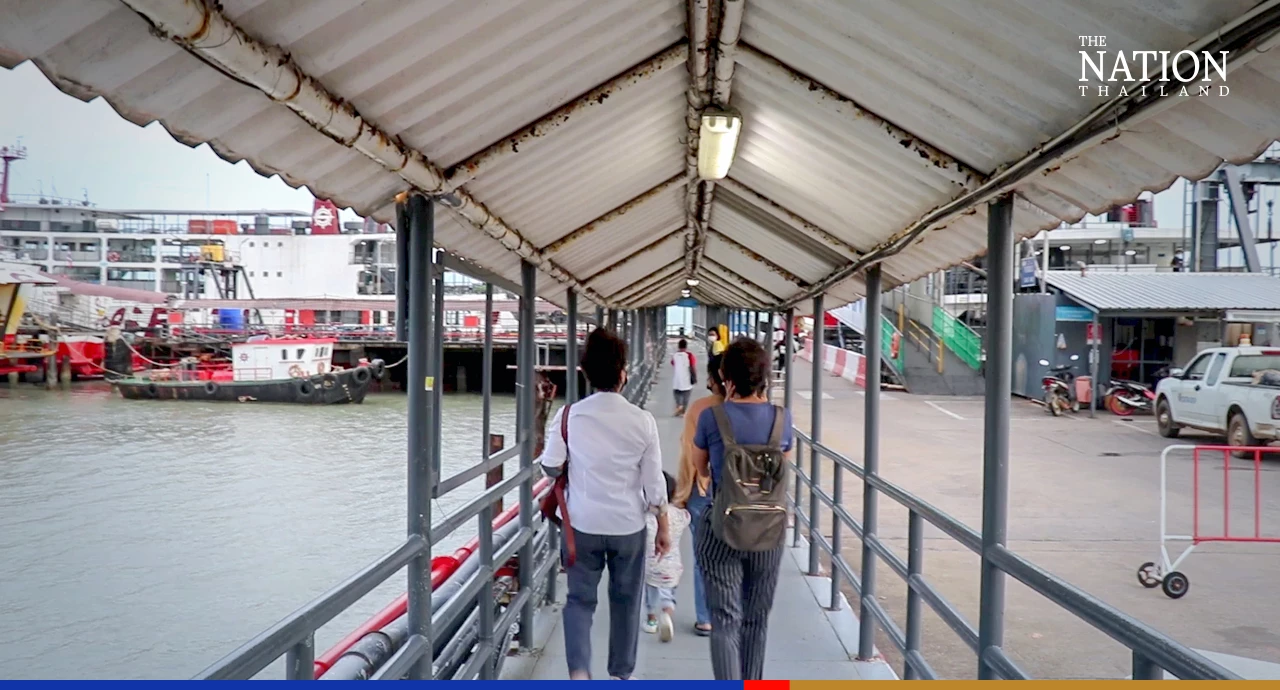
Ferry services linking the mainland Surat Thani province and the world-famous Pha-ngan island have been resumed after over a decade.
The services offered by Seatran Ferry officially started at 6.30am on Thursday as the ferry left the Don Sak Pier in Surat Thani.
It was full of passengers as many tourists were going to spend their long holidays on the island.
The ferry services between Don Sak and Pha-ngan are available four times a day.
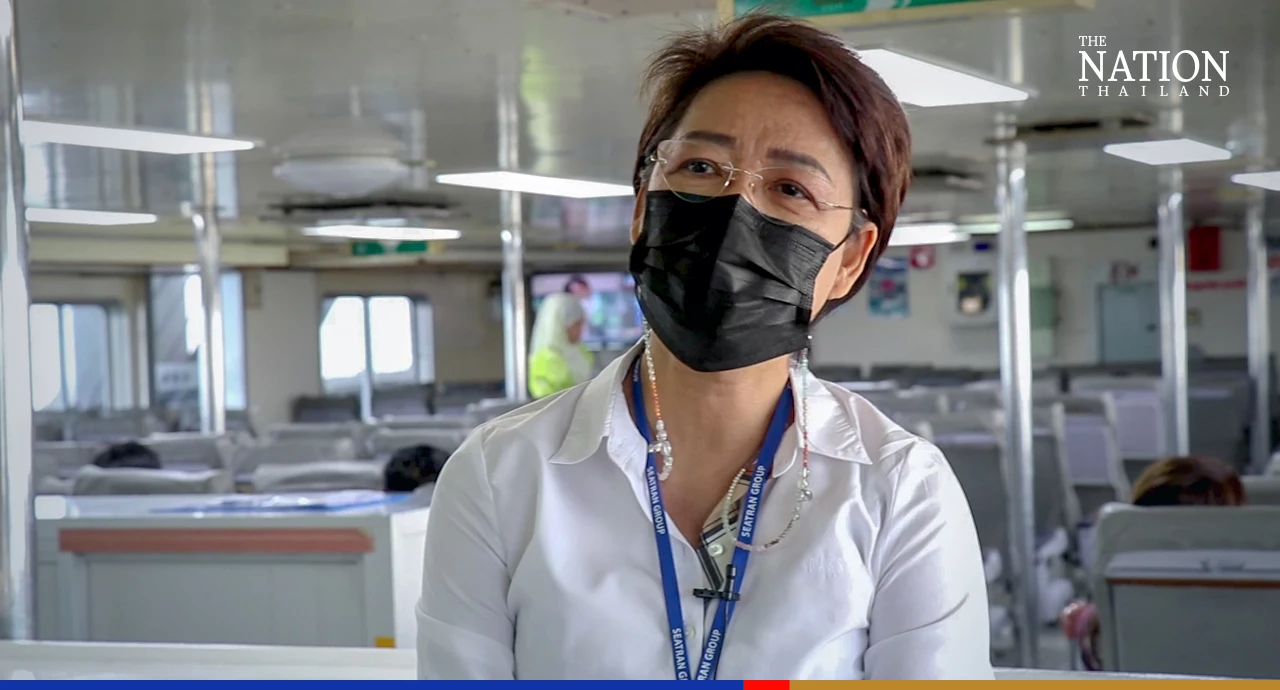
Seatran Ferry managing director Patrakornthong Paitong said that the company started the route between Don Sak and Pha-ngan to help offset its loss over the past few years operating the route between Don Sak and Samui island.
“We hope this additional route will help the company stay afloat,” she said.
The executive said that this route has potential as Pha-ngan has become a world-class tourist destination, thanks to its reputation as the home of full-moon parties. The island’s other selling points include nature and health, she added.
“This route has a bright future,” Patrakornthong said.
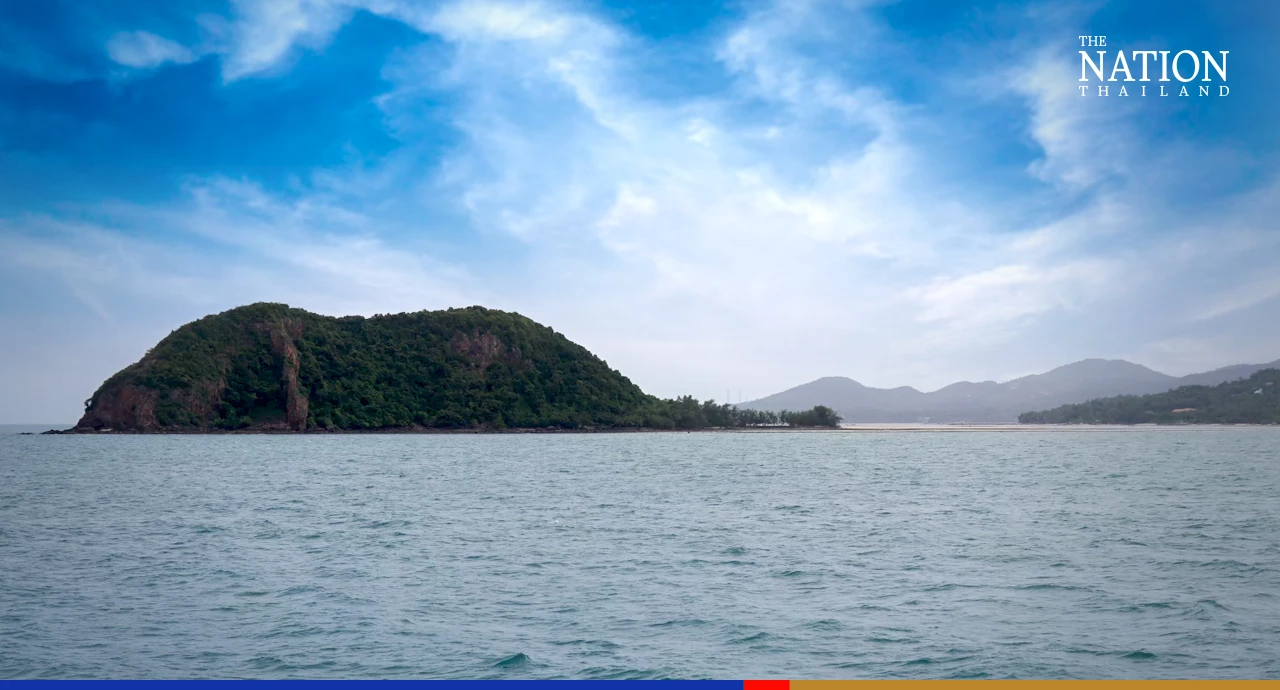
Pha-ngan is known for its full moon parties on the beachfront that have attracted tourists from around the world. It is located in the Gulf of Thailand about 80 kilometres offshore and some 15km north of the larger Samui island.
A resident of Pha-ngan island, Jiraroj Panmas described the resumption of the ferry services as “good news” for the island’s residents like him.
“Pha-ngan people will have another choice” when travelling to and from the mainland, he said. In the past, with no direct ferry services from the mainland to Pha-ngan, they had to take a long detour to cross to the island, according to him.
The Cabinet has given the green light to a plan to grant up to 100 foreign nationals and 50 stateless people permanent residency (PR) in Thailand this year, deputy government spokesperson Traisuree Taisaranakul said on Thursday.
The Cabinet approved draft directives by the Prime Minister’s Office and the Interior Ministry regarding foreign nationals seeking permanent residency in Thailand.
Both directives had been endorsed by the National Immigration Commission. They set the limits for non-Thais to get permanent residency in Thailand at no more than 100 foreign nationals per year and no more than 50 stateless people per year.
Traisuree said the move is aimed at encouraging foreign nationals to invest and work in Thailand.
“This is a way to attract investment into the country while trying to boost the confidence of foreign investors,” she added.
Also, this policy could help encourage foreigners planning to live permanently in Thailand with their families, the spokeswoman said.
She said foreign nationals have different reasons for seeking permanent residency in this country. Some of them come here for work and investment while others are going to stay with their families, spouses or children living here.
Traisuree said that the Thai economy would benefit from capable foreign nationals looking to do business or invest in the country, as they could create more jobs and incomes here.
“The Thai economy still wants more investments from overseas,” she added.




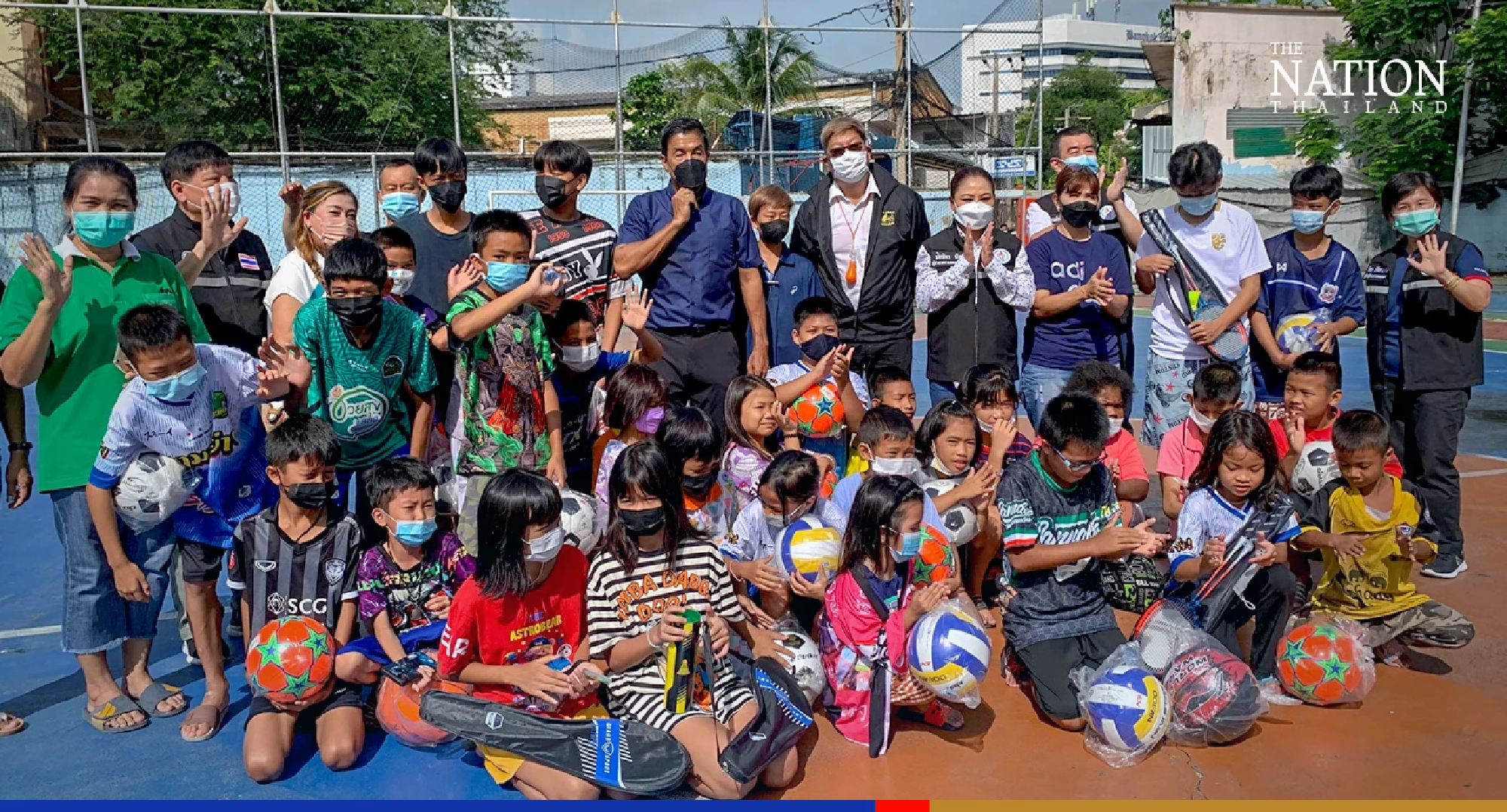
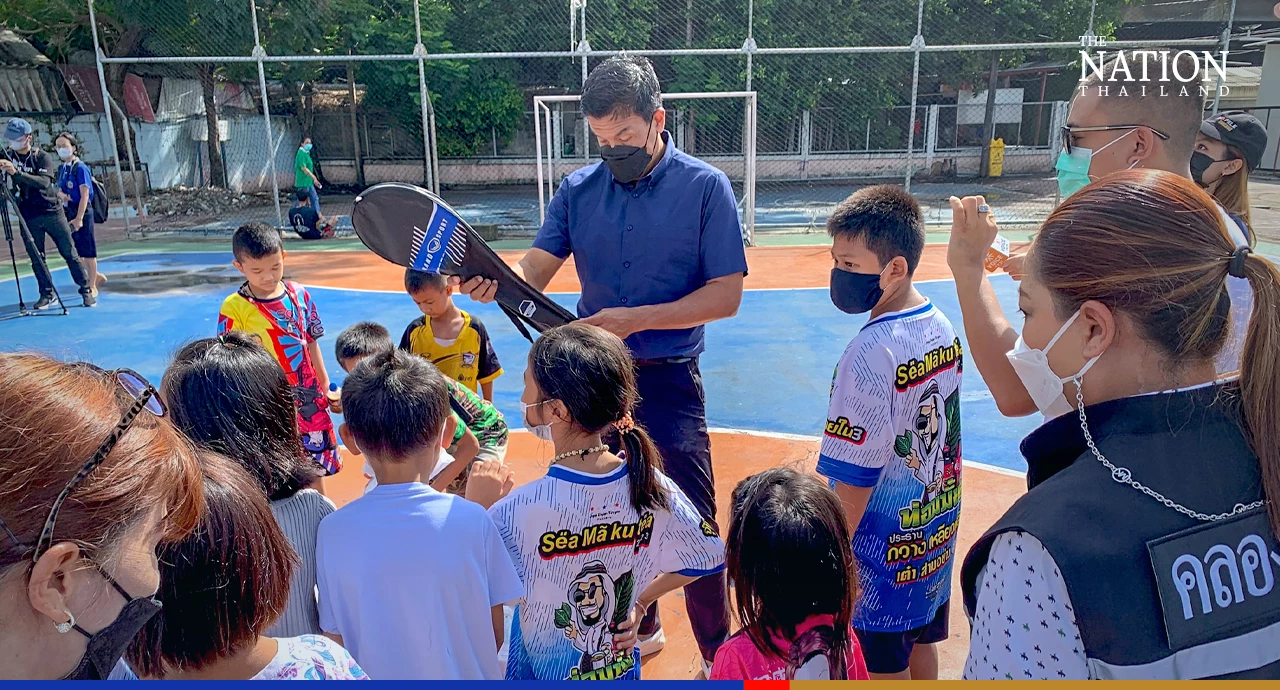

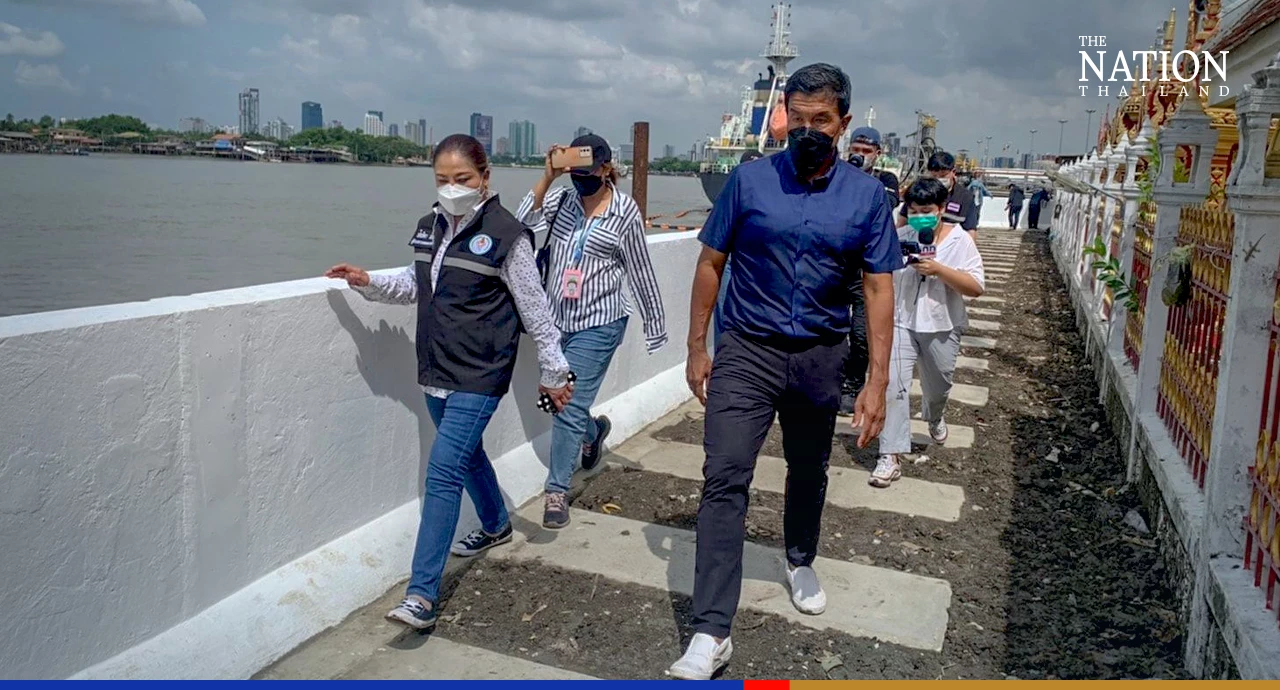
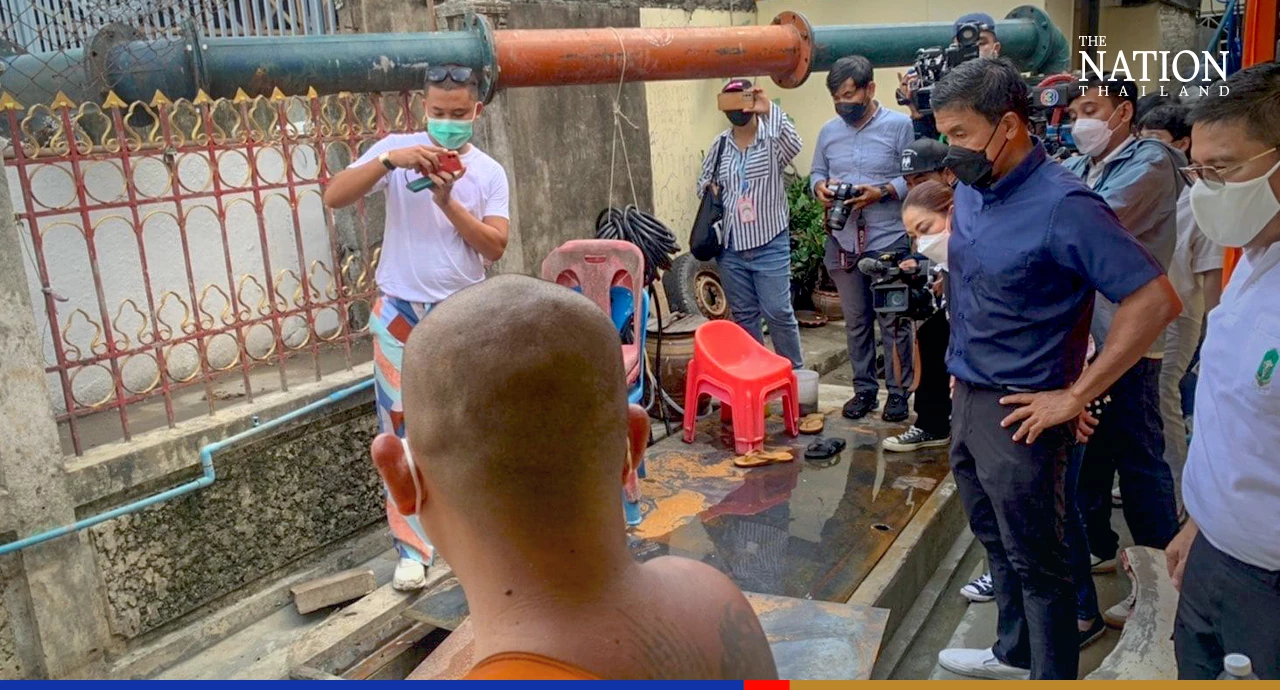
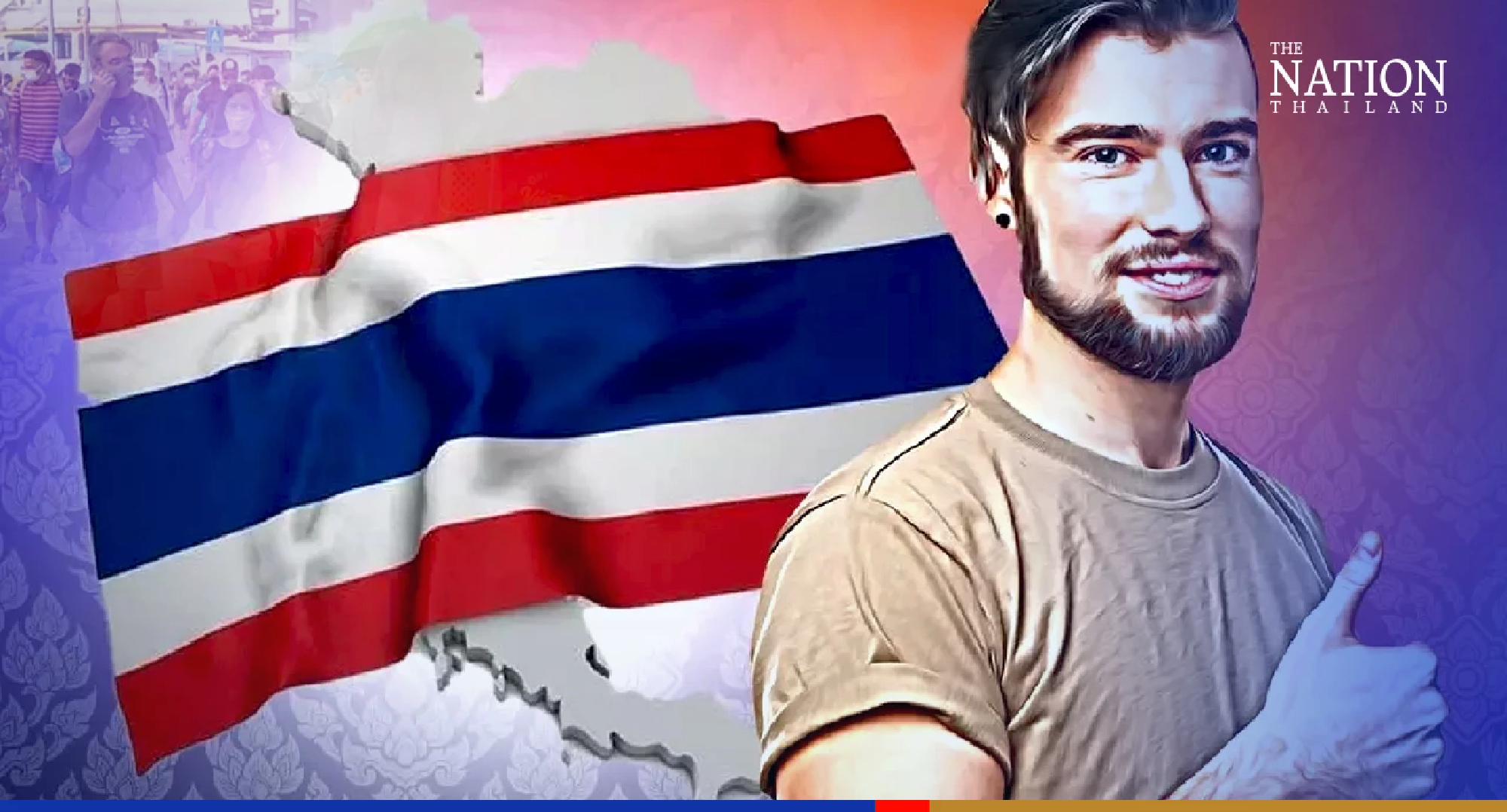


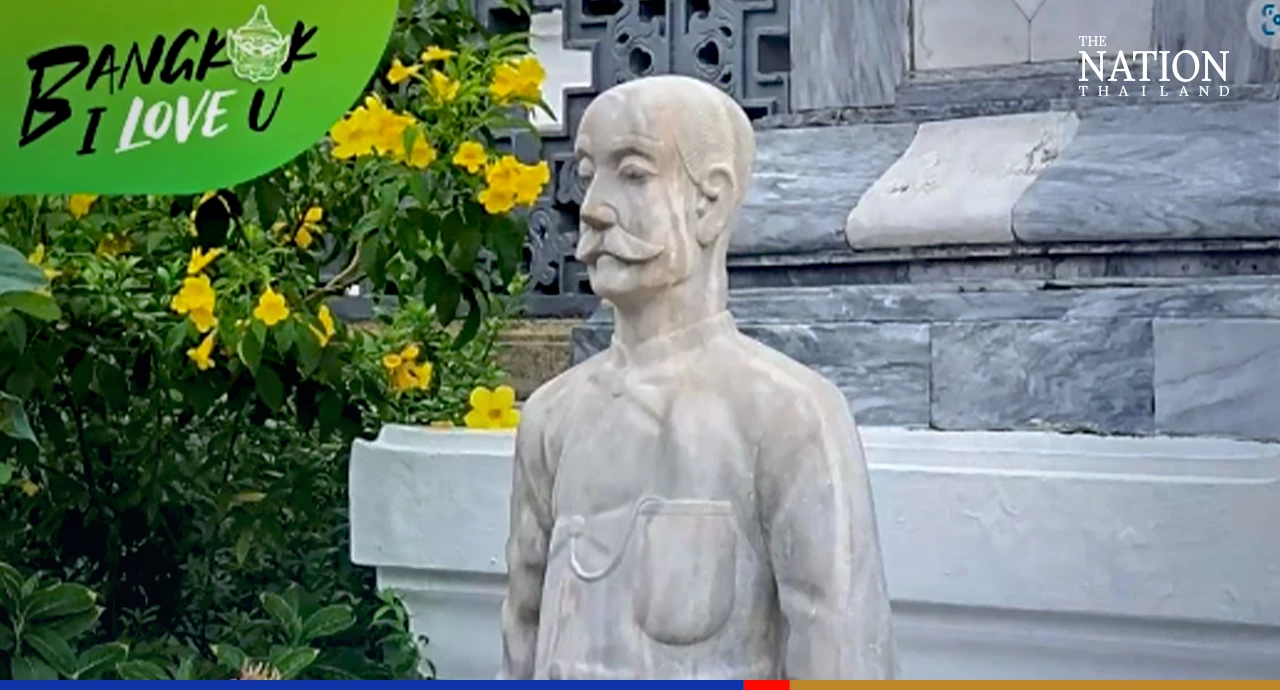
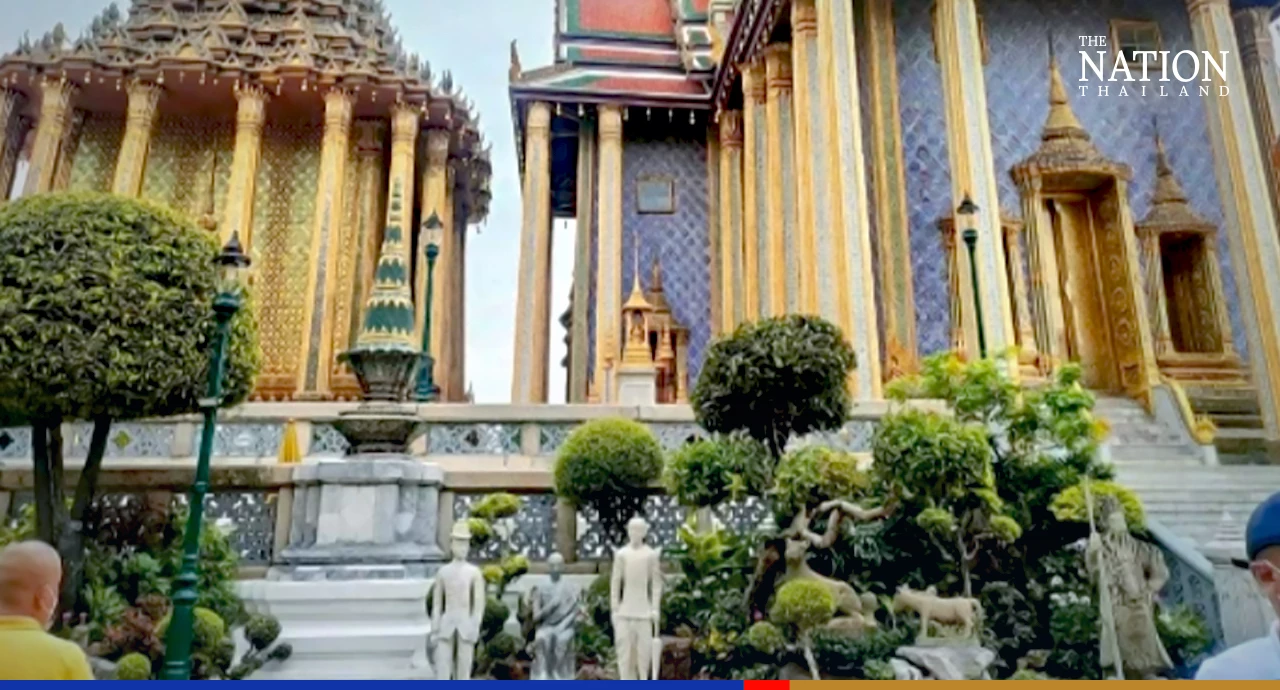
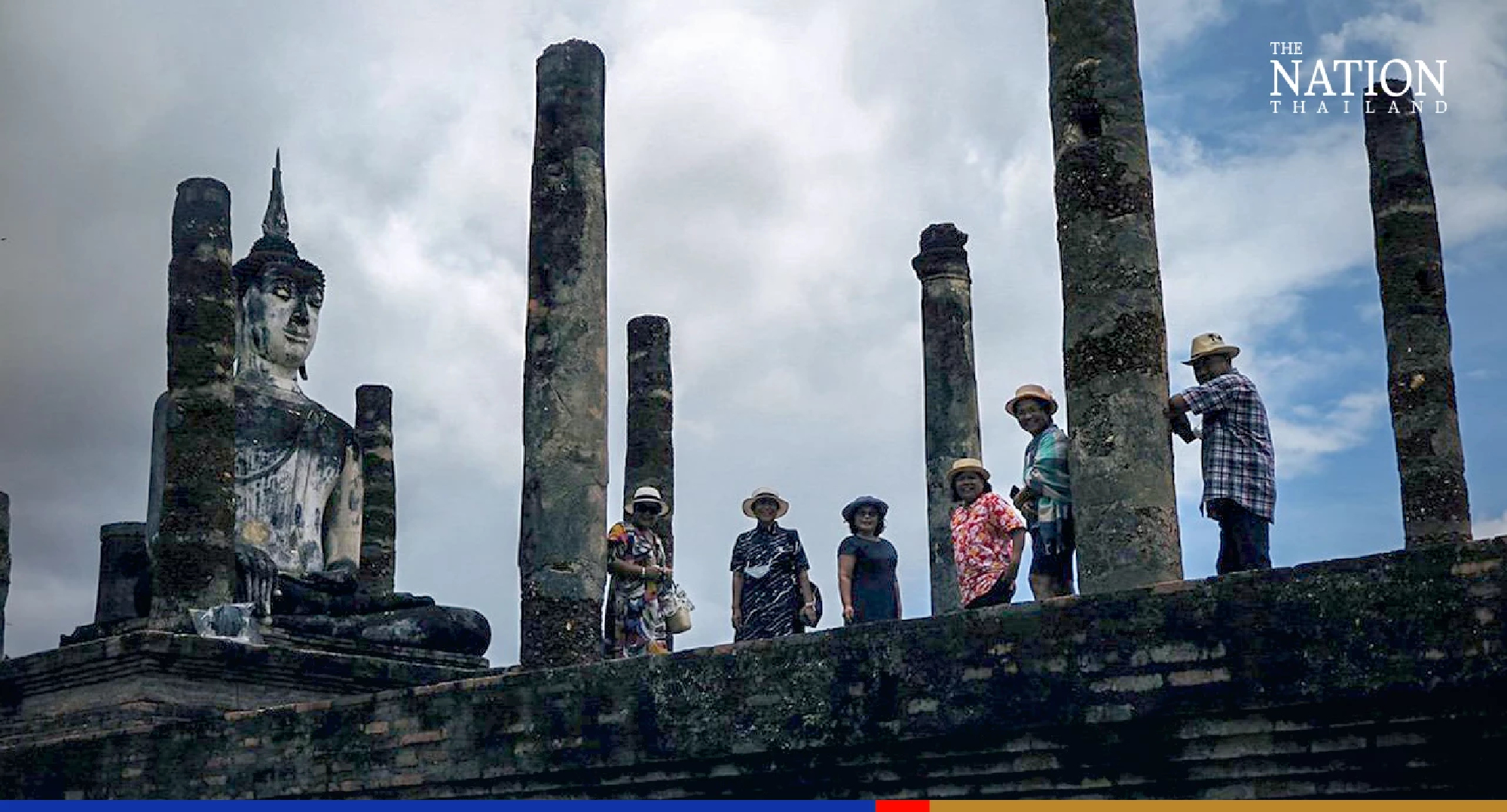
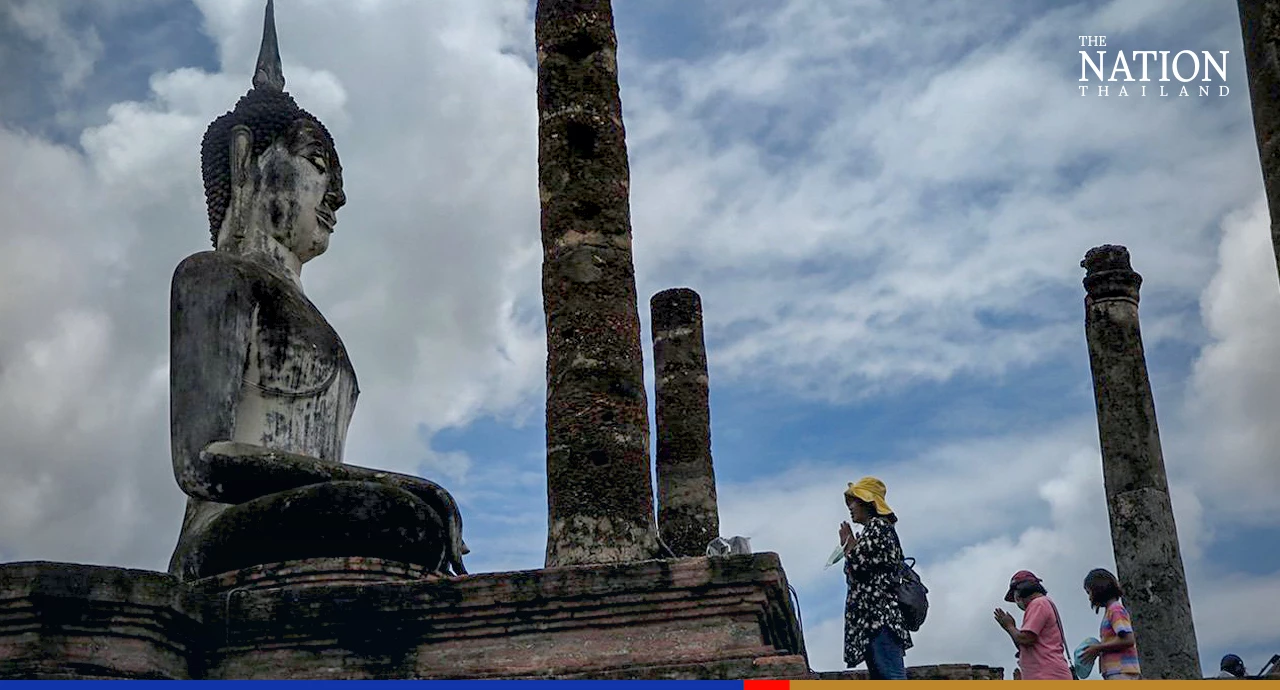 Photo credit: Charoon Thongnual
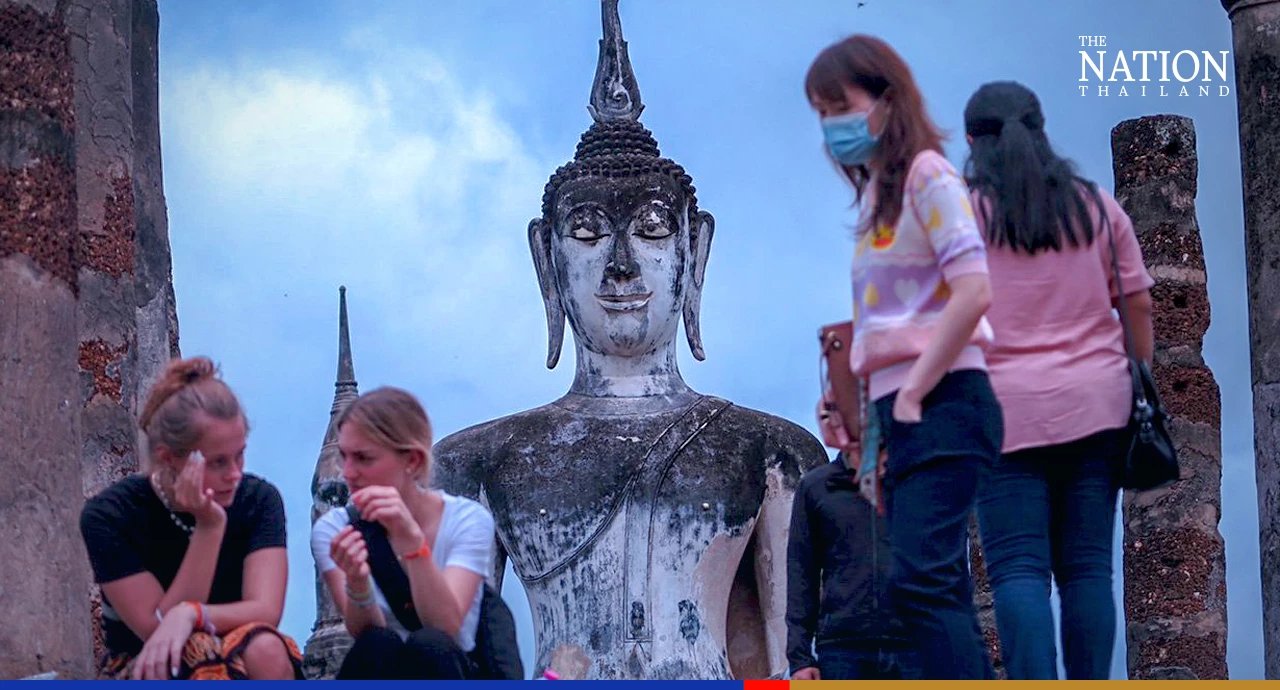 Photo credit: Charoon Thongnual
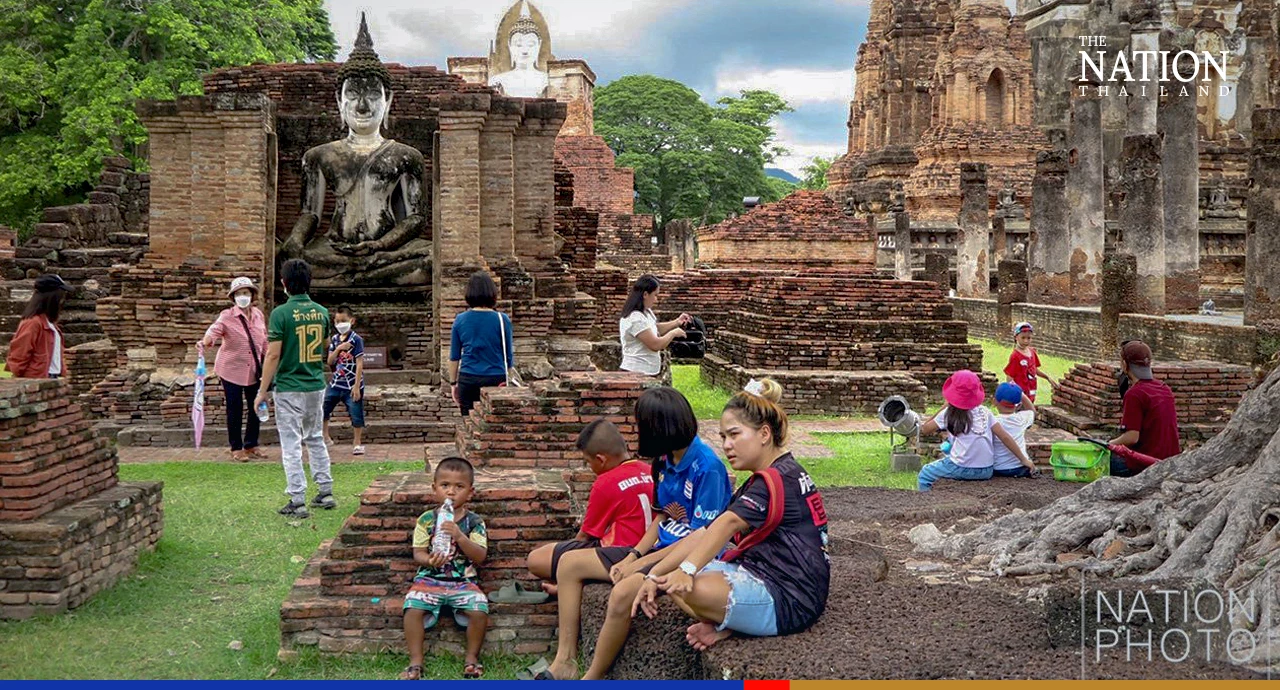 Photo credit: Charoon Thongnual
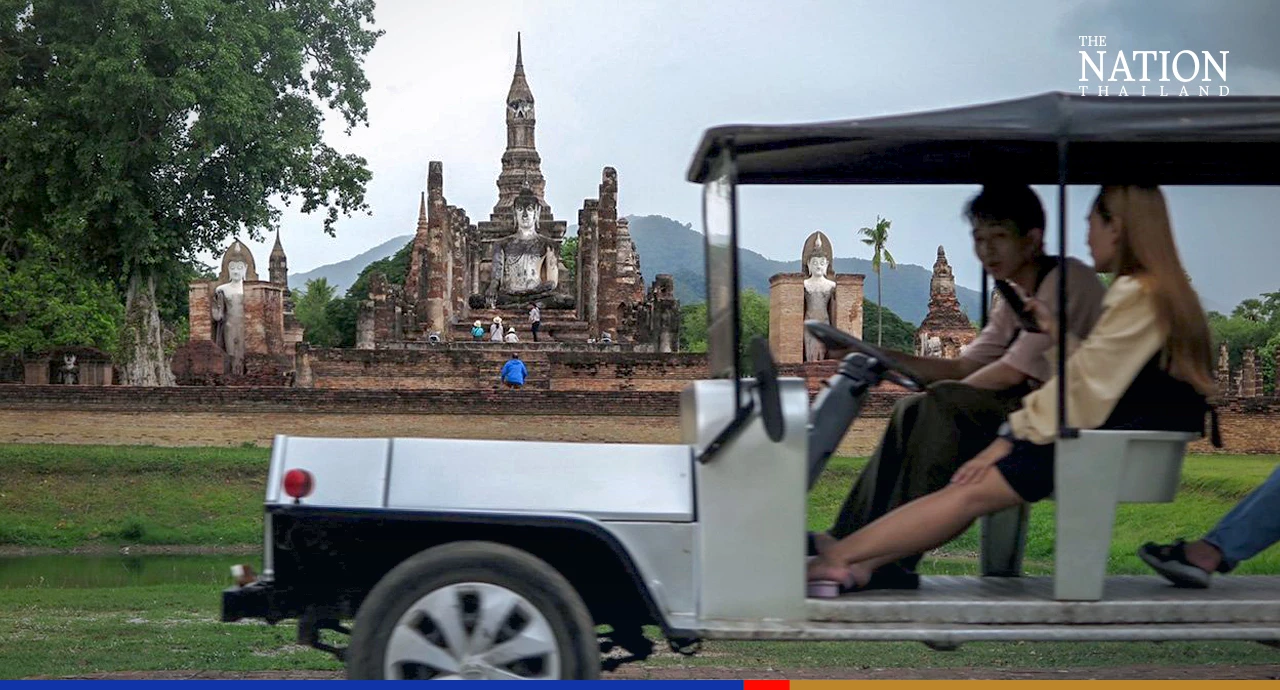 Photo credit: Charoon Thongnual
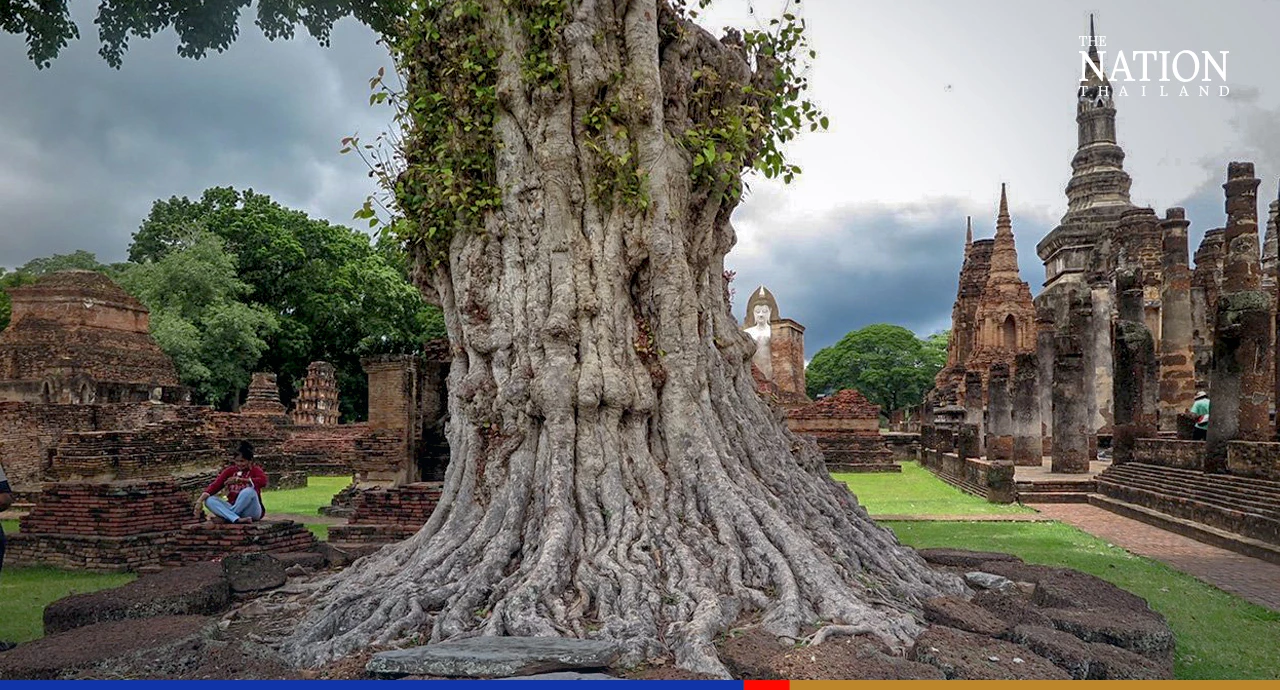 Photo credit: Charoon Thongnual
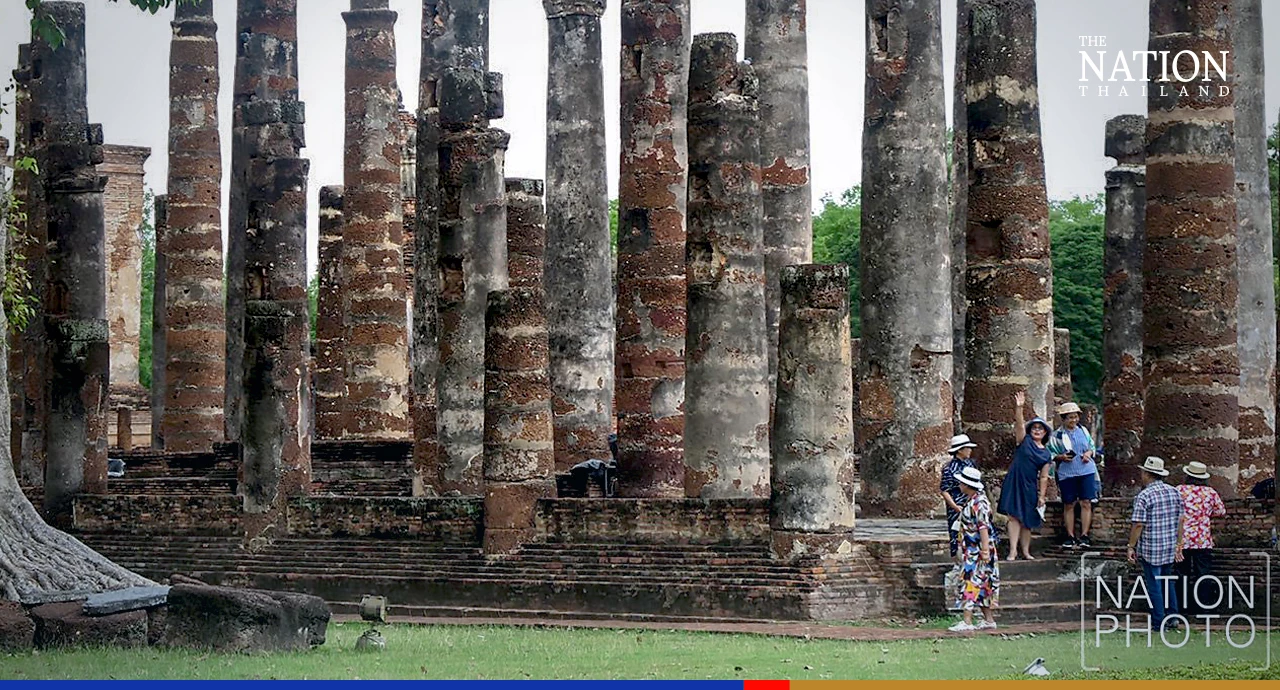 Photo credit: Charoon Thongnual