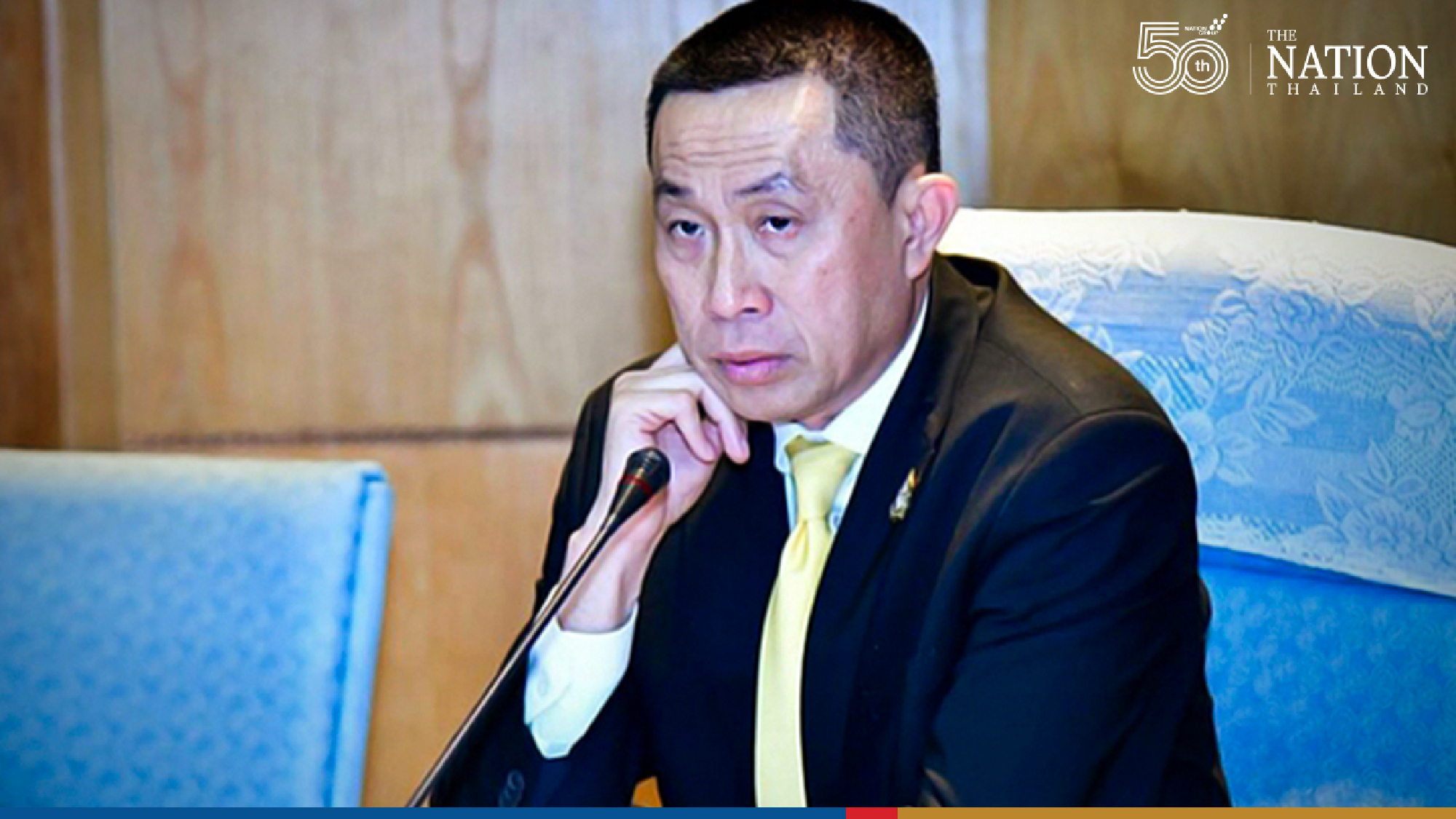
Transport Ministry revving up for reopening of 10 tourist cities
The Transport Ministry is getting ready for the reopening of tourist cities in 10 provinces to foreign tourists in the third and fourth quarters of the year.
Transport Minister Saksayam Chidchob on Thursday held a videoconference with ministry executives.
“Ten cities that are tourist destinations are scheduled to reopen to overseas visitors in the second half of the year, starting with Phuket on July 1, under the Phuket Sandbox scheme,” he said.
“If the scheme is successful, tourist cities in nine other provinces — Phang Nga, Krabi, Surat Thani (Koh Samui), Chon Buri (Pattaya), Chiang Mai, Bangkok, Phetchaburi (Cha Am), Prachuap Khiri Khan (Hua Hin), and Buri Ram — will adopt the same practices.”
Under the sandbox scheme, foreign tourists who can verify they have been inoculated against Covid-19 and test negative can fly into Phuket and move around freely in the province without having to quarantine.
After staying in Phuket for 14 days and testing negative, the tourists can then travel to other provinces in Thailand.
“To take part in this reopening, agencies under the ministry responsible for air, sea and land transport, such as the Civil Aviation Authority of Thailand, Airports of Thailand Plc, Department of Airports, Marine Department, Department of Land Transport, Department of Rail Transport and State Railway of Thailand, would be actively involved,” Saksayam said.
“I have instructed these agencies to follow the checklist for disease control readiness as suggested by the Ministry of Public Health to ensure that foreign visitors are safe during their stay in Thailand. All frontline officials have been told to maintain a service mind to create a positive first impression as well as be prepared for emergency cases.
“Most importantly, agencies are instructed to prioritise vaccinating 100 per cent of the frontline officials against Covid-19 to ensure their safety,” added Saksayam.
“The ministry is considering performing immunity tests after two doses of vaccine have been administered to determine if the staff need an extra jab.”
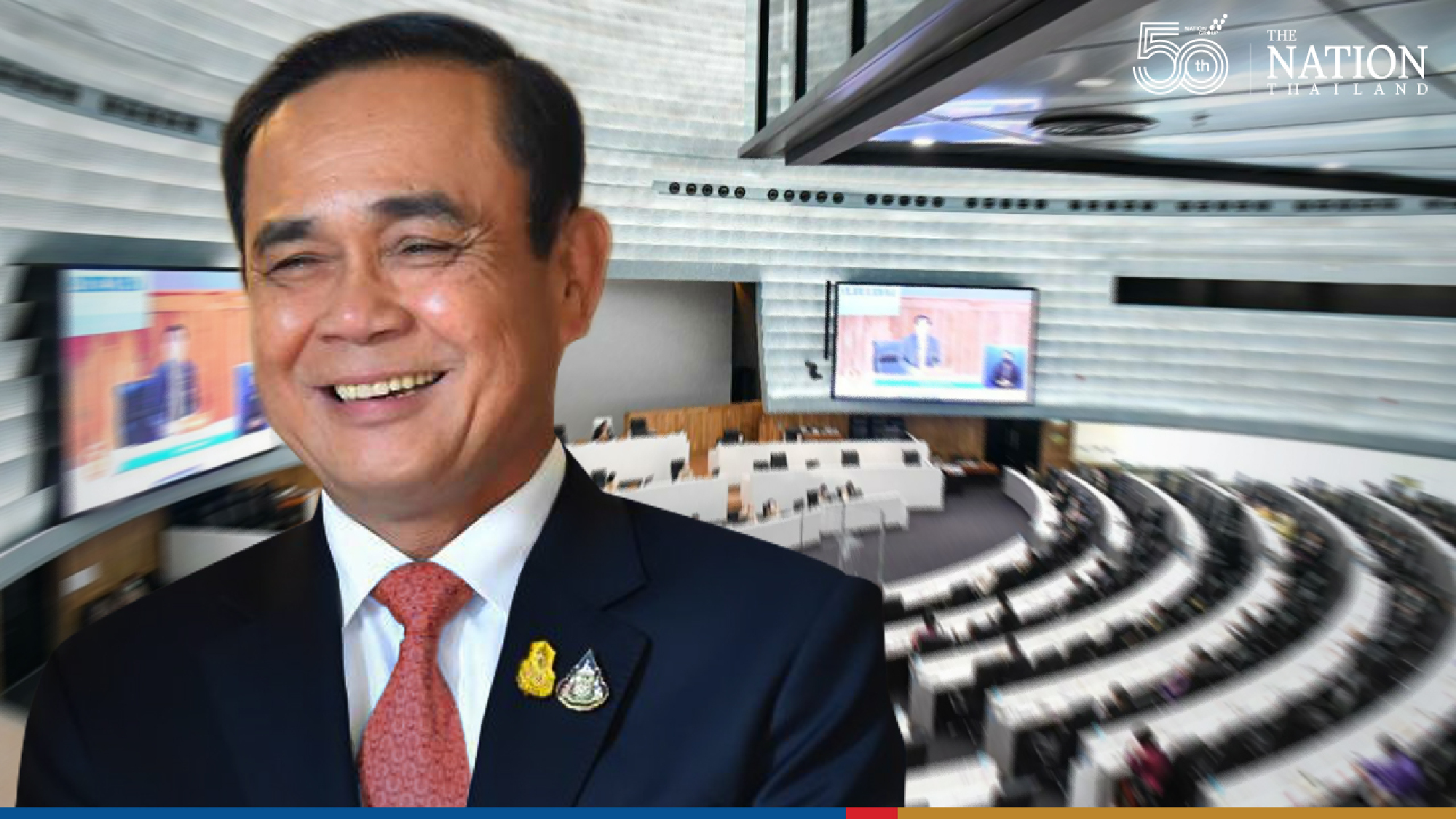
The prime minister, his close aides and other government officials underwent Covid-19 tests on Friday after a housekeeper at the Cabinet lounge tested positive on Wednesday.
The woman had been serving lawmakers between May 31 and June 2 while they were considering the 2022 national budget and then again on June 9 during the consideration of the 500-billion-baht loan decree.
Though the premier tested negative, he will still attend the daily meeting with the Centre for Covid-19 Situation Administration via video conferencing.
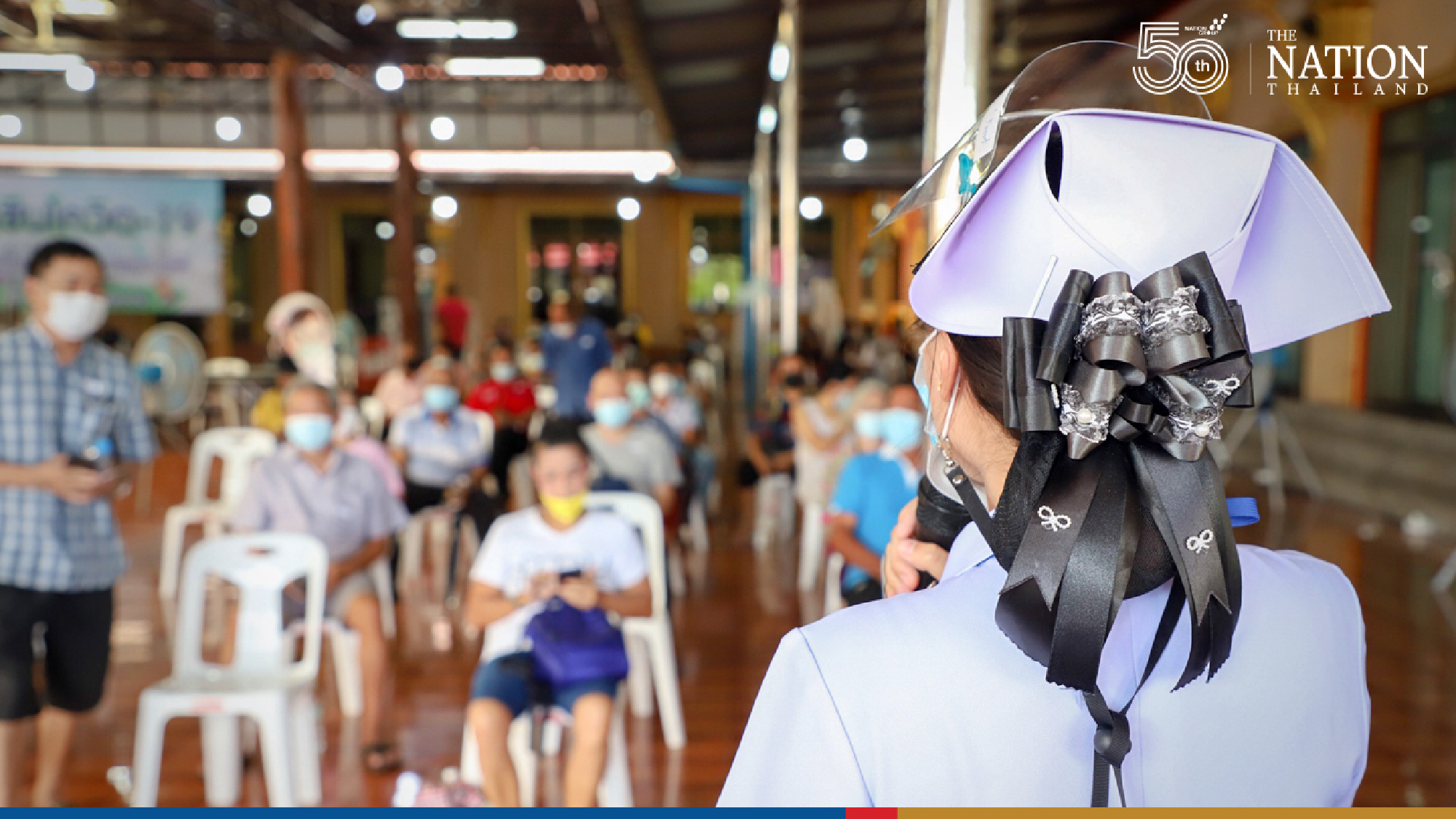
Bang Phli temple serves as vaccine site in Samut Prakan
People queue up in Samut Prakan’s Wat Bang Phli Yai Klang temple this morning to get their anti-Covid jabs.
The vaccine venue was shifted from Bangplee Hospital to the temple compound due to space problems. A vaccination team member explained that the temple complex was far bigger and had more parking space than the hospital.
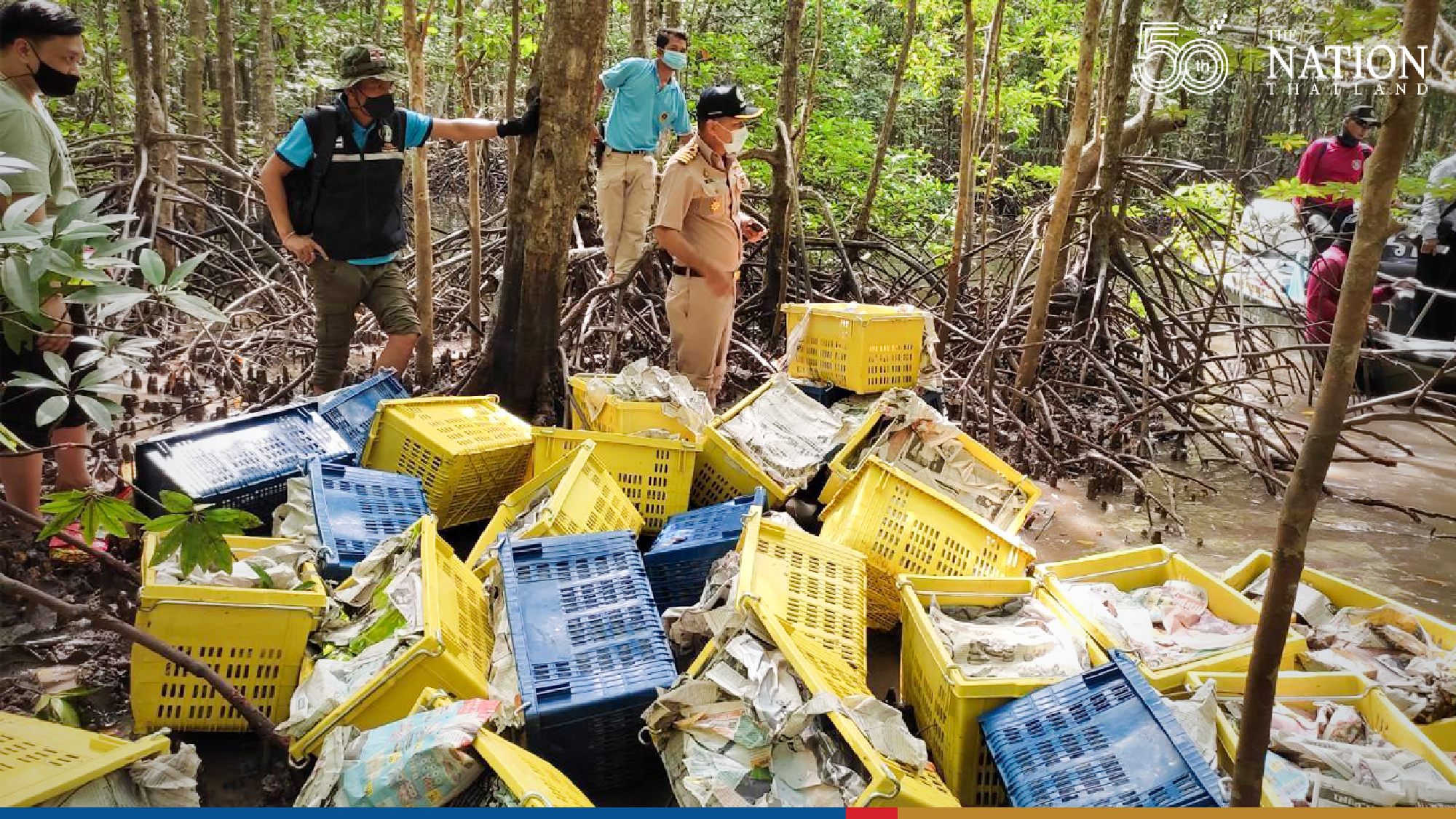
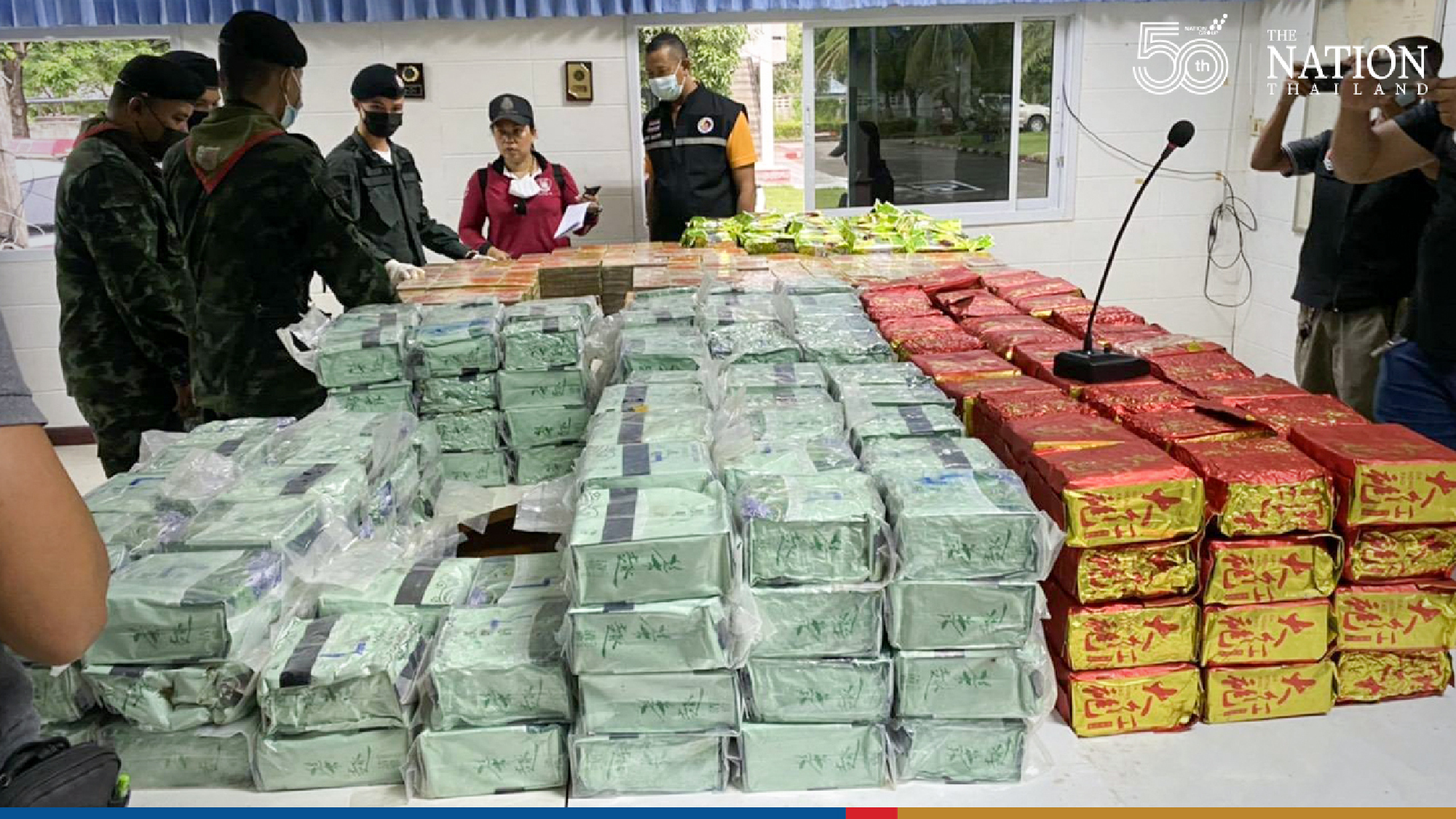
Over a tonne of heroin, ‘ice’ found in swamp on Thai-Malaysia border
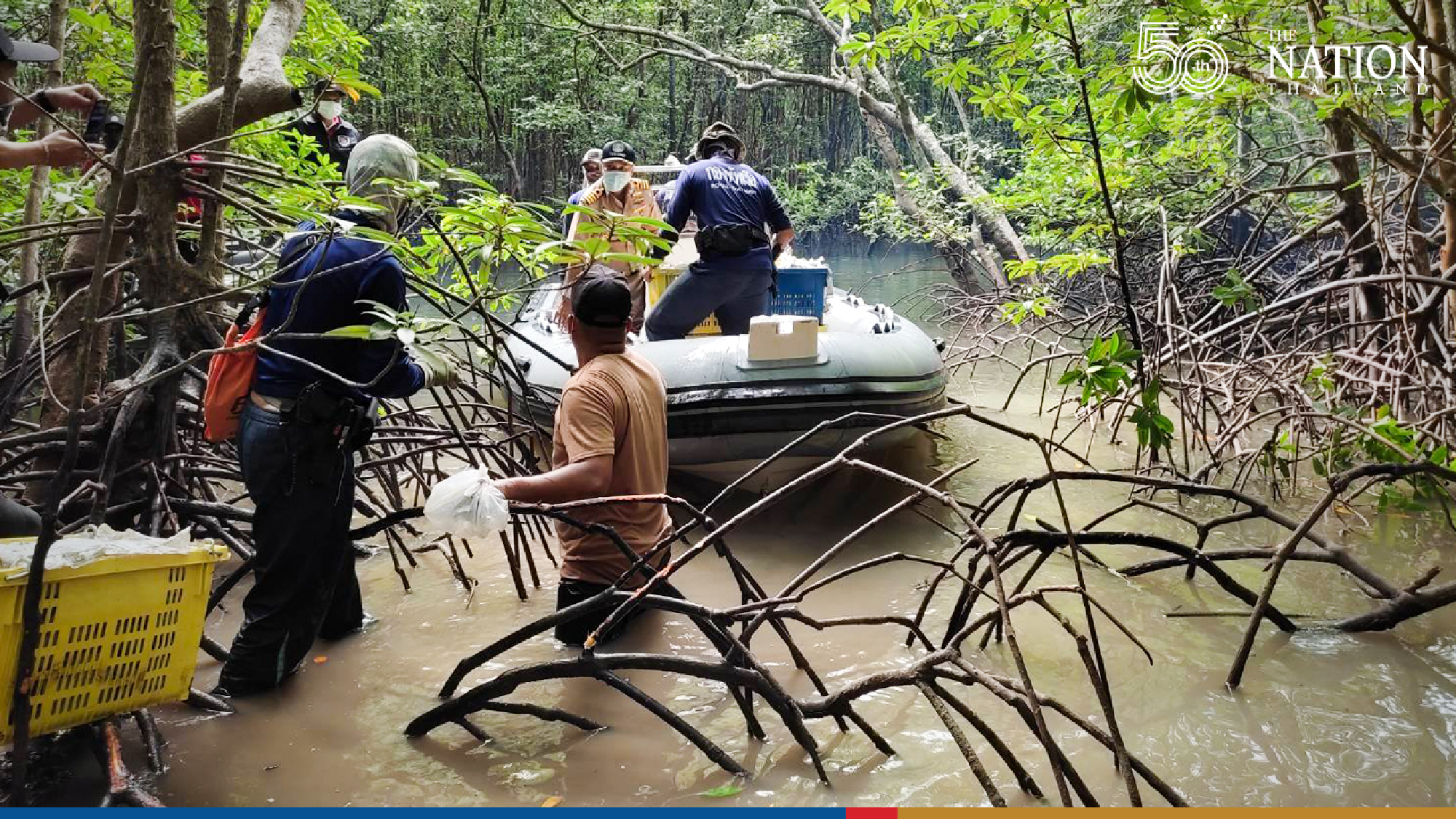
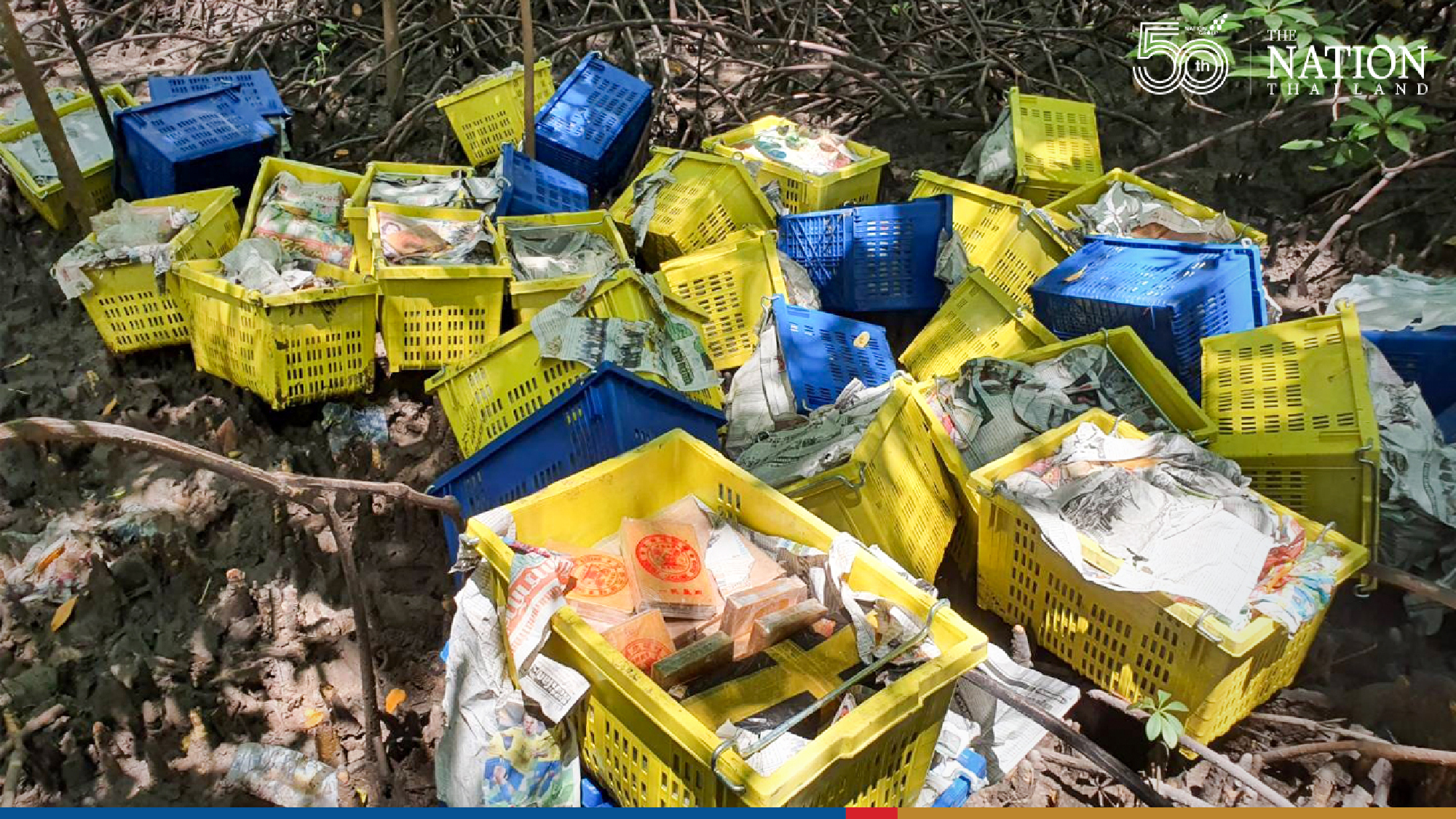
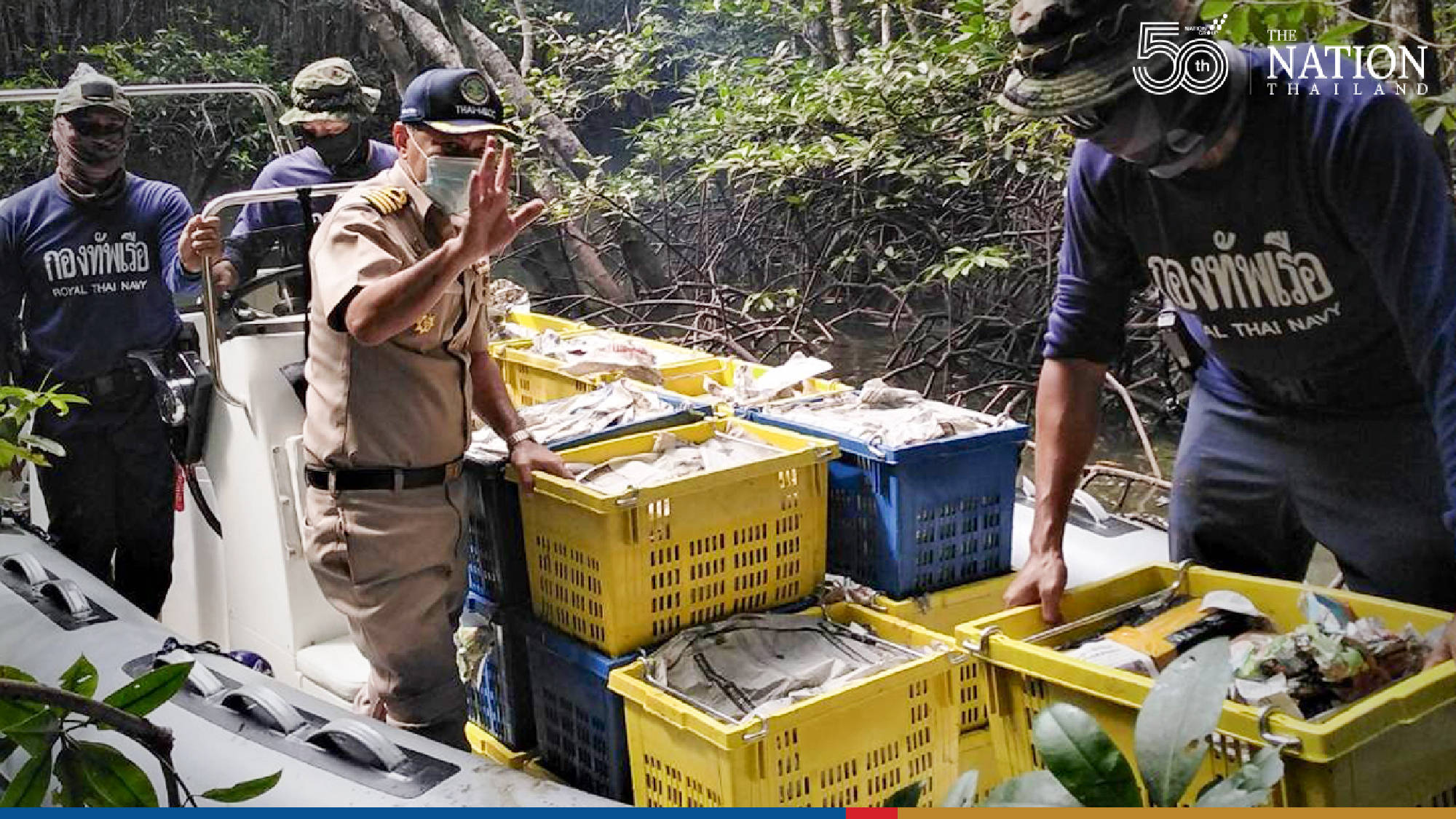
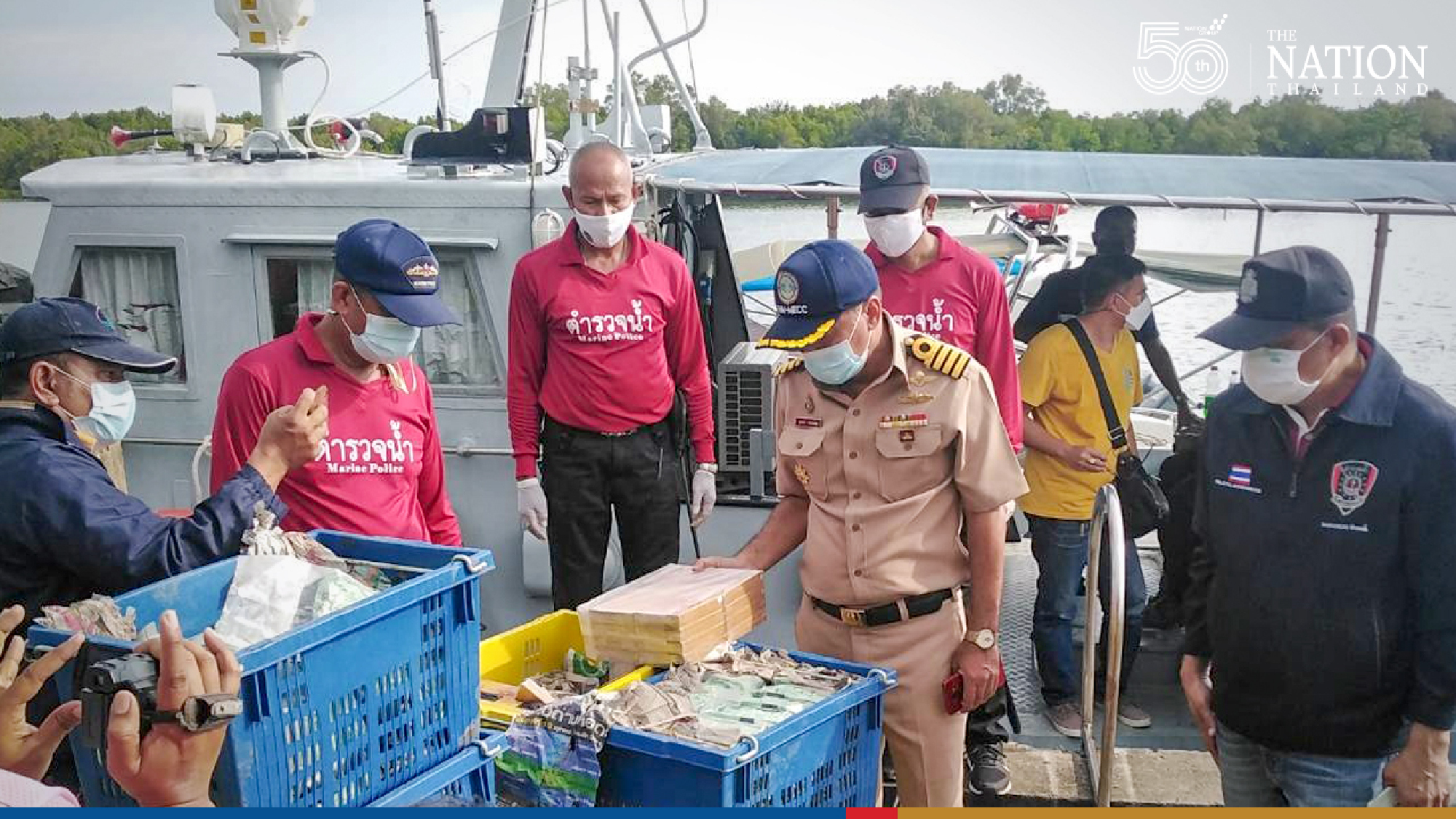
A haul of about 1.2 tonnes of heroin and methamphetamine inside 39 plastic baskets was found in the Tam Malang Canal in Satun province on Thursday.
Thai maritime authorities and Satun marine police came upon the narcotics while surveying the mangrove forest, which lies in a border area between Thailand and Malaysia.
Navy officials believe traffickers had placed the drugs there so they could be picked up by other gangs for smuggling overseas.
“Marine police have confiscated drugs with a street value of around 1 billion baht and taken them back to the police station for further investigation,” officials said.
Over a tonne of heroin, ‘ice’ found in swamp on Thai-Malaysia borderOver a tonne of heroin, ‘ice’ found in swamp on Thai-Malaysia borderOver a tonne of heroin, ‘ice’ found in swamp on Thai-Malaysia border
Over a tonne of heroin, ‘ice’ found in swamp on Thai-Malaysia borderOver a tonne of heroin, ‘ice’ found in swamp on Thai-Malaysia border
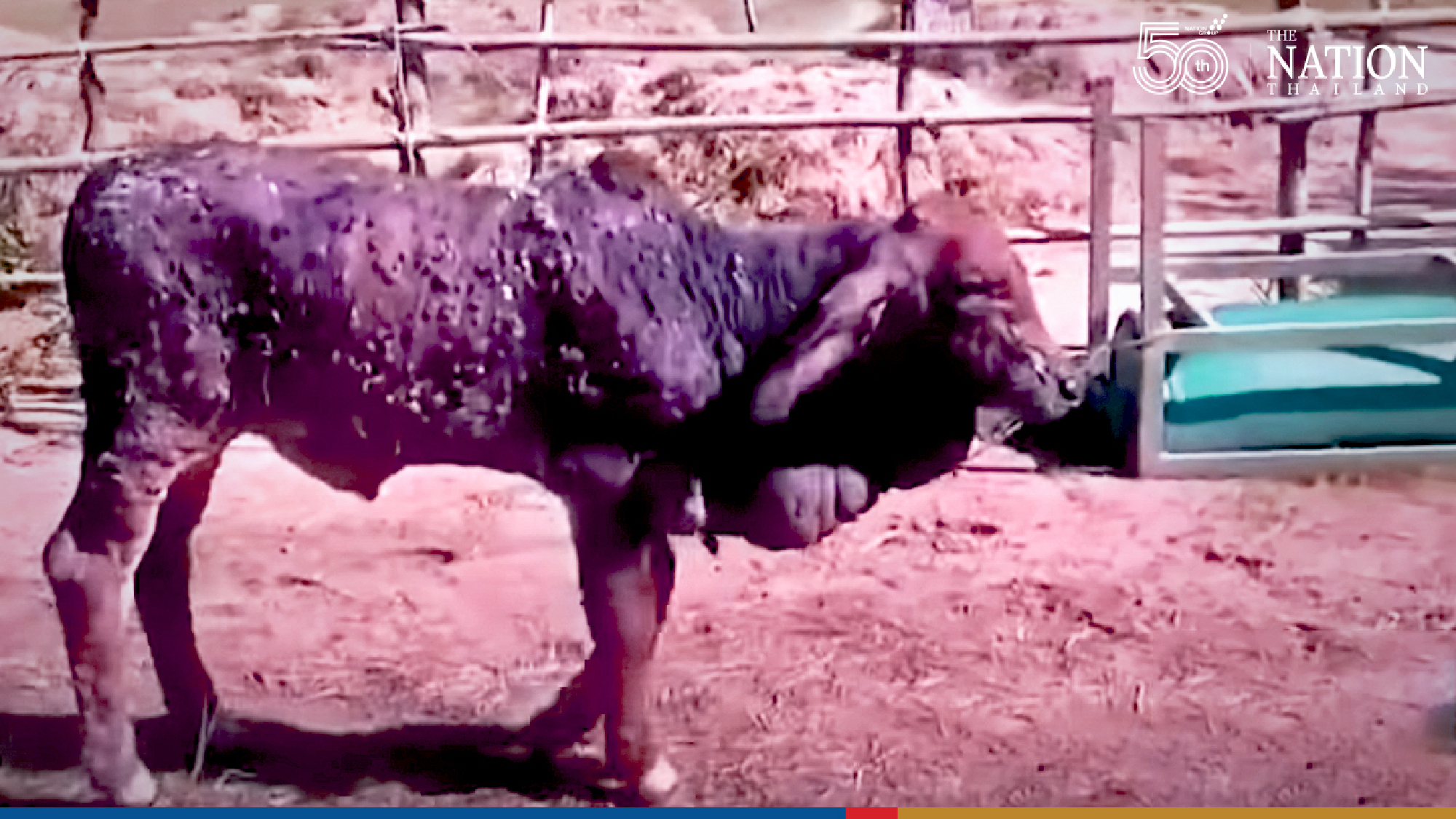
Skin disease now killing cattle daily, say Korat farmers
Farmers in Nakhon Ratchasima say a countrywide outbreak of lumpy skin disease (LSD) is now killing cattle every day in the northeast province.
LSD has spread to 75,000 cattle in Thailand, killing 9,000 animals, the Livestock Department reported on Tuesday. Around 9,000 had also recovered from the disease, it added.
Vipot Prachit, chief of Non Muang village, told reporters on Thursday that over 100 cattle in his area were infected with LSD, which is causing deaths on a daily basis.
The disease, which cannot be transmitted to humans, causes lower milk yield, damage to the hide, and in severe cases, death.
Locals are calling for assistance from the government to compensate for financial losses from the deaths.
Local farmer Pranom Mandee, 57, said that 10 of his 45 cattle were now infected with LSD, and one has already died.
He said he and fellow farmers are in urgent need of government assistance as no medicine is available to treat the infected animals.
A government campaign to vaccinate cattle against LSD began this week, but the vaccine needs to be imported and doses are limited.
A shipment of 264,000 doses arrived earlier this month, with another 36,000 doses expected this week. A batch of 60,000 doses was procured by the Livestock Department last month.
So far, doses have been distributed to Nakhon Ratchasima and Kalasin province, also in the Northeast.
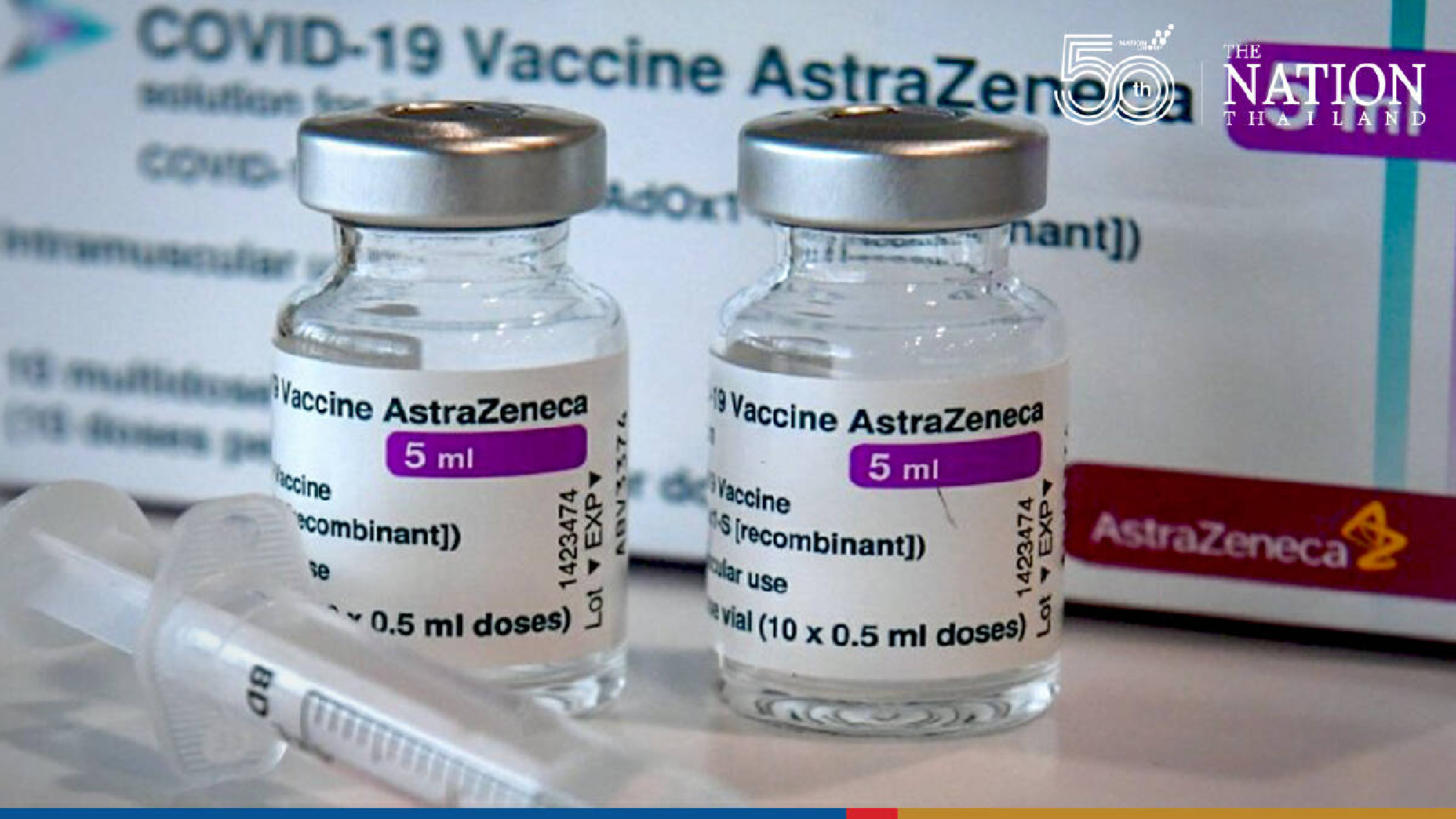
Bangkok ready to provide over 350,000 doses of Astra Zeneca vaccine
The Bangkok Metropolitan Administration (BMA) reported on Thursday that it had been allocated 35,000 vials of AstraZeneca vaccine by the government to be provided to people in a priority group and to general public whose jabs had been delayed.
The priority group includes people who have severe chronic respiratory diseases, cardiovascular disease, chronic kidney disease in stage 5 and above, cerebrovascular disease, all cancers during chemotherapy, radiotherapy and immunotherapy, diabetes and obesity with weight more than 100kg or body mass index greater than 35kg/m2, and elders over 60 years of age.
“The allotted vaccine is equal to 350,000 to 420,000 doses, as a single vial can provide 10-12 jabs,” said the BMA.
“We will prioritise inoculating those who had registered via Mor Prom and Thai Ruam Jai platforms since earlier this month but got delayed. Around 25,000 vials will go to the priority group while the balance 10,000 will be used for the general public.”
The BMA added that hospitals and vaccination units would contact those whose jabs had been delayed about the new date and time once they receive the allotted vaccine.
DDC to finish probe into deaths of 68 vaccine recipients next week
The Department of Disease Control reported on Thursday that 68 people had died after getting Covid-19 jabs.
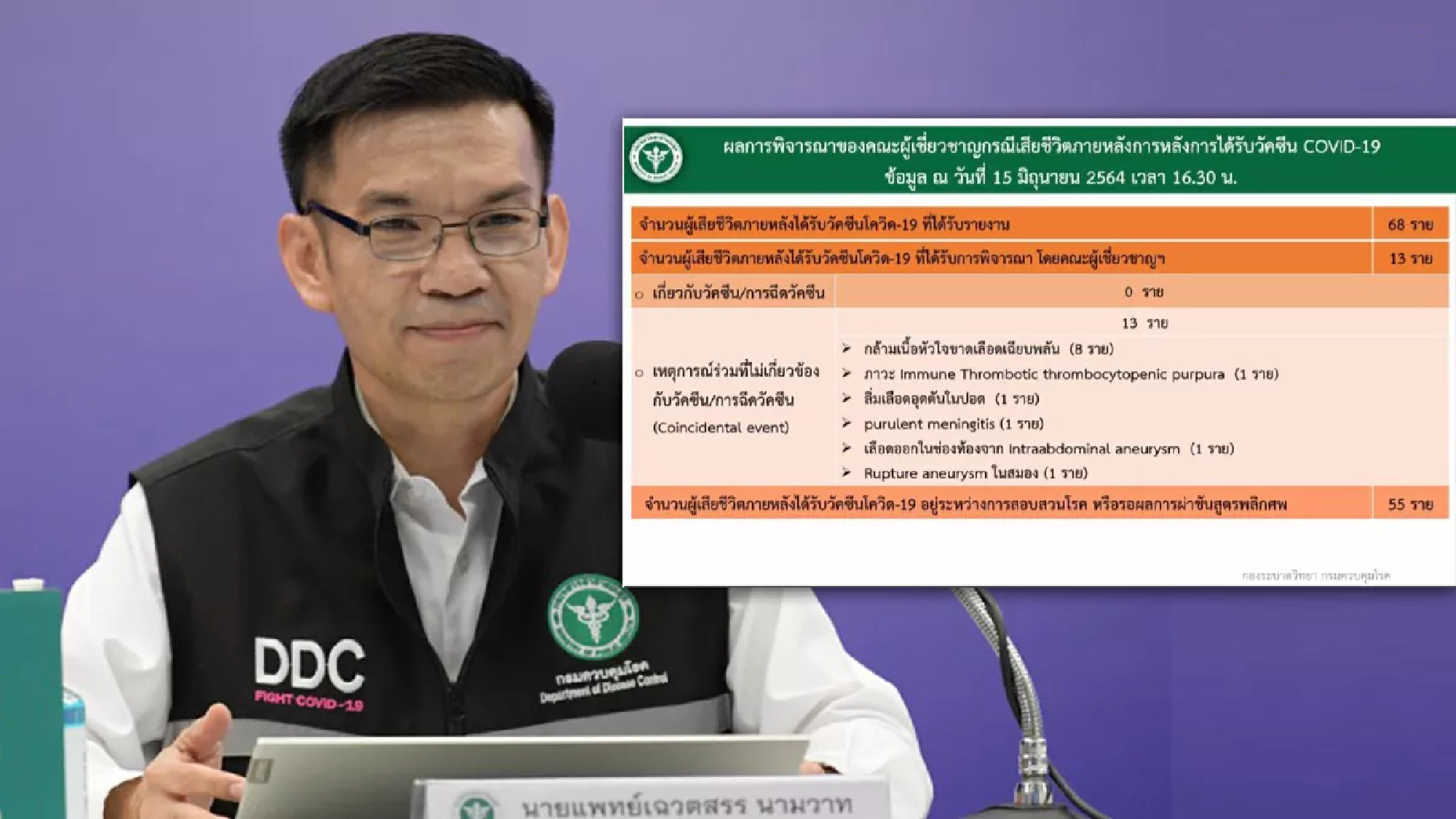
Dr Chawetsan Namwat, director of the DDC’s emergency disease and health hazards control division, said that of the 68 deaths, 13 were found to be not directly related to the vaccine, while 55 cases are still under investigation.
“After thorough diagnosis by medical experts, we found that 13 fatalities were caused by other factors,” he said. “They were: acute coronary syndrome (8 cases), immune thrombotic thrombocytopenic purpura (1), pulmonary embolism (1), purulent meningitis (1), intra-abdominal aneurysm (1) and brain aneurysm (1).”
The cause of death in the 55 other cases will be reported next week, he added.
“From February 28 to June 16, Thailand has given 7,003,783 doses of vaccines, nearly half of which, or 3,214,385 doses, were Sinovac vaccine,” Chawetsan said.
“Severe side-effects from the Sinovac jabs affected 993 people who had to be hospitalised due to severe, or equal to 20 persons per 100,000 doses provided.”
The common side effects of Sinovac vaccine are dizziness (20 per cent), nausea (15 per cent), headache (12 per cent), throwing up (8 per cent), rash (7 per cent), muscle ache (6 per cent), diarrhea (5 per cent) and itching (4 per cent).
“1,943,693 doses of AstraZeneca vaccine have been administered, with 472 people have been hospitalized after the jab, or equal to 24 persons per 100,000 doses provided,” he added. “The common side effects of AstraZeneca vaccine are fever (31 per cent), headache (27 per cent), dizziness (21 per cent), nausea (21 per cent), throwing up (20 per cent), muscle ache (15 per cent), fatigue (13 per cent) and diarrhea (7 per cent).”
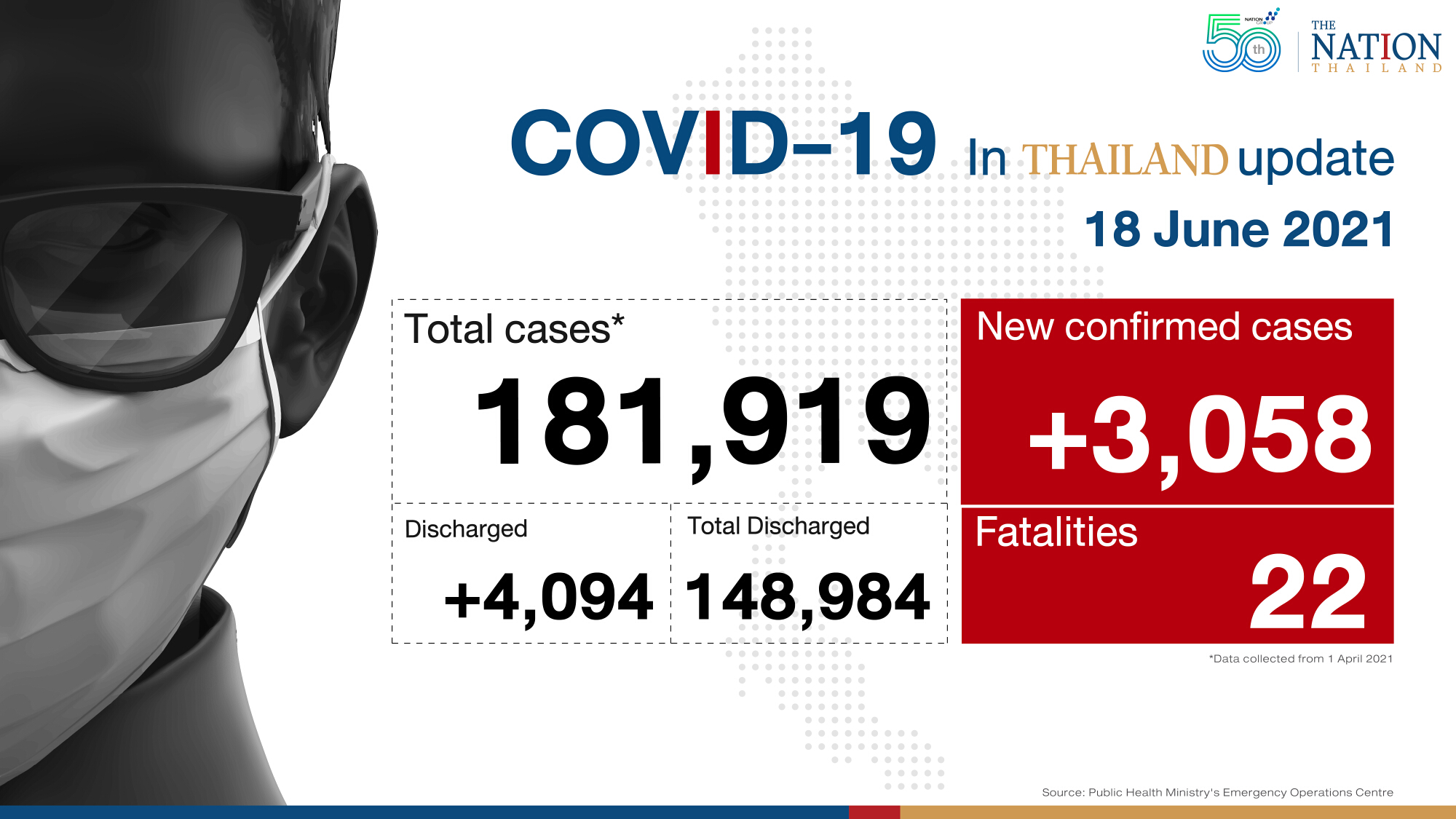
Thailand logged 22 deaths and 3,058 new Covid-19 cases, including 459 prison inmates and 19 returnees, on Friday.
Bangkok again leads the list with 867 infections, followed by 239 in Samut Prakan, 193 in Samut Sakhon, 152 in Songkhla, 142 in Chonburi and 138 in Nonthaburi.
Meanwhile, 4,094 patients have recovered and been discharged in the last 24 hours.
As of Friday, the number of confirmed cases in Thailand had risen to 210,782. So far, 176,410 have recovered and been discharged, 32,795 patients are still in hospitals and 1,577 have died.
Separately, 137,776 people were given their first Covid-19 shot in the last 24 hours, while 78,109 people were given their second shot. This brings the total number of Covid-19 vaccine doses administered in Thailand to over 7.2 million (7,219,668).
According to Worldometer, as of 10am on Friday, the number of confirmed cases globally had risen to 178.19 million (up by 385,601). Of these, 162.69 million have recovered, 11.65 million are active cases (82,510 severely ill) and 3.85 million have died (up by 8,596).
Thailand ranks 78th in the global list of most cases, which is topped by the US with 34.37 million, followed by India (29.76 million), Brazil (17.7 million), France (5.74 million) and Turkey (5.35 million).
Fairness and peoples safety: Our priority in the Covid-19 vaccination programme
Along with the international community, Thailand is implementing a mass vaccination programme to create herd immunity and end the Covid-19 pandemic.
The programme’s success depends mainly on the speed of vaccine distribution and the assurance of people’s safety after the vaccination. All vaccines are authorised for emergency use only. There is a chance that some vaccine recipients may experience adverse events.
To protect them from adverse effects after the vaccination, on May 3, the National Health Security Board introduced a no-fault compensation programme for individuals who find undesired outcomes after the vaccination.
Not only 49 million people whose health is insured under the Universal Coverage Scheme (UCS) will benefit from this programme, but another 17 million people from the Social Security Scheme and Civil Servant Medical Benefits Scheme will also be compensated for adverse events.
This covers everyone who receives the Covid-19 vaccine administered under the government’s national vaccination programme. However, those who have vaccinations provided by a private party aren’t entitled to compensation.
It will not just bring the people’s confidence in the Thai government’s vaccination campaign, it will also protect their healthcare rights from the uncertainty of the pandemic.
The no-fault compensation programme for Covid-19 vaccination is the first and only national-level programme of its kind ever implemented in Thailand.
This same approach is also implemented globally. For example, in February, the World Health Organisation (WHO) announced a programme to compensate eligible individuals in 92 low- and middle-income countries for finding adverse effects after receiving Covax-distributed vaccines.
Thailand is among 25 member states of WHO that implements a no-fault compensation programme for medical errors, even before the arrival of the Covid-19 pandemic.
But only UCS beneficiaries benefit from the existing programme initiated by the NHSO. The programme was introduced by doctors, patient groups, and policymakers who understand the hardship of patients when medical errors happen.
Most of the victims stay silent, because they don’t want to have a conflict with physicians and medical staff or because they can’t afford to file lawsuits against doctors. The suits can take years to settle. The damages of medical errors on the patients, physically and mentally, can worsen during those years.
Therefore, a no-fault compensation programme was introduced and backed up by Section 41 of the National Health Security Act, to ensure that patients will receive quick and fair compensations when they experience medical errors. It also provides a channel for claiming compensation through the NHSO’s sub-committee instituted in its 13 regional offices.
As much as giving a challenge, the Covid-19 vaccination programme also shows the Thai government the opportunity to expand the no-fault compensation programme to a national level.
As the NHSO has many years of experience running such a programme, it is assigned to lead this new national move.
We have issued the guideline and criteria for paying preliminary financial compensation to Covid-19 vaccine recipients suffering side effects. They can submit their complaints at every public hospital, Provincial Public Health Office, and the NHSO’s Regional Office within two years from the day the side effects are detected.
The NHSO has also tasked its existing regional sub-committee to handle these complaints by examining and deciding on the compensation requests. The compensation will be paid within five days after the subcommittee’s approval.
A maximum of 400,000 baht will be paid in compensation for a death, a permanent and severe disability, or a chronic disease requiring treatment for the rest of the patient’s life that occurs after the Covid-19 vaccination. A maximum of 240,000 baht will be paid in compensation for loss of organs or a disability and no more than 100,000 baht for less serious chronic injuries or illnesses.
At the end of May, around 260 complaints were submitted to the NHSO, six of which were deaths. The most common side effects of the vaccination are numbness and fever. More than 160 cases have been compensated so far. The rest are under the subcommittee’s scrutiny.
ADVERTISEMENT
To bring more confidence to the Covid-19 vaccination campaign, the NHS board has recently introduced laboratory testing and medication for treating Vaccine-induced Immune Thrombotic Thrombocytopenia (VITT) in the UCS benefits package.
VITT is a prothrombotic syndrome observed in a small number of people who received adenoviral vector-based vaccines. The exact incidence of VITT appears to be rare. However, the symptoms may show up in individuals within four to 30 days after vaccination.
The NHSO will keep monitoring adverse events of the Covid-19 vaccination closely. If any new studies concerning the negative effects arise, we may consider implementing a new programme or a provision.
Fairness and people’s safety are our priority.
Published : June 18, 2021
By : Jadej Thammathat-Aree National Health Security Office (NHSO), secretary-general

 Over a tonne of heroin, ‘ice’ found in swamp on Thai-Malaysia border
 Over a tonne of heroin, ‘ice’ found in swamp on Thai-Malaysia border
 Over a tonne of heroin, ‘ice’ found in swamp on Thai-Malaysia border
 Over a tonne of heroin, ‘ice’ found in swamp on Thai-Malaysia border
 Over a tonne of heroin, ‘ice’ found in swamp on Thai-Malaysia border