Forces keep vigilant eye out for illegal border crossers in 3 provinces
On Monday, border police nabbed as many as 238 people trying to sneak into Thailand, 133 from Cambodia alone. Most of the border crossers were migrants, some of whom have been put in quarantine, while others deported.
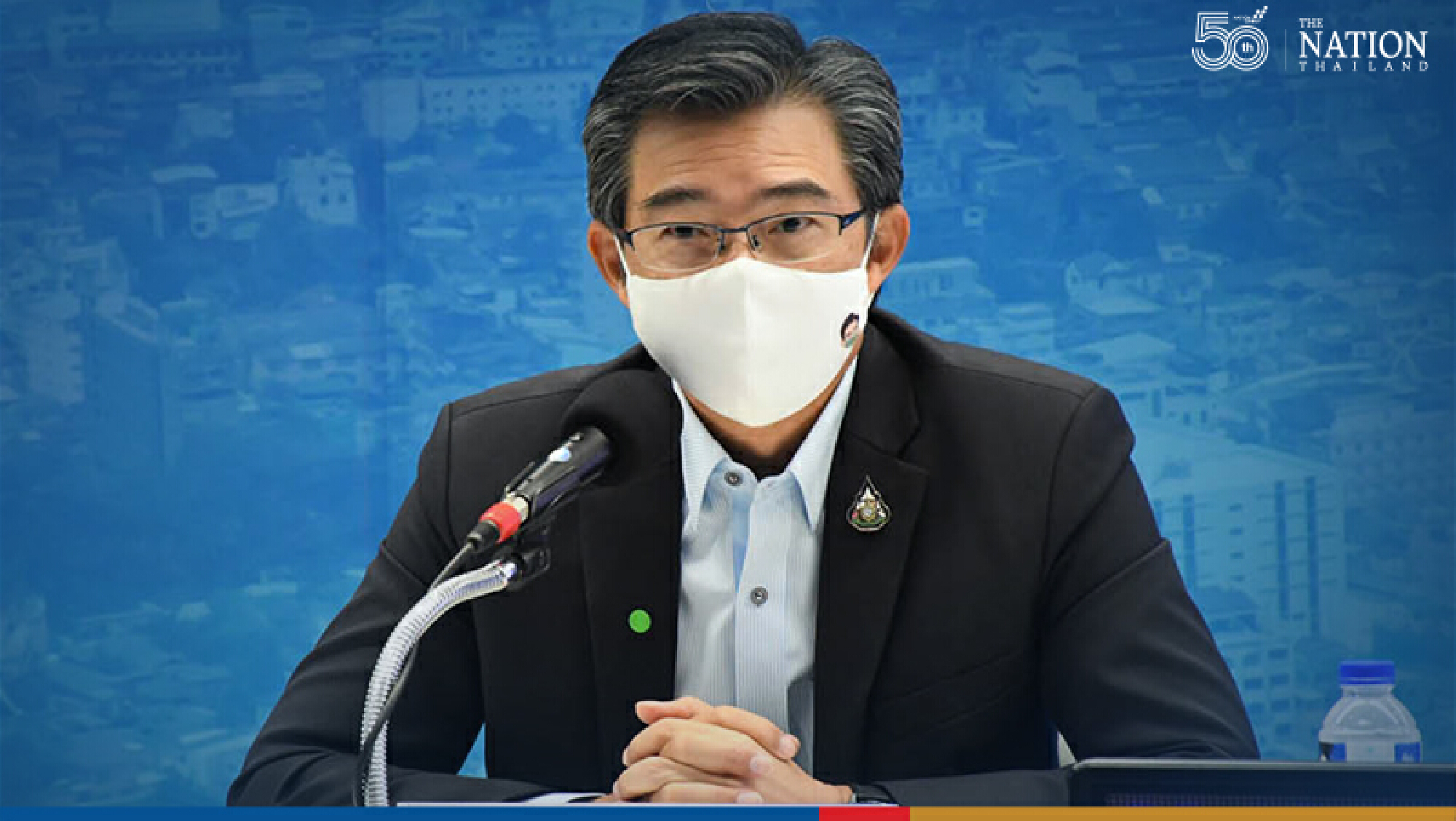
Dr Taweesin Visanuyothin, Centre for Covid-19 Situation Administration (CCSA) spokesman, said people should keep an eye out for people trying to illegally cross the border and inform authorities. He said this was the only way to stop new Covid-19 strains from coming into the country, adding that the focus is on border areas in Sa Kaew, Chanthaburi and Trat provinces.
The Burapha border troop in Sa Kaew province reported that 338 border crossers were arrested in 52 rounds of patrol, mostly in Ta Phraya district.
Meanwhile, the Chanthaburi-Trat Army Division caught 35 border crossers in 16 rounds of patrol in Trat’s Khlong Yai district and 898 people in 125 patrols in Chanthaburi’s Soi Dao district.
Since April 1, 8,985 people have been arrested for either sneaking into the country or trafficking. Of them, 7,608 were caught in the border areas and 1,377 in inner Thailand.
Meanwhile, Taweesin said Bangkok still had the highest number of Covid-19 cases in the country, with 1,098 reported on Tuesday, followed by 269 in Samut Prakan.
The Health Department in the capital, however, reported that the caseload was mostly stable with 74 clusters in 35 districts.
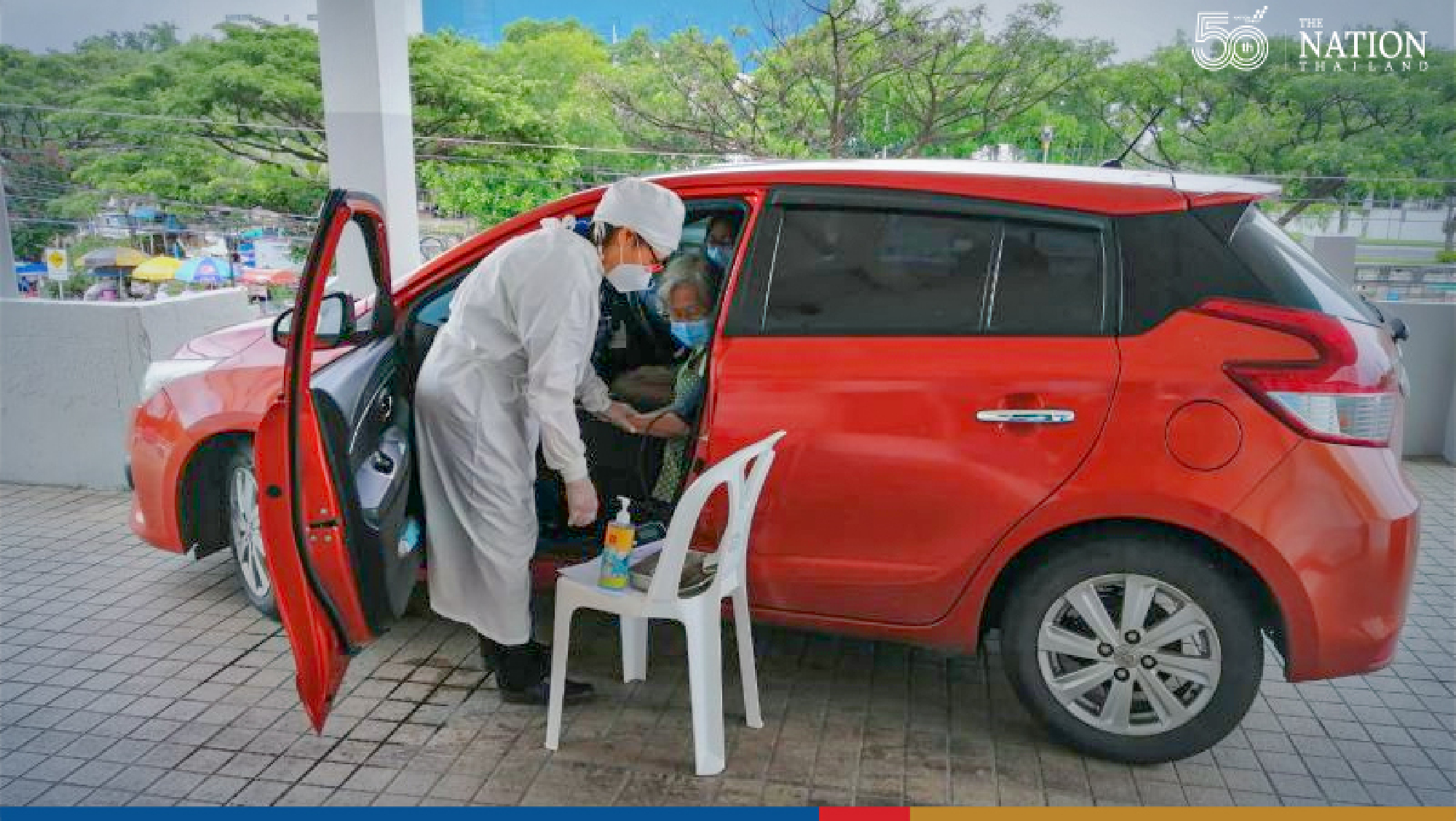
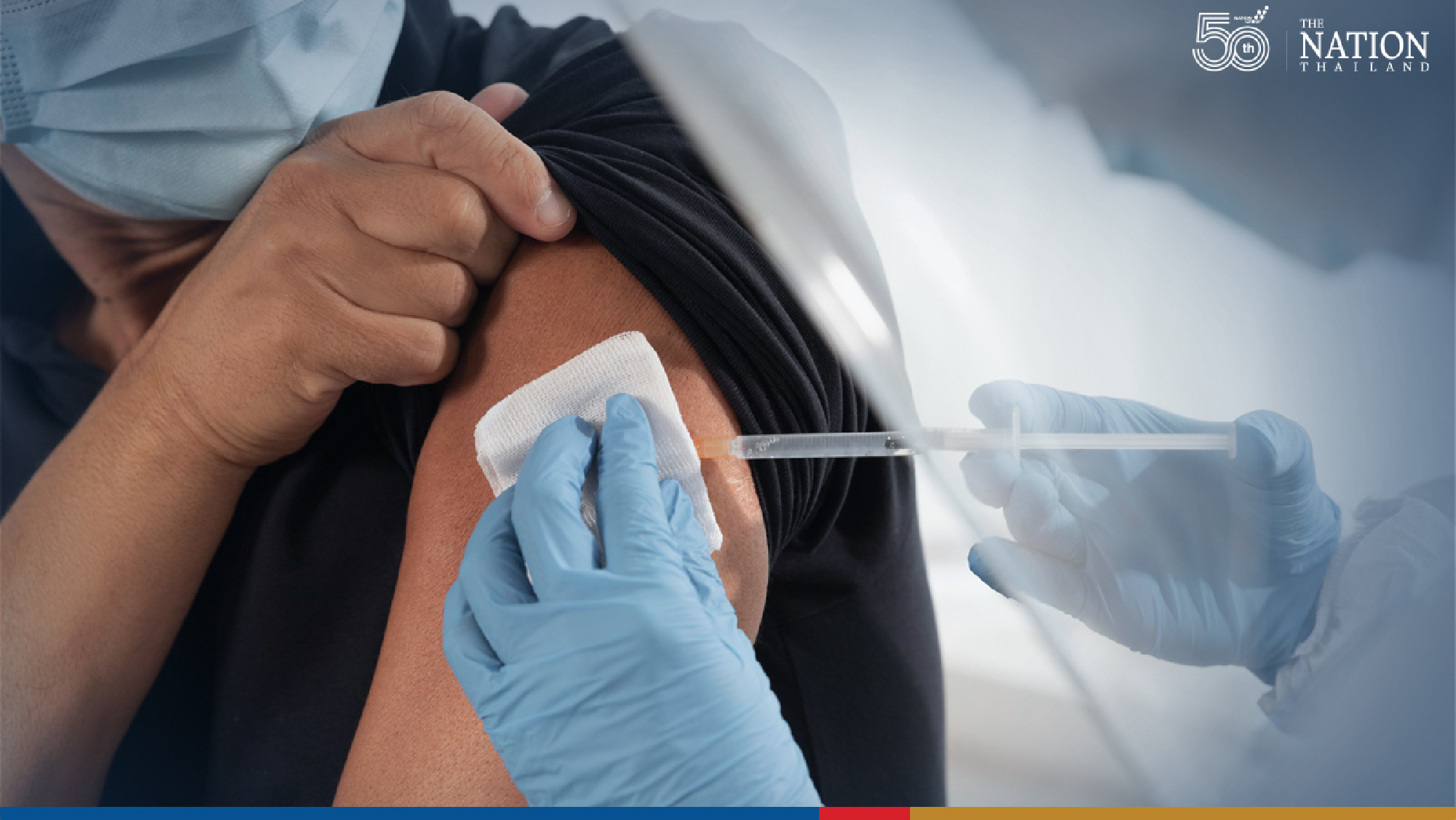
Phuket has opened its first drive-through vaccination centre, to serve residents who face difficulties walking to get their anti-Covid jab.
Located at the island’s main vaccination centre, the 4,000-seater Saphan Hin Gymnasium, the drive-through service opened on Monday to residents aged over 60 and those with underlying health conditions.
Staff at the vaccination centre said they came up with the idea for drive-through jabs after realising it was difficult for many elderly or infirm people to get vaccinated in the gym’s main hall. Previously, all jab recipients had to walk from the car park to the gymnasium building then climb two flights of stairs to the waiting area.
When their name was called, they had to walk down for a health check before waiting in line for their vaccination.
The new drive-through service has won praise on social media, as eligible recipients no longer need to leave their car to get a jab. The injection is administered after a temperature and health check. Drive-through recipients must then wait 30 minutes to monitor for side effects.
The island aims to vaccinate 70 per cent of its population before becoming the first place in Thailand to reopen to foreign tourists on July 1.
Almost 1 in 5 Thais do not want to be vaccinated against Covid-19, according to a recent public opinion poll.
In a blow to the mass vaccination programme that launched this week, 19.3 per cent of respondents in a nationwide survey by the National Statistical Office (NSO) said they did not want the jab.
The opinion poll surveyed 46,600 people aged 18 and above in provinces across the country from May 17-22.
The survey found that 75.2 per cent of people would like to be vaccinated. Of these, 47.7 per cent were ready to get the jab now, 27.5 per cent said they would get it later, and 5.5 per cent had already been vaccinated.
Of the 19.3 per cent that did not want to be vaccinated, 16.4 per cent cited fear of side effects while 4.9 per cent said they were not convinced that the vaccine could prevent the disease. Another 4.6 per cent cited physical limitations such as disability, congenital disease or pregnancy, 3.6 per cent said they were able to protect themselves, and 3.2 per cent said they did not have enough information to decide on getting vaccinated.
Of those who want to be vaccinated, more than half (54.6 per cent) preferred a jab provided by the government, while 12.5 per cent opted for the Pfizer brand, 3 per cent for Moderna, 2.5 per cent for the Johnson & Johnson shot, and 0.9 per cent for Novavax.
The willingness to get vaccinated rose above 70 per cent in only six provinces: Phuket (80.2%), Trang (80%), Ranong (78.8%), Buri Ram (73.3%), Chonburi (71.8%) and Nonthaburi (71.2). The government is aiming to fully vaccinate 70 per cent of people in the country to achieve herd immunity before the end of the year.
Meanwhile, doubt about the vaccines’ quality was higher than 70 per cent in Kalasin (80.5%), Pattani (78.5%), Narathiwat (74%), Chiang Mai (72.2%), Khon Kaen (71.3%) and Satun (70.4%).
Those aged 18-29 were more likely to refuse vaccination than those aged over 30. In terms of occupation, students and the unemployed were most likely to say they did not want to be vaccinated or were not ready.
Only 45.3 per cent of respondents were confident about the quality of vaccines provided by the government. The other 54.7 per cent were not convinced, citing fear of side effects (41.3 per cent), belief that government-provided vaccines are not as effective as alternative vaccines (7 per cent), and conflicting information on vaccine efficiency (5.7 per cent).
Many respondents said the government should build confidence in vaccination and curb confusing information by having experts explain the benefits (48.3 per cent), screening information and blocking false news in the media or social media quickly (20.4 per cent), and allowing only the agencies responsible to provide information (18.8 per cent).
Meanwhile 90.5 per cent of respondents reported their lives had been impacted by the Covid-19 outbreak. The biggest problem was insufficient income to meet expenses (49.3 per cent). Asked what they needed most from the government, 67.8 per cent said help with living expenses.
Deputy government spokesperson Traisulee Traisoranakul said the Cabinet acknowledged the results of the survey at its meeting on Tuesday.
PM orders changes to Phuket tourism scheme ahead of July 1 opening
Prime Minister Prayut Chan-o-cha on Tuesday ordered adjustments to the Phuket sandbox scheme but said the island was still scheduled to reopen for foreign tourists from next month.
Speaking after Tuesday’s Cabinet meeting, Prayut said the proposed adjustments will be sent to the Centre for Covid-19 Situation Administration (CCSA) before being returned to the Cabinet for approval.
The PM said tourists travelling to Phuket must be fully vaccinated against Covid-19 and have a certificate to prove it.
Phuket has so far vaccinated around 400,000 of its residents, or more than half the population, as it bids to achieve herd immunity with 70-per-cent vaccinated by July.
On June 4, the CCSA issued the following guidelines for entry of foreign tourists from low- and medium-risk countries from July 1:
1. Tourists must have been fully inoculated against Covid-19, with their final injection administered more than 14 days but not more than 1 year before travelling from the country of origin.
2. For unvaccinated children, those under 6 years of age can enter with vaccinated parents, while those aged 6-18 must be tested upon arrival at Phuket Airport.
3. All tourists must show a vaccination certificate from their country of origin. The vaccine used must be registered by Thailand or certified by the World Health Organisation.
4. Travellers must stay in a hotel that meets the SHA+ standard for 14 nights, after which they can travel to other areas in Thailand.
Phuket ordered to improve sandbox scheme before opening next month
The Cabinet on Tuesday ordered agencies to improve details of the Phuket Sandbox pilot scheme before the island opens to international travellers on July 1.
Phuket is scheduled to reopen next month under the scheme, which will allow quarantine-free entry to foreign tourists.
The island is rushing to inoculate 70 per cent of its population against Covid-19 before receiving international flights.
Thai industrial confidence hits 11-month low in May
Confidence in Thailand’s industries hit an 11-month low in May, falling from 84.3 points in April to 82.3.
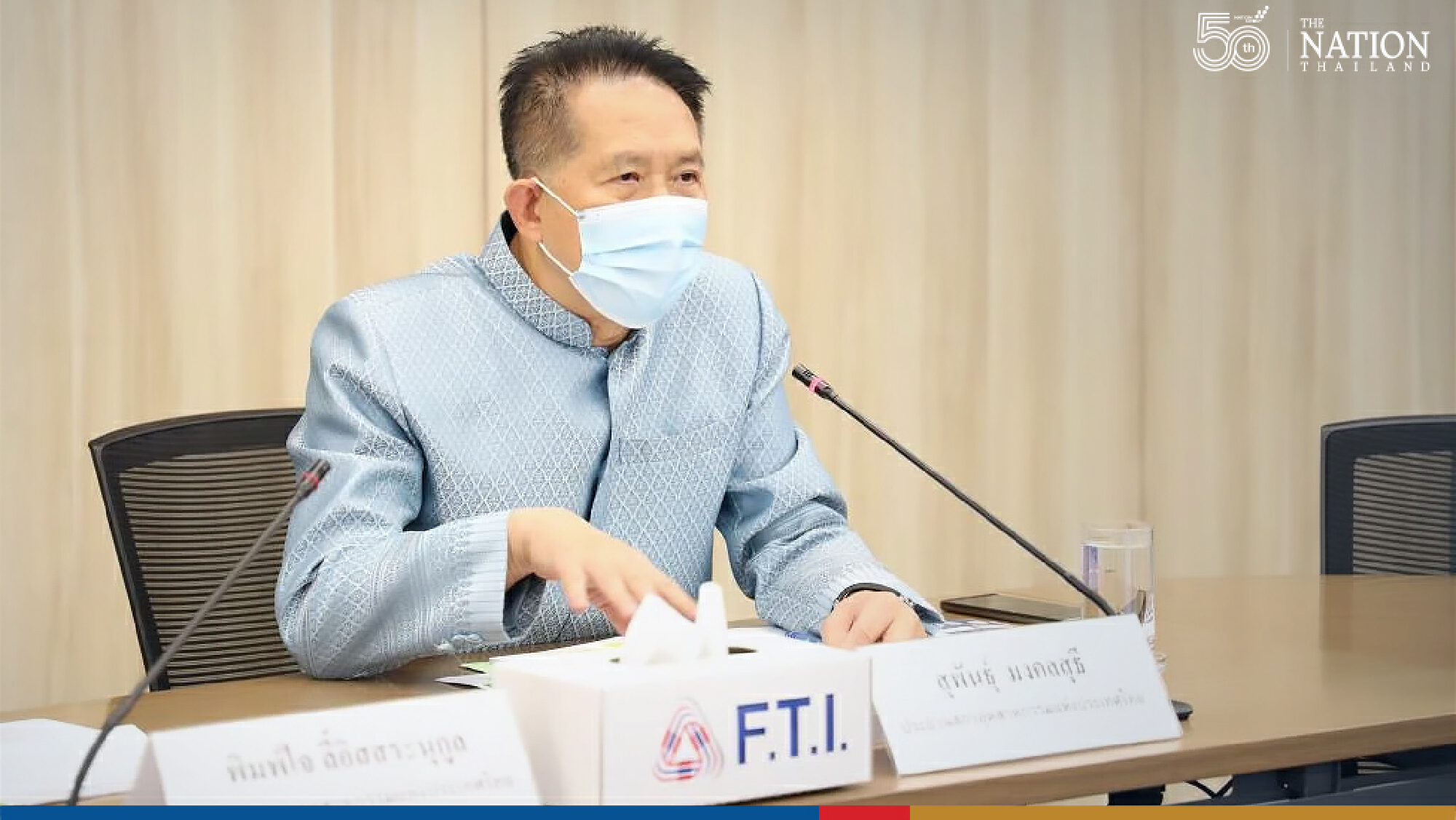
The Federation of Thai Industries (FTI) said the index had dropped for two consecutive months due to the Covid-19 outbreak, slow vaccine rollout and restrictions hitting demand, which had affected factory production.
FTI chairman Supan Mongkolsuthree said that businesses are facing higher costs and staff shortages at this time. Small and medium-sized enterprises (SMEs) are also facing problems with financial liquidity, while container numbers were still lower than export demand, he added.
The federation urged the government to distribute Covid-19 vaccine as quickly and widely as possible, while providing more financial assistance to SMEs.
Popular Bangkok bar vows to reopen – if govt changes
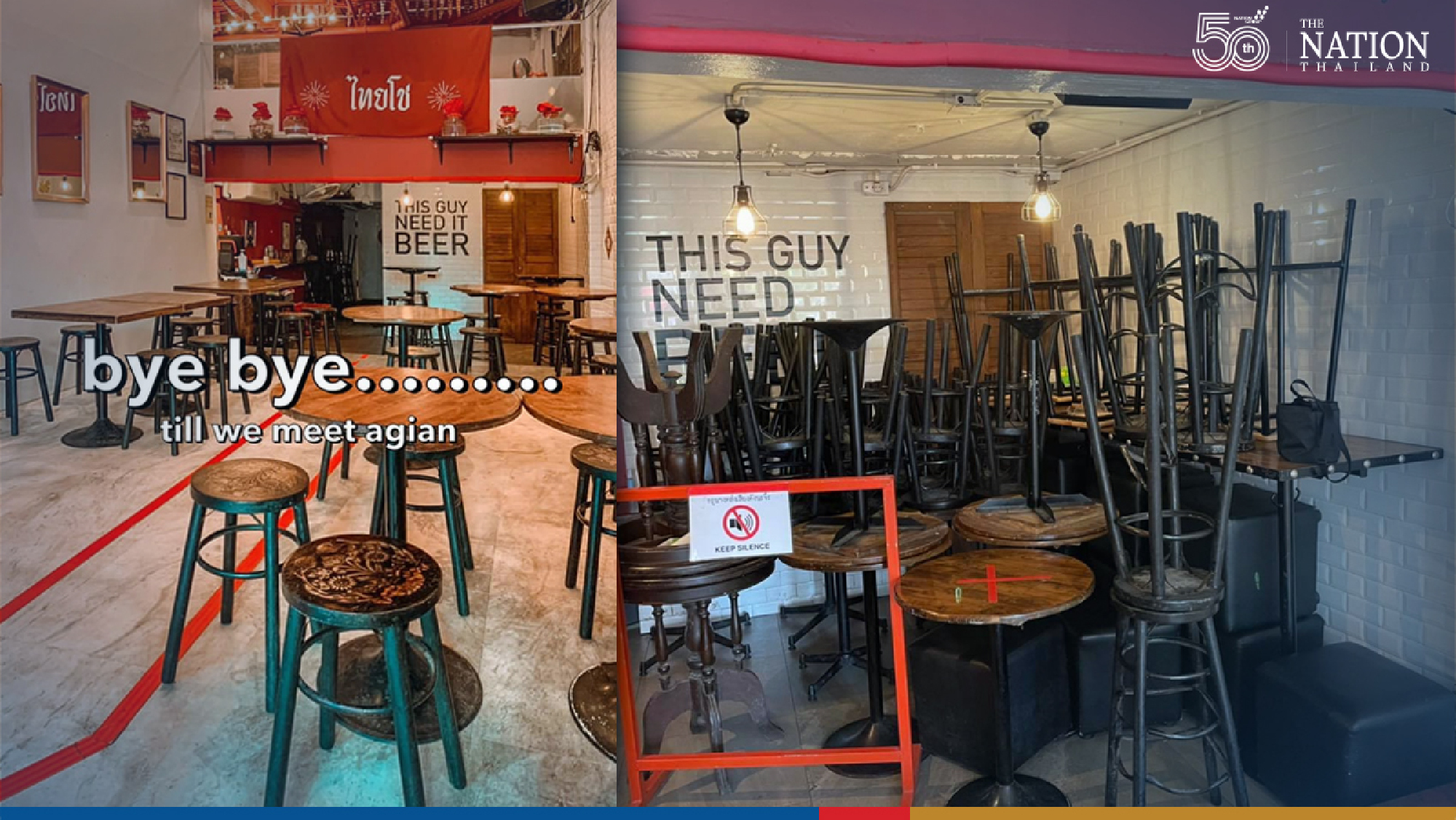
The organiser of a popular Bangkok bar that closed recently has told customers it could reopen – but only if Thailand gets a new government.
On Sunday, Thaisho bar’s Facebook page announced that the business was already closed and would sell off its furniture over the next two weekends.
In a parting shot directed at authorities, it told customers “we will meet again, if we have a new government”.
Thaisho bar in Phaya Thai district closed temporarily in April before making the shutdown permanent on Sunday. It joins many other nightlife venues that have gone out of business after authorities ordered nightspots to close following Covid-19 outbreaks.
Thaisho fans and customers responded with messages of sadness and solidarity. Some posted they would always keep the bar in their memory.
Drop in water reserves reduces Thai rice harvest for next year
Land devoted to rice paddy will be reduced by 3 million rai this year due to a drop in water reserves.
Deputy Agriculture and Cooperatives Minister Praphat Phothasuthon said on Tuesday that the ministry will provide subsidies for rice farmers during the 2021/2022 crop year and that only 66 million rai will be devoted to growing rice. He said less land is being devoted to rice this year because the water for in-season rice is significantly less than the previous year.
“The subsidy will cover five types of rice, namely hom mali [jasmine rice], hom Thai, round-grain rice, sticky rice and special rice,” he added.
Drop in water reserves reduces Thai rice harvest for next year
“Only a total of 11.1 billion cubic metres of water is available in different reservoirs nationwide, while the amount required for the entire year is 32.3 billion cubic metres,” he said.
“Also, the Meteorological Department has forecast a reduction in rainfall in the second half of the year, with a dry spell expected from late June to mid-July.”
Praphas added that the ministry has ordered the Royal Irrigation Department to prepare for drought and to start rationing the water until July 20.
“If farmers want to plant a new crop, they should consider doing so after mid-August, when some rainfall is expected,” he said.
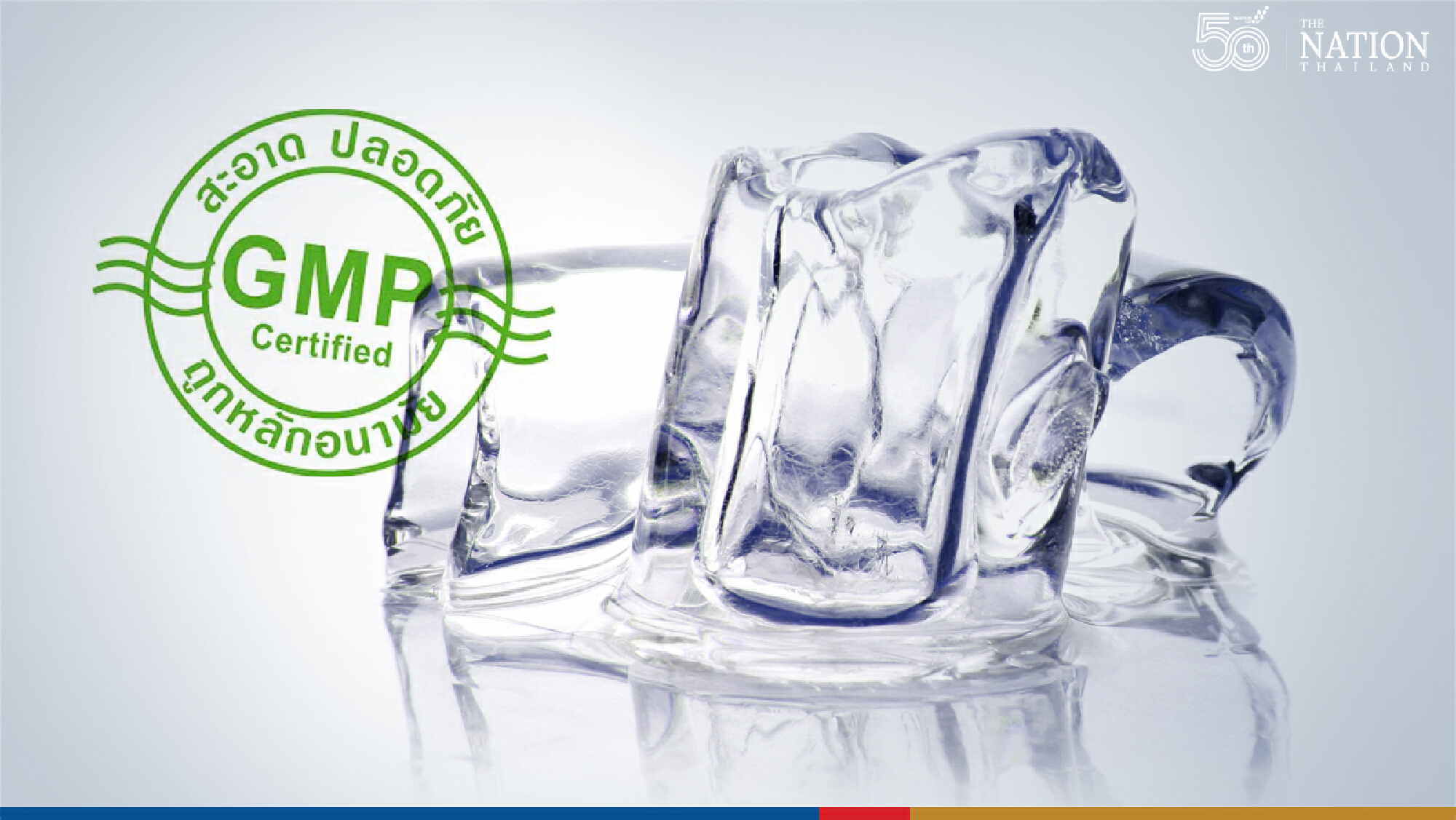
People should only consume crushed ice from GMP-certified manufacturers to avoid contamination, Department of Health director-general Dr Suwanchai Wattanayingjaroenchai advised on Tuesday.
He was responding to people’s concern about ice products being contaminated after a new Covid-19 cluster recently emerged in ice factories in Samut Prakan and Chonburi.
“The department has told all ice manufacturers to boost their Covid-19 screening measures and complete an evaluation exercise via the ‘Thai Stop Covid Plus’ online platform [https://stopcovid.anamai.moph.go.th/],” he said. “Factory employees are also advised to complete the self-evaluation form on https://savethai.anamai.moph.go.th/main.php every day before heading to work to ensure they are safe from Covid-19.”
The department has also instructed ice factories to maintain social-distancing measures in the manufacturing area, disinfect the premises as scheduled, provide sanitary shoes for employees and avoid placing ice blocks on the floor. Employees are also required to wear face masks while working and to strictly adhere to the Public Health Ministry’s disease control measures.
“People should avoid consuming crushed ice as it involves direct contact with workers,” Suwanchai said. “Instead, people should buy ice cubes in sealed packages that have a good manufacturing practice or GMP stamp. Cubes of ice are manufactured by machines and there is no human contact after they are sealed in bags.
“Dessert or beverage stalls that usually use crushed ice can switch to using packaged ice in smaller tubes or cubes,” he added. “Restaurants that use crushed ice to keep their meat and ingredients fresh can cover the ice with plastic first, so the food does not touch the ice directly.”
Big bikers in big trouble over daring rides in Phetchabun
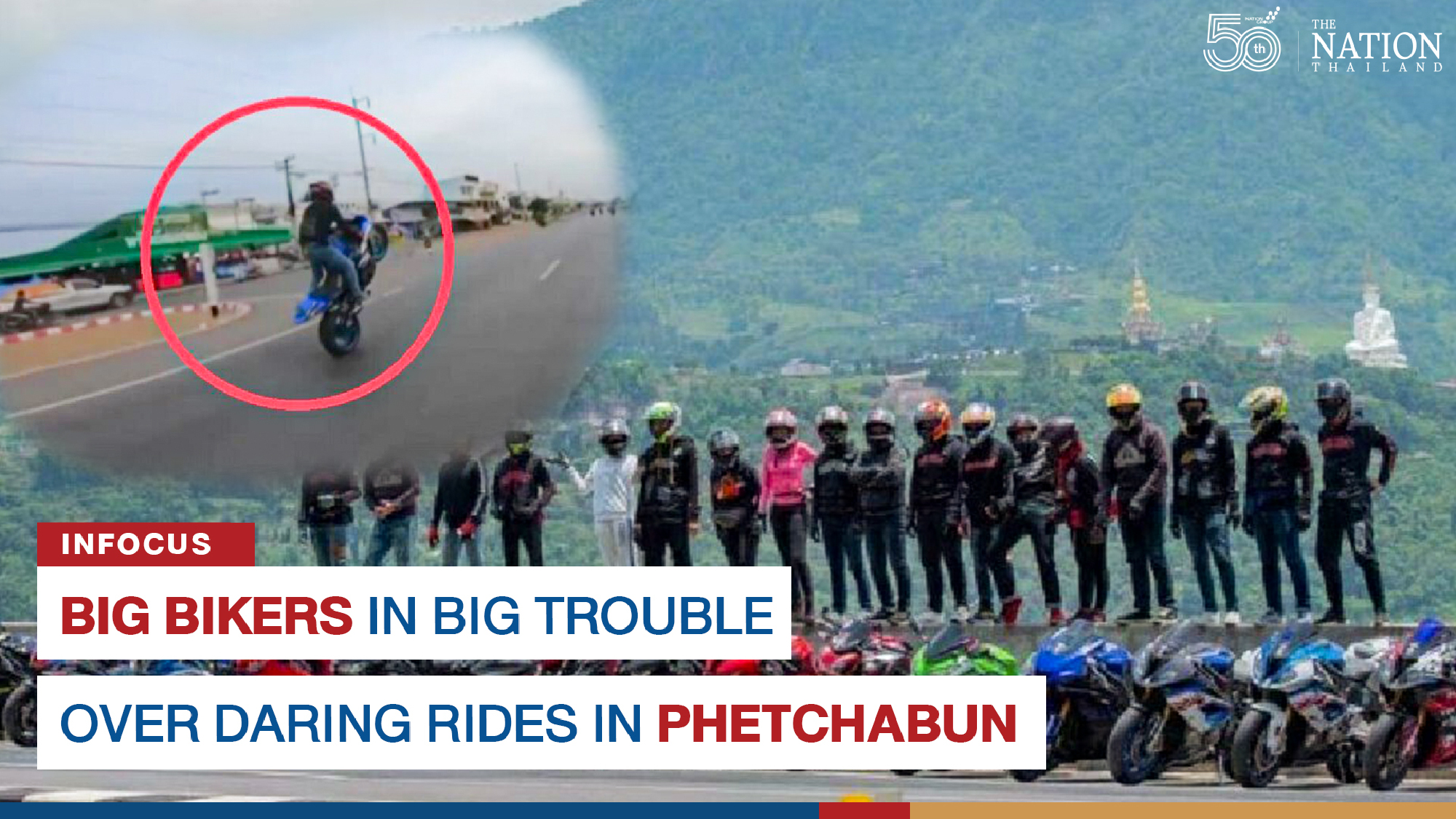
People living in Phetchabun’s Khao Kho district are calling on authorities to take action against a gang of big bikers, who have been riding around violating traffic rules and Covid-19 measures.
Recently, a video clip of the bikers riding down Khao Kho roads on one wheel was shared online, drawing angry comments from locals.
On Monday, provincial governor Krit Kongmuang said the bikers had come from Prachinburi province. He added that five of them have been identified and summoned to face legal action.
Phetchabun authorities have also ordered the closure of all resorts and camping areas, as tourists have been showing up in violation of the Covid-19 containment measures.



 Drop in water reserves reduces Thai rice harvest for next year