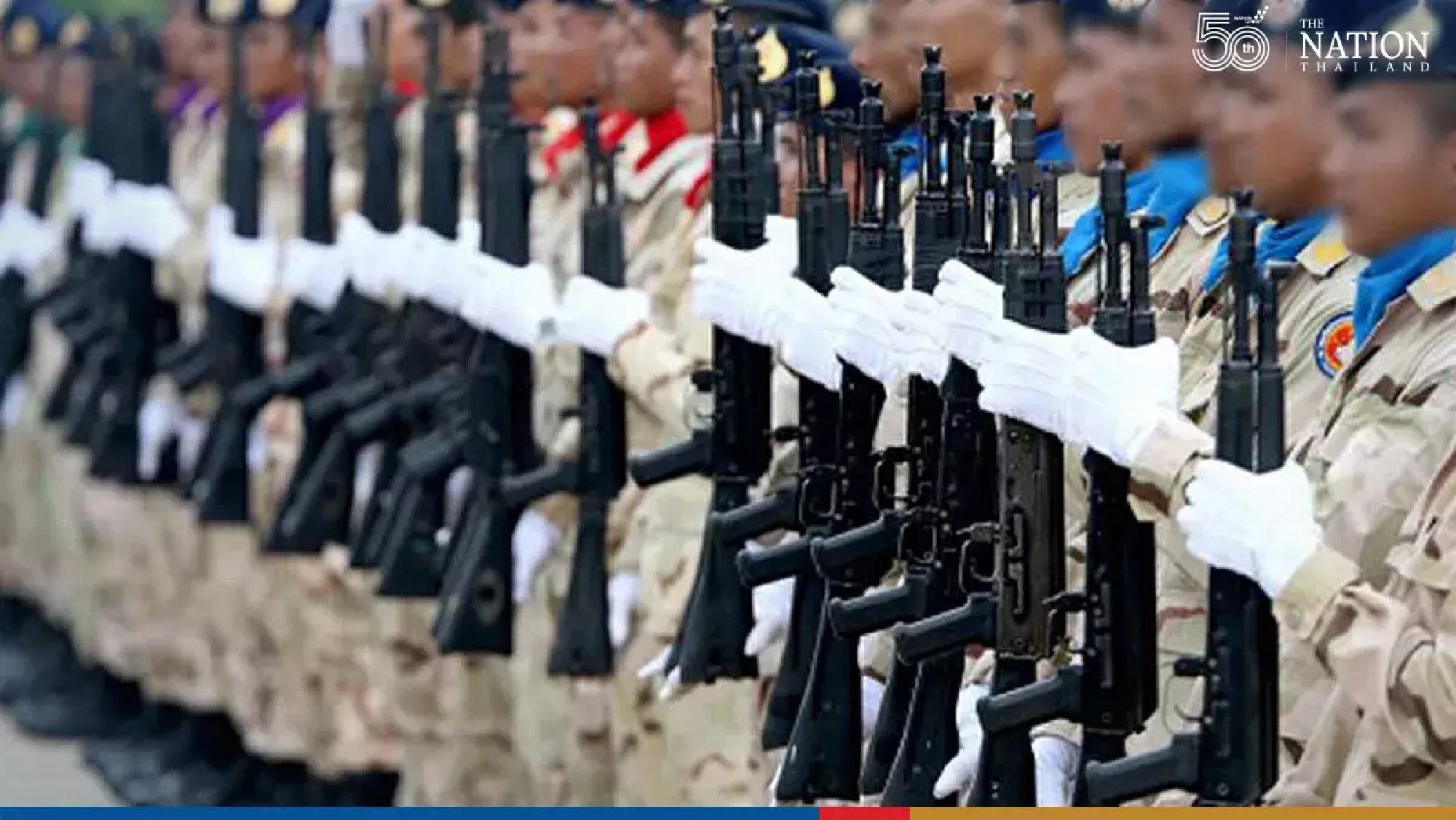
Police say AK rifles stolen from Narathiwat base and sold to insurgents
Narathiwat police revealed on Thursday that a batch of AK102 assault rifles that disappeared from a military base last week had been stolen and sold.
Twenty-eight AK102s were reported missing from a territorial defence base in Muang district on May 18.
Police said some of the weapons had fallen into the hands of local insurgents and drug dealers, though six had been recovered and returned to the base.
Muang police chief Narin Busaman said a suspect in the case, named as Hazan Samae, had been arrested and had confessed to selling the assault rifles.
Narin declined to reveal information about other suspects, saying the police were afraid that leaked information would hinder the case.
Sinopharm’s Covilo vaccine has been approved for emergency use in Thailand, with Bio Genetech Ltd registered as importer, the Thai Food and Drug Administration (FDA) announced on Friday.
“Covilo is an inactivated vaccine that has been developed by Sinopharm’s subsidiary Beijing Institute of Biological Product Ltd,” said FDA secretary-general Paisan Dankhum.
“It has also been included in the World Health Organisation [WHO]’s Emergency Use Listing,” he said, adding that two doses of Covilo are required at an interval of 28 days.
Covilo, which the WHO says is 79 per cent effective against symptomatic infection, is the fifth Covid-19 vaccine approved for use in Thailand by the FDA.
The other four are AstraZeneca, imported by AstraZeneca (Thailand) Ltd and manufactured domestically by Siam Bioscience Ltd; Sinovac Biotech’s CoronaVac imported by the Government Pharmaceutical Organisation; Johnson & Johnson vaccine imported by Janssen-Cilag Ltd; Moderna imported by Zuellig Pharma Ltd.
“All private importers are welcome to submit vaccine registration documents, while the FDA will consider the vaccine based on its quality, efficiency and safety as well as ensuring an appropriate risk management plan is in place after the vaccine is approved,” said Paisan.
Covilo is thought to be the vaccine of choice for Chulabhorn Royal Academy, which was granted the power to procure Covid-19 vaccine on Wednesday as per an announcement in the Royal Gazette.
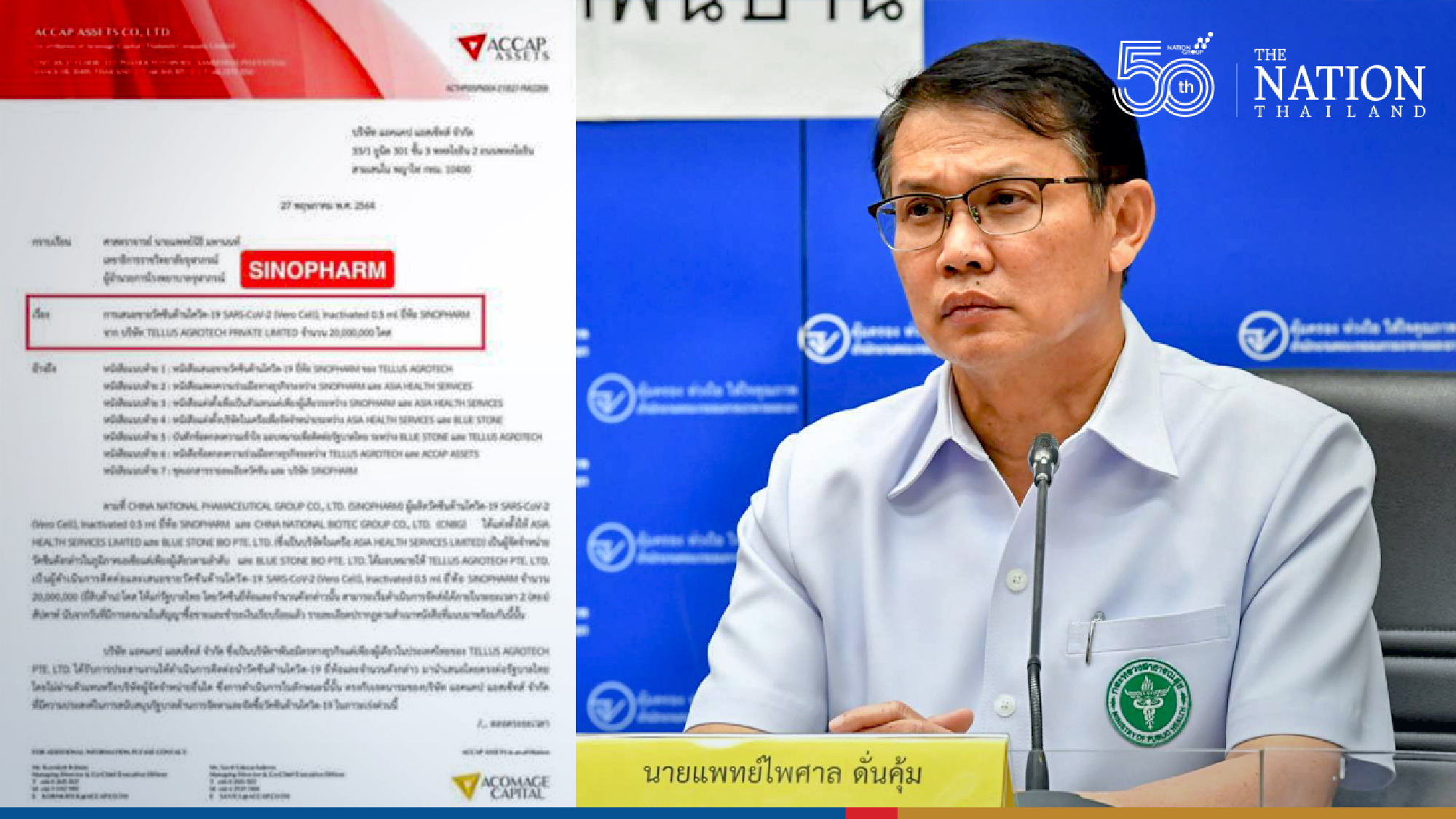
Meanwhile, the FDA chief also addressed controversy over a leaked letter from Accap Asset Co to the Royal Academy, saying that the company had tried and failed to sell millions of Sinopharm doses to the government.
“As for the rumour that a private company had proposed to sell 20 million doses of Sinopharm vaccine, our preliminary investigation revealed that the company, Accap Assets Ltd, has not filed vaccine registration documents with the FDA, which is a prerequisite for any importer of vaccine into the country,” said Paisan. “The only company that has filed for registration of Sinopharm vaccine in Thailand is Bio Genetech Ltd.”
Guide for foreigners living in or travelling to Thailand
As of May 6, the Thai government has restored the mandatory 14-day quarantine for both vaccinated and unvaccinated arrivals in the country, regardless of their nationality.
Thai embassies and consulates are issuing a Certificate of Entry (COE) for all travellers to Thailand, including those in the visa exemption list, as well as 60-day tourist visas and special tourist visas (STV).
Foreigners entering Thailand are required to have an ASQ hotel reservation and Covid-19 insurance.
At present, only semi-commercial flights are allowed to land in Thailand.
Foreigners allowed entry include diplomats and foreign workers, including their families, business representatives and experts invited by the government, permanent residents, foreigners with Thai families, students and their guardians, medical tourists and their attendants, business visa holders, Thai Elite Visa holders, APEC cardholders, STV and tourist visa holders, non-immigrant O retirement visa, non-immigrant OA and OX holders and migrant workers with official documents.
All foreigners are required to get in touch with their local Thai embassy to apply for a COE and for more information.
Until September 30, 2021, Thailand will allow a limited number of long-stay tourists under the STV programme. This long-stay visa is open to foreign nationals travelling to Thailand with the intention of staying long-term as a tourist.
Those eligible can get in touch with the Tourism Authority of Thailand Office or Thai embassy in their current location for more information.
Guide for foreigners living in or travelling to Thailand
Visa amnesty/extension
What is visa amnesty?
As of May 29, 2021, all foreign nationals living in Thailand affected by the Covid-19 crisis will be granted a 60-day visa extension.
Who is covered by the visa amnesty?
All foreign nationals living in Thailand legally with a visa exemption entry stamp, tourist visa, non-immigrant visa or yearly extension of stay.
What are the rules related to visa amnesty?
Visa or permit to stay that is still valid and updated by the local immigration office.
Foreigners holding long-term visas, such as a work visa, marriage visa or retirement visa are required to apply for their yearly extension at the immigration office as usual.
Foreigners do not need an embassy letter to be granted the automatic visa extension due to Covid-19.
Is the Covid-19 visa extension free of charge?
No, the Covid-19 extension of visa costs 1,900 baht.
Will the visa amnesty be extended?
There is no indication that this visa amnesty or grace period will be extended.
What happens when the visa amnesty is lifted or not extended?
When the situation is resolved and returns to normal, foreigners must leave Thailand on or before the permit to stay date in their passports is up or must apply for the proper type of visa at the immigration office.
Travel Ban
Most international flights are banned, though some semi-commercial flights are allowed to land in Thailand.
Foreigners qualified to enter Thailand must apply for a “Certificate of Entry to Thailand” before they book a seat on the available repatriation flight.
90-day reporting
If you are a foreigner staying in Thailand for a period longer than 90 consecutive days holding a Non-Immigrant Visa or Extension of Stay, you are required by Thai Immigration to report your current address every 90 days. You may file for the TM47 notification in person, by mail, online, or through an agent.
Consequences of visa overstay
During this Covid-19 crisis in Thailand, some foreign nationals may find themselves overstaying in Thailand either by mistake, miscalculating the length of stay, forgetting their visa expiration date or by unforeseen cancellation of their flights due to travel restrictions.
As a foreigner, you are strongly advised to avoid overstaying in Thailand. But if you do find yourself in Thailand on an expired visa it is very important that you act fast and in the right way.
Cancellation of Visa on Arrival
Travellers from the following countries are no longer allowed visa on arrival: Bulgaria, Bhutan, China, Cyprus, Ethiopia, Fiji, Georgia, India, Kazakhstan, Malta, Mexico, Nauru, Papua New Guinea, Romania, Saudi Arabia, Taiwan, Uzbekistan, and Vanuatu.
Travellers from these countries are required to obtain a proper visa to travel to Thailand.
Though the visa on arrival for Russia has been cancelled, Russian passport holders may still enter Thailand for 30 days under the bilateral agreement.
Guide for foreigners living in or travelling to Thailand
Thailand logs 34 deaths, 3,759 new cases in another day of record highs
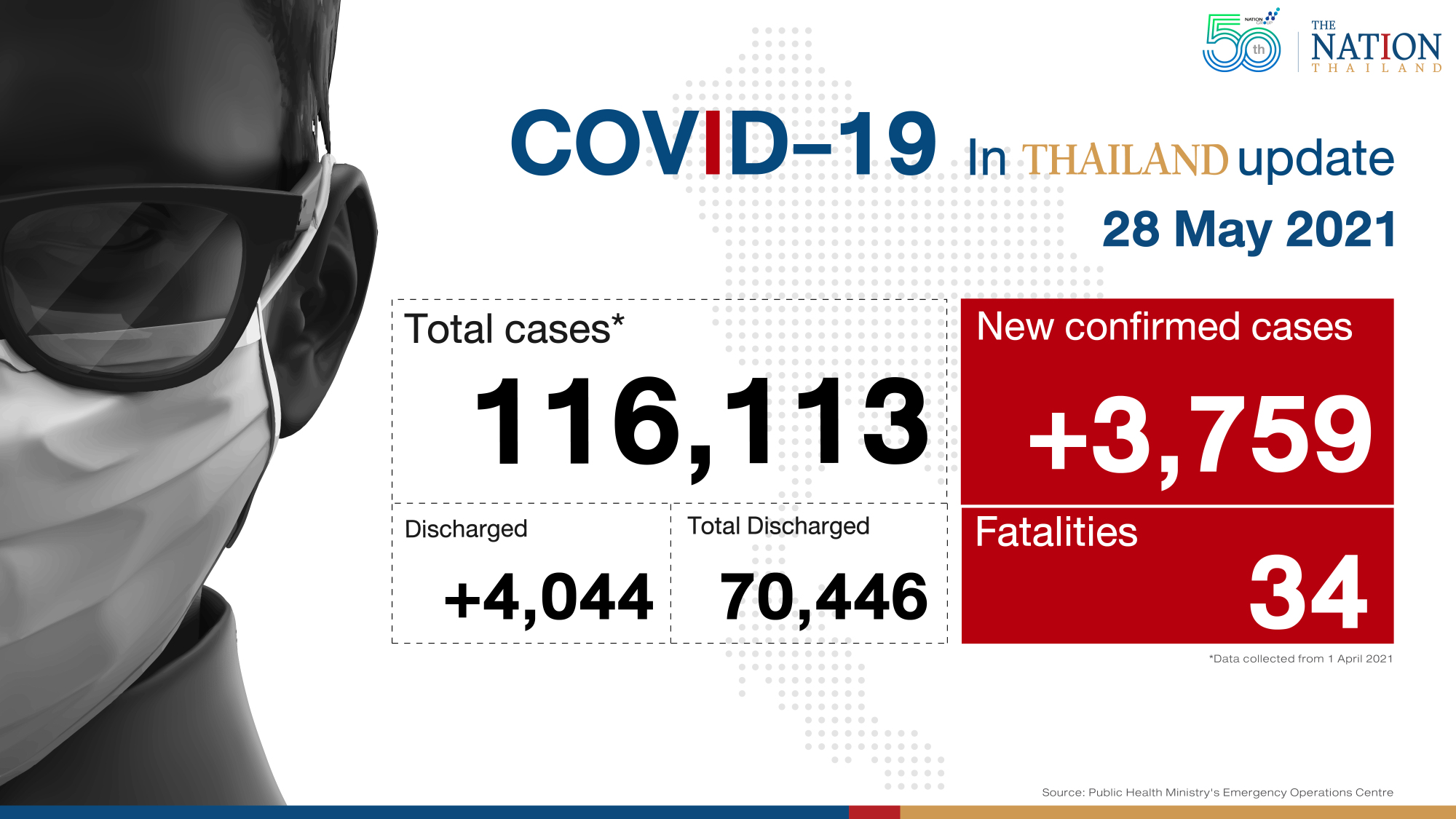
The Centre for Covid-19 Situation Administration on Friday reported 3,759 new cases and a record high of 34 deaths over a 24-hour period.
The new cases included 1,294 infections found in prisons and 18 returnees.
Bangkok led the list with 973 cases, followed by 658 in Phetchaburi, 221 in Samut Prakan and 102 in Nonthaburi.
The infected returnees included 17 Thais – 11 from Cambodia, four from India, and one each from Malaysia and Oman. The last patient was a Filipino from Indonesia.
The capital also led the list of fatalities with 24 dead – two were prisoners – followed by three in Samut Prakan, two in Nakhon Si Thammarat, one each in Chonburi, Nakhon Ratchasima, Tak, Nakhon Sawan and Roi Et.
Meanwhile, 4,044 patients have recovered and been discharged in the last 24 hours.
As of Friday, the number of confirmed cases in Thailand had risen to 144,976. So far, 97,872 people have recovered and been discharged, 46,150 patients are still in hospitals and 954 have died.
Meanwhile, another 104,583 people were given their first Covid-19 shot in the last 24 hours, while 33,585 were given their second shot, bringing the total number of Covid-19 vaccine doses administered in Thailand to 3,347,050.
Separately, according to Worldometer, as of 10am on Friday, the number of confirmed cases globally had risen to 169.65 million (up by 537,670), 151.38 million of whom have recovered, 14.74 million are active cases (97,905 in severe condition) and 3.53 million have died (up by 11,643).
Thailand ranks 84th on the global list of most cases, which is topped by the US with 33.99 million, followed by India 27.54 million, Brazil 16.34 million, France 5.63 million, and Turkey 5.22 million.
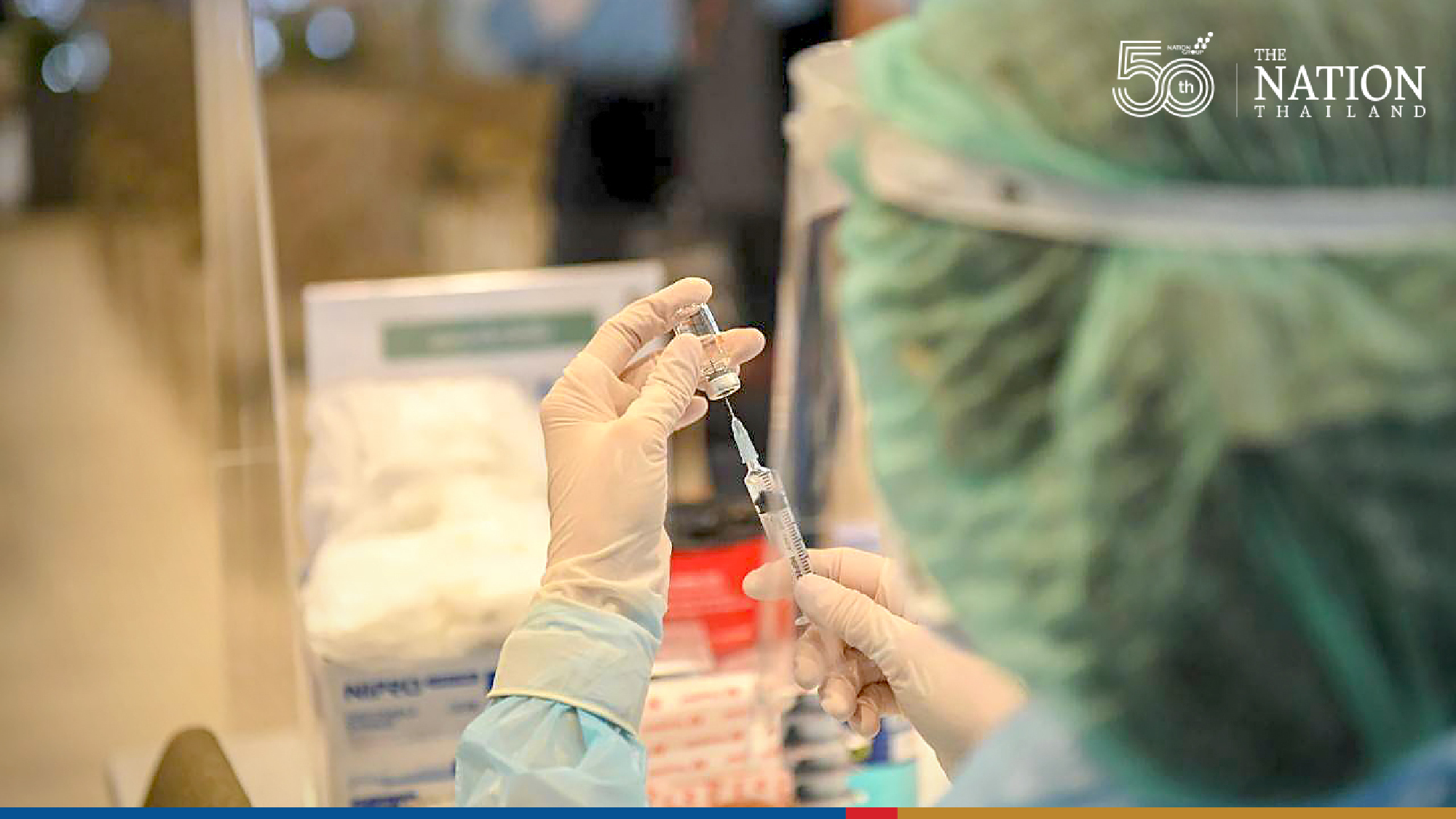
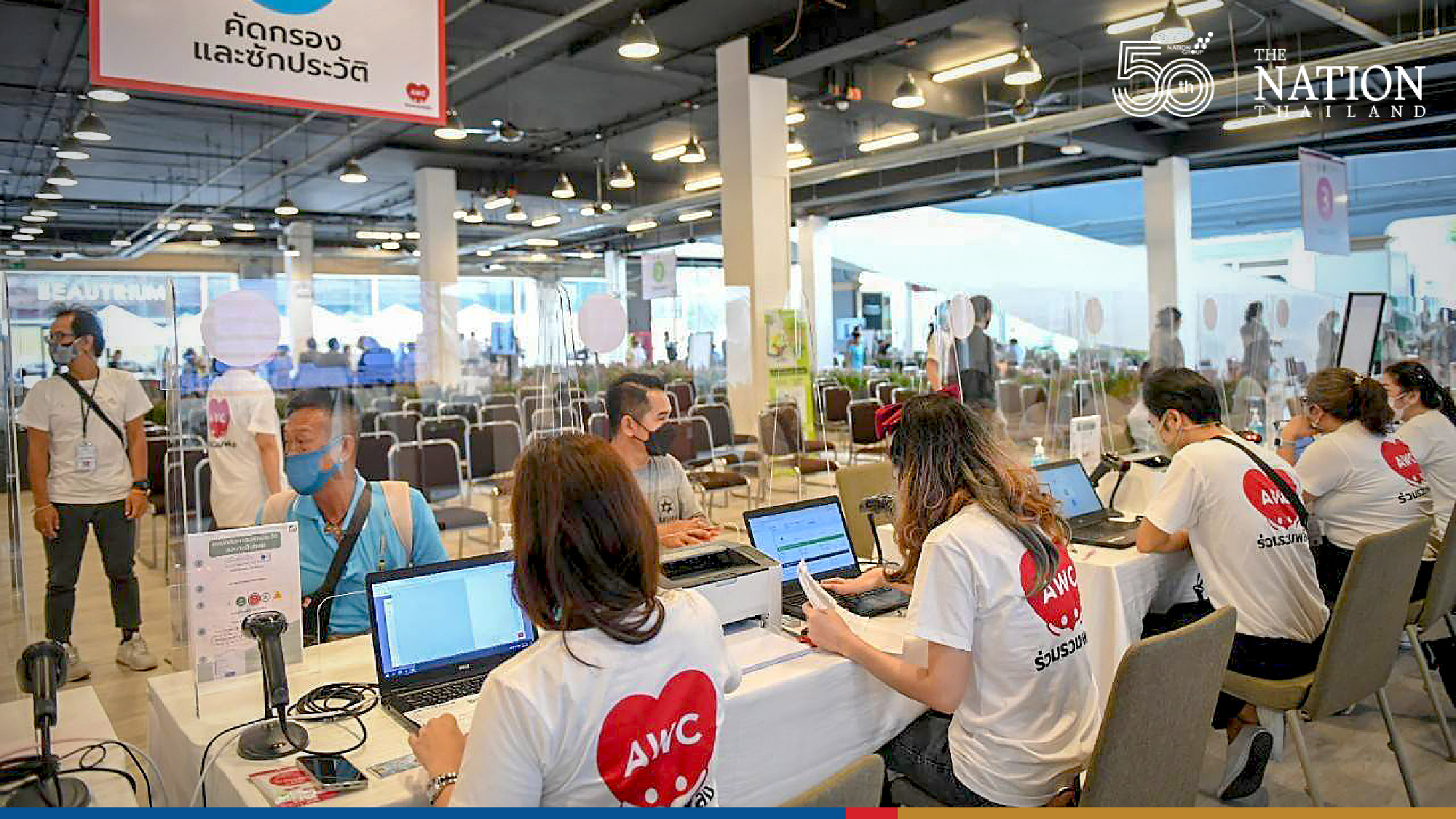
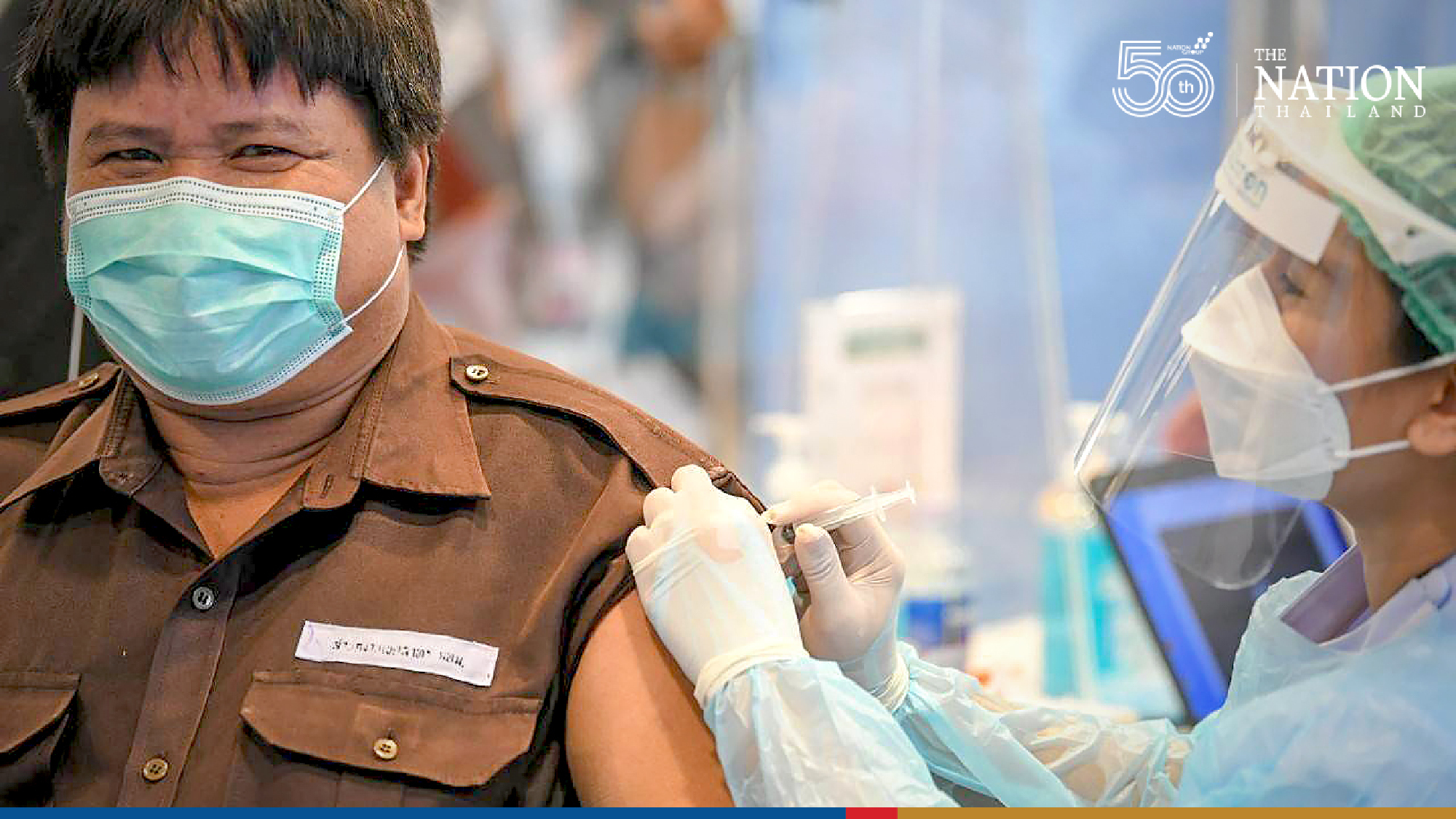
Bangkok’s 9th Covid jab station opens in Asiatique
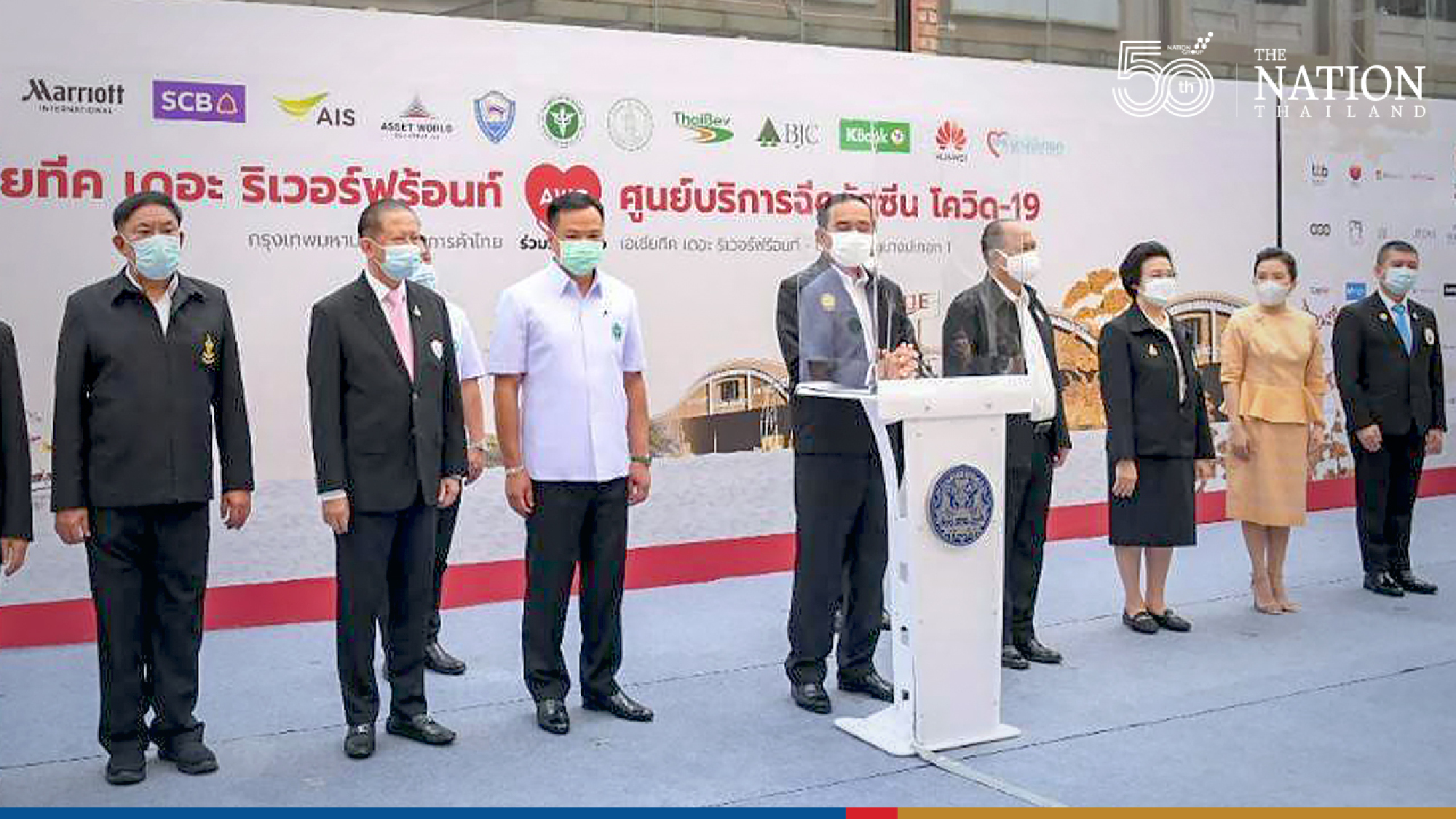
Bangkok’s ninth vaccination station was opened at Asiatique’s Warehouse 4 on Friday under the auspices of Prime Minister Prayut Chan-o-cha.
The station, which will be serviced by medical personnel from the Bangpakok 1 Hospital, can administer up to 2,000 shots daily from 8am to 6pm.
The station opened on Friday by targeting 800 at-risk Health Department staff as well as drivers of public vehicles, garbage collectors, delivery and daycare centre staff.
The Bangkok Metropolitan Administration (BMA) has cooperated with the Board of Trade to set up vaccination stations in eight locations so far, namely Central Plaza Lat Phrao, the Mall Bang Kapi, Samyan Mitrtown, Big C Bang Bon, Siam Paragon, Central Plaza Pinklao, Tesco Lotus Min Buri and University of Thai Chamber of Commerce.
Bangkok’s 9th Covid jab station opens in AsiatiqueBangkok’s 9th Covid jab station opens in Asiatique
The aim is to set up 25 such stations across the city by the end of this month.
Bangkok’s 9th Covid jab station opens in Asiatique
Thai public to be given right to amend, propose laws
The general public will now be able to propose or amend laws related to their rights or state duties that directly affect them via digital platforms, an announcement on the Royal Gazette website said on Friday.
According to the announcement, the Constitution’s Article 8, Clause 5 allows citizens to make a law proposal or amendment by submitting their name, national ID card number and signature via digital platforms.
Meanwhile, Clause 6 of the same article says that if the House Secretariat is responsible for collecting signatures and if there is an eligibility verification system, then proposals can be made without submitting a signature.
Otherwise, at least 10,000 signatures are necessary to propose or amend a law, while at least 50,000 are needed for proposals or amendments to the charter. All proposals must be in line with the charter’s Article 77.
Man arrested for allegedly smuggling over 100 wild monkeys
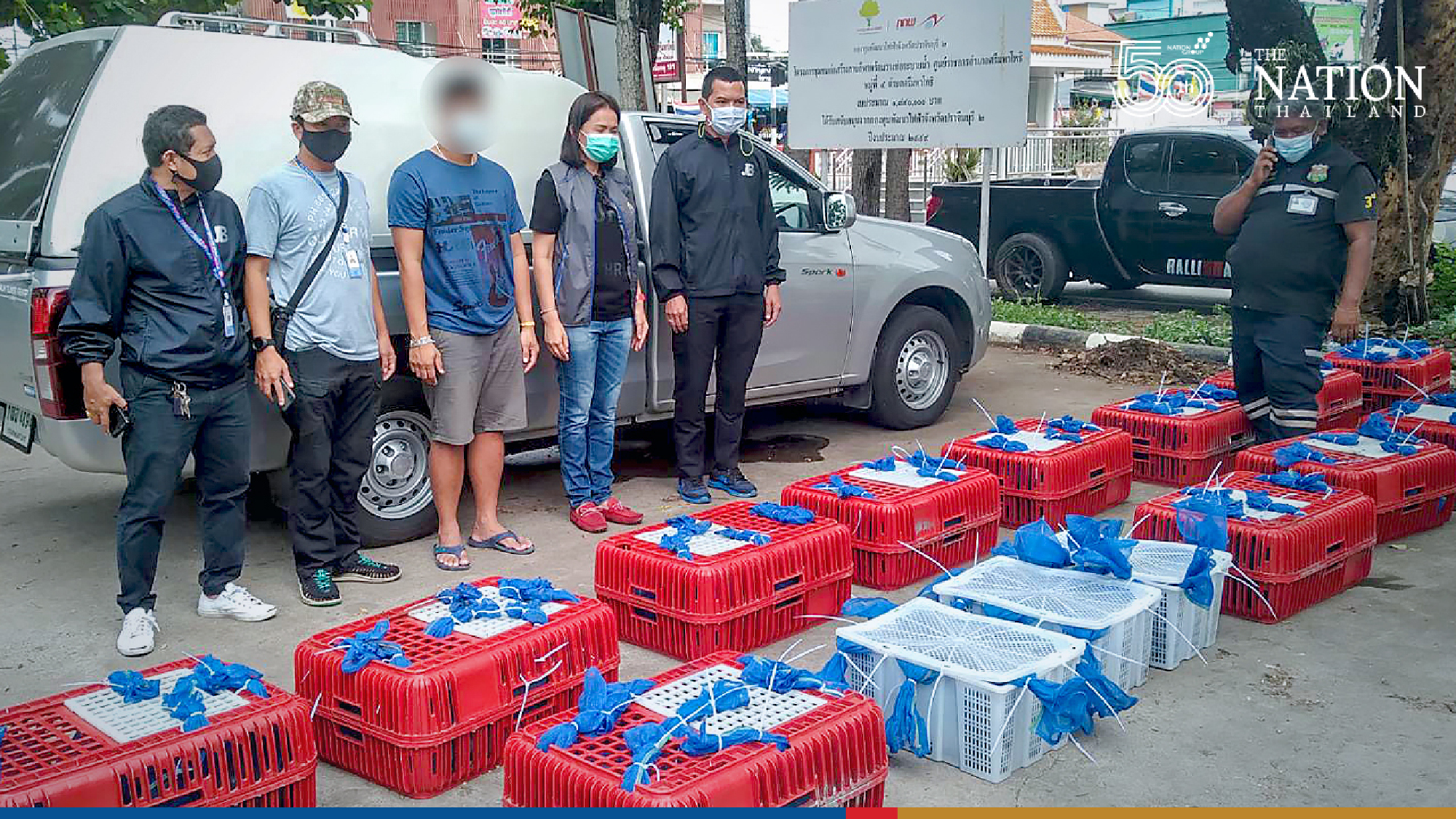
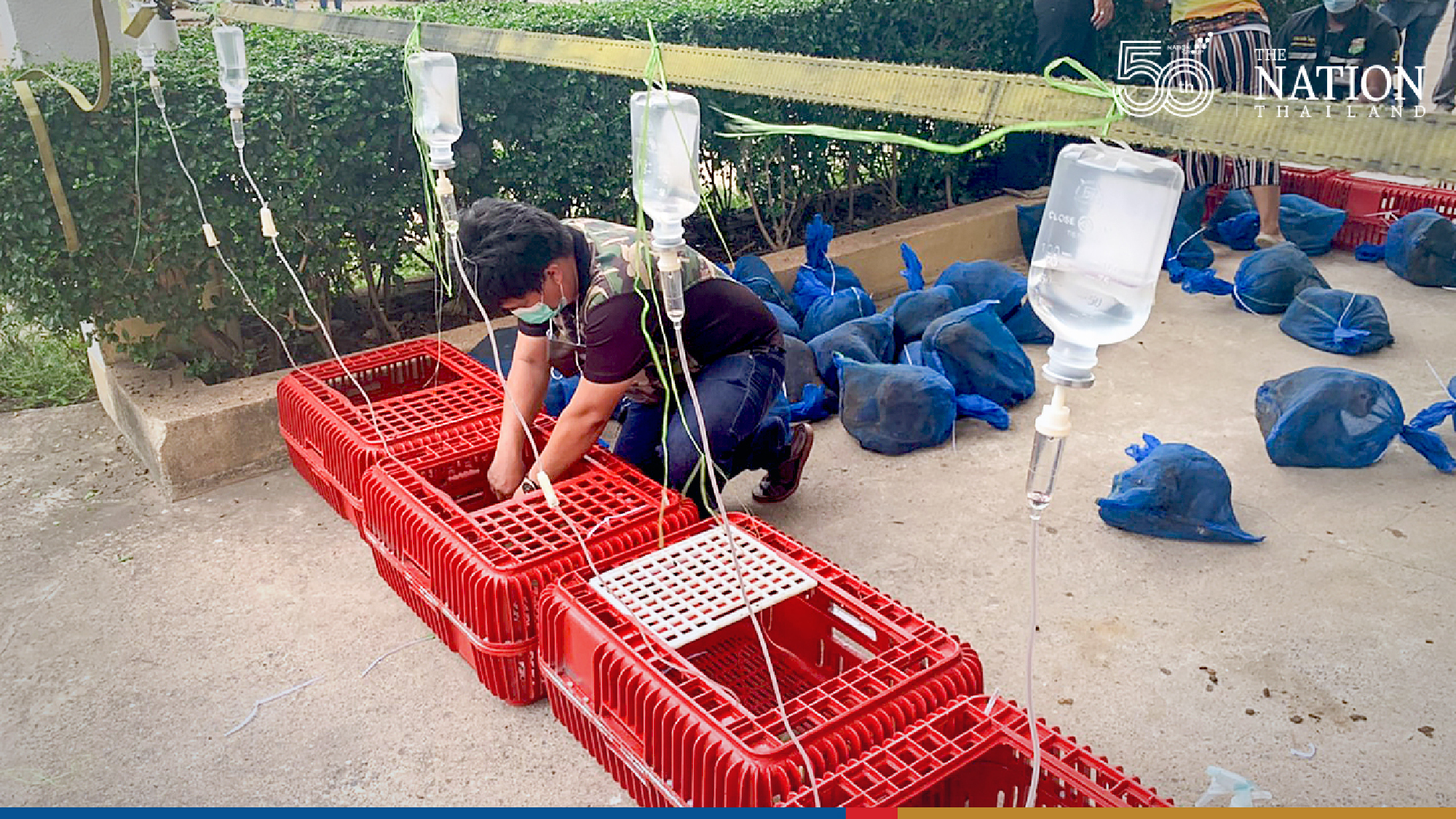
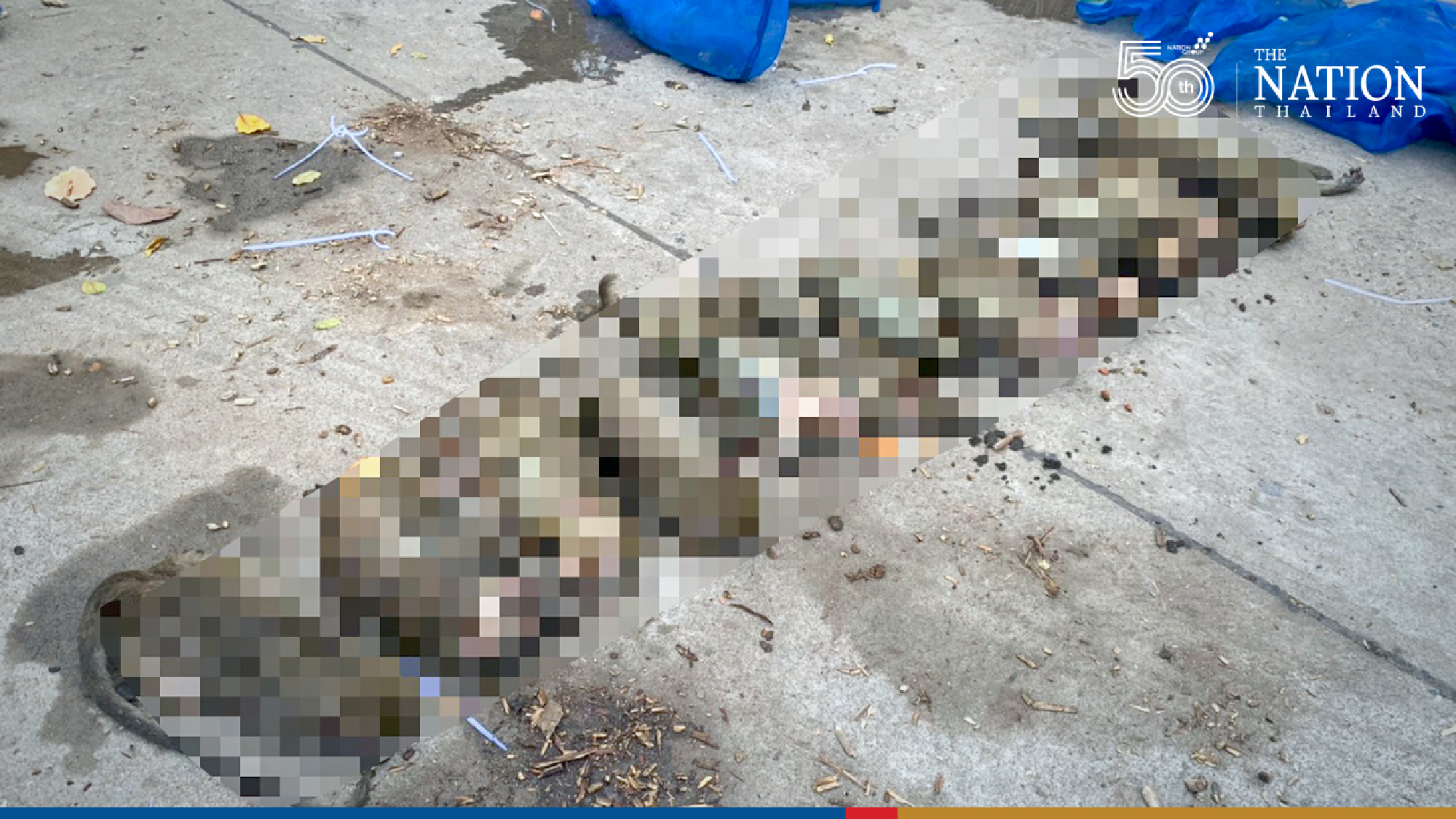
The Crime Suppression Division on Thursday arrested a 25-year-old man for transporting 102 wild monkeys hidden in a pickup truck, 18 of whom died later in the day.
The accused, Phanuphong (last name withheld), was intercepted at the Krong Somboon intersection in the Sri Mahaphot district of Prachinburi province.
Police acted on an intelligence that a smuggling ring would be transporting wild animals on the Sa Kaeo–Khao Hin Son Road that connects the 304 Industrial Estate to Sri Mahaphot district.
Officials waved down the suspect’s vehicle which had a windowless canopy. They reportedly found 102 monkeys locked in several plastic boxes.
Man arrested for allegedly smuggling over 100 wild monkeys
Officials from the Department of National Parks, Wildlife and Plant Conservation were contacted to inspect the animals. They found the wild monkeys suffering from exhaustion due to the cramped space, without proper ventilation, while some of them also had wounds on their bodies.
The animals were taken to Nakhon Nayok Wildlife Sanctuary Office for treatment. The office posted on Facebook on Thursday night that 18 monkeys had died and four were in critical condition.
Man arrested for allegedly smuggling over 100 wild monkeys
Phanuphong reportedly confessed that he was hired to transport the monkeys from Phichit to Sa Kaew province by an agency that procures wild animals as ingredients for exotic food at restaurants in foreign countries.
He said he had done it three times and was paid THB3,000 each time.
Police charged Phanuphong with violating the Wildlife Conservation and Protection Act and are tracking down the agency behind this operation.
Man arrested for allegedly smuggling over 100 wild monkeys
Security forces deployed after Covid-19 patients tried to flee field hospital during power outage
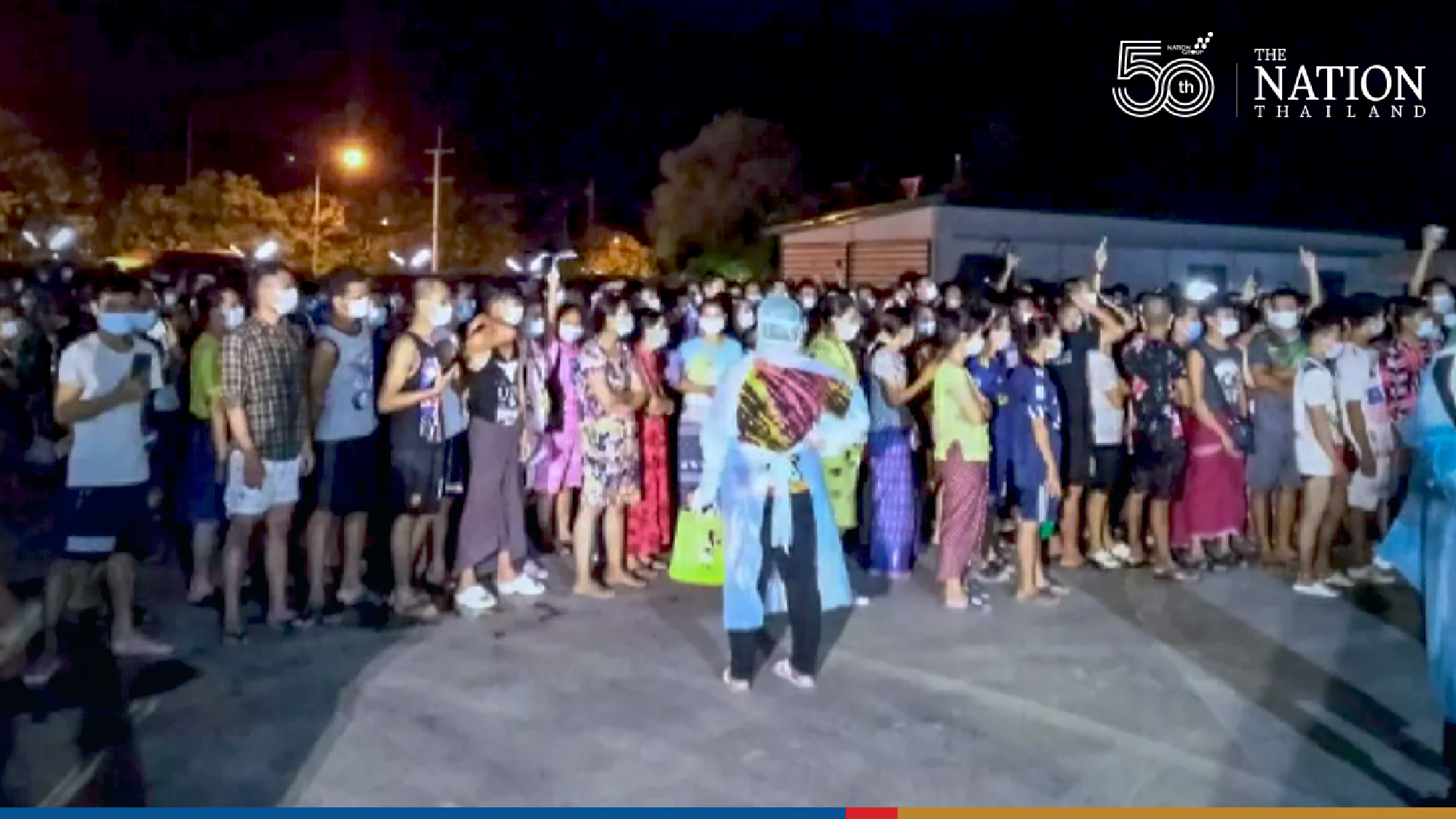
More than 500 Covid-19 patients, all Myanmar nationals, tried to escape from a field hospital in Phetchaburi province during a power outage on Thursday evening, a news source revealed.
The field hospital has been set up within the Cal-Comp Electronics Thailand factory, in Khao Yoi district, about 100 kilometres southwest of Bangkok, after 682 workers tested positive earlier this month.
“At around 6pm, there was an electrical malfunction at the hospital, as a result electric fans stopped working,” said the source. “About 500 patients were upset due to the hot and crowded conditions and tried to escape from the building.”
Security forces deployed after Covid-19 patients tried to flee field hospital during power outage
Over 50 police officers from Khao Yoi Police Station, soldiers from Military Province 15 and public health staff wearing PPE suits have been deployed to control the situation, which was still unresolved as of Friday morning.
Security forces deployed after Covid-19 patients tried to flee field hospital during power outage
Company that tried to sell vaccine to government not qualified to import drugs
The government on Thursday denied rumours that a local company had tried in vain to sell it Covid-19 vaccines, adding that Accap Assets Ltd was not qualified to import medicines.
Government spokesman Anucha Burapachaisri’s statement came in response to social media posts saying that Accap Assets Ltd had tried to sell 20 million doses of Sinopharm vaccine to the Thai government, but was refused a meeting with the prime minister and the minister of public health, prompting the company to contact Chulabhorn Royal Academy to sell the vaccine to the academy instead.
“Investigation by the Food and Drug Administration [FDA] revealed that Accap Assets Ltd never filed for registration of the Sinopharm vaccine in the country and therefore was not qualified to import the vaccine into Thailand,” he said.
“The company that has registered Sinopharm’s Covilo vaccine is Bio Genetech Ltd, who submitted the complete documents earlier this week and should get approval soon.
“There is also no record of the company asking to meet with the government’s representatives,” added Anucha. “In fact, companies who wish to import the vaccine must contact either the Government Pharmaceutical Organization or the FDA. There is no need to meet with the prime minister or the minister of public health as the rumour claimed,” Anucha said.
“Furthermore, data from Department of Business Development revealed that Accap Assets Ltd has been registered as a real estate business and has no affiliation with drug or medical equipment businesses,” added Anucha.
“We are further investigating the company’s finances and source of income to clarify public doubts.”
FDA secretary-general Dr Paisan Dankhum said during the press conference on Thursday that he was not sure how Accap Assets came to possess Sinopharm vaccine as claimed. He said it is impossible for them to import 20 million doses of vaccine for use in Thailand, as they must file a registration for the drug with the FDA first.”
Meanwhile, Dr Nithi Mahanonda, secretary-general of Chulabhorn Royal Academy, posted on his Facebook on Thursday that he had not received any documents from Accap Assets proposing to sell Covid-19 vaccine to the academy, despite a social media post naming him as the recipient of Accap Assets’ proposal.
“A legitimate importer must have a dossier detailing drug specifications and the manufacturing process from the manufacturer, which must be used to file for drug registration with the FDA,” he said.
“Any company that claims it has millions of doses of vaccine but possesses no such dossier is probably not a legitimate representative, and I would not have met with such a company,” he said.
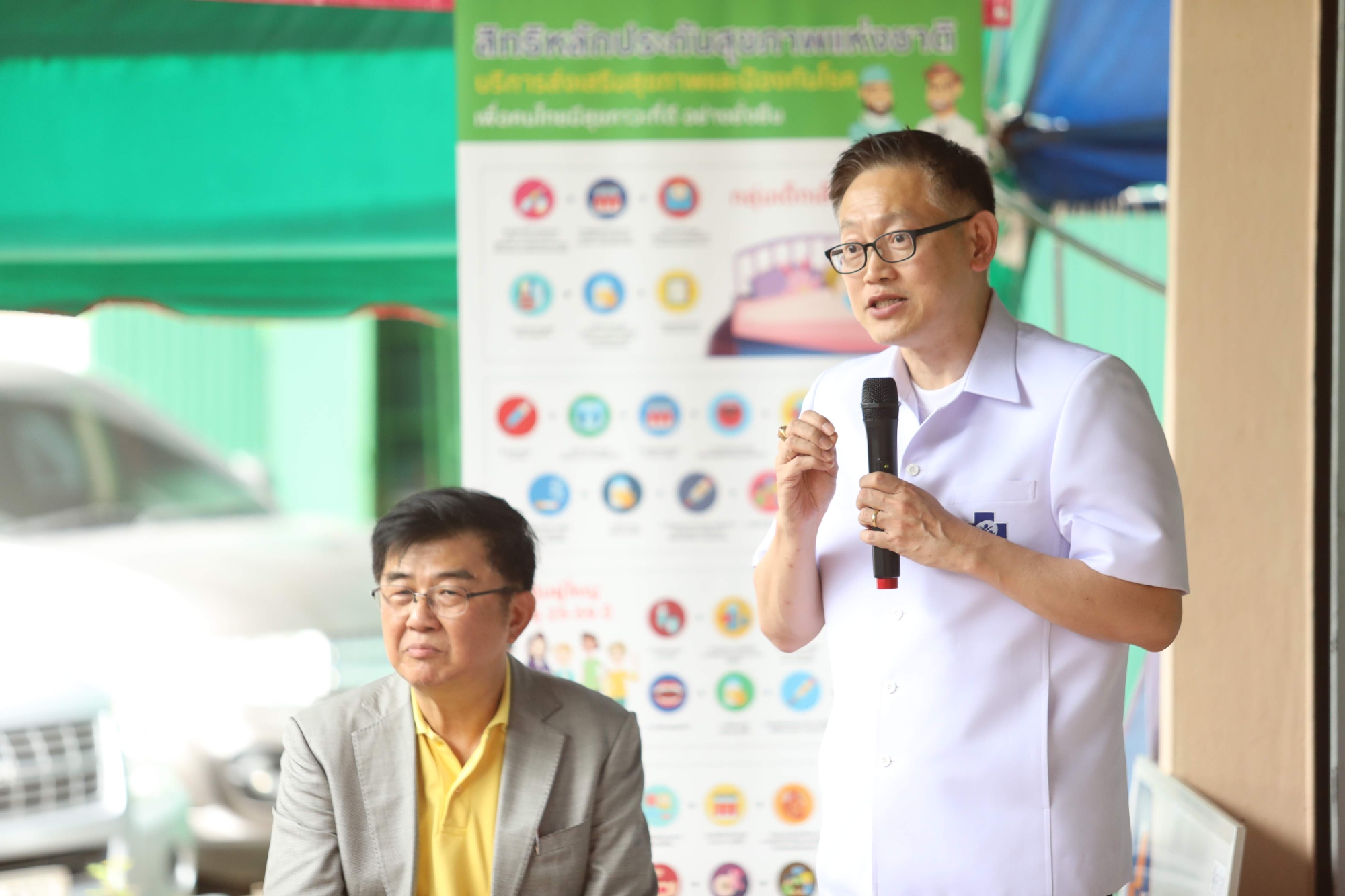
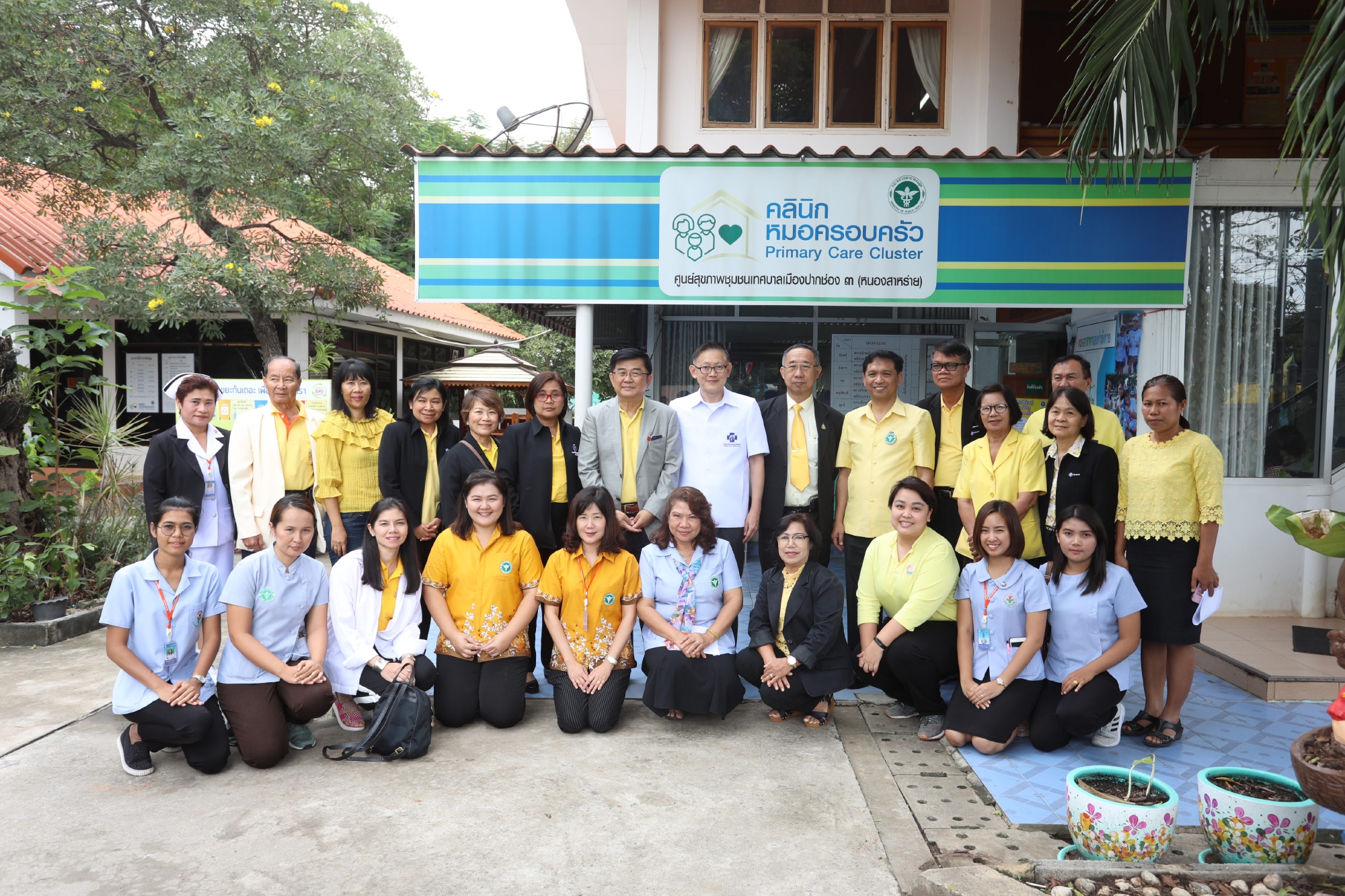
How public-private partnership is key to fighting the pandemic: NHSO
The new emerging phase of Covid-19 in Thailand exposes the gap in its capitals health system as much as reflects the indispensable role of the private sector to fill this gap.
For over two weeks, Thailand’s daily caseload of new cases has been above 2,000. More than half of the confirmed cases are in Bangkok and its suburbs, where health authorities have discovered new clusters and the highly contagious UK strain since early April.
This has resulted in a hike in demand for hospital beds and Covid-19 testing services.
The capital is presenting the biggest challenge for us. Private hospitals dominate Bangkok’s health system, unlike the provinces, where public hospitals are the primary health providers.
Thus, the only way to fight the pandemic in Bangkok will be by engaging the private sector.
There is also a huge disparity in healthcare access in Bangkok. Though the wealthy and middle-class people can afford high-quality care in private facilities, there are also many vulnerable groups, like the homeless, migrants, prisoners and poor people, who are struggling to reach out to primary care. They rely on public health facilities, which provide free healthcare services under Universal Health Coverage (UHC) run by the government.
Under normal circumstances, this disparity would not be felt as public healthcare facilities can easily meet the needs of the population, including those from the underserved communities.
However, during the pandemic, public healthcare resources are stretched tight due to the rising number of Covid-19 patients, who need to be isolated. Calling on the private sector for help is unavoidable, including profit-making hospitals and hotels, which have the resources necessary for fighting the pandemic.
The National Health Security Office (NHSO) is collaborating with the private sector to run the Universal Coverage Scheme (UCS), one of the three tax-funded healthcare schemes under UHC. The other two are the Social Security Scheme and Civil Servant Medical Benefits Scheme. These ensure healthcare access for more than 99 per cent of the Thai population, including free Covid-19 testing and treatment.
How public-private partnership is key to fighting the pandemic: NHSO
Many private hospitals have been providing health services and emergency care to beneficiaries of these schemes, especially in Bangkok.
After these services have been provided, managers of the three healthcare schemes – NHSO, Social Security Office, and the Comptroller General’s Department – will reimburse the hospitals.
This public-private partnership gives us the advantage of tackling Covid-19 while closing the disparity gap in Bangkok.
Many private hospitals have also agreed to provide medical care to Covid-19 patients regardless of their financial status and registered healthcare schemes. This has been made possible by the Private Hospital Association Thailand, which is led by Dr Chalerm Hanpanich.
In a bid to support hospitals, the NHSO has recently amended its reimbursement regulation to improve hospitals’ liquidity and their ability to cope better with the pandemic. Previously, the NHSO allowed healthcare providers to submit claims for reimbursement once a month but has now changed it to every 15 days.
Meanwhile, some hotel operators have agreed to turn their properties into temporary quarantine facilities, or “hospitels”, to meet the high demand for hospital beds and isolation rooms in the recent outbreak. The NHSO has been covering the operational cost for these.
Thailand is not unique. Public-private partnerships have helped many countries improve their health systems and boost their capacity to handle the pandemic.
Taiwan is one of the prominent examples. Its health system is dominated by private hospitals that work closely with the Taiwanese government under the National Health Insurance, a single-payer compulsory social insurance plan, by sharing data and driving health innovations to protect people from Covid-19.
As testimony to the benefits of public-private partnerships, the World Economic Forum hosted the UHC2030 Private Sector Constituency in September 2019 to bring together private sector actors and promote collaboration across them and with other partners outside their circle.
The UHC2030 Private Sector Constituency launched its statement on UHC ahead of the UN High-Level Meeting that year. It highlighted how the private sector can work with other stakeholders to achieve better health and well-being for all people of all ages, calling the governments to strengthen partnerships with the private sector and encourage all players to progress towards UHC.
The private sector involves a wide variety of players, including health providers, insurance companies, health innovation developers, manufacturers and distributors of medicines and health products.
They can affect the health systems in many ways. For example, hospitals can incorporate the UHC principles in their business model by offering high-quality and affordable healthcare. Innovation companies can create health products that improve people’s lives and increase the efficiency of health workforces.
Despite the challenges presented by the pandemic, it has provided opportunities for the public and private sectors to work together to improve health systems and ensure people’s good health.
The NHSO will continue strengthening this partnership, as we are aware that all players are essential to the health system.
Published : May 28, 2021
By : Dr Jadej Thammatach-aree Secretary-general National Health Security Office


 Guide for foreigners living in or travelling to Thailand
 Guide for foreigners living in or travelling to Thailand
 Bangkok’s 9th Covid jab station opens in Asiatique
 Bangkok’s 9th Covid jab station opens in Asiatique
 Bangkok’s 9th Covid jab station opens in Asiatique

 Man arrested for allegedly smuggling over 100 wild monkeys
 Man arrested for allegedly smuggling over 100 wild monkeys
 Man arrested for allegedly smuggling over 100 wild monkeys
 Security forces deployed after Covid-19 patients tried to flee field hospital during power outage
 Security forces deployed after Covid-19 patients tried to flee field hospital during power outage
 How public-private partnership is key to fighting the pandemic: NHSO

