123 symptomatic patients are being treated in eight hospitals under the jurisdiction of the Bangkok Metropolitan Administrations Medical Service Department.
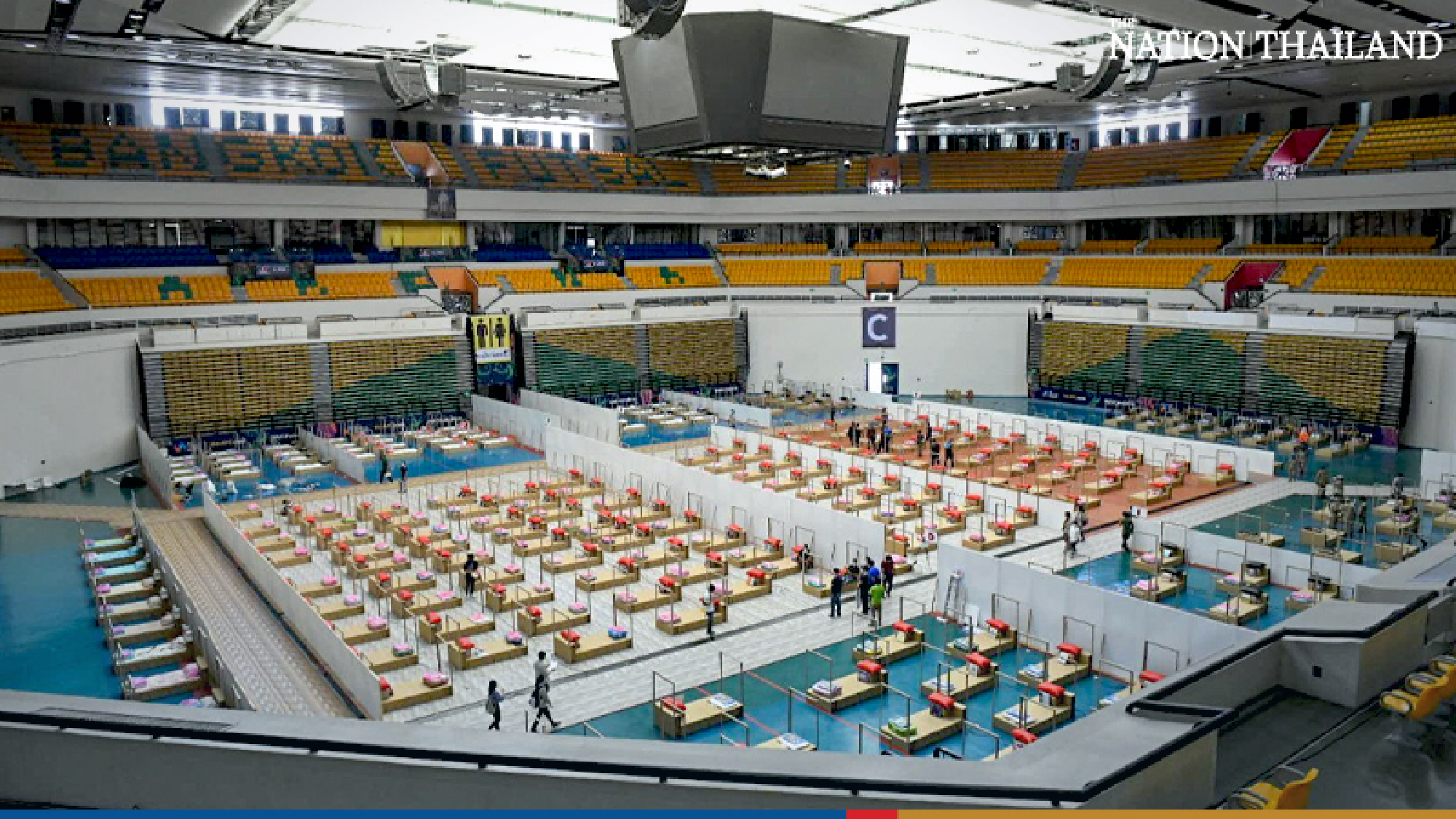
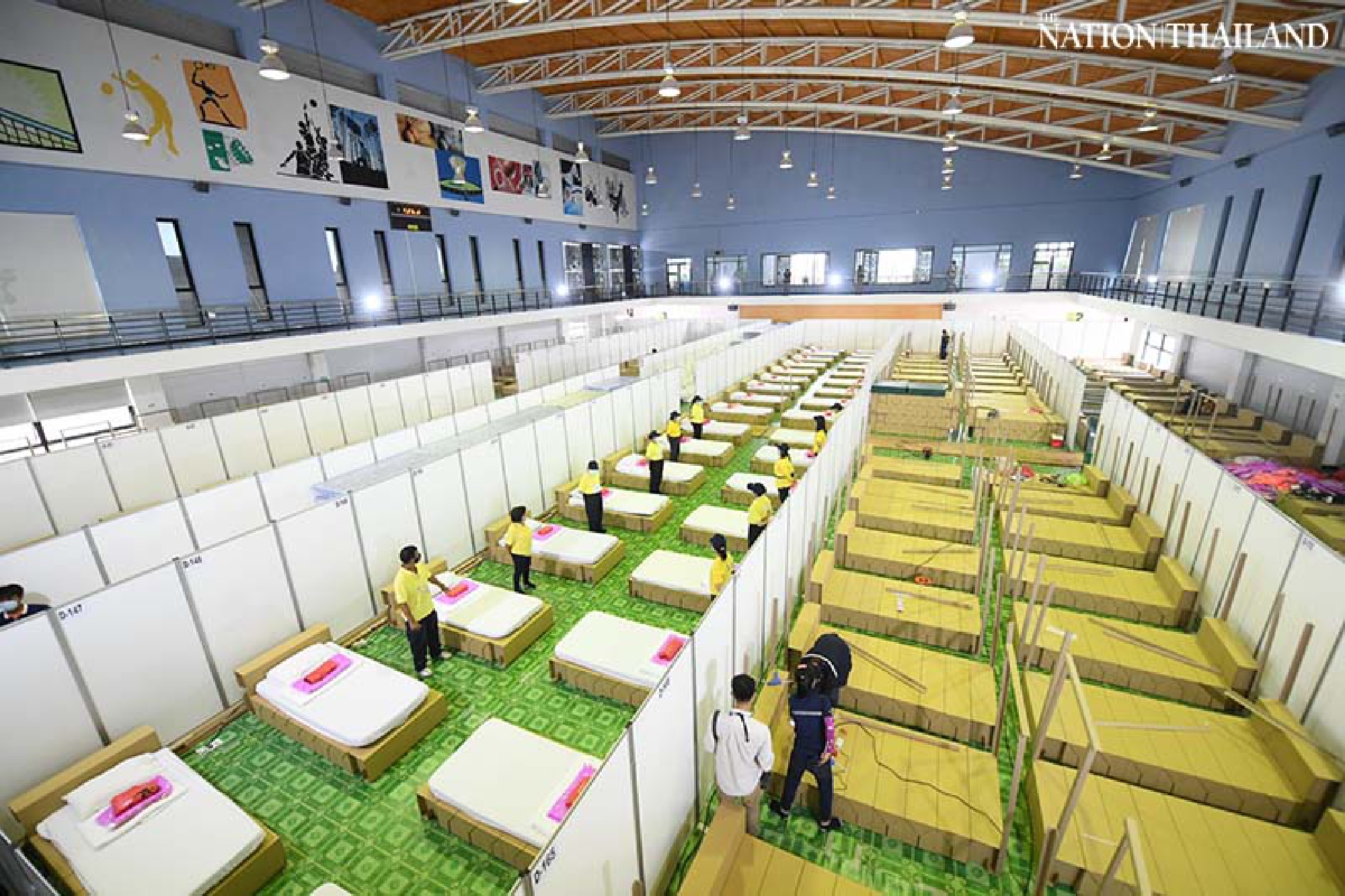
717 asymptomatic patients are at field hospitals Bang Khun Thian Geriatric Hospital: 443 Ratchapipat Hospital: 194 Erawan 1 (84th Anniversary Stadium, Bang Bon): 80 Erawan 2 (Bangkok Arena Sports Centre, Nong Chok): 0 None of the asymptomatic patients have been admitted to the hospital as yet.
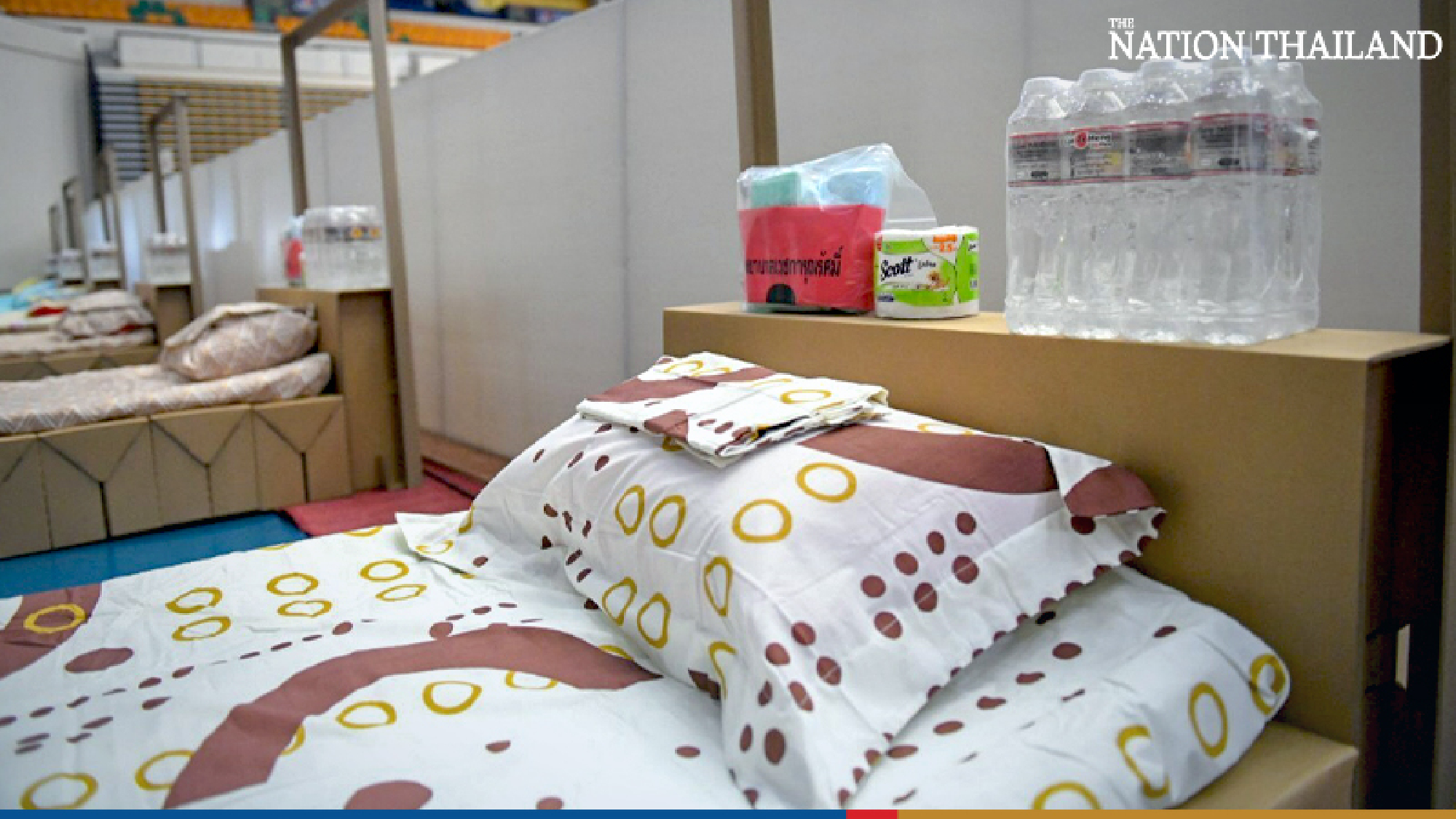
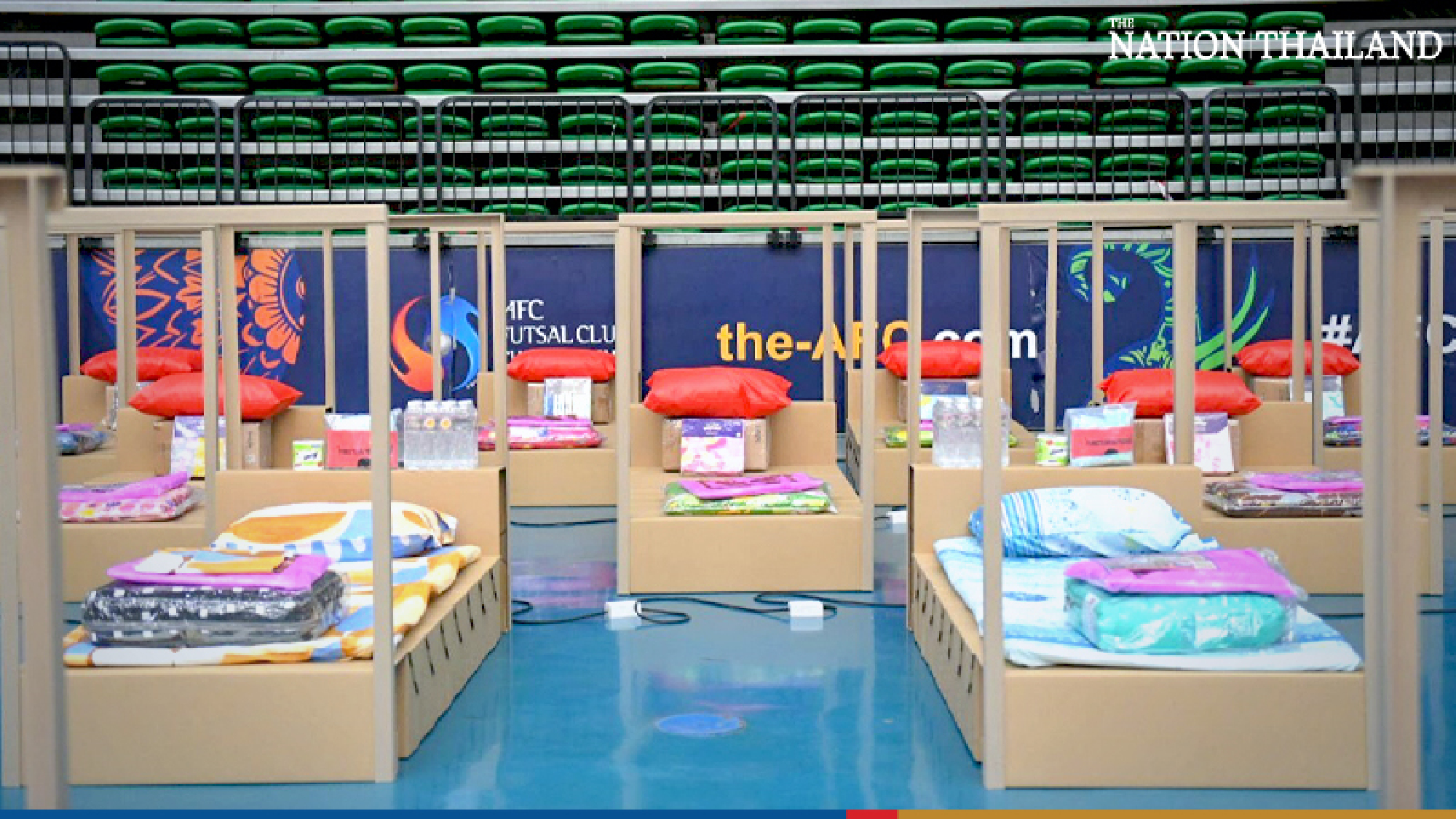
Of the 1,650 beds at field hospitals, 933 are still available.
Shortage of beds delays hospitalisation for 600 Covid-19 patients in Bangkok
Some 600 Covid-19 patients in Bangkok are forced to stay in isolation at home due to shortage of beds in hospitals for treatment.
Dr Suksan Kittisupphakorn, director of Bangkok Medical Service Department, said on Monday that there were
“505 patients who had been waiting since earlier this month, and today 99 more people have been confirmed as infected after their second test,” he said.
“We expect to transport them to a field hospital within one or two days, as officials are adding more beds to field hospitals in the province and expect to treat an additional 2,926 patients.”
Prof Dr Chalerm Harnpanich, chairman of the Private Hospital Association, added that currently there were about 300 patients being treated for Covid-19 in all private hospitals in Bangkok.
“As the number of infections is still rising, private hospitals will add more beds and move patients who have shown no progressive symptoms to hospitels — hotels converted into hospitals — for patients whose condition is not serious,” he added.
On Monday Bangkok reported 293 new infections, driving accumulated cases in the province since April 1 to 3,615 patients, making it the province with the highest infections in the country, followed by Chiang Mai (2,250) and Chonburi (1,280).
Meanwhile, on Sunday 1,578 doses of vaccine were given in Bangkok, with 136,317 accumulated vaccination doses.
Phuket Public Health Office has said that those who wish to enter the province must provide a vaccination certificate of two doses or a Covid-free certificate.
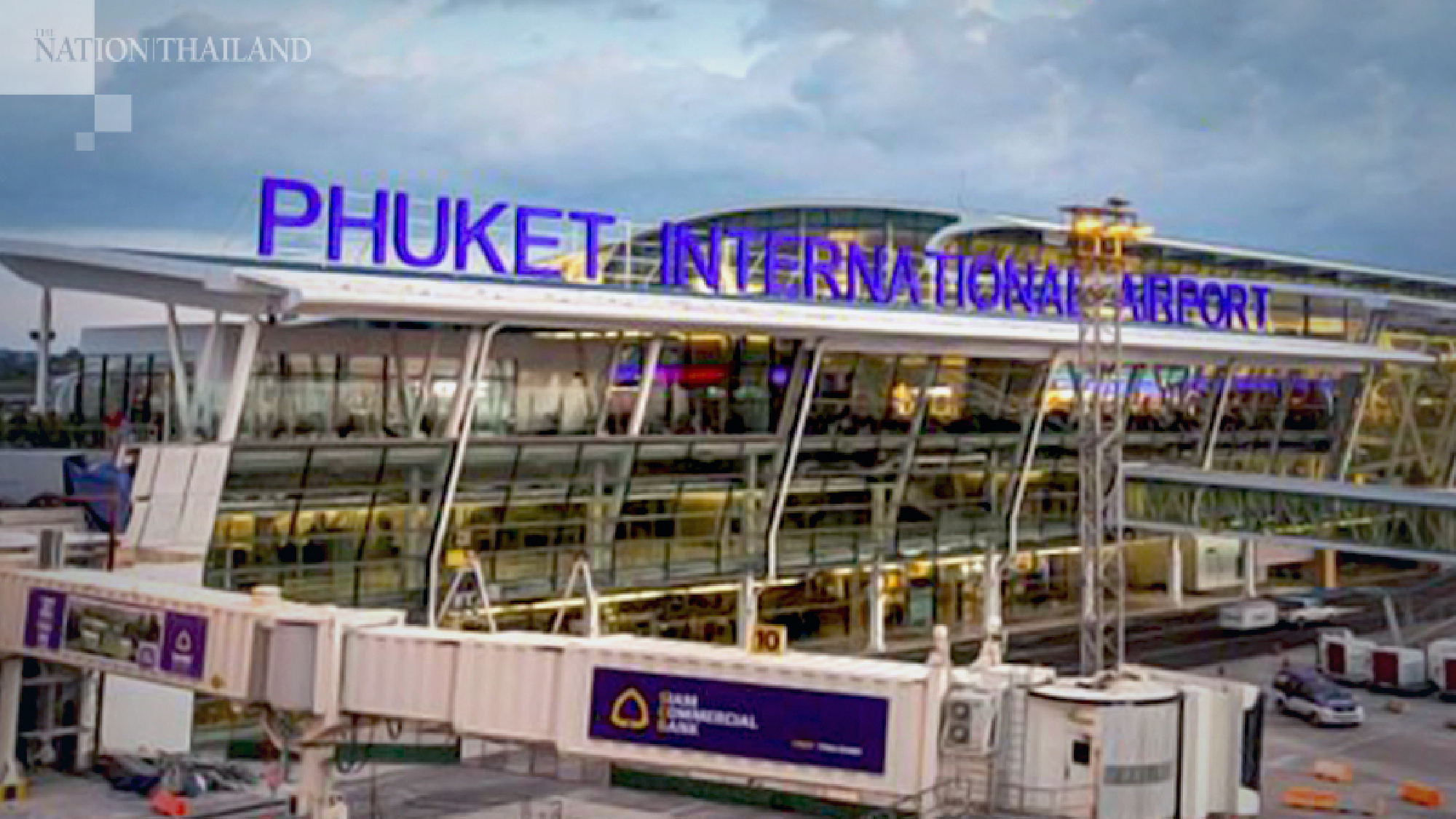
“The measure will be enforced from April 21 until 30,” said the announcement on its Facebook page on Monday. “The test for Covid-free certificate must be taken within 72 hours of entry into the province. Those who do not have a certificate can take a rapid test at Phuket International Airport and Tha Chatchai border checkpoint, at a cost of Bt300 per person.”
The checkpoint at the airport will screen travellers from every province who wish to enter Phuket, while the Tha Chatchai checkpoint will screen only those who have travelled from 17 red zone provinces.
“Every entrant must check in via MorChana platform and register their entry at www.gophuket.com,” said the announcement. “This measure is for everyone except product delivery staff who will not spend the night in the province and they must display a certificate issued by their employers at Tha Chatchai checkpoint.”
From April 3 to 19, Phuket has reported a total of 230 patients from the latest wave, 227 of whom are hospitalised in the province, one was transferred to another province and two patients have been cured and discharged.
Surat Thani orders residents to wear masks or face Bt20,000 fine
Surat Thani Governor Wichawut Jinto has ordered all residents and travellers in the province to wear sanitary or cloth masks when in public or face a fine of up to Bt20,000.
The order issued on Monday takes effect from Tuesday.
“The Surat Thani Committee for Communicable Disease has agreed to enforce the order as the Covid-19 situation in the province is escalating, with the number of infected people rising,” the announcement said.
“Under this order, every person must wear a sanitary or cloth face mask when leaving their residences.”
Those who disobey the order will be in violation of Section 51 of the Communicable Disease Act BE 2558, which is punishable by a maximum fine of Bt20,000.
On Monday Surat Thani reported 47 new confirmed patients of Covid-19, driving the number of accumulated cases in the province since the new wave in late March to 210 patients, while only 7 persons have been discharged.
Hot and hazy day with thundershowers, gusty winds in upper Thailand
The Thailand Meteorological Department said on Tuesday that a heat low cell covers upper Thailand, leading to rise in temperature and haze during the day.
The southwesterly winds bring moisture from the Andaman Sea and the Gulf to the lower North, the Northeast, the Central including Bangkok and its vicinity, and the East regions.
Thundershowers with gusty winds are forecast in some areas of upper Thailand.
People should beware of the severe weather conditions, the department said.
The southerly and the southwesterly winds prevail across the Andaman Sea and the South, causing thundershowers in the South.
The department added that the typhoon “Surigae” over the Pacific Ocean had no effect on Thailand at the moment.
The weather forecast for the next 24 hours:
North: Hot day with haze and thundershowers in 20 per cent of the areas; gusty winds are possible in some areas; temperature lows of 21-24 degrees Celsius, highs of 34-39°C.
Northeast: Hot day with haze and thundershowers in 40 per cent of the areas; gusty winds are possible in some areas; temperature lows of 21-24°C, highs of 33-37°C.
Central: Hot day with haze and thundershowers in 30 per cent of the areas; gusty winds are possible in some areas; temperature lows of 23-25°C, highs of 34-37°C.
East: Hot day with haze and thundershowers in 40 per cent of the areas; gusty winds are possible in some areas; temperature lows of 24-26°C, highs of 33-35°C; waves less than a metre high and over a metre during thundershowers.
South (east coast): Thundershowers in 40 per cent of the areas; temperature lows of 23-25°C, highs of 33-34°C; waves a metre high and 1-2 metres during thundershowers.
South (west coast): Thundershowers in 60 per cent of the areas; temperature lows of 23-24°C, highs of 32-34°C; waves 1-2 metres high and two metres during thundershowers.
Bangkok and surrounding areas: Hot day with haze and thundershowers in 20 per cent of the areas; gusty winds are possible in some areas; temperature lows of 25-27°C, highs of 33-36°C.
In response to a Facebook post, the Mass Rapid Transit Authority of Thailand (MRTA) explained that the distance covered by the Blue and Purple lines is 59 kilometres, not 44km as initially claimed.
Samart Ratchapolsitee, deputy chief of the Democrat Party, had on Sunday posted a comparison between the BTS Green Line and MRT Blue and Purple Line fares and asked why the MRT was more expensive when it is largely owned by the state.
The MRTA clarified that since the two lines covered a longer distance, the average fare per kilometre is Bt1.18, not Bt1.59 as calculated by Samart.
The authority also explained that the fare is set based on several factors, such as the average distance travelled by commuters.
The MRTA said the average commute covers eight stations and costs Bt33 on the Purple Line and Bt31 on the Blue Line. In comparison, the MRTA said, an eight-station commute on the BTS Green Line costs Bt40 or 20 per cent more than the MRT.
In his Facebook post, the politician had compared the average fare of a 1km trip on the
BTS Green Line versus the same distance on the MRT and showed that the BTS fare costs Bt1.23 while the MRT is Bt1.59.
He also pointed out that the 53km BTS run from Samut Prakan’s Kheha station to Pathum Thani’s Khu Khot station costs just Bt65, while the 44km MRT line from Khlong Bang Phai station in Nonthaburi to Hua Lamphong station in Bangkok costs Bt70.
Digital technology has positive impact on many aspects of our everyday lives, yet not without posing threats in elusive crime issues. Experts were agreed upon the transnational nature of crime and how preventative measures had to take into account to solve these cross-cutting and complex problems.
The recent concern points to the emergence of unregulated cryptocurrency, a digital currency that can be used to buy goods and services, but uses an online ledger with strong cryptography to secure online transactions, which open loopholes for cybercrimes amid the lack of appropriate crime preventative measures, the civil protective mechanism in regulation and laws as well as proper operation to handle the perilous consequences. Hence, the multi-regional cooperation and
multi-dimensional approaches are needed to address these challenges more effectively, especially in Southeast Asia.
“Cross-sectoral collaboration and transnational cooperation are the utmost urgency and necessity in preventing and combating these new crimes, including human trafficking and sex crimes related to new technology. The problems are highly escorted in Thailand but widely be considered as transnational crime issues which originate from outsides and widespread across the globe via new emerging high – tech tools in digital era.” Dr. Phiset Sa-ardyen, Executive Director of Thailand Institute of Justice (TIJ) addressed the topic in an interview during the recent UN Crime Congress event.
The online conference titled Cross – sectoral collaboration for crime prevention: experience from the ASEAN Conference on Crime Prevention and Criminal Justice (ACCPCJ) hosted by Thailand Institute of Justice (TIJ) took part in the 14th United Nations Congress on Crime Prevention and Criminal Justice – UN Crime Congress, the hybrid events held in Kyoto Japan from 7 – 12th March 2021, which brought criminal justice and human right experts from Thailand, ASEAN nations and Japan to discuss the successful work done across the region and how to increase cooperation and collaboration in the face of the increasingly complex and transnational nature of crime.
The ASEAN Conference on Crime Prevention and Criminal Justice (ACCPCJ) was previously held in November 2016 and in February 2020 by Ministry of Justice Thailand in cooperation with TIJ. The forum established under the auspices of the Association of Southeast Asian Nations (ASEAN) Senior Law Officials Meeting (ASLOM), Senior Officials Meeting on Transnational Crime (SOMTC), Senior Officials’ Meeting for the ASEAN Socio-Cultural Community (SOCA), along with criminal justice experts, policy makers, practitioners, and scholars to discuss the goal of enhancing cross-pillar, cross – sectoral coordination in crime prevention and criminal justice, civil society and the private sector.
Mr. Vongthep Arthakaivalvatee, Advisor of Thailand Institute of Justice, mentioned that the discussion revolved around the fruition of previous two ACCPCJ sessions and the ASEAN coordination in accordance to the Kyoto Declaration, announced on opening day of the UN Crime Congress, to Enhance the international cooperation in crime prevention and crime justice strengthening and urged all participants to invent their road map to improve the justice system and implement the vision in their own countries.
Clearly the international community has expressed its political will to strengthen regional cooperation as a global trend for the next five years, so it is within that context that we discuss the pertinent issues of regional cooperation.” Mr. Vongthep said during the session.
Mr. Sovannasam Un, Director of Legal Services and Agreement Directorate, ASEAN Secretariat, added to this focus on the importance of ASEAN Cross Secretarial collaboration.
“Strengthening the rule of law as well as preventing and combatting transnational crime has always been high in the integration and community building agenda of ASEAN. Under this principle, APSC has organized the ASEAN Foreign Ministers Meeting (AMM) and in cooperation with the ASEAN Economic Community (AEC) and ASEAN Socio-Cultural Community (ASSC), three pillars of ASEAN community, adopt policies and legal frameworks to address and combat transnational crime.” Mr. Sovannasam Un said.
According to Mr. Sovannasam Un, ASEAN Law Ministers are embarking on a legally binding declaration which will significantly contribute to combatting transnational crime.
Mdm Zuraini Sharbawi , Solicitor-General, Attorney General’s Chambers Representative from Brunei ASLOM, presented that ASEAN community has found their resolution from the previous meeting, ASEAN Convention on Counter Terrorism, and ACCPCJ which has offered the sustainable pathway for international community and ASEAN community to combatting transnational crimes in accordance to ASEAN vision that “no one should be left behind.”
Professor Wisit Wisitsora-At, Permanent Secretary for Ministry of Justice and ASLOM Leader of Thailand, highlighted the challenges facing the regional approach taken by ASEAN to implement crime prevention and criminal justice was the lack of a proper platform.
“Criminal justice does not just belong to one agency in each country, we have courts, ministries of justice, corrections – so even in one country there is never a formal platform for handling specific issues”. Mr. Wisit said.
Mr. Wisit addressed another common problem that ASLOM suffers, was an agreement that might surpass a mandate, which then requires a new mandate. So, prisoners awaiting justice end up waiting five or more years before being transferred within ASEAN. The TIJ has proposed working with ASLOM by organizing a platform, the ACCPCJ, to invite formal platforms to join a collaborative effort which could address these cross-cutting issues.
Furthermore, there is the emerging challenge in ASEAN community, a lack of solid regulation and laws to battling high-tech criminal issues. The case in point is newly unregulated cryptocurrencies that increasingly popular among users in Southeast Asia.
Julien Garsany, Deputy Regional Representative for Southeast Asia and the Pacific at the UNODC, specifically highlighted the issue saying “Many Southeast Asian nations are among the most intensive users of cryptocurrencies in the world, billions of dollars are moved across borders using cryptocurrencies and they need to be regulated because at the moment there is no regulation – banning them is not possible as they are online anyway.”
On the crime dynamics and challenges faced in the Southeast Asia region as well as a way forward to help address transnational organized crime and dismantle such organized groups.
The increasingly complex and transnational crimes as new technology stirred up amid COVID-19 pandemic, where people has been tied to cyber world during the social distancing period, needs more integrated policy coordination and actions from all the relevant stakeholders. There is a growing recognition that many elements of crime prevention and criminal justice are cross-cutting and that multi-dimensional approaches are needed to address these challenges more effectively.
Apart from ASEAN nations, Japan has an important role in JAPAN-ASEAN cooperation and has been working closely with UNODC in the area of crime prevention and criminal justice via MoU, financial support and training.
The cooperation projects include prison overcrowding reduction which lower a risk from COVID-19 in prison. Other areas of cooperation include the United Nations Asia and Far East Institute for the Prevention of Crime and the Treatment of Offenders (UNAFEI) and International Cooperation Department of the Ministry of Justice, providing criminal justice assistance, and collaboration with the Japan International Cooperation Agency (JICA).
“We in Japan want to support the creation of these platforms on the practitioner level in the Asia-Pacific region to regularly meet and exchange information on cases and legal systems.” Mr. Yoshimitsu Yamauchi, Japan’s Assistant Vice-Minister of Justice, said in the meeting.
However, these tasks are challenging; language barrier, the various standard of the justice system in different countries, the lack of know-how and qualified officers, the shortage of innovation and proper equipment and tools to deal with transnational crimes effectively. Thus, all stakeholders should embrace these challenges and work hard on established platforms to create policies that ASEAN can adopt as a whole and ensure their implementation is consistent across all member states.
In conclusion, Dr. Phiset Sa-ardyen, Executive Director of TIJ, says that individual governments cannot act alone to solve complex problems in their own country without recognizing these issues as cross cutting and transnational.
“TIJ believes that justice is everyone’s matter. It is evident to us that collaboration between all stakeholders not only makes justice inclusive but also makes justice possible”
Fares on the BTS Green Line are cheaper than the MRT Blue and Purple Lines, Samart Ratchapolsitee, deputy leader of the Democrat Party, pointed out in a Facebook post on Sunday.
In the post, the politician compared the average fare for a one-kilometre trip on the BTS Green Line versus the same distance on the MRT and showed that the BTS fare costs Bt1.23 while the MRT is Bt1.59.
He also pointed out that the 53km BTS run from Samut Prakan’s Kheha station to Pathum Thani’s Khu Khot station costs just Bt65. In comparison, the 44km MRT line from Khlong Bang Phai station in
Nonthaburi to Hua Lamphong station in Bangkok costs Bt70 – Bt42 for 23km from Khlong Bang Phai to Tao Poon on the Purple Line and Bt28 for the 21km from Tao Poon to Hua Lamphong on the Blue Line.
Samart also asked why fares on the MRT, run by the state’s Mass Rapid Transport Authority (MRTA), are not cheaper when the government holds the largest share on the MRT lines.
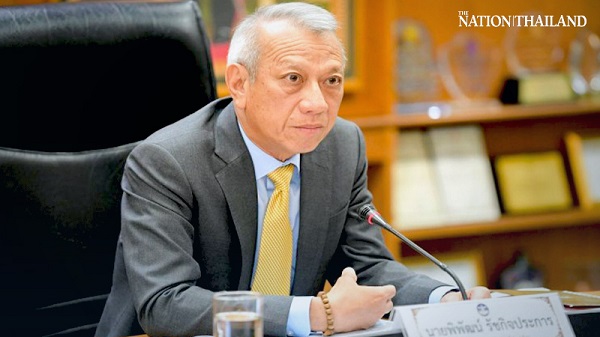
The government plans to reopen the country to foreign tourists in three phases, Tourism and Sports Minister Phiphat Ratchakitprakarn said on Monday.
He added that process will be completed in cooperation with other authorities, such as the Public Health and Foreign ministries.
“However, the plan to reduce quarantine period for vaccinated tourists from this month and launching the Phuket sandbox on July 1 may not happen if there is opposition,” he said.
To make the Phuket sandbox happen, 900,000 doses of the Covid-19 vaccine will have to be administered to Phuket residents by June.
“If this project is a success, we will expand it to other areas,” he said, adding that 100,000 doses have already been administered in Phuket.
He said the Phuket sandbox will focus on drawing tourists from the UK, Russia, Germany, Italy, Spain and the US.
“From October, the sandbox project will focus on Chinese tourists, but that will depend on Beijing’s decision whether Chinese citizens will be allowed to leave their country,” he said.
He added that the ministry will also discuss the option of setting up a travel bubble to draw more tourists and is planning to discuss the subject with the governments of Singapore, Hong Kong, New Zealand, Australia, Vietnam and Laos.
“Talks are expected to start from October 1. The government believes at least 60 per cent of the population should be vaccinated by the end of this year,” he added.
The Centre for Covid-19 Situation Administration has announced that 146 medical personnel have contracted the virus since April 1 in Thailand’s new wave of infections.
Of the 146, 33 have contracted the virus from patients who concealed their timeline.