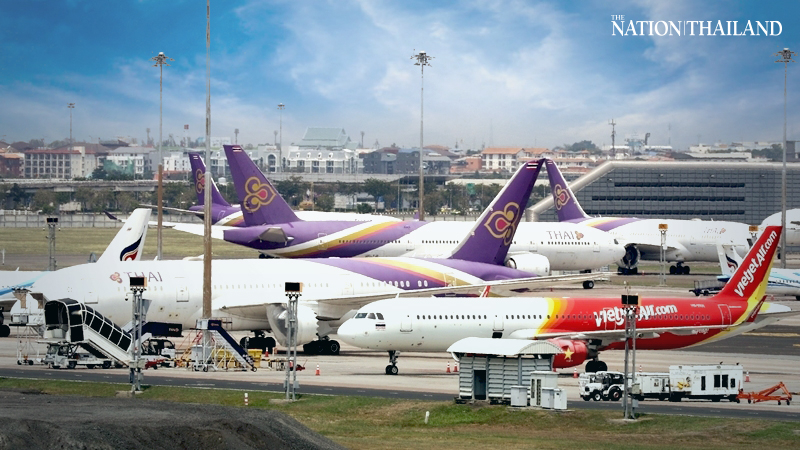
From March 1, international transit and transfer flights will be allowed to land in Thailand, the Centre for Covid-19 Situation Administration (CCSA) said.
“It is part of measures to help airlines and is based on a decision made by the CCSA on February 22,” Transport Minister Saksayam Chidchob said.
Now, passengers on transit and transfer flights will be allowed to stay in Suvarnabhumi Airport for up to 12 hours. However, they will be secluded to a specific area and will not be allowed to visit shops. Passengers are also required to wear face masks, keep their hands clean and practice social distancing while waiting for their flight.
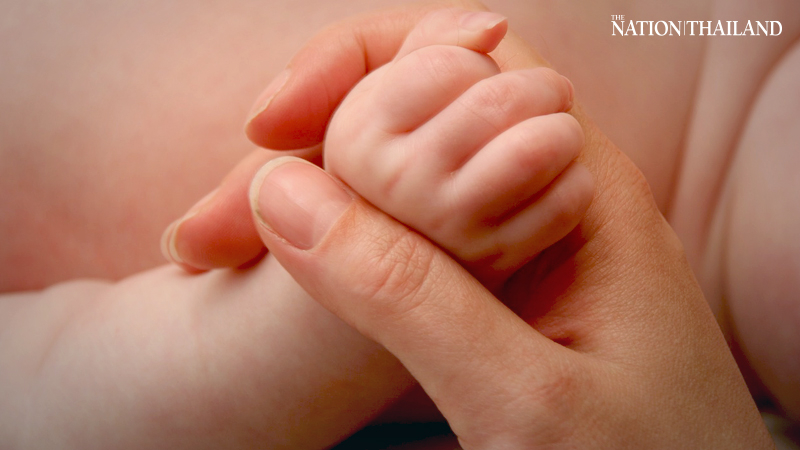
The rising cost of living, economy and changing role of women in society have been identified as the reasons for the drop in Thailand’s birth rate.
Currently, less than 600,000 babies per year are born in Thailand.
According to the World Health Organisation (WHO) and the World Bank, the global total fertility rate (TFR) averages at 2.1. In Thailand, the TFR average is only 1.51.
The low birth rate will result in an ageing society and migrant workers, experts warn.
The Bureau of Reproductive Health said the low birth rate in Thailand could be put down to several factors, such as more single people in the country, fewer women wanting to have babies, worries over finances or life balance after having babies and infertility.
Chulalongkorn University’s lecturer on banking and finance, Prof Kanis Saengchote, offers the following reasons for the drop in birth rates:
Agricultural versus industrial economy
Thailand was initially an agricultural economy, in which labourers were very necessary and families wanted as many children as possible for economic gain.
However, when Thailand’s economy turned into an industrial economy, workers were replaced by machines. Hence, demand for children dropped significantly.
Changed role of women
In the past women were homemakers and mothers, but now they work outside and find it difficult to become working mothers.
Cost of Living
The rising cost of living has made it difficult for some people to survive, not to mention give their children a good quality of life.
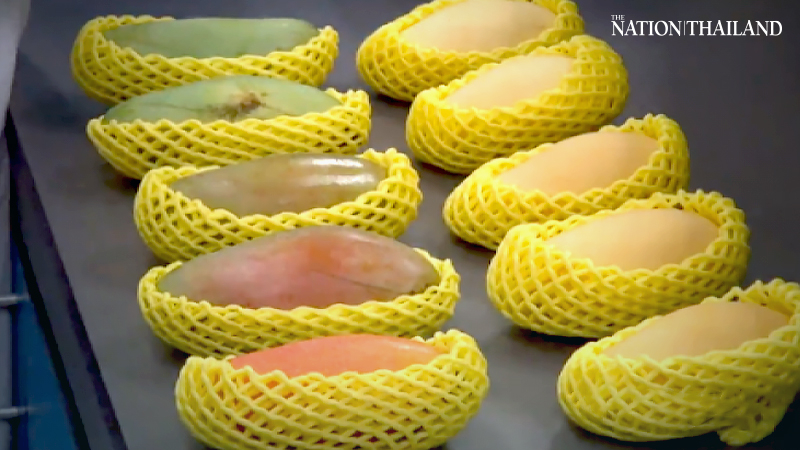
Negotiations with South Korea over the export of Mahachanok or “rainbow” mangoes, which began in 2011, were finally completed last month, Deputy Agriculture and Cooperatives Minister Mananya Thaiset said.
“Thailand began exporting three types of mango to South Korea in 2002, namely the Nam Dok Mai, Raet and Nang Klang Wan breeds,” she said. “Then in 2011, we proposed the new breed of Mahachanok mangoes, and South Korea has been revising the criteria until finally granting us approval on February 23 to import the first lot of 100 kilos of Mahachanok mangoes.”
The “rainbow” mango is a hybrid variety created from the Nang Klang Wan and sunset mango cultivars. It was named after King Rama IX’s book, “Mahajanaka”, which teaches sustainability, awareness and spirit of the country.
Usually 16 to 18 centimetres long, the multi-coloured mango with a skin of green, yellow and red are juicy, sweet and have a tropical fragrance.
To meet South Korea’s standards, mangoes from Thailand must first be steamed under 40 degrees Celsius for 20 minutes to get rid of insects.
Some 746 farmers and 12 steam-treatment facilities have expressed interest in exporting the Mahachanok variety to South Korea.
In 2020, Thailand exported 7,933 tonnes of mangoes to South Korea worth Bt739 million in total.
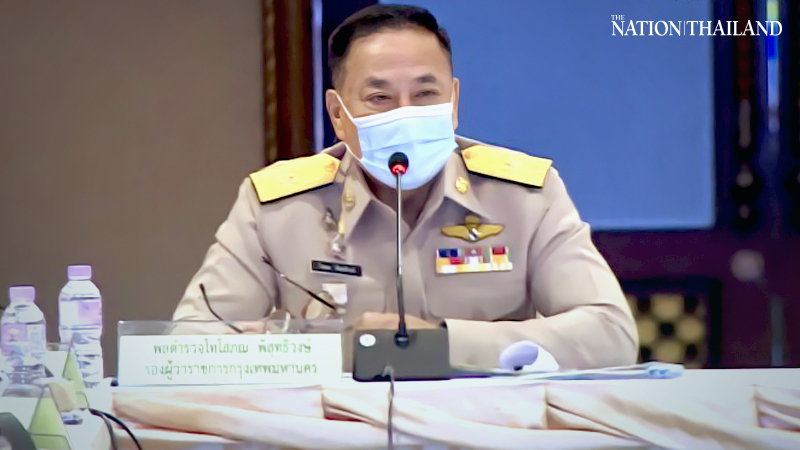
Bangkok Metropolitan Administration (BMA) deputy governor Pol Lt-General Sophon Phisutthiwong said that Bangkok has received 66,000 doses of Sinovac vaccine allotted by the government and had started inoculating the target group since Monday.
“Medical professionals will be the first group to receive the vaccine at two doses per person, each dose has an interval of three weeks,” he said.
“The second group will be public health volunteers who have high risk of contacting infected patients during proactive testing missions. They will receive the vaccination from next week.”
Sophon added that the last target group to receive the first lot of Sinovac vaccine would be those who have chronic diseases and therefore would be more vulnerable if they contracted Covid-19. They are: those with severe respiratory disease, heart and coronary diseases, stroke, chronic kidney disease, cancer patients undergoing chemotherapy or radiotherapy, diabetes and obesity.
“However, there are 10 groups of people who are prohibited from receiving the Sinovac vaccine,” said Sophon.
They are:
1. Those under 18 years old and over 60 years.
2. Women who are pregnant, are breastfeeding or planning to get pregnant during the vaccination period.
3. Those who have undergone transfusion of blood, plasma or other related products for the treatment of Covid-19 in the last 90 days.
4. Those who have uncontrollable symptoms such as chest pain, trouble breathing, palpitations.
5. Those who are suffering from brain or nervous diseases.
6. Those who have tested positive for Covid-19 in the past 10 days.
7. Those who have acute disease and have been out of the hospital for less than 14 days.
8. Those who have immune deficiency or are taking immunosuppressant.
9. Those who have bleeding disorder or are under anticoagulation treatment.
10. Those who show symptoms of fever, shivering, have trouble breathing or have weakened muscles.
For more information, contact Department of Disease Control at 1422.
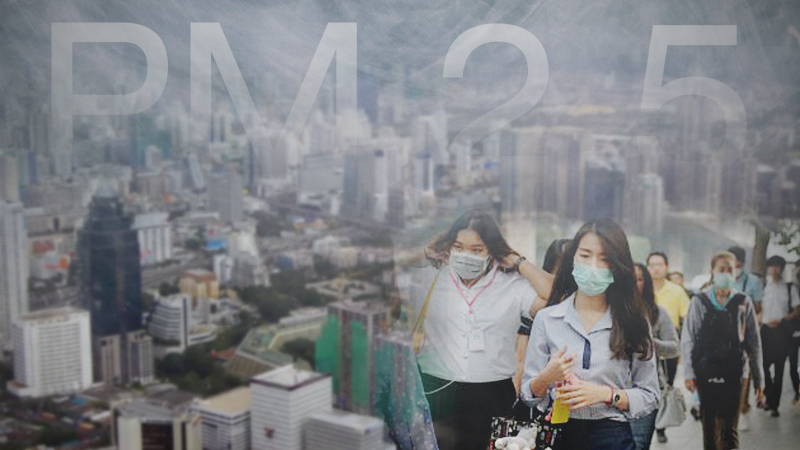
Air quality in Bangkok and its vicinity improved on Tuesday morning, with PM2.5 (particles less than 2.5 micrometres in diameter) readings coming in between 14 and 36 micrograms per cubic metre (μg/m3) of air, the Bangkok Air Pollution Coordination Centre reported.
Bangkok’s Wang Thong Lang district had the highest reading at 36μg/m3, while Samut Prakan’s Bang Prong subdistrict and Samut Sakhon’s Mahachai subdistrict had the lowest readings at 14μg/m3.
The centre said outdoor activity was safe in Bangkok and its vicinity.
However, the Air Quality and Noise Management Bureau reported that air quality had hit unsafe levels on Tuesday in Chiang Mai, Lampang, Khon Kaen, Chiang Rai, Mae Hong Son, Lamphun, Phrae, Phayao, Loei, Nan, Tak, Nong Khai, Ubon Ratchathani, Phitsanulok, Nakhon Phanom, Sakon Nakhon, Roi Et, Kamphaeng Phet, Chaiyaphum, Kalasin, Phichit, Sukhothai, Uttaradit and Petchabun provinces.
The Energy Regulatory Commission (ERC) will discuss regulations for electricity procurement from community power plants aimed at the grass-roots economy, as well as the draft on annoucements inviting people to sell electricity and join the project on March 3.
ERC secretary-general Khomgrich Tantravanich said if the ERC board approves the draft, the regulations would be announced and another public hearing would be held before publishing it in the Government Gazette.
The implementation time frame for community power plant projects (pilot projects) targeting the purchase of electricity up to 150 megawatts is expected to be slightly different from the original plan. Previously, the ERC had expected that the electricity authority would accept the offer for sale of electricity between March 22 – April 2. However, it may have to be postponed to after the Songkran Festival holidays. A clear schedule will specify details in the regulations.
“Now, the community power plant criteria is comprehensive because it has been through a complete list of opinions which also has a variety of offers, Most importantly, project participants must develop a contract farming system according to the specified criteria,” said Khomgrich.
Four men and a woman who sneaked into Chiang Mai’s Si Lanna National Park with the alleged intention to hunt wild animals were arrested on Monday.
National park officers also seized three motorcycles, a gun, ammunition, three knives, three headlamps, two amphetamine pills and some heroin in a bottle as evidence, national park chief Phupichit Chuaybamrung said.
He added that national parks and wildlife sanctuaries under the 16th Conservation Area Management Office have been closed until April 30 to prevent forest fires which are usually sparked during the dry season from February to May.
Officials have been instructed to strictly monitor their areas and ensure there are no trespassers or hunters, he said.
The four men and a woman have been initially charged for carrying hunting equipment into the national park and violating the park’s announcement under the 2019 National Park Act.
The four men and a woman have been taken to Phrao Police Station to face additional charges related to firearms and narcotics, he added.
The Centre for Covid-19 Situation Administration (CCSA) on Tuesday reported 42 new cases and a fatality.
Of the 39 people exposed to the disease while visiting high-risk areas, 24 were in Samut Sakhon, five in Pathum Thani, four in Tak and one each in Nonthaburi and Nakhon Pathom provinces.
Meanwhile, proactive testing led to the discovery of four cases, three in Pathum Thani and one in Bangkok.
Of the overseas travellers found to be infected in quarantine facilities, two Thais had returned from the United Arab Emirates and Germany, while a German had arrived from Serbia.
A 92-year-old man in Pathum Thani became the 84th fatality. He suffered from diabetes, high blood pressure and heart disease. He had visited the Pronpat market, the virus hotspot of the province, and bought goods from a merchant who was later found to be infected. Suspected symptoms started to develop with cough and fatigue from February 11. He was taken to a hospital where he was found positive. The symptoms got worse on February 23 and he was put on a respirator. He passed away on February 28.
Meanwhile, 96 patients have recovered and been discharged.
As of Tuesday, the number of confirmed cases in Thailand had risen to 26,073. Of these, 23,284 had been contracted locally, including 14,557 who were found via proactive testing, while 2,789 were returnees. So far, 25,420 have recovered and been discharged, 569 patients are still in hospitals, and 84 have died.
According to Worldometer, as of 10am on Tuesday, the number of confirmed cases globally had risen to 114.99 million (up by 290,255), 90.71 million have recovered, 21.73 million are active cases (90,196 in severe condition) and 2.55 million have died (up by 6,609).
Thailand ranks 114th on the global list of most cases, which is topped by the US with 29.31 million, followed by India 11.12 million, Brazil 10.59 million, Russia 4.26 million and the United Kingdom 4.18.
The Eastern Economic Corridor (EEC) Policy Committee on Monday approved an additional budget of Bt2.17 billion for land expropriation for the high-speed rail project linking Suvarnabhumi, Don Mueang and U-Tapao airports, Transport Minister Saksayam Chidchob said.
“The State Railway of Thailand, which is responsible for the expropriation, has proposed that the land expropriation budget be increased to Bt5.74 billion from the original budget of Bt3.57 billion to ensure that the construction was completed within the set timeframe,” he said.
The proposed additional budget of Bt2.17 billion will include:
▪︎ An urgent budget of Bt607.56 million, to be delivered before May 2021, for land expropriation on the Suvarnabhumi-U-Tapao section;
▪︎ Expropriation budget of Bt792.11 million for the Phya Thai-Don Mueang section, to be delivered within 2022;
▪︎ A budget of Bt770.48 million in case land owners filed an appeal.
The EEC board will later submit the revised budget to the Cabinet for approval.
Saksayam added that the airports high-speed rail link project was progressing as planned, and expected that the lands in the first section between Suvarnabhumi to U-Tapao would be delivered by October 24.

 ERC secretary-general Khomgrich Tantravanich
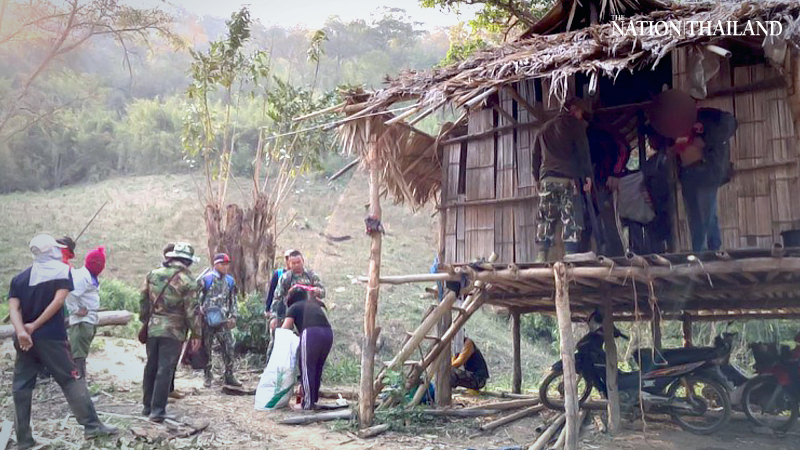
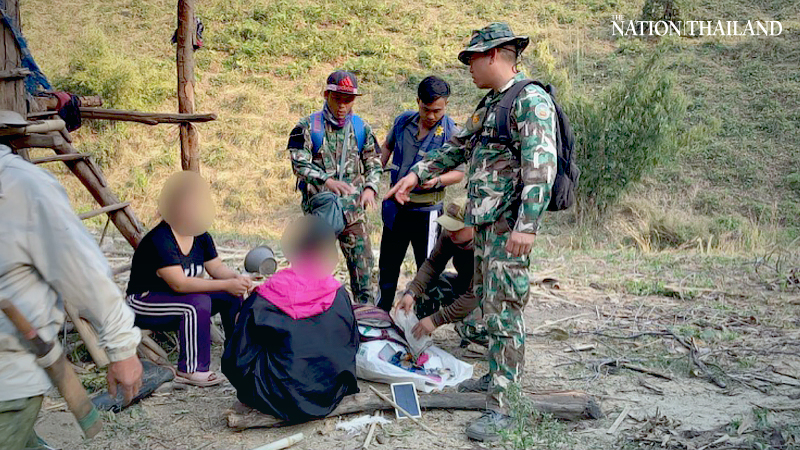
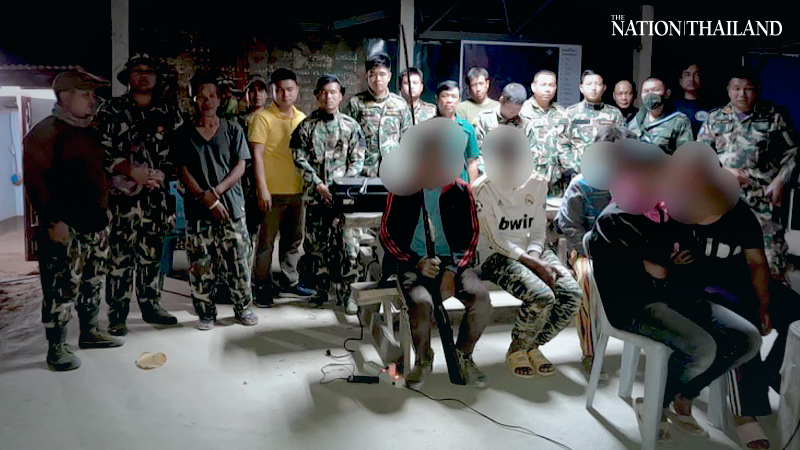
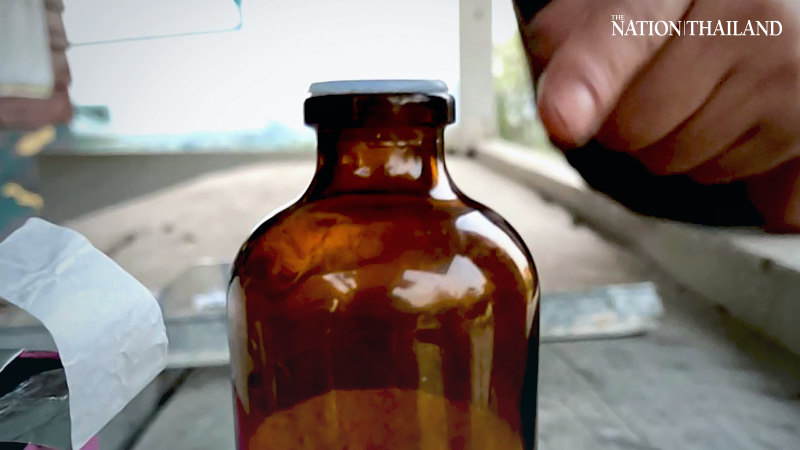


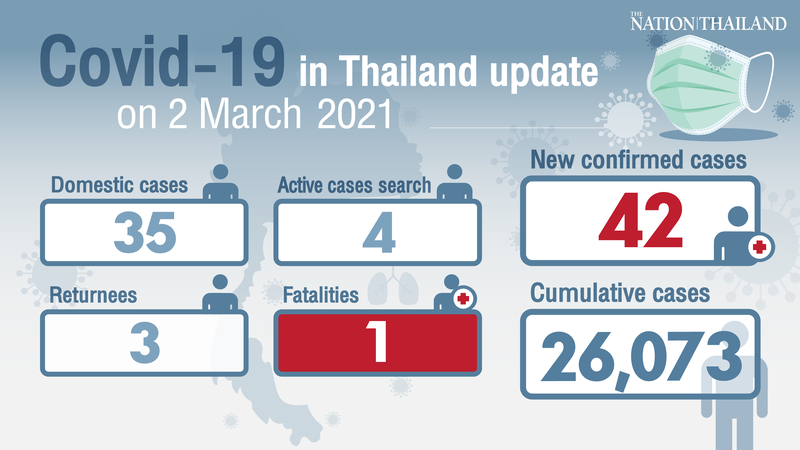

 Photo Credit: EEC Office

