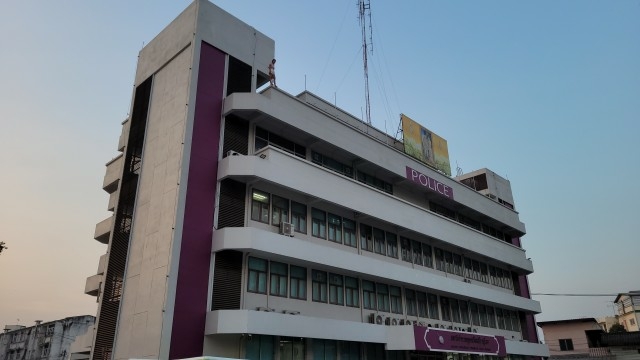
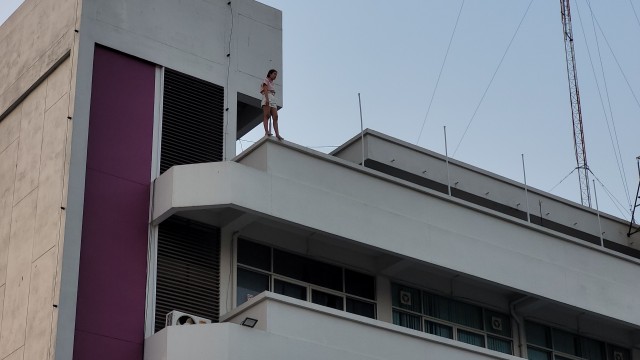
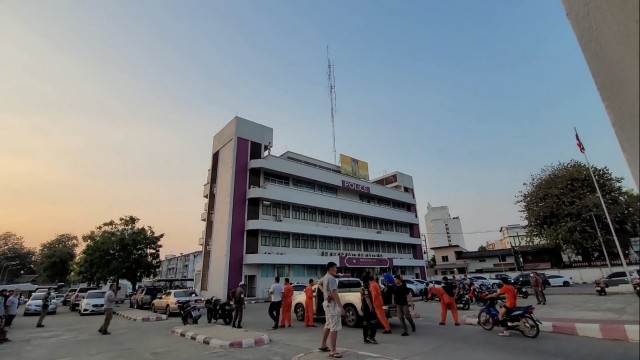
Muang Phitsanulok police on Tuesday evening rescued a woman who had climbed up to the rooftop of the four-storey police station and planned to jump in an attempt to kill herself.
The woman reportedly shouted several times that she had been raped and told onlookers to take a video of her jumping off the building so “everyone would know”.
Officers quickly deployed an air cushion on the ground and dispatched negotiators to talk to the woman. After talking for about 30 minutes, they succeeded in taking her down safely.
Phitsanulok police chief Pol Colonel Phakphum Prabsriphum said the woman had filed a complaint against her friend for raping her earlier that day.
“During an interview she also told officers she had been suffering from depression,” he said. “While they were contacting the man to come in for interrogation, the woman took off her jacket and shoes before going up to the rooftop,” he added.
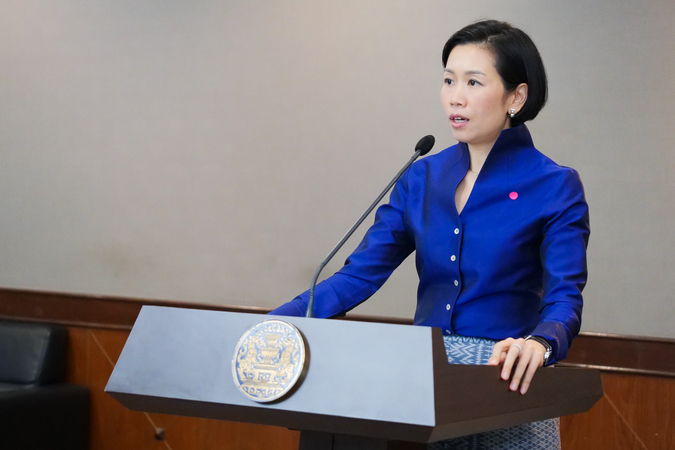
The Cabinet has agreed to extend the State of Emergency in three Southern provinces – Narathiwat, Yala and Pattani – for another three months, from December 20 to March 19, government deputy spokeswoman Ratchada Thanadirek said on Tuesday.
The areas under emergency include all districts in the three provinces except Srisakhon, Su-Ngai Kolok and Sukirin in Narathiwat, Betong in Yala and Maikaen and Maelan in Pattani.
The Cabinet agreed the extension would enable officials to hunt down and arrest insurgents who aim to undermine national security through violence and terror acts, as well as ensure the safety of people in these areas, she said.
The Thailand Meteorological Department said on Wednesday that a rather strong high-pressure system from China is covering the Northeast. It is expected to also cover upper Thailand by today.
Cool to cold weather with a 1-3 °C decrease in temperature and strong winds are likely in this area, with mountaintops remaining cold to very cold.
Meanwhile, the department said, the strong northeast monsoon still covers the Gulf and the South and some areas will see more rain and heavy downpours.
Here’s the weather forecast for the next 24 hours:
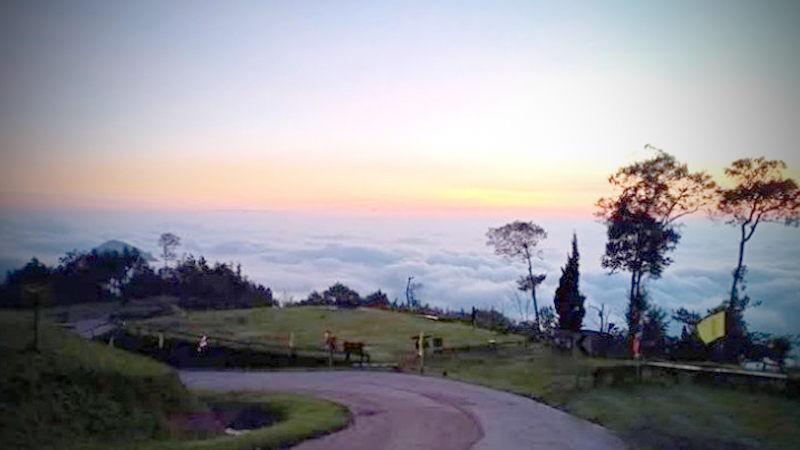
North: Cool to cold weather with fog in the morning and thick fog in some areas; temperature lows of 15-22 degrees and highs of 30-35 degrees Celsius. Temperature on hilltops is likely to drop to 5-14 degrees Celsius.
Northeast: Cool weather with strong wind; temperature lows of 16-21 degrees and highs of 30-34 degrees Celsius. Temperature on hilltops is likely to drop to 6-14 degrees Celsius.
Central: Mostly cloudy with fog in the morning and isolated rain in some areas; temperature lows of 22-24 degrees, highs of 31-35 degrees Celsius.
East: Mostly cloudy with fog in the morning; temperature lows of 22-25 degrees, highs of 32-35 degrees Celsius; waves a metre high and 1-2 metres offshore.
South (east coast): Mostly cloudy with thundershowers in 60 per cent of the area and isolated heavy rain; temperature lows of 23-24 degrees, highs of 30-33 degrees Celsius; waves a metre high and 1-2 metres during thundershowers.
South (west coast): Mostly cloudy with thundershowers in 60 per cent of the area and isolated heavy rain; temperature lows of 23-25 degrees, highs of 30-33 degrees Celsius; waves a metre high and 1-2 metres during thundershowers.
Bangkok and surrounding areas: Mostly cloudy with fog in the morning and isolated rain in some areas; temperature lows of 24-25 degrees, highs of 33-35 degrees Celsius.
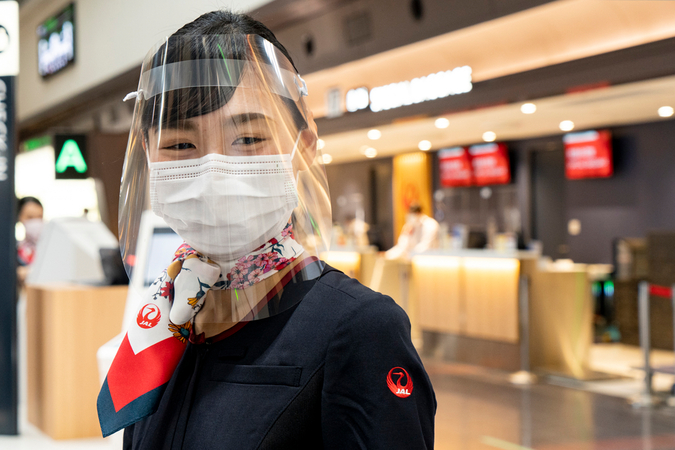
Japan Airlines (JAL) has launched a free service to insure international travellers against medical costs if they contract Covid-19.The carrier is offering JAL Covid-19 Cover as part of its JAL FlySafe programme to support passengers with essential travel needs during the global pandemic.The new service provided by Allianz Travel includes coverage of up to €150,000 (Bt5.47 million) in total medical costs resulting from the initial Covid-19 testing fee and subsequent medical treatment for those who test positive during their travels.Additional coverage for isolation costs and repatriation is also included. A global 24-hour support line in English and Japanese will also be available to assist customers exhibiting symptoms.The coverage will be offered from December 23.
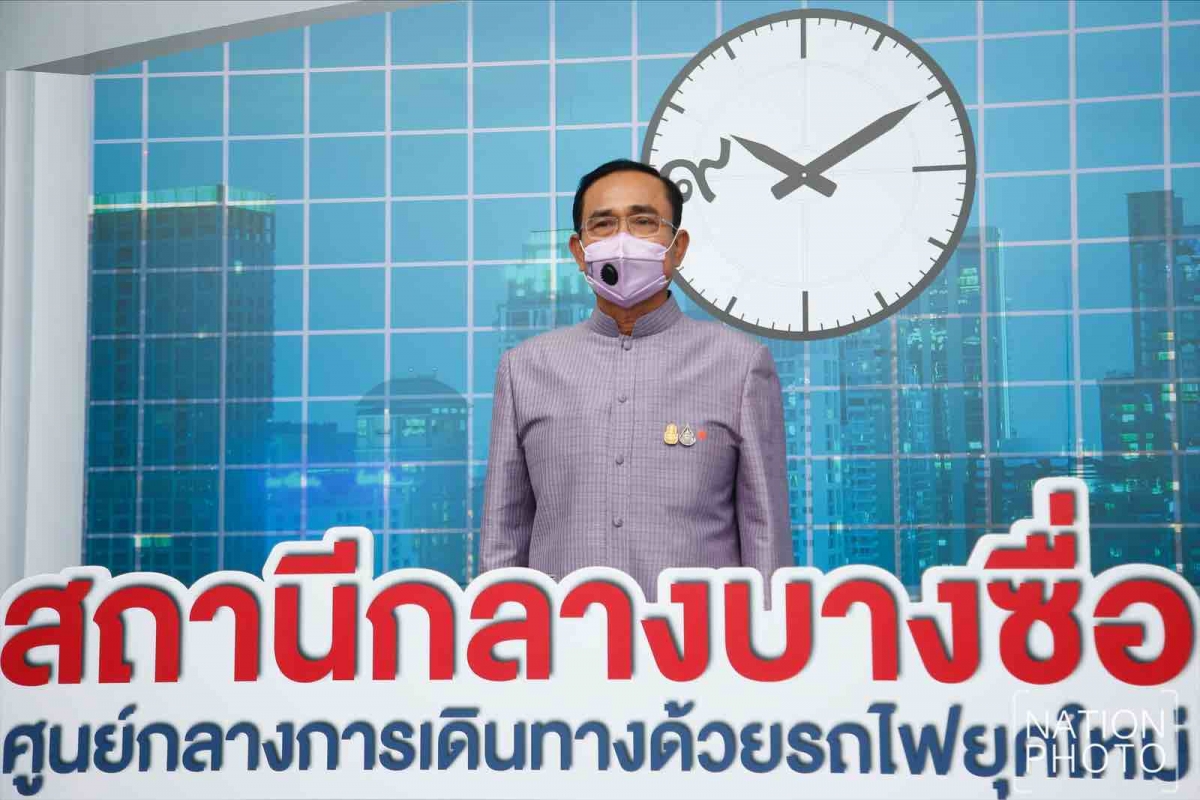
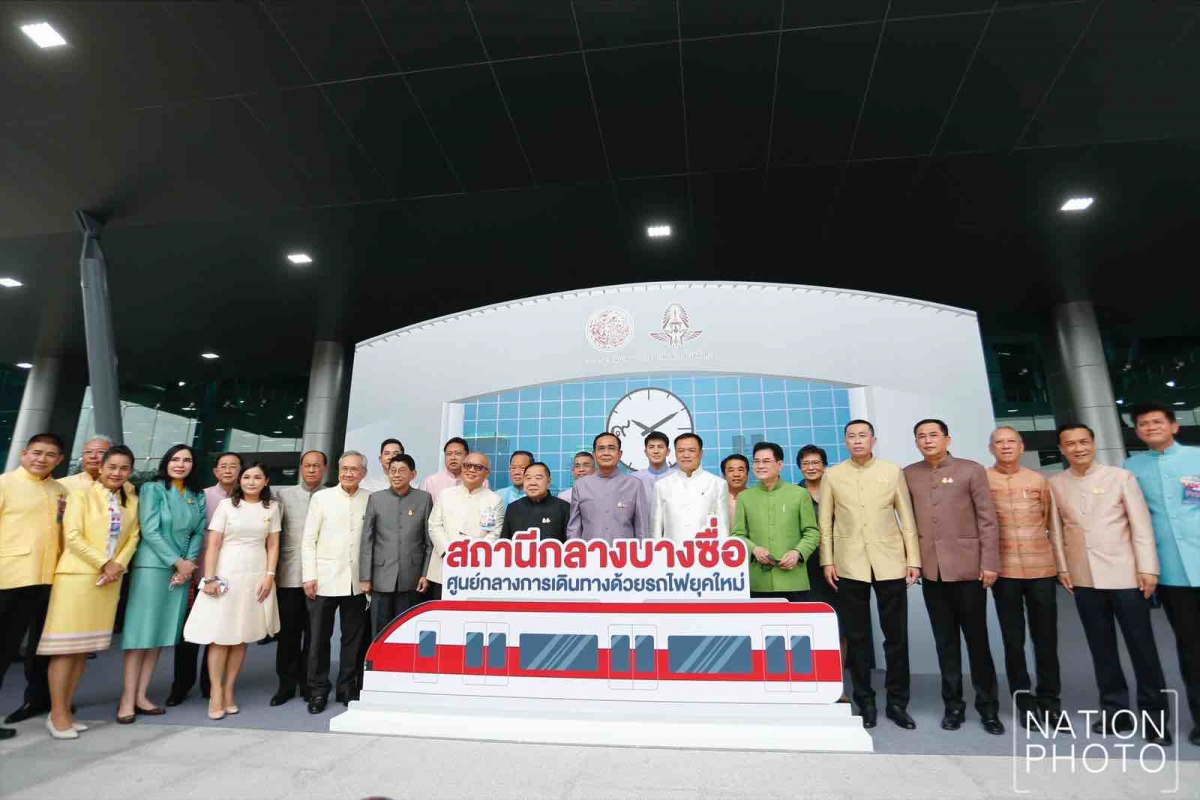
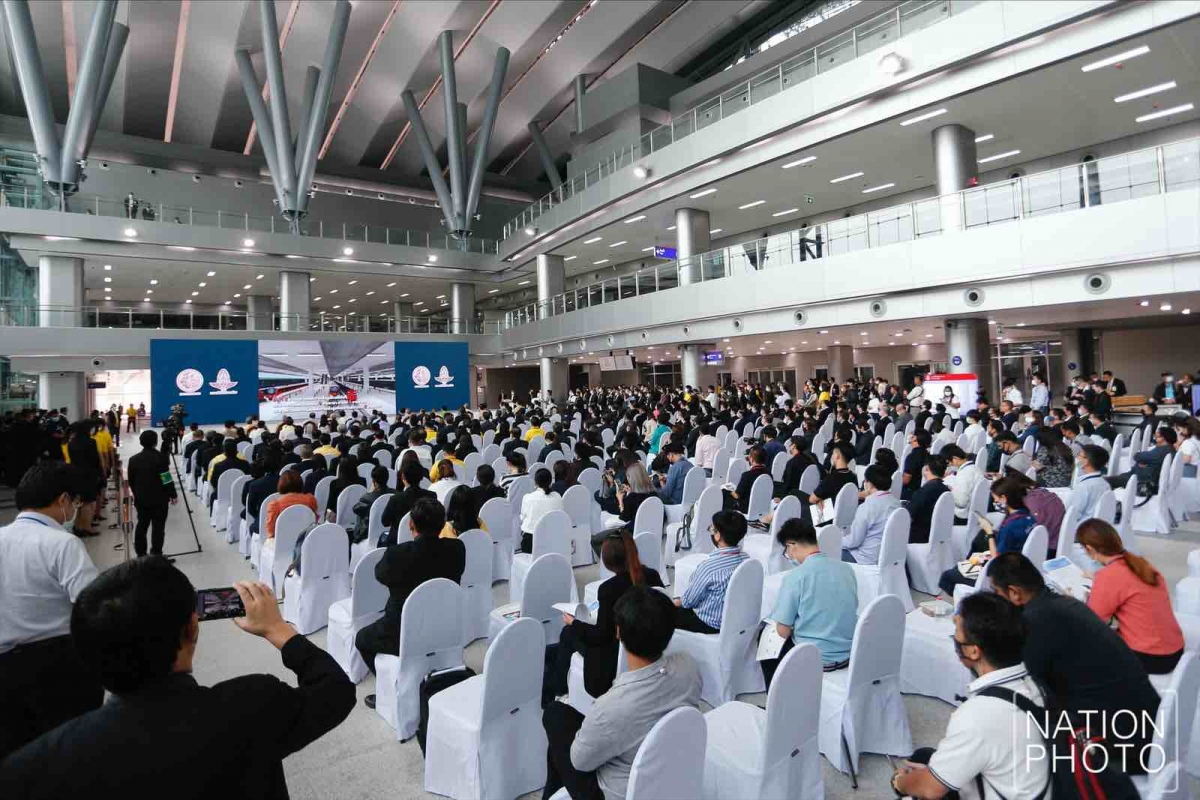
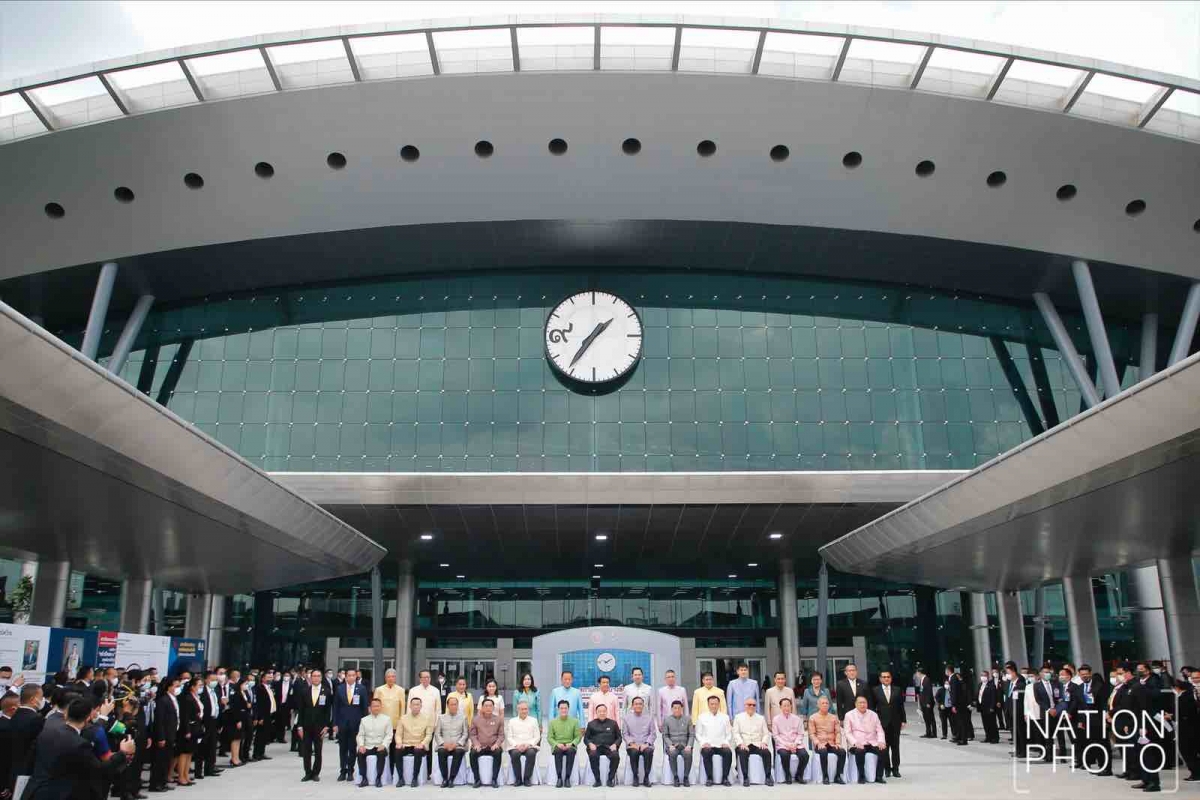
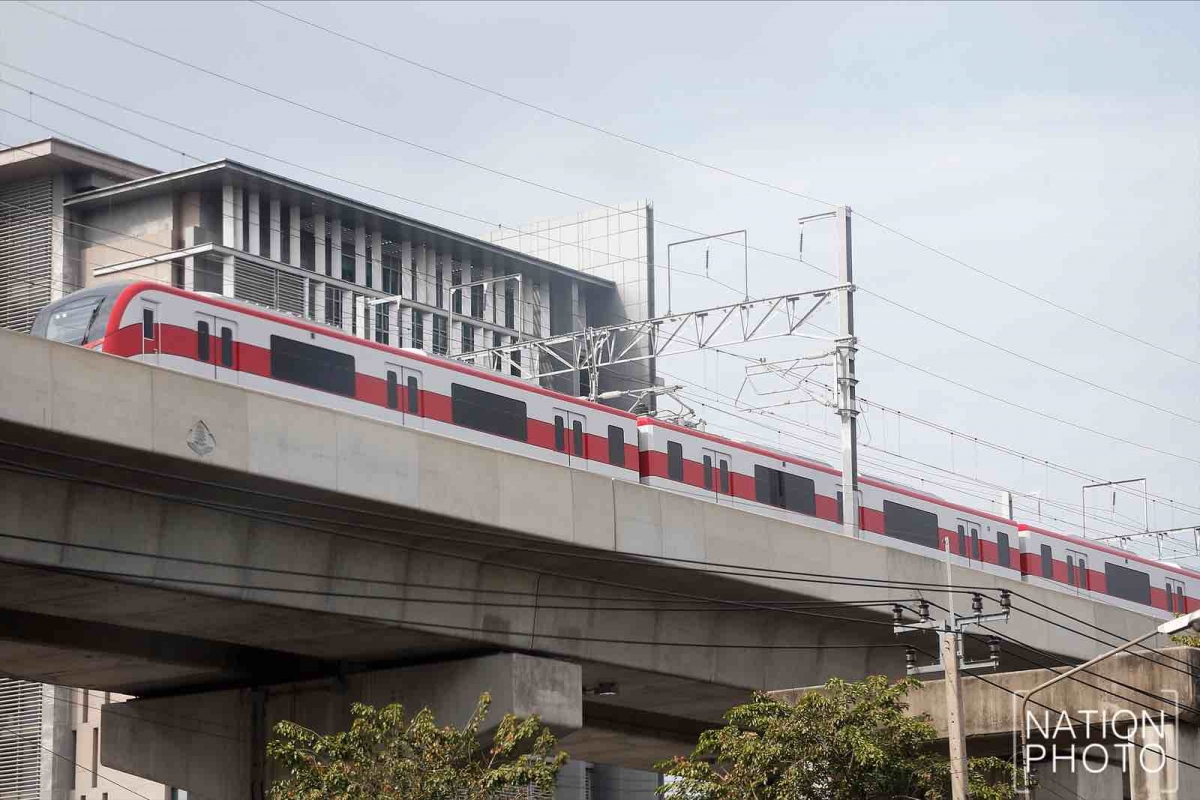
Prime Minister Prayut Chan-o-cha and members of his Cabinet visited Bang Sue Central Station on Tuesday for a test ride on the new Red Line urban train.
The central station will serve as a high-speed train hub linking the three airports of Don Mueang, Suvarnabhumi and U-Tapao with the 10 stations of the Red Line.
Construction of the station is now 100 per cent complete, but the Red Line won’t launch full services until November 2021.
The Red Line, running between Bang Sue and Rangsit stations, will help shorten travel time between the city’s heart and urban areas to under 30 minutes thanks to high-speed (120kph) trains. Public test runs will start in March, with at least 272,500 passengers per day expected after the official opening in November.
Meanwhile, the State Railway of Thailand plans to develop a rental apartment project in Don Muang to accommodate residents whose properties were expropriated to build the high-speed train project.
The Tourism Authority of Thailand (TAT) has chosen the dating app Tinder to launch a new campaign aimed at solo travellers.
The “Single Journey” campaign comes with the hashtag #Don‘tJokeWithLoneliness and promotes domestic travel for tourists who like to travel alone, said Thapanee Kiatpaiboon, chief of TAT product promotion.
The campaign aims to reach 70 million people through Tinder and Facebook, generating 7 million trips and Bt100 million spending in the first quarter of 2021.
It will feature at least 20 routes covering different activities and all regions of the country.
The campaign will be piloted by trips on three routes, starting on Sunday (December 20).
Route 1 is dubbed “Praying to Buddha for love” and features a boat trip on the Chao Phraya to visit nine temples between Bangkok and Ayutthaya. Celebrity astrologist Tossaporn “Chang” Sritula will instruct travellers on how to pray for love, before the day ends with dinner aboard the boat. Booking for the December 20 voyage opens via the Sneakout fanpage and Tinder app on December 16, with free trips for the first 100 who register.
Route 2 for “Hot Singles” focuses on the beaches and party life of Koh Kai in Krabi.
Route 3 is dubbed “Chilling Single by Train” and features a romantic rail trip through the stunning scenery of Pasak Chonlasit Dam in Lopburi, followed by a meal on the reservoir.
More routes will be added, including trips to the bright lights of Pattaya and the hills of Mae Hong Son.
Solo travel is among the world’s most popular forms of tourism and tended to generate high spending, said Thapanee.
More than 20 singles travel routes would be launched in the near future with the aim of generating at least Bt100 million in the first quarter of 2021, she added.
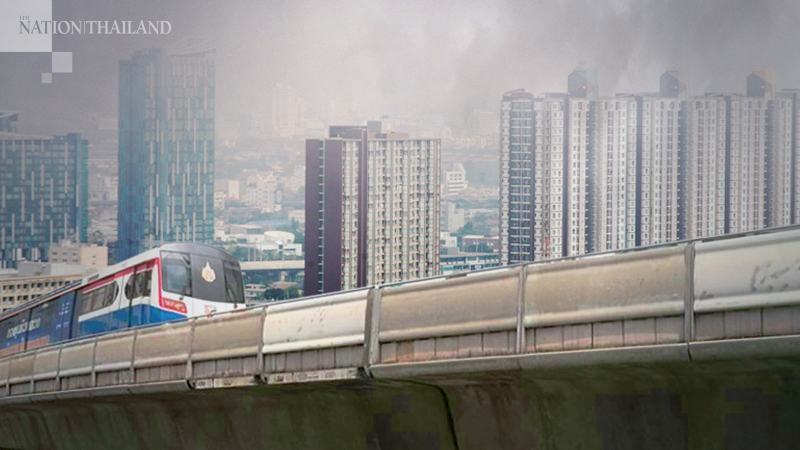
Air pollution, especially in Bangkok, is worsening with the PM2.5 hitting dangerous levels in several areas.
In a press conference on Tuesday, Prof Dr Prasit Watanapa, dean of Mahidol University’s Faculty of Medicine, and Assoc Prof Nitipat Jiarakul, chief of Siriraj Hospital’s Division of Respiratory Disease and Tuberculosis, said it is necessary for the air-quality alarm system to be improved so people can protect themselves better. They also provided details on how minute particulate matter in the air can affect human health.
PM2.5 or particulate matter that is less than 2.5 micrograms in size and is created by car exhaust fumes, the burning of fields, construction and other substances created by agricultural processes. The amount of dust in the air usually rises during the cool season, though the PM2.5 levels depend very much on the sources, Nitipat said.
The main harmful components in air pollution are carbon, polycyclic hydrocarbons and heavy metals. When these substances enter the body, they cause severe inflammation and biological changes in the tissue from the nose to the lungs. This can result in nasal irritation, creation of mucus, sore throat and cough, as well as a higher risk of infections like pneumonia and even Covid-19, he explained.
People with chronic lung diseases like asthma and emphysema need to be particularly careful, he advised.
In the long term, air pollution can worsen the state of the lungs, and even cause emphysema among non-smokers as well as increase the risk of cancer because PM2.5 can enter the bloodstream and damage organs. It can also cause high-blood pressure, heart disease, cerebrovascular disease and chronic kidney disease as well as many other conditions like diabetes, wrinkled skin, dry eyes, vision impairment, sexual dysfunction, etc.
Though the public is aware of the dangers of PM2.5, it is necessary for the government to step in and introduce strict measures to control the sources of dust pollution as well as provide better alerts for vulnerable groups.
Dr Prasit said the authorities should revise the air quality index (AQI) and create a colour code to provide warnings for people sensitive to dust. At present, the AQI only provides warnings when PM2.5 levels rise above 50mcg per cubic metre of air (μg/m3), which is the Thai standard. In comparison, the World Health Organisation sets safe levels at 25μg/m3.
Dr Prasit has suggested that alerts be provided when air quality drops to 37.5(μg/m3) to warn those who are sensitive to dust.
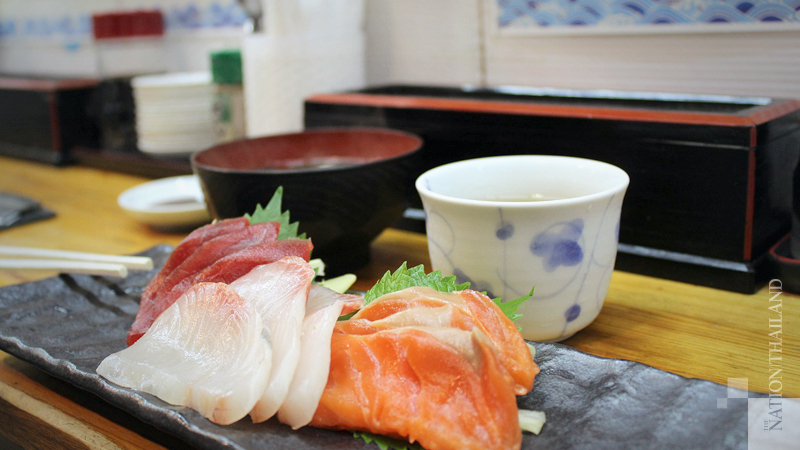
The number of Japanese restaurants in Thailand grew by 12.6 per cent this year to 4,094, the Japan External Trade Organisation (JETRO) said on Tuesday.
More than half (2,105) are located in Bangkok. The remainder are located in Chonburi and Nonthaburi (256 each), Chiang Mai (162), Samut Prakan (129), Pathum Thani (102), Phuket (69), Songkhla (68), Nakhon Ratchasima (63) and Nakhon Pathom (56). An increase in sushi outlets was the main reason for the rise.
JETRO president Atsushi Taketani said the customer base for Japanese cuisine was expanding as people became familiar with the food.
However, high competition and the Covid-19 crisis saw 726 Japanese restaurants close this year in Thailand – the highest number since 2007.
He said Thailand’s Covid-19 lockdown saw a 20-30 per cent drop in restaurant sales, forcing many out of business. Restaurants patronised by wealthy Thai customers had recovered quickly, but those dependent on foreign tourists were still struggling, he added.
Despite an uncertain outlook, Taketani said Japanese businesses had already contacted JETRO with plans to open restaurants in Thailand next year.
He added that JETRO has joined AIS, Gojek and GrabFood to organise the “Let’s eat JAPAN” promotion campaign.
This year, Japan exported food and beverages to Thailand worth almost Bt10 billion, mostly seafood, beef, apples, grapes and Japanese rice wine.
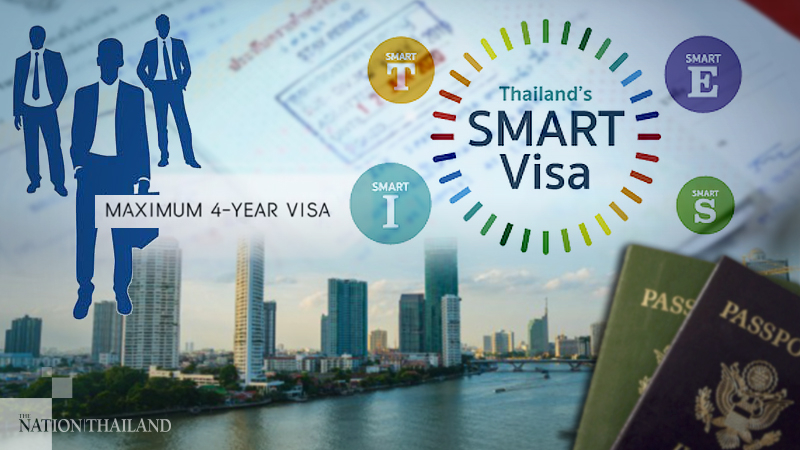
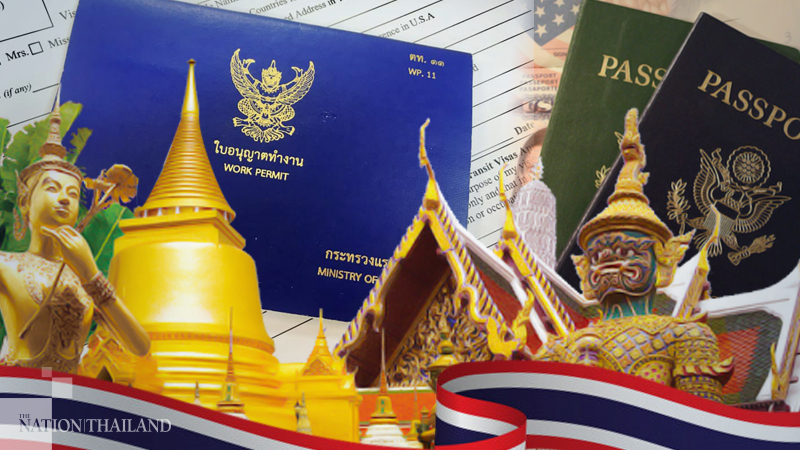
The Board of Investment (BOI) will ask the Cabinet to approve new smart visa rules designed to attract more overseas talent to work in Thailand.
The new rules have already been given the green light by the government’s Centre for Covid-19 Situation Administration (CCSA).
Among the move’s aims is to allow digital freelancers currently working in Thailand to exchange their tourist visas for smart visas. To be eligible, applicants must have an employment contract with a foreign firm lasting at least six months and proof of qualifications and professional experience. BOI partners will help in screening their professional backgrounds.
After receiving the smart visa, their expertise could be tapped by universities, the Digital Economy Promotion Agency, National Innovation Agency, National Science and Technology Development Agency, and others, said BOI deputy secretary general Narit Therdsteerasukdi.
“The [resulting] influx of talent will create a talent pool in the country,” he assured.
Known as digital nomads, the foreign freelancers currently work in Bangkok, Phuket, Chiang Mai and even on Ko Pha-ngan in Surat Thani province, where they have set up a co-working space.
The new visa rules will also cover experienced foreign executives in several businesses – helping to boost development of an investment ecosystem, especially for start-ups. Their expertise could be applied to innovation camps, co-working spaces, advanced materials and packaging, and 3D printing.
The BOI also aims to lure academics to government universities to teach subjects beyond science and technology. These would include innovation, technology management and entrepreneurship.
The new visa rules would allow small businesses to tap foreign talent by reducing the minimum salary they can offer foreigners from Bt100,000 to Bt50,000.
The new rules also relax requirements for executives, reducing the 10 years’ experience and education level (bachelor’s degree) currently required.
So far, 514 foreigners have been granted smart visas since they were adopted in 2018. About half work in digital businesses, followed by automation and robotics. About 47 per cent of them work in start-ups.
Currently, Thailand offers four types of smart visa – the SmartT for talent, Smart E for executives, Smart I for investors, SmartS for start-ups and SmartO for family members.
Holders are permitted to stay up to four years in Thailand without a work permit. The visas also allow travel in and out of the country, as well as fast-track privileges at airports.
The Stock Exchange of Thailand (SET) Index closed at 1,477.21 on Tuesday, up 1.08 points or 0.07 per cent. The volume of total transactions was Bt91.74 billion with an index high of 1,478.61 and a low of 1,459.97.
In the morning session, an analyst at Krungsri Securities said he expected the day’s index to fall to between 1,465 and 1,470 owing to the lack of elements to stimulate investment.
“Besides, the SET will be pressured by the slowdown in foreign funds, uncertainty over the Bank of Thailand’s measures to curb the baht’s appreciation and the index’s tight valuation,” he said
The top 10 stocks with the highest trade value today were KBANK, CPALL, BAM, ADVANC, PTT, IRPC, PTTGC, AOT, IVL and SCC.
As of 4.30pm, the price of oil dropped by US$0.07 or 0.15 per cent to $46.92 per barrel, while gold rose by $16.50 or 0.90 per cent, to $1,848.60 per ounce.
Other Asian indices were on the downslide, except the Shenzhen SE Component Index:
Japan’s Nikkei Index closed at 26,687.84, down 44.60 points or 0.17 per cent.
China’s Shanghai SE Composite Index closed at 3,367.23, down 1.89 points or 0.056 per cent, while Shenzhen SE Component Index closed at 13,763.31, up 71.18 points or 0.52 per cent.
Hong Kong’s Hang Seng Index closed at 26,207.29, down 182.23 points or 0.69 per cent.
South Korea’s KOSPI Index closed at 2,756.82, down 5.38 points or 0.19 per cent.
Taiwan’s TAIEX Index closed at 14,068.52, down 142.53 points or 1 per cent.