SINGAPORE – Singapore and South Korea have agreed on a new pact that will set rules and standards for digital trade and partnership between the two countries.
South Korea’s Minister for Trade Yeo Han-Koo and Singapore’s Second Minister for Trade and Industry Tan See Leng announced the conclusion of talks on the Korea-Singapore Digital Partnership Agreement (KSDPA) after a meeting here on Wednesday (Dec 15).
The KSDPA will be Singapore’s fourth digital economy agreement (DEA), and its first with an Asian country.
The new rules and norms will allow digital infrastructure in both countries to exchange information and data and build a trusted and secure digital environment for businesses and consumers, said a statement issued by the Ministry of Trade and Industry (MTI).
Mr Yeo, in a virtual interview with The Straits Times, said the agreement will increase the access of consumers in Singapore to South Korean products via e-commerce platforms such as Shopee and Lazada.
They will also be able to access online entertainment content such as South Korean dramas, movies and K-pop performances on online platforms other than those currently available, such as Netflix.
“South Korea and Singapore have always been like-minded partners in trade and investment. This agreement further solidifies our partnership on digital trade rules.
“Also, Singapore is at the core of Asean and a leading digital hub, making it likely for South Korean firms to expand into the region in the digital sector utilising the KSDPA, ” he said.
The KSDPA will prohibit data localisation, which requires data to be stored inside a country, except for specific purposes such as regulatory access.
According to the statement, the delocalisation will allow businesses to transfer data securely as part of their daily business operations and choose where they may wish to store and process their data, according to their business needs.
Dr Tan, in the MTI statement, said: “By aligning standards, enabling trusted data flows and allowing cross border digital transactions to take place more seamlessly, the KSDPA will open up opportunities for our businesses and people in the rapidly growing digital economy.”
The agreement will deepen bilateral cooperation between the two countries in new emerging areas like personal information protection, e-payments and source code protection.
Source code refers to any collection of codes, with or without comments, written using a human-readable programming language, usually as plain text. It serves the needs of companies that have procedures in place that they want to retain regardless of the software installed.
South Korea and Singapore will also identify cross-border opportunities to facilitate Artificial Intelligence innovation and collaborations, the MTI statement said.
The KSDPA will also complement Singapore’s efforts to develop global rules as co-convenor of the World Trade Organisation joint initiative on e-commerce. The other two co-convenors of the initiative are Australia and Japan.
According to MTI, Singapore was South Korea’s eighth largest trade partner last year, with bilateral trade reaching S$44.6 billion. As at end-2019, Singapore has invested about $8.37 billion in South Korea, and has received a cumulative direct investment of $23.7 billion from the North Asian nation.
The KSDPA follows the Digital Economy Partnership Agreement with Chile and New Zealand and the Singapore-Australia DEA, as well as the United Kingdom-Singapore DEA that was agreed upon on Dec 9.
The DEAs with Britain and South Korea are likely to come into force some time next year.
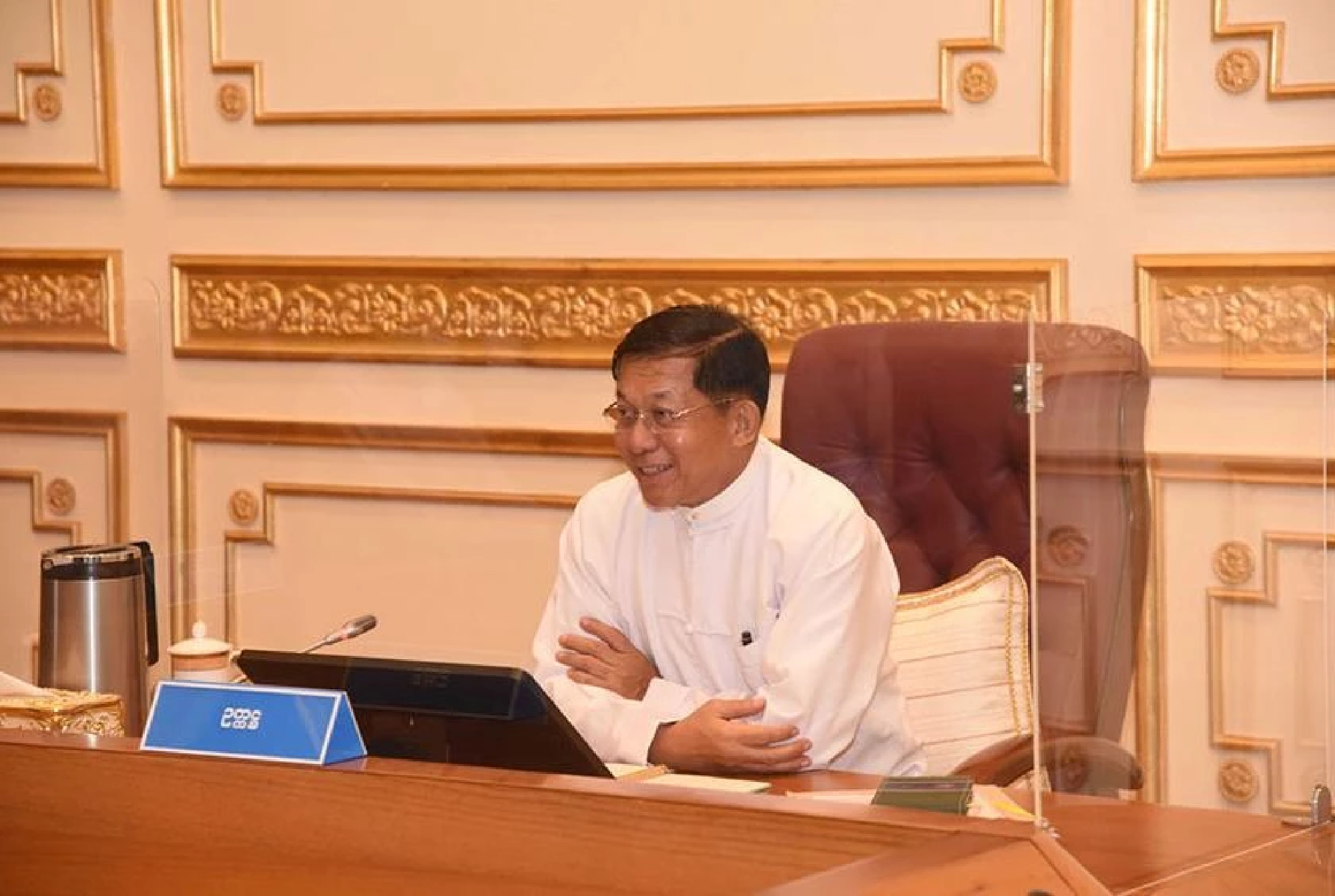
Myanmar is seeking coordination with China to produce a Covid-19 vaccine domestically in January with a target of producing five million units of vaccine per month, said Chairman of the State Administration Council and Prime Minister Senior General Min Aun Hlaing.
He revealed the information during the meeting (18/2021) of the SAC held in Nay Pyi Taw on December 13, State-run TV and newspapers reported.
“Although the Omicron virus has not touched the country yet, it is spreading to some neighbouring and regional countries. As such, it is necessary to take measures to prevent the infection of such virus in Myanmar. It is reported that those who have been vaccinated would have the least impact of the infection. If the infection rate is high, treatment will be given at the hospitals and clinics where preparations have been made,” the Senior General said.
When it comes to Covid-19 vaccination, he said, a total of 42,771,600 units of Covid-19 vaccines including those purchased by the State, those donated by foreign countries to the State and the military, those privately donated and those donated by the China-Myanmar Friendship Association for the Myanmar-China border areas have arrived in the country. One more million doses of vaccine purchased from Russia will arrive in Myanmar this month. And China will donate more vaccines, he said.
Moreover, the Nippon Foundation from Japan has pledged to donate two million vaccine doses to Myanmar, and one million will arrive this month and one more million in January, he added.
The Senior General said 31,049,275 doses have been administered while 11,722,325 doses are in hand. In the country, a total of 12,693,945 people have received two doses and 5,661,385 people one dose, totalling 18,355,330. The government is trying to vaccinate 50% of those aged 18 and above across the nation by December. Efforts are being made to exceed the target. Arrangements are also being made to vaccinate the remaining population. Moreover, those wishing to receive booster shots are allowed to do so at private hospitals in accord with the prescribed disciplines. As such, private hospitals and clinics need to follow the protocols and use the recognized vaccines in order to avoid any undesirable side effects, the Senior General said.
HÀ NỘI — Hà Nội’s leader reaffirmed on Wednesday that no large-scale lockdown was on the table currently amid a spike in COVID-19 cases in recent days.
Addressing a meeting of the Standing Committee of Hà Nội Party Committee today, Hà Nội Party Secretary Đinh Tiến Dũng said given that the situation was still under control, especially with the high vaccination rate, the city’s authorities were not planning any widespread shutdown.
The city authorities are focusing on improving local healthcare capacity to deal with outbreaks, in line with the spirit of Government’s Directive 128 on safe, flexible adaptation to the pandemic.
The Hà Nội Party Committee requested the Hà Nội People’s Committee to direct the arrangement of mobile medical stations, strengthening the grassroots medical capacity to respond to all outbreak scenarios and levels, to avoid being ‘taken by surprise.’
The first order of business is to address problems and policies related to purchasing medical supplies and diagnostic machines to ramp up testing capacity, as well as policies on sufficient compensation for healthcare workers and other volunteers taking part in the COVID-19 response.
Dũng said that the whole political system as well as the public must “engage with determination in efforts to protect the capital city against the pandemic,” and especially remain cautious and careful during upcoming holidays like Christmas and New Year’s Eve to avoid massive spreading of the virus.
The city has seen a record-breaking number of daily new COVID-19 infections in recent days, hitting over 1,000 confirmed cases on Tuesday, to lead the country in terms of daily transmissions, the first time it has done so since the beginning of the fourth wave starting in April this year.
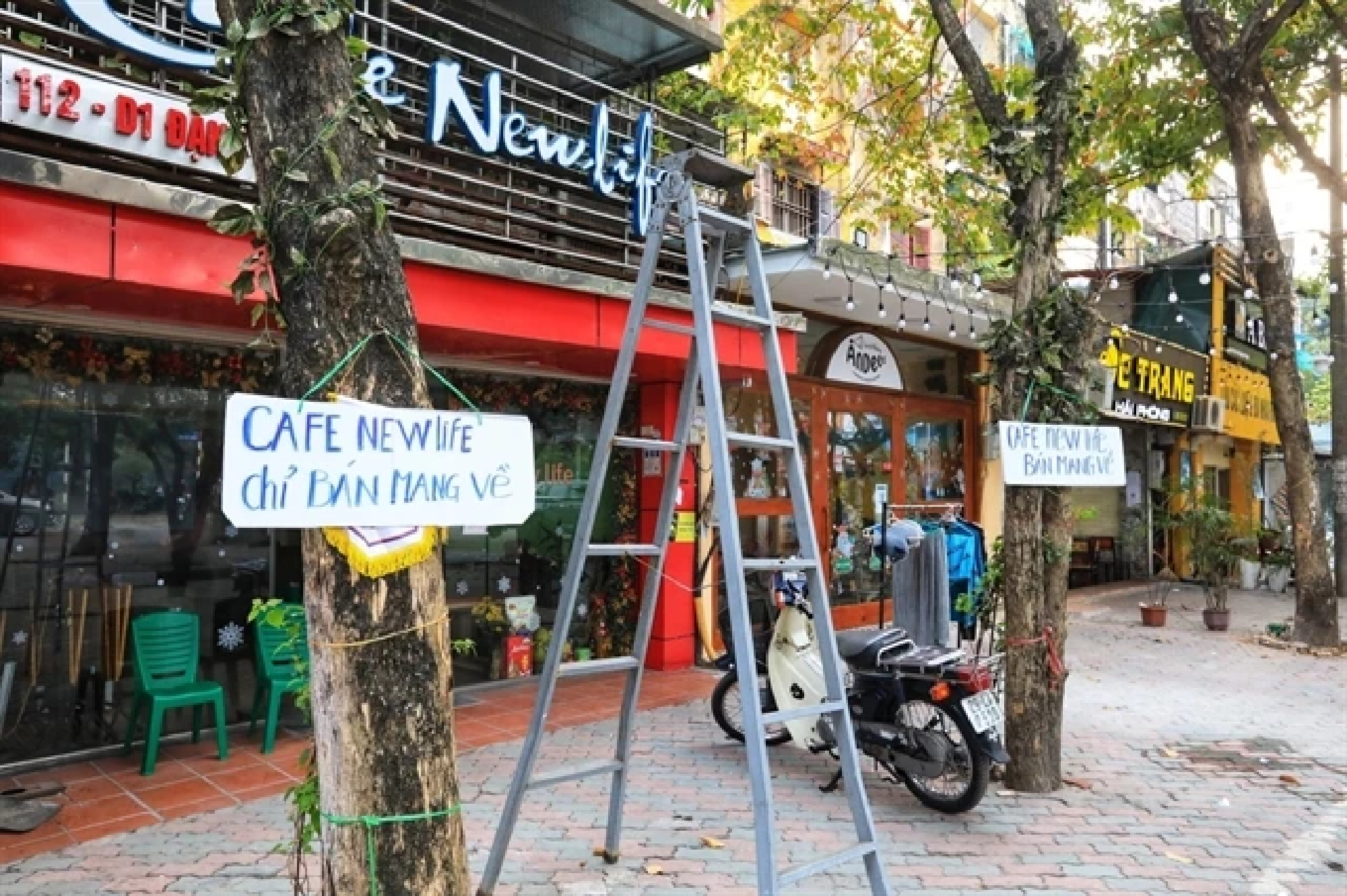
The city still upholds some restrictions such as closures of schools in most grades, spas, karaokes and disco venues. Restaurants and cafes must close by 9pm.
The urban district of Đống Đa on Monday had to order temporary halting of on-site dining, outdoor exercises and in-person learning, as its COVID-19 outbreak escalated.
As of Wednesday, Hà Nội had nearly 11,000 active COVID-19 patients, with mobile medical stations in charge of over 2,800 cases and other cases under home care, accounting for about 37 per cent of the total.
According to the National COVID-19 Vaccine Portal, over 90 per cent of Hà Nội’s adult population has received the full two doses of vaccine. — VNS
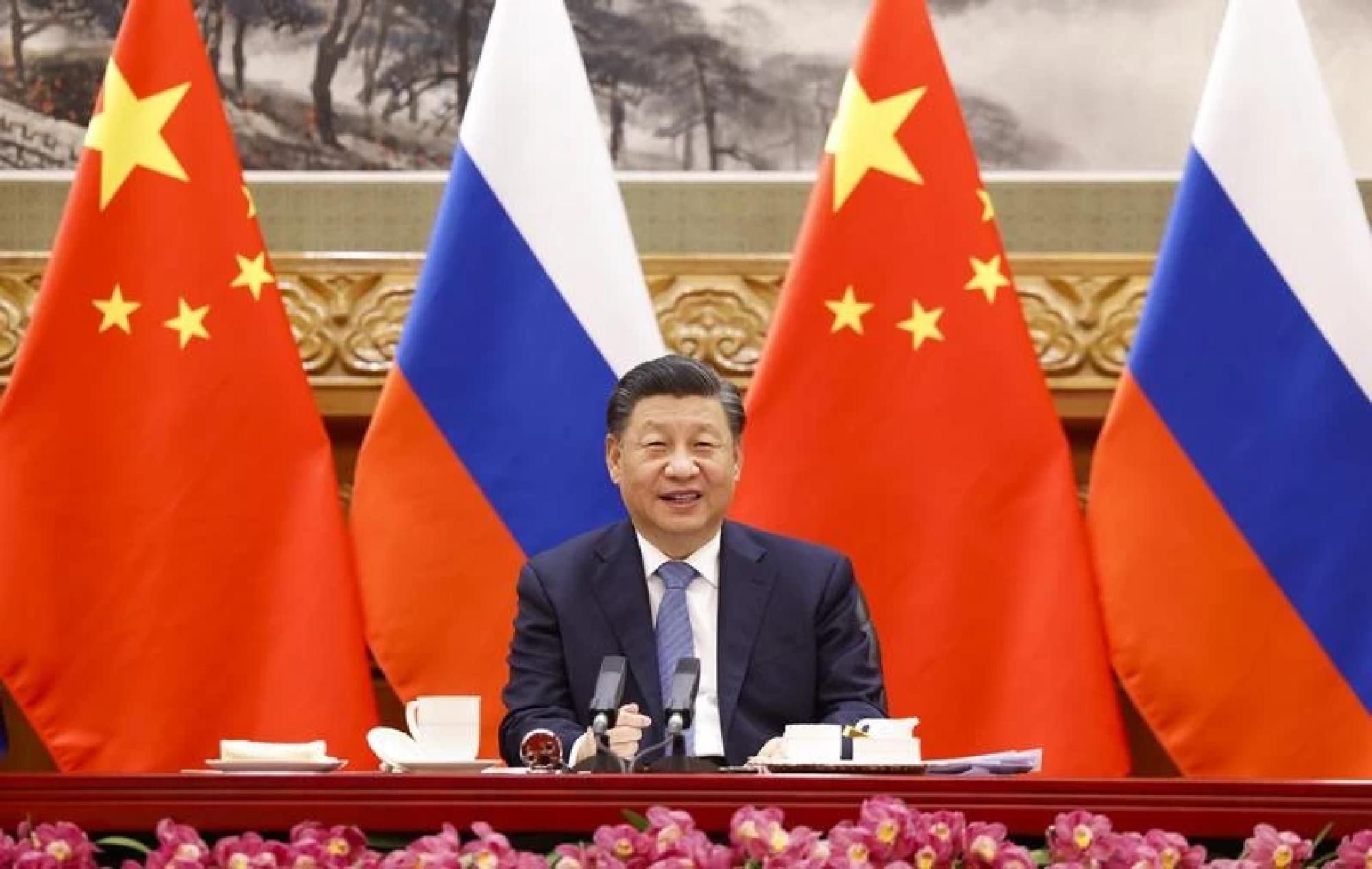
BEIJING – China and Russia have become major champions of real multilateralism and international fairness and justice, President Xi Jinping said during a virtual meeting with Russian President Vladimir Putin in Beijing on Wednesday.
Praising Putin’s support for China in safeguarding its core interests as well as his objection to attempts to sow discords between China and Russia, Xi said he hopes to work with Putin to review the outcomes gained from this year’s development of China-Russia ties and make plans for future bilateral cooperation.
Pointing out that China-Russia ties have withstood the profound changes the world is going through as well as the COVID-19 pandemic, Xi said the two countries have firmly supported each other over issues concerning their core interests and safeguarded their common interests.
Xi said efforts must be made to firmly reject hegemonic acts and the Cold War mentality under the disguise of “multilateralism” and “rules.”
He said that certain forces in the world are trying to meddle in the internal affairs of China and Russia under the pretext of “democracy” and “human rights” and grossly trample on international law and universally recognized norms governing international relations.
China and Russia need to launch more joint actions to uphold the security interests of the two sides more effectively, Xi said.
He said that China is willing to step up cooperation with Russia to improve global governance and advance the global development cause.
Referring to the Global Development Initiative he proposed at the 76th session of the United Nations (UN) General Assembly, Xi said it is a public good focusing on addressing market challenges faced by the world, especially emerging markets and developing countries.
The initiative also aims to boost the implementation of the UN 2030 Agenda for Sustainable Development, he added.
Xi urged the five permanent members of the UN Security Council to enhance coordination in deepening anti-pandemic cooperation, safeguarding global peace and security, and boosting economic recovery.
Pandemic
Xi said that China will strengthen cooperation with Russia in areas including COVID-19 virus testing, as well as vaccine and drug development.
He said China and Russia have been actively cooperating in the fight against the COVID-19 pandemic since last year, vividly illustrating the connotation of bilateral relations featuring mutual assistance, and making positive contributions to promoting international solidarity against COVID-19 and building a global community of health for all.
Beijing Winter Olympics
Xi said he expects to meet Putin in Beijing in over a month’s time. The Russian leader said he looks forward to his upcoming visit to China and attending the opening ceremony of the Beijing Winter Olympics.
Xi underscored Putin’s visit to China and attendance at the opening ceremony of the Beijing Winter Olympics in over a month’s time as a concrete action to support China’s work as the host.
It will be the first in-person meeting between the two leaders in nearly two years, he said.
Xi said he expects to have in-depth exchanges with Putin on bilateral relations, major international and regional issues and he believes that the two will reach more common understandings of importance.
Xi said he very much looks forward to this “get-together for the Winter Olympics” and stands ready to work with Putin “for a shared future” to jointly open a new chapter in post-COVID China-Russia relations.
Stressing that Russia has consistently opposed politicizing sports, Putin said that he would like to exchange ideas with Xi on major issues of common concern to maintain the development of Russia-China relations at a high level.
SCO
Xi said China and Russia should never allow any external forces to interfere in the internal affairs of member states of the Shanghai Cooperation Organization (SCO).
He praised the high-level strategic coordination between the two countries since the SCO was established 20 years ago.
The two countries have firmly adhered to the “Shanghai Spirit” along with other SCO members, constantly enhanced mutual trust and deepened cooperation in all fields, Xi added.
China and Russia should support member countries of the SCO to steadily carry forward their major domestic political agendas, and never allow any external forces to interfere in the internal affairs of the regional countries under any excuses, Xi said.
Bilateral Trade
Xi noted that trade between China and Russia in the first three quarters of 2021 has topped $100 billion for the first time.
For the whole year, bilateral trade looks to reach a record high, Xi said, adding that the all-round practical cooperation between China and Russia has demonstrated tremendous political strengths and huge potential.
Xi said China and Russia should take the opportunities brought by the new round of scientific and technological revolution and industrial transformation, and expedite industrial cooperation on cutting-edge technologies.
Energy Cooperation
Xi called for efforts to boost energy cooperation between China and Russia. He said China and Russia should step up cooperation in new energy while consolidating traditional energy cooperation.
The two sides should advance a series of cooperation in nuclear energy and explore further cooperation in renewable energy and other fields, Xi said.
During the meeting, Putin also said that Russia is willing to continue strengthening cooperation with China in such fields as trade, oil and gas, finance, and aerospace and aviation, as well as major strategic projects. Russia will also seek greater synergy between the Eurasian Economic Union and the Belt and Road Initiative.
He said Russia will be the most staunch supporter of the Chinese government’s just position on the Taiwan question and resolutely oppose any forces using the Taiwan question to undermine China’s interests.
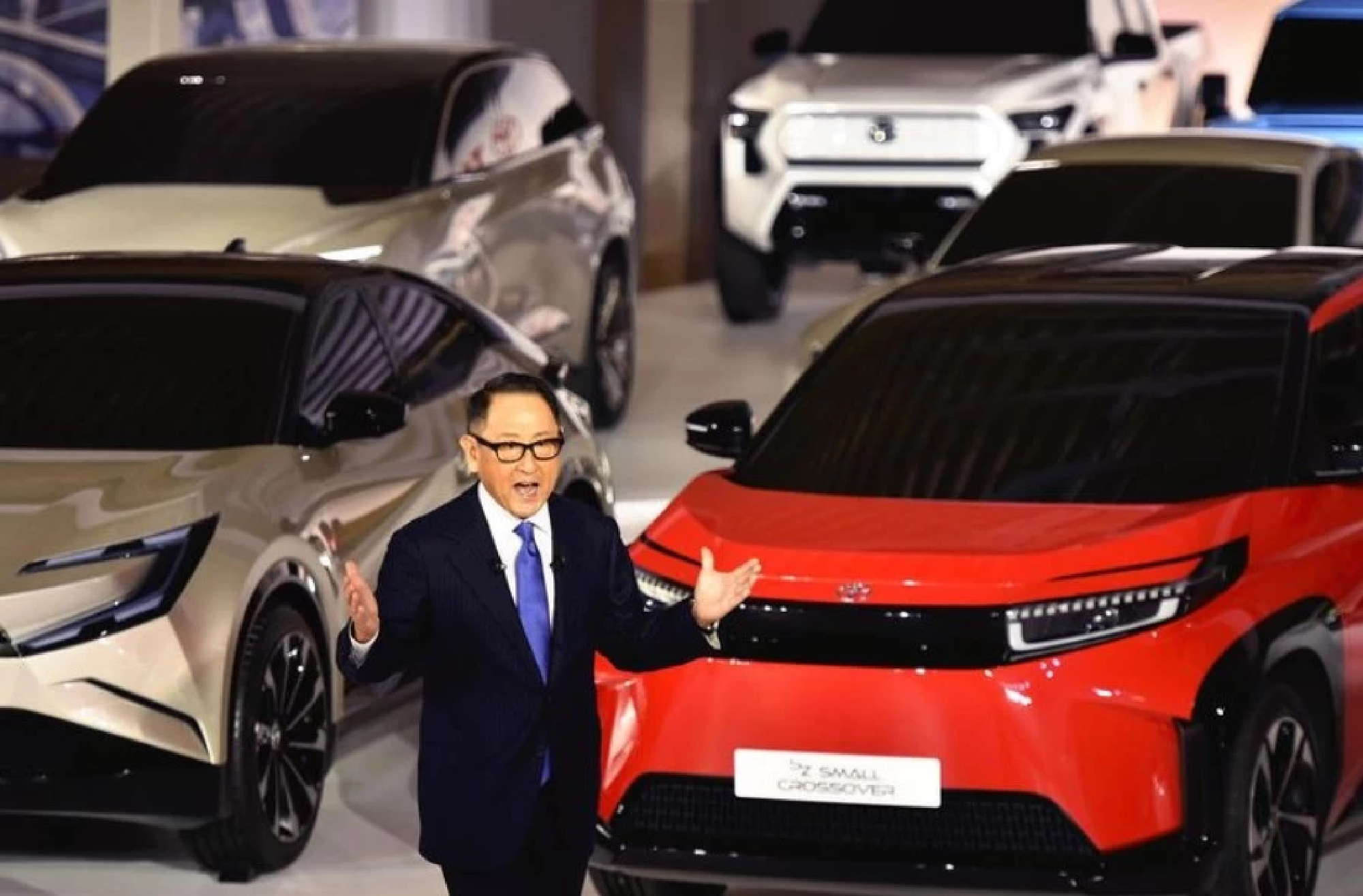
Toyota Motor Corp. has announced plans to significantly expand its lineup of electric vehicles, a move that is likely to accelerate the shift to electrification among other carmakers.
The world’s largest automaker aims to achieve global sales of 3.5 million EVs per year by 2030, a major increase from its previous goal of 2 million, including fuel cell vehicles.
With the drive toward decarbonization gaining speed throughout the automotive industry, Toyota is planning to invest ¥4 trillion in plants, equipment and research and development to boost its electric vehicle strategy.
The new target of 3.5 million units is more than one-third of Toyota’s total global sales in 2020. The auto giant had previously planned to roll out 15 EV models by 2025, but this figure has now been doubled to 30 by 2030.
The bZ4X, a sport-utility vehicle set to hit the market in mid-2022, will be the first model in a new series of Toyota EVs that will range from small cars to large SUVs and sedans.
Toyota’s luxury Lexus brand plans to have a full lineup of electric vehicles and achieve 1 million units in global EV sales.
Lexus is aiming for EVs to account for 100% of global sales in 2035.
Toyota also plans to invest a total of ¥8 trillion between 2022 and 2030 on plants, equipment and the development of vehicles, including hybrid and fuel cell vehicles.
The company will increase investment in the production of batteries — a core component of EVs — from ¥1.5 trillion announced in September to ¥2 trillion. Toyota is also considering installing fast-charging stations at all of its dealerships across Japan by 2025 to promote the spread of electric vehicles.
“At present, the energy situation varies greatly from region to region,” Toyota President Akio Toyoda said at a media briefing in Tokyo on Tuesday. “That is exactly why Toyota is committed to providing a diversified range of carbon-neutral options for various situations and needs.”
The rapid shift toward low or zero carbon-emission vehicles is increasing the possibility that fossil fuel-powered vehicles could become unmarketable in some major markets, such as Europe.
In April, Honda Motor Co. announced a target of selling only battery-powered electric or fuel cell vehicles by 2040.
Honda was the first major Japanese automaker to declare that it would stop manufacturing gasoline-powered vehicles, including hybrids, at some point in the future.
In November, Nissan Motor Co. said it aims to invest about ¥2 trillion in electrification, including EVs, over the next five years and sell 15 new electric models globally by fiscal 2030.
Nissan’s strategy takes into account the differing conditions in various regions around the world, such as recharging infrastructure, and also places importance on the company’s hybrid vehicle technologies.
The shift to electric vehicles has been even more pronounced among automakers in Europe, partly due to the European Union’s tougher emissions regulations.
Mercedes-Benz plans to go all-electric by 2030, while Audi, part of the Volkswagen Group, has announced that all its new vehicles will be EVs from 2026.
Largest airline in HK resuming more flights between SAR, Chinese mainland
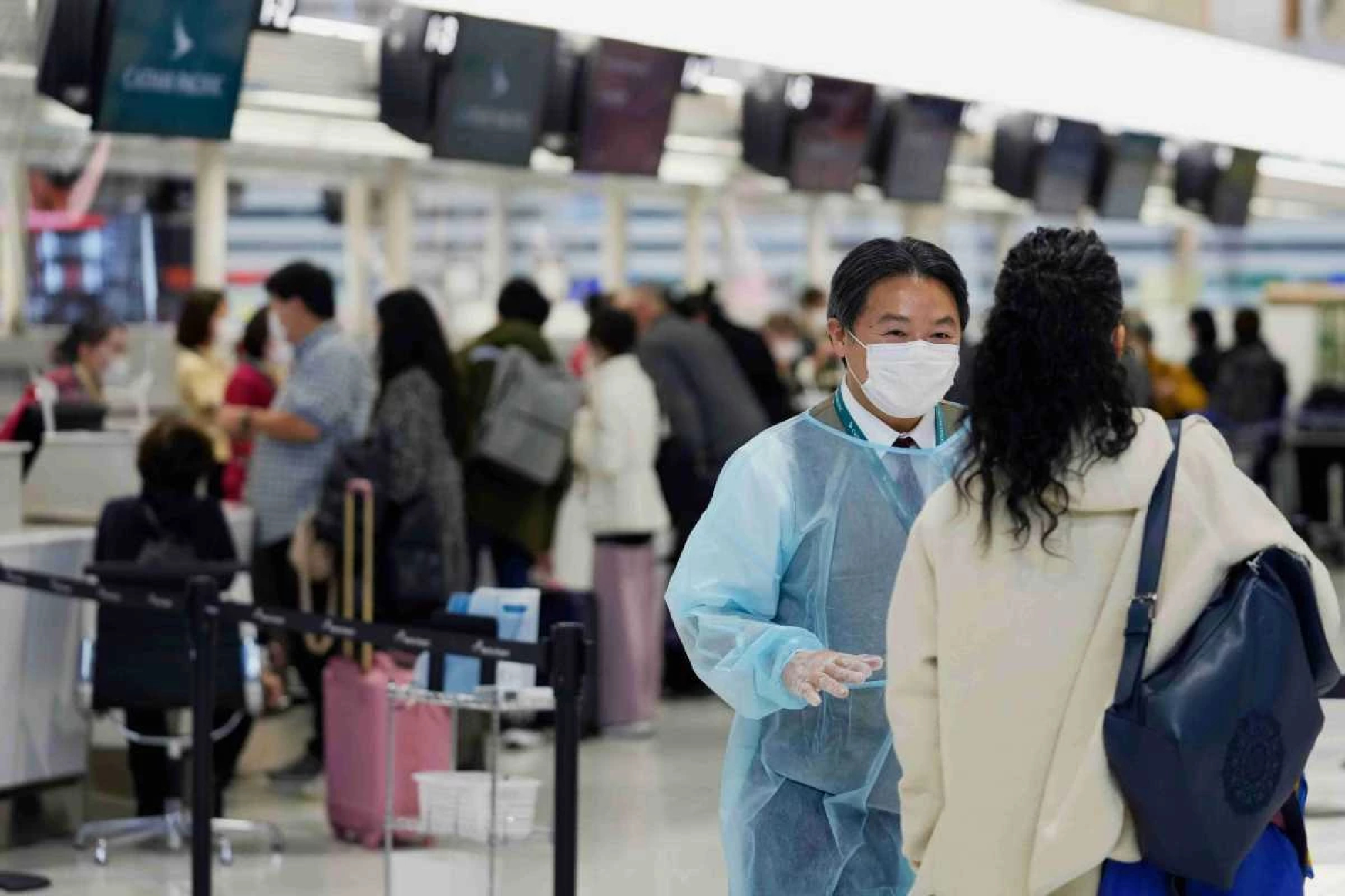
Cathay Pacific Airways, the largest airline in the Hong Kong Special Administrative Region, said it is cautiously optimistic about the growth prospects of the air travel market in the Chinese mainland next year, and is prepared for a potential future capacity increase through business growth opportunities brought about by the Guangdong-Hong Kong-Macao Greater Bay Area.
With the COVID-19 pandemic gradually brought under better control in China, Cathay Pacific said it is preparing for more flight resumptions to and from the Chinese mainland. It has resumed flights between Hong Kong and 10 cities in the Chinese mainland.
“As Hong Kong’s flagship airline, which was established in 1946, we welcome and fully support various measures to strengthen Hong Kong’s ties with the Greater Bay Area. We will continue to focus on this important national strategy and promote traffic connections between Hong Kong and other cities in the area. We will also strengthen Hong Kong’s role as a ‘super liaison’ between the area and the rest of the world,” said Agatha Lee, general manager of China business at Cathay Pacific Airways.
“We are happy to see that the third runway of Hong Kong International Airport will launch operations next year. It will help us better connect the Chinese mainland, Hong Kong and other cities in the world,” Lee said.
With the development of the GBA, Cathay Pacific has found more passengers in the region showing interest in a hybrid transportation model. Some choose to take buses to go across the Hong Kong-Zhuhai-Macao Bridge or take ferries first and then head to the Hong Kong airport for flights. The carrier believes such a model will become more common in the future.
In the third quarter, some 120,000 Chinese mainland students studying abroad, especially those in the United States and the United Kingdom, took Cathay Pacific flights and transferred in Hong Kong. The high demand from students helped the carrier significantly reduce losses, helping it make earnings and costs even during the period between July and October.
For overall passenger demand, the performance of short-haul flights, especially flights that connect Asian countries, fared better. Demand for long-haul international flights was weaker due to travel restrictions, Cathay Pacific said.
In addition, the air cargo transportation market has become a bright spot for the industry amid the pandemic. Cathay Pacific has been no exception. The carrier said its cargo capacity has resumed to about 70 percent of the level seen before the pandemic.
The company said it has a fleet of 20 freighters and six Boeing 777-renovated freighters, and it also transported goods with belly-hold operations. With the advanced freight handling system in Hong Kong, it has transferred about 76 million doses of COVID-19 vaccines to overseas markets with its freighters.
Despite COVID-19, Cathay Pacific has continued business upgrades and deliveries of more new fuel-efficient aircraft. The carrier is also introducing more advanced devices such as 4K screens and Bluetooth earphones for inboard entertainment systems. Starting Jan 1, 2022, the carrier will introduce the HBO Max channel in its entertainment system, becoming the first Asian airline to do so.
“The impact of the pandemic is temporary, and passenger demands are constantly upgrading. We need to keep improving ourselves and maintain advantages in our products,” Lee said.
Until March 2022, to give passengers more flexibility, Cathay Pacific said it will allow all passengers who have booked domestic or international flights to make changes to their itineraries for free or change to Cathay credits if they are not sure about departure times.
Cathay Pacific said it plans to achieve zero carbon emissions by 2050. In 2014, it became the first airline that invested in US sustainable fuel company Fulcrum BioEnergy, and will purchase 1.1 million metric tons of sustainable aviation fuel from the company during a 10-year period. By 2030, it plans to use 10 percent of total fuel needed as sustainable fuel.
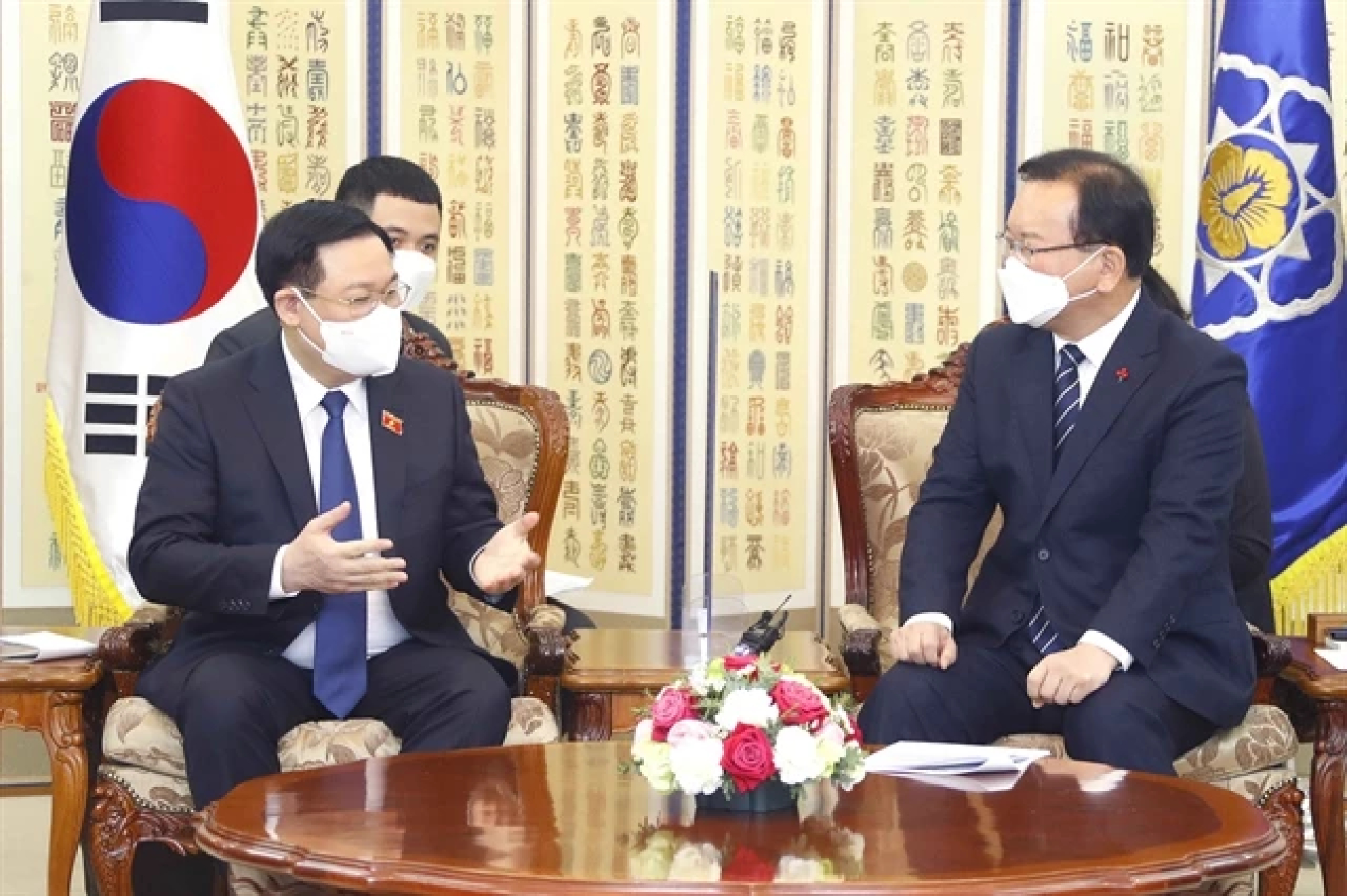
SEOUL — Vietnamese National Assembly Chairman Vương Đình Huệ held talks with Prime Minister of the Republic of Korea (RoK) Kim Boo-kyum on Tuesday in Seoul, as part of his official visit to the country.
The RoK Government leader welcomed the visit as a launchpad for a series of commemorative events celebrating 20 years of Việt Nam-RoK diplomatic ties in 2022, saying that the growing parliamentary ties between Việt Nam and RoK reflect the two people’s wishes.
RoK PM congratulated Việt Nam for its increasingly elevated profile on the international stage, stressing that RoK cherishes its relationship with Việt Nam and continues to consider Việt Nam a key partner in its New Southern Policy.
NA Chair Huệ informed Kim Boo-kyum of the outcomes of the talks with RoK counterpart Park Byeong-seug the day before, underlining Việt Nam’s wish to cooperate further with RoK on several fronts, especially trade and investment.
He noted with pleasure how bilateral economic ties remain strong and secure despite COVID-19 headwinds.
At the meeting, the two sides agreed to several measures to boost bilateral ties in 2022, the 30th anniversary of diplomatic relations, as well as the expansion of security and defence cooperation.
The leaders of the two countries reaffirmed efforts to achieve the goal of raising bilateral trade to over US$100 billion by 2023 and $150 billion by 2030, encouraging RoK enterprises to continue investing in and expanding their businesses in Việt Nam.
NA Chair Huệ said the Vietnamese legislation will accompany the Government in creating favourable policies and guaranteeing long-term interests for RoK enterprises in Việt Nam.
The Vietnamese top legislator said the many questions RoK enterprises put forward in the recent RoK-Việt Nam business forum shows how interested they are in trading with Việt Nam and the opportunities for further economic cooperation between the two sides.
NA Chair Huệ and PM Kim Boo-kyum expressed delight that the two countries have signed a bilateral social insurance agreement that helps RoK and Vietnamese workers in the host countries to get better access to social welfare policies.
The two sides agreed to boost information exchange with regards to COVID-19 response plans and post-pandemic recovery, facilitating people travelling between the two countries, including mutually recognising each other vaccine passports and resuming two-way flights soon.
NA Huệ also thanked the Government and people of Korea for their medical support to Việt Nam, including a donation of nearly 1.4 million doses of COVID-19 vaccines, proposing that the two sides actively cooperate in research, development technology transfer for the production of vaccines and medicines, not only for the COVID-19 pandemic.
The Vietnamese parliament leader thanked the RoK for its attention and support to the Vietnamese community in RoK, especially during the pandemic, and expressed his hope that the RoK will continue to help ensure the legitimate rights of the Vietnamese workers and the happy, stable life of multicultural families.
PM Kim Boo-kyum thanked the Vietnamese side for actively supporting RoK businesses in Việt Nam, especially in avoiding disruption of the supply chain in Việt Nam due to COVID-19.
He highly appreciates Việt Nam’s help in dealing with the lack of raw materials for the production of diesel engine exhaust fluid and hopes that the two sides will cooperate closely in this field in the near future. — VNS

 นักวิจัยญี่ปุ่นเผยข้อมูลใหม่โอมิครอนแพร่เชื้อได้มากกว่าเดลตาถึง 4.2 เท่า
 อังกฤษยกระดับมาตรการรับมือโควิด-19 หลังผู้ติดเชื้อ Omicron เพิ่มสูงขึ้น ผู้เชี่ยวชาญหวั่นสะเทือนเศรษฐกิจ
 Pfizer/BioNtech เผยข่าวดีวัคซีน 3 เข็มสามารถต้าน Omicron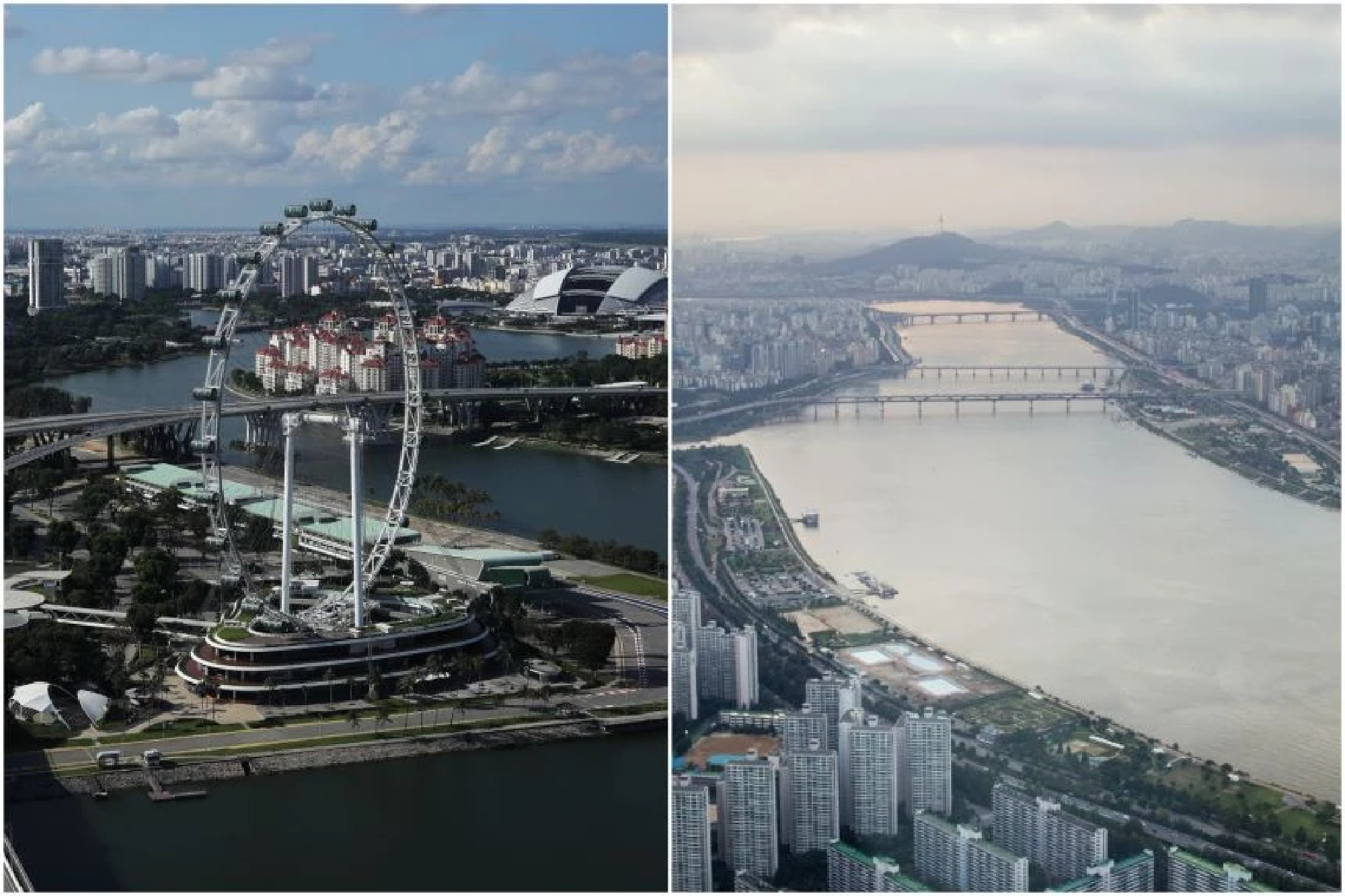
 SootinClaimon.Com