S. Korea launches presidential panel on carbon neutrality
South Korea established a presidential committee Saturday to serve as the control tower of the nations carbon neutrality drive.
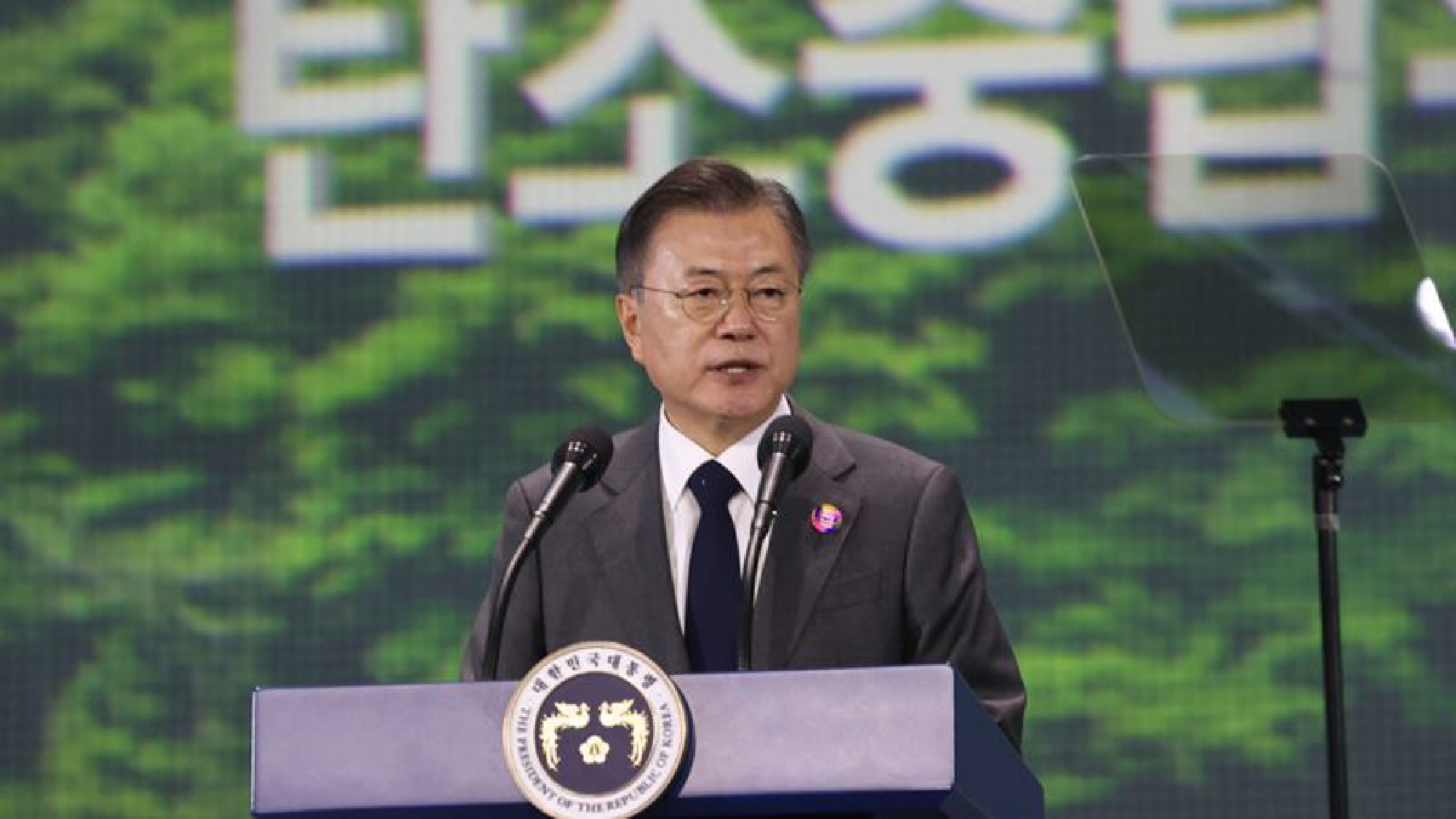
President Moon Jae-in said the government-private panel would be a “pivot” in uniting national efforts to achieve net-zero emissions by 2050.
He admitted that it would not be easy for the country to attain the goal, given its heavy reliance on manufacturing industries and fossil fuels.
“Carbon neutrality is an unavoidable task, with which mankind should go. We can do it,” Moon said during the panel’s inauguration ceremony at Dongdaemun Design Plaza (DDP) in central Seoul.
He said the government will introduce a basic act on carbon neutrality at an early date in close consultations with the National Assembly.”
The government will certainly support for the success of the (2050) Carbon Neutrality Committee by creating a climate response fund starting next year,” he added.
He reaffirmed that South Korea would respond to the climate crisis in a “preemptive” way as an exemplary nation to turn it into an opportunity for sustainable development.
The committee is comprised of 18 government officials and 77 members from the private sector. It is tasked with comprehensively reviewing and coordinating such government policies as responding to climate change and innovating energy and industrial fields.
It is co-headed by Prime Minister Kim Boo-kyum and Yun Sun-jin, professor of the Graduate School of Environmental Studies at Seoul National University.
Chairing the first meeting of the committee shortly after the ceremony, Kim said, “There would be revolutionary changes in economic structure and everyday life with the implementation of carbon neutrality (policies).”
The panel was launched a day ahead of the start of the second P4G summit to be hosted by South Korea. The opening ceremony is to take place at the DDP. Dozens of global leaders plan to join the two-day event via video links.
P4G stands for Partnering for Green Growth and the Global Goals 2030, an international partnership formed as part of efforts to speed up the implementation of the Paris Agreement and advance the Sustainable Development Goals (SDGs). (Yonhap)
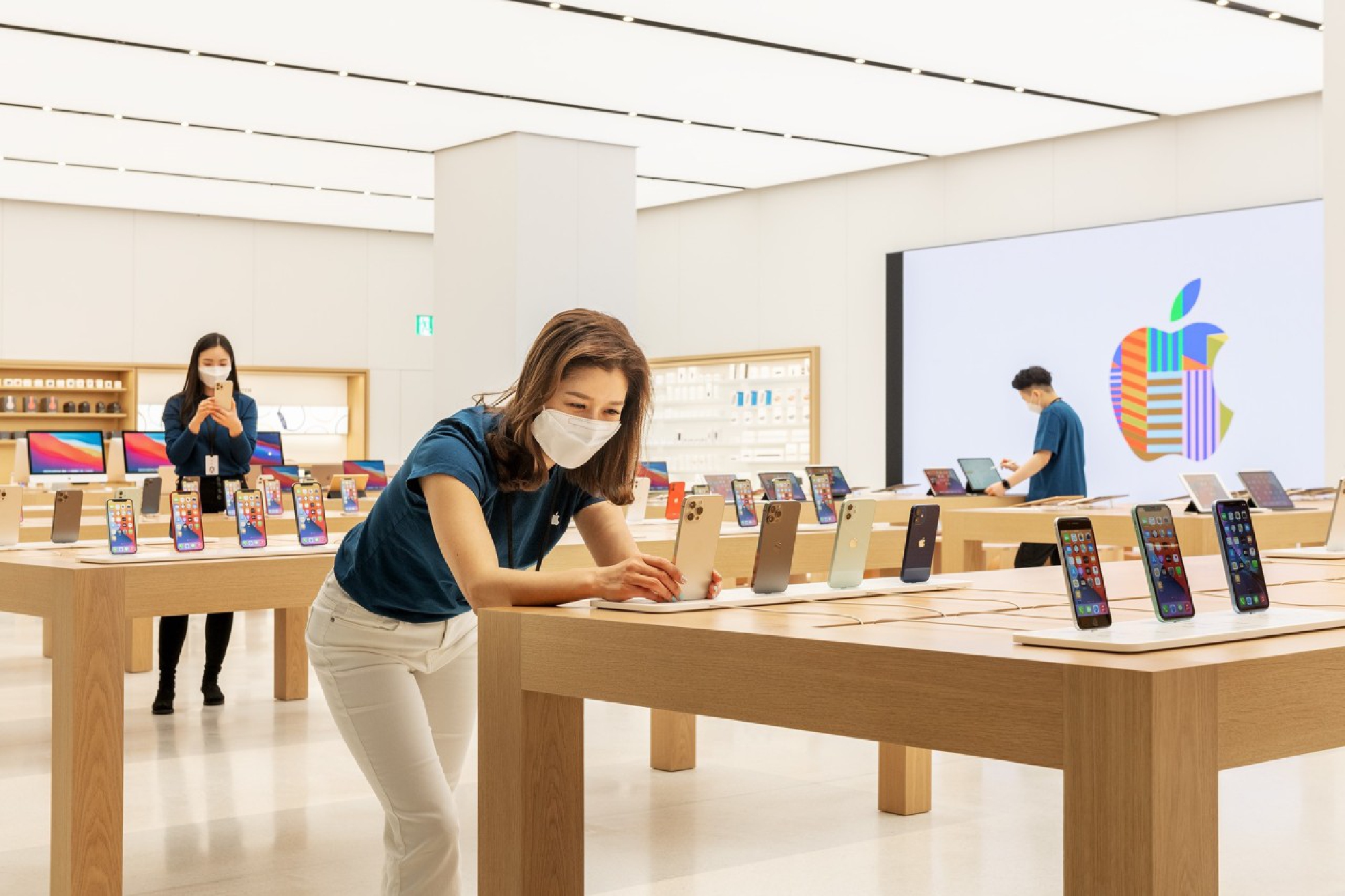
Apple Korea has launched a trade-in program to attract current users of smartphones made by LG Electronics, industry sources said Friday.
The move is seen as part of the US phone vendor’s efforts to expand its presence in the South Korean market.
According to sources in the telecom industry, Apple is running a smartphone exchange program with three Korean mobile carriers, which pay 150,000 won ($135) to those who replace their LG phones with iPhones.
People who have used LG’s 4G or 5G smartphones for more than a month are eligible to apply. They can exchange their LG smartphones for Apple’s iPhone 12 or iPhone 12 mini.
The trade-in program was launched Friday and will run through Sept. 25.
It is the first time that Apple has launched such a program in the Korean market for users of other smartphone brands.
It is an apparent attempt to expand its presence on the home turf of Samsung Electronics, the world’s largest smartphone vendor, after domestic rival LG leaves the market.
Last month LG announced it was withdrawing from the smartphone business by July 31 after incurring around 5 trillion won in deficits.
The purpose of Apple’s trade-in program seems to be to absorb current LG phone users and minimize any exodus to Samsung.
Apple has been trying to increase its market share in Korea, especially with the launch of its 5G iPhones.
According to market researcher Counterpoint Research, Samsung represented 65 percent of the Korean smartphone market last year, followed by Apple with 21 percent and LG with 13 percent.
To beef up its market share, Apple launched its first 5G smartphone, the iPhone 12, in Korea earlier than usual. The US tech titan also opened its second Apple Store in Seoul in February.
Indian troops on high alert at LAC, keeping eye on Chinese activities: Army Chief
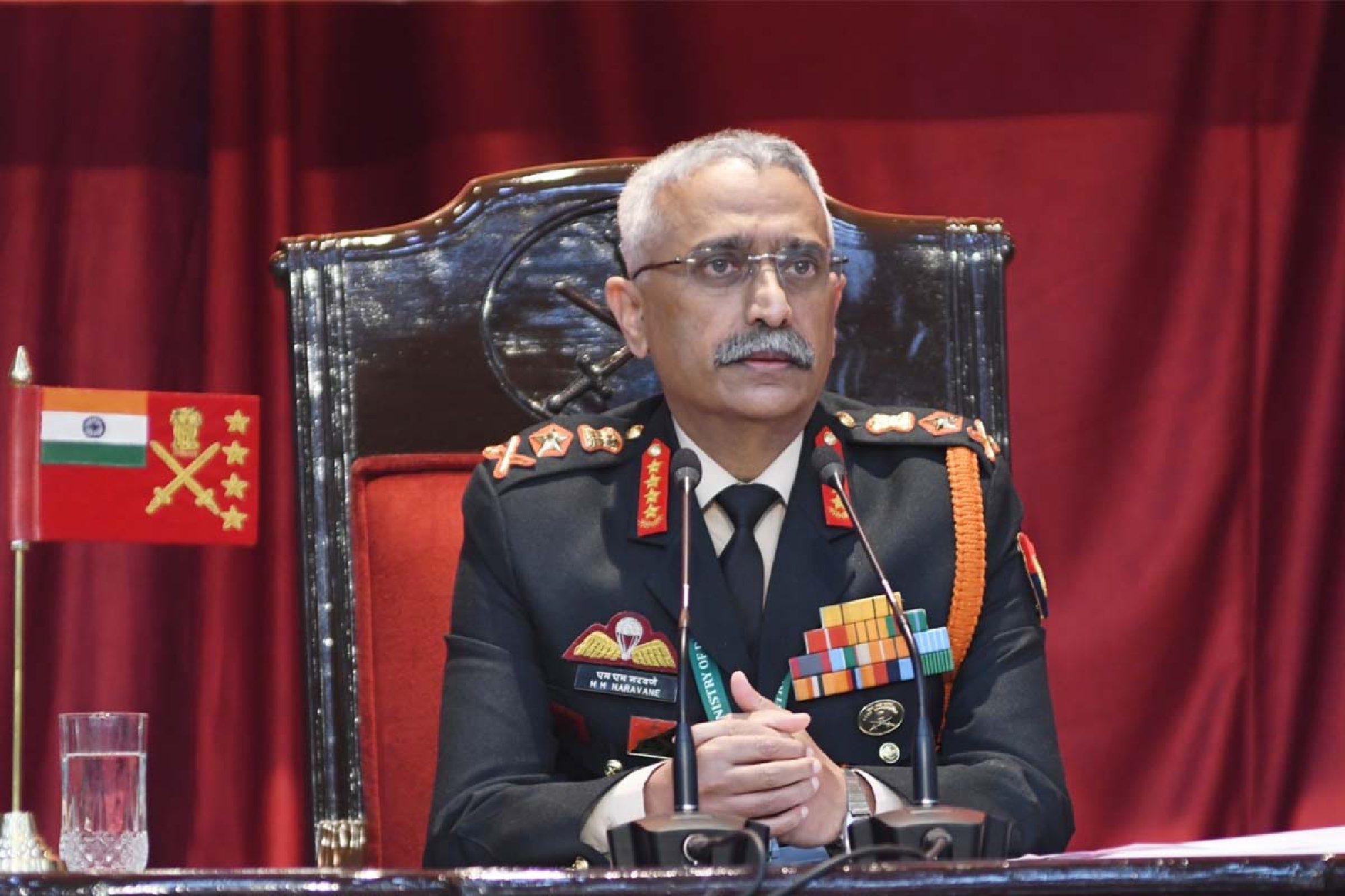
The chief of Indian Army, M.M. Naravane, said here on Friday that the troops are on high alert at Line of Actual Control (LAC), keeping a close watch on the activities of the Chinese People’s Liberation Army.
The army chief also pointed that India wants the status quo ante of April 2020 to be restored.
Naravane stated that India has made it clear to China that de-escalation will only be considered once disengagement is completed to the mutual satisfaction of both sides.
He said that Indian troops are on high alert and deployments have not thinned after the disengagement in Pangong Lake.
The army chief maintained that China has deployed around 50,000 to 60,000 troops in Eastern Ladakh in immediate depth, so India has also made mirror deployments in depth.
Naravane also said that India is keeping an eye on the developments on the Chinese side.
He said India is currently concentrating on resolving the outstanding problems at other friction points like Hot Springs, Gogra and Depsang along the LAC.
He also pointed out that India’s stand in the disengagement agreement in the Pangong Lake area remained the same, i.e., the status quo ante of April 2020 must be restored.
The army chief also stated that trust levels between the two countries are low, but pointed out that the trust deficit should not hinder the negotiation process.
The 12 rounds of military commander-level talks between India and China to resolve the border issue will take place soon. It has been delayed due to the surge in the number of Covid cases.
General Naravane recently reviewed the operational preparedness of the force along the borders with China in the Arunachal Pradesh region.
He went to Dimapur in Nagaland on May 20 on a two-day visit to review the operational readiness along the northern borders of Arunachal Pradesh, and the security situation in the hinterlands of the Northeast region.
India and China are engaged in a year-long standoff along the LAC. The confrontations began on the north bank of Pangong Lake, both in the waters and the bank, as Chinese incursions increased in early May last year.
Drastic measures as Vietnam faces toughest test yet
As the country battles to get a grip on the latest outbreak of COVID-19, Viet Nam News introduces a new weekly feature giving our readers a comprehensive review of the past seven days with round-up of stories related to the pandemic. Government officials, health workers and every single citizen all have a crucial role to play to keep the virus at bay.
It’s been just over a month since the fourth wave of the COVID-19 pandemic started in Việt Nam. The country’s facing its toughest time since the pandemic began, yet the Government is wasting no time adjusting to the new situation with swift, flexible and drastic measures.
In just 30 days, the total number of local COVID-19 cases reported was 3,294, more than the total cases reported in one year. The pandemic has spread to 31 provinces and cities, with the most cases detected in industrial parks. From April 27 until the morning of May 28, more than 2,300 workers in industrial parks have tested positive.
Bắc Giang Province is top of the list with 1,678 and Bắc Ninh Province second, with 676.
Experts say the more worrisome fact is the discovery of unknown sources of virus in five clusters: two in Hà Nội City, one in Điện Biên Province, and two in HCMC City. In the latest cluster linked to the members of the Revival Ekklesia Mission in HCM City, 37 people with the virus were reported in just 24 hours.
As early as the new pandemic cycle started, results of the genetic sequencing of specimens from imported cases into Việt Nam showed new SARS-CoV-2 variants: B.1.617.2 from immigrated Indian experts, B.1.222, and B.1.619.
The fact that viruses change rapidly and constantly create new variants that are super-contagious is a challenge in prevention, as we have to deal with the different characteristics of each strain.
Facing the situation head-on, the Government resorted to aggressive and unprecedented measures in an attempt to adapt to the new development of the pandemic and push it back.
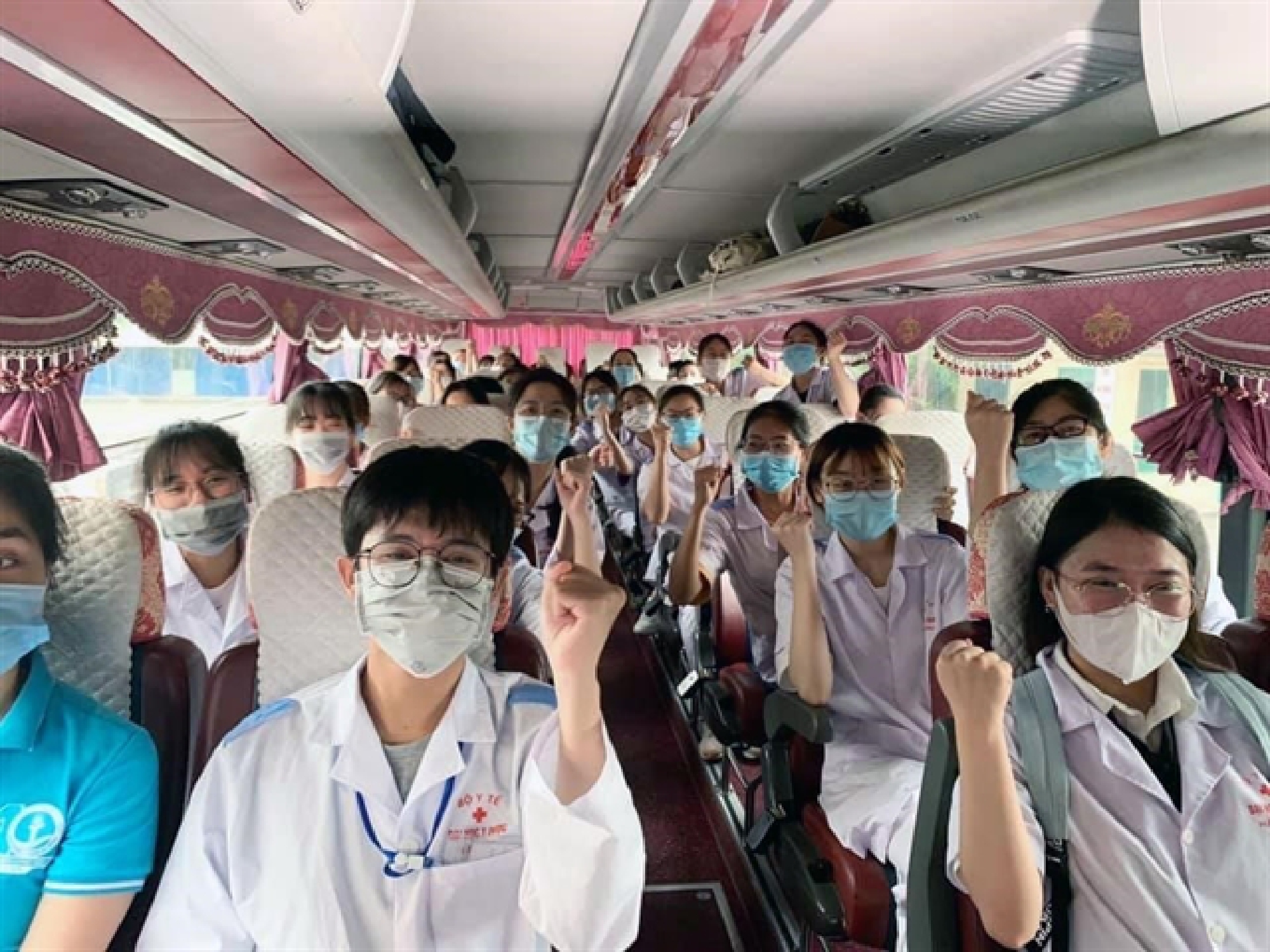
Hundreds of doctors, nurses and other healthcare staff were quickly dispatched to the two hotspots, Bắc Giang and Bắc Ninh provinces, offering support. Fields hospitals and laboratories have been set up for on-spot testing and treatment.
Drastic measures as Vietnam faces toughest test yet
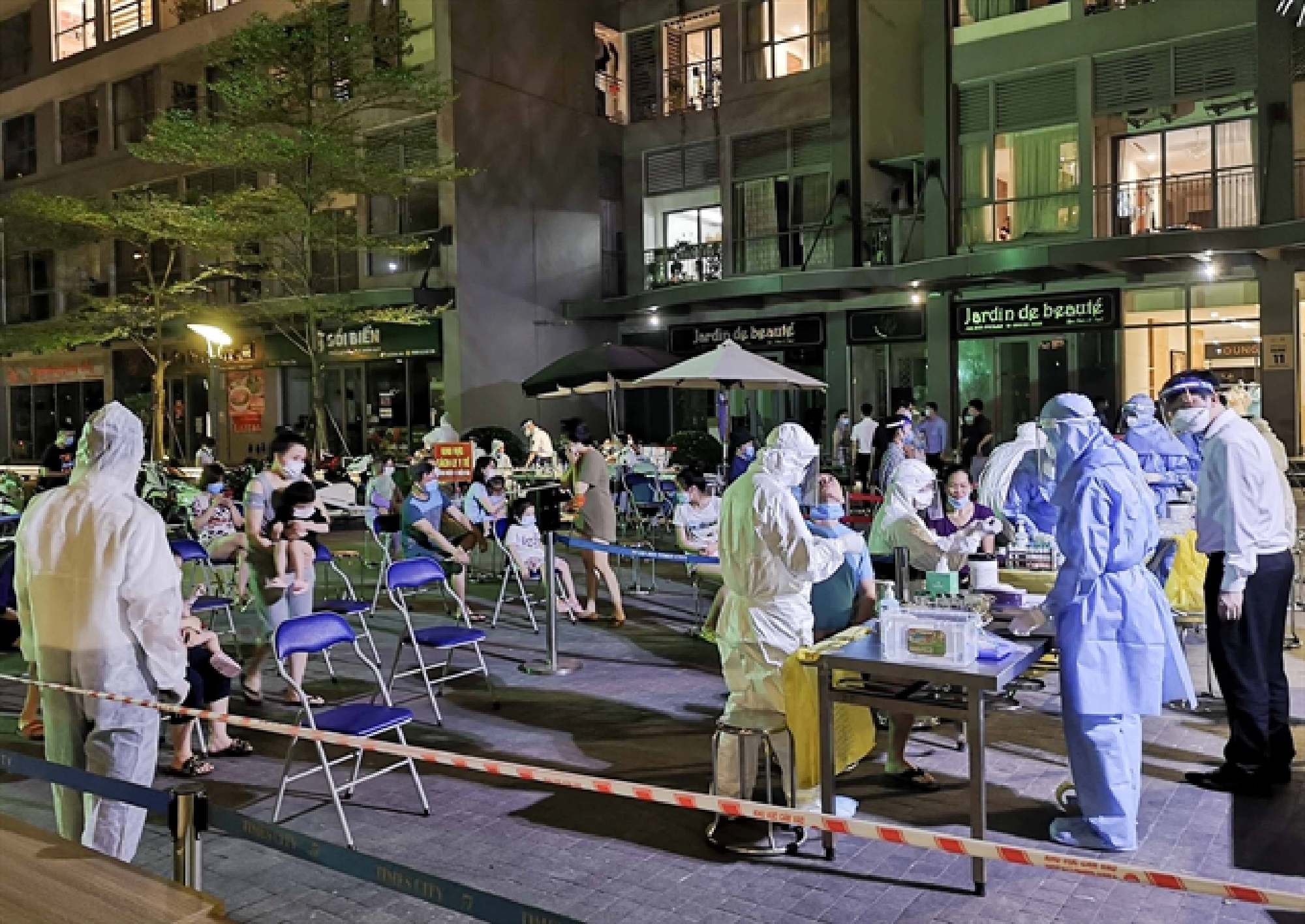
Large-scale testing was conducted in industrial parks and high-risk areas, healthcare staff work day and night to finish all the tests that need to be carried out. From April 17 to May 25, nearly 900,000 COVID-19 tests were performed.
While continuing with the measures that had brought the country success in the previous pandemic wave – a proactive containment strategy based on comprehensive testing, tracing, and quarantining, Việt Nam scaled it up when community transmission became complicated. Hundreds of thousands of people were placed in quarantine centres in an attempt to reduce both household and community transmissions. Hot spots with high rates of local infections were locked down immediately, again.
At the same time, the Government remained consistent in taking appropriate measures to have enough vaccines as soon as possible to vaccinate the people on a large scale. Given the tense situation at industrial parks, Prime Minister Pham Minh Chính ordered that frontline forces and workers in industrial parks would jump to the head of the vaccination queues.
He assigned the Ministry of Health to buy vaccines from various sources available as soon as possible and as many as possible; to adopt incentive policies to mobilise scientific and technological forces, businesses, and investors to research and produce vaccines locally; and to actively seek and receive technology transfer for domestic vaccine production.
The Government also issued a resolution on purchasing vaccines and asked the Ministry of Health to coordinate with the Ministry of Finance to establish a COVID-19 vaccine fund to call for contributions from agencies, units, localities, businesses, benefactors and donors.
Yesterday morning, the first workers in Bắc Giang and Bắc Ninh were given the first inoculations. Around 240,000 workers in foreign-invested companies in the two provinces will get vaccines in the next one to two weeks.
The total number of vaccinated people in the country is now more than a million.
Given the complexity of the situation, Deputy Prime Minister Vũ Đức Đam, chair of the National Steering Committee on COVID-19 Prevention and Control, even asked Bắc Giang Province to collect samples for screening testing at places that have yet to detect any infections or districts that have yet to apply social distancing, raising the prevention measures to a higher level.
As the number of direct contacts of positive cases amounts to dozens of thousands in two provinces Bắc Giang and Bắc Ninh, the Deputy Prime Minister has agreed to consider more flexible measures in the complicated situation: home quarantine to people having direct contact with confirmed coronavirus cases (F1), instead of putting them under centralised quarantine.
Initiatives
The new situation, new conditions, and new requirements on pandemic prevention and control make it necessary for Việt Nam to review, amend, supplement and complete processes, procedures and guidelines.
The quick response by the Government is also consolidated by the fact that a number of key decisions were made at the local level.
When the first cases were found in Đà Nẵng City in this pandemic cycle, the city’s authorities shut down affected areas, conducted quick mass testing, requested the Prime Minister to stop receiving repatriation flights to the city, suspended entertainment venues and cultural and sporting activities. Yesterday the city authorities said they plan to provide local bus and taxi drivers around 1,400 COVID-19 vaccine doses to reboot public transportation.
In another move, Deputy Prime Minister Vũ Đức Đam agreed with the proposal of Bắc Ninh Province’s leaders to rearrange the production of enterprises in Bắc Ninh’s industrial zones. The province will temporarily allow a number of workers to stay at factories, and at the same time arrange accommodation outside factories for workers who have to work in shifts, and transport them to the factories safely.
With such drastic, sound, and smart response, it shows the possibility that the situation will be governed well and, Việt Nam will once again gain success in this fight. — VNS
The government announced its decision on Friday to extend the state of emergency for nine prefectures including Tokyo and Osaka through June 20.
The decision was reached on Friday evening at a meeting of the government’s COVID-19 task force led by Prime Minister Yoshihide Suga, after the subcommittee on basic coronavirus measures approved the decision in a morning meeting.
“Areas subject to the state of emergency have remained in Stage 4,” Yasutoshi Nishimura, the minister in charge of coronavirus measures, said at the subcommittee meeting, referring to the most serious level. “The number of seriously ill patients has been around 1,400 nationwide. The health care system is facing a severe situation.”
The state of emergency for Tokyo, Osaka, Aichi, Fukuoka, Hiroshima, Hokkaido, Hyogo, Kyoto and Okayama was scheduled to end May 31.
The extension to June 20 matches the scheduled end date for Okinawa Prefecture, which was added to the state of emergency list on Sunday.
For Tokyo, Osaka, Hyogo and Kyoto, it is the second extension of the current state of emergency declared on April 25.
Under an extended state of emergency, current COVID-19 measures will remain in effect in these areas. Closure requests will continue to be made for food service businesses that offer alcohol or karaoke.
The central government intends to continue asking large commercial facilities, such as department stores, to close by 8 p.m. while allowing prefectural governors to request businesses to close at their discretion.
The government also plans to strengthen the current testing system for the virus. Its revised basic response measures include the securing of a daily capacity of up to about 360,000 PCR tests. To prevent infections among young people, which now account for more than half the new infection cases, up to about 800,000 simple kits for antigen testing are planned to be newly distributed to universities, high schools and other such institutions.
The government presented to the subcommittee a proposal to extend the application of priority measures for the prefectures of Chiba, Gifu, Kanagawa, Mie and Saitama from May 31 to June 20.
Tokyo to ease some requests
The Tokyo metropolitan government is making arrangements to ease its own measures with an eye to allowing department stores and other large commercial facilities in the capital to open on weekdays with shortened business hours.
The metropolitan government intends to continue requesting such facilities to close on weekends.
Tokyo is also considering allowing movie theaters and art museums, which are currently being asked to close, to open under certain conditions, such as limiting the number of visitors and shortening operation hours, according to metropolitan government officials.
However, there are some cautious opinions about easing the measures.
Tokyo Gov. Yuriko Koike was expected to make a decision later Friday.
[Malaysia] Nationwide full lockdown from June 1 to 14
PETALING JAYA: A nationwide full lockdown will take place from June 1 to 14 and all sectors will not be allowed to operate during this period except the essential economic and service sectors.
Aspecial National Security Council meeting chaired by Prime Minister Tan Sri Muhyiddin Yassin on Friday (May 28) made the decision to implement the full lockdown for 14 days.
In a statement by the Prime Minister’s Office (PMO), it said the decision was made following the steep climb of Covid-19 cases that breached the 8,000 mark with more than 70,000 active cases on Friday.
“So far, 2,552 people have died and the number is climbing.
“The existence of new and more violent virus variants that are highly infectious also influenced today’s decision.
“With the steeply increasing numbers, our hospital capacity nationwide to treat Covid-19 patients is also getting thinner,” the statement read.
Should this first phase of lockdown succeed in reducing the number of daily cases, the PMO said the government would move on to the second phase that allows some economic sectors to open provided no large gatherings are involved and physical distancing is practised.
“Phase Two of the lockdown is expected to last for four weeks after Phase One ends.
“After that, Phase Three would start with the implementation of the movement control order (MCO) where no social activities are allowed.
“Most economic sectors would be allowed to operate according to strict SOPs and physical distancing at workplaces, which will be limited,” it said, adding that the decision to move from one phase to the next is subject to risk assessments by the Health Ministry.
“The assessment would be made based on the daily cases and the hospitals’ capacity nationwide to treat Covid-19 patients,” it added.
PMO also assured that the government would prevent the country’s public health system from collapsing.
“Various support and assistance will be given to the Health Ministry to increase the hospital capacity throughout the country.
“The government will also increase the number of vaccines to be administered to the people over the next few weeks to expedite herd immunity in the country.”
Following the government’s decision to implement a full closure of the economic and social sectors, PMO said the Finance Ministry would detail the assistance package to the people and affected businesses.
“An announcement on this assistance package will be made soonest.
“We call on all Malaysians to remain disciplined and always adhere to the SOPs to break the chain of Covid-19 infections.
“It is best to stay home to flatten the Covid-19 infection curve,” it added.
Korean food exports soar to record high amid pandemic
On back of Oscar-winning film ‘Parasite,’ shipment of instant noodles surges 30%
South Korea’s food exports advanced 14.6 percent on-year in 2020, despite an overall export slump on the back of the lingering pandemic, customs data showed Thursday.
Overseas shipments reached an all-time high of $4.28 billion last year, compared with $3.73 billion posted in 2019, according to the Korea Customs Service. Livestock and fishery products were not counted in the figures, and neither were alcohol or other beverages.
The upward trend continued so far this year, amounting to $1.59 billion in the January-April period, up 18.3 percent from a year earlier, the data showed.
The customs agency attributed the soaring figures to three factors — growing demand for quick meals at home, the rising value of Korean food as cultural products and the increased popularity of traditional fermented food.
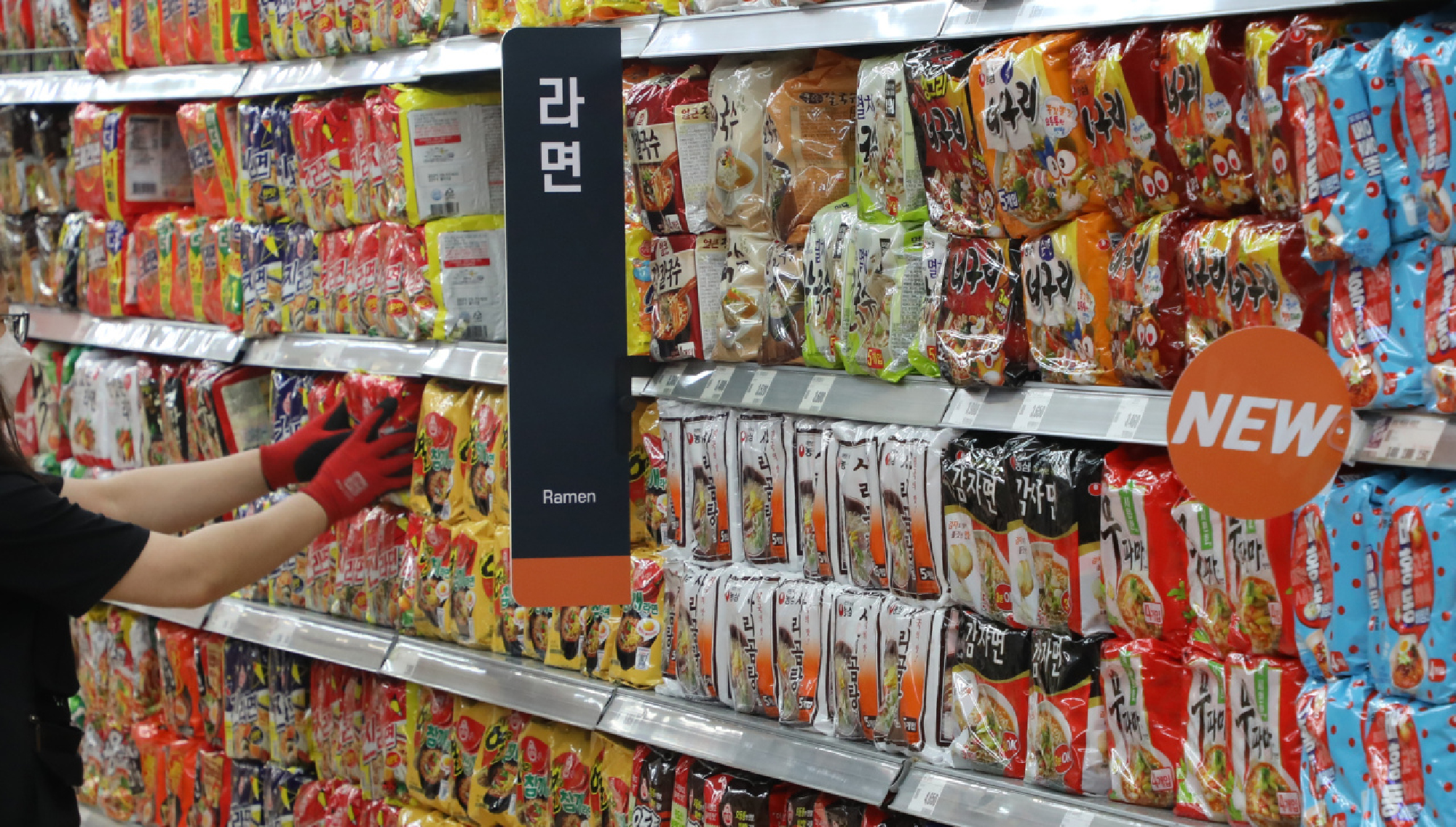
Buoyed by Oscar winner “Parasite,” overseas sales of instant noodles rose 29.2 percent to $604 million. Overseas sales of processed rice products and frozen dumplings, called mandu here, jumped 53.3 percent to $37 million and 46.2 percent to $51 million, respectively.
Exports of tteokbokki, a Korean street food consisting of rice cakes in a chili sauce, surged 56.7 percent to $54 million as globally popular K-pop acts introduced the food on social media. Exports of sauces shot up 33.6 percent to $167 million as well.
Exports of kimchi, Korea’s traditional fermented cabbage dish, grew 37.6 percent to $145 million. Overseas shipments of fermented red chili pepper sauce, or “gochujang,” and fermented soybean paste, or “doenjang,” increased 35.2 percent and 29.1 percent, respectively.
The US has become the biggest buyer of Korean foods, importing $798 million last year, up 33.3 percent from a year earlier. China was next with $740 million. Japan, which had been the largest importer until 2019, slipped to No. 3 with $723 million.
“Exports of Korean foods have been on a continuous surge each year in line with boosting popularity of the Korean Wave. We were worried about a possible negative impact of the pandemic (on the export figure) last year, but new demands from the crisis have resulted to an improved outcome,” a KCS official said.
Myanmar to use China-donated Sinopharm Covid vaccine
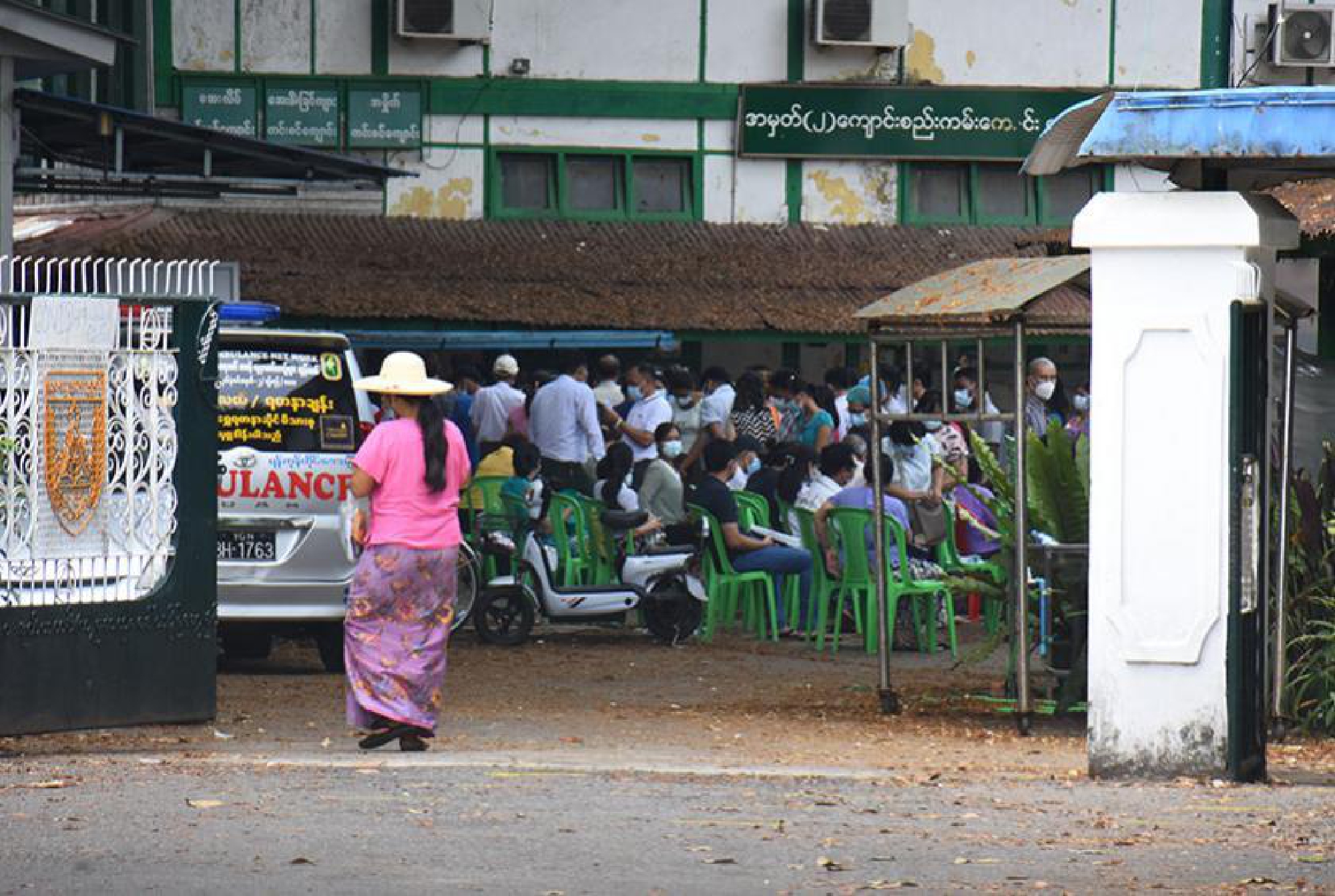
Sinopharm Covid-19 vaccine shots donated by China will be available soon in Myanmar with regions and states to receive them under a quota system depending on population and outbreak, according to the ministry of health and sports.
Covid-19 vaccinations continue at people’s hospitals and designated vaccination camps in the regions and states. The ministry is also trying to make sure all health staff receive vaccine shots.
A total of 500,000 shots provided by the Chinese government arrived in Yangon on May 2.
The ministry issued a statement in early May promising to vaccinate those who had yet to receive injections until May 25 depending on the surplus and availability.
Till April, over 1.5 million people received their first doses. Research shows that those who have been vaccinated can prevent Covid-19 and even if they contract it, they experience less severity. Therefore, the ministry will try to carry out vaccinations constantly in order to avoid the further wave of Covid-19 outbreak, said the union minister for health and sports during a coordination meeting on work progress at public hospitals in Nay Pyi Taw.
Currently, Myanmar is using Covishield manufactured by Serum Institute of India with the copy right of the vaccine jointly developed by Oxford University and AstraZeneca.
According to a weekly report about Covid-19 outbreak in Southeast Asian countries released by the World Health Organization on May 24, Myanmar had over 1.7 million people vaccinated against Covid-19 accounting for 3.22 percent of 100 people.
China urges US to immediately work with WHO on COVID-19 origin tracing
BEIJING — China on Thursday urged the United States to immediately work with the World Health Organization (WHO) on COVID-19 origin tracing in a science-based way like China did.
Since the United States has repeatedly asked China to be part of a comprehensive, transparent and evidence-based international investigation, the United States should likewise fully respond to the concerns of the international community, Foreign Ministry spokesperson Zhao Lijian said at a press briefing.
He made the remarks in response to a question related to US President Joe Biden’s call for a US-based probe into the origins of COVID-19. On Wednesday, Biden gave US intelligence agencies 90 days to report on whether the virus originated from an animal source or from a laboratory accident, calling on China to cooperate with international investigations.
Zhao said a research report of the joint WHO-China study had presented authoritative, formal and scientific conclusions, which stressed it is “extremely unlikely” that the virus was leaked from a Chinese laboratory.
The international expert team has made positive comments on China’s open and transparent attitude on many occasions, he added.
However, some people in the United States have repeatedly called for a reinvestigation of China, ignoring the facts and science, as well as the questions surrounding their own traceability and their tragic failure in the COVID-19 fight, Zhao said.
This fully shows that the US side doesn’t care about the facts or the truth at all, and is not interested in serious scientific origin tracing, he added.
“Instead, they want to use the epidemic to stigmatise and engage in political manipulation, and to shift the blame,” Zhao said.
ASEAN aims to reach herd immunity against COVID-19 in 2022
HÀ NỘI — ASEAN member countries are working towards accessing COVID-19 vaccine sources for large-scale immunisation campaigns in a bid to reach herd immunity in 2022, a workshop held online in Hà Nội on Wednesday was told.
Vietnamese and foreign experts told the workshop that COVID-19 responding solutions and economic stimulus packages have also been sought with the hope to end negative measures of lockdown and social distancing and speed up economic recovery.
The experts analysed the different moves adopted by ASEAN countries in dealing with COVID-19 as well as ASEAN cooperation in the endeavours, to offer policy recommendations to regional countries on how to fight the pandemic.
Caitlin Wiesen, UNDP Resident Representative in Việt Nam, said Indonesia, Malaysia and the Philippines have been hardest hit in ASEAN by recent outbreaks in April and May, with thousands of new infections reported each day, while Thailand has confirmed more than 100,000 cases and Laos, Cambodia, and Việt Nam are experiencing their toughest outbreaks so far.
In this context, countries are tightening border management, she said, noting that new vaccines have been researched and produced around the world at an unprecedented pace and the COVAX facility, funded by the World Health Organisation (WHO), has also showed potential in building a multilateral and equal approach to vaccine distribution. Between 1 and 33 per cent of people in ASEAN member countries have received at least one COVID-19 vaccine shot, she said.
The official noted that Việt Nam has planned to form a US$1 billion COVID-19 vaccine fund while the National Assembly has set aside $500 million to speed up vaccine purchases from different sources. These are important strategies in COVID-19 prevention and control, she said, adding that Việt Nam is also working to produce its own vaccines.
The UNDP highly valued Việt Nam’s initiative in registering with WHO to become a potential vaccine production hub to meet domestic and regional demand, she said.
Wiesen stressed that Việt Nam is the only country in ASEAN and one of a few in the world to post positive economic growth in 2020. Research by the UNDP shows that Vietnamese people strongly support the Government in its COVID-19 prevention and control efforts, while medical staff and the community as a whole are working tirelessly on the task.
Meanwhile, Associate Prof. Dr. Nguyễn Huy Hoàng from the Institute for Southeast Asian Studies (ISEAS) told the workshop that Southeast Asia was one of the first regions affected by COVID-19.
As of May 24, it had recorded more than 3.8 million COVID-19 infections and nearly 76,000 fatalities. ASEAN economies have been seriously damaged, he noted, adding that the rapid spread of the pandemic resulted in disruptions in supply chains while frozen demand has led to a slump in tourism, trade, and investment activities. The majority of economic activities have been interrupted and stagnated due to lockdown and social distancing measures.
COVID-19 has also created social instability and a public health crisis, increasing poverty and unemployment rates as well as affecting people’s welfare in the mid-term, Hoàng said, stressing that when the number of COVID-19 infections rise, countries will also face a shortage of medical equipment and staff.
He believed emergency and public health agencies throughout ASEAN have promptly and regularly taken action, shared information and their best response measures at meetings on the pandemic.
ASEAN leaders have proposed the re-allocation of resources for pandemic prevention and control, set up a fund for COVID-19 response, and standardised operational procedures in the field, he noted.
Hoàng asserted that to thoroughly control the pandemic, herd immunity is crucial, while more positive economic solutions are hoped to help regional countries recover faster. — VNS
 Drastic measures as Vietnam faces toughest test yet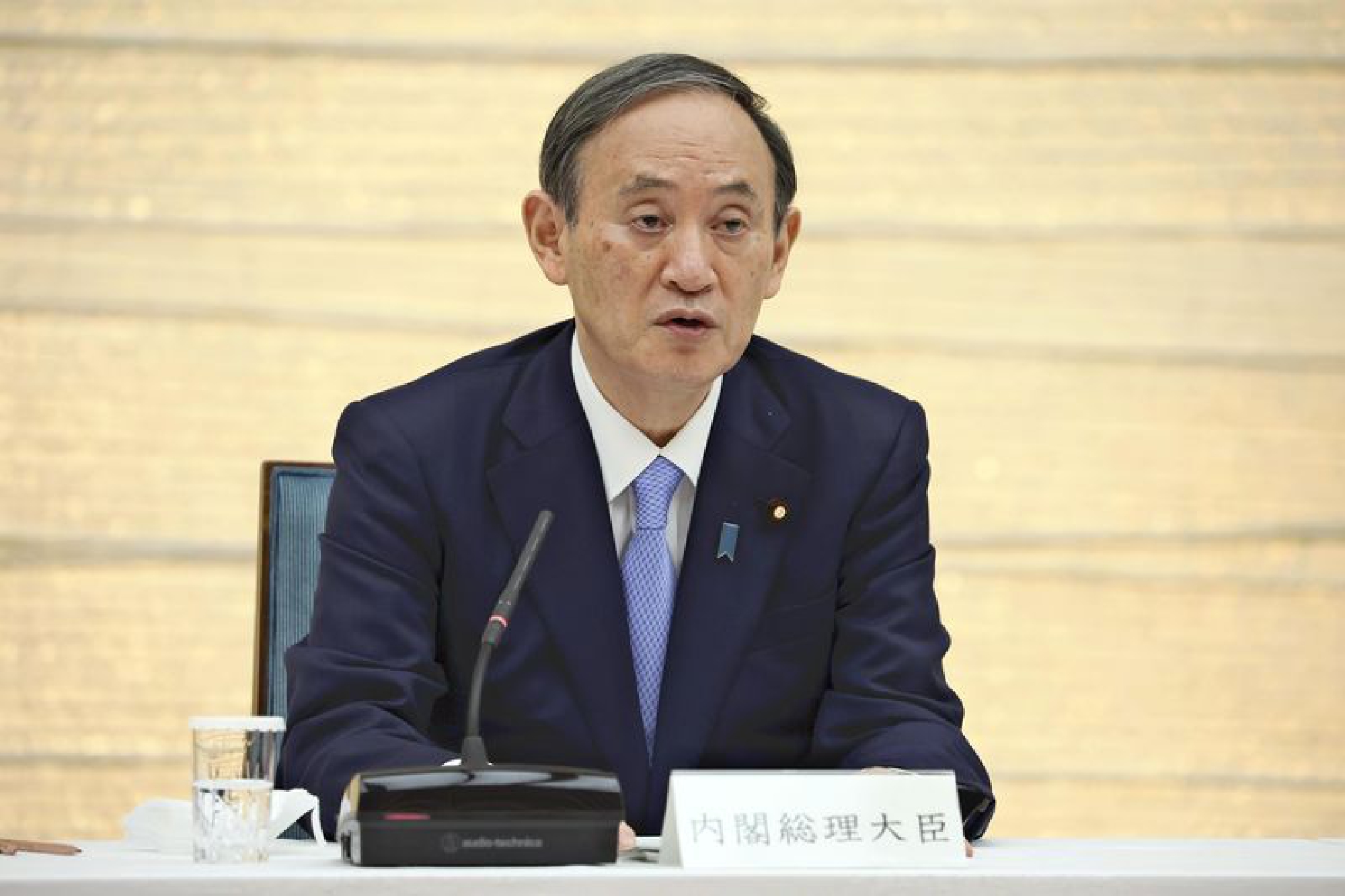
![[Malaysia] Nationwide full lockdown from June 1 to 14](https://media.nationthailand.com/uploads/images/md/2021/05/MmI7vshmEHdDxH1uoEwP.jpg?x-image-process=style/lg)