
Airline crew to undergo more frequent PCR tests and self-isolate after 2 SIA crew members down with Covid-19 #SootinClaimon.Com

#SootinClaimon.Com : ขอบคุณแหล่งข้อมูล : หนังสือพิมพ์ The Nation.

Airline crew to undergo more frequent PCR tests and self-isolate after 2 SIA crew members down with Covid-19

Dec 31. 2020CAAS in consultation with MOH, will further tighten the measures for air crew of Singapore carriers with immediate effect. ST PHOTO: JASON QUAHCAAS in consultation with MOH, will further tighten the measures for air crew of Singapore carriers with immediate effect. ST PHOTO: JASON QUAH

By Timothy Goh
The Straits Times/ANN

SINGAPORE – Crew members of Singapore carriers will have to undergo stricter Covid-19 control measures with immediate effect following the news of a Singapore Airlines (SIA) cabin crew member and an SIA pilot testing positive for the coronavirus.

Announcing this on Wednesday night (Dec 30), the Civil Aviation Authority of Singapore (CAAS) said it was tightening measures to ensure the safety and well-being of air crew and to safeguard public health in Singapore.

“Air crew face considerable risks in the course of their duties. They do so because it is critical for Singapore to maintain air connectivity. Many essential supplies, such as vaccines, can only be delivered by air. Singaporeans overseas and other essential travellers need to be able to travel to and from Singapore,” said CAAS in a statement.

The first case, a cabin crew member, tested positive on Dec 27. He had last flown to New York on SQ24 on Dec 12, and returned to Singapore on Dec 16 aboard SQ23.

He was asymptomatic at the time and was tested on Dec 23 and 25 under the testing protocol for Singapore carriers’ air crew when they return from overseas. Both tests were inconclusive but an additional test on Dec 27 returned positive.

CAAS said its preliminary investigation showed that the man had adhered to the mandated in-flight and layover measures, including wearing a mask, minimising contact with passengers and locals, and staying in his hotel room.

During the layover in New York, he interacted with the immigration officer and hotel check-in staff and collected his meal from a hotel staff who delivered it to his room.

All crew members and 16 passengers who were seated in the section of the aircraft cabin served by him have tested negative.

The second case, a pilot, tested positive on Dec 29. He had last flown to London on SQ322 on Dec 19 and returned to Singapore on Dec 22.

He was tested on Dec 23 and received a negative result on Dec 25. But on Dec 26, he developed a fever and went to a clinic for a polymerase chain reaction (PCR) test on Dec 27, which returned positive on Dec 29.

CAAS said its preliminary investigation showed that the pilot had adhered to the same mandated in-flight and layover measures as the first case. He also had no contact with passengers on board the flight.

During the layover in London, he interacted with the immigration officer and hotel check-in staff and also collected his meal from a hotel staff who delivered it to his room.

CAAS said that after consulting with the Ministry of Health, it will now require air crew on layover to further minimise their contact with locals.

For example, food delivered through room service should be left outside the room at the door instead of being handed over.

Those who lay over in high-risk destinations will be required to undergo a PCR tests on arrival and on the third and seventh day following their return to Singapore.

Crew members will be required to self-isolate until they receive a negative result from their seventh-day PCR test.

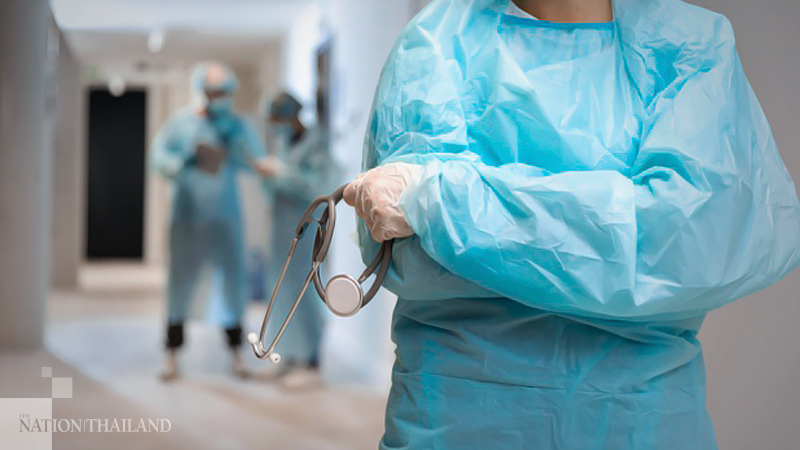
In addition, crew travelling to and from South Africa will have to don full personal protective equipment (PPE), including N95 masks, face shields, protective gowns and gloves.

Foreign investors pump over $28.5 billion into Vietnam in 2020 #SootinClaimon.Com

#SootinClaimon.Com : ขอบคุณแหล่งข้อมูล : หนังสือพิมพ์ The Nation.

Foreign investors pump over $28.5 billion into Vietnam in 2020

Dec 31. 2020Rolled steel being manufactured at the Japan-invested JFE Shoji Steel Hải Phòng Company in the northern port city of Hải Phòng. — VNA/VNS Photo Danh LamRolled steel being manufactured at the Japan-invested JFE Shoji Steel Hải Phòng Company in the northern port city of Hải Phòng. — VNA/VNS Photo Danh Lam

By Viet Nam News/ANN

HÀ NỘI — Foreign direct investment (FDI) registered in Việt Nam hit US$28.53 billion in 2020, a year-on-year decline of 25 per cent due to the significant impact of the COVID-19 pandemic, a report from the General Statistics Office (GSO) revealed.

About 2,523 new projects were licensed with capital totaling $14.6 billion, down 35 per cent in the number of projects and 12.5 per cent in registered capital.

Meanwhile, 1,140 operating projects were allowed to raise their investment capital by $6.4 billion, up 10.6 per cent year-on-year. Foreign businesses also invested $7.5 billion during the year through capital contributions and share purchases, representing a yearly reduction of 51.7 per cent.

From January to December, FDI disbursement also experienced a slight decline of 2 per cent to nearly $20 billion.

In 2020, foreign companies invested in 19 sectors in Việt Nam. Of which, processing and manufacturing lured the lion’s share of FDI with $13.6 billion, accounting for 47.7 per cent of the total capital. Power production and distribution came next with more than $5.1 billion or 18 per cent. Real estate and wholesale sectors were the runners-up with $4.2 billion and $1.6 billion, respectively.

However, the Ministry of Planning and Investment (MPI), said many foreign-invested enterprises in the country have gradually recovered and maintained business and production activities. More importantly, many others showed their strong interest in investing in Việt Nam.

Statistics from the MPI showed that nearly 300 international companies were seeking investment opportunities in Việt Nam or expanding their operations in the country. Of them, over 60 firms had made initial steps in investing or expanding presence in the Southeast Asian nation.

As of December 20, Việt Nam was home to 33,070 valid foreign-invested projects with a total registered capital of $384 billion and 60.4 per cent of the sum ($231.86 billion) was disbursed.

South Korea was the country’s largest source of FDI with over $70.6 billion or 18.4 per cent of the total capital. Japan ranked second with $60.3 billion or 15.7 per cent, following by Singapore, Taiwan and Hong Kong.

According to the GSO, Vietnamese companies also poured $590 million into overseas projects in 2020, up 16 per cent compared to 2019. Of the sum, $318 million came from 119 new projects while the remainder of $272 million from 33 operational projects which registered to increase their investment capital. — VNS

[Japan] Even New Year’s traditions forced to adapt to pandemic #SootinClaimon.Com

#SootinClaimon.Com : ขอบคุณแหล่งข้อมูล : หนังสือพิมพ์ The Nation.

[Japan] Even New Year’s traditions forced to adapt to pandemic

Dec 31. 2020A sales assistant shows a sample of an osechi set of traditional New Year’s delicacies at the Matsuya Ginza department store in Chuo Ward, Tokyo, on Dec. 18. Almost all sets have been sold out. (The Yomiuri Shimbun)A sales assistant shows a sample of an osechi set of traditional New Year’s delicacies at the Matsuya Ginza department store in Chuo Ward, Tokyo, on Dec. 18. Almost all sets have been sold out. (The Yomiuri Shimbun)

By Ayaka Higuchi
Yomiuri Shimbun/ANN

As with almost every aspect of life, people are adapting how they spend the year-end and New Year holidays to the COVID-19 pandemic.

While trips to hometowns or holiday destinations are out, the propensity to stay at home this year has sales of deluxe sets of New Year delicacies selling well.

And New Year’s cards are once again back in vogue as a means of sending well-wishes to friends and family who the senders won’t be seeing anytime soon.

■ Opting for luxury

Sho Koizumi, the sales manager for New Year’s “osechi” sets of delicacies at Matsuya Ginza department store in Chuo Ward, Tokyo, couldn’t hide his surprise. “We get many inquiries, but we have nothing left to sell,” said Koizumi, 34. “It’s never been like this.”

The department store started taking preorders for 197 different types of osechi sets back in October. The reservations started flooding in immediately, at a rate three times more than average. By Dec. 24, almost everything was sold out.

Most notable were deluxe sets priced at ¥60,000, as well as individual boxes that make it unnecessary to share from a communal dish, and gift sets that can be sent anywhere in the country.

“In place of heading to their hometowns or taking a trip, I suppose there are many people who are opting for some luxury in their osechi sets,” Koizumi said.

■ Change of values

With many people putting off returning to their hometown, New Year’s cards are under the spotlight. Alpha Print Service Co., a printing company in Taito Ward, Tokyo, received 1.5 times more orders this year for printing New Year’s cards.

Designs and phrases related to the coronavirus are popular and were used for 70% of the orders. These include illustrations of Amabie, a yokai spirit, and Akabeko, the lucky cow of Fukushima Prefecture, both of which are traditionally believed to fend off disease.

“For those who unable go home even during the Bon holiday period [in summer], not sending New Year’s cards as well would be a shame,” said Tsutomu Miyashita, 50, the company’s president. “Since the virus has reduced chances for people to get together, people are rethinking the value of New Year’s cards.”

To reduce the risk of infection, more are looking into cashless “otoshidama,” the New Year’s money gift for children. A survey by Financial Academy, conducted in November on 300 men and women with children, found that 51% approved of giving otoshidama in a cashless form such as through smartphone payment, up from 38% from the previous year.

There are negative views of going cashless, such as that it deprives children of actually feeling the value of money, Shoko Fukuda, 38, who was in charge of the survey, suggests there are ways to make it work.

“Maybe coming up with some good ideas to get children to appreciate money, such as by adding a message to the otoshidama,” she said.

■ No late-night shrine visits

Moves to stagger the period for New Year visits to shrines and temples are spreading as well.

Meiji Jingu shrine in Shibuya Ward, Tokyo, normally draws 3 million people over the first three days of January. This year, however, the shrine will bar worshipers from coming throughout the night to ring in the new year. It will close its gate at 4 p.m. on New Year’s Eve and reopen at 6 a.m. on New Year’s Day. The shrine has also called for visitors to consider delaying their visits and coming later in the month.

East Japan Railway Co. has announced it will not be running trains through the night on Dec. 31 and the early hours of Jan. 1 as before. The same goes for all the Tokyo Metro subway trains.

Dazaifu Tenmangu shrine in Fukuoka Prefecture has decided to extend sales of its New Year’s lucky charms, such as hamaya arrows and figurines based on the Chinese zodiac, through the end of March. Such sales usually end on the Lunar New Year’s day in February.

The Naritasan Shinshoji temple in Chiba Prefecture will provide live camera feeds from the main approach and two other locations starting Dec. 31 so that visitors can check online how crowded it is.

“While taking into consideration their sincere intentions of coming to worship, we want visitors to keep in mind to avoid crowding,” a temple official said.

S. Korea’s consumer prices grow less than 1% for 3rd month in Dec. #SootinClaimon.Com

#SootinClaimon.Com : ขอบคุณแหล่งข้อมูล : หนังสือพิมพ์ The Nation.

S. Korea’s consumer prices grow less than 1% for 3rd month in Dec.

Dec 31. 2020This file photo, taken Dec. 12, 2020, shows people shopping for groceries at a traditional market in western Seoul. (Yonhap)This file photo, taken Dec. 12, 2020, shows people shopping for groceries at a traditional market in western Seoul. (Yonhap)

By The Korea Herald/ANN

South Korea’s consumer prices grew less than 1 percent for the third straight month in December, data showed Thursday, indicating low inflationary pressure in Asia’s fourth-largest economy amid the new coronavirus outbreak.

For the whole year, the annual inflation rose by less than 1 percent for the second consecutive year for the first time due largely to the fallout of the pandemic.

The consumer price index rose 0.5 percent on-year in December, slowing from a 0.6 percent on-year gain the previous month, according to the data by Statistics Korea.

It marked the third consecutive month that the on-year growth rate of the consumer inflation stayed in the zero range.

Compared with a month earlier, the country’s consumer inflation rose 0.2 percent last month, following a 0.1 percent on-month fall in November.

In 2020, the consumer prices grew 0.5 percent on-year, marking the second straight year of the inflation growing less than 1 percent. In 2019, the consumer price index rose 0.4 percent.

Core inflation, which excluded volatile food and oil prices, grew 0.4 percent in 2020, the lowest since a 0.2 percent fall in 1999.

The country’s inflationary pressure has remained low this year due mainly to a decline in low oil prices and the fallout from the new coronavirus outbreak.

“The annual inflation remained low due to the continued impact of the COVID-19 pandemic and the government’s policy support,” Ahn Hyung-jun, a senior Statistics Korea official, said at a press briefing.

This year, prices of agricultural products shot up due to lingering impacts of typhoons and the rainy season in the summer, with prices of agricultural, livestock and fisheries products jumping 6.7 percent.

But inflationary pressure stabilized as low oil prices drove down prices of petroleum products and stricter social distancing limited a rise in service prices, according to the statistics agency.

Prices of public services also declined due to free high school education and one-off subsidies for mobile phone bills.

Prices of petroleum products declined 7.3 percent this year, while prices for paying personal services, including dining out and recreation, rose 1.2 percent, the lowest growth in eight years. Prices for using public services fell 1.9 percent.

Subdued inflation is expected to give South Korea’s central bank more room to keep an accommodative monetary stance.

The Bank of Korea (BOK) froze its policy rate at a record low of 0.5 percent in November amid heightened economic uncertainties over the COVID-19 pandemic. The bank aims to keep inflation at 2 percent over the medium term.

The BOK revised up its 2020 forecast for inflation to 0.5 percent from its previous estimate of 0.4 percent, citing an economic recovery and a pickup in oil prices. The bank expects next year’s inflation to grow 1 percent.

“Next year, the growth rate of consumer prices is expected to pick up, due to a mild recovery of domestic demand and eased downward prices from the government’s policy supports,” the finance ministry said in a statement.

“But the development of virus cases and oil price movements will serve as major factors that will affect next year’s inflation,” it noted. (Yonhap)

New variant from UK found in Shanghai #SootinClaimon.Com

#SootinClaimon.Com : ขอบคุณแหล่งข้อมูล : หนังสือพิมพ์ The Nation.

New variant from UK found in Shanghai

Dec 31. 2020Workers in protective suits are seen at a makeshift nucleic acid testing site inside a parking lot of Shanghai Pudong International Airport, after new cases of COVID-19 in Shanghai, on Nov 22, 2020. [Photo/Agencies]Workers in protective suits are seen at a makeshift nucleic acid testing site inside a parking lot of Shanghai Pudong International Airport, after new cases of COVID-19 in Shanghai, on Nov 22, 2020. [Photo/Agencies]

By WANG XIAODONG
China Daily/ANN

The Chinese mainland has reported its first COVID-19 case caused by the new, significantly more infectious variant of the novel coronavirus that is found in the recent outbreak in the United Kingdom, according to research published on Wednesday.

A report on the research was published online by the China CDC Weekly, an academic platform set up by the Chinese Center for Disease Control and Prevention.

The variant poses a great potential threat to epidemic prevention and control in China.

The mild case, a 23-year-old female student who recently returned to Shanghai from the UK by airplane, tested positive for the novel coronavirus on Dec 14, and was sent to a hospital in Shanghai that night for isolation, according to the report.

An epidemiological investigation revealed that the patient had a negative COVID-19 test result on Dec 12, two days before her flight to China. She described running in a park without wearing a mask and taking off her mask to eat and drink while waiting to board the plane, which may be when she was infected, it said.

The patient’s sample was genetically sequenced on Dec 24, and the result showed that the strain was different from the previous Shanghai strain detected in November, suggesting a different route of transmission. Further studies confirmed the strain was the same as the variant that has been spreading since late October in the UK, the report said.

To minimize risks of the new virus strain spreading, authorities in Shanghai have taken a number of measures, including intensified tracing of close contacts of the patient. Comprehensive disinfection has been applied to specific venues associated with the patient, it said.

With the COVID-19 epidemic effectively under control in China, importing of the virus remains a major risk for epidemic control and prevention in the country. China has taken strict measures to prevent importation of the virus via inbound travelers and goods over the past few months.

Singapore rolls out Covid-19 vaccination exercise; senior staff nurse at NCID receives first jab #SootinClaimon.Com

#SootinClaimon.Com : ขอบคุณแหล่งข้อมูล : หนังสือพิมพ์ The Nation.

Singapore rolls out Covid-19 vaccination exercise; senior staff nurse at NCID receives first jab

Dec 30. 2020NCID senior staff nurse Sarah Lim, 46, receiving her vaccination in the Day Treatment Centre at NCID, on Dec 30, 2020. ST PHOTO: KEVIN LIM
NCID senior staff nurse Sarah Lim, 46, receiving her vaccination in the Day Treatment Centre at NCID, on Dec 30, 2020. ST PHOTO: KEVIN LIM

By Clara Chong
The Straits Times/ANN

SINGAPORE – Singapore kick-started its national Covid-19 vaccination programme on Wednesday (Dec 30) morning, with a senior staff nurse at the National Centre for Infectious Diseases (NCID) the first to roll up her sleeve for the Pfizer-BioNTech jab.

Ms Sarah Lim, 46, is part of the team that screens suspect Covid-19 cases.

“I feel grateful and thankful for being the first to be vaccinated, I would encourage them (others) to go for it,” she told reporters after receiving the shot.

“It’s not very painful.”

She added in Mandarin: “I wanted to take the injection to protect myself, my loved ones, patients and the public.

“It gives me greater peace of mind.”

The vaccine was removed from the fridge at 8.30am – according to a note on the wall – and delivered about an hour later after it reached room temperature.

It took several minutes for the nurse who administered the jabs to prepare the injection each time.

Once done, the healthcare workers were told to rest for 30 minutes in an observation room.

The national vaccine effort is a critical part of the push for the Republic to return to normalcy and reopen the economy, with most people expected to have the chance to receive it by next year.

Like her colleagues, she believes that the vaccine, on top of other stringent measures such as hygiene and mask-wearing, is an added layer of protection.

Second in line was Dr Kalisvar Marimuthu, a 43-year-old senior consultant who manages suspect and confirmed Covid-19 cases.

“I’m feeling lucky… feeling a bit emotional because the vaccine is potentially a game-changer,” he said.

“It has been a long journey for us to reach here, it has been tough for all of us.

“Vaccines have brought pandemics to their knees in the past,” he added, and he hopes that history will be repeated this time.

“I’m hoping there is light at the end of a very long tunnel.”

On receiving the shot, he noted: “I’m already feeling better and more protected. This vaccine is probably the last layer of protection for us.”

Mr Mohamed Firdaus Bin Mohamed Salleh, 38, a senior staff nurse at NCID was also among the first of about 30 NCID staff in line for the injection on Wednesday.

“This gives me the assurance that I can go home safely to my kids,” said the father of four.

Others in the frontline are also being rostered for similar vaccinations, with public healthcare institutions and private hospitals arranging for their staff to be vaccinated at their respective premises.

This is in line with recommendations by an expert committee that front-line and healthcare workers and those most vulnerable to severe complications if they contract Covid-19 should be vaccinated first.

Singapore residents aged 70 and older will receive their jabs from February next year, followed by other Singaporeans and long-term residents who are medically eligible.

The expert committee also assessed that the Pfizer-BioNTech vaccine is suitable for use in people aged 16 and older for the prevention of Covid-19, although taking the vaccine is still not recommended for pregnant women and immunocompromised individuals until more information is available.

The first shipment of the vaccine arrived in Singapore earlier this month (Dec 21) on a Singapore Airlines flight from Brussels.

[Vietnam] Trade surplus hits $19 billion, highest since 2016 #SootinClaimon.Com

#SootinClaimon.Com : ขอบคุณแหล่งข้อมูล : หนังสือพิมพ์ The Nation.

[Vietnam] Trade surplus hits $19 billion, highest since 2016

Dec 30. 2020The country’s total trade revenue has hit $543.9 billion, up 5.1 per cent year-on-year. — VNA/VNS PhotoThe country’s total trade revenue has hit $543.9 billion, up 5.1 per cent year-on-year. — VNA/VNS Photo

By Viet Nam News/ANN

HÀ NỘI — Việt Nam is estimated to enjoy a trade surplus of US$19.1 billion this year, the highest since 2016, despite the challenges posed by the COVID-19 pandemic.

The country’s total trade revenue has hit $543.9 billion, up 5.1 per cent year-on-year. Of the total, export value is $281.5 billion and imports $262.4 billion, year-on-year rises of 6.5 per cent and 3.6 per cent, respectively.

Nguyễn Việt Phong from the General Statistics Office (GSO)’s Trade and Service Statistics Department said the trade surplus is a bright spot contributing remarkably to economic growth and aiding the exchange rate and foreign exchange reserves in the context of Việt Nam needing more resources for post-pandemic economic recovery in 2021.

While the world economy is seriously affected by the pandemic, the trade surplus of $19.1 billion shows Việt Nam has taken advantage of opportunities brought by signed free trade agreements (FTAs), especially the EU-Việt Nam FTA and the quality of the country’s exports has improved, meeting the requirements of choosy markets.

According to the GSO, in 2020, 31 commodities enjoyed export turnover of more than $1 billion, with six posting export values of more than $10 billion, accounting for 64.3 per cent of the total export turnover.

The heavy industry and mineral sector enjoyed the biggest export value of $152.5 billion, up 11.3 per cent year-on-year.

On the other side, 35 commodities posted import values of more than $1 billion this year, with four reaching $10 billion, accounting for 49.4 per cent of total import revenue.

Việt Nam becomes second biggest exporter to US

Việt Nam moved up four spots to become the second-biggest exporter to the US in 2020, with its export turnover to the country surging 24.5 per cent to an estimated $76.4 billion.

Besides traditional exports like textiles, footwear and aquatic products, Việt Nam has also shipped electronics, spare parts and wooden products to the market.

According to Phong, Việt Nam enjoys a trade a surplus of $62.6 billion with the US, compared to $20.3 billion with the EU, while it has trade deficits of $34.5 billion with China, $27.6 billion with the Republic of Korea, and $6.9 billion with ASEAN.

However, Việt Nam’s exports to the US account for only 2.7 per cent of the American country’s total imports from all countries and territories worldwide.

Phong suggested Việt Nam make more efforts to help US businesses operating in Việt Nam deal with difficulties, and import more from the US, particularly commodities such as energy, agricultural products, pharmaceutical products and machinery.

According to the Vietnam Trade Office in the US, the two countries have witnessed a strong breakthrough in bilateral trade turnover, especially Việt Nam’s exports to the US.

Statistics from the US side show that two-way trade increased to $75.7 billion in 2019 from just $450 million in 1995 when Việt Nam and the US established diplomatic relations.

Apart from trade co-operation, the two countries have also enhanced toes in investment, research, sci-tech development, transportation, education, telecommunication and energy. — VNS

Seoul extends reduction of airport usage fees for virus-hit airlines #SootinClaimon.Com

#SootinClaimon.Com : ขอบคุณแหล่งข้อมูล : หนังสือพิมพ์ The Nation.

Seoul extends reduction of airport usage fees for virus-hit airlines

Dec 30. 2020Korean Air aircraft at Incheon International Airport, west of Seoul (Yonhap)Korean Air aircraft at Incheon International Airport, west of Seoul (Yonhap)
By The Korea Herald/ANN

South Korea will extend the reduction of airport usage fees for virus-hit airlines by six months to help them stay afloat amid the prolonged COVID-19 pandemic, the transport ministry said Wednesday.

The government will allow airlines, duty-free shops and other related companies at airports to pay quite lower airport usage fees until June next year, the Ministry of Land, Infrastructure and Transport said in a statement.

Incheon International Airport Corp., the operator of the country’s main Incheon International Airport, has extended the cut of airlines’ landing fees by up to 20 percent and the exemption on paying parking fees through June 2021, it said.

In August, the government took the same step until December as air travel demand dried up due to countries’ entry restrictions to stem the spread of the pandemic.

The extended support programs are aimed at relieving the financial burden of the airline industry next year as it is expected to take some time for airlines and related businesses to recover from the impact of the coronavirus pandemic, the statement said. (Yonhap)

Japanese hospitals in red amid pandemic #SootinClaimon.Com

#SootinClaimon.Com : ขอบคุณแหล่งข้อมูล : หนังสือพิมพ์ The Nation.

Japanese hospitals in red amid pandemic

Dec 30. 2020

By The Japan News/ANN

Half of the nation’s medical institutions were in the red in July-September and many reduced their winter bonuses, according to surveys conducted by hospital groups, as the novel coronavirus pandemic continues to put pressure on the management of medical institutions.

Exhausted nurses have been expressing anguish with many saying they are almost at their limit.

■ Urgent support needed

“We’ve been struggling for funds. The government grants have arrived too late,” said Ryota Uruno, executive director of Tokyo Kinrosya Iryokai, which operates Toukatsu Hospital in Nagareyama, Chiba Prefecture.

In August, the hospital was designated by the Chiba prefectural government as a key medical institution to treat coronavirus patients and has 10 beds in dedicated wards.

However, the number of outpatients and health checkups handled by the hospital has decreased significantly, and the cumulative deficit for the period from April to November was about ¥600 million.

The hospital reduced the summer employee bonus and was planning to do the same with the winter bonus, but after receiving complaints from staff, it paid the same amount as last year.

The central government has offered grants to key medical institutions to improve coronavirus-related procedures, but the payments have been delayed. A total of ¥472.8 billion was appropriated for the grants in the second supplementary budget for this fiscal year, but only ¥275.6 billion had been granted as of Dec. 15.

Toukatsu Hospital applied for a ¥160 million government grant for the period from August to October, but the money was not transferred until Dec. 22 — after the hospital had paid the winter bonus — because it took time for the prefectural government to complete administrative procedures.

“The burden on staff has increased. Without prompt support, we won’t be able to survive,” Uruno said.

■ Bonuses cut

The Japan Hospital Association and other groups conducted a survey in July-September to investigate the business conditions of hospitals.

Of the 1,460 hospitals that responded to the survey, 54% were in the red in July, 49% in August and 52% in September.

In another survey conducted by the Japan Municipal Hospital Association, 388 hospitals reported a total decrease of ¥47.6 billion in medical income and expenditure between June and October compared to the same period last year. Of these, 90% were for hospitals that treated COVID-19 patients.

Many hospitals have reduced employee bonuses amid the severe business conditions.

A Japan Federation of Medical Worker’s Unions survey conducted in November found that 44% of 289 hospitals reported a decrease in this year’s winter bonus from the previous year, with 31 reporting a decrease of ¥100,000 or more.

■ Crowd-funding

Some hospitals have resorted to raising funds on their own.

Moriya Keiyu Hospital in Moriya, Ibaraki Prefecture, had raised about ¥47 million through online crowdfunding as of Friday, with donations from 2,773 people.

The hospital has been treating COVID-19 patients since April. Its revenue for the period from April to August decreased by about ¥150 million compared to the previous year.

Faced with the threat of having to reduce its winter bonus, the hospital launched a crowdfunding campaign on Nov. 26, setting a target of ¥10 million.

The donations it received far exceeded the target.

The hospital will use the donations to provide allowances of up to about ¥140,000 to nurses and other workers.

“The unexpectedly large amount of support was not just for us. It was probably also intended for the entire medical community fighting against the virus,” said Moriya Keiyu Hospital Director Akira Imamura.

On Friday, the central government announced a plan to provide subsidies of up to ¥15 million per bed to hospitals treating COVID-19 patients in areas where the number of cases is rapidly increasing, to encourage medical institutions to secure more beds.

Josai University Prof. Tomotoshi Iseki, who specializes in public administration and regional medical care, said: “Delays in the provision of subsidies are a matter of life and death for hospitals. The national and local governments should establish a system to promptly provide subsidies and encourage more hospitals to treat coronavirus patients.”

China-EU investment deal anticipated soon #SootinClaimon.Com

#SootinClaimon.Com : ขอบคุณแหล่งข้อมูล : หนังสือพิมพ์ The Nation.

China-EU investment deal anticipated soon

Dec 30. 2020An attendant walks past EU and China flags ahead of the EU-China High-level Economic Dialogue at Diaoyutai State Guesthouse in Beijing, on June 25, 2018. [Photo/Agencies]An attendant walks past EU and China flags ahead of the EU-China High-level Economic Dialogue at Diaoyutai State Guesthouse in Beijing, on June 25, 2018. [Photo/Agencies]

By MO JINGX
China Daily/ANN

The signing of an investment agreement between China and the European Union can be expected soon, Foreign Ministry spokesman Wang Wenbin said on Tuesday, noting that major progress has been achieved in recent talks.

“Negotiations on a China-EU investment agreement is currently the most important item on the agenda in economic and trade relations between the two sides,” Wang said at a regular news briefing in Beijing.

“We hope the agreement will come to fruition at an early date and offer an institutional framework of guarantees for the two sides’ trade cooperation and tangible benefits to their businesses and people,” he said.

Negotiations, which started in 2013, have aimed at reaching a higher-level agreement covering investment protection and market access.

Both China and the EU have expressed the hope on many occasions of speeding up the talks to fulfill the target of signing a deal by the end of this year.

This month, the two sides held the 35th round of negotiations, during which they conducted talks on the text of the agreement as well as remaining issues on their lists, and progress was achieved, according to the Ministry of Commerce.

A report in the South China Morning Post said the deal was likely to be clinched this week. It cited an EU diplomat with knowledge of the discussions as saying that on Monday, representatives of the EU member states “broadly welcomed the latest progress in the EU-China talks”.