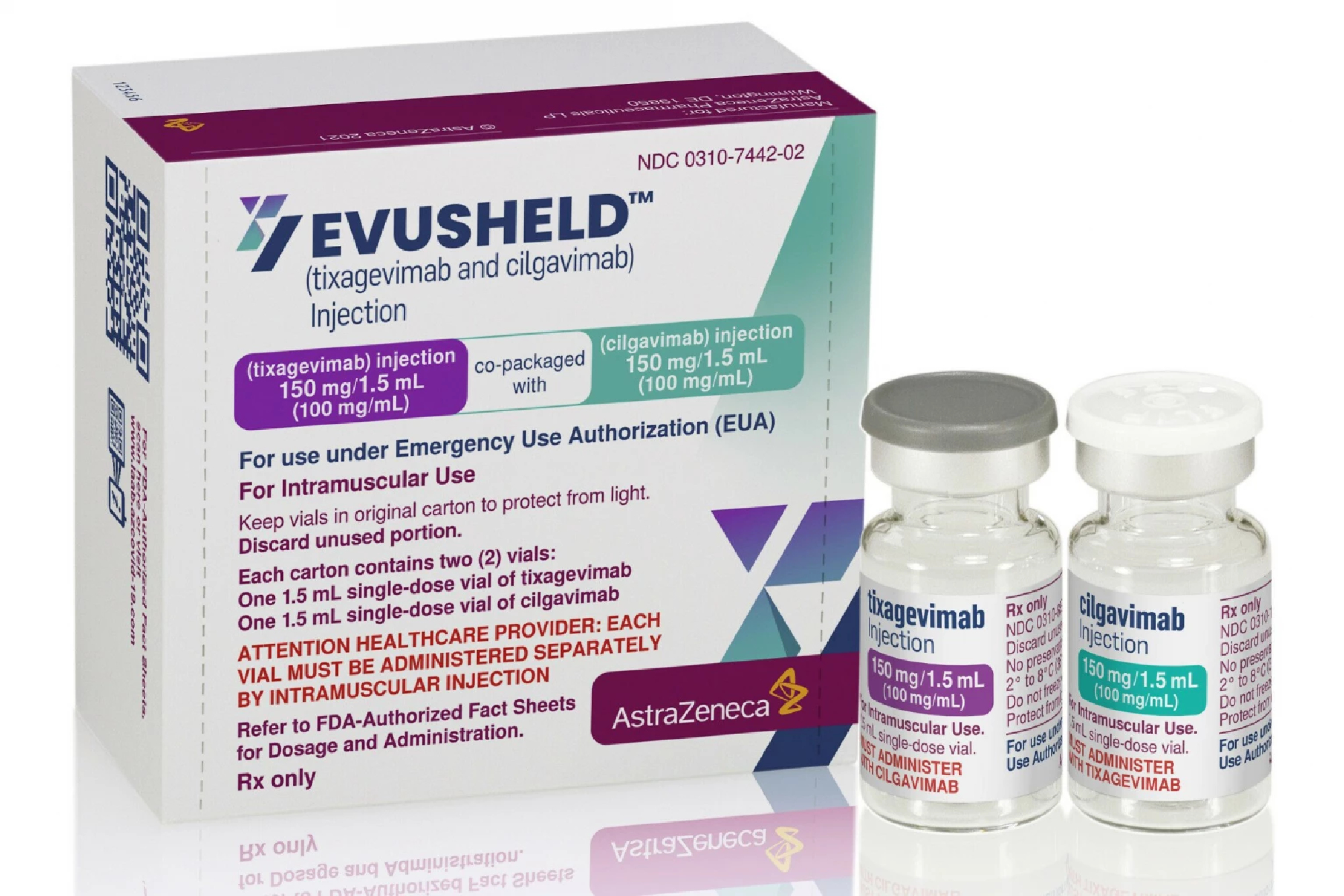
AstraZeneca’s Evusheld (tixagevimab co-packaged with cilgavimab), a long-acting antibody combination, has been granted marketing authorisation in the European Union (EU) for the pre-exposure prophylaxis (prevention) of COVID-19 in a broad population of adults and adolescents aged 12 years and older weighing at least 40 kg.
The approval by the European Commission was based on results from the Evusheld clinical development programme, including data from the PROVENT Phase III pre-exposure prophylaxis trial which showed a 77% reduction in the risk of developing symptomatic COVID-19 compared to placebo at the primary analysis and an 83% reduction at a six-month median analysis, with protection from the virus lasting at least six months. Evusheld was generally well-tolerated in the trial.
James Teague, Country President, AstraZeneca (Thailand) Ltd., said “As Thailand transitions from a pandemic to an endemic stage, we are committed to leave no patient behind. Evusheld is an option to provide additional protection to immunocompromised people, particularly the 607 population who are most vulnerable to the virus. They benefit from the pre-exposure prophylaxis with Evusheld.This EMA approval is really good news, and we are doing our best to make it available in Thailand soon.”
Evusheld is authorised for emergency use for pre-exposure prophylaxis of COVID-19 in the US and has been granted conditional marketing authorisation by the Medicines and Healthcare products Regulatory Agency (MHRA) in Great Britain for pre-exposure prophylaxis of COVID-19. Additionally, there are a number of countries across Europe that have agreements in place to provide Evusheld.
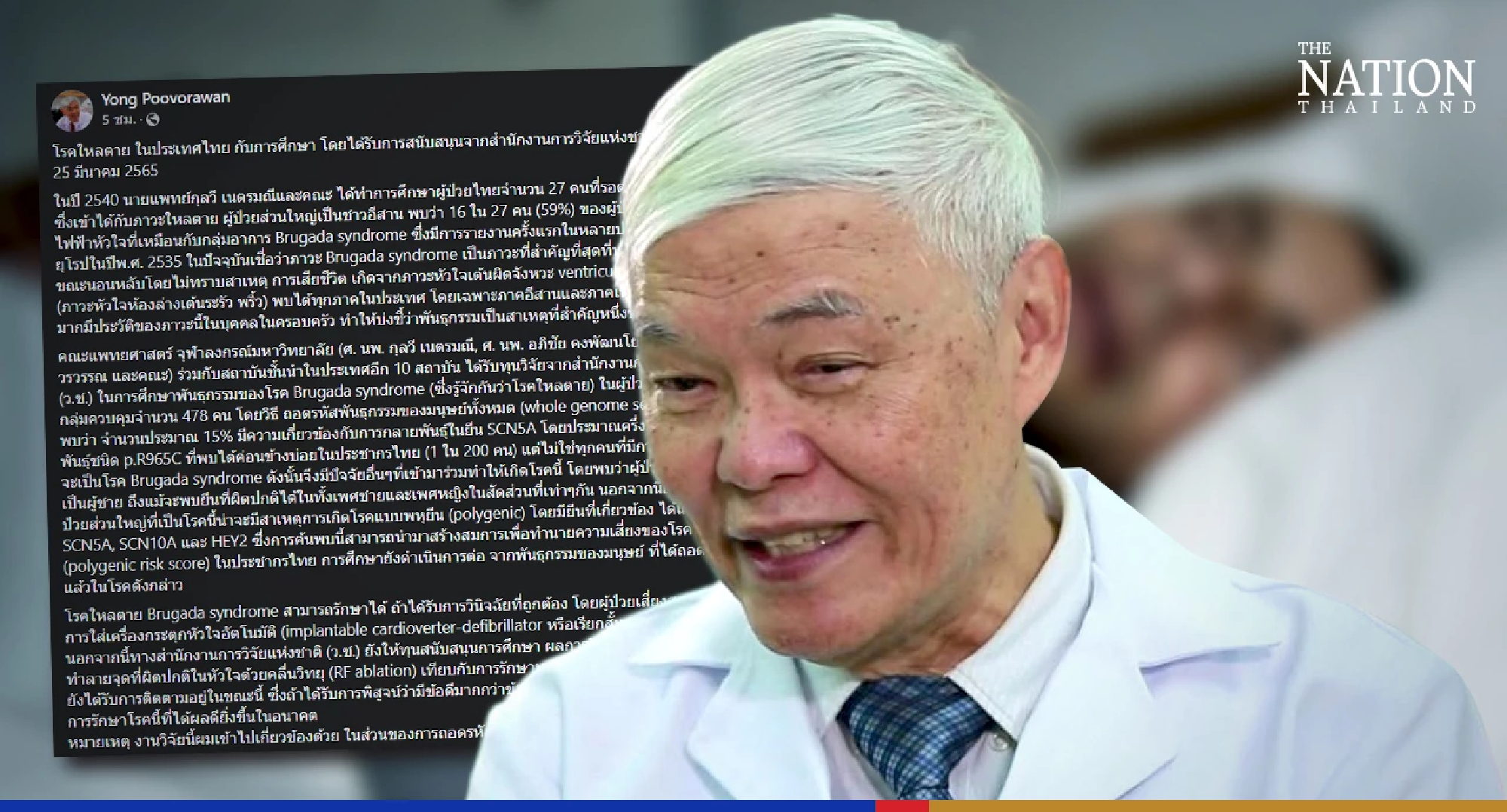
Chulalongkorn University’s Faculty of Medicine and 10 leading institutions in Thailand are looking for ways to treat Brugada syndrome effectively, top virologist Dr Yong Poovorawan said in a Facebook post on Friday.
Brugada syndrome is a genetic disorder that causes abnormal heart rhythms and can cause sudden cardiac death. It was named after Spanish cardiologists Pedro and Josep Brugada, who described the condition in 1992, while their brother Ramon was the first to pinpoint the potential genetic cause in 1998.
This condition has been detected among many Thais, especially those in the North and Northeast.
“According to Dr Koonlawee Nademanee and his team’s 1997 study on 27 patients, 16 were found to have electrocardiogram readings similar to Brugada syndrome. The patients were mostly from the Northeast,” Yong said.
He added that the university and 10 institutions have received funding from the National Research Council to study the syndrome on 239 patients and a control group of 478 persons using genetic sequencing.
“The study found a mutation of the SCN5A gene among 15 per cent of volunteers, but not everyone faces the risk of Brugada syndrome,” he said, adding that there must be other factors that cause the disease.
The virologist also said most patients who have Brugada syndrome are men, even though the gene mutation is also found in women.
“Most patients have been found to develop Brugada syndrome in polygenic terms, so we can create a formula to forecast polygenic risk score among Thais,” he said.
Yong explained that Brugada syndrome can be treated with an implantable cardioverter-defibrillator if it is diagnosed in time and correctly.
He added that the research council has also granted funds to support a study on the effectiveness of radiofrequency ablation in treating Brugada syndrome.
“If this treatment has more benefits than flaws, then it may lead to more effective treatment in the future,” he added.
The project aims to relieve the temple’s expense burden. The items were handed over by the company to Thammarak Children’s House babysitter Wanthana Sovathee.
BGC project offers help to Thammarak Children’s House in Lopburi
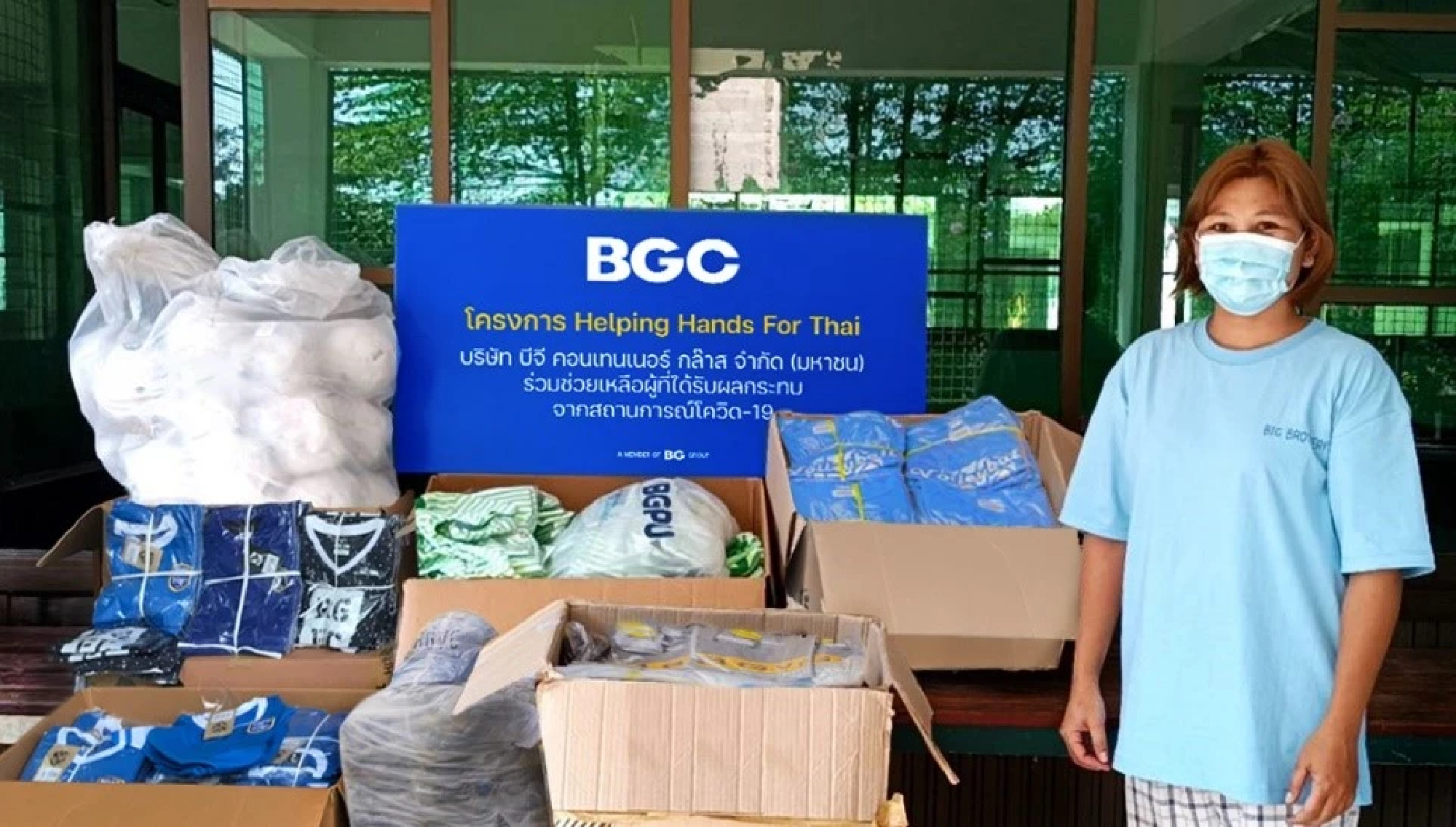
BG Container Glass Plc (BGC) and its affiliates recently handed out daily necessities for children and adults at Thammarak Children’s House in Wat Phrabatnampu in Lopburi province under the project “Helping Hands For Thai”. The move was initiated due to the company’s concerns over the Covid-19 pandemic’s impact on economic stability and socially disadvantaged children’s access to medical treatment.
The project aims to relieve the temple’s expense burden. The items were handed over by the company to Thammarak Children’s House babysitter Wanthana Sovathee. “The Helping Hands For Thai” project was initiated in August last year to offer help to society and people affected by the Covid-19 pandemic,” the company said.
Leading virologist Dr Yong Poovorawan said on Wednesday that Covid strategies must change according to the situation.
Yong took to Facebook to say that Covid-19 has changed in the past two years as its severity decreases.
Previously, the government tried to prevent Covid-19 by locking down cities and reducing travelling, he wrote. Now everyone knows it is impossible to prevent Covid-19 completely as it is spreading more easily, with the number of patients soaring.
Most patients have no or mild symptoms and only a small number experience severe symptoms or death, Yong wrote.
According to the total number of patients verified via RT-PCR and ATK tests, there are only one or two deaths per thousand. Most are elders, people with underlying diseases, and unvaccinated, Yong went on to write.
Most patients have immunity from infection or have been already vaccinated so they will have no or mild symptoms when they are infected, he said.
Yong reiterated that people must adapt to living with the virus. Deaths must be as few as possible even if patients are in the vulnerable groups, while elders should be protected, he advised.
Respiratory specialist Dr Manoon Leechawengongs urged the government via Facebook to administer more vaccines to elders.
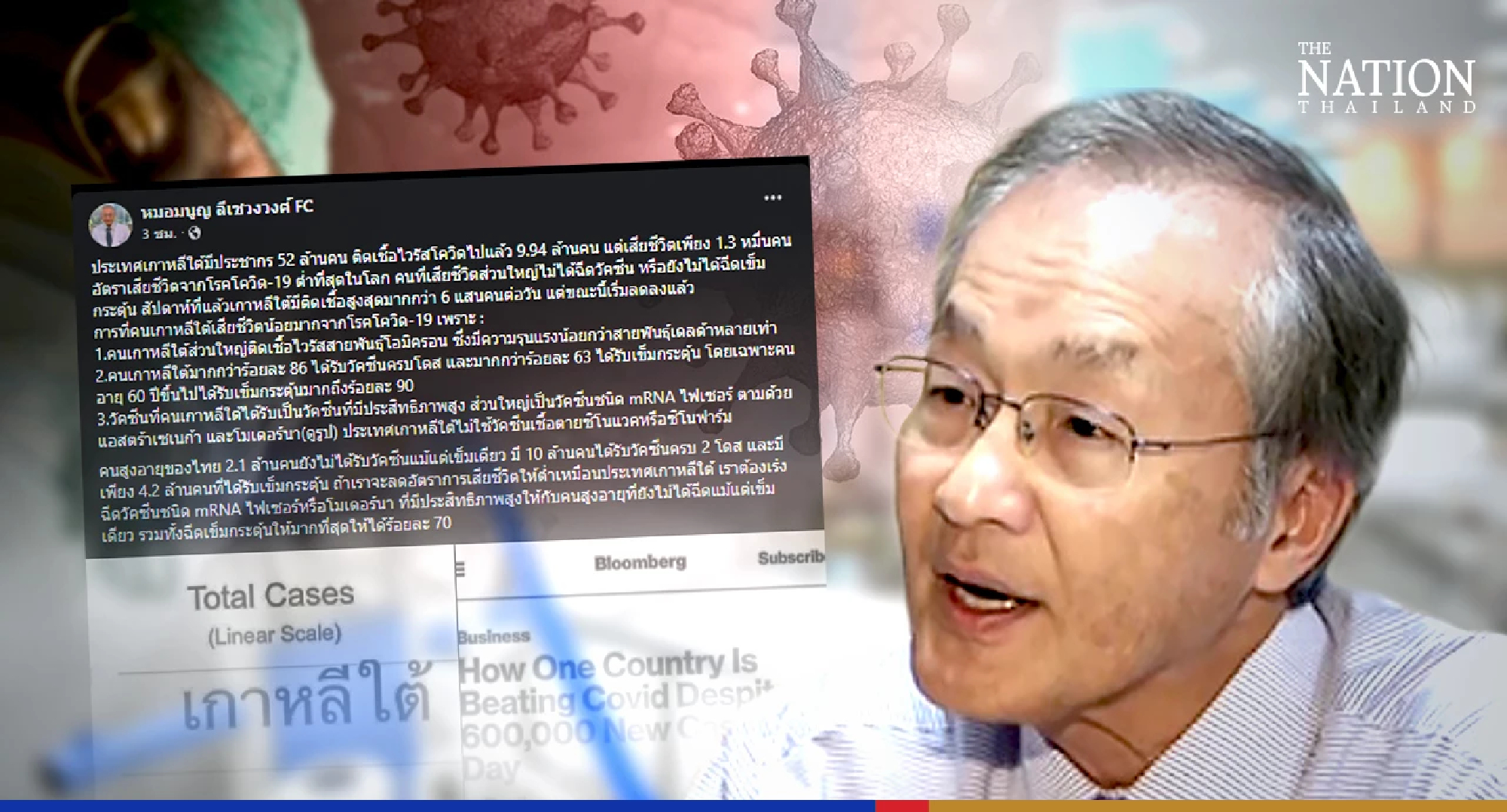
Manoon cited South Korea as an example, saying its population of 52 million had a total 9.94 million patients, but there were only around 13,000 deaths.
He said that country had the lowest fatality rate in the world as most deaths were unvaccinated patients or patients who had not received a booster dose. South Korea’s daily infections have also started to decrease.
Manoon gave three reasons why South Korea has the lowest Covid-19 fatality rate:
Most South Koreans are infected with the Omicron variant, which is much less severe than Delta.
86 per cent of South Koreans are fully vaccinated, with 63 per cent having already received a booster dose. Moreover, 90 per cent of elders aged over 60 have received a booster.
South Koreans have received efficient vaccines, with most being administered the mRNA vaccine Pfizer, followed by AstraZeneca and Moderna. The country does not use inactivated vaccines such as Sinovac or Sinorpharm.
Manoon said 2 per cent of Thai elders have not been administered a single dose, while 10 million elders are fully vaccinated. Only 4.2 per cent have received a booster.
To reduce the fatality rate to bring it on par with South Korea, Manoon said Thailand must hasten to administer highly efficient mRNA vaccines such as Pfizer or Moderna to elders who have not received any vaccine.
Furthermore, Thailand should provide 70 per cent of the elderly with a booster dose, he advised.
New preclinical authentic “live” virus data from Washington University’s School of Medicine demonstrated that Evusheld injection (combination of tixagevimab and cilgavimab) is potent in neutralising the highly transmissible Omicron BA.2 subvariant. The data also showed that Evusheld is effective against BA.1 and BA.1.1 subvariants.
In addition, in vivo (live organism) data generated using mice infected with Omicron BA.1, BA.1.1 and BA.2 demonstrated that Evusheld significantly reduced the viral burden and limited inflammation in the lungs for all three subvariants. Covid-19 viral load is associated with increased disease severity and mortality as well as post-Covid conditions (long Covid).
The study used a transgenic mouse model to evaluate Evusheld in pre-exposure prophylaxis (prevention) of Covid-19, similar to how Evusheld is used in the clinic. These are the first in vivo data evaluating Evusheld’s efficacy against the Omicron variants versus previous in vitro neutralising activity assays in cultured cells.
The Washington University findings were reported on bioRxiv, a preprint server.
Michael S Diamond, a professor at Washington University’s departments of Medicine, Molecular Microbiology, Pathology & Immunology, said: “These new in vivo mouse model data confirm previous in vitro neutralisation activity results for Evusheld against Omicron. The findings demonstrate that Evusheld was effective at protecting against infection in the lungs, a critical disease site for severe Covid-19, across all Omicron subvariants tested.”
John Perez, senior vice president and chief of Late Development, Vaccines & Immune Therapies for AstraZeneca, said: “These important data show that Evusheld reduced viral burden and limited inflammation caused by Omicron. The findings further support Evusheld as a potentially important option to help protect vulnerable patients such as the immunocompromised who may face poor outcomes if they were to become infected with Covid-19.”
Additional “live” virus data from Aix-Marseilles University and pseudovirus data from the US Food and Drug Administration also demonstrated that Evusheld neutralises BA.2. According to the World Health Organisation, cases of BA.2 have been identified in 85 countries to date, with prevalence increasing in several parts of the world.
Evusheld is authorised for pre-exposure prophylaxis (prevention) of Covid-19 in the US and several other countries. Evusheld is intended for vulnerable populations who have a medical condition or are receiving immunosuppressive medications or treatments and may not mount an adequate immune response to Covid-19 vaccination, as well as those individuals for whom Covid-19 vaccination is not recommended.
Though Covid-19 infections and deaths are surging in Thailand and the authorities have put the country under the highest alert level, the government is still hoping to declare the virus endemic by July.
The Centre for Covid-19 Situation Administration (CCSA) announced alert level 4 on February 21, but came up with a roadmap for declaring the virus endemic last week.
Dr Chakrarat Pittayawonganon, director of the Bureau of Epidemiology, said that the Omicron sub-variant BA.2 is to blame for the surge in infections.
He said this sub-variant is as severe as BA.1 and 1.4 times more easily transmissible. Most Covid-19 patients in Thailand have contracted BA.2, he said, adding that this number is likely to rise during Songkran holidays due to close contact in families and communities, with the elderly and people with chronic conditions most at risk.
He also said that an analysis of the number of cases during the week of February 13-19 showed that for every 100,000 people in provinces, at least 100 had contracted Covid-19.
On February 21, 32 people had succumbed to Covid-19, most of whom were elderly or people with chronic disease. Of the victims, 60 per cent were unvaccinated, while the rest had not received a booster.
On Tuesday, the number of deaths surged to 83, with 21,382 confirmed new infections.
Hence, it may not be advisable for the government to rush into downgrading Covid-19 as an endemic disease any time soon.
Leading virologist Dr Yong Poovorawan said that a blood test can detect Covid-19 infection even in people who have no symptoms from the disease.
Covid-19 infections behave like a pyramid, Yong said in a Facebook post on Monday. At the base of the pyramid are the 90 per cent or more of patients who have no or mild symptoms, especially with the Omicron variant.
However, at the top of the pyramid with severe symptoms are the elderly and people with underlying health conditions.
Yong cited a study of 80 children aged 5 to 11 who were not in a risk group and had never shown signs of infection. The study, conducted by the Yong-led Centre of Excellence in Clinical Virology, tested the children’s blood and found that five of them had been infected but remained asymptomatic as they developed natural immunity to the Covid virus spike protein. Such immunity cannot be produced by vaccines.
The children belong to a segment of the Thai population that remain asymptomatic and have to take blood tests to know they have been infected with Covid-19.
Thus blood tests would be the only way to find out how many people in Thailand have been infected with the virus and developed natural immunity.
However, natural immunity to the spike protein or nucleocapsid does not last long. The bodies’ immune response drops to 25 per cent one year after infection.
Yong said blood tests to detect natural immunity to the spike protein could be used in parallel with people’s vaccination history.
He added that Thailand should use blood tests to calculate what percentage of the population have been infected.
Leading virologist Dr Yong Poovorawan has warned that people who decide not to get vaccinated against Covid-19 are gambling with their lives.
In a Facebook post on Saturday, Dr Yong said vaccination was voluntary in Thailand, which meant people had to decide for themselves whether to get the jab and which vaccine brand to choose.
People should study the benefits and side effects of available brands in order to make the best decision, he said.
But deciding not to get vaccinated was like inviting an accident by stepping off the pavement into the busy traffic on Silom Road, he added.
Yong said that the at-risk group – seniors aged over 60, people with underlying diseases, and pregnant women – were at risk of being hospitalised with severe symptoms if they contracted Covid-19.
He pointed out that most deaths from Covid-19 are recorded among seniors and people with underlying diseases. This group should get vaccinated to protect themselves against the deadly virus, he added.
High rates of vaccine hesitancy have been recorded among the elderly in Thailand.
Yong said that about 11 billion doses of vaccine have been administered worldwide so far, and there were enough brands to choose from.
The fourth edition of Dia:gram Media Forum explored the challenges and opportunities for diagnostics in the “new normal” in a virtual event, “The Journey to Better Care: Diagnostics Beyond Covid-19” on Wednesday.
The Covid-19 pandemic has highlighted the importance of early detection and prevention in ensuring national health and well-being. As more people recognise the critical role diagnostics have played, how can this understanding similarly translate to screening and diagnosis beyond the pandemic?
The fourth edition of Dia:gram Media Forum explored the challenges and opportunities for diagnostics in the “new normal” in a virtual event, “The Journey to Better Care: Diagnostics Beyond Covid-19” on Wednesday.
The first panel discussion on “Diagnostics Beyond Covid-19” was joined by Dr Bushra Jamil, Professor of Medicine and Infectious Diseases, Aga Khan University Hospital and President, Medical Microbiology & Infectious Diseases Society of Pakistan (MMIDSP), Rohit Sahgal, Director, The Voices Project; Technical Advisor to WHO’s Western Pacific Region for NCD and Cervical Cancer Prevention & Control and Prof Yang Pei-Ming, Professor Emeritus of Medicine, National Taiwan University College of Medicine and Chief Executive Officer, Liver Disease Prevention & Treatment Research Foundation
They discussed how Covid-19 changed perceptions, and how diagnostics played an essential role in every step of a patient’s journey – from detecting potential health issues earlier to determining appropriate treatments right down to monitoring treatment efficacy.
Dr Bushra Jamil, Professor of Medicine and Infectious Diseases, Aga Khan University Hospital and President, Medical Microbiology & Infectious Diseases Society of Pakistan (MMIDSP)
The panel focused on how current and new diagnostic tools will continue to transform healthcare systems for better outcomes – for patients and societies at large.
Rohit Sahgal, Director, The Voices Project; Technical Advisor to WHO’s Western Pacific Region for NCD and Cervical Cancer Prevention & Control and Prof Yang Pei-Ming, Professor Emeritus of Medicine, National Taiwan University College of Medicine and Chief Executive Officer, Liver Disease Prevention & Treatment Research Foundation
In the second panel discussion on “Value of Diagnostics”, the panel was joined by Lance Little, Managing Director, Region Asia Pacific of Roche Diagnostics, and Dr Rengaswamy Sankaranarayanan, Director, Preventive Oncology, Karkinos Healthcare, India and Senior Visiting Scientist, International Agency for Research on Cancer (WHO-IARC).
Lance Little, Managing Director, Region Asia Pacific of Roche Diagnostics
In 2021, Roche Diagnostics compiled research data from the public, healthcare providers and policymakers from 11 countries in the Asia Pacific, including China and Japan. It surveyed 8,800 informed public, 440 healthcare professionals (HCPs), and 12 policymakers.
Dr. Rengaswamy Sankaranarayanan, Director, Preventive Oncology, Karkinos Healthcare, India and Senior Visiting Scientist, International Agency for Research on Cancer (WHO-IARC).
The objective was to understand the knowledge of, and attitude around the impact of in vitro diagnostics (IVDs) in today’s healthcare systems among key stakeholders.
Mr Little explained that Covid-19 has highlighted the role of diagnostics.
He cited the information that 63 per cent of those who value overall health also consider the role of in vitro diagnostics (IVDs) to be important or extremely important to maintaining overall health, as doing some tests will give crucial information and help in making good health decisions.
According to the research, 91 per cent of HCPs and 74 per cent of the public also perceived early detection of diseases as IVDs’ key benefit.
However, he explained that tests are also missed due to a fear of positive results. Some 41 per cent and 38 per cent of the public missed an HIV or hepatitis test, respectively, due to fear of positive results.
Meanwhile, roughly 60 per cent of the public believe that there is some sort of barrier to testing while 50 per cent of HCPs believe that the public lacks adequate information. He gave an example that one of the barriers in Japan was a busy lifestyle.
He summarised that the survey has highlighted the areas that allow medical professionals to go deeper into lifting the role of diagnostics.
Mr Little said that he noticed an increase in the use of digital tools spurred by the pandemic and suggestions on how they can foster the growing adoption of these tools beyond Covid-19 management.
He said many barriers were broken during the Covid-19 pandemic because of the need to move quickly, which allowed the healthcare industry to experiment.
He gave as an example the need for people to show their vaccination status or test result before entering many buildings. This model empowers individuals with access to their own healthcare data – something that hasn’t been done before Covid-19. This could be the first step in making healthcare data more accessible. To reshape the healthcare system, having the relevant information at the right time and the right place is critical.
He added that digital tools play an important role in that but there is a danger. He explained that digitalisation needs to be looked at for its appropriateness. According to available data, healthcare information doubles every 72 days so it is impossible to stay up to date.
Digital tools could be very useful. In general, digital tools need to integrate with the healthcare system, while the healthcare system needs to support variability.
Answering a question on what different countries’ healthcare systems should be mindful of when pushing for diagnostics, he said it is about the appropriate use of diagnostic tests. Every country needs to decide for itself where its healthcare system is and what is most useful at that time so as to harness the power of diagnostics to improve lives.
Dia:gram is a publication from Roche Diagnostics Asia Pacific that explores the forces transforming health care across the region. Our mission is to document the many ways in which diagnostics impact health care, from detection and risk stratification to monitoring and disease management.
We tell the stories of today’s innovators and change-makers who are dreaming of a better tomorrow and fighting to make it happen. From the patients who face difficult questions to laboratories that provide simple answers, we share stories of growth, change, and innovation. Diagnostics is the bedrock of healthcare and there are many stories to be told.




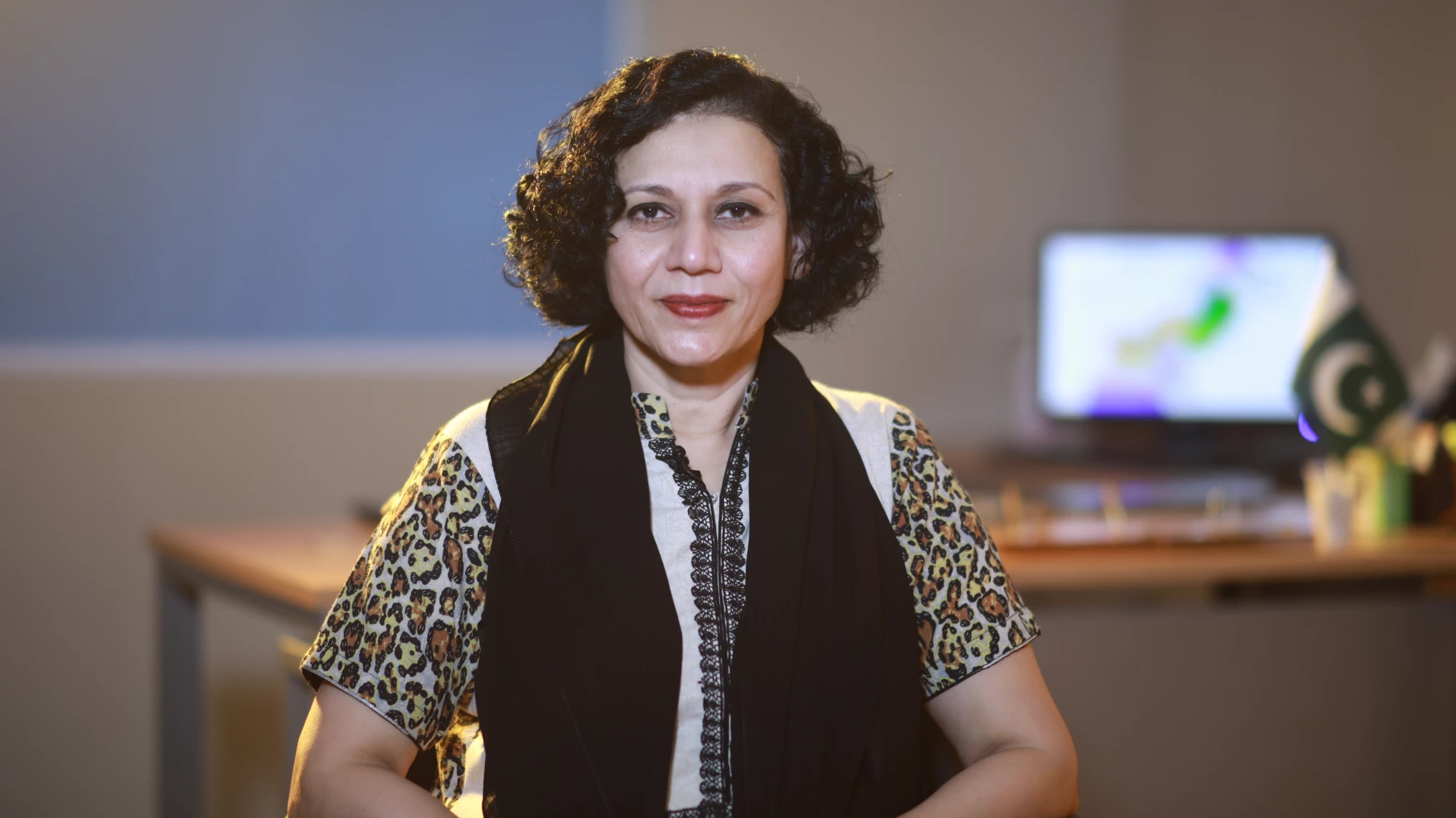 Dr Bushra Jamil, Professor of Medicine and Infectious Diseases, Aga Khan University Hospital and President, Medical Microbiology & Infectious Diseases Society of Pakistan (MMIDSP)
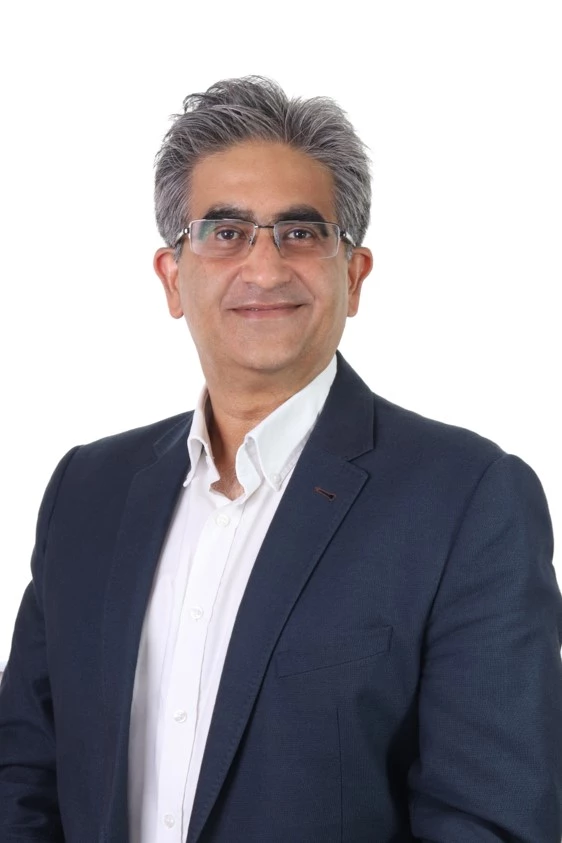 Rohit Sahgal, Director, The Voices Project; Technical Advisor to WHO’s Western Pacific Region for NCD and Cervical Cancer Prevention & Control and Prof Yang Pei-Ming, Professor Emeritus of Medicine, National Taiwan University College of Medicine and Chief Executive Officer, Liver Disease Prevention & Treatment Research Foundation
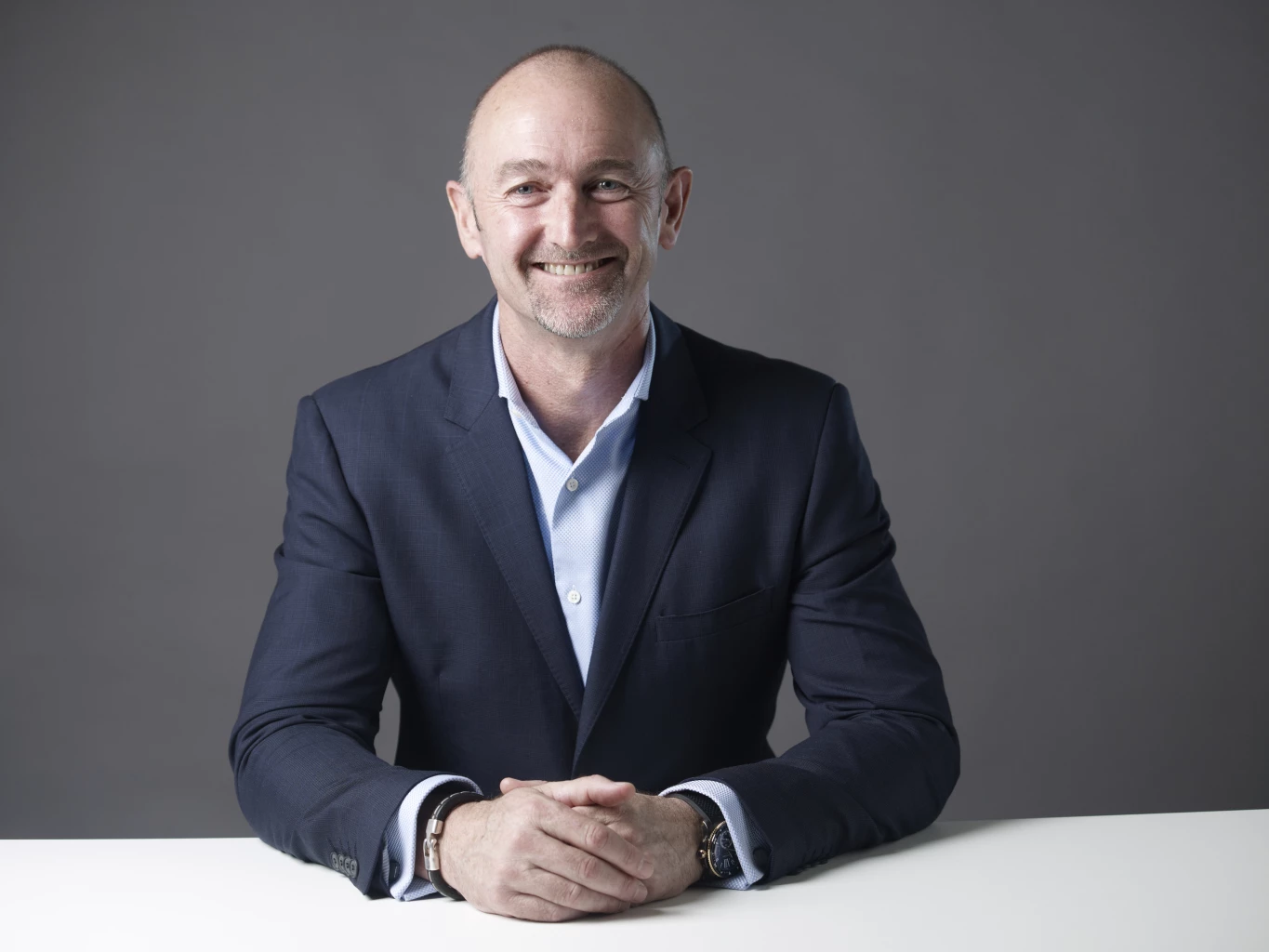 Lance Little, Managing Director, Region Asia Pacific of Roche Diagnostics
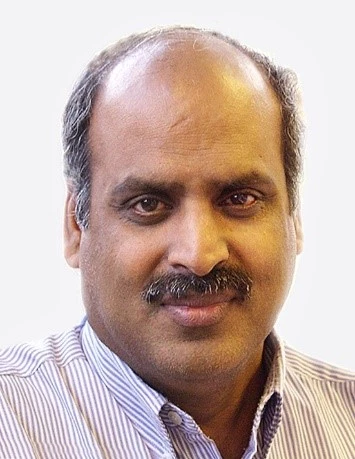 Dr. Rengaswamy Sankaranarayanan, Director, Preventive Oncology, Karkinos Healthcare, India and Senior Visiting Scientist, International Agency for Research on Cancer (WHO-IARC).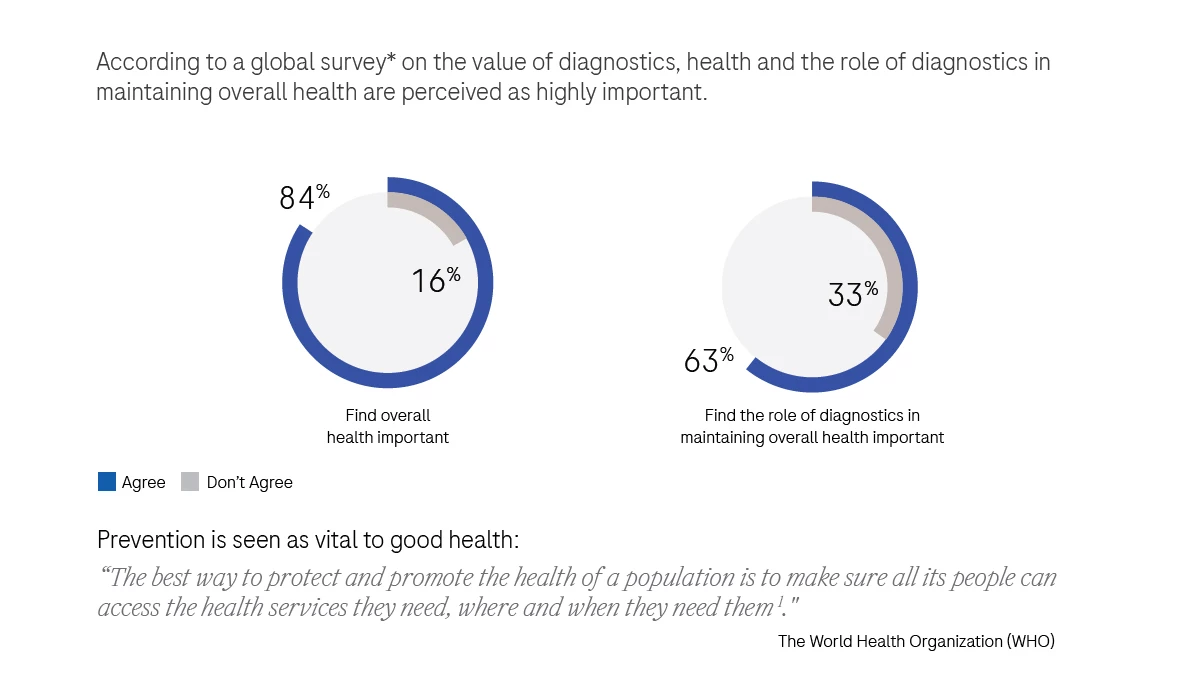
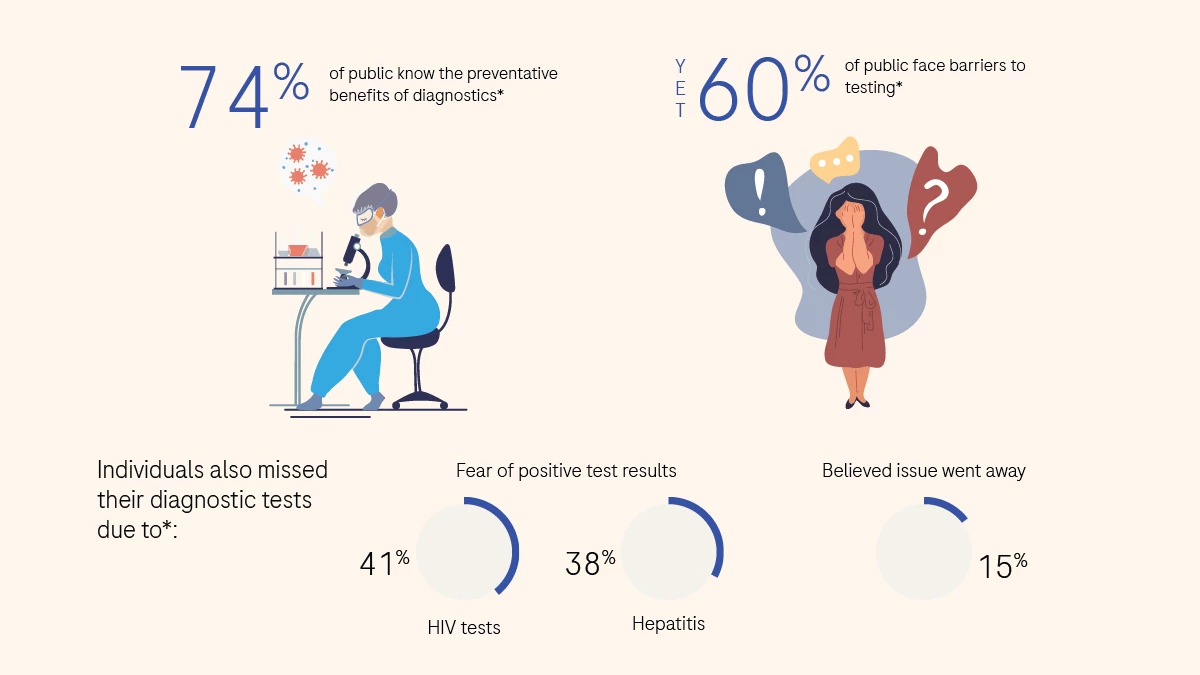 However, he explained that tests are also missed due to a fear of positive results. Some 41 per cent and 38 per cent of the public missed an HIV or hepatitis test, respectively, due to fear of positive results.
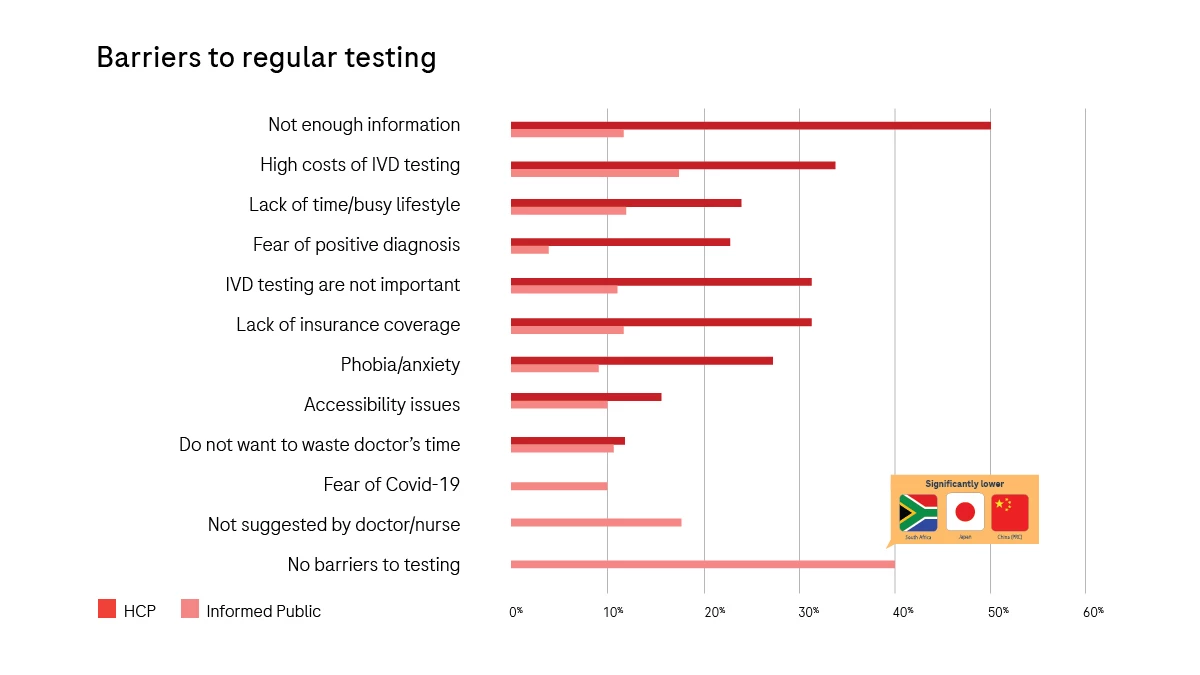 Meanwhile, roughly 60 per cent of the public believe that there is some sort of barrier to testing while 50 per cent of HCPs believe that the public lacks adequate information. He gave an example that one of the barriers in Japan was a busy lifestyle.
 He said many barriers were broken during the Covid-19 pandemic because of the need to move quickly, which allowed the healthcare industry to experiment.
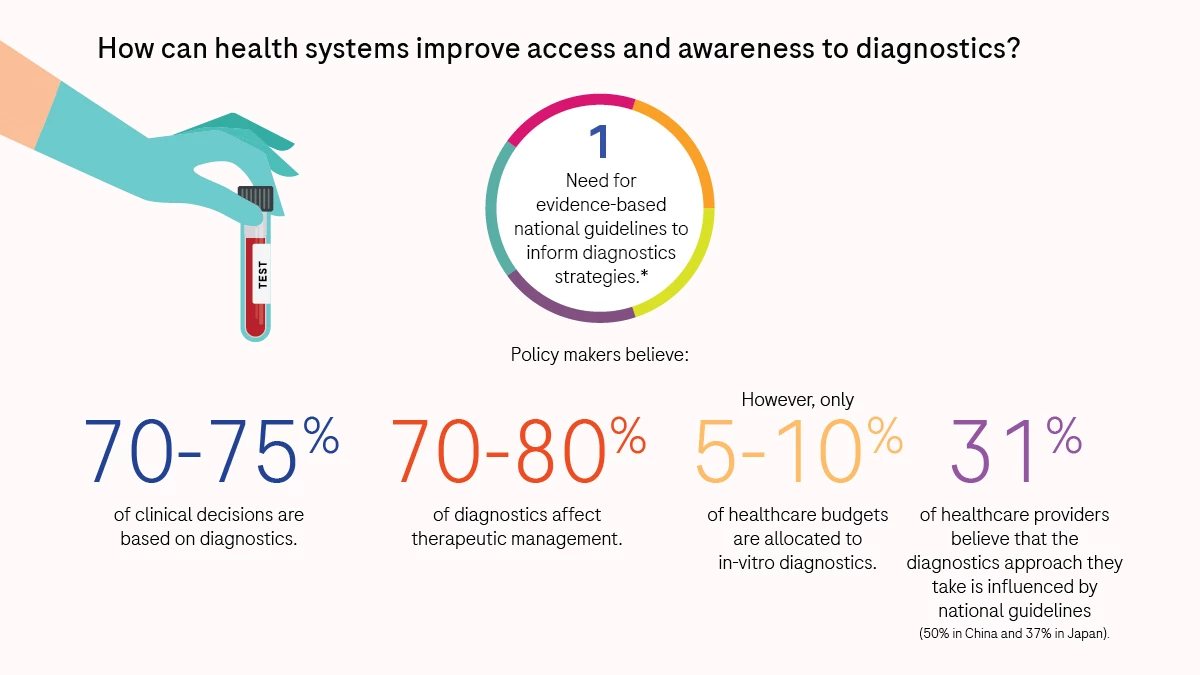 He gave as an example the need for people to show their vaccination status or test result before entering many buildings. This model empowers individuals with access to their own healthcare data – something that hasn’t been done before Covid-19. This could be the first step in making healthcare data more accessible. To reshape the healthcare system, having the relevant information at the right time and the right place is critical.
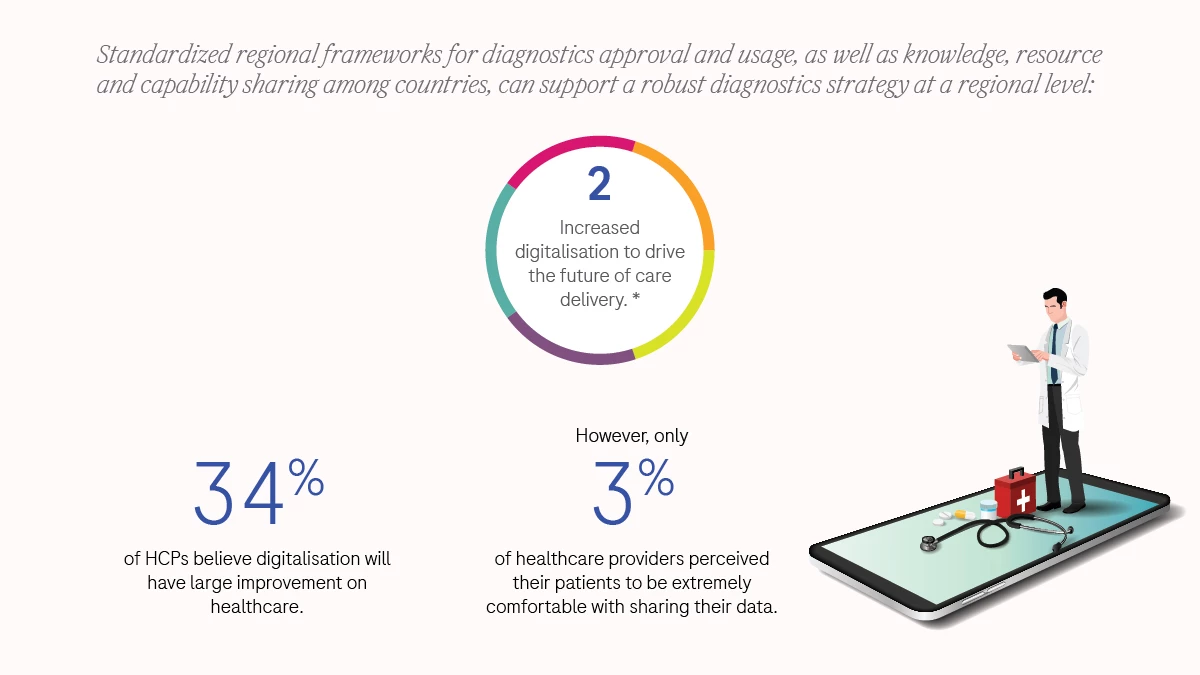 He added that digital tools play an important role in that but there is a danger. He explained that digitalisation needs to be looked at for its appropriateness. According to available data, healthcare information doubles every 72 days so it is impossible to stay up to date.
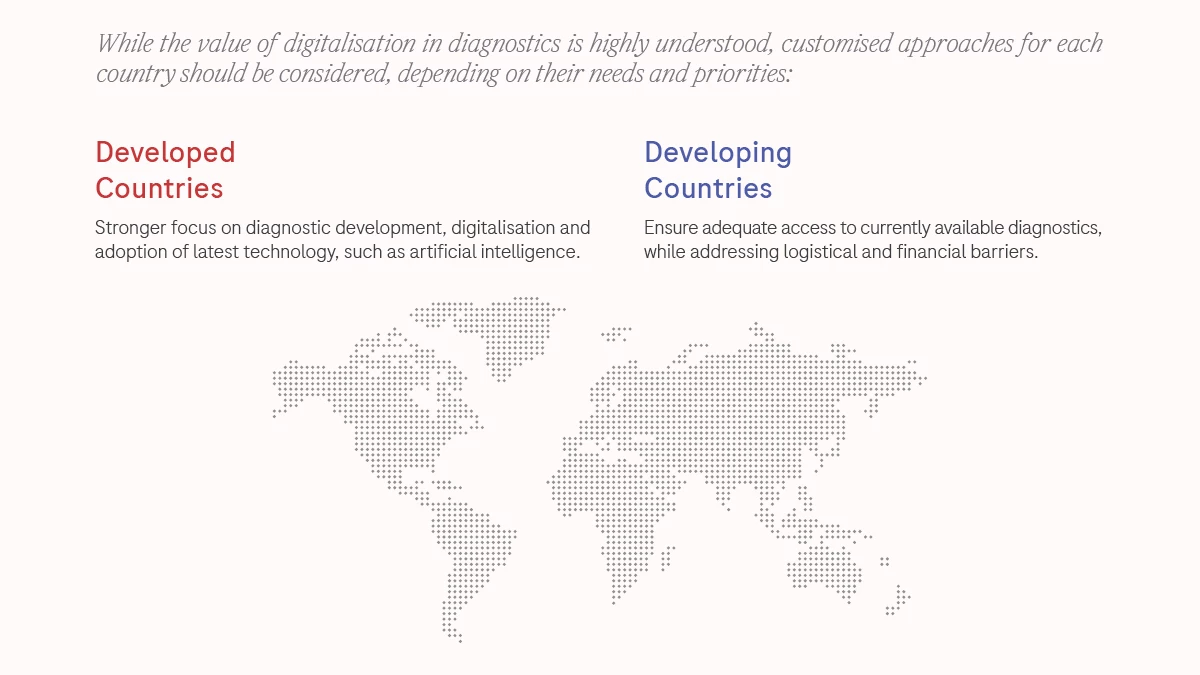 Digital tools could be very useful. In general, digital tools need to integrate with the healthcare system, while the healthcare system needs to support variability.
 Answering a question on what different countries’ healthcare systems should be mindful of when pushing for diagnostics, he said it is about the appropriate use of diagnostic tests. Every country needs to decide for itself where its healthcare system is and what is most useful at that time so as to harness the power of diagnostics to improve lives.
 SootinClaimon.Com