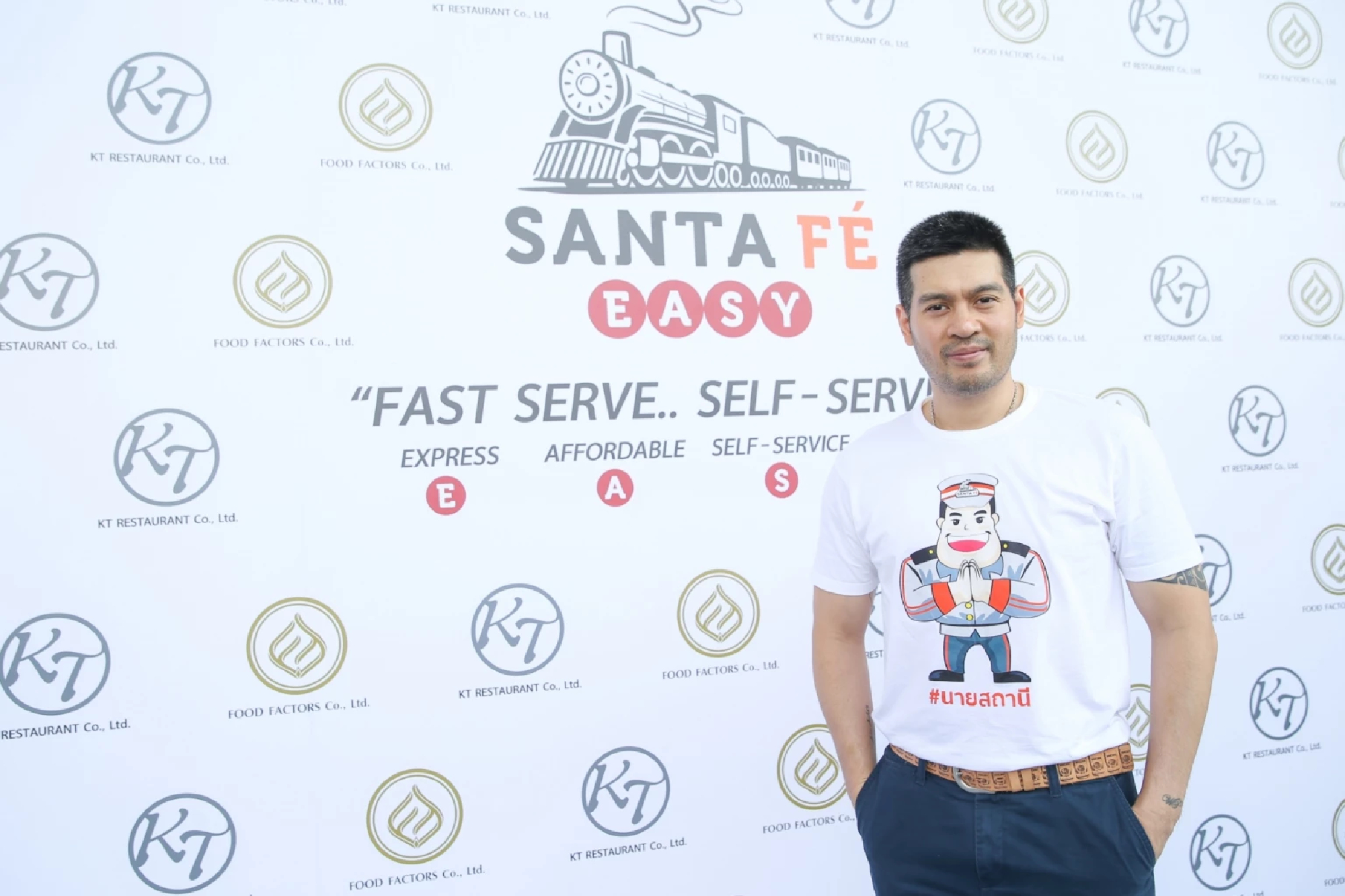
“Santa Fe’,” one of Food Factor’s restaurant chains, plans to expand according to the ever-changing consumer lifestyle and needs for “Santa Fe’ Easy,” its quick-service restaurants (QSR), with nine new branches in office areas, gas stations, and community malls by the end of 2022 with the latest branch being the PTT Rama 2 (next to Soi 48) ready to serve.
Mr Sombat Hongpaitoon, Chief Executive Officer of KT Restaurant Co Ltd, reveals that “Santa Fe’ Easy” is a QSR business that the company has developed with a self-service business model for more convenience, in accordance with Mr Piti Bhirom Bhakdi, Chief Executive Officer of Food Factors Co Ltd. The policy drove the food business with diversity and more access points for consumers like gas stations, office buildings, and community malls.
“Santa Fe’ Easy’s” brand concept has always been “Fast Serve…Self-Serve,” highlighting how easy and fast consumers can enjoy quick-serve meals with speedier checkout and payment. While the brand still carries what makes the brand so popular, which is the steak varieties up to 31 menus, all at an affordable price.
Santa Fe’ Easy operates with five branches; Life Center Sathorn, The Rest Area PTT Prachachuen, Big C Rama 2, Lotus Wanghin, and Lotus Liab Klong 2. The brand will open its 6th branch at PTT Rama 2, next to Soi 48, which is another prominent location with a massive amount of traffic from consumers who stop by for gas and to spend time shopping and eating.
What makes Santa Fe’ Easy at PTT Rama 2 different is the new addition to menus like the crispy Fried Chicken Steak and three unique sauces, which are the steak sauce, the teriyaki sauce, and the cheesy dip, with the addition of Grilled Chicken Congee, and Grilled Pork Steak with Sticky Rice, all of which is available only at this branch.
The company is looking to open up the brand for potential franchises to grow strongly and sustainably with a focus on areas like office buildings, community malls, gas stations, and other areas with consumers who crave delicious steak at an affordable price. The company is also expecting to open up nine more branches in 2022.
Today, Santa Fe’ is the leader in the steak and western food business, with many popular menus available at over 121 branches nationwide in leading department stores, offices, and gas stations.
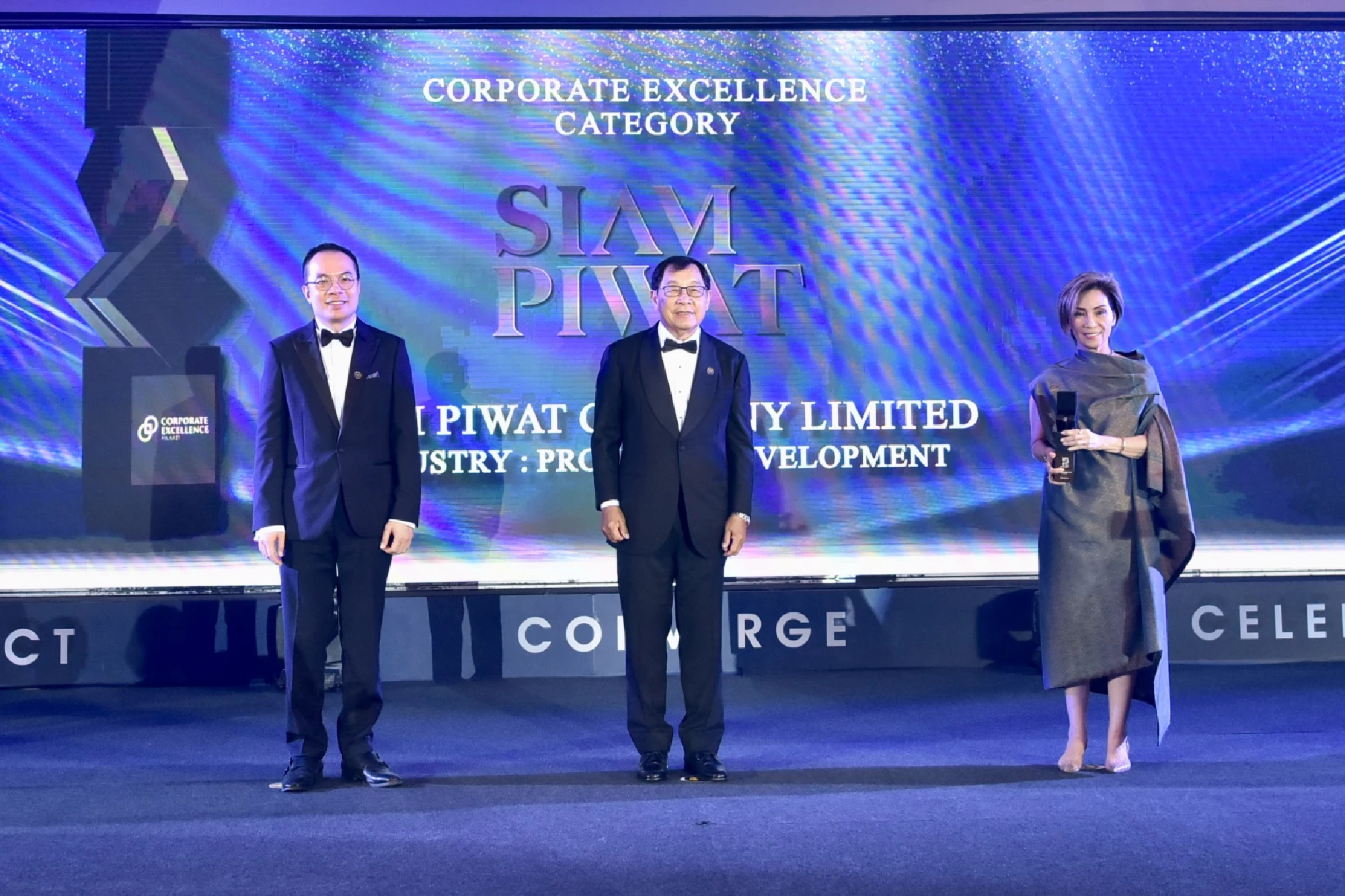
Bangkok (July 4, 2022) – Siam Piwat Co., Ltd., a leading real estate and retail developer, the owner and operator of world-renowned projects such as Siam Paragon, Siam Center, and Siam Discovery, a joint owner of ICONSIAM and Siam Premium Outlets Bangkok, has won two major international awards, “Corporate Excellence Award” and “Inspirational Brand Award,” at the Asia Pacific Enterprise Awards (APEA) 2022.
Awarded to organizations that demonstrate outstanding management and consistent business growth, the accolades testify to Siam Piwat’s success in driving its vision towards success under its business strategies and in delivering extraordinary and unprecedented experiences that exceed all expectations.
Ms. Amporn Chotruchsakul, President of Business Support, Siam Piwat Co., Ltd., said, “It is an absolute honor for Siam Piwat to have been selected by the Asia Pacific Enterprise Awards (APEA) 2022 as the recipient of the Corporate Excellence Award and Inspiration Brand Award. These awards mean so much to us as they highlight our management success; even during the COVID-19 crisis, we have been able to generate business success while remaining committed to our responsibility to society. The two awards that we have received are due not only to Siam Piwat but also to the commitment of all parties, including retail stores, business partners, the government sector, executives, employees, customers, communities, and society at large, who have stood by us and supported us throughout the journey.”
The international awards that Siam Piwat has received are the Corporate Excellence Award, which recognizes organizations with exceptional potential and capabilities to generate consistent growth while staying true to their vision, and the Inspiration Brand Award, which is awarded to brands considered heroes in the brand universe that are both inspired and inspiring and strive to promote goodness, balance and sustainability. Siam Piwat’s success is rooted in business strategies that promote corporate growth, consisting of the following components:
For our future growth of business: Siam Piwat strives to become a platform for a new kind of experience co-creation among brands, business partners, and customers and seeks new opportunities, inspiration, and creativity in order to complete the experience offerings within its world-class luxury platform.
For our people: Siam Piwat has developed a future-ready way of working for its employees while also cultivating a “work as one” working atmosphere to promote unity and collaboration. In addition, Siam Piwat clearly communicates to all employees its vision as well as their roles and responsibilities to foster understanding. Siam Piwat recognizes that its personnel are invaluable resources and play a vital role in propelling Siam Piwat towards success.
For our planet and society: Siam Piwat places great emphasis on sustainability and seeks to ensure the mutual growth of all relevant parties through its co-creation and shared value strategies. Its goal is to be an organization that benefits people, communities, society, and the country and generates value and adapts ESG principles which have always been ingrained in Siam Piwat’s practices.
The Asia Pacific Enterprise Awards (APEA) 2022 Regional Edition is a prestigious award program that recognizes the entrepreneurial and corporate excellence of business leaders across Asia-Pacific with outstanding ideas, visions, and management approaches. The recipients are selected from business leaders and organizations across Asia with noteworthy performances who have driven business development to regional and global success and demonstrated responsibility to society at large for the sustainable growth of the organization.
“Siam Piwat is ready to carry on this business excellence. These awards will be the main driving force towards our future of sustainable growth. We will keep challenging ourselves and outdoing our successes to create something even better in the future,” concluded Amporn.
The move by Thailand’s largest mobile service provider, Advanced Info Service (AIS), to purchase Triple T Broadband Plc and an infrastructure fund for 32.42 billion baht threatens a telecoms monopoly, the Thailand Development Research Institute (TDRI) warned on Monday.
TDRI president Somkiat Tangkitvanich said the deals would benefit the company but not the country, which already lacks competition in telecoms and other sectors. If the two deals go through, Thai consumers and small business owners would have even fewer options and be more vulnerable to exploitation by big corporations, he added.
Somkiat expressed his opposition on Facebook, saying he was concerned that the telecoms market will follow monopolistic patterns of other Thai markets such as movies, retail and hospitals.
Both poor and middle-class consumers would suffer, he added.
“Thailand’s economy now resembles that of the United States circa 120-150 years ago, when oil companies, railroad companies, and large corporations merged, resulting in widespread exploitation of the people. People couldn’t take it any longer, leading to the ‘Progressive Era’ a widespread anti-monopoly movement,” said Somkiat.
He urged the National Broadcasting and Telecommunications Commission (NBTC), Trade Competition Commission (TCC), the Cabinet and the judiciary to raise the criteria for mergers and acquisitions, warning that failure to do so would exacerbate economic and social inequality and jeopardise Thailand’s sustainability.
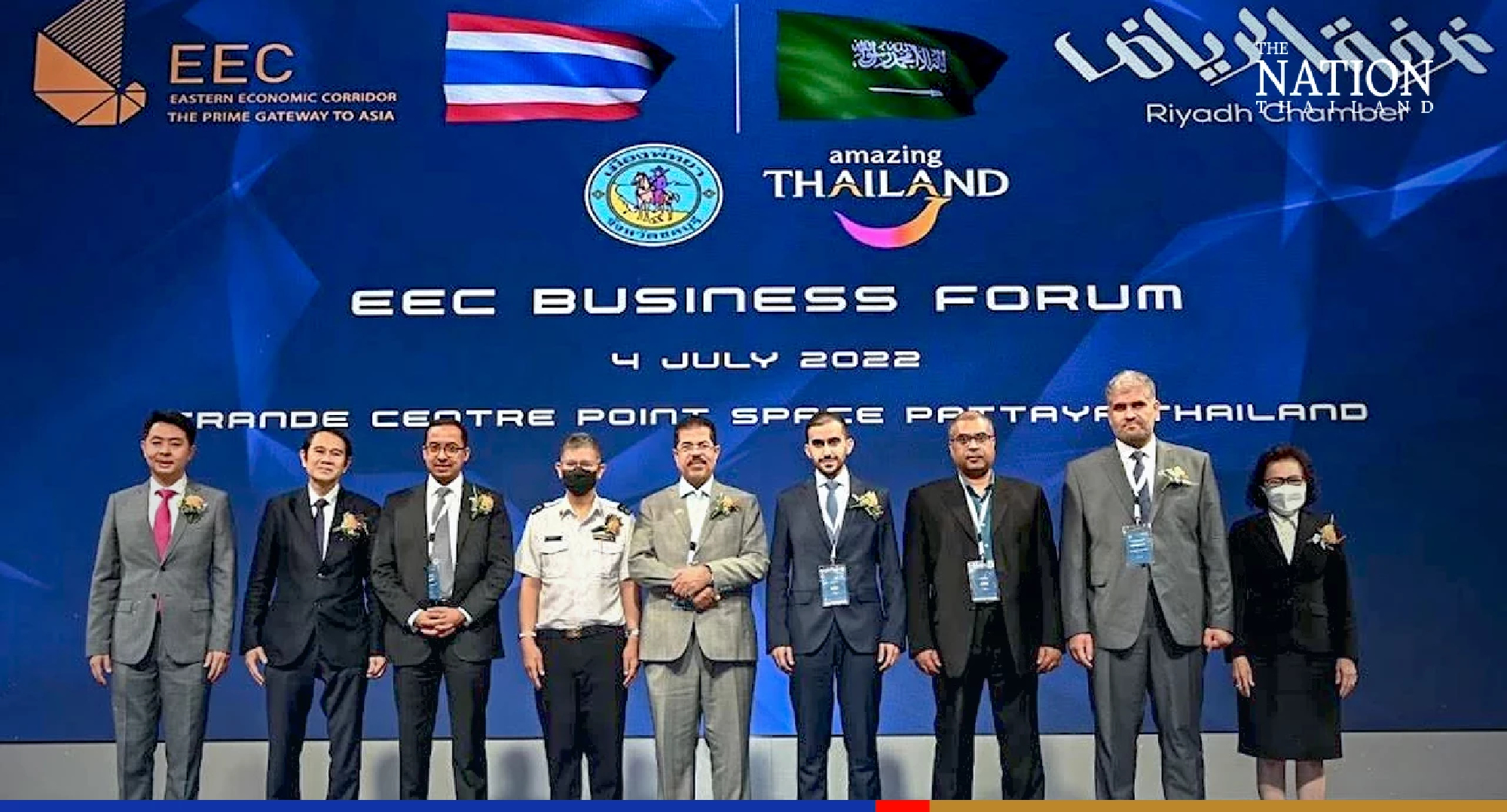
A group of around 100 Saudi businessmen led by the Riyadh Chamber of Commerce visited Thailand’s Eastern Economic Corridor (EEC) on Monday to explore investment opportunities.
The EEC Office said the Saudi entourage, which was led by Riyadh Chamber member Krayem Alenezi, was briefed on the progress of EEC projects and development.
The office also presented EEC investment opportunities to the Saudi businessmen, while Thai businesses pitched proposals for partnerships with their Saudi counterparts.
It marked the first visit to Thailand by the Riyadh Chamber of Commerce in 32 years, following the normalisation of Thailand-Saudi Arabia relations in January.
The Saudis arrived in Thailand on a return visit after Foreign Minister Don Pramudwinai led an entourage of Thai officials and businessmen to Saudi Arabia from May 15 to 19.
EEC Office secretary-general Kanit Saengsuphan said the office presented opportunities in sectors traditionally favoured by Saudi businesses, including digital and tech industries, health tourism, food processing, clean energy, and electric vehicle manufacturing.
Kanit said the visit would likely attract investors from other Middle East countries to the EEC zone.
The second phase of the EEC Office’s investment plan (2022 to 2026) aims to draw 2.2 trillion baht in investment for the zone. The plan is targeting a rise of 400 billion baht per year in EEC investment, Kanit added.
The Saudi business delegation also visited an EEC “smart” factory belonging to SNC Former Plc, a household and automotive appliance manufacturer, to witness Industry 4.0 (digital) manufacturing. Kasit said the businessmen showed interest in factories that use digital technologies to control production.
Energy Minister Supattanapong Punmeechaow on Tuesday allayed fears of oil shortage, saying the country now has crude oil reserves for 60 to 70 days.
Supattanapong said the country has doubled its oil reserves from 30 days in the normal situation because of the global energy crisis caused by the ongoing Russia-Ukraine war.
He said the oil reserves situation was reported at the meeting of the National Security Council chaired by Prime Minister Prayut Chan-o-cha on Monday.
It was the first time that Prayut had used an NSC meeting to discuss the energy crisis.
The energy minister said the meeting was useful because all scenarios in all dimensions were discussed.
The Energy Ministry presented all contingency plans in case of an oil shortage in the country, Supattanapong said.
He added that the Commerce Ministry, the Agriculture Ministry and key law enforcement agencies also presented their plans to cope with the situation if an oil shortage occurred.
He said the NSC’s oil emergency meeting was held because the Thai government could not predict how long the Russia-Ukraine conflict would continue.
But Supattanapong said the chance was not high for an oil shortage to occur in Thailand.
“From what I heard at the meeting, the country has made good preparations up to a level. So we exchanged information for the sake of cooperation in case of an emergency. The meeting was like a rehearsal,” the energy minister said.
Apart from crude oil reserves of up to 70 days, Thailand also has LPG gas in reserve for up to 20 days.
“We don’t worry much about LPG because we have LPG separation plants. But we have to import a lot of crude oil, so we have increased the reserve to 60-70 days, compared to the 30 days in a normal situation,” Supattanapong said.
He added that the government has sought cooperation from refineries to look for more sources of crude oil and natural gas in case the war escalated and the transportation of oil and gas was disrupted.
When asked if the government would go ahead with a plan to build a coal-powered electricity plant in Krabi province to cope with possible oil shortage, the energy minister said the existing coal-powered plants should be enough.
To prepare for possible oil shortage, the government would indefinitely delay its plan to stop the operations of the eighth to 11th coal-powered plants in Mae Moh, Lampang province, the energy minister added.
When asked whether the government would go ahead with its plan to seek voluntary contributions from the six major refineries to the Oil Fuel Fund, Supattanapong said the Energy Ministry might soon get a positive reply from the refineries.
The headline inflation in June rose to 7.66 per cent year on year mainly because of rising energy prices, the Trade Policy and Strategy Office (TPSO) said on Tuesday.
TPSO director-general Ronnarong Phoolpipat said the headline inflation index rose 0.56 per cent to 107.58 compared to 106.62 in May.
He said the persistently high energy prices had caused inflation to continue to rise while the prices of foods and fresh foods did not have much impact on inflation.
He explained that the prices of general foods and fresh foods have either been increased in May or the price increases have been postponed due to the government’s intervention measures.
Ronnarong said the core inflation, or core consumer product index, rose to 102.99 in June, a 2.51 per cent year-on-year increase, or a 0.24 per cent increase from the 102.74 points in May.
The average core inflation in the first half of the year rose by 1.85 per cent, Ronnarong added.
With several internal and external uncertainties, the TPSO still maintained its prediction of headline inflation for 2022 in the range of 4 to 5 per cent and the average at 4.5 per cent, Ronnarong said.
The baht opened at 35.70 to the US dollar on Tuesday, weakening from Monday’s close of 35.66. The currency is expected to move in the range of 35.60 to 35.80 during the day, Krungthai Bank market strategist Poon Panichpibool said.
He reckons the baht will likely fluctuate and test its resistance level from 35.75 to 35.80 to the dollar because the greenback is strengthening and the market is in a risk-off state, resulting in foreign funds flowing out of the country, especially stocks.
Poon has also advised investors to beware of short-term bond sales if the rate of inflation is higher than expected. Investors expect the Monetary Policy Committee to increase the interest rate.
However, the currency’s weakening may be limited by exporters waiting to sell the baht at the key resistance level, and investors waiting to buy gold on dips.
Poon advises investors to use hedging tools like options to manage their risks in the highly volatile currency market.
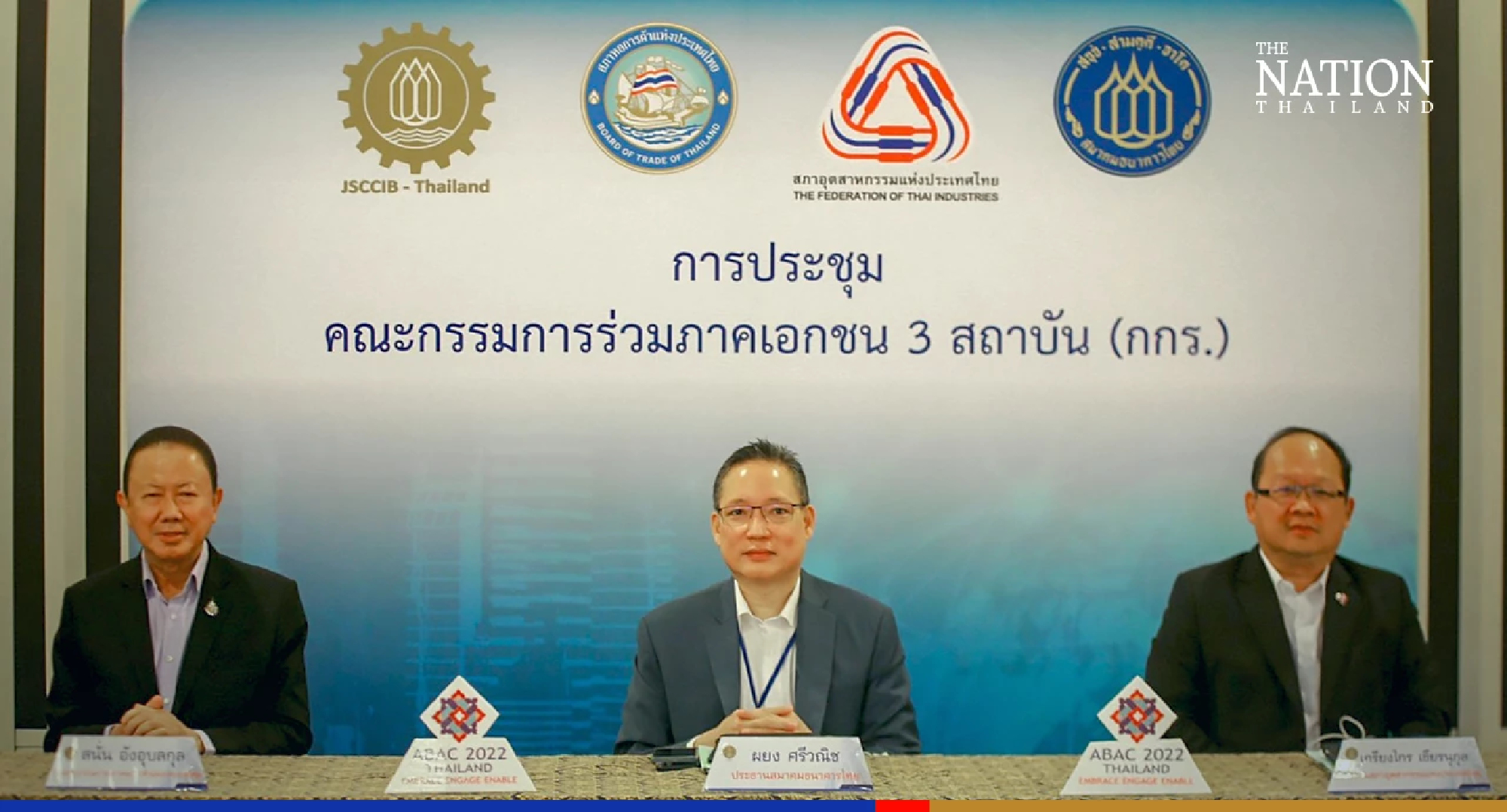
The private sector on Monday pleaded for more government spending to boost the economy, as household consumption weakens due to high inflation.
The Joint Standing Committee on Commerce, Industry and Banking (JSCCIB) met on Monday and laid out the worrisome economic situation facing Thailand this year.
It said the main risk was rapidly rising energy prices that were increasing costs for businesses and manufacturers. High prices are also eroding people’s purchasing power, it added.
The JSCCIB warned that the private sector is now bearing extremely high costs. As a result, it can now stimulate the economy on its own, meaning the government should intervene by spending to boost the cash flow in the economy, it added.
The committee also urged the government raise the median budget for government procurement projects to reflect the actual cost of operations.
Meanwhile, it wanted more government measures to aid the tourism sector, a main driver of Thai economic growth.
Kriengkrai Thiennukul, chairman of the Federation of Thai Industries (FTI), said uncertainty over the Russia-Ukraine war had made inflation unpredictable.
He said Thai industries are expected to grow slowly, except for the food sector where global demand continues to rise regardless of product prices. Although the weak baht makes Thai exports more competitive, manufacturers must prepare for high inflation as well as the possibility of supply chain disruption, the FTI chief added after attending Monday’s JSCCIB meeting.
The JSCCIB views that the global economy is now prone to recession, particularly in the United States and Europe. Inflation is expected to reach a new high, affecting household purchasing power and the manufacturing sector’s ability to manage costs.
Meanwhile, the slowdown of China’s economy because of its Zero-Covid policy would see the Thai export sector face more challenges in the second half of the year, it said.
Payong Srivanich, chairman of The Thai Banker’s Association and JSCCIB chairman, said the committee decided to revise the growth forecast for Thailand this year from 2.5-4.0 per cent to 2.75-3.5 per cent due to the likely global economic slowdown and high inflation.
The JSCCIB also raised its export growth forecast from 3.0-5.0 per cent to 5.0-7.0 per cent, and its headline inflation forecast from 3.5-5.5 percent to 5.0-7.0 percent. The revision was in line with expected high commodity prices and the baht depreciating more than previously forecast.
Although the country’s tourism industry would recover to more than 80% of pre-pandemic levels in the first half of the year, the Thai economy’s recovery would be hampered by high inflation of 6-8 percent.
Also, high inflation would put additional pressure on the Bank of Thailand to raise interest rates, increasing the cost of finance for businesses and entrepreneurs.
Kriengkrai concluded that more joint investment and collaboration between the public and private sectors is required. All businesses are ready to assist the country’s economy, but the government must also provide more practical solutions.
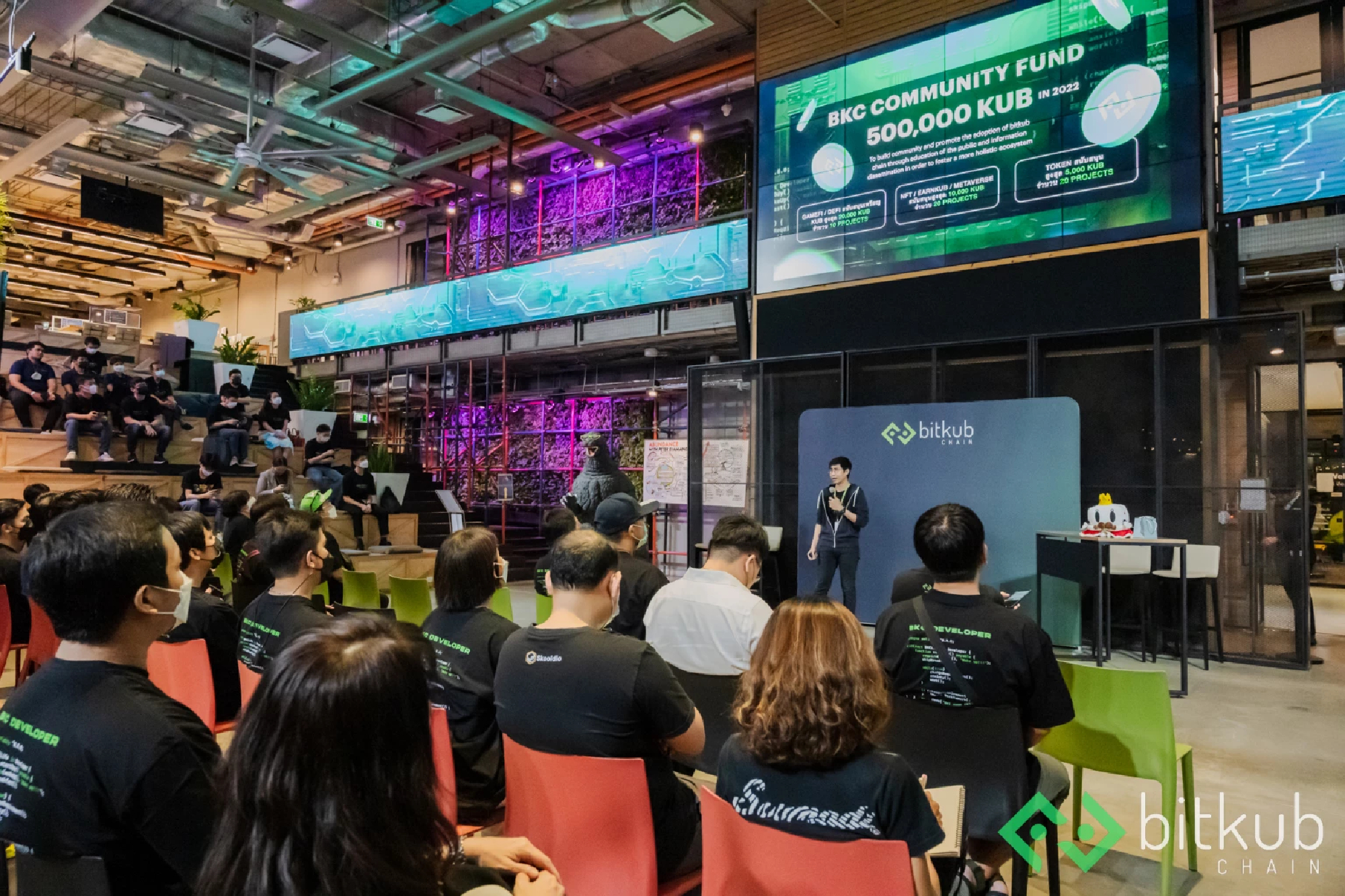
Bangkok, July 4, 2022 – Bitkub Blockchain Technology (Bitkub Chain developer and Blockchain Total Solution provider) officially announced Bitkub Chain Layer-2, Software Development Kit (SDK) and other important tools for developers at the 1st Bitkub Chain Developer Meetup on June 29, 2022.
In the event, there were several updates from Mr. Passakorn Pannok, CEO of Bitkub Blockchain Technology and Mr. Samret Wajanasathian, CTO of Bitkub Blockchain Technology, which can be concluded as follows:
1. Launched Bitkub Chain Layer-2 (BKC Ping) Bitkub Chain Layer-2 or BKC Ping is the secondary framework or protocol that is built on top of Bitkub Chain (Layer-1) to maximize the efficiency of blockchain utilization. For instance, it can reduce the transaction traffic and fee and inherits the security from Layer-1 with fraud proof. In the future, there will be the launching of another 3 framework which are Wang, Yom and Nan.
2. Launched KDEV token for developer KDEV or KUB for Developer is the new digital token on Bitkub Chain Layer-2, specially for blockchain developer. KDEV token is designed for the operation on Bitkub Chain testnet and access to the software development kit easily. At this event, there was a privilege provided to the users who own “DEV KUB” NFT, which they will be received KDEV token to access the software development kit for 1 year.
3. Launched Bitkub Chain Software Development Kit Bitkub Chain software development kit was designed to facilitate almost all of developers to connect with Bitkub Chain. To clarify, there are several advantages on this software development kit including 1. To handle transaction submissions to blockchain, 2. Transaction gas fee support, 3. Environment testing (helps developer debug and deploy on mainnet), 4. Less time needed for project development on Bitkub Chain. All in all, the fee of software development kit will cost around 300 KDEV per year.
4. New Registration Detail and Developer Project Tier To start developing the projects on Bitkub Chain, the developers need to start register via the website “developer.bitkubchain.com”, which is divided into 3 tiers including “Registered, Verified and Official”; each of the tiers has different benefits and conditions. (This information was recently updated in June 2022).
5. Launched Bitkub Chain Community Fund (supported 500,000 KUB) Bitkub Chain launched “Bitkub Chain Community Fund” for developers, which 500,000 KUB will be used to support the projects by the following:
5.1 20,000 KUB will be used to support GameFi and DeFi (10 projects)
5.2 10,000 KUB will be used to support NFT, EarnKUB and Metaverse (20 projects)
5.3 5,000 KUB will be used to support additional projects
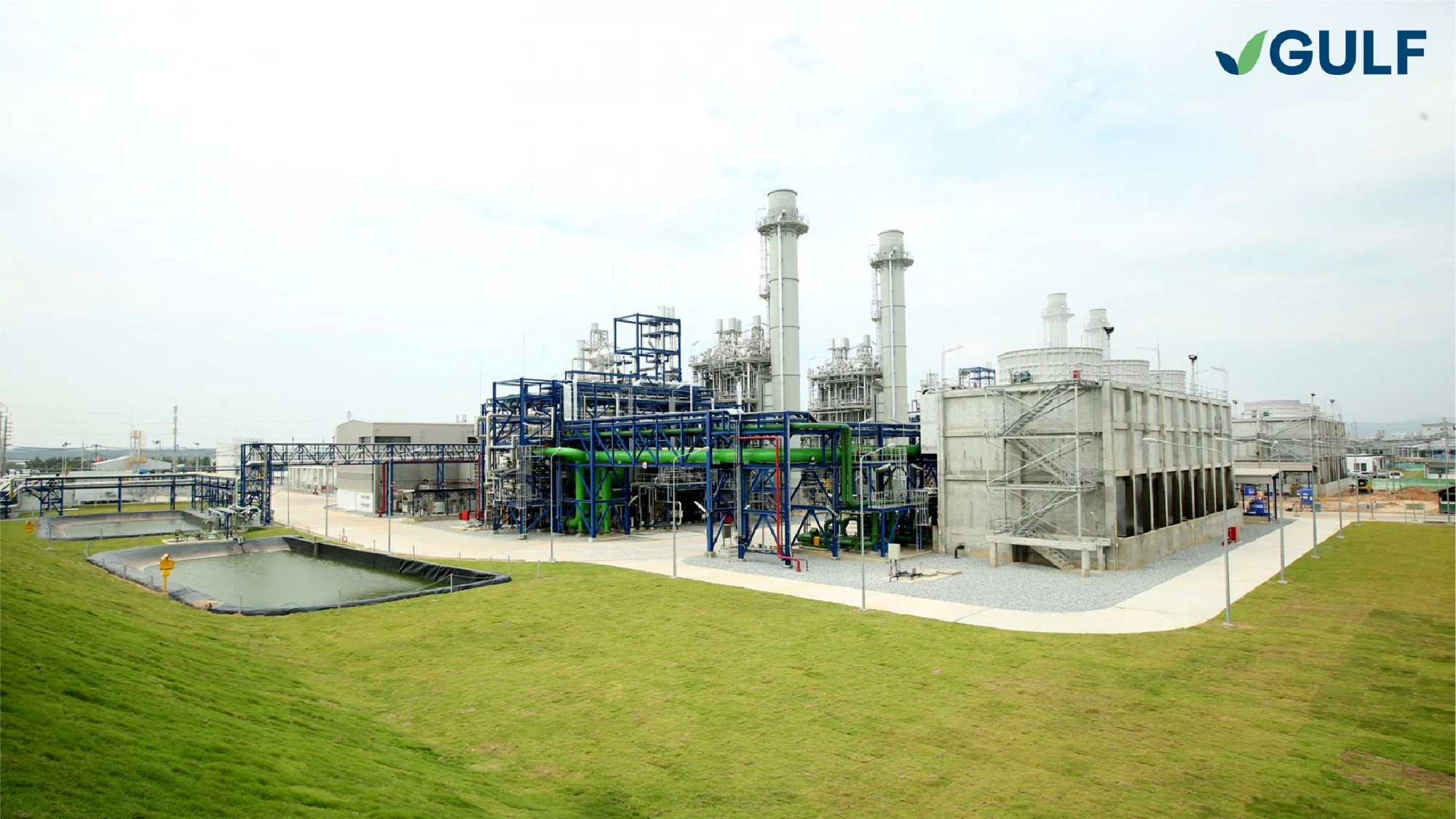
GULF plans to issue a Public Offering of 4- and 7-year Thai Baht debentures. The debentures are rated A- by TRIS Rating Co., Ltd., reflecting the company’s strength and stability in the energy, infrastructure and utilities, and digital businesses. The offering is expected to be in August 2022 through the “Pao Tang” application and via 9 other financial institutions.
Gulf Energy Development Public Company Limited or GULF, an internationally recognized energy company, is preparing for the offering of name-registered unsubordinated and unsecured debentures with a debenture holders’ representative to retail investors for the first time. The offering will consist of 2 tranches of digital bonds, Tranche 1 (4-year digital bond) and Tranche 3 (7-year digital bond), and 2 tranches of traditional bonds, Tranche 2 (4-year bond) and Tranche 4 (7-year bond) (all 4 tranches are collectively called the “Debentures”). The company and lead arrangers are in the process of seeking an approval from The Securities and Exchange Commission, Thailand (SEC). The Debentures have been rated “A-“ by TRIS Rating Co., Ltd. on June 21, 2022, while the company has been rated “A” with “Stable” outlook. The offering is expected to be in August 2022.
The public offering of digital bonds (Tranches 1 and 3) will be made through the application “Pao Tang” of Krungthai Bank Public Company Limited with a minimum subscription amount of 1,000 Baht with subsequent multiples of 1,000 Baht. For the traditional bonds (Tranches 2 and 4), retail investors will be able to subscribe through 9 financial institutions as follows: Bangkok Bank Public Company Limited, Bank of Ayudhya Public Company Limited, KASIKORNBANK Public Company Limited, The Siam Commercial Bank Public Company Limited, CIMB Thai Bank Public Company Limited, TMBThanachart Bank Public Company Limited, United Overseas Bank (Thai) Public Company Limited, Kiatnakin Phatra Securities Public Company Limited, and Maybank Securities (Thailand) Public Company Limited with a minimum subscription amount of 100,000 Baht with subsequent multiples of 100,000 Baht.
Ms. Yupapin Wangviwat, Chief Financial Officer of GULF, revealed, “The Company is confident that the Debentures will be well received by retail investors who are looking to invest in good credit issuer with attractive returns. GULF has also facilitated investors with various distribution channels. The offering will be accessible through digital channels via the “Pao Tang” application for digital bonds, and at the same time through 9 financial institutions for traditional bonds.”
“The proceeds from this issuance will be used to partially repay existing loans, to be used as working capital and to support business expansion both domestically and internationally,” said Ms. Yupapin.
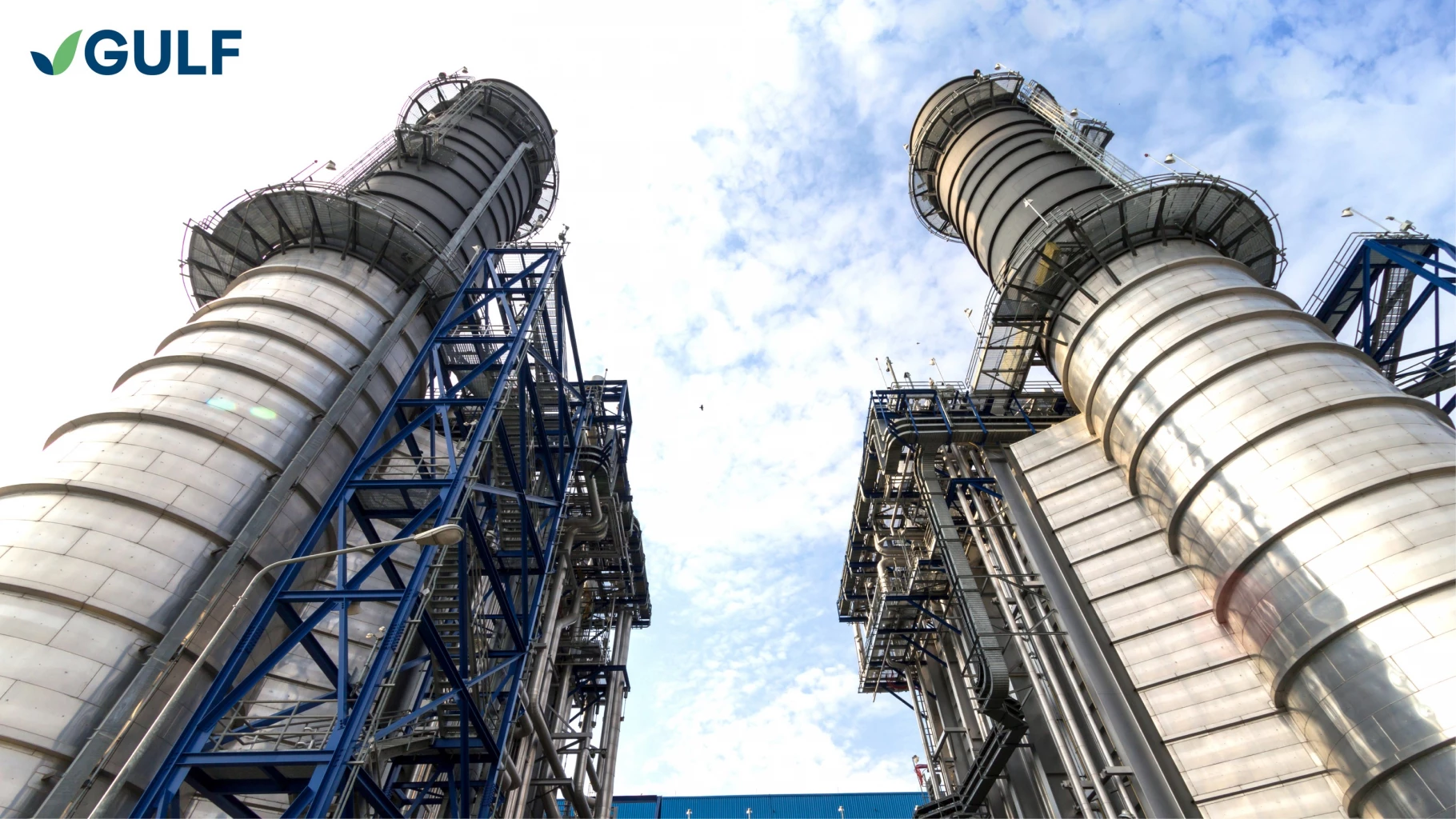
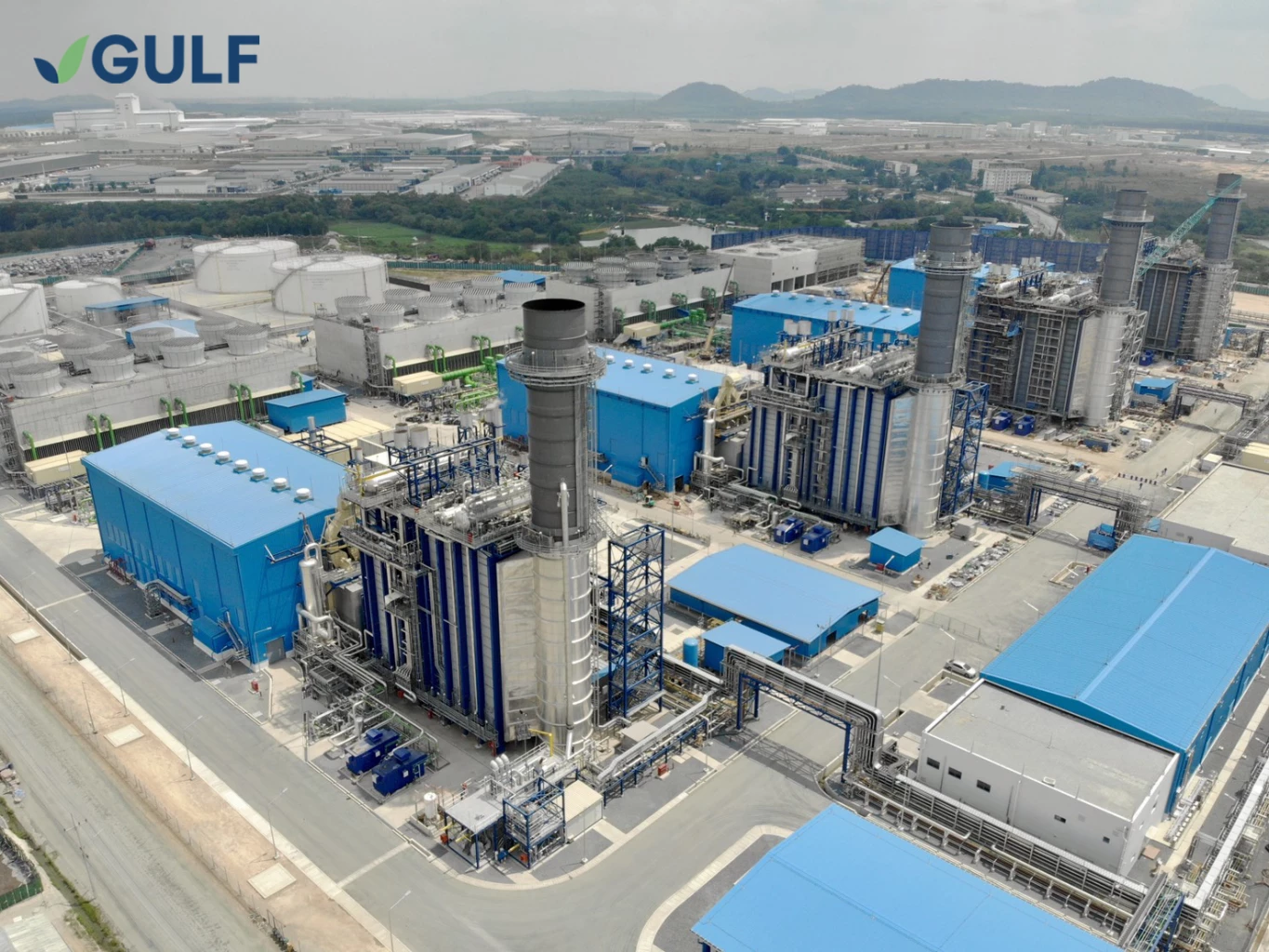
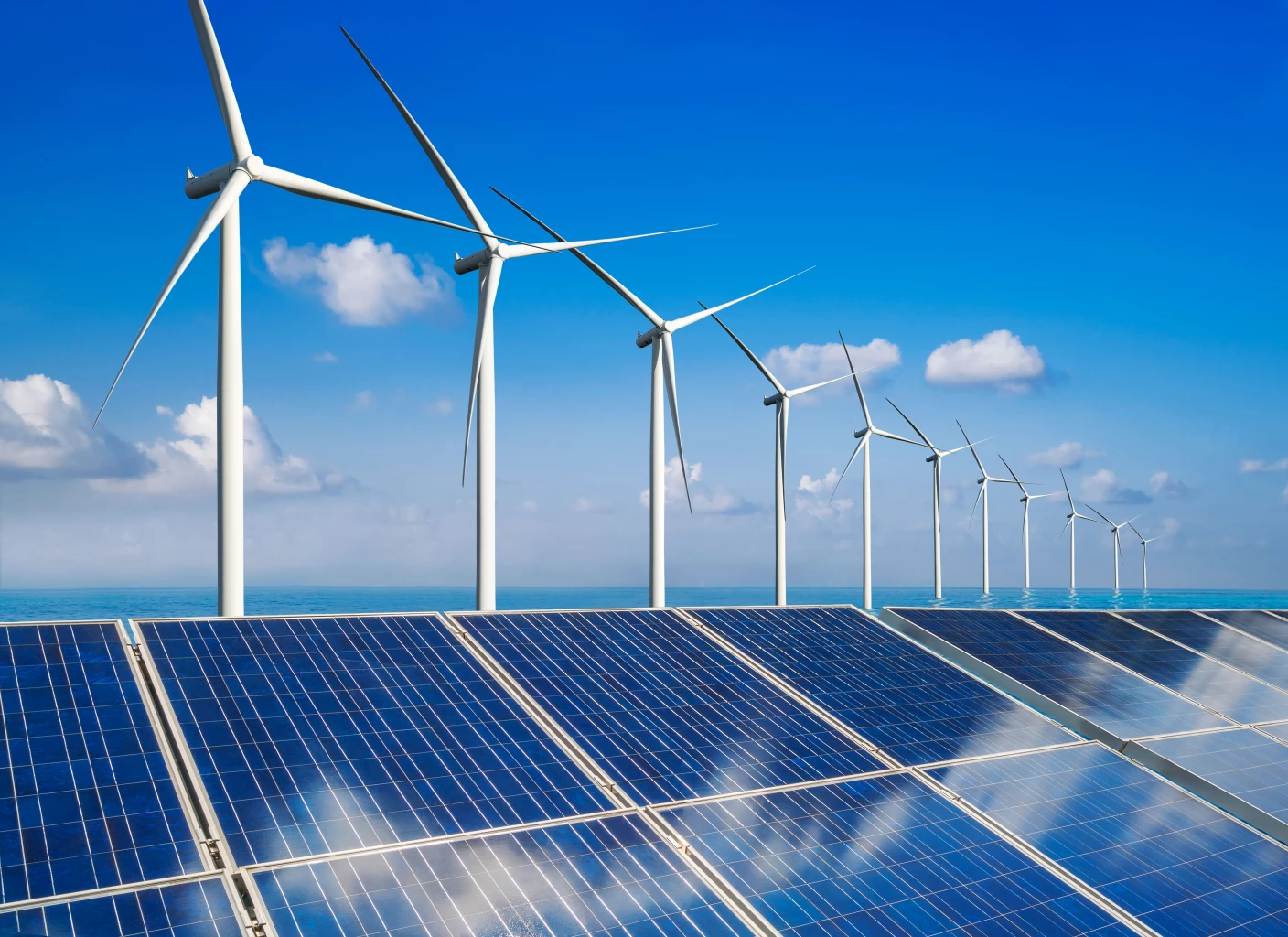
Gulf Energy Development Plc. is a holding company with core businesses across 5 categories: 1. Power Generation Business, 2. Renewable Energy Business, 3. Gas Business, 4. Infrastructure and Utilities Business, and 5. Digital Business. The various projects that the Company invests in will generate stable revenue streams as they are backed by long-term contracts with reputable and credible institutions, including government agencies such as the Electricity Generating Authority of Thailand (EGAT), the Department of Highways and the Industrial Estate Authority of Thailand, etc.
For the first quarter of 2022, GULF had total revenues of THB 22,453 million, an increase of 125% from the same period in 2021, and core profit of THB 3,257 million, an increase of THB 867 million or 36% from quarter 1 of 2021. Net profit attributable to the parent company in Q1/2022 was THB 3,395 million, an increase of 108% from THB 1,632 million in Q1/2021. As of March 31, 2022, the Company’s net interest-bearing debt to equity was 1.77 times.
Interested investors may find more details in the prospectus on SEC’s website (www.sec.or.th). Those interested in the digital bonds may download and register an account with the “Pao Tang” application. The instructions can be found at www.krungthai.com/th/krungthai-update/promotion-detail/916 or contact Krungthai at 02-111-1111. As for the traditional offering, interested investors may contact the following 9 financial institutions:
1. Bangkok Bank Public Company Limited (except Micro Branches) Tel. 1333 2. Bank of Ayudhya Public Company Limited Tel. 1572 3. KASIKORNBANK Public Company Limited Tel. 02-888-8888 ext. 819* 4. The Siam Commercial Bank Public Company Limited Tel. 02-777-6784 5. CIMB Thai Bank Public Company Limited Tel. 02-626-7000 6. TMBThanachart Public Company Limited Tel. 1428 press #4 7. United Overseas Bank (Thai) Public Company Limited Tel. 02-285-1555 8. Kiatnakin Phatra Securities Public Company Limited** Tel. 02-165-5555 9. Maybank Securities (Thailand) Public Company Limited Tel. 02-658-5050 * Including KASIKORN Securities Public Company Limited as selling unit of KASIKORNBANK ** This includes Kiatnakin Phatra Bank Public Company Limited as the selling unit of Kiatnakin Phatra Securities Public Company Limited.







 Kanit said the visit would likely attract investors from other Middle East countries to the EEC zone.