Thailand Post Branches In Bangkok, Suburbs To Stay Open Until 8pm Or Midnight
BY LINE : THE NATION
THU, SEPTEMBER 15, 2022
Facing Stiff Competition From Private Logistics Operators, Thailand Post Will Extend The Working Hours Of Its Post Offices In Bangkok And The Suburbs To 8pm, While Some Will Stay Open Even Until Midnight, Its President Said On Thursday.
Danan Suphatthaphan said the extended office hours of major branches in Bangkok and suburban areas are designed to cope with the changing lifestyles of city residents.
He said most residents go out after office hours, so Thailand Post decided to extend its working hours to keep pace.
The demand for logistics services has been increasing in Bangkok and the suburbs because of the growth in e-commerce business, Danna noted.
As a result, all Thailand Post offices in Bangkok and surrounding provinces will be open every day with no off-days, he said.
According to him, Thailand Post cares about customers in remote areas too, so it has opened more than 3,300 branches in all provinces. These branches operate from Monday to Saturday.
“Thailand Post will not stop developing its services so that all branches will conveniently meet new lifestyle demands of our customers,” Danan added.
Norway Is Unfazed By Soaring Electricity Prices Amid The Russia-Ukraine War As The Country Can Produce Clean Electricity On Its Own, The CEO Of Norwegian Oil Company OKEA ASA Said.
That’s good news for Thai energy giant Bangchak Corporation, which is poised to become the largest shareholder in OKEA after a US$535 million deal to buy Shell’s stakes in Norway’s Draugen and Gjoa fields.
OKEA CEO Svein J Liknes said the hike in electricity prices due to the Russia-Ukraine conflict had caused less impact on Norway than in other European countries that were reliant on importing gas.
He added that Norway is the biggest oil and gas supplier in Europe as most of its domestic production is exported.
According to the Norwegian Carbon Dioxide Capture, Transport and Storage Research Centre, 88 per cent of Norway’s power supply comes from hydropower, followed by wind power (10 per cent), and others including solar and thermal energy (2 per cent).
“Norway was only forced to increase gas production capacity to meet rising consumers’ demand amid the conflict,” he said.
He also expected Norway’s gas price to remain high until summer next year, depending on global demand and supply.
However, world energy trends were changing, Liknes said.
“Demand for gas and nuclear will soon replace coal,” he said, adding that trend would shift to renewable energy around 2030 to 2035.
Norway is targeting carbon neutrality by 2030 and net-zero emissions by 2050.
OKEA has plans to extend the lifetime of its assets, exploring for recoverable resources and maintaining efficient operations to minimise the carbon footprint from production.
The company is cooperating with Thai conglomerate Bangchak on oil and gas exploration and production, focusing on reducing carbon dioxide emissions in overall operations.
According To One Of The Largest Global Employee Surveys, One In Five Workers Plans To Quit Their Jobs This Year. When Asked About What Motivates Them To Change Jobs, Being Able To Choose When And Where To Work Was Ranked Very Important By 50% And 47% Of Those Surveyed Respectively.
Yet, we’re seeing major companies pushing for compulsory office return policies, despite 56% of employees in Asia-Pacific making it clear that flexible work options, even beyond the pandemic, are in demand for sustained productivity.
This begs the question – why are so many companies still adamant about employees returning to the office, even when talent is at stake?
Admittedly, I was worried when the pandemic first hit. How were we going to brainstorm and collaborate on projects if we aren’t in the same room? Was the quality of our work going to suffer?
Instead, our teams came together like never before. Deadlines were met, work goals were achieved, and we remained as collaborative as ever.
In fact, studies have shown that businesses that embraced virtual work were even more productive.
Approximately 6 in 8 Thai professionals reported a similar or increased level of productivity while working at home. Consequently, 6 in 8 wish to have more work-from-home arrangements in the future. This may be an increasingly significant consideration in determining employee job satisfaction or their decision to change roles.
The pandemic has demonstrated that employees could be just as productive and successful, independent of the office. It has also taught us to focus on quality of output, instead of hours spent in the office, a rather archaic method of measuring performance anyway.
Most importantly, it has taught us the need to trust our employees to deliver their best work regardless of their way of working, and the importance of communicating that trust.
This trust will pay off. Research shows that trust builds employee engagement and well-being, boosting business and performance outcomes.
After spending months in remote work and subsequently rolling out a flexible, trust-based work model across our global organization called ‘Work Your Way’, here’s how we were able to not only offer flexible, hybrid or remote work, but take these work models to new heights.
Carving out “moments that matter” starts with the top
Leadership calls for flexibility and adaptability. As such, we should find ways to create “moments that matter” regardless of whether our teams are working on-site or remotely.
This means strategically planning valuable personal and professional interactions, be it virtually or in-person, and this will look different depending on each team’s size, work arrangements, preferences, and personalities. It may include performance reviews, celebrating key milestones, team-building activities and many more. While these moments may not need to be in-person, it’s important for those involved to discuss how to recognize them in an effective and meaningful way.
I thus take the time to meet and collaborate in person with my team in Korea, where I’m based. To continue building rapport with the wider Asia-Pacific region, which is also within my area of responsibility, I hold regular regional town halls and dialogue sessions.
Some of us leaders also started regular virtual meetings with different teams. As a result, we have had much more face-time with team members we previously would have not met, and hearing these different perspectives have in turn helped us lead better. Invest more resources into making virtual onboarding a success Many naysayers of flexible and remote work often bring up the difficulty of virtual onboarding for new talent. Helping them pick up your organization’s work software, procedures, and team culture can be challenging. But doing it entirely online adds another layer of complexity.
This is an understandable perspective. However, I argue that companies are still scratching the surface when making their virtual onboarding a success.
Here are ways to improve virtual onboarding processes. Organizations must figure out effective onboarding procedures to help new employees adapt quickly even if they choose to work remotely. This can be in the form of comprehensive employee guides, videos, and scheduling both formal and informal meetings with team members.
Additionally, dedicated networking programs for new joiners can help them make connections and learn more about the company culture much faster. Our ‘New Employee Opportunity Network’ (NEON) is a global community that accelerates the connection and growth of new employees to provide them tailored networking, development, and leadership opportunities to empower these new joiners to actively influence our strategy, culture, and results.
The future of work – let employees work their way
When managed well, allowing employees to choose how they want to work should not affect business continuity. Flexible work should also go beyond shift A or B. Employees should have the freedom to decide when to come in.
Besides 3M, other companies are allowing employees to choose how, when and where they work.
Offering trust-based, flexible models of working is the way forward. It is how we can continue to retain talent, from younger workers to working parents.
Juggling work and parenting is notoriously challenging. With 3M’s new working model, parents can better plan their work around childcare, allowing them to enjoy parenthood without sacrificing career development.
Flexible work programs need not stop at the corporate office. Rolling out flexible work arrangements for plant employees is more challenging, but an important mission for us. While they will have to continue working on-site due to the nature of the work, production plant workers at 3M are offered other forms of flexibility such as flexible start and stop times or shift swapping.
We’ve seen great results from the launch of our new work model. As many as 90% of our employees across our global organization reported feeling supported in a survey conducted recently.
These findings say it all – instead of focusing on getting our employees back in the office, let’s find more ways to empower our employees to work in ways that boost their productivity.
By Jim Falteisek, Senior Vice President, 3M Asia Corporate Affairs and Managing Director of 3M Korea
Three Thai Cities To Host International Power And Energy Conferences
BY LINE : THE NATION
WED, SEPTEMBER 14, 2022
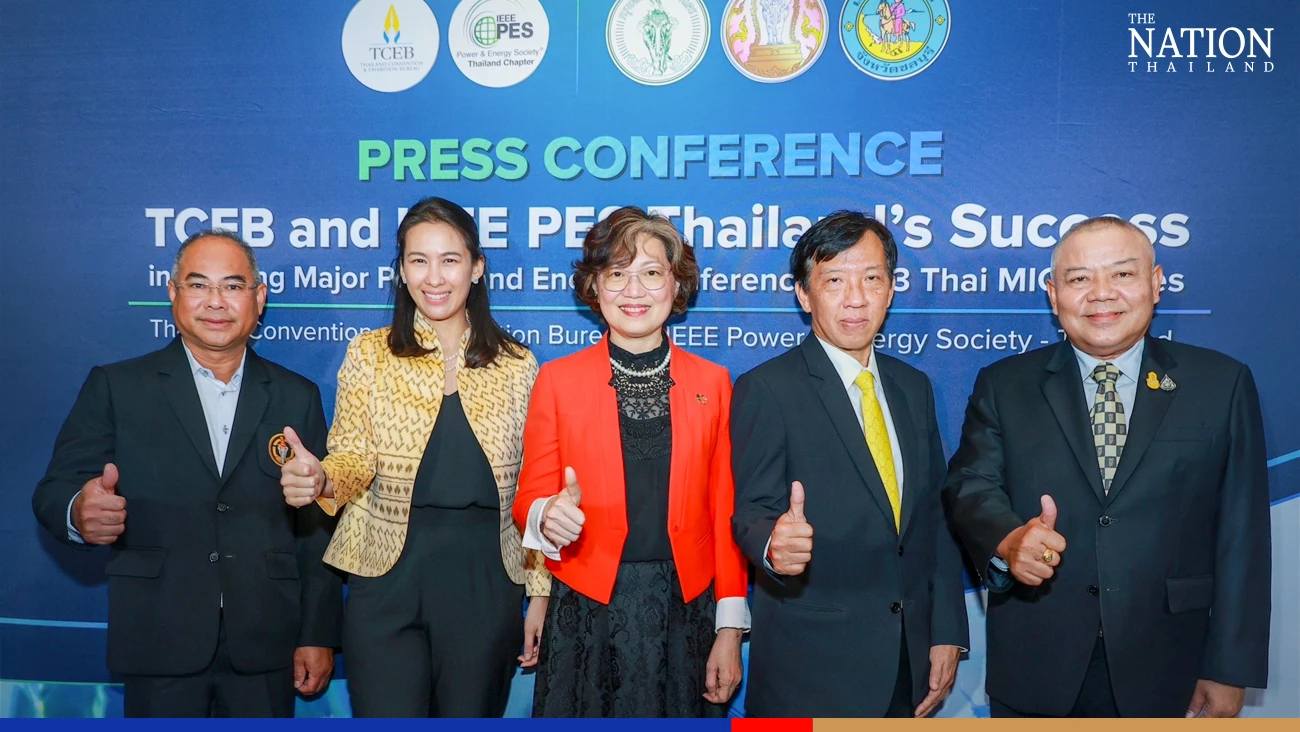
The Thailand Convention And Exhibition Bureau (TCEB) And IEEE Power & Energy Society (Thailand) Have Successfully Secured Three International Power And Energy Conferences, Which Will Be Held In Three Cities In Three Years.
The Thailand Convention and Exhibition Bureau (TCEB) and IEEE Power & Energy Society (Thailand) have successfully secured three international power and energy conferences, which will be held in three cities in three years.
The three events are IEEE PES Asia-Pacific Power & Energy Engineering Conference 2023 in Chiang Mai, IEEE International Smart Cities Conference or ISC2 2024 in Pattaya, and IEEE PES Grand International Conference and Exposition Asia 2025 in Bangkok.
TCEB said it has played the role of being the key driver of Thailand’s MICE (meetings, incentives, conventions, and exhibitions) industry and has distributed income to all sectors in a sustainable way.
It also acts as a “national bidder” in proposing the country and its host city options to attract world-class events.
Before Covid-19 in 2019, the MICE sector generated expenditure of approximately 280 billion baht, value addition worth 277 billion baht, created roughly 410,000 jobs, and generated tax payments of around 20 billion baht.
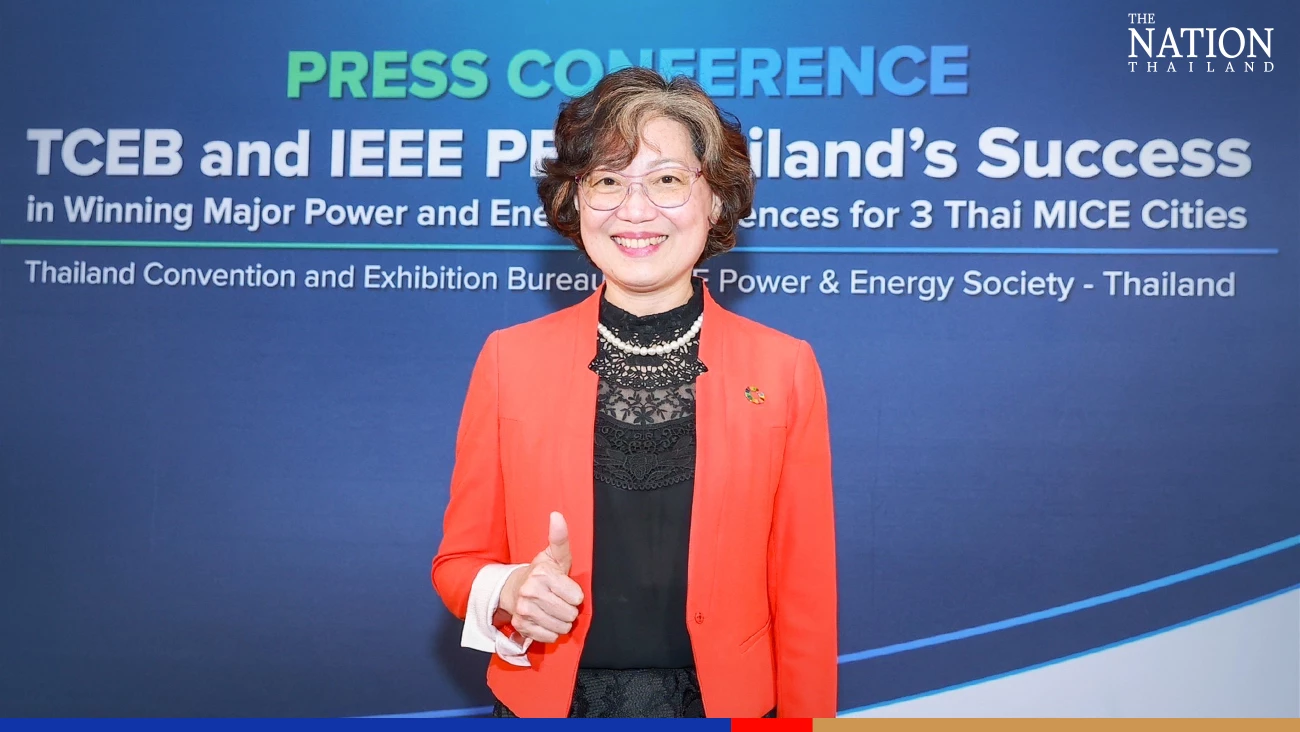
TCEB senior vice president Nichapa Yoswee said that Thailand’s success in winning the three consecutive international power and energy conferences is the result of TCEB’s strategic planning and strong collaboration with local associations and partners, including the proposed host cities.
“The partnership collectively elevates the event owners’ confidence in bringing forward its financial investment and world-class intellectual know-how to Thailand.
She said that the three events were expected to attract more than 10,000 participants from around the world, expenditure of approximately 837 million baht, and value-addition worth 465 million baht, creating some 586 jobs, and generating taxes of around 29 million baht.
Nichapa added: “They will also be a great opportunity for Thai professionals and students in related fields to have access to world-class knowledge from experts in power, energy, and smart cities from around the world.
“The positive impacts and legacies will encompass economic, social, and subject matter advancement aspects for Thailand and especially the host cities. This resonates greatly with TCEB’s strategy in using MICE to drive the local economy throughout Thailand and uplifting MICE events in the 10 strategic MICE cities and more.”
IEEE PES also plays an important part in driving power and energy advancement in Thailand, which will help increase the country’s opportunity to host world-class events in the future.
IEEE PES senior vice chairman Somchai Homklinkaew unveiled more details of the three conferences. “The 15th Annual Asia-Pacific Power & Energy Engineering Conference to be held in December 2023 in Chiang Mai is expected to attract around 700 participants
“The IEEE International Smart Cities Conference or ISC2 2024, the main annual conference of IEEE Smart Cities, is being held in 2024 in Pattaya, Chonburi province, and is expected to attract more than 500 participants
“We anticipate that more than 10,000 participants will attend the IEEE PES GTD Grand International Conference and Exposition Asia, the largest international conference and exposition on power and energy, which will take place in 2025 in Bangkok.”
Proposing the right host city in the bidding process was also a key factor in winning the conferences for Thailand.
The vice governor of Chiang Mai, Weerapan Dee-on, said: “Research focusing on energy conservation and renewable energy in Chiang Mai is knowledge that will be shared at the conference. These studies combine global knowledge with local processes and resources.”
“This, coupled with Chiang Mai city development plans and support from the public and private sectors, will boost Chiang Mai’s development in many areas, in particular sustainable energy for better quality of life.”
Deputy Mayor of Pattaya Titipun Pettrakul added: “The IEEE ISC2 in 2024 will be a platform for knowledge, technology, and experience exchange for Pattaya in its path to developing into a smart city, and with a goal of becoming ‘city of opportunity, balanced economy and quality of life for all’. We look forward for us to push forward clean energy for sustainability together.”
Deputy director-general of the Department of Culture, Sports and Tourism at the Bangkok Metropolitan Administration, Sing Limpirat, shared a similar view “The upcoming IEEE PES GTD Asia in 2025 will provide great benefits to all sectors in Bangkok and other provinces while also upgrading academic knowledge, most useful for students and professionals in the fields of power and energy engineering.”
Hope Sparkles For Thailand’s Top Luxury Jewellery Brand In 2022
BY LINE : VARUNSUDA KARUNAYADHAJ
WED, SEPTEMBER 14, 2022
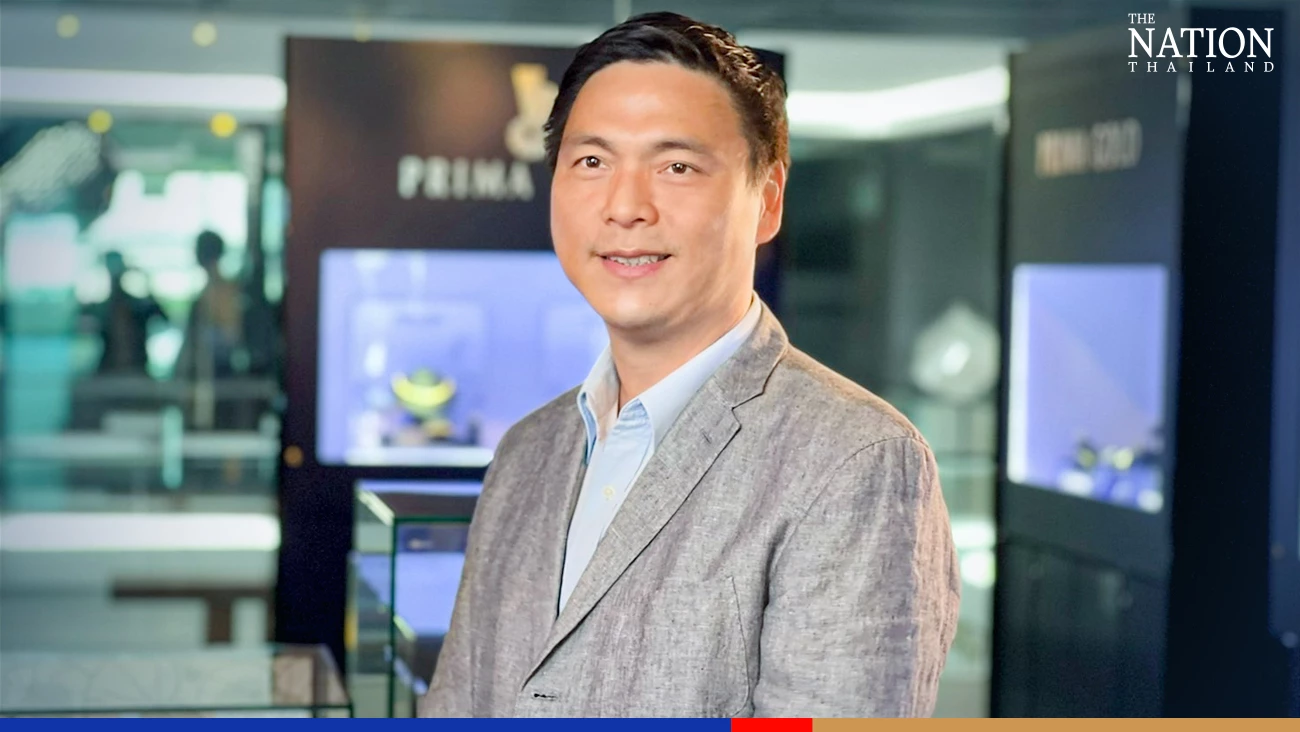
Pranda Glistens As Thailand’s Premier Manufacturer, Distributor, And Retailer Of Luxury Bling. Its PrimaGold Brand Is The Leading Exporter Of Thai Jewellery With A Customer Base That Spans North America, Europe And Asia.
Chanat Sorakraikitikul, who chairs the Finance & Risk Management Committee at Pranda, is optimistic that the market for luxury jewellery will grow this year despite global economic turmoil.
“Initially we only focused on manufacturing and selling our own designs, but now we are ODM [original design manufacturer], in that we produce pre-designed products for other brands,” Chanat said.
In line with the current trends, Pranda has continued to expand its market by using omni distribution channels to provide consumers with a seamless shopping experience. Its most successful brand has proved to be PrimaGold.
“Skilled craftsmanship is one of Thailand’s biggest strengths. Expert artisans cut and polish gemstones with accurate precision to create some of the most beautiful jewels. Thailand can easily be considered a regional and global gems and jewellery trading hub,” he said.
Watch the interview on the Business Story Programme on September 17, 10am, at www.nationthailand.com.
Centara Korat Opens To Guests With Eye On Invigorating Local Economy, Tourism
BY LINE : THE NATION
WED, SEPTEMBER 14, 2022
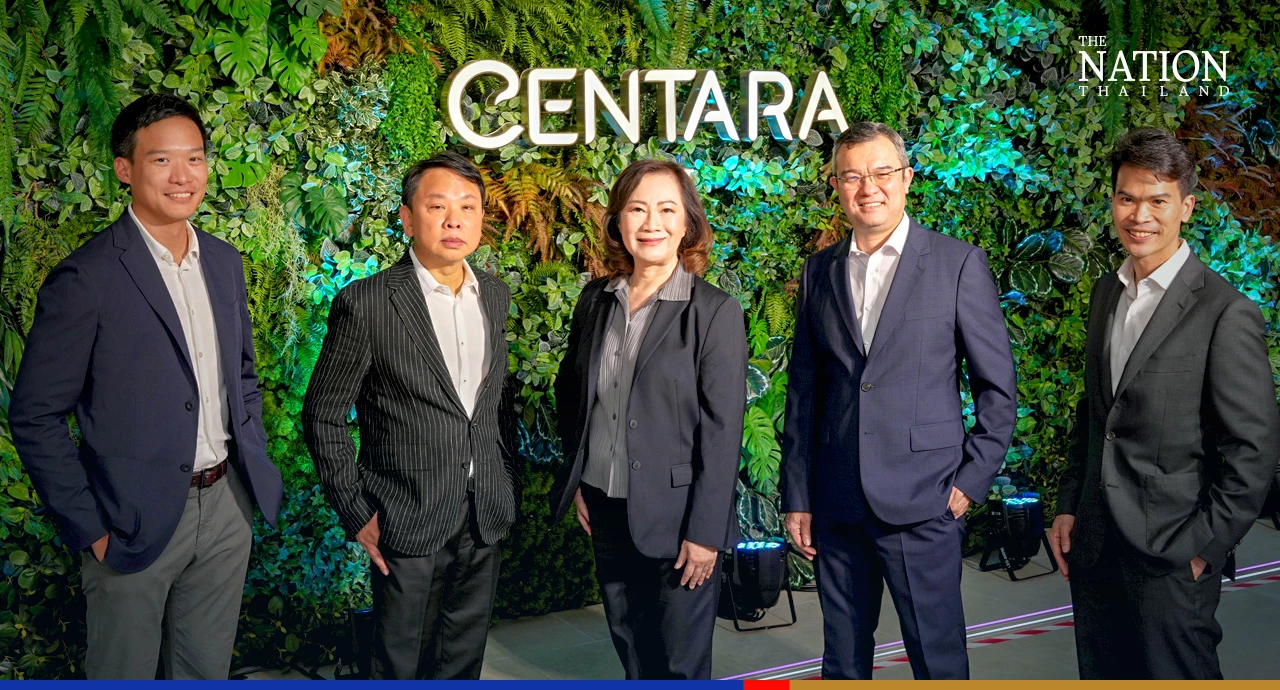
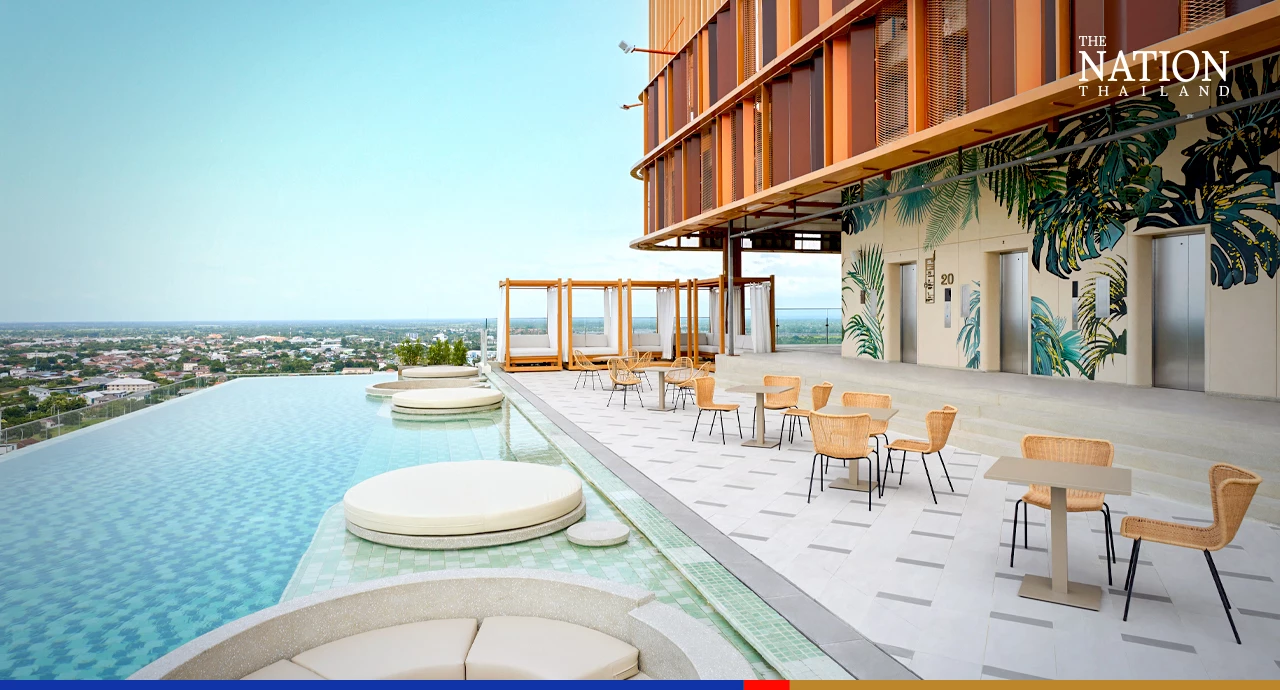
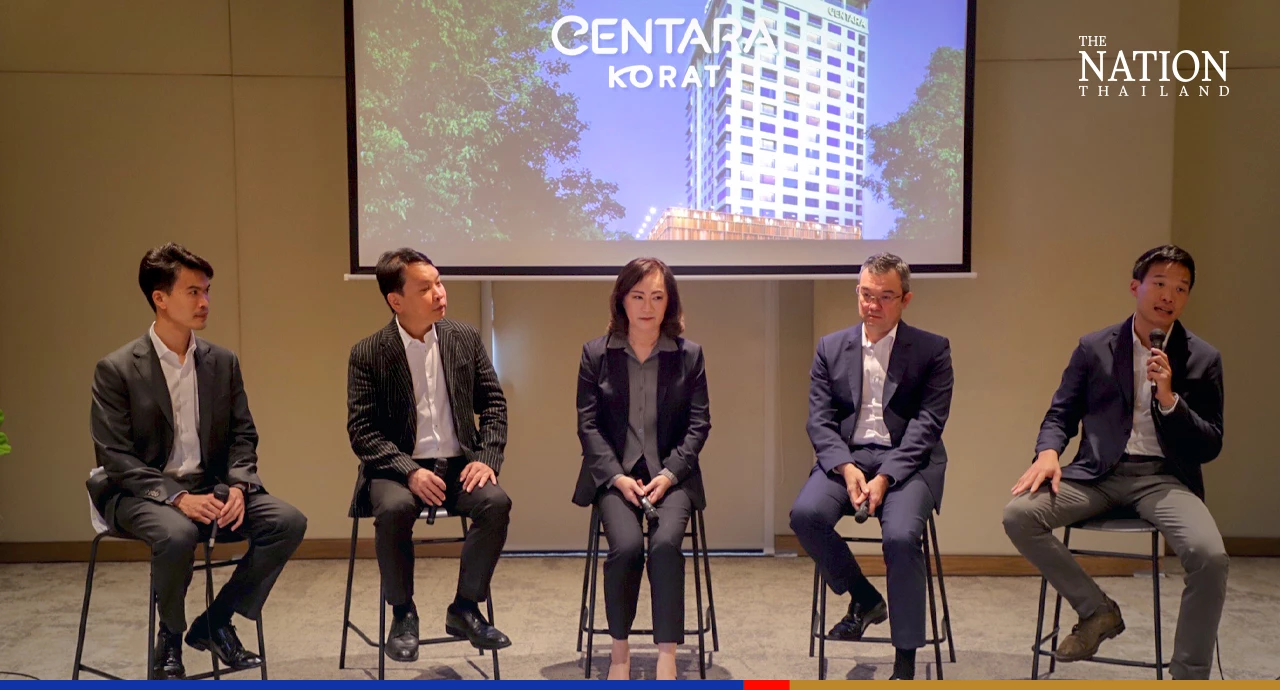
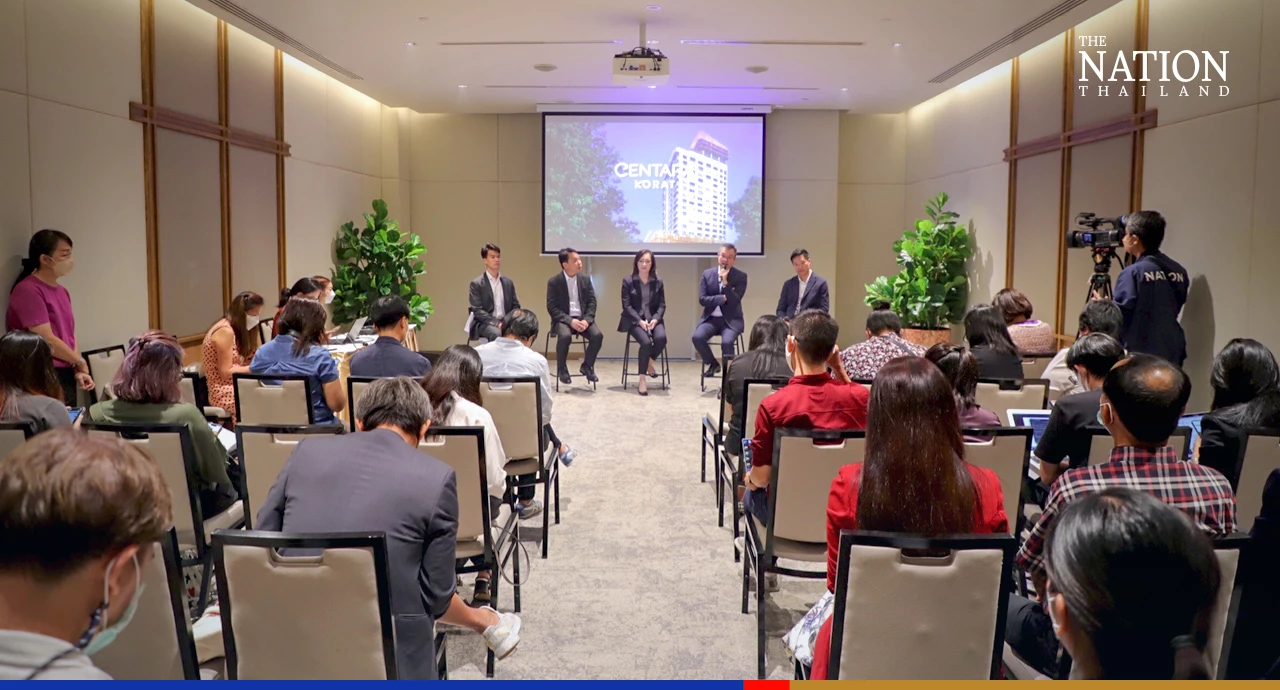
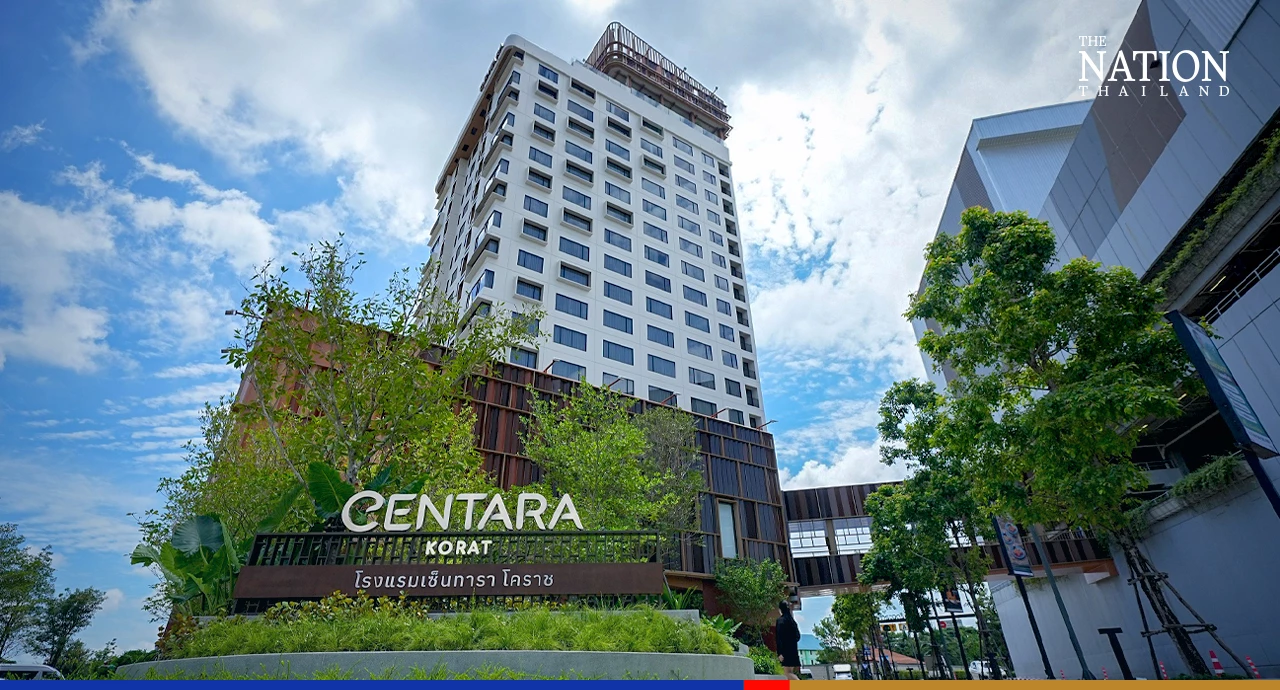
Central Pattana And Centara Hotels & Resorts Are Spreading Their Wings, Opening Centara Korat In Their Latest Venture In A Bid To Strengthen The Local Economy And Boost Tourism In Nakhon Ratchasima Under The Attractive Concept Of “Business + Leisure”.
Centara Korat features “complete facilities” to push the potential of the destination as a “MICE City”, promoting the capability to host MICE (meetings, incentives, conventions and exhibitions) events to stimulate Korat’s economy and tourism, the company said.
Centara Korat comprises:
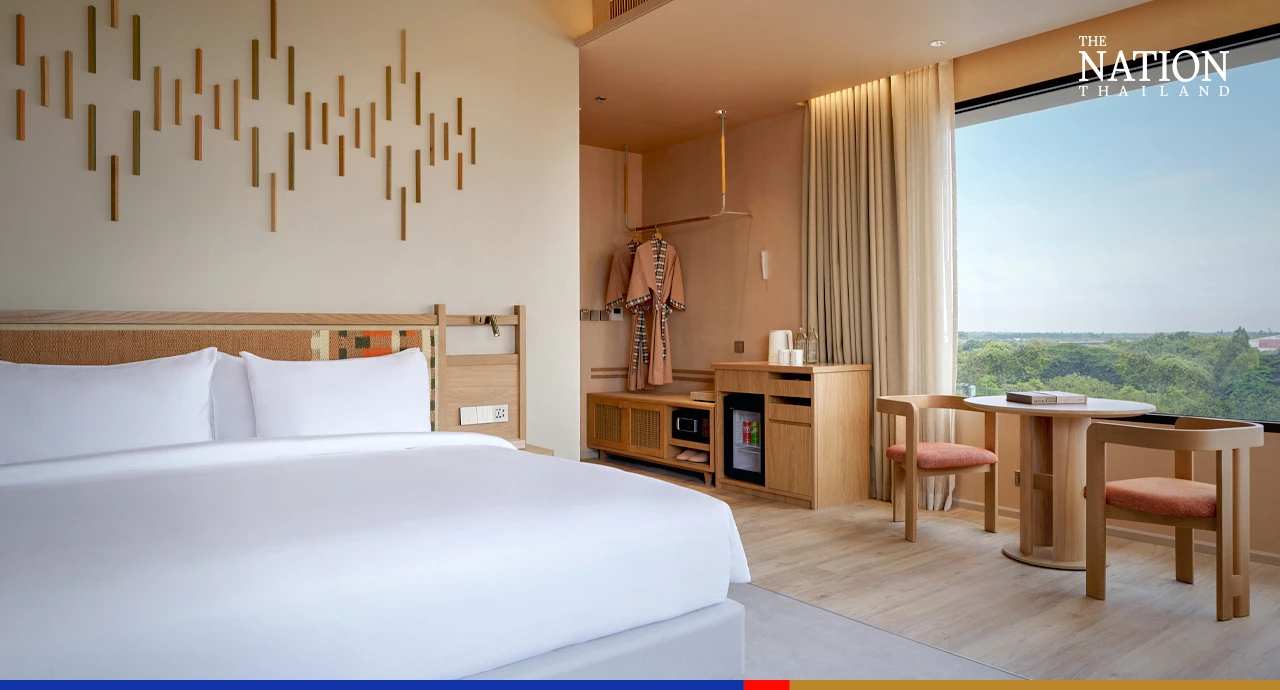
217 hotel rooms that include a daybed for relaxation and a dining table – unique from other hotels. Standard rooms are available and all rooms include cutlery.
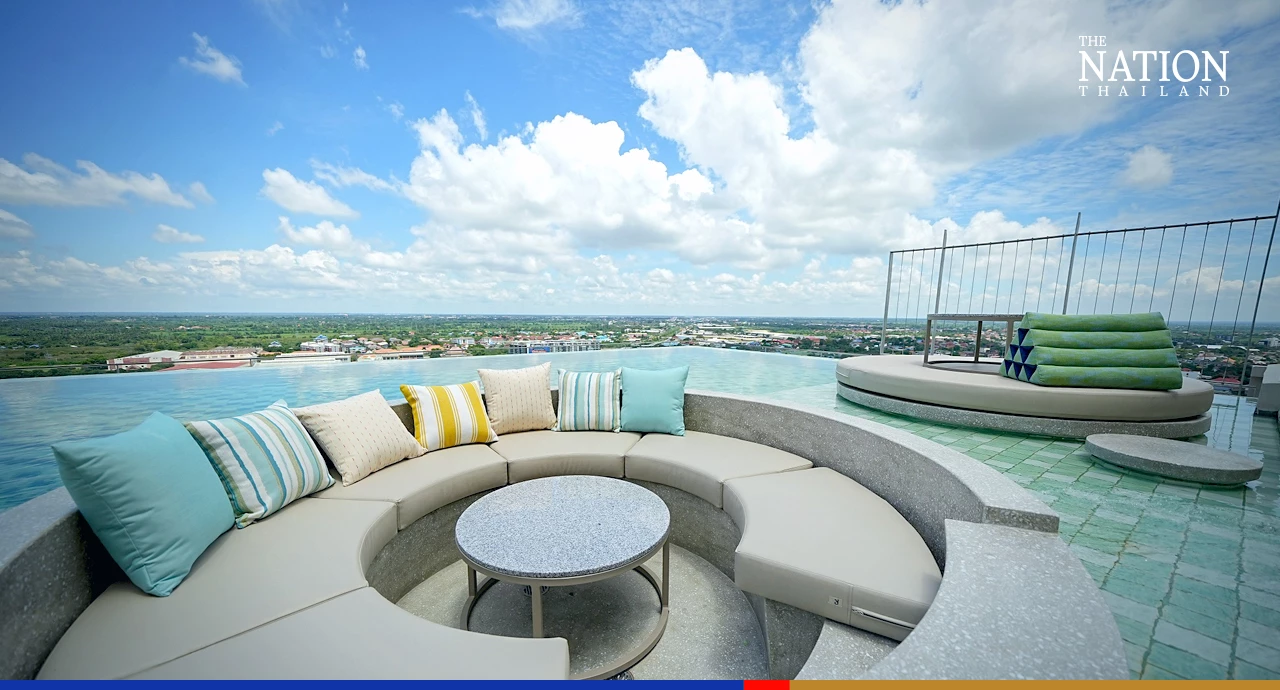
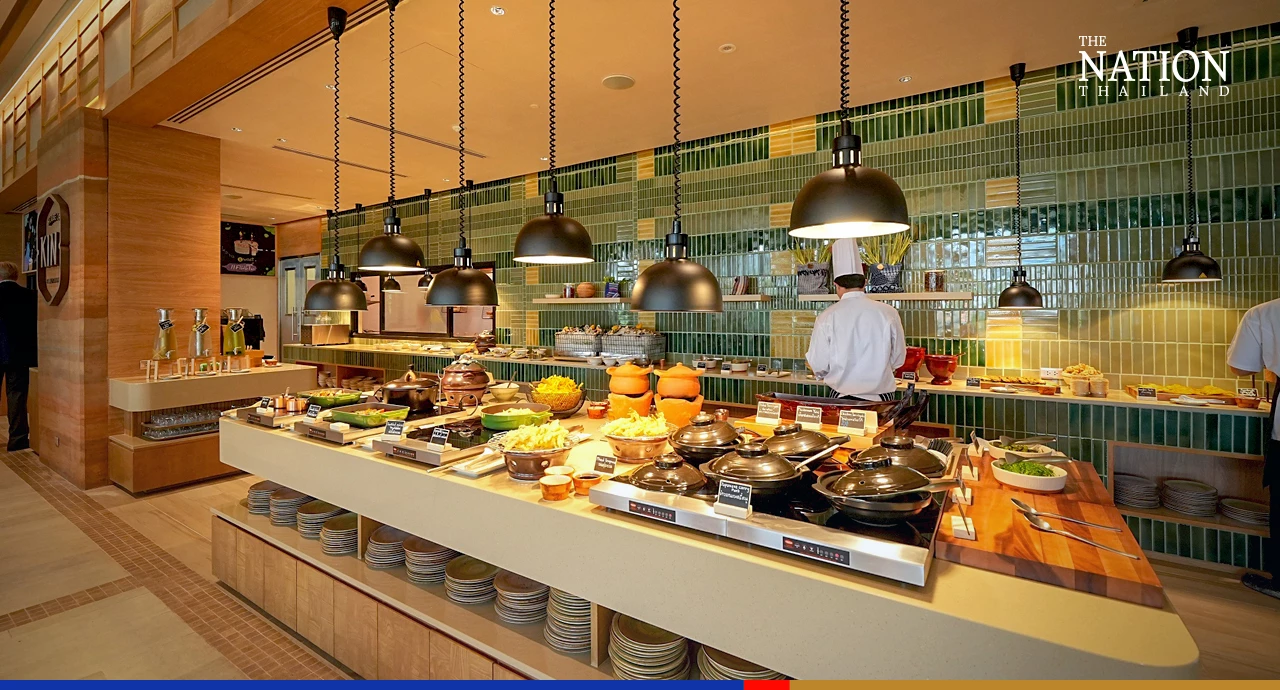
Dining destination: A “superior dining experience” at the House of Kin, an all-day dining restaurant that serves three-meal buffets and a rooftop bar with 360-degree views
Comprehensive meeting facilities: meeting rooms have a total combined area of 1,000 square metres and can seat up to 1,000 people. The ballroom can accommodate up to 650 guests for cocktail parties. Additionally, there are four smaller meeting rooms.
According to the company, Central Pattana is moving into “a new future with the purpose to create and develop quality sites with care for the community and environment while driving the economy”.
“Central Pattana has pioneered our first mixed-use development in Nakhon Ratchasim, a complete lifestyle centre comprising Central Korat shopping centre, Escent Korat condominiums, and Centara Korat hotel,” said Surang Jirattigalachote, head of Hotel Development.
“We are committed to strengthening the local economy and tourism and have equipped our hotel with facilities to meet the needs of every traveller with the goal of becoming the best international-standard hotel in Korat,” he said.
“Centara Korat will play an important role in attracting visitors to the destination, which is a key gateway to Isaan and the region’s main provinces,” said Centara Hotels & Resorts CEO Thirayuth Chirathivat.
“We see the potential and charm of the province and we have been committed to delivering Centara Korat so that everyone near and far can experience a locally inspired hotel of international standard,” said Phoom Chirathivat, head of Hotels and Alternative Investment at Central Pattana.
“We hope our project will help strengthen the Northeastern region as an economic centre of the country,” he said.
“We believe our hotel business can have a significant impact by creating jobs, bringing more opportunities and elevating the lives of people in Korat. Our hotel is ready to serve everyone and deliver an exceptional experience for every traveller,” he added.
Centara Korat is the latest offering from Centara, which continues to introduce its unique brand of Thai-style hospitality to new destinations across Thailand and the Middle East.
Further expansion is planned, with the company intending to open new hotels and resorts in Japan, Cambodia, China, Indonesia, Laos, the Maldives, Qatar, Turkey and the United Arab Emirates.
Bangchak Gets Major Earnings Boost From Norway Venture As Fuel Prices Soar
BY LINE : THE NATION
WED, SEPTEMBER 14, 2022
Thailand’s Petroleum And Oil Conglomerate Bangchak Corporation (BCP) Is Reaping The Dividends Of Investing In Natural Resources In Norway, The Company’s Results Show.
In the first half of this year, 30 per cent of BCP’s earnings before interest, tax, depreciation, and amortisation was attributed to investment in oil and gas exploration and production in the leading mid-to-late-life operator OKEA ASA on the Norwegian continental shelf.
BCP president and CEO Chaiwat Kovavisarach said OKEA is an important flagship for BCP to achieve its long-term strategy on energy security.
He added that OKEA has witnessed constant growth in the first half of this year, boosted by rising global fuel prices amid the ongoing Russia-Ukraine conflict and increasing global demand.
“In the first half of this year, OKEA recorded 10.23 billion baht revenue from the sale of crude oil and natural gas, up 148 per cent from 4.13 billion baht in the previous year,” he explained.
Chaiwat, who is also OKEA chairman, said BCP is paying attention to maintaining the balance of fossil fuels and renewable energy as natural gas and oil will continue to be the world’s crucial source of energy for many decades.
He said the role that renewable energy will play in people’s lives will depend on the development of renewable energy storage systems.
“BCP is placing high emphasis on balancing the energy trilemma — energy security, energy affordability, and environmental sustainability,” he said.
He added that BCP will draw experience and skills from its investment in Norway as a model to expand investments in the exploration and production business to strengthen organisational stability throughout the supply chain.
Meanwhile, OKEA CEO Svein J Liknes said BCP shared the same objectives as the company on maintaining the balance of fossil fuels and renewable energy.
He added that the transition from fossil fuels and renewable energy must be made step by step based on technologies and investment budgets.
“The demand for gas and nuclear energy will soon replace coal,” he said, adding that trends in renewable energy will come around 2030 and 2035.
He also vowed to make full use of the company’s assets along with applying new technologies for long-term sustainability in energy.
Presently, OKEA has four oil fields in Norway, namely, Draugen (44.56 per cent stake), Gjoa (12 per cent), Yme (15 per cent), and Ivar Aasen (2.77 per cent).
OKEA is continually developing new oil fields, which will increase the company’s petroleum production to about 25,000 barrels of oil equivalent per day compared to the current of about 20,000 barrels of oil equivalent per day by the end of this year.
In the first half of this year, OKEA’s production consisted of 61 per cent crude oil and 39 per cent natural gas, the latter being a critical component of the energy transition.
Council Of State Meets To Consider Telecom Watchdog’s Power Over True-Dtac Merger
BY LINE : THE NATION
TUE, SEPTEMBER 13, 2022
The Government’s Council Of State Legal Advisers Met On Tuesday To Decide Whether The Telecom Watchdog Has Authority To Halt A Planned Merger Between True Corporation And Total Access Communication (Dtac).
The meeting heard testimony from a National Broadcasting and Telecommunications Commission representative.
The NBTC has deferred its decision on the planned True-Dtac merger pending legal advice from the Council of State.
The meeting came after a second request by the NBTC for the council to interpret its power to regulate the merger deal.
The first request was rejected by the Council of State on grounds that the NBTC did have the power according to law but also that the watchdog was being sued in the Central Administrative Court. The lawsuit, which was filed by Napat Winitchaikul, a member of a committee overseeing the telecoms watchdog, asked the court to order the NBTC to nullify its regulations on telecom mergers.
The Central Administrative Court rejected the lawsuit on grounds that the NBTC had power to halt any merger it deemed as a threat to fair competition.
The Council of State called Tuesday’s meeting in response to an order from acting Prime Minister Gen Prawit Wongsuwan, who was petitioned by the NBTC after the first request was refused, according to sources.
The NBTC sent two deputy secretary generals, Trairat Wiriyasirikul and Sutthisak Tantayothin, to testify at the meeting.
The meeting was chaired by Meechai Ruchuphan and attended by government legal experts Aree Wongaraya and Asa Meksawan.
Civil society groups including the Civil Group for Liberal Communications have urged the NBTC to uphold its duty to protect the public from monopolies and reject the merger.
However, True and Dtac have insisted that the NBTC has no power to reject the deal. They argue that the telecom watchdog can only issue measures to mitigate its impact on consumers.
First Thai-Saudi Business Matching Webinar Expected To Launch THB10bn Annual Trade
BY LINE : NONGLUCK AJANAPANYA
TUE, SEPTEMBER 13, 2022
The Federation Of Thai Industries (FTI) Is Teaming Up With The Federation Of Saudi Chambers Of Commerce (FSCC) To Co-Host A Webinar That Will Connect Thai And Saudi Businesses To Boost Bilateral Trade And Investment.
The online event will take place later this month and follows Commerce Minister Jurin Laksanawisit’s trade trip to Saudi Arabia last month.
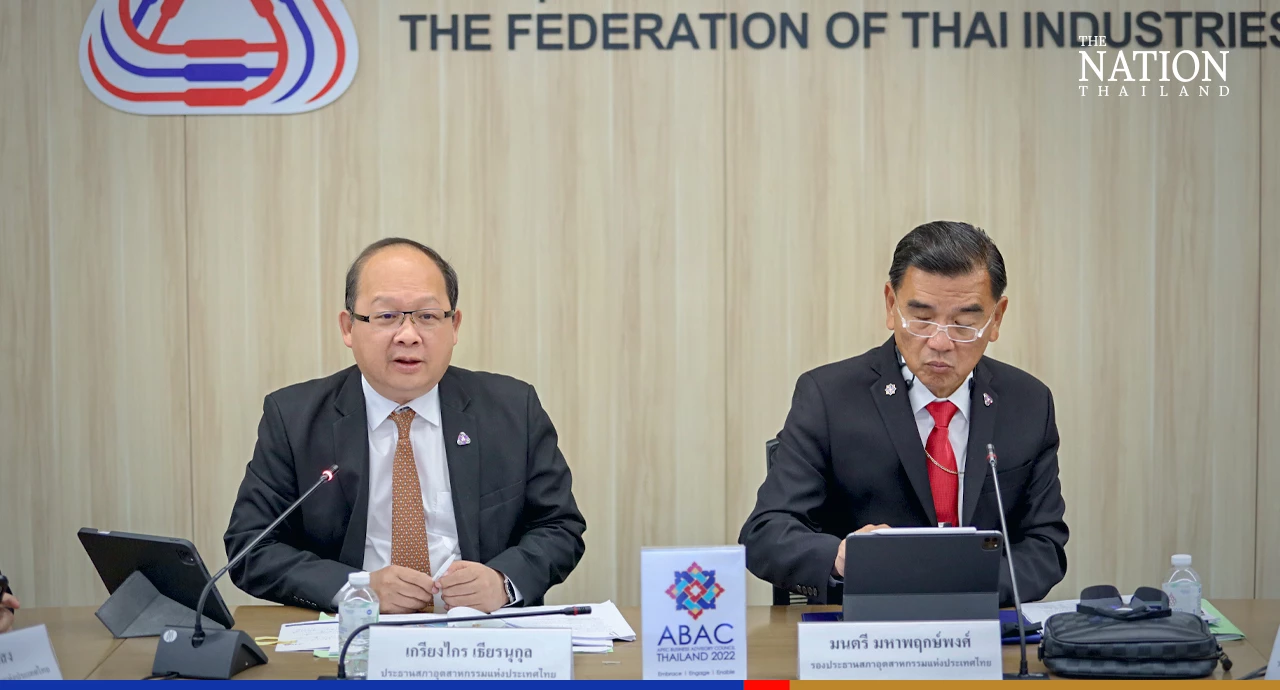
FTI chairman Kriengkrai Thiennukul hailed the trip as a success after it resulted in an agreement to forge a Joint Business Council.
The collaboration between the two nations’ private sectors is expected to boost Thai exports of agricultural products, food, electronics, automobiles, and services.
Mutual trade is forecast to exceed 10 billion baht within one year of the signing of the agreement to establish the Thai-Saudi Arabian Business Council, said Kriengkrai.
Meanwhile Saudi Arabia will need more cooperation from Thai investors and businesses to develop its ambitious US$500-billion Neom smart city project, he added. Neom is part of the Saudi Vision 2030 strategy to reduce reliance on oil and create a more diverse economic model.
Kriengkrai commented that Thai products have already gained a foothold in the Saudi market.
“I discovered that Thai goods and services are quite popular among Saudi Arabians, and this is a new opportunity after three decades to reconnect with a huge potential market,” he said.
Thai-Saudi relations were frozen for three decades amid the Blue Diamond affair after a Thai janitor stole gems from a Saudi palace in 1989.
The desert kingdom also pledged to facilitate visa processes for Thai businesses, and showed special interest in Thailand’s food, construction and air conditioner industries.
Saudi Arabia is currently Thailand’s 29th-largest export market. The value of trade between the two countries has increased by 46.42 per cent in the last seven months. Exports increased 14.79 per cent to $1.1 billion, while imports rose 56.83 per cent to $4.6 billion.
Business Sector Urges Government Support To Ease Power Bill Burden
BY LINE : NONGLUCK AJANAPANYA
TUE, SEPTEMBER 13, 2022
Thailand’s Industrial Sector Has Proposed A Short-Term Plan To Address Rising Electricity Bills, And Urged The Government To Provide More Assistance To Small And Medium-Sized Businesses.
The Federation of Thai Industries (FTI) revealed on Tuesday its proposal during the monthly press conference on Thailand Industry Sentiment Index (TISI) for August 2022.
FTI chairman Kriengkrai Thiennukul said businesses overall would tend to grow positively due to the easing Covid-19 pandemic situation. However, most entrepreneurs are concerned about the rising electricity cost right now because it will affect their overall costs and profits.
He noted that material prices were still high, so rising electricity bills would do more harm than good to businesses that are still recovering from the pandemic.
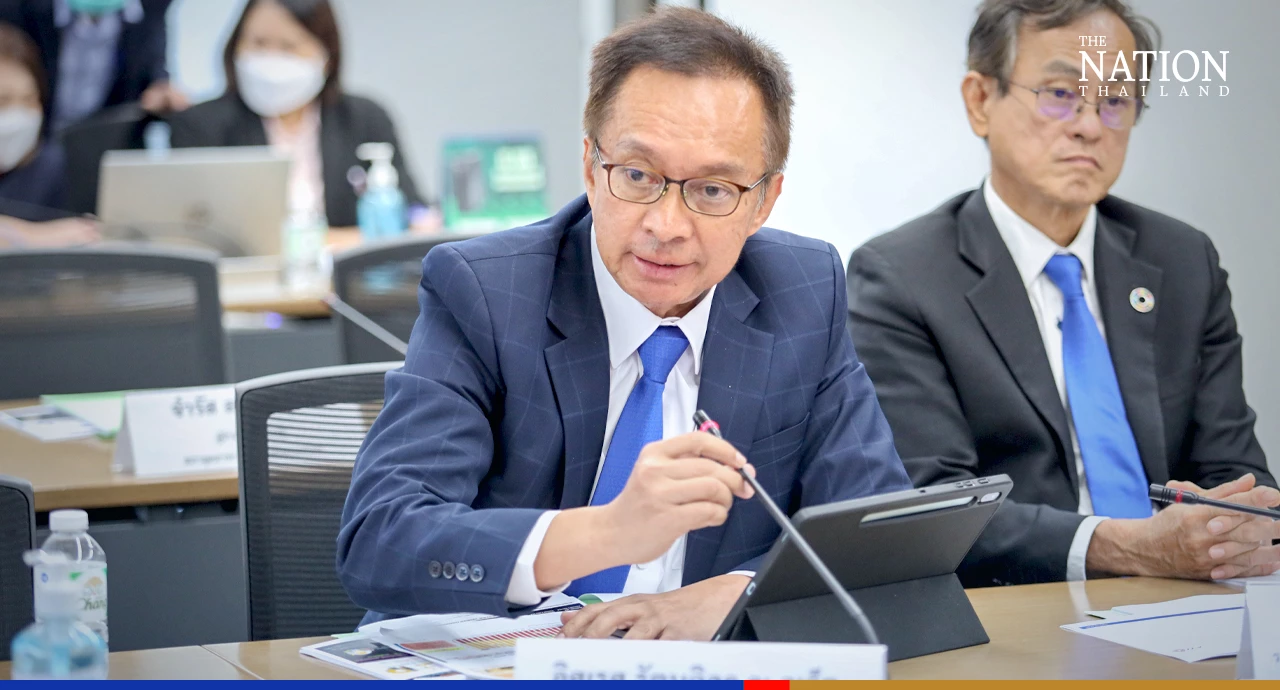
Meanwhile, FTI vice chairman Isares Rattanadilok na Phuket explained that electricity bills in Thailand are higher than in neighbouring countries as the kingdom is overly reliant on liquified natural gas (LNG) as the primary source of energy for power generation. The country lacks a free market system in the energy sector, resulting in the country having few players while having plenty of idle infrastructures that only adds to the cost burden, Isares said.
Thailand will need to reform its electricity system in the long run. However, because the business sector cannot wait, the federation has developed a short-term plan for the government to consider in order to reduce the electricity cost, Isares said.
“The first proposal is to import oil from Russia as an alternative source of LNG, and then the Energy Regulatory Commission should open a bidding round for purchasing electricity from idle small power producers rather than importing LNG to produce power,” Isares explained.
Kriengkrai also urged the government to take steps to mitigate the effects of the incremental increases in minimum wage and electricity charges, such as by granting an electricity subsidy to SME entrepreneurs and subsidising employment promotion to assist entrepreneurs in cost reduction.
The business sector requested that the government ease the import of foreign workers from neighbouring countries in order to alleviate labour shortages, including assisting entrepreneurs in using more machines for manufacturing.
Besides, the public and private sectors must work together to develop flood mitigation measures in economic areas, as well as systemic flood management plans to address the impacts of inundation and drought.
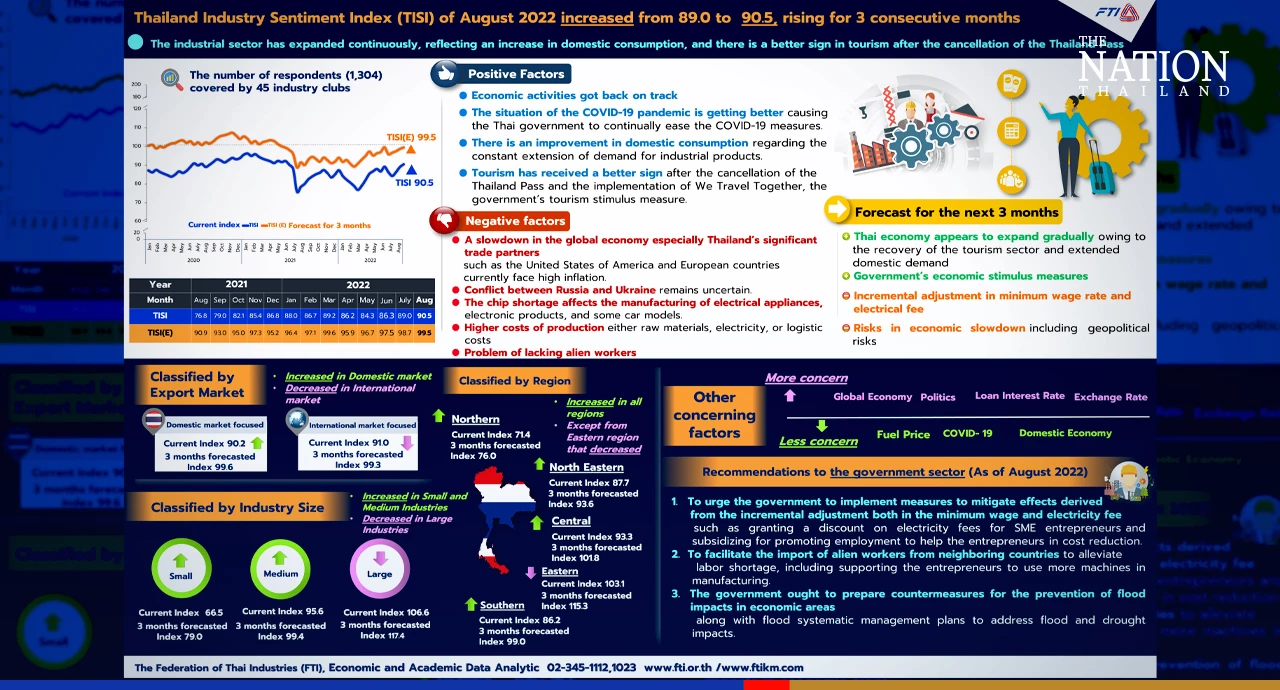
The FTI also revealed the latest TISI for August 2022, which increased from 89.0 in July to 90.5, as business returned to near normal with an improvement in domestic consumption while demand for industrial products continues to expand.
Meanwhile, the cancellation of the Thailand Pass and the implementation of a tourism stimulus measure called “We Travel Together” to promote domestic travel by Thais has given the tourism industry an additional boost.
Although fuel costs appeared to be improving in August 2022, entrepreneurs are still concerned about rising production costs such as logistics, and prices of raw materials such as animal feed, steel and aluminium, electricity fees, as well as a shortage of foreign labour in the manufacturing sector.
There are also some negative factors to be concerned about, such as the global economic slowdown, high inflation, and tensions between Russia and Ukraine.
The survey was conducted in August 2022 among 1,304 enterprises represented by 45 industry clubs affiliated with the FTI. The findings revealed more factors of concern for business owners, such as the global economy (75.9 per cent), domestic politics (42.8 per cent), the baht’s exchange rate against the US dollar from an export perspective (39.3 per cent), and loan interest rate (35.7 per cent).
The TISI for the next three months is expected to be 99.5, up from 98.7 in July 2022, because entrepreneurs believe the Thai economy will gradually expand due to recovery of the tourism sector, increasing domestic demand, and the government’s economic stimulus measures.
Entrepreneurs are concerned about an incremental increase in the minimum wage rate from October 1, 2022, as well as a new round of rising electricity fees from September to December 2022, which will result in higher production costs. Similarly, risks associated with economic slowdown and geopolitics may have an impact on the Thai export sector, Kriengkrai concluded.


 According to him, Thailand Post cares about customers in remote areas too, so it has opened more than 3,300 branches in all provinces. These branches operate from Monday to Saturday.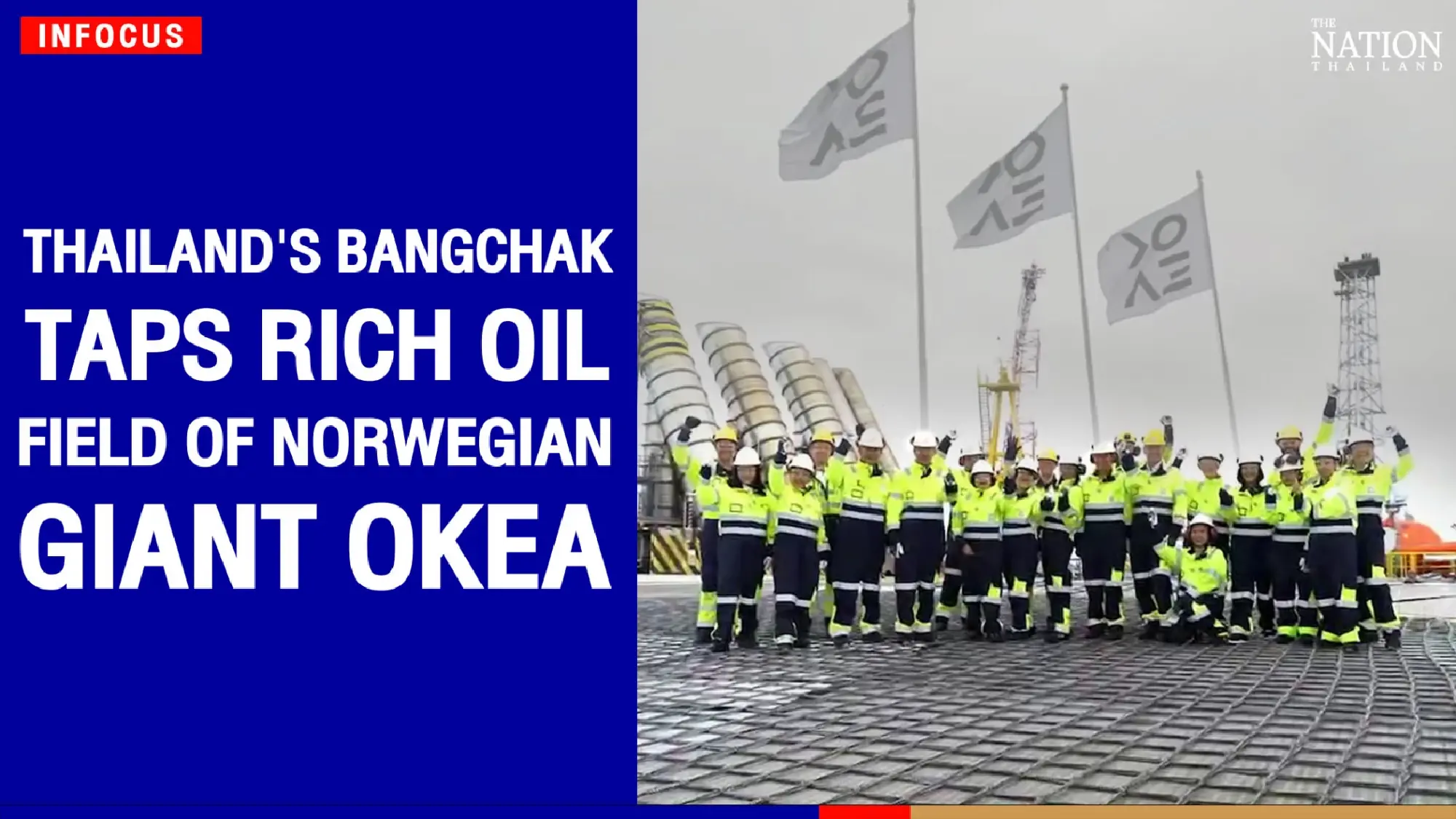







 “I discovered that Thai goods and services are quite popular among Saudi Arabians, and this is a new opportunity after three decades to reconnect with a huge potential market,” he said.
 The survey was conducted in August 2022 among 1,304 enterprises represented by 45 industry clubs affiliated with the FTI. The findings revealed more factors of concern for business owners, such as the global economy (75.9 per cent), domestic politics (42.8 per cent), the baht’s exchange rate against the US dollar from an export perspective (39.3 per cent), and loan interest rate (35.7 per cent).
