Zort Widens Online Marketplace For E-Retailers With LINE, TikTok Tie-Up

#SootinClaimon.Com : ขอบคุณแหล่งข้อมูล : หนังสือพิมพ์ The Nation.

https://www.nationthailand.com/business/corporate/40019925

Zort widens online marketplace for e-retailers with LINE, TikTok tie-up

Zort Widens Online Marketplace For E-Retailers With LINE, TikTok Tie-Up

BY LINE : NONGLUCK AJANAPANYA

FRI, SEPTEMBER 09, 2022

Zort, An Integrated Cloud Inventory Platform That Also Manages The Back Office, Has Joined Up With LINE Shopping And TikTok To Penetrate Social Commerce, A New Frontier In Online Shopping.

Sawapop Tuamsang, CEO of Zortout, which runs the Zort platform, said social commerce or a marketplace operated via social media platforms, had the potential to grow exponentially.

“We gather sales from all platforms, both online and offline, in a single place. Our services include the management of orders, stock, logistics as well as a payment gateway. We also provide customer relationship management by analysing customer data to leverage sales efficiency,” he said.

With social media platforms like Line and TikTok fast becoming popular online marketplaces, he said, this is the perfect time for Zort to step in.

He added that this collaboration will make it easier for small businesses to meet trends and expand their sales channels without additional cost.

“We also offer backend order management via live chat,” he said. “The platform manages orders by connecting to the stock system, then to logistics and payment management. Hence, a single person can handle the entire process.”

He explained that with Zort in place, business owners will not require extra staff to handle different storefronts, because the system can handle everything on its own.

This alone can help boost sales by 50 per cent, he said.

Tracking the platform
Established in 2015, Zort became one of the first Thai seller-management platforms to follow a customer-centric concept.

Sawapop said that over the past seven years, Zort has been behind the success of many online sellers. In the first half of this year, the number of Zort users has risen to 4,500, up 30 per cent from the previous year.

Meanwhile, the platform has helped both corporate and individual sellers grow by as much as 300 per cent over these seven years and brought their costs down by at least 30 per cent.

Zort has also helped Thai small businesses become strong enough to compete in foreign and larger markets, he said.

Besides, he added, this new link-up with Line and TikTok will help the platform grow 100 per cent in the second half of this year and again 100 per cent next year.

Zort widens online marketplace for e-retailers with LINE, TikTok tie-up

Wariya Leerasiri, who oversees strategic e-commerce planning and development for Line Thailand, said this partnership will be greatly beneficial to entrepreneurs as it will help them grow and compete sustainably.

Currently, there are 450,000 online stores and 80 per cent are small businesses.

Kornnikar Niwatsaiwong, TikTok Shop lead, said this collaboration gives Zort access to more than 1 billion users globally and a mix of personal and commercial content.

She added that TikTok Shop was fast becoming popular for short clips that offer “shoppertainment” and encourage trend-driven buying decisions.

“Apart from entertaining users and making shopping convenient, it also encourages them to share clips more easily. With Zort in place to manage orders placed via TikTok Shop Live, it will soon grow to become the hottest new sales channel,” Kornnikar said.


Inflation Equals Fewer Tourists And Lower Spending, Say Thai Hoteliers

#SootinClaimon.Com : ขอบคุณแหล่งข้อมูล : หนังสือพิมพ์ The Nation.

https://www.nationthailand.com/business/corporate/40019914

Inflation equals fewer tourists and lower spending, say Thai hoteliers

Inflation Equals Fewer Tourists And Lower Spending, Say Thai Hoteliers

BY LINE : THE NATION

FRI, SEPTEMBER 09, 2022

Thai Hotel Operators Are Worried That High Inflation Will Reduce Tourist Arrivals And Spending, According To A Survey By The Thai Hotels Association (THA).

Sixty-two per cent worry that inflation is eroding tourists’ purchasing power while 61 per cent are concerned about lower-than-expected foreign arrivals.

The survey was conducted among 106 hotel operators between August 8 and 24, THA president Marisa Sukosol Nunbhakdi said.

Other major worries expressed by respondents included the shortage of hotel workers (43 per cent), new Covid-19 outbreaks (40 per cent), businesses not fully opened (19 per cent), the currency exchange rate (18 per cent) and the Thai interest rate (18 per cent).

Only 11 per cent were worried about monkeypox as the number of cases in Thailand remains low. Six per cent expressed concern about China-Taiwan tensions amid a lack of tourists from these countries. China was the largest contributor of tourists to Thailand before the pandemic.

Marisa also highlighted positives for the hotel industry, including the extension of visa-on-arrival from 15 to 30 days or 30 to 45 days depending on nationality. The extension will run from October to March 2023.

Inflation equals fewer tourists and lower spending, say Thai hoteliers

Meanwhile, operators of MICE (Meetings, Incentive Travel, Conventions, and Exhibitions) have been handed a tax break to stimulate events organisation in Thailand.

Moreover, the new Long-Term Resident Visa (10 years) available from September 1 will lure more high-spending foreigners.

Meanwhile, airlines are opening routes again after Covid-19, especially from Asean countries, Northeast Asia, and South Asia.

However, Thai hotel operators are facing rising food and energy costs while the minimum wage increase would also affect costs and profits, Marisa said.

Hotels’ revenue in August was still low compared with pre-Covid times though it had improved since July when the country full reopened, she added.

The occupancy rate in August was around 47.5 per cent, up 2.5 per cent from July, after the Thailand Pass system was scrapped and the “Rao Tiew Duay Kan” (We Travel Together) scheme extended.

Most tourists are still Thai but foreign arrivals, especially from the Middle East and elsewhere in Asia, are increasing.

Hotel occupancy is rising in every region except the South and East, Marisa said.

“THA forecasts the occupancy rate in September will be around 40 to 45 per cent,” she said, adding that this figure could be higher if more foreign tourists arrive.

Meanwhile, the hotel employment rate has increased to 75.2 per cent of pre-Covid levels. However, it would take time to train new staff for the arrival of tourists in the fourth-quarter high season, she said.

New Thai Rice Breeds Needed To Compete Globally, Says Rice Exporters Chief

#SootinClaimon.Com : ขอบคุณแหล่งข้อมูล : หนังสือพิมพ์ The Nation.

https://www.nationthailand.com/thailand/economy/40019943

New Thai rice breeds needed to compete globally, says rice exporters chief

New Thai Rice Breeds Needed To Compete Globally, Says Rice Exporters Chief

BY LINE : THE NATION

SAT, SEPTEMBER 10, 2022

The Thai Rice Exporters Association Is Urging The Government To Establish A Special Committee That Can Set Rice-Related Policies, Especially With The Improvement Of Rice Breeds.

The association’s president, Charoen Laothamatas, said on Friday that in his 40 years in the rice industry, he has not seen Thailand develop any new rice breeds to penetrate the global market.

“India and Vietnam have surpassed us with better quality of rice thanks to continuous breed improvement. The only valid strategy we have now is reducing our price to attract buyers,” he said.

Charoen also pointed out that nearly all governments in the past three decades have only focused on the price of rice, but never on the improvement of output and quality, which are key obstacles for export.

“We tend to set our prices too high compared to the quality of our rice, which is something that should not be done in a free market. This is one of the reasons why our rice export volume has dropped continuously,” he added.

“What we need to do now is develop new breeds of rice that suit the market’s demand, as well as fix the law to facilitate the certification of new rice breeds for commercial purposes.

“Many new breeds have been discovered or developed by universities and institutes, but lack proper development and support to make them viable for mass production and export,” he added.

New Thai rice breeds needed to compete globally, says rice exporters chief

Charoen said establishing a “Rice Board” will help speed up this endeavour, especially if it comprises representatives of the Thai Rice Exporters Association, Thai Rice Packers Association, Thai Rice Mill Association and Thai Seed Trade Association. He said the board members can then come up with policies that benefit all related parties in both the long and short term.

“The government should make the setting up of a ‘Rice Board’ part of its national agenda, so it can take place as soon as possible and coordinate seamlessly when the government changes,” he said. “Developing a new rice breed will take at least three years, so we need to act now if we want to see tangible changes in the rice industry.”

Japan Clears Eight Thai Plants For Chicken Meat Export

#SootinClaimon.Com : ขอบคุณแหล่งข้อมูล : หนังสือพิมพ์ The Nation.

https://www.nationthailand.com/thailand/economy/40019917

Japan clears eight Thai plants for chicken meat export

Japan Clears Eight Thai Plants For Chicken Meat Export

BY LINE : THE NATION

FRI, SEPTEMBER 09, 2022

Eight Thai Meat-Processing Plants Have Secured Approval From Japan To Export Cooked Chicken Meat, The Department Of Livestock Development Said On Friday.

The department’s deputy director-general, Sophat Chawalkul, said Japan’s Ministry of Agriculture, Forestry and Fisheries had sent five officials to inspect eight plants in Thailand since September 4. At the end of the inspection, all eight factories met Japan’s quality standards for cooked chicken meat. Two of them are existing exporters whose approvals have been extended, while six plants are newly certified.

“The department thanks all parties for their efforts in improving the standard of Thailand’s meat products in terms of quality and safety. We will take all suggestions made by the Japanese inspectors into consideration to further improve the country’s meat production and processing industry,” said Sophat.

Japan clears eight Thai plants for chicken meat export

The department expects eight more factories to be certified by Japan. Total export of meat products to Japan will exceed last year’s figures in both volume and value, he said.

In 2021, Thailand exported 461.2 million tonnes of meat products to Japan, valued at 58.76 billion baht. In the seven months of 2022, more than 267.65 million tonnes have already been shipped to Japan, valued at 37.7 billion baht.

Thai Companies To Prepare For Shifting Global Trade Policies

#SootinClaimon.Com : ขอบคุณแหล่งข้อมูล : หนังสือพิมพ์ The Nation.

https://www.nationthailand.com/blogs/business/corporate/40019897

Thai companies to prepare for shifting global trade policies

Thai Companies To Prepare For Shifting Global Trade Policies

BY LINE : THE NATION

FRI, SEPTEMBER 09, 2022

With Global Geopolitical Tensions Rising, The Most Prominent World Economic Powers US, EU And China Have Been Reshaping Their Trade Policies. These Policies Will Impact Southeast Asian Economies, Including Thailand And Thai Companies Face Both Opportunities And Challenges In This Regard.

Over the past years, China has already been expeditiously rolling out its Belt & Road Initiative to integrate the Chinese economy into Asian and African markets through infrastructure development, investment and financing projects. The US on the other hand unveiled its Indo-Pacific Economic Framework for Prosperity (IPEF) earlier this year seeking closer cooperation with selected Asian countries on trade and economic matters, including standards on digital trade, creating supply chain resiliency, green energy and fair economy rules. While not much more than a ‘symbolic’ agreement at this stage, it sets the foundation for potential far reaching engagements. Thai companies are set to benefit from increased investment and trade opportunities with both China and the US under these initiatives, however they may also have to weigh the opportunities against the risks of running counter to restrictions by either trade partner on the other. 

The most remarkable and potentially most impactful trade policy developments for Thailand may however be coming from the EU. Under its Open, Sustainable and Assertive Trade Policy, the EU continues to seek Free Trade Agreements (FTAs) with countries in the APAC region, including Thailand, to attain reciprocal market access, harmonize rules and reduce barriers to trade. These objectives are in line with most ASEAN countries’ desire to support economic growth through international trade. However, the EU’s “New Generation FTAs” now focus more than ever on the topic of sustainability, the umbrella term for environmental protection, advancement of human rights and social justice. In its effort to drive the necessary shift to a more sustainable global economy, the EU has decided to expand partner obligations in FTAs and strengthen its enforcement of the sustainability provisions with sanctions. FTA negotiations between the EU and Thailand have stalled but are set to resume once both parties can agree on a basic common framework. If the negotiations proceed, sustainability will without a doubt present a major component in the agreement and require enforceable commitments from Thailand. 

The extra-territorial reach of the EU’s sustainability agenda does not stop there. In the past year(s), the EU has rolled out a number of legislative proposals which place requirements on economic operators in the EU market to reduce their greenhouse gas emission levels, implement environmental protections and enforce human rights. Importantly for companies in Thailand looking to supply the EU market, a number of these legislative requirements indirectly cover overseas suppliers. A few prominent examples follow here. 
 
1) The Carbon Border Adjustment Mechanism (CBAM): Under the EU Emissions Trading System, in place since 2005, a cap is set on the total amount of certain greenhouse gases that can be emitted by covered operators in the EU. This cap is reduced over time. Within the cap, EU operators receive or purchase a limited number of allowances to cover their emissions, which they cannot exceed, or they become subject to fines. To prevent that these carbon reduction efforts on the EU market are being offset by companies increasing their emissions overseas and then importing “unsustainable” goods into the EU, the CBAM requires importers to report the emissions embedded in imported goods and purchase carbon certificates corresponding to the carbon price that would have been paid had the goods been produced in the EU. This would then affect the competitiveness of the products exported by the overseas suppliers. The reporting Phase of the CBAM is expected to apply from 1 January 2023 and the payment system from 1 January 2026. In a first phase, imports of cement, iron & steel, aluminum, fertilizers, and electricity will be covered. The product coverage can be expanded in next phases. 

2) Corporate Sustainability Due Diligence Directive: This proposal imposes requirements on large EU companies and certain non-EU companies with significant revenue in the EU to put in place internal due diligence frameworks to identify, report and mitigate adverse impacts of their company activities and international supply chain on human rights and the environment. These due diligence requirements will also extend to the overseas suppliers of the EU operators and failure to address the identified issues will result in sanctions.  

3) Regulation on deforestation-free products: If implemented, this policy will ban products associated with deforestation or forest degradation, regardless whether they were produced in the EU or in overseas markets. Products currently covered in the proposal are cattle, cocoa, coffee, palm oil, soy and wood. In a next phase, this could be expanded to other products as well. To obtain access to the EU market, EU operators will have to gather and report data that demonstrates the products are not from deforested land and comply with the producer-state’s local environmental rules. Inability to produce the necessary due diligence or non-compliance with the requirements will result in a ban of the products on the EU market.

The implications of these proposed rules for overseas suppliers increase the global reach of the EU’s sustainability agenda. For Thai companies supplying the EU market, now is the time to make themselves familiar with the contents of these upcoming sustainability policies to understand the potential impact on their business operations and to plan ahead what they must do to adapt and thrive.   

By Tom Cachet 
Senior Manager | Global Trade Advisory
Deloitte Thailand

Boosting With AstraZeneca’s Vaccine Provides High Protection Against Omicron, Equivalent To MRNA COVID-19 Vaccines

#SootinClaimon.Com : ขอบคุณแหล่งข้อมูล : หนังสือพิมพ์ The Nation.

https://www.nationthailand.com/business/corporate/40019896

Boosting with AstraZeneca’s vaccine provides high protection against Omicron, equivalent to mRNA COVID-19 vaccines

Boosting With AstraZeneca’s Vaccine Provides High Protection Against Omicron, Equivalent To MRNA COVID-19 Vaccines

BY LINE : THE NATION

FRI, SEPTEMBER 09, 2022

Boosting With AstraZeneca’s Vaccine And MRNA COVID-19 Vaccines Provide Equally High Protection Against Omicron-Related Severe Outcomes, Including Hospitalisation And Death, Even As New Subvariants Of The Virus Emerge, According To An Expert Review Of More Than 50 Real-World Studies.

The newly published review demonstrates that any three-dose schedule including the AstraZeneca vaccine was highly effective at protecting against severe Omicron outcomes (84.8%-89.2%*). Three dose schedules including mRNA vaccines showed equivalent effectiveness.

The review authors conclude that the administration of a fourth dose booster is likely to add a significant level of additional protection, with a recent real-world study from Asia demonstrating no cases of severe outcomes due to Omicron in people vaccinated with a fourth dose of either the AstraZeneca vaccine or a mRNA COVID-19 vaccine during the February to April 2022 analysis period.

Boosting with AstraZeneca’s vaccine provides high protection against Omicron, equivalent to mRNA COVID-19 vaccines

Dr Suwat Chariyalertsak, Dean of the Faculty of Public Health at Chiang Mai University and one of the review’s authors, said: “With Omicron infections dominant globally, it is vital to understand how the most widely used vaccines protect people against the most contagious COVID-19 variant yet. This expert analysis tells us that the most effective way to continue saving lives from severe Omicron-related outcomes is the expansion of booster coverage using already available vaccines.”
 

The 22 independent international infectious disease experts from across Asia and Latin America involved in the review concluded that a sustainable annual boosting strategy could include once a year boosting for the general population, and every six months for vulnerable groups, such as those living with chronic conditions.

Professor Guy Thwaites, Director of the Oxford Clinical Research Unit in Vietnam and one of the study’s authors said: “Booster dose data is critical for informing ongoing vaccination strategies as we transition from pandemic to endemic, whether that is an annual vaccine for most people, or every six months for those considered to be more vulnerable. This expert review of data can reassure governments and the public that viral vector and mRNA COVID-19 vaccines offer great booster protection against serious outcomes in the ongoing battle against Omicron, particularly because that protection also shows very little sign of waning, even after a three-month period.”  

Boosting with AstraZeneca’s vaccine provides high protection against Omicron, equivalent to mRNA COVID-19 vaccines

The review, published online yesterday, analysed more than 50 global real-world studies hosted on ViewHub, a robust, interactive platform for visualising global data on vaccine use and impact, developed by Johns Hopkins Bloomberg School of Public Health and the International Vaccine Access Center.

The reviewed data also showed that other vaccines used as boosters perform well against Omicron but appear slightly less effective than AstraZeneca’s vaccine and the mRNA COVID-19 vaccines.

AstraZeneca’s vaccine is a ‘viral vector’ vaccine, which means a version of a virus that cannot cause disease is used as part of the vaccine, so if the body is exposed to the real virus later it is able to fight it.  This vaccine technology has been used by scientists over the past 40 years to fight other infectious diseases such as the flu, Zika, Ebola and HIV.

AstraZeneca and its global partners have released over three billion vaccine doses to more than 180 countries, and approximately two-thirds of these doses have been delivered to low- and lower-middle-income countries. The vaccine is estimated to have helped save over six million lives during the first 12 months of use since December 2020, according to data from leading health analytics firm Airfinity.

Boosting with AstraZeneca’s vaccine provides high protection against Omicron, equivalent to mRNA COVID-19 vaccines

Benz Thonglor Founder Wasan Succumbs To Cancer

#SootinClaimon.Com : ขอบคุณแหล่งข้อมูล : หนังสือพิมพ์ The Nation.

https://www.nationthailand.com/business/corporate/40019864

Benz Thonglor founder Wasan succumbs to cancer

Benz Thonglor Founder Wasan Succumbs To Cancer

BY LINE : THE NATION

THU, SEPTEMBER 08, 2022

Prominent Businessman Wasan Bodhipimpanon, Founder Of Benz Thonglor Group, Succumbed To Liver Cancer At 76 On Wednesday.

The Bodhipimpanon family announced that his funeral service would start at 4pm on Thursday at Wat That Thong in Bangkok’s Watthana district.

Wasan was well-known among Thailand’s business landscape as one of the few entrepreneurs who survived the “Tom Yum Kung” financial crisis in 1997 and managed to revive his car dealership back to life.

He founded the company in 1977 and built it into one of the top Mercedes-Benz dealerships in the country.

Benz Thonglor founder Wasan succumbs to cancer

In an interview, Wasan once said it took him 15 years to get Benz Thonglor Group back on its feet after the Tom Yum Kung crisis and that he had kept his promise in 1997 to retain almost 500 of his staff until the crisis passed.

One of his notable tactics was to turn some car showrooms into Som Tum (green papaya salad) restaurants, and attract customers by giving out free dishes on their first visit.

Benz Thonglor founder Wasan succumbs to cancer

He was also well-known for being the first to open “Talad Nad Khon Khoei Ruay” (flea market of the former rich), which encouraged entrepreneurs affected by the financial crisis to sell their valuables and collectibles at cheap prices to strengthen liquidity for their businesses.

Talad Nad Khon Khoei Ruay is still an attraction in Thailand today although its meaning and purpose have slightly changed, as now anyone is welcome to sell their valuables there.

Post Today, NewsClear Acquisition Still Under Consideration: Nation Group

#SootinClaimon.Com : ขอบคุณแหล่งข้อมูล : หนังสือพิมพ์ The Nation.

https://www.nationthailand.com/business/corporate/40019859

Post Today, NewsClear acquisition still under consideration: Nation Group

Post Today, NewsClear Acquisition Still Under Consideration: Nation Group

BY LINE : THE NATION

THU, SEPTEMBER 08, 2022

Nation Group Told The Stock Exchange Of Thailand (SET) On Wednesday That The Company’s Move To Acquire Post Today And NewsClear Online Media From Bangkok Post Plc Is Still Pending A Decision By The Group’s Board Of Directors.

In a statement released on Wednesday, Nation Group Thailand Plc said the deal, which was announced on September 5 covering the acquisition of licences and services of Post Today and NewsClear online media at a price of 58.85 million baht, is not finalised yet.

The company said it released this statement to clear up any misunderstanding that the announcement might have caused among investors and the general public.

“The acquisition of Post Today and NewsClear is still under the consideration of Nation Group’s broad of directors. The assets of both online media are also subject to inspection before being transferred to Nation Group, upon which the payment will be made. This is expected to take place by September 30,” said the statement.

The company will release an official announcement once the deal is finalised.

“We have been carrying out this acquisition deal in accordance with related legal requirements. We will notify the Stock Exchange of Thailand immediately of any updates,” said the statement.

Nation Group also said the deal is within the jurisdiction of the board of directors as the value does not exceed 100 million baht.

DTP Global REITs Management Launches DTPHREIT, Investing THB4 Billion In MQDC Hotels With Buy-Back Obligation

#SootinClaimon.Com : ขอบคุณแหล่งข้อมูล : หนังสือพิมพ์ The Nation.

https://www.nationthailand.com/business/corporate/40019847

DTP Global REITs Management launches DTPHREIT, investing THB4 billion in MQDC hotels with buy-back obligation

DTP Global REITs Management Launches DTPHREIT, Investing THB4 Billion In MQDC Hotels With Buy-Back Obligation

BY LINE : THE NATION

WED, SEPTEMBER 07, 2022

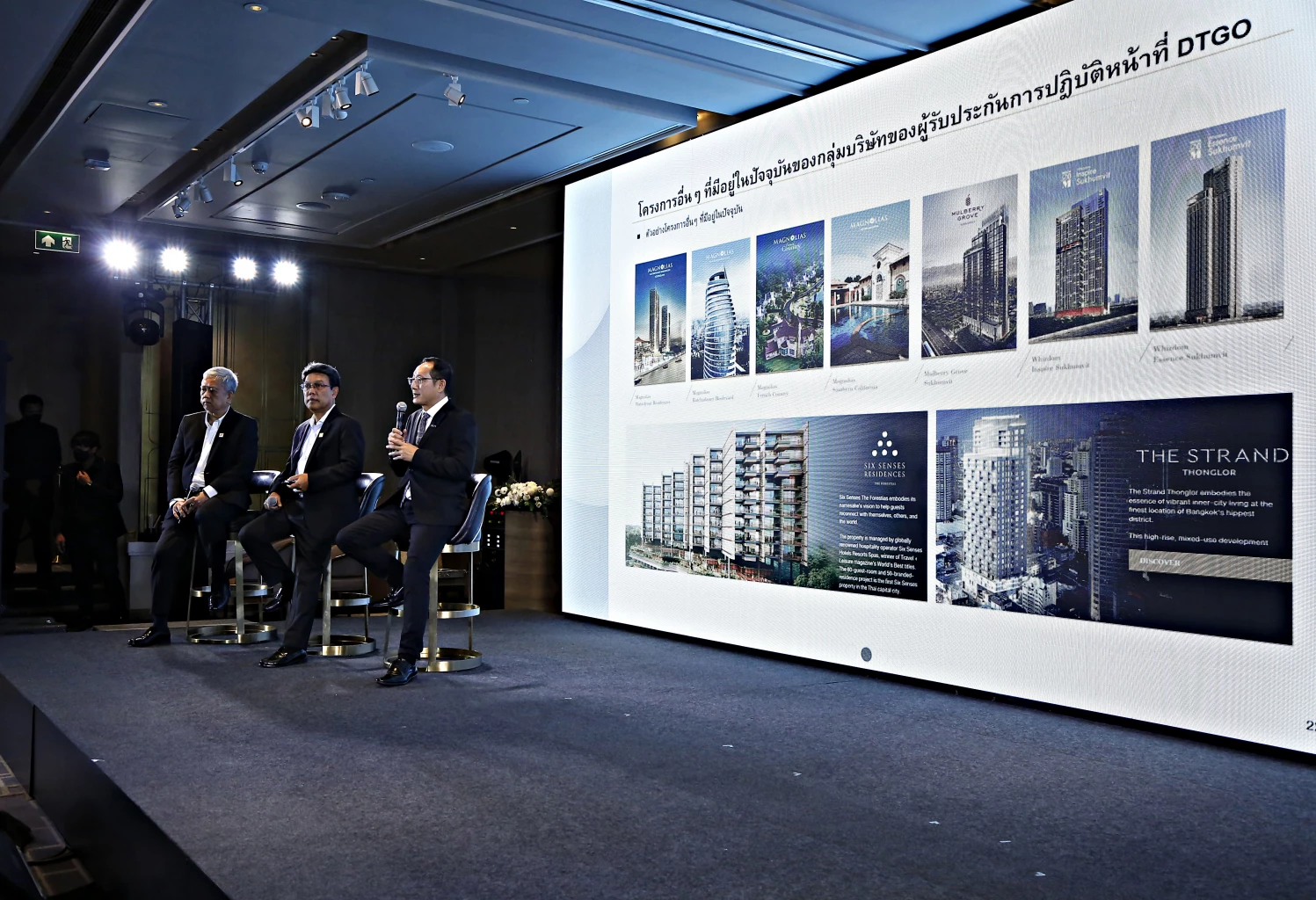
September 7, 2022, Bangkok – DTP Global REITs Management (DTPRM), A REIT Management Company Under DTGO Prosperous (DTP), Has Launched DTP Hospitality Real Estate Investment Trust (DTPHREIT), A Hotel And Leasehold REIT To Invest Up To 4.107 Billion Baht In MQDC’s High-Potential Hotel Business, With A Condition That The Former Owner Agrees To Buy Back The Assets At The End Of The Investment Period.

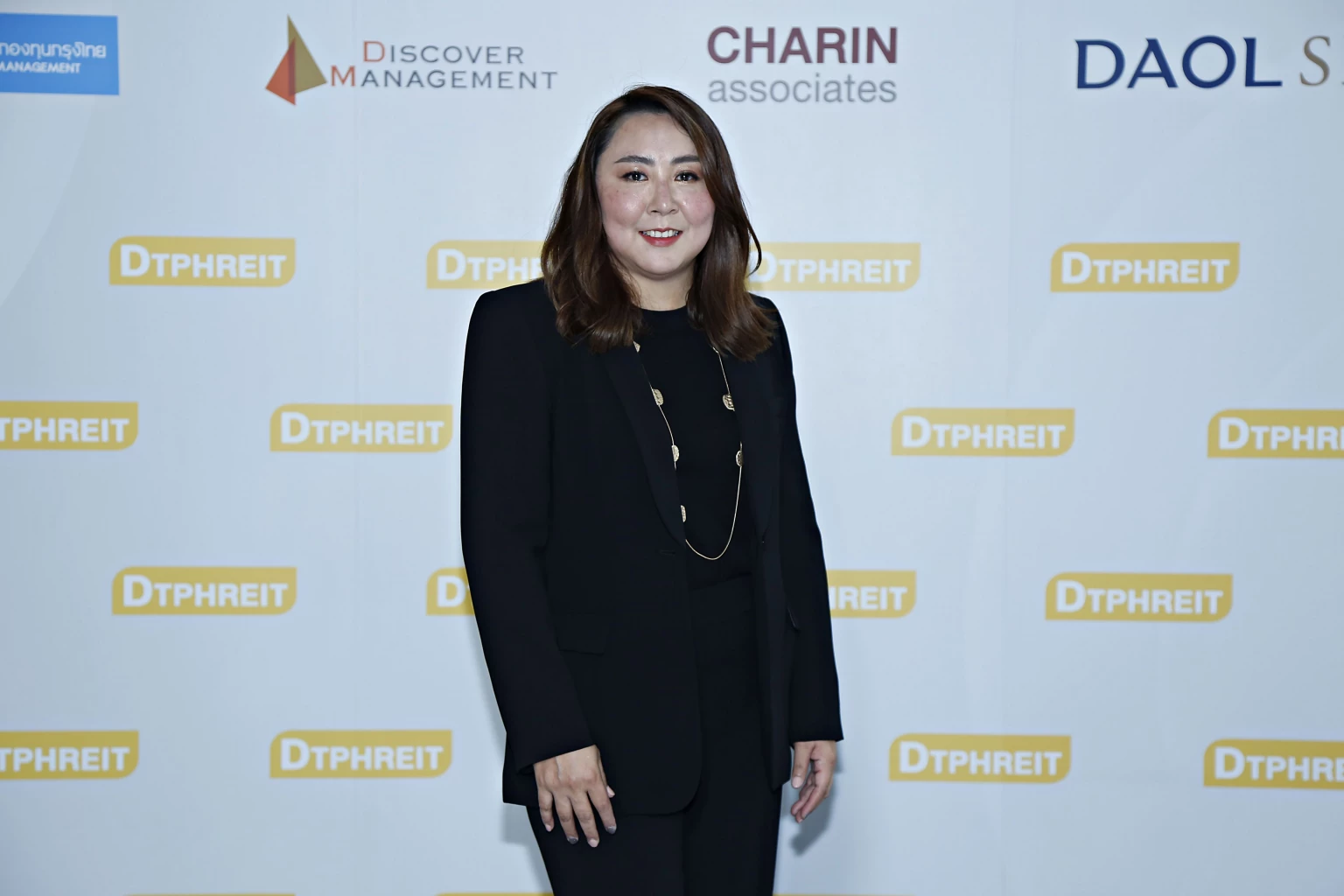
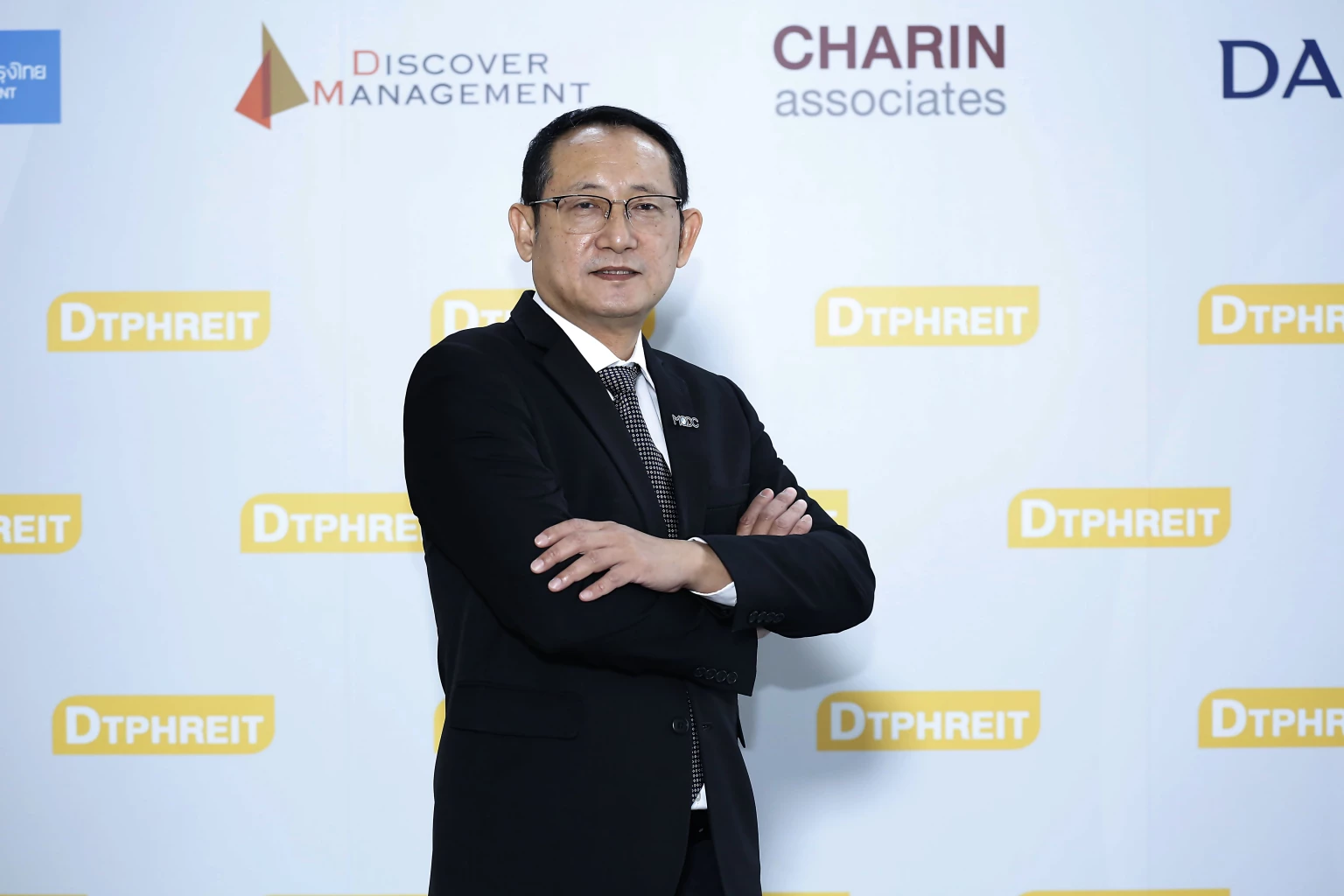
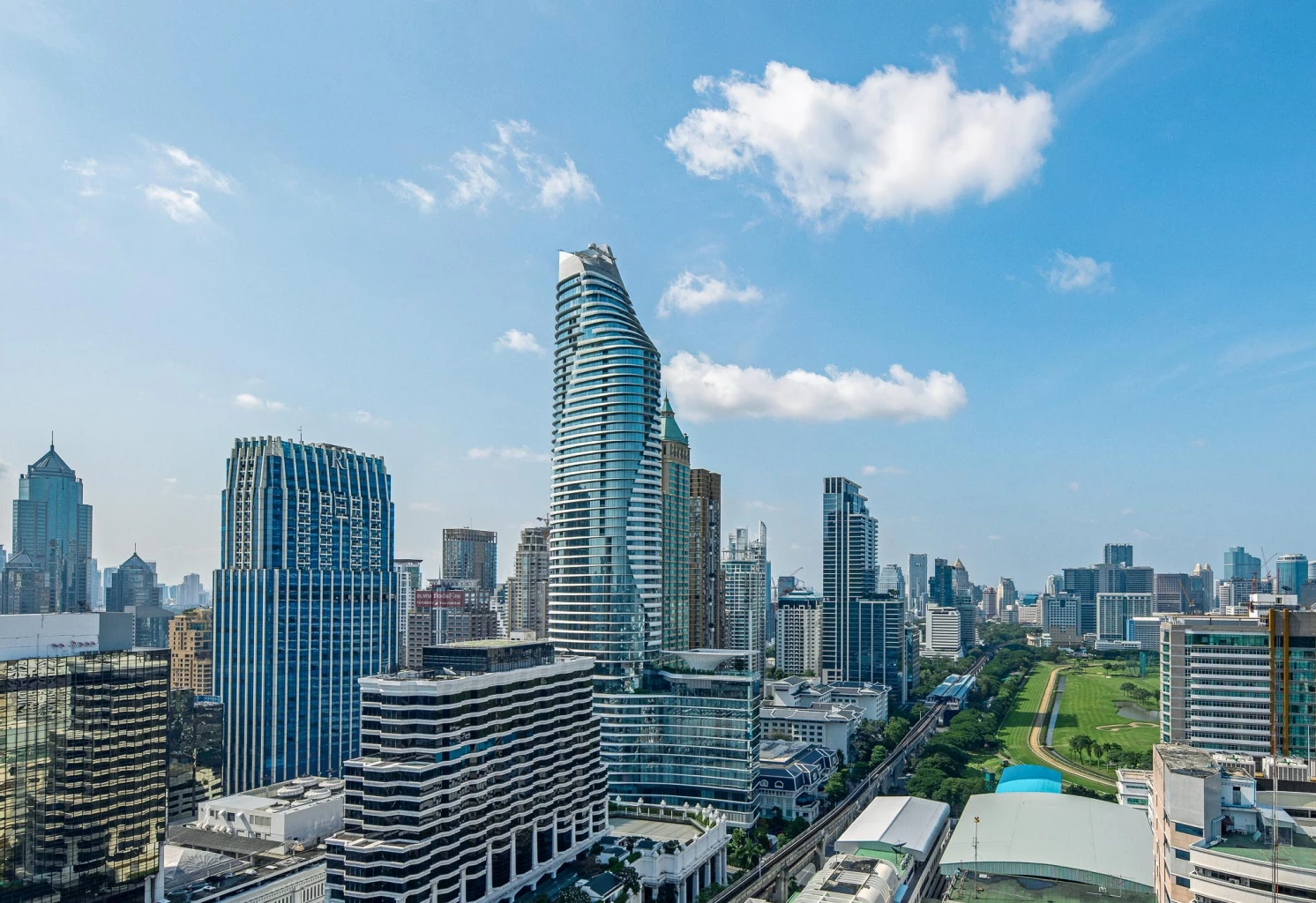
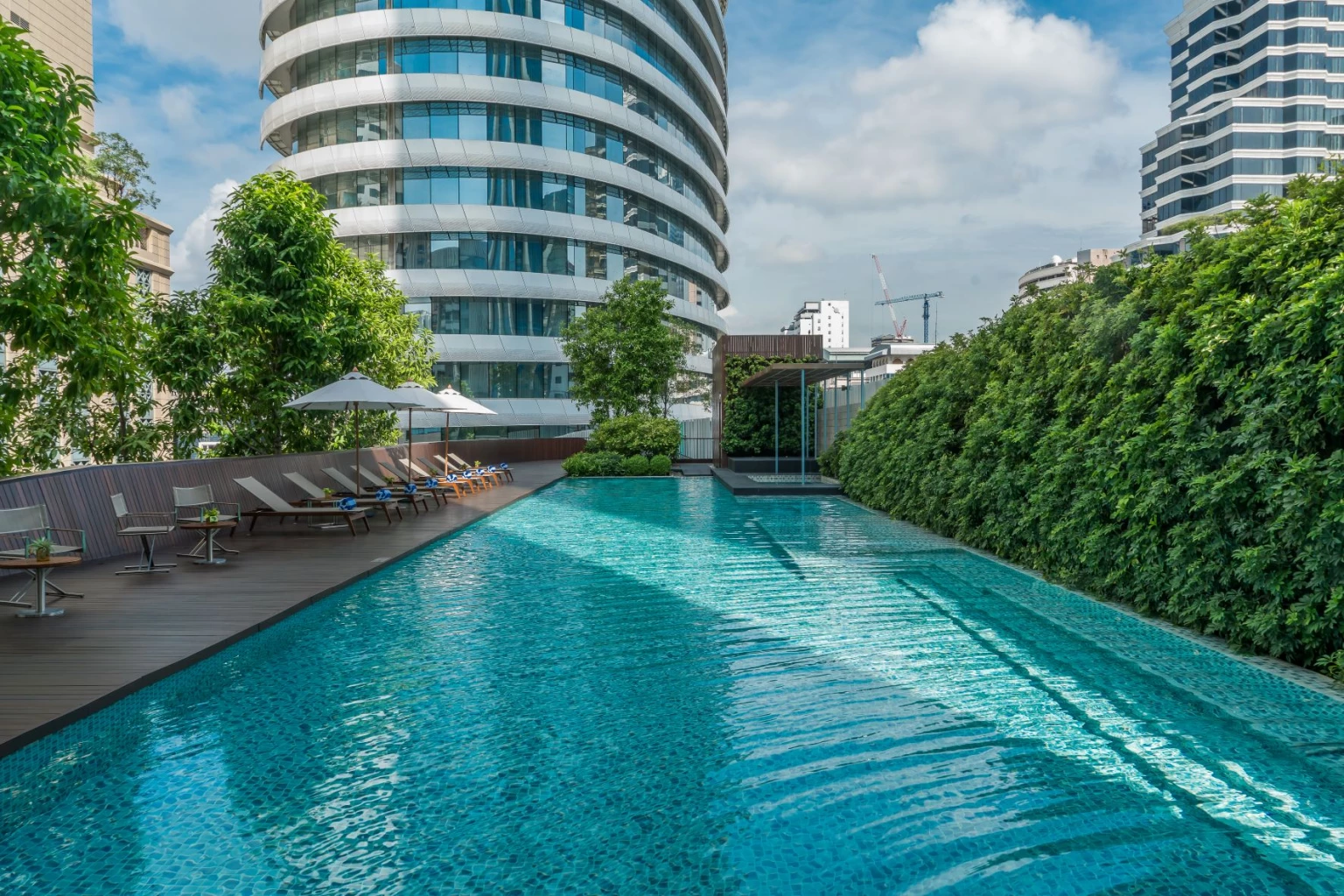
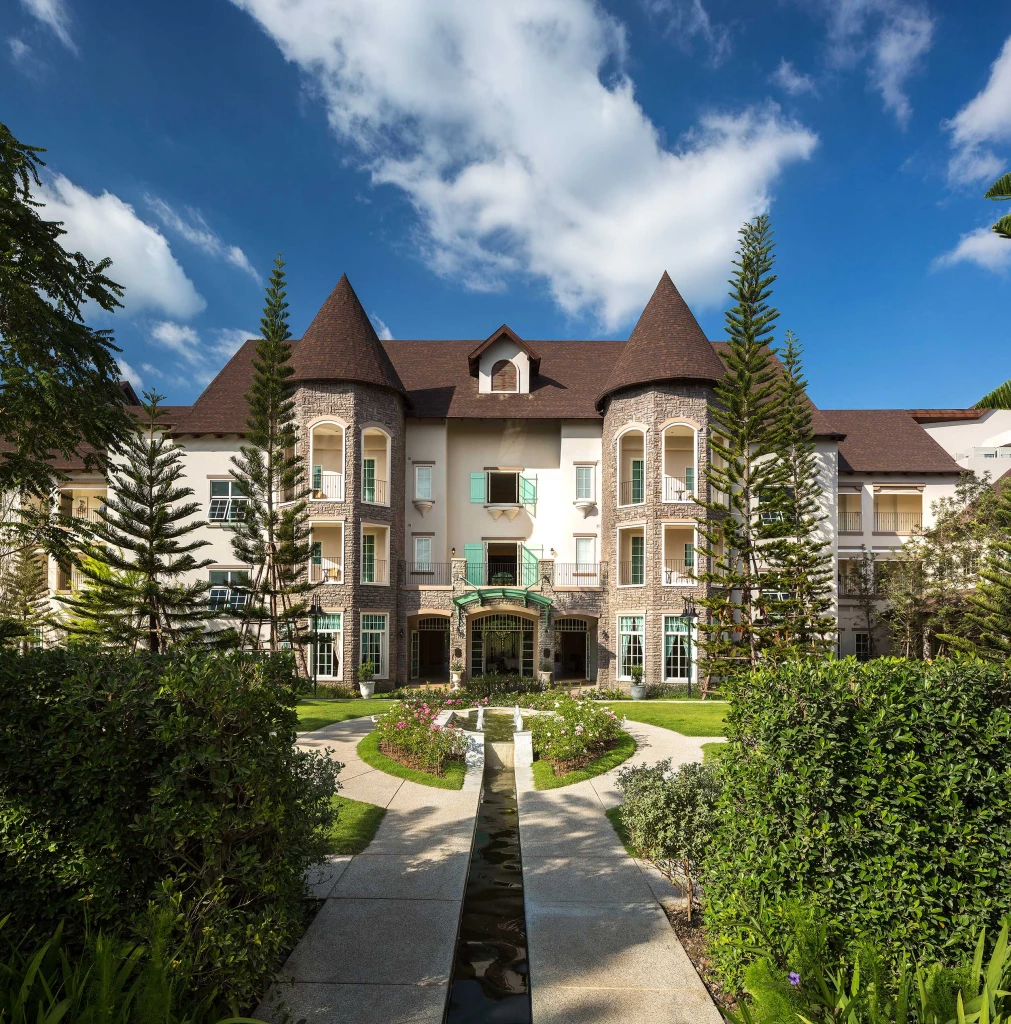
Ms. Wanida Suksuwan, Managing Director of DTP Global REITs Management (DTPRM), said DTPHREIT will invest in the following high-potential MQDC hotel properties and serviced apartments: 1. Waldorf Astoria Bangkok hotel subleasehold and leasehold rights; 2. Magnolias Ratchadamri Boulevard (MRB) serviced apartments including sublease rights; 3. U Khao Yai hotel. The REIT will not exceed 4.107 billion baht in value.

DTP Global REITs Management launches DTPHREIT, investing THB4 billion in MQDC hotels with buy-back obligation

DTPHREIT is a buy-back REIT with an agreement to sell the real estate back to the original owner at the close of the 3rd year from the date it invests. The former owner has an obligation to lease and manage the property ensuring the REIT’s stable income. The annual rental rate for both projects is about 217.49 million baht and a security deposit equal to 3 months of the rental fee assures DTPHREIT a stable income.

DTP Global REITs Management launches DTPHREIT, investing THB4 billion in MQDC hotels with buy-back obligation

“With stable income and consistent returns from letting, the property owner pays a fixed rent so DTPHREIT can pay its unitholders the fixed-rate return of 7% per annum for 3 years. The owner also agrees to buy back the assets at the price invested by the REIT at the end of the 3rd year after the REIT invests, so unitholders will receive their full investment back at the end of the 3rd year,” said Ms. Suksuwan.
 

The REIT is set to offer investment units to institutional investors and/or ultra-high net worth investors through two underwriters, Yuanta Securities (Thailand) and DAO Securities (Thailand). The trust is set to be registered in late September or early October with Krung Thai Asset Management as a trustee.

DTP Global REITs Management launches DTPHREIT, investing THB4 billion in MQDC hotels with buy-back obligation

Mr. Visit Malaisirirat, CEO of MQDC, the property owner, said that the assets sold to DTPHREIT have very high potential, both in location and quality. For the fundraising purpose, he added that it is for supporting further investment, pay off debt, and supply working capital.

“After the recent COVID-19 outbreak has eased gradually, many countries relaxed their safeguards and opened up for travel, more foreign tourists are now arriving fast, especially here in Thailand. The hotel sector is recovering fast too. Asset value has recovered as well. After 3 years, the company will therefore definitely be ready to buy back the assets. The specific assets sold to DTPHREIT are currently recovering very fast. In the recent COVID-19 pandemic, MQDC kept all its hotel staff, without a single layoff, ensuring the properties are ready to open and enabling normal operations as soon as the country opens.

DTP Global REITs Management launches DTPHREIT, investing THB4 billion in MQDC hotels with buy-back obligation

“The easing of the situation and the improved trend make us confident that tourism will return to drive the country’s economy to grow again. Various tourism-related and service businesses will recover quickly. The hotels and serviced apartments sold to the REIT in a top location, close to city-center tourist attractions and managed by an internationally renowned team, will benefit directly, enabling the group to manage and execute its agreement with the REIT, both in regular payments and the repurchase under the agreement,” Mr. Malaisirirat said.

DTP Global REITs Management launches DTPHREIT, investing THB4 billion in MQDC hotels with buy-back obligation

BEM Quotation Beats ITD In Bid To Operate And Build Orange Line

#SootinClaimon.Com : ขอบคุณแหล่งข้อมูล : หนังสือพิมพ์ The Nation.

https://www.nationthailand.com/thailand/economy/40019885

BEM quotation beats ITD in bid to operate and build Orange Line

BEM Quotation Beats ITD In Bid To Operate And Build Orange Line

THU, SEPTEMBER 08, 2022

Bangkok Expressway And Metro (BEM) Has Offered Higher Benefits And The Lowest Price Of The Two Remaining Bidders For The Orange Line Mass Transit Project, It Was Disclosed On Thursday.

BEM quoted 78.2 billion baht compared to 102.6 billion baht by Italian-Thai Development Group (ITD).

The quoted prices and construction costs would be subsidised by the Mass Rapid Transit Authority of Thailand (MRTA).

The MRTA on Wednesday opened the sealed envelopes containing proposals regarding investments and benefits offered by the bidders.

Bidding for the Orange Line project is going ahead despite an ongoing legal battle involving Skytrain operator Bangkok Mass Transit System (BTSC) and the MRTA, which had cancelled the first round of bidding.

BTSC had participated in the first round but opted out of the second round of bidding.

BTSC filed a lawsuit against the cancellation of the first round of bidding and won the case. It also filed a lawsuit against the second round, but the Administrative Court has yet to make a ruling. The court recently rejected BTSC’s request for an injunction to suspend the second round.

The 35.9km-long Orange Line is divided into eastern and western sections. Construction of the 22.5km-long eastern section from Thailand Cultural Centre to Minburi, with 10 underground stations and seven elevated stations, is 90 per cent complete.

The western section stretches from Thailand Cultural Centre to Bang Khunnon – a length of 13.4km, with 11 underground stations.

The bid winner would be required to sign a private-public partnership contract to operate the entire route after building the western section.