Destination Group raises Pattaya’s Mountain Beach to 4.5 stars in THB1.5bn deal
WEDNESDAY, JANUARY 11, 2023
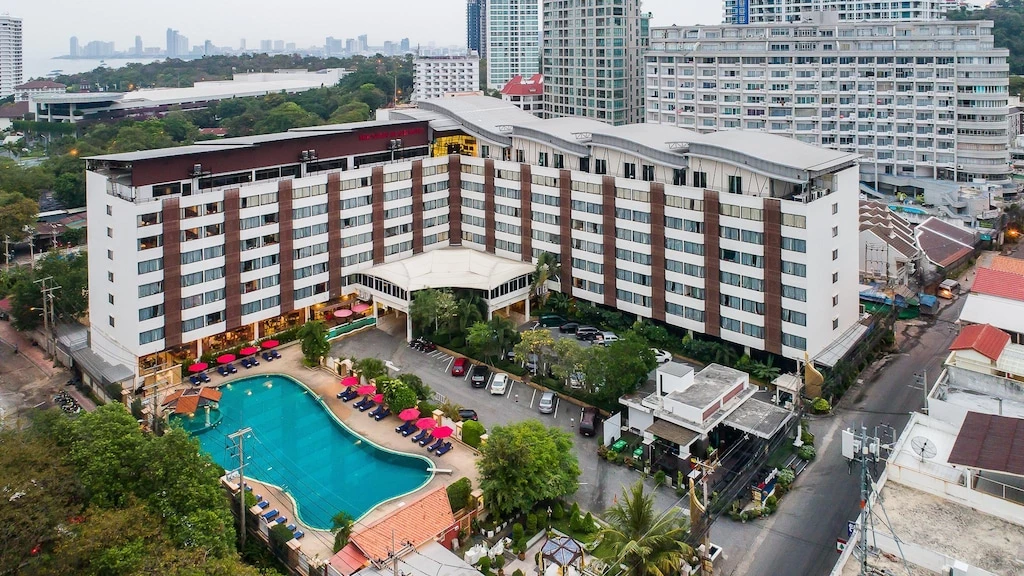
Destination Group has acquired Mountain Beach Resort, located in the heart of Pattaya’s Pratumnak area, with an investment of 1.5 billion baht. The group said it will undertake a complete renovation and upgrade to rebrand the property as a 4.5-star resort.
Once renovation work is completed, the resort will comprise 354-plus rooms, full entertainment and leisure facilities, and a high-energy beach club for Thai and foreign tourists. The property is scheduled to open in the second quarter of next year.
Gary Murray, CEO and Founder of Destination Group announced the acquisition of Mountain Beach Resort located in the heart of the Pratumnak area, Pattaya.
The resort is adjacent to tourist attractions, top-notch restaurants and 200m from the Pratumnak beach. Destination Group intends to undertake a complete renovation and will rebrand as an international service provider to a 4.5-star resort.
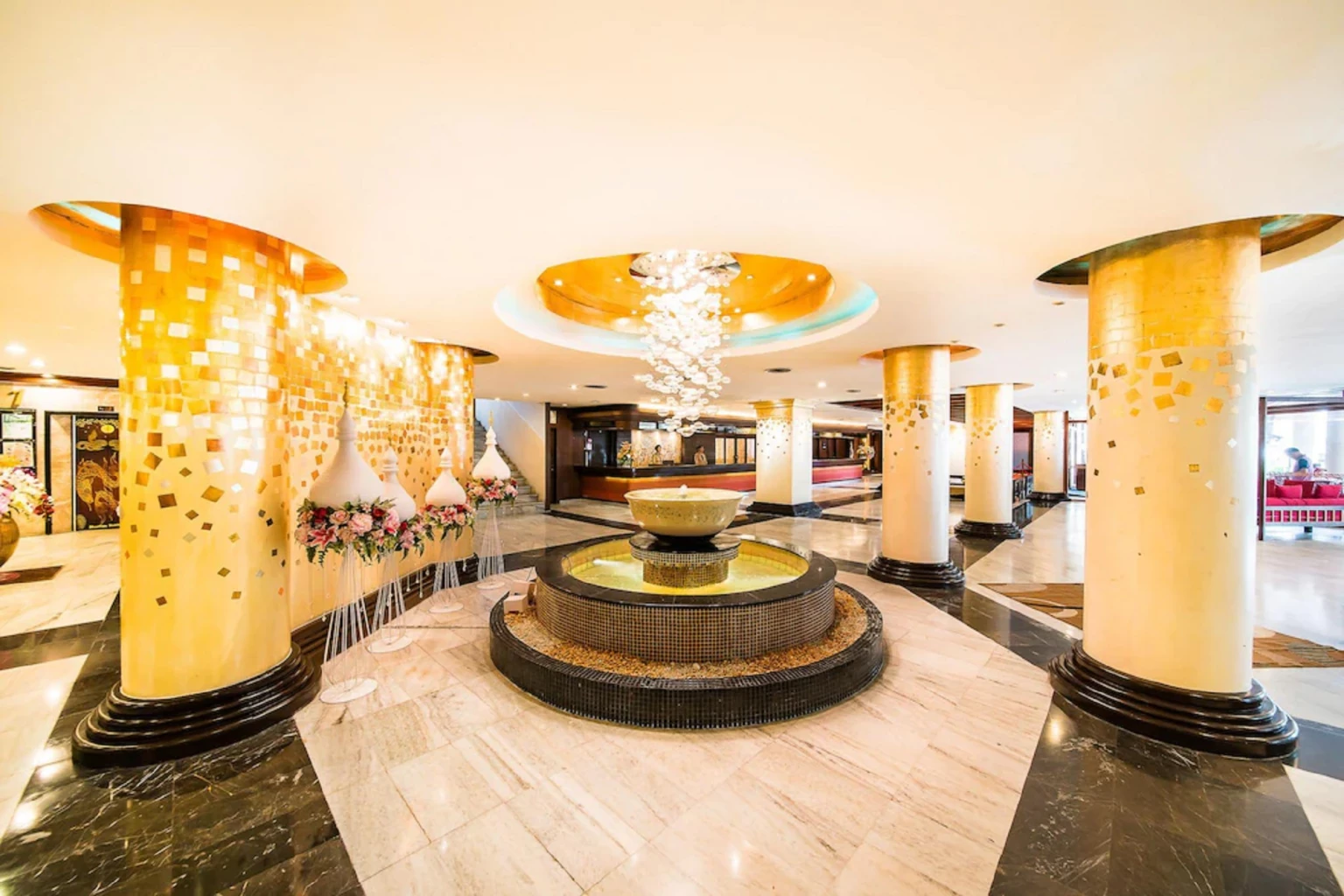
Upon completion of the renovation, the resort will comprise 354+ rooms (from 322 rooms), full entertainment and leisure facilities; 150 seat beach club, high energy nightclub, 250 seats all-day café, a wellness spa, as well as SIAM ADVENTURE CLUB, excursion activities for children and teenagers, and 800m2 of meeting facilities for our Thai and foreign guests and families.
The property is scheduled to open in the second quarter of 2024.
“Pratumnak beach is the nicest upscale family-style beach in the Pattaya area popular for both Thais and foreigners alike. Pattaya is a popular beach resort on the Gulf of Thailand and famous for modern cuisine, seaside café, and exciting nightlife. It is located in the southeast of Bangkok with a 1-hour drive and not far from Suvarnabhumi International Airport.” Gary said.
Destination Group, founded in 1996, operates hotels, restaurants, and the largest hostel group in Asia. Through its hotel division, Destination Resorts now owns and operates more than 2,500 rooms in resorts in Phuket, Hua Hin, Samui, Khao Lak, and now Pattaya, Thailand.
Through its F&B division, Destination Eats, owns and operates 30+ restaurants, including Hard Rock Cafe, Hooters Restaurants, Scoozi Pizza, Big Boy restaurants, Wow Cow Ice Cream, Urban Grunge Coffee, Boom Boom Burgers, Gonchon Chicken, Taco Delight, Hanuman Thai, Power Eats, and most recently Virtual Kitchens.
Through its hostel division, Collective Hospitality has more than 50+ hostels with more than 6000 beds under operation and development under its Slumber Party, Bodega, and Socialtel brands across Thailand, Indonesia, Sri Lanka, Philippines, Vietnam, and Cambodia.
UNICEF and Global Compact Network Thailand join forces to advance child rights and achievement of SDGs
WEDNESDAY, JANUARY 11, 2023
BANGKOK, January 10, 2023 – Thanyaporn Krichtitayawuth, the Executive Director of Global Compact Network Thailand (GCNT), and Kyungsun Kim, UNICEF Representative for Thailand, signed a memorandum of understanding (MOU) today to strengthen the collaboration between the private sector and UNICEF to advance the achievement of the SDGs in Thailand contributing to fulfilling the rights of every child in the country.
The partnership focuses on enhancing family-friendly policies and practices in the private sector, advancing young people’s skills and employability, especially for those who are out of school, strengthening the protection of children in the digital space through collaboration with the information and communications technology sector, and rallying support from the private sector on several issues that concern children and young people the most, such as access to quality education, physical and mental health services, action against climate change, etc.
The partnership will take effect from 14th January 2023, on National Children’s Day.
In photos:
UNICEF-GCNT 1: (from left to right) 1. Thanyaporn Krichtitayawuth, the Executive Director, Global Compact Network Thailand 2. Kyungsun Kim, UNICEF Representative for Thailand
UNICEF-GCNT 2 and 3: (from left to right) 1. Artima Chandrangam, Corporate Communications Specialist, Global Compact Network Thailand 2. Wipavee Anantasak, Operation Manager, Global Compact Network Thailand 3. Thanyaporn Krichtitayawuth, the Executive Director, Global Compact Network Thailand 4. Kyungsun Kim, UNICEF Representative for Thailand 5. Severine Leonardi, Deputy Representative, UNICEF Thailand 6. Amornchai Challcharoenwattana, Corporate Alliances Officer, UNICEF Thailand
CBRE, a leading international property consultant, revealed that after more than a decade of consistent growth in the supply of condominiums in Bangkok, 2022 witnessed the return of low-rise housing as the home of choice for Thai buyers.
In 2021 the supply of new low-rise housing exceeded that of the new condominium supply in the Bangkok Metropolitan region for the first time since 2011. In 2022, although the supply of low-rise housing increased by at least 25% compared to 2021, there was also an increase in new condominium supply, especially in midtown and suburban areas, targeting the “first jobber” market.
The residential market saw strong levels of activity, particularly in the housing sectors, and while most activities in the condominium sector remained focused on the midtown and suburban markets, many developers appeared positive about plans to launch new condominium projects in downtown Bangkok. Despite this optimism, however, confirmed downtown condominium launches have remained limited.
A key feature of the low-rise housing market in 2022 was the increasing number of luxury and super-luxury housing projects launched. The impact of the pandemic has boosted demand for larger spaces that have specific functions for new ways of working and living.
CBRE Research found that most newly launched luxury and super luxury housing projects in 2022 were concentrated in Eastern Bangkok, primarily along Krungthep Kreetha, Pattanakarn, Srinakarin and Bang Na roads, such as Malton Gates, Aliyah Reserve, Park Heritage, and Nirvana Collection.
The luxury and super luxury market has proven resilient during the pandemic, and this year will see even more units for sale in the luxury and above grades, such as Grand Bangkok Boulevard by SC Asset or Narasiri by Sansiri.
This new supply of luxury housing with better design and functionality will make developer-built units more popular. Entry-level low-rise housing projects, especially townhouses, are competing for market share with mid-range grade condominiums in the midtown/suburban area.
As land prices have continued to rise, many newly launched midtown condominium projects have asked for prices similar to those of townhouse units located not far away. Additionally, the changing lifestyles of home buyers raise questions about the necessity of living in the city.
“Many potential buyers have adapted to new ways of working. They have taken up new hobbies and made plans to start a family; these things require the kind of space a condominium unit generally cannot offer. Buyers are willing to locate themselves further from the city to access the greater living space of low-rise housing, knowing that such homes cost roughly the same as smaller, downtown condominium units,” Chotika Tungsirisurp, Head of Research and Consulting, CBRE Thailand, stated.
She added “This scenario is also playing out in the luxury housing market in the midtown area, which now competes with high-end and above-grade condominium units downtown. Again, while the price point is often similar, the key is that very few condominium developments provide large family-sized units, something that developers have addressed in their low-rise housing products.”
In contrast, in the downtown condominium market, developers are cautious about introducing new projects to the market while existing-but-unsold inventory remains, and beyond the competition between low-rise housing and condominiums, the downtown market has been seriously impacted by the weakened spending power of buyers together with lower numbers of foreign buyers, especially Chinese. The market continues to be price-sensitive, focusing on domestic buyers.
Chotika concluded that “Ultimately there remain significant challenges for the residential sector, as the temporary Loan-to-Value (LTV) relaxation measures expired at the end of 2022, and elevated construction costs eat into developer margins. Rising consumer debt levels and the lack of investor demand will continue to impact not only project sales rates but developer confidence in launching large-scale projects too.”
Thai owner of Miss Universe brand to raise 3 billion baht through rights issue
WEDNESDAY, JANUARY 11, 2023
JKN Global Group Plc (JKN), the Thai owner of Miss Universe Organisation (MUO), is seeking to raise 3 billon baht through a rights issue after its CEO sold four big lots of shares worth nearly 310 million.
JKN said its board of directors had agreed at its meeting on January 5 to launch a rights issue of 1,019.79 billion shares in the ratio of 1:1.
The new shares are being offered at 3 baht a share, which is lower than the traded price .
Following the announcement, JKN’s shares were traded at between 3.40-3.50 baht per share.
Stock market gurus were puzzled by the decision to go for a rights issue, as it came after JKN’s chief executive, Jakkaphong “Anne” Jakrajutatip, unloaded her shares four times within a week in November.
Experts said it was unusual for a CEO or owner of a listed firm to sell their stake before issuing new shares to current shareholders.
JKN acquired MUO on October 25 for 800 million baht. JKN said it believed the brand would generate growth of at least 40% and prove to be an engine in its drive to become a big player in the global content commerce industry.
The decision to buy MUO sent JKN’s share price soaring from 3.80 baht to 5.60 baht on October 27.
But a month later, Jakkaphong sold four big lots of her shares via Krungthai XSpring Securiites. Her sales, according to her filing with the Securities and Exchange Commission, were:
November 23, 2022: 17,516,400 shares at the average price of 4.74 baht per share, totalling 83.17 million baht
November 24: 18,292,500 shares at an average price of 4.54 baht per share, totalling 83.04 million
November 25: 20,191,100 shares at an average price of 4.26 baht per share, totalling 86.01 million baht
November 28: 14,000,000 shares at an average price of 4.10 baht per share, totalling 57.40 million baht.
Jakkaphong revealed that she would be lending the proceeds from the sale of her first and second lots of shares to JKN without charging interest. JKN would use the amount to invest in the MU Water business and for organising the Miss Universe pageant.
Line Stickers introduces a training course for professional content creators
WEDNESDAY, JANUARY 11, 2023
Line Stickers has introduced “Line Creators Course”, an online training course in the form of a six-episode video to help new-generation content creators produce high-quality content in the era of creative economy.
Line Creators Course will teach viewers how to make Line Stickers from beginner to advanced level. Learners will also explore sales and marketing techniques, as well as tips to start a career as a content creator with ease from famous creators and experts in related fields.
The six-episode video is divided into two parts:
The first part (episodes 1-3) will teach novice creators about basic knowledge of content creation, drawing techniques, character design, as well as income and tax management for content creators.
The second part (episodes 4-6) will feature the story of creators in the Line Creators Club, who will share their knowledge and experience in character building, marketing, and advanced techniques in designing Line Stickers, e.g. animated stickers and stickers with sound.
Issree Damrongpitakkul, Director of Consumer Business at LINE Thailand, said Line Creators Course is the first-ever training course on how to create, sell, and market Line Stickers efficiently from basic to advanced levels.
“We hope that the course would greatly benefit new creators as well as existing creators who wish to improve the quality of their works,” she said. “Line is committed to maximising the creative potential of Thai creators to compete at the international level.”
Line Creators Course will be broadcast one episode per week, starting from January 11 at Line Thailand’s Youtube channel https://lin.ee/gN68ArL/sknj/pr
ONESIAM celebrates Lunar New Year with “ONESIAM Golden Prosperous Chinese New Year 2023”
WEDNESDAY, JANUARY 11, 2023
Starting the Year of Rabbit off with series of enticing shopper campaigns
ONESIAM, a synergy of global destinations in the heart of Bangkok – including Siam Paragon, Siam Center, and Siam Discovery, kicks off the year of Golden Rabbit with series of enticing shopper campaigns. ONESIAM Golden Prosperous Chinese New Year 2023 campaign will run from 18 January to 19 February 2023, with the goal to boost public spending and stimulate in the economy. The campaign features series of events, as well as magnificent Chinese New Year decorations to welcome local shoppers and international visitors. Initiatives to welcome Chinese tourists is also in the works. The Lunar New Year celebration will be under health safety standard.
Mrs Saruntorn Asaves, Head of Shopping Center Business Division, Siam Piwat Co., Ltd., said “The retail and shopping center industries are off to a fantastic start in the first quarter of 2023. Factors boosting the business include China loosening regulations, which have drawn Chinese visitors to Thailand since the beginning of this year, and increasing numbers of Chinese tourist are expected. Furthermore, the Chinese New Year, an important event that generate high spending, is in January this year, while February is Valentine’s Day festival; the consumer mood is likely to be more vibrant than in the past three years during the COVID scenario. The government’s Shop Dee Mee Kuen (shopping with refunds) initiative between January 1 and February 15 this year will also help boost spending and circulate in the economy. ONESIAM has in store a full-fledged marketing promotions activities and events, with a budget of more than 500 million baht for the first quarter of 2023.”
For this coming Chinese New Year, ONESIAM including Siam Paragon, Siam Center,and Siam Discovery, has created a campaign ONESIAM Golden Prosperous Chinese New Year 2023 to welcome Thai shoppers, Thai people of Chinese descent, and tourists from around the world. It comprises a big Chinese New Year celebration to honor the Year of the Golden Rabbit, as well as attractive deals from participating brands to bring joy to everyone in the family.
Several Chinese New Year deals await, for shopping or dining at ONESIAM including Siam Paragon, Siam Center, or Siam Discovery between 18 January to 19 February 2023. Under “Golden Prosperous Chinese New Year 2023,” simply shop to receive VIZ Coins and gifts worth more than 5 million baht. Shoppers at Siam Paragon may earn up to 500 VIZ Coins, Siam Discovery can earn up to 400 VIZ Coins, and Siam Center can earn up to 200 VIZ Coins.
During the campaign, shoppers will also enjoy 16% cash back from participating credit cards, promotions from participating restaurants, special Lunar New Year menus, special-price dishes or complimentary menus. Specially on 20-22 January 2023, for “Lucky Day Lucky Deal Chinese New Year 2023” shoppers at Siam Paragon may earn up to 1,000 VIZ Coins and get a 1,000-baht gift voucher and shoppers at Siam Center and Siam Discovery can receive up to 500 VIZ Coins. Terms and conditions apply.
Mrs Thanaporn Tantiyanon, Head of Business Unit, of Siam Paragon Development Co., Ltd., said, “Chinese New Year has always been a grand celebration at Siam Paragon and this year is no exception. We are hosting a series of celebrations under the theme of “The Grand Celebration of Golden Prosperity” including a spectacular Chinese dance performance called ‘Zhi Ci Qing Lu’ (Indigo Green Mountain), which tells a story of is one of the top ten Chinese painting masterpieces, ‘Qian Li Jiang Shan Tu’ (The View of Mountains and Thousand Miles River). This show emanates stunning elegance with its delicate dance poses as if dancers from the Song Dynasty has reemerged before the eyes. There is also a magnificent lion and dragon dance performance. Additional highlights include a gathering of Thailand’s and Chinese top celebrities and artists between 20-22 January 2023. Siam Paragon has also beautifully decorated with the Golden Rabbit installation artwork. The golden bunny denotes life and energy, and believed to bring success, wealth, happiness and joy.”
Siam Center The Ideaopolis will be packed with inspiring Chinese New Year celebration. Featured is graffiti street-style art decoration by famed artist Chanida Voraphitak of Cuscus the Cuckoos. Siam Center’s Idea Avenue will feature an instagrammable art decoration as well as activities that visitors can celebrate Chinese New Year in style. Siam Discovery The Exploratorium will indulge shoppers with the latest Spring/Summer 2023 collections from selected popular brands across the world.
All participating ONESIAM shopping malls have introduced a special promotion called “Shop Dee Mee Kuen, Shop Ploen Gern Kum” (Shopping with refunds: The more you shop, the more you save!) from today and February 15, 2023 for Thai customers who want to enjoy the benefits of the government’s Shop Dee Mee Kuen scheme. Simply present a full tax invoice of 10,000 baht or more spending and get 800 VIZ Coins (Siam Paragon limits 800 prizes, Siam Center limits 400 prizes and Siam Discovery limits 400 prizes throughout the campaign). 1 VIZ Coin is worth 1 baht and can be used at participating shop in ONESIAM or through the ONESIAM SuperApp. For more information, please contact the redemption counters.
Celebrate the Chinese New Year of the Golden Rabbit, be a part to stimulate the economy and enjoy value for money promotion with the ONESIAM Golden Prosperous Chinese New Year 2023 campaign, between 18 January to 19 February 2023 at Siam Paragon, Siam Center and Siam Discovery. Call 02-610-8000 for additional details.
Asia Pacific ahead of the curve in using data, AI, analytics in healthcare: Philips report
TUESDAY, JANUARY 10, 2023
Nongluck Ajanapanya
Healthcare leaders throughout the Asia Pacific (Apac) region are looking to data and predictive technologies as the foundations of their future healthcare systems, the Philips Future Health Index (FHI) 2022 report revealed.
The report outlined data and staffing challenges for healthcare in Apac, as the region’s sector will lead the charge for data, AI, and predictive analytics.
The seventh FHI report, under the theme “Healthcare hits reset: Priorities shift as healthcare leaders navigate a changed world”, was prepared by Royal Philips, a global leader in health technology.
The findings of the report, which were released on Tuesday, look at how healthcare leaders are leveraging the power of data and digital technology to address the pandemic’s key challenges.
The report is based on proprietary research conducted in 15 countries, including Singapore, Australia, Indonesia, and Thailand, with nearly 3,000 respondents.
One finding in the report suggests that there are significant challenges in realising this goal.
Caroline Clarke, CEO and executive vice president of Philips Asean Pacific, said during the report’s release that after a tough two years, the FHI 2022 report showed Apac’s healthcare leaders were ahead of the curve when it came to championing the potential of data, AI, and predictive analytics technology.
“Ultimately, the value of data and technology is only as strong as the human experience it supports, and it’s vital that our approach to digital transformation is centred around people,” she explained. “To that end, breaking down data silos and supporting staff training and education is critical to ensuring that these ambitions, including improving staff retention, can be accomplished and the region’s desired health outcomes are achieved.”
According to the report, Apac’s healthcare leaders are global leaders in recognising the value of data to their organisations.
It reveals that 82% of leaders agree the value of data to their facility is worth the time and resources invested, putting them on par with the US and significantly ahead of the global and European averages of 65% and 60%, respectively.
Notably, Singapore’s healthcare system outperforms other global counterparts (65%) in terms of data value (91%), with Indonesia (82%) and Australia (75%) also placing a premium on it.
Meanwhile, confidence in data usage is high in Apac, with the majority of healthcare leaders reporting that they can extract actionable insights from available data (85%), have access to the necessary technology to use data (84%), and believe in the high level of data accuracy in their facilities (82%).
The Apac countries are also in agreement on the importance of investing in AI and predictive analytics over the next three years.
According to the findings, 55% of Apac healthcare leaders are already investing heavily in AI, and 82% believe it will become a top investment area within the next three years.
When it comes to how they intend to use AI, clinical decision support is the top investment priority (35%). In terms of priorities, using AI to predict outcomes (34%), and integrating diagnostics (33%), are close behind.
However, significant areas of improvement remain in realising the ambition of using data, AI and predictive analytics as key enablers of future healthcare systems, the report said.
While recognition of the value of data and its importance in clinical decision support is widespread in Apac, current knowledge and awareness of how to use data to inform decision-making is still lacking and widely disparate, the report stated.
Data silos are cited as a barrier to effective data use by 73% of Apac healthcare leaders, far exceeding the global average of 51%.
Other significant barriers include technical infrastructure limitations (23%), data privacy and security concerns (21%), data policy and regulations (21%), staff resistance to using upgraded or more advanced technologies (20%), a lack of clarity on legal liability (20%), and difficulties managing large amounts of data (20%).
Meanwhile, in Apac, workforce resistance, skill and knowledge gaps are cited as major barriers to data utilisation. According to the report, 74% of the region’s healthcare leaders are overwhelmed by the volume of data available today, which is significantly higher than the global average of 55%.
One-fifth of those polled believe that staff training and education are some of the best ways to help their facility do more with data.
Respondents also mentioned that collaborating with other ecosystem players could be one way to address some of these issues.
Another interesting finding from the report is that extending care delivery beyond existing facilities remains a priority for healthcare leaders in Apac today and in the future.
Realising this shift, 45% of Apac healthcare leaders and 49% of Asean healthcare leaders are currently investing heavily in telehealth. Remote patient monitoring solutions are also being considered as a viable option for expanding access to care beyond existing facilities.
At least 19% of Apac leaders and 21% of Asean leaders say investing in them is a top priority right now, and 26% say it will become even more important in the near future.
Royal Philips said it valued Thailand’s efforts to improve its healthcare system through advanced technology.
Thailand, according to Clarke, is yet another country that recognises the importance of artificial intelligence technology, which has been widely discussed since 2019.
AI development is being considered as part of national development strategies, and it has been implemented as part of Thailand’s medical system services, she said.
She praised the Thai Public Health Ministry’s proposed agenda, “The Future of Thailand towards Holistic Wellness Care and Advanced Health Promotion 2023-2027”, as part of the 13th National Economic and Social Development Plan.
This strategy focuses on artificial intelligence, health prediction, and digital technology as essential elements for healthcare facilities and advanced health promotion. It aims to improve healthcare system capability and people’s access to care through accurate health technology.
In addition, the government has set the goal of converting hospitals and healthcare facilities into Smart Hospitals in order to reduce staff workload and improve patient experiences.
According to Thailand’s Ministry of Public Health, by the fourth quarter of 2021, more than 45% of healthcare units in Thailand had already been converted into smart hospitals.
Although much progress has been made since then, the FHI report suggests that more conditions, particularly skilled labour training, must be created in Thailand and other Apac countries in order to achieve the goal.
Philips has conducted original research since 2016 to assist countries in determining their readiness to address global health challenges and build efficient and effective health systems, the company said.
Bloomberg includes AOT in its list of 50 companies to watch
TUESDAY, JANUARY 10, 2023
Airports of Thailand (AOT) is among 50 companies investors have been advised to watch this year as its revenue may miss consensus expectations by about 15%.
A Bloomberg Intelligence (BI) report published on Sunday said that these 50 companies require a closer look as they could benefit or be affected by several factors, such as inflation, the Russia-Ukraine war or challenges in the tech supply chain.
“A rebound in the airport operator’s retail and duty-free sales could be undermined by shifts in the mix of visitors and spending patterns, causing revenue to miss consensus expectations by about 15%,” BI analyst Denise Wong said.
Wong also expects Southeast Asian tourists to spend less due to inflation, resulting in an impact on AOT’s revenue from retail.
“Retail concession revenue will likely lag passenger volume even when historically higher-spending Chinese visitors return to destinations such as Bangkok, Chiang Mai and Phuket,” Wong added.
According to data provided to the Stock Exchange of Thailand, AOT recorded a net loss of 11.09 billion baht in the 2022 fiscal year ending on September 30. However, AOT said that its earnings have taken an upward trend because flights and passengers are returning now that the country has fully reopened.
Three firms approved for bidding in Sunday’s satellite auction
WEDNESDAY, JANUARY 11, 2023
The National Broadcasting and Telecommunications Commission has given the green light for three companies to bid in Sunday’s auction for satellite orbital slots, a commission member said on Wednesday.
Commissioner Thanapant Raicharoen said the telecom watchdog on Tuesday reviewed the qualifications of the three firms that had submitted bidding documents and gave them approval to bid in the auction.
The three companies are Space Tech Innovation, a subsidiary of satellite service provider Thaicom, Prompt Technical Services, a company registered in 2000 as an electrical installation service firm, and state-run National Telecom.
Approval was granted based on the qualifications, experience and financial capacity of the companies, Thanapant said.
The commission said the five satellite slot packages to be offered for leasing by Thailand are:
● Package 1: 50.5 degrees East slot with C1, N1 and P1R networks and 51 degrees East with 51 network. Bidding starts at 374 million baht.
● Package 2: 78.5 degrees East with A2B and LSX2R networks. Bidding starts at 360 million baht.
● Package 3: 119.5 degrees East with IP1, P3 and LSX3R networks and 120 degrees East with 120E network. Bidding starts at 397 million baht.
● Package 4: 126 degrees East with 126E network. Bidding starts at 8 million baht.
● Package 5: 142 degrees East with G3K and N5 networks. Bidding starts at 189 million baht.
Packages 2, 3, and 4 will likely draw the most interest and the commission expects to raise more than 800 million baht from auctioning them, Thanapant said.
He said the bidding will be completely transparent. The auction will follow the sequential ascending clock system, he said, adding that it gives bidders in each round 20 minutes to decide whether or not to raise their price – by as much as 5% of the minimum bid price.
None of the three firms will have advanced knowledge of how many packages their competitors are bidding for. The commission will determine the order in which the packages are offered on Sunday to prevent collusion and ensure transparency and fairness.
The commission cannot cancel the bidding and hand over the orbital slots to the National Telecom as the labour union of the state enterprise has demanded, Thanapant said, adding that the money raised from the bidding is state revenue and will be given to the Finance Ministry after costs are deducted.
The commission is legally required to ensure that the state receives the most money possible from auctions for access to the orbital slots.
If the auction is cancelled, the International Telecommunication Union may use it as a reason to take back the orbital slots from Thailand, Thanapant said.
Banpu NEXT continues to provide solar power to electricity-deprived schools
WEDNESDAY, JANUARY 11, 2023
With a belief that “Learning is the Power of Change and Development”, Banpu NEXT is making continuous progress in its “Light & Learn” project by bringing solar power systems to electricity-deprived schools in remote areas to help light up learning opportunities and benefit the children.
Most recently, the company took its employees on a field visit to join forces with highland teaching volunteers on the solar power system and storage battery installation for Ban Po Por Kee HACLC in Tak Province and hold edutainment activities for the children, which creatively taught them to appreciate nature and clean energy.
Over the past five years, it has already installed solar power systems for 73 schools in Tak, Mae Hong Son, and Kanchanaburi Provinces.
Sinon Vongkusolkit, Chief Executive Officer of Banpu NEXT, said, “During five years of Banpu NEXT’s Light & Learn project implementation, we installed solar power systems for a growing number of electricity-deprived schools in remote areas because we believe that light is empowerment for education. It brings sustainable benefits to Thai children and teachers in various aspects: 1) in terms of learning, it broadens the kids’ experiences for Thai language skills development and creativity; 2) in teaching, it enables the teachers to utilize a greater variety of learning media and keep abreast of the modern world; 3) on quality of living, it allows a more convenient life; 4) on the environmental front, using electricity from a clean energy source and playing their part in system maintenance will build the kids’ awareness of clean energy; and 5) mental well-being improves as it brings joy to children, giving them smiles and dreams to pursue as they learn from various learning media.”
To neutralize distance and deprivation that used to be learning barriers for the children, Banpu NEXT is making a change and helping them upgrade their learning. The company has already introduced solar power systems to 73 electricity-deprived schools in remote areas with more than 73,000 watts of installed capacity all combined, which benefits over 2,400 children altogether.
The company also provided satellite dishes and TV sets to enable their access to distance learning media, plus many other learning materials and necessities. Of these, Banpu NEXT installed solar power systems complete with storage batteries for 37 Mae Fah Luang HACLCs in 2017 and 2018; 15 schools within the precinct of Mobile Development Unit 36 under the 3rd Regional Development Office, Armed Forces Development Command in Mae Hong Son in 2019; and 15 schools in Kanchanaburi in 2021.
Most recently, it continued with the installation of five schools in Tak Province’s Tha Song Yang District and also took its employees there to, together with highland teaching volunteers, hold nature and solar energy learning activities for children of Ban Po Por Kee HACLC.
Focusing on giving the children a hands-on experience and promoting their creativity, a natural tie-dry fabric and paper mask-making workshop let them use natural materials to make a mask in their individual styles. Other activities include home-grown vegetable planting, educational solar power storytelling, charity lunch, and gift giveaway to the children.
Uthairath Sangprachan, Director of Tha Song Yang District Office of the Non-Formal and Informal Education (NFE), commented, “Ban Po Por Kee HACLC is located in a backcountry area. The kids who come to class here are from a Thai highlander community. They normally use their own dialect and cannot speak Thai, resulting in difficulty both in general communication and education. We appreciate the support of Banpu NEXT for lighting up this learning centre with solar power and provisioning TV sets and learning media. They will build an infinite learning opportunity, giving our kids more fun learning from quality audiovisual media that will help them practice speaking Thai with faster results. People in the community can also come here to watch news and entertainment. I believe that the ‘light’ and these media will give the children and the community a better quality of life.”
Thanawit Wiengkawee, a grade-6 student at Ban Po Por Kee HACLC, shared his joy that the learning centre would have the power supply for learning and other activities: “I will be able to watch news and movies. I will be able to sing and fully practice my Thai language. Moreover, people from Banpu NEXT also taught us how to use and take care of solar power systems to ensure that we will have electric power to use for a long, long time.”
“There are still so many schools out there in remote areas that have no access to electricity. Therefore, Banpu NEXT will keep this project running because electricity is a basic need for education and a decent quality of life. We hope to help the children grow into competent adults and use their knowledge for future development of themselves, their communities, and the nation,” Sinon concluded.






















 SootinClaimon.Com