วันที่ 01 ก.พ. 2563 ข่าวเศรษฐกิจ-ธุรกิจ #ศาสตร์เกษตรดินปุ๋ย

#ศาสตร์เกษตรดินปุ๋ย : ขอบคุณแหล่งข้อมูล : หนังสือพิมพ์โพสต์ทูเดย์

https://www.posttoday.com/economy

เอาที่ผู้โดยสารสบายใจ!! นครชัยแอร์เข้มดูแลรถทัวร์ทุกเส้นทาง ป้องโคโรน่าไวรัส

นครชัยแอร์ ชูมาตรการดูแลความสะอาดรถโดยสารทั้งภายในและภายนอก และสถานีเดินรถโดยสาร พร้อมตรวจเข้มสุขภาพพนักงาน ป้องกันปัญหาเชื้อไวรัส สร้างความมั่นใจให้ผู้โดยสารทุกเส้นทาง

วันที่ 01 ก.พ. 2563 เวลา 16:30 น. | ข่าวเศรษฐกิจ-ธุรกิจ
ตั้งวอร์รูมสะกัดกักตุน-ขายเกินราคาหน้ากากอนามัย

จุรินทร์ ตั้งวอรูมพาณิชย์ รายงานทุกวัน เกาะติดสถานการณ์หน้ากากอนามัย ป้องกันการกักตุนและขายเกินราคา

วันที่ 01 ก.พ. 2563 เวลา 14:40 น. | ข่าวเศรษฐกิจ-ธุรกิจ
ส่งออกรถยนต์ปีนี้ อาจหดตัวกว่า 3% หลังโคโรน่าไวรัสถล่มเศรษฐกิจคู่ค้าไทย

ศูนย์วิจัยกสิกรไทย มองตลาดส่งออกรถยนต์ปี 63 อาจหดตัวไม่น้อยกว่าร้อยละ 3 เมื่อโคโรน่าไวรัส สายพันธุ์ใหม่กระทบเศรษฐกิจคู่ค้าไทย

วันที่ 01 ก.พ. 2563 เวลา 13:00 น. | ข่าวเศรษฐกิจ-ธุรกิจ
ครม.เศรษฐกิจอัดมาตรการบรรเทาภาคการท่องเที่ยวจากผลกระทบไวรัสอู่ฮั่น

กระทรวงคลัง ยืดเวลาชำระภาษี คืนเงินกู้ พร้อมลดภาษีสรรพสามิตน้ำมันให้สายการบินหวังดูแลธุรกิจและแรงงานกว่า 10 ล้านคน มอบ ททท. หาตลาดใหม่ทดแทนจีน “บิ๊กตู่” ย้ำให้ความสำคัญความปลอดภัยคนไทยเป็นลำดับแรก

วันที่ 01 ก.พ. 2563 เวลา 10:30 น. | ข่าวเศรษฐกิจ-ธุรกิจ

Wall Street’s London outposts are braced for a Brexit beating #ศาสตร์เกษตรดินปุ๋ย

#ศาสตร์เกษตรดินปุ๋ย : ขอบคุณแหล่งข้อมูล : หนังสือพิมพ์ The Nation

https://www.nationthailand.com/business/30381448?utm_source=category&utm_medium=internal_referral

Wall Street’s London outposts are braced for a Brexit beating

Feb 02. 2020
By Syndication Washington Post, Bloomberg · Viren Vaghela, Silla Brush, Harry Wilson 
Wall Street titans have come to dominate London finance. Now they have the most at stake as they face Brexit’s final reckoning — and with less influence than they are accustomed to.

Banks such as Goldman Sachs and JPMorgan Chase use London as their base for doing business with European Union clients. Now, they are torn between the impulse to keep a big presence in the financial hub and their frustration at the U.K.’s go-it-alone approach.

The big U.S. banks have been regularly meeting with officials from the U.K. Treasury to emphasize the importance of winning so-called equivalence from the EU, which would allow them to largely keep their current structure, according to half a dozen bankers who spoke on condition of anonymity. But the U.K. government has expressed determination to forge its own path.

At a dinner hosted by BlackRock at the World Economic Forum in Davos, Switzerland, Chancellor Sajid Javid said he was prepared to diverge from EU financial services rules, according to people present who asked not to be named discussing a private meeting. Bankers at the event included HSBC Holdings chairman Mark Tucker and Douglas Flint, chairman of Standard Life Aberdeen. Both firms and Blackrock declined to comment on the dinner.

U.S. firms have for decades ridden the gravy train of trade with Europe via London, which is also the world’s hub for the $6.6 trillion-per-day currency market and the quadrillion dollar swaps market, among others. They increased their share of total Europe, Middle East and Africa investment bank revenue to 53% by the third quarter of 2019, up from 44% six years ago, while their European peers’ share fell to 47%, according to data from Coalition Development.

Britain has long been a host for global capital. According to 2015 figures from the Prudential Regulation Authority, foreign banks oversee almost half of all banking assets in the U.K.

“U.S. headquartered banks that use London as their Europe hub are most concerned” about Brexit, said Sebastian Barling, financial regulation partner at Linklaters. “Ideally they want to keep London as their main base and that works with a good long term equivalence determination.”

One bank boss, who spoke anonymously, said that London is fast becoming one of the worst places to do business, given its regulatory regime. Some continental governments have been aggressively wooing American firms that currently ply their trade in London with tax breaks and speedy broker-dealer licenses, he said.

The U.S. banks are pushing the U.K. authorities for a much closer union with Europe, said two of the people familiar with the discussions. Some bankers aren’t seeing the progress they had hoped for. One U.S. bank chief who spoke on condition of anonymity said his firm could move hundreds more jobs to the EU and elsewhere, where governments are more welcoming. The U.S. banks are also telling U.K. officials that they will shift more assets to the 27-nation bloc if Downing Street’s hard-line stance continues, said one of the people briefed on the discussions.

“Equivalence remains a very important mechanism by which EU clients would be able to access the London capital markets,” said James Bardrick, CEO of Citigroup’s U.K. business. “We have been a long time supporter of the highest possible level of market access, supported by strong regulatory and supervisory cooperation which looks to minimize the differences in rules between jurisdictions.”

For many British banks, however, the cross-border implications of Brexit are less important. Antonio Horta-Osorio, who runs Britain’s largest mortgage lender Lloyds Banking Group, said in a Bloomberg interview at Davos that Brexit doesn’t change much for his business, which is largely domestic.

U.K. banks have seen their influence in the City of London fade since the 2008 financial crisis when they largely gave up investment banking. Notable exceptions include Barclays, which is committed to building a transatlantic service, and the Asian ambitions of HSBC Holdings and Standard Chartered.

“We urge the government to enable the U.K. to remain a competitive and attractive place in which and from which financial services firms conduct their various businesses,” said Stephen Jones, chief executive of U.K. Finance.

American banks occupy the top three slots in investment banking and the top two in equities and fixed income, currencies and commodities in EMEA, Coalition data shows.

U.S. banks, who successfully lobbied for tax cuts from the Trump administration, were among the biggest benefactors to the Remain campaign ahead of the 2016 referendum on Britain’s membership of the European Union. With the vote lost, much of their business with EU clients will now depend on whether London is granted equivalence.

Equivalence is a byzantine process that involves the EU making about 40 decisions this year. It will rule on how much equity, fixed-income and other investment banking business can still serve EU clients from a London office.

These decisions are formally based on whether both sides’ rules match. However, they are made by politicians with no obligation to maintain close ties with the U.K.’s finance industry. Prime Minister Boris Johnson, who has set a deadline of year-end to have a wider Brexit accord in place, could also bring in equivalence as a bargaining tool.

Meanwhile, the U.S. banks are wasting no time hedging their bets. JPMorgan this month unveiled new office space in the heart of Paris to house as many as 450 employees. BofA is nearing the end of a plan to move hundreds of staff to the French capital.

Doctors say they face ‘moral injury’ because of business model that interferes with patient care #ศาสตร์เกษตรดินปุ๋ย

#ศาสตร์เกษตรดินปุ๋ย : ขอบคุณแหล่งข้อมูล : หนังสือพิมพ์ The Nation

https://www.nationthailand.com/business/30381446?utm_source=category&utm_medium=internal_referral

Doctors say they face ‘moral injury’ because of business model that interferes with patient care

Feb 02. 2020
By Special To The Washington Post · Melissa Bailey · HEALTH
Physician Keith Corl was working in a Las Vegas emergency room when a patient arrived with chest pain. The patient, wearing his street clothes, had a two-minute exam in the triage area with a doctor, who ordered an X-ray and several other tests. But later, in the treatment area, when Corl met the man and lifted his shirt, it was clear that the patient had shingles. Corl didn’t need any tests to diagnose the viral infection that causes a rash and searing pain.

All those tests? They turned out to be unnecessary, but left the patient with over $1,000 in extra charges. The excessive testing, Corl said, stemmed from a model of emergency care that forces doctors to practice “fast and loose medicine.” Patients get a battery of tests before a doctor even has time to hear their story or give them a proper exam.

“We’re just shotgunning,” Corl said.

The shingles case is one of hundreds of examples that have led to his burnout with emergency medicine. What’s driving that fatigue and exasperation, he argued, is something deeper – a sense of what he called “moral injury.”

Corl, 42 and now an assistant professor of medicine at Brown University, is among a growing number of physicians, nurses, social workers and other clinicians who are using the phrase “moral injury” to describe their inner struggles at work.

The term comes from war: It was first used to explain why military veterans were not responding to standard treatment for post-traumatic stress disorder. Moral injury, as defined by researchers from veterans hospitals, refers to the emotional, physical and spiritual harm people feel after “perpetrating, failing to prevent, or bearing witness to acts that transgress deeply held moral beliefs and expectations.”

Psychiatrist Wendy Dean and surgeon Simon Talbot were the first to apply the term to health care. Both wrestled with symptoms of burnout themselves. They concluded that “moral injury” better described the root cause of their anguish: They knew how best to care for their patients but were blocked from doing so by systemic barriers related to the business side of health care.

That idea resonates with clinicians across the country. Since they wrote an opinion article in the online health news site Stat in 2018, Dean and Talbot have been flooded with emails, comments, calls and invitations to speak on the topic.

Burnout has long been identified as a major problem facing medicine: 4 in 10 physicians report feelings of burnout, according to a 2019 Medscape report. And the physician suicide rate is more than double that of the general population.

Dean said she and Talbot have given two dozen talks on moral injury. “The response from each place has been consistent and surprising: ‘This is the language we’ve been looking for for the last 20 years.’ ”

Dean said that response has come from clinicians across disciplines, who wrestle with what they consider barriers to quality care: insurance preauthorization, trouble making patient referrals, endless clicking on electronic health records.

Those barriers can be particularly intense in emergency medicine.

Corl said he has been especially frustrated by a model of emergency medicine called “provider-in-triage.” It aims to improve efficiency but, he said, prioritizes speed at the cost of quality care.

In this system, a patient who shows up to an ER is seen by a doctor in a triage area for a rapid exam lasting less than two minutes. In theory, a doctor in triage can more quickly identify patients’ ailments and get a head start on solving them. The patient is usually wearing street clothes and sitting in a chair.

These brief encounters may be good for business. They reduce the “door to doc” time – how long it takes to see a doctor – that hospitals sometimes boast about on billboards and websites. They enable hospitals to charge a facility fee much earlier, the minute a patient sees a doctor. And they reduce the number of people who leave the ER, frustrated or angry, without “being seen,” which is another quality measure.

But “the real priority is speed and money and not our patients’ care,” Corl said. “That makes it tough for doctors who know they could be doing better for their patients.”

Dean said people often frame burnout as a personal failing. Doctors get the message: “If you did more yoga, if you ate more salmon salad, if you went for a longer run, it would help.” But, she argued, burnout is a symptom of deeper systemic problems beyond clinicians’ control.

Emergency physician Angela Jarman sees similar challenges in California, including ER overcrowding and bureaucratic hurdles to discharging patients. As a result, she said, she must treat patients in the hallways, with noise, bright lights and a lack of privacy – a recipe for hospital-acquired delirium.

“Hallway medicine is such a [big] part of emergency medicine these days,” said Jarman, 35, an assistant professor of emergency medicine at University of California at Davis. Patients are “literally stuck in the hallway. Everyone’s walking by. I know it must be embarrassing and dehumanizing.”

For example, when an older patient breaks an arm and cannot be released to their own care at home, they may stay in the ER for days to await evaluation from a physical therapist and approval to transfer to rehab or a nursing home, she said. Meanwhile, the patient gets bumped into a bed in the hallway to make room for new patients who keep streaming in the door.

Being responsible for discharging patients who are stuck in the hallway is “so frustrating,” Jarman said. “That’s not what I’m good at. That’s not what I’m trained to do.”

Jarman said many emergency physicians she knows work part time to curtail burnout. “I love emergency medicine, but a lot of what we do these days is not emergency medicine,” she said. “I definitely don’t think I’ll make it 30 years.”

Also at UC-Davis, Nick Sawyer, an assistant professor of emergency medicine, has been working with medical students to analyze systemic problems. Among those they have identified: patients stuck in the ER for up to 1,000 hours while awaiting transfer to a psychiatric facility; patients who are not initially suicidal, but become suicidal while awaiting mental health care; patients who rely on the ER for primary care.

Sawyer, 38, said he has suffered moral injury from treating patients like this one: A woman had a large kidney stone and a “huge amount of pain” but could not get approval for surgery because the stone was not infected and therefore her case wasn’t deemed an “emergency” by her insurance plan.

“The health system is not set up to help patients. It’s set up to make money,” he said.

The best way to approach this problem, he said, is to help future generations of doctors understand “how decisions made at the systems level impact how we care about patients” – so they can “stand up for what’s right.”

How to measure doctor experiences among physicians is far from clear.

Cynda Rushton, a nurse and professor of clinical ethics at Johns Hopkins University, who has studied the related notion of “moral distress” for 25 years, said there isn’t a base of research for moral injury among clinicians as there is for moral distress, which happens when someone feels responsible for addressing a moral problem but is not able to follow through as they feel they should.

But “what both of these terms signify is a sense of suffering that clinicians are experiencing in their roles now, in ways that they haven’t in the past,” Rushton said.

Dean grew interested in moral injury from personal experience. After a decade of treating patients as a psychiatrist, she stopped because of financial pressures. She said she wanted to treat her patients in longer visits, offering both psychotherapy and medication management, but that became more difficult. Insurers would rather pay her for only a 15-minute session to manage medications and let a lower-paid therapist handle the therapy.

Dean and Talbot created in 2018 a nonprofit advocacy group called Moral Injury of Healthcare, which promotes public awareness and aims to bring clinicians together to discuss the topic.

Their work is attracting praise from a range of clinicians.

In Cumberland County, Pennsylvania, Mary Franco, who is now 65, retired early from her job as a nurse practitioner after a large corporation bought out the small private practice she worked in. She said she saw “a dramatic shift” in the culture there after the change, where “revenue became all-important.” The company cut in half the time for each patient’s annual exam, she said, down to 20 minutes. She spent much of that time clicking through electronic health records, she said, instead of looking the patient in the face. “I felt I short-shrifted them,” she said.

In southern Maine, social worker Jamie Leavitt said moral injury led her to take a mental health break from work last year. She said she loves social work, but “I couldn’t offer the care I wanted to because of time restrictions.” One of her tasks was to connect patients with mental health services, but because of insurance restrictions and a lack of quality care providers, she said, “often my job was impossible to do.”

In Chambersburg, Pennsylvania, physician Tate Kauffman left primary care for urgent care because he found himself spending half of each visit doing administrative tasks unrelated to a patient’s ailment – and spending nights and weekends slogging through paperwork required by insurers.

“There was a grieving process, leaving primary care,” he said. “It’s not that I don’t like the job. I don’t like what the job has become today.”

Corl said he was so fed up with the provider-in-triage model of emergency medicine that he moved his ER clinical work to smaller, community hospitals that don’t use that method.

He said many people frame burnout as a character weakness, sending doctors messages like, “Gee, Keith, you’ve just got to try harder and soldier on.” But Corl said the term “moral injury” correctly identifies that the problem lies with the system.

“The system is flawed,” he said. “It’s grinding us. It’s grinding good docs and providers out of existence.”

India’s once fast-growing economy is distressed #ศาสตร์เกษตรดินปุ๋ย

#ศาสตร์เกษตรดินปุ๋ย : ขอบคุณแหล่งข้อมูล : หนังสือพิมพ์ The Nation

https://www.nationthailand.com/business/30381440?utm_source=category&utm_medium=internal_referral

India’s once fast-growing economy is distressed

Feb 02. 2020
By The Washington Post · Joanna Slater 
NEW DELHI – Faced with faltering economic growth, India’s government unveiled measures on Saturday aimed at getting millions of Indians to spend and spurring companies to invest.

The task at hand is urgent: India was the world’s fastest-growing major economy as recently as last year but has since ceded that spot to China. The news has worsened in recent months, with economic output in the current fiscal year expanding at the slowest pace in more than a decade.

The government on Saturday presented its annual budget, a much-anticipated exercise that serves as a manifesto for economic policy. It announced moves to cut certain taxes, encourage investment and reduce its stakes in major publicly-owned companies.

But investors looking for bold steps to power India back to faster growth were left disappointed: The country’s benchmark stock index slid more than 2% Saturday.

Here’s what you need to know about the predicament facing India’s economy.

– – –

How badly is India’s economy doing right now?

Very. While economies around the world have decelerated recently, India has slammed into a wall: In just over a year, economic growth tumbled by nearly half from a rate of 8% to 4.5% in the latest quarter. For a developed country, that would still be a healthy rate of expansion. But in a developing economy such as India’s that hopes to pull tens of millions out of poverty and employ a young and burgeoning workforce, it feels almost like a recession.

The economic data continue to flash warning signs. The corporate and income tax collected by the government – an indicator of overall economic vitality – is set to fall during the current fiscal year for the first time in two decades, Reuters reported. The latest available nationwide figures show that unemployment spiked to a 45-year high in 2018. And leaked data from a flagship survey conducted once every five years indicated that consumer spending fell in 2018 for the first time in four decades.

India’s economy is in the “intensive care unit,” said Arvind Subramanian, who served as the government’s chief economic adviser for four years until 2018. “The evidence is just too large and too mutually supportive to not raise alarm bells.”

– – –

How did India get to this point?

That depends on whom you ask. The government, together with some economists, contends that India is in a temporary downturn, with economic growth suppressed by an unfavorable environment worldwide. By this line of thought, the slump will end later this year and the economy will pick up speed.

Other economists worry that there is something deeper than a cyclical slowdown at work. They say several factors – some of them years in the making – are together acting as a lead weight on the economy. India’s financial sector is dealing with a bad-debt hangover in sectors such as real estate and infrastructure. Bad loans have poisoned the climate for investment, making banks unwilling to lend and companies averse to fresh borrowing.

The government of Prime Minister Narendra Modi made a challenging situation worse, these economists say, with its abrupt decision in 2016 to invalidate most of India’s currency. The move paralyzed the country’s vast informal economy, which is based on cash transactions. The introduction of a nationwide value-added tax soon after – a step economists praised in principle but criticized for its botched rollout – didn’t help.

The picture is “sharp and scary,” wrote R. Nagaraj, an economist at the Indira Gandhi Institute for Development Research in Mumbai, earlier this month. Slower economic growth has led to job losses and stagnant wages in rural India, he said, followed by falling consumer spending. It is the “unmistakable story of [an] economy in distress.”

Economists at Goldman Sachs wrote in a note last year that the current slowdown is the longest India has experienced since at least 2006 and represents a “considerable source of anxiety” for investors.

– – –

How has Modi’s government reacted to the slowdown?

Until recently, the government barely acknowledged that a slowdown was underway. In September, Nirmala Sitharaman, India’s finance minister, announced corporate tax cuts that buoyed stocks and aimed to spur investment but nothing further.

Several economists said the government’s primary focus has been elsewhere in recent months. In August, Modi undid seven decades of Indian policy in Kashmir. In December, his government passed a divisive citizenship law that sparked nationwide protests.

“A disproportionate amount of attention is going into politics,” said Kaushik Basu, a former chief economist at the World Bank and a professor at Cornell University. “The economy is feeling the neglect and that worries investors.”

– – –

What happens next?

Basu said Sitharaman faces a dilemma. The economy needs a jolt of stimulus in the form of higher government spending, but any significant move in that direction risks enlarging the gap between public spending and tax revenue.

“It’s a very dangerous game, but I don’t think she has a choice,” he said. Sitharaman needs to put “more buying power in people’s hands, which could mean that the fiscal deficit that was going to be reined in will not be reined in.”

Amit Basole, an economist at Azim Premji University in Bangalore, said the situation was serious enough that “now is really the time to be concerned about the real economy, not the fiscal deficit.” He urged an expansion of a government program to guarantee jobs in rural areas to get those consumers to spend.

Subramanian, the former chief economic adviser, said the government could start with a more limited set of goals: fixing the jam in the financial system and ensuring the reliability of government statistics so policymakers can properly assess the scope of the problem. On spending, “the government just doesn’t have the space to do anything dramatic or drastic,” he said.

Marathon Petroleum explores sale of Speedway division #ศาสตร์เกษตรดินปุ๋ย

#ศาสตร์เกษตรดินปุ๋ย : ขอบคุณแหล่งข้อมูล : หนังสือพิมพ์ The Nation

https://www.nationthailand.com/business/30381414?utm_source=category&utm_medium=internal_referral

Marathon Petroleum explores sale of Speedway division

Feb 01. 2020
A Marathon Petroleum Corp. Speedway gas station in Huntington, W.Va., on Oct. 18, 2016. MUST CREDIT: Bloomberg photo by Luke Sharrett.

A Marathon Petroleum Corp. Speedway gas station in Huntington, W.Va., on Oct. 18, 2016. MUST CREDIT: Bloomberg photo by Luke Sharrett.
By Syndication Washington Post,  Bloomberg · Scott Deveau, Kiel Porter 

Marathon Petroleum Corp., the largest independent oil refiner in the U.S., is exploring a sale of gas station arm Speedway, according to people familiar with the matter.

The retailer, which Marathon Petroleum has said it would seek to spin off, has drawn interest from potential buyers, said the people, who asked to not be identified because the matter isn’t public. Speedway, with about 4,000 stores in the U.S., could be worth $15 billion to $18 billion, including debt, as a standalone company, Marathon Petroleum has said.

No final decision has been made and Marathon Petroleum, which trades under the MPC ticker symbol, could opt to proceed with a spinoff instead of a sale, the people said.

“A spinoff actually creates more value for MPC shareholders than an outright sale,” Manav Gupta, an analyst at Credit Suisse, said Friday in a note to investors. “However, we understand why some investors would have a strong preference for a sale over spinoff given it’s a lower-risk transaction that unlocks value a lot more quickly than a spinoff.”

A representative for Marathon Petroleum decline to comment. Shares rose 1.7% at 9:40 a.m. in New York.

Marathon Petroleum announced plans in October to spin off Speedway in a tax-free distribution to shareholders by the end of 2020. Speedway would pay a dividend to Marathon Petroleum, which would use the proceeds from the transaction to pay down the substantial debt incurred in its $23.3 billion merger in 2018 with Andeavor.

While a spin would create more value, it could also take as long as a year for the full benefit to be realized, Gupta said. If the fuel-distribution sector falls out of favor in that period, Speedway’s value could shrink. A “sale eliminates all these market risks as MPC shareholders will see cash come in the door right away,” according to the note.

A spinoff would be tax-free, while an outright sale could lead to $1.5 billion in cash taxes, Credit Suisse said.

The company is also conducting a strategic review of MPLX LP, its publicly traded oil pipeline affiliate. Marathon will provide an update on the status of MPLX in the first quarter and is targeting a spin off of Speedway in the fourth quarter, according to its earnings report Wednesday.

A Speedway sale could generate much larger cash proceeds than a spinoff, “while potentially changing the landscape for the strategic review of MPLX as well,” Justin Jenkins, an analyst at Raymond James, said Jan. 30 in a note to investors.

The refiner decided to split up last year under pressure from investors including Elliott Management Corp. and D.E. Shaw & Co., which had called for an overhaul of the company. Chief Executive Officer Gary Heminger also announced plans to step down.

Reynolds Wrap maker rises after raising $1.2 billion in IPO #ศาสตร์เกษตรดินปุ๋ย

#ศาสตร์เกษตรดินปุ๋ย : ขอบคุณแหล่งข้อมูล : หนังสือพิมพ์ The Nation

https://www.nationthailand.com/business/30381413?utm_source=category&utm_medium=internal_referral

Reynolds Wrap maker rises after raising $1.2 billion in IPO

Feb 01. 2020
By Syndication Washington Post, Bloomberg · Michael Hytha 
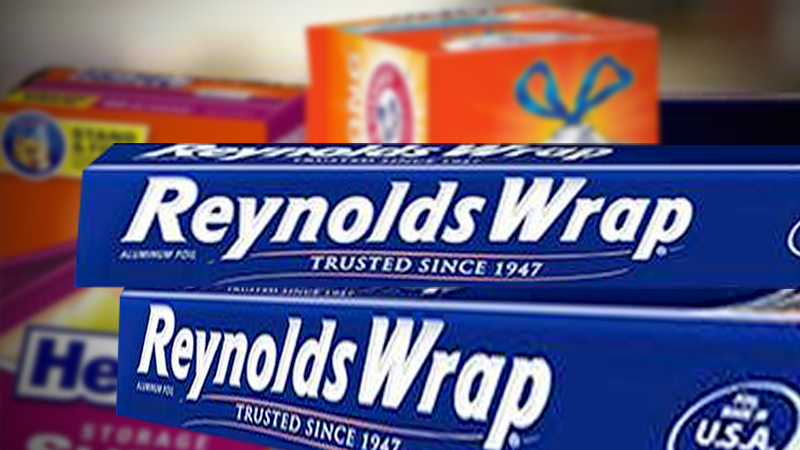
Reynolds Consumer Products Inc., the maker of Reynolds Wrap aluminum foil and Hefty trash bags, rose in its trading debut after raising $1.23 billion in the biggest initial public offering by a household goods maker.

The company’s shares rose Friday as much as 5.8% from the $26 offer price. They were up 4.4% to $27.14 at 10:39 a.m., giving the company a market value of $5.5 billion.

Reynolds, backed by New Zealand billionaire Graeme Hart’s Rank Group, sold 47.17 million shares Thursday after marketing them for $25 to $28.

The offering is the first billion-dollar U.S. listing of the year, as well as an unusual debut for a household goods maker. The listing is the largest ever by a company in that niche, topping the 2014 Brussels listing by soap maker Ontex Group’s 2014 that raised 596 million euros ($659 million) including the so-called greenshoe shares, according to data compiled by Bloomberg.

The Reynolds listing is the biggest test so far this year of investor interest. Also on Thursday, 1Life Healthcare Inc., a provider of tech-driven primary care clinics under the One Medical brand, priced shares at the bottom of a marketed range to raise $245 million.

Next week, drug and biotech research services provider PPD Inc. is seeking to raise as much as $1.62 billion in its IPO. Casper Sleep Inc., one of the leading brands in the so-called bed-in-a-box industry, also plans to go public, with a goal of raising $159 million.

The offerings follow last year’s tech-related IPO surge, led by Uber Technologies Inc.’s $8.1 billion offering, that gave way to a largely disappointing second half.

Peloton Interactive Inc. dropped in its trading debut in September, the same month as WeWork’s share-sale plans were officially withdrawn after its spectacular flop. In November, Canadian waste management firm GFL Environmental Inc. canceled an IPO that targeted as much as $2.1 billion.

Reynolds, based in Lake Forest, Illinois, was formed by Rank Group in 2010, primarily through a consolidation of the earlier Reynolds and Hefty businesses with Presto brands. Unlike many of the so-called unicorns that went public last year, Reynolds is profitable. For the nine months ended Sept. 30, it had net income of $135 million on revenue of $2.1 billion, according to its filings.

The company’s products are used in 95% of U.S. households, according to its filings. Hefty trash bags and related wares accounted for about 39% of its sales in 2018, followed closely by cookware goods including Reynolds foil, which was first sold in 1947 and has 64% of the U.S. market share. Hefty tableware, including disposable cups and cutlery, made up the remaining 24% of revenue.

Reynolds said it plans to grow through improved operational efficiency and through innovation, aiming to generate 20% of its revenue each year from products introduced within the previous three years. The company is also focusing on goods made with recycled, renewable, recyclable and compostable materials, according to its filings.

Reynolds will be controlled by PFL, a subsidiary of a company wholly owned by Hart, according to the company’s filings. PFL will have 77% of the voting rights of Reynolds, which plans to use some of the IPO proceeds to repay debt and for general corporate purposes.

The offering was led by Credit Suisse Group, Goldman Sachs. and JPMorgan Chase. The shares are trading on the Nasdaq Global Select Market under the symbol REYN.

Credit Suisse power struggle erupts before board meeting #ศาสตร์เกษตรดินปุ๋ย

#ศาสตร์เกษตรดินปุ๋ย : ขอบคุณแหล่งข้อมูล : หนังสือพิมพ์ The Nation

https://www.nationthailand.com/business/30381412?utm_source=category&utm_medium=internal_referral

Credit Suisse power struggle erupts before board meeting

Feb 01. 2020
A Credit Suisse bank branch in Zurich, Switzerland, on Oct. 30, 2019. MUST CREDIT: Bloomberg photo by Stefan Wermuth.

A Credit Suisse bank branch in Zurich, Switzerland, on Oct. 30, 2019. MUST CREDIT: Bloomberg photo by Stefan Wermuth.
By Bloomberg · Patrick Winters, Jan-Henrik Förster, David Hellier 

A power struggle atop Credit Suisse Group is coming to a head.

As the board prepares to meet next week, tensions are mounting between Credit Suisse Chairman Urs Rohner and Chief Executive Officer Tidjane Thiam in the wake of an embarrassing scandal that triggered a regulatory probe into the bank’s culture and management.

Rohner is preparing a list of possible successors to Thiam, according to people familiar with the matter. At the same time, Thiam’s allies have urged Rohner to depart on schedule next year when his term as chairman ends, the people said.

David Herro, deputy chairman at Harris Associates — one of Credit Suisse’s top investors — said in an email that he wants Thiam to stay and that the board will be seeking a replacement for Rohner in 2021 “as per best practice.”

The drama reflects the aftershocks of an episode that rocked the bank last year when it emerged that a top Thiam lieutenant hired spies to track former wealth management head Iqbal Khan. While Credit Suisse called the incident an isolated event, it turned out that the aide, Pierre-Olivier Bouee, also ordered surveillance of former human resources head Peter Goerke.

“The story has no factual basis and is rejected by Credit Suisse,” according to a statement from the Zurich-based bank.

Credit Suisse shares fell as much as 1.3% after the report, sliding to 12.26 francs a share at 4:15 p.m. in Zurich, the lowest lowest since Nov. 1.

An investigation by Swiss law firm Homburger concluded Bouee acted alone, clearing Thiam and prompting Rohner to issue a public apology for the spying, testing a long-standing partnership between the chairman and his CEO. The revelations that followed about the culture at Credit Suisse are adding up — from outbursts by senior managers in Zurich to further disclosures about Thiam’s rift with Khan. Now Bouee is reported by Swiss media to be exploring legal options after being terminated for cause and therefore losing about $4 million in bonuses.

Thiam, who was hired by Rohner in 2015, won shareholder support for stabilizing the franchise by scaling back trading and bolstering wealth management. But while costs have been slashed and the balance sheet strengthened, Credit Suisse stock has lost almost half its value since he took over.

Rohner is working on a plan to replace Thiam, according to a person familiar with his thinking. Emergency and mid-term succession planning for Thiam is in place, though, and no imminent change is expected, according to a another person. As for the chairman’s role, shareholders have asked board members to work on succession within its ranks and find a chairman that works well with the management.

Thiam’s future atop the Swiss bank could ultimately hinge on whether financial regulator Finma decides he’s unfit to retain the position after the spying scandals. Finma has appointed an auditor to review corporate governance and internal communications among executives, a process than can take several months.

Until then, Herro sees no reason to replace Thiam.

“This is no reason to change a successful CEO as he has not been implicated in any wrongdoing,” he said.

While details and the timeline of any leadership changes are still fluid, Rohner plans to step down in April 2021 at the end of his 12-year term, according to people familiar with the matter.

Khan, who was once mentioned as a potential successor to Thiam, has since settled into a top post at UBS Group. But that hasn’t stopped the public spat. The latest twist came in a report that Thiam asked Khan to collect “dirty material” on an executive who criticized him. Thiam took to Instagram to reject the “entirely false and defamatory” reports.

Gloom mounts for Big Oil as Exxon, Chevron disappoint investors #ศาสตร์เกษตรดินปุ๋ย

#ศาสตร์เกษตรดินปุ๋ย : ขอบคุณแหล่งข้อมูล : หนังสือพิมพ์ The Nation

https://www.nationthailand.com/business/30381411?utm_source=category&utm_medium=internal_referral

Gloom mounts for Big Oil as Exxon, Chevron disappoint investors

Feb 01. 2020
A Chevron Corp. sign near Midland, Texas, on March 1, 2018. MUST CREDIT: Bloomberg photo by Daniel Acker.

A Chevron Corp. sign near Midland, Texas, on March 1, 2018. MUST CREDIT: Bloomberg photo by Daniel Acker.
By Syndication Washington Post, Bloomberg · Kevin Crowley, Javier Blas · BUSINESS, US-GLOBAL-MARKETS

Exxon Mobil and Chevron posted the weakest results in years because of disappointing results in almost all of their business lines.

Exxon appeared to defy investor demands for financial discipline and heftier returns by outspending cash flow for the eighth time in 10 quarters. Meanwhile, U.S. rival Chevron registered its steepest loss in a decade due to the shrinking value of North American natural gas fields and weakening performance at overseas refineries and oil projects.

An Exxon Mobil sign at \the World Gas Conference in Washington on June 26, 2018. MUST CREDIT: Bloomberg photo by Andrew Harrer.

An Exxon Mobil sign at \the World Gas Conference in Washington on June 26, 2018. MUST CREDIT: Bloomberg photo by Andrew Harrer.

The pain is far from over: Exxon Chief Executive Officer Darren Woods warned that conditions in its chemical business will continue to be “challenging” through 2020 and predicted the worldwide glut of natural gas will take some time to burn off.

Big Oil is at a critical juncture as investors increasingly fret about the role of fossil fuels in warming the planet. For shareholders, one of the only reasons to own stock in companies like Exxon, Royal Dutch Shell and Chevron is dividends, and confidence in those is undermined by weak quarterly results.

Shares of both U.S. companies plunged as trading opened in New York, with Exxon dropping more than 4% to the lowest since 2010. Chevron slid the most in almost four months. The results were presaged by Shell’s gloomy earnings report on Thursday that prompted the European supermajor to slow share buybacks.

Exxon’s $35 billion-a-year rebuild of its upstream portfolio is swallowing up so much cash that the company is unable to consistently pay dividends from cash flow, leaning heavily on asset sales and borrowing to fund the payout.

Perhaps more ominous for Exxon is that the Permian Basin that was seen as one of the company’s future profit engines is showing signs of trouble. The company’s oil output in the region continued to grow in the fourth quarter, but at a slower pace than before. Meanwhile, its Permian gas output dropped.

The supermajor’s fourth-quarter capital spending exceeded analysts’ estimates by 36%, demonstrating Exxon’s commitment to a raft of new oil and natural gas investments. Excluding the $3.7 billion sale of its Norwegian assets, per-share earnings were 41 cents, the lowest since 2016.

The $355 million loss in chemicals was the first negative return for that business since 2006, according to RBC Capital Markets.

“We expect the market reaction to be negative to this set of results today,” RBC analyst Biraj Borkhataria said in a note to clients. “This leaves the company’s dividend completely uncovered by organic cash flow for another quarter.”

Exxon’s Woods is facing plunging margins in oil refining and chemicals at a time when crude prices have stagnated and natural gas is in free-fall. Refining margins shrank in Europe and Asia while chemical prices are tumbling due to an “unprecedented level” of supply addition, according to Wood Mackenzie Ltd.

Gas makes up almost nearly 40% of Exxon’s overall production. In the U.S., the fuel is trading close to its 1990s lows, while prices for liquefied cargoes heading for Asia have tumbled almost 50% in the past year.

As for Chevron, most of its fourth-quarter loss stemmed from $10.4 billion in previously announced impairments. Profit from the company’s international downstream and upstream divisions also sank.

Chevron Chief Executive Officer Mike Wirth is differentiating the oil explorer from some of its biggest rivals by funding heftier shareholder payouts and buybacks with cash rather than borrowed money.

Carmakers brace for crisis as virus wreaks havoc in China #ศาสตร์เกษตรดินปุ๋ย

#ศาสตร์เกษตรดินปุ๋ย : ขอบคุณแหล่งข้อมูล : หนังสือพิมพ์ The Nation

https://www.nationthailand.com/business/30381409?utm_source=category&utm_medium=internal_referral

Carmakers brace for crisis as virus wreaks havoc in China

Feb 01. 2020
A man crosses a bridge over Suzhou Creek near the Bund, usually a busy commercial and tourism area in Shanghai , on Jan. 29, 2020. MUST CREDIT: Bloomberg photo by Qilai Shen.

A man crosses a bridge over Suzhou Creek near the Bund, usually a busy commercial and tourism area in Shanghai , on Jan. 29, 2020. MUST CREDIT: Bloomberg photo by Qilai Shen.
By  Syndication Washington Post, Bloomberg · Tara Patel, Masatsugu Horie, Chester Dawson

Forget about clinging to hopes that China, the world’s largest car market, will recover from its unprecedented two-year slump anytime soon.

Though concrete estimates on the financial toll of the coronavirus outbreak are still scarce, signs are emerging that the final cost will far outweigh that of the 2003 SARS epidemic, when China’s auto market was one-sixth the size it is today and smaller than that of Japan. Companies from Tesla to Volkswagen and Toyota have warned they anticipate disruptions, while a top parts supplier predicted automakers will cut China production 15% this quarter.

China’s car sales were already heading for the lowest in at least five years before the current outbreak forced authorities to lock down the epicenter of Wuhan city and beyond. Now, it’s unclear when consumers will come back to showrooms as 14 provinces and cities that accounted for almost 70% of the country’s gross domestic product shut businesses and factories until at least the second week of February.

“The risks are enormous because of the sheer weight of China in the global market and its importance to trade,” said Jean-Louis Sempe, a Paris-based analyst at Invest Securities. “Predicting the seriousness of the epidemic is very difficult, but there’s no doubt the impact could be huge on factories, supply chains and domestic car sales.”

Should passenger-vehicle sales in China fall 20% from last year’s 21.4 million units, that would threaten to end the country’s run as the world’s largest auto market, a rank it’s held for more than a decade.

General Motors and Honda are among the manufacturers with factories in the Wuhan region, while state-owned Dongfeng Motor Corp. is headquartered in the city of about 11 million people.

Nissan and Peugeot-maker PSA Group also have assembly plants in Wuhan or the broader Hubei province and are partners with Dongfeng. Robin Zhu, an analyst at Sanford C. Bernstein & Co., singled out Dongfeng PSA as “by far the most exposed” because of the high proportion of vehicles it makes in the area.

“Investors will need to brace for a slowdown in broader activity levels in China,” Zhu said in a Jan. 27 note. “We expect the Chinese auto industry to endure a traumatic next few months.”

Automakers probably will dial back production by 15% in China this quarter after extending holiday shutdowns because of the virus, supplier Aptiv said Thursday. Aptiv, whose customers include GM and Volkswagen, expects its own production to be down 11% from a year ago.

The government extended the annual Lunar New Year holiday break — with its workplace closures — by several days to curb potential exposure. Tesla was among the companies saying they’re monitoring potential supply-chain interruptions for cars built outside China, as well.

“This will be horrendous in the supply chain, it’s going to be awful for companies and it will show in their quarterly reports and global strategy going forward,” said Rosemary Coates, a supply chain consultant and executive director of the Reshoring Institute, a non-profit focused on expanding manufacturing in the U.S. “It’s going to show and it’s going to hurt.”

The epidemic comes at a delicate time for the car industry, which faces sales slumps also beyond China, and pressure to make heavy investments in electric and self-driving cars. Compounding the danger for automakers is the overall economic slowdown, with the virus potentially shaving more than 1 percentage point off first-quarter growth in China’s gross domestic product.

China also is the world’s biggest market for electric vehicles. The demand for EVs and traditional premium models will suffer the most because sales of those vehicles are concentrated in the biggest cities, which happen to be the ones most affected by the epidemic, Zhu said.

The effect is felt far beyond the Wuhan region. Tesla expects a potential 10-day delay in production ramp-up at its new Shanghai plant — its first outside the U.S. — because of the government-required shutdown. Chief Financial Officer Zach Kirkhorn said Jan. 29 the delay may also “slightly impact” the company’s profitability this quarter.

GM, Toyota and Volkswagen also closed their plants at least through Feb. 9, taking heed from several provinces that advised companies not to resume operations any sooner than the extended holiday break.

Each month of lost production in China would erode operating profit by about 6.1% at Honda and 11% at Nissan, JPMorgan Chase & Co. estimates. The Chinese operations of Japan-based Aisin Seiki Co. and Koito Manufacturing Co. are among the most exposed to a production stoppage, JPMorgan said in a Jan. 30 note.

In Germany, Wuhan’s links to the global industry were driven home this week when auto-parts supplier Webasto shut its headquarters in the Munich suburb of Stockdorf after at least four staff members became infected following the visit of a Chinese colleague.

Fears about the virus are pressuring foreign governments to repatriate their nationals, and many auto companies have helped with the effort. PSA, Honda and Nissan are evacuating expatriates and their families from the Wuhan area. Most also put limits on travel into China.

While industries such as textiles are able to relocate production quickly, the heavy equipment required in carmaking means it could take auto manufacturers two or three years to move a plant, said Reshoring Institute’s Coates.

“Moving an auto plant or any highly machined products or any sophisticated kind of products — it’s just not gonna happen very fast,” she said. “Even a few days of shutting down a major industrial area like Wuhan is going to affect supply chains around the world.”

Hudson’s Bay chairman tied Europe sale to take-private deal #ศาสตร์เกษตรดินปุ๋ย

#ศาสตร์เกษตรดินปุ๋ย : ขอบคุณแหล่งข้อมูล : หนังสือพิมพ์ The Nation

https://www.nationthailand.com/business/30381398?utm_source=category&utm_medium=internal_referral

Hudson’s Bay chairman tied Europe sale to take-private deal

Feb 01. 2020
By Bloomberg · Scott Deveau 
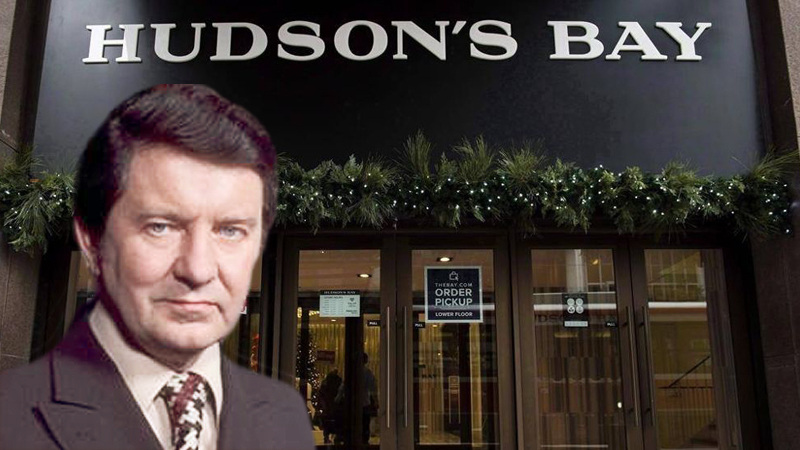
Hudson’s Bay Co. Chairman Richard Baker was in talks about selling the Canadian retailer’s stake in its European business when he started to formulate his own plan to take the owner of Saks Fifth Avenue private, according to a regulatory filing on Friday.

The document offers a look into Baker’s role in the sale of Hudson’s Bay’s stake in a joint venture with Signa Holding that operates German department stores, as well as his subsequent interactions with the board. Proceeds from the Signa deal were needed to help secure financing for the take-private deal, which will be voted on by shareholders next month.

The additional disclosure was mandated by the Ontario Securities Commission in a ruling last month before Baker and his partners could proceed with their efforts to acquire the remainder of the company they didn’t already own.

It illustrates how Baker and his partners moved forward amid a landscape complicated by the declining fortunes of department stores and intense scrutiny from minority investors. Baker and his partners say the deal will give the company greater flexibility to adapt as consumers migrate away from department stores and to online retailers such as Amazon.com.

The Baker group sweetened its bid this month to roughly C$2 billion ($1.5 billion) and reached a truce with investor Catalyst Capital Group, which had opposed the deal’s original terms and filed a complaint with regulators. At the time, Catalyst voiced concerns about the process, including Baker’s interactions with the board. The new proposal will go to a shareholder vote on Feb. 27.

According to the filing, Baker was part of a group of Hudson’s Bay representatives that began exploratory talks to sell the Canadian retailer’s remaining 50% stake in its venture with Signa during February of last year. Shortly after those discussions began, Baker started talks of his own with other Hudson’s Bay shareholders about potentially using some of the proceeds from the sale to help take the retailer private.

Baker and his partners determined that without the proceeds from the deal with Signa, they would unlikely be able to raise the necessary debt to take Hudson’s Bay private.

In March, Baker informed the board’s lead director, David Leith, of his plans to explore taking Hudson’s Bay private. Leith agreed to share limited financial information to Baker and his partners at that time on a confidential basis before informing other board members the following day.

A special committee of the board was then established to review the Signa deal and other possible transactions. The committee did not include Baker or fellow executive, Ian Putnam, who was part of the group trying to take the company private, the document shows.

“While the special committee was aware that any privatization proposal, if received, would be conditional on the Signa transactions, the Signa transactions were not conditional on a privatization transaction proceeding,” the filing states.

The filing also shows how much Baker, his fellow board members, and management will earn through the sale of their options in the deal. The board will make roughly $26.6 million from the sale, including $8.7 million for Baker and $10.2 million for Chief Executive Officer Helena Foulkes. Baker and the other conflicted directors will roll over their stake in the privatization, the document shows.