Glimmer of cheer: Economy perked up slightly in December #ศาสตร์เกษตรดินปุ๋ย

#ศาสตร์เกษตรดินปุ๋ย : ขอบคุณแหล่งข้อมูล : หนังสือพิมพ์ The Nation

https://www.nationthailand.com/business/30381366?utm_source=category&utm_medium=internal_referral

Glimmer of cheer: Economy perked up slightly in December
Jan 31. 2020
By The Nation

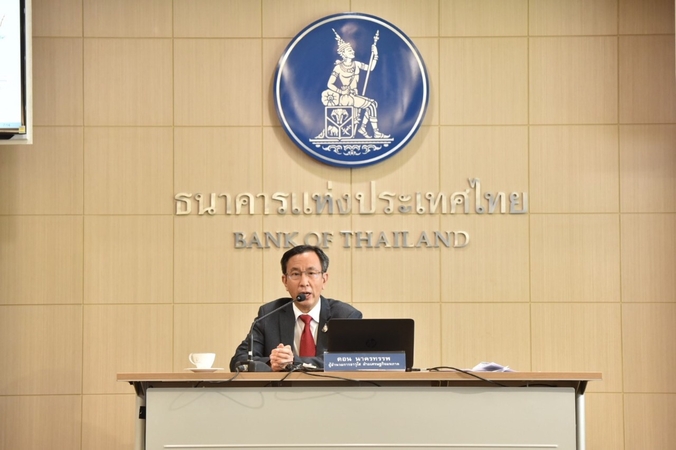
The Bank of Thailand said on Friday (January 31) that the economy showed slight improvement in December.

Its report on Economic and Monetary Conditions for December and the fourth quarter of 2019 said the value of merchandise exports, manufacturing production, private investment indicators and public spending contracted at a slower rate, while private consumption indicators expanded at a pace close to that of the previous month.

Tourism growth was also slower despite the adverse effects of the tour boat tragedy in Phuket abating.

Headline inflation edged up from the previous month, mainly due to slower contraction in energy prices. The seasonally adjusted unemployment rate was unchanged, whereas employment rose in the non-agricultural sectors.

The current account continued to record a surplus. The capital and financial accounts posted deficits from both asset and liability positions.

Details are as follows:

The value of merchandise exports contracted by 1.7 per cent from the same period last year. This was the lower rate from 7.7 per cent in the previous month because –

•    Exports of petroleum-related products contracted at a lower rate due to some oil refineries resuming normal operations after temporary shutdowns, coupled with an increase in global crude oil prices.

•    Exports of electrical appliances and hard disk drive turned into expansion thanks to the relocation of production base to Thailand in the previous periods.

•    Exports of other electronic parts expanded in line with a clearer recovery sign of the electronic cycle.

•    The temporary effect of Chinese New Year arriving earlier than last year.

As a consequence of improved merchandise exports, manufacturing production contracted at a slower pace.

Private investment indicators contracted less than the same period last year. Investment in machinery and equipment did so since imports of capital goods began rising.

However, domestic machinery sales and the number of newly registered motor vehicles continued to fall significantly.

Meanwhile, investment in construction began to grow from both permitted construction areas and construction material sales.

Private consumption indicators expanded at a pace close to that of the previous month. Spending on services accelerated due to benefits from the government’s tourism stimuli and the longer holidays in December.

Meanwhile, spending on semi-durable goods turned positive mainly in imported garments. But spending on non-durable goods contracted, partly due to government welfare card benefits.

Spending on durable goods continued to contract in vehicle sales, in line with softening non-farm income and consumer confidence, together with financial institutions’ tightening of credit standards for consumer loans after credit quality deteriorated.

The value of merchandise imports was up by 1.8 per cent from the same period last year, improving in almost all categories, particularly turbo-jets and parts, telecommunication equipment, fuel and garments and jewellery and a rise in the global crude oil price.

Foreign tourist arrivals expanded by 2.5 per cent, attributable to visa-on-arrival fees being waived, which encouraged more visitors from China, India and Taiwan, together with rising interest from Laos, Japan, South Korea and Russia.

Public spending excluding transfers contracted less in current expenditures. Capital expenditures contracted at a higher rate. Current spending on goods and services and the government’s capital spending were affected by delays in approving the fiscal 2020 budget. However, state enterprises’ capital spending accelerated as the government expedited disbursement.

วันที่ 31 ม.ค. 2563 ข่าวเศรษฐกิจ-ธุรกิจ #ศาสตร์เกษตรดินปุ๋ย

#ศาสตร์เกษตรดินปุ๋ย : ขอบคุณแหล่งข้อมูล : หนังสือพิมพ์โพสต์ทูเดย์

https://www.posttoday.com/economy

DITP ชวนชิมไอศกรีมสุดล้ำ ในเทศกาลงานออกแบบกรุงเทพฯ

กรมส่งเสริมการค้าระหว่างประเทศ (DITP) สร้างมิติใหม่อุตสาหกรรมอาหารไทย โปรโมทงาน “THAIFEX-Anuga Asia 2020” นำไอศกรีม Thongdee ที่ผ่านการพัฒนาและสร้างสรรค์จากสตูดิโอ ด้านการออกแบบชื่อดังของไทย 4 แห่ง ได้ผลงาน 4 ชนิด ไปให้คนไทยและนักท่องเที่ยวได้ทดลองชิมและลิ้มลอง มั่นใจตอบโจทย์อาหารยุคใหม่แห่งอนาคต

วันที่ 31 ม.ค. 2563 เวลา 14:31 น. | ข่าวเศรษฐกิจ-ธุรกิจ
กนอ.เซ็นสัญญาปิ่นทองฯ ตั้งนิคมใหม่ 'ปิ่นทอง 6' รองรับ EEC
กนอ.เซ็นสัญญาปิ่นทองฯ ตั้งนิคมใหม่ ‘ปิ่นทอง 6’ รองรับ EEC

การนิคมอุตสาหกรรมแห่งประเทศไทย (กนอ.) จับมือ บริษัท ปิ่นทองฯ จัดตั้งนิคมอุตสาหกรรมปิ่นทอง บนพื้นที่กว่า 1,300 ไร่ ด้วยเม็ดเงินลงทุน 2,625.78 ล้านบาท รองรับอุตสาหกรรมเป้าหมาย S-Curve ภายใต้มาตรการส่งเสริมเขตพัฒนาพิเศษภาคตะวันออก (อีอีซี)

วันที่ 31 ม.ค. 2563 เวลา 14:12 น. | ข่าวเศรษฐกิจ-ธุรกิจ
'บำรุงราษฎร์' เข้มมาตรการป้องโคโรนาไวรัส ตั้งเทอร์โม สแกน-หน่วยคัดกรองผู้ต้องสงสัยนานาชาติ
‘บำรุงราษฎร์’ เข้มมาตรการป้องโคโรนาไวรัส ตั้งเทอร์โม สแกน-หน่วยคัดกรองผู้ต้องสงสัยนานาชาติ

หลังจาก WHO ประกาศให้ การแพร่ระบาดโคโรนาโคไวรัส เป็นภาวะฉุกเฉินด้านสาธารณสุขระดับโลก ด้าน “บำรุงราษฎร์” โรงพยาบาลเอกชนระดับสากล ซึ่งมีผู้ป่วยนานาชาติที่ต่างเข้ามาใช้บริการในหลักแสนรายต่อปี ได้ออกมาเข้มมาตรการป้องกันพร้อมคัดกรองผู้ต้องสงสัยจากโคโรนาไวรัส ออกจากผู้เข้ามาใช้บริการปกติ ภายในโรงพยาบาล

วันที่ 31 ม.ค. 2563 เวลา 13:45 น. | ข่าวเศรษฐกิจ-ธุรกิจ

วันที่ 30 ม.ค. 2563 ข่าวเศรษฐกิจ-ธุรกิจ #ศาสตร์เกษตรดินปุ๋ย

#ศาสตร์เกษตรดินปุ๋ย : ขอบคุณแหล่งข้อมูล : หนังสือพิมพ์โพสต์ทูเดย์

https://www.posttoday.com/economy

ไทยสมายล์ ยกเลิกเที่ยวบินไปกลับจีน3เส้นทาง

ไทยสมายล์ แจ้งยกเลิกเที่ยวบินเข้า-ออกประเทศจีนชั่วคราว ตั้งแต่วันที่ 1-29 กุมภาพันธ์ 2563

วันที่ 30 ม.ค. 2563 เวลา 20:11 น. | ข่าวเศรษฐกิจ-ธุรกิจ
'กลุ่มบีทีเอส' คว้าประมูลอู่ตะเภา เสนอผลตอบแทนรัฐดีที่สุด คาดเซ็นสัญญาได้ มี.ค. 63
‘กลุ่มบีทีเอส’ คว้าประมูลอู่ตะเภา เสนอผลตอบแทนรัฐดีที่สุด คาดเซ็นสัญญาได้ มี.ค. 63

บอร์ดคัดเลือกโครงการสนามบินอู่ตะเภา ประกาศผลข้อเสนอด้านราคา ‘กลุ่มบีทีเอส’ ชนะการประมูล เตรียมเรียกทำสัญญาคาดแล้วเสร็จภายในมี.ค.นี้

วันที่ 30 ม.ค. 2563 เวลา 18:42 น. | ข่าวเศรษฐกิจ-ธุรกิจ
 7 แนวโน้ม ดิจิทัล มาร์เก็ตติง ที่จะเกิดขึ้นในปี 2020
7 แนวโน้ม ดิจิทัล มาร์เก็ตติง ที่จะเกิดขึ้นในปี 2020

แนวทางการตลาดในปีนี้ ถือเป็นทางของ “การตลาดดิจิทัล” โดยเฉพาะตลาดอีคอมเมิร์ซ ที่จะโตพรวดๆ ขณะที่เรื่องของดาต้าเป็นสิ่งที่จำเป็น ส่วนแบรนด์จะเลือกทำ วิดีโอ คอนเทนต์ แต่มีความเฉพาะเจาะจงมากขึ้น และแน่นอนว่าจะได้เห็นค่าโฆษณาดิจิทัลสูงขึ้นเป็นประวัติการณ์

วันที่ 30 ม.ค. 2563 เวลา 18:26 น. | ข่าวเศรษฐกิจ-ธุรกิจ
ปตท.สผ. กำไรปี'62 แตะ 4.8 หมื่นล้าน ทำสถิติปริมาณการขายสูงสุด
ปตท.สผ. กำไรปี’62 แตะ 4.8 หมื่นล้าน ทำสถิติปริมาณการขายสูงสุด

ปตท.สผ.โชว์กำไรปี’62 พุ่ง 40% หลังเดินตามแผนExpand ลุยซื้อกิจการ-เพิ่มลงทุนแหล่งบงกช สร้างความมั่นคงด้านพลังงานให้กับประเทศในระยะยาว ตั้งเป้าปีนี้เพิ่มปริมาณการขายอีก 11%

วันที่ 30 ม.ค. 2563 เวลา 15:40 น. | ข่าวเศรษฐกิจ-ธุรกิจ
'ดีอีเอส' ปลื้มทุนใหญ่สหรัฐฯ ซิสโก้-ไมโครซอฟท์ ขนเงินลงทุนไทยเพิ่ม
‘ดีอีเอส’ ปลื้มทุนใหญ่สหรัฐฯ ซิสโก้-ไมโครซอฟท์ ขนเงินลงทุนไทยเพิ่ม

ซิสโก้ เลือกไทยตั้งศูนย์ Co-Innovation Center แห่งแรกในเอเชีย ปั้นคนไซเบอร์ซิเคียวริตี้ ด้านไมโครซอฟท์ จ่อลงนามเอ็มโอยู ผุด AI/IoT Insider Lab ใน ‘อีอีซี’

วันที่ 30 ม.ค. 2563 เวลา 13:45 น. | ข่าวเศรษฐกิจ-ธุรกิจ
บอร์ดปิโตรเลียมไฟเขียว แหล่งนงนุช ผลิตน้ำมันดิบ 5 พันบาร์เรลต่อวันเริ่มปี'64
บอร์ดปิโตรเลียมไฟเขียว แหล่งนงนุช ผลิตน้ำมันดิบ 5 พันบาร์เรลต่อวันเริ่มปี’64

กรมเชื้อเพลิงธรรมชาติ อนุมัติพื้นที่ผลิตปิโตรเลียม “นงนุช” ในอ่าวไทย เพิ่มปริมาณการผลิตน้ำมันดิบในประเทศอีกประมาณ 5,000 บาร์เรลต่อวัน

วันที่ 30 ม.ค. 2563 เวลา 11:30 น. | ข่าวเศรษฐกิจ-ธุรกิจ
บริดจสโตน กางแผนปี 63 ลุยรับมือเศรษฐกิจไทย

บริดจสโตน เดินหน้าผู้นำตลาดยางรถยนต์ กางแผนปี 63 ดำเนินธุรกิจแบบครบวงจร ลุยรับมือภาวะเศรษฐกิจไทยปัจจุบัน

วันที่ 30 ม.ค. 2563 เวลา 11:08 น. | ข่าวเศรษฐกิจ-ธุรกิจ

H&M family stung by stagnant stock hands leadership to new CEO #ศาสตร์เกษตรดินปุ๋ย

#ศาสตร์เกษตรดินปุ๋ย : ขอบคุณแหล่งข้อมูล : หนังสือพิมพ์ The Nation

https://www.nationthailand.com/business/30381343?utm_source=category&utm_medium=internal_referral

H&M family stung by stagnant stock hands leadership to new CEO

Jan 31. 2020
A pedestrian carries a Hennes & Mauritz shopping bag as they pass an Arket clothing store in Gothenburg, Sweden, on Aug. 24, 2019. MUST CREDIT: Bloomberg photo by Fredrik Lerneryd.

A pedestrian carries a Hennes & Mauritz shopping bag as they pass an Arket clothing store in Gothenburg, Sweden, on Aug. 24, 2019. MUST CREDIT: Bloomberg photo by Fredrik Lerneryd.
By Syndication Washington Post, Bloomberg · Anton Wilen, Benedikt Kammel 

Hennes & Mauritz appointed Helena Helmersson as the first female chief executive officer of the fast-fashion pioneer, taking over from founding family scion Karl-Johan Persson, who struggled to contain competition from cheaper rivals and online platforms that revolutionized shopping.

Helmersson was previously head of operations, and Persson moves to the supervisory board after more than a decade, where he succeeds his father, Stefan Persson, as chairman. Stockholm-based H&M announced the changes as it reported quarterly earnings that beat analyst estimates, pushing the shares to their biggest gain in more than seven months.

The stock move is a much-needed boost for investors who have watched H&M shares gain just 10% during Persson’s tenure, while rival Inditex, the owner of Zara, has surged almost fourfold in the period. Long the go-to place for Scandi-inspired, well-designed staples like blouses and jeans, H&M has ceded its pacemaker role to the likes of Primark that undercut it in price, or Internet specialists like Asos Plc and Zalando SE that promised shoppers more instant gratification.

Inditex also pioneered the concept of branching out into sub-brands for different tastes and budgets. H&M has emulated the idea with units including COS or Arket, which aim at a wide-ranging shopping experience, selling everything from clothing to make-up to home-decoration trinkets like candles and flower pots.

When Persson, 44, took over in 2009, he was in his early 30s and had spent a few years on the company board, overseeing expansion, business development as well as brands and new business. At the time, H&M enjoyed major successes recruiting seasonal guest designers ranging from Karl Lagerfeld to Roberto Cavalli, collaborations that were huge hits because they offered luxury-fashion names at ultra-competitive prices.

But the going got tougher over the years. Physical shops began looking outdated, the guest-designer concept was running out of force and acquisitions like Cheap Monday, the company’s first-ever, flopped. Moving into home decoration, a lucrative niche where Zara and more upmarket brands like Armani had long established themselves, proved hard, as was the shift to online. As a result, inventory built up, forcing the company into a series of missed targets and profit warnings in recent years.

The Persson family retains outsize control over the company. Founded by Erling Persson in 1947, the family is by far the biggest shareholder and has steadily lifted its stake over the years, particularly after operational troubles depressed the stock. Stefan Persson, who took over from Erling, ran the business for more than a decade. He’s the richest Swede, and ranks 15th in Europe, with a net worth of about $19.7 billion, according to the Bloomberg Billionaires Index.

Helmersson is herself a long-standing H&M employee. She started in 1997 as an economist in the company’s purchasing department, and did a five-year stint as sustainability manager. She’s been COO for just over a year.

“I feel confident in handing over the CEO role to Helena, who is an experienced and great leader who embodies our values,” Persson said. “Helena will continue to work on the plan that we have adopted for 2020 and onwards.”

The timing of the handover suggests H&M may be through the worst. The retailer said fewer markdowns contributed to an improvement in profit for the full year and in the fourth quarter, leading to a pretax profit of to 5.4 billion kronor ($561 million) in the three months through November, more than the 4.8 billion kronor that analysts had expected.

Over the past year, shares in H&M have gained more than 35%, beating the OMX Stockholm index, which is up 19%. Of the 33 analysts surveyed by Bloomberg, seven recommend buying H&M stock, while the rest are advising clients to either hold on to the shares they have or sell.

Unilever reviews future of Lipton tea #ศาสตร์เกษตรดินปุ๋ย

#ศาสตร์เกษตรดินปุ๋ย : ขอบคุณแหล่งข้อมูล : หนังสือพิมพ์ The Nation

https://www.nationthailand.com/business/30381323?utm_source=category&utm_medium=internal_referral

Unilever reviews future of Lipton tea

Jan 31. 2020
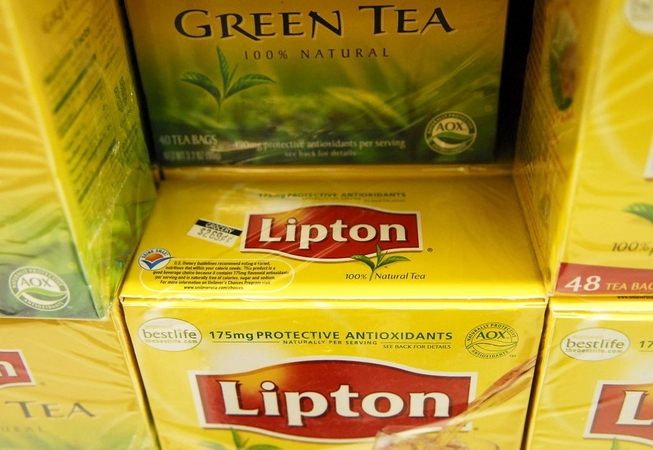
Boxes of Lipton tea sit on display in an Associated Supermarket in New York on July 9, 2007. MUST CREDIT: Bloomberg photo by Andrew Burton.

Boxes of Lipton tea sit on display in an Associated Supermarket in New York on July 9, 2007. MUST CREDIT: Bloomberg photo by Andrew Burton.
By Syndication Washinton Post, Bloomberg · Thomas Buckley

As the flat white trounces black tea, Lipton owner Unilever is weighing a sale of one of its best-known brands.

The Anglo-Dutch giant initiated a review of its global tea business, which includes the more than century-old label and generates sales of almost 3 billion euros ($3.3 billion). The move comes after the company’s slowest quarterly growth in a decade.

Unilever is following a consumer shift to coffee as a primary source of caffeine, with takeaway cafes proliferating from London to Beijing and capsule-spewing espresso machines supplanting kettles on kitchen counters around the world.

In the U.K., almost 900 million fewer cups of tea were drunk over the 12 months through May 2018, according to trade publication The Grocer. Even those who eschew coffee are giving a pass to the traditional cup of English Breakfast or Earl Grey, opting for herbal alternatives.

Demand for black tea has been “slowing in developed markets for several years due to changing consumer preferences,” Chief Financial Officer Graeme Pitkethly said on a call. The strategic review “could include a whole range of options — no ownership, partial ownership.”

The review accelerates Chief Executive Officer Alan Jope’s restructuring of the owner of Dove soap and Ben & Jerry’s ice cream, which has been hurt by sluggish demand for big brands. Under predecessor Paul Polman, Unilever sold its margarine and spreads business to KKR & Co. for about $8 billion. The company tried to profit from growth in herbal tea by acquiring the Pukka brand in 2017.

The shares rose as much as 1.6% early Thursday in Amsterdam. The tea review is expected to conclude by midyear.

The company posted 1.5% growth in underlying sales in the fourth quarter, just above a consensus analyst estimate but still the slowest in a decade. For the full year, sales declined 0.5% in the developed world as shoppers switched to supermarkets’ own-label products and higher-priced niche products.

Rival Nestle, which has a portfolio of coffee brands including Nescafe and Nespresso, has also launched a sweeping overhaul of its overall lineup, including recent deals to divest portions of its luncheon-meat and ice cream businesses. In 2017, Starbucks Corp. announced that it would close all of its 379 mall-based Teavana stores due to persistent underperformance.

Unilever’s strategic review of tea suggests there might be “wider action on the portfolio,” Jefferies analyst Martin Deboo said in a note.

Jope has been quicker than his predecessor to rethink Unilever’s business. In 2014, Polman separated the spreads business into a standalone unit, but it wasn’t sold until three years later, after Unilever rejected an unsolicited takeover approach for the whole company from Kraft Heinz Co.

Unilever’s personal-care business, the company’s largest, is struggling too. In the latest period it was hurt by weak pricing of shampoo and other hair products in the U.S.

The souring performance comes a month after Jope warned investors that sales gains would be below earlier guidance in 2019 and in the lower half of its expected range this year.

The results cap a tough first year at the helm for Jope. The company will act faster on backing new products when they’re successful or divesting them when they’re not, he said on a conference call with analysts. Managers can tell after about 100 days whether a new product is worth more investment or should be discontinued.

Tea has been around much longer, but now looks like it could be one of the first targets for Jope’s cull.

“It has been significantly dilutive to growth for the past ten years,” the CEO said on a call.

Apollo shares drop after executives give lackluster guidance #ศาสตร์เกษตรดินปุ๋ย

#ศาสตร์เกษตรดินปุ๋ย : ขอบคุณแหล่งข้อมูล : หนังสือพิมพ์ The Nation

https://www.nationthailand.com/business/30381333?utm_source=category&utm_medium=internal_referral

Apollo shares drop after executives give lackluster guidance

Jan 31. 2020
By Syndication Washington Post, Bloomberg · Sabrina Willmer 
Apollo Global Management fell the most in more than two years after executives said net realized performance fees this year may be in line with 2019 levels in part because the firm closed on asset sales earlier than expected.

The shares tumbled as much as 9.1%, the biggest intraday drop since November 2017. They traded at $47.14 at 12:05 p.m. in New York, down 7.9%. Rivals Blackstone Group Inc. and KKR & Co. were down roughly 2%.

Margins should also be similar to last year, executives said on the company’s fourth-quarter conference call.

The comments came after the firm reported earnings that exceeded estimates. Private equity firms are raking in record sums as yield-starved investors seek to bolster returns. Apollo took in $10.5 billion in capital during the period, bringing fundraising for the year to $64 billion, according to a statement Thursday.

Apollo, led by billionaire Leon Black, managed to benefit from asset sales during a period of high valuations. The New York-based company returned $5.5 billion to investors in the quarter, more than double the year-earlier period. The increase was driven in part by the sale of digital infrastructure company Presidio Inc. for $2.2 billion.

Yet as asset prices rise it has become more difficult for buyout firms to put their money to work. Dry powder, or uncommitted capital, at Apollo stood at $46.4 billion, the company said.

The stock almost doubled last year as the company switched from a partnership to a corporation.

Here are some additional earnings results:

– Total assets under management climbed to $331 billion driven by $10.5 billion of inflows during the quarter, primarily from growth of Athene and across the credit platform.

– Distributable earnings rose to $1.10 cents a share, beating the average analyst estimate of 73 cents.

– Apollo’s private equity portfolio appreciated 4% in the quarter and 16% for the year.

– Credit strategies took in $40 billion of fee-generating capital during the year.

Nissan-Renault maps out fresh start for troubled car alliance #ศาสตร์เกษตรดินปุ๋ย

#ศาสตร์เกษตรดินปุ๋ย : ขอบคุณแหล่งข้อมูล : หนังสือพิมพ์ The Nation

https://www.nationthailand.com/business/30381329?utm_source=category&utm_medium=internal_referral

Nissan-Renault maps out fresh start for troubled car alliance

Jan 31. 2020
Pedestrians walk across a footbridge in front of the Nissan Motor Co. headquarters in Yokohama, Japan, on Jan. 9, 2020. MUST CREDIT: Bloomberg photo by Toru Hanai.

Pedestrians walk across a footbridge in front of the Nissan Motor Co. headquarters in Yokohama, Japan, on Jan. 9, 2020. MUST CREDIT: Bloomberg photo by Toru Hanai.
By Syndication Washington Post, Bloomberg · Chester Dawson, Tsuyoshi Inajima, Tara Patel

The alliance between Nissan, Renault and Mitsubishi Motors agreed to coordinate strategies and name leaders for regions and technologies, moves clearly designed to reverse managerial paralysis and a rapid deterioration in profitability over the past year.

The companies’ mid-term plans will be disclosed around May, they said in a statement Thursday following a meeting in Japan, adding that the alliance is “essential” for growth. Nissan will be the so-called reference for China, Renault for Europe and Mitsubishi for Southeast Asia, while one company will lead development for each key technology, they said.

“We are not performing as expected” in the alliance, Nissan Chief Executive Officer Makoto Uchida told reporters after the meeting.

The Franco-Japanese partnership, which came close to collapse last year following the arrest of former leader Carlos Ghosn, also had to digest some sobering news when confirmation came Thursday that their sharp drop in combined unit sales last year had pushed them behind industry leader Volkswagen and No. 2-ranked Toyota. The meeting of their senior leadership was the first since Ghosn’s dramatic escape last month from Japan, where he faced charges for alleged financial crimes during his tenure, and Renault named a new CEO.

Combined global deliveries for the alliance fell 5.6% to 10.2 million vehicles in 2019, below Toyota’s 10.7 million vehicle sales for the first time since 2016 and the 10.9 million sold last year by Volkswagen. Toyota’s sales climbed 1.4% and VW’s gained 1.3%.

“We all share the sense of urgency,” Jean-Dominique Senard, Renault’s chairman, told reporters, adding that the meeting took a close look at what was going well and what can be improved in the partnership.

Senard has made patching up differences within the alliance a priority, and has said new governance and management at Nissan have improved their working relationship. The ouster of Ghosn, the former chairman of all three automakers, revealed long-simmering tension stoked by Renault and Nissan’s lopsided cross-shareholdings.

Yet Nissan has shown few signs of willingness to move on, vowing to pursue legal action against its former boss who kept the partnership together. But as the largest and most profitable member of the alliance, Nissan risks distracting from efforts to revitalize its troubled operation should its management spend their energy settling scores with its former leader.

“Nissan already has a lot of problems with its core business and the focus on Ghosn is a big distraction for management,” said Christopher Richter, CLSA’s deputy head of Japan research.

Shares of Nissan have declined about 40% since Ghosn’s arrest in November 2018, erasing 1.74 trillion yen ($16 billion) in market value, while Renault has declined about 45% or 8.5 billion euros ($9.4 billion).

Turning around sales in the U.S. and Japan is all the more urgent due to the spread of a deadly virus in China that may further depress already weak demand in the world’s largest car market, which accounted for 28% of Nissan’s global sales last year. The outbreak originated in Hubei province, one of China’s major auto hubs and home to assembly plants operated by Nissan, Honda Motor Co., Peugeot-maker PSA Group and General Motors Co.

“Nissan has large exposure to China,” said Tatsuo Yoshida, a Bloomberg Intelligence analyst. “China is a major source of profits, while Nissan’s businesses in other parts of the world are barely making money.”

In its home country of Japan, Nissan dealers say the Ghosn scandal has tarnished the company’s image and hurt sales. A steady drip of Ghosn-related news, as well as the recent departure of one of the company’s chief operating officers, have dominated headlines over the past month.

On Thursday, prosecutors issued another arrest warrant for Ghosn, saying that he left the country illegally when he snuck aboard a private jet in Kansai International Airport and flew to Lebanon.

American dealers want the company to close the chapter on the Ghosn era and concentrate on rebuilding the once highly profitable but now sagging U.S. business.

“You wonder what the hell is going on, but it doesn’t affect our relationship with customers. I haven’t had one customer come in and mention Ghosn. That’s old history,” said Rhett Ricart, owner of a Columbus, Ohio-based auto dealer group with a Nissan franchise.

Nissan’s Uchida received an earful in a 90-minute meeting in Nashville earlier this month, where U.S. dealers sounded off about the company’s ill-fated attempt to grab market share with aggressive incentive spending and Nissan’s aging product line.

“The dealers said what they had to say and it got rough at times, but it was respectful,” Geri Lynn, owner of a Nissan dealership near New Orleans, said she heard from two people with first-hand knowledge of the meeting.

Azusa Momose, a spokeswoman for Yokohama-based Nissan, declined to comment.

“One of the things dealers have not been happy about is that the product has gotten a bit stale,” Lynn said, adding that is expected to change this year with several model changes.

The long-awaited series of new vehicle launches aims to reinvigorate one of the industry’s oldest product line-ups, including a restyled version of Nissan’s best-selling Rogue compact SUV.

A manager of a dealership in central Tokyo, who asked not to be identified, said his franchise has been forced to rely on steep discounts and sales of add-on options to make ends meet amid a drought of new product. The Ghosn affair has also hurt business by damaging the company’s image, he said.

The power vacuum resulting from a series of management shake-ups in the wake of Ghosn’s arrest in late 2018 has slowed decision-making and unnerved dealers in the U.S. and Japan. Uchida took over Nissan in October and Renault on Tuesday appointed former VW executive Luca de Meo as its next CEO, starting in July.

Grab brings ‘Mini-GC’ to secondary cities, provinces in Thailand #ศาสตร์เกษตรดินปุ๋ย

#ศาสตร์เกษตรดินปุ๋ย : ขอบคุณแหล่งข้อมูล : หนังสือพิมพ์ The Nation

https://www.nationthailand.com/business/30381309?utm_source=category&utm_medium=internal_referral

Grab brings ‘Mini-GC’ to secondary cities, provinces in Thailand

Jan 30. 2020
Grab Thailand, led by head of Bike-Hailing Operations Maythinee Anavachkul, introduced a new business model, Mini-Grab Centre or

Grab Thailand, led by head of Bike-Hailing Operations Maythinee Anavachkul, introduced a new business model, Mini-Grab Centre or “Mini-GC”, offering business opportunities for Thai micro-entrepreneurs, small and medium-sized businesses (MSMEs).
By THE NATION

Grab, the top everyday-everything super app in Southeast Asia, has kicked off 2020 by announcing its expansion plan to more secondary cities and provinces across Thailand through a new, innovative Mini-Grab Centre business model or “Mini-GC”.

This strategic move will not only accelerate the expansion of Grab’s business operations to a total of 30 provinces within this year, but also more importantly, expand the benefits of 4.0 and the digital economy to millions of local micro-entrepreneurs, as well as Micro, Small and Medium-sized Enterprises (MSMEs).

Grab will open up business opportunities for these MSMEs to set up Mini-GCs and serve as Grab official agents to recruit, oversee and support driver, delivery and merchant-partners.

This will allow Grab to meet the hyperlocal needs of its partners more effectively, and at the same time, enhance their service quality so that they can continue to outserve Grab users nationwide.

Tarin Thaniyavarn, Country Head of Grab Thailand, commented: “2019 was a golden year for Grab Thailand. We experienced phenomenal growth across all business verticals, from on-demand ride-hailing to food and package delivery services”.

“We are also playing our part in driving the cashless economy through our GrabPay mobile wallet. We have constantly innovated and introduced many new services in response to today’s consumer needs including GrabCar Premium that offers classy, comfy rides at affordable prices for business users, Grab Drive Your Car – a personal car driver service, and on-demand grocery delivery services through partnership with Tops Supermarket,” he added.

Grab is currently operating across 20 provinces, and we look forward to uplifting the livelihoods of more Thais with our expansion, he said.

For the online food delivery industry valued at Bt35 billion, GrabFood has played a significant role in empowering MSMEs to tap on the growth opportunities of the booming digital economy.

In response to strong consumer demand, Grab Thailand spearheaded its expansion with GrabFood service to secondary cities outside Bangkok last year, reaching 14 provinces across Thailand in less than one year.

At present, one third of the total food orders via GrabFood are from users in secondary cities.

“This year, we will continue to expand our services across 30 provinces through Mini-GC. We believe that this model will allow us to scale our successful hyperlocal approach nationwide and better adapt to the different needs of our partners and users in different provinces”.

“Thailand is the first country for Grab leveraging this innovative business model to create long-term, sustainable growth while offering better opportunities for local MSMEs to own and grow their businesses,” added Tarin.

Maythinee Anavachkul, head of Bike-Hailing Operations and Mini-GC of Grab Thailand, said that owners of mini-GCs will take responsibility of recruiting and onboarding driver, delivery and merchant-partners smoothly, with Grab providing oversight and support.

Training and technological support will also be provided while a dedicated Grab team will work closely with each centre to set the bar for the highest service quality standards.”

The three key criteria for the selection of a Mini-GC owner include:

Financial stability – having a certain capital to operate their own business.

Ability to source proper location and set up the centre.

Entrepreneurial mindset – possessing strong business acumen that aligns with Grab business philosophy.

The mini-GC model has been piloted since the end of 2019. This initiative has proven effective in business expansion and received positive feedback from our driver-partners. Currently, 24 Mini-GCs have been successfully set up in Bangkok and its vicinity, and Grab plans to double the number of the centres within this year.

PTTEP net profit surges 40% from strategic acquisitions #ศาสตร์เกษตรดินปุ๋ย

#ศาสตร์เกษตรดินปุ๋ย : ขอบคุณแหล่งข้อมูล : หนังสือพิมพ์ The Nation

https://www.nationthailand.com/business/30381307?utm_source=category&utm_medium=internal_referral

PTTEP net profit surges 40% from strategic acquisitions

Jan 30. 2020
By THE NATION

PTT Exploration and Production (PTTEP) reported a net profit of US$1.569 billion last year, representing an increase of 40 per cent year on year, due mainly to growth in sales volume and capacity following new acquisitions and the purchase of additional stakes in the Bongkot field.

The reserve-to-production (R/P) ratio also rose to 7.5 years, ensuring steady growth of the company and energy security of Thailand in the long run. PTTEP targets to raise sales volume by 11 per cent in 2020.

Phongsthorn Thavisin, president and chief executive officer, said total revenue last year amounted to $6.413 billion, increasing from $5.459 billion in 2018 or a rise of 17 per cent, resulting mainly from the acquisitions of Murphy Oil Corporation’s assets in Malaysia and Partex Holding BV.

Consequently, the average sales volume last year reached 350,651 barrels of oil equivalent per day (BOED) or an 15-per cent increase from 305,522 BOED in 2018.

Meanwhile, the average selling price also slightly improved from $46.66 per barrel of oil equivalent (BOE) in 2018 to $47.24 BOE in 2019.

Due to the higher sales volume in 2019, PTTEP’s net profit hit $1.569 billion, a 40-per cent increase from US$1.120 billion in 2018.

PTTEP’s financial position remains strong with operating cash flow of $3.540 billion while Earnings before Interest, Tax, Depreciation, and Amortization (EBITDA) margin stands at 71%.

Phongsthorn Thavisin

Phongsthorn Thavisin

Phongsthorn said the “expand” strategy which included both domestic and international acquisitions and winning bids, drove the average sales volume to reach an record high of 350,651 BOED last year.

This successful strategy also improved the company’s proven reserves (P1) from 677 million BOE (MMBOE) to 1,140 MMBOE, representing a 68 per cent surge from 2018 and at the same time, pushing up the R/P ratio from 5 to 7.5 years.

“In addition to higher petroleum sales volume, we have also increased petroleum reserves as targeted. We are capable of adding more reserves in the future if our exploration projects are proved successful. This is not only building growth for PTTEP but also elevating the country’s energy security in the long term. This year, PTTEP targets to raise the average sales volume by 11 per cent,” said Phongsthorn.

Based on the company’s performance, the board of directors on Thursday (January 30) approved a total dividend payment of Bt6 per share for 2019.

PTTEP had already paid an interim dividend for the first six months of Bt2.25 per share. Dividend for the second half of 2019 will be paid at Bt3.75 per share on April 10, 2020, after obtaining approval from the 2020 Annual General Shareholders’ Meeting.

Share registration date for the right to receive the dividend is scheduled for February 14, 2020.

In 2020, PTTEP will focus on smooth transitions of the newly-acquired projects, especially the G1/61 (Erawan) and G2/61 (Bongkot), to ensure timely delivery of petroleum as stated in the profit-sharing contracts.

The preparation includes drilling plans, construction of production platforms and gas pipelines, as well as other related activities.

For the Erawan field, PTTEP is now working closely with the existing concessionaire and the Department of Mineral Fuels to ensure production continuity during the transition period.

PTTEP also plans to accelerate exploration activities in high potential areas including Malaysia and Myanmar, such as the Myanmar MD-7 project and the Lang Lebah-1RDR2 exploration well in Malaysia’s block Sarawak SK410B, where it made the biggest gas discovery in the company’s history. Also a priority is the other nearby exploration projects in Malaysia which PTTEP plans to develop as a cluster.

Furthermore, PTTEP will focus on utilising technology to maximise the value of existing projects and proceeding with the developments of the Mozambique Area 1 and the Algeria Hassi Bir Rekaiz projects in line with the long-term growth strategy of the company.

KBank set to buy back 24m shares to solidify capital #ศาสตร์เกษตรดินปุ๋ย

#ศาสตร์เกษตรดินปุ๋ย : ขอบคุณแหล่งข้อมูล : หนังสือพิมพ์ The Nation

https://www.nationthailand.com/business/30381305?utm_source=category&utm_medium=internal_referral

KBank set to buy back 24m shares to solidify capital

Jan 30. 2020
Banthoon Lamsam

Banthoon Lamsam
By THE NATION

Kasikornbank is preparing to repurchase 23.93 million shares at a lower price and pay a dividend, it announced on Thursday (January 30).

The bank said it would use excess liquidity to repurchase up to Bt4.6 billion worth of shares, ensuring a strong capital fund and sufficient liquidity to support long-term operations.

The dividend payment from 2019 operating results will be Bt5 per share, up from Bt4 in 2018.

Chairman Banthoon Lamsam said directors had approved the repurchase in order to manage liquidity for the utmost benefit to the bank and its shareholders, with the number of shares not exceeding 1 per cent of the total paid-up capital.

The repurchase will be conducted on 10 consecutive business days beginning on February 14.

The repurchase price must not exceed the average closing price in the five consecutive business days prior to each repurchase date, plus 15 per cent of the average closing price.

KBank also has a capital adequacy ratio of at 19.62 per cent, sufficiently sturdy to support the implementation of strategic plans and businesses, Basel IV, and factors with potential future impacts.

And it still has sufficient financial liquidity with unappropriated retained earnings of up to Bt299.2 billion.

The share repurchase will lower the bank’s liquid assets and the book value of the shareholders’ equity and enable it to maximise efficiency of its excess liquidity and capital management.

Liquid assets and equity book value will be lowered by the amount equivalent to the repurchased amount, raising the return on equity and the earning per share ratios.

The directors might later decide to resell the repurchased shares through the SET or a public offering, whichever is more appropriate at the time. This would take place between six months and three years of completing the repurchase.

The directors resolved to concur with the dividend payment from 2019 operating results to ordinary shareholders at the rate of B5 per share, of which the bank paid an interim dividend of Bt0.50 per share last September 26.

The bank will on April 10 announced the names of shareholders entitled to be paid the remainder. The dividend payment will be discussed at the shareholders’ annual general meeting and payments will be made on April 30.