Lung doctors join forces to give breath to pulmonary fibrosis patients #SootinClaimon.Com

#SootinClaimon.Com : ขอบคุณแหล่งข้อมูล : หนังสือพิมพ์ The Nation.

https://www.nationthailand.com/life/40006634


The Thoracic Society of Thailand under Royal Patronage, together with the Interstitial Lung Disease and Lung Disease from Occupational and Environmental Diseases (ILD assembly), organized a ‘Fill Up The Air’ live seminar on the ILDs Facebook page to improve awareness and understanding of Fibrotic-ILD (Fibrotic-Interstitial Lung Disease), a rare disease that has become more difficult to detect as a result of COVID-19 during screening, diagnosis and treatment. COVID-19 patients with severely damaged lungs may find their symptoms develop into pulmonary fibrosis which has a high risk of death if not treated early.
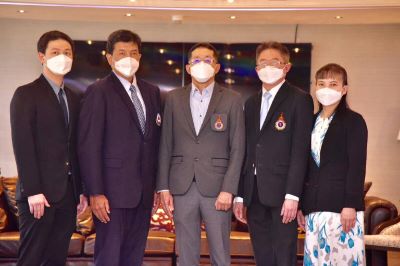
Assoc. Prof. Nitipatana Chierakul, President of Thoracic Society of Thailand under Royal Patronage, said, “Fibrotic-ILD is a rare disease that causes tissue inflammation in the lungs. There have been challenges in screening and diagnosis because symptoms are similar to other lung and respiratory diseases. Medical professionals are more familiar with chronic obstructive pulmonary disease (COPD) in men, congestive heart failure in women, tuberculosis, lung cancer and heart disease. However, the coronavirus outbreak presents even more challenges for doctors and patients because of COVID-19-like symptoms, such as shortness of breath, a dry cough and lung inflammation. But for doctors to make a more accurate diagnosis there needs to be a better understanding of the disease and its symptoms by patients. Tell-tale signs of pulmonary fibrosis include consistent coughing or shortness of breath over an extended period, for example more than two months, especially in non-smokers. Doctors should be looking more carefully at any anomalies or abnormality in lung X-rays, and listen for abnormal breathing sounds at the base of both lungs. They should listen carefully for sounds similar to Velcro being pulled apart, and numb fingers when exercising.
 

During Covid-19 pulmonary fibrosis patients have been additional impacted as they have been unable to attend hospital or had appointments cancelled or postponed, affecting their treatment whether it is access to medication, physical therapy sessions, or receiving oxygen therapy. At times they’ve received pills only by mail, and there has been a shortage of oxygen. The pressure on the healthcare system has also resulted in some patients being diagnosed too late as lung X-rays and biopsy tests take longer to arrange and this has an impact on diagnosis.

Additionally, the lungs are the main organ that COVID-19 will attack, and around 30-50% of all patients develop pneumonia that requires medical attention. Of these, after recovery, one in ten thousand or less may develop pulmonary fibrosis similar to Fibrotic-ILD, which can cause chronic problems. It interferes with the patient’s daily life and is a burden on the family and society.
 

ADVERTISEMENT

Assoc. Prof. Kamon Kawkitinarong, President of the Subcommittee on Interstitial Lung Diseases and Lung Diseases from Work and Environment, said: “Pulmonary fibrosis is a rare disease but is more common in Western countries where the prevalence of the disease is 90-100 people per 100,000 people, but in Thailand no official data is available. However, data from the IPF Registry Project shows there are 131 patients. Inflammation of the lungs is caused by breathing in both organic and inorganic pollutants, as well as internal factors. For example, autoimmune dysfunction may cause inflammation in the lungs. Physical examination history, along with high-resolution computed tomography (HRCT), can be used by doctors to evaluate patient condition. Pulmonary fibrosis has the potential to increase in severity. Invasive type, or PF-ILD (Progressive Phenotype ILD), causes fibrosis or scars around the alveoli and bronchioles. This makes it harder for oxygen to pass through the lungs and bloodstream. The patient will be short of breath and lacking oxygen, the organs will not function fully. Lung scars will not heal back to normal lung tissue condition, meaning that after being diagnosed with pulmonary fibrosis, patients need to visit the doctor regularly to closely monitor the spread of the disease.

The COVID-19 outbreak has affected access to treatment so an official LINE account called ‘Clear Lung’ (O2LUNG) has been set up to help people self-monitor. Patients can record abnormal symptoms and send them to the doctor without having to come to the hospital, while doctors can also publish useful information.”

Assoc. Prof. Chanchai Sittipunt, Vice President of Thoracic Society of Thailand under Royal Patronage, said, “Invasive pulmonary fibrosis is more severe than many cancers. Patients will continue to suffer loss of lung function, increased breathing difficulty and ultimately death when their lungs fail to function or they have a respiratory failure. When comparing the 5-year survival rate of various cancers, around 20% of lung cancer patients survive, 35% of idiopathic pulmonary fibrosis patients survive, 60% of colon cancer patients, 85% of breast cancer 85%, and 87£+% of prostate cancer patients are able to survive. Delayed treatment can significantly increase the mortality rate. For example, if treatment is delayed by one year there is a mortality rate of 8%. However, when delayed for up to two years this rises to 18%, and up to four years sees it rise to 27%. Delaying treatment longer than four years has a mortality rate of 32%.


Currently, there is targeted therapy anti-fibrotic drug approved to cover all three conditions: idiopathic pulmonary fibrosis; pulmonary fibrosis from scleroderma; and invasive pulmonary fibrosis. These can slow the progression of the disease, reduce acute exacerbations, and reduce the number of deaths. Other types of treatment, such as oxygen therapy pulmonary rehabilitation, are used to help patients improve their quality of life. The best way to prevent pulmonary fibrosis is to wear a mask or protective gear if you are at risk and avoid infecting the lungs.”

Mr Anuwat Noreewong, a 78-year-old pulmonary fibrosis patient said, “Pulmonary fibrosis is characterized by extreme fatigue, frequent choking, and persistent coughing that can be so severe it leaves me unable to speak. The disease too a long time to diagnose and the symptoms got worse as the cause could not be found due to symptoms being similar to other diseases. It took me many years to get proper treatment. I am fortunate that my daughter did some research on the Internet and found an expert like doctor Amornpun Wongkarnjana and that’s why I’ve survived. I want to encourage people to be more aware of the disease and recognise the symptoms by themselves, especially during this time of COVID-19. If they believe they suffer from any of these common symptoms they should consult a doctor.”
 

Published : September 25, 2021
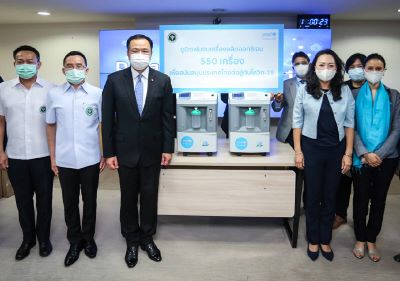
UNICEF provides oxygen concentrators to support Thailand’s fight against COVID-19 #SootinClaimon.Com

#SootinClaimon.Com : ขอบคุณแหล่งข้อมูล : หนังสือพิมพ์ The Nation.

https://www.nationthailand.com/life/40006572


BANGKOK, 23 September 2021 – UNICEF continues its emergency support to Thailand’s COVID-19 response by providing 550 life-saving oxygen concentrators to help treat patients with respiratory diseases.

As COVID-19 cases continue to surge across the country, oxygen concentrators will help COVID-19 patients breathe when they cannot do so on their own. To increase patients’ access to the life-saving gas during this critical time and in the long term, oxygen concentrators worth 17 million baht (US$520,000) are being delivered to hospitals and field hospitals in severely affected areas.

“Responding to this COVID-19 surge requires providing life-saving supplies and equipment, including oxygen support. We all must continue ramping up our collective and immediate efforts to help treat patients and support the most vulnerable,” said Kyungsun Kim, UNICEF Representative for Thailand. “Together with our donors and partners, UNICEF is doing everything we can to deliver support to frontline workers to help save lives and minimize the COVID-19 impact on children and families.”

UNICEF’s emergency support to the COVID-19 response in Thailand so far also includes:

Reaching more than 275,000 disadvantaged children and adults with 607,000 hygiene supplies, including soap, hand sanitizer, alcohol spray, disinfectant and child and adult-size face masks.

Reaching 8,360 vulnerable children including children without parental care, urban poor children and migrant children, with Magic Box and Bag sets of books, toys, learning materials and parental guides to help keep young children learning while at home.

Supporting the establishment of a response system in communities, including community isolation and community childcare centres, as well as mobilizing and training volunteers to track new cases and provide COVID-19 testing, care and mental health support as well as facilitate referrals to health and child protection services in Klongtoey, urban poor communities, migrant communities and at construction sites.

Developing guidelines to support the authorities in minimizing family separation when implementing COVID-19 quarantine and isolation measures to ensure that children are not separated from parents or caregivers.

Supporting the establishment of Centre for Children #COVID-19, which provides appropriate and timely services for children affected by COVID-19, including promoting kinship and foster care for children without parental care.

Organizing training for frontline workers on providing psychosocial support to children to help them cope with grief and loss.

Supporting training of 8,000 community members, leaders and migrant workers in affected communities and at construction sites on COVID-19 prevention and self-care tips.

Distributing COVID-19 information booklets in Thai, Khmer and Myanmar languages to 180,000 children and adults in urban poor and migrant communities.


ADVERTISEMENT

Published : September 23, 2021

Vaccinated pregnant peoples protection passes to babies #SootinClaimon.Com

#SootinClaimon.Com : ขอบคุณแหล่งข้อมูล : หนังสือพิมพ์ The Nation.

https://www.nationthailand.com/life/40006526


Pregnant people who get mRNA vaccines pass high levels of antibodies to their babies, according to a study published in American Journal of Obstetrics & Gynecology – Maternal Fetal Medicine on Wednesday.

The study — one of the first to measure antibody levels in umbilical cord blood to distinguish whether immunity is from infection or vaccines — found that 36 newborns tested at birth all had antibodies to protect against Covid-19 after their mothers were vaccinated with shots from Pfizer-BioNTech or Moderna.

“We didn’t anticipate that. We expected to see more variability,” said Ashley Roman, an obstetrician at NYU Langone Health System and co-author of the study.

The data could help encourage more people to get vaccinated during their pregnancies. Only 30% of pregnant people ages 18 to 49 are vaccinated, according to Centers for Disease Control and Prevention data from Sept. 11, despite growing evidence of prenatal vaccine safety. Given the study’s small sample size, the team is now looking at results from a larger group, as well as how long immunization lasts for infants after birth.

“We pushed this data out relatively early because it’s a unique finding and it has important implications for care,” Roman said. “Right now we’re recommending all pregnant women receive the vaccine for maternal benefit.”

Pfizer and BioNTech’s own study on how their shots affect pregnant people and their babies has been delayed due to slow enrollment, the Wall Street Journal reported Wednesday, citing researchers.

ADVERTISEMENT

Pfizer “stopped enrollment in the U.S. because of recommendations encouraging vaccination of pregnant women,” the drugmaker said in an emailed statement to Bloomberg. It’s looking at sites in countries that don’t advise pregnant people to get shots for possible study sites, according to the statement.

The researchers studied cord blood of 36 fully vaccinated people to look for antibodies to spike protein, which appears after vaccination or getting sick from Covid, and to nucleocapsid protein, which is only present after getting Covid. Prior studies focused on antibodies to the spike protein.

Among the 36 samples the researchers looked at, 31 tested negative for antibodies to the nucleocapsid protein. In other words, 31 pregnant people developed immunity from the vaccine. The other five weren’t tested for nucleocapsid protein, so the researchers can’t conclusively say the immunity was from the vaccine or from natural infection.

The findings show “very encouraging levels of antibody in cord blood,” said Linda Eckert, an obstetrics and gynecology professor at the University of Washington who wasn’t involved in the study. “This is another reason pregnant women should get vaccinated, as we are seeing more disease in younger infants and this is a proactive choice pregnant individuals can make to protect their infants.”

Published : September 23, 2021

FDA authorizes Pfizer-BioNTech coronavirus vaccine booster for older Americans and those at high risk of illness #SootinClaimon.Com

#SootinClaimon.Com : ขอบคุณแหล่งข้อมูล : หนังสือพิมพ์ The Nation.

https://www.nationthailand.com/life/40006522


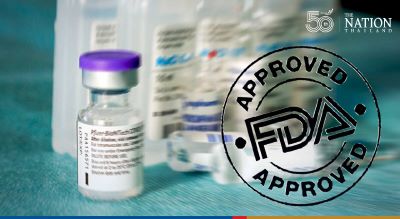
WASHINGTON – The Food and Drug Administration on Wednesday authorized a Pfizer-BioNTech coronavirus booster shot for people 65 and older and adults at risk of severe illness, an effort to bolster protection for the most vulnerable Americans against the highly transmissible delta variant of the virus.

The agency said boosters should be made available to people 18 through 64 years of age at high risk of severe illness from the coronavirus and those “whose frequent institutional or occupational exposure” to the virus put them at high risk of serious complications of the disease caused by the virus.

The agency said the extra dose of the Pfizer-BioNTech vaccine should be administered six months after its standard two-shot regimen.

The FDA, in issuing the emergency clearance, took an approach similar to what was recommended Friday by the agency’s outside panel of vaccine experts. But the agency interpreted the advisory panel’s guidance broadly to cover a larger swath of people.

The FDA action is not the final step before the booster is made available. The Centers for Disease Control and Prevention and its advisers still must recommend in detail who should receive the shots.

The CDC’s Advisory Committee on Immunization Practices met Wednesday to hear data about the safety and effectiveness of a Pfizer-BioNTech booster, and it is expected to make a recommendation for its use when the committee meets Thursday. The decision will hinge in large part on which groups the advisers believe are most at risk of becoming seriously ill from covid-19, the illness caused by the coronavirus.

ADVERTISEMENT

The recommendation from the CDC advisory committee will almost certainly receive a quick endorsement from agency Director Rochelle Walensky. The shots are expected to be available as soon as this week at pharmacies and some doctors’ offices.

The FDA decision Wednesday will help frame the recommendation by the CDC advisory panel on who should get the boosters. The challenge for the CDC advisers “is to make a recommendation that is appropriate from the public health perspective and easy to communicate,” said William Schaffner, an infectious-disease professor at Vanderbilt University School of Medicine and a liaison member of the vaccine advisory panel.

The CDC advisers, in previous meetings, have expressed a strong inclination to prioritize boosters for groups who were among the first to be vaccinated, including front-line health-care workers, people in nursing homes and then the elderly.

Several CDC advisers reiterated Wednesday that the key goal of booster shots should be the prevention of serious disease, not prevention of mild infection.

But Beth Bell, a global health expert at the University of Washington, said the panel should consider the importance of protecting health-care employees from even mild infections because those illnesses would require time off work.

Bell acknowledged that the panel will not be able to address many outstanding questions about boosters, such as the ability to use a Pfizer booster for people who have been vaccinated with the Moderna or Johnson & Johnson products.

“I think it’s extremely important for us to be keeping in mind that . . . these are interim recommendations, and there may be data forthcoming in the near future which might change those recommendations,” she said Wednesday.

The federal action on boosters this week pertains only to Pfizer-BioNTech. Federal officials have suggested that clearance of booster shots for the Moderna and Johnson & Johnson vaccines could happen in a few weeks. An FDA official participating in the CDC advisers meeting, Doran Fink, said the FDA has no data on the safety and efficacy of giving a Pfizer booster to someone who received a different vaccine.

But limiting action to the Pfizer product poses immediate practical challenges for front-line immunization and health workers, issues that surfaced repeatedly during the CDC vaccine advisory committee meeting Wednesday. Nursing home residents and employees, for example, have received Pfizer and Moderna shots.

“In North Dakota, the vast majority [of long-term-care facilities] had a mixture of people that needed both Moderna and Pfizer,” said Molly Howell, director of North Dakota’s immunization program and a liaison member to the CDC panel. “I don’t know that it’s realistic to keep going back with different brands.”

In some states, hospital systems already have been considering or moving forward with boosters before the FDA and CDC decisions.

“Our hospitals here in Alaska and many hospitals in the country are really facing unprecedented choices and decisions about care and trying to weigh the risk-benefit of things like a booster shot versus, you know, waiting,” Anne Zink, Alaska’s chief medical officer, said in a recent interview.

Federal health officials have already authorized a third shot of Pfizer and Moderna vaccines for people with weakened immune systems, such as cancer patients and organ-transplant recipients.

Some Americans, regardless of their health status, have received extra doses by showing up at pharmacies, sometimes on the advice of their clinicians. Consumers are not required to get a prescription or a letter from their doctors for the third shot. More than 2.3 million people have received an additional dose since an extra shot was authorized for people with frail immune systems, according to the CDC.

Limited data from Israel and from one of the U.S. coronavirus vaccine monitoring systems shows there were fewer side effects after a third dose of mRNA vaccines compared with the second dose, according to a presentation to the CDC advisers by Helen Keipp Talbot, an infectious-disease expert at Vanderbilt University who chairs the advisers’ safety work group.

The Biden administration announced in mid-August that it hoped to make boosters for all three vaccines widely available beginning this week, pending sign-offs from the FDA and the CDC. But that announcement set off weeks of controversy as angry scientists complained the White House had gotten ahead of the agencies’ vaccine experts.

Ultimately, the heads of the CDC and the FDA told the White House that only the Pfizer-BioNTech booster could be cleared by this week. And last Friday, the FDA advisers declined to greenlight the Pfizer-BioNTech booster for all adults, saying there was a lack of robust safety data for younger adults. Several also argued that the two-shot regimen remains highly protective against serious illness, even though there are signs the efficacy of the vaccines may be waning somewhat against mild infections.

Booster shots have emerged as a hot topic as the delta variant has spread havoc in some areas, with intensive care units filling up with unvaccinated patients and a few hospitals rationing care. The pandemic’s death toll exceeds the 675,000 Americans killed by the 1918 influenza pandemic, according to data tracked by The Washington Post – although the population of the United States today is three times as large as in 1918.

At the same time, critics have pressed the Biden administration to wage a more vigorous campaign to get shots to countries that have not had access to vaccines, and for wealthier countries to forswear boosters until more people receive first shots. The administration, in an effort to show it can provide boosters to Americans and simultaneously offer shots to other nations, announced Wednesday that it has bought an additional 500 million doses to send overseas.

Published : September 23, 2021

Thailand holds off approving Sinopharm as safe for children #SootinClaimon.Com

#SootinClaimon.Com : ขอบคุณแหล่งข้อมูล : หนังสือพิมพ์ The Nation.

https://www.nationthailand.com/blogs/life/40006517


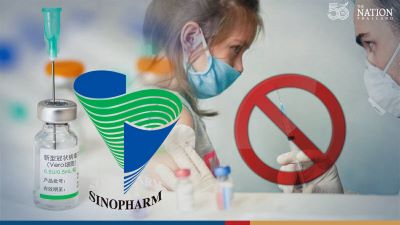
The Thai Food and Drug Administration (FDA) says it needs more data before approving Sinopharm vaccine for use in children.

FDA chief Paisan Dankhum said on Wednesday that information on the safety, quality and efficacy of the Chinese vaccine would be evaluated to decide whether it could be used to inoculate children aged 3 and up against Covid-19.

Sinopharm’s maker, Beijing Institute of Biological Products, insists the vaccine is safe for children aged 3 and over, citing data from a study published in the Lancet medical journal last week.

The Thai FDA has so far approved two vaccines – Pfizer and Moderna – as safe for use in children aged over 12. Thailand has already begun vaccinating children against Covid-19 in preparation for the reopening of schools next month.

The FDA said it will seek more data on Sinopharm from its importer, Biogenetech.

Published : September 22, 2021

Second dose of Johnson & Johnson vaccine increases protection against covid-19, maker says #SootinClaimon.Com

#SootinClaimon.Com : ขอบคุณแหล่งข้อมูล : หนังสือพิมพ์ The Nation.

https://wordpress.com/post/sootinclaimon.com


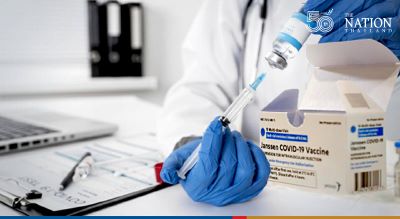
WASHINGTON – A second shot of the Johnson & Johnson vaccine boosts protection against symptomatic and severe covid-19, the disease caused by the coronavirus, the drug company announced early Tuesday.

Those booster shots also generated additional antibodies, molecules churned out by the immune system to help fight off infections.

“It’s very exciting news,” said Vanderbilt University Medical Center infectious-diseases and preventive medicine professor William Schaffner, though he cautioned not all the data have been seen and that information must be reviewed by the Food and Drug Administration before recommendations can be made.

“The people who received J & J have been a little concerned that they’ve been left in the shade, when it comes to repeat vaccination,” Schaffner said. These results, as presented, seem encouraging that those vaccine recipients might “expect a booster in their future.”

Under the FDA’s emergency use authorization, the Johnson & Johnson vaccine is given as a single dose, unlike the two shots required for full immunization with the Pfizer-BioNTech and Moderna mRNA vaccines.

Results published this summer indicate that the Johnson & Johnson vaccine generates lasting amounts of antibodies able to target the delta variant and other variants of concern. In June and July, when delta was ascendant, the effectiveness of the one-shot vaccine was 78% against observed covid-19, according to a report published Thursday that has not yet gone through peer review.

ADVERTISEMENT

A second dose, given 56 days after the first, further improves protection, the company said in a news release Tuesday. According to the company’s Ensemble 2 study, a Phase 3 randomized clinical trial, efficacy was 100% against severe or critical covid-19 when assessed at least two weeks after the booster. Efficacy against symptomatic disease in the United States was 94% and 75% globally.

“We now have generated evidence that a booster shot further increases protection against covid-19 and is expected to extend the duration of protection significantly,” Johnson & Johnson chief scientific officer Paul Stoffels said in a statement.

Full data from that trial was not released, the company said. It said it will be submitted for publication in months.

“This is good news and moves us closer to having an answer about the utility of boosters for the millions of Americans who received the J & J covid-19 vaccine,” said Lisa L. Maragakis, an infectious-disease epidemiologist at Johns Hopkins University School of Medicine. “Of course, we will need to wait to see the actual data and hear from both the FDA and CDC as they review it.”

Antibody levels, too, spiked after booster shots. People who received a Johnson & Johnson booster shot two months after vaccination had antibody levels four to six times higher, while the levels in people who had boosters at six months rose 12-fold in the following four weeks, the company said.

“An increase in antibodies is associated with two good features,” Schaffner said. First, this increase can lead to longer-lasting protection. Second, he said, “not only do you get more antibodies, but a wider display of antibodies,” which means an immunized person is likely to be better defended against a variety of variants.

Regulators would have to authorize Johnson & Johnson booster shots before the public could receive them. Health communication expert Scott Ratzan, co-founder of vaccine literacy initiative CONVINCE USA, said the results looked “promising” but regretted they were delivered by a news release. “Generally speaking, this is not the way we should be having vaccines approved and discussed,” said Ratzan, who was a vice president at Johnson & Johnson until 2013.

On Sunday, National Institute of Allergy and Infectious Diseases Director Anthony Fauci told NBC News that the FDA review of second Johnson & Johnson shots, as well as Moderna boosters, is “a couple to a few weeks away. . . . We’re working on that right now to get the data to the FDA so they can examine it and make a determination about the boosters for those people.”

Because it does not require a second appointment, the Johnson & Johnson vaccine had been sent to harder-to-reach communities soon after the shot became available. Nearly 15 million Americans received Johnson & Johnson doses, while about 166 million people have been fully vaccinated with the vaccines made by Pfizer-BioNTech and Moderna.

Published : September 22, 2021

Low dose of Pfizer-BioNTech vaccine is safe and effective in children ages 5 to 11, companies study finds #SootinClaimon.Com

#SootinClaimon.Com : ขอบคุณแหล่งข้อมูล : หนังสือพิมพ์ The Nation.

https://www.nationthailand.com/life/40006412


A lower dose of the Pfizer-BioNTech coronavirus vaccine – one-third the amount given to adults and teens – is safe and triggered a robust immune response in children as young as 5 years old, the drug companies announced in a news release Monday.

Low dose of Pfizer-BioNTech vaccine is safe and effective in children ages 5 to 11, companies study finds

The finding, eagerly anticipated by many parents and pediatricians, is a crucial step toward the two-shot coronavirus vaccine regimen becoming available for younger school-aged children, perhaps close to Halloween.

The highly transmissible delta variant has collided with school reopening to reveal why children could benefit from a vaccine. Nearly 30 percent of cases in the first week of September were among children, according to the American Academy of Pediatrics. Although children rarely suffer severe illness, when they do it can be devastating. A vaccine could protect against rare cases of severe illness, cut the risk of long-haul covid and tamp down outbreaks.

The companies still must prepare and submit the data to the Food and Drug Administration, a process they expect to complete by the end of September. Then, the full data – which is not yet published or peer reviewed – will be scrutinized by regulators to ascertain that the vaccine is safe and effective. That could take weeks, or up to a month.

Sharon Nachman, a pediatric infectious-disease specialist at Stony Brook Medicine in New York, said a vaccine for children would be a “huge, huge step forward” and that she is “cautiously optimistic” about Monday’s announcement.

ADVERTISEMENT

“As most physicians are, I’m very cautious when it comes to the health of children,” Nachman said. “I think it will be critical to have the data presented to a group of experts who are unbiased and have no conflicts of interest.”

Regulators have made clear they are working as fast as possible, but also need to ensure the vaccine meets the highest standards – especially because a rare but concerning vaccine side effect of heart muscle inflammation has been identified, most frequently in the younger males eligible for the vaccines. An FDA analysis estimated that among 16- to 17- year old males, the risk was close to 1 in 5,000.

“You need to do these kind of studies, and it’s going to be important to vaccinate children,” said Anthony Fauci, director of the National Institute of Allergy and Infectious Diseases. He called the results – that the vaccine triggered a robust immune response in children – somewhat predictable, but important.

With the school year in full swing and cases soaring among children, pediatricians have been inundated with requests to bend the rules and give children a shot now. The new data seems likely to intensify the pressure, even though the existing vaccine is triple the dose tested in the trial. Younger children’s immune systems are not the same as adults, and the companies tested and found a much smaller dose was safe and effective.

Evan Anderson, a professor of pediatrics at Emory University School of Medicine in Atlanta, said the pediatric trials at his institution had to turn away many families, with 10 times as many people who wanted to participate as they had slots available.

“Parents kind of recognize that their children going off to school is a significant issue for them: The lack of ability to control their exposure, whether in the lunch room or the classroom,” Anderson said.

But experts, including a Pfizer scientist, agreed that parents should be patient for regulators to pore over the details instead of seeking out doses on their own.

“No one should really be freelancing – they should wait for the appropriate approval and recommendations to decide how best to manage their own children’s circumstances,” said William C. Gruber, Pfizer’s senior vice president of vaccine clinical research and development, who explained that younger children tend to have more “exuberant” immune responses than older people, both to this vaccine and others.

“Nature has equipped us, particularly when we are young, to respond very well to an assortment of things we will encounter in nature – and we will use vaccines to accelerate that process and really improve on nature,” Gruber said.

Detailed data from the study in school-aged children was not immediately released Monday.

“Until we look at the data, I can’t comment on this, other than to say: We need a vaccine for children,” said Paul Offit, a vaccine expert at Children’s Hospital of Philadelphia who serves on the expert committee that advises the FDA.

The step forward for a children’s vaccine may deepen the rift between families eager for the vaccine and parents who are hesitant. Hospitalizations among children have increased in the delta surge, but children have been far less likely to develop severe illness and death than older people throughout the pandemic, leading to a perception among some that the disease is not harmful to them.

Among 12- to 17-year-olds eligible for the Pfizer-BioNTech shot since May, only about half have received at least one dose, according to the American Academy of Pediatrics. More than 5 million cases of covid-19, the illness caused by the coronavirus, have been reported among children and teens, causing 460 deaths since the start of the pandemic. There have been 20,000 hospitalizations among 24 states and New York City. Many families and schools have been navigating disruptive quarantines and at times divisive policies on use of masks.

“We are eager to extend the protection afforded by the vaccine to this younger population, subject to regulatory approval, especially as we track the spread of the Delta variant and the substantial threat it poses to children,” Pfizer chief executive Albert Bourla said in a statement. “Since July, pediatric cases of COVID-19 have risen by about 240 percent in the U.S. – underscoring the public health need for vaccination.”

In July, the FDA asked Pfizer and Moderna to increase the size of their children’s trials to ensure the safety database was robust. There were nearly 2,300 children between ages 5 and 11 in Pfizer’s trial, two-thirds of whom received the vaccine. The rest received saltwater shots.

The trial showed that children who received the vaccine had equivalent immune responses to teens and young adults who were protected, according to the companies. Two shots of a 10 microgram dose, spaced three weeks apart, were well-tolerated, with side effects similar to young adults.

Gruber said there appeared to be less fever and fewer chills among younger children than in a comparison group of 16- to 25-year-olds, increasing the companies’ confidence they had found the right dose. There were no cases of myocarditis – the heart inflammation condition – in the trial, but because it is a rare event, it may only show up in monitoring as the vaccine is used in larger numbers.

Pfizer and BioNTech are seeking emergency use authorization as they continue to accumulate data to support an application for full approval in children.

Data on children younger than 5 is expected by the end of the year. Moderna is also conducting a trial with children as young as six months.

The urgency for the littlest children is just as great, in part because they may not be old enough to wear masks, or may struggle to use them consistently.

“We have school-aged children, and they do have masks and they’re able to follow rules,” Nachman said. “Little kids in day care have more trouble following rules.”

Published : September 21, 2021

ตรวจคัดกรองมะเร็งปอด ลดความเสี่ยงตายได้ 20 เปอร์เซ็นต์ #SootinClaimon.Com

#SootinClaimon.Com : ขอบคุณแหล่งข้อมูล : หนังสือพิมพ์โพสต์ทูเดย์

https://www.posttoday.com/life/healthy/663573

วันที่ 20 ก.ย. 2564 เวลา 10:10 น.ตรวจคัดกรองมะเร็งปอด ลดความเสี่ยงตายได้ 20 เปอร์เซ็นต์แพทย์ผู้เชี่ยวชาญด้านโรคปอด เผย “โรคมะเร็งปอด” ยังคงเป็นปัญหาสุขภาพที่สำคัญ และเป็นสาเหตุการตายอันดับหนึ่งของประชากรโลก ย้ำการตรวจคัดกรองมะเร็งปอดช่วยลดอัตราการตายได้ 20 เปอร์เซ็นต์

ในปัจจุบันการตรวจคัดกรองโรค มีความสำคัญอย่างยิ่งในการจำแนกผู้ที่มีโรคให้ได้รับการวินิจฉัยและรับการรักษาก่อนที่จะแสดงอาการของโรค โดยผู้ป่วยในบางครั้งเริ่มมีอาการของโรคเกิดขึ้น แต่ยังไม่แสดงอาการ การตรวจคัดกรองจึงเป็นวิธีการตรวจทางห้องปฏิบัติการหรือการทดสอบอื่น ๆ การจัดให้มีการตรวจคัดกรองโรค ควรพิจารณาจากลักษณะจำเพาะของโรคนั้น ๆ ได้แก่ โรคที่เป็นปัญหาสาธารณสุขของประเทศ มีวิธีการรักษาที่มีประสิทธิภาพ สามารถตรวจพบได้ในระยะก่อนมีอาการ วิธีการตรวจคัดกรองจะต้องปลอดภัย มีประสิทธิผลต่อต้นทุนและควรพิจารณาถึงผลดี ผลเสียของการตรวจคัดกรองโรค ตลอดจนประเด็นทางจริยธรรมที่เกี่ยวข้องกับการตรวจคัดกรองโรค

นพ.ศิระ เลาหทัย แพทย์ผู้เชี่ยวชาญ ศัลยศาสตร์ทรวงอกเฉพาะทางด้านโรคปอด โรงพยาบาลวชิรพยาบาล กล่าวว่าโรคมะเร็งปอดยังคงเป็นปัญหาสุขภาพที่สำคัญ และ เป็นสาเหตุการตายอันดับหนึ่งของประชากรโลก โดยตั้งแต่ปีค.ศ. 1950 พบว่า มะเร็งปอดเป็นมะเร็งที่พบบ่อยมากที่สุดในโลกและจนกระทั่งในปีล่าสุด โดยในปีค.ศ. 2019 พบว่า มีผู้ป่วยเสียชีวิตจากโรคมะเร็งปอดมากถึง 140,000 คน ในสหรัฐอเมริกา โดยโอกาสรอดชีวิตที่ 5 ปีของโรคมะเร็งปอดขณะพบโรคนี้มีเพียงแค่ 19 เปอร์เซ็นต์ เนื่องจากผู้ป่วยส่วนมากพบในระยะแพร่กระจายเป็นหลัก ถึงแม้ว่าจะมีผู้ป่วยหลายรายที่ตรวจสุขภาพเป็นประจำ แต่ไม่สามารถคัดกรองโรคมะเร็งปอดในระยะต้น ๆ ได้อาจเป็นเพราะการตรวจสุขภาพนั้นเป็นแบบกว้าง ซึ่งอาจไม่ละเอียดเพียงพอหรืออาจเกิดจากผู้ป่วยไปตรวจตอนที่มีอาการแล้ว เช่น ไอหรือเหนื่อย ซึ่งมักจะพบในโรคมะเร็งปอดระยะท้าย ๆ ทำให้โอกาสการรอดชีวิตค่อนข้างต่ำ จากข้อเท็จจริงนี้ส่งผลทำให้เริ่มมีการส่งเสริมการคัดกรองความเสี่ยงมะเร็งปอดมากขึ้น

จากรายงานการวิจัยของสมาคมนานาชาติมะเร็งปอด ( international association for the study of lung cancer: IASLC) ได้ทำการศึกษาเปรียบเทียบระหว่างการทำเอ็กซเรย์ปกติ ( Chest x-ray) กับเอ็กซเรย์คอมพิวเตอร์ ( Low dose Computed tomography chest screening: LDCT ) ในกลุ่มประชากรที่ความเสี่ยงพบว่าการทำเอ็กซเรย์คอมพิวเตอร์ (LDCT) สามารถพบมะเร็งปอดได้ดีกว่าการทำเอ็กซเรย์ปกติ ( rate ratio 1.13: 95% confidence interval, 1.03 to 1.23) และยังสามารถทำให้ลดอุบัติการณ์การเสียชีวิตจากมะเร็งปอดในกลุ่มคนที่มีความเสี่ยง ได้ถึง 20 เปอร์เซ็นต์

โดยข้อดีของการทำเอ็กซเรย์คอมพิวเตอร์ ( Low dose Computed tomography chest screening: LDCT ) นั้นคือ

  1. ปริมาณรังสีน้อยกว่าเอ็กซเรย์คอมพิวเตอร์ปกติน้อยกว่าปกติ CT chest 5 เท่า ( เท่ากับเอ็กซเรย์ปกติ 15 ใบ )
  2. ใช้เวลาทำน้อยกว่า 1 นาที
  3. ไม่มีการฉีดสี
  4. ไม่ต้องตรวจค่าไต
  5. ระดับรังสีจะลงมาเป็นปกติภายใน 6 เดือน

ทั้งนี้ จากคำแนะนำจากสมาคมกลุ่มโรคมะเร็งปอดนานาชาติ ( National comprehensive cancer network; NCCN ) ในปีค.ศ. 2021 ได้แนะนำว่าให้กลุ่มคนที่มีความเสี่ยงควรทำ เอ็กซเรย์คอมพิวเตอร์ปอด (LDCT) เป็นประจำปี ปีละ 1 ครั้ง จนถึง อายุ 77 ปี และไม่แนะนำให้ทำการเอ็กซเรย์ปอดปกติในการคัดกรองความเสี่ยงของมะเร็งปอด

ดังนั้น กลุ่มที่ควรรีบไปพบแพทย์เพื่อเข้าสู่กระบวนการคัดกรองอาการได้แก่ กลุ่มที่มีความเสี่ยงสูง High risk group คือ 1.คนที่มีอายุมากกว่า 50 ปีขึ้นไป 2.กำลังสูบบุหรี่ หรือเคยสูบบุหรี่ระยะเวลาเฉลี่ยมากกว่า 20 ปีและมากกว่า 1 ซองต่อวัน

ยกตัวอย่างเช่น สูบบุหรี่มา 10 ปี เฉลี่ยวันละ 2 ซอง หรือสูบบุหรี่มา 20 ปี เฉลี่ยวันละ 1 ซอง หรือ มีประวัติเสี่ยง เช่น ทำในโรงงานโลหะหนักหรือมีประวัติครอบครัวสายตรงเป็นโรคมะเร็งปอด

สำหรับประโยชน์ของการคัดกรองความเสี่ยงมะเร็งปอด นอกจากจะลดโอกาสการเสียชีวิตจากโรคมะเร็งปอดแล้ว ยังสามารถเพิ่มคุณภาพชีวิตของผู้ป่วยและเพิ่มโอกาสการเจอโรคอื่น ๆ นอกจากมะเร็งปอดที่ต้องได้รับการรักษา “เพราะสุขภาพเป็นสิ่งสำคัญ ยิ่งตรวจพบได้เร็ว ยิ่งเพิ่มโอกาสการรอดชีวิต”

Long COVID เชื้อจบ อาการไม่จบ #SootinClaimon.Com

#SootinClaimon.Com : ขอบคุณแหล่งข้อมูล : หนังสือพิมพ์โพสต์ทูเดย์

https://www.posttoday.com/life/healthy/663538

วันที่ 19 ก.ย. 2564 เวลา 13:30 น.Long COVID เชื้อจบ อาการไม่จบทำความเข้าใจ “ภาวะเรื้อรัง” หลังหายป่วยโควิด-19 (LONG COVID)

กรมการแพทย์ โดยสถาบันโรคทรวงอก ชี้แจงเกี่ยวกับภาวะลองโควิด (LONG COVID) อาการที่สามารถเกิดขึ้นกับผู้ป่วยติดเชื้อโควิด-19 แม้จะหายจากการติดเชื้อแต่ยังมีผลข้างเคียงซึ่งส่งผลกระทบต่อสุขภาวะของผู้ป่วยในระยะยาว พร้อมแนะแนวทางปฏิบัติเพื่อฟื้นสุขภาพร่างกายเมื่อหายป่วย

พญ.เปี่ยมลาภ แสงสายัณห์ หัวหน้ากลุ่มงานอายุรศาสตร์ปอด สถาบันโรคทรวงอก อธิบายว่า Long COVID หรือ อาการหลงเหลือหลังติดเชื้อโควิด-19 พบในผู้ป่วยบางรายที่เป็น โควิด–19 และพ้นระยะการแพร่เชื้อ ( เชื้อ โควิดอยู่ในร่างกายประมาณ 10-14 วันมากสุด 21 วัน) แล้วแต่ยังแสดงอาการคล้ายคลึงกับอาการขณะที่ยังติดมีเชื้อโควิด–19 อยู่ ในภาวะปกติหลังติดเชื้อไวรัส ผู้ป่วยจะมีอาการฟื้นตัวได้ภายใน 2-3 สัปดาห์ ต่ในผู้ป่วย Long COVID กลับพบว่ามีอาการมากกว่า 2 เดือนขึ้นไป และสามารถมีอาการได้นานถึง 4-6 เดือน ลักษณะอาการที่สามารถสังเกตได้ในกรณีที่มี ภาวะ Long COVID คือจะมีอาการคั่นเนื้อคั่นตัว อาการไอเล็กน้อย อ่อนเพลีย ยังรู้สึกถึงการไม่ฟื้นตัวจากอาการป่วย เช่น ยังรู้สึกเหนื่อยหายใจไม่อิ่ม อาการ Long COVID ไม่มีผลต่อสุขภาพในระยะยาวกว่านั้น

อย่างไรก็ดี ภาวะ LONG Covid ใช่ว่าจะเกิดขึ้นกับผู้ป่วยที่หายจากอาการติดเชื้อทุกคน สาเหตุของภาวะ Long COVID นั้นเกิดจากภาวะอักเสบที่ยังหลงเหลือ หรือเกิดจากการใช้ยากดภูมิคุ้มกัน เช่น ยาในกลุ่มสเตียรอยด์ ปัจจัยที่มีผลต่อการเกิด LONG Covid ได้แก่ อายุ กล่าวคือผู้สูงอายุมีโอกาสเป็นไปได้สูงที่พบว่ามีภาวะ LONG Covid หรือโรคประจำตัวเช่น ภาวะอ้วน ระบบภูมิคุ้มกันต่ำ หรือ ผู้ป่วยที่ได้รับการรักษาด้วยยากดภูมิคุ้มกัน ทำให้ร่างกายทำงานได้ไม่เต็มประสิทธิภาพ คนไข้จึงรู้สึกอ่อนเพลีย อีกหนึ่งปัจจัยสำคัญที่ส่งผลให้เกิด LONG Covid คือความเครียด ซึ่งอาจเกิดจากความวิตกกังวลอันเนื่องจากความเจ็บป่วย หรือความเครียดที่เกิดขึ้นเมื่อต้องถูกจำกัดบริเวณจากการกักตัวเป็นเวลานาน

แนวทางการรักษาภาวะ Long COVID นั้นจะเน้นที่การรักษาตามอาการเป็นหลัก ผู้ป่วยสามารถรอให้หายเองได้หากรู้สึกถึงอาการเพียงเล็กน้อย แต่หากอาการไม่ดีขึ้นหรือแย่ลง เช่น อยากมีอาการไอ เหนื่อย หอบมมากขึ้น หรือมีอาการทางระบบประสาทที่มีมากกว่าปกติ เช่น รู้สึกสับสน ผู้ป่วยควรพบแพทย์เพื่อทำการวินิจฉัยและหาแนวทางการรักษาต่อไป การออกกำลังกายเป็นปัจจัยสำคัญที่ทำให้การกลับมาทำงานของร่างกายได้อย่างรวดเร็วและสมบูรณ์ นอกจากนี้ป่วยต้องอาศัยกำลังใจทั้งจากตนเองและคนรอบข้าง อย่างเช่นการพูดคุย สื่อสาร ทำกิจกรรมเชิงสร้างสรรค์เพื่อบรรเทาความเครียด ก็สามารถช่วยให้สุขภาพจิตที่ย่ำแย่อันเนื่องมาจากภาวะ Long COVID ดีขึ้นได้

“อีกหนึ่งข้อสงสัยที่ว่าการรับวัคซีนจะช่วยลดความเสี่ยงที่จะเกิดภาวะ Long COVID ได้หรือไม่นั้น สามารถกล่าวได้ว่าวัคซีนจะเป็นตัวช่วยให้ผู้ป่วยเมื่อติดเชื้อ จะไม่มีอาการเจ็บป่วยรุนแรง กล่าวคือ เมื่อไม่มีอาการเจ็บป่วยรุนแรง ก็เท่ากับว่ามีโอกาสที่จะเกิดภาวะ Long COVID ได้น้อยลงแน่นอน”

มีข้อสงสัยว่าในผู้ป่วยที่ภาวะปอดอักเสบรุนแรงจากการติดเชื้อโควิด-19 หลังจากดีขึ้นแล้ว กลับมามีปัญหาหอบเหนื่อย และมีภาวะออกซิเจนต่ำนั้น คือภาวะ Long COVID หรือไม่ อาการดังที่กล่าวเกิดจากความเสียหายของปอดนั้น ไม่ได้เกี่ยวข้องกับภาวะ Long COVID โดยตรง หากแต่มีผลมาจากการทำลายเนื้อเยื่อโดยภูมิคุ้มกันทำให้ปอดมีความเสื่อม และยังไม่ฟื้นตัวพร้อมทำงานอย่างเต็มที่ เกิดภาวะพร่องออกซิเจนที่ทำให้เหนื่อยหอบ หรือเกิดจากการติดเชื้อ อื่นซ้ำเติมเช่น เชื้อราหรือ แบคทีเรีย อาการของ Long COVID ที่แท้จริงคืออาการที่ผู้ป่วยรู้สึกไม่สบายเนื้อสบายตัว รู้สึกมีอาการไข้ หรือไอมากกว่าปกติ แต่ไม่ได้ส่งผลให้เนื้อปอดอักเสบเพิ่มขึ้น

ภาวะลิ่มเลือดอุดตัน อุบัติการณ์ที่คร่าชีวิตประชากรโลกมากถึง 1 ใน 4 #SootinClaimon.Com

#SootinClaimon.Com : ขอบคุณแหล่งข้อมูล : หนังสือพิมพ์โพสต์ทูเดย์

https://www.posttoday.com/life/healthy/663300

วันที่ 16 ก.ย. 2564 เวลา 07:40 น.ภาวะลิ่มเลือดอุดตัน อุบัติการณ์ที่คร่าชีวิตประชากรโลกมากถึง 1 ใน 4เชื่อหรือไม่! 1 ใน 4 ของประชากรทั่วโลกเสียชีวิตจากภาวะที่เกี่ยวเนื่องกับโรคลิ่มเลือดอุดตัน และโรคดังกล่าวพบได้ในผู้คนทุกเพศทุกวัย ตั้งแต่เด็กถึงผู้สูงอายุ

เรื่องนี้ข้อมูลจาก ศาสตราจารย์นายแพทย์พันธุ์เทพ อังชัยสุขศิริ สาขาวิชาโลหิตวิทยา ภาควิชาอายุรศาสตร์ คณะแพทยศาสตร์โรงพยาบาลรามาธิบดี มหาวิทยาลัยมหิดล ระบุว่า กระบวนการสร้างลิ่มเลือดเป็นกลไกสำคัญในการป้องกันการเสียเลือดมากเกินไปเมื่อหลอดเลือดเกิดการบาดเจ็บโดยปกติหลังจากแผลหายดีแล้วร่างกายจะทำการสลายเลือดที่แข็งตัวตามธรรมชาติอย่างไรก็ตามในบางกรณีเลือดเกิดการแข็งตัวภายในหลอดเลือดโดยไม่ได้เกิดจากอาการบาดเจ็บและไม่เกิดการสลายโดยธรรมชาติเมื่อเลือดเกิดการแข็งตัวจะส่งผลให้การไหลเวียนของเลือดช้าลงหรือปิดกั้นการไหลเวียนระบบไหลเวียนโลหิตซึ่งอาจส่งผลให้เกิดภาวะเลือดอุดตันที่รุนแรงหรือที่รู้จักกันในชื่อโรคลิ่มเลือดอุดตันหรือหลอดเลือดอุดตัน

เป็นเรื่องจริงที่ว่า 1 ใน 4 ของประชากรทั่วโลกเสียชีวิตจากภาวะที่เกี่ยวเนื่องกับโรคลิ่มเลือดอุดตัน และโรคดังกล่าวพบได้ในผู้คนทุกเพศทุกวัยตั้งแต่เด็กถึงผู้สูงอายุ โดยมีปัจจัยเสี่ยงได้แก่ การสูบบุหรี่ การมีน้ำหนักตัวมากเกินไป ความดันโลหิตสูง หรือคอเลสเตอรอลสูง รวมถึงโรคอักเสบเรื้อรัง การตั้งครรภ์ หรือช่วง 6 เดือนภายหลังจากตั้งครรภ์ เพิ่งรับการรักษาหรือกำลังทำการรักษาโรคมะเร็ง หลังเข้ารับการผ่าตัด สูงวัย ติดเชื้อโควิด-19 มีประวัติคนในครอบครัวมีภาวะเลือดแข็งตัว การรับประทานยาคุมกำเนิดเป็นประจำ และกลุ่มที่มีพฤติกรรมการใช้ชีวิตที่อยู่ในอิริยาบถเดิมนานๆ ยิ่งไปกว่านั้น สมาคมการแพทย์อเมริกัน เผยว่า มีประชากรราวปีละ 2 ล้านคนที่ต้องทนทุกข์ทรมานกับภาวะลิ่มเลือดอุดตัน ซึ่งนับเป็นจำนวนที่มากกว่าอุบัติการณ์ของโรคภาวะหัวใจล้มเหลว หรือโรคหลอดเลือดสมองในแต่ละปี

แต่ที่น่าเสียดายคือ จากผลสำรวจโดยวันโรคลิ่มเลือดอุดตันโลกจาก 9 ประเทศ พบว่า การตระหนักรู้ของผู้คนเกี่ยวกับภาวะลิ่มเลือดอุดตันโดยรวมยังอยู่ในระดับต่ำ (68%) และแค่เพียง 50% สำหรับภาวะลิ่มเลือดอุดตันของหลอดเลือดดำ (Venous Thromboembolism: VTE) ในขณะที่การรับรู้เกี่ยวกับโรคร้ายแรงอื่นๆอยุ่ในระดับที่สูงกว่านี้ เช่น โรคความดันโลหิตสูง มะเร็งเต้านม มะเร็งต่อมลูกหมาก และโรคเอดส์ (ที่ 90%, 85%, 82%, 87% ตามลำดับ)

ดังนั้น การทำความเข้าใจและรับรู้เกี่ยวกับปัจจัยเสี่ยงที่ทำให้ภาวะลิ่มเลือดอุดตันจึงเป็นแนวทางการป้องกันที่เหมาะสมรวมถึงการปรับเปลี่ยนพฤติกรรมและการตรวจภาวะลิ่มเลือดอุดตันโดยแพทย์ 

ศาสตราจารย์นายแพทย์พันธุ์เทพ อังชัยสุขศิริ กล่าวว่า อาการและอาการแสดงของภาวะลิ่มเลือดอุดตันประกอบไปด้วย อาการปวดบวมที่ขา มีอาการกดเจ็บ ผิวหนังเปลี่ยนสีหรือเป็นสีแดง พบเส้นเลือดฝอยบนผิวหนัง เส้นเลือดขอด หรือรู้สึกอุ่นๆ บริเวณผิวหนัง อย่างไรก็ตาม ผู้ป่วยภาวะลิ่มเลือดอุดตันบางรายแสดงอาการน้อยมาก ดังนั้น จึงถือเป็นภัยเงียบที่น่ากังวล

“เมื่อการไหลเวียนของเลือดเพื่อไปหล่อเลี้ยงอวัยวะที่สำคัญถูกขัดขวาง อาจนำไปสู่ภาวะแทรกซ้อนทางสุขภาพที่รุนแรง เช่น ภาวะหัวใจล้มเหลว (หัวใจวาย) โรคหลอดเลือดสมอง ภาวะลิ่มเลือดอุดกั้นในปอด และไตวาย จากการศึกษาล่าสุดพบความสัมพันธ์ระหว่างผู้ป่วยโควิด-19 และภาวะลิ่มเลือดอุดตัน รวมถึงผู้ป่วยที่เพิ่งออกจากโรงพยาบาล” 

ภาวะลิ่มเลือดอุดตันในหลอดเลือดดำ (VTE) ซึ่งเป็นสาเหตุการเสียชีวิตและการพิการอันดับต้นๆ ทั่วโลก เป็นภาวะที่เกิดการแข็งตัวของเลือดในหลอดเลือดบริเวณขา ขาหนีบ หรือแขน (ภาวะลิ่มเลือดอุดตันในหลอดเลือดดำส่วนลึก – deep vein thrombosis, DVT) หากลิ่มเลือดเกิดการหลุดออกและไหลผ่านระบบไหลเวียนโลหิตไปยังปอด จะกลายเป็นภาวะที่อาจเป็นอันตรายถึงชีวิตที่เรียกว่าภาวะลิ่มเลือดอุดกั้นในปอด ในประเทศไทยภาวะลิ่มเลือดอุดตันในหลอดเลือดดำเป็นหนึ่งในสาเหตุหลักที่ส่งผลให้ผู้ป่วยพบปัญหาหายใจลำบาก ส่งผลให้เกิดอัตราการเสียชีวิตร้อยละ 30 ข้อมูลจากกระทรวงสาธารณสุขเกี่ยวกับโรคลิ่มเลือดอุดกั้นในปอดพบว่าตั้งแต่ปี 2560-2563 มีผู้ป่วยประมาณ 12,900-26,800 คนที่เผชิญปัญหาดังกล่าวในประเทศไทย ซึ่งเท่ากับว่าจะมีผู้ป่วย 200-400 คนในประชากรทุกๆหนึ่งล้านคน1 ทั้งนี้ จากที่กล่าวมาข้างต้น ความเสี่ยงที่จะเกิดภาวะลิ่มเลือดอุดตันในหลอดเลือดดำมากที่สุดคือหลังจากการผ่าตัดใหญ่ การบาดเจ็บ ภาวะหัวใจล้มเหลว มะเร็งหรือภาวะหัวใจวาย ปัจจัยเสี่ยงอื่นๆ ประกอบไปด้วยโรคอ้วน การบริโภคสุรา การสูบบุหรี่ การบาดเจ็บทางร่างกาย หรือการใช้ยาที่มีส่วนประกอบของเอสโตรเจน 

ภาวะหัวใจห้องบนสั่นพลิ้ว (AFib) เป็นภาวะที่พบบ่อยที่สุดของโรคหัวใจเต้นผิดจังหวะและเป็นปัจจัยเสี่ยงที่ก่อให้เกิดภาวะลิ่มเลือดอุดตัน คลื่นไฟฟ้าหัวใจที่ผิดปกตินี้ทำให้หัวใจห้องบนสุดเกิดอาการสั่นพลิ้ว อาการของภาวะหัวใจห้องบนสั่นพลิ้ว ได้แก่ อาการอ่อนเพลีย หัวใจเต้นเร็วหรือผิดปกติ วิงเวียนศีรษะ หายใจถี่และวิตกกังวล อาการเจ็บหน้าอกและเหงื่อออก อย่างไรก็ตาม บางครั้งไม่พบมีอาการแสดงที่ชัดเจน และตรวจพบภาวะนี้ในระหว่างการตรวจร่างกายเท่านั้น ดังนั้นจึงแนะนำว่าควรทำการตรวจร่างกายอย่างละเอียด

ทั้งนี้ นายแพทย์พันธุ์เทพ ได้แนะนำว่า การตรวจร่างกายอย่างสม่ำเสมอเป็นเรื่องจำเป็น และควรปรึกษาแพทย์หากมีอาการหรือมีปัจจัยเสี่ยงในการเกิดภาวะลิ่มเลือดอุดตัน