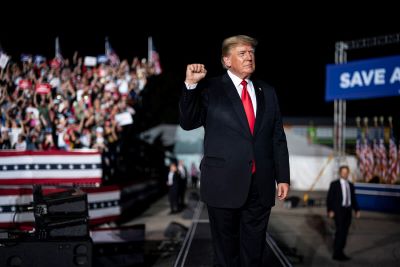
RICHMOND, Va. – Donald Trump will headline an election-eve tele-rally Monday night for Virginia gubernatorial candidate Glenn Youngkin and other Republicans, according to a Trump ally leading a bus tour meant to whip up support for a ticket thats run hot and cold on the 45th president.
“They need us to win, and that’s why we’re doing this teleconference,” said John Fredericks, a talk radio host and Trump’s former Virginia chairman, who two weeks ago arranged for the former president to phone in to a GOP rally in suburban Richmond.
Washington Post photo by Jabin Botsford
It was not clear that Youngkin wants Trump, who lost Virginia by 10 points last year, to further inject himself into the race – a neck-and-neck battle with Democrat Terry McAuliffe, a former governor who has been raising money off the prospect of a Trump-led rally.
Youngkin’s campaign did not respond to requests for comment on the plan Fredericks described. Earlier in the week, when both Trump and his spokesman Taylor Budowich separately teased that former president might travel to Virginia to stump for Youngkin in person, Youngkin’s spokesman declined to comment.
A Trump adviser, speaking on the condition of anonymity because the event had not been formally announced, on Friday confirmed Trump plans to take part in the tele-rally, which Bloomberg News first reported based on an anonymous source, or on the details Fredericks shared with The Washington Post. Fredericks said Trump, a frequent guest on his radio show, will formally announce the event on his program Monday morning, if not before.
Fredericks said it would be an enormous teleconference, with Trump on the line along with “thousands and thousands” of his Virginia supporters.
“It’s going to be the biggest phone rally in the history of Virginia,” Fredericks said. “The Republican ticket cannot win without Trump’s voter base in Virginia fully engaged and turned out on game day. … We need a huge Election Day turnout, and the only person to put them over the top in Virginia is President Donald J. Trump. Period.”
Youngkin, on a tightrope as he tries to woo Trump fans without alienating moderates in the state’s vote-rich suburbs, had earlier embraced the former president as he sought the GOP nomination – praising Trump by name and indulging Trump’s false claim that President Biden stole the White House.
Since then, Youngkin has tried to shake any explicit association with Trump while still leaning into the culture-war themes popular with the ex-president’s fans, including opposition to critical race theory, an academic concept for studying race that is not actually part of Virginia’s K-12 curriculum.
Trump, who endorsed Youngkin after he won the nomination in May, has not seemed content to let him pivot away. Trump has repeatedly weighed in on the race, at times on Fredericks’s show. In an appearance with Fredericks in September, Trump warned that Youngkin risks losing the Virginia governor’s race by not fully embracing the Make America Great Again movement.
“The only guys that win are the guys that embrace the MAGA movement,” Trump said then. “When they try to go down a railroad track … ‘Oh, yeah, love Trump. Love Trump. OK, let’s go, next subject.’ When they do that, nobody, they don’t – they never win. They never win. They have to embrace it.”
Bob Holsworth, a veteran Richmond political observer, said Trump seems to be walking a fine line of his own when it comes to Youngkin.
“Trump’s playing a double game, too – wanting to take credit if (Youngkin) gets elected and distancing himself if he doesn’t,” Holsworth said.
Like Trump, Fredericks has seemed intent on keeping Youngkin from spinning too far from the ex-president’s orbit. As Youngkin and McAuliffe started rolling across the state on rival bus tours, Fredericks started barnstorming with his own “Take Back Virginia Bus Tour.”
He says it is unaffiliated with any campaign, but the radio interviews he’s done along the way have tended to focus on Youngkin. At a stop in the suburban battleground of Chesterfield County earlier this week, Fredericks’s guest was state Sen Amanda Chase, R-Chesterfield, the self-described “Trump in heels” who told listeners she has been working closely with Youngkin’s campaign to foil what she said were plots by Democrats to steal Tuesday’s election. Youngkin’s team, which has deployed Chase as an official campaign surrogate, declined to comment on Chase’s claims or the bus tour.
On Friday, former Trump chief strategist Stephen Bannon is scheduled to join Fredericks when the bus stops at GOP headquarters in Loudoun County. Bannon’s appearance in that Northern Virginia swing territory comes with considerable risk of alienating swing voters, given that a U.S. House Committee investigating the Jan. 6 insurrection considers him a key witness. He has been defying the committee’s subpoena.
Two weeks ago, Bannon headlined the Richmond-area rally that Trump phoned into, where participants pledged allegiance to an American flag said to have flown in Washington ahead of the insurrection. Youngkin did not attend, saying he had a conflict, but he had publicly thanked Fredericks in advance for arranging the event and provided him with campaign signs to hand out. Youngkin later tried to distance himself from it, saying it was “weird and wrong” to make a pledge to that flag.
Fredericks said he is inviting Youngkin to join Trump on the call Monday night.
“If he wants to be governor of Virginia,” Fredericks said, “he will.”
WASHINGTON – Regulators on Friday authorized the Pfizer-BioNTech coronavirus vaccine for children 5 to 11 years old, a watershed moment celebrated by parents yearning for a return to normal life but viewed with ambivalence and outright skepticism by others worried about the potential risk of unknown side effects.
The Food and Drug Administration’s emergency action cleared the first pediatric coronavirus vaccine in the United States – a two-shot regimen administered three weeks apart. The dose, 10 micrograms, is one-third of that used for adolescents and adults. In a clinical trial of 5- to 11-year-olds, the vaccine was almost 91% effective at preventing covid-19, the disease caused by the virus. The vaccine’s safety was studied in about 3,100 children who received the shot and had no serious side effects, the agency said.
“Vaccinating younger children against COVID-19 will bring us closer to returning to a sense of normalcy,” FDA acting commissioner Janet Woodcock said in a statement. “Our comprehensive and rigorous evaluation of the data pertaining to the vaccine’s safety and effectiveness should help assure parents and guardians that this vaccine meets our high standards.”
The issue of safety was a main focus of regulators and their advisers partly because the vaccine has been linked to rare cases of cardiac side effects in another group – male adolescents and young men. The symptoms of the side effects – myocarditis and pericarditis, which are inflammation of the heart muscle and lining, respectively – tended to be mild and treatable, doctors say.
The FDA authorization is the latest step by the Biden administration to extend the reach of vaccines in hopes of taming a dangerous and vexing virus. The inoculation of adults, which began last December, recently entered a new phase, with booster shots for all three vaccines used in the United States available for many. About 28 million children are in the newly eligible group of 5- to 11-year-olds.
But the process of getting vaccines cleared for younger school-age children has been fraught, with members of the FDA’s outside advisory committee expressing some angst and disagreements during a vociferous public debate this week. In the end, the panel voted 17 to 0, with one abstention, to recommend the vaccine, agreeing with the FDA that the shot’s known and potential benefits outweighed the known and potential risks – the criteria for an emergency authorization.
The discussion about the shot is expected to resume Tuesday when the Advisory Committee on Immunization Practices, which advises the Centers for Disease Control and Prevention, is scheduled to meet to recommend how to use the vaccine. After CDC Director Rochelle Walensky signs off, probably on the same day, providers, including pediatricians and pharmacists, will be able to begin administering the vaccine.
The debate over the shot points up the complexities of making decisions involving vaccines, which are nearly always intended for healthy people. Covid poses special challenges because “while children are at lower risk of bad outcomes, they are not at no risk,” said Holly Fernandez Lynch, a bioethicist at the University of Pennsylvania.
About 1.9 million children 5 to 11 years old have been infected, and at least 146 have died, according to federal health officials. Those infected are vulnerable to “long-haul covid,” with lingering symptoms including fatigue, brain fog and respiratory problems, and a serious but rare condition called MIS-C, or multisystem inflammatory syndrome, which can cause inflammation of the heart, lungs, kidneys, brain and other organs.
In addition, Lynch said, there are other types of side effects that go beyond the strictly physical: “When children have exposures, they have to stay home from school and parents have to miss work.”
Parents’ uncertainty about the vaccine was captured in a new survey by the Kaiser Family Foundation that found only 27% of parents are planning to get their children vaccinated right away. A slightly larger group said they don’t intend to have their children vaccinated. About one-third said they will “wait and see.”
Trishan Arul, chief executive of a digital health company who lives in Cincinnati, said he plans to have his 7-year-old daughter vaccinated as soon as possible. But he is having second thoughts about his 10-year-old son.
“We may want to wait a little bit” until there is more information about the myocarditis risk for younger boys, he said. The complication did not show up in the trial, which was too small to detect such rare side effects. Arul said he might wait for a pediatric version of the Johnson & Johnson vaccine, which has not been linked to the cardiac ailment.
Pediatrician Elizabeth Meade at Swedish Medical Center in Seattle said she is convinced the vaccine is “highly safe and highly effective,” and is eager to have her 7-year-old daughter vaccinated so the family can resume normal activities. But she acknowledged the decision is difficult for many parents.
“It’s one thing to make a medical decision for ourselves and a different thing to make it for our kids,” she said.
Jennifer Su, a pediatric cardiologist at Children’s Hospital Los Angeles, said she tells worried parents that the chance of developing myocarditis or other side effects from the vaccine is much lower than harm from covid and that she strongly recommends the shot.
The safety issue was on full display this week when the FDA’s outside advisers reviewed the pediatric vaccine. Many members wanted all younger children to get the shot while others suggested it should be reserved for children at high risk of severe covid, and urged the CDC to narrow its use.
James Hildreth Sr., chief executive of Meharry Medical College, said he wanted to make sure that those who really need it, including children of color, could get the vaccine. “But to be honest, the best way to protect the health of some kids would be to do nothing at all because they’re going to be just fine,” he said.
Another member of the committee, Eric Rubin, editor in chief of the New England Journal of Medicine and an adjunct professor of immunology and infectious diseases at the Harvard T.H. Chan School of Public Health, said in an interview this week he believes the vaccine will benefit children – but not as much as it has helped adults.
“So in that situation, we worry more about side effects” because the benefits are not as large, he said. “They are kids. The stakes are high.”
Ultimately, however, the panel endorsed the shot without a single “no” vote.
Federal officials and some experts said it was highly unlikely the CDC would recommend any limits involving which children could get the vaccine. Any parents who want a shot for their child should be able to get one, they said.
In a call with reporters Friday, Peter Marks, who oversees vaccines at the FDA, underscored the point, noting that at least one-third of children who are hospitalized with covid do not have identifiable risk factors, making it important to make the vaccine broadly available.
“Everyone 5 to 11 is still at risk of serious disease,” agreed Paul Offit, a vaccine expert at Children’s Hospital of Philadelphia and a member of the FDA advisory committee. “I don’t think [the CDC] will layer it.”
Offit said there is always some uncertainty in trying to predict side effects that are so rare they show up only when vaccines are used in vast numbers of people.
“You go with the best data you have and hope you made the right decision,” he said. “A decision not to release the vaccine is also a decision, one to let children potentially get infected and potentially die.”
Peter Hotez, a vaccine expert at Baylor College of Medicine, said he was concerned that the FDA advisers, in debating the vaccine so vociferously, were “damning [the vaccine] with faint praise.”
“It’s great that people are seeing the sausage being made,” he said, but some of the skeptical comments “could chill the acceptance of some parents of the vaccine.”
But Paul Spearman, director of infectious diseases at Cincinnati Children’s Hospital Medical Center and a member of the FDA advisory committee, said the debate was “just part of the process . . . that is what we are supposed to do, dig in deeper.” Spearman did not take part in the meeting because he has worked on coronavirus vaccines, including Pfizer-BioNTech’s.
He said he was confident doctors would be able to persuade the wavering “wait-and-see” parents to get their children vaccinated. “This group needs to see that their trusted health-care providers are in favor of it and that kids are doing great after they get it,” he said.
The effectiveness data for the authorization came from an ongoing trial with about 4,700 children 5 to 11 years old who received the lower dose of the vaccine, the agency said. The FDA compared their immune responses to those of participants 16 to 25 years old who had received the adult dose in a previous study, and found the responses were comparable.
The trial was considered too small to detect rare complications, so the FDA produced an extensive analysis to try to determine the risk of cardiac side effects in children 5 to 11 years old. It compared the estimated number of covid-related illnesses, hospitalizations and deaths that would be prevented by the vaccine with the number of predicted myocarditis cases, hospitalizations and deaths caused by the vaccine.
Under most scenarios, the vaccine’s benefits outweigh its risks. The only exception was when the virus was circulating at very low levels. Even then, the agency said, the benefits might very well outweigh the risks because covid is so much more dangerous than vaccine-induced myocarditis.
The FDA officials, in the call with reporters, tried to assuage parental fears about the potential of long-term side effects, including on their children’s fertility.
“There is no evidence that there is an adverse effect on fertility” from the vaccine, Marks said. “And there is no reason why one would suspect” that mRNA vaccines such as those made by Pfizer-BioNTech and Moderna would harm fertility. He emphasized that the FDA and the CDC have several systems for monitoring vaccine safety for all age groups.
The FDA officials also said that although covid cases are declining, there could be a resurgence in cold weather and parents should not delay getting their children vaccinated.
As the release date for the pediatric vaccine approaches, anti-vaccine activity has exploded. FDA officials and members of the advisory committee report being deluged with emails and phone calls from people urging them to reject the vaccine and threatening lawsuits if they didn’t. “I’m getting ugly, virulent emails,” Rubin said.
On the other end of the spectrum, Piper Ryan, 46, is eager to get the vaccine for her 9-year-old son, Teague. He has been playing tennis and having outdoor play dates, but still is taking virtual classes at home. With the winter holidays approaching, they are both anxious for Teague to get his first dose.
Ryan, who lives in Great Falls, Va., said she wants to host Thanksgiving dinner with her extended family this year – it would be their first holiday gathering since the pandemic began. But Ryan said she would feel comfortable inviting out-of-state relatives only if her son had some protection against the virus.
“As soon as it is authorized, we’re absolutely going to get him vaccinated,” Ryan said.
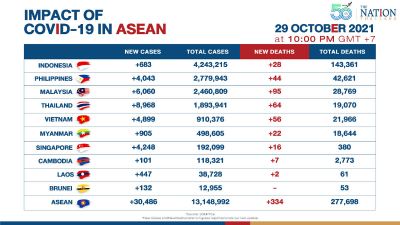
The number of Covid-19 cases crossed 13.14 million across Southeast Asia, with 30,486 new cases reported on Friday (October 29), higher than Thursday’s tally at 30,327. New deaths are at 334, decreasing from Thursday’s number of 539. Total Covid-19 deaths in Asean are now at 277,698.
Cambodia’s Tourism Minister announced that the country recorded about 2.42 million domestic tourists, of whom more than 2.26 million were citizens and about 160,000 foreign nationals, in the first eight months of this year. This is a decrease of about 90%, respectively, compared to the same period last year.
The decline in the number of tourists has had a significant impact on the operation of the tourism business. As of August 31, a total of 3,915 businesses closed or suspended operations, affecting 53,534 people employed in the tourism sector.
Meanwhile, Malaysia will procure Pfizer-BioNTech vaccines for children in the country as the US Food and Drug Administration has recommended the vaccine for those between the ages of five to 12. Health minister added that they will also look at other options like Sinovac, whereas schools would be able to reopen safely as 82.4 per cent of the nation’s adolescents were partially vaccinated and 62 per cent fully vaccinated.
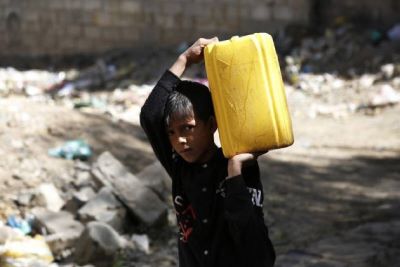
Years of conflict have taken a grave toll on Yemens economy and infrastructure. Besides the hunger crisis, the war-torn country also has over 15 million people lacking access to clean drinking water, and the situation is only getting worse.
Children carry plastic water barrels to a charity water tap in Sanaa, Yemen on Oct. 28, 2021. (Photo by Mohammed Mohammed/Xinhua)
Children carry plastic water barrels to a charity water tap in Sanaa, Yemen on Oct. 28, 2021. (Photo by Mohammed Mohammed/Xinhua)
A Yemeni boy carries two plastic water barrels near a charity water tap in Sanaa, Yemen on Oct. 28, 2021. (Photo by Mohammed Mohammed/Xinhua)
Yemeni children fill plastic barrels with water near a charity water tap in Sanaa, Yemen on Oct. 28, 2021. (Photo by Mohammed Mohammed/Xinhua)
A Yemeni boy fills plastic barrels with water near a charity water tap in Sanaa, Yemen on Oct. 28, 2021. (Photo by Mohammed Mohammed/Xinhua)
#SootinClaimon.Com : ขอบคุณแหล่งข้อมูล : หนังสือพิมพ์ The Nation.
The framework seeks to impose new taxes on the largest corporations and the wealthiest Americans to raise revenue of around 2 trillion dollars over a decade to fully pay for the social spending plan.
U.S. President Joe Biden on Thursday unveiled a framework for a 1.75-trillion-U.S.-dollar social spending package following weeks of intensive negotiations with congressional Democrats.
The so-called Build Back Better Framework includes 555 billion dollars in clean energy and climate investments, 400 billion dollars in funding for child care and free preschool, 200 billion dollars in child tax & earned income tax credits, and 150 billion dollars in investments for affordable housing, according to a fact sheet released by the White House.
The framework seeks to impose new taxes on the largest corporations and the wealthiest Americans to raise revenue of around 2 trillion dollars over a decade to fully pay for the social spending plan.
If passed, the framework will impose a 15 percent minimum tax on corporate profits for firms with earnings over 1 billion dollars reported to shareholders, and a 1 percent surcharge on corporate stock buybacks, according to the fact sheet.
The framework would also apply a 5 percent surtax rate on individual incomes above 10 million dollars and an additional 3 percent surtax on incomes above 25 million dollars.
The framework is far smaller than Biden’s original 3.5-trillion-dollar proposal, and it has not been written into legislative language yet.
“No one got everything they wanted, including me, but that’s what compromise is. That’s consensus,” Biden said in remarks at the White House before departing for a week of summits in Europe.
“Given half a chance, the American people have never ever, ever, ever left the country down, so let’s get this done,” Biden said, urging Congress to pass both the social spending package and the bipartisan infrastructure bill.
It’s not clear whether the framework would pave the way for the House of Representatives to approve the 1.2-trillion-dollar bipartisan infrastructure bill that was passed by the Senate earlier this year.
Progressive House Democrats have held up the Senate-passed bill for months, demanding a vote on the larger social spending plan.
The Security Council members called on Sudans military authorities to restore the civilian-led transitional government on the basis of the constitutional document and other foundational documents of the transition.
The Security Council on Thursday demanded the release of detained civilian leaders and the restoration of the civilian-led transitional government in Sudan.
In a press statement, the members of the Security Council expressed serious concern about Monday’s military takeover in Sudan, the suspension of some transitional institutions, the declaration of a state of emergency, and the detention of Prime Minister Abdalla Hamdok and other civilian members of the transitional government.
The council members called for the immediate release of all those who have been detained by the military authorities, and in this regard, took note of the reported return of Prime Minister Hamdok to his residence.
They also called on all parties to exercise the utmost restraint and refrain from the use of violence, and emphasized the importance of full respect for human rights, including the right to peaceful assembly and freedom of expression.
The council members called on Sudan’s military authorities to restore the civilian-led transitional government on the basis of the constitutional document and other foundational documents of the transition. They urged all stakeholders to engage in dialogue without preconditions in order to enable the full implementation of the constitutional document and the Juba Peace Agreement, which underpin Sudan’s democratic transition.
The council members expressed their solidarity with the people of Sudan and affirmed their readiness to support efforts to realize Sudan’s democratic transition, in a manner that achieves the hopes and aspirations of the Sudanese people for an inclusive, peaceful, stable, democratic and prosperous future. They underscored that any attempt to undermine the democratic transition process in Sudan puts at risk Sudan’s security, stability and development. They reaffirmed their strong commitment to the sovereignty, independence and territorial integrity and national unity of Sudan.
The council members expressed their strong support for regional and sub-regional efforts and underscored the importance of their continued engagement in Sudan.
They expressed their intention to continue to closely monitor the situation in Sudan.
The conflict between France and Britain over fishing rights continues to escalate as France threatens retaliatory measures including preventing British fishing boats from disembarking at ports and increasing border and sanitary checks on British goods.
The dispute over fishing rights between Britain and France has escalated as France threatens retaliatory measures against Britain’s fishing industry and the broader trade. It is a fresh sign the sector with tiny economic value continues to exert outsized influence on their post-Brexit relations.
On Wednesday evening, France said it was preparing sanctions, and some measures could be imposed from next Tuesday unless enough progress is made in its fishing row with Britain. The move came after France complained only half of the licenses needed were given to French fishing boats to operate in British territorial waters.
Measures unveiled by France include preventing British fishing boats from disembarking at ports, increasing border and sanitary checks on British goods, tightening security checks on British boats and increasing checks on trucks going to and from Britain. Media speculates further measures could include cutting electricity supplies to the British Channel island of Jersey, as France previously threatened in May.
Photo taken on Oct. 11, 2020 shows British boats during sunrise at Shoreham Docks, Britain. (Photo by Tim Ireland/Xinhua)
“France’s threats are disappointing and disproportionate, and not what we would expect from a close ally and partner,” a British government spokesperson said in a statement.
“The measures being threatened do not appear to be compatible with the trade and cooperation agreement (TCA) and wider international law, and, if carried through, will be met with an appropriate and calibrated response. We will be relaying our concerns to the EU Commission and French government,” the spokesperson said.
Britain insisted it has granted 98 percent of licence applications from EU vessels to fish in its waters. British media said since Dec. 31, 1,673 EU vessels have been licensed for fishing, of which 736 were French.
Photo taken on Oct. 11, 2020 shows a British fishing boat at Shoreham Docks, Britain. (Photo by Tim Ireland/Xinhua)
Britain’s Brexit Minister David Frost said Britain will be seeking urgent clarification of the French plans and will consider what further action is necessary.
Post-Brexit fishing row between Britain and France started earlier this year after the British Channel island of Jersey’s government introduced a new licensing system requiring French boats to show fishing history in Jersey’s waters to obtain future permits. It led to both sides dispatching navy vessels to monitor the situation in Jersey’s waters in May.
Fishing is politically sensitive to both Britain and France. It is a thorny issue during the time-consuming Brexit talks, with the EU linking British financial firms’ access to its market with their fishermen’s rights to operate in British waters.
It will appear more sensitive given the French presidential elections next April and British Prime Minister Boris Johnson’s eagerness to demonstrate his country’s control of its own waters after Brexit.
Adam Parsons, Europe Correspondent for Sky News, said Emmanuel Macron has an election next year and knows that sticking up for fishermen plays well with voters in northern France. Boris Johnson, always casting his own eye on public opinion, is well aware that fishing rights became a totemic topic among many Brexit voters.
Neither side wants to be seen to back down too readily. But a resolution will require cool heads, gentle diplomacy and level-headed thinking — France’s decisions to go public with its threats may not help that process, according to Parsons.
Patrick Martin-Genier, professor of Paris Institute of Political Studies, told media that the TCA was signed between the EU and Britain, not France and Britain. “In other words, EU countries must be united on fisheries. The French government has made several attempts to secure the support of EU countries, but Brussels has so far been careful not to add fuel to the fire, only previously expressing regret at the limited number of fishing licenses granted.”
France has pushed the EU to increase pressure on Britain over the fishing rights dispute. The Guardian reported earlier this month that 14 EU member states, including France, Belgium, Ireland and Spain, are preparing to issue a joint declaration accusing the British government of risking “significant economic and social damage” to their fishing communities.
Fresh fish are seen at a fish market of the old port in Marseille, France, Sept. 6, 2021. (Xinhua/Gao Jing)
“We all support the expansion of equal and mutually beneficial cooperation in the vast Asia-Pacific space,” Putin said.
Russia and the member states of the Association of Southeast Asian Nations (ASEAN) agreed on Thursday to step up cooperation to build “a peaceful, stable and sustainable region.”
“We all support the expansion of equal and mutually beneficial cooperation in the vast Asia-Pacific space,” Russian President Vladimir Putin said at the fourth Russia-ASEAN summit via video link.
“We now have real opportunities to intensify cooperation between Russia and ASEAN, including with regard to strengthening stability and security, post-pandemic economic recovery, stimulating trade, and expanding humanitarian contacts,” he said.
In a joint statement following the summit, Russia and the ASEAN members agreed to explore possible practical cooperation on issues of mutual interest among ASEAN, the Eurasian Economic Union and the Shanghai Cooperation Organization.
They pledged to seek synergies in development strategies to promote regional connectivity.
Both sides agreed to increase efforts to boost maritime connectivity and develop sustainable and resilient infrastructure logistics and port management.
They also voiced support for a sustainable economic recovery in the region and closer people-to-people exchanges.
During the summit, Russia and ASEAN adopted a 103-point Comprehensive Plan of Action aimed at implementing mutually beneficial cooperation for the period 2021-2025.
In the plan, ASEAN and Russia set out priorities and measures to be undertaken by both sides to strengthen partnership across a wide range of areas, including the political-security, economic, socio-cultural and development cooperation.
In addition, Russia and the ASEAN member states issued a statement on cooperation against illicit drugs trafficking. They reaffirmed the shared commitment to address and counter the world drug problem through effective and sustained actions at the national and international levels.
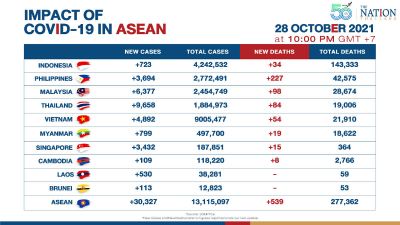
The number of Covid-19 cases crossed 13.11 million across Southeast Asia, with 30,327 new cases reported on Thursday (October 28), higher than Wednesday’s tally at 30,234. New deaths are at 539, increasing from Wednesday’s number of 536. Total Covid-19 deaths in Asean are now at 277,362.
Indonesian government announced that all visitors entering the country via air, land or sea channels must take a Covid-19 test via PCR method no matter which place in the country they are planning to visit. The regulation aims to prevent a new wave of outbreak before the new year holidays. Indonesia reported 723 new cases and 34 deaths on Thursday, bringing cumulative cases in the country to 4,242,532 patients and total 143,333 deaths.
Meanwhile, Myanmar’s public health ministry on Thursday lifted the stay-home order that has been implemented in 44 townships, 20 of which are in Yangon region, after new infections have shown declining trend. Authorities likely continue to require people to wear facemasks in public, as well as practice personal hygiene and maintain a physical distance of 2 meters. A nationwide 8pm-4am curfew likely remains in place, with a shorter 10pm-4am curfew in Yangon.
A recent speaker at the United Nations had a message that has been heard many times: refusing to drastically cut back on fossil fuels could drive humans to extinction. What made the speech unusual was the bearer of the warning: Frankie the Dinosaur.
Days out from the U.N. climate summit, known as COP26, in Glasgow, Scotland, the U.N. Development Program released a video of the computer-generated Frankie calling on the world not to “choose extinction.”
“Going extinct is a bad thing. And driving yourselves extinct? In 70 million years, that is the most ridiculous thing I have ever heard,” said Frankie, who is voiced in English by actor and songwriter Jack Black, from the podium of the U.N. General Assembly. “You are headed for a climate disaster and yet every year governments spend hundreds of billions of public funds on fossil fuel subsidies.”
The talking dinosaur closed out his speech by framing the global pandemic as an opportunity for countries to transition to green energy sources for their economies, which elicited an ovation from delegates in the video.
Ahead of the Glasgow climate talks, some of the world’s top carbon emitters are also calling on rich countries to do more to help finance the developing world’s transition away from fossil fuels.
India, the world’s third-largest emitter of carbon dioxide, said Wednesday it would not commit to a net-zero emissions target by mid-century. New Delhi instead called on developed nations to take “historic responsibility” for the greenhouse gases they have emitted over the centuries.
And a senior Chinese official said the same day that a lack of financial support from rich countries, such as their incomplete promise to mobilize $100 billion annually to the developing world by 2020, creates a “critical issue of mutual trust” between the two. China is the world’s top emitter of greenhouse gases.
“Many developed nations are pushing for more climate goals when they have yet to meet existing pledges,” China’s environment vice-minister Ye Min said. “All parties should realize that climate goals unsupported by action is like building palaces in the air.”
Governments worldwide spend about $423 billion every year subsidizing fossil fuels, which are responsible for three-fourths of total greenhouse gas emissions, according to a U.N. report published Wednesday.
The real cost is likely to be much higher, given negative effects of climate change such as the loss of biodiversity and the displacement of communities due to extreme weather.
Without more-ambitious pledges to cut emissions, the world is projected to warm 2.7 degrees Celsius (4.9 degrees Fahrenheit) by the end of the century compared with the end of the 1800s – far above the Paris climate accord’s goal of limiting warming to “well below” 2 degrees Celsius (3.6 Fahrenheit) compared with preindustrial levels.
Countries are “utterly failing,” U.N. Secretary General António Guterres said earlier this week.
“The era of half measures and hollow promises must end. The time for closing the leadership gap must begin in Glasgow,” Guterres said.


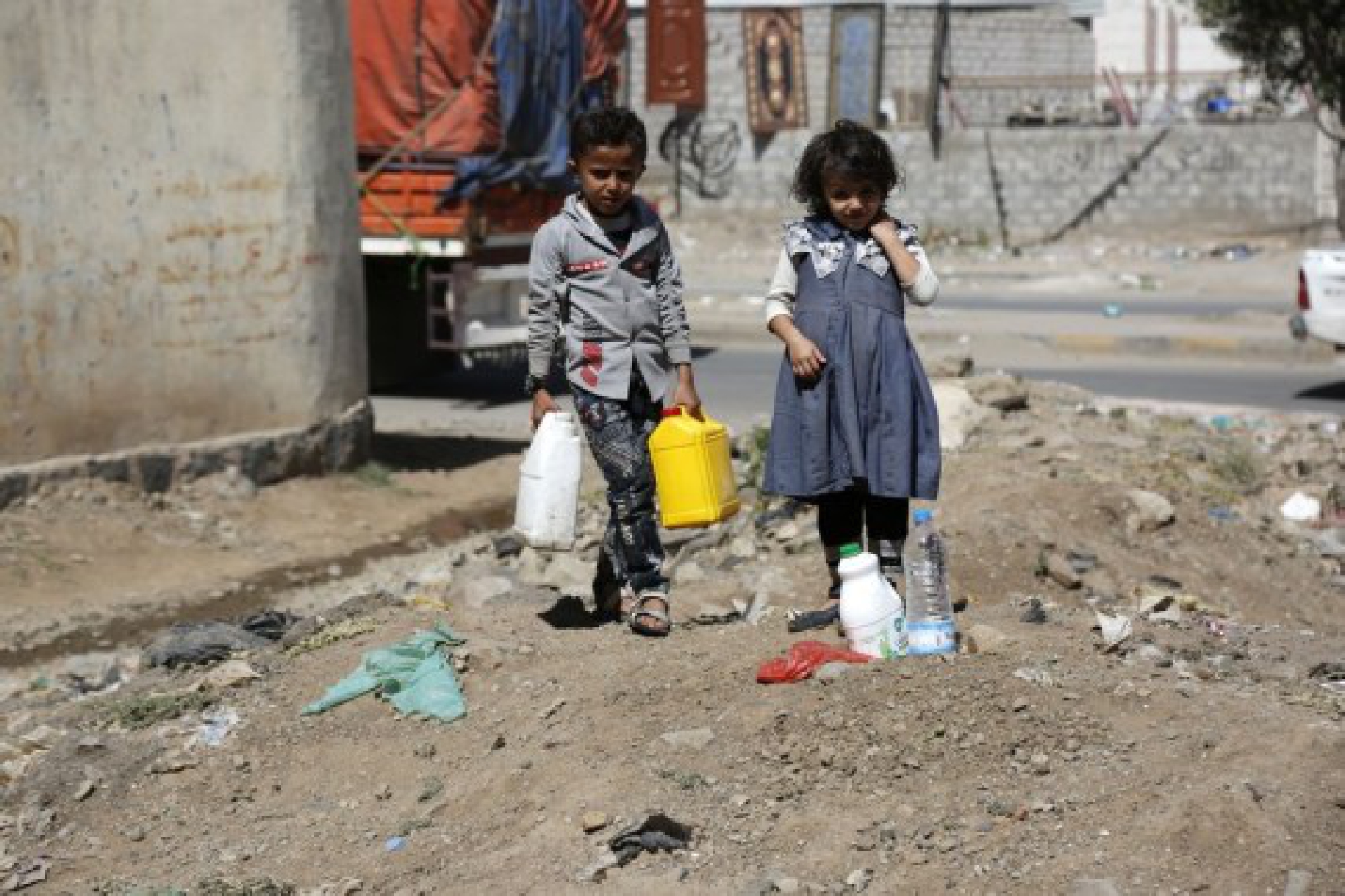 Children carry plastic water barrels to a charity water tap in Sanaa, Yemen on Oct. 28, 2021. (Photo by Mohammed Mohammed/Xinhua)
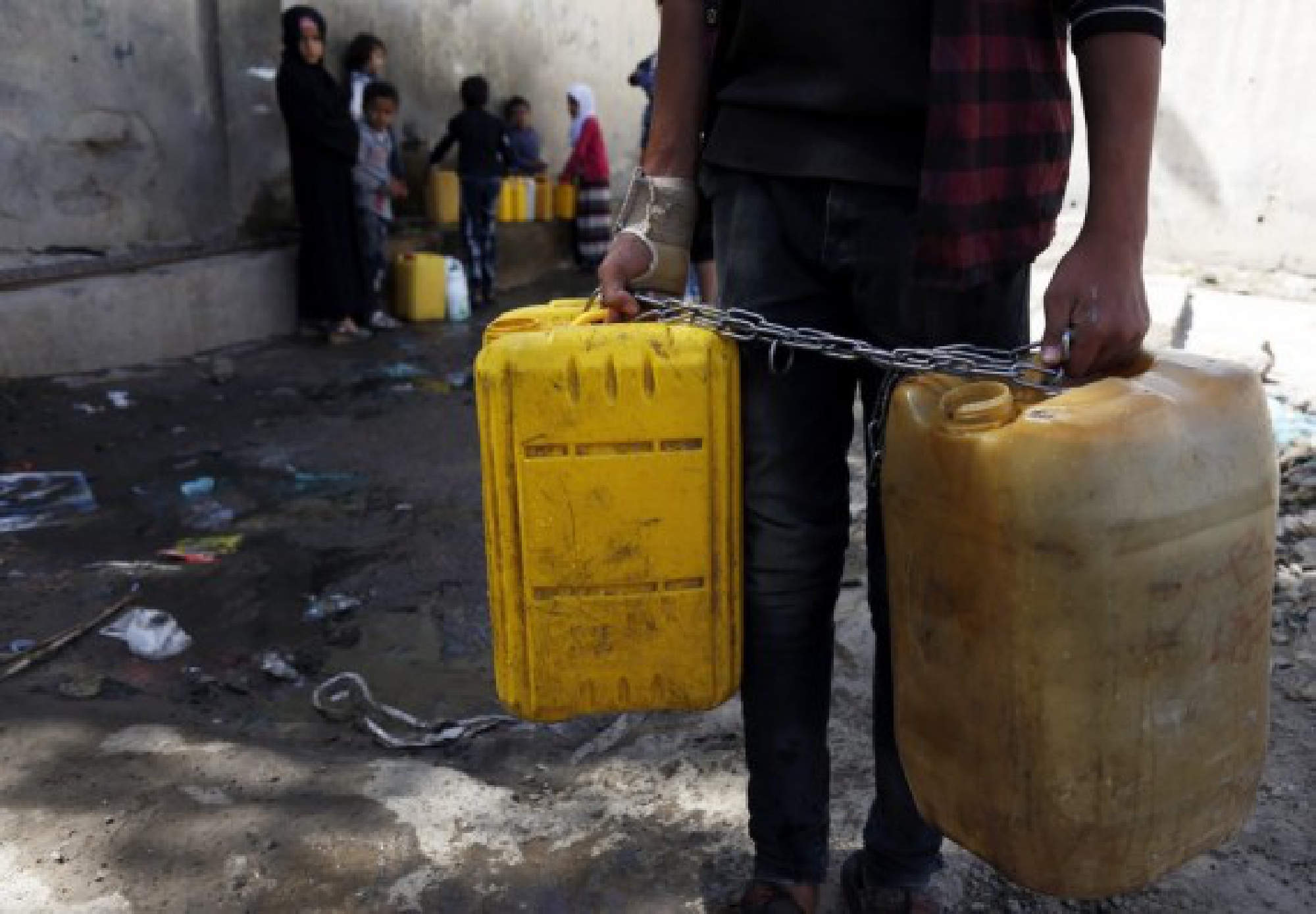 A Yemeni boy carries two plastic water barrels near a charity water tap in Sanaa, Yemen on Oct. 28, 2021. (Photo by Mohammed Mohammed/Xinhua)
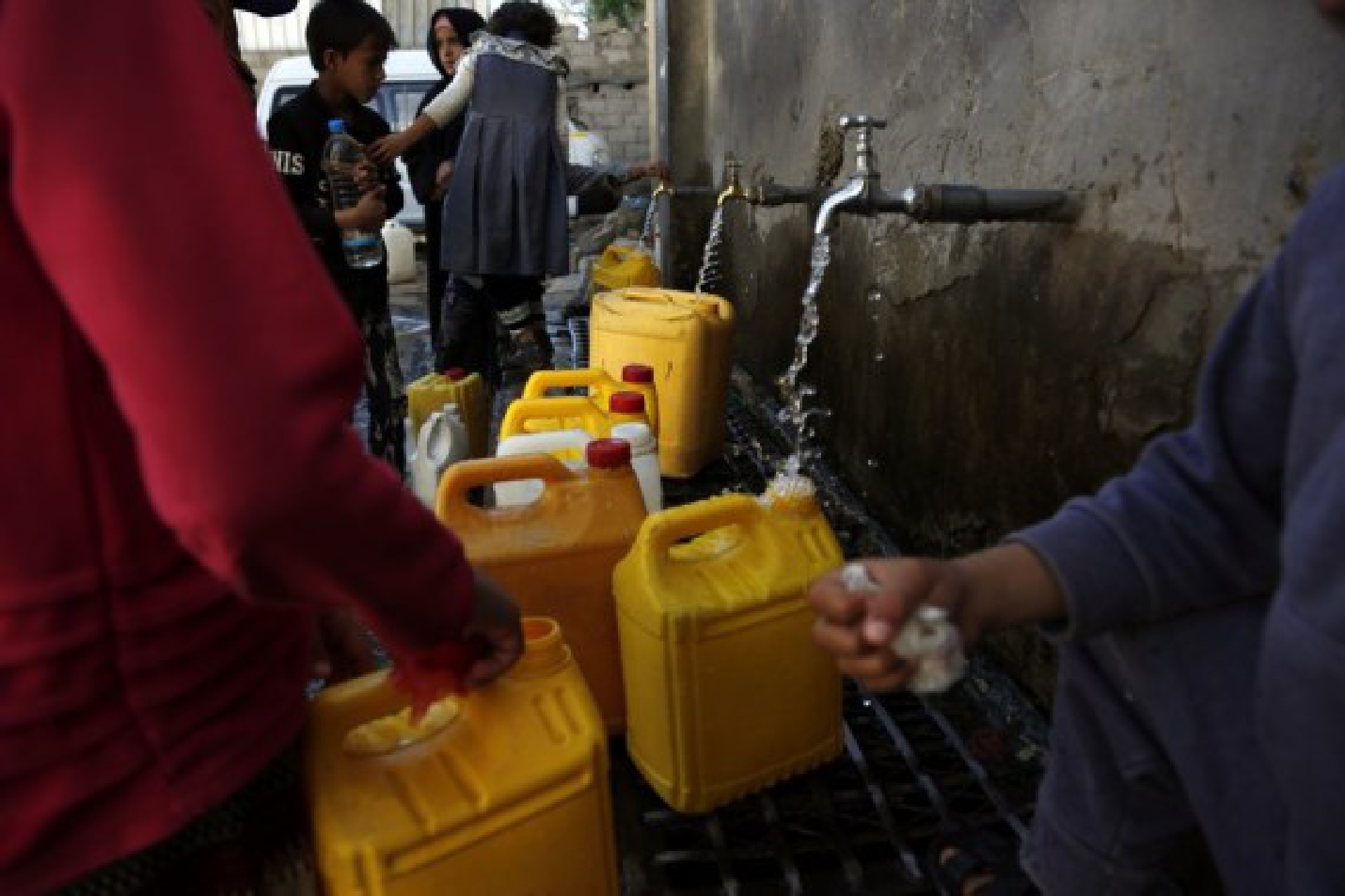 Yemeni children fill plastic barrels with water near a charity water tap in Sanaa, Yemen on Oct. 28, 2021. (Photo by Mohammed Mohammed/Xinhua)
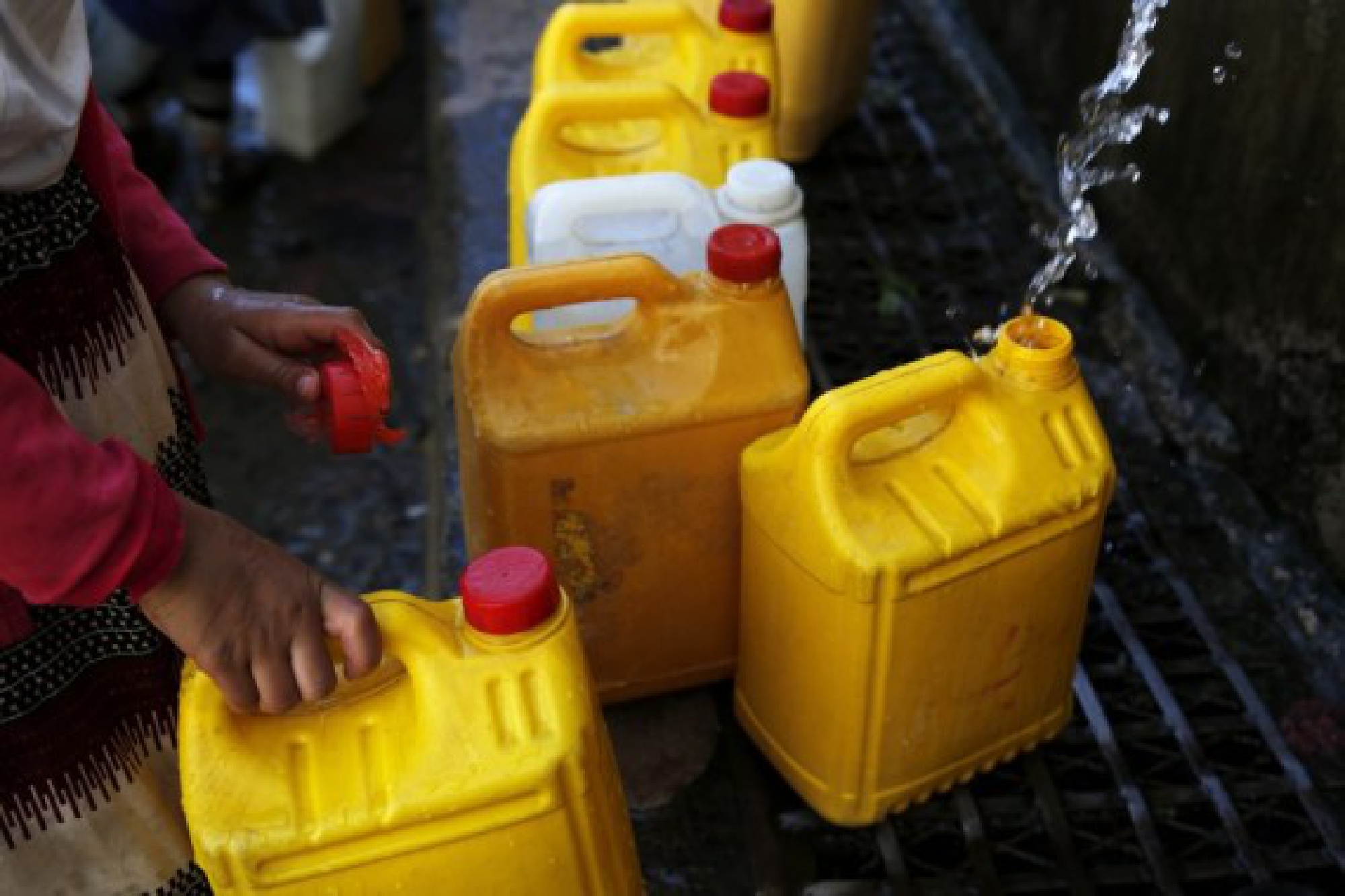 A Yemeni boy fills plastic barrels with water near a charity water tap in Sanaa, Yemen on Oct. 28, 2021. (Photo by Mohammed Mohammed/Xinhua)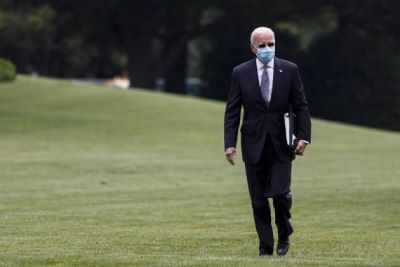

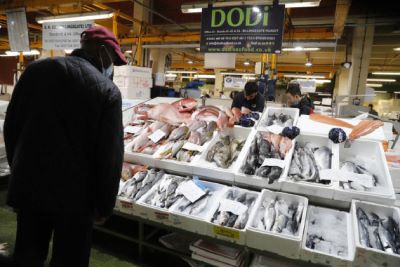
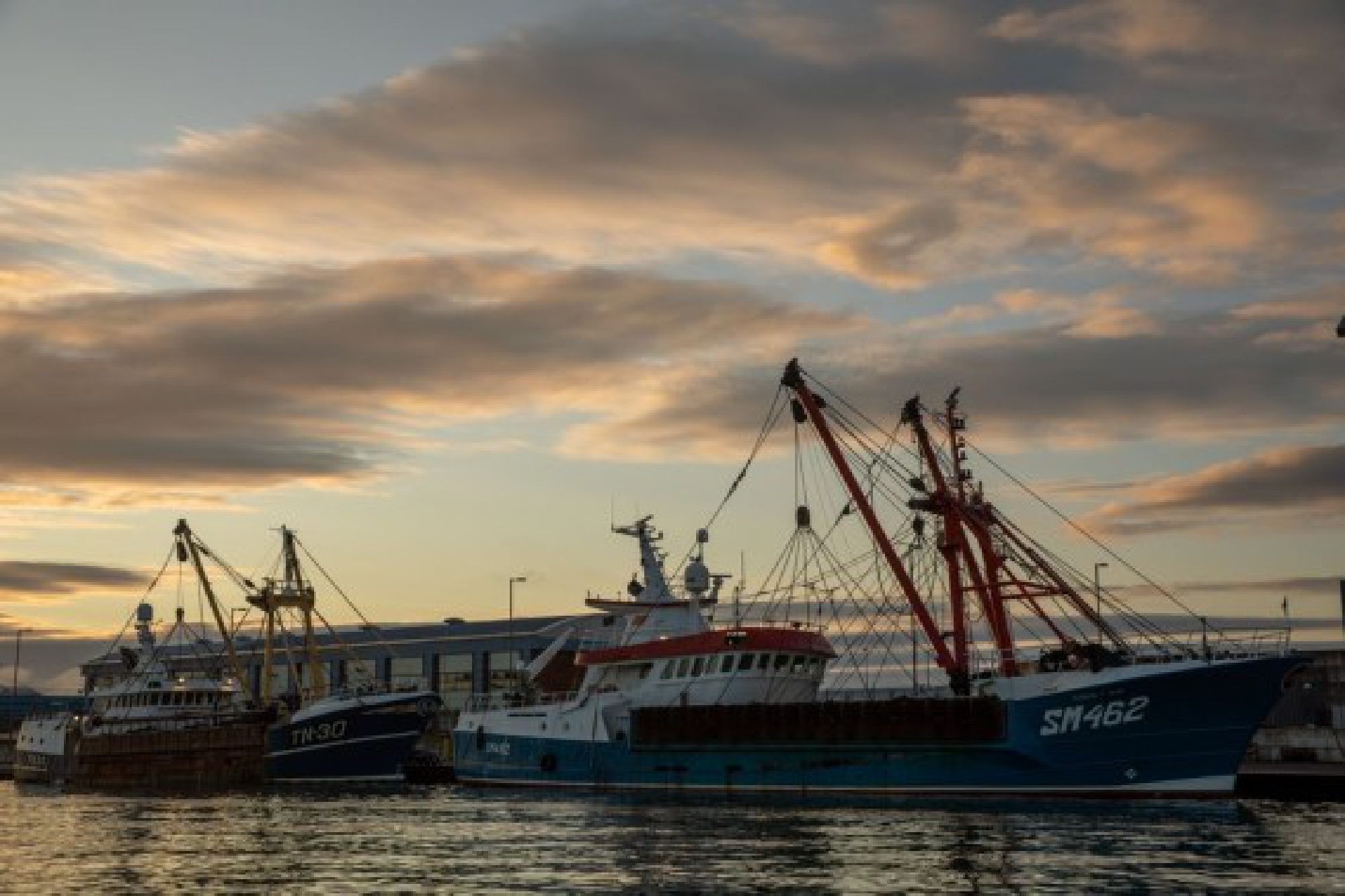 Photo taken on Oct. 11, 2020 shows British boats during sunrise at Shoreham Docks, Britain. (Photo by Tim Ireland/Xinhua)
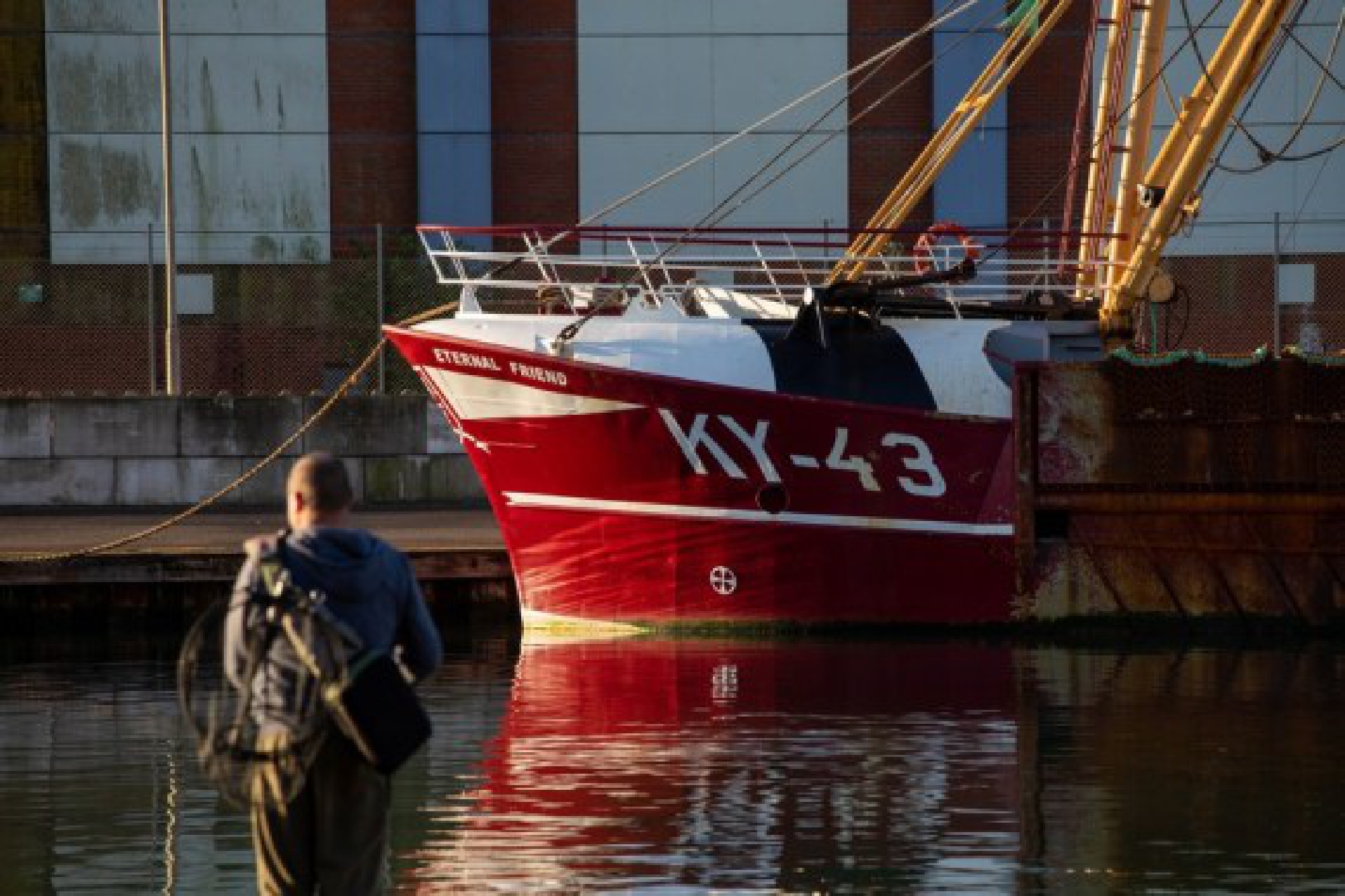 Photo taken on Oct. 11, 2020 shows a British fishing boat at Shoreham Docks, Britain. (Photo by Tim Ireland/Xinhua)
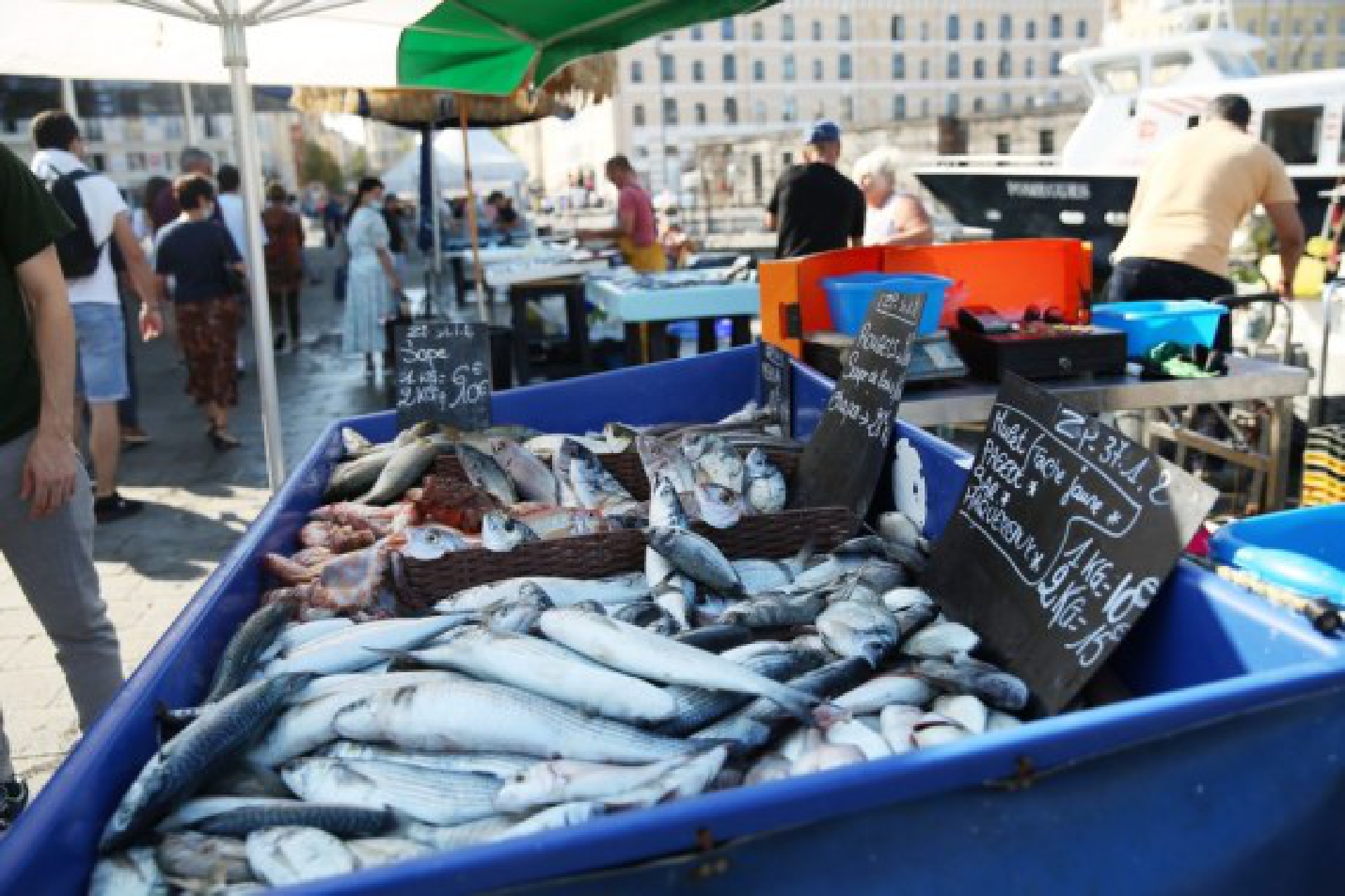 Fresh fish are seen at a fish market of the old port in Marseille, France, Sept. 6, 2021. (Xinhua/Gao Jing)