Thaicom, announced today the signing of a partnership agreement with US-based Orbital Insight Inc., to enable Thaicom to deliver world-class data insights and intelligence services with Orbital Insight’s geospatial analytics platform to its customers in Thailand and the region.
The Orbital Insight Platform can transform multiple geospatial data sources from spaced-based technology and other world sensors from a wide range of service providers around the world such as satellite images, anonymized location data, vessel automatic identification system (AIS) data, and other IoT data—combined with AI and Machine Learning to analyze data.
The platform provides insights to benefit governments and the private sector and enables the management of a variety of sectors, including natural resource management, transportation, and public utility management.
According to the agreement, Thaicom will initially offer a different model of services via the AI-powered Orbital Insight Platform.
The services include the provision of data insights to customers, licensing to access the platform, and customized platforms designed to meet customer needs.
Patompob (Nile) Suwansiri, Thaicom’s Chief Executive Officer, stated that ” This collaboration marks an important milestone in our global partnership strategy for our future growth. As a regional space tech company, we will leverage this data-driven technology from the Orbital Insight Platform to embrace our new business opportunities in the new space economy domain. Applying insights from this trusted geospatial data will help our customers in government and private sectors, including the military, financial institutions, energy and industrial sectors, as well as corporate and consumer goods, make better-informed decisions and enhance the country’s development in the digital era.
Kevin O’Brien, Chief Executive Officer, commented, ” Orbital Insight’s geospatial intelligence platform enables customers to discover, measure, and monitor activity anywhere in the world and get visibility into what they cannot see. We are excited to help Thaicom uncover insights and understand trends, patterns, and social-economic changes to make better, more data-driven decisions.”
85% of eCommerce, marketing and IT business leaders say that cutting-edge technology like the metaverse (85%) and Web 3.0 (87%) will be essential to their businesses in the next two years, helping to unlock new revenue streams and future-proof their companies.
AI topped the list with over 9-in-10 (91%) leaders viewing it as crucial to their firms’ success. AI was also ranked as the technology companies were most comfortable working with, with 71% of the firms in China confident in their ability to work with the technology, unlike the US sitting at 67% and the UK at 11%.
Furthermore, 67% of business leaders in China are already working with AI, and 44% when we look to the metaverse – adoption rates much higher than their US and UK counterparts.
The Disruptive Technologies research, conducted by Wunderman Thompson Commerce & Technology surveyed IT, eCommerce & marketing leaders in the UK, US and China, and found that 92% of respondents had already adopted or were in the process of implementing at least one of the six leading disruptive technologies: AI, Web 3.0, the metaverse, blockchain, decentralised identity technology and extended reality.
Web 3.0 (70%) and the metaverse (65%) in particular continued to be heralded as revolutionary by leaders.
Looking to China, the research shows that business leaders believe that these emerging technologies will create new revenue streams. 40% of Chinese IT decision-makers view XR technologies as a gateway to new market opportunities, and 37% say the same about Web 3.0. And 31% of businesses in China believe the metaverse will help them create a point of difference from competitors (contrasted to 19% in the UK and 24% in the US).
Tawin Tusnajareon, Managing Director of Mirum / Wunderman Thompson Tech Thailand, said: “Nowadays, these disruptive technologies, especially AI and XR, have been embraced pervasively in real business implementation, leading to enhanced customer experience, better operational efficiency and effectiveness, and greater revenue streams through innovative business models. Although, some technologies, blockchain, metaverse and Web 3.0 are still in relatively early stages in the market it is believed to be the technologies that will make the next big change.”
Therefore, to truly capitalise on disruptive technologies, companies and brands must understand the true capabilities of each technology to properly align them with their business strategies and goals. Implementation can start as a pilot project that will allow learning and correction rapidly. Eventually, evaluation of the results and consumer feedback will help you fine-tune it to truly harness new technologies in larger or even full-scale business implementation, he added
Yet there are still barriers to adopting these disruptive technologies, for example, data security.
Yet, China seems to be facing the least challenge with 52% of businesses in China stating that customers report no concerns over how their data is used, versus 72% in the US who say they do.
A Snapshot of China
Current State of Next-Gen Technology Implementation
Only 4% of the respondents from China don’t see metaverse as an essential, and 6% feel the same about XR and Web 3.0. The numbers are much lower as compared to the respondents in the UK with 25% saying metaverse and XR were ‘not essential’ to them.
70% of respondents believe Web 3.0 marks a new revolution in web technology, rising to 89% in China.
Are Businesses Ready to Adopt these Technologies?
71% of respondents from China are confident in their ability to work with AI, unlike the US with 67% and the UK with 11%.
67% and 44% in China are already working with AI and metaverse respectively.
Drivers for Adopting Next-Gen Technology
China falls in the middle between the US and UK when asked if blockchain is bringing cost benefits to their business (25%). China came in the highest in seeing AI as having cost-saving potential (33%) and as a route to future-proofing their businesses (27%).
Emerging Technologies will Create New Revenue Streams.
40% of Chinese IT decision-makers view XR technologies as a gateway to new market opportunities, and 37% say the same about Web 3.0.
31% of businesses in China believe the metaverse will help them create a point of difference from competitors (contrasted to 19% in the UK and 24% in the US).
Barriers to Adoption
Chinese businesses are much more likely to experience a ripple effect when implementing new technologies as a barrier. On average, 34% of Chinese firms see dependencies across the business as an obstacle to implementing these technologies (as compared to 14% of UK companies).
Companies in China view ‘agreement on digital strategy’ as much less of an issue – just 7% cited this across the six technologies.
Other Considerations
94% of businesses (China, US, and the UK) state the environmental impact of new technologies is important to them.
Data security is another consideration that matters to businesses. However, there are contrasting results in an opinion by countries. 52% of businesses in China state that customers report no concerns over how their data is used, versus 72% in the US who say they do.
Nick Harry, Head of Technology at Wunderman Thompson Commerce said: “Technology enables businesses to create new solutions, services or products to meet consumers’ ever-changing and often lofty demands. We now expect to be amazed by the latest technologies and ideas but are equally quick to dismiss bewildering, slow or unreliable solutions. It’s why the metaverse remains in relative infancy – because it’s difficult to visualise what a working, entertainment and even shopping world might look like in the merged virtual and physical environment.
“Taking a leap forward for any business is still fraught with challenges and a lack of understanding. Crucially, it’s about having the right technology partners in place, investing in the right skills and taking the time to understand how innovation can create meaningful, positive change in the customer journey. Companies must strike the balance and invest in the right technology that is going to future-proof their business and customer base for years to come.”
Methodology
The research was conducted by Censuswide, with 600 senior decision-makers and leaders in digital commerce, marketing and IT, equally split across UK, US and China in companies ranging from £1 million+ to £500 million+ annual turnover.
The research was run between 21.04.2022 – 28.04.2022.
Palo Alto Networks Unit 42 Incident Response Report reveals trends, future implications and offers recommendations based on data gathered from a year’s worth of investigations
According to a new report from Palo Alto Networks (NASDAQ: PANW), the global cybersecurity leader, the heavy use of software vulnerabilities matches the opportunistic behaviour of threat actors who scour the internet for vulnerabilities and weak points on which to focus.
The 2022 Unit 42 Incident Response Report offers a multitude of insights gleaned from Unit 42 by Palo Alto Networks’ extensive incident response (IR) work, leveraging a sampling of over 600 Unit 42 IR cases, to help CISOs and security teams understand the greatest security risks they face, and where to prioritize resources to reduce them.
In the report, Unit 42 identified that finance and real estate were among the industries that received the highest average ransom demands, with an average demand of nearly $8 million and $5.2 million, respectively.
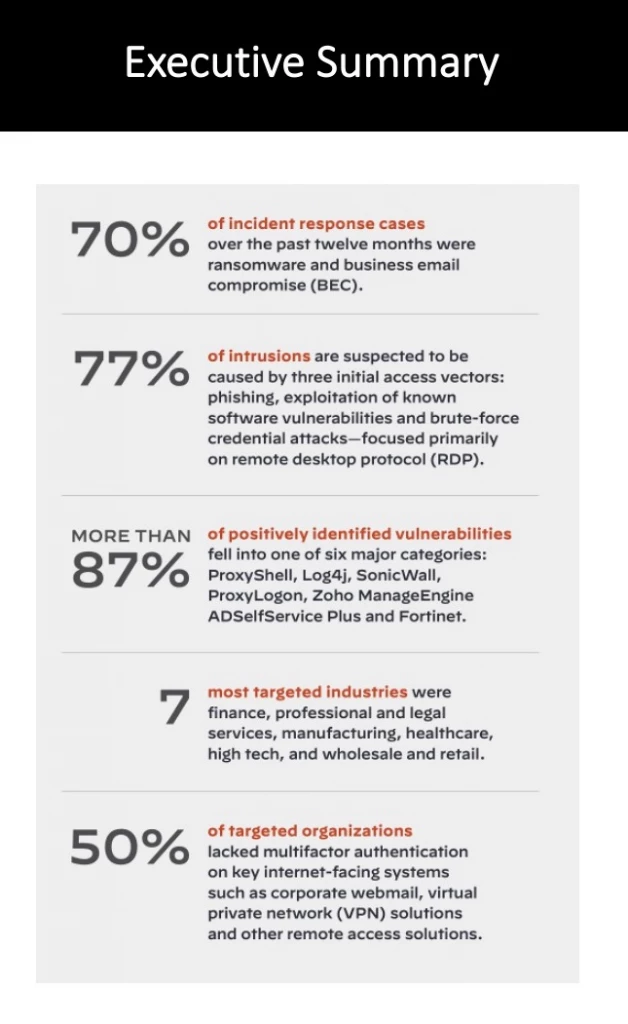
Overall, ransomware and business email compromise (BEC) were the top incident types that the Incident Response team responded to over the past 12 months, accounting for approximately 70% of incident response cases.
“Right now, cybercrime is an easy business to get into because of its low cost and often high returns. As such, unskilled, novice threat actors can get started with access to tools like hacking-as-a-service becoming more popular and available on the dark web,” said Wendi Whitmore, SVP and head of Unit 42 at Palo Alto Networks.
“Ransomware attackers are also becoming more organized with their customer service and satisfaction surveys as they engage with cybercriminals and the victimized organizations:
Key trends covered in the report include:
Ransomware A new ransomware victim is posted on leak sites every four hours. Identifying ransomware activity early is critical for organizations. Typically, ransomware actors are only discovered after files are encrypted, and the victim organization receives a ransom note. Unit 42 has identified that the median dwells time — meaning the time threat actors spend in a targeted environment before being detected — observed for ransomware attacks was 28 days.
Ransom demands have been as high as $30 million, and actual payouts have been as high as $8 million, a steady increase compared to the findings of the 2022 Unit 42 Ransomware Report. Increasingly, affected organizations can also expect threat actors to use double extortion, threatening to publicly release sensitive information if a ransom isn’t paid.
Lockbit 2.0 was responsible for the highest number of attacks in Thailand, causing 9 out of the 13 ransomware attacks in Thailand. Bangkok has the highest number of attacks compared to other states in Thailand, mostly within the commercial & professional services sector followed by software & services and automobiles & components.
BEC Cybercriminals used a variety of techniques in business email compromise wire-fraud schemes. Forms of social engineerings, such as phishing, offer an easy and cost-effective way to gain covert access while maintaining a low risk of discovery. According to the report, in many cases, cybercriminals are simply asking their unwitting targets to hand over their credentials — and getting them. Once they have access, the median dwell time for BEC attacks was 38 days, and the average amount stolen was $286,000.
Affected Industries Attackers follow the money when it comes to targeting industries; however, many attackers are opportunistic, simply scanning the internet in search of systems where they can leverage known vulnerabilities. Unit 42 identified the top affected industries in incident response cases as finance, professional and legal services, manufacturing, healthcare, high tech, and wholesale and retail. Organizations within these industries store, transmit and process high volumes of monetizable sensitive information that attracts threat actors.
The report also reveals some statistics from IR cases that cyber attackers don’t want you to know:
● The top three initial access vectors used by threat actors were phishing, exploitation of known software vulnerabilities and brute-force credential attacks focused primarily on the remote desktop protocol (RDP). Combined, these attack vectors make up 77% of the suspected root causes for intrusions.
● ProxyShell accounted for more than half of all vulnerabilities exploited for initial access at 55%, followed by Log4J (14%), SonicWall (7%), ProxyLogon (5%) and Zoho ManageEngine ADSelfService Plus (4%).
● In half of all IR cases, our investigators discovered that organizations lacked multifactor authentication on critical internet-facing systems, such as corporate webmail, virtual private network (VPN) solutions or other remote access solutions.
● In 13% of cases, organizations had no mitigations in place to ensure account lockout for brute-force credential attacks.
● In 28% of cases, having poor patch management procedures contributed to threat actor success.
● In 44% of cases, organizations did not have an endpoint detection and response (EDR) or extended detection and response (XDR) security solution, or it was not fully deployed on the initially impacted systems to detect and respond to malicious activities.
● 75% of insider threat cases involved a former employee
The World Robot Conference 2022 (WRC 2022) will be held from Aug. 18 to 21 in Beijing, according to the Beijing Association for Science and Technology.
During the conference, more than 500 sets of robots will be displayed and over 30 of them will make their world debuts in Beijing.
The conference, which will be held both online and offline, features three major events including forum, expo and competition.
WRC 2022 has invited more than 300 guests from 15 countries and regions, who will share cutting-edge academic achievements and development trends in the field of robotics at the forum.
Robots in application scenarios such as medical services, logistics, agriculture, architecture, manufacturing and mining will be on display at the expo.
Kaspersky’s study however uncovers that more than half believe a ransomware attack against their business “is too small to worry about”
With the many news reports highlighting the damages of cyberattacks against businesses and countries as a whole, Kaspersky’s fresh study revealed the heightened awareness of business executives in Southeast Asia (SEA) about the sophisticated risks online. Data theft, alongside Advanced Persistent Threat (APT) attacks and ransomware infections, are the highest on their list of concerns.
The study titled “How business executives perceive ransomware threat” surveyed a total of 900 senior non-IT management (such as CEOs, VP, and Director level) and business owners or partners at companies with 50—1000 employees. Conducted last April, the study was done globally with 100 executives from SEA.
When asked to assess the possibility of different types of cybersecurity incidents, data theft, also known as a data breach, is the threat that the respondents from SEA are most concerned about (77%). This does not come as a surprise as news about data breaches across the region were being reported almost regularly with wide victimology from e-commerce companies, digital services providers, hotel chains, insurance and health companies, and even government agencies.
Data theft – the illegal transfer or storage of personal, confidential, or financial information – is closely followed by an APT attack (75%), and a ransomware attack (73%).
An APT attack uses continuous, clandestine, and sophisticated hacking techniques to gain access to a system and remain inside for a prolonged period of time, with potentially destructive consequences. Because of the level of effort needed to carry out such an attack, APTs are usually levelled at high-value targets, such as nation states and large corporations, with the ultimate goal of stealing information over a long period of time.
Ransomware, as the name suggests, is malicious software designed to block access to a computer system or encrypt its data until a sum of money (a ransom) is paid. These attacks have been carried out on individuals or corporations.
The anticipation for these three damaging attacks is higher among SEA-based business leaders as compared to the global average b
However, the same study revealed that while the majority of the respondents anticipate a ransomware attack, almost 7 in every 10 (65%) of them believe that “the possibility of my organization being exposed to a ransomware attack is too small to worry about”.
A majority (81%) of the surveyed non-IT executives in SEA also trust that the security measures they have in place are enough to protect them from a ransomware attempt.
“At first glance, it is good to see that the business executives here are confident about their security posture to defend their organisations against damaging online attacks such as ransomware. We should, however, be careful about not letting confidence breed complacency because the reality is a ransomware attack is not something too small for enterprises to be worried about,” comments Yeo Siang Tiong, General Manager for Southeast Asia at Kaspersky.
“Even though 72% of our respondents from SEA believe that ransomware attacks are being shown as a bigger threat than they actually are by the media, this type of threat is actually evolving and is transforming into a bigger menace that our security systems and IT staffs should be ready for,” adds Yeo.
Since 2020, Kaspersky experts have been warning about “Ransomware 2.0”. Almost always a “targeted ransomware”, Ransomware 2.0 refers to cybercriminal groups who moved from hostaging data to exfiltrating data coupled with blackmailing. The aftermaths of a successful attack include significant monetary loss and damaging reputation loss.
This type of attack goes beyond kidnapping a company’s or an organization’s data. These groups are utilizing the increasingly valued digital reputation to force their prey to pay a hefty ransom.
As of 2020, at least 61 entities from the region were breached by targeted ransomware groups including companies from the light industry – including the manufacturing of clothes, shoes, furniture, consumer electronics and home appliances; public service, media and Technology, heavy industry – including oil, mining, shipbuilding, steel, chemicals, machinery manufacturing; finance, and logistics.
The infamous ransomware groups Kaspersky experts closely monitor include REvil, LockBit, Conti, and more. To help organisations protect their systems from ransomware and other sophisticated attacks, Kaspersky experts recommend the following:
• Always keep up-to-date copies of your files so you can replace them in case they are lost (e.g. due to malware or a broken device). These should be stored not only on a physical device but also in cloud storage for greater reliability. Make sure you can quickly access your backups in the event of an emergency.
• Keep your OS and software patched and up to date.
• Train all employees on cybersecurity best practices while they work remotely.
• Only use secure technologies for remote connection.
• Carry out a security assessment on your network.
• Enterprise companies are recommended to use anti-APT and EDR solutions, enabling capabilities for advanced threat discovery and detection, investigation and timely remediation of incidents, as well as to have access to the latest threat intelligence. An MDR provider could help to effectively hunt any advanced ransomware attack. All of the above is available within Kaspersky Expert Security.
• Follow the latest trends via premium threat intelligence subscriptions, like Kaspersky APT Intelligence Service.
• Know your enemy: identify new undetected malware on premises with Kaspersky Threat Attribution Engine.
• If you become a victim, never pay the ransom. It won’t guarantee you get your data back but will encourage criminals to continue their business. Instead, report the incident to your local law enforcement agency. Try to find a decryptor on the internet – you can find some of these available at nomoreransom.org.
• Never follow the demands of the criminals. Do not fight alone – contact Law Enforcement, CERT, and security vendors like Kaspersky.
For companies looking to improve the expertise of their in-house digital forensics and incident response teams, as well as for IT security practitioners looking to upgrade relevant skills, Kaspersky has also expanded its online expert training portfolio.
The Windows Incident Response training was developed by experts from the company’s Global Emergency Response Team (GERT) with more than 12 years of experience in the field.
The self-guided training course includes 40 video lessons and 100 hours of virtual lab time for hands-on learning. The estimated training duration is 15 hours, but participants will have six months of access to the platform to finish the training.
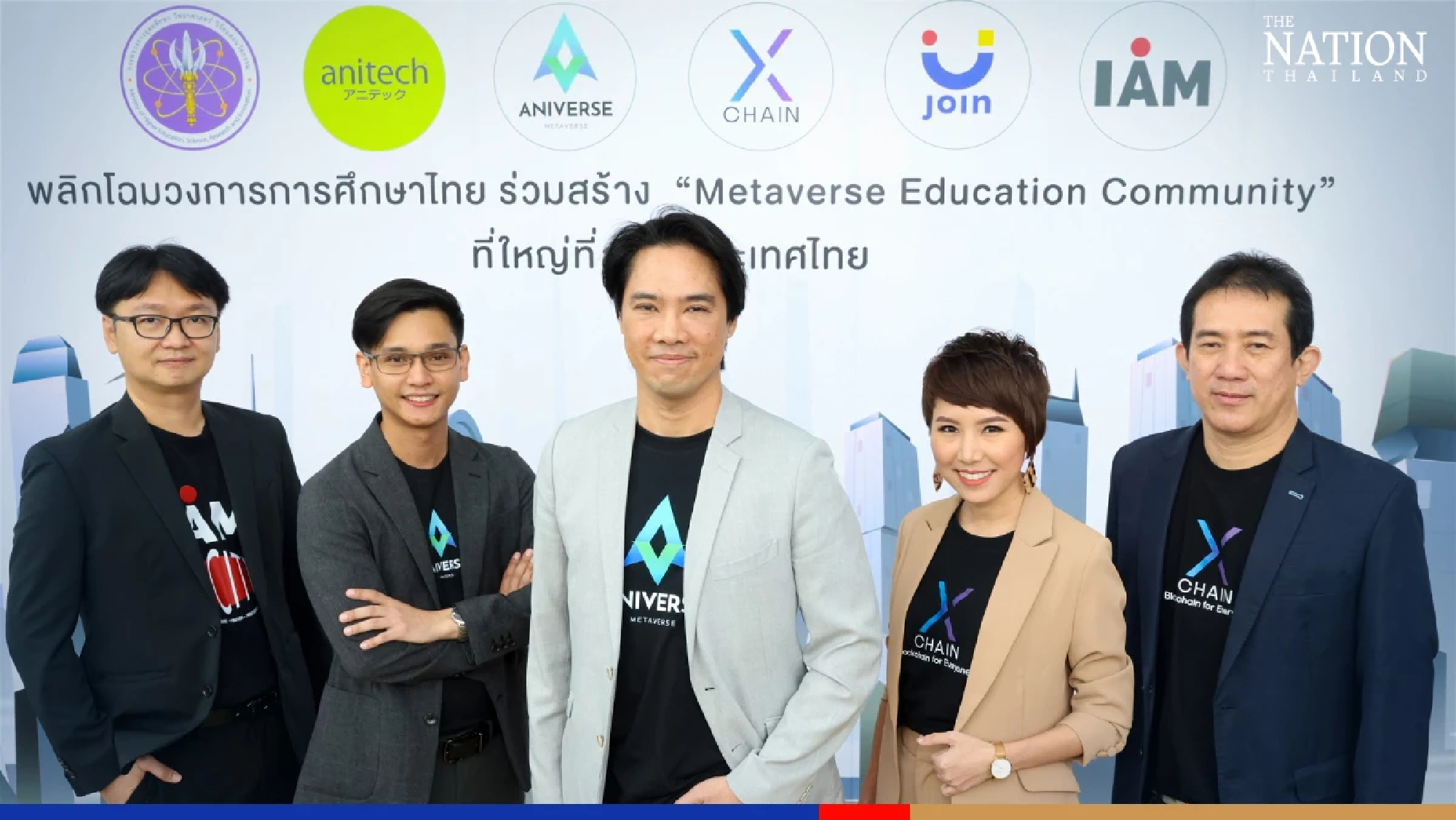
A project to develop an “aniverse” – a revolutionary educational metaverse which is expected to transform Thailand’s education system – is currently 25 per cent complete.
The project to troubleshoot issues and reduce social inequality was launched in January under cooperation between consumer electronics manufacturer Anitech and digital service provider Creative Digital Living.
As of Tuesday, the project had garnered cooperation from government and private agencies, such as the Higher Education, Science, Research and Innovation Ministry, blockchain developer xChain and as many as 17 universities.
Creative Digital Living executive chairman and co-founder Pitchyen Hongpakdee said the aniverse is being developed under a four-phase plan.
The educational metaverse plan, which went into operation in January, will run until December next year. The development is currently in the second phase spanning July to December this year.
The company has cooperated with universities to enable 500,000 lecturers and students to access the metaverse, Pitchyen said.
“We believe that in the future we can find a way to attract dropouts and low-income students back to school in the digital world,” he said.
The partnership with xChain will help reduce transaction fees in the metaverse, making the community as perfect as possible and creating opportunities for all users, Pitchyen added.
Meanwhile, Creative Digital Living Chief Executive Officer and co-founder Ampornsak Angkatavanich said the aniverse features two systems – a Learning Management System and Edu GameFi to troubleshoot limitations in offline and online classes, and combine the worlds of learning and gaming.
Ampornsak said the aniverse also has an artificial intelligence system that enables students to discover their identity and reduce the teaching preparation for lecturers by up to 20 per cent.
“With a massive online role-playing game system, students can create their virtual avatar to complete missions in a learning space to obtain non-fungible tokens and experience points,” he said.
Students will also be able to study and work in the metaverse, which will enable them to enter the labour market when they turn 18, Ampornsak said.
The company will offer free land on the metaverse to the 17 universities that participated in the project by August this year, he added.
As visionary technologists and strategists consider an expanding scope of possible use cases for the metaverse, the board has a role in guiding conversations with a sharp focus on strategy and risk.
Concepts that were once only found in science fiction and video games are breaking through the boundaries of reality and entering the physical realm, with the potential to change many aspects of business and personal interactions. The metaverse is the next-generation internet, with content that has progressed from text to graphics to video to immersive digital interactions. It is a type of digital interaction in which linked virtual experiences mimic those of the real world.
Two key drivers of the metaverse are advancing technology which promoting connectivity and immersive experiences through high-speed advanced networking, and people are spending more time than ever before interacting with digital systems and socializing in digital environments, especially expedited by the pandemic. For businesses, in order to prepare metaverse adoption, edge computing capabilities, faster connectivity, servers, networking hardware, devices – headsets, gloves, improved cameras, sensors, and other peripherals, are required to power this ecosystem.
The metaverse has the potential to change existing business models in a variety of ways in the near future. Consider the range of possible applications as the metaverse evolves:
Work, collaboration—To improve the transition to hybrid working arrangements by providing people with virtual working environments that enhance interactions. Imagine virtual meetings where people show up via their avatars and engage in conversations that are more lifelike.
Manufacturing, logistics—Companies can use digital twins to emulate manufacturing and logistics processes within the metaverse, which may enable lower-cost predictive planning and maintenance.
Education, training—Online experiences combined with avatars could expand the possibilities for learning and collaboration. A single avatar could move fluidly between spaces, from lecture hall to science laboratory to operating room. Medical students might train on a single avatar before using their skills on live patients.
Consumer—Businesses and consumers could operate in a space where people are living, working, and shopping in a virtual world, which could expand the potential scope of interactions and transactions.
Government, public sector—The metaverse offers a platform for civic engagement and for government officials to be more accessible to their constituents. City meetings and public events can be held virtually. Even city halls and embassies can be virtualized. This could lead to broad questions about how organizations can cost-effectively deliver services and where physical structures are even necessary.
Health, well-being—The current focus on telehealth can evolve to virtual care to recreate the in-person experience. The metaverse could unlock health care innovations, from mental health and pain management to surgery, fitness, physical therapy, and patient care. Home gyms can get another significant upgrade.
The board’s role in metaverse discussion
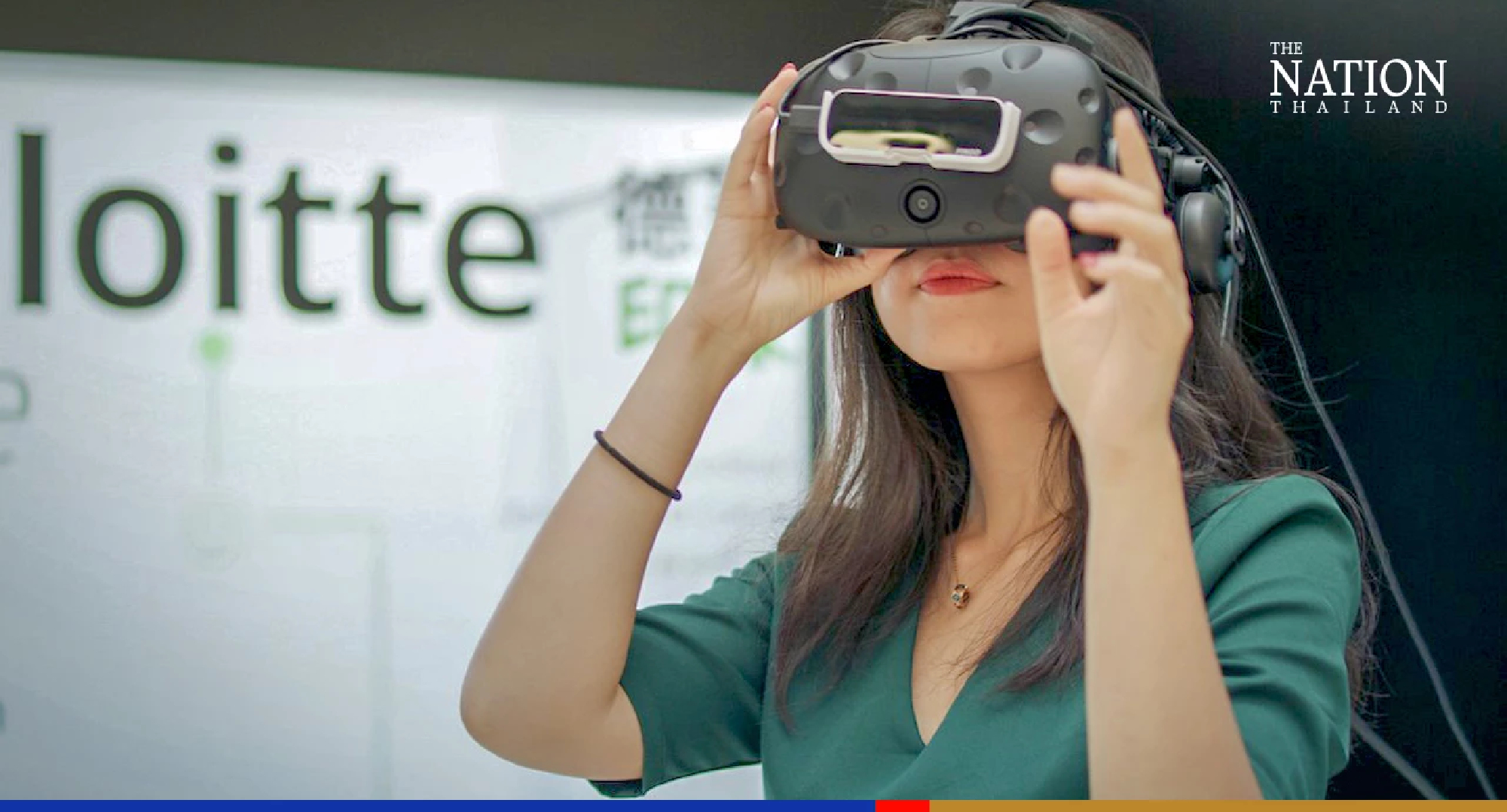
Boards may even benefit from exploring their possible uses to familiarize themselves with the technology and better understand its applicability to the broader organization. For instance, a board meeting wearing a pair of glasses that overlays physical surroundings with digital information. Wearing these glasses, the meeting agenda could be overlaid on the wall, and board documents could be overlaid with data sources or the recency of information to provide additional context. At a shareholder meeting, a gaze on a specific audience member could produce a biographical sketch of the person—background and context that might be important when the person approaches a microphone to speak.
Even though these ideas might seem far in the future, they are accessible now. The list of uncertainties, potential risks, and opportunities for boards to understand and explore related to the metaverse is considerable:
Business models—Radical new ways of working and interacting may lead to new business models and opportunities, some of which are yet to be defined.
Ecosystem management—Platform and technology selection in the metaverse may be a complex exercise for many companies, especially in the early stages of evolution.
Inclusivity, social policing—Providing an inclusive experience and managing participants’ behaviors is already challenging in some virtual environments, as it can be in physical environments.
Security, privacy—The metaverse likely introduces new cyber vulnerabilities and risks related to digital identity and fraud. Businesses and governments are likely to focus on protecting personal information while also identifying and addressing emerging cyber risks.
Questions for the board to consider asking: 1. What is our company’s business case for pursuing the metaverse? What opportunities does the metaverse present for our company’s growth, innovation, and talent experience? 2. Should our organization pursue metaverse adoption and development on its own, or are there any alliances, partnerships, industry associations, or other enterprise relationships that might be leveraged as we consider opportunities? 3. What controls or processes are in place for our company to explore the opportunities and risks associated with new domains such as the metaverse? 4. Should we consider standing up a technology committee to drill into opportunities and risks associated with emerging technologies underpinning our company’s performance? 5. What policies or processes do we already have in place with respect to digital assets and digital currencies? Do they need to be reconsidered? 6. What risks might ensue from each potential use case, including the ethical implications of new technology and digital experiences? 7. What risks might ensue from becoming an early adopter versus a follower? 8. Who has regulatory authority over the metaverse, and how might that affect our opportunities to leverage or exploit the metaverse? 9. What are our peers doing with respect to leveraging or investing in the metaverse? 10. What processes do we have in place to monitor the evolving metaverse environment and continually reevaluate opportunities and risks? Metaverse might illustrate a tremendous and promising business opportunity and open up new ways to interact and replicate stimulations with less limitation. However, similar to any emerging technology, the benefit comes with risks that businesses must explore in each use case. Therefore, it is vital that the board of directors has a responsibility to help companies remain focused on how this period of transition in the evolution of technology can be leveraged to achieve the company’s strategy and mission, and to collaborate with related parties to drive the company to the next chapter.
Dr. Suphamit Techamontrikul Chairman of Audit & Assurance | Deloitte Thailand
Among the most unique reminders of the global pandemic of 2020 and 2021 were images of peacefully empty traffic arteries in cities around the region and around the world.
Anotorious problem over decades, vehicle congestion and pollution intensified in Southeast Asia’s metro areas with increased economic intensity.
Efforts to boost alternative forms of transport or even rethink the way in which we design cities haven’t produced any visible results in most countries, unfortunately.
In many parts of the region including Bangkok, traffic jams during peak hours are back, as many workers head back to the office after mostly working from home over the last two years. For the longest time, Bangkok has been well known for its traffic snarls as much as its nightlife and food fare.
But there is light at the end of the highway tunnel, with Mobility-as-a-Service (MaaS) as a concept.
Mobility-as-a-Service (MaaS) is an idea that combines the different possibilities with the objective to build a more efficient transportation system for better user experience. This is both in the interest of local governments and its citizens.
Getting public and private entities to work closely together, however, can create something that’s even more powerful, which can be termed as “Beyond MaaS”.
The technological progress, the remarkable speed at which people have adopted the internet and how businesses have digitized are creating opportunities for new mobility concepts.
New services have emerged, from ride-hailing to bike-sharing. Along the way, large amounts of traffic data are being generated and made available to the public via dedicated apps.
Our cities are suffering
Priorities and needs are changing over the years.
Cities have been primarily places to work and do business.
These days, the quality of life, safety and security and entertainment options also play a part in attracting people to a city. A high standard of healthcare also benefits the local population, but hospitals have now also become businesses themselves bringing in a new type of tourists. A basic need of citizens and visitors alike is the air quality, infamously terrible in many of Southeast Asia’s cities.
A study by the Centre for Research on Energy and Clean Air found that the drop in traffic during the lockdowns in Kuala Lumpur, Manila, and Bangkok significantly brought down the levels of NO2, which causes inflammation in the respiratory system, intensifying symptoms of asthma and chronic pulmonary disorders. Annual mean levels of air pollution in many countries in the region often exceed by more than five times the limits set by the World Health Organisation, the report further stated.
Commuters in many cities endure hour-long traffic jams on a daily basis, greatly due to a lack in public infrastructure. Jakarta opened the first 10.5 kilometres of its new Mass Rapid Transit system only in 2019 and still mostly relies on buses and motorcycles.
Malaysia, with a strong car manufacturing sector, has traditionally and still favours individualised means of transport.
Managing the transition
Planning for a more sustainable future doesn’t mean the end of the car industry.
The solution comes with the CASE technologies, which stand for connected, autonomous, shared, and electrified. They represent the profound change the sector is currently undergoing.
The region’s leading car manufacturer Thailand expects 30% of its output to be electric by the end of this decade, according to a roadmap published last year.
Vietnam is creating with VinFast a national electric vehicle (EV) champion that plans to conquer the United States and Europe. Indonesia, the world’s largest producer of nickel, which is a key component in lithium batteries, is also aiming to become an EV production and export hub.
Indonesia is also home to the ride-hailing giant Gojek which boasts over 190 million app downloads according to its website.
The firm is leveraging its vast amounts of traffic data offering a multimodal journey planner called GoTransit. By raising rates for busy times and roads, ride-sharing services are able to reduce congestion.
Specific carpooling apps, such as Singaporean Ryde or the Paris-based BlaBlaCar, allow private car owners to offer empty seats to fellow travelers. In Thailand, there is Haupcar, an advanced self-service car rental, also known as car sharing via smartphone, that allows anyone to drive or share cars at any time.
Connected cars will also boost security. Advanced driver assistance technology – already in use today – keeps vehicles on track when the driver falls asleep.
It can be very beneficial to countries like Indonesia and Malaysia with high rates of traffic accidents. Fully autonomous driving, which is being trialed in designated areas such as university campuses, can be applicable in smart cities and for certain use cases—for example at airports and amusement parks—before they are rolled out to the entire town.
How do we get there
In order to smoothly implement and enjoy the benefits of “Beyond MaaS,” the government sector with its land transport, urban development authorities, and related ministries should take the lead and seek active collaboration with private entities.
Singapore’s public transport provider SMRT trialed autonomous vehicles with local university Nanyang Technological University. The service is integrated with several other modes of transport like shuttle buses, bike sharing, and e-scooters on a single platform. The university also joined forces with automotive parts manufacturer Continental to develop autonomous robots that communicate with food delivery services for last-mile deliveries. NTU also partnered with leading global supplier to automotive sector Schaeffler to accelerate innovation in the areas of future mobility, robotics and Industry 4.0 in the Share@NTU project which refers to a new phase in industrial revolution, focusing heavily on interconnectivity, automation, machine learning and real-time data.
The process requires a long-term vision and roadmap that includes considerations on public transport, investments in road infrastructure, and necessary vehicle taxes.
Key challenges for the governments though will be to keep budgets balanced during this transition. But it also needs to provide support to the domestic automotive industry while creating alternative sectors that can absorb the labour force and guarantee continuous economic growth.
By implementing the concept, Southeast Asian countries are not only upgrading their national infrastructure, but also solving several environmental and social challenges, including public health, people movement, housing, social equality, and national security.
Instead of collapsing our cities, the car becomes a part of the social infrastructure supplementing other forms of transportation. It is no longer “sold” but “used” for a fee.
The new mobility offerings finally achieve what they are expected to do – serving people.
By Yuma Ito, Partner at Arthur D. Little
About the writer
Yuma Ito is a Partner at global management consultants Arthur D. Little and manages the Singapore office. He advises manufacturing companies on growth strategies, business expansion strategy, mergers and acquisitions, change management, and organizational effectiveness.
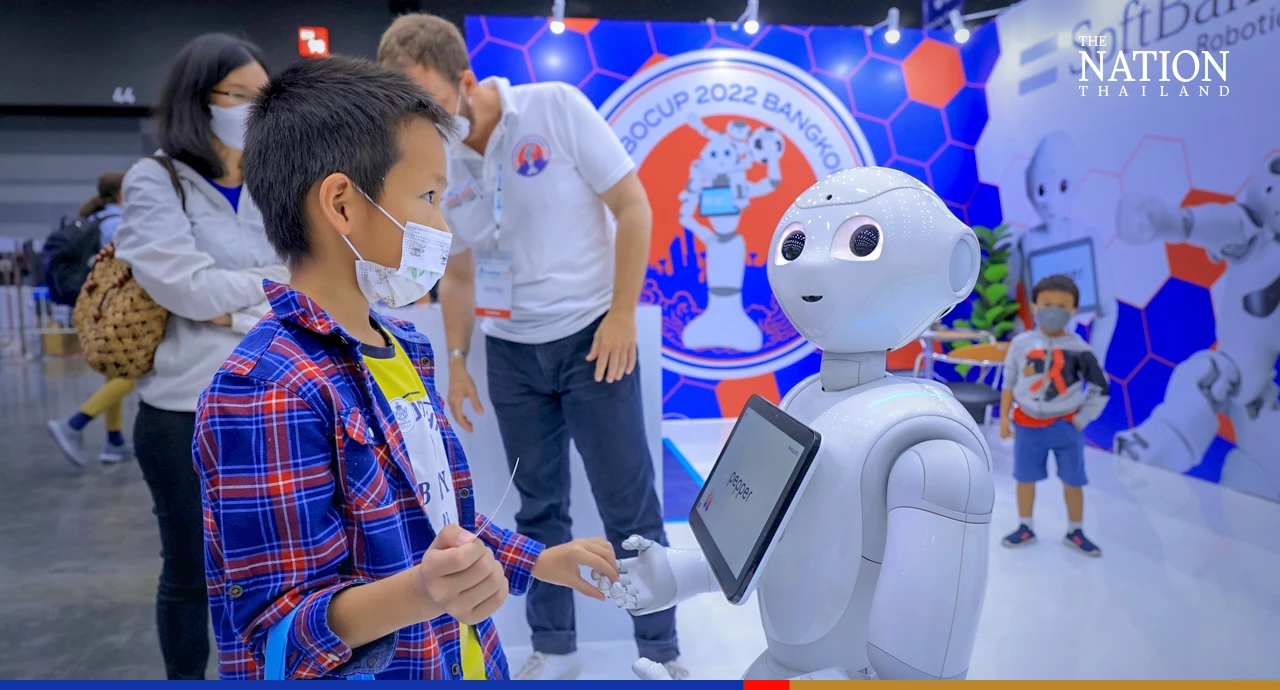
Robot armies from 45 nations have descended on Thailand to compete in World RoboCup 2022 and deliver industrial solutions for the digital economy and smart city.
The tournament kicked off on Thursday at Bitec Bangna Exhibition hall, co-hosted and organised by Mahidol University’s Faculty of Engineering, the Ministry of Higher Education, Science, Research and Innovation, the Ministry of Digital Economy and Society, the International RoboCup Federation, and WHA Corporation Pcl.
Peter Stone, president of the International RoboCup Federation, explained that the World RoboCup had originated with the objective of promoting global research and development in robotics, starting in 1997.
He added that World RoboCup 2022 will feature teams with over 3,000 participants from 45 countries around the world, including the USA, Canada, the UK, the Netherlands, Germany, Australia, Japan, South Korea, Singapore, China and Thailand.
All competitors will battle it out with their diverse range of robotic solutions, showcasing various forms of cyber-intelligence.
Finalists will receive plaques, and certificates will be presented to competition entrants, giving them international-level professional opportunities in the robotics industry.
The event has two categories — Major League and Junior League (RCJ).
The Major League has four sub-categories: a robot football tournament (RoboCupSoccer), a rescue robot competition (RoboCupRescue), a competition for a domestic home robot for personal service (RoboCup@Home) and a contest for robotic arms used in industry (RoboCupIndustrial).
The Junior League (RoboCupJunior or RCJ) is for youngsters from 14 to 19 years old to show off their inventions and innovations. All can be seen from July 13-17 at Bitec Bangna Hall EH98-100.
Jackrit Suthakorn, dean of the Faculty of Engineering, Mahidol University, and chairman of the 25th edition of RoboCup 2022, said that the tournament’s objective is to stimulate exchange and growth of research into cybernetic technology, artificial intelligence and autonomous systems.
“We also aim to train expert personnel with capabilities in AI and robotics, by stimulating the domestic development of engineers, entrepreneurs, inventors, researchers and students,” Jackrit added.
Besides the World Robocup 2022, the organisers also will display a number of robot and AI exhibitions, showcasing products in the categories of smart equipment, robots, and electronic control systems, as well as innovations in artificial intelligence and autonomous systems from leading global robotic technology firms.
The event will demonstrate innovation updates in various fields, such as medical, logistics, and the development of industrial estates, public infrastructure, agriculture, and energy on digital platforms.
Meanwhile, the event provides a “Robotics Startup” and pitching session, giving opportunities for startups to consult national-level experts, building networks of private sector firms, investors and leading universities, both inside Thailand and abroad, to promote the robotics industry.
Also, participants can listen and exchange ideas on various aspects of robotic technology with international experts and academics via an academic forum called RoboCup Symposium.
Chaiwut Thanakamanusorn, Minister of Digital Economy and Society, said robotics is a crucial opportunity for Thailand to create startups of use in industry, building huge economic value for the country, which can be an incentive for investment from all over the world. Thailand has now greatly increased its potential in robotics and must continue to grow from the current prototype stage.
“The government has put in place policies to promote startups and give them the capabilities to compete internationally, for example, a 10-year break on capital gains tax for both Thai and foreign investors investing in Thai startups in the 12 target industries,” Chaiwut added.
The Digital Council of Thailand forecasts that the capital gains tax break will attract increased investments in startups of 320 billion baht in 2026, generating both direct and indirect employment and creating over 400,000 positions, as well as strengthening the domestic economy with a value of 790 billion baht.
Danuch Tanterdtid, the Deputy Minister for Higher Education, Science, Research and Innovation, noted the event was a golden opportunity to enhance the educational sector, particularly with regard to engineering courses in robotics and associated technology, as well as Thai startup businesses, that will create career opportunities for the quality engineers driving Thailand into the future.
He believed that by preparing Thai students from a young age and encouraging startups, the country will smoothly enter the age of economics driven by innovation, or the Innovative Economy under the Thailand 4.0 model, which has the objective of sustainable economic development.
The robotics industry is currently valued at more than 350.4 billion baht. The global market is expected to grow to 1.7 trillion baht in the next five years, confirming the importance of the industry to Thailand’s economy in the future.
Jareeporn Jarukornsakul, chairman and group CEO of WHA Corporation Pcl, expressed confidence that innovation in robotics and autonomous systems developed by the competitors from Thailand and 44 other countries will advance every sector, including manufacturing.
Apart from ownership of digital assets, investing in non-fungible tokens (NFTs) also gives investors connection with experts who share similar interests with them, Piyaphan Wongyara, CEO and founder of investment consulting firm Stock2morrow said on Friday.
He made the remarks at a press conference about the launch of BullMoon Club NFT, the company’s latest NFT buy-sell platform, at Jim Thompson Art Centre in Bangkok’s Pathumwan district.
He said the company’s NFT will focus on building a community, which will act as a gateway that familiarises investors and businessmen with the new type of digital asset investment.
He added that the NFT is driven by three important pillars — utility, community, and art — which are contributing factors to liquidity and propelling continuous growth.
“BullMoon Club NFT members will be welcomed with privileges, including having the ownership of digital assets, receiving knowledge shared by experts, getting great experiences from events, and making new like-minded friends in the community,” he said.
“The privileges also extend to chances to become business partners and receive privileges from future business networks.”
Piyaphan Wongyara
Citing data from revenue impact firm MarketsandMarkets, Piyaphan said NFT market size is expected to grow 4.5 times or equal to US$13.6 billion by 2027 compared to the current $3 billion.
He pointed out that factors like trends from influencers and gaming community, as well as high demand for NFT artwork would contribute to the growth of the NFT market for the next five years.
“Although NFT value has fluctuated recently, it is a good sign of ‘digital assets’ being revolutionised, meaning only digital assets with high quality and credibility will continue to have low risk and low fluctuation,” he said.
However, he advised investors to do a thorough research and create a good investment plan even though NFTs can generate profit in the long term.
Kuna Wittayathanakorn
Meanwhile, Kuna Wittayathanakorn, co-founder of Bullmoon Club NFT, said Thai investors were considered leading NFT buyers in the world with about 5 million people purchasing NFTs.
He expected more company brands to use NFTs in marketing.
“If we don’t study NFTs right now, it will play an important role in our daily lives in the future,” he said.
In the first phase on July 25, BullMoon Club NFT will release a limited number of only 5,500 artworks and allow 5,000 member registrations.















 Piyaphan Wongyara
 Kuna Wittayathanakorn
 SootinClaimon.Com