12 productive things you can do to feel better about being stuck at home #ศาสตร์เกษตรดินปุ๋ย

#ศาสตร์เกษตรดินปุ๋ย : ขอบคุณแหล่งข้อมูล : หนังสือพิมพ์ The Nation

https://www.nationthailand.com/lifestyle/30384453?utm_source=category&utm_medium=internal_referral

12 productive things you can do to feel better about being stuck at home
Mar 20. 2020
File photo by Syndication Washington Post

File photo by Syndication Washington Post
By Special To The Washington Post · Nicole Anzia · FEATURES, HOMEGARDEN

Now that the coronavirus has sent workers and students home, closed businesses and canceled events, it’s going to be important to create new routines and find meaningful ways to spend our long days at home. The following organizing tasks are simple and will help you structure your day and create a small sense of control.

– Order picture frames and albums: Do you have a stack of photos you have been meaning to put in frames or photo albums? If so, take a few minutes online to find options that will work for you, and place the order. Depending on how long social distancing lasts, you may even have time to put those photos into the frames and albums.

– Send notes: Write those thank-you cards that you have had on your to-do list for the past few months. If you don’t have any thank-you notes to send, just send a few written notes or cards to friends. It will make you feel good to keep up some connection offline, and the recipient will be thrilled to open some real mail.

– Organize and minimize your inbox: Spend 15 minutes deleting and filing emails. You’ll be amazed at how much you can lighten your inbox in a small amount of time. For bonus points, do this every day for a full week.

– Wash and store winter items: Wash winter coats, hats and gloves that are launderable. Set aside for donation those items that your family members have outgrown, and properly store the rest.

– Meal planning: The upside to not sending kids to school and not going into an office is that you don’t have to pack lunches. On the other hand, with everyone at home, you will have to make three meals a day. Spend 20 minutes one day a week thinking through lunches and dinners. This will make mealtimes feel less stressful and rushed, and you can make sure you have everything you need in advance. With stores having uneven inventory, ensuring you can prepare what you want is important.

– Wash backpacks and reusable bags: When is the last time you washed your kids’ backpacks and any of the reusable tote bags you bring to the grocery store or on errands? For most people, the answer is never, but now you have time to get them cleaned up and germ-free. Will this change your life? No. But it will feel good for both you and your kids to start fresh when normal life resumes.

– Clean your car: If you have a car, this is the perfect time to clean it. This activity has the extra bonus of getting you outside for a portion of your day. Start by taking everything out, and then wipe down the surfaces and vacuum the floors and seats. Finish by cleaning the windows inside and out. This is something kids can help with.

– Deep-clean your kitchen cabinets: This is an activity that you don’t have to do all at once, but it will keep you busy for 30 minutes each day for a couple of days. Take things out of your drawers and cabinets and wipe down the insides. Put items that you no longer want or use in a bag for donation, and toss expired food. Put things back neatly. Wipe down both the inside and outside of your cabinet doors and all of the pulls, too.

– Move furniture in one room and clean: Get some help from other family members to move your family room or living room furniture and clean underneath, either with a vacuum or Swiffer. While you’re at it, take the cushions off the couch and chairs and vacuum them, too.

– Refresh your bookcases: Take all the books and items off one bookshelf in the house. Put books that you no longer want in a bag to donate, wipe down the shelves and put everything back in a new configuration.

– Write down goals for the rest of 2020: Some of us made a list of goals at the beginning of the year, but if you didn’t, now is a good time to make one. It will help you visualize life after the coronavirus and help you prioritize in the coming months. If you already have a list, take a look and revise as necessary. If you’re making a new list, be sure to include larger home projects you would like to complete, ideas for things you want to do with your kids and professional goals.

– Streamline your bill-paying: If you’re still a holdout to online bill-paying, this is the perfect time to get set up. If you’re just getting started, entering the information for all of your payees does take a while, but you don’t have to do it all at once, and the time you spend now will save you countless hours later. If you already have online bill-pay, take a look at your recipients to make sure they’re current, and add any new vendors. Alternatively, call the companies you pay each month and set up automatic bill-pay through them.

Many of us have wished for more time at home to get things done, and, well, now we have it. Using this opportunity to do some cleaning and organizing will not only make you feel more in control and save you time later, but it will also give you a sense of renewal and accomplishment.

– – –

Anzia is a freelance writer and owner of Neatnik.

Whose bedroom becomes the infirmary? Group-house living just got a whole lot trickier #ศาสตร์เกษตรดินปุ๋ย

#ศาสตร์เกษตรดินปุ๋ย : ขอบคุณแหล่งข้อมูล : หนังสือพิมพ์ The Nation

https://www.nationthailand.com/lifestyle/30384361?utm_source=category&utm_medium=internal_referral

Whose bedroom becomes the infirmary? Group-house living just got a whole lot trickier

Mar 18. 2020
From left, housemates Sam Lane, Zack Johnson, Dutch Seitz and Zach Lane have stocked up on extra food and toilet paper. Seitz is prepared to cede his bedroom to anyone who gets sick. MUST CREDIT: Photo for The Washington Post by Evelyn Hockstein

From left, housemates Sam Lane, Zack Johnson, Dutch Seitz and Zach Lane have stocked up on extra food and toilet paper. Seitz is prepared to cede his bedroom to anyone who gets sick. MUST CREDIT: Photo for The Washington Post by Evelyn Hockstein
By The Washington Post · Maura Judkis · FEATURES, HOMEGARDEN, RELATIONSHIPS 

WASHINGTON – The best room in the four-dude D.C. group house is also the most isolated – up on the third floor, with pine-tree wall art, big windows and its own bathroom and shower. It belongs to Dutch Seitz. But if our current national nightmare infiltrates their home, the 26-year-old is prepared to move a few of his possessions to a small, spare room with an air mattress, allowing his coveted third-floor spot to become the infirmary.

That’s the deal he and his housemates made as Washington, along with much of the nation, girds itself for an outbreak: If one of them gets covid-19, the illness caused by the novel coronavirus, Seitz’s room is where the sick will go: sealed into the navy-and-white-clad annex without hesitation, with only a mounted stag for company. It’s like “The Cask of Amontillado,” but with Netflix.

Sam Lane and Dutch Seitz clean the spare bedroom in their Washington, D.C., group house. MUST CREDIT: Photo for The Washington Post by Evelyn Hockstein

Sam Lane and Dutch Seitz clean the spare bedroom in their Washington, D.C., group house. MUST CREDIT: Photo for The Washington Post by Evelyn Hockstein

“It’s a necessary sacrifice for the greater good,” says Seitz. Late last week, even though his housemates were in good health, he packed a bag of about 10 days’ worth of clothing to stash in the spare room so he could be ready to move there at a moment’s notice.

The designated sick room has its own climate control, so the sick person’s air wouldn’t recirculate back through the house’s HVAC. Between that and the private bathroom, it would be possible, in theory, to cut off contact between the infected housemate and his roommates, who would deliver food and medication outside his door.

Zach Lane has stocked up on nonperishable food and toilet paper. MUST CREDIT: Photo for The Washington Post by Evelyn Hockstein

Zach Lane has stocked up on nonperishable food and toilet paper. MUST CREDIT: Photo for The Washington Post by Evelyn Hockstein

It’s what the Centers for Disease Control and Prevention recommends in its guide to caring for a stricken member of your household: “Stay in a specific room” with its own bathroom, “avoid sharing personal household items” and “clean all ‘high-touch’ surfaces every day.”

“The only avenue we haven’t addressed is, once that person has healed, how we’d disinfect that room afterward,” he says. “It would be the responsibility of the person who was sick,” he supposes.”I would be following through with a secondary disinfectant after that.” (It’s all moot if more than one of them gets sick, of course.)

In communal houses across Washington right now, there are group texts and house meetings where discussions of who is responsible for scrubbing the toilet have given way to planning for what will happen if – when, really – the virus strikes. Few of these 20-somethings are worried about the actual symptoms – their demographic has among the best survival rates – but rather, the disruption to their lives and the possibility of transmission. Some of those housemates are longtime friends looking for an extension of college fun, while others are in the unnerving position of having to wait out a deadly global pandemic with a near-stranger from Craigslist. Maybe they are lucky to have each other. Or maybe they should have sprung for the tiny studio apartment instead. Maybe they’ll soon find out one way or the other.

“It’s easy to feel kind of powerless when you’re living with multiple people in a small space,” says Magen Eissenstat, a 25-year-old nonprofit worker who lives in a share house. “Your friends kind of become your family, and this has kind of driven that home. It’s made it a much bigger deal when you realize that you might be stuck in the house with people.”

People living in group houses can socially distance from the world, but not from one another.

“We all live so closely together and we share bathrooms,” says Jason Johnson, a 25-year-old Capitol Hill staffer who lives in a group house with three other roommates he found via Craigslist. If one were to get sick, “it’s almost inevitable that each of us is going to get the virus.”

They haven’t done much to prepare for that “inevitable” possibility, either. In Johnson’s house, as in many group houses, everyone buys their own groceries, and they take turns buying shared items, like cleaning supplies. And toilet paper. Which, as Johnson just realized, is about to become a big problem.

“We have one six-pack left. I was planning to get some after work,” he says. “I guess I need to check Amazon.” Good luck, pal. (Yes, Amazon chief executive Jeff Bezos owns The Washington Post, but we’re scrambling for toilet paper just like the rest of you.)

“One of our house members bought a lot of food for himself, but that’s one out of four of us,” says Zach Lane, 24, who lives in the house with Seitz. “We all cook our own food. There’s no sharing.”

They wouldn’t let each other go hungry, of course. Still, an alert went out on the house group text last week: Go to Costco. ASAP.

“I bought food on Sunday for the whole entire week, because I might be working from home, but I don’t have weeks or months of food,” says Lane. “I’ll probably have to go to the store in five days.”

Five days. That’s a long time to be together, especially for houses with members that – as some note proudly in their Craigslist ads for open rooms – tend to spend almost no time at home. But emergency telework policies have turned housemates into officemates. Officemates who never part ways.

“It might start out kind of as a party, but I feel like we will quickly go into a cabin fever feeling,” says Don Masse, 27, who lives in the same house as Johnson. “We’re a fairly social and outgoing house.”

In Thomas Carpenter’s five-person group house, there will be plenty of video-game sessions in the living room. Over at another group house, Shannon McDermott and her housemates are doing group yoga and watching “Cheer,” a Netflix series shot in the before times when crowds were benign and colleges had students. At the share house nicknamed “Dolphin House” – it came with three large dolphin emblems surrounding its front door – American University student Ben Davis, 23, plans to hold big group dinners with his housemates, all recent grads except for one new guy who arrived to Dolphin House just as the coronavirus was arriving to most U.S. states.

“We brought in a random person who is a Vanderbilt guy,” says Davis. “We’ve only known him about two weeks now.” Based on early observations, he seems like a reliable hand-washer.

Things are a little more tense over at Blaine Smith’s group house. The 23-year-old public health researcher has three roommates, but one of them just lost a paid internship thanks to coronavirus shutdowns and can’t afford to stay. So they’ll need to find a subletter. That means inviting a bunch of strangers over to see the place.

“It is definitely nerve-racking that there are going to be people coming through our house to tour it, and movers,” says Smith. The standard D.C. group house interview questions – Are you messy? Do you work long hours? Do you have people over? – may be replaced with more pressing ones, such as: How frequently do you wipe down your doorknobs?

“We just had our March house meeting, where we talked about what we would be doing to keep surfaces a little more clean,” says Smith. “We are all adults that are living very different and separate lives,” which makes those check-ins more important. “If I lived with my parents … it would be a bit easier to navigate, because our lives would be a bit more connected.”

Cleaning is all anyone can talk about at McDermott’s house. Last week, one of the housemates returned from visiting a friend in Spain, which has the fifth-highest total of confirmed coronavirus infections in the world and the second-highest in Europe.

“I personally am kind of spooked by it,” says McDermott. At first, the housemates thought they would try to stay six feet away from one another, but they realized doing so probably wouldn’t work due to the shared kitchen and bathrooms.

So they’re all going to self-quarantine together for two weeks. McDermott canceled her birthday party. The housemates pulled together a good supply of Lysol, hand soap and medicine, and McDermott ordered thermometer probe covers. No one will leave the house, except to go on the porch.

They’re not holding it against the housemate, who had left for the trip to Spain before things got bad.

“I’m happy that I live with people,” says housemate Amanda Riddle, 24. “I know that it’s a little bit scary because you could have multiple exposure points, but I personally am quite extroverted and I like to be around my friends.”

But not all of her friends live in her house, so just before her housemate returned, Riddle went on a farewell tour, of sorts: She spent the evening visiting friends at their homes, knowing that she wouldn’t be seeing them for two weeks. Then, she made one last trip to the grocery store for essentials: coffee and oat milk, frozen vegetables, pizza dough, cans of tomato soup, sour cream and onion chips, more cheese (“of course”), mint chocolate chip ice cream. And few other items:

“Four bottles of wine,” added McDermott. “That’s the big one.”

No gatherings over 50 people, the CDC says. Here’s what couples are doing with their wedding plans. #ศาสตร์เกษตรดินปุ๋ย

#ศาสตร์เกษตรดินปุ๋ย : ขอบคุณแหล่งข้อมูล : หนังสือพิมพ์ The Nation

https://www.nationthailand.com/lifestyle/30384283?utm_source=category&utm_medium=internal_referral

No gatherings over 50 people, the CDC says. Here’s what couples are doing with their wedding plans.

Mar 17. 2020
By The Washington Post · Lisa Bonos · FEATURES, RELATIONSHIPS 

Days before the Centers for Disease Control and Prevention urged Americans to postpone or cancel gatherings of more than 50 people, Robyn Macy, 29, and her fiance, Andrew, were already downsizing their March 21 wedding.

The original plan: 180 people a venue in Tarrytown, New York, black-tie dress, with a wedding band coaxing people out onto the dance floor. The new plan: 25 people in Andrew’s parents’ living room, twinkle lights strewn about, dinner and a homemade cake, no dancing. The guest list is capped at the couple, their immediate families, the rabbi who’s officiating, bridal party and best friends. Everyone will still wear their tuxes and gowns.

Like many other couples around the country, Robyn and Andrew are postponing their larger celebration, which will now take place in August.

But they didn’t want to wait six months to tie the knot.

“Even this feels a bit Prohibition-y,” Macy said in a phone interview Monday, “because Trump just said no gatherings of more than 10 people.”

Planning a wedding is stressful on its own. Replanning it while a pandemic is unfolding is a whole new level of stress. To help couples cope, the Knot and Wedding Wire launched a 24/7 hotline staffed with wedding planners and experts. Callers are asking things like: “I have a wedding in June. Should I postpone?” says Kristen Maxwell Cooper, editor in chief of the Knot. “Or: I need to postpone because it’s in 3 weeks. How do I start?”

Some people just want to be heard, Maxwell Cooper says. “Couples understand that there are bigger things at play, but it’s still a disappointing thing. Sometimes they just want someone to tell them they’re allowed to feel disappointed and upset.”

To Macy, the chaos of this moment has been clarifying. Her mantra to her fiance has been: “As long as I get to marry you, I don’t care.”

“The whole point of this is to marry your person,” Macy adds. “At the end of the day, if you get to do that, you’re winning.”

Here’s what couples are doing, and professionals are suggesting, to amend wedding plans.

– Find alternatives

Weddings are all about bringing people together, which becomes tricky during a period of social distancing. Susan Cordogan, founder of the Chicago-based event planning company Big City Bride, suggested using technology to help include those who can’t attend in person.

“We’ve had the best man read the father’s toast, and had the toast live-streamed,” Cordogan said of past clients. Virtual guest books and prerecorded speeches can help, too.

When it comes to food and drinks, she advised skipping communal and self-service options like buffets, though the recommended alternatives of individually plated options are more expensive.

Obviously those who were planning weddings of more than 50 people will have to postpone or cancel. But even those beyond the next eight weeks should come up with a Plan B, suggests Maxwell Cooper, so talk to your vendors. “You may not have to execute a plan B, but come up with one,” she says, starting with brainstorming a backup date and then letting your guests and vendors know.

Vendors have been extremely accommodating, Maxwell Cooper notes, and couples will need to be flexible as well. That might mean rescheduling what would have been a Saturday wedding for a Thursday, Friday or Sunday wedding.

– Make it smaller (or private)

Bree Ryback, a day-of wedding coordinator in Washington, reminds couples that they can always go to courthouse and get married. A wedding reception is “a party; you can move parties,” she said, adding that the District even allows for self-uniting marriages in which one partner acts as the officiant. So even if you and your partner are self-quarantined, you could still get married – and celebrate later.

Sarah Yates, 25, and her fiance Byron, 26, had been planning a 130-person wedding for March 28 in Laguna Beach, California. They recently decided to postpone the big celebration until July. But in the meantime, they’re planning a wedding with nine people (themselves included). On March 28, Sarah and Byron, along with their moms and best friends, plan to drive from Laguna Beach four hours north to Morro Bay, where Sarah and Bryon got engaged 15 months ago.

“This whole process of not being able to have the wedding that you planned for 15 months is the best reminder of why you’re getting married in the first place,” Yates said in a phone interview Monday, adding that she and Byron have become so much closer in having to be flexible and make these big decisions around their nuptials. “Getting married has such a bigger and deeper meaning than one day. . . . I could get married in a laundromat; I don’t really care,” she added.

In the event that they can’t drive up to Morro Bay, the couple said they would just take some cool pictures around the house and gather a few core folks in their backyard. “We have plan A thru Z and backwards,” Yates said. “The big thing right now is: We’re still healthy; we’re OK. There are bigger things in the world.”

– Postponing

Adam Ezring and Heather Foster, who live in Washington, had planned a May 3 wedding in Italy but are postponing until August. “We had some friends propose that we just get married in D.C. and do a one-year anniversary trip to Italy. But we’re not ready to give up on our dream wedding yet,” Ezring said.

Adam Sontag and his fiance are in the process of rescheduling their April 4 wedding in New Jersey. They don’t have a new date yet, but Sontag reports that their venue and photographer have already offered to be flexible. “We want to feel good about everyone attending doing so when they also will feel good about it,” Sontag wrote in an email, adding that postponing the wedding “relieves some of the incredible stress of this moment, as we can now go back to just being worried about this moment, rather than how it will affect our wedding.”

– While postponing, you can still mark that special day

While shifting to a later date, Maxwell Cooper still encourages couples to find a way to celebrate the day they had intended to get married. That could be by making a favorite dish and opening a bottle of wine you’d been saving for your honeymoon. Or watching a favorite movie or show together.

– Insurance

When Ezring and Foster were planning their wedding in Italy, they didn’t even know wedding insurance existed. They found just two providers that covered Italy: One had an update on its website saying it doesn’t cover cancellations because of the coronavirus, and the other didn’t respond to a request for comment. “Even if we had bought it, it would be debatable about whether it would be covered,” Foster said.

Borales notes that most wedding venues in Washington require the hosts to take out liability insurance. “We always suggest to get insurance,” Borales said, which typically runs $300 to $600. However, it’s unclear whether wedding insurers will cover the costs of events canceled due to the coronavirus. “This is not something any of us have really had an opportunity to work through,” she said.

Seward Johnson, Johnson & Johnson heir who sculpted real-life images in bronze, dies at 89 #ศาสตร์เกษตรดินปุ๋ย

#ศาสตร์เกษตรดินปุ๋ย : ขอบคุณแหล่งข้อมูล : หนังสือพิมพ์ The Nation

https://www.nationthailand.com/lifestyle/30384143?utm_source=category&utm_medium=internal_referral

Seward Johnson, Johnson & Johnson heir who sculpted real-life images in bronze, dies at 89

Mar 15. 2020
By The Washington Post · Matt Schudel · NATIONAL, BUSINESS, ENTERTAINMENT, OBITUARIES, MUSEUMS

Seward Johnson, a sculptor whose lifelike works have become familiar sights on street corners and in public spaces throughout the country and whose personal wealth, as an heir to the Johnson & Johnson pharmaceutical fortune, enabled him to create a sculpture park and foundry in New Jersey, died March 10 at his home in Key West, Florida. He was 89.

The cause was cancer, said Rhoades Alderson, a family spokesperson.

Johnson came from one of the country’s richest families but struggled for years to find his niche in life. He tried working in his family’s business, which makes Band-Aids, Tylenol and countless other products, before discovering his vocation through art.

“It all started when my uncle fired me,” Johnson told the Star-Ledger newspaper in Newark in 2000. “I’m dyslexic, you know, and there I was, with no university degree, as they say, no where, no way. I had absolutely no idea what to do with myself.”

In the late 1960s, he began to focus his energies on sculpture, making hyper-realistic bronze statues, often of enormous scale, that invited people to interact with them. Taxi drivers have been known to stop outside the Four Seasons Hotel in Georgetown, the site of one of Johnson’s sculptures of a man hailing a taxi.

Others portray people reading or talking on park benches or are three-dimensional representations of famous works of art, including scenes from impressionist paintings and the photograph of Marilyn Monroe’s white dress being blown above her knees.

“No one knows his name, but everyone knows his sculptures,” David Levy, the onetime director of Washington’s old Corcoran Gallery of Art, told the Chicago Tribune in 2003.

Several of Johnson’s works, including portrayals of a skateboarder, a police officer and a woman sketching, have been installed in Washington. One of his best-known pieces, “The Awakening,” is now at the National Harbor in Prince George’s County. It consists of a gigantic head, arm, hand, knee and foot emerging from the earth. Children often climb on the colossal work.

“Public art has to be accessible,” Johnson said in a video made for a 2019 exhibition of his work in Nantucket, Massachusetts. “It also civilizes an area – it ‘peoplizes’ it, it makes it inviting to the human being . . . It’s all interaction, it’s ‘please touch.’ ”

Johnson created hundreds of sculptures, yet for many years he was considered a dabbler, a purveyor of kitsch, a rich dilettante who was scorned by critics and the art establishment. He did not have an exhibition in a museum until 2003, when the Corcoran Gallery presented “Beyond the Frame,” Johnson’s sculptural tableaus based on paintings by Edouard Manet, Pierre-Auguste Renoir, Vincent van Gogh and other impressionist masters.

“Let’s not mince words: This show is really, really bad,” Washington Post art critic Blake Gopnik wrote. “I can assert with a fair degree of certainty: This is the worst museum exhibition I’ve ever seen.”

Other artists, such as George Segal, Duane Hanson and Jeff Koons, had earned critical praise for their realistic, life-size sculptures, but Johnson was lambasted for being derivative and unoriginal, for having poor technique and “no imaginative component that I can see,” as Time magazine critic Robert Hughes put it.

Johnson took the critical brickbats in stride and kept on working. Near his studio in New Jersey, he established the Seward Johnson Atelier, consisting of a school for sculptors and one of the world’s leading foundries for casting large-scale works in bronze.

He converted the onetime site of the state fair in Hamilton, New Jersey, into the Grounds for Sculpture, now consisting of 42 acres of outdoor artworks. He exhibited his own sculptures along with those of such acclaimed artists as Segal, Beverly Pepper and Red Grooms.

“Seward is the artist that everybody loves to hate,” Corcoran director David Levy told the New York Times in 2002. “But quietly and selflessly, he is an enormously important citizen of art. He’s above and beyond patronage. The atelier and Grounds for Sculpture are grand contributions.”

Some of Johnson’s work has acquired a deeper and more lasting meaning than even he could have imagined. In 1982, he created a sculpture, “Double Check,” depicting a businessman looking in his briefcase, which was installed near the World Trade Center in New York.

After the terrorist attacks of Sept. 11, 2001, an estimated $100 million worth of art near the World Trade Center was destroyed. Johnson’s “Double Check” survived intact. Firefighters arriving at the scene tried to rescue the seated businessman, covered in debris, before realizing he was made of bronze.

The sculpture became an impromptu memorial, adorned with flowers, balloons and personal notes. It was a symbol not only of the workers who lost their lives that day, but also of a spirit of determination to keep forging ahead through the sorrow.

“Double Check” was reinstalled near the site of the World Trade Center in 2006, still bearing the gouges and scars of 9/11.

“I thought of him as a businessman Everyman – with his briefcase – getting ready for his next appointment,” Johnson told the Times in 2005, “and people identified with him. So when he survived, it was as if he was one of them – surviving as well.”

John Seward Johnson Jr. was born April 16, 1930, in New Brunswick, New Jersey. His father was on the board of directors of Johnson & Johnson, which was founded in 1886 by three brothers. His mother, a homemaker, was from Bermuda.

In 1932, not long after the young son of aviator Charles Lindbergh was kidnapped and killed, someone tried to break into the Johnson family mansion, presumably in an attempt to kidnap the 2-year-old Johnson or his younger sister.

“My father shot the man in the leg, and he fell off his ladder,” Johnson told the Times in 2002. “He was arrested later. But my father became obsessed about security.”

Johnson grew up mostly in New Jersey and attended a private school in Connecticut and the University of Maine before serving in the Navy during and after the Korean War. He spent several years working for Johnson & Johnson before being fired in 1962 by his uncle.

After a tumultuous early marriage to Barbara Kline ended in divorce, Johnson married writer Cecelia Joyce Horton in 1964. They began painting together, and she suggested that he take up sculpture because of his mechanical aptitude. His first effort, a nude in a fetal position, won an international award.

“I haven’t won a prize since, but I knew what I wanted to do,” Johnson told the Star-Ledger in 2000. He went on to sell tens of millions of dollars worth of sculptures, with individual works going for as much as $500,000. In time, some critics were even won over, and his work can be found in private collections and museums all over the world.

“In the corporate world, I wasn’t having fun,” he said in 2010. “In the world I chose for these last many decades, I am. And what’s life without fun?”

In 1971, Johnson’s 76-year-old father married his former maid, a 34-year-old Polish immigrant named Barbara “Basia” Piasecka. Weeks before the elder Johnson’s death in 1983, he revised his will to leave his entire fortune, worth an estimated $400 million to $600 million, to his wife. His six children were omitted.

As the eldest child, Johnson led a long court fight to contest the inheritance.

“When Basia was asked to come and clean house,” he said in 1985, “she took it idiomatically instead of literally.”

After three years and $25 million in legal fees, each of the six Johnson children was awarded $6 million, with millions more going to a family-founded oceanographic institute in Florida, which had also been excluded from the will.

Basia Johnson ended up as one of the richest women in the world. She died in Poland in 2013.

In a separate court case resolved in 2001, Johnson’s daughter from his first marriage, Jenny Anne “Cookie” Johnson, successfully sued to receive a portion of a multimillion-dollar family trust.

Johnson’s survivors include his wife of 55 years, Cecelia Joyce Johnson; their two children, John Seward Johnson III, a founder of the BuzzFeed media website, and India Blake, a poet and photographer; two sisters; a half sister and half brother; and five grandchildren.

Johnson, whose primary home was in Hopewell, New Jersey, continued to make artworks until shortly before his death. The Grounds for Sculpture has become a pilgrimage site for art lovers, and Johnson often led singalongs at a nearby restaurant.

One of his more playful works, which he created near his studio, was a three-dimensional replica of van Gogh’s 1889 painting “The Bedroom.” It came outfitted with a bed and a drawer that contained Johnson’s tap-dancing shoes.

“I take naps in here sometimes,” he told the Times in 2002. “Once, when I woke up, I had so much energy I put on my shoes and danced. I’m living in my own dream, you see.”

ล้างมือด้วย สบู่ vs แอลกอฮอล์ #ศาสตร์เกษตรดินปุ๋ย

#ศาสตร์เกษตรดินปุ๋ย : ขอบคุณแหล่งข้อมูล : หนังสือพิมพ์โพสต์ทูเดย์

https://www.posttoday.com/life/work-life-balance/617703

วันที่ 15 มี.ค. 2563 เวลา 10:10 น.

ล้างมือด้วย สบู่ vs แอลกอฮอล์

เมื่อ CDC สหรัฐให้ความสำคัญกับสบู่และน้ำเป็นอันดับแรก แต่หลายคนยังคงสงสัยว่า “สบู่ธรรมดา” กับ “แอลกอฮอล์” อะไรจะช่วยกำจัดเชื้อไวรัสได้ดีกว่ากัน

ในวันที่แอลกอฮอล์เจลล้างมือหาซื้อยาก ราคาแพง หลายคนจึงกลับมาโฟกัสกับสิ่งที่มีและใช้อยู่ในชีวิตประจำวัน อย่างสบู่ ไม่ว่าจะเป็นสบู่ก้อน สบู่เหลว ขณะที่ในความคิดก็ยังไม่ค่อยแน่ใจในประสิทธิภาพของสบู่ หากต้องเปรียบเทียบกับการใช้แอลกอฮอล์ฆ่าเชื้อโรค

โดยเฉพาะในเวลานี้ที่มีเชื้อไวรัสซึ่งติดต่อในระบบทางเดินหายใจ อย่างโคโรนาไวรัส ที่ สามารถแพร่กระจายผ่านมือของเรา หากป่วยอยู่แล้ว มือเราอาจไปสัมผัสน้ำมูกจนเชื้อไวรัสติดอยู่ที่มือ หากไม่ป่วยมือเราอาจเป็นที่อยู่ของไวรัส เราอาจไปสัมผัสกับละอองเสมหะที่มีเชื้อไวรัส เชื้อก็จะติดอยู่ที่มือ และอาจเข้าสู้ร่างกายเราได้ง่ายๆ เพียงแค่เราสัมผัสใบหน้า

ดังนั้น แนวหน้าในการสู้กับเชื้อโคโรนาไวรัสของเราก็คือ “มือ” ศูนย์ควบคุมและป้องกันโรคของสหรัฐ (CDC) แนะนำว่า การล้างมือด้วยสบู่และน้ำ คือวิธีทำความสะอาดที่ได้ผลที่สุด หากไม่สะดวกให้ใช้แอลกอฮอล์เจลที่มีแอลกอฮอล์อย่างน้อย 60%

สบู่ธรรมดากับการกำจัดเชื้อไวรัส

พัลลี ธอร์ดาร์สัน นักเคมีจากมหาวิทยาลัยนิวเซาท์เวลส์ของออสเตรเลีย เผยไว้ในทวิตเตอร์ว่า สบู่เปรียบเสมือนทีมทำลายล้างที่เข้าไปทำลายตึกด้วยการพังทลายอิฐทีละก้อน เพราะฉะนั้น การล้างมือจึงไม่เพียงแต่เป็นการล้างเชื้อไวรัสออกจากมือเท่านั้น แต่ยังเป็นการทำลายไวรัสด้วย

ความสำคัญและการทำงานของสบู่

เรื่องนี้ธอร์ดาร์สัน อธิบายขยายความความสำคัญและการทำงานของสบู่กับเว็บไซต์ Vox ว่าสบู่จะมีสองขั้ว ขั้วหนึ่งจะชอบน้ำแต่ไม่ชอบโปรตีนและไขมัน อีกขั้วหนึ่งไม่ชอบน้ำแต่ชอบโปรตีนและไขมัน คุณสมบัติข้อนี้ทำให้สบู่มีประสิทธิภาพที่สุด

ยกตัวอย่างการทำงานของสบู่ว่า หากหยดน้ำมันลงในน้ำ น้ำมันจะรวมตัวกันลอยอยู่เหนือน้ำ เพราะน้ำมันไม่รวมตัวกับน้ำ แต่หากหยดน้ำสบู่ลงไป น้ำมันจะกระจายตัว นั่นเป็นเพราะสบู่ขั้วที่ชอบไขมันจะไปจับกับน้ำมัน ส่วนขั้วที่ชอบน้ำก็จะดึงไขมันไปรวมกับน้ำ ทำให้น้ำมันแตกตัว สรุปง่ายๆ ก็คือสบู่จะเข้าไปล้อมรอบน้ำมัน แล้วแยกน้ำมันที่รวมตัวกันอยู่ให้กระจายออก

หลักการนี้ใช้ได้ผลกับเชื้อโคโรนาไวรัสเช่นกัน เนื่องจากเชื้อจะถูกล้อมรอบด้วยไขมันและโปรตีน เมื่อเจอสบู่ ไขมันเหล่านี้จะถูกแยกออกจากกัน และแม้จะมีส่วนที่เข้าไปรวมตัวกับไขมัน แต่โปรตีนและไขมันที่เป็นเกราะป้องกันโคโรนาไวรัสจับตัวกันอยู่หลวมๆ ทำให้สบู่สามารถทำลายเกราะป้องกันของโคโรนาไวรัสได้ง่ายดาย เมื่อเกราะคุ้มกันแตกเชื้อไวรัสก็แตกออกด้วย และหมดฤทธิ์ไปในที่สุด

สำหรับเงื่อนไขสำคัญก็คือ ปฏิกิริยาเหล่านี้ต้องใช้เวลา และนั่นคือเหตุผลว่าทำไมต้องล้างมืออย่างน้อย 20 วินาที อีกทั้งผิวหนังบนมือของเรายังเต็มไปด้วยรอยย่อนรอยพับต่างๆ เพราะฉะนั้น กว่าสบู่จะซึมเข้าไปยังซอกเล็กๆ และกำจัดไวรัสหรือเชื้อโรคที่ซุกซ่อนอยู่จึงต้องใช้เวลาครู่หนึ่ง

แอลกอฮอล์กับการกำจัดเชื้อไวรัส

เจลล้างมือหรือผลิตภัณฑ์ทำความสะอาดมือแบบไม่ต้องล้างน้ำออก ทั้งชนิดเจล ของเหลว และสเปรย์ จัดเป็นผลิตภัณฑ์เครื่องสำอางควบคุม มีส่วนประกอบสำคัญคือ แอลกอฮอล์ (alcohol) ในปริมาณน้อยกว่าร้อยละ 70 อาจมีสารฆ่าเชื้อ เช่น ไตรโคลซาน สารที่ทำให้เกิดสภาพเจล (gelling agent) เช่น carbomer สารให้ความชุ่มชื้นลดการแห้งของผิว (emollients) เช่น ว่านหางจระเข้ (Aloe vera), tea tree oil และกลีเซอรอล, สีและน้ำหอมเป็นส่วนผสม หากผลิตภัณฑ์มีปริมาณแอลกอฮอล์เป็นส่วนผสมตั้งแต่ร้อยละ 70 ขึ้นไป และใช้กับผิวหนังมนุษย์จะจัดเป็นยา เช่น แอลกอฮอล์ล้างแผล

เจลล้างมือเป็นผลิตภัณฑ์ที่นิยมใช้กันอย่างแพร่หลาย สามารถพกพาไปใช้ได้สะดวก ทดแทนการล้างมือ ด้วยน้ำและสบู่ ลดการน้าเชื้อโรคเข้าสู่ร่างกายจากการสัมผัส โดยเฉพาะในช่วงน้ำท่วมใหญ่ปลายปี พ.ศ. 2554 และเมื่อมีการระบาดของโรคติดเชื้อ เช่น ไข้หวัดใหญ่สายพันธุ์ใหม่ 2009, โรคมือเท้าปากเปื่อย เป็นต้น ปัจจุบันกระทรวงสาธารณสุข โดยสำนักงานคณะกรรมการอาหารและยา ยังไม่มีเกณฑ์ควบคุมคุณภาพด้านประสิทธิภาพของผลิตภัณฑ์เจลล้างมือที่วางจ้าหน่ายทั่วไปในท้องตลาด แต่หากผลิตภัณฑ์ไม่มีประสิทธิภาพในการลดเชื้อได้จริงแล้ว เมื่อน้ามาใช้อาจท้าให้เกิดการแพร่กระจายของโรคได้อีกด้วย

คุณสมบัติทางกายภาพและการออกฤทธิ์ของแอลกอฮอล์

โดยทั่วไป แอลกอฮอล์ที่นิยมใช้เป็นส่วนผสมในการผลิตเจลล้างมือ คือ เอทานอล (ethanol หรือ ethyl alcohol) เป็นของเหลวใสไม่มีสี ไม่มีกลิ่น และสามารถระเหย ได้ดี แต่มีแอลกอฮอล์อีกชนิด นั่นคือ เมทานอล (methanol หรือ methyl alcohol ) ซึ่งเป็นแอลกอฮอล์ที่มีพิษ ห้ามใช้กับร่างกาย ใช้ในสำหรับอุตสาหกรรมต่างๆ เช่น ใช้เป็นเชื้อเพลิงจุดให้แสงสว่าง หรือปนกับทินเนอร์ สำหรับผสมแลคเกอร์ เมทานอลสามารถดูดซึมได้ทางผิวหนัง ลมหายใจ หากสูดดมเข้าไปในปริมาณมากจะท้าให้เกิดการระคายเคืองต่อระบบทางเดินหายใจ หลอดลมอักเสบ หลอดคออักเสบ กรณีที่มีการระคายเคืองต่อเยื่อบุตาอาจส่งผลท้าให้เยื่อบุตาอักเสบ หากสูดดมเข้าไปมากๆจะท้าให้เกิด การปวดท้อง เวียนหัว คลื่นไส้ อาเจียน กล้ามเนื้อกระตุก หายใจลำบาก การมองเห็นจะผิดปกติจนอาจท้าให้ตาบอดได้

การออกฤทธิ์ของแอลกอฮอล์จะไปยับยั้งการเจริญของเซลล์แบคทีเรียหลากหลายชนิด รวมถึง ไวรัส และเชื้อรา จึงนิยมใช้ในการฆ่าเชื้อผิวหนังและพื้นผิวทั่วไป แอลกอฮอล์เป็นสารที่ท้าให้เกิดการคายน้ำ (strong dehydrating agent) ออกจากเซลล์ แล้วดูดซึมแอลกอฮอล์เข้าไปท้าให้เซลล์เมมเบรนถูกท้าลายและโปรตีนเปลี่ยนสภาพอย่างรวดเร็ว ซึ่งเป็นผลต่อเนื่องไปรบกวนเมตาบอลิซึมและท้าให้เซลล์ถูกท้าลายในที่สุด

โดยนิยมใช้สารละลายแอลกอฮอล์ที่ความเข้มข้น 70% เนื่องจากระเหยไม่เร็วเกินไปและมีปริมาณน้ำเพียงพอที่จุลินทรีย์จะดูดซึม และออกฤทธิ์ท้าลายเซลล์ ขณะที่แอลกอฮอล์ 95-100% จะมีการระเหยรวดเร็วมากและมีปริมาณน้ำไม่เพียงพอที่จะดูดซึมเข้าไปในเซลล์เมมเบรน แต่จะทำให้เกิดการคายน้ำออกจากเซลล์อย่างรวดเร็วโดยไม่ได้ฆ่า และเมื่ออยู่ในสภาวะเหมาะสม จุลินทรีย์เหล่านี้ได้รับน้ำเข้าเซลล์จะสามารถคงสภาพเดิมได้ นอกจากนี้ ยังพบว่าแอลกอฮอล์ที่มีความเข้มข้นน้อยกว่า 50% จะมีประสิทธิภาพในการท้าลายจุลินทรีย์ลดน้อยลงมาก

ส่วนเงื่อนไขสำคัญสำหรับการใช้แอลกอฮอล์เจล นอกจากความเข้มข้นแล้ว หากมือเปียกหรือมีเหงื่อขณะใช้แอลกอฮอล์เจล ประสิทธิภาพการกำจัดไวรัสก็จะลดลง เนื่องจากถูกน้ำหรือเหงื่อเจือจาง

อ้างอิง : จากปากนักเคมี ทำไมสบู่ถึงฆ่าโคโรนาไวรัสได้ดีที่สุด และ แอลกอฮอล์เพื่อการสาธารณสุข

ภาพ : Freepik

‘เงิน’ ใช้อย่างไรให้ปลอดภัยจากเชื้อโรค #ศาสตร์เกษตรดินปุ๋ย

#ศาสตร์เกษตรดินปุ๋ย : ขอบคุณแหล่งข้อมูล : หนังสือพิมพ์โพสต์ทูเดย์

https://www.posttoday.com/life/work-life-balance/617525

วันที่ 13 มี.ค. 2563 เวลา 09:05 น.

'เงิน' ใช้อย่างไรให้ปลอดภัยจากเชื้อโรค

ดูวงจรของเงิน พร้อมคำแนะนำจากธนาคารแห่งประเทศไทย กับ 5 วิธีป้องกัน COVID-19 หลังจับเหรียญและธนบัตร

ในช่วงที่ COVID-19 ยังคงแพร่ระบาดอยู่เช่นนี้ หลายคนกังวลถึงความเสี่ยงรอบตัวโดยเฉพาะสิ่งที่จำเป็นต้องสัมผัส อย่าง “เงินตรา” ทั้งธนบัตร เหรียญ ซึ่งมีโอกาสนำเชื้อเข้าสู่ร่างกายได้เช่นกัน ด้วยความห่วงใยจากธนาคารแห่งประเทศไทยจึงได้ออกมาอธิบายถึงใช้ธนบัตรอย่างไรให้ปลอดภัย ห่างไกล COVID-19

“ธนบัตร” ที่ใช้วนกลับไปธนาคารแห่งประเทศไทยมีกระบวนการอย่างไร?

นายสมบูรณ์ จิตเป็นธม ผู้ช่วยผู้ว่าการสายออกบัตรธนาคาร ธนาคารแห่งประเทศไทย เปิดเผยว่า ปกติแล้วเวลาที่ประชาชนได้ธนบัตรมาแล้วนำไปฝากกับธนาคารพาณิชย์ต่างๆ ทางธนาคารก็จะเก็บรวบรวมไว้ซึ่งพอได้ในจำนวนหนึ่งแล้วก็จะส่งต่อให้ธนาคารแห่งประเทศไทย หากธนาคารแห่งประเทศไทยเห็นว่าธนบัตรมีความเก่า ไม่สมบูรณ์เท่าที่ควรแล้วก็จะนำไปทำลาย แต่หากธนบัตรยังคงมีสภาพดี สมบูรณ์ สะอาด เนื้อกระดาษยังไม่ถูกทำลายมากทางธนาคารแห่งประเทศไทยก็จะเก็บรวบรวมไว้ และนำไปหมุนเวียนเข้าในระบบ ให้ประชาชนใช้งานกันต่อไป ทั้งนี้ ธนาคารแห่งประเทศไทยยังมีการผลิตธนบัตรใหม่ออกอยู่เรื่อยๆ ด้วย ฉะนั้น จึงมีทั้งธนบัตรที่ผ่านมือมาแล้ว และธนบัตรใหม่หมุนเวียนปะปนกันอยู่ในระบบ

มาตรการดูแลธนบัตรของธนาคารแห่งประเทศไทย

ต้องบอกก่อนว่า COVID-19 เวลาที่อยู่บนผิวสัมผัสจะมีระยะเวลาของเชื้อที่ตายไปแตกต่างกัน อย่าง

  • พลาสติก : COVID-19 จะอยู่ได้ประมาณ 9 วัน
  • กระดาษ (อยู่ในอุณหภูมิห้อง) : COVID-19 จะอยู่ได้ประมาณ 5 วัน
  • โลหะ : COVID-19 จะอยู่ได้ประมาณ 3 วัน (ทนความร้อนได้ดีกว่า)

โดยมาตรการของธนาคารแห่งประเทศไทยในการดูแลธนบัตรคือ หากธนบัตรถูกหมุนเวียนกลับมาจะถูกเก็บไว้ 14 วัน ก่อนส่งกลับไปหมุนเวียนเข้าระบบถึงมือประชาชนต่อไป ดังนั้น หากมีเชื้อ COVID-19 ติดมาบนธนบัตรซึ่งถือเป็นกระดาษพิเศษประเภทหนึ่งแล้วหมุนเวียนมาที่ธนาคารแห่งประเทศไทยกว่าจะส่งกลับไปหมุนเวียนเข้าระบบถึงมือประชาชนเชื้อก็ตายหมดแล้ว หรือถ้าเป็นเหรียญซึ่งทำจากโลหะเชื้อก็จะตายหมดแล้วเช่นกัน

วิธีกำจัด COVID-19 บนธนบัตร

สำหรับใครที่ต้องการทำความสะอาดหรือฆ่าเชื้อธนบัตร/เหรียญสามารถทำได้ โดย

  • ใช้แอลกอฮอล์ หรือน้ำยาฆ่าเชื้อโรคเช็ด ซึ่งการใช้แอลกอฮอล์หรือน้ำยาฆ่าเชื้อมาเช็ดไม่ทำให้เนื้อกระดาษถูกทำลาย
  • นำไปผึ่งแดด ก็สามารถฆ่าเชื้อโรคได้เช่นกันเพราะพอโดนความร้อนเชื้อก็ตาย
  • ควรหลีกเลี่ยงการพับหรือกรีดธนบัตร เพราะรอยที่เกิดขึ้นจะเป็นแหล่งสะสมเชื้อโรค ซึ่งหากเราคลายเป็นปกติ โอกาสที่จะเกิดการสะสมในมือต่อๆ ไปก็จะช่วยลดความเสี่ยงลงไปบ้าง

ทั้งนี้ ถ้าคิดว่าธนบัตรที่มีดูเก่าก็สามารถนำไปฝากหรือแลกธนบัตรใหม่กับธนาคารพาณิชย์ได้ แต่แม้ว่าจะเป็นธนบัตรใหม่ สะอาด แต่หากโดนมือที่มีเชื้อมาจากที่อื่น ธนบัตรนั้นก็มีเชื้อโรคติดอยู่ได้เช่นกัน ทางที่ดีที่สุด คือ ทุกคนควรป้องกันตัวเองด้วยการล้างมือให้สะอาดภายหลังการสัมผัสธนบัตรหรือสิ่งของต่างๆ ที่ใช้ร่วมกัน หรือถ้ายังไม่มีโอกาสล้างมือก็อย่าเพิ่งนำมือไปสัมผัสใบหน้า เข้าปากหรือจมูกเพราะจะทำให้เชื้อโรคเข้าสู่ร่างกายได้

คำแนะนำจากธนาคารแห่งประเทศไทย-Bank of Thailand กับ 5 วิธีป้องกัน COVID-19 หลังจับเหรียญและธนบัตร

  1. ล้างมือทุกครั้งหลังจับเหรียญและธนบัตร ด้วยแอลกอฮอล์ล้างมือ 70% หรือน้ำยาฆ่าเชื้อ
  2. นำธนบัตรไปผึ่งที่แดดจัดและอากาศถ่ายเท เพื่อฆ่าเชื้อโรค
  3. เช็ดธนบัตร ด้วยผ้าหมาดที่ชุบแอลกอฮอล์ 70% หรือน้ำยาฆ่าเชื้อโรค ซึ่งไม่ทำให้เนื้อกระกาษถูกทำลาย
  4. ไม่พับ หรือกรีดธนบัตร เนื่องจากรอยพับเหล่านี้เป็นแหล่งสะสมสิ่งสกปรก และอาจเป็นแหล่งเพาะเชื้อโรคชั้นดี
  5. หากพบว่าธนบัตรมีสภาพเก่า หรือสกปรกมาก สามารถนำธนบัตรเหล่านี้ไปฝากธนคาร แล้วนำธนบัตรใหม่มาใช้(ทางธนาคารจะจะส่งธนบัตรเก่าที่ชำรุดไปยังธนาคารแห่งประเทศไทยเพื่อทำลาย และผลิตธนบัตรใหม่มาให้ประชาชนใช้งาน)

อ้างอิง : จส.100 / ธนาคารแห่งประเทศไทย

เสพข่าวไม่เครียด รู้ทันข่าวปลอมก่อนตกเป็นเหยื่อ Fake News #ศาสตร์เกษตรดินปุ๋ย

#ศาสตร์เกษตรดินปุ๋ย : ขอบคุณแหล่งข้อมูล : หนังสือพิมพ์โพสต์ทูเดย์

https://www.posttoday.com/life/work-life-balance/617445

วันที่ 12 มี.ค. 2563 เวลา 13:05 น.

เสพข่าวไม่เครียด รู้ทันข่าวปลอมก่อนตกเป็นเหยื่อ Fake News

จากวลีที่แชร์ต่อกันขำๆ ว่า “โอกาสติดเชื้อ 1% โอกาสประสาทแดก 100%” สะท้อนการเลือกเสพข้อมูลข่าวสารบนโลกออนไลน์ในวันที่เกิดโรคระบาด ว่ายังมีข่าวปลอมที่แพร่ระบาดไม่ต่างอะไรกับเชื้อโรค แล้วเราจะเลือกรับข่าวสารอย่างไร ไม่ให้ตกเป็นเหยื่อ Fake News

เช็กก่อนเชื่อ ไม่ตกเป็นเหยื่อข่าวปลอม ด้วยคำแนะนำเกี่ยวกับการตรวจสอบข้อเท็จจริงของข่าวในโลกออนไลน์ดังนี้

เช็กแหล่งที่มา

เมื่อรับรู้ข่าวสารต่างๆ ก่อนปักใจเชื่อร้อยเปอร์เซ็นต์ เราควรตรวจสอบหาแหล่งที่ของข่าวหรือภาพก่อนว่ามาจากแหล่งไหน ข้อมูลมีความน่าเชื่อถือเพียงใด ใครเป็นผู้เขียน ระบุวันเวลา หรือสถานที่ไว้ชัดเจนหรือไม่ โดยอาจหาข้อมูลจากเว็บไซต์ที่เป็นสำนักข่าว, หนังสือพิมพ์, เว็บไซต์ที่มีความน่าเชื่อถือ หรือค้นหาจาก Google ว่าข่าวสารดังกล่าวเป็นเรื่องจริงหรือไม่ หากไม่สามารถหาแหล่งที่มาได้ให้สันนิษฐานไว้ก่อนว่าอาจเป็นข่าวปลอม

สำหรับวิธีตรวจสอบที่มาของภาพที่โพสต์ในโลกออนไลน์ว่ามีที่มาจากไหน เป็นภาพเก่า ภาพใหม่ หรือภาพตัดต่อ และใครเป็นเจ้าของภาพตัวจริง สามารถทำได้โดย “คลิกขวาที่ภาพ” จากนั้นเลือกคำว่า “ค้นหาภาพนี้ใน Google” หรือ “Search Google for image” จากนั้นระบบจะทำการค้นหาที่มาของภาพให้ทันที

หาข้อมูลเพิ่มเติม

ก่อนส่งต่อข้อมูล สิ่งที่ควรทำคือการเช็กว่าข่าวสารที่ได้รับมานั้นมีข้อมูลจากแหล่งอื่นอีกหรือไม่ เพื่อเปรียบเทียบข้อมูลจากแต่ละแหล่งข่าวว่าข้อมูลส่วนใดตรงกัน และข้อมูลส่วนใดขัดแย้งกันบ้าง หากพบว่าไม่สามารถหาแหล่งข้อมูลเพิ่มเติมได้ ไม่มีสำนักข่าว หรือสื่อใดที่กล่าวถึง ก็มีความเป็นไปได้สูงที่ข่าวดังกล่าวจะเป็นข่าวปลอม

วิธีการเช็กว่าเป็นเว็บหรือเพจข่าวปลอมหรือไม่

ที่ผ่านมา มีข่าวเท็จหรือการสร้างข่าวเท็จผ่านเว็บไซต์ข่าวปลอม หรือเพจเฟซบุ๊กปลอมอยู่บ่อยๆ รวมถึงเพจเฟซบุ๊กคนดังที่ถูกสร้างปลอมขึ้นมา จนทำให้มีการกระจายข่าวสารผิดๆ ออกไปในโลกออนไลน์

สำหรับวิธีสังเกตว่าเป็นเว็บข่าวปลอมหรือไม่นั้น อาจดูว่าเว็บข่าวดังกล่าวลงท้ายด้วยอะไร เนื่องจากเว็บข่าวส่วนใหญ่ จะลงท้ายด้วย “.co.th”   “.com” หรือ “.or.th” แต่หากเจอเว็บไซต์ที่ลงท้ายว่า “.online” ให้รู้ไว้เลยว่านั่นเป็นเว็บไซต์ที่มีการปลอมขึ้นมาอย่างแน่นอน

วิธีเช็กที่ดีที่สุด คือการเช็กจากศูนย์ต่อต้านข่าวปลอม (Anti-Fake News Center) โดยกระทรวงดิจิทัลเพื่อเศรษฐกิจและสังคม อีกหน่วยงานหนึ่งในการช่วยตรวจสอบหรือแจ้งข่าวที่มีผลกระทบต่อคนในวงกว้าง โดยสามารถติดต่อและติดตามการดำเนินงานได้ที่เว็บไซต์ www.antifakenewscenter.com หรือโทร.02-288-8000

ส่วนกรณีเพจเฟซบุ๊กปลอมนั้น อาจดูตรงตรงเครื่องหมาย “ถูก” สีเขียว ที่อยู่บริเวณด้านหลังของชื่อเพจเฟซบุ๊กดังกล่าว หากเพจไหนไม่มีเครื่องหมายถูกยืนยัน ก็มีโอกาสเป็นเพจปลอมเช่นกัน

หยุดแชร์ข่าวปลอม

ถ้ารู้ว่าเป็น “ข่าวปลอม” ควรรีบแจ้งให้ผู้คนอื่นทราบถ้าเช็กจนรู้ว่าข่าวที่เห็นเป็นข่าวปลอม คุณควรกระจายข้อเท็จจริงออกไปว่า “นี่คือข่าวปลอม” เพื่อให้ผู้คนในโลกออนไลน์ทราบเรื่อง และหยุดการส่งต่อทันที

สิ่งที่สำคัญที่สุด คือการใช้สื่อสังคมออนไลน์อย่างมีสติ อย่าตื่นตระหนกกับข่าวสารที่ได้รับ จนลืมเช็กว่าเรื่องเหล่านั้นเป็นเรื่องจริงหรือไม่ ก่อนจะส่งหรือแชร์ต่อไปให้คนอื่น เพราะไม่เช่นนั้นก็อาจตกเป็นเหยื่อของผู้ไม่ประสงค์ดี

ผลกระทบของข่าวปลอม

  • ผู้รับได้ข้อมูลไม่ถูกต้อง ทำให้ตัดสินใจผิดพลาด อาจส่งผลเสียต่อชีวิตและทรัพย์สิน เช่น แชร์ข้อมูลว่าดื่มน้ำมะนาวช่วยรักษาโรคมะเร็งได้ ผู้ป่วยอาจเลิกไปรักษาด้วยวิธีเคมีบำบัดกับหมอ ทำให้มะเร็งลุกลามถึงขั้นเสียชีวิต
  • ผู้รับเกิดความตระหนกตกใจ เช่น ข้อมูลเท็จเกี่ยวกับภัยพิบัติ หรือโรคระบาดต่างๆ อาจทำให้ผู้คนแตกตื่น แห่กักตุนของกินของใช้ หรือไปเข้าคิวฉีดวัคซีนป้องกันโรคซึ่งไม่เกิดขึ้นจริง ข่าวการเมืองหรือนโยบายของรัฐที่อาจทำให้หุ้นขึ้นหรือลง นักลงทุนเทขายหุ้นหรือซื้อเพื่อเก็งกำไร
  • ผู้ถูกแอบอ้างได้รับความเสียหาย เช่น ถูกล้อเลียน ดูหมิ่น กลั่นแกล้งรังแก (bully) เพราะข้อมูลเท็จที่เกิดจากการตัดต่อให้ดูตลกขบขัน ถูกเกลียดชังจากข้อมูลเท็จเชิงใส่ร้ายป้ายสี หรือตัวอย่างข่าวดาราดังป่วยหนักใกล้เสียชีวิต ทำให้ประชาชนสงสาร มิจฉาชีพฉกฉวยโอกาสเรี่ยไรเงินช่วยเหลือครอบครัวดาราดัง
  • ข้อมูลที่ทำให้เกิดความขัดแย้งในสังคม เช่น ข้อมูลเท็จทางด้านการเมือง ข่าวสถานการณ์ระหว่างประเทศ อาจนำไปสู่ความไม่สงบสุขในสังคม สร้างปัญหาระหว่างประเทศได้

ความผิด

ผู้ที่ผลิตข่าวเท็จ บิดเบือน และนำเผยแพร่บนโซเชียลยังเข้าข่ายความผิดตาม พ.ร.บ.ว่าด้วยการกระทำความผิดเกี่ยวกับคอมพิวเตอร์ฯ มาตรา 14 คือนำข้อความเท็จเข้าระบบคอมพิวเตอร์ อันก่อให้เกิดความเสียหาย สร้างความตื่นตระหนก กระทบต่อสังคม มีโทษจำคุกไม่เกิน 5 ปี หรือปรับไม่เกิน 1 แสนบาท หรือทั้งจำทั้งปรับ

ส่วนผู้ส่งต่อข้อมูลเท็จโดยรู้อยู่แล้วว่าเป็นข้อมูลเท็จ ก็ถือว่ามีความผิดเท่ากับผู้กระทำผิดข้างต้นและมีอัตราโทษเช่นเดียวกัน ทั้งนี้ หากข้อมูลนั้นทำให้บุคคล องค์กร หน่วยงาน เสื่อมเสียชื่อเสียง หรือถูกดูหมิ่นเกลียดชัง ก็ยังอาจจะได้รับโทษในความผิดฐานหมิ่นประมาท ตามประมวลกฎหมายอาญามาตรา 326 มีโทษจำคุกไม่เกิน 1 ปี หรือปรับไม่เกิน 2 หมื่นบาท หรือทั้งจำทั้งปรับ

ภาพ : Freepik

ทำไมคุณถึงลาออกจากที่ทำงานเก่า? #ศาสตร์เกษตรดินปุ๋ย

#ศาสตร์เกษตรดินปุ๋ย : ขอบคุณแหล่งข้อมูล : หนังสือพิมพ์โพสต์ทูเดย์

https://www.posttoday.com/life/work-life-balance/617331

วันที่ 11 มี.ค. 2563 เวลา 14:40 น.

ทำไมคุณถึงลาออกจากที่ทำงานเก่า?

ทำไมคุณถึงลาออกจากที่ทำงานเก่า? …ตอบคำถามนี้อย่างไรให้ที่ทำงานใหม่เห็นว่าคุณเหมาะสมกับการรับเข้าทำงาน

หนึ่งในคำถามสุดคลาสสิกที่มักปรากฏตอนสัมภาษณ์งาน หรือแม้กระทั่งเป็นเหตุผลในการที่คุณจะขอลาออกจากที่ทำงานใดสักแห่ง ต้องมี “ทำไมคุณถึงลาออก” แล้วจะตอบอย่างไรให้ดูมีชั้นเชิง มาดูเหตุผลดีๆ ที่เรานำมาฝากกันได้เลย

แนวทางที่ 1 เมื่อจะบอกว่าคุณมองไม่เห็นความไม่ก้าวหน้าในอาชีพ

ให้คุณตอบแบบนี้ดีกว่า…ที่ผ่านมาฉันมีความสุขและสนุกกับการทำงาน แต่ฉันคิดว่าตอนนี้น่าจะถึงเวลาที่จะได้ลองออกไปหาความท้าทายใหม่ๆ จากอุตสาหกรรมใหม่ๆ เพื่อความเติบโตในอาชีพต่อไปแล้ว

แนวทางที่ 2 เมื่อจะบอกว่าคุณเข้ากับหัวหน้าไม่ได้

ให้คุณตอบแบบนี้ดีกว่า…ฉันเชื่อว่าสไตล์การทำงานที่เข้ากัน หรือเคมีที่ตรงกันของหัวหน้ากับลูกน้องในทีมเป็นเรื่องที่จำเป็น เพราะจะทำให้งานออกมาดี แถมบรรยากาศในการทำงานก็ดีด้วย แต่ถ้าเมื่อไหร่ที่เคมีของทั้งสองฝ่ายเริ่มไม่ตรงกันแล้ว ฉันคิดว่าปัญหาจะเริ่มเกิด การทำงานจะเริ่มติดขัดและยากขึ้น ฉันเลยอยู่ในสถานการณ์บังคับให้ต้องตัดสินใจในการหาสิ่งใหม่ๆ ที่ใช่ และเข้ากับสไตล์การทำงานของตัวเอง

แนวทางที่ 3 เมื่อคุณต้องการเปลี่ยนสายงาน

เหตุผลในการออกจากงานที่ฟังดูแล้วยากที่จะดึงให้คุณทำงานต่อกับที่ทำงานเก่า คือ คุณต้องการเปลี่ยนสายงาน เปลี่ยนไปทำงานที่คุณชอบ งานที่คุณอยากทำ แต่ไม่ได้เลือกเดินสายนั้นมาตั้งแต่ต้น สมมติว่าคุณเรียนจบไอทีมา งานที่เริ่มทำก็เป็นงานด้านไอที แต่ชอบเขียนนั่นเขียนนี่เป็นชีวิตจิตใจ เลยอยากเปลี่ยนสายงานมาทำงานเขียน

ให้คุณตอบแบบนี้ดีกว่า…ฉันอยากลองเปลี่ยนสายงานมาทำงานเขียนดู เพราะฉันชอบเขียนเป็นชีวิตจิตใจอยู่แล้ว ตอนนี้ก็มีเขียนเรื่องต่าง ๆ ลงบล็อกของตัวเองอยู่ มันอาจจะยังไม่ค่อยดีเท่าไหร่ แต่ก็พยายามพัฒนาตัวเองอยู่เรื่อยๆ ฉันลองค้นหาตัวเองและคิดทบทวนอยู่นานว่าจะเปลี่ยนสายงานดีมั้ย คำตอบคือฉันควรลอง เพราะถ้าไม่ลองก็ไม่รู้ ว่าฉันก็ทำงานตรงนี้ได้เหมือนกัน

แนวทางที่ 4 เมื่อคุณอยากได้เงินเดือนที่มากขึ้น

แม้เงินไม่ใช่ทุกสิ่ง แต่เงินก็เป็นหนึ่งในปัจจัยที่เราต้องใช้เพื่อดำรงชีวิต การเปลี่ยนงานเพราะที่ใหม่ให้เงินเดือนสูงกว่า ก็เป็นเรื่องที่เข้าใจได้ แต่ถ้าจะเอาเหตุผลนี้มาบอกแบบทื่อๆ ตรงๆ มันก็ดูเหมือนว่า คุณให้ความสำคัญกับเงินมากกว่างานเกินไป

ให้คุณตอบแบบนี้ดีกว่า…หลายปีที่ได้ทำงานกับบริษัท ฉันรู้สึกดีที่บริษัทให้โอกาสฉันได้เรียนรู้การทำงานต่างๆ ได้พัฒนาทักษะและศักยภาพในการทำงานมากมาย ฉันได้ประสบการณ์การทำงานจากที่นี่เยอะเลย บรรยากาศในการทำงานที่นี่ก็เป็นกันเอง ทุกคนเหมือนพี่เหมือนน้อง แต่ฉันคิดว่าตอนนี้น่าจะเป็นเวลาที่เหมาะ ที่ฉันจะได้ลองไปหาความท้าทายใหม่ๆ ที่มากขึ้น

แนวทางที่ 5 เมื่อที่ทำงานเก่ามีเงื่อนไขการทำงานที่ไม่ยืดหยุ่น

ในชีวิตเราย่อมมีความต้องการในด้านอื่นๆ เช่น คนที่อยากให้เวลากับครอบครัวมากขึ้น หรือคนที่อยากให้เวลากับตัวเองมาขึ้น หรือคนที่ชอบทำงานในสภาพแวดล้อมที่ผ่อนคลายไม่เคร่งเครียด ก็จะมองหางานที่มีเงื่อนไขการทำงานที่ยืดหยุ่น

ให้คุณตอบแบบนี้ดีกว่า…ฉันเชื่อว่าการทำงานหนักจะทำให้งานสำเร็จและออกมาดี แต่ฉันคิดว่างานจะดีได้มากขึ้นอีก ถ้าฉันทำงานในสภาพแวดล้อมที่สามารถยืดหยุ่น   ช่วยกระตุ้นแรงบันดาลใจ และกระตุ้นไอเดียในการทำงานได้มากกว่านั่งทำงานอยู่ในออฟฟิศตลอดทั้งวัน และทุกวัน น่าเสียดายที่บริษัทปัจจุบันที่ทำอยู่ไม่ได้มีนโยบายนี้ ทำให้ฉันมองหาบริษัทที่มีวัฒนธรรมการทำงานที่ตอบโจทย์กับตัวฉันเอง

ภาพ : freepik

‘แฟชั่นผ้าไทย’ จากองค์ความรู้ภูมิปัญญาทางวัฒนธรรมสู่ความเป็นสากล #ศาสตร์เกษตรดินปุ๋ย

#ศาสตร์เกษตรดินปุ๋ย : ขอบคุณแหล่งข้อมูล : หนังสือพิมพ์โพสต์ทูเดย์

https://www.posttoday.com/life/work-life-balance/617274

วันที่ 10 มี.ค. 2563 เวลา 18:30 น.

'แฟชั่นผ้าไทย' จากองค์ความรู้ภูมิปัญญาทางวัฒนธรรมสู่ความเป็นสากล

ชมความงดงามของคอลเลกชั่นผ้าไทยร่วมสมัย จากแบรนด์สายเลือดไทย WISHARAWISH ในโครงการพัฒนามรดกภูมิปัญญาทางวัฒนธรรมผ้าไทยสู่สากล ประจำปี 2563

“ผ้าไทย” เป็นมรดกภูมิปัญญาทางวัฒนธรรมในงานช่างฝีมือที่สืบทอดกันมาแต่ช้านาน กระทรวงวัฒนธรรม โดยกรมส่งเสริมวัฒนธรรม ร่วมกับ ศูนย์บริการวิชาการ มหาวิทยาลัยศรีนครินทรวิโรฒ พร้อมด้วยแบรนด์ WISHARAWISH (วิชระวิชญ์) โดยนายวิชระวิชญ์ อัครสันติสุข ดีไซเนอร์และเจ้าของแบรนด์ ได้ดำเนินงานต่อยอดโครงการพัฒนามรดกภูมิปัญญาทางวัฒนธรรมผ้าไทยสู่สากล ประจำปี 2563 เป็นปีที่ 2 เพื่อเผยแพร่และถ่ายทอดองค์ความรู้ภูมิปัญญาทางวัฒนธรรมผ้าไทย รวมทั้งการสร้างสรรค์ผลงานเครื่องแต่งกายที่ตัดเย็บด้วยผ้าไทยต้นแบบ

นายวิชระวิชญ์ อัครสันติสุข และผลงานการออกแบบ

นายวิชระวิชญ์ อัครสันติสุข ดีไซเนอร์และเจ้าของแบรนด์ WISHARAWISH เผยว่า ในคอลเลกชั่น Post-Wore Delicacies (โพส วอร์ เดลิเคซี่) เป็นการเอาของในชีวิตประจำวันกลับมาทำให้มีชีวิตอีกครั้ง ซึ่งเหมือนกับสิ่งที่เราพยายามทำอยู่ในตอนนี้ นั่นคือนำผ้าไทยกลับมาใช้ยังไงให้ดูตื่นเต้น โดยที่ไม่เชย หรือซ้ำซาก สามารถสวมใส่ในชีวิตประจำวันได้ ดูแลรักษาได้ง่าย และราคาสามารถสัมผัสได้

ส่วนดีไซน์ของเสื้อผ้าจะค่อนข้างเบสิก เน้นไปที่แมททีเรียล โดดเด่นด้วยนวัตกรรมเส้นใยที่เรียกว่า FILAGEN (ฟิลาเจน) และ Nanozinc (นาโนซิงค์) โดยในครั้งนี้เราได้ทำงานกับชุมชนถึง 14 ชุมชนทั่วประเทศไทย เราพยายามจะดึงจุดเด่นของแต่ละที่ออกมา ทำให้งานมีความน่าสนใจมากขึ้น และตรงตามความต้องการของตลาด ซึ่งผลตอบรับจากปีที่แล้วก็ถือว่าดีมาก ออเดอร์ผ้าจากประเทศญี่ปุ่นเข้ามามากมาย ทำให้เห็นว่าผ้าไทยของเรายังเป็นที่ต้องการของตลาดอีกมาก และสำหรับปีนี้ 70 ลุคที่เราพยายามสร้างสรรค์ขึ้นมา ก็น่าจะสร้างความประทับใจให้กับทุกคน

นายชาย นครชัย อธิบดีกรมส่งเสริมวัฒนธรรม ประธานการแถลงข่าว

สำหรับโครงการพัฒนามรดกภูมิปัญญาทางวัฒนธรรมผ้าไทยสู่สากล เป็นการดำเนินงานตามยุทธศาสตร์ของกระทรวงวัฒนธรรม คือการต่อยอดวัฒนธรรมด้วยการนำคุณค่าของวัฒนธรรมมาสร้างสรรค์สินค้าและบริการ (Creative Culture) เพื่อเพิ่มมูลค่าทางเศรษฐกิจ สร้างรายได้จากการท่องเที่ยวและบริการทางวัฒนธรรม สนับสนุนการส่งเสริมการพัฒนาอุตสาหกรรมสร้างสรรค์ที่มีศักยภาพ 5F (Film, Food, Festival, Fashion, Fighting) ในเรื่อง Fashion : การออกแบบและแฟชั่น โดยการบูรณาการและร่วมมือกับหน่วยงานภาครัฐ ภาคเอกชน และภาคประชาชน

ซึ่งในปีที่ผ่านมาผู้ประกอบการทั้ง 7 ชุมชน ประสบความสำเร็จในการนำองค์ความรู้ที่ได้รับจากการเข้าร่วมโครงการไปต่อยอดในการพัฒนาผลิตภัณฑ์ของชุมชนตนเอง ได้แก่ การขยายฐานลูกค้าออกไปสู่ต่างประเทศ มียอดสั่งผลิตสินค้าเพิ่มมากขึ้น การพัฒนาลวดลายบนผืนผ้าใหม่ๆ การวางลายผ้าให้มีความทันสมัย ไม่ดูเชย มีความโดดเด่น เพิ่มมูลค่าให้กับผลงาน ได้รับเชิญเข้าร่วมงานแสดงเครื่องแต่งกายในงานแฟชั่นที่ต่างประเทศ อาทิ ประเทศญี่ปุ่น สาธารณรัฐอินโดนีเซีย มาเลเซีย และสาธารณรัฐออสเตรีย ต่อยอดกับเทคโนโลยี เกิดเป็นนวัตกรรมเส้นใยผ้า ส่งผลให้ผ้ามีคุณสมบัติพิเศษต่างๆ อาทิ กำจัดและปกป้องกลิ่นกาย ป้องกันรังสียูวี เนื้อผ้าไม่ยับง่าย ดูแลรักษาง่าย และสวมใส่สบาย มีรายได้ทั้งจากงานหัตถกรรมและนำไปสู่การท่องเที่ยวเชิงวัฒนธรรมผ้ามิติผ้าไทย

นอกจากนี้ ยังมีส่วนร่วมในการพัฒนาและช่วยเหลือเป็นที่ปรึกษา เพื่อสร้างความเข้มแข็งและสร้างความมั่นคงผ่านแหล่งเรียนรู้ทางวัฒนธรรมภายในชุมชน/กลุ่มที่ทอผ้า/ผู้ประกอบการ ทั้ง 14 ชุมชน ได้แก่

  • ผ้าฝ้ายทอมือย้อมสีธรรมชาติ จุฑาทิพ จังหวัดขอนแก่น
  • ผ้าไหมมัดหมี่ย้อมสีธรรมชาติ กลุ่มหัตถกรรมคุ้มสุขโข จังหวัดขอนแก่น
  • ไหมแต้มหมี่ กลุ่มสตรีทอผ้าไหมมัดหมี่บ้านหัวฝาย จังหวัดขอนแก่น
  • ผ้าขาวม้า อิมปานิ จังหวัดราชบุรี
  • ผ้าฝ้ายทอมือ คอตตอนฟาร์ม จังหวัดเชียงใหม่
  • เรือนไหมใบหม่อน จังหวัดสุรินทร์
  • บาติกเดอนารา จังหวัดปัตตานี
  • ชาคราฟท์ จังหวัดแพร่
  • ผ้าซาโลมา ปาเต๊ะ จังหวัดนราธิวาส
  • ไฑบาติก จังหวัดกระบี่
  • ร้านฝ้ายเข็น จังหวัดอุบลราชธานี
  • บ้านหนองอีบุตร จังหวัดกาฬสินธุ์
  • ฉัตรทองไหมไทย จังหวัดนครราชสีมา
  • ฅญา บาติก นครราชสีมา จังหวัดนครราชสีมา

โดยทั้ง 14 ชุมชนสามารถดำเนินการทอผ้าและสร้างสรรค์ผ้าไทยให้มีความแปลกใหม่ไปตามกระแสของวงการแฟชั่นที่ไม่เคยหยุดนิ่ง รวมไปถึงยังเป็นการสืบสานและส่งเสริมวัฒนธรรมประเพณี นำไปสู่การส่งเสริมการท่องเที่ยวผ่านมิติผ้าไทย ซึ่งเป็นการนำทุนทางวัฒนธรรมที่มีอยู่มาสร้างมูลค่าเพิ่มทางเศรษฐกิจบนรากฐานของวิถีชีวิต ประเพณี วัฒนธรรม และภูมิปัญญาท้องถิ่นในชุมชนให้อยู่คู่สังคมไทยอย่างยั่งยืน

ผลงานการออกแบบ

ผู้ประกอบการตัวแทนจาก 14 ชุมชน และผลงาน
ผลงานจากแบรนด์ ไฑบาติก จังหวัด กระบี่
ผลงานจากแบรนด์ ฅญาบาติก จังหวัด นครราชสีมา
ผลงานจากแบรนด์ คอตตอนฟาร์ม จังหวัด เชียงใหม่
ผลงานจากแบรนด์ เรือนไหมใบหม่อน จังหวัด สุรินทร์

I’ve been working from home for eight days. The Netflix-and-quarantine life is not that chill. #ศาสตร์เกษตรดินปุ๋ย

#ศาสตร์เกษตรดินปุ๋ย : ขอบคุณแหล่งข้อมูล : หนังสือพิมพ์ The Nation

https://www.nationthailand.com/lifestyle/30383893?utm_source=category&utm_medium=internal_referral

I’ve been working from home for eight days. The Netflix-and-quarantine life is not that chill.

Mar 11. 2020
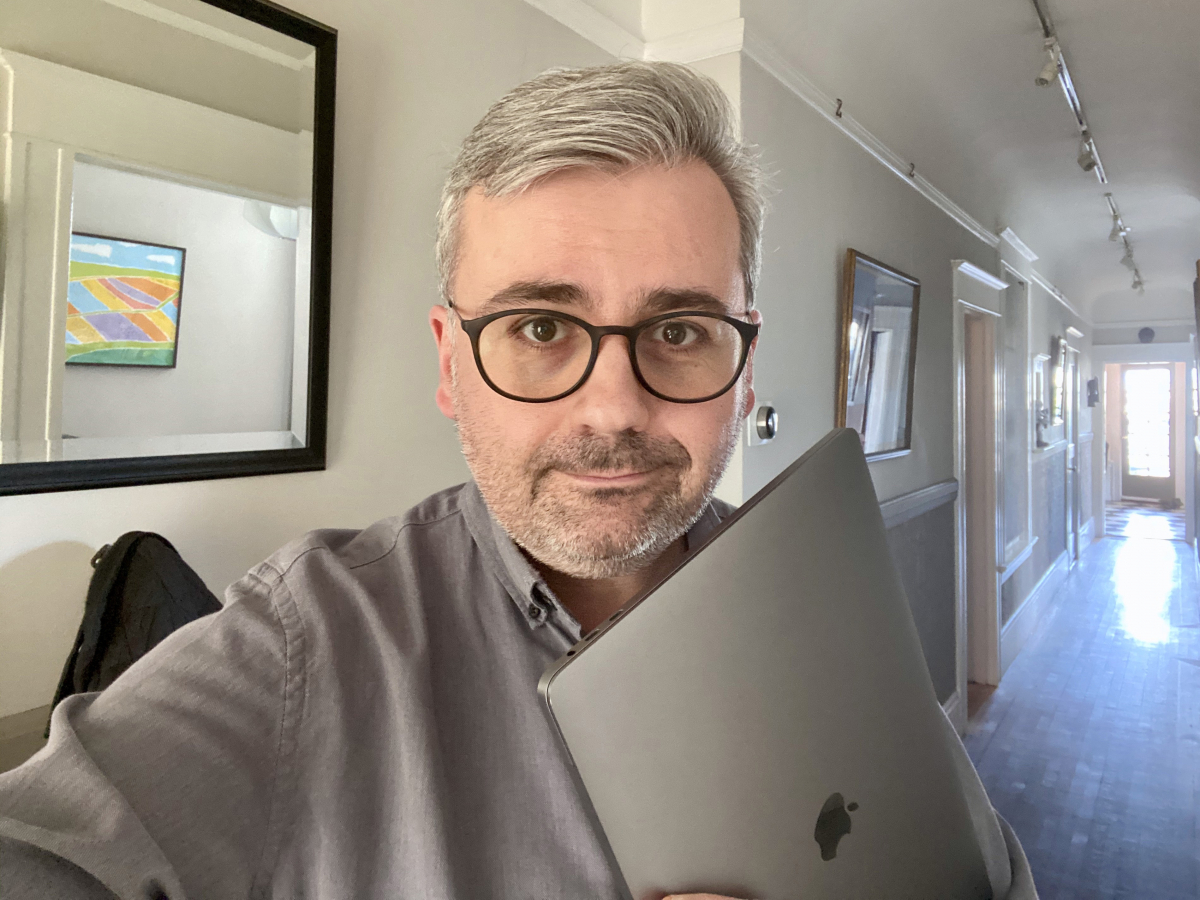
For columnist Geoffrey A. Fowler, tech has been a blessing and a curse while working from home. MUST CREDIT: Washington Post photo by Geoffrey A. Fowler.

For columnist Geoffrey A. Fowler, tech has been a blessing and a curse while working from home. MUST CREDIT: Washington Post photo by Geoffrey A. Fowler.
By  The Washington Post · Geoffrey A. Fowler · BUSINESS, TECHNOLOGY, CAREER-WORKPLACE

It’s been eight days since I last stepped into the office. Like thousands of other workers in California, I’ve been doing my job (and staying put) at home to avoid spreading or catching the coronavirus contagion called covid-19

This isn’t my first outbreak: Seventeen years ago, I self-quarantined in my Hong Kong apartment for three weeks to avoid the epidemic of severe acute respiratory syndrome, or SARS.

My work-from-home beard is the same. But this time, the Internet has changed everything else.

The work-from-home beard is the same. But since SARS in 2003, the Internet has changed everything else about the experience of self-quarantine. MUST CREDIT: Washington Post photo by Geoffrey A. Fowler.

The work-from-home beard is the same. But since SARS in 2003, the Internet has changed everything else about the experience of self-quarantine. MUST CREDIT: Washington Post photo by Geoffrey A. Fowler.

From my couch, I can have a face-to-face with my boss, who commented on the beard. Just using my phone, I can brainstorm with co-workers. Or get lunch delivered. Or have groceries dropped at my door. Or check out a book from the library. Or join a (virtual) happy hour. Or watch pretty much any movie.

It’s a Netflix-and-quarantine life. But it’s not particularly chill.

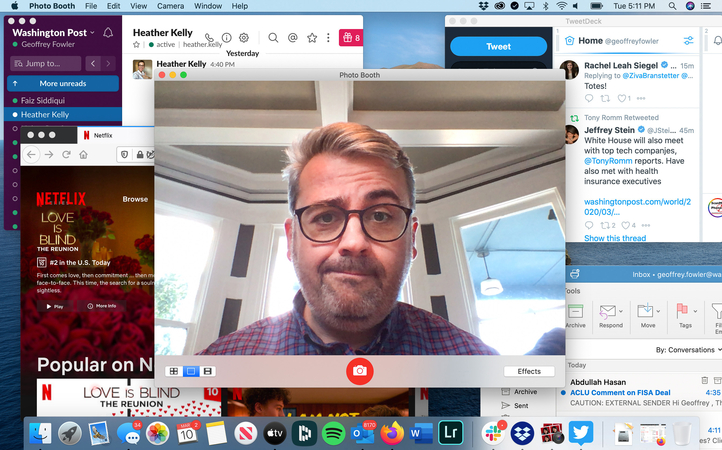
My San Francisco self-quarantine is an experiment to see how far an app-operated life can stretch. The experience is easy, but it hasn’t put me at ease. Video conferencing fails 50 percent of the time. The online tools I’m using – Slack, Microsoft Office, Dropbox – treat work as paramount, so it never really goes away. I’m paying double for food delivered by apps. My Apple Watch, which tracks physical activity, beeped with a message: Geoff, you can do better. I turn on my Apple TV, and the outbreak is there, too, pitching “Contagion,” the trending movie about dying from a disease spread in part by touching your face. (I indulged the paranoia.)

Then there was the morning my broadband went out.

Quarantine might not seem like a big sacrifice, but my experience shows it’s no snow day. It lays bare the vulnerabilities – and the vulnerable – in our online-everything economy.

My online cloister is nowhere close to the nightmare facing the people under medical orders to quarantine or isolate in hotels, nursing homes and cruise ships. To limit the spread of the disease, Microsoft, Twitter and other companies told their employees in early March to start working from home. I followed their lead and self-quarantined to see how it might feel different with all of today’s tech. On Tuesday, The Washington Post encouraged employees all over the United States to start working from home if they could.

Even before the coronavirus, there was a name for the Internet’s on-demand economy: hermit tech. Or sometimes, assisted living for millennials. “You already live in quarantine,” wrote Georgia Institute of Technology professor Ian Bogost last week about apps ranging from Netflix and Instagram to DoorDash and Amazon Prime Now that help people practice the “social distancing” being recommended by some health authorities. (Amazon chief executive Jeff Bezos owns The Washington Post.)

There’s not a huge difference between living in a millennial bubble and being cloistered. Over the past week, growth in the use of grocery-delivery service Instacart has surged by 10 times in California and Washington and by 20 times in New York, says spokeswoman Natalia Montalvo. On Instacart, searches for hand sanitizer increased by 23 times.

Now this tech has a more urgent purpose than the luxury of convenience. It makes staying at home possible (and much more palatable) to people who can afford it. For the fortunate, work, shopping and even school can be rerouted through the Internet. But it also bakes in tech-industry assumptions about work happening behind a keyboard, not to mention access to resources and how we interact with others. These apps were designed by engineers with efficiency as the No. 1 goal.

My hermit-tech lifestyle is extreme for the United States because I’m also avoiding leaving my house. But it’s not that far off from the new reality elsewhere, now including parts of New York state. In some Chinese cities, people have been in quarantine for over a month and online services are even more advanced. My favorite example: In locked-down Wuhan, teachers use an app called DingTalk to remotely assign homework. So thousands of kids gave it one-star reviews in hopes it would get booted from the App Store.

Depending on the speed covid-19 spreads here, I could be on the leading edge of a great American self-quarantine. That would test many aspects of our government, economy and – closer at hand – personal technology. So it’s time to ask: Is the home WiFi ready? And just how much power are we handing over to Silicon Valley’s values?

During SARS, when I also worked as a newspaper reporter, I had Internet access in my apartment. But in 2003, working meant going into the office. Texting still required repeatedly tapping on my phone’s numerical keypad.

Most of my remote work got done over email. In the month of April 2003 alone, I sent and received over 1,100 emails that contained the word SARS. (I kept the archives.) Going through my inbox required logging into a secure PC.

This time, working from home felt pretty unremarkable . . . at first. I often take calls from home at odd hours, or stay home for a day jamming on a project. Some 43 percent of Americans work from home at least some, according to a 2017 Gallup poll.

I knew my WiFi would hold. I’d previously invested in a mesh router (I recommend Eero). And I was already plugged into work with cloud-connected office tech that I can access on my office laptop, personal iMac, smartphone and tablet, too. I signed up for more Slack messaging channels, so I could better track what everyone was doing.

Not all of it worked as advertised. I know video conferencing has major devotees, but in my experience it has worked about half of the time. My smart Post colleagues dig up amazing scoops but are continually befuddled by Cisco Webex. For some meetings with far-flung people, I’m the only one on video because nobody else could make it work.

Then, at 8:45 a.m. on my third day at home, I had a real jolt: My Internet went down. My heart raced as I ran around the house trying to figure out what happened. I blame my Internet service provider Comcast, though it tells me there were no major outages in my area. The problem fixed itself, but uh-oh: What’s going to happen when networks designed for home use suddenly get stressed by millions? Even when you pay extra for faster downloads, with many residential broadband services you are still sharing a limited resource with all your neighbors.

As the days tick by, I’ve noticed a bigger problem. Without any boundaries between work and life, I just keep working. No screen is an escape. Why, oh why, did I sign up for all those Slack channels? The software just keeps sending me a mountain of information; it doesn’t care if I’m actually processing it. I’m part of the problem. I feel guilty WFH, and sending Slack messages at all hours lets me show what a good colleague I am!

There is no technology to replace the intel you get in an office: that someone is on a call, having a bad day, or at home taking care of a sick kid. I can only imagine how these frustrations multiply if you also have kids on coronavirus leave from school bouncing around the house.

Friends and colleagues who work remotely on a regular basis advise a few things no office app is going to do for you: Use a separate, dedicated work device. Have a dedicated work wardrobe – at least different WFH pajamas and sleep pajamas, as Vice noted. And most of all, have clear remote work hours that end with a daily ritual like working out. Or a stiff cocktail.

During my 2003 confinement, I ate canned soup, frozen dumplings and peanut butter. So much peanut butter.

That’s what I had in my supplies, which I didn’t venture out to replenish very often, both to respect my boss’s marching orders and, to be honest, because I was terrified. During those weeks when the mechanics of SARS remained a mystery, the safe bet was not to trust anyone. There was no Prime, no same-day delivery. If you wanted something, you had to wait a week or put on a mask and go find a store selling it.

Fast forward and my coronavirus self-quarantine has been delicious. I can choose from thousands of restaurants from delivery apps that bring the food right to my door.

But it hasn’t been cheap. On my first day at home, a $10.78 Impossible Whopper meal from Burger King ran me a whopping $24.46 through Uber Eats.

One time, I asked the DoorDash driver bringing me Thai takeout if he worried about being out interacting with so many people. His was a tale of two Silicon Valleys: He’s doing on-demand work for apps, while his girlfriend, who works for a tech company, has been ordered to work from home indefinitely. “I’ve got cars and stuff I’ve got to pay for. So I have to go out and get it,” said the driver, who asked not to be named.

“Maybe I’m a little less afraid of it than other people are,” he said. “But I know that my immune system is like every other person.”

As my colleague Nitasha Tiku has written, the on-demand economy conditions us to not think about why these services are affordable. Gig workers typically don’t get paid sick leave or masks and sanitizer as they run around town, though on Monday Instacart and DoorDash announced new sick pay policies for in-store shoppers.

Both DoorDash and Instacart also began promoting “contactless” deliveries – an option for people who order online to say “leave it at my door.” To borrow a favorite techie phrase, it’s social distancing “as a service.”

I lost it around day three during SARS. That’s when I emailed my work friend Karen: “I’m getting worried that this is messing with me psychologically. I tried to go to the grocery store about an hour ago, but couldn’t make it out the door. I sat down and ate peanut butter instead.”

My entertainment options included a small collection of DVDs, terrestrial TV, books and telephone calls. Some friends passed the hours with the help of an Xbox, but I didn’t have one.

This time around, I lost it around day five. There’s certainly a lot more to keep me entertained: I eat lunch with Twitter, tracking the infected cruise ship docking a few miles away in Oakland. There’s a growing list of streaming services that each want $8 to $35 per month to keep me entertained: Apple TV Plus, CBS, Amazon Prime, Hulu, Sling TV and Netflix. By my rough estimate, I’ve streamed at least 30 hours of TV over eight days.

I checked out an e-book from the library for my book club but can’t seem to find the focus to finish it. I’ve also become a sloth: Normally, I walk 3.9 miles per day, according to my Apple Watch. In the past week, I’ve averaged less than one mile per day.

A group of tech workers and journalists working at home experimented with a form of virtual socializing on Monday: A 5:00 #WFHHappyHour streamed over Zoom video. Sadly, when I joined few participants seemed to actually have cocktails.

I hit peak anxiety on Saturday night when I sat on my couch with a plate of cookies and streamed the 2011 thriller “Contagion.” The Apple TV movie store recommended it to me and, apparently, lots and lots of other Americans, because it’s currently the second most popular film in the Warner Bros. catalog, up from 270th last year.

Well, if I wasn’t freaked out before, I sure am now. In the film, a disease spreads much like the coronavirus, with health officials reminding people to wash their hands and not touch their faces . . . until it kills off millions and millions of people.

Shortly after I finished the movie, there was a knock at the door. It was my groceries from Instacart. I brought them inside and felt compelled to wipe them all down with antiseptic wipes.

Perhaps I need to try meditating. There are apps for that, too.