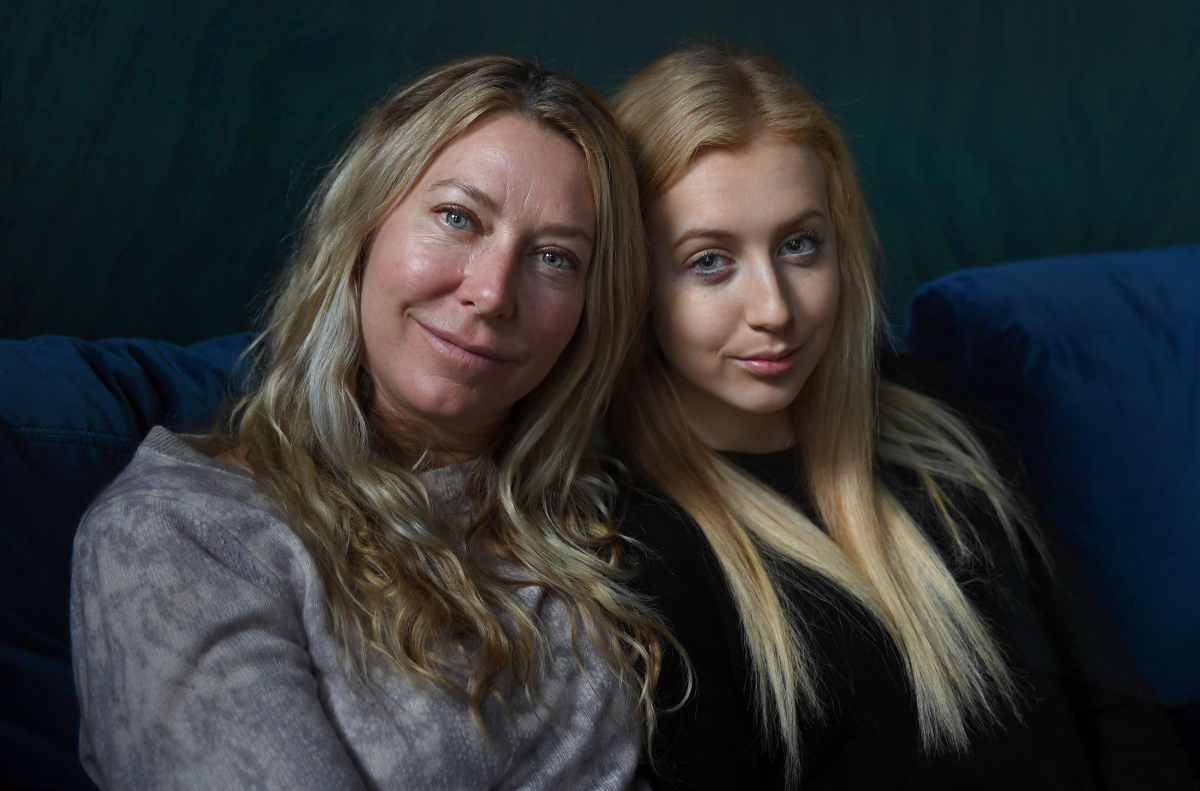
Lagarde still the exception in male-dominated central banks #ศาสตร์เกษตรดินปุ๋ย

#ศาสตร์เกษตรดินปุ๋ย : ขอบคุณแหล่งข้อมูล : หนังสือพิมพ์ The Nation

https://www.nationthailand.com/lifestyle/30383480?utm_source=category&utm_medium=internal_referral

Lagarde still the exception in male-dominated central banks

Mar 06. 2020
Christine Lagarde, president of the European Central Bank. speaks during a Bloomberg Television interview on the closing day of the World Economic Forum (WEF) in Davos, Switzerland, on Jan. 24, 2020. MUST CREDIT: Bloomberg photo by Simon Dawson.

Christine Lagarde, president of the European Central Bank. speaks during a Bloomberg Television interview on the closing day of the World Economic Forum (WEF) in Davos, Switzerland, on Jan. 24, 2020. MUST CREDIT: Bloomberg photo by Simon Dawson.
By Syndication Washington Post, Bloomberg · Jill Ward · BUSINESS, CAREER-WORKPLACE

 Christine Lagarde’s appointment to lead the European Central Bank was a landmark event in improving gender diversity in economic policy making, but global central banks still have a long way to go.

Lagarde’s leadership contrasts with the all-male eurosystem of national central bank governors, a report from the Official Monetary and Financial Institutions Forum said Thursday.

While Europe is the best-performing region when it comes to diversity of central banks, only 14 institutions are female-led across the globe, representing less than a third of the global economy.

Some recent efforts to appointment women to senior central banking positions have fallen flat. While the U.K. government worked with diversity specialists to replace Governor Mark Carney, only two women applied and the role went to Andrew Bailey.

In Ireland, deputy governor Sharon Donnery was “overlooked” for promotion to the top post upon Philip Lane’s move to the ECB, the report said. The role went to Gabriel Makhlouf instead.

“Perhaps the selection process needs to change,” said Danae Kyriakopoulou, chief economist and director of research at OMFIF. “It is legitimate to remind recruiters that a central bank is a team, and that they are not just picking the best individuals, taken one by one in isolation, but the best combination of minds.”

Overall, OMFIF’s gender balance index improved to 28% in 2020 from 25% a year earlier, the think-tank said, with a score of 100% representing perfect balance between women and men. The improvement reflects progression within senior positions, as well as the appointment of more women to deputy governor positions.

Spain topped the index, followed by Aruba, Iceland and Malaysia, the think-tank said. The Asia Pacific score improved the most. Canada may soon be joining the ranks of a central bank with a female chief, with Senior Deputy Governor Carolyn Wilkins one of the favorites to take the top job later this year.

The inclusion of previously underrepresented groups in leadership can encourage competition and help ensure a range of views inform policy making. That’s important for central banks “in light of their social duty to resemble the society they serve,” the report said.

One-fifth of central banks have no women in senior positions or on monetary policy committees, and more than half of those are in the Middle East and Asia Pacific.

“Action is needed to correct opportunity asymmetries and level the playing field, and create more inclusive and supportive work environments,” the report said. “Things will not change without modern, progressive policies.”

Mom raises $1 million for daughter’s rare genetic disorder after skiing 125 miles across Norway #ศาสตร์เกษตรดินปุ๋ย

#ศาสตร์เกษตรดินปุ๋ย : ขอบคุณแหล่งข้อมูล : หนังสือพิมพ์ The Nation

https://www.nationthailand.com/lifestyle/30383443?utm_source=category&utm_medium=internal_referral

Mom raises $1 million for daughter’s rare genetic disorder after skiing 125 miles across Norway

Mar 05. 2020
Alison Reynolds skied for nine days in the backcountry of Norway to raise awareness for a rare genetic disorder her 17-year-old daughter has had since birth. MUST CREDIT: Photo courtesy of Alison Reynolds

Alison Reynolds skied for nine days in the backcountry of Norway to raise awareness for a rare genetic disorder her 17-year-old daughter has had since birth. MUST CREDIT: Photo courtesy of Alison Reynolds
By The Washington Post · Dana Hedgpeth · NATIONAL, WORLD, FEATURES, HEALTH, PARENTING

WASHINGTON – A District of Columbia woman who skied 125 miles across Norway to raise awareness for her daughter’s rare genetic disorder returned to the comforts of home this week.

Alison Reynolds, 46, raised about $1 million – more than twice her original goal – from businesses, friends, family, and other supporters to fund research for phenylketonuria, often referred to as PKU, a metabolic condition afflicting her 17-year-old daughter. She started her ski adventure Feb. 21 and returned home to Washington on Monday.

After training for more than a year, Alison Reynolds skied 125 miles over nine days in Norway. MUST CREDIT: Photo courtesy of Alison Reynolds

After training for more than a year, Alison Reynolds skied 125 miles over nine days in Norway. MUST CREDIT: Photo courtesy of Alison Reynolds

She and a Norwegian ski guide skied almost 15 miles each day near the border with Sweden. They each pulled an 80-pound sled containing water, food and equipment, sleeping in a tent most nights. Reynolds said her guide told her she was in good shape for the adventure.

Reynolds, a mother of four who trained for more than a year, said the adventure was “amazing” but admitted she was tired. She said dozens of letters and cards were waiting when she got home, while many well-wishers said their church or school had prayed for her or lit a candle each day she skied.

Alison Reynolds and her daughter, Tia, in Washington. MUST CREDIT: Washington Post photo by Michael S. Williamson.

Alison Reynolds and her daughter, Tia, in Washington. MUST CREDIT: Washington Post photo by Michael S. Williamson.

“I was thrilled that so many people were touched by our story,” she said. “I owe a huge amount of gratitude to friends and perfect strangers. People are fundamentally good.”

Reynolds’ daughter Tia has had PKU since birth. A person with the condition has a damaged enzyme that breaks down an amino acid called phenylalanine, or Phe, which is found in protein and many foods.

Without that enzyme to process Phe, PKU patients can have a dangerous buildup in the bloodstream if they eat foods with high levels of protein, such as milk, nuts, pasta and cheese. Typically, a PKU patient can consume six to seven grams of protein a day, compared with other adults, who can consume at least 50 to 60 grams daily. High Phe levels in a person with PKU can lead to brain damage.

Tia has used a drug called Palynziq since last fall to treat her PKU, injecting it daily into her stomach. It lowers her Phe levels and has led Tia to a less restrictive diet.

Reynolds decided to ski across Norway to raise awareness for the disorder after years of raising money through more traditional fundraisers and galas. She chose Norway to pay tribute to the Norwegian biochemist who discovered and named PKU.

Reynolds said the trip didn’t always go as she expected. Her journey to the backcountry was delayed after an avalanche hit the tracks in front of her train, causing a 17-hour delay with little food and water. The pair then battled heavier-than-expected snow, wind gusts of 40 mph and shivering cold.

It took two hours for the pair to set up their camp each night after a day on skis. They ate oatmeal and freeze-dried food. She slept in three wool shirts, two pairs of pants, a hat, gloves and multiple jackets.

“It required intense focus, and staying warm was the biggest challenge,” Reynolds said. “Sometimes you were just kicking your legs together to stay warm.”

Reynolds said she didn’t have as much time to reflect on her family’s dealings with PKU as she had hoped, as her surroundings while skiing commanded constant attention.

For two nights, because of the heavy snow and high winds, they stayed in a cabin that had no heat. After one of her jackets blew away in the first few days, she used a special jacket she brought along – the same one her mother wore when she skied to the North Pole 20 years earlier.

“My lowest points were early on,” Reynolds said. “I thought the weather was going to make it not doable. But I knew we had to get through it.”

Reynolds and her guide skied as many miles as they had planned but sometimes at a slower rate because of the weather, leaving no days for rest.

The two chatted while skiing or in the tent about food, American culture and politics, and the warm places Reynolds wanted to visit after leaving Norway. Tia was among her family members and friends who met her as the trek ended. Reynolds said her daughter became emotional as her mother crossed the finish line.

There are no cold-weather trips in her future, Reynolds said. She plans to focus on her family and visit someplace warm with them in the spring.

On the final day of her journey, she wrote on her blog that she had crossed the finish line, but “the real winners are everyone with PKU.”

Their families built fortunes. These millennials are trying to figure out how to undo their class privilege. #ศาสตร์เกษตรดินปุ๋ย

#ศาสตร์เกษตรดินปุ๋ย : ขอบคุณแหล่งข้อมูล : หนังสือพิมพ์ The Nation

https://www.nationthailand.com/lifestyle/30383210?utm_source=category&utm_medium=internal_referral

Their families built fortunes. These millennials are trying to figure out how to undo their class privilege.

Mar 03. 2020
File Photo/ Syndication Washington Post, Bloomberg

File Photo/ Syndication Washington Post, Bloomberg
By Special To The Washington Post · Anna Altman · NATIONAL, FEATURES

It began with the sale of the family farm. That’s what David Roswell remembers as the moment when he first began to see himself in opposition to his family’s capitalist legacy.

Though his parents objected to the decision to relinquish the property to developers, the extended family went ahead, selling off most of the 220 acres piecemeal starting in 1998. Roswell, then only 7 years old, showed his displeasure by shoving rocks into the tailpipes of the bulldozers that came to dig up the pastoral expanse outside Baltimore to make way for new construction. He remembers watching “as this gorgeous farm that was my everything was torn up and turned into a subdivision.” He saw it, he told me, as “a decision of people in my family to value money over the environment, over people, over family.”

Years later, as a student at Oberlin College, Roswell organized classmates to pressure the school to invest its endowment in environmentally sustainable ways. At the same time, he kept his own wealth under wraps, as did many of his well-to-do peers who, he says, “didn’t know how to feel integrity and be wealthy, so they just pretended they weren’t.” Roswell felt an added burden because of his wealth’s origins and scale: His great-grandfather was Louis Blaustein, founder of the American Oil Co., or Amoco. Though the family is largely out of the oil business today, its net worth – some $2.2 billion – makes it one of the richest in the United States. The extended family manages at least six foundations with nearly $290 million in assets.

Roswell finally outed himself as rich when he volunteered to front the travel costs for a group of Oberlin students who wanted to attend a climate-change conference. That’s when two housemates told him about an organization called Resource Generation (RG). A nonprofit group based in New York, Resource Generation focuses on organizing wealthy young people to recognize their unearned privilege, make peace with it – and then relinquish much of it by giving away a large percentage of their money. Roswell read an RG book titled “Classified: How to Stop Hiding Your Privilege and Use It for Social Change” and began attending meetings of the group in Durham, North Carolina, where he’d moved with his girlfriend, Maggie Heraty, after graduation. Up to that point, he had given away “maybe $100 or $500” a year, he recalls. “In 2014, as I started to get aware, I gave $10,000. In 2015, it was $30,000 or $50,000. By 2016, as Maggie and I were really starting to do this, we gave away $200,000.” So far, Roswell, now 29, has given away about $1.6 million of the $7.5 million he knows he will inherit.

Before he learned about Resource Generation, Roswell recalls, “I didn’t understand how to be activated as an organizer and as a wealthy person. I didn’t know what my place was.” The same can be said for most of RG’s 700 members, wealthy millennials and Gen-Zers between 18 and 35 who have an uneasy relationship with their money and the privilege that underpins it. “Got class privilege and want social justice?” reads the slogan on the organization’s website. Resource Generation wants to help.

In 1998, Tracy Hewat and Lynne Gerber, two well-to-do young Boston-area women who felt alienated from the established world of philanthropy because of their youth, formed a group they called Comfort Zone. They conceived it as a place to talk about being a wealthy, privileged young person who nevertheless wanted a more equitable society.

Comfort Zone changed its name to Resource Generation in 2000. It was a practical change – “the youngest members of the board said that [the old name] sounded too much like a shoe brand,” Hewat once said – but it also represented a change in purpose. Until then, the organization had served mainly as a place for wealthy people to talk about bringing their identity in line with their values, but now it would push them to give.

Today, Resource Generation has 16 chapters nationwide and 14 full-time employees. Members pay annual dues that start at $250 and vary depending on their level of wealth. (Dues are limited to 10% of a member’s giving to make sure they are donating primarily to other organizations.) The group asks its members to give generously to grass-roots organizations that they believe will do the long-term, nitty-gritty work to meaningfully change the circumstances that lead to wealth inequality – from establishing affordable housing and improving educational opportunities to serving at-risk youth, addressing climate injustice and supporting workers’ rights. In the process, Resource Generation aims to change the conversation about how the rich got their privilege and what they can do to spread the wealth.

The idea, says Resource Generation’s executive director, Iimay Ho, is to “do voluntary redistribution in service of involuntary redistribution.” The hope, she says, is that voluntary redistribution will give more economic and political power to those who typically don’t have it: low-wage workers, the formerly incarcerated, the homeless, the poor. That might then lead to policies – a livable minimum wage, equitable education – that could help decrease wealth inequality.

At conferences, in webinars and in local working groups, and through RG books and peer-to-peer mentorship, members learn how to shed entitled assumptions. One bedrock Resource Generation practice is educating members to work closely with community organizations in what it calls “right relationship” – not dictating how donated funds should be used, but supporting local leaders, who are often poor or working class and are closest to the problems they seek to address. “The goal is not to be in circles of young people with wealth deciding how money and resources are distributed,” former executive director Elspeth Gilmore told me. “That’s the status quo. That’s how power is maintained.”

Striving to change the status quo through charitable giving has a fraught history. Philanthropy has been a controversial pursuit since at least the Gilded Age, when workers began to organize in response to widening wealth inequality as industrial capitalism took hold. Critics at the time argued that robber barons such as Andrew Carnegie and John D. Rockefeller were elevating their own position in society by depressing workers’ incomes and using philanthropy to dictate where profits went and to which causes. Traditional philanthropy, says Ho, reinforces the idea that the wealthy know best how to solve social ills, when the reality is that “the wealthy elite cause a lot of the problems in the first place.”

As Peter Buffett (son of Warren) wrote in a 2013 New York Times opinion piece, philanthropy has become big business. High-profile foundations and nonprofit organizations, constrained by donor desires and restrictive grant conditions, often oppose the initiatives most likely to actually mitigate inequality, such as raising taxes or lobbying for a higher minimum wage. As of 2009, only about 3% to 5% percent of charitable foundation giving was estimated to go to organizations serving the neediest, and even less to efforts to change circumstances rather than relieve them – job training vs. food banks, for instance. The rest goes to institutions that aren’t directly devoted to relieving poverty or wealth inequality: universities, hospitals and arts organizations. Furthermore, charitable giving comes with tax deductions that are usually only accessible to the wealthy. And philanthropy famously yields social returns, as donors are rewarded with their names on buildings or board rosters and the chance to rub shoulders at social events.

“Philanthropy is all about class privilege,” says Hilary Pennington, executive vice president for programs at the 84-year-old Ford Foundation. “Anyone with power doesn’t give power up easily. It’s a question of how do you use your privilege? That’s what’s very admirable about RG. They’re really open to hearing answers that might be really uncomfortable and hard.”

To its critics, traditional philanthropy lets the wealthy feel as though they’re contributing to a more just and equal society without giving up any of their comforts. Anand Giridharadas, author of “Winners Take All: The Elite Charade of Changing the World,” describes the prevailing rules of philanthropy as follows: “Inspire the rich to do more good, but never, ever tell them to do less harm; inspire them to give back, but never, ever tell them to take less.” He suggests that more-ethical philanthropists would fund causes that directly undermine the class-based stratification that put them in their privileged positions to begin with – for example, rooting out tax havens or taking legal action to divorce public-school funding from property taxes, a system that gives wealthy areas better schools. Doing right on these issues, he says, would hurt the wealthy.

Resource Generation believes – or hopes – that young people are more willing to betray their own class privilege than previous generations. Giridharadas told me that he routinely receives letters from “younger people who find themselves plutocrats, whether by inheritance or [because] they made money, who are in many cases very tortured and confused by the position in which they stand.” What has changed is that “a lot of people are interested in making a different choice but don’t quite know how.”

Millennials straddle the American wealth divide in complicated ways. On the one hand, they have inherited increased economic uncertainty: depressed wages, soaring student loan debt, the insecurity of the gig economy. Many find themselves in a more economically precarious position than their parents. On the other hand, there are more than 11 million millennial households with incomes of $100,000 or more, and millennials stand to inherit some $30 trillion in family wealth over the coming decades, according to AARP statistics.

Resource Generation positions itself as the natural gathering place for the wealthiest end of this emergent socioeconomic class. Although it is majority white by a large margin, mirroring the racial wealth gap, 13% of its members are people of color – closely tracking the 12% of wealthy young Americans who are black or brown – and nearly 60% identify as LGBTQ. Nearly 2 in 3 members are women.

Andrea Pien is a 33-year-old college counselor at a private high school in San Francisco who is active in her local chapter of Resource Generation. Pien’s wealth comes from her father, a Taiwanese immigrant who made a fortune in biotech and pharmaceuticals. Although she stands to inherit as much as $12 million, she doesn’t have access to that money now, nor, like many members of Resource Generation, does she know her family’s exact worth. The money she does have is managed by a financial adviser her father selected.

Pien owns a home in San Francisco. She shares a car with her husband, though she mainly uses public transportation. She rarely eats out and travels modestly, but she divulged (somewhat apologetically) that she sometimes takes a yoga class or a Lyft ride. Some of those things “people would criticize as luxuries,” she says, but “part of that is self-care that everyone deserves. And that’s what helps me have the energy to do a lot of the work I do for Resource Generation.” Listening to Pien and others sort out how to reconcile their desire for equality with their lifestyles, I sometimes heard a reflexive defensiveness. Temptations were everywhere: whether to buy property (especially in gentrifying areas), whether it was OK to hoard money for a rainy day, whether to maintain small lifestyle luxuries even while “spending down” inherited wealth.

Pien is especially conflicted about betraying her father’s pride in being a successful immigrant, feelings that she has been working through with Resource Generation. She feels sure that she owes society some of what she’s inherited, but, she wonders, “Can I be a good steward of the wealth the first generation created?” She speaks of an “internalized model-minority narrative” in which people of color “need to be at the top to make way for other minorities or POC.” She worries that giving away her money would mean there would be one fewer Asian American represented among the top 10% – but is that a net negative? She’s not sure. “There are lots of mixed messages from meritocracy capitalism,” Pien says.

Exactly how minority dynamics should feature in RG’s mission and practice is a topic of conversation. “For many folks of color it can be a point of pride that your family worked really hard, and that you’re the first generation to have these particular benefits or educational achievements,” says Nicole Lewis, a former Resource Generation national organizer, who is black. While the group routinely focuses discussion on members’ feelings of guilt about their unearned wealth, “a lot of those feelings are not mirrored in communities of color.” Members of color often rank sharing money with family or their communities as more important than donating to organizations – and these are valid feelings, Lewis says. From that perspective, the default position that “wealth that you didn’t generate from your own work has to be given away” felt to Lewis like “a very simplistic analysis.” Over time, RG has acknowledged the need for greater nuance and has devoted resources to being more inclusive. (At the group’s behest, Lewis, who now works as a journalist, wrote a book on the subject, titled “Between a Silver Spoon and the Struggle: Reflections on the Intersection of Racism and Class Privilege.”)

Lewis’s assessment echoes other criticisms of the organization as a place for wealthy young (mostly white) liberals to launder their feelings of guilt and shame – a kind of woke philanthropic self-help group. A 2017 HuffPost article, for example, name-checked Resource Generation as one of a slew of predominantly white-led groups that are precisely the kinds of organizations racial justice organizing doesn’t need.

Katie Wang, a Los Angeles-based RG organizer, remembers attending the group’s marquee conference, Making Money Make Change, in 2017. A signature activity at the conference is calculating attendees’ total wealth and then contrasting how much members are already giving with their giving potential. It’s meant to be a galvanizing moment: This is what we can do if we do it together.

Wang was buoyed by the activity, but later, a black woman invited to lead a session as someone doing the kind of work the group hopes to support brought Wang back to earth. Being one of the only non-wealthy people of color in the room was deeply uncomfortable for her, the woman confessed. For Wang, the feel-good moment had been edifying, but “it doesn’t make those power dynamics, and these truths, go away.”

In the fall of 2018, Resource Generation announced a “giving pledge,” encouraging its members to establish an annual donation goal with an eye toward redistributing “all or almost all inherited wealth and/or excess income.” It was a deliberate attempt to evolve beyond the organization’s sometimes squishy reputation as a place for members to work through their feelings without imposing measurable benchmarks.

The group’s new guidelines encourage all members to increase the amount they give. The first step is to calculate how much a member is giving relative to assets and income. To start with, members might give away 1% to 7% of their assets annually. Seven percent represents an important threshold: It’s the average annual return on stock market investments, so if members give less than that, they’re still making money off their wealth – a big no-no.

One feature of Resource Generation’s target demographic is that many members don’t yet have children. Giving away an inheritance means there will be significantly less for any progeny.

After that, RG asks members to begin to spend down their wealth, giving 10% or more of their assets and income a year. From there, RG continues to encourage members to double their giving every one to three years. “Choose an amount that will make you feel proud, like you’ve really showed up,” the group advises. “Give enough that it feels risky – if you feel comfortable, you’re probably not stretching enough. If you feel destabilized, it might be too much.”

One feature of Resource Generation’s target demographic is that many members don’t yet have children. Giving away an inheritance means there will be significantly less for any progeny – a financial decision that many RG skeptics see as irresponsible, unrealistic or a potential source of regret. One criticism of the group’s focus on adults younger than 35 is that the model indoctrinates wealthy progressives before they feel the urge to pass their assets to their offspring. The idea of redistributing your wealth rather than giving it to your heirs can be much more difficult to stomach if children are in the picture. “There’s a way in which the rubber hits the road in stopping intergenerational wealth transfer if you have kids,” says Ho.

Still, many members and alumni maintain that, having established a giving practice with Resource Generation, they won’t change their plans if they add children to the mix. RG staff and members see this as part of their commitment to redistribution. “I have a partner and plan to have a child,” says former director Gilmore, “and though I know complicated choices lie ahead, I also know that … a child who is connected to other people, the planet and justice will have a better shot at being happy and giving back than one that has more resources than anyone around them.”

I spoke with Chuck Collins, a progressive activist and author and an heir to the Oscar Mayer fortune, who gave away his half-million-dollar inheritance (the equivalent of more than $1.1 million today) when he was 26. Collins, now 60, works as director of the inequality program at the Institute for Policy Studies, a Washington-based think tank. He describes himself as an “honorary elder” of Resource Generation, whose members often seek his perspective. I asked if he had regrets about giving away his inheritance. On the contrary, he responded. He’d achieved what he set out to do: to knit himself into a broader community. His children graduated from college with debt. It’s a burden he wishes nobody would have to bear, but making these problems your own “is essentially putting your stake with the commonweal,” he said.

Resource Generation’s giving pledge netted a commitment of $25 million in the first six months, Ho says. Several members I spoke with give 10% of their wealth a year. Pien is among them: She distributes about $15,000 each year to organizations such as the Black Organizing Project, which, among other goals, works to diminish police presence in Oakland schools, and Critical Resistance, a prison abolition group. Since she doesn’t have access to her full inheritance, that level of giving feels sustainable to her.

Laura Wernick, a professor in Fordham University’s Graduate School of Social Service who studies Resource Generation’s philanthropic model, told me that most of the members she has surveyed over the past 10 years ended up giving more than they had planned, including those with their own forms of instability (a child with a disability, for instance). She also said that Resource Generation measurably influences more than just charitable giving. Members enrolled in law school shift to public interest work, for example, and those working in nonprofit organizations or traditional philanthropy begin to gravitate toward movement-oriented work.

For his part, David Roswell – who in addition to his political organizing spends his days working as a ceramist – plans to redistribute all his inherited wealth or excess income. He concedes that’s a moving target: Trust funds mature, companies are liquidated and relatives die – and all these events will funnel more money his way. “I don’t think I will ever be in a place of really hitting that ‘enough’ boundary,” he told me.

Roswell remains committed to the principles he learned through Resource Generation. Over the past several years, he’s been involved in efforts to create permanent affordable housing in the Durham area and to elect working-class people and people of color to local leadership. Resource Generation has also made him a skilled fundraiser: With the connections he has made, he says, he can raise $15,000 in a matter of days.

This past summer, he and Heraty were busy setting up an independent community fund for North and South Carolina called the Cypress Fund. Following RG principles, they will recruit donors, but they won’t stipulate where the donors’ money will go; community members from across the class spectrum will make those decisions. Because so much wealth is concentrated in the Northeast and on the West Coast, Roswell says, the South historically has fewer philanthropic dollars and even less devoted to grass-roots organizing. “For a long time we’ve heard people saying, ‘If only there was a social justice fund that did democratic giving in the South, we’d be all over it,’ ” Roswell says. “Finally it made sense to make it happen.”

Roswell has also persuaded his family to carve out a dedicated climate justice fund from their philanthropic giving, which he and several cousins of his generation will control. He hasn’t been able to persuade his family to spend down their foundation’s endowment, but he says they’re actively “thinking about what reparations means for an oil family trying to repair harm that we’ve caused in the Gulf South and across the world.”

Not that these conversations have been without tension. According to Roswell, his mother, for one, worries that he is moving too quickly, making reckless decisions about enormous sums. Other relatives are more pointed: “There are messages from my grandparents and other people that my great-grandfather made this wealth so my children and my children’s children could go to the same private schools I went to,” Roswell says. To that end, Roswell’s grandparents have already set up trust funds of about $3 million for his nonexistent children and grandchildren. (He says he doesn’t know whether he’ll have kids.)

Still, he’s optimistic: “I think the mirror I’ve been holding up has been helpful, and that my family is changing how they’re approaching their own giving.” Ultimately, however, philanthropy’s real goal, he says, should be “to make itself not exist anymore.”

ให้ความเครียดบรรเทาด้วย ‘บ้านของเรา’ #ศาสตร์เกษตรดินปุ๋ย

#ศาสตร์เกษตรดินปุ๋ย : ขอบคุณแหล่งข้อมูล : หนังสือพิมพ์โพสต์ทูเดย์

https://www.posttoday.com/life/work-life-balance/616357

วันที่ 01 มี.ค. 2563 เวลา 14:40 น.

ให้ความเครียดบรรเทาด้วย 'บ้านของเรา'

โฮมสไตลิสต์และแพทย์ผู้เชี่ยวชาญด้านจิตเวช แนะวิธีบริหารจัดการความเครียดด้วยการสร้างบรรยากาศความหอมภายในบ้าน

การดำเนินชิวิตที่ต้องเผชิญกับมลภาวะฝุ่นละอองขนาดเล็ก PM2.5 และความกังวลกับการแพร่ระบาดของไวรัส Covid-19 ทำให้หลายคนหลีกเลี่ยงการออกไปทำกิจกรรมนอกบ้าน โฮมสไตลิสต์สาว อวน-วยา ดุลยบวรกุล และหมอนุ่น-แพทย์หญิงดุจฤดี อภิวงศ์ แพทย์ผู้เชี่ยวชาญด้านจิตเวช แนะนำเคล็ดลับการเลือกกลิ่นหอมพร้อมเผยเคล็ดลับการผสมกลิ่มหอมเพื่อสร้างบรรยากาศผ่อนคลายภายในบ้าน รวมถึงเผยวิธีการรับมือกับความเครียด ร่วมกับ THANN และกลุ่มผลิตภัณฑ์ THANN Home aroma (ธัญ โฮม อะโรมา)

โดยโฮมสไตลิสต์สาว อวน-วยา ดุลยบวรกุล กล่าวถึงการแต่งบ้านเพื่อรับมือกับ PM2.5 พร้อมแนะเคล็ดลับการเลือกกลิ่นหอม เพื่อสร้างบรรยากาศความผ่อนคลายภายในบ้านว่า “สำหรับแนวทางการแต่งบ้านหรือห้องเพื่อรับมือมือกับ PM 2.5 นั้น ควรเน้นความโล่งและโปร่งเป็นอันดับแรก และควรทำความสะอาดบ้านทุกวัน เพื่อลดปริมาณการสะสมของฝุ่นที่จับอยู่ในแต่ละที่ รวมถึงการปรับลดปริมาณเฟอร์นิเจอร์และการใช้ของตกแต่งบ้านที่ไม่จำเป็นให้น้อยชิ้น ทำให้ง่ายต่อการทำความสะอาด และควรปิดประตูหน้าต่างให้มิดชิด นอกจากนี้ยังสามารถเพิ่มการติดมุ้งลวดหรือม่านประตู-หน้าต่างเพิ่มอีกชั้นเพื่อดักจับฝุ่นละออง ซึ่งในปัจจุบันนี้มีมุ้งลวดและม่านกันฝุ่นหลากหลายดีไซน์ให้เลือกใช้สำหรับแต่งบ้านให้สวยงามอย่างลงตัว ส่วนการสร้างบรรยากาศภายในบ้านให้น่าอยู่ก็เป็นสิ่งจำเป็น ไม่ว่าจะเป็นการจัดแจกันดอกไม้สด โดยสามารถมิกซ์แอนด์แมทช์สีสันและสายพันธุ์ของดอกไม้ตามที่เจ้าของบ้านชอบได้ เพื่อเพิ่มความเป็นธรรมชาติ สบายตายามมองเห็น และอีกสิ่งที่อยากแนะนำ คือ การสร้างบรรยากาศด้วยการใช้กลิ่นหอมจากน้ำมันหอมระเหยธรรมชาติ ไม่ว่าจะเป็นการใช้เครื่องกระจายความหอมหรือก้านไม้หอมอย่าง Aroma Diffuser รวมถึงการใช้เทียนหอมก็สามารถช่วยเสริมบรรยากาศที่ดีให้กับทุกพื้นที่ภายในบ้านได้”

ทางด้านแพทย์ผู้เชี่ยวชาญด้านจิตเวช หมอนุ่น-แพทย์หญิงดุจฤดี อภิวงศ์ กล่าวถึงภาวะความเครียดในปัจจุบัน พร้อมแนะนำเคล็ดลับการจัดการกับความเครียดที่ถูกวิธีว่า “ความเครียดเป็นสภาวะทางอารมณ์ที่เกิดจากการที่คนเราต้องเผชิญกับปัญหาต่างๆ หรือการเปลี่ยนแปลงที่ส่งผลให้รู้สึกกดดัน วิตกกังวล กระทั่งสภาวะจิตใจที่เปลี่ยนไปในด้านลบ เมื่อสมองรับรู้ได้ว่าเกิดสภาวะที่ส่งผลกระทบต่อจิตใจก็จะส่งผลเสียต่อการทำงานของฮอร์โมนทันที ทำให้ร่างกายมีสภาวะที่หัวใจเต้นแรง เหงื่อออก มือเท้าเย็น ปวดท้อง กระวนกระวาย หรือสมาธิไม่ดี อาการเหล่านี้จะเกิดขึ้นทันทีเมื่อคนเรามีความเครียด และหากใครที่ต้องเผชิญกับความเครียดอยู่เป็นเวลานานโดยที่ไม่รู้จักหาวิธีผ่อนคลายก็อาจส่งผลต่อปัญหาสุขภาพตามมา เช่น อาการนอนไม่หลับ ปวดศีรษะ ปวดเมื่อยตามส่วนต่างๆ ของร่างกาย รวมถึงเป็นจุดเริ่มต้นของอาการซึมเศร้าได้”

นอกจากนี้คุณหมอยังอธิบายด้วยว่า ความเครียดนั้นสามารถแบ่งออกเป็น 4 ระดับ ได้แก่

  1. ระดับต่ำ (Mild Stress) สามารถเกิดขึ้นได้ในชีวิตประจำวัน ไม่ส่งผลรุนแรงต่อการดําเนินชีวิต เพียงแค่รู้สึกเบื่อหน่าย ขาดแรงกระตุ้น รวมถึงส่งผลต่อพฤติกรรมทำให้เชื่องช้าลง
  2. ระดับปานกลาง (Moderate Stress) เกิดจากเหตุการณ์ที่ผิดปกติจากชีวิตประจำวัน ไม่ก่ออันตราย และไม่แสดงออกถึงความเครียดที่ชัดเจน ส่วนใหญ่จะสามารถปรับตัวกลับสู่ภาวะปกติได้ คลายเครียดได้เองจากการได้ทํากิจกรรมที่ชื่นชอบ
  3. ระดับสูง (High Stress) เกิดจากเหตุการณ์รุนแรง หากปรับตัวไม่ได้ จะทําให้เกิดการเปลี่ยนแปลงทางร่างกาย อารมณ์ ความคิด รวมถึงพฤติกรรม เช่น ปวดศีรษะ ปวดท้อง อารมณ์แปรปรวน หงุดหงิดง่าย พฤติกรรมเกี่ยวกับการนอนและการทานอาหารเปลี่ยนไปจนมีผลต่อการดําเนินชีวิต
  4. ระดับรุนแรงและเรื้อรัง (Severe Stress) ทําให้มีความล้มเหลวในการปรับตัว ก่อให้เกิดความผิดปกติและโรคต่างๆ ที่รุนแรง รวมถึงอาการทางจิต ส่งผลกระทบต่อการดําเนินชีวิตประจําวัน ดังนั้นควรเข้ารับการปรึกษาจากจิตแพทย์

จากสถานการณ์ที่เกิดขึ้นในปัจจุบันทั้งปัญหามลภาวะฝุ่น PM 2.5 รวมถึงการแพร่ระบาดเชื้อไวรัส Covid-19 นั้นสามารถส่งผลให้เราเกิดความเครียดในระดับปานกลาง-สูงได้ ขึ้นอยู่กับสภาพจิตใจของแต่ละคน ส่วนวิธีสังเกตุตัวเอง หรือคนรอบข้างเมื่อตกอยู่ในสภาวะเครียด สามารถสังเกตอาการที่แสดงออกมาอย่างชัดเจน อาทิ อาการปวดศีรษะ ใจสั่น เกิดอาการวิตก กระวนกระวาย หรือเกิดความเปลี่ยนแปลงภายในจิตใจ เช่น ซึมเศร้า หงุดหงิด รวมถึงอารมณ์แปรปรวนได้ง่าย

สำหรับวิธีบริหารจัดการความเครียดนั้นให้เริ่มจากการสำรวจตัวเองก่อนแล้วลองวิเคราะห์หาสาเหตุของความเครียดนั้น เพื่อหาแนวทางจัดการอย่างเหมาะสม วิธีง่ายๆ เลยก็คือการพูดคุยให้กับคนที่เราไว้วางใจได้รับฟัง หรืออาจจะหากิจกรรมสนุกๆ ทำเพื่อผ่อนคลายความเครียด เช่น ดูหนัง ฟังเพลง รวมถึงควรฝึกสมาธิ ทำจิตใจให้สงบ หากความเครียดอยู่ในระดับรุนแรงก็ควรพบแพทย์ผู้เชี่ยวชาญหรือนักจิตวิทยาเพื่อทำการเยียวยารักษา

นอกจากนี้ การใช้กลิ่นหอมบำบัด (Aromatherapy) มาช่วยในการสร้างบรรยากาศความผ่อนคลายภายในบ้านนับเป็นอีกหนึ่งวิธีที่สามารถบรรเทาความเครียดได้เร็วที่สุด กลิ่นหอมจากน้ำมันหอมระเหยธรรมชาติจะเป็นตัวช่วยหนึ่งที่ทำให้เรารู้สึกผ่อนคลายอย่างเห็นได้ชัด เมื่อจมูกได้รับกลิ่นมาเพียงไม่กี่วินาที กลิ่นจะถูกส่งผ่านประสาทรับกลิ่น (Olfactory Nerves) ซึ่งอยู่เหนือโพรงจมูกไปยังกระเปาะรับกลิ่น (Olfactory Bulbs) และส่งต่อไปยังสมองส่วนควบคุมอารมณ์และความรู้สึก (Limbic System) อณูของน้ำมันหอมระเหยจะกระจายไปตามประสาทรับกลิ่นเข้าสู่สมองส่วนที่ควบคุมอารมณ์ และความรู้สึก (Emotion Center หรือ Limbic System) โดยไปกระตุ้นให้สมองสั่งการไปที่ระบบต่อมไร้ท่อ เพื่อหลั่งสารที่มีประโยชน์ และมีอิทธิพลต่ออารมณ์และความรู้สึก ได้แก่ เอ็นโดฟิน (Endorphin) สารที่ช่วยลดความเจ็บปวด คลายความเครียด และความวิตกกังวล, เอนเคฟาลิน (Enkephalin) สารที่ช่วยลดอาการซึมเศร้า และเซโรโทนิน (Serotonin) ช่วยทำให้สงบ เยือกเย็น และผ่อนคลายจากสภาะเครียดได้

ต้อนรับฤดูร้อนด้วยคอลเลกชั่นใหม่จากแบรนด์สัญชาติไทย AB. Angelys Balek #ศาสตร์เกษตรดินปุ๋ย

#ศาสตร์เกษตรดินปุ๋ย : ขอบคุณแหล่งข้อมูล : หนังสือพิมพ์โพสต์ทูเดย์

https://www.posttoday.com/life/work-life-balance/616352

วันที่ 01 มี.ค. 2563 เวลา 14:02 น.

ต้อนรับฤดูร้อนด้วยคอลเลกชั่นใหม่จากแบรนด์สัญชาติไทย AB. Angelys Balek

เปิดซีซั่นด้วยการต้อนรับฤดูร้อนปี 2020 กับทริปท่องเที่ยวสไตล์ AB. Angelys Balek ที่เต็มไปด้วยความหรูหรา ผสานเข้ากับกลิ่นอายผจญภัย ในคอลเลกชั่น SPRING / SUMMER 2020 RESORT

เตรียมเคลียร์ตู้เสื้อผ้าไว้เพื่อชุดว่ายน้ำและเแอคเซสซอรี่คอลเลกชั่นใหม่ SPRING / SUMMER 2020 RESORT ของ AB. Angelys Balek (เอบี แอนเจลิส บาเลก) แบรนด์แฟชั่นสัญชาติไทยที่ไปโด่งดังไกลถึงอเมริกา ซึ่งเปิดซีซั่นด้วยการต้อนรับฤดูร้อนปี 2020 กับทริปท่องเที่ยวสไตล์ AB. Angelys Balek เต็มไปด้วยความหรูหรา ผสานเข้ากับกลิ่นอายผจญภัย

ถึงแม้ว่าแบรนด์จะมีดีเอ็นเอสะท้อนรากเหง้าความเป็นไทย แต่ในฐานะนักเดินทางที่เก็บเกี่ยวแรงบันดาลใจทั่วโลก คอลเลกชั่นนี้จึงเป็นการนำเอาทิวทัศน์ เส้นสายของสถานที่ทั่วโลกมาเป็นไอเดียในการสร้างสรรค์ผลงาน

คอลเลกชั่น SPRING / SUMMER 2020 RESORT แอนเจลิส บาเลก ศิลปินและครีเอทีฟไดเรคเตอร์ แบรนด์ AB. Angelys Balek ได้ดึงความงดงาม มนต์เสน่ห์ของเมือง “ริเวียร่า” เมืองท่าที่สวยงาม และหมู่บ้านชาวประมงที่เต็มไปด้วยสถาปัตยกรรมที่เคยรุ่งเรืองในช่วงยุคทศวรรษที่ 19 ประเทศอิตาลี มาเป็นแรงบันดาลใจใน การดีไซน์ โดยสะท้อนให้เห็นถึงศิลปะและความงามของ Villa Tremezzo (วิลล่า เตรเมซโซ่) ซึ่งถูกสร้างในช่วงปลายศตวรรษที่ 18 ตั้งอยู่บริเวณ ริมทะเลสาบโคโม่ (Lake Como) โดดเด่นด้วยงานจิตรกรรมฝาผนังแบบเฟรสโคที่สะท้อนถึงพาเลตผสมสีที่มีชีวิตชีวา ลวดลายอ่อนช้อยของดอกไม้ กระจกหน้าต่างหลากสีสัน ควบคู่ไปกับรูปแกะสลักและ ราวบันไดที่งดงาม ทั้งหมดนี้ผสานเป็นสายเส้นอันเป็นเอกลักษณ์สไตล์อิตาเลียน วิลล่าแห่งนี้เปรียบได้กับจุดหมายปลายทางของผู้ชื่นชอบศิลปะแนวอาร์ตนูโวฤดูกาลแห่งแสงแดดและความสุขจึงมาพร้อม เฉดสีฟ้าและชมพูที่ไล่โทนตั้งแต่เข้มไปสว่าง ซึ่งมีที่มาจากความชอบของดีไซเนอร์ในการสร้างสรรค์งานศิลปะผ่านสีชอล์ค ดังนั้นเฉดสีที่แอนเจลิส บาเลก ใช้จึงมีความพิเศษและเข้ากันได้ดีกับทุกสีผิว ซิลลูเอตใหม่อันน่าตื่นเต้น ได้แก่ ชุดว่ายน้ำวันพีชไหล่เดี่ยวแขนยาว และชุดว่ายน้ำวันพีชลายพิมพ์ดอกไม้แขนแบบพอง ที่สามารถมิกซ์แอนด์แมทช์ได้หลายลุค งานคัตเอาต์ดีไซน์ใหม่มอบความเซ็กซี่แบบหรูหราให้กับผู้หญิง ในแบบฉบับสาวเอบีที่มีความเปรี้ยว เฉี่ยว มั่นใจ รักอิสระ แต่ยังคงมีโมเมนต์หวานๆ ลายพิมพ์ดอกไม้ อันสดใส ที่ดีไซเนอร์ของแบรนด์ตั้งใจดึงความเรียลลิสติก ความอ่อนช้อยของดอกไม้นานาพันธุ์ ลายทิวทัศน์ ซึ่งมองเห็นได้จากระเบียง พร้อมกับเฉดสีหลากหลาย อย่าง สีบลอนด์ทอง สีดำ สีแดง สีเหลือง

ไฮไลต์ของคอลเลกชั่นนี้คือ ชุดว่ายน้ำวันพีชประดับระบาย และชุดว่ายน้ำทูพีชดีไซน์พิเศษ ที่เล่นกับ เส้นสายอสมมาตร ผู้หญิงทุกคนสามารถสวมทับกับยีนส์ตัวโปรด หรือสวมแบบคลุมทับก็โก้ได้ไม่ซ้ำใคร

ในคอลเลกชั่นนี้ AB Angelys Balek ได้ดีไซน์แอคเซสซอรี่ อาทิ สร้อย, โซ่บริเวณคอและเอว เพื่อเพิ่มความ โดดเด่นให้กับบิกินี่ในวันที่ไปชมพระอาทิตย์ตกดินบนเรือยอร์ช หรือปาร์ตี้ซีนที่คุณยังคงสวยเปล่งประกายตลอดค่ำคืน

เติมเต็มความพิเศษให้กับฤดูร้อนนี้ด้วยแฟชั่นจาก AB. Angelys Balek คอลเลกชั่น SPRING / SUMMER 2020 RESORT ได้ที่ ชั้น G ศูนย์การค้าสยามดิสคัฟเวอรี หรือ https://www.angelysbalekshop.com และ Instagram: @angelysbalekth

ทุกฝ่ายร่วมใจช่วยประเทศไทยปลอดไวรัสโคโรนา #ศาสตร์เกษตรดินปุ๋ย

#ศาสตร์เกษตรดินปุ๋ย : ขอบคุณแหล่งข้อมูล : หนังสือพิมพ์โพสต์ทูเดย์

https://www.posttoday.com/life/work-life-balance/616049

วันที่ 27 ก.พ. 2563 เวลา 12:20 น.

ทุกฝ่ายร่วมใจช่วยประเทศไทยปลอดไวรัสโคโรนา

10 วิธีการจัดการ ทุกฝ่ายร่วมใจช่วยประเทศไทยให้ปลอดไวรัสโคโรนา

วิธีการจัดการให้ปลอดไวรัสโคโรนา

ทุกฝ่ายร่วมใจช่วยประเทศไทย วิธีจัดการรถสาธารณะไม่ประจำทางให้ปลอดไวรัสโคโรนา

ทุกฝ่ายร่วมใจช่วยประเทศไทย วิธีดูแลศาสนสถานปลอดไวรัสโคโรนา

ทุกฝ่ายร่วมใจช่วยประเทศไทย วิธีดูแลศาสนสถานปลอดไวรัสโคโรนา

ทุกฝ่ายร่วมใจช่วยประเทศไทย วิธีดูแลศาสนสถานปลอดไวรัสโคโรนา

ทุกฝ่ายร่วมใจช่วยประเทศไทย วิธีจัดการค่ายทหารปลอดไวรัสโคโรนา

ทุกฝ่ายร่วมใจช่วยประเทศไทย วิธีจัดการงานอีเวนท์ปลอดไวรัสโคโรนา

ทุกฝ่ายร่วมใจช่วยประเทศไทย วิธีจัดการขนส่งสาธารณะปลอดไวรัสโคโรนา

ทุกฝ่ายร่วมใจช่วยประเทศไทย วิธีจัดการโรงแรมปลอดไวรัสโคโรนา

ทุกฝ่ายร่วมใจช่วยประเทศไทย วิธีดูแลคณะทัวร์ปลอดไวรัสโคโรนา

ทุกฝ่ายร่วมใจช่วยประเทศไทย วิธีจัดการร้านอาหารปลอดไวรัสโคโรนา

ศักยภาพการแข่งขันด้านทรัพยากรบุคคลของไทย อยู่อันดับที่เท่าไหร่ในโลก #ศาสตร์เกษตรดินปุ๋ย

#ศาสตร์เกษตรดินปุ๋ย : ขอบคุณแหล่งข้อมูล : หนังสือพิมพ์โพสต์ทูเดย์

https://www.posttoday.com/life/work-life-balance/615769

วันที่ 25 ก.พ. 2563 เวลา 06:07 น.

ศักยภาพการแข่งขันด้านทรัพยากรบุคคลของไทย อยู่อันดับที่เท่าไหร่ในโลก

เปิดรายงานดัชนีศักยภาพการแข่งขันด้านทรัพยากรบุคคลของโลก ประจำปี 2563 (Global Talent Competitiveness Index: GTCI) พบกรุงเทพมหานครรั้งอันดับ 2 เมืองที่มีศักยภาพด้านทรัพยากรบุคคลที่ดีที่สุดใน AEC เป็นรองเพียงสิงคโปร์

ผู้นำด้านการให้บริการทรัพยากรบุคคลแบบครบวงจร บริษัท อเด็คโก้ กรุ๊ป Recruitment & Staffing Agency ร่วมกับ Google และสถาบัน INSEAD เปิดรายงานดัชนีศักยภาพการแข่งขันด้านทรัพยากรบุคคลของโลกประจำปี 2563 (Global Talent Competitiveness Index: GTCI) จากการวัดศักยภาพการแข่งขันด้านทรัพยากรบุคคลในทุกมิติ ทั้งด้านปัจจัยส่งเสริมภายใน (Enable) การดึงดูดคน (Attract) พัฒนาคน (Grow) การรักษาคน (Retain) ทักษะสายวิชาชีพ (Vocational & Technical Skills) และความรู้ความสามารถในระดับสากล (Global Knowledge Skills) ผลปรากฏว่า “สิงคโปร์” คว้าอันดับที่ 1 เมืองที่มีศักยภาพด้านทรัพยากรบุคคลที่ดีที่สุดใน AEC ตามมาด้วย “กรุงเทพมหานคร” ในอันดับ 2

สำหรับกรุงเทพมหานคร ถูกจัดอยู่ในอันดับ 2 ของประเทศในกลุ่มประชาคมเศรษฐกิจอาเซียน (AEC) ซึ่งสะท้อนให้เห็นถึงความเจริญด้านทรัพยากรบุคคลและโอกาสเติบโตสู่การเป็นเมืองศูนย์กลางทางธุรกิจในภูมิภาค โดยตั้งแต่ปี 2561 กรุงเทพมหานครมีอันดับโลกที่สูงขึ้นทุกปี จากอันดับที่ 78 สู่อันดับที่ 65 และอันดับที่ 57 ในปัจจุบัน จนนำหน้า “กัวลาลัมเปอร์” เมืองหลวงประเทศมาเลเซียได้ 2 ปีซ้อน เมื่อมองภาพรวมในระดับประเทศพบว่า ประเทศไทยมีคะแนนรวมที่ดีขึ้น โดยมีคะแนนอยู่ที่ 41.30 ซึ่งสูงขึ้นจากปีก่อนที่มีคะแนนอยู่ที่ 38.62 อย่างไรก็ตามพัฒนาการของไทยยังช้าเมื่อเทียบกับประเทศอื่นๆ โดยพบว่าอันดับของประเทศไทยลดลงจากอันดับที่ 66 สู่อันดับที่ 67 โดยพบว่าปัจจัยด้านความรู้ความสามารถในระดับสากล ทักษะวิชาชีพ และปัจจัยส่งเสริมภายในที่มีอันดับสูงขึ้นในปีที่แล้ว ในปีนี้กลับมีอันดับลดลงทั้งสามด้าน ส่งผลให้ประเทศอินโดเนเซียแซงขึ้นมาอยู่ในอันดับที่ 65 และครองอันดับ 4 ใน AEC

ส่วนในระดับโลกนั้น อันดับที่ 1 ยังคงตกเป็นของแชมป์เก่าอย่างประเทศสวิตเซอร์แลนด์ ตามมาด้วยสหรัฐอเมริกา ที่ทำอันดับขึ้นมาเป็นที่ 2 แซงประเทศสิงคโปร์ที่ในปีนี้หล่นมาอยู่ในอันดับที่ 3 อันดับที่ 4 ได้แก่ประเทศสวีเดน ส่วนอันดับ 5 ได้แก่ ประเทศเดนมาร์ก

ธิดารัตน์ กาญจนวัฒน์ ประธานเจ้าหน้าที่บริหาร กลุ่มบริษัทอเด็คโก้ประเทศไทย เผยว่า การที่ประเทศไทยมีคะแนนรวมสูงขึ้น แต่อันดับตกลงนั้น เป็นเพราะการเข้ามาของปัญญาประดิษฐ์ หรือ AI ได้ส่งผลให้ตลาดโลกต้องการแรงงานที่มีทักษะที่สูงขึ้นและหลากหลายขึ้น ดังนั้น เมื่อมาเทียบกับประเทศอื่นๆ ศักยภาพการแข่งขันของแรงงานไทยในตอนนี้จึงอาจยังไม่พอกับสภาพตลาดที่มีการแข่งขันสูงในปัจจุบัน ไทยจึงควรเร่งพัฒนาทักษะให้กับประชาชนซึ่งเป็นทรัพยากรบุคคลในประเทศให้มีทักษะที่เป็นที่ต้องการในระดับสากล ไม่ว่าจะเป็นทักษะด้านดิจิทัล ทักษะทางเทคโนโลยี ทักษะความคิดสร้างสรรค์ ทักษะภาษาต่างประเทศ และทักษะทางด้านอาชีวะ เพื่อสร้างความได้เปรียบในการแข่งขัน รวมถึงการปฏิรูปการศึกษาและส่งเสริมค่านิยมการเรียนรู้ตลอดชีวิต เพื่อให้แรงงานไทยมีภูมิคุ้มกันพร้อมรับมือกับการเปลี่ยนแปลงในยุคดิจิทัล

นอกจากนี้ ปัจจัยส่งเสริมภายในก็เป็นสิ่งที่ไม่ควรมองข้าม ไม่ว่าจะเป็นนโยบายภาครัฐ ความมั่นคงทางการเมือง อัตราการคอร์รัปชัน สภาพตลาดแรงงาน ความยากง่ายในการประกอบธุรกิจ การส่งเสริมการลงทุนด้านเทคโนโลยีและการวิจัย ล้วนแล้วแต่มีส่วนสำคัญที่จะช่วยยกระดับศักยภาพด้านทรัพยากรบุคคลของประเทศไทย

8 ปัจจัยเสี่ยงด้านชีวอนามัยที่อาเซียนต้องจับตาในปี 2030 #ศาสตร์เกษตรดินปุ๋ย

#ศาสตร์เกษตรดินปุ๋ย : ขอบคุณแหล่งข้อมูล : หนังสือพิมพ์โพสต์ทูเดย์

https://www.posttoday.com/life/work-life-balance/615628

วันที่ 23 ก.พ. 2563 เวลา 15:30 น.

8 ปัจจัยเสี่ยงด้านชีวอนามัยที่อาเซียนต้องจับตาในปี 2030

เอ็นไอเอเผยผลสำรวจ 8 ปัจจัยเสี่ยงด้านชีวอนามัยที่อาเซียนต้องจับตาในปี 2030 รวมถึงการระบาดของเชื้อแบคทีเรียและไวรัสมีโอกาสเกิดขึ้น ได้แก่ ไข้อีโบลา โรคซาร์ส ไวรัสซิกา ไข้เหลือง ไข้หวัดใหญ่ และไวรัสอหิวาต์แอฟริกาในสุกร

สำนักงานนวัตกรรมแห่งชาติ (องค์การมหาชน) หรือ NIA โดยสถาบันการมองอนาคตนวัตกรรม (IFI) ซึ่งเป็นหน่วยงานเฉพาะด้านอนาคตศาสตร์ และช่วยคาดการณ์ทิศทางอนาคตของประเทศไทยในมิติต่างๆ ได้ทำการสำรวจข้อมูลจากหัวข้อการสัมมนา “Biosecurity in ASEAN 2030” ในงานประชุมนานาชาติ “Asia-Pacific Future Network Conference” ครั้งที่ 5 และวิเคราะห์แนวโน้มความปลอดภัยด้านชีวอนามัยของอาเซียนในปี 2030

ซึ่งในช่วงเวลาดังกล่าวอาเซียนจะมีปัจจัยหลักสำคัญ 8 ประการที่ส่งผลกระทบต่อความปลอดภัยทั้งทางด้านสุขภาพและสาธารณสุข และเป็นสิ่งที่หน่วยงานที่เกี่ยวข้องเช่น การแพทย์และสุขภาพ ภาคสังคมต้องสรรหาแนวทางรับมือ ได้แก่

1 การเพิ่มขึ้นของการใช้ทรัพยากรธรรมชาติ และการสรรหาพลังงานทดแทนจากสิ่งใหม่ๆ จะเป็นตัวผลักดันให้เกิดการเปลี่ยนแปลงลักษณะการระบาดของเชื้อโรค เช่น การนำขยะมาพัฒนาเป็นของใช้ที่อาจมีการปนเปื้อนของสารเคมีและเชื้อโรค การใช้ทรัพยากรที่เกินความจำเป็นจนขาดความหลากหลายทางชีวภาพและความไม่สมดุล เป็นต้น

2 การเปลี่ยนแปลงของสภาพภูมิอากาศ การเพิ่มขึ้นของอุณหภูมิโลกนั้นเป็นปัจจัยที่เหมาะ แก่การเจริญเติบโตของเชื้อโรคและไวรัสต่างๆ และสถานที่ซึ่งไม่เคยมีการแพร่ระบาดก็จะเกิดการแพร่ระบาดได้ง่ายขึ้น นอกจากนี้ การละลายของน้ำแข็งขั้วโลกยังทำให้เชื้อโรคและไวรัสที่ถูกแช่แข็งตั้งแต่ในอดีตถูกปลุกให้กลับมามีชีวิต

3 การเพิ่มขึ้นของจำนวนประชากร ที่อาจจะเกิดขึ้นในบางประเทศ ซึ่งทำให้การแพร่ระบาดของเชื้อโรคและไวรัสมีมากขึ้น นอกจากนี้ การที่ประชากรหนาแน่นยังทำให้ผู้คนต้องมีปฏิสัมพันธ์กันมากขึ้น จนเป็นเหตุให้การส่งผ่านเชื้อโรคต่างๆ สู่กันได้ง่าย เช่น การปนเปื้อนทางอาหาร การใช้บริการสาธารณะ

4 การเพิ่มขึ้นของชนชั้นกลางและชนชั้นแรงงาน ซึ่งส่วนใหญ่จะเกิดจากพฤติกรรมการดำเนินชีวิตของกลุ่มดังกล่าวที่มีความเสี่ยงทั้งต่ออุบัติภัย การเกิดโรคจากสภาพแวดล้อมที่ไม่ปลอดภัย การสร้างมลภาวะ รวมถึงการหลั่งไหลของประชากรที่เข้ามาทำงานในภาคธุรกิจและอุตสาหกรรมอันเนื่องมาจากการเปิดประเทศ

5 การเติบโตทางเศรษฐกิจ โดยเฉพาะการขยายตัวทางอุตสาหกรรม และการเกิดอุตสาหกรรมใหม่ที่จะมีผลทำให้เชื้อโรคบางชนิดแฝงมากับกิจกรรมดังกล่าว รวมถึงการอุบัติของโรคที่ยังไม่มีคนรู้จัก และความต้านทานของไวรัสบางประเภทที่จะมีมากขึ้น โดยปัจจัยในข้อนี้มักจะมีผลกับพื้นที่สำคัญที่มีการกระจุกตัวทางเศรษฐกิจ เช่น เมืองหลวง เมืองใหญ่ในระดับภูมิภาค เมืองอุตสาหกรรม และเมืองท่องเที่ยว

6 การปฏิรูปการใช้ที่ดิน การพัฒนาและการใช้ที่ดินในกิจกรรมต่างๆ ทั้งในเมืองและชนบทอาจเป็นตัวขับเคลื่อนให้เชื้อโรคและไวรัส แพร่กระจายจากพื้นดินเข้าสู่อาคาร และสามารถแพร่ไปสู่อากาศได้มากขึ้น นอกจากนี้ การสูบน้ำจากใต้ดินเพื่อการอุปโภคบริโภคก็ยังเป็นพาหะนำโรคติดต่อต่างๆมาสู่คนและสัตว์ได้เช่นเดียวกัน

7 การท่องเที่ยวที่เพิ่มขึ้น การเดินทางที่มีความสะดวก ผนวกกับเทคโนโลยีการขนส่งที่มีความทันสมัย ทำให้เกิดการหลั่งไหลเข้ามาพักผ่อนหย่อนใจในอาเซียนเพิ่มมากขึ้น ซึ่งการเดินทางในแต่ละครั้งจะนำพาเชื้อโรคและไวรัสต่างๆ จากจุดกำเนิดไปยังสถานที่ใหม่ ส่งผลให้เกิดการระบาดของโรคติดต่อในภูมิภาคใหม่และแพร่ประจายได้อย่างรวดเร็ว

8 การสูญพันธ์ของสัตว์และพืชพรรณบางชนิด จำนวนสิ่งมีชีวิตที่ลดลงอาจทำให้เชื้อโรคและไวรัสที่เคยใช้สิ่งมีชีวิตเหล่านั้นเป็นแหล่งฟักตัวหรือเป็นแหล่งอาศัย เริ่มปรับตัวและหาที่อาศัยใหม่ เช่น จากพืชสู่สัตว์ จากสัตว์สู่คนมากขึ้น โดยในปัจจุบันจะเห็นได้ว่ามีการเกิดโรคติดต่อที่เกิดจากคนสู่สัตว์เกิดขึ้นแล้วในหลาย ๆ ประเทศรวมถึงไทยและอาเซียน ซึ่งควรมีการวิจัยหรือการติดตามที่เป็นระยะ เพื่อให้ง่ายต่อการควบคุมและหาแนวทางป้องกันต่อไป

จากปัจจัยที่กล่าวมายังพบอีกว่า การระบาดของเชื้อแบคทีเรียและไวรัสมีโอกาสเกิดขึ้นได้มาก โดยเฉพาะไข้อีโบลา (Ebola) โรคซาร์ส (SARS) ไวรัสซิกา (Zika) ไข้เหลือง (Yellow Fever) ไข้หวัดใหญ่ (Influenza) และไวรัส อหิวาต์แอฟริกาในสุกร (African Swine Fever) ซึ่งเป็นเชื้อที่มีความรุนแรงและอันตรายในระดับสูง บางชนิดสามารถแพร่กระจายผ่านทางอากาศได้ เนื่องจากการเดินทางที่สะดวกมากยิ่งขึ้นทำให้การแพร่กระจายของเชื้อเกิดขึ้นได้เร็วกว่าในธรรมชาติหลายเท่า เป็นภัยคุกคามที่จะเกิดกับความปลอดภัยทางชีวอนามัยในอนาคต

อย่างไรก็ดี จะเห็นได้ว่าในช่วงหลายปีที่ผ่านมาประชากรโลกต้องเผชิญกับความเสี่ยงของการเกิดโรคระบาดครั้งใหญ่เพิ่มมากขึ้น ซึ่งทุกครั้งที่เกิดสถานการณ์ดังกล่าวมักไม่มีสัญญาณเตือนล่วงหน้า และหลายครั้งยังขาดวิธีการรับมือที่เป็นรูปธรรมเนื่องจากขาดระบบคาดการณ์ที่มีประสิทธิภาพ การเก็บข้อมูล การใช้สถิติ รวมทั้งขาดหน่วยงานที่เกี่ยวข้องกับการมองอนาคตที่มีการดำเนินงานอย่างจริงจัง อย่างไรก็ตาม เพื่อไม่ให้ประชากรโลกต้องตกอยู่ในความเสี่ยงมากขึ้นเรื่อยๆ

การพยากรณ์และการคาดการณ์การเกิดโรคจึงจำเป็นอย่างมากสำหรับทุกประเทศรวมทั้งประเทศไทย ซึ่งการพยากรณ์เหตุการณ์ของโรคภัยที่อาจเกิดขึ้นกับประชาชน มีความคล้ายคลึงกับการทำนายสภาพอากาศของประเทศ ที่จะช่วยให้เกิดการเตรียมการล่วงหน้า สามารถรับมือหรือออกมาตรการที่เหมาะสม รวมทั้งการพัฒนาเทคโนโลยี และเป็นผลดีต่อการสื่อสารความเสี่ยงและเตือนภัยการระบาดของโรคกับสาธารณชนได้เป็นอย่างดี

6 ข้อปฏิบัติ พลัสประสิทธิภาพการทำงาน #ศาสตร์เกษตรดินปุ๋ย

#ศาสตร์เกษตรดินปุ๋ย : ขอบคุณแหล่งข้อมูล : หนังสือพิมพ์โพสต์ทูเดย์

https://www.posttoday.com/life/work-life-balance/615464

วันที่ 21 ก.พ. 2563 เวลา 09:40 น.

6 ข้อปฏิบัติ พลัสประสิทธิภาพการทำงาน

How to ทำงานให้ดีขึ้น ด้วย 6 เรื่องที่ควรโฟกัสตอนนี้เพื่อการทำงานที่จะมีประสิทธิภาพมากกว่า

อยากตั้งใจทำงานให้เสร็จแต่กำลังวอกแวกเปิดหน้าจอใช่หรือเปล่า อีกเรื่องราวปวดใจของการทำงานที่หลายคนเป็นอยู่บ่อยๆ วันนี้เรามี 6 วิธีที่จะช่วยให้คุณสามารถทำงานได้อย่างมีประสิทธิภาพมากยิ่งขึ้นมาฝาก

วิธีที่ 1 จัดลำดับความสำคัญ

ทันทีที่ไม่มีสมาธิในการทำงาน แต่ยังมีงานกองเท่าภูเขาอยู่ตรงหา การเรียนรู้วิธีจัดลำดับความสำคัญเป็นสิ่งที่ควรทำ ซึ่งสิ่งที่จะต้องมีก็คือสมุดตารางงาน หรือแอปพลิเคชั่นสำหรับจดบันทึกในโทรศัพท์มือถือ โดยคุณจะต้องจัดเรียงความสำคัญของงานตามประเภท ความยาก และระยะเวลาที่จะต้องทำให้สำเร็จ วิธีนี้จะช่วยให้คุณสามารถควบคุมสิ่งต่างๆ และจัดการงานทั้งหมดของตนเองได้

วิธีที่ 2 ตัดสิ่งรบกวน

ทุกสถานที่ย่อมมีสิ่งรบกวนที่ทำให้เสียสมาธิในการทำงานอยู่เสมอ ไม่ว่าจะเป็นการแจ้งเตือนจากอีเมลหรือแอปพลิเคชั่นต่างๆ ภายในโทรศัพท์มือถือ รวมไปถึงการแจ้งว่ามีการประชุมงานอย่างกะทันหัน หรือบางครั้งก็อาจจะเป็นเพื่อนร่วมงานที่เข้ามาสอบถามข้อมูลต่างๆ และชวนคุยนอกเรื่อง

เราสามารถเริ่มต้นด้วยการพิจารณาว่ามีสิ่งใดบ้างที่ทำให้คุณเสียสมาธิในการทำงาน โดยอาจจะหาสมุดบันทึกประจำวันสักเล่มหรือแอปพลิเคชั่นในการช่วยจดบันทึกต่างๆ มาเริ่มจดบันทึกเกี่ยวกับสิ่งรบกวนรอบตัวและทำเครื่องหมายทุกครั้งเมื่อรู้สึกว่าสิ่งนี้กำลังทำให้คุณไม่มีสมาธิในการทำงาน วิธีนี้จะช่วยให้รู้ว่ามีอะไรบ้างที่คอยรบกวนสมาธิในการทำงาน และปรับเปลี่ยนพฤติกรรมของตนเองเพื่อให้สามารถตัดสิ่งรบกวนนั้นออกไปได้ง่ายขึ้น

วิธีที่ 3 ใช้เวลากับหน้าจอมือให้น้อยลง

ปัจจุบันการสื่อสารหลักภายในองค์กรส่วนใหญ่มักจะใช้อีเมลหรือสื่อโซเชียลมีเดียต่างๆ ในการทำงาน เพราะสามารถช่วยให้ทำงานหลายอย่างได้อย่างต่อเนื่องและรวดเร็ว แต่ขณะเดียวกันการพูดคุยกับเพื่อนร่วมงานก็ยังคงมีความสำคัญอยู่ เพราะสามารถช่วยลดความเครียดในการทำงาน ลดระยะเวลาในการตัดสินใจ และเป็นการกระตุ้นการทำงานร่วมกัน

วิธีที่ 4 มุ่งมั่นตั้งใจในการทำงาน

การมุ่งมั่นในการทำงานอย่างเต็มที่จะทำให้คุณรู้สึกผูกพันกับงานของตนเองมากขึ้น ส่งผลให้งานที่ทำนั้นออกมามีประสิทธิภาพและประสบความสำเร็จ แม้ว่าการทำให้ตนเองมีความมุ่งมั่นในการทำงานอยู่เสมอนั้นจะเป็นเรื่องที่ยาก แต่ผลลัพธ์ของงานที่ออกมาก็เป็นสิ่งที่คุ้มค่ากับความพยายาม

วิธีที่ 5 เคารพและให้เกียรติซึ่งกันและกัน

การเคารพและให้เกียรติซึ่งกันและกันในการทำงาน ไม่ว่าจะเป็นการเคารพตนเองหรือผู้อื่นก็เป็นสิ่งที่ควรทำ ซึ่งหากคุณไม่เคารพตนเองและผู้อื่น คุณก็จะไม่สามารถทำงานได้อย่างมีความสุข เพราะหากเกิดความขัดแย้งขึ้นภายในองค์กรก็จะก่อให้เกิดความตึงเครียดในการทำงาน แต่ถ้าคุณเคารพคนที่มีความคิดเห็นที่แตกต่างกัน คุณก็จะสามารถยอมรับฟังและพูดคุยแลกเปลี่ยนความคิดเห็นได้อย่างอิสระ ซึ่งสิ่งนี้จะช่วยสร้างความเข้าใจภายในองค์กรได้ดีกว่าการโต้แย้งกัน

วิธีที่ 6 ฝึกการเรียนรู้อยู่ตลอดเวลา

การให้ความสนใจกับการพัฒนาตนเองเป็นสิ่งที่จะช่วยให้เราเป็นพนักงานที่ดีขององค์กรได้มากที่สุด เพราะเมื่อมีทักษะและความรู้ที่มากขึ้น ประสิทธิภาพในการทำงานก็จะเพิ่มขึ้นด้วยเช่นกัน ซึ่งนอกจากการเรียนรู้จะช่วยให้มีความก้าวหน้าในหน้าที่การงานแล้ว ยังจะช่วยให้สามารถติดตามข้อมูลข่าวสารต่างๆ และความก้าวหน้าทางเทคโนโลยีที่เปลี่ยนแปลงอยู่ตลอดเวลาได้อีกด้วย

ไม่ไหวอย่าฝืน 5 มารยาทพื้นฐานในการลาออก #ศาสตร์เกษตรดินปุ๋ย

#ศาสตร์เกษตรดินปุ๋ย : ขอบคุณแหล่งข้อมูล : หนังสือพิมพ์โพสต์ทูเดย์

https://www.posttoday.com/life/work-life-balance/615110

วันที่ 18 ก.พ. 2563 เวลา 07:08 น.

ไม่ไหวอย่าฝืน 5 มารยาทพื้นฐานในการลาออก

จะเริ่มต้นยังไงดีเมื่อที่ทำงานนี้ไม่ใช่ที่ของเราอีกต่อไป ลองมาดูกันว่ามารยาทขั้นพื้นฐานที่จะทำให้คุณลาออกแบบสวยๆ และจบด้วยมิตรภาพมีอะไรควรทำกันบ้าง

1.เมื่อตัดสินใจลาออกอย่าเก็บเรื่องนี้เป็นความลับ

เรื่องการลาออกไม่ใช่ความลับที่ควรจะซับซ้อน หรือเก็บงำเอาไว้นานจนเกินไป การเก็บเรื่องลาออกเอาไว้อาจส่งผลเสียต่อเพื่อนร่วมงาน องค์กร หรือลูกค้า เพราะนอกจากคนอื่นจะวางแผนจัดการงานต่างๆ ในส่วนที่คุณรับผิดชอบไม่ทันแล้ว ยังส่งผลให้คุณดูเป็นคนไม่จริงใจ ดังนั้น จึงควรให้เวลาเขามีเวลาในการจัดการกับความเปลี่ยนแปลงที่กำลังจะเกิดขึ้น โดยการแสดงความจริงใจแบบตรงไปตรงมา

2.แจ้งล่วงหน้าอย่างน้อย 1 เดือน

ควรจะแจ้งหรือยื่นจดหมายลาออกกับทางบริษัทล่วงหน้าอย่างน้อยเป็นเวลา 1 เดือน เพื่อให้ทางบริษัทได้มีเวลาวางแผนในการรับสมัครพนักงานใหม่ หรือวางแผนจัดการงานต่างๆ ในส่วนที่คุณรับผิดชอบเพื่อไม่ให้เกิดปัญหาตามมาทีหลัง และถ้าหากคุณอยู่ในระหว่างการทำโปรเจกต์อะไรบางอย่าง คุณก็ควรจะรับผิดชอบหน้าที่ของคุณจนจบโปรเจกต์นั้นก่อน ถ้าเป็นไปได้คุณก็ควรเผื่อเวลาอีกสักนิดเพื่อคอยสอนงานคนที่เข้ามาทำงานแทนที่คุณ แต่หากคุณไม่สามารถยืดเวลาออกไปได้ขนาดนั้น คุณก็ควรคิดหาวิธีที่จะช่วยให้คนที่มาทำงานแทนคุณสามารถทำงานได้ทันที อย่างไม่มีปัญหา เช่น ลิสต์รายการงานต่างๆ พร้อมกับวันกำหนดส่ง เบอร์ติดต่อที่สำคัญ หรือจัดโฟล์เดอร์งานให้เรียบร้อย

3.ให้ความสำคัญกับคนร่วมงาน

ก่อนที่คุณจะออกจากบริษัทไป คุณควรจะทำให้เพื่อนร่วมงานคนอื่นๆ หรือลูกค้าที่เคยทำงานด้วยรับรู้ว่าพวกเขาจะเป็นคนที่คุณจดจำ และนึกถึงอยู่เสมอ การออกไปรับประทานอาหารร่วมกันในวันสุดท้าย กล่าวขอบคุณ หรือเขียนโน้ตและอีเมลให้กับคนที่คุณเคยร่วมงานด้วยจะช่วยให้คุณยังคงรักษาความสัมพันธ์กับคนเหล่านั้นเอาไว้ได้ เพราะไม่มีใครรู้ว่าในอนาคตคุณอาจต้องกลับมาร่วมงานกับพวกเขาอีกก็ได้

4.แสดงทัศนคติที่ดี หลีกเลี่ยงการใช้อารมณ์

แจ้งและพูดคุยกับหัวหน้าของคุณเป็นการส่วนตัวเกี่ยวกับเรื่องลาออก ซึ่งในการพูดคุยนั้นคุณควรจะให้เป็นไปในทางที่ดี หลีกเลี่ยงการแสดงอารมณ์ที่ไม่ดีต่าง ๆ การพูดถึงเรื่องราวที่คุณอึดอัดใจในการทำงานอาจทำให้คุณรู้สึกได้ระบายในตอนนั้น แต่มันอาจส่งผลเสียภายหลังได้ และเมื่อคุณออกจากบริษัทไปแล้ว คุณก็ควรพูดถึงเพื่อนร่วมงาน หัวหน้า และบริษัทเดิมแต่ในทางที่ดีด้วย

5.รู้ว่าจะลาออกก็ห้ามทิ้งบอมบ์

อย่าลืมว่าแม้แต่ในวันสุดท้ายของการทำงาน คุณก็ยังได้รับค่าจ้างอยู่ ดังนั้น จึงไม่ควรคิดว่าคุณสามารถขี้เกียจ หรือทำงานแบบไม่ใส่ใจได้ แทนที่จะปล่อยให้งานของคุณต้องไปกองอยู่ที่เพื่อนร่วมงานคนอื่นๆ คุณควรจะคิดหาทางที่จะช่วยให้พวกเขาไม่ต้องมาเดือดร้อนจากงานของคุณที่ทิ้งเอาไว้หลังจากลาออกดีกว่า

ภาพ Freepik