Scientists are unraveling the Chinese coronavirus with unprecedented speed and openness #ศาสตร์เกษตรดินปุ๋ย

#ศาสตร์เกษตรดินปุ๋ย : ขอบคุณแหล่งข้อมูล : หนังสือพิมพ์ The Nation

https://www.nationthailand.com/lifestyle/30381067?utm_source=category&utm_medium=internal_referral

Scientists are unraveling the Chinese coronavirus with unprecedented speed and openness

Jan 26. 2020
File Photo  of Wuhan market /Credit : China Daily/ANN

File Photo of Wuhan market /Credit : China Daily/ANN
By The Washington Post · Carolyn Y. Johnson

Just 10 days after a pneumonia-like illness was first reported among people who attended a seafood market in Wuhan, China, scientists released the genetic sequence of the coronavirus that sickened them.

That precious bit of data, freely available to any researcher who wanted to study it, unleashed a massive collaborative effort to understand the mysterious new pathogen that has been rapidly spreading in China and beyond.

The genome was posted on a Friday night on an open-access repository for genetic information. By Saturday morning, Andrew Mesecar, a professor in cancer structural biology at Purdue University, had redirected his laboratory to start analyzing the DNA sequence, which bore a striking resemblance to severe acute respiratory syndrome (SARS), the 2002 viral outbreak that sickened more than 8,000 people and killed nearly 800. Scientists at the federal Rocky Mountain Laboratories in Montana asked a company to turn the information from a string of letters on a computer screen into actual DNA they could study in lab dishes.

At unprecedented speed, scientists are starting experiments, sharing data and revealing the secrets of the pathogen – a race that is made possible by new scientific tools and cultural norms in the face of a public health emergency.

“The pace is unmatched,” said Karla Satchell, a professor of microbiology-immunology at Northwestern University Feinberg School of Medicine. “This is really new. Lots of people [in science] still try to hide what they’re doing, don’t want to talk about what they’re doing, and everybody out there is like: This is the case where we don’t worry about egos, we don’t worry about who’s first, we just care about solving the problem. The information flow has been really fast.”

Purdue University scientists are preparing to scale up production of experimental drugs that they were initially developing to fight SARS, to see if they show promise against the new coronavirus. Twelve days after the genome was posted, National Institutes of Health scientists published their first analysis, showing that the coronavirus used the same door to get into human cells as SARS. About 12 hours later, a Chinese team of scientists who had isolated the virus from patients showed, using the actual virus, that the team was correct.

Meanwhile, a team at Northwestern recently ordered about a dozen pieces of the viral genome to be synthesized by a company to enable research that will help lead to drugs, vaccines and ways to rapidly diagnose the virus.

Anthony Fauci, director of the National Institute of Allergy and Infectious Diseases, said in an interview that with the viral genome, researchers have started on developing a vaccine. He is “reasonably confident” that a safety study could begin testing it in people within three months.

“The fact that it’s about three months is really, I think, remarkable, because that would be the fastest that we have ever gotten from the time we got the sequence to the time into a human,” Fauci said. “If we can do that, it would be the fastest on the record.”

He cautioned that doesn’t mean a vaccine would be widely available in three months; larger studies would be required to determine both the safety and effectiveness of a vaccine. But it is still science at light speed; during the SARS outbreak, it took 20 months from getting the virus to genome to the first tests of a vaccine in people.

When SARS began to spread, the tools scientists needed were much less mature, including the basic infrastructure for sharing results rapidly so that anyone could build on them. It wasn’t until 2013 that Biorxiv, a preprint server to share scientific papers, was created so that scientists would have an easy way to widely share results before they had gone through the process of being vetted and accepted by scientific journals – a process that can take many months.

“This is one of the first times we’re getting to see an outbreak of a new virus and have the scientific community sharing their data almost in real time, rather than have to go through classic route of going through the journals,” said Michael Letko, a postdoctoral fellow at NIH’s Rocky Mountain Laboratories.

Andrew Mesecar, a professor in cancer structural biology at Purdue University, said that the difference in the speed of science would have been almost unthinkable when researchers were working on SARS.

“Imagine walking from Chicago to San Francisco, and then imagine taking a plane from Chicago to San Francisco. That’s kind of the difference,” Mesecar said.

His hope is that as the secrets of how the virus works are revealed, it will help calm the spreading panic. He noted that influenza sickens and kills large numbers of people in the United States and globally each year, but doesn’t trigger a worldwide panic because the risks are understood and a vaccine exists.

“When you don’t understand something, you panic. You have fear. When you gain an understanding, you don’t fear something as much – you know how it’s going to operate,” Mesecar said. “By sharing that information faster … both research as well as what’s happening on the ground with individuals, I’m hoping that panic and that fear are going to go down.”

How to survive falling through ice #ศาสตร์เกษตรดินปุ๋ย

#ศาสตร์เกษตรดินปุ๋ย : ขอบคุณแหล่งข้อมูล : หนังสือพิมพ์ The Nation

https://www.nationthailand.com/lifestyle/30381060?utm_source=category&utm_medium=internal_referral

How to survive falling through ice

Jan 26. 2020
From slowing your breath to kicking your feet until your body is horizontal, here's what to do if you fall through ice.
Photo by: The Washington Post — The Washington Post

From slowing your breath to kicking your feet until your body is horizontal, here’s what to do if you fall through ice. Photo by: The Washington Post — The Washington Post
By  The Washington Post · Katie Shepherd · NATIONAL, FEATURES, SPORTS

Similar tragedies shocked neighboring New Jersey suburbs on Wednesday as thin layers of ice on ponds cracked beneath the feet of two teenage boys.

Yousef Khela, 13, slid into frigid water near a public library in East Brunswick around 5 p.m. Just two hours later and 20 miles away, David Tillberg, 14, dropped through the ice in a local park in Carteret.

Neither boy survived the plunge.

“Our small community is saddened and shocked over this tragedy,” Carteret Mayor Dan Reiman said in a statement on Facebook after Tillberg was pronounced dead early Thursday at a hospital.

The neighboring township’s police chief gave a stern warning about the dangers of walking on ice.

“No ice is safe ice. If you see ice on a lake, it’s not safe,” said East Brunswick Police Chief Frank LoSacco, according to WABC. “Don’t go out on any ice unless it’s an ice-skating rink.”

Every year, children and even some old enough to know better venture onto thin ice, despite warnings to stay away. And in many northern states, where ponds and lakes freeze over every winter, going onto the inches-thick slabs of ice is a common, if risky, recreational pastime. People fish, skate and drive snowmobiles on thick, clear ice.

So what should you do if you fall through ice?

“First, try not to panic,” Minnesota state officials advise in a guide to surviving an accidental icy plunge. “This may be easier said than done, unless you have worked out a survival plan in advance.”

1. Stay calm.

Don’t let the shock of falling into the ice-cold water take over. This may be the hardest part of saving yourself.

“Suddenly you find yourself immersed in water so cold it literally takes your breath away,” according to the guide. “And the pain is incredible!”

But you need a clear mind to rescue yourself from the water. You have about 10 minutes before your body gets too cold to pull itself out.

2. Let your winter clothes act as a buoy.

Keep your winter clothes on. Although you might think a heavy coat or snowsuit will immediately soak up freezing water and sink, they can actually hold warm air that will help you float.

“Heavy clothes won’t drag you down,” Minnesota state officials said.

3. Turn back toward the direction you came from and use the solid ice to pull yourself out of the water.

The ice is probably thicker and stronger where it previously held you up. You’ll need solid ice to support your weight as you pull yourself out of the water.

“If your clothes have trapped a lot of water, you may have to lift yourself partially out of the water on your elbows to let the water drain before starting forward,” according to the Minnesota DNR website.

Reach out and place your arms flat on the ice, and begin to squirm back onto the surface of the ice.

“Two words: kick, and pull,” Gordon Giesbrecht, a professor at the University of Manitoba who studies hypothermia and is known as “Professor Popsicle,” told ABC News. “Put your arms on the ice, and just kick your legs, and just try to pull yourself along the ice.”

Ice picks can help a lot. Fishermen and snowmobile drivers often carry them in case ice breaks. Screwdrivers or even nails driven into pieces of wood as a homemade method can also be used to grip the slippery surface and claw your way back onto the ice, Minnesota officials said.

4. Stay horizontal on the ice. Don’t stand up too soon.

When you manage to wiggle your way onto the ice, keep lying down. If you stand up, you might cause the ice to crack again.

“Roll away from the hole to keep your weight spread out,” the Minnesota guide advises.

5. Warm up, quickly and carefully.

Once you’re back on solid ground, the danger is not quite over.

Get somewhere warm, where you can change into dry clothes, as quickly as you can. The water in your clothes will start to freeze immediately, but you should have time before your body begins to lose more heat than it can create.

“It’s going to take at least half an hour [in freezing water] before you became hypothermic,” Giesbrecht told ABC News.

You should also seek medical help once you’re out of the water. Your body can go into shock from the rapid temperature changes, according to the Minnesota guide. Cold blood from your hands and feet can rush into your heart.

“The shock of the chilled blood may cause ventricular fibrillation leading to a heart attack and death,” according to the guide.

Frieda Caplan, ‘Kiwi Queen’ who brought a touch of the exotic to the American fruit basket, dies at 96 #ศาสตร์เกษตรดินปุ๋ย

#ศาสตร์เกษตรดินปุ๋ย : ขอบคุณแหล่งข้อมูล : หนังสือพิมพ์ The Nation

https://www.nationthailand.com/lifestyle/30380991?utm_source=category&utm_medium=internal_referral

Frieda Caplan, ‘Kiwi Queen’ who brought a touch of the exotic to the American fruit basket, dies at 96

Jan 24. 2020
Frieda Caplan, shown here in 2003, displays the toma bella, a pepper and tomato hybrid. MUST CREDIT: Photo by Jonathan Alcorn for The Washington Post

Frieda Caplan, shown here in 2003, displays the toma bella, a pepper and tomato hybrid. MUST CREDIT: Photo by Jonathan Alcorn for The Washington Post
By The Washington Post · Emily Langer 

Arriving each morning at 1 a.m., dressed in a skirt and heels and ready for work in the rough-and-tumble of the Los Angeles Wholesale Produce Market, Frieda Caplan stood out – an exotic exception, much like the wares she began selling there in 1962.

Among the many merchants peddling tomatoes, onions and other mainstays of the traditional American dinner table, Caplan was for many years the lone woman. The staples of her stand were not staples at all. Rather, she dealt in rarities – the kiwi when the furry brown fruit was known as a Chinese gooseberry, alfalfa sprouts before they were a favorite of health-food nuts, and avocados before the brunch crowd began eating them on toast.

With her ever-evolving array of offerings, which she sold to specialty shops as well as to chains including Safeway, Whole Foods, Trader Joe’s and Costco, Caplan was credited with whetting the American appetite for dozens of once-rare fruits and vegetables that today are commonplace in groceries, kitchens and restaurants.

Caplan – known to admirers as the “Kiwi Queen” for her role in popularizing the fruit in the United States – died Jan. 18 at her home in Los Alamitos, California. She was 96. Her daughter Karen Caplan, the president and chief executive of Frieda’s Specialty Produce, which is based in Los Alamitos, confirmed her mother’s death but did not cite a specific cause.

Caplan had no experience in produce sales when she entered the trade in the 1950s as a bookkeeper for the wholesale operation run by her husband’s aunt and uncle. She had recently given birth to Karen, her first daughter, and was seeking work that would provide the flexibility necessary to nurse the baby. The early-morning hours of the wholesale fruit-and-vegetable trade suited her perfectly.

As Caplan told the story, she was managing the stand while the owners were on vacation when a client placed a request for a quantity of mushrooms in the neighborhood of 500 pounds. Frantically searching for a supplier able to satisfy such a large order, Caplan personally drove to a mushroom farm to procure them.

Her spunk and grit so impressed the wholesale market landlords that they invited her to open her own stand. She did, in 1962, and it grew into the modern-day company with annual sales of $60 million, according to Karen Caplan.

When she was starting out, mushrooms and pineapple were considered exotic.

“We didn’t have innovative produce departments,” she told the New York Times in 1985. “The mindset of produce merchandisers was potatoes, onions, grapefruit and apples. It was a matter of finding people who were innovative and progressive and getting them together with people who had something to offer.”

Chief among them was Caplan, and chief among her early successes was the kiwifruit – according to a profile of Caplan published last year in The Washington Post, “the first commercial fruit … introduced to the United States since the banana in the 1880s.”

When a client first requested the Chinese gooseberry, six months went by before she could locate one, Caplan told the Los Angeles Times. In an attempt to increase sales, she marketed the item as kiwifruit – a name suggested by a colleague in the supply chain because the fruit, which was grown in New Zealand, looked like the local kiwi bird.

The fruit took time to catch on – 18 years, by Caplan’s count – but today it is scarcely harder to find than a peach or pear. The New York Times once dubbed the kiwi “the Horatio Alger of exotic fruit.”

Other fruits reportedly introduced or popularized by Caplan included spaghetti squash, sugar snap peas, shiitake mushrooms, shallots, habanero peppers, sunchokes, purple potatoes, Meyer lemons, mangoes, passion fruit and star fruit.

“I couldn’t compete with all the boys on the big items,” Caplan told the Pasadena Star-News (California) in 2003, “so I built the business selling things that were different.”

She further distinguished herself from other vendors by packaging and labeling her more unusual offerings, a godsend to head-scratching grocery store clerks as well as to consumers who might not know how to serve jicama, or how to slice into a kiwano. (Late-night television host David Letterman, who once featured Caplan on his show, jokingly pronounced the latter fruit, also know as the horned melon, as “d— near inedible.”) Customers were invited to send away to Frieda’s for recipes; everyone, she said, received a reply.

Caplan stopped selling items when they became standard fare; by then, she reasoned, her work was done. She once received an industry award honoring the Produce Man of the Year. She declined to accept it until it was renamed the Produce Marketer of the Year.

Frieda Rapoport, a daughter of Jewish immigrants from Russia, was born in Los Angeles on Aug. 10, 1923. Her father was a pattern-cutter for a clothing factory, and her mother was a homemaker. She once recalled to USA Today that when she brought home $2 in earnings from her after-school job at a five-and-dime store, her mother exclaimed, “How wonderful. You’ll never be dependent on a man again.”

She studied political science at the University of California at Los Angeles, where she was active in student government and graduated in 1945. In 1951, she married Alfred Caplan, a labor relations consultant. He died in 1998.

As she was growing her business, Caplan once told the Orange County Register, she slept four hours a night. “The opportunity to introduce people to new fruits and vegetables was very exciting,” she said. One fruit she could not enjoy was the kiwi; she was allergic to it.

She was featured in the 2015 documentary “Fear No Fruit” by filmmaker Mark Brian Smith and said that she “never had a problem with the men on the market, at all.”

“Once they got over the fact that I was a woman and they learned they could make money with the items I was selling,” she said, “I had no problems.”

Caplan continued reporting to work into her 90s, long after she sold her business to her daughters in 1990. In addition to her daughter Karen, of Seal Beach, California, survivors include another daughter, Jackie Caplan Wiggins of Long Beach, California, who is the company’s chief operating officer; and four grandchildren.

For all her success stemming from her entrepreneurial spirit, Caplan sought to give credit where she thought credit due, and that was to the fruits and vegetables she sold.

“There have always been exotic food items,” she told the Los Angeles Times in 1972. “We just showcased them, dressed them up and sold them.”

‘I take pride in my gay son’ #ศาสตร์เกษตรดินปุ๋ย

#ศาสตร์เกษตรดินปุ๋ย : ขอบคุณแหล่งข้อมูล : หนังสือพิมพ์ The Nation

https://www.nationthailand.com/lifestyle/30380925?utm_source=category&utm_medium=internal_referral

‘I take pride in my gay son’

Jan 22. 2020
Hong Jung-seun poses for a photo on Jan. 16 in front of a Catholic church in southwestern Seoul while holding a book, titled “Coming Out Story,” which she co-authored with other parents of LGBT people. (Park Hyun-koo/The Korea Herald)

Hong Jung-seun poses for a photo on Jan. 16 in front of a Catholic church in southwestern Seoul while holding a book, titled “Coming Out Story,” which she co-authored with other parents of LGBT people. (Park Hyun-koo/The Korea Herald)
By The Korea Herald/ANN

Mother helps other parents struggling to accept their LBGT children

When her son Jiho, 38, came out as gay 12 years ago, Hong Jung-seun felt as if her world had stopped.

The ardent Roman Catholic asked God many times why she and her family were facing this personal crisis and what she had done wrong in her life. She begged God to change her son’s sexuality so that he could lead a normal life.

In the end, it was she who changed.

“I had been so devoted to serving God, but why my son? I thought it was a punishment for something I did wrong. I hated God,” Hong said during an interview with The Korea Herald.

For a while, she could not eat. She spent many sleepless nights in shock, denial and guilt. Her mood changed every second.

Her thoughts were fixed on what her son’s sexuality would mean for his life — and for her life — in a society where sexual minorities are often denied, discriminated against and hated.

After spending much time alone praying, she came to the realization that God was teaching her the virtues of love and acceptance, not punishing her.

“My life goal was to send my son to a good university, get him to have a good job and form a good family. But I learned to see and accept him as he is, not as I want him to be,” she said. “God taught me I cannot change a living thing but I can embrace it as it is.

“Without him coming out, I would have lived and died without breaking my prejudices, unable to wholeheartedly sympathize with the socially marginalized,” she said. “My views have been broadened and my world has been enriched. I learned the meaning of gratitude.”

Now, Hong leads a group of parents of sexual minorities who meet for three hours once a month. It’s her way of supporting other parents going through the same agony.

In South Korea, homosexuality is not illegal, but discrimination against sexual minorities remains widespread. Many Korean sexual minorities keep their identities hidden for fear of judgment.

According to the latest Organization for Economic Cooperation and Development report published in 2019, Korea was fourth from the bottom in terms of LGBTQ inclusiveness among member countries surveyed. It scored 2.8 points out of 10, with the OECD average being 5.1.

Teenage sexual minorities appear to be more vulnerable.

A 2014 poll by the National Human Rights Commission of Korea found that 54 percent of LGBTQ teens experienced bullying and discrimination at school, and 19.4 percent had attempted suicide.

Most parents who attend Hong’s group meetings have teenage children who have just come out. Those children, Hong said, are walking on the fence between life and death — and asking for help.

“There was a time when my son was very sensitive and I thought it was just due to stress from studying ahead of the college entrance exam,” she said. “I am sorry that he had to put up with fear and loneliness on his own.”

For her son, Hong hopes for a world where sexual minorities can thrive and find happiness as they are.

“Most urgently, we need an anti-discrimination law. Parents of sexual minorities are worried about their children’s safety every day,” she said. “I just want my gay son to be able to live here safely just like others. I am not asking for any privileges.”

Religion should be a bridge, not a barrier, she added, referring to Protestant groups that have been outspoken in their opposition to gay rights and expression.

Yet, Hong sees signs of positive change, albeit slow.

The group Hong leads won the Lee Don-myung Award — established in memory of the pro-democracy human rights lawyer — from Korea’s Catholic Human Rights Committee earlier this month.

The country’s pride parade is also getting bigger every year, with the 2019 parade in central Seoul attracting a record 80,000 LGBTQ people and their supporters.

Her son is not a source of worry anymore, she said. He is a source of happiness and reason for gratitude, as well as a bridge to a world that is richer and more colorful. For that, she thanks him every day for having appeared in her life and being who he is.

“Thank you, my son, for opening up a bigger world for me,” she said.

(laeticia.ock@heraldcorp.com)

Movenpick woos lovers with Valentine’s special #ศาสตร์เกษตรดินปุ๋ย

#ศาสตร์เกษตรดินปุ๋ย : ขอบคุณแหล่งข้อมูล : หนังสือพิมพ์ The Nation

https://www.nationthailand.com/lifestyle/30380839?utm_source=category&utm_medium=internal_referral

Movenpick woos lovers with Valentine’s special

Jan 20. 2020
By THE NATION

Mövenpick BDMS Wellness Resort, a health-focused retreat in downtown Bangkok, is inviting guests to celebrate “the most romantic month” of February with an exclusive ritual in the “Garden of Love” featuring heart-shaped mementos.

Located in Bangkok’s Sukhumvit district, this low-rise retreat is surrounded by 1.2 acres of private lush tropical gardens, giving it a soothing and secluded ambience.

Throughout February, guests will have the opportunity to stroll together through the “Garden of Love” and sign their names on a heart-shaped sign that the hotel’s carpenters have carved especially for this enchanting occasion.

Once signed, the couple can hang their personal heart on a dedicated “Love Tree”, which has been picked for its exquisite location. Guests can then capture this magical moment with a stunning Instagram shot, set against the backdrop of the resort’s outdoor swimming pool, landscaped gardens and gently rippling cascade. Hotel staff will be on hand to take the photos.

This romantic ritual will be complemented by a series of seductive culinary promotions at Mövenpick BDMS Wellness Resort’s restaurants and bars.

Tamarind, the health-focused all-day dining restaurant, has created a “Lovers’ Seafood Buffet” on Valentine’s Day, featuring indulgent oysters, Alaskan king crab, razor clams, mussels, rock lobster, snails, shrimp and more.

For dessert, sweet moments can be enjoyed with “Chocolate Indulgence”, a sublime selection of homemade chocolate pralines, delectable chocolate desserts and a spectacular chocolate fountain. This blissful buffet is priced at Bt1,500++ per person.

Guests seeking a special Valentine’s Day dinner can order the chef’s signature “Surf n’ Turf”, which includes US grade beef tenderloin, Canadian lobster tails and bisque jus, or “Surf n’ Surf” – Alaskan crab ravioli with pan-grilled scallop and truffle cream.

Every couple dining on the evening of February 14 will be treated to a complimentary heart-shaped raspberry mille-feuille with strawberry sorbet.

Couples who select the tantalising Tasting Menus at Khum Hom, the newly opened Thai restaurant in collaboration with chef Ian Kittichai, will be treated to a complimentary rose cocktail and an edible surprise.

Four-course and five-course menu options are available, priced at Bt1,990++ and Bt2,200++ per person respectively.

Alternatively, Cinnamon Lobby Lounge and Sala Pool Bar are inviting diners to savour a luxurious Chateaubriand Rossini. Priced at Bt1,990++, this platter of Chateaubriand steak, pan-grilled foie-gras, asparagus and port wine reduction is aimed as a treat for lovers to share at any time of day.

Finally Rim Klong Café, the canalside bakery and coffee shop, is celebrating Valentine’s Day with “Pink Week” from February 7-16

During these dates, guests can pick up a choice of delicacies, such as heart-shaped homemade chocolates and Champagne peach cake, red velvet cookies, pink macaroons and raspberry choux, along with a perfectly pink shrimp Marie Rose club sandwich on beetroot toast. Naturally, guests can also savour Mövenpick’s own strawberry ice-cream in wafer cones. Prices range from just Bt30 to Bt180++.

Thonburi Bamrungmuang banks on new healthcare centres for surge in revenue #ศาสตร์เกษตรดินปุ๋ย

#ศาสตร์เกษตรดินปุ๋ย : ขอบคุณแหล่งข้อมูล : หนังสือพิมพ์ The Nation

https://www.nationthailand.com/lifestyle/30380881?utm_source=category&utm_medium=internal_referral

Thonburi Bamrungmuang banks on new healthcare centres for surge in revenue

Jan 21. 2020
By Jarupong Krisanaraj

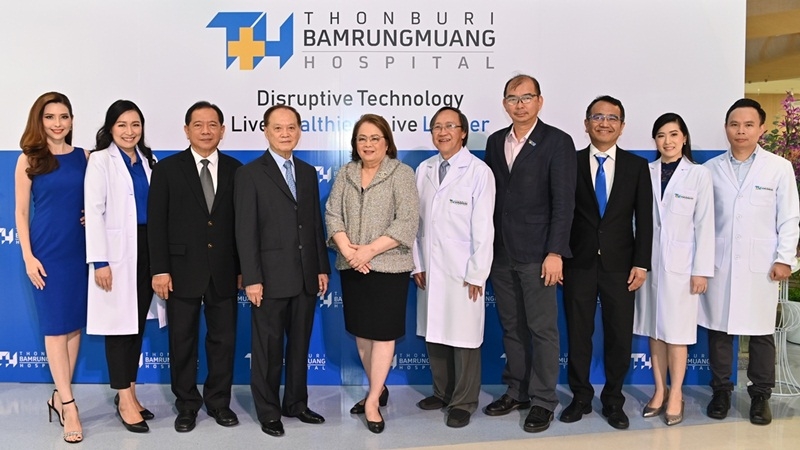
Thonburi Bamrungmuang Hospital today (January 21) launched four new medical centres, aiming to double its revenue within the fiscal year 2020 by targeting both Thai and foreign patients while drawing strengths from disruptive medical technology. The hospital, under the management of Thonburi Healthcare Group (THG), is a six-star healthcare centre in the heart of Bangkok.

Dr Boon Vanasin, Chairman of Thonburi Healthcare Group (THG), said following the official launch of Thonburi Bamrungmuang Hospital, the hospital had been very well-received by both Thai and foreign customers alike, particularly patients from the Middle East.

“Throughout the year 2019, Thonburi Bamrungmuang Hospital served more than 30,000 patients, generating more than Bt900 million in revenue, far exceeding the initial target,” he said.

“To keep up the momentum, THG decided to launch four new specialised centres, namely JIN Wellness Clinic, Heart Centre, Gastrointestinal & Liver Centre, and Aesthetics & Plastic Centre, targeting a doubling of its income through the help of advanced disruptive technology and the strength of its experienced medical specialists.”

Highlights of new centres 

Heart Centre

At the Heart Centre of Thonburi Bamrungmuang Hospital, the hospital provides a comprehensive range of cardiovascular diagnostic services including:

• 3D/4D fetal echocardiography – which is superior in the accuracy of the diagnosis compared to the standard 2D examination.

• Exercise – Dobutamine Stress Echo – a greater cardiovascular examination which has the precision rate of 85 per cent compared to Exercise Stress Test. Also, it doesn’t require injection of Iodinated Contrast Medium (ICM), making the process safer for patients with kidney diseases.

• X-ray Computer – such as CT multiline and Cardiac MRI for patients who experience cardiac arrhythmia, heart palpitations, or in some cases, fainting.

• Ambulatory Electrocardiograms – which includes Holter Monitor – a portable device that measures and records heart’s activity continuously for 24 hours, S-patch, and Event Recorder.

• Cardiovascular Treatments – a variety of procedures including open-heart surgery, coronary angioplasty, EP study (electrophysiology study), radio-frequency ablation, artificial cardiac pacemaker, and automatic implantable defibrillator.

Gastrointestinal & Liver Centre

With gastroesophageal reflux and stomach ulcer being the most common disease among Thais, the Gastrointestinal & Liver Centre provides diagnosis and treatment of digestive system, liver, bile duct, and other related organs, as well as chronic and acute diseases, with help from highly-experienced specialists and state-of-the-art technology.

Services provided at the centre include Gastric Balloon Treatment and individual microbiome test.

Dr Boon said that the centre heavily prioritises its after-treatment follow-up care as most of the patients are from the Middle East.

“This group of patient often travels with their family and has to spend an extended period of time in Thailand. Thus, the hospital establishes a high-calibre Healthcare Services Unit to care for these patients and make them, along with their family members, feel most at home,” he said.

JIN Wellness Clinic 

Believing that good health starts from the inside, JIN Wellness Clinic at Thonburi Bamrungmuang Hospital is a holistic and anti-ageing centre which brings together natural, alternative, and modern medicine to formulate a personalised preventive programme suitable for each patient.

The centre provides various medical services through disruptive technology such as a personalised check-up programme to detect potential risks and abnormalities in the cell and organ level. The data is shown in a digital file format which allows medical experts to deliver precision diagnosis and analysis to the patient and devise a treatment plan befitting each patient’s lifestyle.

Another intriguing equipment is the External Counterpulsation Therapy (ECP). It elps stimulate blood vessels and promote heart function, which in turn, improves the functions of other organs, including brain, kidney, and eyes.

Additionally, Thonburi Bamrungmuang Hospital has developed a Wellness Check-up Application which is able to provide basic health check within just a few minutes. The application analyses personal data of the patient and deliver results that can help doctors efficiently conduct the right treatment for their patients.

Aesthetics & Plastic Centre

At the Aesthetics & Plastic Centre, our teams of aesthetic medical experts offer consultations and personalised aesthetics programme designs. Beauty enhancement services provided include laser therapies and treatments, Botox, dermal fillers, and cosmetic surgery, performed by specialised experts and highly-skilled staff.

The centre also houses modern and latest model medical instruments approved by Food and Drug Administration (FDA) of both Thailand and the US to ensure the customers’ safety and satisfaction.

Dr Boon further explained that the launch of these four centres is in response to the ongoing health trend of “Personalised Healthcare” which is also the core of Thonburi Bamrungmuang Hospital. As a result, the hospital was able to make profit earlier than initially expected; since private hospitals usually take more than three years to become profitable.

“The reason why Thonburi Bamrungmuang Hospital was able to make profit much faster than expected was because we focused on delivering premium personalised healthcare with advanced medical technology to our patients, whether it be Digital Dental Centre, Thonburi Diabetic Wound Care Centre, IVF Reproductive Centre, or Personalised Wellness Check-Up Centre,” he said.

“With our strengths, we were able to draw a large number of international patients, the largest group of which are from the Middle East who make up nearly 70 per cent of our foreign customers, another 15 per cent are from China, and the rest are from Myanmar, Cambodia, Germany and the US, etc”.

He added that in addition to the premium standard of our healthcare services, another advantage the hospital has is the price range since medical services in Thailand are very affordable compared to other developed nations.

“Another factor is the blooming tourism industry of our country which attracts patients from overseas to come to Thailand to receive medical care while also enjoying a nice vacation,” he added.

“All of these factors not only support the government’s policy of establishing Thailand as an international medical hub, but also play an important role in making Thonburi Bamrungmuang Hospital successful while staying true to its vision as the ‘Lifetime Health Guardian For All’”.

Myths and misconceptions about botox #ศาสตร์เกษตรดินปุ๋ย

#ศาสตร์เกษตรดินปุ๋ย : ขอบคุณแหล่งข้อมูล : หนังสือพิมพ์ The Nation

https://www.nationthailand.com/lifestyle/30380866?utm_source=category&utm_medium=internal_referral

Myths and misconceptions about botox

Jan 21. 2020
By Thanisorn Thamlikitkul
Special to The Nation

Cosmetic procedures are rising in popularity. In 2018 alone Thailand saw 140,123 procedures, according to the data released by the American Society of Plastic Surgeons. That makes Thailand the fifth highest for cosmetic procedures in the world. Despite that, the stigma around the most popular cosmetic procedure like Botulinum Toxin injection, still remains. As a dermatologist, I’ve seen many people working hard to take care of their beauty but falling for some of the big myths about botox treatment. Let me share some of the most common:

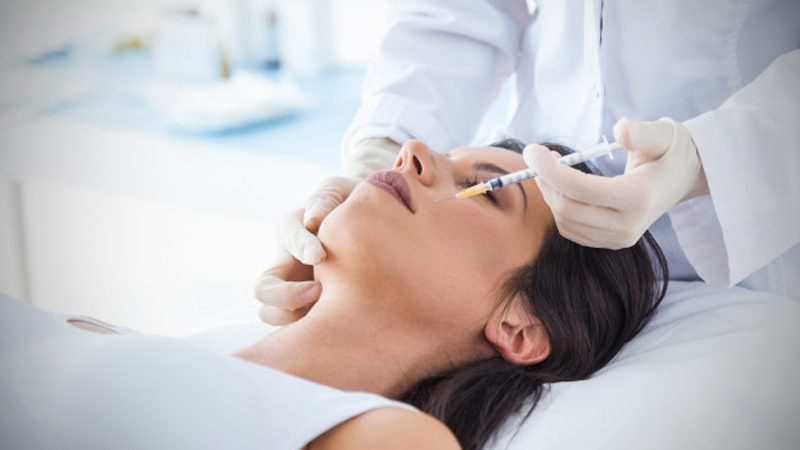
One of the biggest myths about botulinum toxin is that it causes “frozen face”. It’s described as not being able to make facial expressions. The truth is the botulinum toxin has received approval from the Food and Drug Administration and is used in relaxing, not freezing, the muscles from contracting.

Wrinkles are formed by repetitive contraction of facial muscles. Injection of regulated quantities of botulinum toxin into specific overactive muscles causes muscle relaxation. This results in smoothing out frown lines, forehead lines and crow’s feet temporarily — for 4-6 months. Each treatment is customisable, by only injecting small doses of botulinum toxin into specific muscles. One can have a natural softening of unwanted wrinkles without compromising facial expressions. So you can have as much or as little movement as you want. With experience and precision targeting, though, a skilled dermatologist can maintain your facial expressiveness while still freshening your overall look with targeted injections to reduce wrinkles.

The most important advice from me is that botulinum toxin injection is a medical treatment. Therefore, you should find a qualified and experienced physician to perform it in a clinic or a hospital. Moreover, you need to be cautious when injectables are offered at bargain or reduced prices, because they may have been obtained through websites or offshore, they may be counterfeit and there’s no one to assure purity or content of the solution. Serious injury or personal harm may result when unknown substances are injected.

As with anything, know your facts before undergoing any beauty treatment or procedure. When it comes to beauty, knowledge is the power that allows you to weigh risk versus benefit.

Chronic inflammation is dangerous, and you may not even know you have it #ศาสตร์เกษตรดินปุ๋ย

#ศาสตร์เกษตรดินปุ๋ย : ขอบคุณแหล่งข้อมูล : หนังสือพิมพ์ The Nation

https://www.nationthailand.com/lifestyle/30380857?utm_source=category&utm_medium=internal_referral

Chronic inflammation is dangerous, and you may not even know you have it

Jan 21. 2020
A medical diagnostic center. Experts believe chronic inflammation may damage DNA and lead to heart disease, cancer, other disorders. MUST CREDIT: Washington Post photo by Michael S. Williamson

A medical diagnostic center. Experts believe chronic inflammation may damage DNA and lead to heart disease, cancer, other disorders. MUST CREDIT: Washington Post photo by Michael S. Williamson
By Special To The Washington Post · Marlene Cimons · HEALTH

Most of us think of inflammation as the redness and swelling that follow a wound, infection or injury, such as an ankle sprain, or from overdoing a sport, “tennis elbow,” for example. This is “acute” inflammation, a beneficial immune system response that encourages healing, and usually disappears once the injury improves.

But chronic inflammation is less obvious and often more insidious.

Chronic inflammation begins without an apparent cause – and doesn’t stop. The immune system becomes activated, but the inflammatory response isn’t intermittent, as it is during an acute injury or infection. Rather, it stays on all the time at a low level.

Experts think this may be the result of an infection that doesn’t resolve, an abnormal immune reaction or such lifestyle factors as obesity, poor sleep or exposure to environmental toxins. Over time, the condition can, among other things, damage DNA and lead to heart disease, cancer and other serious disorders.

“Unlike acute inflammation, which benefits health by promoting healing and recovery, chronic inflammation is characterized by persistent increases in inflammatory proteins all throughout the body and can damage health and promote several major diseases,” says George Slavich, associate professor of psychiatry and biobehavioral sciences at UCLA, referring to small proteins called cytokines that the immune system releases at the site of an injury to promote recovery.

“People typically don’t know that they have chronic inflammation until it’s too late,” he says.

Individuals often learn they have chronic inflammation when they develop an autoimmune disease, such as Crohn’s disease, lupus or Type 1 diabetes, since inflammation is a hallmark of autoimmune disorders. But experts believe chronic inflammation also plays a role in developing heart disease, cancer, kidney disease, nonalcoholic fatty liver disease, neurodegenerative disorders, cognitive decline and mental health illnesses, such as depression, post-traumatic stress disorder and schizophrenia.

Scientists are still learning about why chronic inflammation is so dangerous and how it contributes to disease. Meanwhile, they suggest actions people can take to reduce their risk, specifically by changing certain behaviors.

Numerous factors appear to raise the risk of chronic inflammation, among them social isolation, psychological stress, disturbed sleep, chronic infections, physical inactivity, poor diet, obesity and exposure to air pollutants, hazardous waste products, industrial chemicals and tobacco smoke.

Experts believe individuals can reduce their risk by adopting lifestyle changes, including eating a healthy diet, improving sleep, exercising regularly, quitting smoking and finding ways to decrease stress and exposure to environmental pollutants.

“Diet is one of the key factors that influences inflammation in the body,” Slavich says. “Whereas fried foods, red meat, sodas, and white bread and pastries that have refined carbohydrates tend to increase inflammation, fruits, nuts, green leafy vegetables, tomatoes and olive oil tend to reduce inflammation. Therefore, while diet is not the only factor that can be targeted to improve immune health, it is an important one.”

Scientists think chronic inflammation causes oxidative stress in the body, which is an imbalance between the production of dangerous free radicals, molecules that harm healthy tissue in the body, and antioxidants, substances that clean up waste products and neutralize them. This can damage DNA as well as proteins and fatty tissue, which in turn accelerates biological aging.

“Chronic inflammation is involved in not just a few select disorders but a wide variety of very serious physical and mental health conditions,” says Slavich, senior author of a recent paper signed by scientists from 22 institutions urging greater prevention, early diagnosis and treatment of severe chronic inflammation. “Indeed, chronic inflammatory diseases are the most significant cause of death in the world today, with more than 50 percent of all deaths being attributable to inflammation-related diseases.”

Researchers still don’t understand the exact mechanisms of how certain behaviors influence chronic inflammation, although a few examples are clear. In heart disease, for example, cigarette smoking and air pollution irritate the arteries, which stimulates inflammation.

“The ‘damage accumulation’ theory is a possibility, but the reality is that we do not know whether inflammation is causing these health and functional problems, or whether it’s an indication that some other process is evolving that undermines health,” says Luigi Ferrucci, scientific director of the National Institute on Aging. “The evidence is clearer for cardiovascular disease, since it has been demonstrated that blocking inflammation with specific drugs prevents cardiovascular events. For the other outcomes, it’s still uncertain.”

Chronic inflammation can contribute to cognitive decline and mental health disorders by boosting age-related immune system deterioration, known as immunosenescence, and by promoting vascular and brain aging, which, in combination, degrade neural and cognitive function, experts say.

“Chronic inflammation can also cause threat sensitivity and hypervigilance, which gives rise to anxiety disorders and PTSD, as well as fatigue and social-behavioral withdrawal, which are key symptoms of depression,” Slavich says.

Scientists say more research is needed to identify biomarkers or other substances that suggest the presence of chronic inflammation.

There are probably hundreds of these potential diagnostic tools produced by the immune system, but they remain unidentified, Slavich says.

The most widely used test measures levels of C-reactive protein (CRP) in the blood. CRP, a substance produced by the liver, rises when chronic inflammation is present, although the standard CRP test is nonspecific – that is, it indicates inflammation, but cannot pinpoint exactly where it is. A second, more sensitive test (hs-CRP) suggests a higher risk of heart attack, although it too can be imprecise.

Some doctors screen for CRP as part of routine physical exams and also among people at risk for heart disease and autoimmune conditions. Experts think wider screening could identify more patients. “This isn’t a bad idea,” Ferrucci says.

Another test – this one more specific to heart disease – screens for myeloperoxidase, or MPO, an enzyme released by white blood cells that kills harmful bacteria in inflamed blood vessels. Increases in MPO can be dangerous, causing further damage to arterial walls, which encourages the formation of clots. These, in turn, can block blood flow, leading to heart attack and stroke. MPO also reduces the effectiveness of HDL, the “good” cholesterol, and removes nitric oxide, which is important for the regulation of healthy blood flow.

The good news, however, is that people worried about developing chronic inflammation can take affirmative steps to prevent it.

“If we make people aware of these risk factors, our hope is that individuals will reduce the factors that apply to them,” Slavich says.

The Big Number: U.S. birthrate drops to all-time low of 1.73 #ศาสตร์เกษตรดินปุ๋ย

#ศาสตร์เกษตรดินปุ๋ย : ขอบคุณแหล่งข้อมูล : หนังสือพิมพ์ The Nation

https://www.nationthailand.com/lifestyle/30380846?utm_source=category&utm_medium=internal_referral

The Big Number: U.S. birthrate drops to all-time low of 1.73

Jan 21. 2020
By Special To The Washington Post · Linda Searing · HEALTH 

Women in the United States are having fewer babies than ever before, creating a fertility rate of 1.73 births per mother, according to data from the National Vital Statistics System that was analyzed by the Centers for Disease Control and Prevention.

The fertility rate peaked in 1957 at 3.77 births per woman, declined to 1.84 births in 1980, increased slightly to 2.08 by 1990 and started declining again in 2007, reaching the record low by the end of 2018. The 1.73 number is below what is considered the replacement rate – producing as many births each year as deaths. That requires a fertility rate of 2.1 births per woman, according to the CDC.

The agency’s report did not address reasons the fertility rate has fallen. But other data in the report showed that women are having children later in life, with fewer births than in the past from the teen years to early 30s and more births than in the past from ages 35 to 44. The age at which women first become mothers also has increased. Today, U.S. women are, on average, 26.4 years old when they have their first child, according to a Pew Research Center study based on international data from the Organization for Economic Cooperation and Development.

The wild ride of East Africa’s favorite stimulant #ศาสตร์เกษตรดินปุ๋ย

#ศาสตร์เกษตรดินปุ๋ย : ขอบคุณแหล่งข้อมูล : หนังสือพิมพ์ The Nation

https://www.nationthailand.com/lifestyle/30380783?utm_source=category&utm_medium=internal_referral

The wild ride of East Africa’s favorite stimulant

Jan 19. 2020
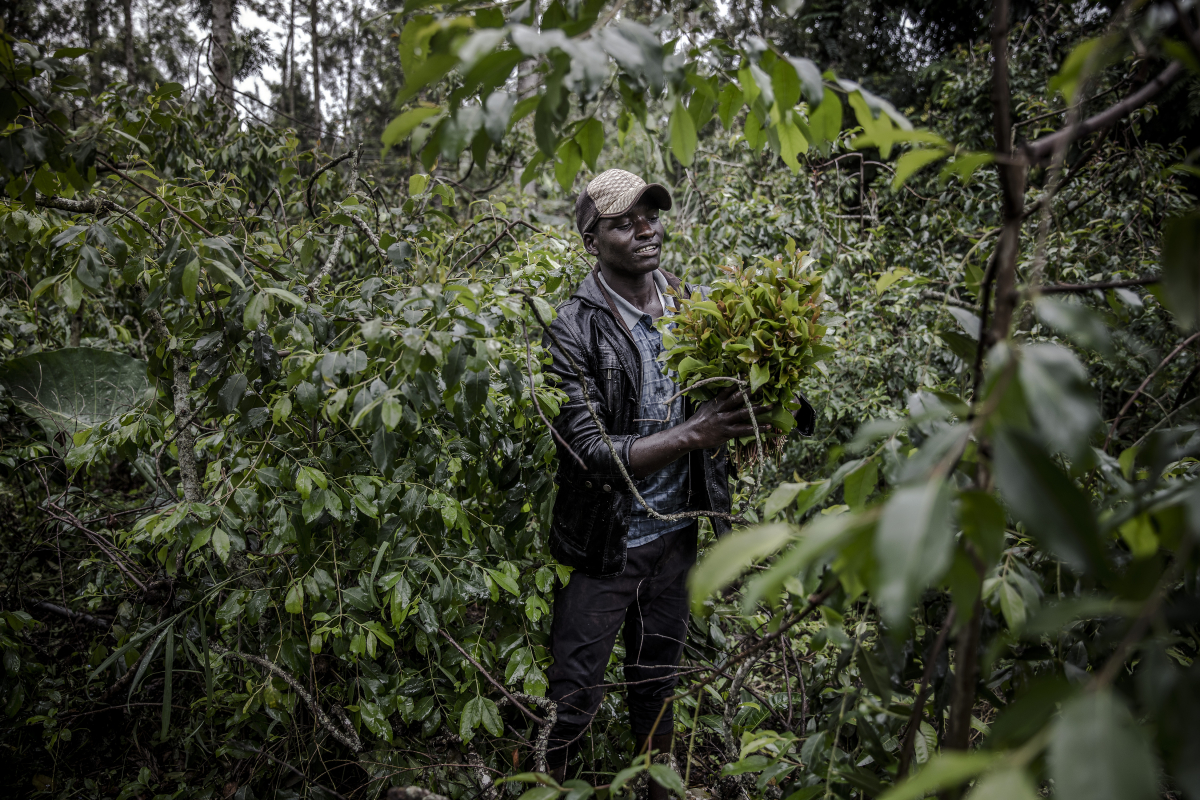
A worker shows the miraa leaves he picked at a farm near Maua. MUST CREDIT: Photo for The Washington Post by Luis Tato

A worker shows the miraa leaves he picked at a farm near Maua. MUST CREDIT: Photo for The Washington Post by Luis Tato
By The Washington Post · Max Bearak 

MAUA, Kenya – It’s an unassuming little red-and-green leaf, but the powers unlocked by chewing it have hooked millions of people around the world, made it one of Kenya’s leading exports and gotten it banned in the United States and much of Europe.

Known as miraa in Kenya and Somalia and qat, or khat, in Arabic, its users say munching it for a few hours makes them alert and talkative, much like coffee would. But the potency of the leaf starts to wane as soon as it is picked off the tree, presenting a major challenge to suppliers in this more than $400-million-a-year industry: how to get it from the hills of central Kenya – the miraa heartland – to Nairobi, Mogadishu and other hubs of its biggest fans – the Somali community – without delay.

A picker works under the rain picking miraa from a farm located near Maua, Kenya in November 2019. MUST CREDIT: Photo for The Washington Post by Luis Tato

A picker works under the rain picking miraa from a farm located near Maua, Kenya in November 2019. MUST CREDIT: Photo for The Washington Post by Luis Tato

The answer lies in a breakneck production cycle in which the leaves are plucked, sorted, bundled and shipped in wildly careening pickup trucks to distribution centers in Nairobi, 180 miles away, in just a few chaotic hours.

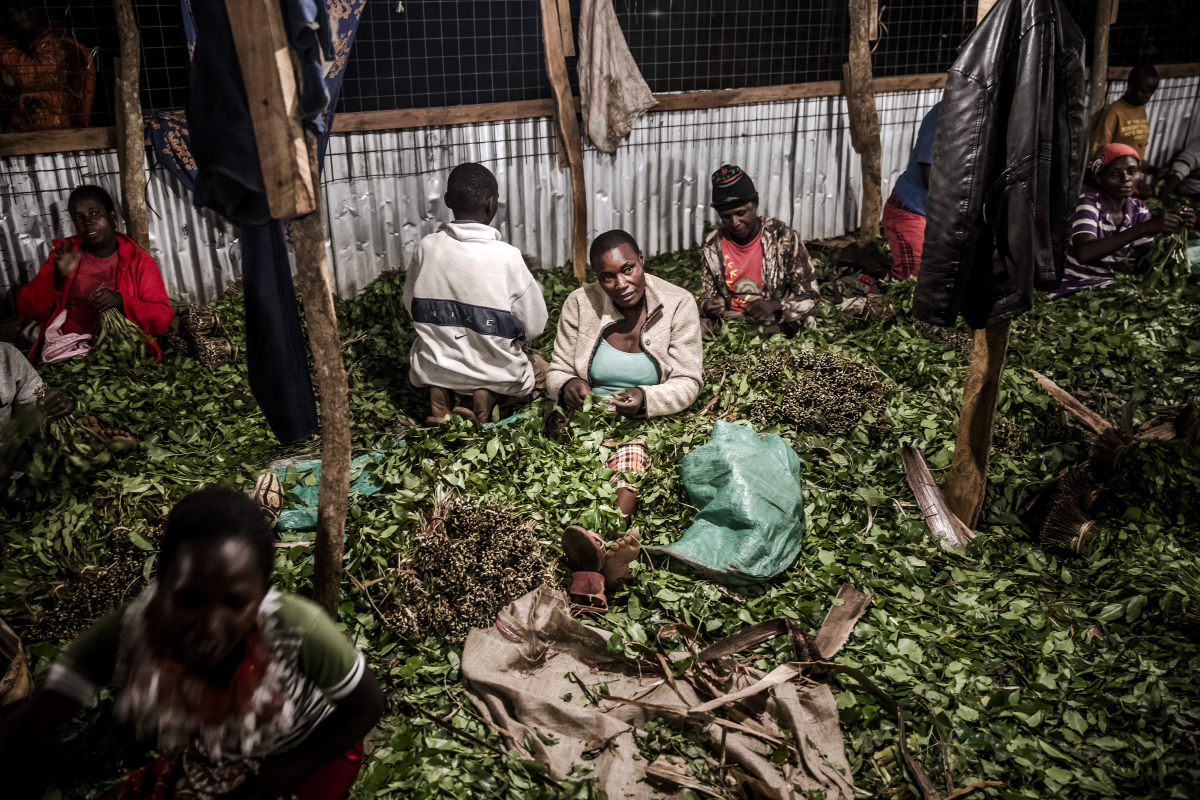
Workers bundle miraa for distribution in a storehouse near Maua. MUST CREDIT: Photo for The Washington Post by Luis Tato

Workers bundle miraa for distribution in a storehouse near Maua. MUST CREDIT: Photo for The Washington Post by Luis Tato

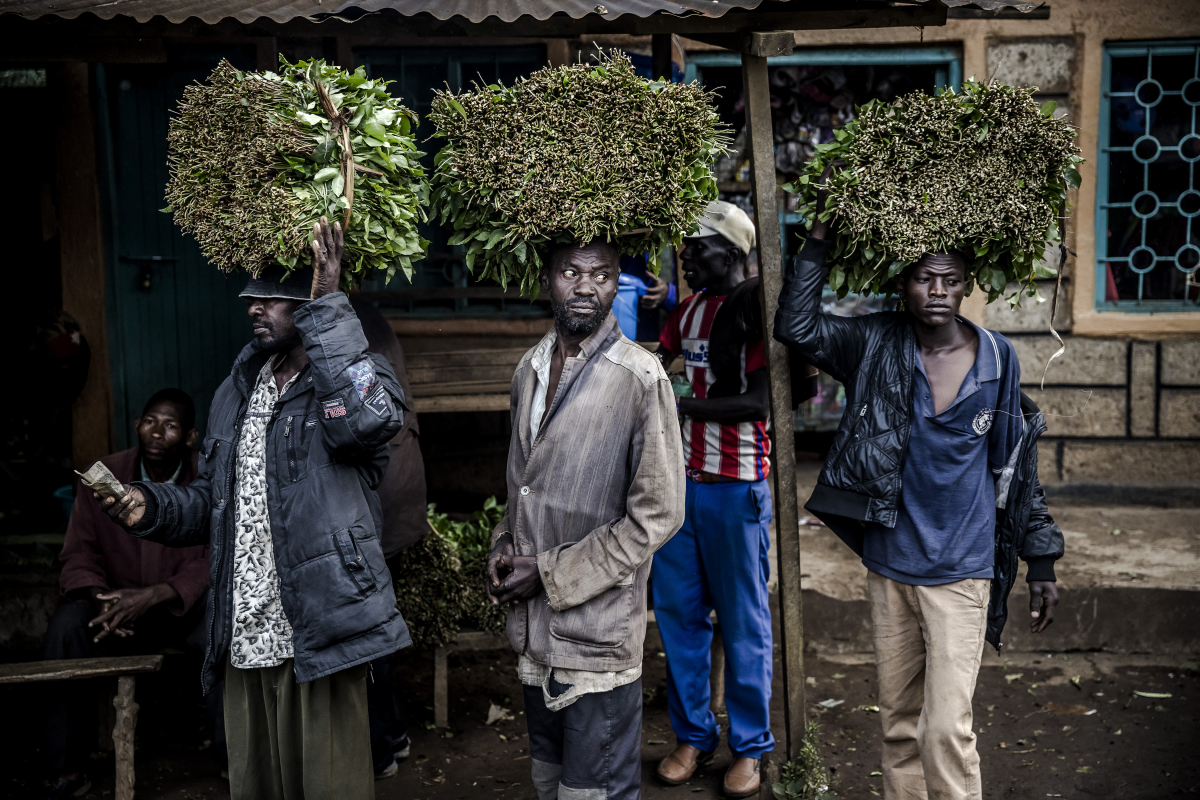
The business, which is legal in Kenya, is run by trade organizations that operate like mafias. Numerous suppliers have been investigated for allegedly using unlicensed planes to fly miraa to Somalia from Nairobi, as well as allegedly using the trade as a front for money laundering. The Washington Post witnessed evidence of child labor in one miraa sorting warehouse in Maua.

Farmers arrive to sell their fresh miraa to resellers in Maua. MUST CREDIT: Photo for The Washington Post by Luis Tato Photo by: Luis Tato — For The Washington Post

Farmers arrive to sell their fresh miraa to resellers in Maua. MUST CREDIT: Photo for The Washington Post by Luis Tato Photo by: Luis Tato — For The Washington Post

The United States, Britain and other European countries have banned the leaf, classifying it as a drug even though its addictiveness has not been proved. Producers say the bans are absurd, even racist. Half a million Kenyans rely on miraa for their livelihood, according to the Kenyan government. Daniel Ngolua, a miraa farmer, calls it a “cultural treasure for us.”

A motorbike driver leaves a market in Maua carrying miraa bunches. MUST CREDIT: Photo for The Washington Post by Luis Tato

A motorbike driver leaves a market in Maua carrying miraa bunches. MUST CREDIT: Photo for The Washington Post by Luis Tato

The bundles of delicate miraa leaves are packed in sturdier banana leaves and loaded by the ton into the beds of pickup trucks.

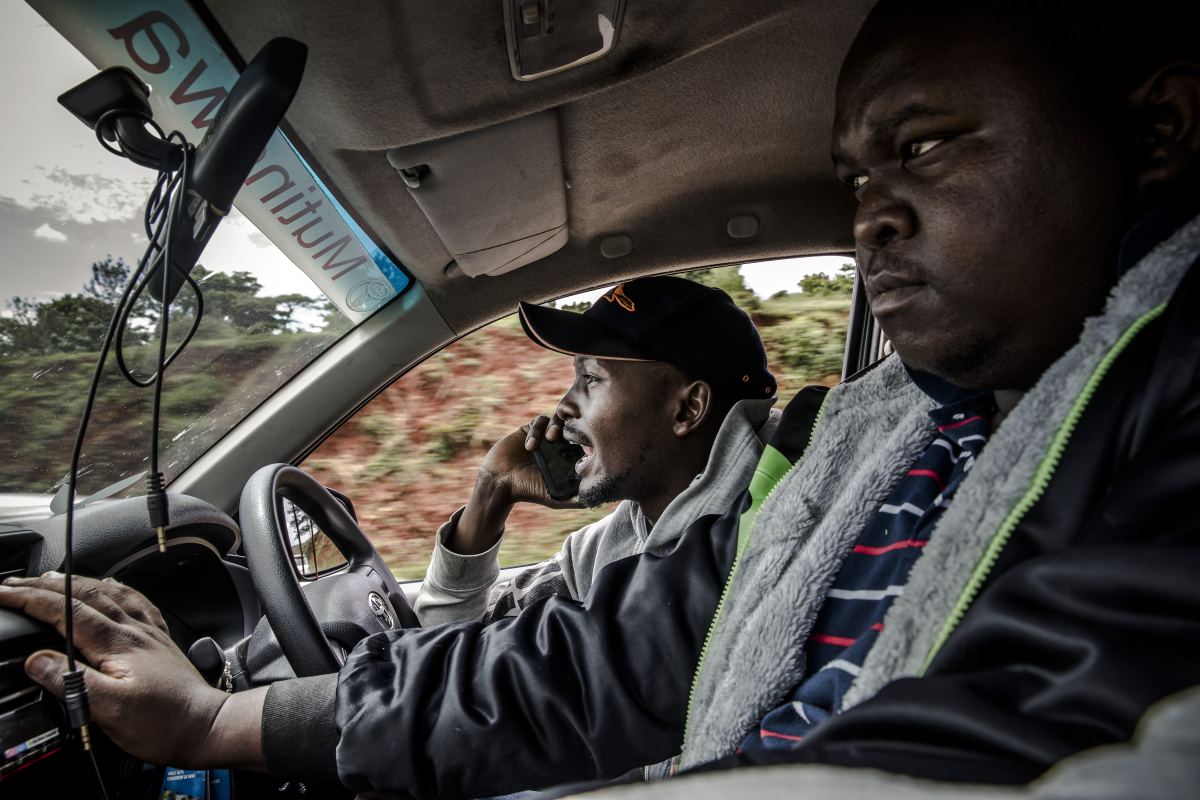
The ride to Nairobi from Maua is a three-hour roller coaster along winding country roads, speeding constantly at 100 mph without touching the brakes, through busy towns and villages, flying over speed bumps, running dozens of cars and pedestrians off the road along the way. Bystanders cheer the drivers on like action-movie heroes. Drivers say they are always balancing the risks with the payoff.

Benjamin Karenga speaks with clients while speeding his way to Nairobi to deliver fresh miraa. MUST CREDIT: Photo for The Washington Post by Luis Tato

Benjamin Karenga speaks with clients while speeding his way to Nairobi to deliver fresh miraa. MUST CREDIT: Photo for The Washington Post by Luis Tato

Benjamin Karengea, 30, has done the drive from Maua to Nairobi once a day, every day, for eight years. “It is a very dangerous work but, what can I do? It provides for me and my family,” he said. “I am Christian and I have faith. The only thing I can do before taking off is pray.”

At the end of the drive, miraa is unloaded at a market in Nairobi. MUST CREDIT: Photo for The Washington Post by Luis Tato

At the end of the drive, miraa is unloaded at a market in Nairobi. MUST CREDIT: Photo for The Washington Post by Luis Tato

Many of the trucks head for Nairobi’s Little Somalia, Eastleigh, while the rest goes straight to the international airport for shipment to Somalia.

The Post was granted access by the Kenya Airport Authority to witness the loading process, but hesitant traders and cargo operators blocked a photographer from taking photos.