Non-ticketed fans of World Cup allowed to enter Qatar after group matches
SATURDAY, NOVEMBER 05, 2022
Reuters
Non-ticketed fans of the FIFA World Cup Qatar 2022 will be allowed to enter the country as from December 2, 2022, announced by the Qatari authorities on Thursday.
At a joint press conference held by the World Cup organizing committee, the Ministry of Interior and the Ministry of Public Health, Interior Ministry spokesman Colonel Jabr Hammoud Jabr al-Nuaimi announced that non-ticketed fans will be allowed to enter Qatar as from December 2, after the conclusion of group matches.
The related fans can apply for the Hayya Cards through the Hayya platform or the Hayya to Qatar 2022 mobile application to use it as a visa for entry.
The spokesman also noted that the security work for the World Cup is ready, and the Qatari side has formulated a complete emergency response plan and will strive to ensure the safety of fans.
The Qatari side also noted the stadiums will be disinfected on a regular basis, and tourists from various countries entering Qatar during the World Cup can call the medical assistance hotline and receive free emergency medical services in all public health institutions if they encounter medical emergencies.
In terms of transportation, the Doha Metro will operate 22 hours a day during the football feast, and the interval between trains will be shortened to 165 seconds.
In addition, Qatar also plans to mobilize more than 3,000 buses to provide fans with responsive commuting services and convenient travel options.
Three EPSON Tour Players Sign Up for 9th SAT-TWT Open
FRIDAY, NOVEMBER 04, 2022
THE NATION
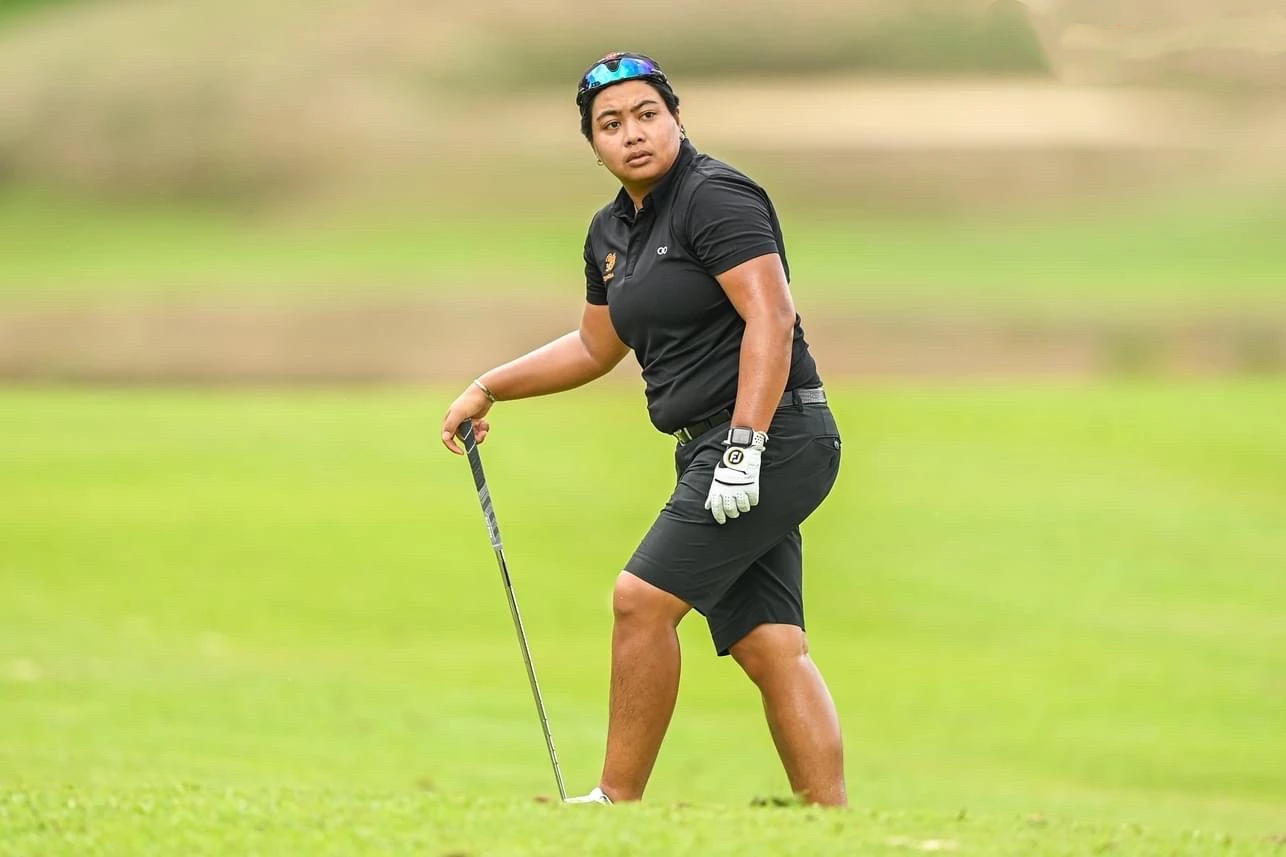
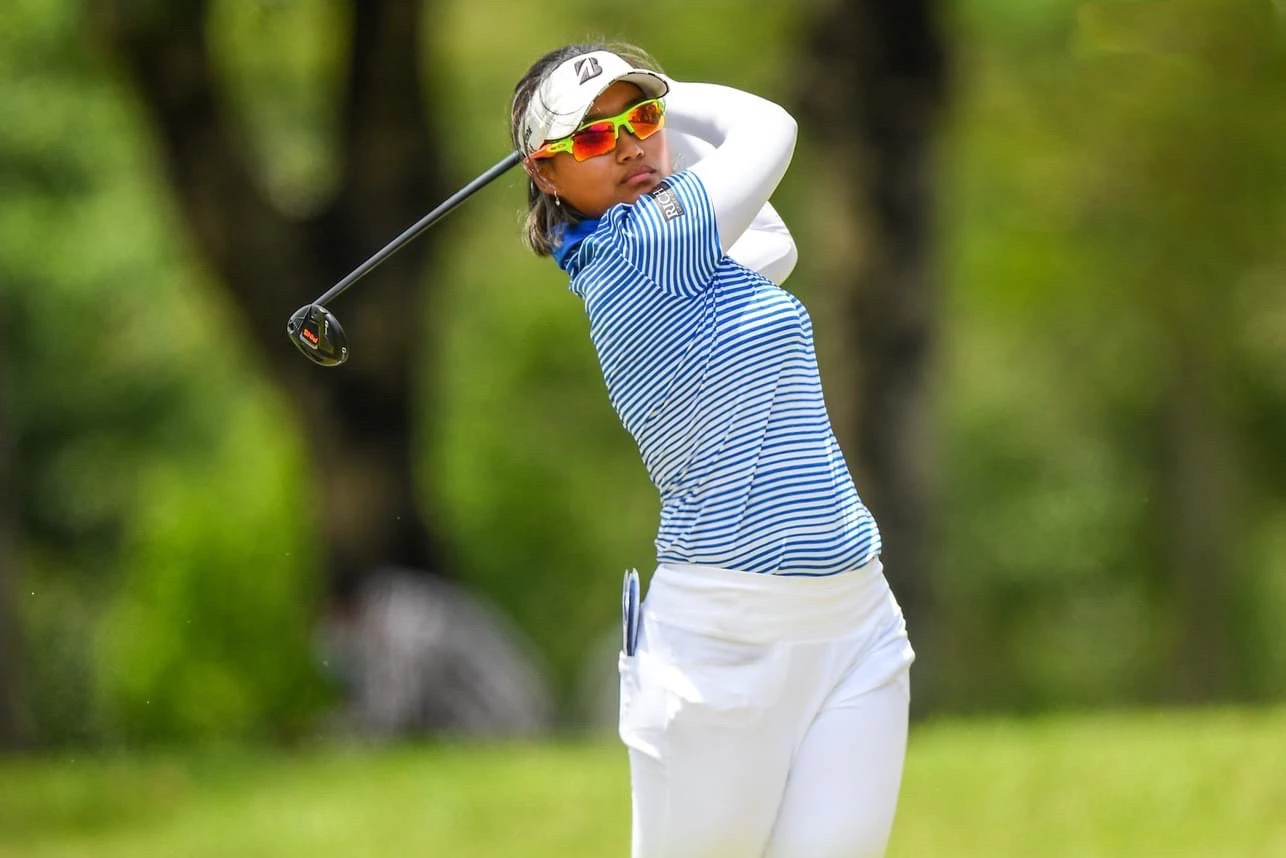
Pavarisa Yoktuan, Jaravee Boonchant and Chanoknan Angurasaranee, all being active players on the Epson Tour, will strut their stuff in the ninth circuit of the Bt2.5 million SAT-TWT Road to World Ranking which will get underway from November 8-10 at Pattaya Country Club in Chonburi.
The three contenders will utilize the tournament, one of the 10 circuits of the Thai WPGA 2021-2022 season, as their final-warm up ahead of their participation in the LPGA qualifying competition in the US.
Currently ranked 23rd on the Epson Tour Official Money, Pavarisa is thrilled to compete in a home tournament. She hopes to shape up her game before heading to North America. “The TWT-Open will serve up as a good test for me before I go back to the States. My goal is to earn a tour card on the LPGA again,” said the 28-year-old Pavarisa whose best attempt on the LPGA was a tied fifth position in the Marathon Classic back in 2019.
“I’m quite happy with my performance this year on the EPSON Tour with two second placed finishes. I hope to play well in my home tournament next week, but I will try not to put too much pressure on myself,” added Pavarisa, hoping to put a long drought of title since winning the Singha-SAT Championship seven years ago.
Up-and-coming Jaravee celebrated the biggest win in her career when she lifted up the EPSON Tour Championship crown in Florida two months ago, which propelled her to finish the season at 12th on the EPSON Tour Order of Merits rankings. She also staged impressive results in big international events including a tied sixth finish in the Hana Financial Group event in Korea.
“Everything is moving to the right direction for me this season. As for the rest of the season, I’m trying to get ready for the Final Q-School stage. I hope that every aspect of my game will pick up next week, which should give me a good boost before I go to the US,” said the 23-year-old former Duke University player. “I’m also working on my fitness during my time in Thailand. I plan to play most of the 2023 season in the US if things go according to my plan,” Jaravee added. After playing her rookie season on the EPSON Tour with 15 starts, teenage Chanoknan enjoyed her best finish at tied fourth in the Twin Bridges Championship in New York. Like Pavarisa and Jaravee, Chanoknan ihas her eyes firmly fixed on a slot in the LPGA qualifying event in December.
“I’m really working hard right now which includes five days of training the gym per week. I need to be really well prepared for the second qualifying stage later this month. So, after the SAT-TWT Open, I’m heading to the US right away,” said Chanoknan. “My goal is to reach the final stage in December. If not, I may enter the Ladies European Tour Q-School instead,” she added.
The ninth SAT-TWT Open will be competed at the par 72 6,542-yard Pattaya Country Club. It is organized by Thailand Women’s Professional Golf Association (Thai WPGA). It will be competed in a three-day stroke-play format. After 36 holes, top 60 and ties will move ahead to the final round where they will battle it out for the winner’s prize money of Bt367,500.
Ex-football chief Worawi ready to take the helm if his services are needed
FRIDAY, NOVEMBER 04, 2022
Akarawath Ounboriboon
For most Thais, the upcoming Fifa World Cup in Qatar will be a distant football spectacle, involving a sport in which Thailand is a passive spectator.
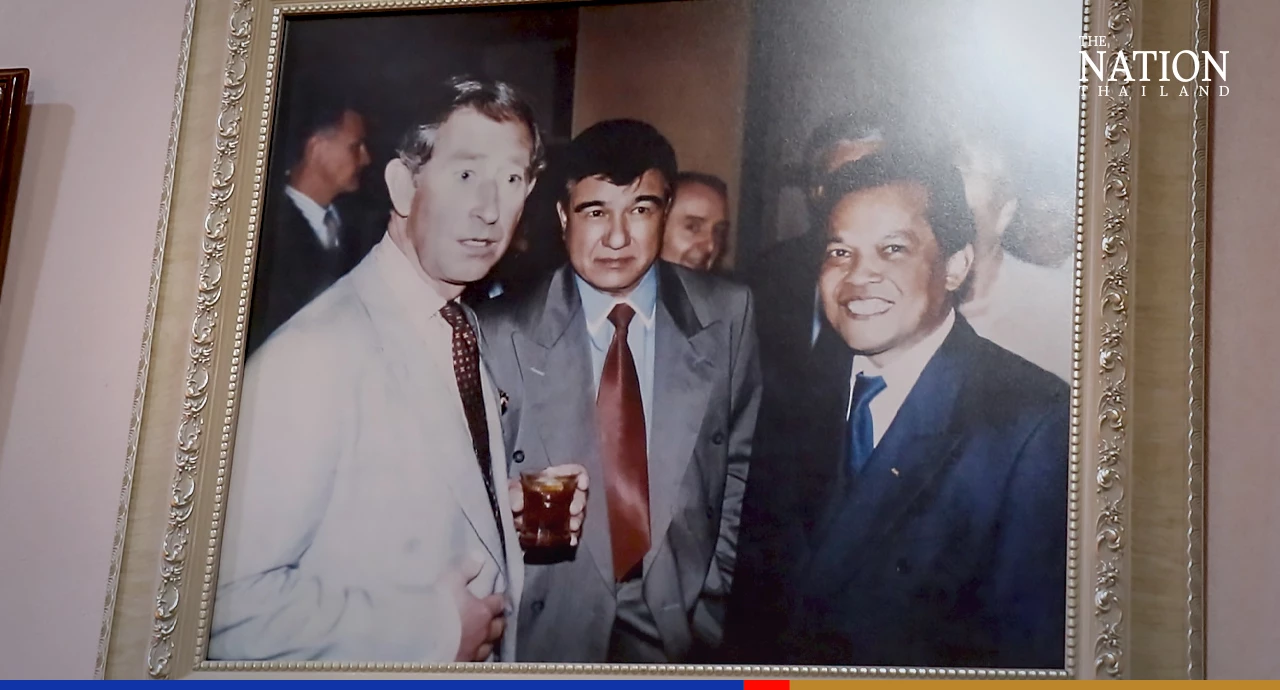
However, not too long ago, there was one Thai who held a prominent position in football’s world governing body for several years. Worawi Makudi, the former president of the Football Association of Thailand, was a member of Fifa’s executive committee — now known as Fifa Council — for 17 years.
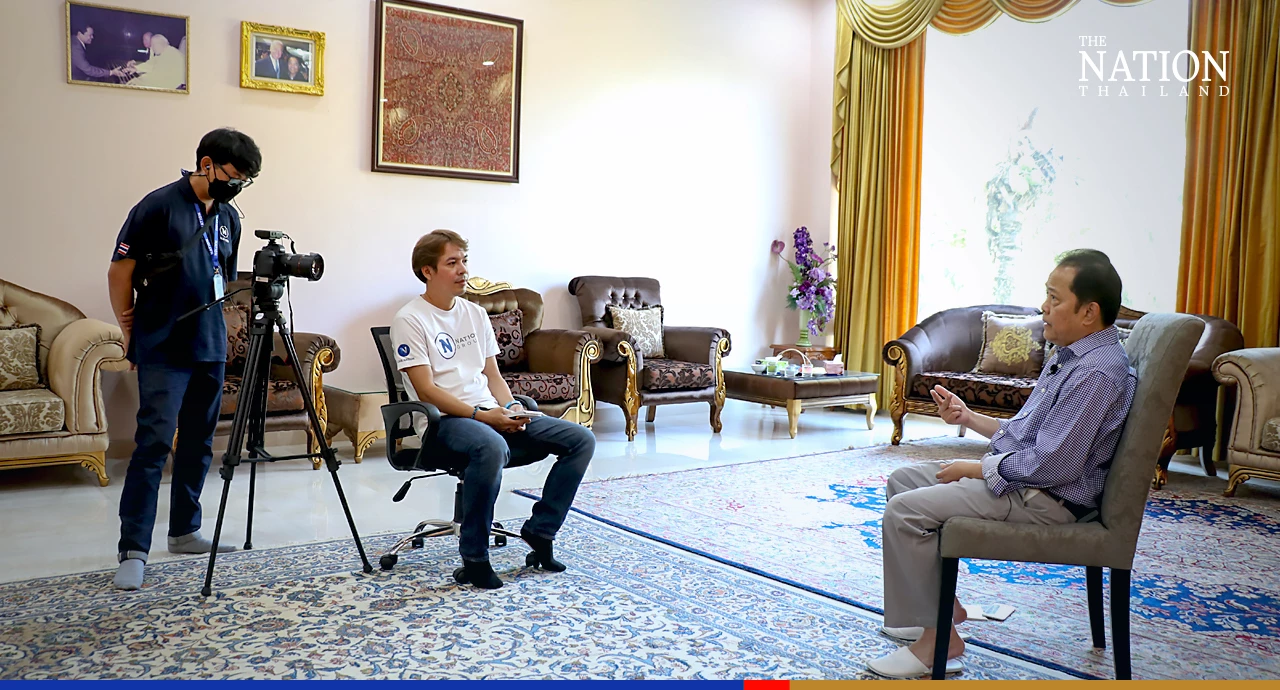
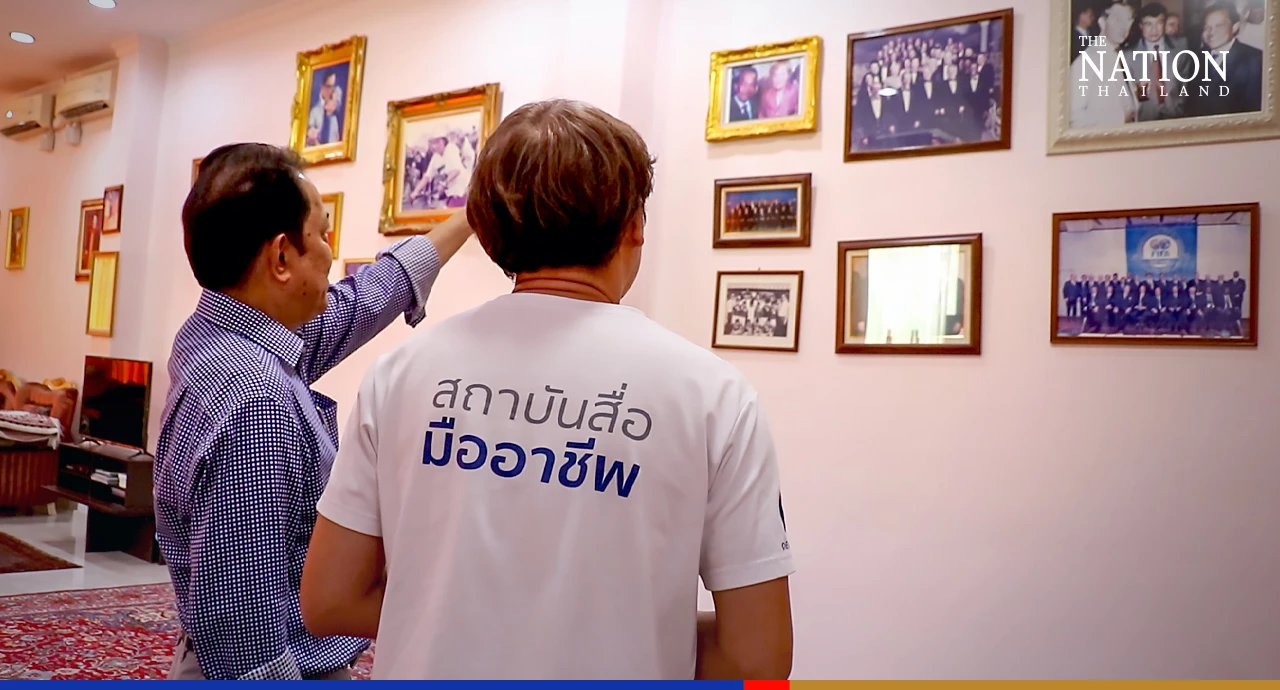
In a long chat with the The Nation, he reflected on how he had got into the Fifa executive committee and what he could do to improve the Thai football scene.
Though he is no longer a member of the Fifa committee, he remains an honorary member and can watch the World Cup or other activities to which he is invited by Fifa.
With his vast experience, it would be interesting to know his opinion on the Thai football scene, the World Cup, and his thoughts on the Football Association of Thailand (FA Thailand).
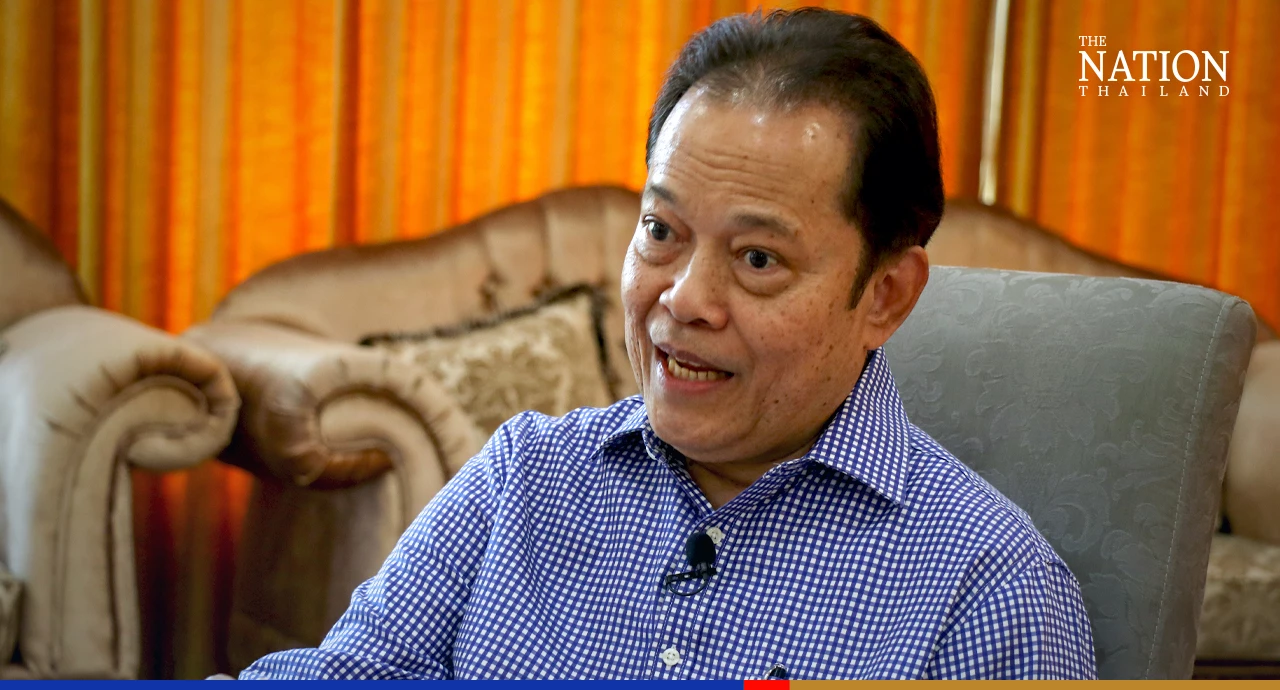
At 71 years old, he is still strong, active, and amiable.
“I have something to do every day even though I am not managing the Football Association anymore, but I am still working, including exercising and playing football when I have time to spare.” Worawi said, as he opened the doors of his house in the Nong Chok district of Bangkok to The Nation.
Making it to Fifa executive committee
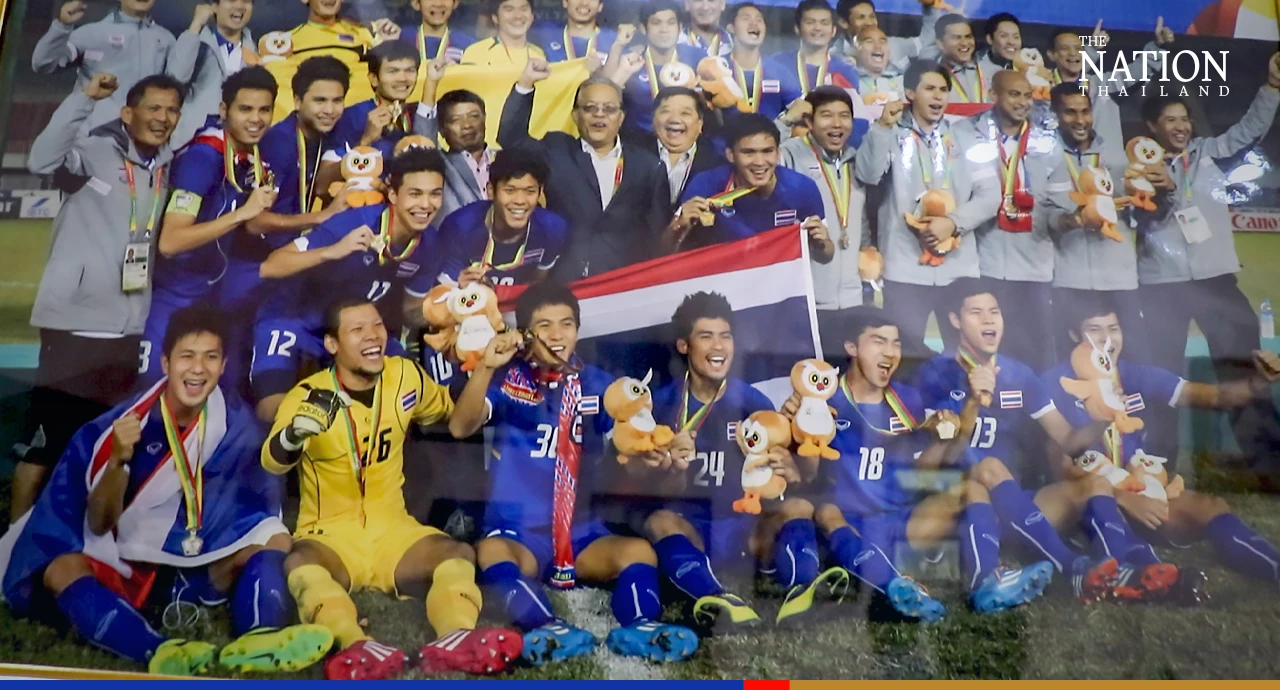
Looking back, Worawi’s feat of becoming a member of the Fifa executive committee is extraordinary because Thailand is a small country on the international football stage with no clout. No Thai squad has ever reached the World Cup finals, while their best finish in Asia is fourth place at the Asian Games.
There are several steps to become a member of the Fifa executive committee, but everything started when Thailand and two other member countries — Malaysia and Indonesia — founded the Asean Football Federation (AFF), Worawi explains.
“The correct term is member of the executive committee of Fifa, or exco in short,” Worawi says.
Reflecting on his appointment to the world body, he says, “This goes a long way back to 1996 when I was the general secretary of the Football Association. I thought that Thailand has no role at the international level so I thought of combining forces as Asean. Back then, Thailand, Malaysia, and Indonesia were the main force in the region.
“In my opinion, apart from uniting Asean, I paved the way for a role at the international level. Three people from three nations held joint discussions and it led to the founding of the Asean Football Federation [AFF].”
Back then, the AFF did not organise any tournaments. After that, we combined with the Philippines, Brunei, and Singapore. Laos, Cambodia, and Myanmar did not join due to domestic problems.
“I then brought Laos, Cambodia, and Myanmar together, even though they had not joined AFF, because they were Asean countries and wooed members of the Asian Football Confederation [AFC] so they had votes in the big stages.”
Creating the AFF Cup
“When we combined together back then, we found we had no activities so we decided to hold an event that would bring revenue to the AFF. We held several meetings in Thailand because the federation had no revenue so we took on the role of host.
“Once it was finalised, we held a bidding for sponsorship. AFC Market [later changed to World Sport Group] won the bidding and it became the AFF Championship, but was known as Tiger Cup in the first phase. Later, it was changed to Suzuki Cup and recently Mitsubishi Electric Cup, according to the current sponsor.
“I can say proudly that this football competition was born in Thailand and I can also claim to have been instrumental in launching the tournament,” Worawi says.
How AFF got a member on Fifa’s executive committee
“When we [AFF] were united, we had 10 votes, which we could use to negotiate with other regions including South Asia, Middle East, and East Asia when selecting executives of the Asian Football Confederation (AFC). These regions wanted to join us because our votes were almost half of the total votes. This is the strength that these countries want to associate and join us because we will win when we vote.” he added.
How did Worawi make it to the Fifa executive committee?
“It was a sudden moment when we organised AFF Cup in 1996. The next year, Fifa was adding another position because there were more member countries, so Asia got one more spot in addition to the three it had already,” he says.
“It was in keeping with our united position. So I proposed to take the additional position if Asia got another spot, as the representative from Asean. Back then, the three spots in Asia were taken by Saudi Arabia, Qatar, and South Korea, so I asked for the fourth spot. Other member countries also wanted me to join because they would earn benefits after I joined. FA Thailand had always treated them well whenever these countries travelled to practise in our country so they fully supported me.”
“I faced one opponent — the J League chairman — but I won more votes and became a Fifa member,” Worawi says.
A gift for Thai children
After Worawi was selected as a member of Fifa ’s executive committee in 1997, he managed to hold his place until 2015. While he was a Fifa member, he was also the general secretary of the Football Association of Thailand until 2007 when he was elected president in place of Vijit Ketkaew.
Interestingly, Worawi, or “Bang Yee”, became a member of the Fifa executive committee before becoming heading Thai football.
When I became a Fifa member, it [Thai football scene] developed a lot. For example, in 1997 Thailand’s U-17 squad played in the World Championship for the first time when I was a Fifa member.
“Later in 1998, during the World Cup in France, I was selected as a Fifa head in Nantes to organise everything. When I was a Fifa member, I was a head of managing stadiums in the 1998, 2002, 2006, and 2010 World Cups. Of all the World Cups, I am most impressed by the 2010 World Cup in South Africa,” he says.
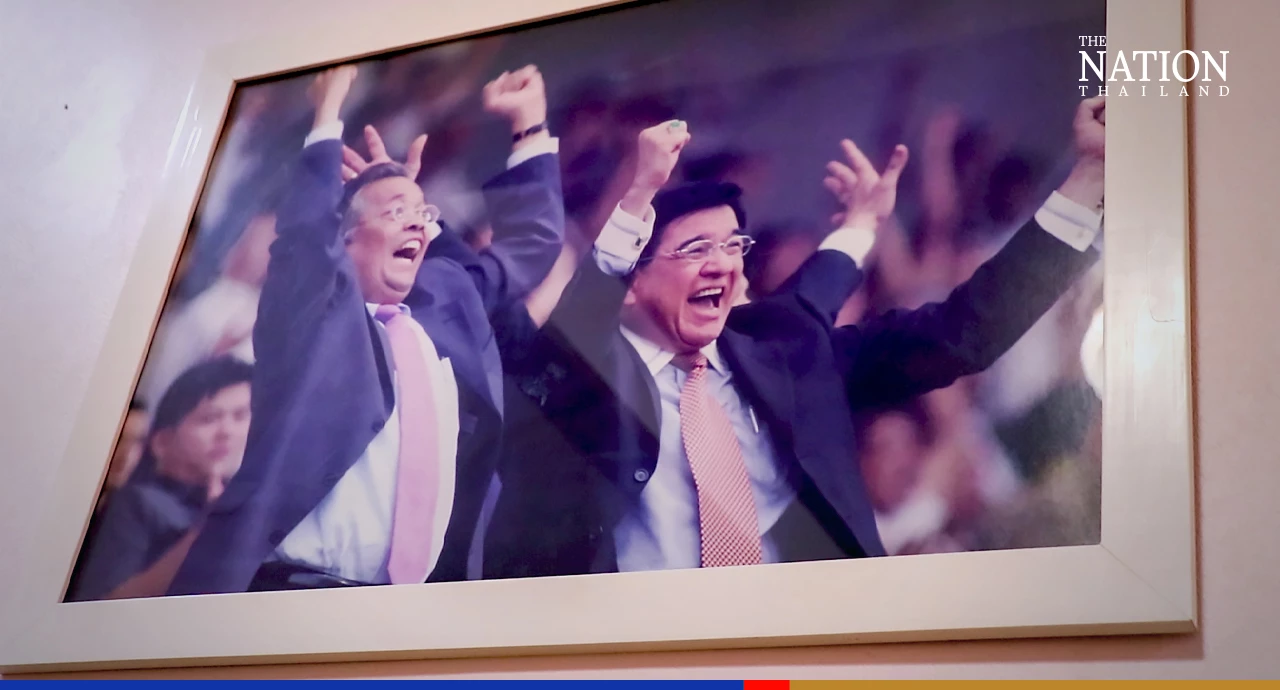
The World Cup in South Africa also means more to him at a personal level as he was able to give some Thai children the experience of watching this spectacle. “That year, when I was the president of the Football Association, I had an idea to give Thai children a ringside view. So I organised a contest for children who wanted to go to the World Cup, asking them to write and describe the World Cup and their love for football. Finally, we selected 11 children and I paid for them to travel from Thailand to see the opening match in South Africa.”
“I saw their sparkle and smiles and they were very happy. It was one of my best moments when I was working with Fifa and taking our children to see World Cup,” he says.
Apart from buying World Cup tickets for the children, Worawi also arranged accreditation cards for Thai press to cover the event.
“I do not want to return but if there is no appropriate candidate, I am ready to do for the country.” — Worawi Makudi
Worawi retains much of his love and passion for the sport, even though he is not managing the Football Association anymore. He is actively involved as chairman of Nakhonratchasima Mazda Football Club in the Thai league.
Does he still nurse ambitions of returning as president of FA Thailand? Worawi gives an ambiguous reply. He says he wants the next generation to take up this role. However, if club members want to give him the responsibility, he would not shirk.
“If [you] ask me right now, the association is currently trying to frame regulations to prevent me from being involved. I have to say that because it is actually like that,” he says.
“[Such an attitude] It is not beneficial at all. As for me, I am ready to do anything for the country but the team and the thoughts must go in the same direction. It was the same when I told you that we must have a committee from three leagues to recruit and ask members if those who are nominated are appropriate or not.
“I am glad to support new people but if there is no one and [someone] wants me to help, I am glad to sacrifice my time to work with our national football team.”
He is wary about sounding needy. So, he quickly adds, “But I do not want to say more because that would make it look like I want to return. In reality, I feel indifferent but many people said that things were improving when I was the president but it is currently going downhill.”
“I think it is logical to assume the situation should be better now than during my term, because revenues are now high and they can afford to do many more things,” he explains.
Worawi’s dream was to make Thailand the top football team in Asia and compete in the World Cup. That has not happened yet.
But he believes his stint has paved the way for the creation of a strong professional football league that generates adequate revenue to pay footballers, coaches, staff, vendors, and product owners well.
Chinese people top list of foreign property buyers in Thailand, data shows
SATURDAY, NOVEMBER 05, 2022
Chinese nationals are still the biggest buyers of property in Thailand, with more than 2,000 units transferred in the second quarter of 2022 alone.
Wichai Wirattaphan, acting director of the Real Estate Information Centre, said recently that 2,326 units were transferred to Chinese buyers in the second quarter of this year, up by 27.6% year on year.
The value of the units was 12.11 billion baht, up by 26.9% compared to the same period last year, while the total area was 109,486 square metres, up by 27.6%.
He added that since the number of new properties available in downtown or business districts is reducing, second-hand units are being snapped up by foreigners, especially those from Europe, the US, Australia, Russia and India.
According to data available, the biggest buyers of condominium units in Thailand are from China, Russia, the US, UK and Germany in that order.
Those who spend the highest on property in Thailand are from China, the US, France, Russia and Cambodia.
Wichai said the average price of condominium units bought by foreigners is about 5 million baht per unit, though the Taiwanese in general spend the most at about 7.1 million baht per unit and Russian and German buyers average at about 3.2 million baht per unit.
He added that on average, units of 60 square metres and less are popular among foreigners, accounting for more than 80% of units transferred in each quarter.
The five provinces most popular among foreign property buyers in the first six months of 2022 were:
Bangkok
Chonburi
Samut Prakan
Phuket
Chiang Mai
Of the units transferred in the first half of this year, 43.8% were in Bangkok and 31% in Chonburi.
The government recently decided to allow wealthy foreigners who invest at least 40 million baht in Thailand for three years to buy houses and up to 1 rai of land in specific areas.
Major glaciers, including Dolomites and Yosemite, to disappear by 2050 – UNESCO report
SATURDAY, NOVEMBER 05, 2022
Reuters
Some of the world’s most famous glaciers, including in the Dolomites in Italy, the Yosemite and Yellowstone parks in the United States and Mount Kilimanjaro in Tanzania will disappear by 2050 due to global warming, whatever the temperature rise scenario, according to a UNESCO report.
The United Nations cultural agency UNESCO monitors some 18,600 glaciers across 50 of its World Heritage sites and said that a third of those are set to disappear by 2050.
While the rest can be saved by keeping global temperature rise below 1.5 degree Celsius (2.7 Fahrenheit) relative to pre-industrial levels, in a business-as-usual emissions scenario, about 50% of these World Heritage glaciers could almost entirely disappear by 2100.
World Heritage glaciers as defined by UNESCO represent about 10 percent of the world’s glacier areas and include some of the world’s best-known glaciers, whose loss is highly visible as they are focal points for global tourism.
The report’s lead author Tales Carvalho told Reuters that World Heritage glaciers lose on average some 58 billion tons of ice every year – equivalent to the total annual volume of water used in France and Spain together – and contribute to almost 5% of global observed sea-level rise.
The peak of Mount Kilimanjaro, or Kibo, is seen from an aircraft in northeastern Tanzania October 31, 2005
“This could lead to coastal erosion for instance, but also a higher risk of cyclones, storms and tsunamis,” he said.
Carvalho said that the single most important protective measure to prevent major glacier retreat worldwide would be to drastically reduce carbon emissions.
UNESCO recommends that given the inevitable further shrinking of many of these glaciers in the near future, local authorities should make glaciers a focus of policy, by improving monitoring and research and by implementing disaster risk reduction measures.
Zelenskyy thanks G7 ministers for supporting Ukraine
SATURDAY, NOVEMBER 05, 2022
Reuters
Ukrainian President Volodymyr Zelenskyy on Friday thanked the G7 nations for announcing today a coordination mechanism to help rebuild Ukraine’s shattered energy infrastructure.
Earlier in the day, the foreign ministers of the G7 and Australia met in Germany where they reiterated their support for Ukraine for as “long as it takes.”
The president went on to say that fierce fighting was underway in the east of the country, while brigades in the south were inflicting heavy losses on the Russian military. He said that Russia was continuing to draft men to fight despite announcements that the mobilization was over.
“Today we have a very important statement from the ministers of foreign affairs of the G7, a very thorough one.” said Volodymyr Zelenskyy
“It covers key aspects of the situation in our defence against Russian aggression. I especially want to thank the partners for creating a coordination mechanism to help our country rebuild its critical energy infrastructure.”
“Today we have a new defence assistance package from our American friends. The amount of the package is $400 million. And in particular, it is armored vehicles, which we very much need to move forward at the front. I am grateful to President Biden, the U.S. Congress and the entire American people for the continued and vital assistance.”
“During the day, an air alert was announced several times in most regions of our country. There are downed Shaheds, there are downed Kalibrs.”
“In particular, eight Shaheds were shot down by the unit of the 301st Nikopol anti-aircraft missile regiment.”
“Two Kalibrs were destroyed by the units of the South and Center air commands. I thank you warriors for this result.In the south, as usual, the fighters of the Yakov Handziuk 59th Separate Motorized Infantry Brigade have good results.”
“The fighters of the 406th Separate Artillery Brigade are also doing a great job – very precisely.The fiercest fighting throughout this week is concentrated in Donbas – Bakhmut and Soledar. We are holding our positions. And in these and some other directions in the Donetsk region, the Russian army has already spent as many lives of its people and as much ammunition as it probably did not spend in the two Chechen wars combined.”
He went on to laud foreign leaders for being cautious of talks with Russia, stating that the global community was aware of Russia’s bad faith approach to talks.
Singapore ranks No 2 globally for attracting best talent, only Asian nation in top 20
FRIDAY, NOVEMBER 04, 2022
The world’s nations are fighting an intense battle for the best workers, and Singapore has yet again been ranked the second-best country to find them.
The country comes just behind Switzerland but ahead of 131 countries, according to the Global Talent Competitiveness Index 2022, which was published on Thursday.
It is the only Asian state to make the European-dominated top 20 in the list.
The latest report, published by business school Insead and Washington-based Portulans Institute, is sponsored by the Temasek-linked Human Capital Leadership Institute.
The 133 countries rated own 98 per cent of the world’s economic output and accounted for more than 93 per cent of its population, the authors wrote.
They added that they aim to help policymakers, investors and recruiters make sense of labour trends from a global perspective.
Singapore has clinched second place every year since the index’s first edition in 2013, except in 2020, when it slipped one spot.
Switzerland hogged first place from the start, and the United States had been the other podium companion since 2017 until this year when it got nudged down by Denmark, which took third place.
The study also carries a city ranking, where Singapore ranks sixth, behind American cities San Francisco, Boston, Seattle and Switzerland’s Zurich and Lausanne. Again, it is the only Asian city to be in the top 20.
Do such rankings have any practical impact? Yes, said Helmi Yusoff from global consultancy Mercer.
“While studies like these are broad, they offer useful insights to global workers looking to relocate to another country,” he said.
This year’s 336-page electronic volume draws on 69 macroeconomic and country-level variables, and rates how countries attract overseas talent and help local workers with regulatory and business environments, as well as how states groom workers through education and training, and retain them with living and sustainability practices.
The impact these efforts have on vocational and technical workers, as well as professional and managerial workers, is collated.
Singapore topped the world for highly skilled workers, and ranked among the world’s five best in every aspect – except one: It took the 36th spot for retaining talent.
The report’s co-editor and a distinguished fellow at Insead, Bruno Lanvin, said: “Talent retention includes both the ability to attract talent from abroad and to offer sufficient opportunities for locally born talent to stay or return home after studying or working abroad. In this respect, Singapore suffers from the small size of its domestic market.”
Lauren Huntington, an employee experience solution strategist at Qualtrics, said the firm’s findings consistently showed that less than one in three workers in Singapore is satisfied or fully satisfied with his workplace experience.
“When you consider it can cost an organisation six to nine months of an employee’s salary to replace them – which is likely to be even higher for international workers – and the impact of losing high performers, the need for employers to take action to retain their best talent is even greater, especially as the country works to strengthen its position as a key hub for businesses across Asia,” she said.
Yusoff said organisations can work on getting what workers really want.
“According to the 2022 Mercer’s Global Talent Trends Report, six in 10 employees would join or stay with an organisation only if they can work flexibly or remotely,” he said.
However, talent retention is not a blunt strategy.
“More organisations are targeting to retain employees who are mission-critical … instead of looking to retain all talent across the board,” Yusoff added.
This year’s publication highlights the rise of China. The Asian giant has moved steadily up from 45th place in 2019 to 36th position this year, and “is now the most talent-competitive upper-middle-income country in the world”, it said.
Lanvin, meanwhile, said China has been adept at matching its workforce skills with market demand, such as honing an education system that answers to the needs of the economy.
“Especially impressive has been the ever higher quality of its secondary and tertiary education,” he said, adding that Indonesia seems ready to take a similar path.
The report said the talent gap between rich and poor economies continues to widen and will be amplified by factors such as the Russia-Ukraine war and the pandemic.
“Three in five workers live in countries where labour incomes have not returned to pre-pandemic levels, the gender gap in hours worked has widened, and women in informal employment have been most affected; and the impact of Covid-19 is stronger and lasting longer in poorer economies,” said the report.
“Covid-19 taught us many important lessons in this regard. One of them is that in times of crisis, the weakest are the ones who suffer most,” it added.
Geopolitical tensions have brought forth nationalistic and protectionist attitudes, Lanvin said, and smaller economies have the most to lose from a collapse of trade, investment and talent flows.
He added that one challenge was to define what tomorrow’s jobs would be amid a world of uncertainties, and another, was to involve younger generations in future workforce policies and strategies.
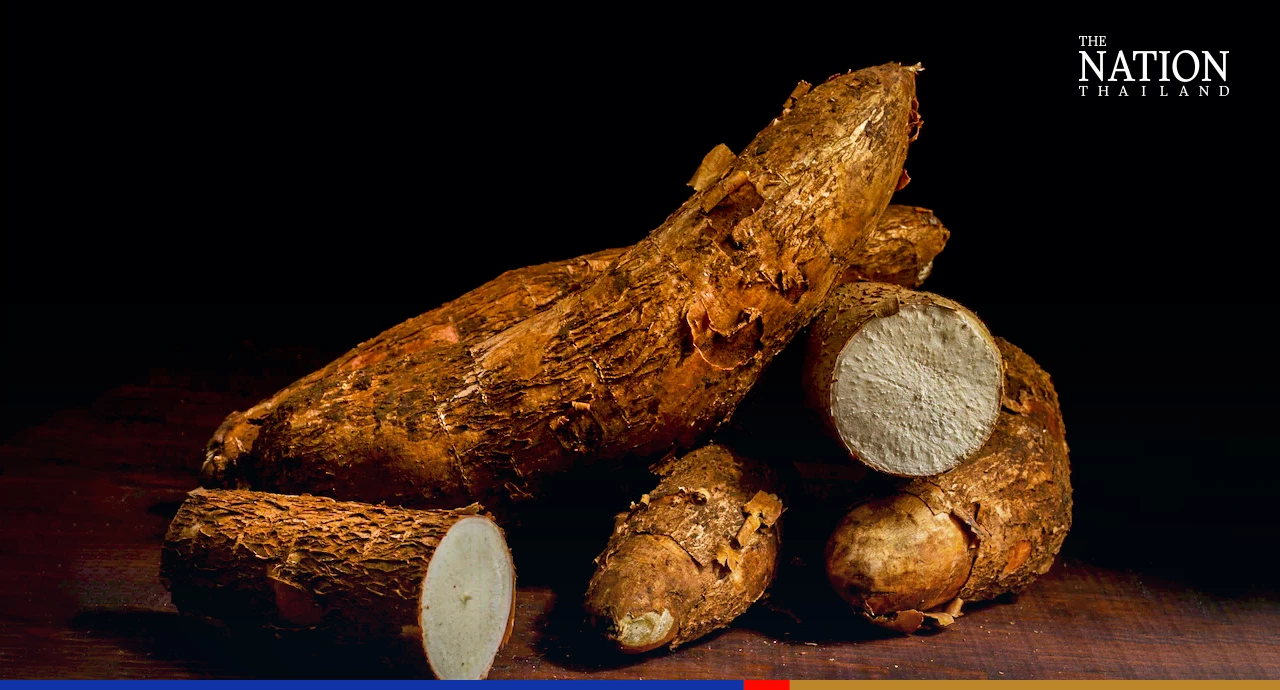
Surging animal feed prices a blessing in disguise for Thai cassava growers
FRIDAY, NOVEMBER 04, 2022
The Philippines is set to sign a 20-billion-baht pact with Thailand to purchase cassava chips and pellets.
Ronnarong Phoolpipat, Department of Foreign Trade director-general, said on Thursday that the rising price of animal feed due to the Russia-Ukraine war is a blessing for Thailand.
The department has teamed with the Bureau of International Trade Promotion Strategy to hold a meeting with the Philippines Association of Feed Millers (PAFMI) and cassava processing firms on Sunday. The meeting, scheduled to be held in Nakhon Ratchasima province, will see the signing of a memorandum of understanding (MoU) on the purchase of 20 billion baht worth of cassava-based animal feed yearly.
Since the price of cassava products has reached a satisfactory level, the Commerce Ministry is taking steps to expand the market and boost production.
In the first nine months of this year, Thailand exported 8.73 million tonnes of cassava products worth over 115.48 billion baht. Of the exports, 36% were cassava chips and pellets, and the remainder cassava starch.
BOI lures investors with 9 new measures to build ‘new economy’ in Thailand
FRIDAY, NOVEMBER 04, 2022
The Board of Investment (BOI) has come up with nine new measures to attract investment as part of Thailand’s move to create a “new economy”.
Under this five-year investment promotion strategy, which kicks off next year, the BOI will support investment in high technology, green and smart industries as well as businesses driven by creativity and innovation. It is believed that these sectors will boost Thailand’s competitiveness and spark the start of a new economy. The nine measures, some of which cut down on bureaucratic red tape for prospective investors, were approved by BOI’s executive board on Friday. BOI secretary-general Narit Therdsteerasukdi said the list also includes measures like the retention and expansion program as well as the relocation program, which will promote Thailand’s standing as a key base for new industries and international businesses. There are also measures promoting industries necessary for national development and improved competitiveness.
The measures also aim to promote economic recovery and social development by encouraging investment in small and medium-sized enterprises. The proposal also includes a measure to upgrade existing industries to become “smart” and sustainable. The new measures go into effect from January 2023, the BOI chief said.
“Thailand’s strength lies in its ability to respond to global challenges on food security and clean energy. We have a strong support base for industries, which is key to future investment,” he said. Narit added that additional BOI benefits will be available for investors in specific industries, especially those that involve advanced technology and innovation. The targeted industries include biotech, nanotech and advanced materials technology in which know-how is transferred in joint projects with academic institutions or research centres. Investors in these industries are entitled to A1+ benefits, including tax exemption for 10 to 13 years. New industries eligible for BOI benefits include the manufacturing of fuel-cell electric vehicles (FCEV), battery swapping stations, generation of hydrogen-based electricity, space-related businesses and the production of food for the future. Apart from devising the nine measures, BOI has also set up a subcommittee to tackle obstacles facing investors, especially those in targeted industries, Narit said. He added that the panel is chaired by Energy Minister Supphattanapong Punmeechaow.
One-time passwords added for Thai cash deposit machines from next year
SATURDAY, NOVEMBER 05, 2022
From June next year, people depositing money in cash deposit machines (CDMs) will be able to verify their identity via mobile phones by using a one-time password, the Bank of Thailand (BOT) said on Friday.
Currently, depositors must provide proof of identity with a debit or credit card, in line with anti-money laundering laws.
The OTP method is being added for the convenience of users, BOT said.
The OTP service will be provided for free by mobile operators.
To use OTP verification, users must input their ID card and mobile phone number into the CDM, then input the one-time password they will receive shortly afterwards to complete the verification process.
The BOT said it will coordinate with the Anti-Money Laundering Office and the Thai Bankers’ Association to develop other verification methods to further improve user convenience while ensuring the safety of electronic transactions.







 The peak of Mount Kilimanjaro, or Kibo, is seen from an aircraft in northeastern Tanzania October 31, 2005