เลขาธิการ UN ยังเรียกร้องให้รักษาความปลอดภัยของโรงไฟฟ้าพลังนิวเคลียร์ซาโปริซเซียซึ่งเป็นโรงไฟฟ้าพลังนิวเคลียร์ที่ใหญ่ที่สุดของยุโรปที่เกิดไฟไหม้และถูกรัสเซียยึด
กูเตร์เรสเผยอีกว่า UN จะจัดหางบประมาณ 40 ล้านเหรียญสหรัฐเพื่อจัดหาอาหาร ความช่วยเหลือ และเงินไปยังประชาชนยูเครนที่ได้รับผลกระทบจากสงคราม
ตามรายงานของทางการรัสเซียระบุว่าการระดมยิงด้วยขีปนาวุธได้ทำลายเครื่องมืออุปกรณ์ของกองกำลังต่างชาติเพื่อปกป้องดินแดนยูเครน (International Legion of Territorial Defense of Ukraine) และสังหารทหารอาสาต่างชาติไปมากถึง 180 คน
ขณะที่เจ้าหน้าที่ยูเครนกล่าวว่ามีผู้เสียชีวิต 35 คนและบาดเจ็บ 130 คนในการโจมตีฐานทัพทหารใกล้กับเมืองยาโวรอฟ ซึ่งเป็นที่ที่ NATO ใช้ฝึกกองทัพยูเครนมาหลายปีแล้ว
11. และมีรายงานว่าสถานทูตจีนในกรุงเบลเกรดถูกกำหนดเป้าหมายโดย CIA นอกระบอบการกำหนดเป้าหมายของนาโตตามปกติ จอร์จ เทเนต์ ผู้อำนวยการ CIA ในขณะนั้นให้การต่อหน้าคณะกรรมการรัฐสภาว่าเหตุระเบิดสถานทูตจีนเป็นผลงานของ CIA จริง และเกิดจากการระบุพิกัดที่ไม่ถูกต้องเพราะคิดว่าเป็นเป้าหมายทางทหารของยูโกสลาเวียที่ตั้งบนถนนสายเดียวกัน
12. แต่ในเดือนตุลาคม 1999 หรือ 5 เดือนหลังจากการทิ้งระเบิด The Observer สื่ออังกฤษพร้อมด้วย Politiken สื่อเดนมาร์กได้ตีพิมพ์ผลการสอบสวนโดยอ้างแหล่งข่าวนิรนามซึ่งกล่าวว่าเหตุระเบิดเป็นความตั้งใจจริง เพราะสถานทูตจีนเป็นตัวกลางส่งผ่านการสื่อสารกองทัพยูโกสลาเวีย แต่ในเดือนเมษายน 2000 The New York Times ของสหรัฐได้ตีพิมพ์ผลการสอบสวนระบุว่า “การสอบสวนไม่มีหลักฐานว่าเหตุระเบิดที่สถานทูตเป็นการกระทำโดยเจตนา”
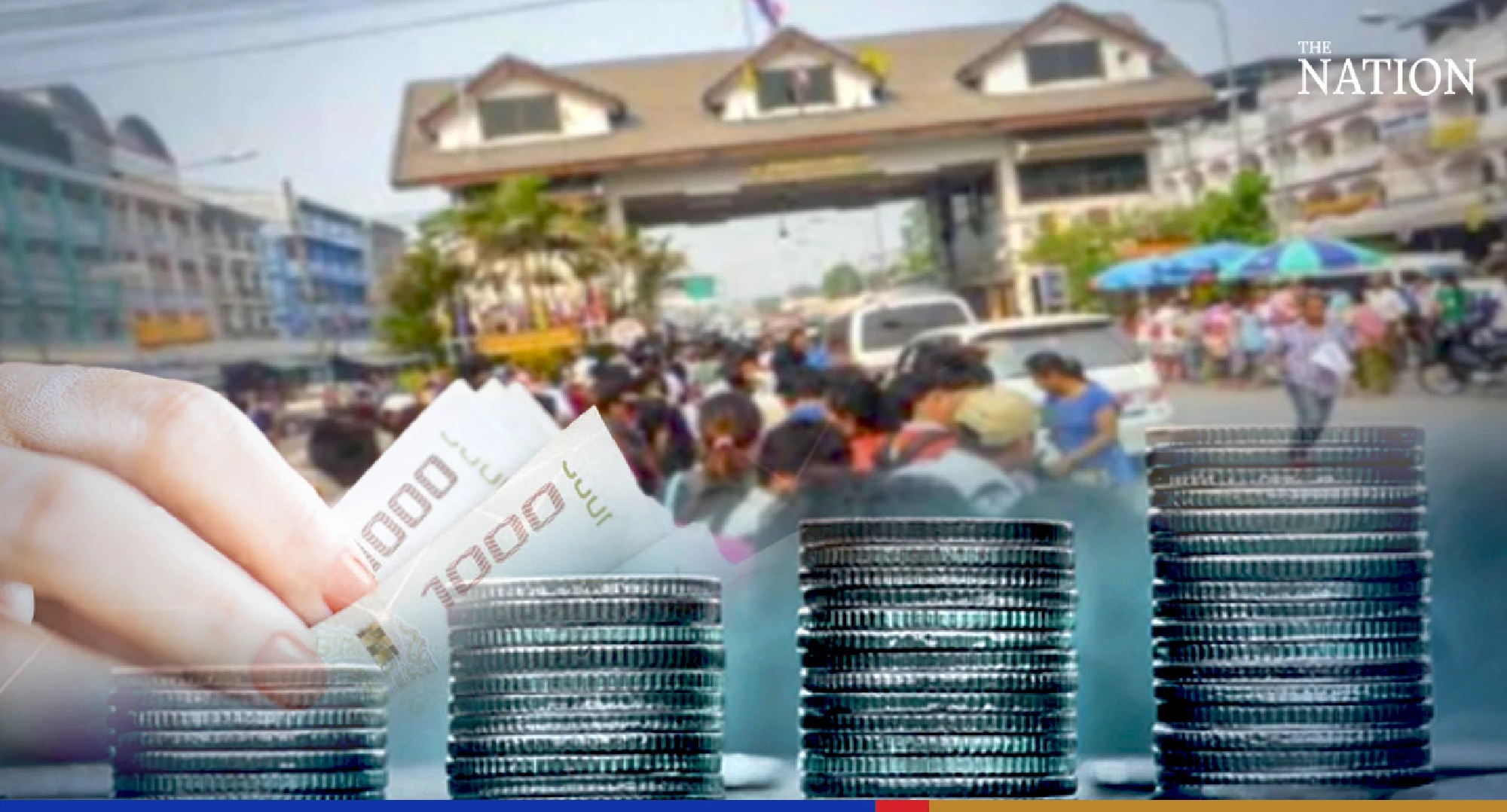
Myanmar will start accepting the Thai baht for border trade transactions, the ministries of information and investment said on Tuesday.
“By reducing dependence on the US dollar, we will mitigate the risk of sudden exchange rate swings due to external geopolitical factors,” the ministries said in a statement, adding the move would help reduce inflation caused by appreciation of the dollar.
The arrangements would also help support economic recovery, the statement said, adding that Myanmar should record “modest” gross domestic product growth in the fiscal year ending October 2022.
Myanmar’s military-controlled government has already said it would accept China’s renminbi as the official currency for trade settlements.
Reuters reported that Myanmar’s economy has slumped since the army overthrew an elected government a year ago and launched a bloody crackdown on opponents, with a struggle to impose order amid widespread civil unrest and armed resistance from pro-democracy militias and ethnic minority rebels.
On March 3, the Central Bank of Myanmar (CBM) announced it would allow the use of the baht and the Myanmar kyat for direct payment at the border in order to “facilitate bilateral trade, the flow of goods, payment and a settlement system and to promote the use of local currency according to the objectives of Asean financial integration”.
The CBM also said importers and exporters who carry out cross-border trade can open bank accounts at designated banks.
These banks must follow guidelines on the process of direct payment in baht/kyat during bilateral trade transactions.
The CBM had issued a similar notification on December 14 last year on the use of the Chinese yuan and the kyat for direct payment at their borders.
Myanmar is also looking to accept the Indian rupee for trade between the two countries.
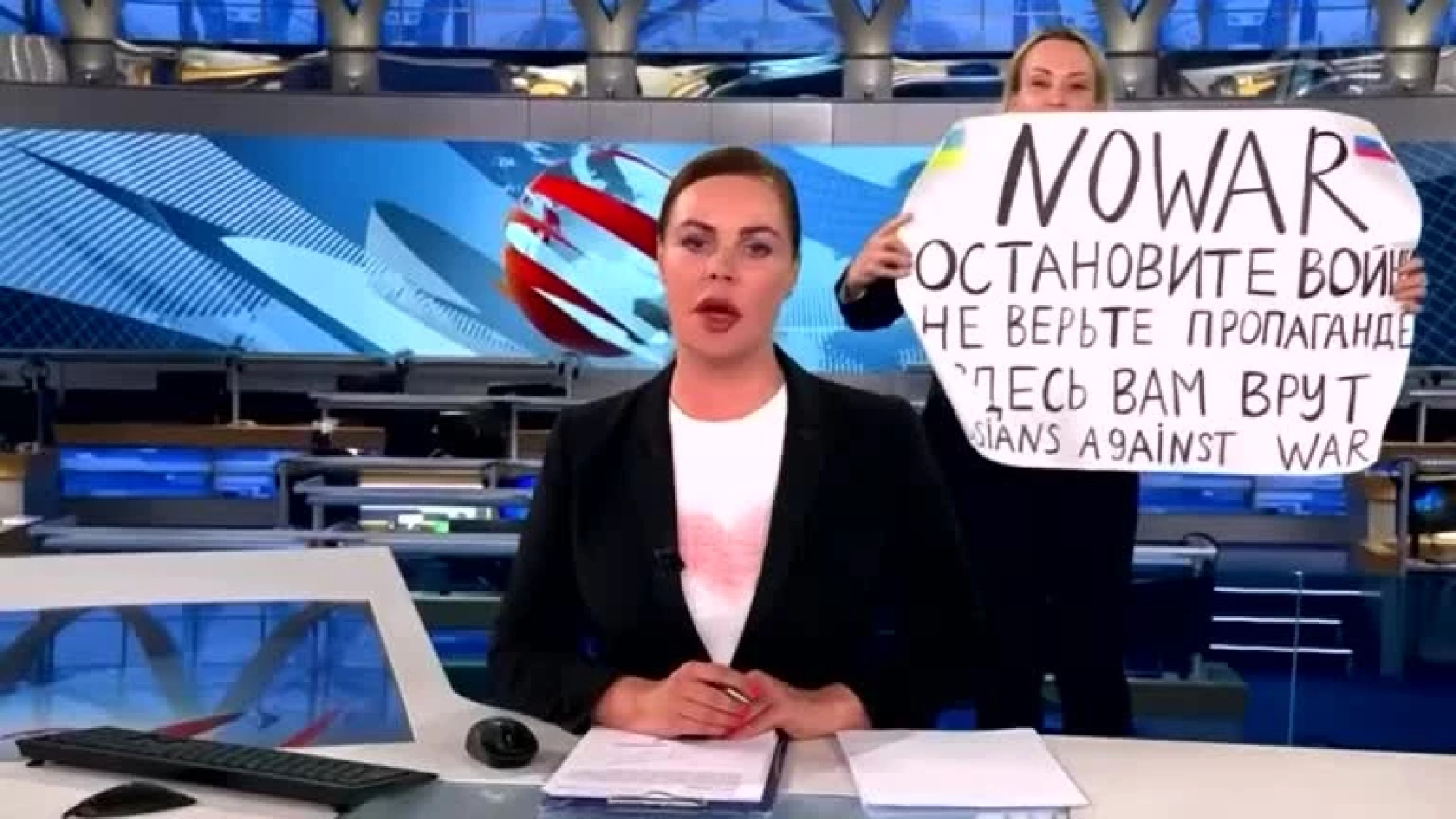
An anti-war protester interrupted a live news bulletin on Russia’s state TV Channel One on March 14, holding up a sign behind the studio presenter and shouting slogans denouncing the war in Ukraine.
The sign, in English and Russian, read: “NO WAR. Stop the war. Don’t believe the propaganda. They are lying to you here.” Another phrase, which looked like “Russians against war”, was partly obscured.
The extraordinary act of dissent took place on day 19 of the war which began when Russia invaded Ukraine on February 24 in what it calls a special military operation.
“Stop the war. No to war,” the woman protester could be heard shouting, as the news anchor continued to read from her teleprompter.
The protester could be seen and heard for several seconds before the channel switched to a different report to remove her from the screen.
State TV is the main source of news for many millions of Russians, and closely follows the Kremlin line that Russia was forced to act in Ukraine to demilitarise and “denazify” the country, and to defend Russian-speakers there against “genocide”. Ukraine and most of the world have condemned that as a false pretext for an invasion of a democratic country.
The woman was named by OVD-Info, an independent protest-monitoring group, and by the head of the Agora human rights group, as Marina Ovsyannikova, an employee of the channel.
Pavel Chikov, head of Agora, said she had been arrested and taken to a Moscow police station. Tass news agency said she may face charges under a law against discrediting the armed forces, citing a law enforcement source.
The law, passed on March 4, makes public actions aimed at discrediting Russia’s army illegal and bans the spread of fake news or the “public dissemination of deliberately false information about the use of the Armed Forces of the Russian Federation”. The offence carries a jail term of up to 15 years.
In a video recorded before the incident and posted online, a woman who appeared to be Ovsyannikova described herself as a Channel One employee and said she was ashamed to have worked for years spreading Kremlin propaganda. She said her father was Ukrainian, and her mother was Russian.
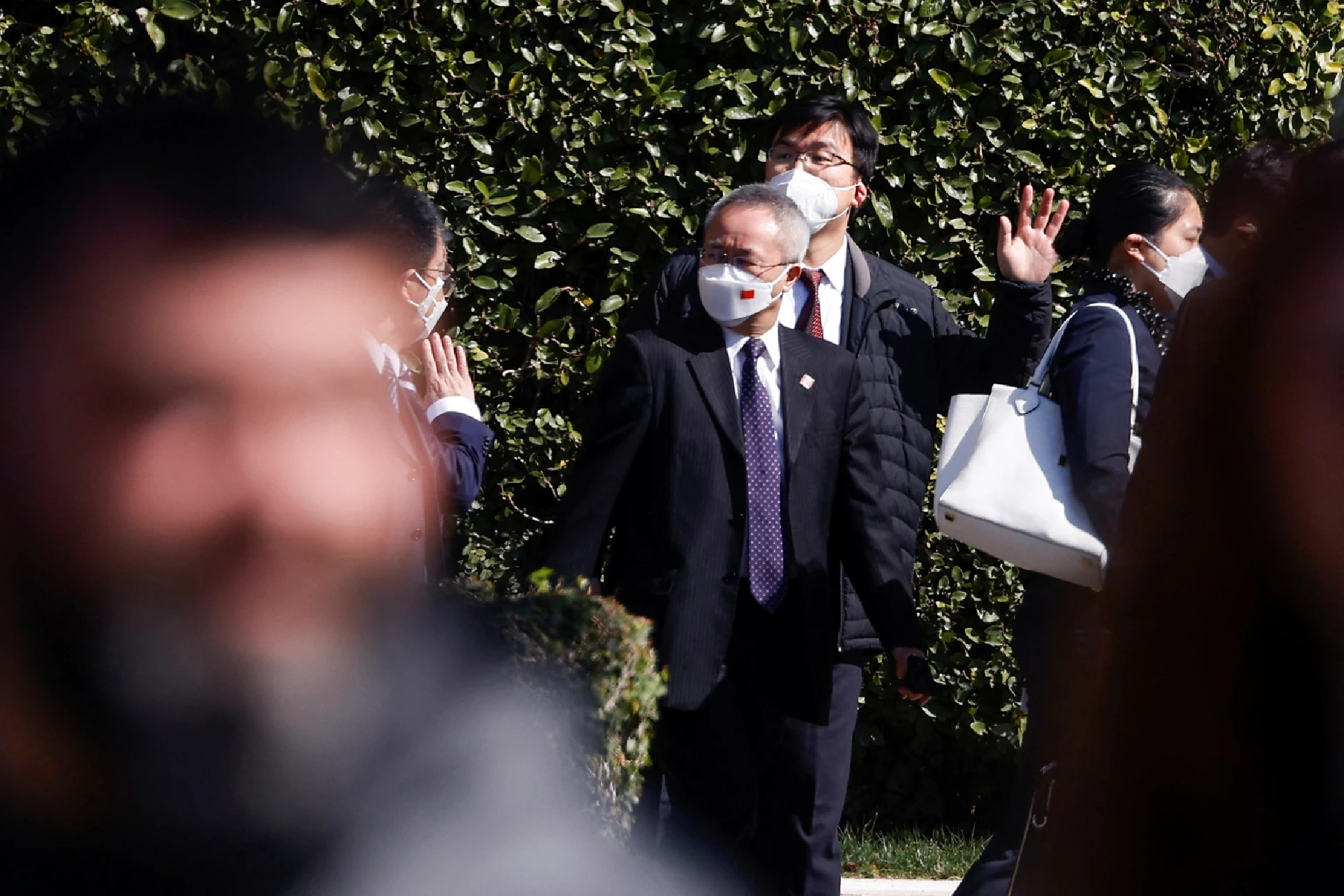
Yang Jiechi, a member of the Political Bureau of the Communist Party of China (CPC) Central Committee, on Monday, elaborated on China’s position on the situation in Ukraine during his meeting with U.S. National Security Advisor Jake Sullivan in Rome, capital of Italy.
Yang, also director of the Office of the Foreign Affairs Commission of the CPC Central Committee, said that the Chinese side does not want to see that the situation in Ukraine has come to this point.
China always stands for respecting the sovereignty and territorial integrity of all countries, and abiding by the purposes and principles of the UN Charter, he said, adding that China is committed to promoting peace talks.
He called on the international community to jointly support the Russia-Ukraine peace talks so that substantive results can be achieved as soon as possible and to help de-escalate the situation as early as possible.
All parties should exercise maximum restraint, protect civilians and prevent a large-scale humanitarian crisis, Yang said, adding that China has provided emergency humanitarian assistance to Ukraine, and will carry on its efforts to this end.
Yang also said that it is important to straighten out the historical context of the Ukraine issue, get to the bottom of the problem’s origin, and respond to the legitimate concerns of all parties.
He called for taking a long-term view, actively advocating a vision of common, comprehensive, cooperative and sustainable security, encouraging relevant parties to conduct equal-footed dialogue, and setting up a balanced, effective and sustainable European security framework based on the principle of indivisible security in a bid to preserve peace in Europe and around the world.
Yang stressed that the Chinese side resolutely opposes any words and deeds that spread false information or distort and discredit China’s position.
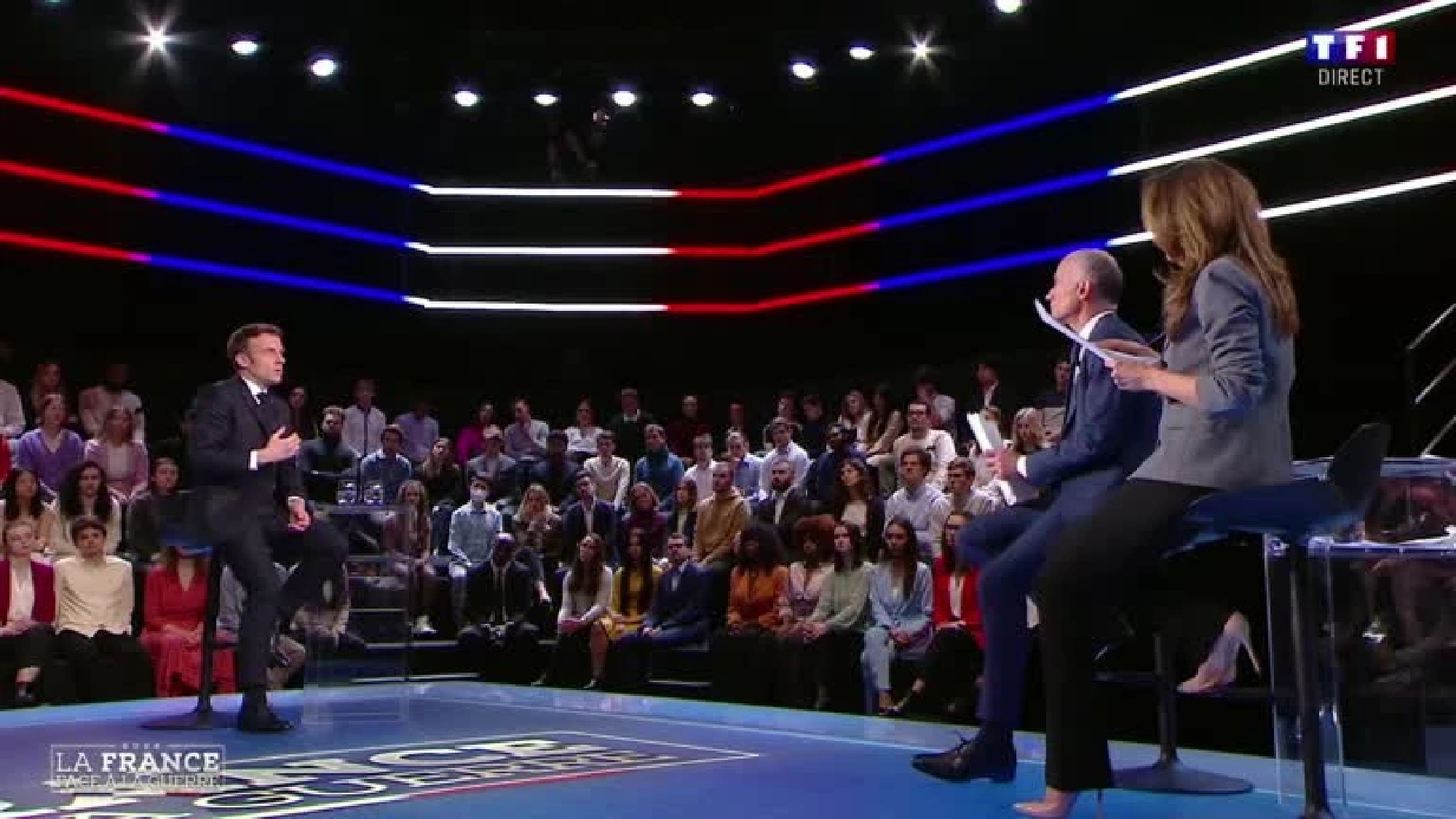
French President Emmanuel Macron defended on March 14 sanctions imposed on Russia by EU countries, during a special programme for which French channel TF1 invited all the major presidential election candidates.
“What we are trying to do as Europeans is to try to put an end to this war, without going to war,” said Macron, who is running for re-election.
“So, sanctioning Russia so that it stops this offensive, helping Ukraine and specifically the Ukrainian people to live or survive, to defend itself, and isolating Russia internationally.”
Far-right candidate Marine Le Pen condemned the Russian invasion of its neighbour but warned of the effects of sanctions on the French.
“I do not want the French to commit suicide over sanctions decided by our leaders which do not take into account the daily lives of our countrymen,” said Le Pen, who currently polls second behind Macron.
“I do not want them to lose their jobs, I do not want their businesses to go bankrupt, I do not want them to be unable to heat their houses, to feed themselves or to take their car to go to work,” she added, in a reference to climbing energy prices that have had an increasingly damaging effect on the finances of French families.
On the opposite end of the political spectrum, far-left candidate Jean-Luc Melenchon defended the use of some sanctions but insisted that ‘price freezes’ would be necessary to relieve the French and that, ultimately, fossil fuels had to be abandoned.
Speaking on refugees, Macron said France had to “take our part” in the flow of Ukrainians arriving in Western Europe, citing the figure of welcoming at least 100,000.
The number of refugees fleeing Ukraine since Russia invaded on February 24 climbed to more than 2.8 million, United Nations data showed on Monday, in what has become Europe’s fastest-growing refugee crisis since World War Two.
Though all major presidential candidates were invited for the programme dubbed ‘France in the face of war,’ it was not a debate as the current president has refused to part in debates until the first round of the election, on April 10.