Rescuers have retrieved all the bodies under the debris.
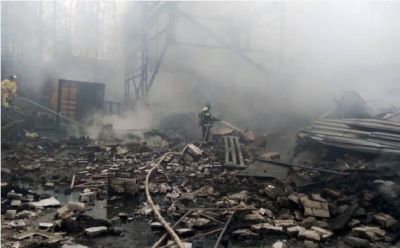
Atotal of 17 people were killed in a blast and the ensuing fire at an explosives factory in Russia’s Ryazan region on Friday, the TASS news agency reported.
At the time of the incident, there were 17 people in the one-story workshop of the “Razryad” company that produces industrial explosives, and rescuers have retrieved all the bodies under the debris.
The fire that covered an area of 160 square meters has been extinguished. The factory building was completely destroyed in the blast.
The reason for the incident has not yet been officially announced. A disruption in the “technological process” could cause the blast.
The Russian Investigative Committee has opened a case on violations of safety requirements for hazardous facilities.
The toolbox, which the European Commission launched last week, contains measures to tackle the rising energy prices in the short and longer term.
The leaders of the European Union (EU) member states have endorsed a package of measures to deal with the immediate effects of the spike in energy prices, the European Council said on Friday.
In the conclusions of the two-day EU summit that started on Thursday, the leaders called for medium- and long-term measures that would contribute to affordable energy prices for households and companies.
The toolbox, which the European Commission launched last week, contains measures to tackle the rising energy prices in the short and longer term.
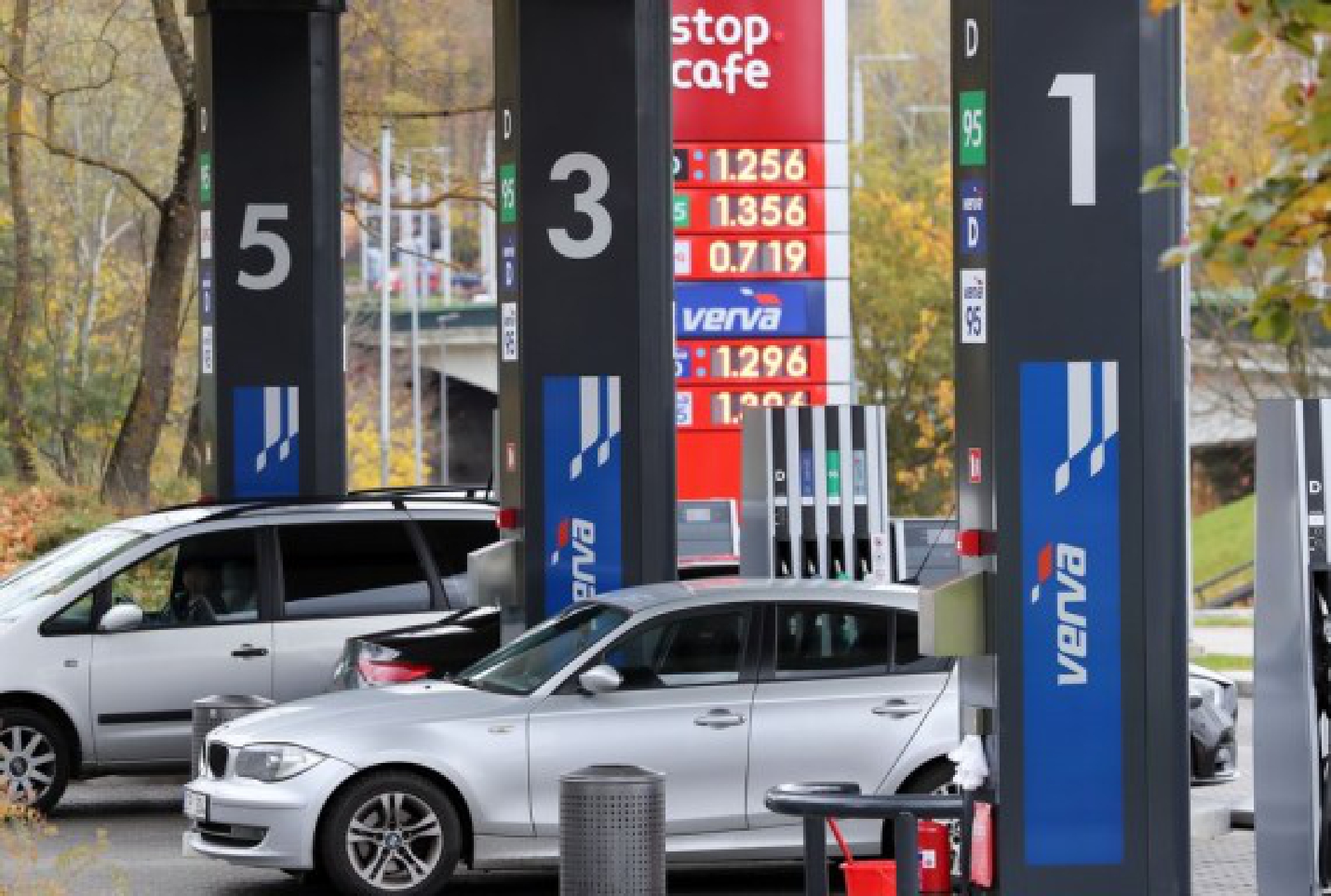
A customer fills the tank of his car at a gas station in Paris, France, Oct. 22, 2021. (Xinhua/Gao Jing)
The leaders called on the member states to “urgently make the best use of the toolbox to provide short-term relief to the most vulnerable consumers and to support European companies,” especially those struggling to recover from the COVID-19 pandemic. They said that the European Investment Bank should “look into how to speed up investment in the energy transition.”
The summit participants also discussed the pandemic and the vaccination rates across Europe. They noted the significant progress made in the fight against the pandemic but voiced concern that the situation in certain countries remains “very serious.”
“In light of the development of the epidemiological situation, the European Council called for further coordination to facilitate free movement within, and travel into, the EU,” and encouraged the European Commission to “accelerate its work regarding mutual recognition of certificates with third countries.”
A gas station is seen in downtown Vilnius, Lithuania, Oct. 16, 2021. (Xinhua/Xue Dongmei)
During the construction of the China-Laos Railways Friendship Tunnel, the cross-border tunnel connecting Mohan in southwestern Chinas Yunnan Province and Boten in northern Laos, a pair of mentor and protege drilled respectively from each side of the tunnel and competed in progresses and quality.
The engineers are busy making the final touches to the China-Laos Railway’s Friendship Tunnel, the cross-border tunnel connecting Mohan in southwestern China’s Yunnan Province and Boten in northern Laos, as the railway is set to start operation in December.
The tunnel, with a total length of 9,595 meters including 2,425 meters belonging to the Lao section, has been named Friendship Tunnel to demonstrate the traditional friendship between China and Laos.
During the construction, carried out by China Railway No. 2 Engineering Group (CREC-2), a pair of mentor and protege drilled respectively from each side of the tunnel and competed in progresses and quality.
Pan Fuping, the mentor aged 50, led a team drilling the tunnel from the Chinese side, while Bai Xiaoke, Pan’s protege in CREC-2, holed the tunnel from the Lao side.
Aerial photo taken on Dec. 29, 2019 shows the exit of the Friendship Tunnel of the China-Laos railway in northern Laos. (CREC-2/Handout via Xinhua)
After nearly 30 years of front-line work, Pan has been used to living in the wild while working in the tunnels and along the rivers. On a normal working day at 5:00 a.m., he wears his mask, helmet, reflective vest, waterproof shoes, carries a flashlight and goes to check the work in the tunnel.
Bai was confronted with a big trouble. In the depth of the mountains in northern Laos, the tunnel meets a salt layer with a thickness of over 100 meters and a salinity of over 80 percent, a rare situation that was extremely challenging to the safety of the tunnel structure.
Huang Hong, the general manager of the CREC China-Laos Railway Project Headquarters in Vientiane, told Xinhua earlier this month that the salt layer situation in the Friendship Tunnel was the first of its kind in global engineering and had never been encountered by any other construction team before.
“However, with the joint efforts by the CREC-2 and Chinese scientific research institutions, the difficulty was finally removed,” he said.
“Salt absorbs water, then dissolves or crystallizes, and the crystallization expands, which has a squeeze effect on our structure. Once the salt layer dissolves, there will also be holes which can cause the structure to sink, and is very harmful to the whole structure,” Bai said.
Photo taken on May 20, 2020 shows the exit of the Friendship Tunnel of the China-Laos railway in northern Laos. (CREC-2/Handout via Xinhua)
In order to ensure the progress of the project, Bai not only consulted experts, but also studied the situation himself. “With no experience for reference, we do our own research,” he told his colleagues.
Surely, Bai’s research team included his mentor Pan. During the construction, Pan and Bai made video calls from time to time to update each other on their engineering progress and discussed the problems they encountered.
In September 2020, after over 1,500 days of hard work by more than 1,200 Chinese and Lao engineers, the Friendship Tunnel was successfully bored, laying a solid foundation for the opening of the China-Laos Railway.
Due to the COVID-19 restrictions, Pan and Bai were not able to give each other a bear hug on the day.
“It is something of a pity, but it is all right, the hugs we owed each can be made in the train when the China-Laos Railway is put into operation,” Pan told Bai in a recent video chat.
However, even this expectation will not be realized. “I have just come to Tibet to join the Sichuan-Tibet Railway construction,” Bai replied.
Bai told reporters that his mentor only told him to “continue to do a good job.”
“It is not only his wish, but also his admiration for me, since he must be longing to join me on the plateau (for the construction).”
“The naming of the Friendship Tunnel symbolizes the profound friendship between the two peoples (of China and Laos),” Wang Xiaodong, executive manager of the CREC-2 Friendship Tunnel Project, told Xinhua on Monday.
“To build the China-Laos Railway into a landmark project of the Belt and Road Initiative and of the China-Laos friendship has long been the consensus of our builders with CREC-2, with Bai Xiaoke and his mentor no exception,” said Wang.
The China-Laos Railway is a docking project between the China-proposed Belt and Road Initiative and Laos’ strategy to convert itself from a landlocked country to a land-linked hub.
The electrified passenger and cargo railway is built with the full application of Chinese management and technical standards. The construction of the project started in December 2016 and is scheduled to be completed and open to traffic in December 2021.
Chinese engineers with the China Railway No. 2 Engineering Group take a group photo, after completing the drilling of the Friendship Tunnel of China-Laos Railway from northern Laos to the border line with China on May 20, 2020. (CREC-2/Handout via Xinhua)
“Languishing in other jails from Kandahar to Kabul the situation was tolerable, but in Bagram prison, in one word, I can say that no human rights had been respected. The detainees were tortured and insulted. It was extremely miserable that some detainees had eaten razor to end their lives given the inhuman treatment of the American soldiers,” said former detainee Abdul Qadir Hijran.
“The authorities shifted me from Pul-e-Charkhi jail to Bagram prison which was in Afghan army control but virtually the Americans were the rulers of the prison and they beat me badly,” former detainee Abdul Qadir Hijran recalled.
A resident of Afghanistan’s southern Kandahar province, 29-year-old Hijran was captured in 2011 in Takht-a-Pul area for fighting the then U.S.-backed administration and the U.S.-led forces. He had been kept in a Kandahar prison for 22 months and was later transferred to the Pul-e-Charkhi central jail in Kabul.
After two years in the Pul-e-Charkhi jail, Hijran was moved to the Bagram prison within the premises of the U.S. military base, 50 km north of Kabul.
Abdul Qadir Hijran, a former Bagram prisoner, speaks during an interview with Xinhua News Agency in Kandahar, Afghanistan, Oct. 13, 2021. (Photo by Sanaullah Seim/Xinhua)
“My painful life began from here when the American soldiers began torturing me while the prison was at the hands of Afghan forces,” Hijran said.
Recalling the ordeal, the former prisoner said the jail authorities kept 34 inmates in a cage-like room where the inmates used to live without blankets and mattresses, while the room was kept cold by air conditioner round the clock.
“The detainees didn’t have enough food and medicines. If any inmate got headache, or stomachache the jail clinic provided him just a pill and nothing more,” he said.
“Languishing in other jails from Kandahar to Kabul the situation was tolerable, but in Bagram prison, in one word, I can say that no human rights had been respected. The detainees were tortured and insulted. It was extremely miserable that some detainees had eaten razor to end their lives given the inhuman treatment of the American soldiers,” Hajran said.
“I can’t explain the torture and ill-treatment they applied to me, but the atrocities they committed would haunt me for years,” said the former inmate, adding that the U.S. military did not even allow the detainees to recite Quran, the Muslims holy book, in their cell.
Hijran was freed from the Bagram prison with the takeover of Kabul by the Taliban in mid-August.
Expressing hatred to the war, the former detainee said, “Now is the time for peace and I expect the countries to treat Afghanistan with the sense of neighborhood, justice and co-existence to facilitate Afghans living in peace.”
Britain recorded another 52,009 new coronavirus cases, marking the first time the figure has been above 50,000 since July 17.
The country also reported a further 115 coronavirus-related deaths.
Another 52,009 people in Britain have tested positive for COVID-19, marking the first time that figure has been above 50,000 since July 17, according to official figures released Thursday.
The latest figure came after more than 40,000 daily cases of COVID-19 were reported for eight consecutive days, bringing the total number of coronavirus cases in the country to 8,641,221.
The country also reported a further 115 coronavirus-related deaths. The total number of coronavirus-related deaths in Britain now stands at 139,146. These figures only include the deaths of people who died within 28 days of their first positive test.
A man walks past an NHS COVID-19 vaccination centre in London, Britain, on Sept. 7, 2021. (Photo by Ray Tang/Xinhua)
There are currently 8,142 patients in hospital with COVID-19.
Meanwhile, separate figures published by the Office for National Statistics showed there have now been 162,620 deaths registered in Britain where COVID-19 was mentioned on the death certificate.
British Prime Minister Boris Johnson has admitted that the level of COVID cases is “high” and he is “watching the numbers very carefully every day”.
However, he has insisted he is “sticking with our plan”. The British government has so far resisted calls to move to Plan B of its autumn and winter COVID response for easing pressures on the National Health Service (NHS).
Speaking at a Downing Street news conference on Wednesday, Health Secretary Sajid Javid cautioned that the coronavirus pandemic “is not over”. Javid has even predicted there could be as many as 100,000 COVID cases a day heading into winter.
Britain has lifted most COVID restrictions thanks to the progress of its vaccine rollout.
More than 86 percent of people aged 12 and over in Britain have had their first dose of vaccine and around 79 percent have received both doses, the latest figures showed.
To bring life back to normal, countries such as Britain, China, Germany, Russia and the United States have been racing against time to roll out coronavirus vaccines.
People walk past a kiosk in London, Britain, on Sept. 7, 2021. (Photo by Ray Tang/Xinhua)
“Unlike NATO countries, we are not trying to form any closed military alliance, there is no military bloc between Russia and China,” Putin said.
Russia-China relations are “not directed against anyone” and are in the interests of both countries, Russian President Vladimir Putin said Thursday in Sochi.
“We talked about this many times. We are friends with China in each other’s interests, and (our relations) are not directed against anyone,” the president said at the plenary session of the 18th annual meeting of the Valdai Discussion Club, a Russian think tank.
“Unlike NATO countries, we are not trying to form any closed military alliance, there is no military bloc between Russia and China. We have no such intention,” he added.
The 18th meeting of the Valdai Discussion Club took place in Sochi from Monday to Thursday. This year’s theme is “Global Shake-Up in the 21st Century: The Individual, Values, and the State.”
The Valdai Discussion Club was established in 2004 and unites experts, politicians and public figures from all over the world. International participants traditionally discuss urgent global matters in a wide array of fields.
A Pfizer-BioNTech booster dose showed a relative vaccine efficacy of 95.6 percent when compared to those who did not receive a booster, according to a trial.
Pfizer and BioNTech announced Thursday that a large-scale trial of their COVID-19 vaccine booster showed it restored full protection against the disease.
In a Phase 3 randomized, controlled trial, a Pfizer-BioNTech booster dose was administered to more than 10,000 individuals 16 years of age and older, who previously received the Pfizer-BioNTech primary two-dose series.
It showed a relative vaccine efficacy of 95.6 percent when compared to those who did not receive a booster.
These are the first efficacy results from any randomized, controlled COVID-19 vaccine booster trial.
“These results provide further evidence of the benefits of boosters as we aim to keep people well-protected against this disease,” said Albert Bourla, Pfizer chairman and chief executive officer.
Last month, the U.S. Food and Drug Administration authorized the booster shots for the Pfizer-BioNTech COVID-19 vaccine, allowing a single booster dose of the Pfizer-BioNTech vaccine be administered at least 6 months after completion of the primary series to individuals 65 years of age and older, and 18 through 64 years of age with frequent institutional or occupational exposure to SARS-CoV-2.
Canadian Deputy Prime Minister and Finance Minister Chrystia Freeland said that new measures with an estimated 7.4 billion Canadian dollars between Oct. 24 and May 7, 2022, are the “final pivot in delivering the support needed to deliver a robust recovery.”
The Canadian government on Thursday announced new measures to restore the economy while its income and business support programs against the COVID-19 pandemic are to expire on Saturday.
Canadian Deputy Prime Minister and Finance Minister Chrystia Freeland said on Thursday that new measures with an estimated 7.4 billion Canadian dollars between Oct. 24 and May 7, 2022, are the “final pivot in delivering the support needed to deliver a robust recovery.”
Freeland noted that Canada is in a new phase following the darkest days of the COVID-19 pandemic. “We’re moving from the very broad based support that was appropriate at the height of our lockdown to more targeted measures that will provide help where it is needed while prudently managing government finances.”
People line up to enter a movie theater in Toronto, Ontario, Canada, on July 16, 2021. (Photo by Zou Zheng/Xinhua)
The Canada Recovery Benefit (CRB) will be replaced by the Canada Worker Lockdown Benefit for those whose work is directly impacted by government-imposed lockdowns.
The program will provide 300 Canadian dollars a week to eligible workers until May 7, 2022.
“Temporary lockdowns are still a possibility in the months to come. We want Canadians to know that we intend now to put in place measures that would snap into action immediately,” Freeland said.
As of Oct. 10, the government paid out 27 billion Canadian dollars to more than two million unique CRB applicants.
Freeland also announced the implementation of two new programs to help hard-hit sectors, replacing the wage and rent subsidies.
With the Tourism and Hospitality Recovery Program and the Hardest-Hit Business Recovery Program expiring on Nov. 20, Freeland said the government is proposing to introduce legislation to have them extended until May 7, 2022.
The Tourism and Hospitality Recovery Program, which would apply to operations such as hotels, restaurants, bars, festivals and travel agencies, requires applicants to show an average monthly revenue loss of at least 40 percent for the first 13 qualifying periods of the Canada Emergency Wage Subsidy and a current one-month revenue loss of the same amount.
The Hardest-Hit Business Recovery Program applies to those that don’t fit under the tourism and hospitality umbrella but are still facing significant financial hurdles caused by the pandemic.
Eligible businesses would have to show an average monthly revenue loss of at least 50 percent over the first 13 qualifying periods of the Canada Emergency Wage Subsidy and a current one-month revenue loss of the same amount.
The maximum subsidy rate would be set at up to 50 percent until mid-March and then reduced by half thereafter.
The government will also extend the Canada Recovery Hiring Program, for businesses that can show a more than 10 percent revenue loss, until May 7, 2022 at a subsidy rate of 50 percent paid to eligible employees.
The Canada Recovery Sickness Benefit and the Canada Recovery Caregiving Benefit will remain in place until the same time and are being extended by two weeks – moving the sickness benefit from four to six weeks and the caregiving benefit from 42 to 44 weeks.
Visitors are seen at the Canadian side of Niagara Falls, Ontario, Canada, on March 31, 2021. (Photo by Zou Zheng/Xinhua)
The number of Covid-19 cases crossed 12.9 million across Southeast Asia, with 29,833 new cases reported on Thursday (October 21), higher than Wednesday’s tally at 28,372. New deaths are at 573, increasing from Wednesday’s number of 314. Total Covid-19 deaths in Asean are now at 274,090.
Malaysia’s Public Service Department is mandating all medically fit civil servants to get the jab against Covid-19 before November 1 or face disciplinary action or termination in a bid to ensure a safe work environment and that service delivery and public service productivity is at an optimal level. The department reported that 1.6 per cent of civil servants or 16,900 people have yet to register to get vaccinated, while the country reported that 70 per cent of the population or 22.9 million people have been fully vaccinated.
Meanwhile, Singapore will extend its Covid-19 restrictions until November 21, as the country’s healthcare system is at risk of being overwhelmed. The extended measures – which include capping group sizes for social gatherings and dining in at two – will be reviewed at the two-week mark and adjusted based on the community situation then. The Health Ministry will also add more intensive care unit beds if necessary.
China’s international collaboration benefits all parties, Chinese Ambassador Han Zhiqiang said during a video conference on Wednesday, pointing out that the Asian giant has delivered 46 million Covid-19 vaccine doses to Thailand alone.
He said he had conducted negotiations with a number of government officials and private sector firms after being appointed Chinese ambassador in August.
Han said China has achieved success in developing the country, enabling its citizens to overcome poverty, generate income and have a better quality of life.
“In addition, China has collaborated with several countries in allocating vaccines and medical supplies to tackle the Covid-19 crisis,” he pointed out.
“China has delivered 46 million doses of Covid-19 vaccine to Thailand, of which more than 1 million have been donated by Beijing,” he said.
Han thanked Thailand for medical assistance at the beginning of the Covid-19 crisis.
He promised China would continue supporting Thailand in tackling the pandemic.
Collaboration with Beijing benefits all parties: Chinese ambassador
He went on to confirm that China wants to maintain peace and avoid any confrontation with the United States.
“If two powerful countries collaborate, it will benefit all parties,” he said, adding that trade between China and the US expanded last year.
Han asked Thailand and other countries not to feel that they are being forced to choose sides because “Beijing’s international collaboration and law enforcement are carried out under United Nations mechanisms”.


 A customer fills the tank of his car at a gas station in Paris, France, Oct. 22, 2021. (Xinhua/Gao Jing)
 A gas station is seen in downtown Vilnius, Lithuania, Oct. 16, 2021. (Xinhua/Xue Dongmei)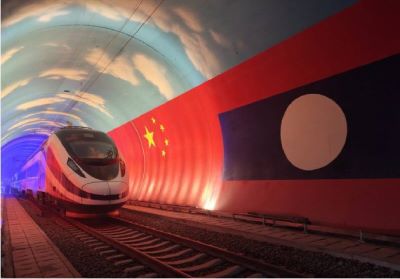
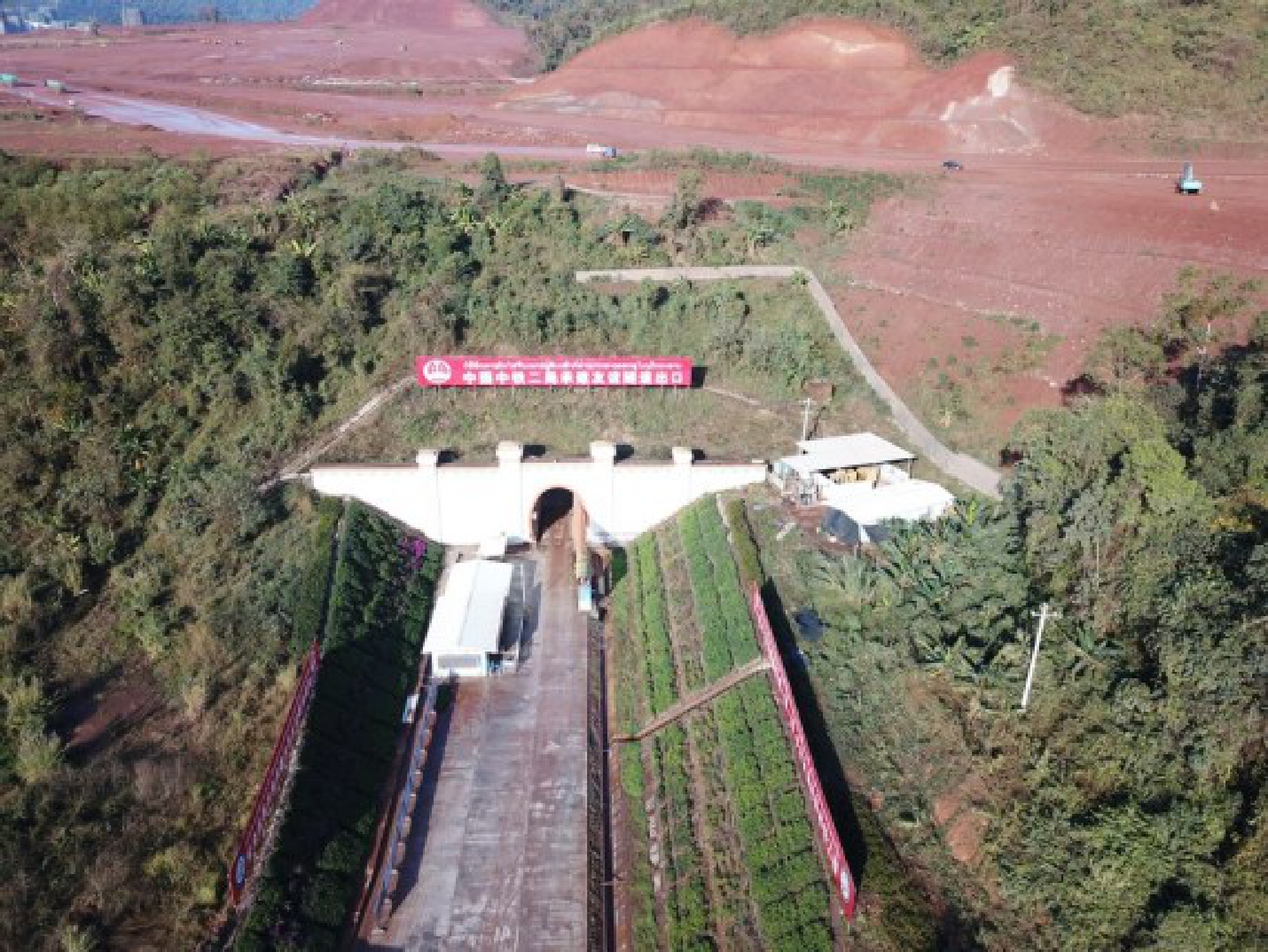 Aerial photo taken on Dec. 29, 2019 shows the exit of the Friendship Tunnel of the China-Laos railway in northern Laos. (CREC-2/Handout via Xinhua)
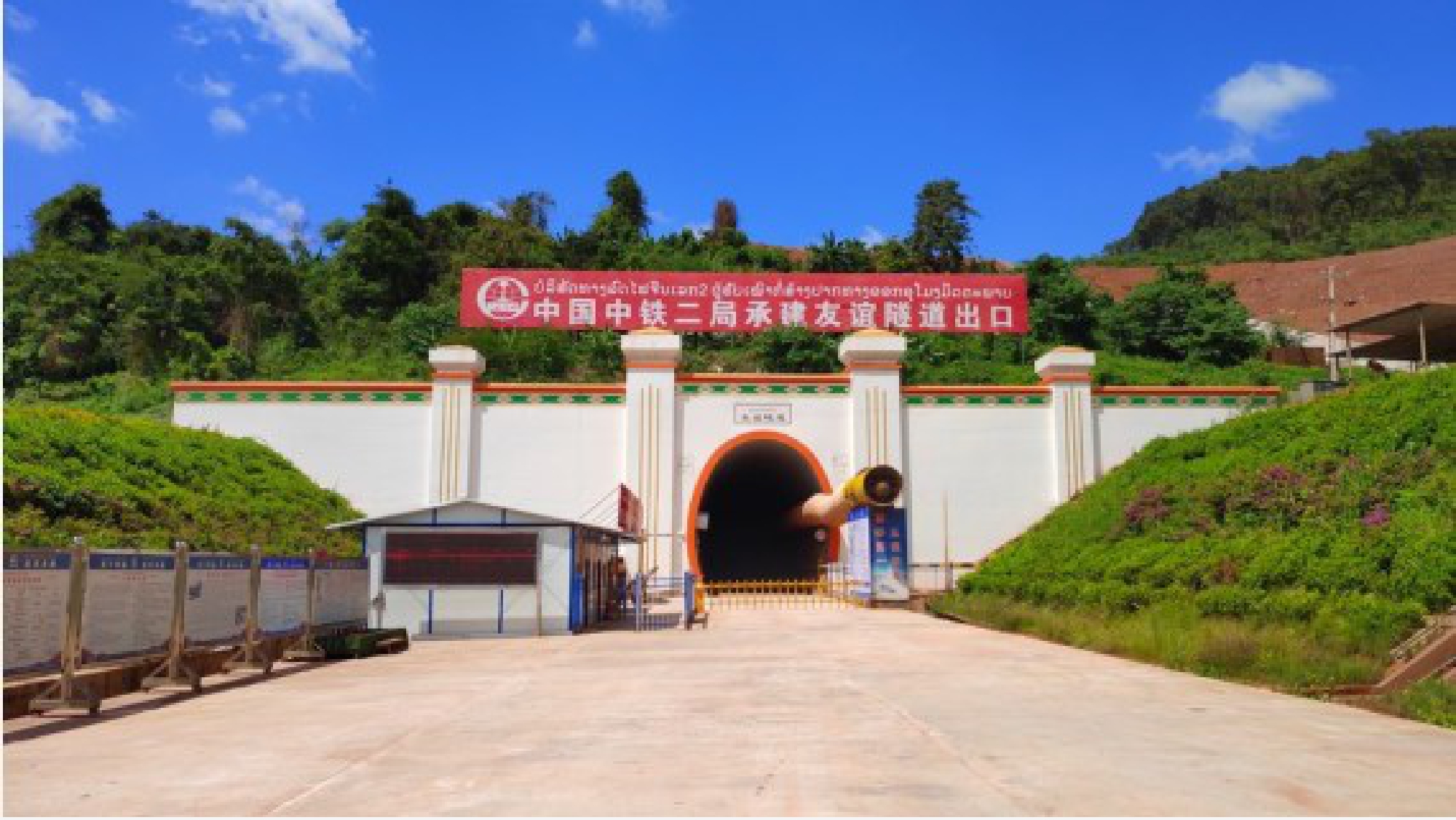 Photo taken on May 20, 2020 shows the exit of the Friendship Tunnel of the China-Laos railway in northern Laos. (CREC-2/Handout via Xinhua)
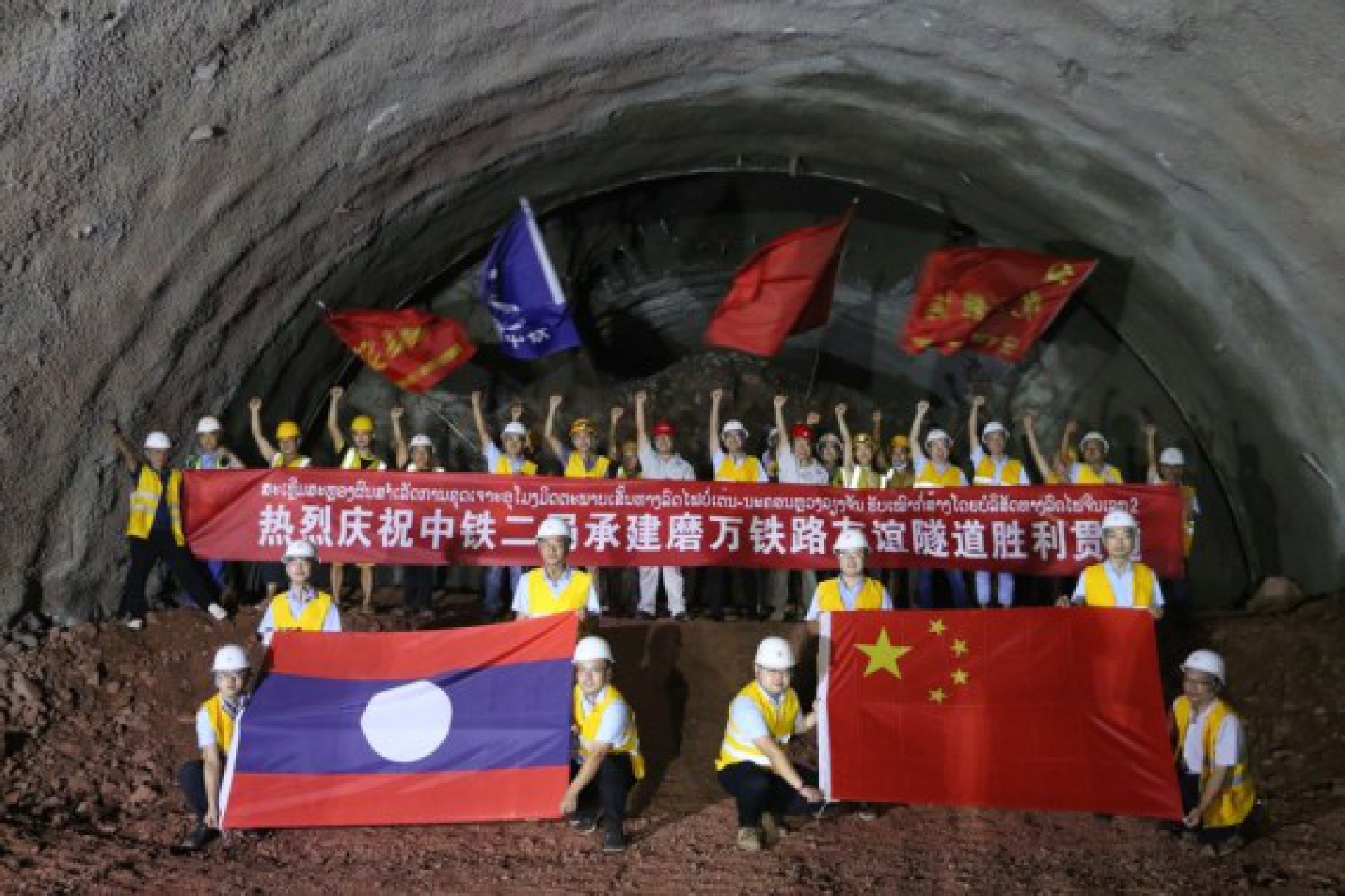 Chinese engineers with the China Railway No. 2 Engineering Group take a group photo, after completing the drilling of the Friendship Tunnel of China-Laos Railway from northern Laos to the border line with China on May 20, 2020. (CREC-2/Handout via Xinhua)
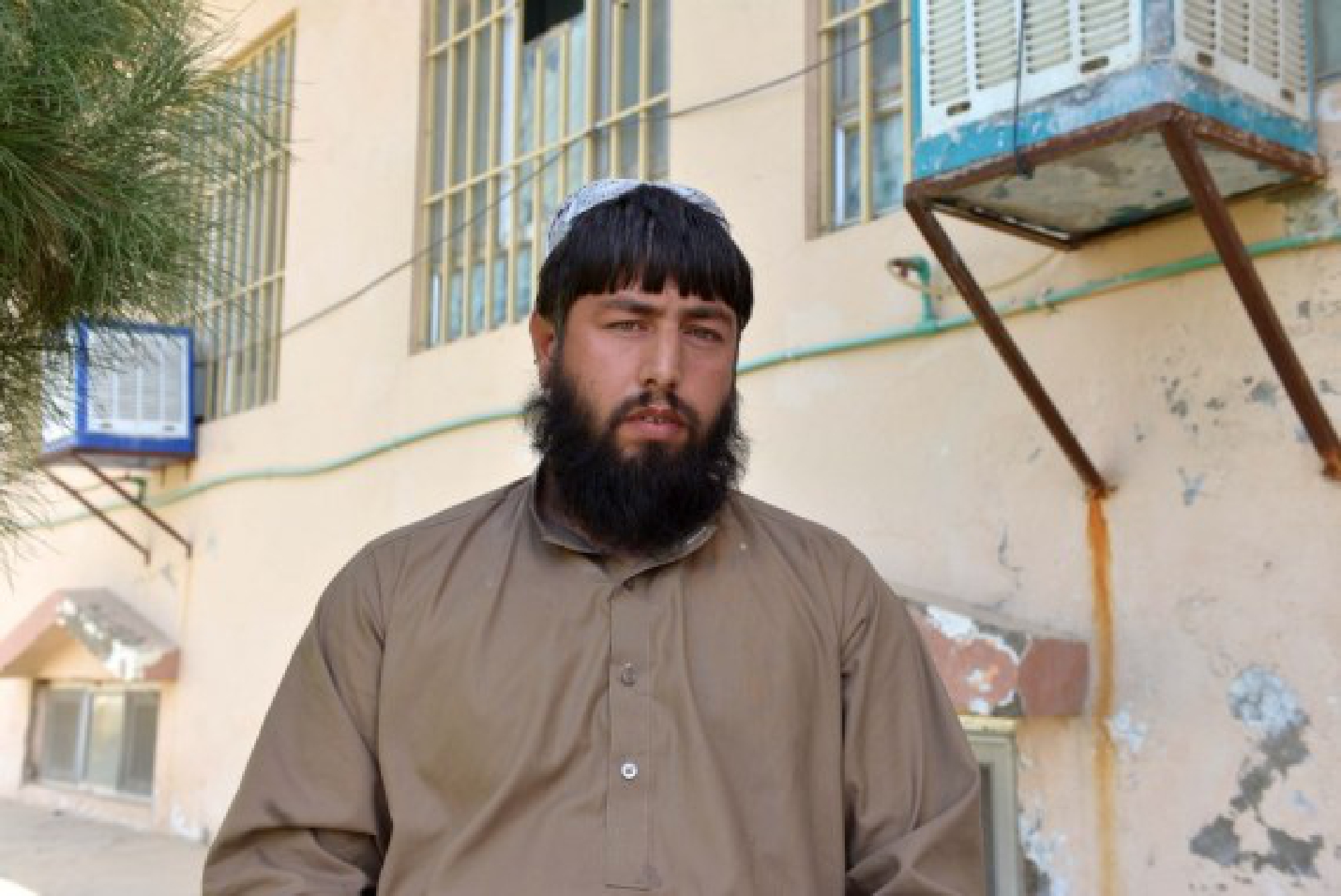 Abdul Qadir Hijran, a former Bagram prisoner, speaks during an interview with Xinhua News Agency in Kandahar, Afghanistan, Oct. 13, 2021. (Photo by Sanaullah Seim/Xinhua)
 A man walks past an NHS COVID-19 vaccination centre in London, Britain, on Sept. 7, 2021. (Photo by Ray Tang/Xinhua)
 People walk past a kiosk in London, Britain, on Sept. 7, 2021. (Photo by Ray Tang/Xinhua)
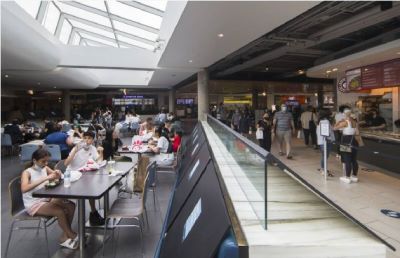
 People line up to enter a movie theater in Toronto, Ontario, Canada, on July 16, 2021. (Photo by Zou Zheng/Xinhua)
 Visitors are seen at the Canadian side of Niagara Falls, Ontario, Canada, on March 31, 2021. (Photo by Zou Zheng/Xinhua)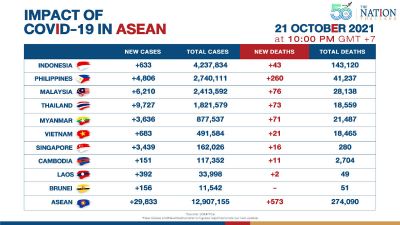

 Collaboration with Beijing benefits all parties: Chinese ambassador
