Bidens broadband plan is bold but economic payoff unclear. #SootinClaimon.Com

#SootinClaimon.Com : ขอบคุณแหล่งข้อมูล : หนังสือพิมพ์ The Nation.

https://www.nationthailand.com/international/40000212

Bidens broadband plan is bold but economic payoff unclear.


President Joe Biden is betting $100 billion he can deliver a lifeline to rural America, and a boost to the economy overall, by making high-speed internet available to all Americans.

Bidens broadband plan is bold but economic payoff unclear.

It seems obvious the plan would help millions, especially in agrarian states where the Democratic party’s support is weakest. Estimating the precise impact, however, is virtually impossible because no one really knows how many Americans lack access to a service that’s considered vital to modern living.

“We have a better map of the Milky Way galaxy than we do of who is un- and under-connected in rural America,” University of Virginia professor Christopher Ali told the Senate Commerce Committee during a March hearing.

The Federal Communications Commission has set out to fix that, forming a task force charged with developing new, more accurate maps of broadband coverage, but the effort may not be complete until next year. In the meantime, broadband advocates are hoping all $100 billion remains in a broad infrastructure package the administration hopes to pass through Congress later this year. Republicans offered $65 billion for broadband in their infrastructure counter-proposal on Thursday.

“As a nation we have to think hard about this,” said Roberto Gallardo, director of Purdue University’s Center for Regional Development. “Are we going to let the coasts pull away and just leave the flyover country behind?”

If lawmakers need an example of how high-speed internet service can help a local community, they might look to little Jackson County in eastern Kentucky. Its population of 13,000 is spread over rugged terrain near the Daniel Boone National Forest.

Peoples Rural Telephone Cooperative, a local nonprofit utility, decided to build an all-fiber network beginning in 2008. About 90% of its $50 million investment was financed through federal loans and grants. Now, lightning-fast service reaches nearly every home and business in the county, a feat that’s garnered national attention.

From 2014, the year the project was completed, through 2019, just before the Covid-19 pandemic hit, unemployment in Jackson County dropped by 5 percentage points, more than in any other county in the state and more than twice the state average, according to data from the state government’s Kentucky Center for Statistics.

It’s hard to determine exactly how much of the improvement stems from the rollout of fiber-optic connections, and Jackson County is still poor, with a median income about half the U.S. average. But Betty Hays, an operations manager at Teleworks USA, an employment clearinghouse serving 23 counties across eastern Kentucky, insists it’s made a big difference.

“It’s been life-changing, life-saving,” she said. “We place people in legitimate, honest-to-God, put-money-in-your-bank-account, remote opportunities.”

The group matches workers to remotely-connected jobs with employers such as Amazon.com Inc. and Hilton Worldwide Holdings Inc. Examples run from tech support and customer service, to handling health insurance queries. Average pay is $13 an hour, with some as high as $20, in an area where most private-sector jobs pay the federal minimum of $7.25.

Those jobs don’t come without a reliable, fast connection. So, Hays said, the people of Jackson County have a distinct advantage. Many in nearby counties who rely on private providers pay more for much slower service, or have no broadband options at all.

A blizzard of academic studies offers evidence that ubiquitous, affordable broadband could deliver significant economic benefits. They point to income growth and lower rates of unemployment in rural areas, higher rural home values and property tax bases, a higher likelihood of new firms locating there, and even higher crop yields.

One of the most comprehensive studies, by economists at Purdue, examined the potential costs and benefits of extending broadband to all of rural Indiana. The authors concluded that revenue from broadband customers wouldn’t cover the system costs, but the total economic return would be as high as $4 for every $1 invested over 25 years.

Yet, economists are blind when asked to estimate the potential overall impact to U.S. economic output of Biden’s broadband plan because they don’t know how many people would gain access if it were implemented.

According to the Federal Communications Commission, fixed terrestrial broadband service was available to 94% of the U.S. population in 2018, and to 78% in rural areas, leaving a total of 20 million Americans unserved.

The reality is much worse. The FCC counts everyone in a census block – an area that may be home to hundreds of people over many square miles – as having broadband access if a single provider serves a single structure in that block, greatly exaggerating the FCC numbers.

“The previous mapping favored the incumbent service providers by allowing them to exaggerate their level of deployment,” said Ali of the University of Virginia.

Biden, in a tweet Saturday, said 35% of rural America lacks access to high-speed internet.

On top of that, many who do receive what’s labeled as broadband are stuck with little or no competition among providers, high prices and service speeds that can’t handle modern demands. And that’s all before the pandemic struck and made it even more crucial for tens of millions of workers and school children to have a robust connection to the outside world.

Broadband advocates and economists also stress that to get the most out of the plan, the Biden administration needs to concentrate on more than just building out access.

The biggest hurdle is affordability, said Brian Whitacre, an economics professor at Oklahoma State University. That’s why Biden’s plan needs more in the way of long-term subsidies for low-income users, he said. Congress in December appropriated $3.2 billion to help subsidize internet access, but the funds are expected to run out within months. A longstanding U.S. subsidy of $9.25 monthly, which has been criticized as inadequate, is set to continue.

“It’s not just the availability that makes a difference,” Whitacre said. “It’s the adoption.”

Published : April 26, 2021

By : Syndication Washington Post, Bloomberg · Christopher Condon, Todd Shields
Stop vaccine finger wagging, says top U.S. health official #SootinClaimon.Com

#SootinClaimon.Com : ขอบคุณแหล่งข้อมูล : หนังสือพิมพ์ The Nation.

https://www.nationthailand.com/international/40000211

Stop vaccine finger wagging, says top U.S. health official


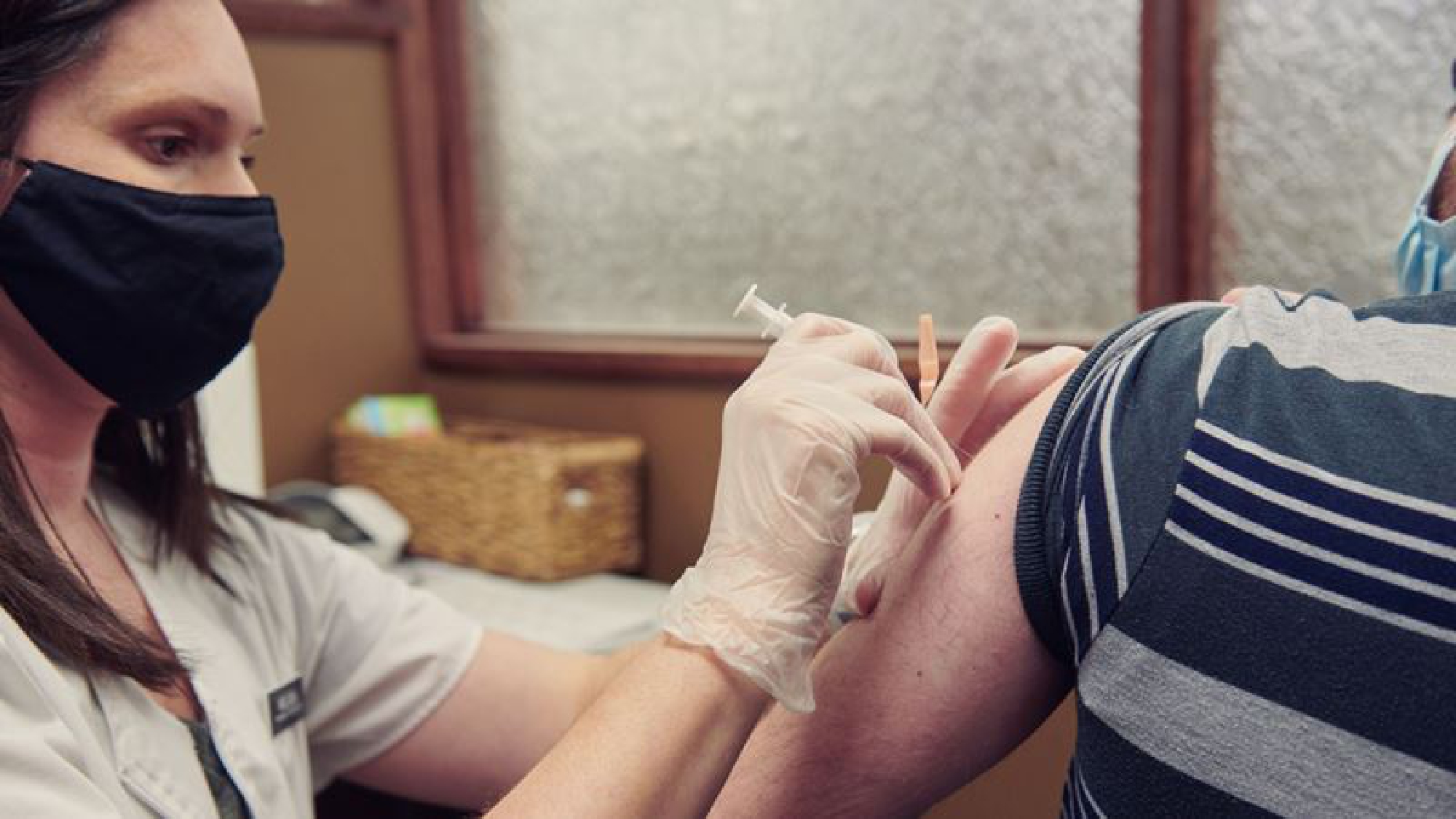
The U.S. political divide on whether to get the coronavirus vaccine suggests that “maybe theres been too much finger wagging,” said the head of the National Institutes of Health.

Stop vaccine finger wagging, says top U.S. health official

“I’ve done some of that; I’m going to try to stop and listen, in fact, to what people’s specific questions are,” NIH Director Francis Collins said Sunday on NBC’s “Meet the Press.”

An NBC News poll released Sunday showed that 82% of Democrats had already been vaccinated or plan to be as soon as possible, against 45% of Republicans.

Almost one-quarter of Republicans said they won’t get vaccinated and another 10% said they’ll do so only if required. That hesitancy has been seen as a roadblock to the U.S. achieving herd immunity against covid 19.

“We’re all in this together. And clearly, if we’re going to be able to put covid-19 behind us, we need to have all Americans take part in getting us to that point,” Collins said.

Anthony Fauci, President Joe Biden’s chief medical adviser, has been among the U.S. health officials singling out Republicans, terming their attitude toward vaccines and public health measures like mask mandates and lockdowns “frustrating.”

“It’s almost paradoxical that, on the one hand, they want to be relieved of the restrictions, but, on the other hand, they don’t want to get vaccinated. It just almost doesn’t make any sense,” Fauci, director of the National Institute of Allergy and Infectious Diseases, said a week ago on CNN.

One Republican senator, Ron Johnson of Wisconsin, said last week that he was skeptical of the “big push” on vaccinations. Fellow GOP Senator Shelley Moore Capito on Sunday said Johnson’s comments hampered the effort to reach herd immunity in the U.S.

“I definitely think that comments like that hurt,” Capito, of West Virginia, said on CNN’s “State of the Union.”

Collins it was still unclear exactly what level of protection would confer herd immunity “with this particular virus.” But parts of the country are getting close to a 75% or 80% level of those with immunity, when vaccinations are combined with people who’ve already had Covid-19.

“But there are other places that are way behind, and those are the places we all worry about as the next hotspot,” he said. “What’s the next one? You can look at the map and say, ‘Where are vaccines lagging?’ Those are the places to worry about. And we can change that, if we can really inspire everybody to get engaged.”

About 90% of Americans now live within five miles of a vaccination site, Collins said.

Donald Trump is among those in the GOP who’ve recently urged supporters to get vaccinated. In an interview with the New York Post on Thursday, the former president called the shots “a miracle.”

Some 226 million vaccine doses have been given in the U.S. so far, with almost 42% of Americans having received at least one dose. That coverage ranges from 59% in New Hampshire to 30% in Mississippi, according to the Bloomberg vaccine tracker.

Published : April 26, 2021

By : Syndication Washington Post, Bloomberg · Jesse Hamilton, Ros Krasny

Men lag women in coronavirus vaccinations, especially in Black communities #SootinClaimon.Com

#SootinClaimon.Com : ขอบคุณแหล่งข้อมูล : หนังสือพิมพ์ The Nation.

https://www.nationthailand.com/international/40000210

Men lag women in coronavirus vaccinations, especially in Black communities


DJ Quicksilva was on the fence about getting vaccinated. The radio host, who lives in Prince Georges County, Md., had been eligible since January because he teaches at his DJ school in person. His doctor was pushing him to get the shot. But he did not trust a medical system he felt had too often failed Black men like him.

Men lag women in coronavirus vaccinations, especially in Black communities

When his wife got vaccinated in March, the pressure mounted.

“It is creating that separation in the house,” he said during a forum he hosted with doctors. “Like: ‘OK, baby, I’m vaccinated. What you going to do?’ I’m like: ‘Ugh. Jesus Christ.'”

Across the country, more women than men have been getting vaccinated, data shows, even though more men have been hospitalized for or died of covid-19. In the D.C. area, the gap appears especially wide among Black residents.

Local and state officials largely point to early eligibility guidelines that prioritized senior citizens and health-care workers, who are disproportionately female. Public health experts and community advocates say that perspective overlooks the important ways gender can intersect with race and income to drive vaccine hesitancy. Outreach efforts are failing to reach men of color, they say, particularly those who are poor or unemployed. A Washington Post analysis shows that the gender gap in D.C., Maryland and Virginia stayed consistent from March through early April, even as more adults became eligible.

“You got the hesitancy, you got the inconvenience, you got the misinformation and you got the machismo,” said the Rev. Derrick DeWitt of First Mount Calvary Baptist Church in West Baltimore, who has interceded on behalf of several female congregants struggling to get their husbands vaccinated. He said it has been especially challenging to engage older Black men, who are closer to the memory of the decades-long Tuskegee experiment, when government-financed doctors allowed syphilis to run unchecked through Black test subjects despite knowing that penicillin would cure them.

In Virginia, where the male-female divide is about 50-50, Black women are being vaccinated at nearly twice the rate of Black men, with a 26-point gap. Among White residents, in contrast, 58 percent of doses are going to women and 42 percent to men, a 16-point gap. Some diverse, dense communities in Northern Virginia, including Prince William County and Alexandria, have markedly larger gender disparities than more-rural localities in the southern and western parts of the state.

Maryland and D.C. said they did not have data cross-referencing gender and race. But in Maryland, which also has a fairly even split between men and women, there is a statewide gap between vaccinated men and women of 13 percentage points. In majority-Black Prince George’s and Baltimore City, the gaps are 17 and 16 percentage points.

“It boils down to trust, and trust is not something that is built easily in someone who has been wronged by the system,” said Quicksilva’s doctor, Fernando Porter.

Quicksilva, who hosts a daily show on 93.9 WKYS and travels frequently for work, said he was eventually persuaded to get his first dose of the Pfizer-BioNTech vaccine in late March. But now, disturbed by news that the Pfizer vaccine will probably require booster shots, he is wavering about his second dose.

“When you look at all the injustices, at the top of the totem pole are Black and Brown men,” said Quicksilva, 40. “The distrust has been there for so long.”

Porter said this point of view is common among the Black and Latino men he treats at his family practice in Silver Spring, with many wary of both the health-care system and the government.

“You have this double whammy of health care and government saying ‘Do this,'” Porter said. “For a lot of them it comes down to fear.”

Annapolis residents Mo Lloyd, 22, and Deonte Ward, 32, say they do not intend to get vaccinated. Ward said his wariness comes from incidents such as Tuskegee; Lloyd said he does not trust the three pharmaceutical companies producing the vaccines. “They’ve done some sketchy things in the past,” said Lloyd, citing reports from 2018 that Johnson & Johnson knowingly sold baby powder that contained small amounts of asbestos.

The only people in their families who have gotten vaccinated are women, the two men said. For Ward, it’s his aunt; for Lloyd, his mother.

Officials from D.C., Maryland and Virginia, along with those from nine local jurisdictions in the Washington metro area, said that aside from some targeted ads, they have not taken specific steps to increase vaccine turnout among men.

“The data that is used by us doesn’t take into particular account gender,” said Lt. Col. Andrew Collins, deputy chair of Maryland’s vaccine equity task force.

Elyn Garrett-Jones, a spokeswoman for the Baltimore County Department of Health, said that “while we are pushing for communities of color in general to get vaccinated, we have not singled out men as part of this effort.”

Gloria Addo-Ayensu, Fairfax County health director, said that “it is still too early in the mass vaccination process to draw firm conclusions about gender disparities.”

In Prince William, officials have not studied the intersection of race and gender in vaccine hesitancy, said health director Alison Ansher. She acknowledged that the gap is concerning, however, given that men constitute 57 percent of the covid-19 deaths in the county.

Men lag women in coronavirus vaccinations, especially in Black communities

https://www.washingtonpost.com/video/c/embed/4d004431-b87d-42a6-944d-42524b7fab65?ptvads=block&playthrough=false

Derek M. Griffith, director for the Center for Research on Men’s Health at Vanderbilt University, said that “if governments notice (the gender gap), they’re certainly not paying attention to it nor incorporating it into their rollout.”

Theories have emerged to explain the disparity – including that women traditionally take on family caregiving roles, which drives them to seek out vaccinations earlier than men. But Griffith said it is difficult to ascertain whether those theories are accurate, because research is scarce.

“There are huge racial differences in who gets vaccinated, and we know that,” Griffith said. “What I haven’t seen done well is a crossing of the race, ethnicity and gender patterns.”

Locally, Prince George’s is one of the few counties where officials are directly targeting the gender gap, including plans for a 24-hour vaccine-a-thon in mid-May focused on men. Members of the county’s Commission for Fathers, Men and Boys say they are volunteering at mobile vaccine clinics and planning public service announcements because they realize it is helpful for men to see people who look like them vouching for the shot.

Euniesha Davis, director of the county’s office of community relations, proposed the vaccine-a-thon after health department officials pointed out the gender divide in early data. She wants to partner with local go-go artists and make the event accessible by having appointments throughout the day. It will be open to everyone, but the emphasis is on drawing men.

“We are going to encourage wives to bring husbands, mothers to bring sons, sisters to bring brothers,” she said. “The message is: It’s not about you – it’s about the community.”

More efforts to bridge the gender gap are happening at the grass-roots level – doctors coaxing patients, barbers fielding questions from clients, pastors taking calls from exasperated wives.

Stephen B. Thomas, head of the Maryland Center for Health Equity at the University of Maryland, said he has heard numerous stories of “discordant households” split by the vaccine – and he is not surprised.

“Who runs the health in your house? My wife runs it in my house,” he said, adding that he has been disappointed not to see a more concerted government focus on gender. The key to such an effort, he said, is not to “shame” men but to “meet them where they are.”

Mike Brown, a Hyattsville, Md., barber who works with Thomas to promote men’s health, estimated that about 40 percent of his clients do not want to get vaccinated, and many baseless vaccine theories that he tries to debunk. Brown, who works in a Zip code with one of the highest coronavirus case rates in the state, started promoting men’s health a decade ago, after his father died of colorectal cancer that Brown believes could have been prevented with a healthier lifestyle.

He frames the decision to get vaccinated as a matter of personal responsibility. “If the coronavirus vaccination is Plan A, then what is your Plan B to stop this from ravaging our communities?” he asks the men who sit in his chair. “They can’t answer that question.”

Sherry Johnson-Miller, 46, is one of the women who pleaded with DeWitt to counsel her husband. As a certified nursing assistant at a Baltimore nursing home, Johnson-Miller was fully vaccinated by January. She has tried since then to persuade husband Joseph Miller, 50, to join her in the world of the immune.

She set up appointments, to no avail. Now, her 29-year-old son is also eligible but wavering.

“I’m the only vaccinated one. That’s what I’m dealing with,” she said during her lunch break Thursday.

With each passing week, Johnson-Miller said, she gets more frustrated with her husband for interfering with her plans to go to Las Vegas for their wedding anniversary in August. She will not travel with anyone who is not vaccinated, she said, not after seeing what the virus did to the residents at her nursing home. If Miller does not change his mind soon, she said, she will make plans to go on a “girls trip” instead. Her sister and most of her friends are fully inoculated.

“I’ll be gone in Vegas and having fun, and he’ll be stuck here,” she said, half-laughing. “See how he feels then.”

Published : April 26, 2021

By : The Washington Post · Rachel Chason, Rebecca Tan

Minneapolis activists fuel up and prepare for long fight for racial equality #SootinClaimon.Com

#SootinClaimon.Com : ขอบคุณแหล่งข้อมูล : หนังสือพิมพ์ The Nation.

https://www.nationthailand.com/international/40000209

Minneapolis activists fuel up and prepare for long fight for racial equality


MINNEAPOLIS – When protests broke out here last summer after George Floyds killing, Pimento Jamaican Kitchen was one of the few restaurants on its block that remained open. It became a community hub, feeding the hungry, distributing necessities such as diapers and serving as a gathering spot for activists.

Minneapolis activists fuel up and prepare for long fight for racial equality

So it was only natural that people flooded the popular restaurant when former Minneapolis police officer Derek Chauvin was found guilty of murdering Floyd. Yes, they gathered to cheer Chauvin’s conviction on murder and manslaughter charges, but they also knew it was but a brief respite before they would again be raising their voices in protest over the killing of another Black American at the hands of police.

“Everybody took a collective breath last night,” Pimento owner Tomme Beevas, 41, said the day after the Chauvin verdict. “It was just one battle in a larger war.”

The next day many of those people gathered to mourn at the funeral of Daunte Wright, a 20-year-old Black man who was killed April 11 by a suburban Minneapolis police officer during a traffic stop. As the Chauvin verdict was being read, Columbus, Ohio, police were at the scene of a fatal police shooting of 16-year-old Ma’Khia Bryant. Another Black man, Andrew Brown Jr., was fatally shot by a sheriff’s deputy in Elizabeth City, N.C., last week as police were attempting to arrest him.

While the Chauvin trial verdict is viewed as a victory by activists, many in Minneapolis are emphasizing that the conviction of one White officer – however rare – does not mean the fight is over, nor does it erase what they see as systemic racism in policing or other areas of American life. Police have fatally shot at least 275 people this year, including 57 Black people, according to data collected by The Washington Post. At least two Black people have been killed by police since Chauvin’s conviction.

Justice for Floyd is not final, either. Three other former Minneapolis officers who were at the scene that night – Alexander Kueng, Thomas Lane and Tou Thao – are awaiting trial on charges of aiding and abetting murder and manslaughter in Floyd’s killing. Prosecutors also are expected to try to reinstate third-degree-murder charges against each before their trial in August.

Although the Justice Department on Wednesday announced an investigation of the Minneapolis police department, a Post review in 2015 of such probes determined that they have mixed results.

It’s amid that backdrop that many activists said the battle for racial equality and justice has a long way to go. A report from the Pew Research Center in October found that 65% of Black people who believe they do not yet have equal rights say it’s not too likely or not at all likely that the United States will ever achieve racial equality. White people are much less skeptical, with the majority predicting that the country will reach that goal.

Black Minnesotans in particular have seen Floyd’s story repeated too many times to think the conviction of one police officer signals lasting change.

“We thought Jamar Clark was a bookend. We thought Philando Castile was a bookend,” said Dara Beevas, Tomme Beevas’s wife. “George Floyd wasn’t even a bookend.”

She was referring to a 2015 case in which a Minneapolis police officer fatally shot Clark, 24, in the head after he allegedly struggled with officers who were responding to an assault call. Castile, 32, was fatally shot by police the following year during a traffic stop by an officer who thought he matched the description of a robbery suspect. The officer, who said he thought Castile was reaching for a gun, was acquitted of all charges.

– – –

Protesters have been marching on behalf of Wright since the night of his shooting, and continued to do so even on the evening of Chauvin’s conviction. While the number of protesters has waned recently, aggressive police tactics – including the use of chemical irritants and rubber bullets – injured dozens of protesters and journalists in the volatile early days of the demonstrations.

As demonstrations broke out in suburban Brooklyn Center, where Wright was killed, Tomme Beevas’s nonprofit, Pimento Relief Services – an outgrowth of his restaurant that began last summer – organized events to distribute food and facilitate activities aimed at helping people take care of themselves.

Beevas considers serving food, including the popular jerk chicken and coconut bread at his restaurant, to be a form of ministry. If people are hungry, he said, they will not have the energy to press forward in their fight.

That fight is made all the more important to Beevas, a Jamaica native, as he prepares for his soon-to-be-born son. He said he worries that his child will live with a target on his back.

“It’s still jarring that I can’t convince my wife that we can’t protect him, regardless of our degrees, our successes or our pedigree,” Beevas said. “We’re still raising a Black son in America.”

Activists said that type of fear takes a significant toll on their mental and physical health. The burden is heightened by the feeling that there are few opportunities to take meaningful breaks from their advocacy, they said.

Joi Lewis, chief executive of Joi Unlimited, a coaching and consulting firm, is among several people who offer healing activities – from meditation to dance – to the activists who pass through Pimento’s doors.

That healing is necessary, Lewis said, because traumas on the city’s Black community compound. For example, the Minnesota National Guard was called in as the city prepared for potential unrest following the Chauvin verdict, causing anxiety for residents as who passed armed troops and Humvees on their streets.

As residents and activists press for tougher charges against the former Brooklyn Center officer who shot Wright, Lewis said they wonder what new tragedy awaits them.

“While we are marching for liberation,” she said, “oppression is still happening at the exact same time.”

– – –

Origami birds with small inscriptions hang from the ceiling. Flowers, dried and preserved from last summer, lie in a glass casing. A 9-year-old’s drawing with the words “Take your knee off our neck” hangs on the wall.

The pain of Floyd’s death, encapsulated in mementos left last year by people from across the country, are on display inside the Chicago Avenue Fire Arts Center building at the intersection of 38th and Chicago, where Floyd was killed.

Mileesha Smith, 30, is often there. Although the room is full of reminders of the tragedy, she said she does not dwell on the past.

“When people are like, ‘What’s next?’ I’m like, ‘Let me know, so I can figure out what I’m going to do after that,’ ” Smith said.

Her days are filled with Black Lives Matter work, so much so that she has not furnished an apartment she moved into this month. When Wright was killed, Smith said, “it was like deja vu.”

“I was never so wrapped up with the [Chauvin] trial,” she said, because like others, she views the fight for equality as much bigger than that.

Smith described her life and those of other Black Americans as constantly being dragged down by forces of racism that pervade all areas of their lives, from education to housing and the criminal justice system, to the subtle and not-so-subtle attacks that come from individual interactions with people.

She and Monnica Williams, a therapist and expert on racial trauma, described the mere act of being Black women in America as like living in a war zone.

“You’re constantly on guard for bullets. You’re constantly looking for land mines so you don’t step on them, and at the same time, you can’t avoid them all and you’re constantly getting hit,” Williams said.

Before the Chauvin verdict arrived, the Rev. Jia Starr Brown said she was prepared for the heaviness of loss. An associate pastor at the First Covenant Church in Minneapolis, she has a long history of activism and plans to have a long future of it, too.

When the verdict came in, she issued a sigh of relief and opened her arms to what it gave her: “fuel for the journey,” she said, to continue her social justice mission.

“Go and celebrate and smile and give thanks to God for this verdict,” Brown said. “And then let’s get up in the morning, and let’s continue the work. There’s so much left to do.”

Published : April 26, 2021

By : The Washington Post · Marisa Iati, Silvia Foster-Frau, Kim Bellware

อินเดียขอให้ Twitter ลบทวีตวิจารณ์รัฐบาลรับมือโควิดแย่ #SootinClaimon.Com

#SootinClaimon.Com : ขอบคุณแหล่งข้อมูล : หนังสือพิมพ์โพสต์ทูเดย์

https://www.posttoday.com/world/651208

วันที่ 25 เม.ย. 2564 เวลา 11:30 น.อินเดียขอให้ Twitter ลบทวีตวิจารณ์รัฐบาลรับมือโควิดแย่รัฐบาลอินเดียเข้าตาจนถึงขนาดขอให้โซเชียลมีเดียลบข้อความวิจารณ์รัฐที่ทำให้การรัยบมือโควิดล้มเหลวจนทำให้สื่อต่างประเทศระบุว่าอินเดียมีสภาพไม่ต่างจาก “นรกบนดิน”

สำนักข่าวรอยเตอร์รายงานว่ารัฐบาลอินเดียขอให้แพลตฟอร์มโซเชียลมีเดีย Twitter ลบทวีตหลายสิบรายการรวมถึงข้อความของสมาชิกสภานิติบัญญัติที่วิจารณ์การจัดการการระบาดของโคโรนาไวรัสของอินเดีย ในขณะที่ตัวเลขผู้ติดเชื้อในอินเดียทำลายสถิติโลกอีกครั้ง

Twitter ระงับทวีตบางส่วนหลังจากที่รัฐบาลอินเดียร้องขอทางกฎหมาย โฆษกหญิงของบริษัทกล่าวกับรอยเตอร์เมื่อวันเสาร์ และจากเปิดเผยบนฐานข้อมูล Lumen ซึ่งเป็นโครงการของมหาวิทยาลัยฮาร์วาร์ดพบว่ารัฐบาลอินเดียได้ออกคำสั่งฉุกเฉินเพื่อเซ็นเซอร์ Twitter

ในคำขอทางกฎหมายของรัฐบาลลงวันที่ 23 เมษายนและเปิดเผยบน Lumen มีการกล่าวถึงทวีต 21 รายการ ในนั้นมีทวีตจากสมาชิกสภานิติบัญญัติชื่อ เรวนาถ เรดดี (Revnath Reddy), รัฐมนตรีในรัฐเบงกอลตะวันตกชื่อโมลอย ฆาตัก (Moloy Ghatak) และผู้สร้างภาพยนตร์ชื่อ อนิวาศ ทาส (Avinash Das) โดยยกฎหมายที่อ้างถึงในคำร้องของรัฐบาลคือกฎหมายเทคโนโลยีสารสนเทศ 2000

“เมื่อเราได้รับคำขอทางกฎหมายที่ถูกต้อง เราจะตรวจสอบทั้งภายใต้กฎของ Twitter และกฎหมายท้องถิ่น” โฆษกหญิงของ Twitter กล่าวในแถลงการณ์ทางอีเมล “หากเนื้อหาละเมิดกฎของ Twitter เนื้อหาจะถูกลบออกจากบริการ หากพิจารณาแล้วว่าผิดกฎหมายในเขตอำนาจศาลเฉพาะ แต่ไม่ละเมิดกฎของ Twitter เราอาจระงับการเข้าถึงเนื้อหาในอินเดียเท่านั้น”

โฆษกหญิงยืนยันว่า Twitter ได้แจ้งเจ้าของบัญชีโดยตรงเกี่ยวกับการระงับเนื้อหาของตนและแจ้งให้พวกเขาทราบว่าได้รับคำสั่งทางกฎหมายเกี่ยวกับทวีตของพวกเขา

กรณีนี้ได้รับการรายงานก่อนหน้านี้โดยเว็บไซต์ข่าวเทคโนโลยี TechCrunch ซึ่งกล่าวว่า Twitter ไม่ใช่แพลตฟอร์มเดียวที่ได้รับผลกระทบจากคำสั่งของรัฐบาลอินเดีย

โรงพยาบาลที่ผู้ป่วยกำลังล้นหลามในอินเดียขอร้องให้จัดหาออกซิเจนในวันเสาร์เนื่องจากการติดเชื้อโคโรนาของประเทศเพิ่มสูงขึ้นจนทำลายสถิติโลกสำหรับผู้ป่วยติดต่อกันเป็นวันที่สาม

อินเดียตกอยู่ในกำมือของการระบาดระลอกที่สองโดยมีอัตราการเสียชีวิต 1 รายในเวลาไม่ถึง 4 นาทีในเดลีเนื่องจากระบบสาธารณสุขของเมืองหลวงมีงบประมาณไม่เพียงพอที่จะแบกรับไหว

กระทรวงสาธารณสุขอินเดียกล่าวเมื่อวันเสาร์ว่าจำนวนผู้ป่วยทั่วประเทศเพิ่มขึ้น 346,786 รายรวมทั้งสิ้น 16.6 ล้านราย ผู้เสียชีวิตเพิ่มขึ้น 2,624 คนรวมเป็น 189,544 คนตามตัวเลขของวันเสาร์ ทั้งนี้อินดียมีประชากรประมาณ 1,300 ล้านคน

ผู้เชี่ยวชาญด้านสุขภาพกล่าวว่าอินเดียนิ่งนอนใจเกินไปในช่วงฤดูหนาวตอนที่มีผู้ป่วยรายใหม่เกิดขึ้นประมาณ 10,000 รายต่อวันและดูเหมือนว่าจะอยู่ภายใต้การควบคุมได้ เจ้าหน้าที่จึงได้ยกเลิกข้อจำกัด และอนุญาตให้มีการชุมนุมใหญ่อีกครั้งรวมถึงงานเทศกาลใหญ่ๆ เช่น เทศกาลโฮลีและงานชุมนุมทางศาสนา และการชุมนุมทางการเมืองเพื่อการเลือกตั้งท้องถิ่น

Photo by – / AFP

เศรษฐีอินเดียแห่ขึ้นเครื่องบินส่วนตัวเผ่นวิกฤตโควิดหนักที่สุดในโลก #SootinClaimon.Com

#SootinClaimon.Com : ขอบคุณแหล่งข้อมูล : หนังสือพิมพ์โพสต์ทูเดย์

https://www.posttoday.com/world/651197

วันที่ 25 เม.ย. 2564 เวลา 09:27 น.เศรษฐีอินเดียแห่ขึ้นเครื่องบินส่วนตัวเผ่นวิกฤตโควิดหนักที่สุดในโลกสถานการณ์ในอินเดียเลวร้ายถึงขั้นที่ควบคุมไม่อยู่ ในขณะที่ประชาชนคนเดินดินต้องอยู่ตามยถากรรม คนมีเงินก็พยายามเอาตัวรอดด้วยกำลังที่พวกเขามี

ตามรายงานของ London Times สื่อในสหราชอาณาจักรมีเครื่องบินไอพ่นส่วนตัว 8 ลำบรรทุกผู้ร่ำรวยมหาศาลของอินเดียได้ลงจอดที่กรุงลอนดอนก่อนเวลา 4 โมงเช้าของวันที่ 23 เมษายนตามเวลาสหราชอาณาจักร ทันเวลาก่อนที่สหราชอาณาจักรจะประกาศห้ามเดินทางจากอินเดียเข้าประเทศและเพิ่มอินเดียให้อยู่ใน“ บัญชีแดง” ของประเทศที่กำลังระบาดหนัก

เครื่องบินหรูลำสุดท้ายของมหาเศราฐีชาวอินเดียที่มาถึงสหราชอาณาจักรคือเครื่อง VistaJet Bombardier Global 6000 ซึ่งออกจากดูไบเมื่อวันพฤหัสบดีโดยรับผู้โดยสารในมุมไบลงจอดเวลา 03:15 น. เพียง 44 นาทีก่อนที่สหราชาณาจักรจะประกาศมาตรการห้ามเข้าจากอินเดีย

สำนักข่าว AFP รายงานว่า ค่าตั๋วเครื่องบินเพิ่มสูงขึ้นและความต้องการเครื่องบินไอพ่นส่วนตัวพุ่งสูงขึ้นในวันศุกร์ที่ผ่านมาเนื่องจากชาวอินเดียที่สามารถจ่ายเงินได้พยายามดิ้นรนเพื่อหลบหนีจากกระแสโควิดก่อนที่เที่ยวบินไปสหรัฐอาหรับเอมิเรตส์จะปิด

ทั้งนี้ เที่ยวบินทั้งหมดจากสหรัฐอาหรับเอมิเรตส์ไปยังอินเดียซึ่งเป็นหนึ่งในเส้นทางเดินอากาศที่พลุกพล่านที่สุดในโลก จะถูกระงับตั้งแต่วันอาทิตย์เนื่องจากผู้ติดเชื้อไวรัสโคโรนาในประเทศอินเดียสูงเป็นประวัติการณ์และโรงพยาบาลมีผู้ป่วยล้นหลาม โดยจะไม่มีการเสนอตั๋วตั้งแต่วันอาทิตย์หลังการระงับเที่ยวบินมีผลบังคับใช้ 10 วัน

เว็บไซต์เปรียบเทียบราคาแสดงเที่ยวบินเชิงพาณิชย์เที่ยวเดียวจากมุมไบไปดูไบในวันศุกร์และวันเสาร์ซึ่งมีราคาสูงถึง 80,000 รูปี (ประมาณ 40,000 บาท) ประมาณ 10 เท่าของอัตราปกติ

ส่วนตั๋วสำหรับเส้นทางนิวเดลีไปดูไบมีราคามากกว่า 50,000 รูปี (ประมาณ 25,000 บาท) ซึ่งเป็น 5 เท่าของระดับปกติ

ในส่วนของเครื่องบินไอพ่นส่วนตัว โฆษกของบริษัทเช่าเหมาลำ Air Charter Service India กล่าวกับ AFP ว่าระดับความสนใจของลูกค้านั้น “บ้าระห่ำมาก”

“เรามีเที่ยวบิน 12 เที่ยวบินที่จะไปดูไบในวันพรุ่งนี้ (วันศุกร์)และแต่ละเที่ยวบินเต็มหมดแล้ว” โฆษกของบริษัทดังกล่าว กล่าว

“วันนี้ฉันได้รับคำถามเรื่องข้อมูลเกี่ยวกับการบินไปดูไบเพียงวัเดียวเกือบ 80 ราย” โฆษกของ Enthrall Aviation ผู้ให้บริการอีกรายกล่าว “เราได้ร้องขอเครื่องบินจากต่างประเทศเพิ่มขึ้นเพื่อให้เพียงพอต่อความต้องการ … มีค่าใช้จ่าย 38,000 ดอลลาร์ในการจ้างเครื่องบินเจ็ท 13 ที่นั่งจากมุมไบไปยังดูไบและ 31,000 ดอลลาร์เพื่อจ้างเครื่องบิน 6 ที่นั่ง”

“ผู้คนกำลังรวมตัวเป็นกลุ่มและจัดให้มีการแบ่งปันเครื่องบินไอพ่นของเราเพื่อหาที่นั่ง … เราได้รับคำถามบางประการเกี่ยวกับประเทศไทย แต่ส่วนใหญ่เป็นความต้องการของดูไบ”

ตามรายงานของสื่อท้องถิ่นประมาณ 300 เที่ยวบินต่อสัปดาห์ระหว่างสหรัฐอาหรับเอมิเรตส์และอินเดีย

และสหรัฐอาหรับเอมิเรตส์เป็นที่อยู่อาศัยของชาวอินเดียราว 3.3 ล้านคนซึ่งคิดเป็นหนึ่งในสามของประชากรซึ่งส่วนใหญ่อยู่ในดูไบซึ่งเป็นหนึ่งในเจ็ดของรัฐเอมิเรตส์ที่ประกอบเป็น

ด้านสหพันธ์

สำนักงานการบินพลเรือนทั่วไปของสหรัฐอาหรับเอมิเรตส์กล่าวว่าผู้ที่เดินทางมาจากอินเดียผ่านประเทศอื่นๆ จะต้องอยู่ในจุดหมายปลายทางที่สามนั้นเป็นเวลาอย่างน้อย 14 วัน

ในส่วนของสหราชอาณาจักร นับตั้งแต่วันศุกร์ ชาวอังกฤษที่เดินทางกลับจากอินเดียจะต้องกักกันเป็นเวลา 10 วันในโรงแรมที่รัฐบาลอนุมัติ ส่วนพลเมืองที่ไม่ใช่ชาวอังกฤษหรือไม่ใช่ชาวไอริชทั้งหมดจะถูกห้ามเข้าประเทศโดยสิ้นเชิงหากพวกเขาอยู่ในอินเดียในช่วง 10 วันก่อนหน้านี้ ในขณะที่บอริส จอห์นสันนายกรัฐมนตรีอังกฤษต้องยกเลิกการเดินทางเยือนอินเดียที่กำหนดไว้ในสัปดาห์หน้าเพื่อเป็น “มาตรการป้องกันเอาไว้ก่อน”

Photo by Gagan NAYAR / AFP

ผู้นำอาเซียนเรียกร้องให้ยุติความรุนแรงในเมียนมาโดยทันที #SootinClaimon.Com

#SootinClaimon.Com : ขอบคุณแหล่งข้อมูล : หนังสือพิมพ์โพสต์ทูเดย์

https://www.posttoday.com/world/651196

วันที่ 25 เม.ย. 2564 เวลา 08:56 น.

ผู้นำอาเซียนเรียกร้องให้ยุติความรุนแรงในเมียนมาโดยทันทีผู้นำอาเซียนจัดการประชุมวาระพิเศษเกี่ยวกับวิกฤตเมียนมาร์เมื่อวันเสาร์ซึ่งพวกเขาเรียกร้องให้ยุติความรุนแรงต่อผู้ประท้วงในประเทศเมียนมาโดยทันทีและให้มีการส่งทูตพิเศษเพื่อผลักดันให้มีการเจรจาที่ครอบคลุมที่นั่น
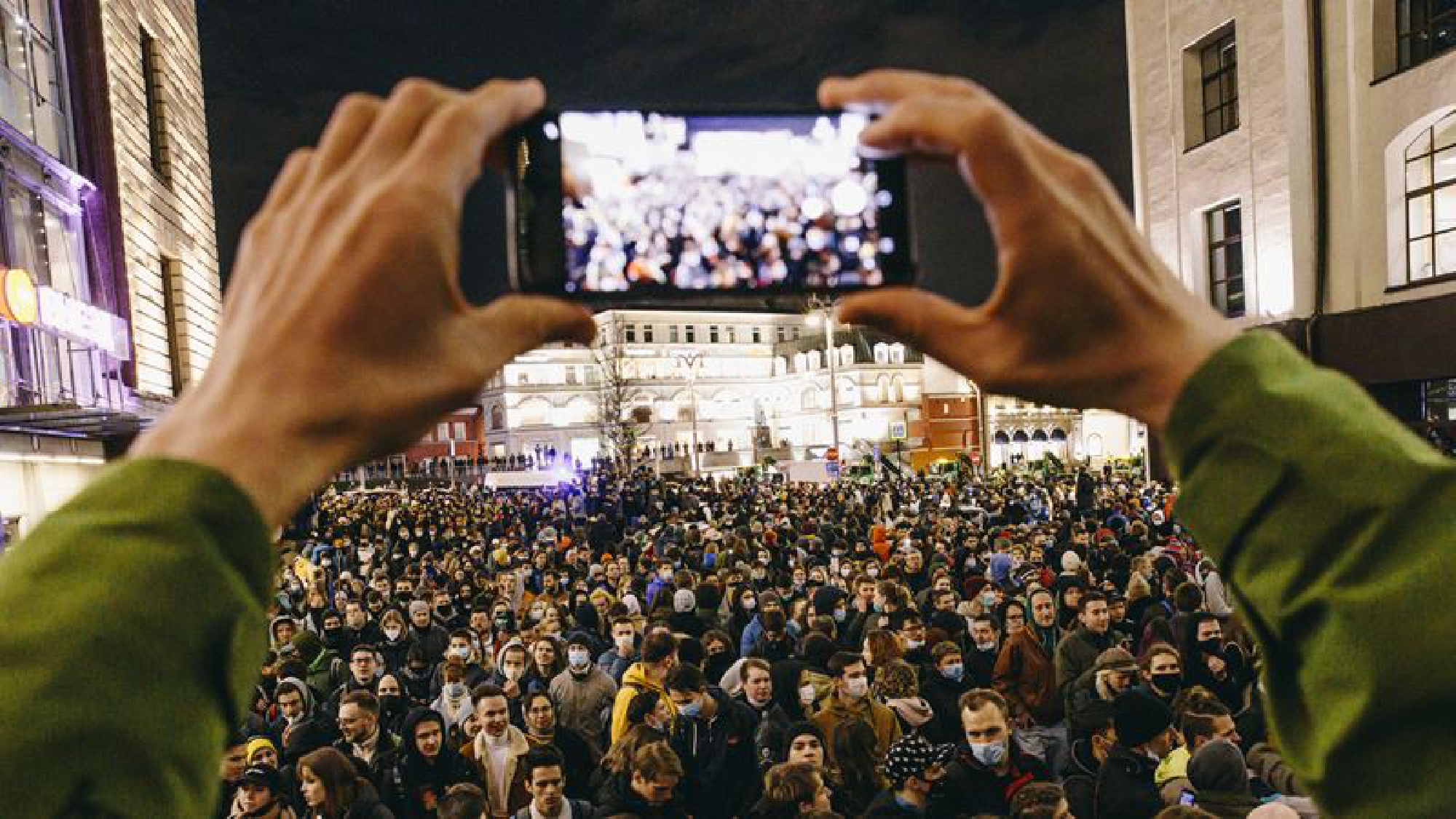
สำนักข่าว Kyodo รายงานว่าการประชุมสุดยอดที่กรุงจาการ์ตา เมืองหลวงของชาวอินโดนีเซีย มีขึ้นระหว่างสมาชิกสมาคมประชาชาติแห่งเอเชียตะวันออกเฉียงใต้ 10 ประเทศ (อาเซียน) รวมถึง พล.อ. อาวุโส มิน อ่อ งหล่าย ผู้นำทหารของเมียนมซึ่งเป็นผู้จุดชนวนให้เกิดวิกฤตต่อเนื่องในเมียนมาหลังรัฐประหารในเดือนกุมภาพันธ์

การประชุมดังกล่าวจัดขึ้นท่ามกลางความรู้สึกเร่งด่วนภายในกลุ่มภูมิภาคเนื่องจากมีรายงานว่าผู้ประท้วงต่อต้านรัฐประหารและกลุ่มคนอื่นๆ มากกว่า 730 คนสังหารโดยกองกำลังความมั่นคงของเมียนมานับตั้งแต่กองทัพขับไล่รัฐบาลพลเรือนที่นำโดยอองซานซูจีในการรัฐประหารเมื่อวันที่ 1 ก. พ. .

ในการประชุมผู้นำอาเซียนได้บรรลุ “ฉันทามติ 5 ประการ” ซึ่งรวมถึงความจำเป็นในการยุติความรุนแรงโดยทันที, มห้ความช่วยเหลือด้านมนุษยธรรมจากอาเซียน และการส่งทูตพิเศษของอาเซียนไปพบกับ “ทุกฝ่ายที่เกี่ยวข้อง” ตามที่ประธานระบุ แถลงเมื่อปลายวันเสาร์

แต่แถลงการณ์ดังกล่าวแสดงให้เห็นว่าผู้นำไม่บรรลุฉันทามติในการเรียกร้องให้ปล่อยตัวซูจีและผู้นำทางการเมืองคนอื่นๆ ที่ถูกกองทัพควบคุมตัวหลังการรัฐประหาร

“มีเสียงสะท้อนของความทุกข์ยากในหมู่ประเทศสมาชิกอาเซียนที่เราต้องรับรู้ในแต่ละวันว่ามีอะไรเกิดขึ้นบ้างในเมียนมา” มูฮยุดดิน ยัสซิน นายกรัฐมนตรีมาเลเซียกล่าวกับผู้นำอาเซียนคนอื่นๆ และผู้นำรัฐบาลทหารในที่ประชุม “หลายคนทั่วโลกต้องการคำอธิบายและเราดห็นว่ามันยากที่จะอธิบายมากขึ้นเรื่อยๆ”

โจโก วิโดโดประธานาธิบดีชาวอินโดนีเซียกล่าวกับผู้สื่อข่าวหลังการประชุมว่าในการผลักดันการเจรจาที่มีผู้มีส่วนได้ส่วนเสียทั้งหมด ผู้นำอาเซียนได้บรรลุฉันทามติในการส่งทูตพิเศษ คือ เลขาธิการอาเซียนและประธานกลุ่มภูมิภาคไปยังเมียนมา

ประธานาธิบดีวิโดโดยังกล่าวว่าเขาเรียกร้องให้ทหารเมียนมายอมรับความช่วยเหลือด้านมนุษยธรรม

ลีเซียนลุง นายกรัฐมนตรีสิงคโปร์กล่าวกับผู้สื่อข่าวว่านายพลเมียนมาส่งสัญญาณว่าเขาพร้อมที่จะยอมรับข้อเสนอของผู้นำอาเซียนเช่นการส่งทูตพิเศษ “เขาบอกว่าเขาได้ยินเสียงของเราแล้ว” ลีกล่าว

“เขาไม่ได้ต่อต้านอาเซียนที่แสดงบทบาทที่สร้างสรรค์หรือการเยี่ยมเยียนของคณะผู้แทนอาเซียนหรือความช่วยเหลือด้านมนุษยธรรม” นายกรัฐมนตรีลีเซียนลุง กล่าวเสริม

มูฮยุดดินซึ่งเป็นประเทศที่มีแกนนำเกี่ยวกับสถานการณ์เมียนมาพร้อมกับอินโดนีเซียและสิงคโปร์ย้ำในที่ประชุมว่าหลักการไม่แทรกแซงของอาเซียน “ไม่ได้มีไว้สำหรับเราที่จะซ่อนตัวอยู่ข้างหลัง มันไม่สามารถเป็นเหตุผลในการเพิกเฉยของเราได้”

การเข้าร่วมของผู้นำรัฐบาลทหารในการประชุมสุดยอดทำให้เกิดการคัดค้านอย่างรุนแรงจากผู้ประท้วงในเมียนมาเนื่องจากทำให้สมาชิกอาเซียนยอมรับว่าเขาเป็นตัวแทนที่ชอบธรรมของประเทศ

รัฐบาลคู่ขนานที่เปิดตัวโดยกองกำลังสนับสนุนประชาธิปไตยในเมียนมาที่เรียกตัวเองว่ารัฐบาลเอกภาพแห่งชาติได้ขอเข้าร่วมการประชุมสุดยอดเมื่อวันเสาร์

ผู้นำอาเซียนส่วนใหญ่เข้าร่วมการประชุมสุดยอดพิเศษซึ่งเสนอครั้งแรกโดยประธานาธิบดีอินโดนีเซียในเดือนมีนาคม แต่ผู้นำของฟิลิปปินส์และไทยไม่ได้เข้าร่วมเพื่อรับมือกับการแพร่ระบาดของไวรัสโคโรนาโดยผู้นำของลาวก็เลือกที่จะอยู่ห่างๆ เช่นกัน

ขณะที่การประชุมสุดยอดกำลังดำเนินไปที่สำนักเลขาธิการอาเซียนภายใต้การรักษาความปลอดภัยอย่างเข้มงวด ผู้ประท้วงหลายสิบคนพยายามเข้าใกล้บริเวณดังกล่าว แต่พวกเขาถูกผลักดันให้กลับไปที่วิทยาเขตของมหาวิทยาลัยใกล้เคียง พวกเขาร้องตะโกนว่า “หยุดความรุนแรงในเมียนมา!”

ผู้ประท้วงยังคัดค้านการเข้าร่วมของมิน อ่อง หล่ายซึ่งเป็นผู้นำรัฐบาลทหารของเมียนมา ผู้ประม้วงที่ชื่อเฟอร์นิดา อินเดีย วัย 45 ปีกล่าวว่า การตัดสินใจของอาเซียนในการเชิญมิน อ่อง หล่ายมานั้น “ไม่ถูกต้องเพราะไม่ควรทำให้พวกเขามีความชอบธรรม”

“เราขอประณามเรื่องนี้เนื่องจากนายพล มิน อ่อง หล่าย) เป็นหนึ่งในผู้กระทำความผิดของการละเมิดสิทธิมนุษยชน” เธอกล่าวขณะประสานงานการประท้วงใกล้สำนักเลขาธิการอาเซียน

Photo by – / INDONESIAN PRESIDENTIAL PALACE / AFP

Russia may label Navalnys opposition networks as extremists groups. Even T-shirts could be outlawed. #SootinClaimon.Com

#SootinClaimon.Com : ขอบคุณแหล่งข้อมูล : หนังสือพิมพ์ The Nation.

https://www.nationthailand.com/international/40000190

Russia may label Navalnys opposition networks as extremists groups. Even T-shirts could be outlawed.


MOSCOW – A closed-door Moscow court hearing Monday is expected to officially ban the political and anti-corruption networks of jailed opposition leader Alexei Navalny, a ruling that would mark the most sweeping attempt to crush the Kremlins greatest political threat.

Russia may label Navalnys opposition networks as extremists groups. Even T-shirts could be outlawed.

The evidence to be used in the case is itself a state secret. Navalny’s attorney has been told he will get access to the file shortly beforehand, according to Navalny ally Ivan Zhdanov.

If the court sides with the prosecutor’s general request – declaring Navalny’s political group and his Anti-Corruption Foundation to be extremist organizations – it would put them alongside the Islamic State, al-Qaida and the Taliban in the eyes of Russian authorities.

The rights group Amnesty International said it would be “one of the most serious blows for the rights to freedom of expression and association in Russia’s post-Soviet history.”

Even selling refrigerator magnets or wearing T-shirts with Navalny’s slogan “Russia will be happy” could bring jail time. Navalny’s team members could face six years in jail if they continued to work.

Putin foe Navalny once described prison life with dark humor. Now his messages are just dark.

Donating to Navalny’s crowdfunded organizations would be akin to supporting terrorists, with penalties of up to 10 years in jail. Retweeting previous videos by Navalny’s group, exposing the corruption of Russian politicians and bureaucrats, could also mean prison.

Already, Russian authorities have barred Navalny and many of his allies from contesting elections and made it a crime to call unauthorized protests or repeatedly participate in them. Many have fled into exile to avoid jail.

The court ruling takes to another level President Vladimir Putin’s efforts to stamp out Navalny’s influence.

Navalny, poisoned by a chemical nerve agent in August and jailed in February, announced an end to a 24-day hunger strike Friday after medical warnings he was facing death. On Wednesday, thousands of protesters across Russia took to the streets to call for Navalny’s release.

Opposition activists draw parallels between Putin’s increasingly tight grip and Soviet-style rule dominated by security officials and preoccupied with staying in power, amid growing public dissatisfaction over declining real wages and rising food prices.

“It reminds me of Soviet trials when someone was declared a spy or foreign agent and then there would be a secret closed trial,” said Zhdanov, director of Navalny’s Anti-Corruption Foundation, who fled the country earlier this year. “Putin is trying to take Russia back into the Soviet past.”

Banning the organization as extremist “would open the gate to mass repressions. The authorities really want to destroy us because our activity is now making them vulnerable and they feel it,” he said.

Putin and his government see themselves as Russia’s true patriots and state media disparages Navalny a “Nazi” paid by foreign powers to ruin the country.

But the struggle underway in Russia is about two competing views of the country: one outward-facing and democratic, the other inward-looking, increasingly isolated and paranoid, forcing some young scientists, computer experts and engineers and others to immigrate to freer countries.

“It would not be safe for our staff and people who work for us to continue. Of course, we would have to reformat certain parts of our activity, but we are not going to stop,” said Zhdanov.

Russian flags are stacked in one corner in Navalny’s headquarters in Tomsk, the Siberian city where he was poisoned last August – an attack he blames on Russian agents acting on orders from Putin. The Kremlin denies any link.

Head of the regional headquarters Ksenia Fadeyeva, 29, is one of two Navalny Tomsk team members elected to the local council last year. On the wall in the office is a large map with all of the city’s electoral districts marked out in pen and numbered.

“I love my country, but I know something is wrong here,” she said. “I don’t want to just sit here and do nothing. I want to change things.”

Police have already raided many of Navalny’s regional offices in recent weeks and arrested dozens of staff.

“We all know what risks we are facing. They can bring in new criminal cases or absurd charges. They will do their best to ruin our lives. We understand what might happen, but we cannot think about that too much or we would go crazy,” she said.

Fadeyeva did not comment on what could happen if the organization is banned.

Tomsk colleague Andrei Fateyev was sentenced to 30 days in jail over Wednesday’s protest in Tomsk.

“It’s dangerous in Russia in general, whether you are a businessman or a politician or an activist,” said Fateyev in an interview earlier this month.

But he believes “Russia will change.”

“The goal of the regime is to hang onto power . . . But I don’t believe they have the ability to cement their power, as they are trying to do now,” he said.

Maria Alyokhina, a member of the political activist punk rock group Pussy Riot who was jailed for nearly two years over an anti-Putin protest in 2012 in Moscow’s Christ the Savior Cathedral, said the crackdowns on dissent and jailing activists are now “part of everyday reality” in Russia.

“It happened in small steps, closing everything down,” said Alyokhina, who is now under house arrest, is awaiting trial over her role in January protests in support of Navalny. “All these crazy laws on naming [nongovernment organizations] as foreign agents and people as foreign agents, and the huge fines and imprisonment,” she added.

Designating Navalny’s organizations as extremists “means that if you post a link to them, you can go to jail. What it means is that is that a big part of the country can be jailed. We are all illegal,” said Alyokhina, who spent 12 hours a day, six days a week in prison sewing police and army uniforms. “It’s Stalin’s principle.”

One 80-year-old Muscovite who joined a mass protest in support of Navalny on Wednesday feared Russia is heading into a form of authoritarian worse than that of the Soviet era.

After the Soviet Union collapsed, “we expected a brighter future. But we missed the moment when there was openness and this ability to speak up and express your opinion to do something,” said Galina, who spoke on the condition that her surname not be used out of fear of repercussions. “Now we have this new control where the secret services are repressing everyone.”

Published : April 25, 2021

By : The Washington Post · Robyn Dixon

Biden will close the first chapter of his presidency before a sparse crowd – and with a historic backdrop #SootinClaimon.Com

#SootinClaimon.Com : ขอบคุณแหล่งข้อมูล : หนังสือพิมพ์ The Nation.

https://www.nationthailand.com/international/40000189

Biden will close the first chapter of his presidency before a sparse crowd – and with a historic backdrop


WASHINGTON – For eight years, Joe Biden was a fixture at President Barack Obamas addresses inside the House chamber, a near-constant part of the tableau. He winked. He pointed. He gripped the House speakers arm. He smiled, and he clapped with gusto.

Biden will close the first chapter of his presidency before a sparse crowd - and with a historic backdrop

For 36 years before that, he often sat in the audience with his Senate colleagues. He twice gave a portion of the Democratic response to President Ronald Reagan.

As one of the nation’s longest-serving politicians he has witnessed more speeches to a joint session of Congress than just about anyone.

Next week, he will give one.

He will have a historic backdrop: Two women, House Speaker Nancy Pelosi and Vice President Kamala Harris, for the first time will be in the immediate frame of the president – something Biden is planning to note at the beginning of his speech.

In a different historic marker, both will be wearing masks as part of the coronavirus protocols in the chamber.

Biden has been working on the speech for weeks, preparing remarks to reflect on the first 99 days of his presidency, and outlining a range of new initiatives he will pursue. He is expected to press the need for expanding access to health care and outline additional economic relief for American families. He also will renew his call for police reform, coming in the wake of the conviction of former Minnesota police officer Derek Chauvin in the murder of George Floyd.

The address marks the conclusion of the first chapter of Biden’s presidency, one that he has sought to enter with a burst of activity meant to reshape the country’s politics and its place in the world. It will also be yet another vivid collision between the rituals of democracy and the pandemic that continues to grip much of American life.

Members and senators won’t be allowed to bring guests. Biden is expected to have few, if any, guests aside from first lady Jill Biden and second gentleman Doug Emhoff. Those in the chamber will be spread out, with some members on the House floor and others seated in the gallery.

No Cabinet members are expected to attend, and just one Supreme Court justice, Chief Justice John Roberts, is expected. Gen. Mark Milley, chairman of the Joint Chiefs of Staff, will represent the military.

There will likely be only 200 people total in the chamber, according to a person involved in the planning. That’s a fraction of the 1,600 people normally in attendance for the president’s address to Congress.

The event has been designated as a National Special Security Event, which mobilizes the nation’s top law enforcement and security agencies. That is typical for joint addresses, but there are extra layers of security this year following the Jan. 6 Capitol riots. The perimeter of the Capitol is still fenced off, and some National Guard troops remain there.

Biden’s advisers have long believed that he would be judged, more than anything else, on his handling of the coronavirus. That guided most of their early decisions around vaccines and school reopenings, mask mandates and stimulus checks. But he is now in the midst of a major push for massive pieces of legislation that would reorient much of the American economy, changing its tax structure, expanding its social safety net, and reorienting many of its environmental policies.

Author and presidential historian Douglas Brinkley compared it to John F. Kennedy’s first joint session speech, in which he called on the country to send a man to the moon within the decade. That call came as a surprise – whereas many of Biden’s policies are already known – but it required a significant amount of convincing, of both the public and congressional Republicans.

“Biden – he doesn’t seem always to be the best salesperson,” Brinkley said, marking the moment as one where Biden transitions from consoler in chief toward a more assertive posture. “But he now has to be talking about the recovery: Covid is on the run. We’re going to win and going to go on and make the economy stronger with . . . the largest jobs package since World War II.”

For much of his nearly five-decade-long political career, Biden has organized his thoughts, and his life, around speeches. He’s used prepared remarks to express grief or vent emotions, and he often uses them to determine whether his policies are connecting with an audience.

Biden often thrives on speaking extemporaneously and, to the frustration of staff, frequently veers off script. He tells his speechwriters to craft language that is simple, as if they were talking to a relative.

He gets heavily involved in the crafting of speeches, writing out longhand or dictating his thoughts – and heavily editing the text, sometimes up until delivery. His top strategist, Mike Donilon, is always involved in major speeches like the one Biden will deliver on Wednesday, as is his speechwriter, Vinay Reddy.

Most of Biden’s recent speeches have seen their usual pageantry curtailed because of the pandemic. When he accepted the Democratic presidential nomination, it was in a mostly empty ballroom. When he won the election, he spoke to a parking lot of honking cars. His inauguration address included elected officials but almost no average citizens on the National Mall.

“It will not look like or feel like, in many ways, what past joint addresses have,” White House press secretary Jen Psaki told reporters on Friday. White House staff will be watching virtually – rather than in person – and there will not be a traditional presidential box for guests.

But the timing of the speech, coming on the eve of his 100th day in office, was no accident. Since Franklin D. Roosevelt, presidents have often used their first 100 days as a symbolic marker for their young presidencies.

The planning for Biden’s first 100 days began almost exactly a year ago when, last April, he tapped his longtime confidant and chief of staff, Ted Kaufman, to begin transition preparations. Kaufman built a team that compiled Biden’s campaign promises – often by scouring his speeches to tally up the commitments he made publicly – and began prioritizing them.

Entering office, Biden leaned into the 100-day time frame. He said he’d ask Americans to wear masks for his first 100 days. He said he’d oversee 100 million vaccine shots within his first 100 days. He wanted a majority of elementary and middle schools open for in-person learning by the end of his first 100 days.

Biden’s speech is coming later than most joint addresses, which are typically delivered in January or February. And he has given a number of speeches already outlining many of his priorities – some expect it to be more of a review of his achievements than an articulation of a wholly new vision.

“I’m looking forward to being a little bored by it,” said Joan Hoff, professor of history at Montana State University and the former president of the Center for the Study of the Presidency. “It’s only because he’s conducted himself so publicly on all of these issues and already taken some dramatic actions. . . . You can only repeat yourself so much.”

The speech – which is similar to the State of the Union, but in inauguration years is technically a joint address to Congress – can be a television showcase, giving a president one of the largest audiences he can get even as viewership numbers have declined in a fragmented media environment. President Bill Clinton in 1993 had the largest audience recorded, at nearly 67 million, while Obama averaged nearly 40 million viewers over his eight addresses. President Donald Trump averaged about 44 million viewers during his four addresses.

“He certainly recognizes this is an opportunity to speak directly with the American people – one of the highest-profile opportunities that any president has in their first year in office,” Psaki told reporters.

Republicans have criticized Biden for not doing more to reach out to their party and make good on a core promise to unify the country. Senate Minority Leader Mitch McConnell, R-Ky., has assailed many of Biden’s priorities as out of the mainstream, and he tapped Sen. Tim Scott, R-S.C., to give the Republican response to Biden’s speech

“Nobody is better at communicating why far-left policies fail working Americans,” McConnell said in announcing Scott, the only Black Republican senator.

While Biden has received frequent criticism from Republicans, he has managed to keep his own fractured party united around many of the items in his agenda.

“To his credit, he has looked around and said incrementalism, small steps, are not going to do it,” Sen. Bernie Sanders, I-Vt., a chief rival of Biden’s in the presidential primary, said in a recent interview. “It’s a lot easier to keep the party together when you have serious and good legislation supported by over 70 percent of the American people.”

But in one indication of some of the challenges Biden faces in maintaining party unity, Rep. Jamaal Bowman, D-N.Y., is also giving a response to Biden’s Wednesday night speech, on behalf of liberal Democrats.

“It’s a balancing act. He’s already done a lot that I love. And he’s going to say a lot of things that I like, as well,” Bowman, who last year defeated a 16-term incumbent, told NBC News. “But if we relent, it doesn’t mean that what’s been going on so far is going to continue. It’s important for us as progressives to continue to push and continue to organize.”

In addition to the speech next week, the White House is planning to make a concerted effort to claim credit for a range of early accomplishments, with Biden traveling to Georgia on Thursday in the first of several trips organized around pushing toward the next phase of his agenda.

The White House has branded each of its efforts. First was the American Rescue Plan, a $1.9 trillion package that Congress approved without any Republicans voting for it. He has also proposed the American Jobs Plan, which is another $2 trillion plan aimed at fixing infrastructure and boosting the green energy economy.

Biden this week is planning to flesh out in more detail the American Families Plan. That will include new spending on child care, education, paid family leave and other domestic priorities. The price tag – which could be around $1 trillion along with $500 billion in new tax credits, The Washington Post reported this past week – would be offset by tax increases on high-income Americans and wealthy investors.

The plan is another area where Biden made comparing promises for universal prekindergarten, tuition-free community colleges, and paid family and medical leave.

Biden over the past year has often taken inspiration from Roosevelt, attempting to usher in far-reaching government programs. But he also has a long record of quoting from the New Deal Democrat in a way that he could again turn toward next week.

“As Franklin D. Roosevelt said during the recovery from the Great Depression just four words are important,” Biden said, in delivering a response to Reagan’s State of the Union address in 1983. “These four words: It can be done.”

Published : April 25, 2021

By : The Washington Post · Matt Viser

White Houses new $1.8 trillion families plan reflects ambitions – and limits – of Biden presidency #SootinClaimon.Com

#SootinClaimon.Com : ขอบคุณแหล่งข้อมูล : หนังสือพิมพ์ The Nation.

https://www.nationthailand.com/international/40000188

White Houses new $1.8 trillion families plan reflects ambitions – and limits – of Biden presidency


WASHINGTON – The White House is preparing to unveil a roughly $1.8 trillion spending and tax plan this week that includes many of President Joe Bidens campaign promises but also reflects the daunting challenges facing the administration as it tries to transform the U.S. economy.

White Houses new $1.8 trillion families plan reflects ambitions - and limits - of Biden presidency

The “American Families Plan,” set to be released ahead of the president’s joint address to Congress on Wednesday, calls for devoting hundreds of billions of dollars to national child care, prekindergarten, paid family leave, and tuition-free community college, among other domestic priorities. It will be at least partially funded by about a half-dozen tax hikes on high-income Americans and investors, proposed changes that are already provoking fierce opposition in Congress and on Wall Street.

White House officials spent much of last week making a series of refinements to the plan, showing the enormous pressure they are under to include or discard key items as they attempt to satisfy a range of competing voices.

In a potential last-minute change, White House officials as of Friday were planning to include about $200 billion to extend an increase in health insurance subsidies through the Affordable Care Act exchanges, according to three people who spoke on the condition of anonymity to reveal internal discussions.

Despite pressure from Democratic leadership, White House officials are also prepared to table a measure they had included in earlier drafts aimed at reducing consumer and government spending on prescription drugs, a measure fiercely opposed by the pharmaceutical industry, the people said. Aides stressed discussions were preliminary and subject to change. The overall price-tag of the measure could also wind up being lower than $1.8 trillion.

The proposal will represent the second part of Biden’s “Build Back Better” agenda, following the $2.3 trillion jobs and manufacturing proposal the White House released several weeks ago. Combined, the approximately $4 trillion in new spending would amount to among the most ambitious government overhauls of the economy in decades. But the administration’s coming proposal also shows the limits constraining Biden’s ambitions, with the White House set to jettison campaign pledges and demands from key allies in the face of countervailing political pressures.

“It is an important moment; it is an opportunity to lay out his agenda. But it will not represent the totality of every proposal he wants to achieve during the course of his presidency,” White House press secretary Jen Psaki said on Thursday when asked whether the prescription drug change had fallen out of the measure.

The legislative challenges in passing the bill could also be among the most difficult the White House has so far faced. Many congressional Republicans have said they will be fiercely opposed to new spending measures – and tax increases – as Biden tries to navigate his proposals through Congress.

Biden’s first major effort through Congress – the $1.9 trillion stimulus package – was accelerated by pandemic crisis and widespread calls for additional federal funds to fight it. The infrastructure plan is just beginning to work its way through Congress, but congressional Republicans and corporate America have long acknowledged the need to make large investment to rebuild the nation’s roads, bridges, and other infrastructure. Certain Republicans have indicated they favor a scaled-back infrastructure plan, roughly one-quarter the size of Biden’s proposal.

This new package to be unveiled this week, by contrast, moves the administration onto potentially more fraught legislative terrain – attempting to approve largely Democratic priorities with the narrowest of margins in the House and Senate. It is unclear whether the White House will seek to pass the jobs plan first through Congress or attempt to package both efforts together.

Even if they try to pass the measures through the Senate by a simple majority vote – something at least one Democrat has raised concerns about – they would have to keep virtually all members of their party satisfied with the legislation.

“I’m not sure anyone knows how this is going to play out,” said Jim Manley, who served as an aide to former Senate Majority Leader Harry Reid, D-Nev. “Getting the infrastructure provisions done is going to be hard enough because Republicans may not want to play ball. But getting the other domestic spending plans over the finish line is going to be a heck of a lot tougher.”

On both the taxing and spending provisions, the White House’s emerging package aligns largely with what Biden ran on a presidential candidate in 2020 even as some important details have changed.

The key components of the plan consists of roughly $300 billion in education funding, the biggest pot of which includes funding to make two-year community colleges tuition-free; $225 billion in child care funding; $225 billion for paid family and medical leave; $200 billion for prekindergarten instruction; and $200 billion to extend more enhanced Affordable Care Act subsidies, according to three people briefed on the plan who spoke on the condition of anonymity. The plan would also extend a more robust Child Tax Credit until 2025, the people said, a measure that could cost as much as $400 billion, as well as extending a more robust tax credit for workers. Aides repeatedly stressed that the details of the plan were subject to change and final decisions had not yet been made.

Those programs all largely reflect ideas that have moved into the Democratic mainstream, brought to the fore by the changes caused by the pandemic. America is the only wealthy nation with no federally-provided paid maternity leave, as well as only one of about five with no paid paternity leave and one of two without general paid sick leave, according to Vicki Shabo, a paid leave expert at New America, a think tank. The Organization for Economic Co-operation and Development has ranked America one of the worst in the world in terms of spending on families, with parents particularly stressed by the high cost and lack of access of child care during covid.

“We found very early on in the campaign that there was a tremendous receptivity in people’s minds, particularly with women voters, for these kinds of investments,” said Celinda Lake, a Democratic pollster who advised Biden’s presidential campaign. “But with covid people have even more awareness of it and support for it.”

Potentially more contentious are the White House’s coming tax proposals – measures that aides also cautioned had not yet been finalized.

Biden and White House officials have been adamant their tax hikes would not hit anyone earning under $400,000 per year. The key tax changes are expected to include increasing the top tax rate from 37% to 39.6%; taxing investment gains from capital income at ordinary wage rates for those earning more than $1 million; and imposing higher tax on assets when they are transferred at death, among other provisions, the people said.

Republicans have attacked the tax plans, just as they have assailed the more than $2 trillion in corporate tax hikes Biden has proposed for his jobs package. Wall Street tumbled on reports of the higher capital gains rate, with the Dow Jones industrial average falling by more than 300 points. White House officials are prepared to emphasize how few people would pay the tax, with Chief of Staff Ron Klain on Friday saying the change would affect less than .05% of Americans.

“It’s an enormous deal to tax capital like labor, and we’d be pushing the tax rate on capital gains to the highest level ever,” said Donald Schneider, who served as chief economist to Republicans on the House Ways and Means Committee.

But the proposal in other ways reflects the limits of the White House’s ambitions as well.

The “families plan” is not expected to include a push from Senate Finance Chair Ron Wyden, D-Ore., and Sen. Michael Bennet, D-Colo., to revamp the nation’s unemployment system, two people familiar with the matter said. Wyden and Bennet have pushed the White House to overhaul unemployment systems nationwide after the pandemic showed their inability to accommodate a surge in jobless claims.

The measure is also set to only propose expanding an enhanced child benefit through 2025, although many Democratic lawmakers and Biden himself have called for making the provision permanent. That move would dramatically increase the overall cost of the package, and it is not clear if the White House is becoming skittish about embracing daunting spending figures given the rising national debt. But as a result of those fears, “you become a slave to scoring and a bottom-line number,” said Jim Kessler, executive vice president of Third Way, a centrist think tank urging the White House to make the credit permanent. It is also unclear if the funding levels proposed by the administration will be sufficient to ensure every American can afford child care.

If ultimately including the $200 billion in expanded subsidies for Obamacare materializes in the final package, the White House would be backing calls from House Speaker Nancy Pelosi, D-Calif. Those expanded subsidies were initially approved in the $1.9 trillion stimulus approved by Congress in March. Senate Budget Chair Bernie Sanders, I-Vt., and other lawmakers have called for the “families plan” to expand Medicare, an approach the administration is set to reject.

The White House is also set to scrap a plan included in earlier drafts of their proposal to include as much as $500 billion in savings from the prescription drug industry. Speculation was rampant last week among congressional Democrats and advocates close to the White House as to why the administration would reject the measure to allow the government to force the pharmaceutical giants to lower their prices. Pelosiis lobbying the White House to include the measure. The White House declined to comment.

“This issue was the dominant issue in the Democratic primary . . . It was the number one issue in Democrats retaking the House in 2018 and arguably the number two issue in the Georgia Senate campaigns,” said Eliot Fishman, senior director of health policy at Families USA, a health advocacy organization that recently met with White House officials to discuss the measure. “There were campaign commitments around this issue through all of that.”

Published : April 25, 2021

By : The Washington Post · Jeff Stein